“I guess big adventures often start silently, with little fanfare.”
Todd Wassel, Walking in Circles: Finding Happiness in lost Japan
If you ask me about Japan, I hope you have several hours to listen. The short version is it was life changing and began a spiritual journey of letting go that I still feel like I’m in the middle of, but this was a pivotal moment: What Japanese Gardens taught me about letting go And, I got to drown some of my body image issues at the Onsen: Curiosity over fear: healing body and soul
A summary of important pilgrimage learnings would include: Kimono and body image; kintsugi and becoming stronger and more beautiful; being an outsider; experiencing God without English; intentionality; safety; kindness; and taking time for each other including the stranger (shopping, taxi drivers, intentional interactions, leaving things cleaner, being soft spoken).
Most importantly, I am grateful for the opportunity to be a pilgrim, to live for a short time in a new place, and to invest in the friendship of the women on this pilgrimage with me and those who accompany me on my life’s journey.
I prepared for this trip for about a year: Reading books recommended by my fantastic pilgrimage leaders, Rebecca DePoe and Laura Strauss; exploring mindfulness and spiritual formation in more intentional ways; and watching videos about life in Japan. I created a journal to record my prep and the pilgrimage itself, and still had to spill over into another journal.
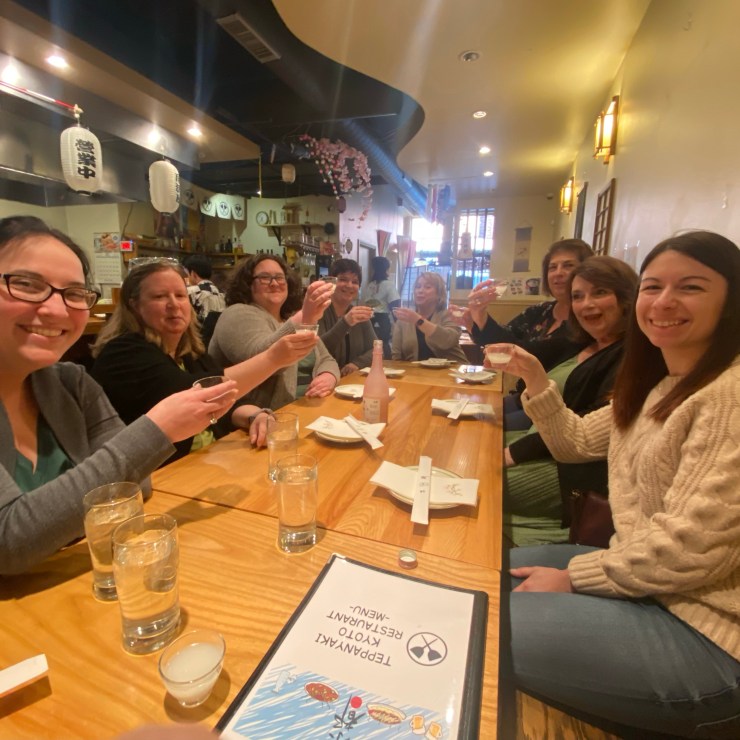
Just before leaving for Japan, we had a big pilgrimage pivot. Sometimes things don’t go according to plan. The transportation costs to Koyasan went up 70% which is way more than our emergency fund can cover, so our leaders decided on an alternative destination, Kyoto. A pilgrimage is about being open to whatever the God has for us. So we will be open, hopeful, and joyful.
Each day of the pilgrimage we read devotionally from Joan Chittister’s “Friendship of Women” and discussed inspiring women from scripture and our own lives. This book could be read anywhere by any group of women and probably deserves its own blog post, but for now, my favorite quote from the study: “Acceptance is the universal currency of real friendship. It allows the other to be the other. It does not warp or shape or wrench a person to be anything other than what they are. It opens its arms to hold the weary and hopes its hear to hear the broken and opens its mind to see the invisible. Then, in the shelter of acceptance, a person can be free to be even something more.”
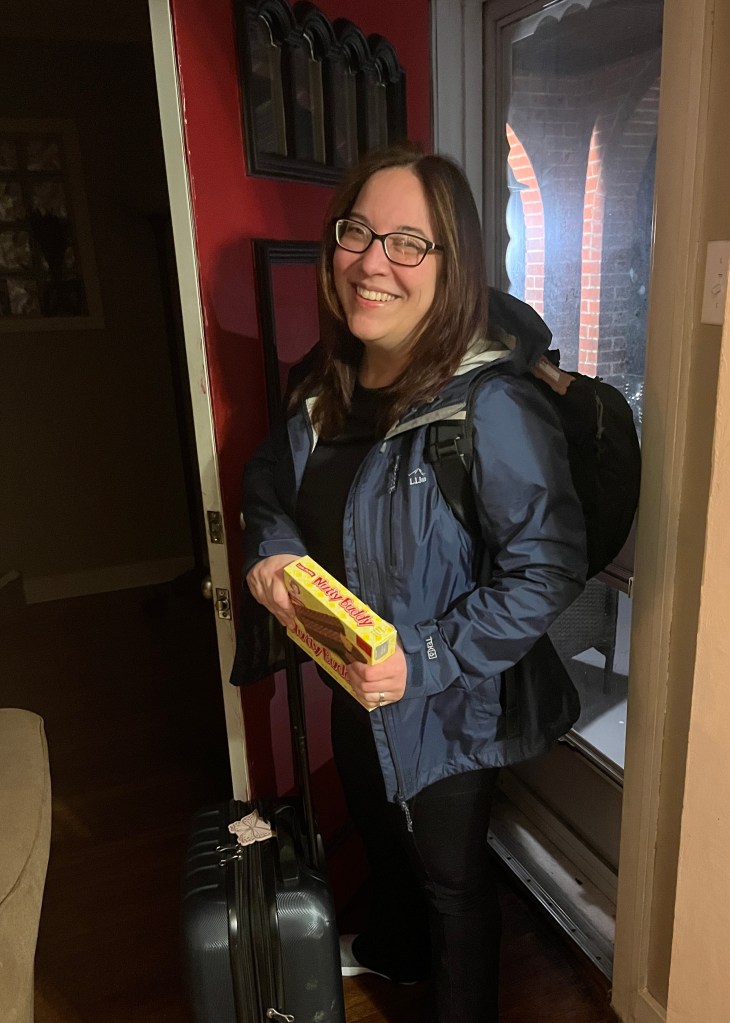
I admit I don’t eat them unless I’m away from home.
We left Pittsburgh on April 22nd and arrived in Japan on April 23rd. The goal was to stay awake until after dinner and hope to adjust to the time change. I’m not sure I ever actually acclimated. And it was difficult to find time to check in with family and friends at home. I was a wake in the middle of the night every night but it was kind of nice to text my husband and sister that first night when they both forgot what time it was in Japan… my body didn’t know either so it was fine. And I got to make jokes about sending messages from the future.
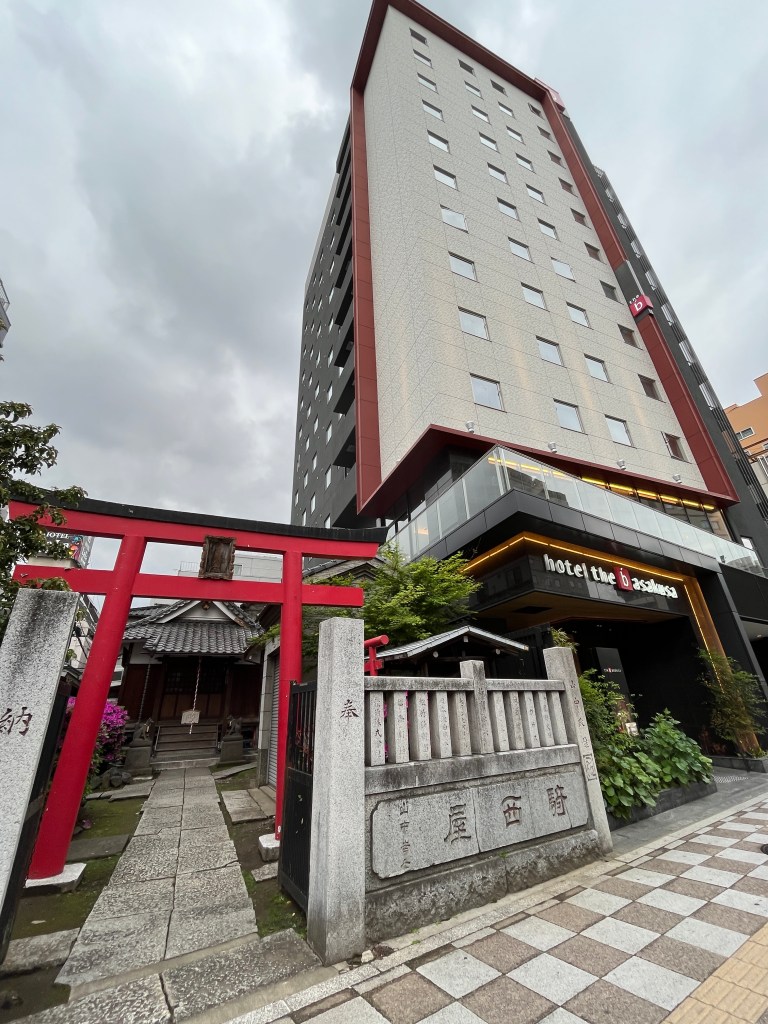

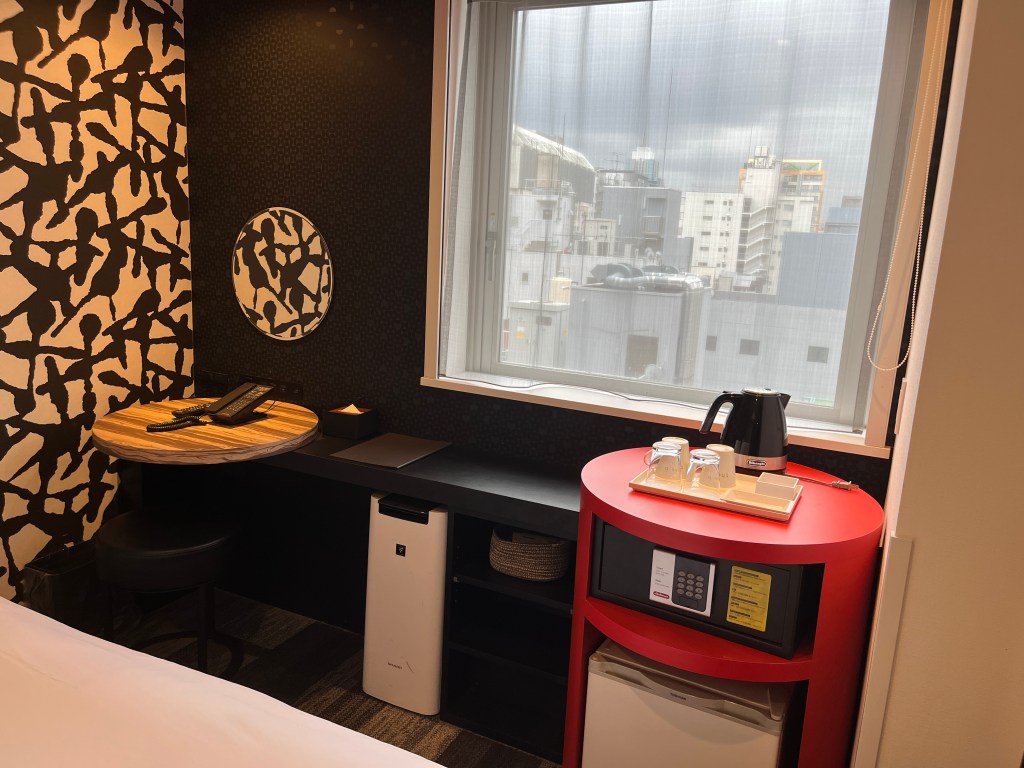

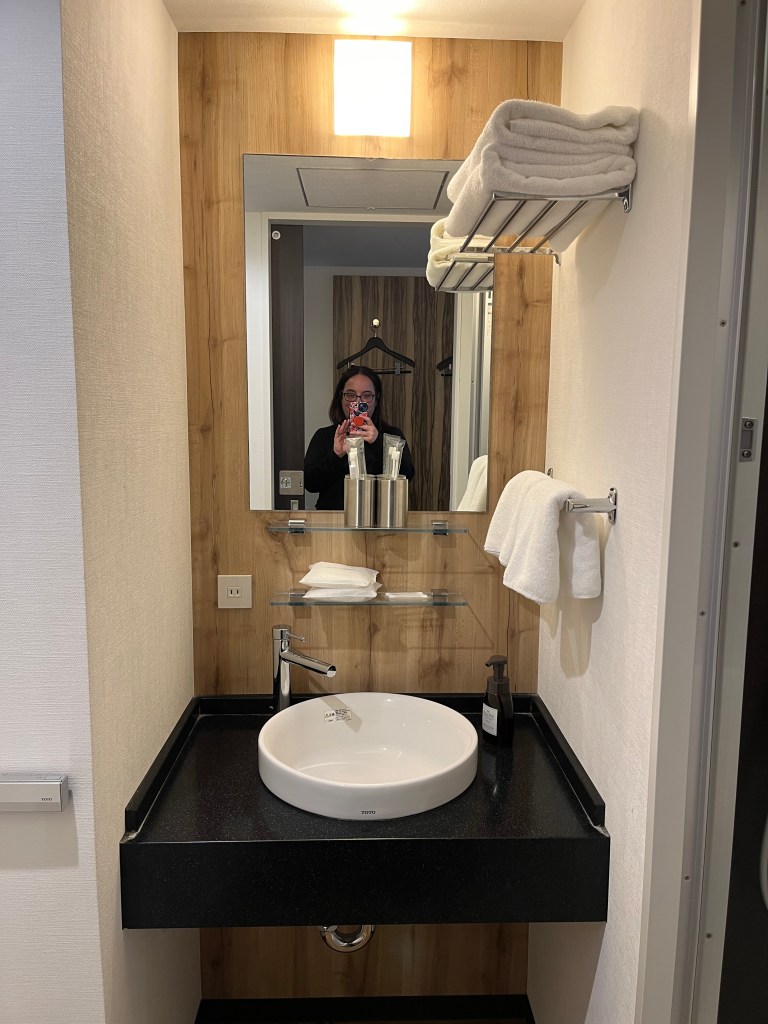
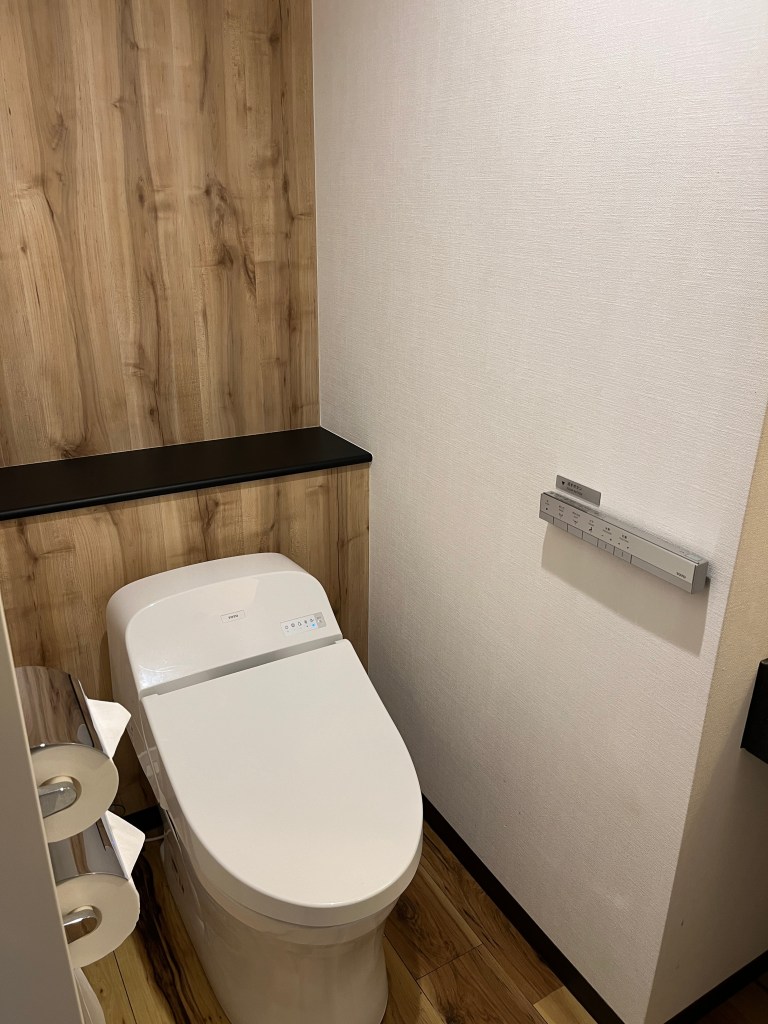
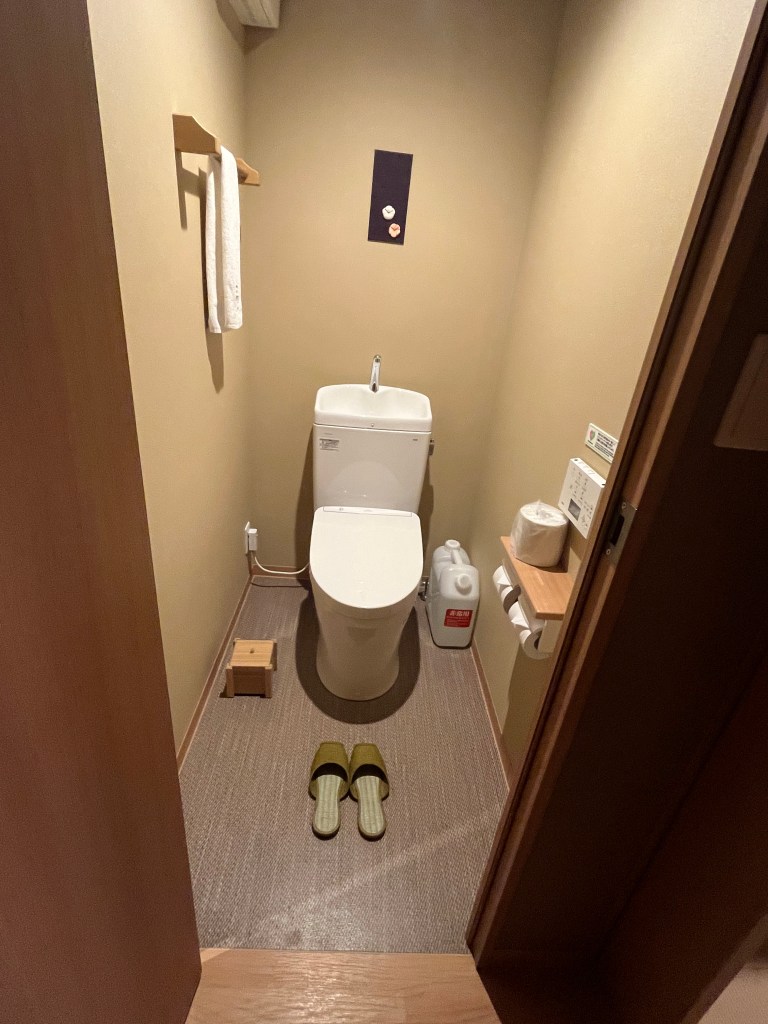
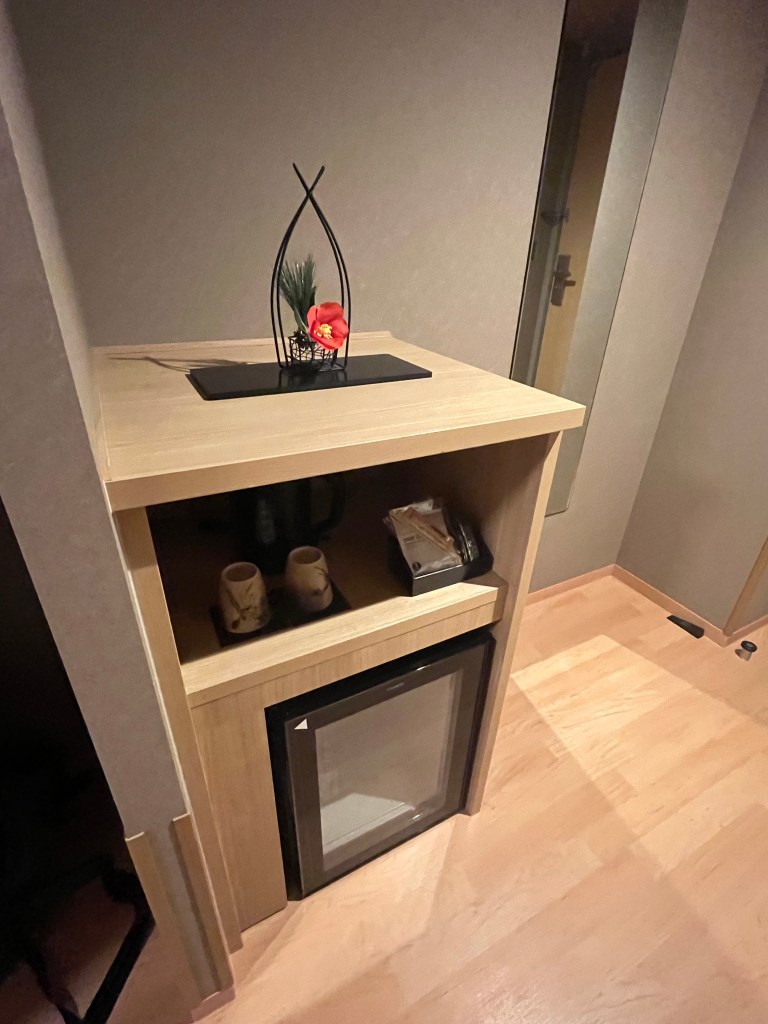
Our hotel in Tokyo had the most state of the art bathroom I’ve ever seen. This is a cushy pilgrimage.
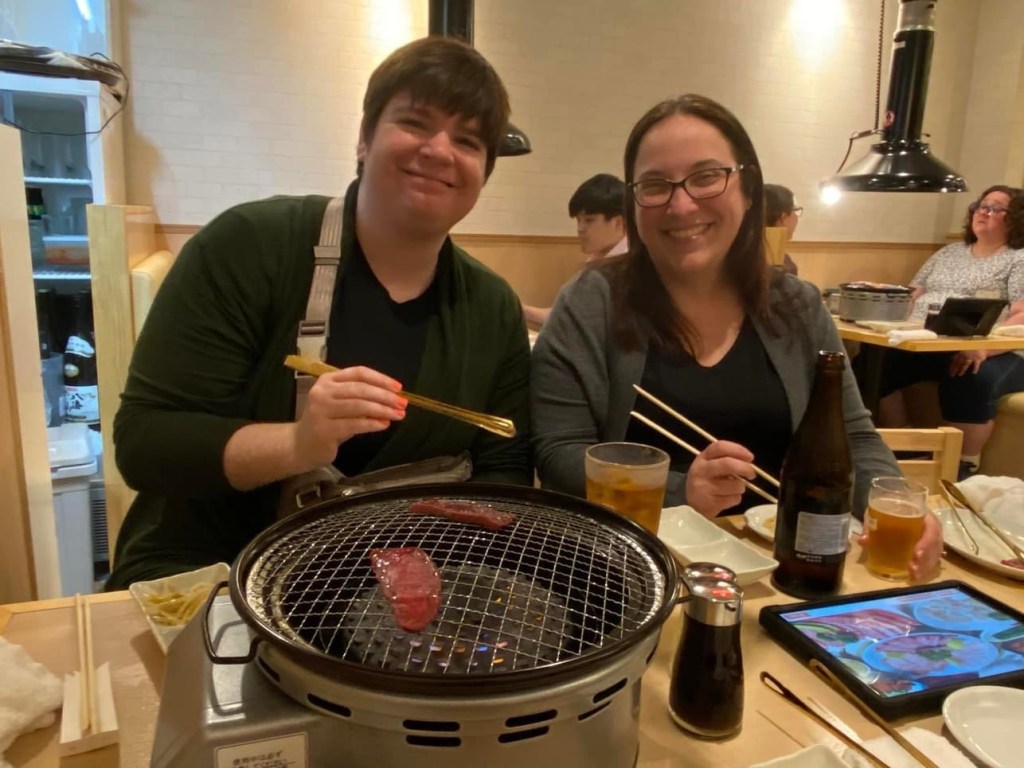
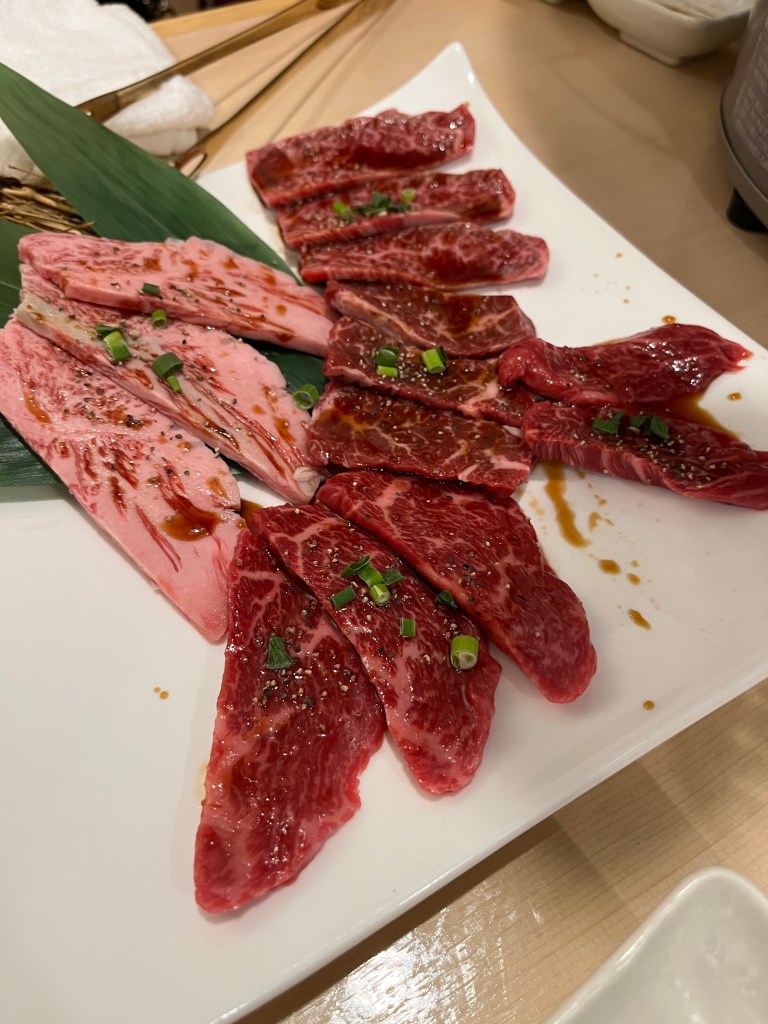

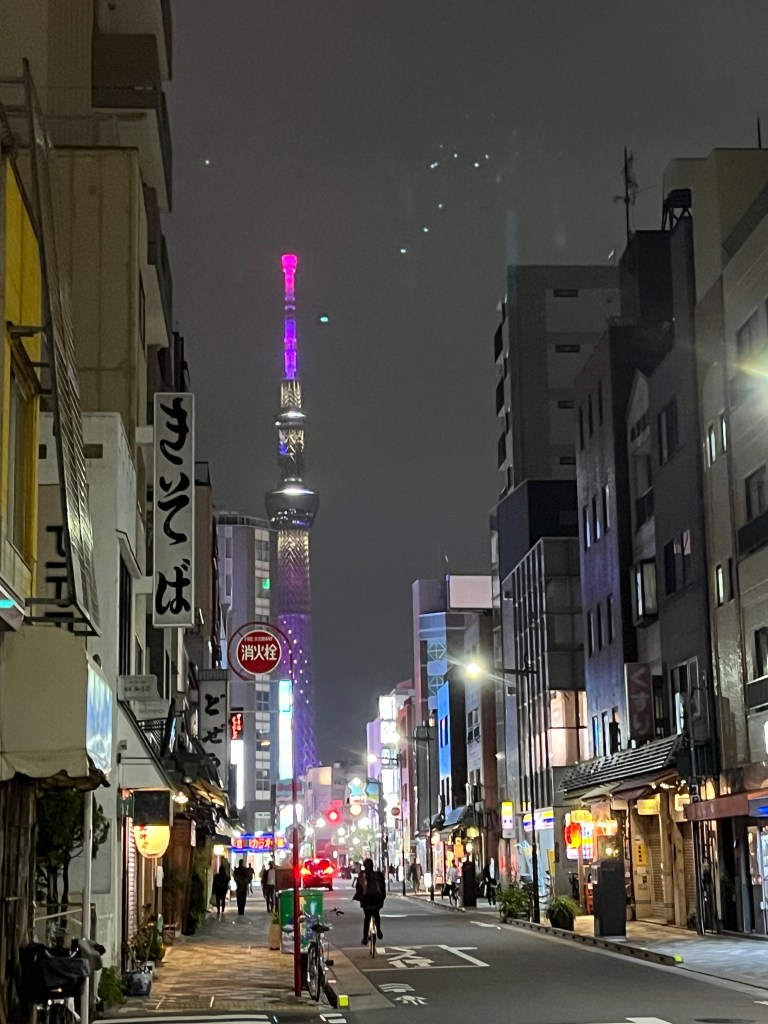
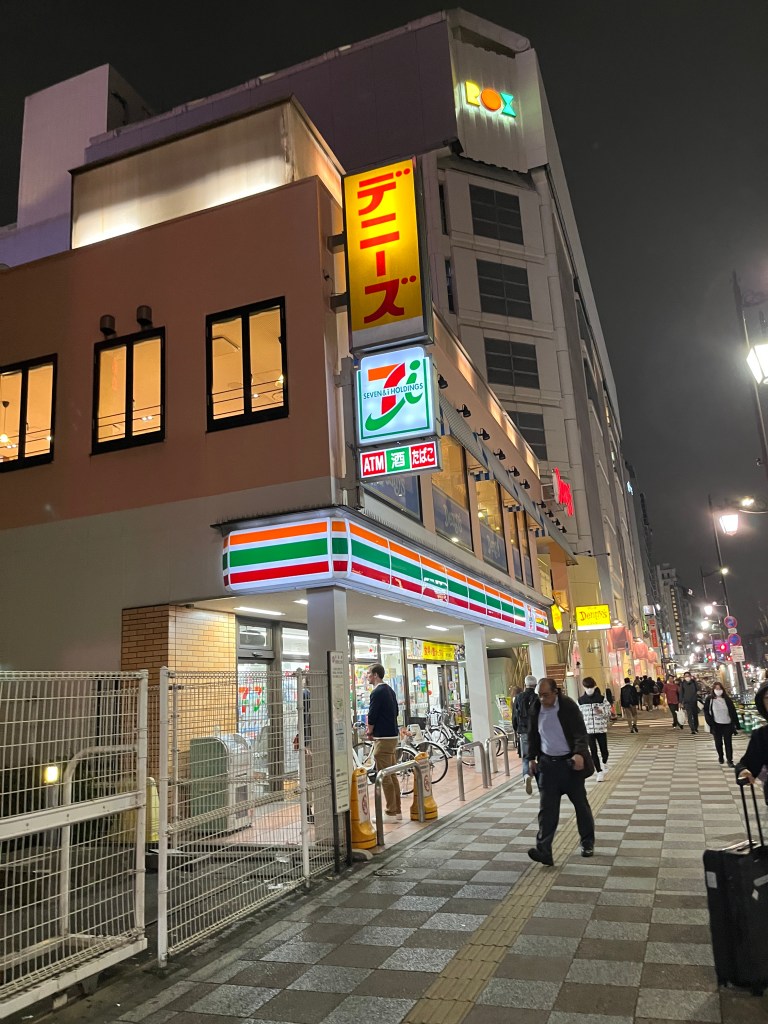
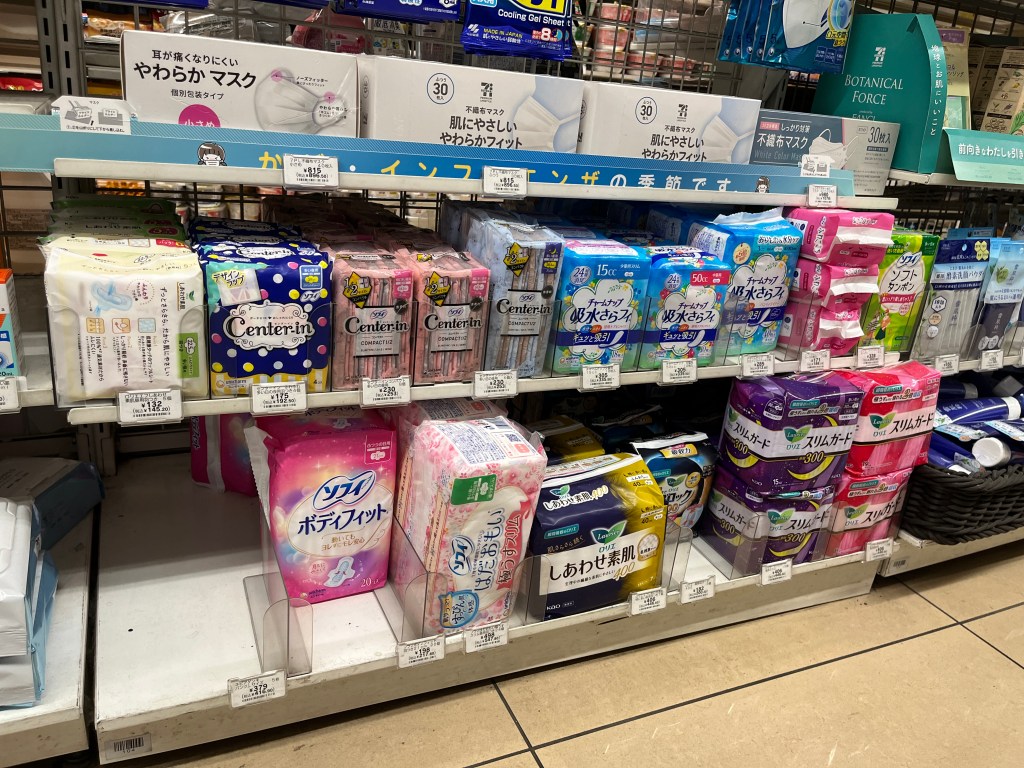
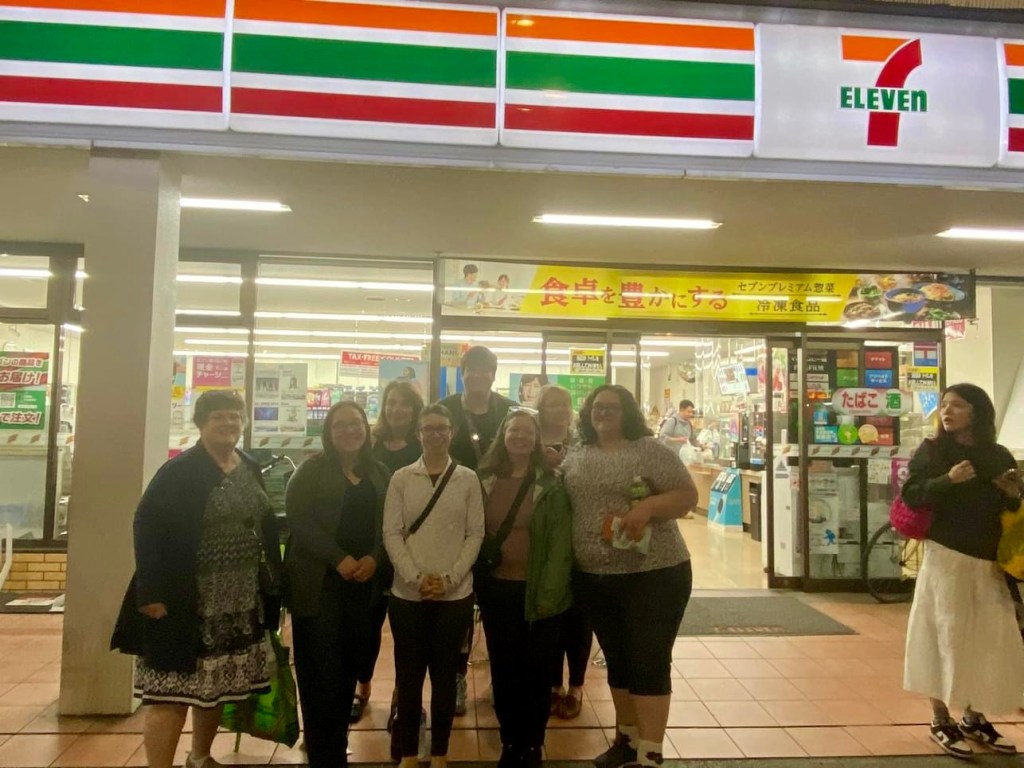
Dinner and a trip to 7-11. I had to check out what period products look like in Japan while we got some snacks. We popped into a 7-11 an innumerable amount of times on this trip. These convenient stores are amazing and so different than their counterparts in the states. I loved the strawberry sandwiches and the egg salad sandwiches best. Once I was able to find a package that included half a sandwich of each. I also bought a magazine with a gift inside (reusable tote).
April 24th:
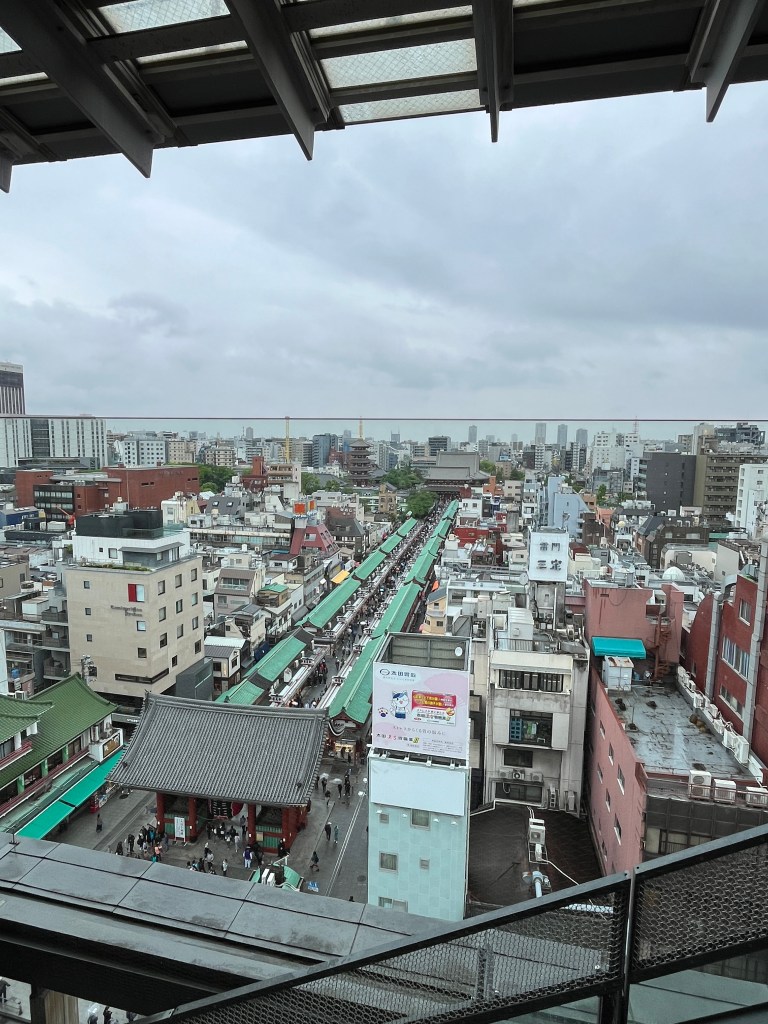
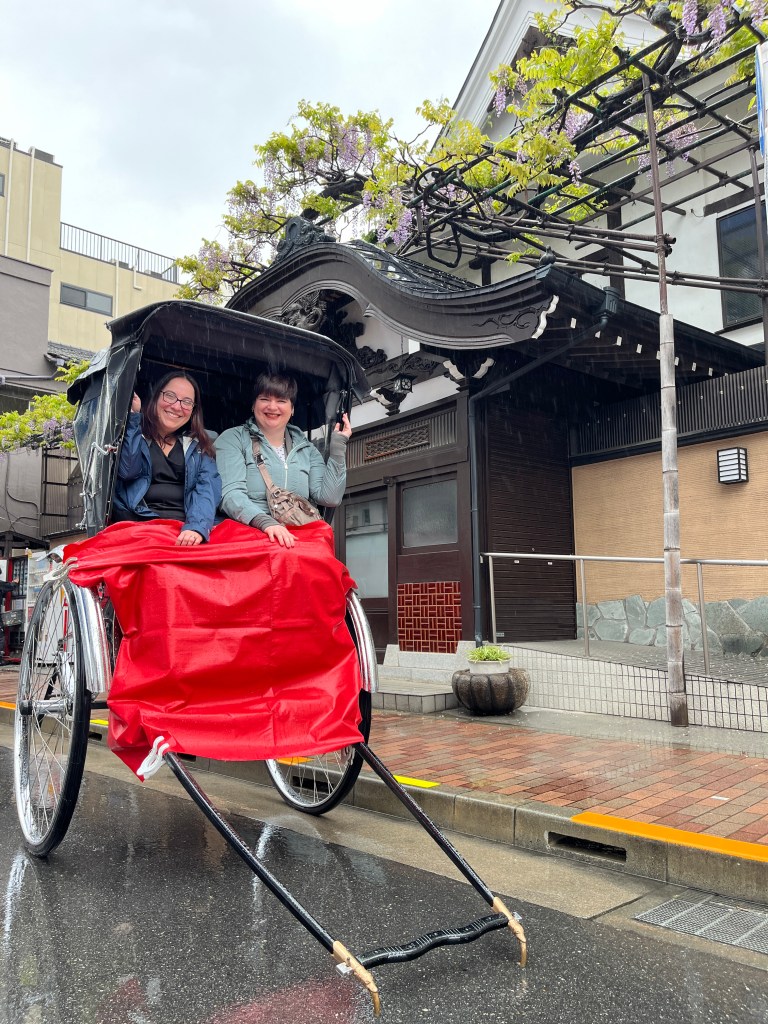
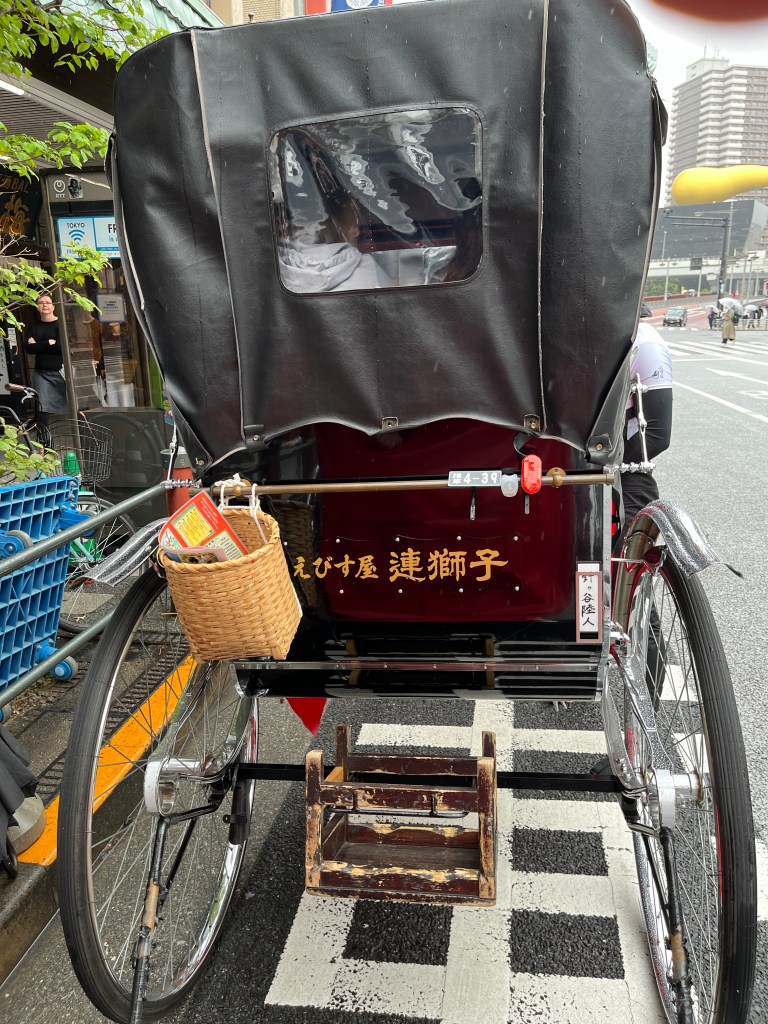
Our hotel included breakfast. It’s hard to call it breakfast because of the wide variety of foods most of which I would never think of as breakfast food. On the first morning I tried to pick things that seemed familiar and one brave thing, sea weed salad. I’m glad I tried the sea weed salad but once was enough. After devotions, we went to Asakusa, Tokyo(浅草)Sensouji temple complex observation tower to see the view and get a rickshaw tour of the area.
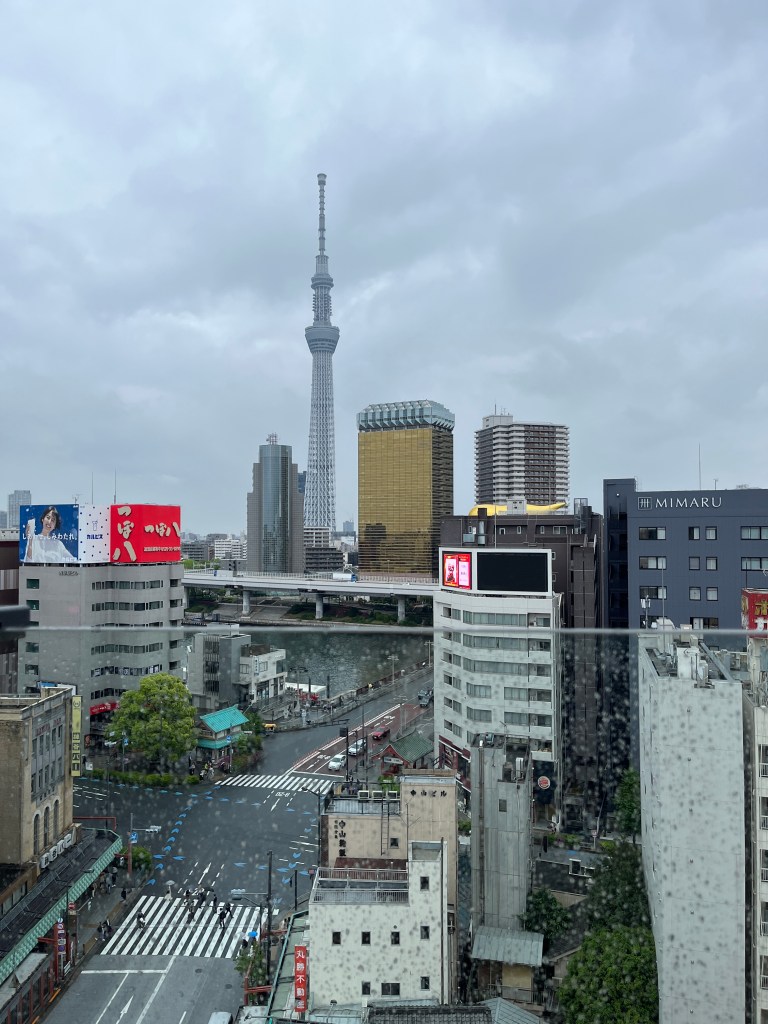
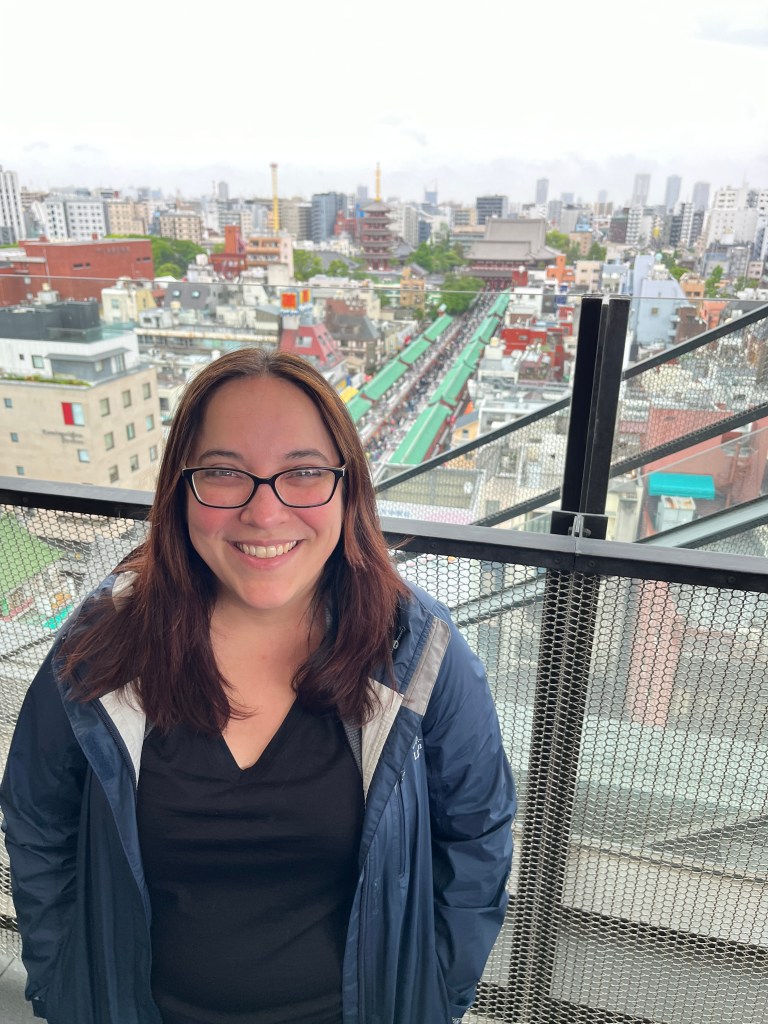
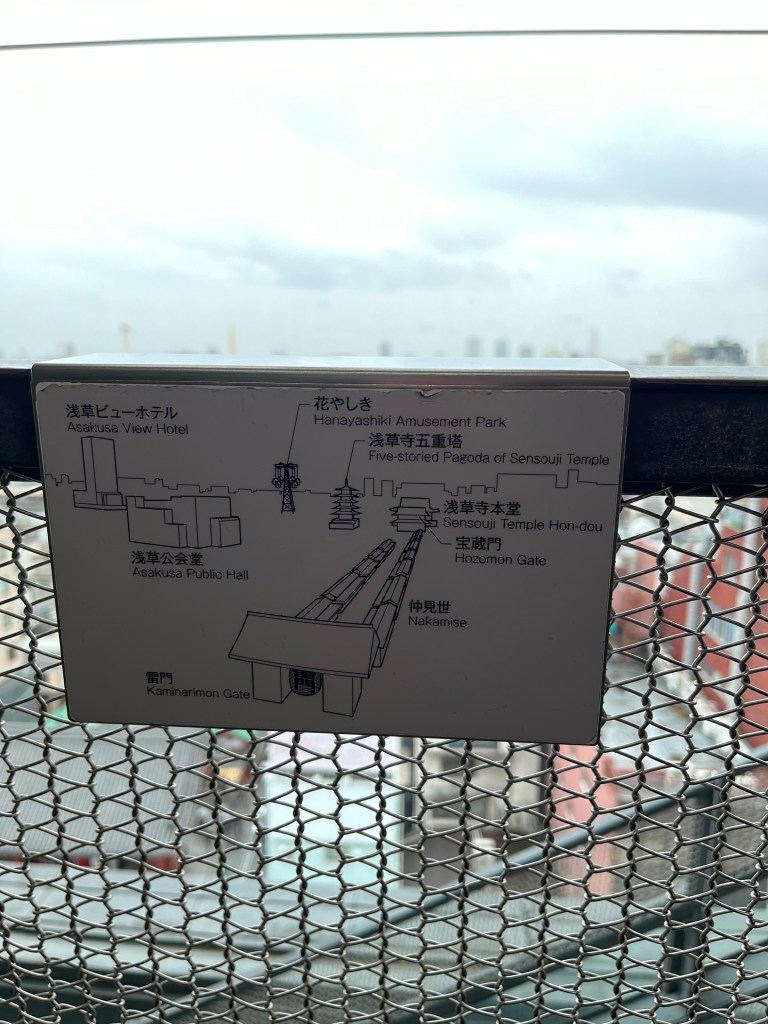
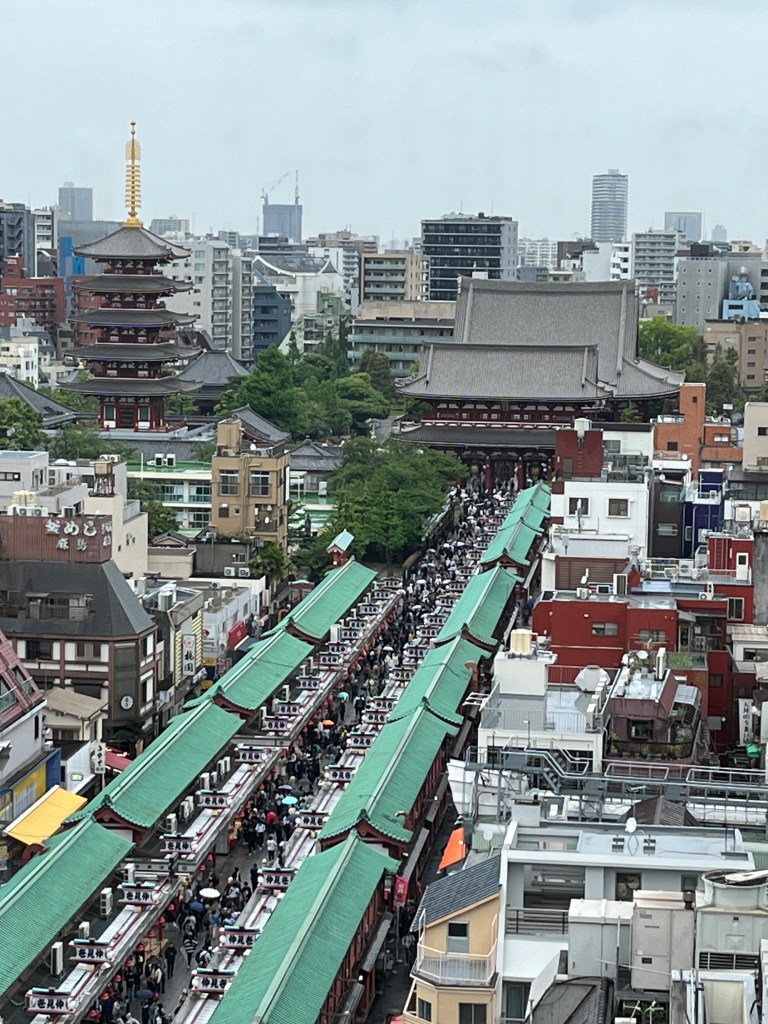
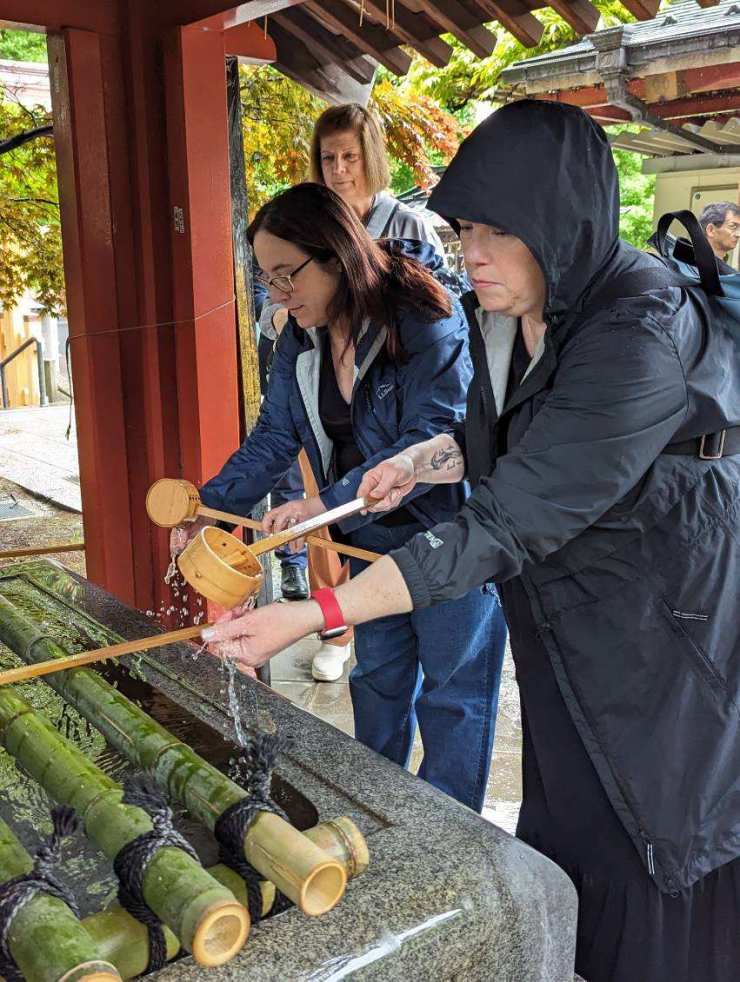
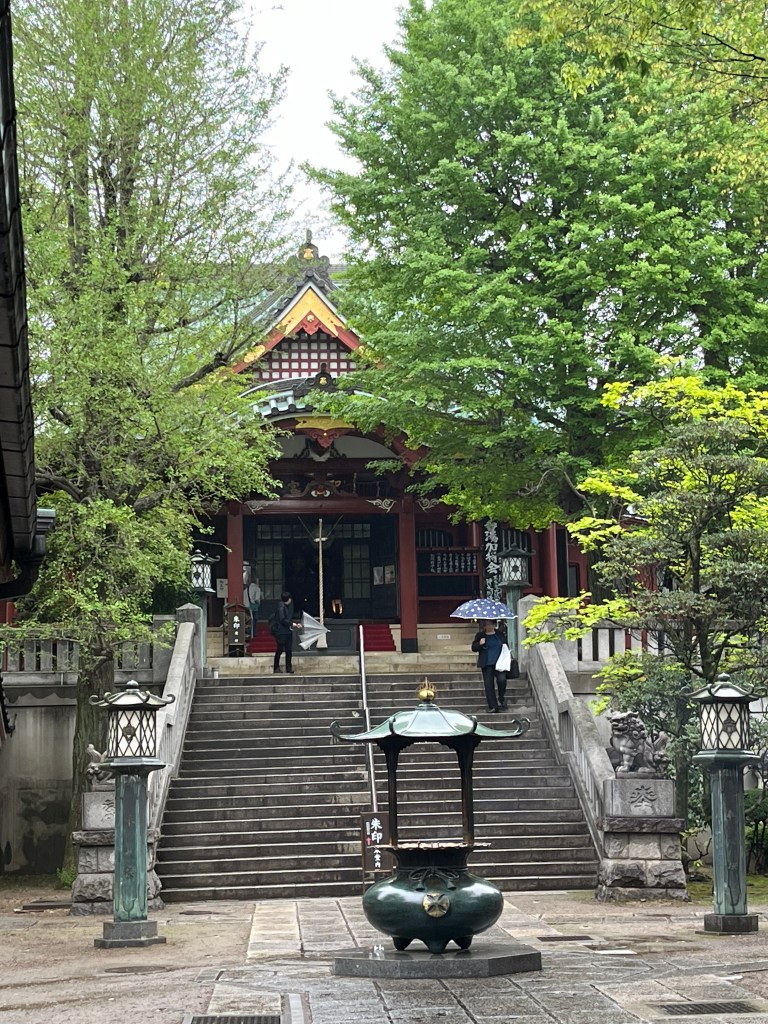
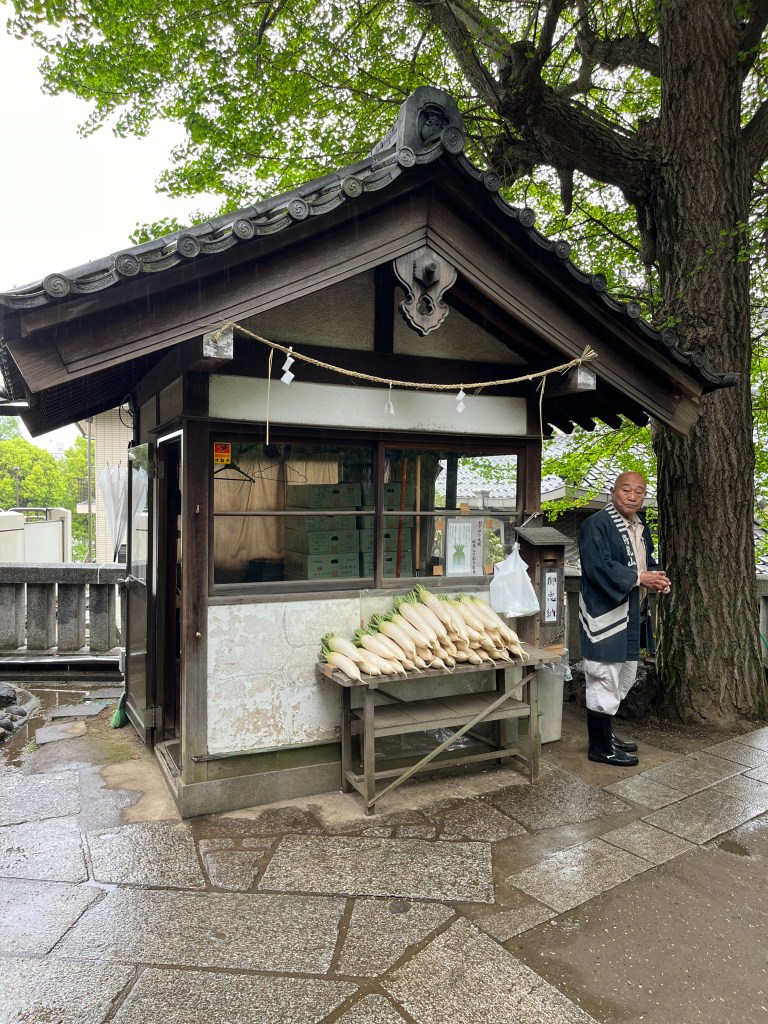
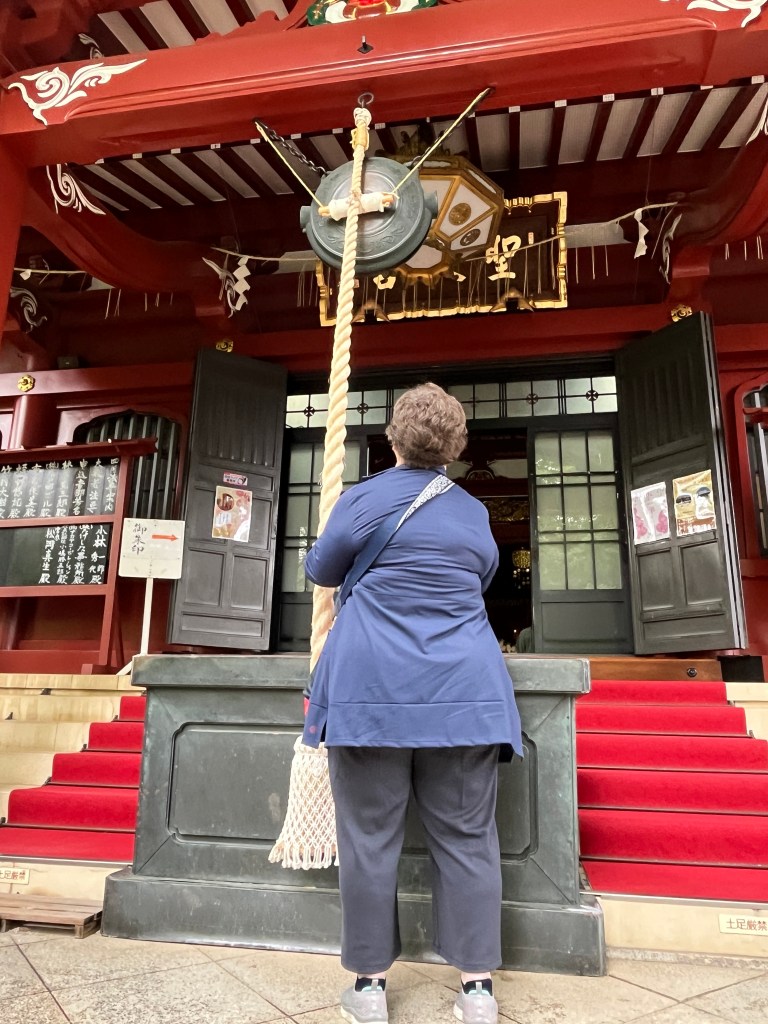
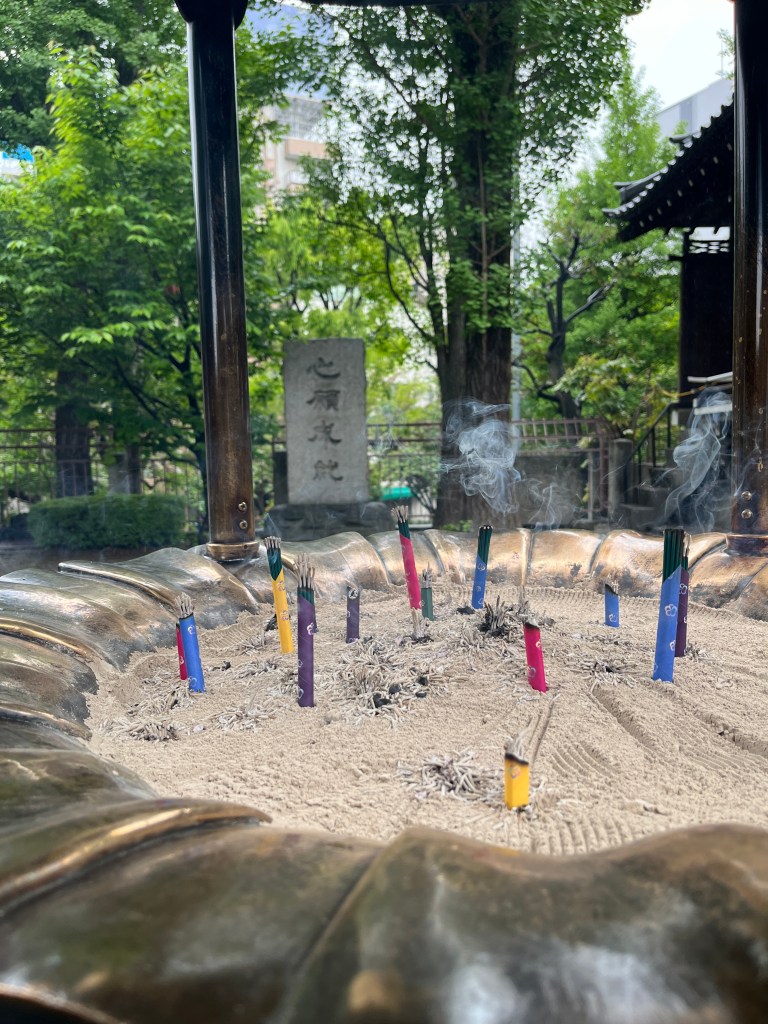
One of the stops on our rickshaw tour was Matsuchiyama Shoden where our guide gave us a quick description of the area and how to properly observe the rituals there. At the temples you use the dippers to wash your left hand, then right hand, mouth, and finally pour water over the handle and set it back in place for the next person. Incense and white radishes are optional. You place angry thoughts on the radishes then offer them to Buddha who eats the radish and takes away the angry thoughts. Our guide told us that Buddha likes radishes. (I thought about what food Jesus might like and landed on fish, and was glad there wasn’t a pile of stinky fish at the temple). Praying involves bowing, giving a coin, praying, and ringing the bell. The temple was peaceful, reverent, and a little light hearted (or at least our guides seemed to hold spirituality lightly).



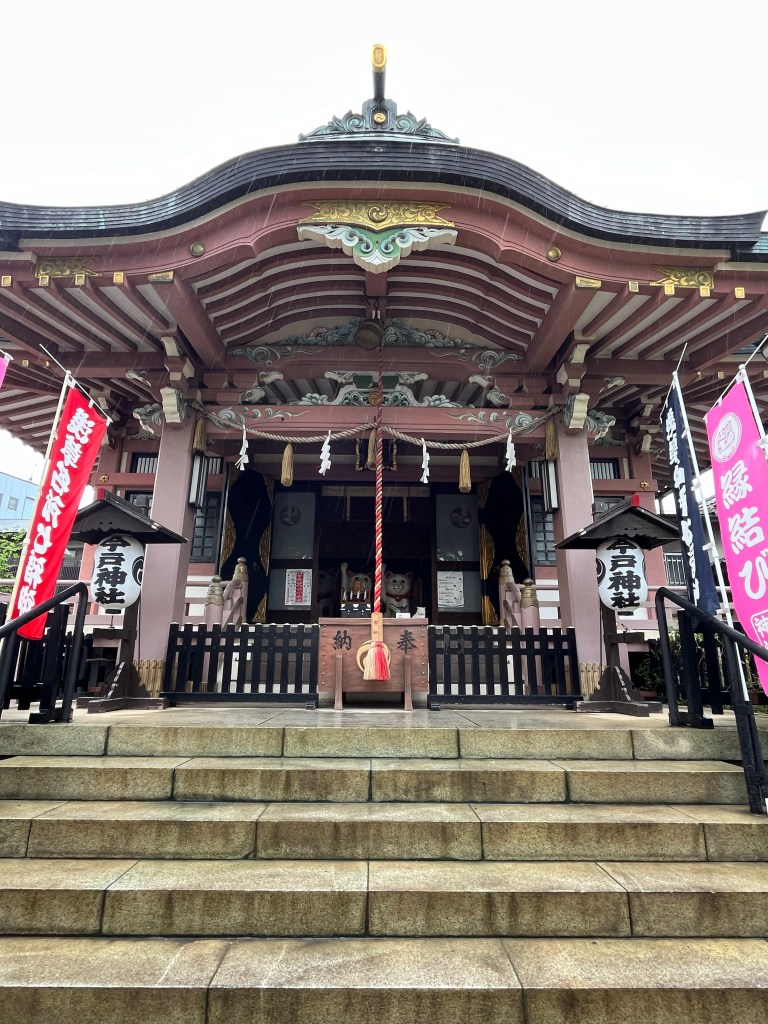
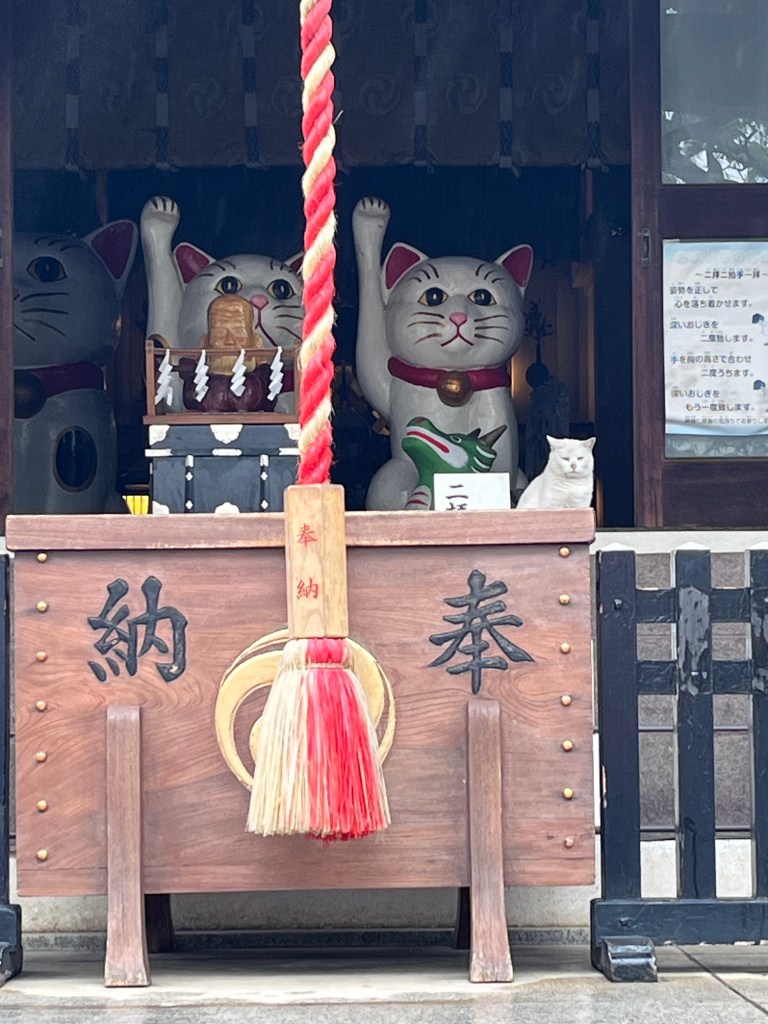
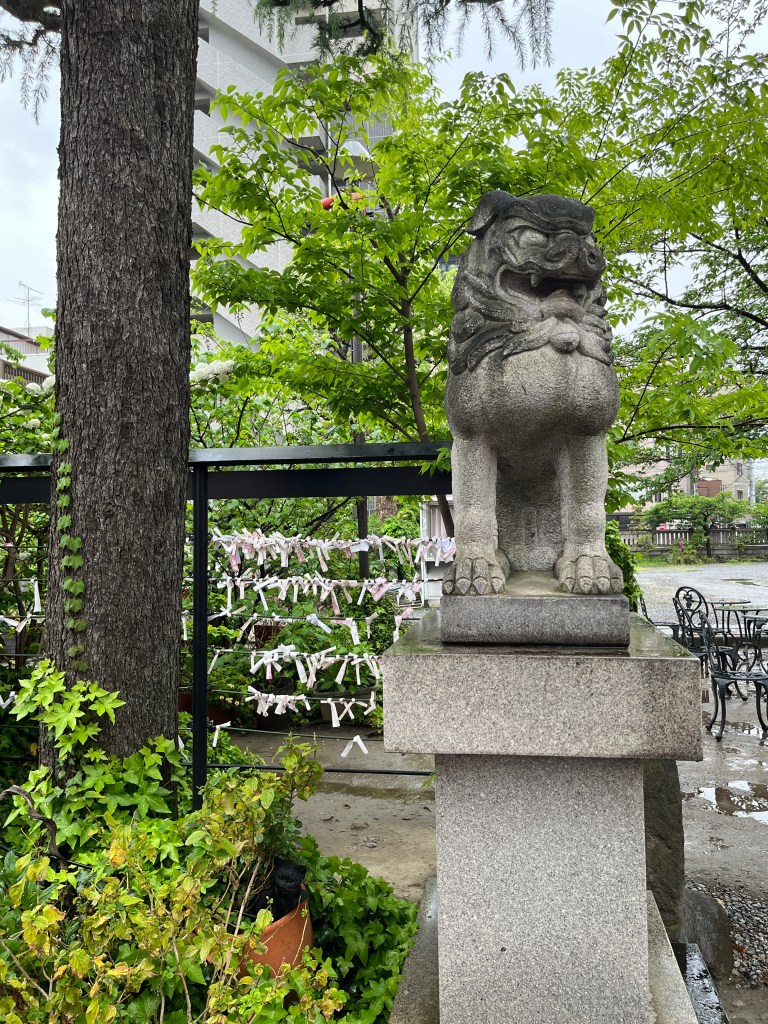
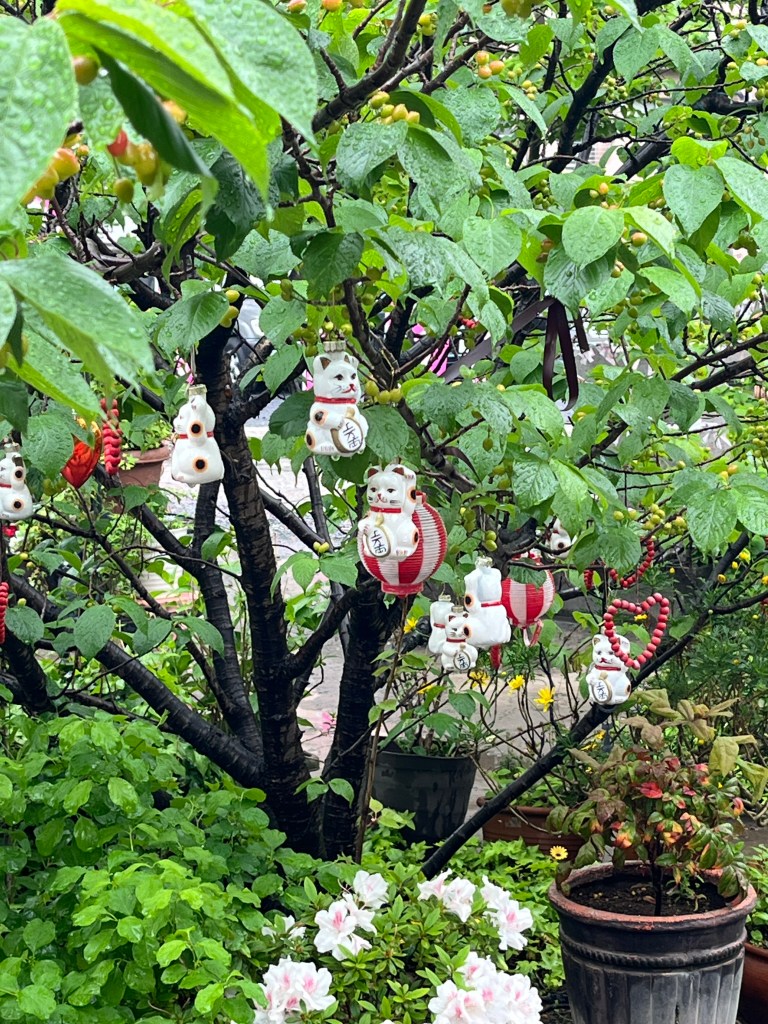
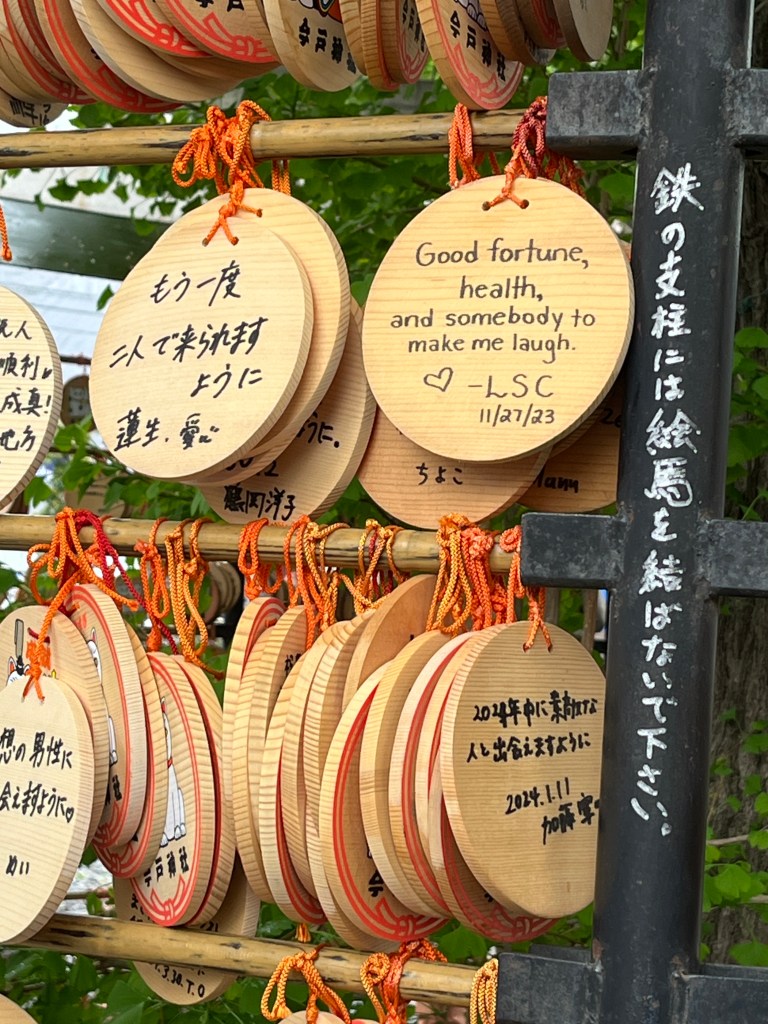
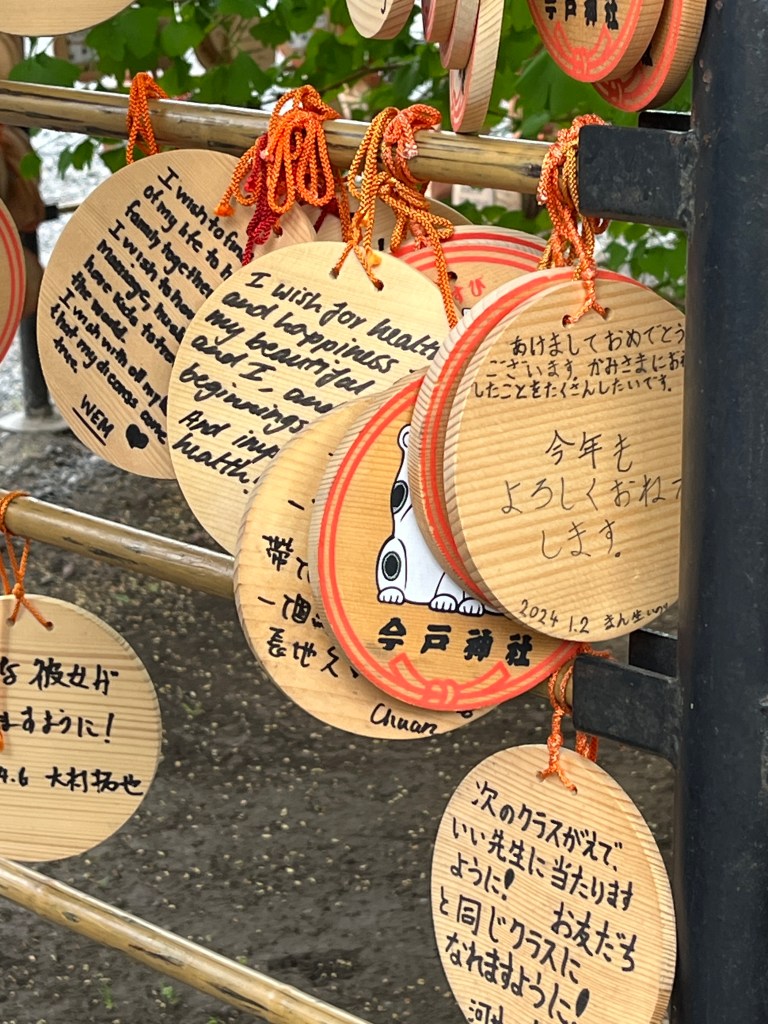
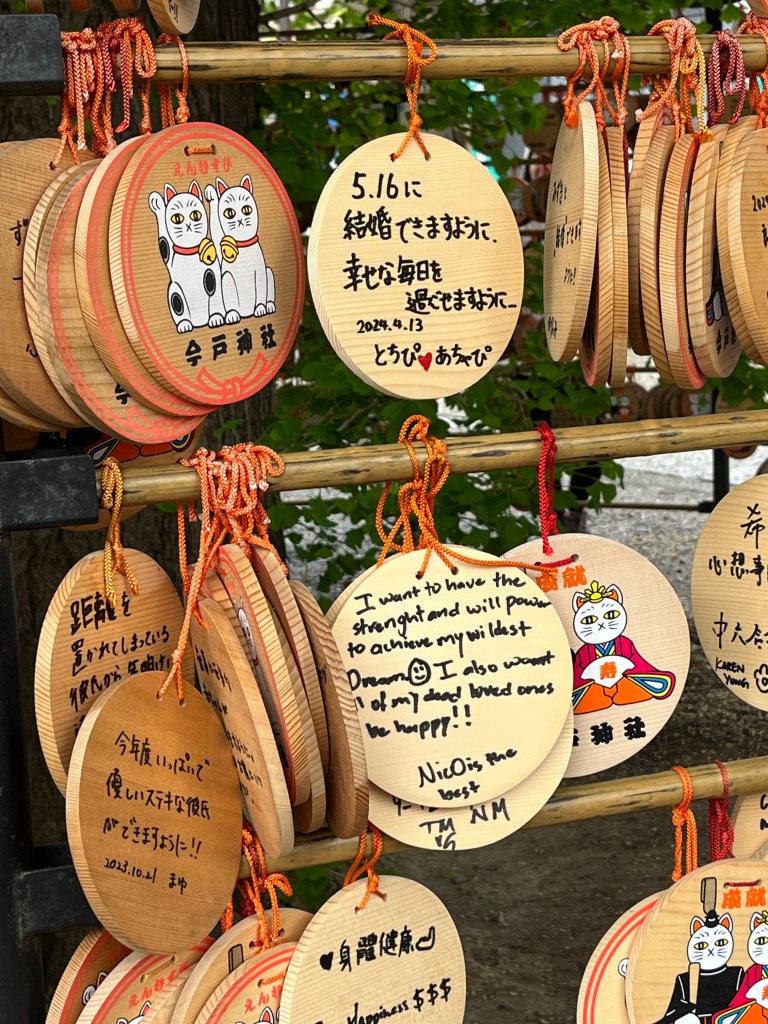
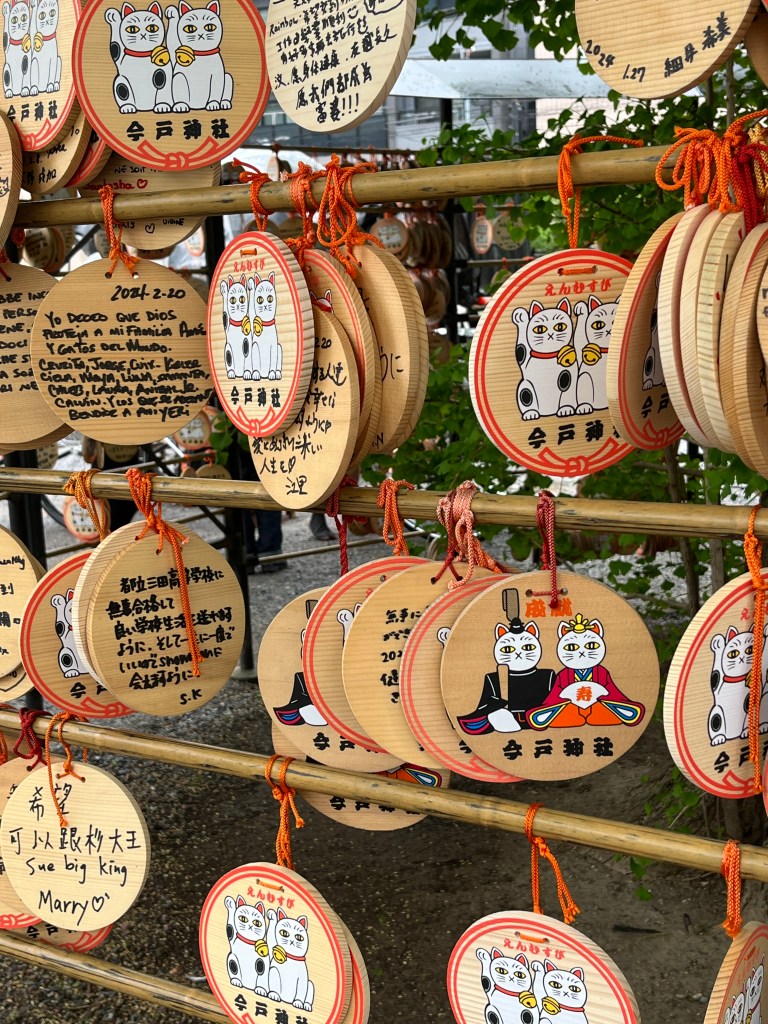
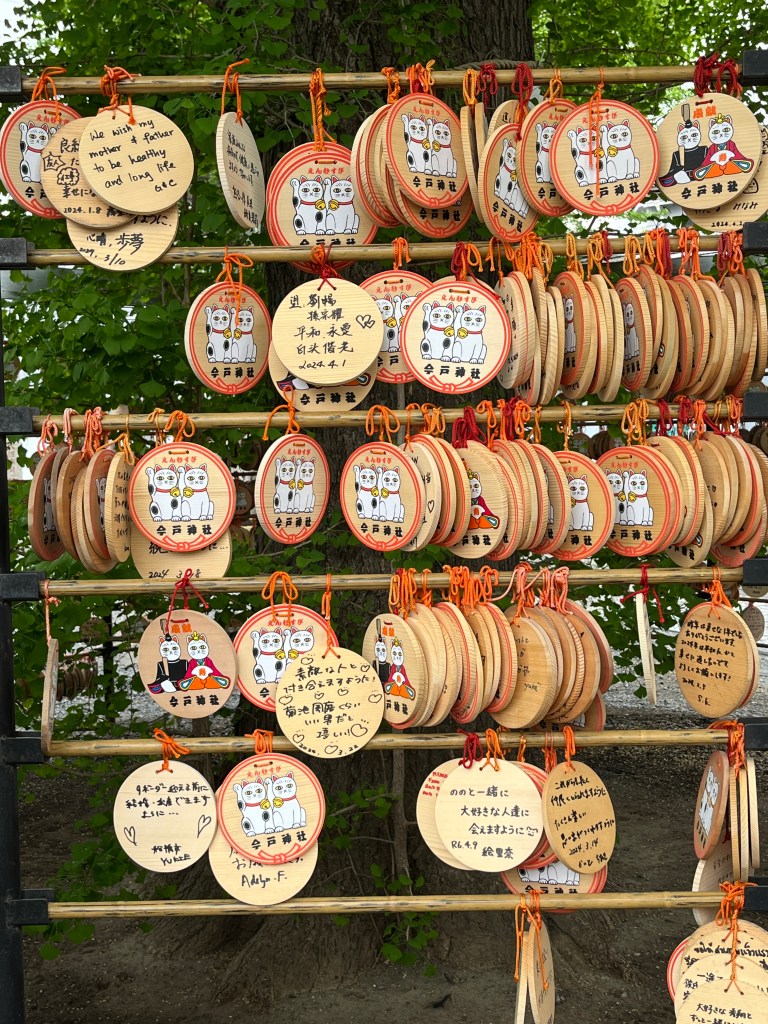
At the Imado-jinja Shrine, we saw tons of white cats (this is one of the places they are said to originate from, you can check out that story in the link). To our delight, there was even a real white cat at the shrine observing our visit. Our guide told us that this was the shrine to pray to meet your husband/wife/partner and to pray for prosperity. This shrine had a place to pray and ring a bell but felt a little comical with all of the white cats everywhere. I’m glad that the guide touched some of the wooden prayers left by visitors as I wasn’t sure if it was proper to touch someone else’s prayer or wish. I still tried to avoid touching them but when I wanted to read one, I felt like I could gently move it. Even in the silliness of the cats, there was a scared connection here. Maybe there is something universal about praying to find the right partner, or being thankful you have a loving parter.


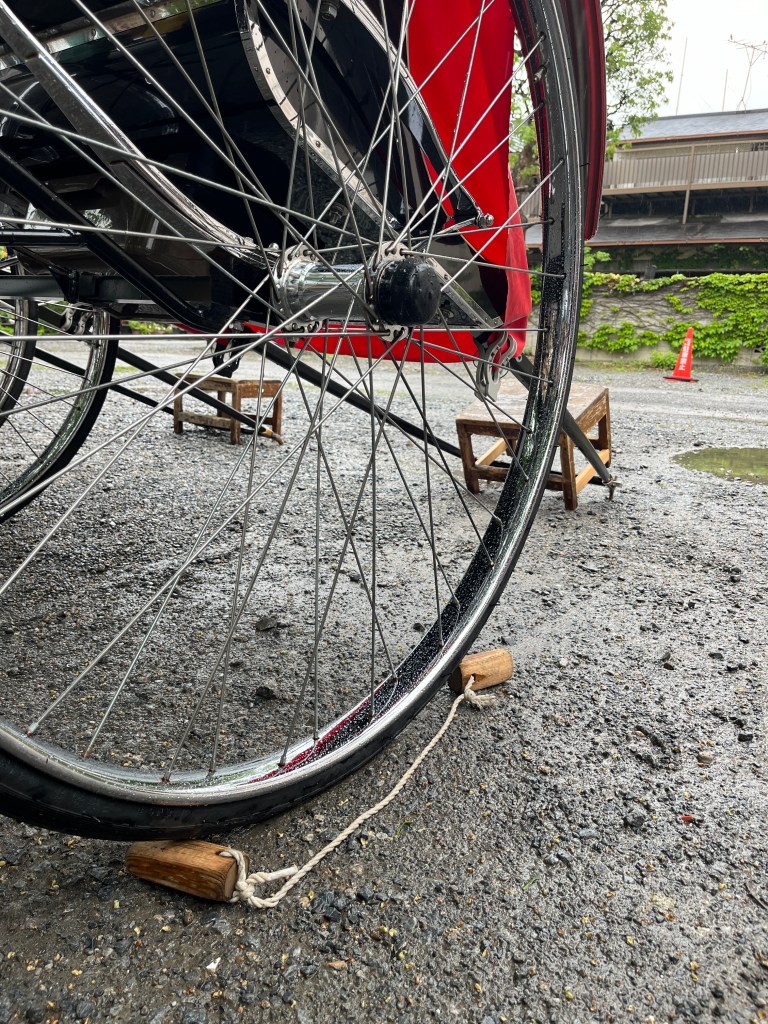
Rickshaw pictures:
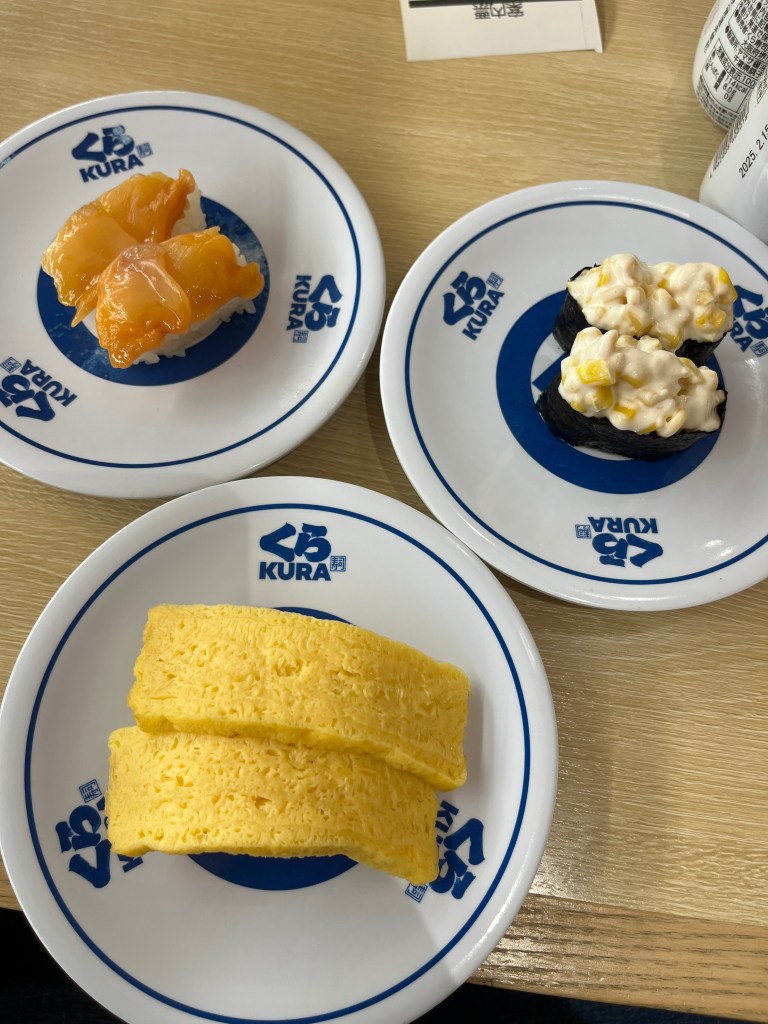
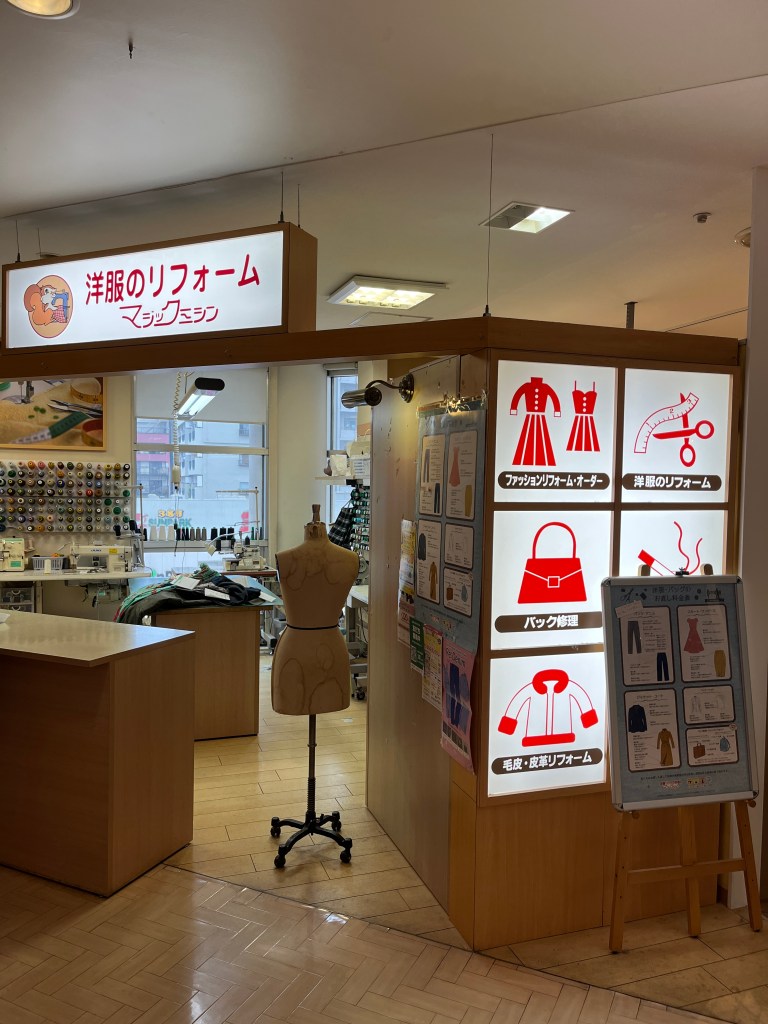
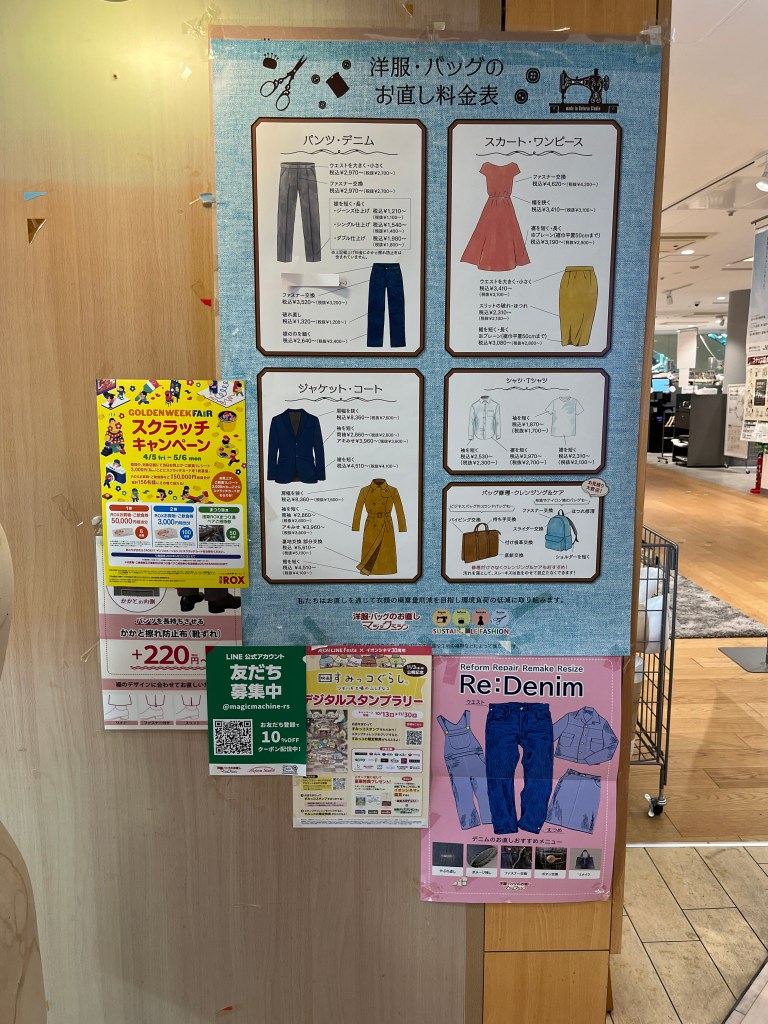
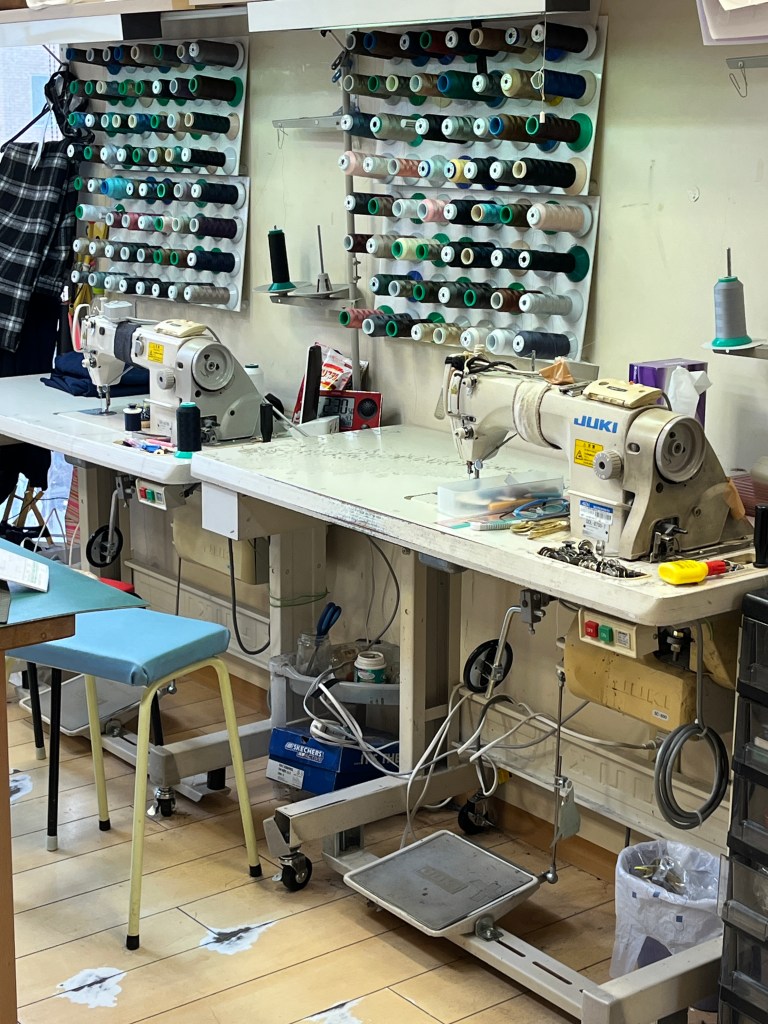
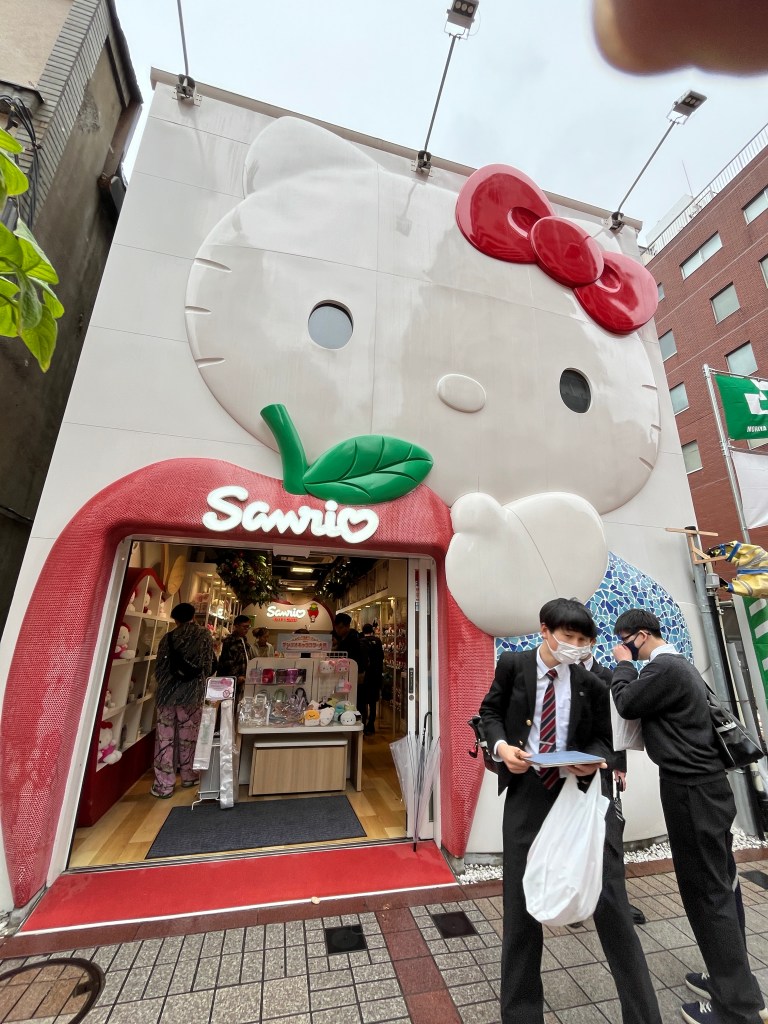
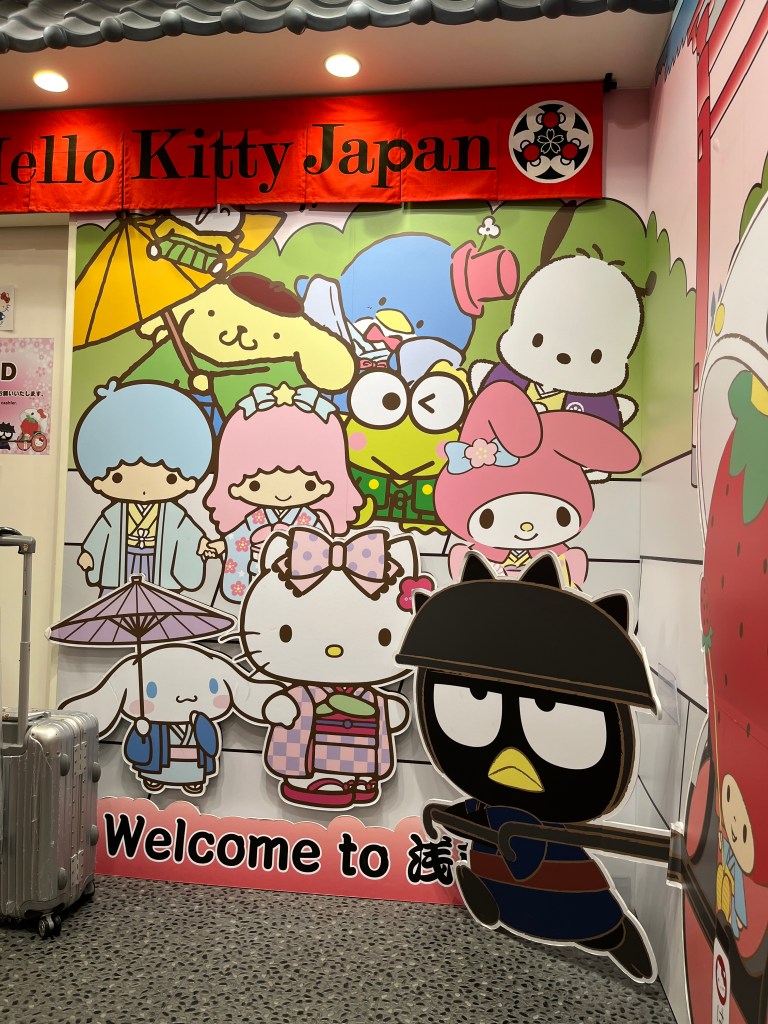
After the tour, we had some free time for lunch and exploring the local shopping district. I went with a few people to conveyor belt sushi. It was interesting. I was able to find a few things that were cooked but couldn’t bring myself to eat raw sushi. I know, I went to the place with the best sushi in the world and couldn’t do it. Sushi fans everywhere are exasperated by me. But luckily, I was with a kind group of fellow pilgrims and we always honor do our best to honor our bodies on these adventures even if that means we miss out on an experience. A year later, I’m still glad I listened to my gut at lunch time. Our after lunch shopping was mostly browsing and observing how different shops are set up. There was a tailor shop located in the department store. Very convenient, and definitely conveys the idea that clothing isn’t meant to fit perfectly off the rack. It reminded me a little of the animal crossing tailor shop (In fact, I was reminded of little things from the game all over Japan, and I had to play the game a little when I got back home just to see if I could pick up other Japan connections). I happened to notice a vending machine for fresh squeezed orange juice. It was delicious and definitely worth the delight of watching all of the mechanisms work to make it happen. It was probably one of the more expense drinks I purchased. We popped into a very cute hello kitty shop. It was full of teenagers. With the amount of phone accessories and other teenage/adult items, the store was definitely catering to an older audience than I imagined. But, here I was enjoying the nostalgia too.


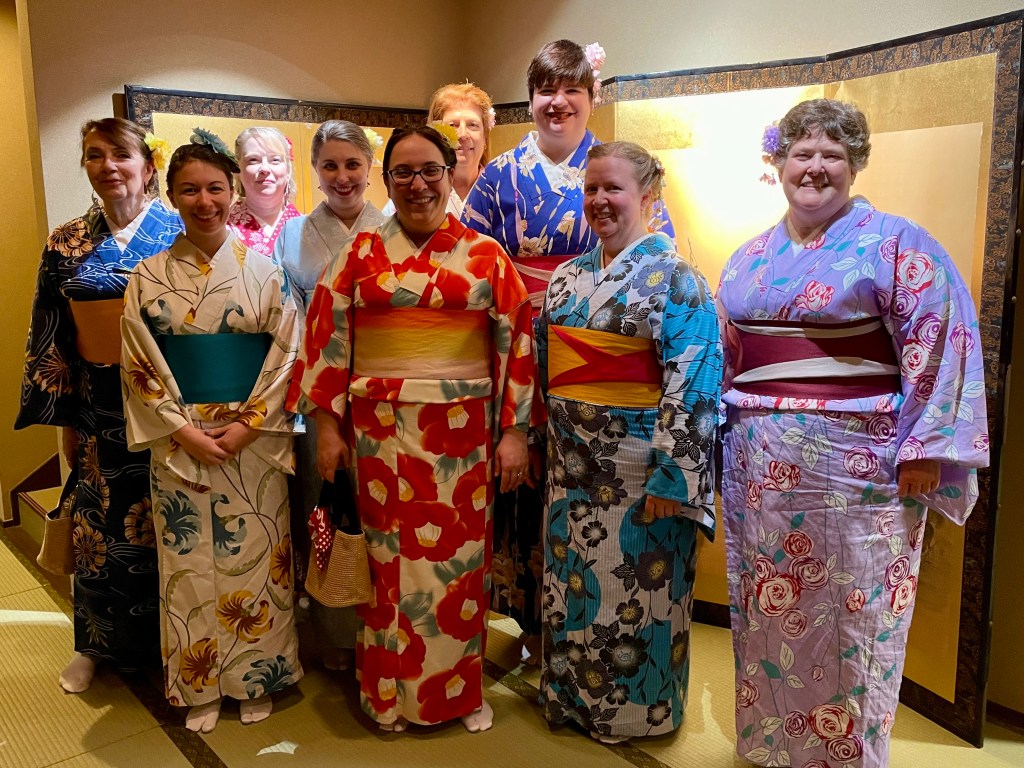
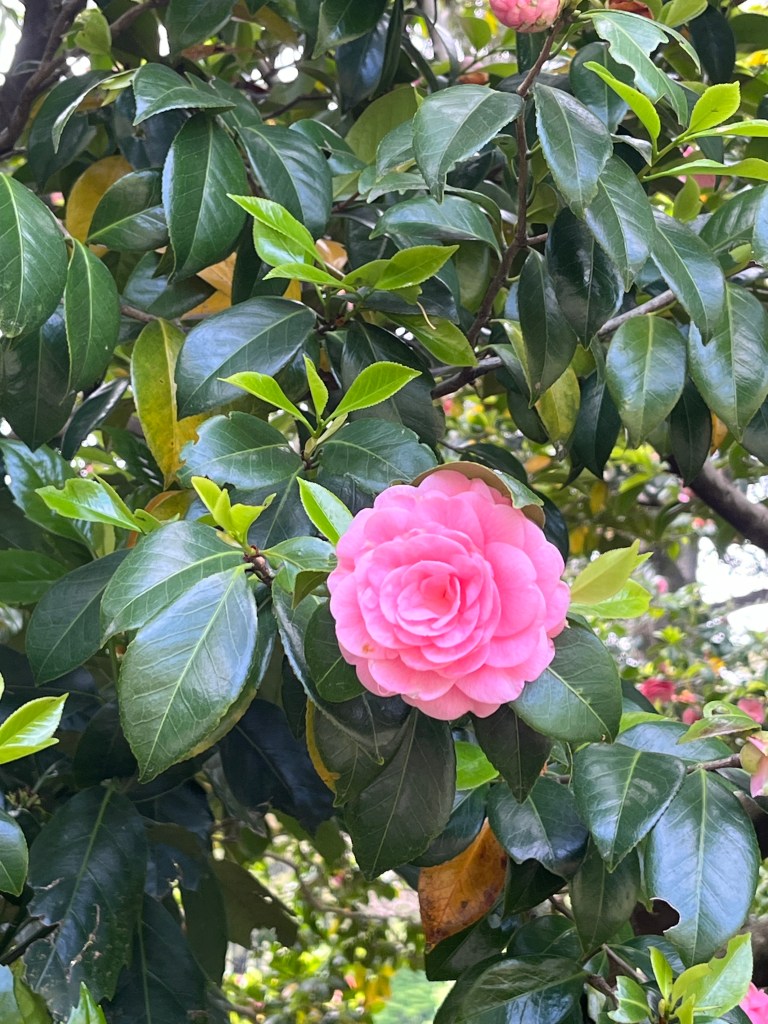
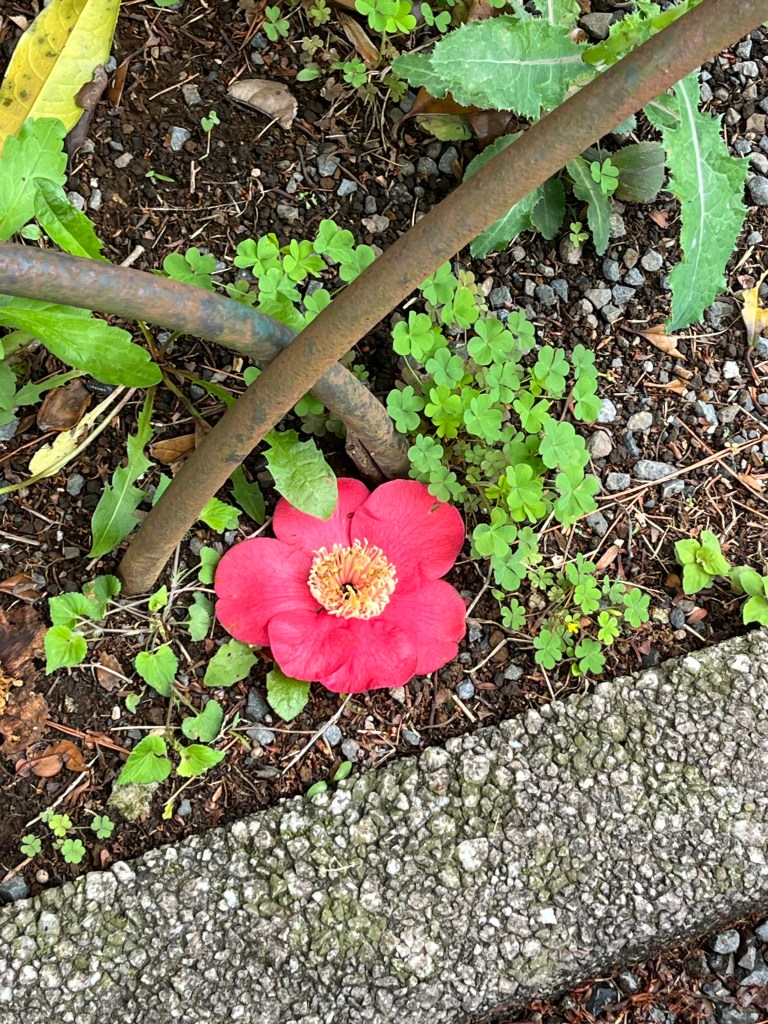
The Kimono experience was a little overwhelming because there were so many Kimono’s to choose from, plus the sash and hair accessories. I chose a Kimono because I was drawn to the brightly colored flowers and the lady checking in with me told me it was a good choice and that the flowers were deeply meaningful. At the time, I was overwhelmed and didn’t catch everything she said but later looked up the Tsubaki (Red Camellia) flowers. I kept seeing these flowers throughout our pilgrimage (like the poppies that seemed to be everywhere in Italy reminding me of my pilgrimage intentions). I bought a picked of fabric similar to the Kimono at a shop in the Nishiki market later on in the trip. “Much like in China, the camellia (aka tsubaki) is often a symbol of strong love. However, these flowers also hold other symbolism. Traditionally, camellias were tied to samurais. These military warriors looked upon the winter-blooming camellias as symbols of bravery and strength against all odds. Samurais also took meaning from the sudden way these flowers die. As other flowers slowly lose one petal then another, camellia flowers quickly and fully fall from the plant. Samurais hoped the camellia’s quick death would mirror how they killed their opponents. Since samurais had special relationships with camellias, Japanese people often used these flowers to honor fallen samurais.” quote from the website linked above.
After choosing the Kimono, I picked a sash, changed into a short robe, and then two (or three) ladies began dressing me in the Kimono. Even though I knew wearing a Kimono meant lots of layers and folding and fillers, etc, it was still overwhelming and triggered body image issues. The mean voice in my head was telling me that the ladies dressing me were judging my body and that I should be worried about the Kimono fitting me and that I would have to start the entire process over again with a bigger Kimono. It’s taken a long time for me to be able to identify this voice and talk back to her. She never tells the truth and she’s always mean to me. Eventually, I can tell her to shut up and remind myself that these are really sweet people who are excited to share their culture with us. Of course, they aren’t talking about me, but probably talking about things like, hand me that ribbon, if you fold the fabric I’ll fasten it, etc. directions to make the Kimono style happen. At a couple of points they even checked in with me to make sure I was comfortable and felt okay in the outfit. My face was probably not hiding the inner dialogue as much as I was hoping it would. Less then two minutes after the Kimono was on, they fixed my hair in an up-do that looked like it took an hour or more. They called me beautiful and my nerves were finally starting to settle. I was one of the last ones finished and into the room with the other pilgrims who oohed and awed when I walked through (because we are women who cheer each other on). We checked each other out and remarked on the beautiful patterns and hair-dos and took pictures. All of us looked like pillars of strength and beauty.
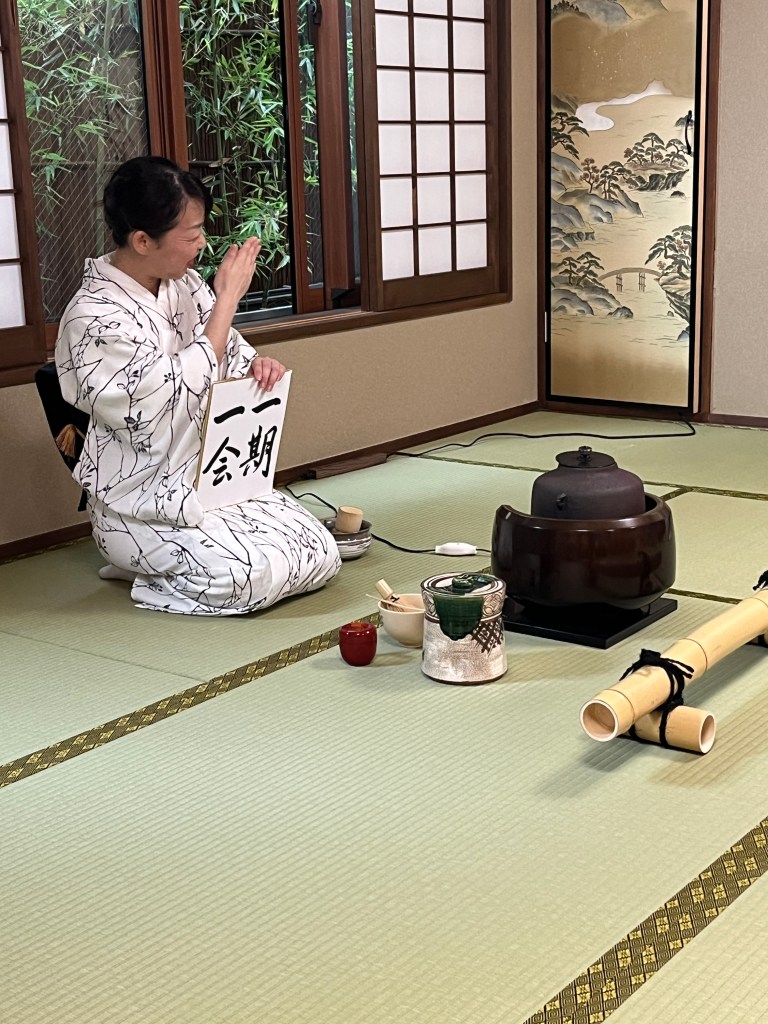
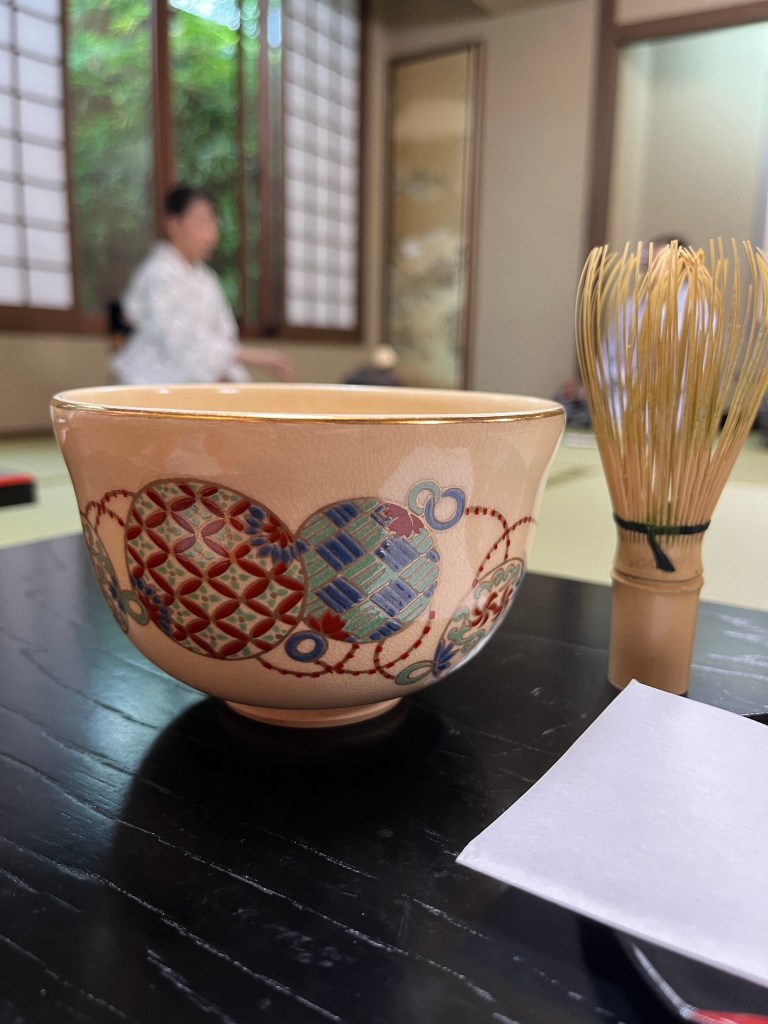
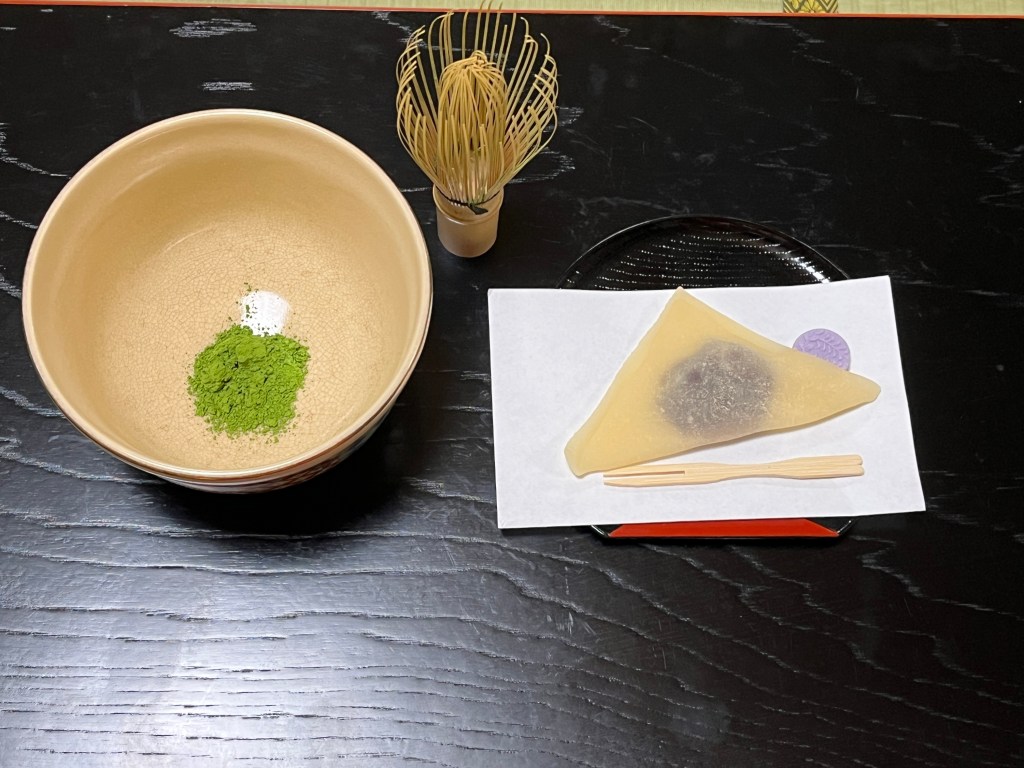
Properly attired, we entered the tea room. In many ways, the tea ceremony was like a mindfulness practice. Our host told us that this tea ceremony is a one time experience, as is every moment. Even if we do another tea ceremony it will never be the same as the present moment. So notice all the details and use all senses. Be fully present. To demonstrate her point, she showed us two Japanese characters that meant one time and one meeting. She moved intentionally and gently explained how each precise movement enhanced the taste or contained symbolic gestures. She instructed us to let the sweet candy melt on our tongues. We learned the proper way to whisk the matcha, and positioning the tea cup to show the intricate design. We noticed that they were all different. We slowly tasted the tea to notice the flavor, and slurped the final sip. Time seemed to move slower while we were there; as if the calm she created affected the rotation of the earth.


浅草寺 Senso-ji Temple which we have viewed from above earlier in the day was less crowded now because it has started to rain.

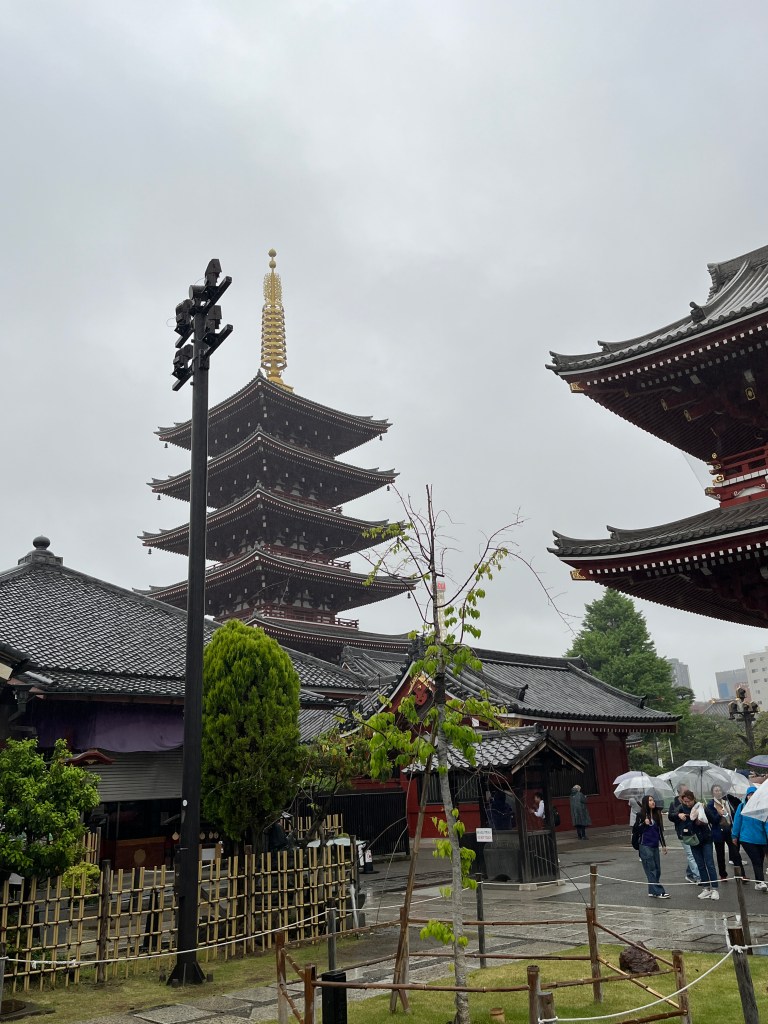
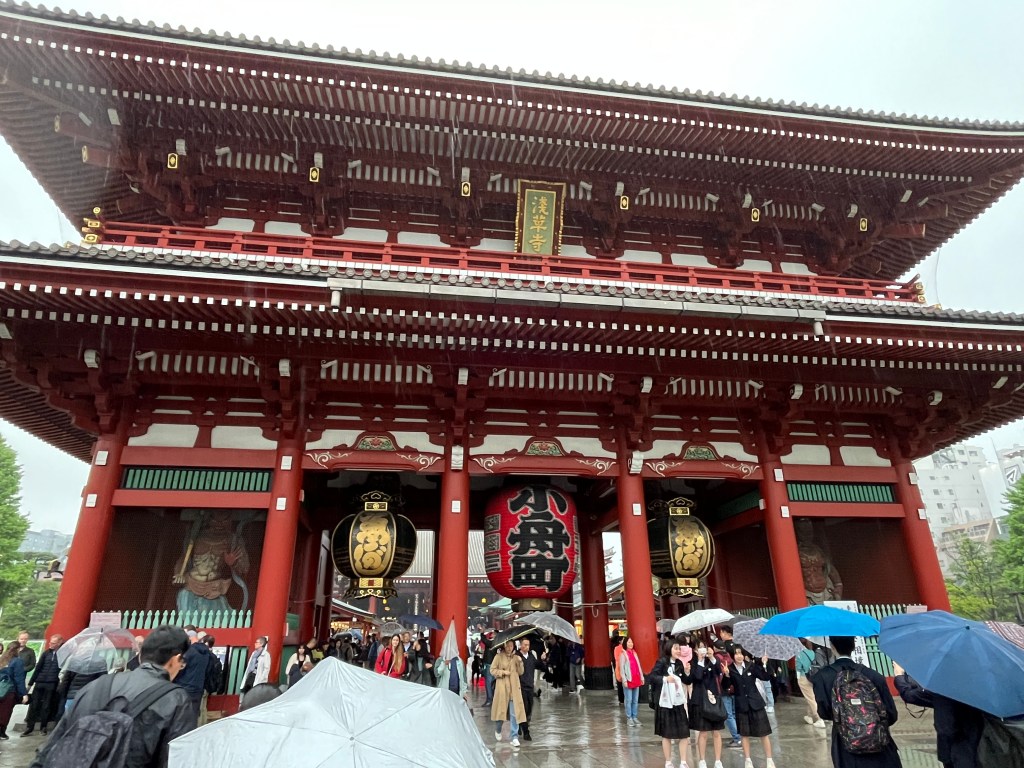
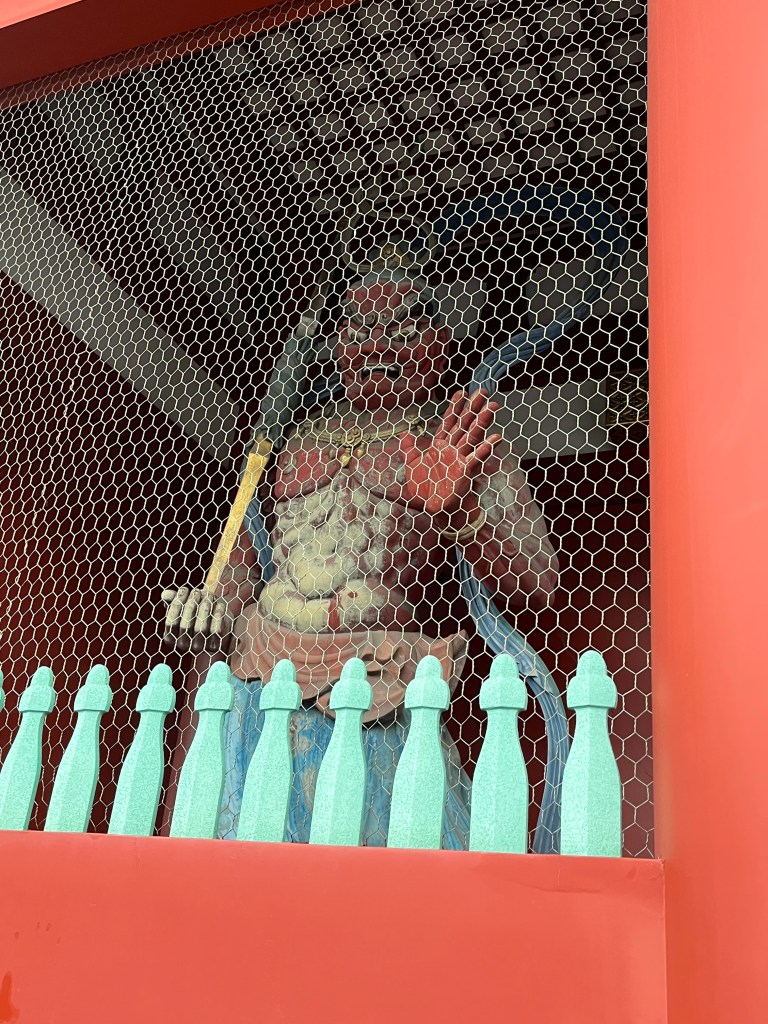
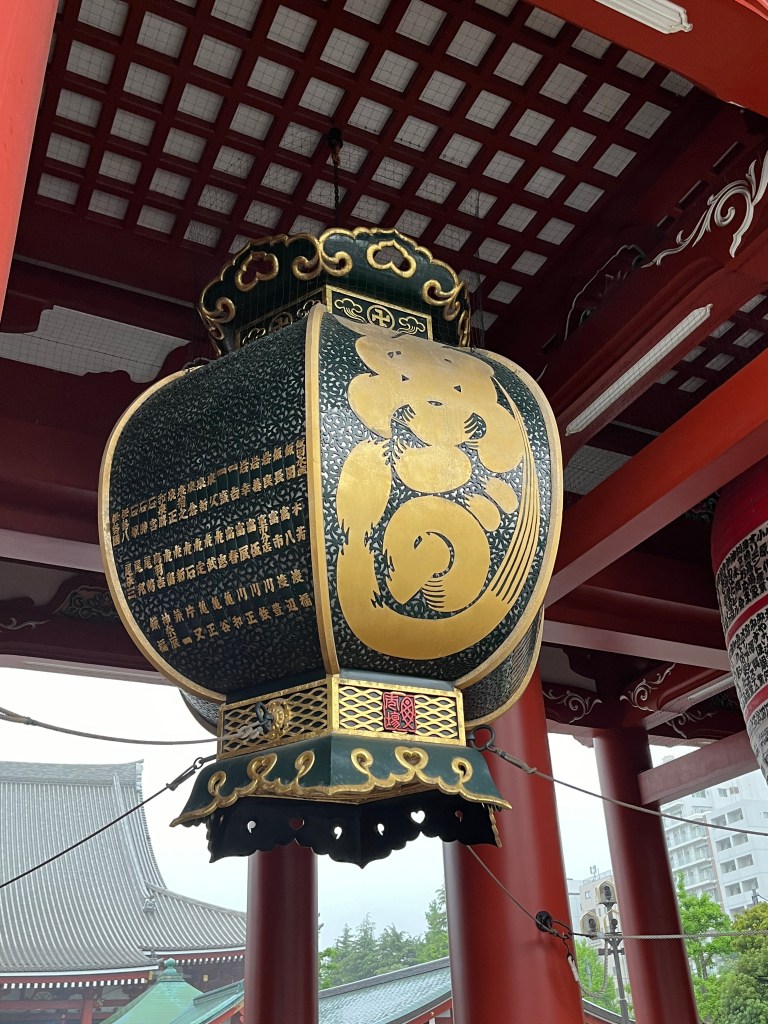

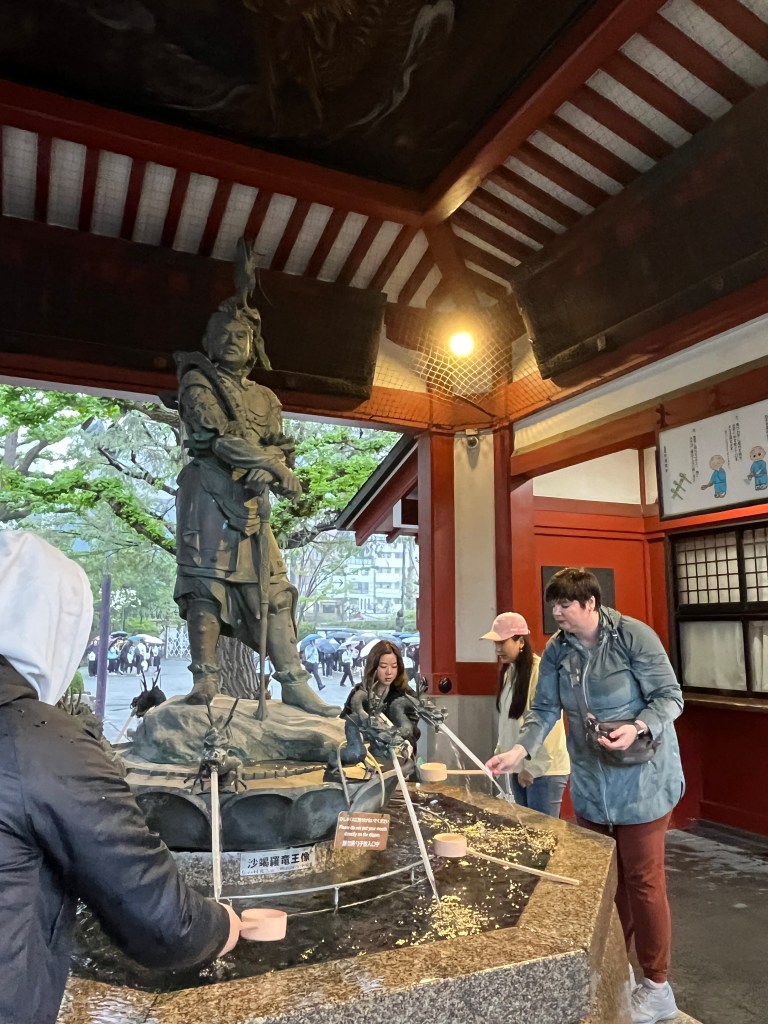
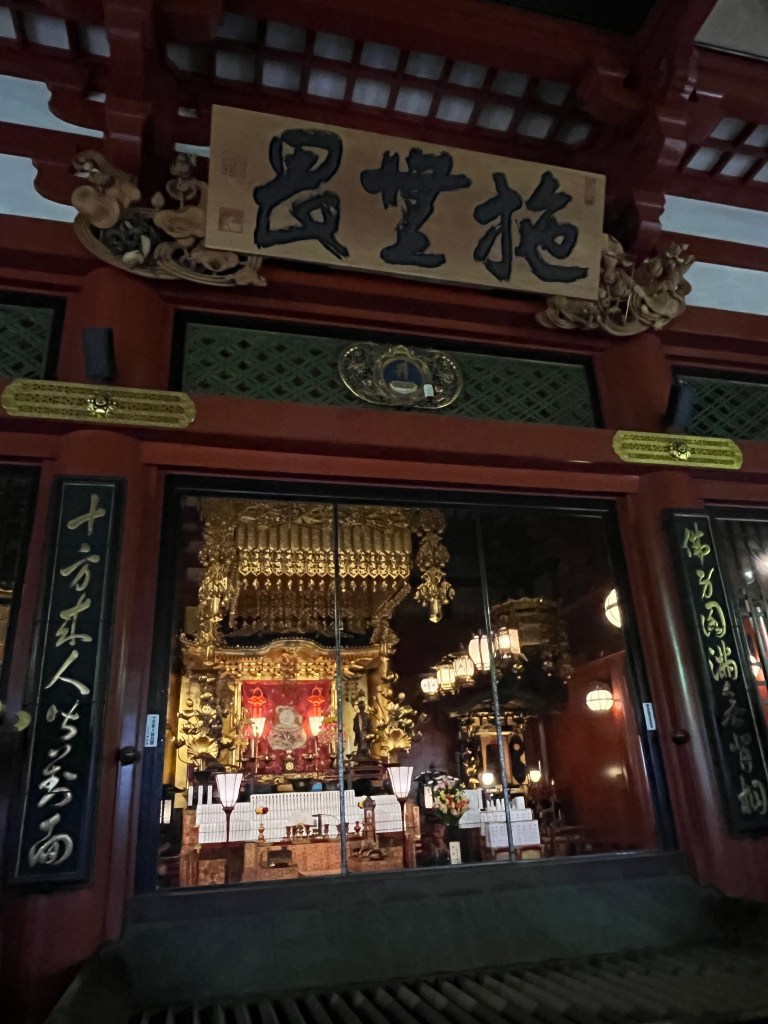
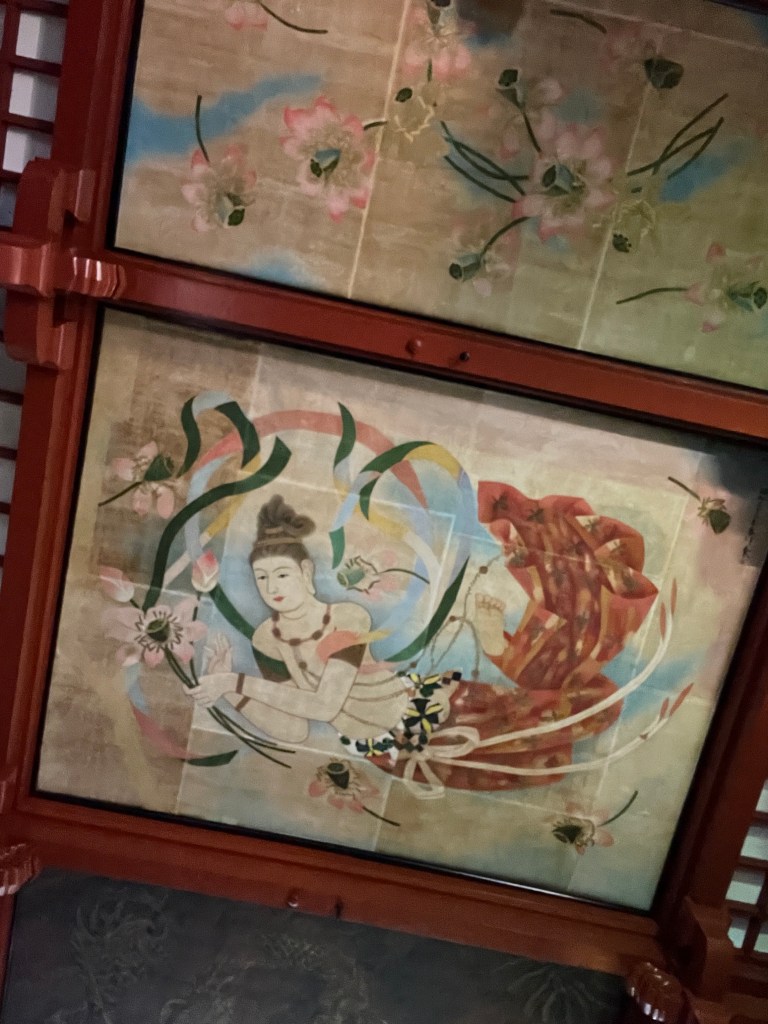
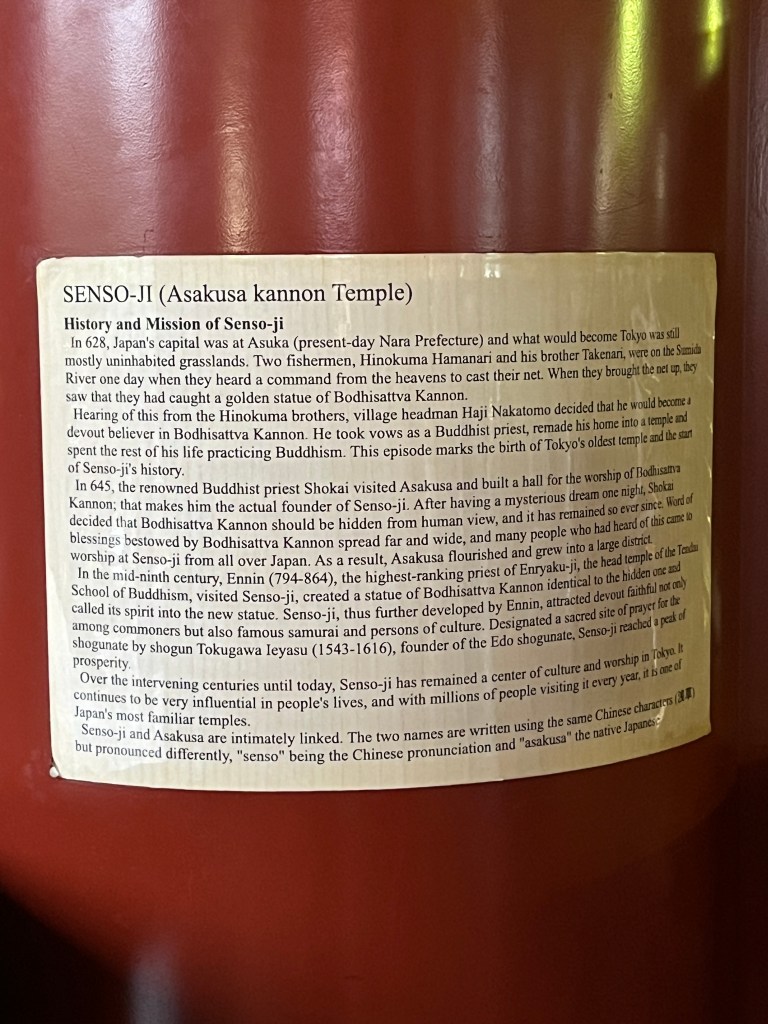
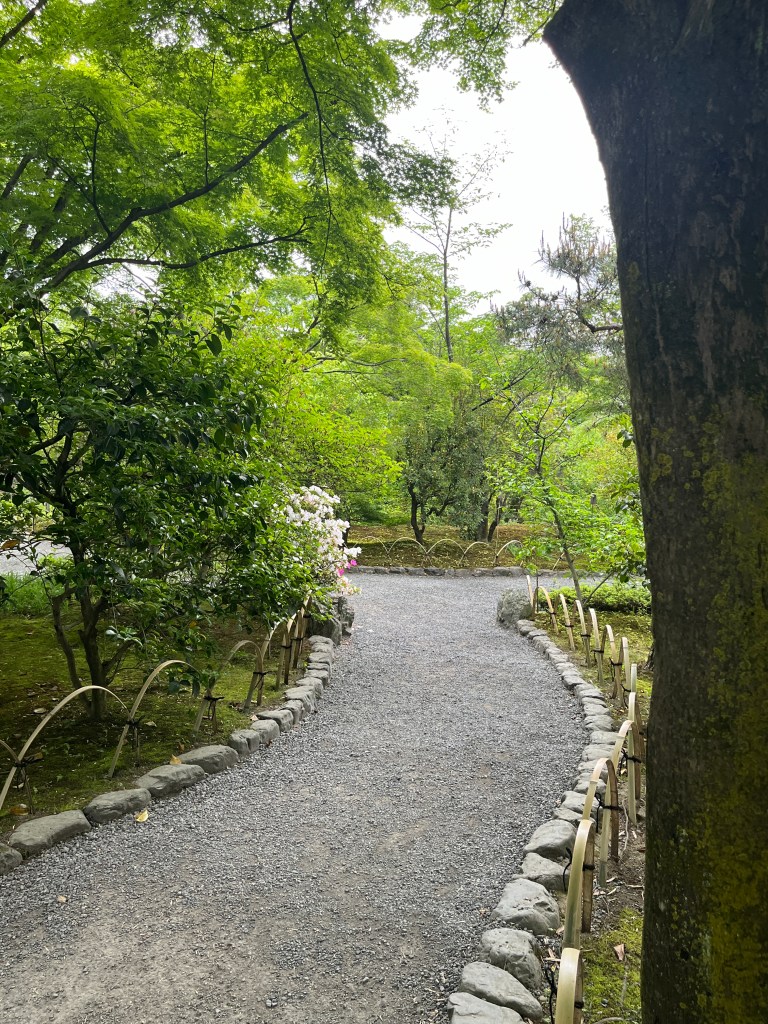
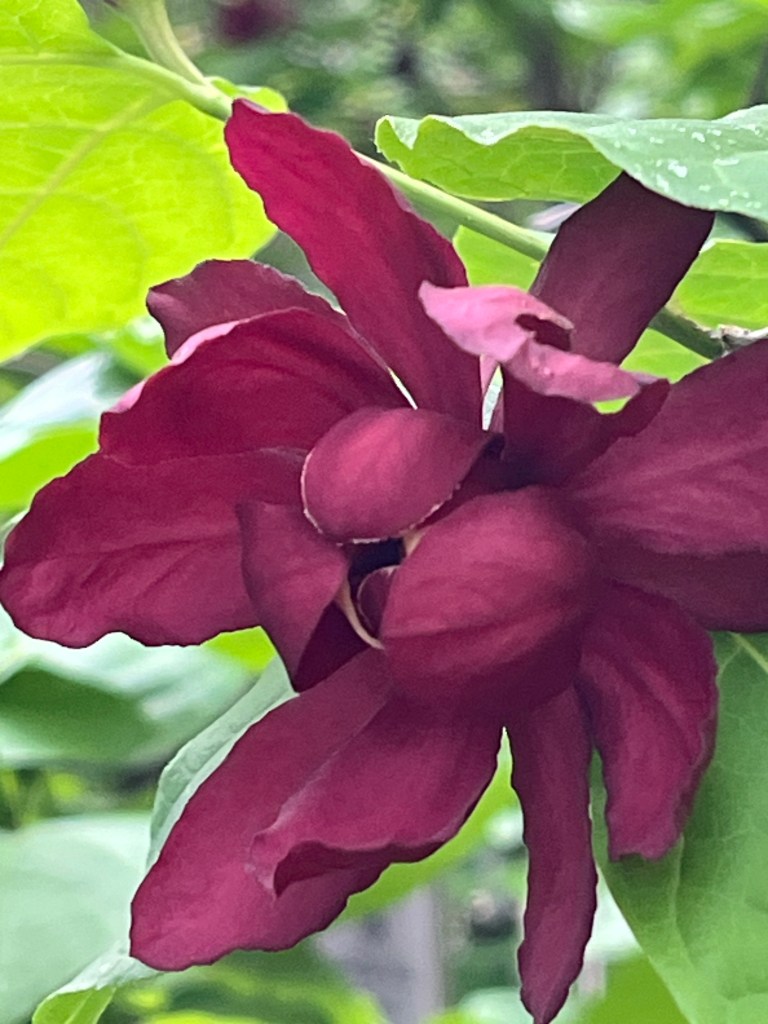
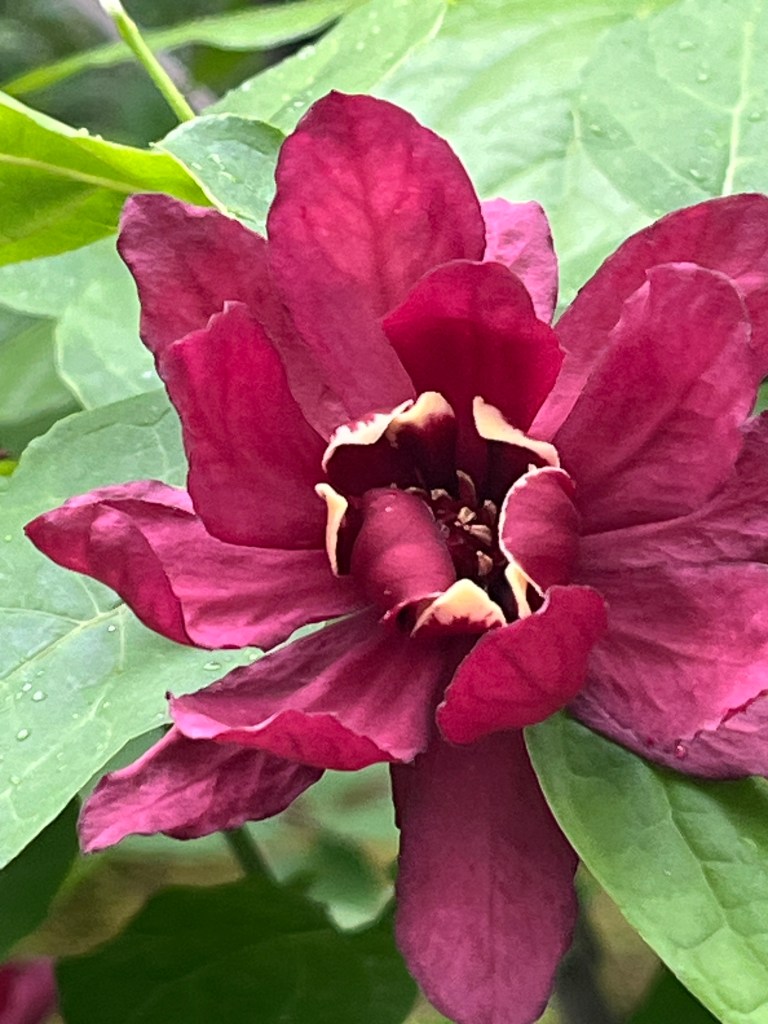
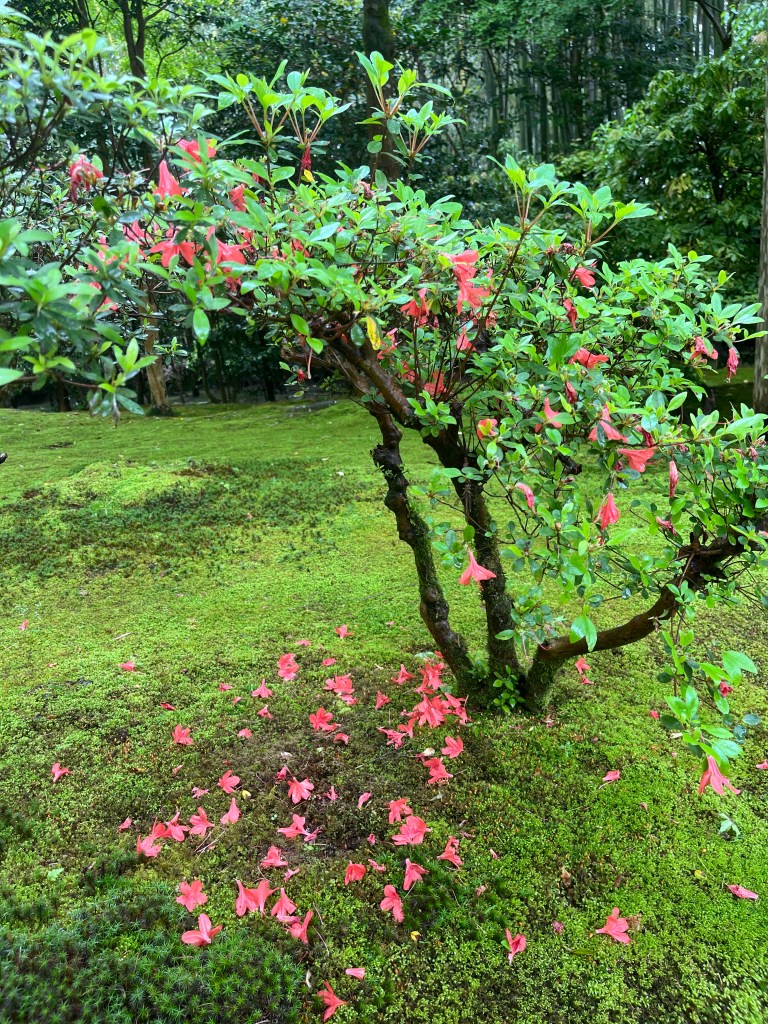
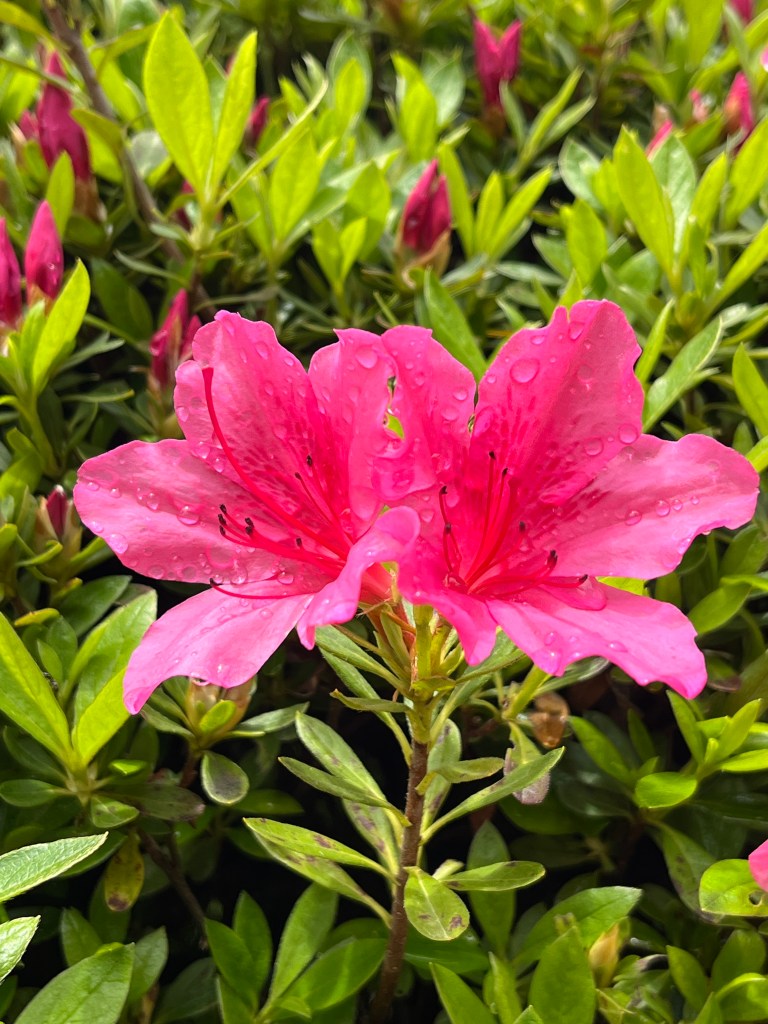
The gardens felt especially fresh. I stopped for a moment to notice the rain drops slowly making their way down the petals of an azalea. In the gardens, Elizabeth noticed a statue of a Uryu Iwako who reminded us of the morning devotional about Lydia (a self-determining woman).

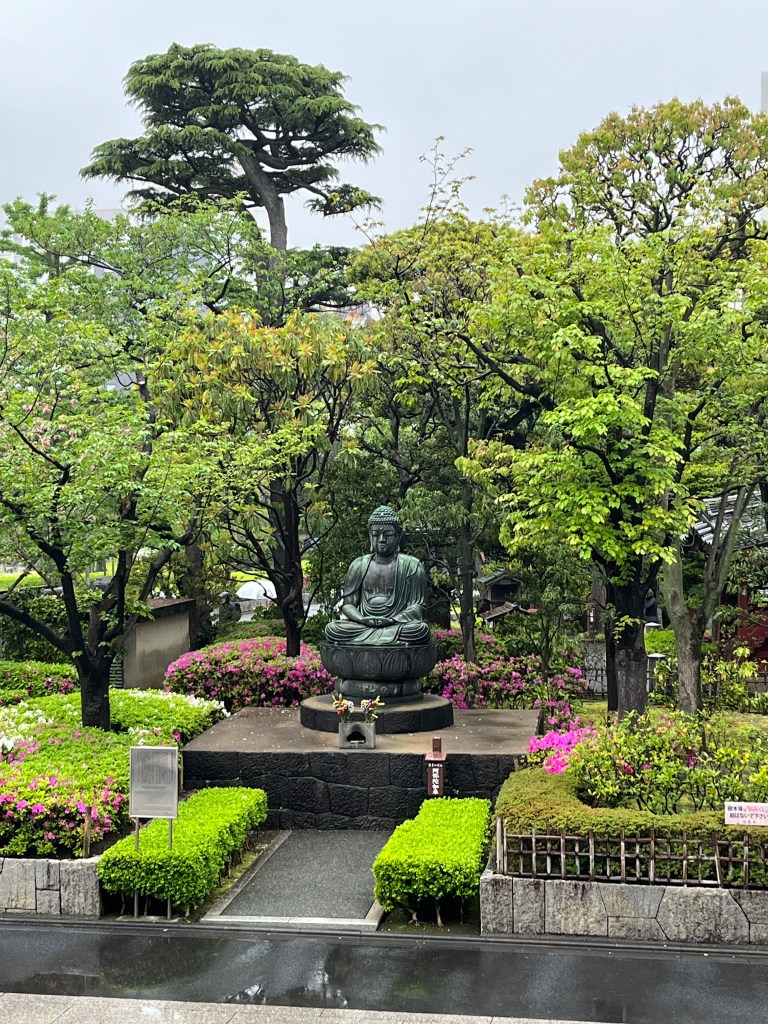
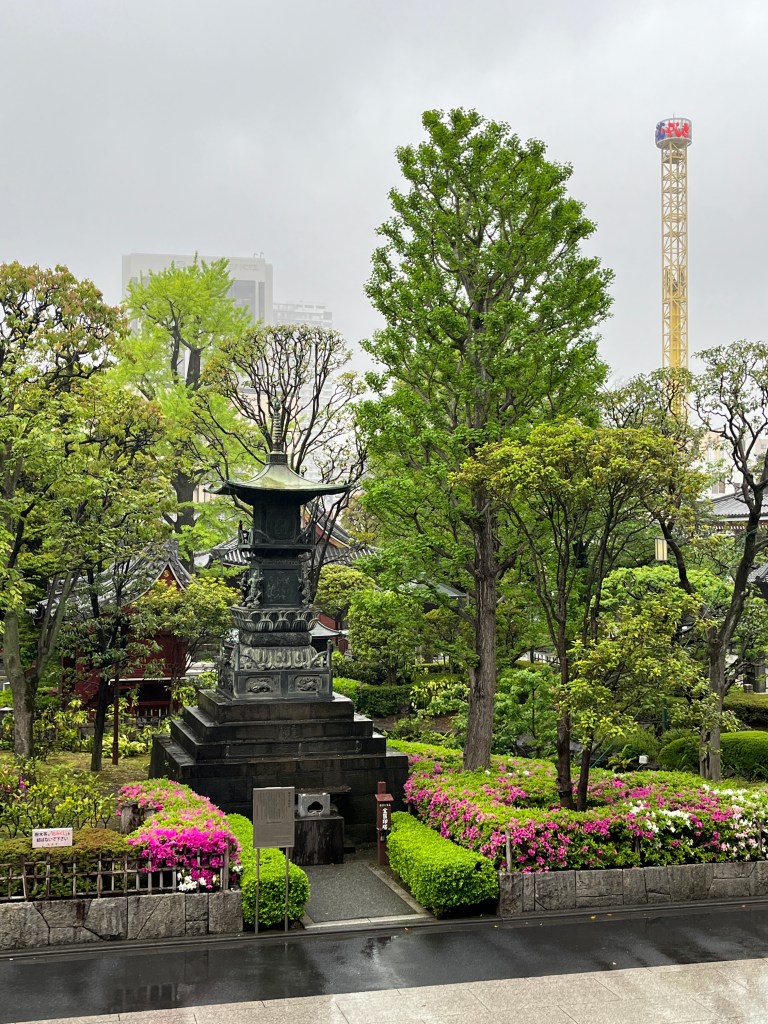
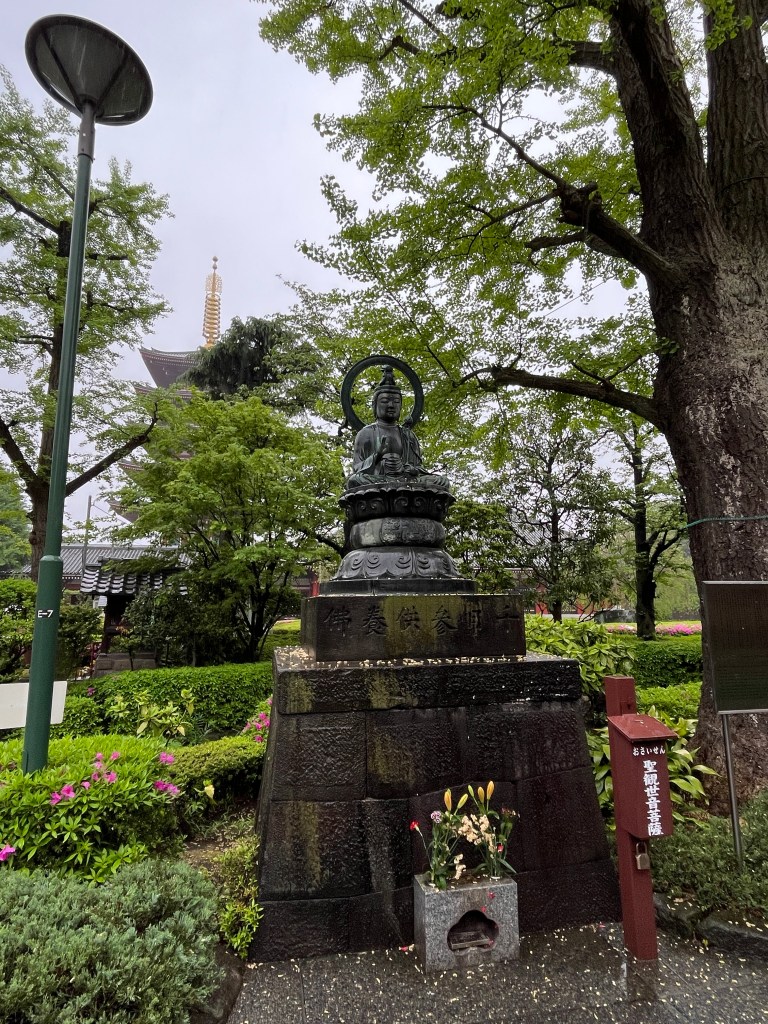
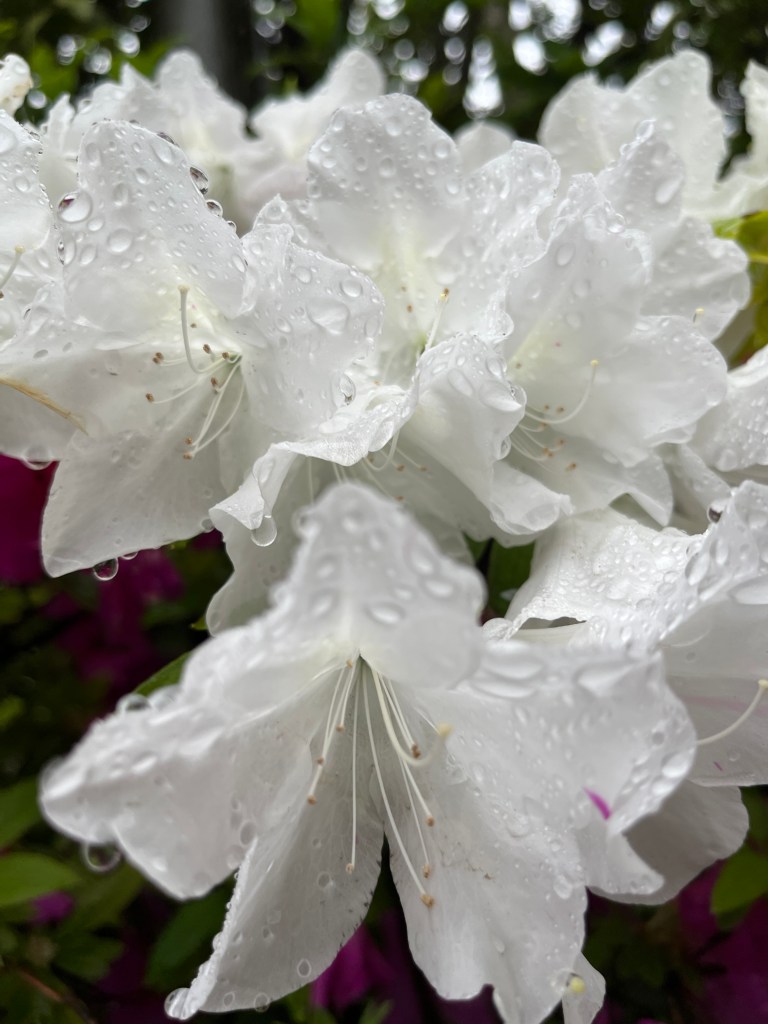
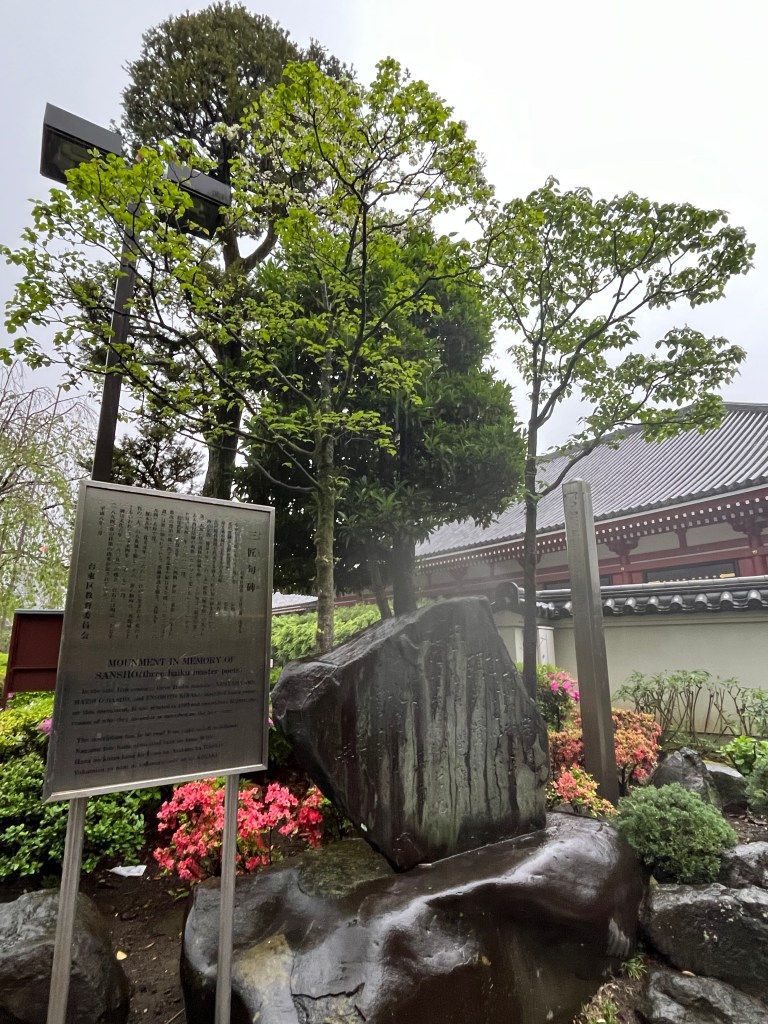
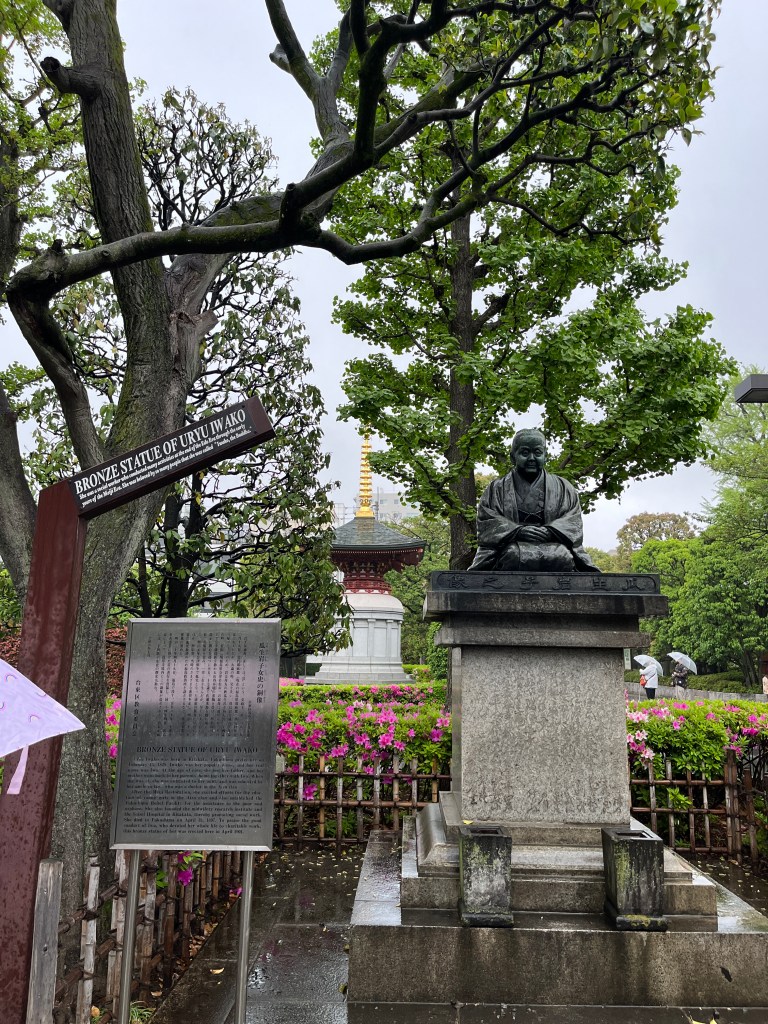
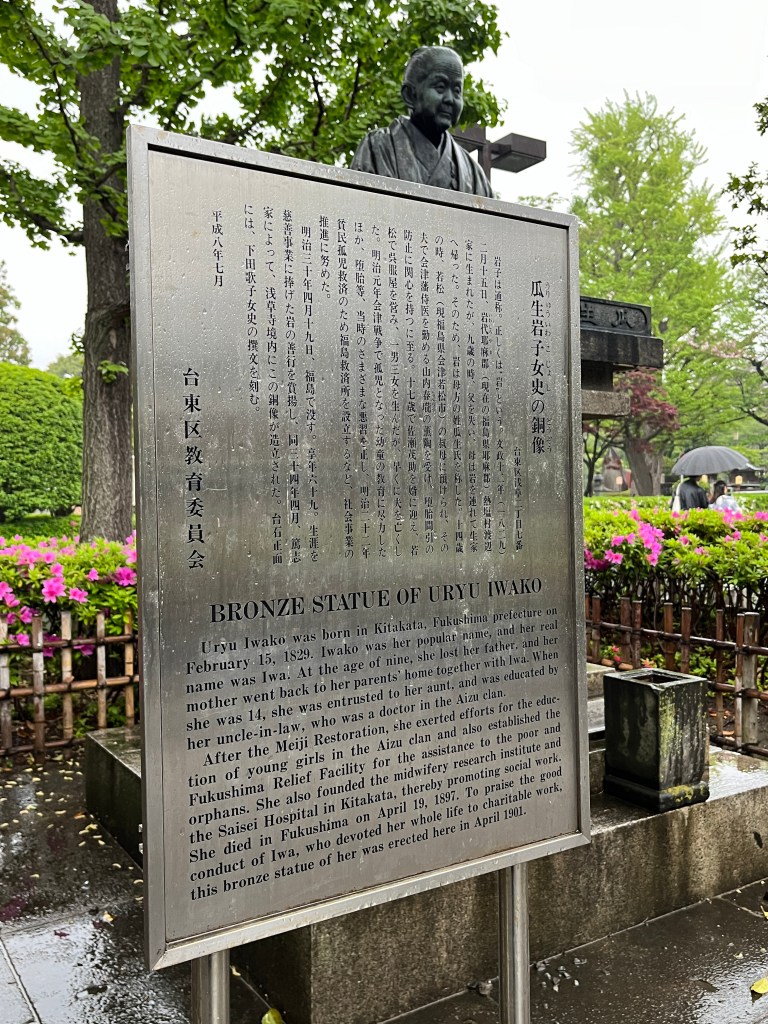

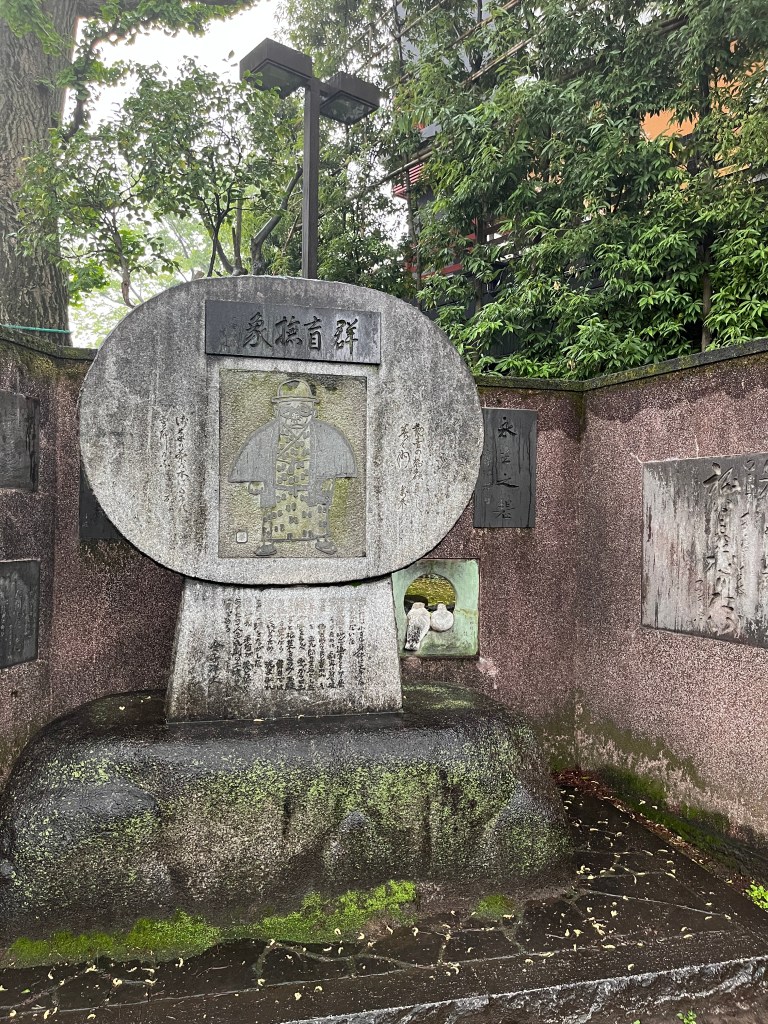
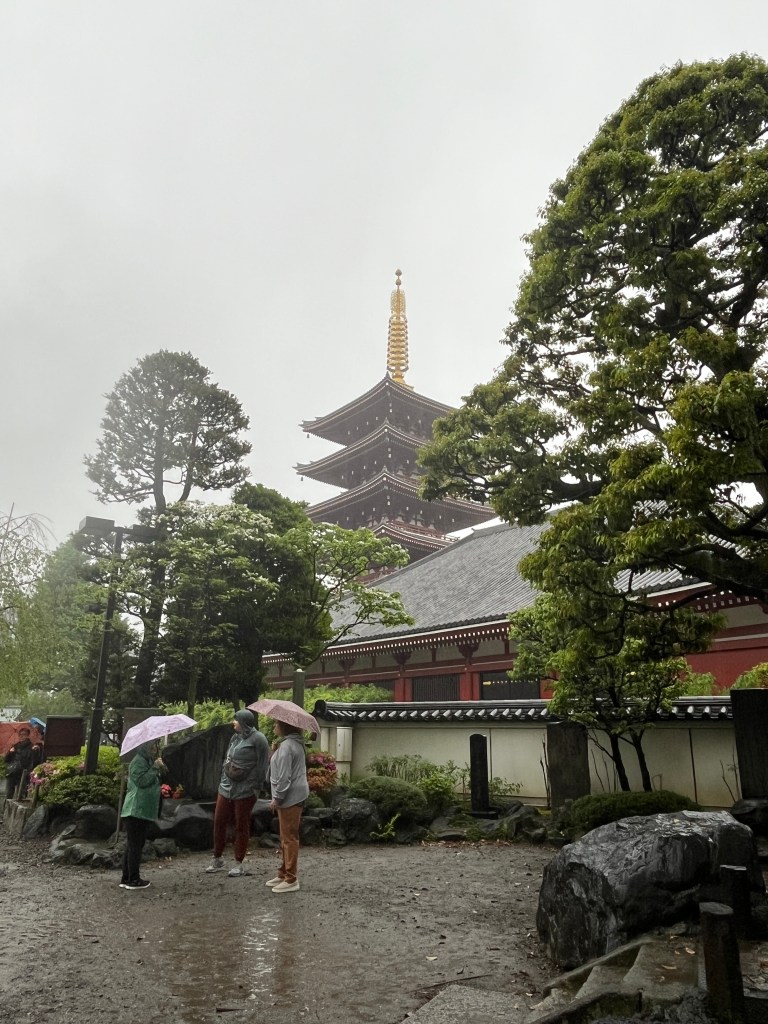
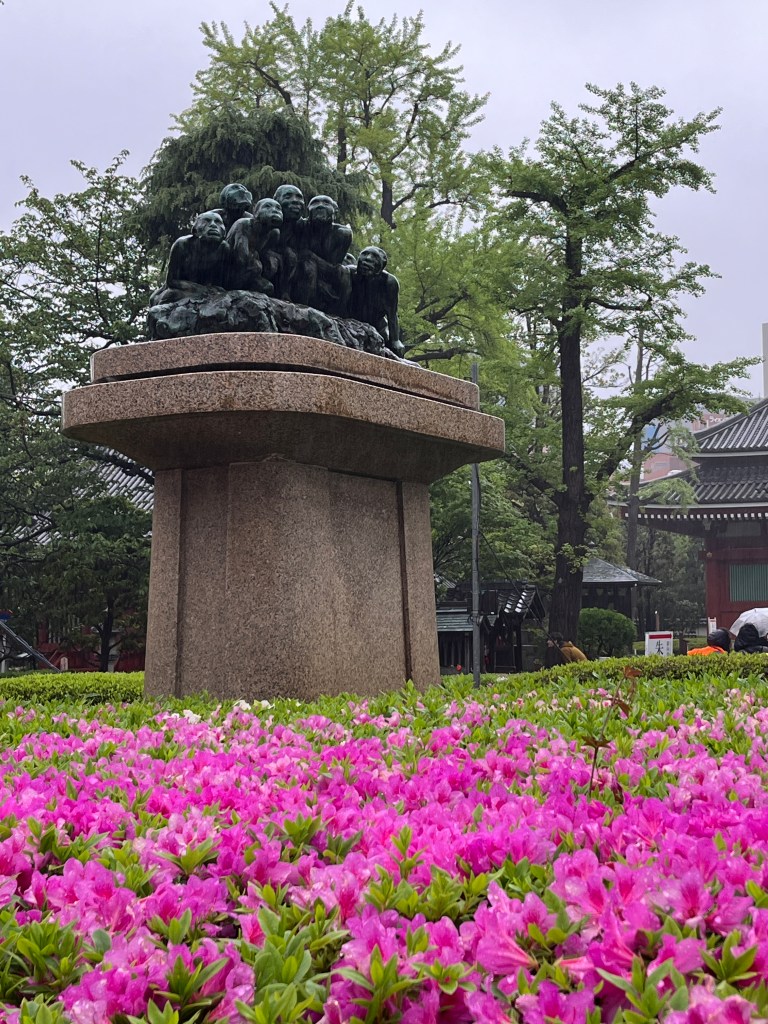
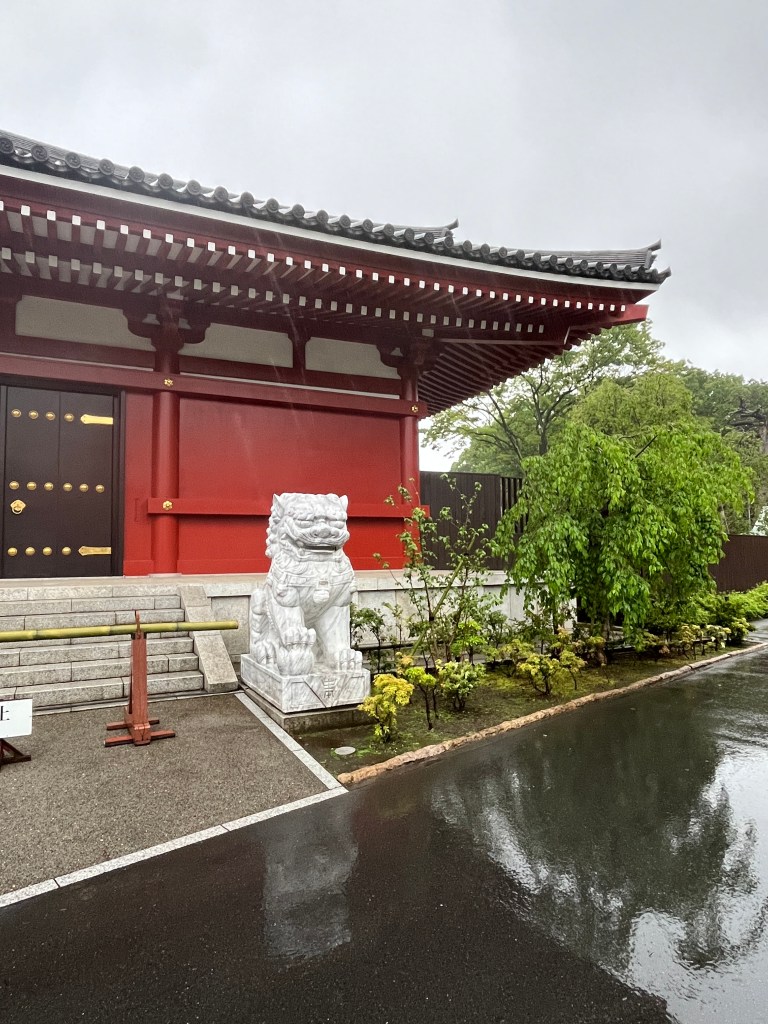
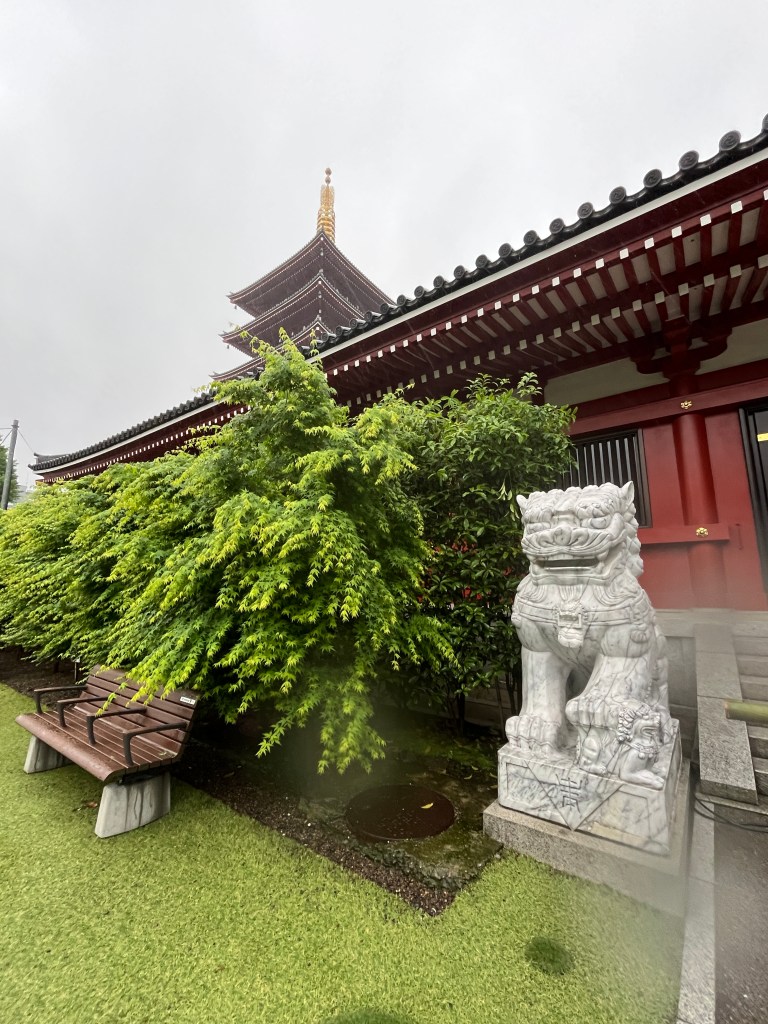
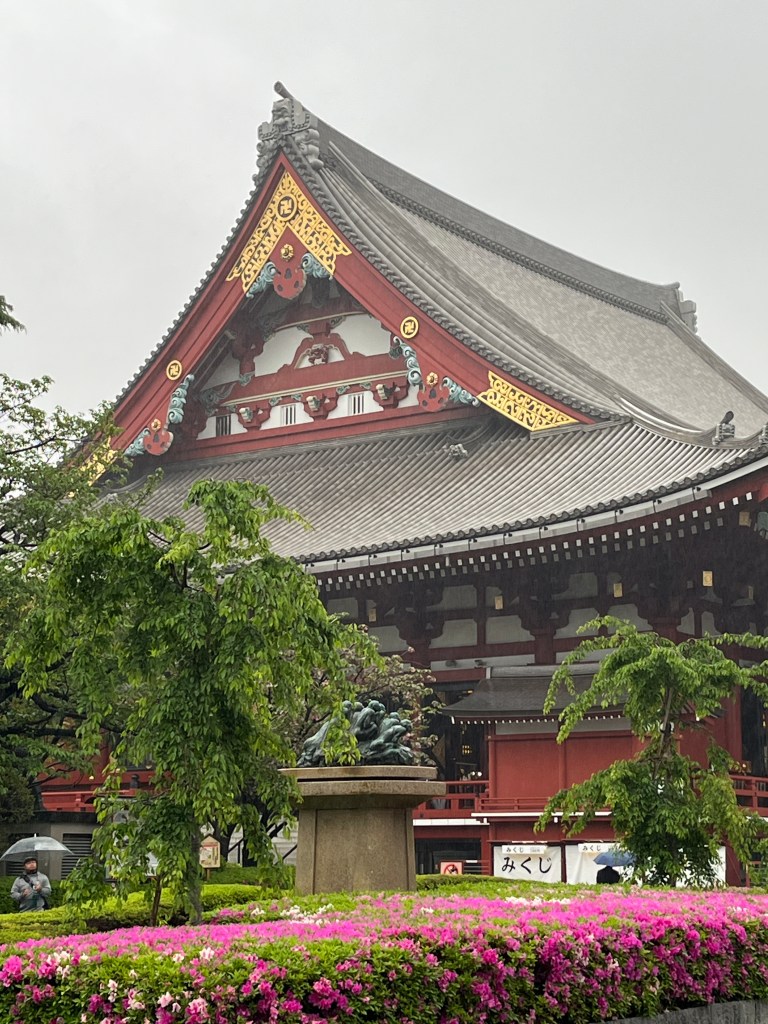
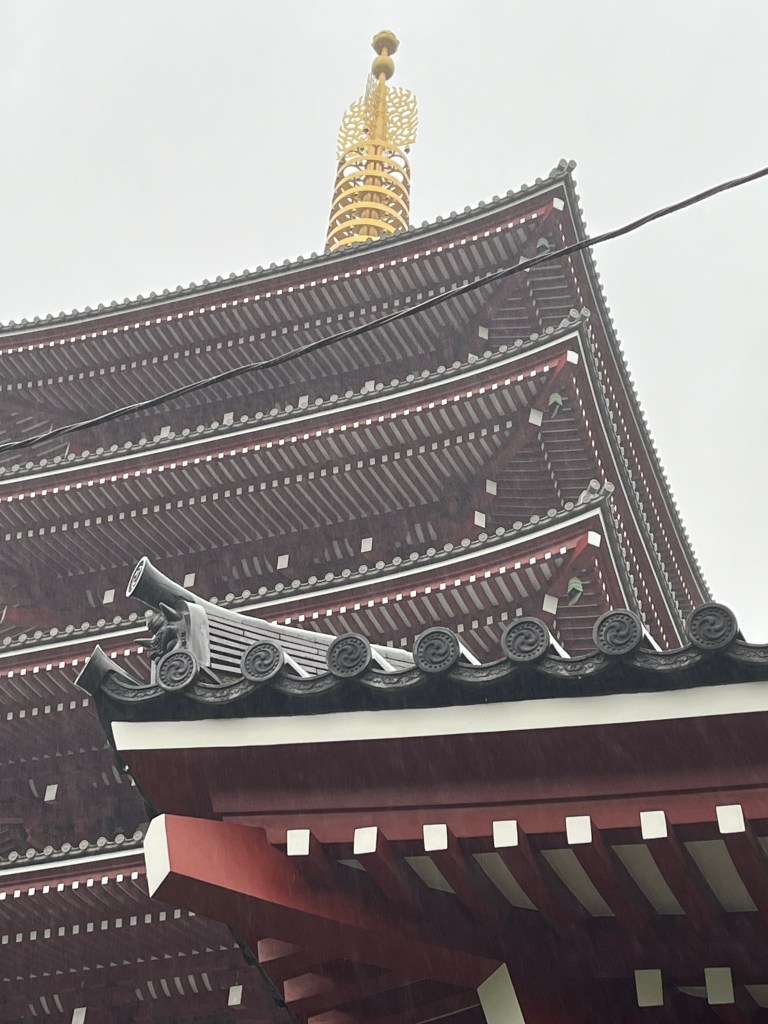
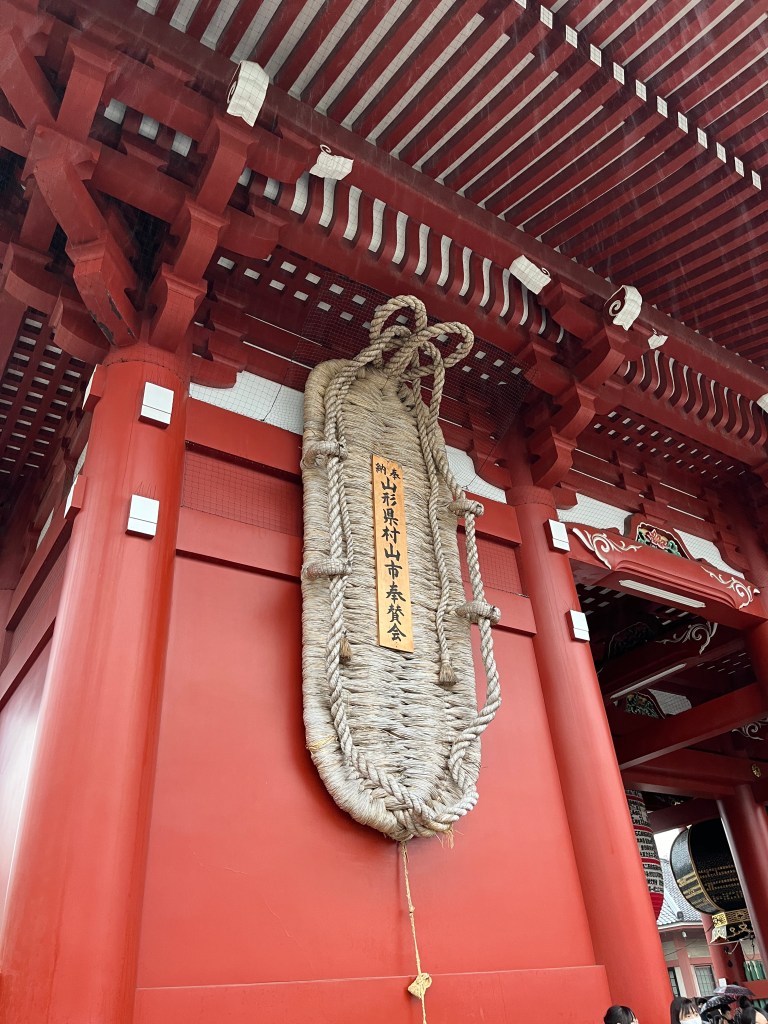
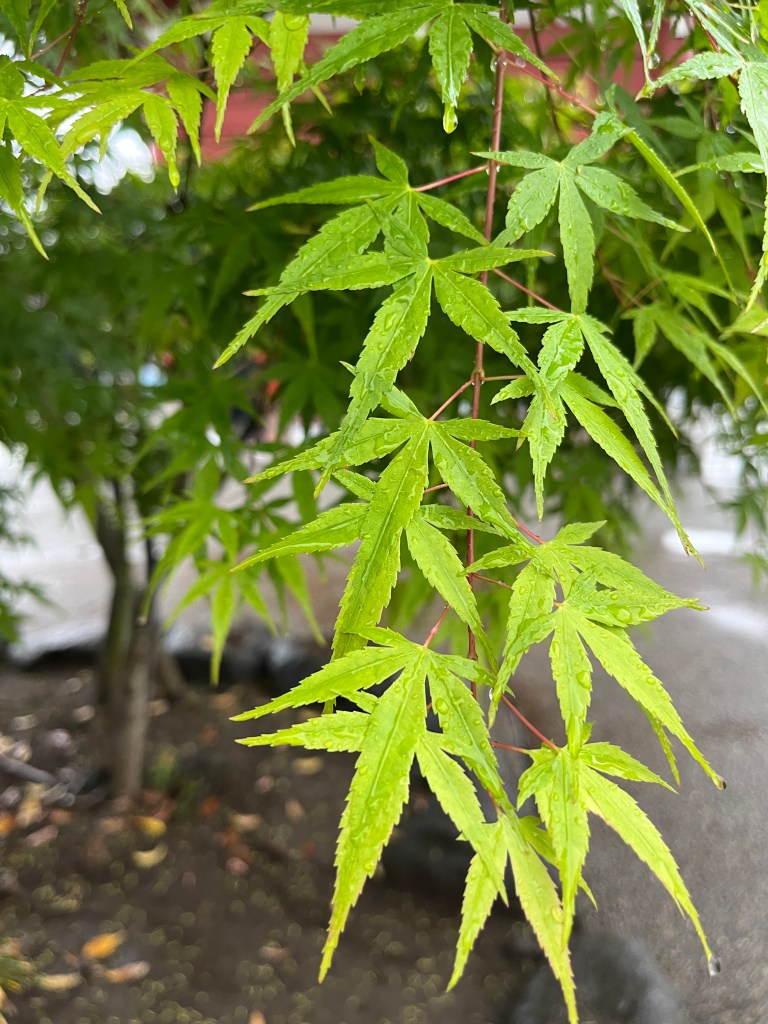
We split up into small groups for dinner as most restaurants in the area did not have seating for all of us. I ended up with a group of pastors. The food was ok, but the company was great. I am forever thankful to have women like this in my life.
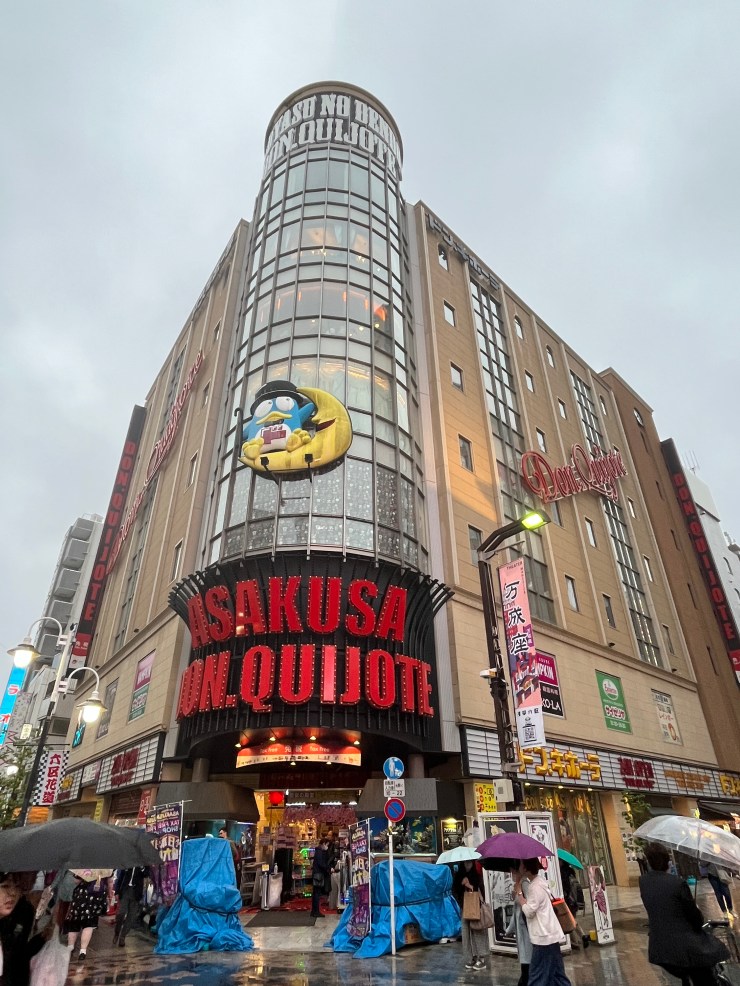
Three of us decided that we needed just one more cultural experience before heading to bed and walked to the Don Quitote near our hotel. It was packed with stuff and advertisements and people. Even though it was overwhelming and difficult to see everything we picked up a couple of souvenirs.
April 25th:
Kimono experience hair was still in tact today and looks better than anything I would be doing to it myself so I’m going with it. #pilgrimagehair

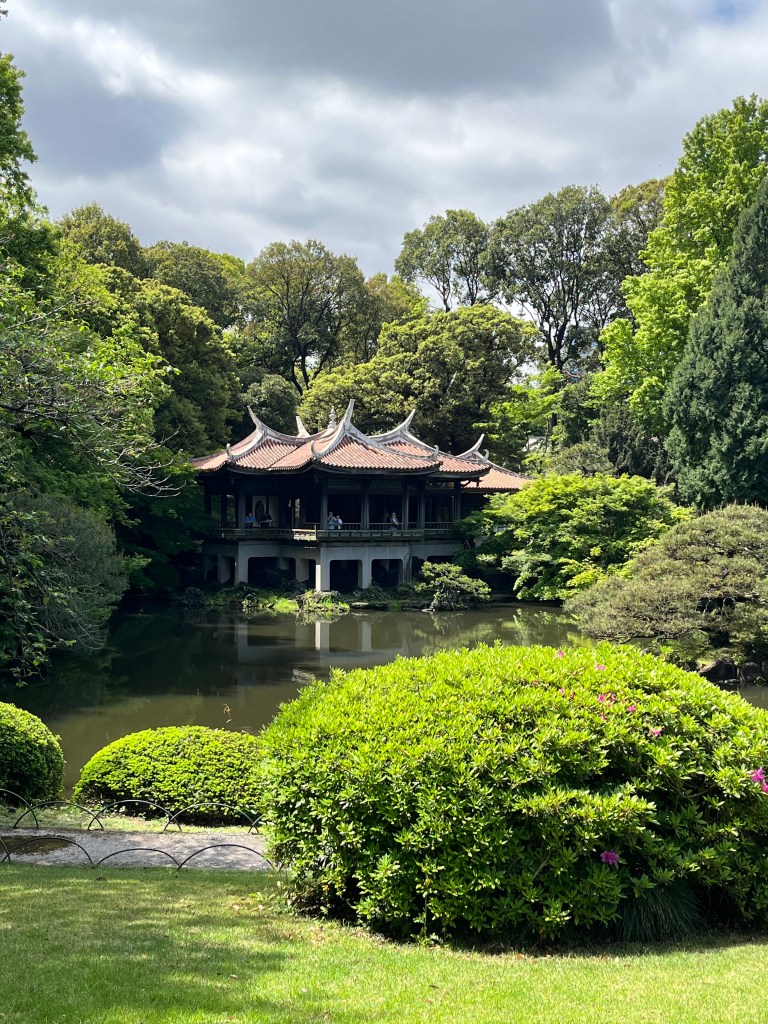
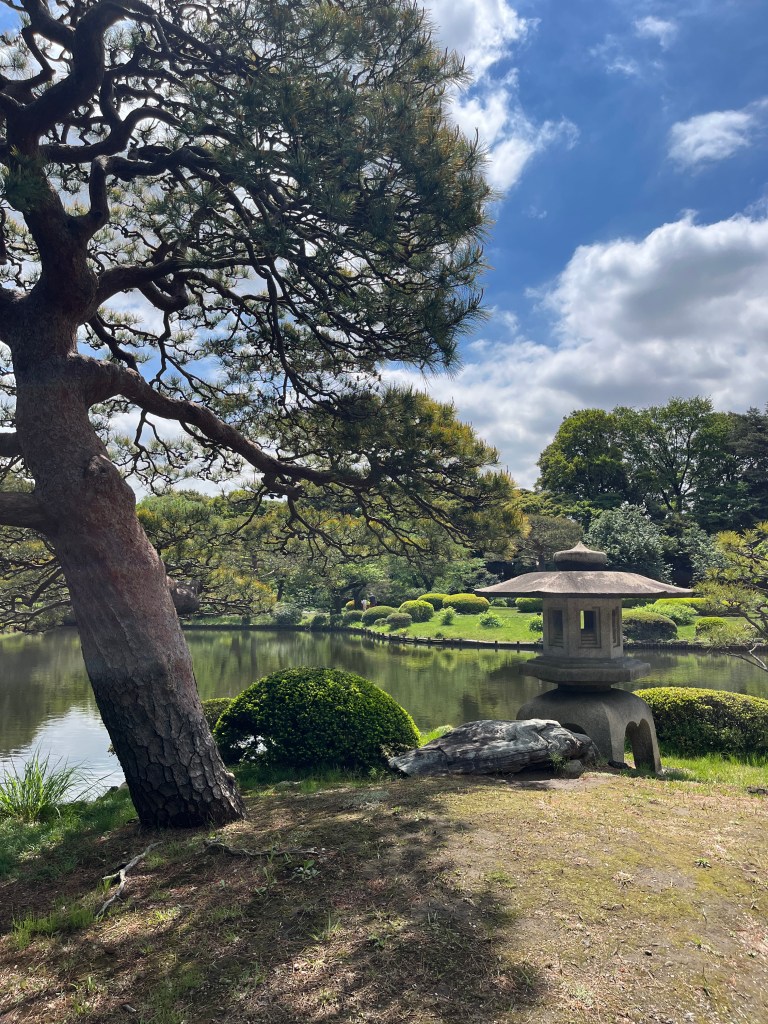
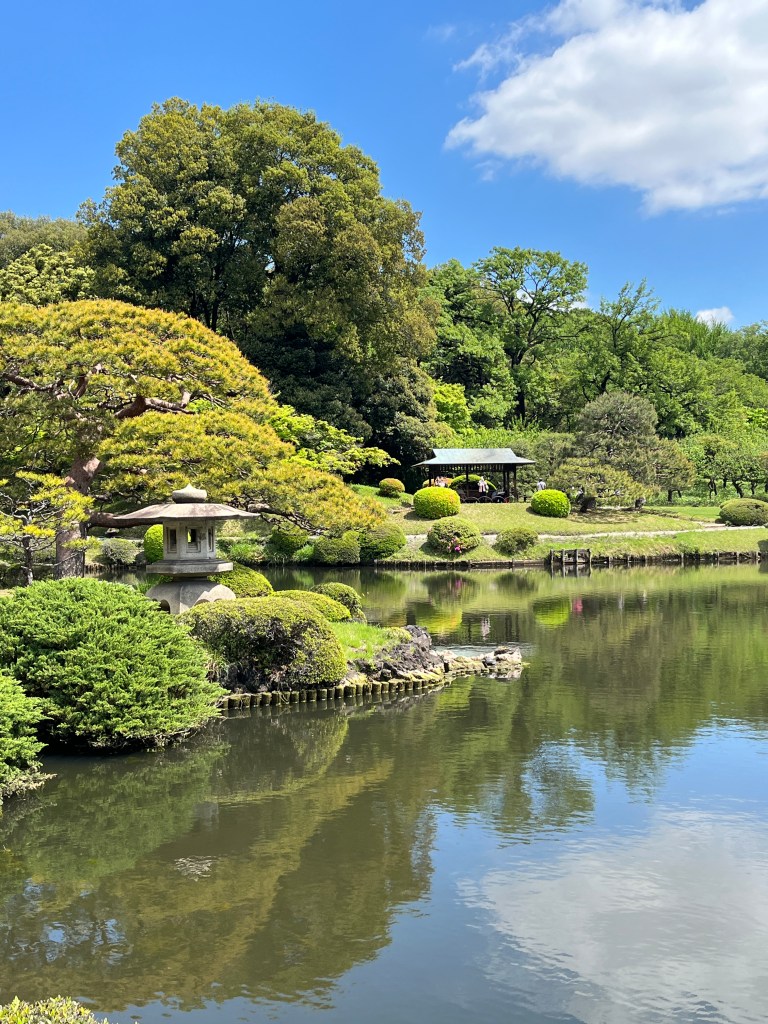
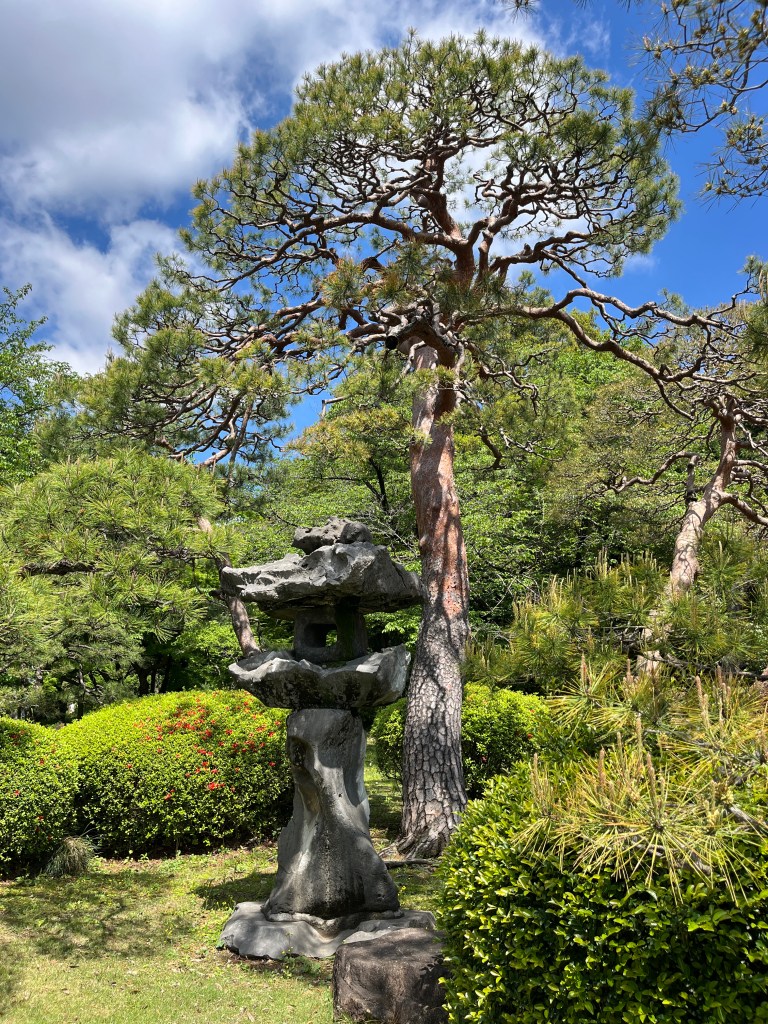
The hair mostly held up during a whirlwind day of Tokyo’s gardens. Often at odds with the pilgrim pace we wanted, our guide ushered us to as many gardens as he could. Sometimes it felt like we were on a subway tour with garden stops and sometimes we got to linger in the gardens and breathe deeply.
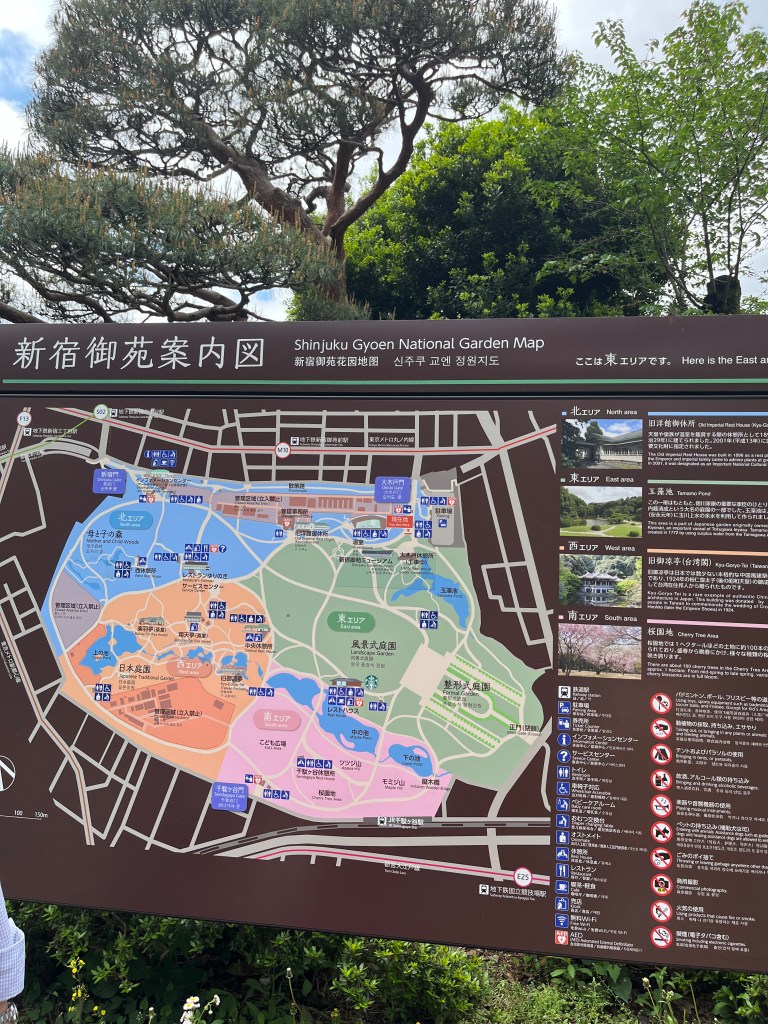
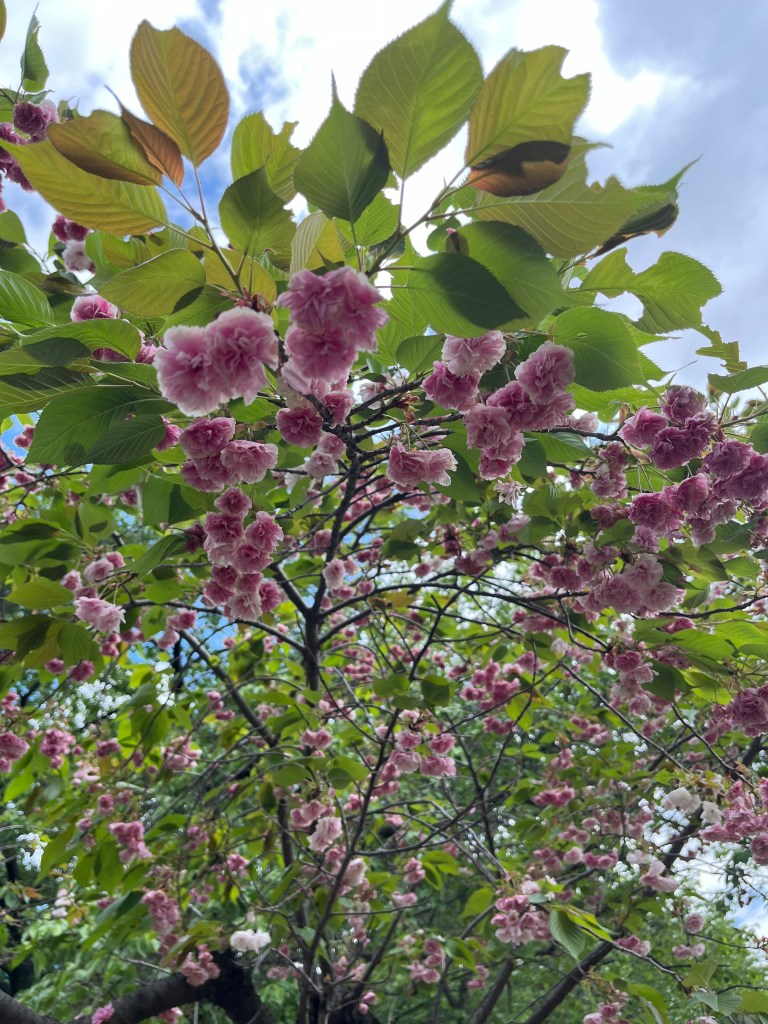
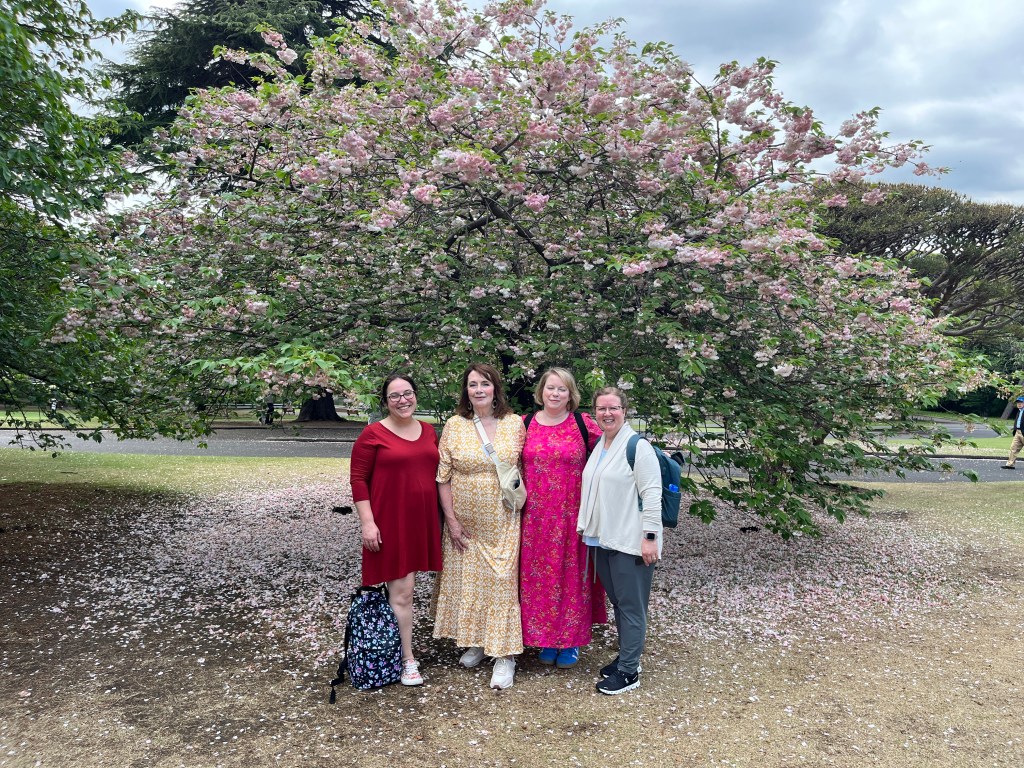
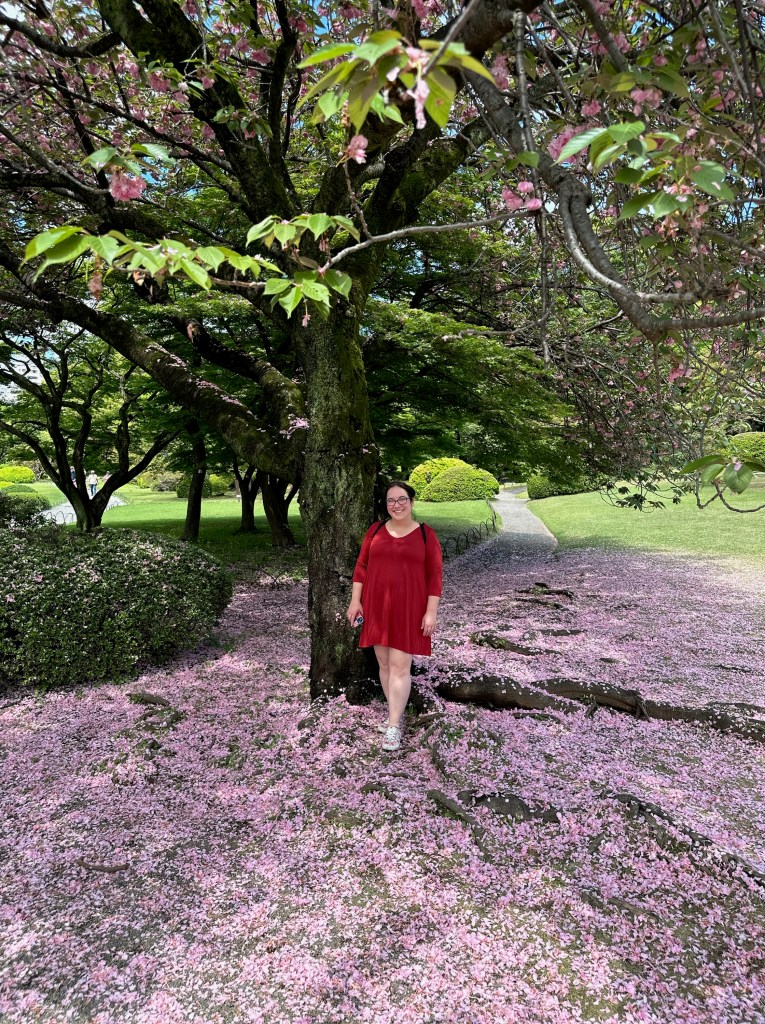
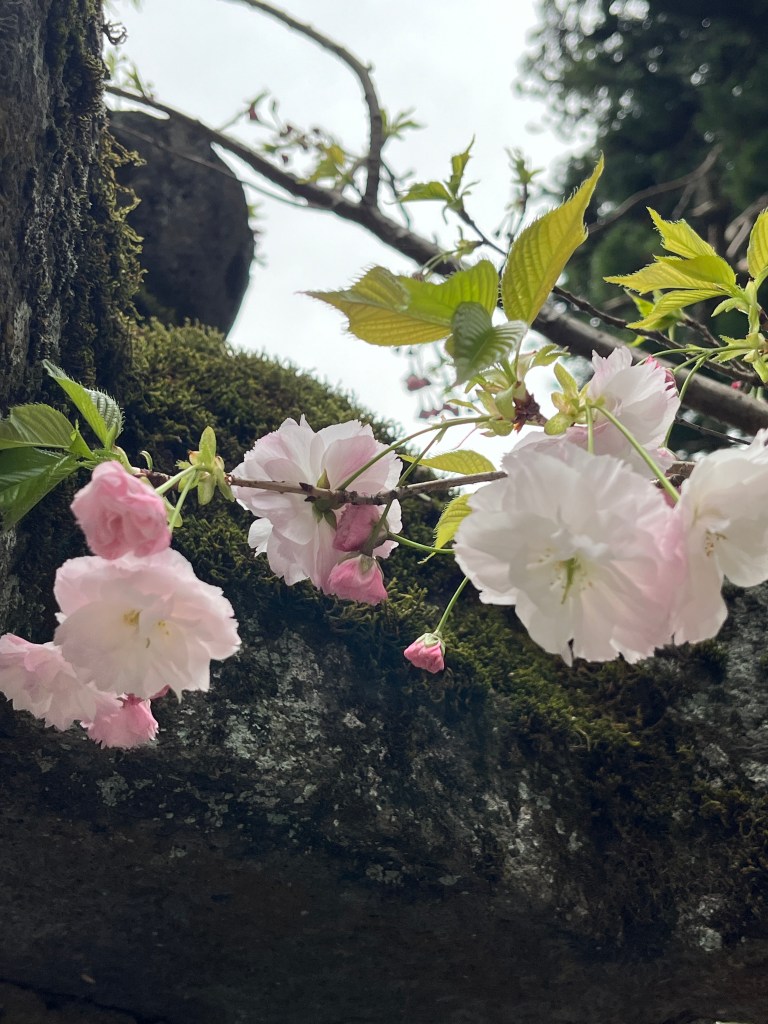
Sinjuku Gyoen Park Sarah took a nice picture of me and we noted that Cherry blossoms are still beautiful on the ground. Our trip missed the height of cherry blossom season, but that meant our visit to the gardens (and other areas) was less crowded and less touristy.
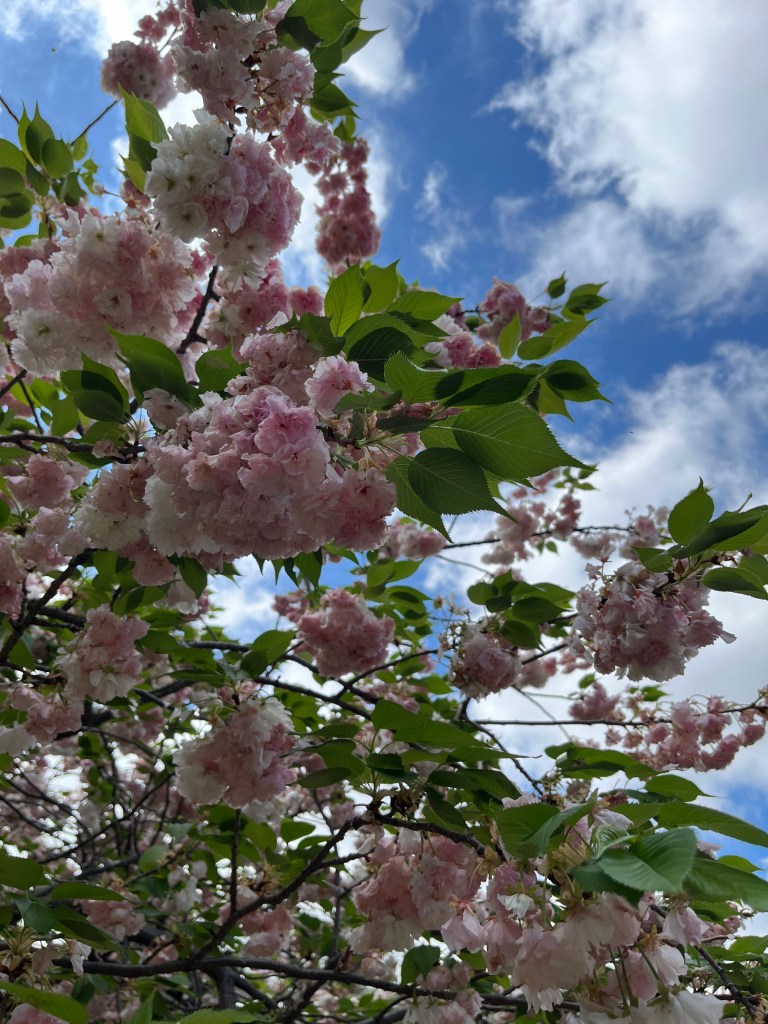
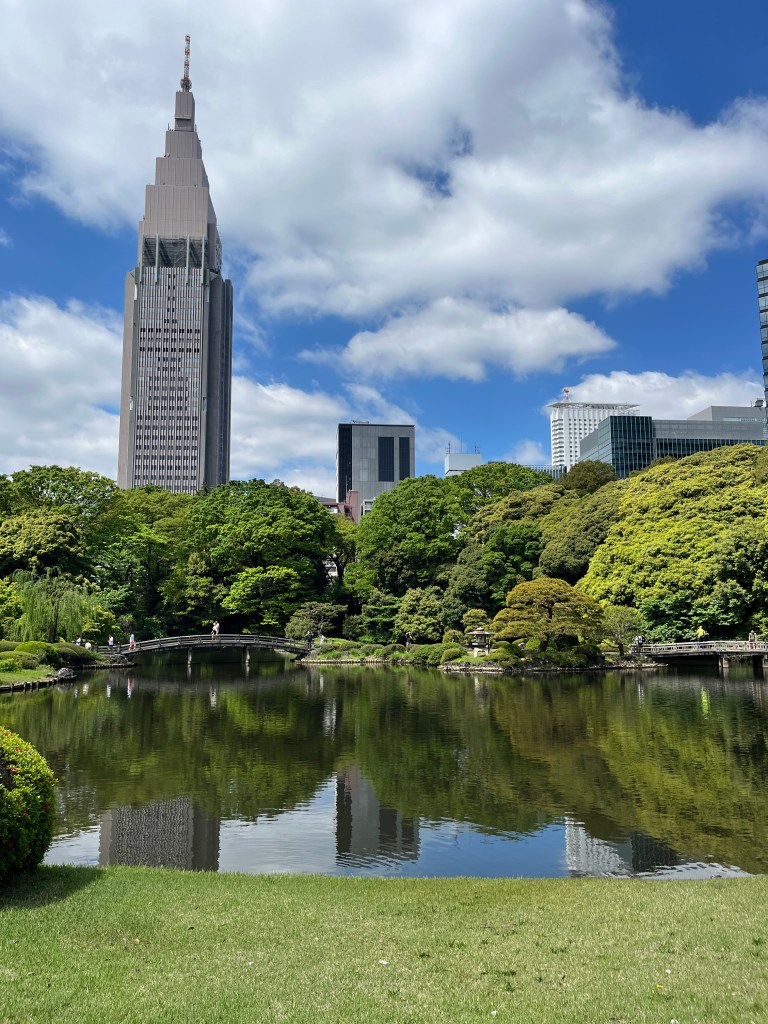
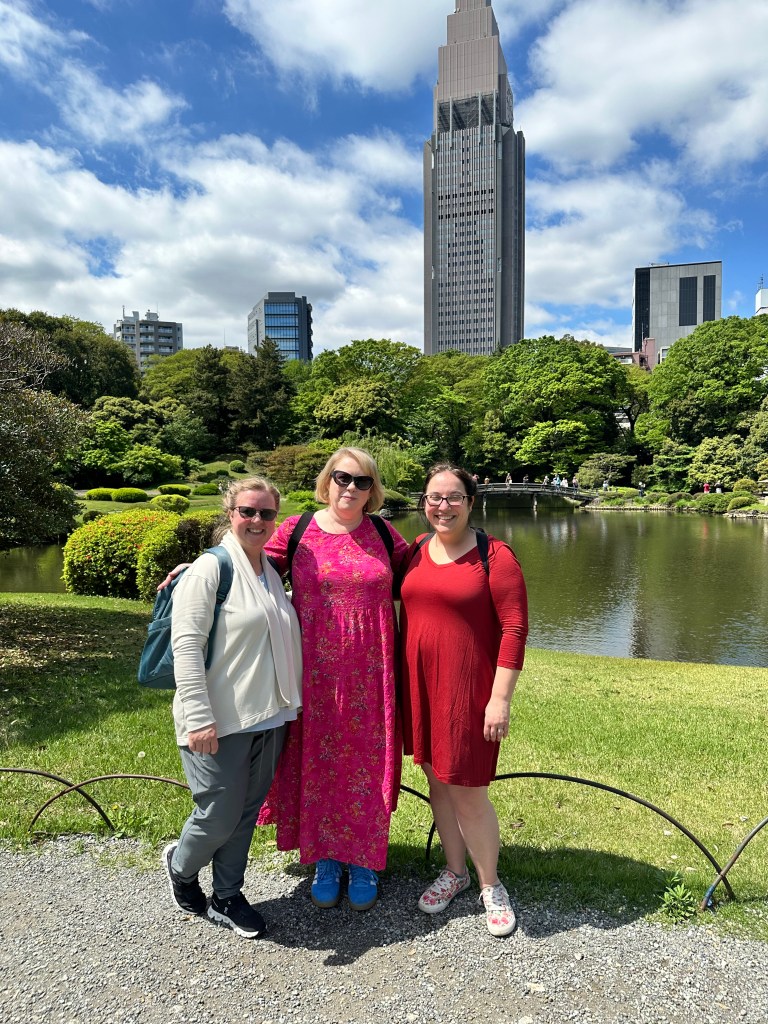
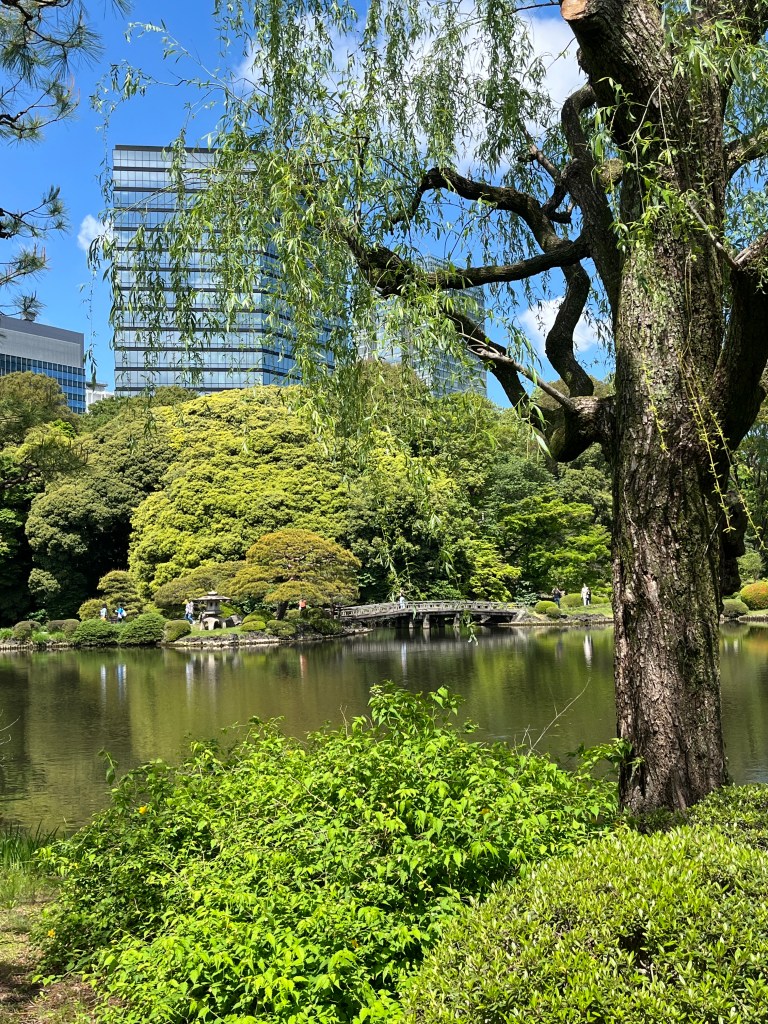

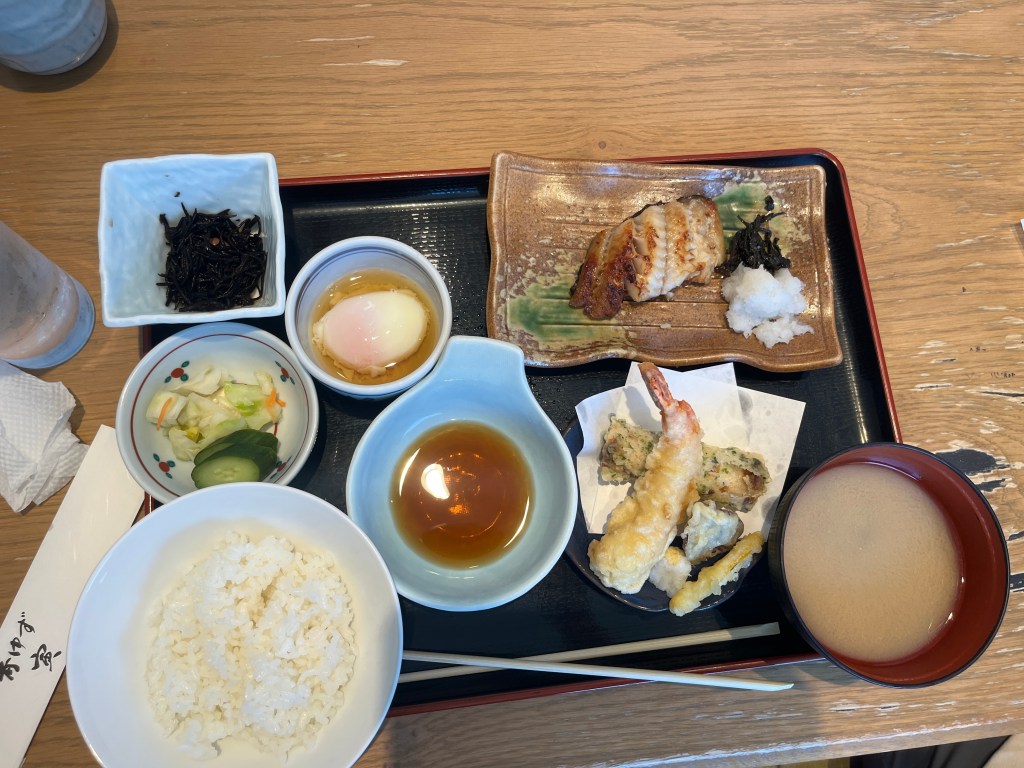
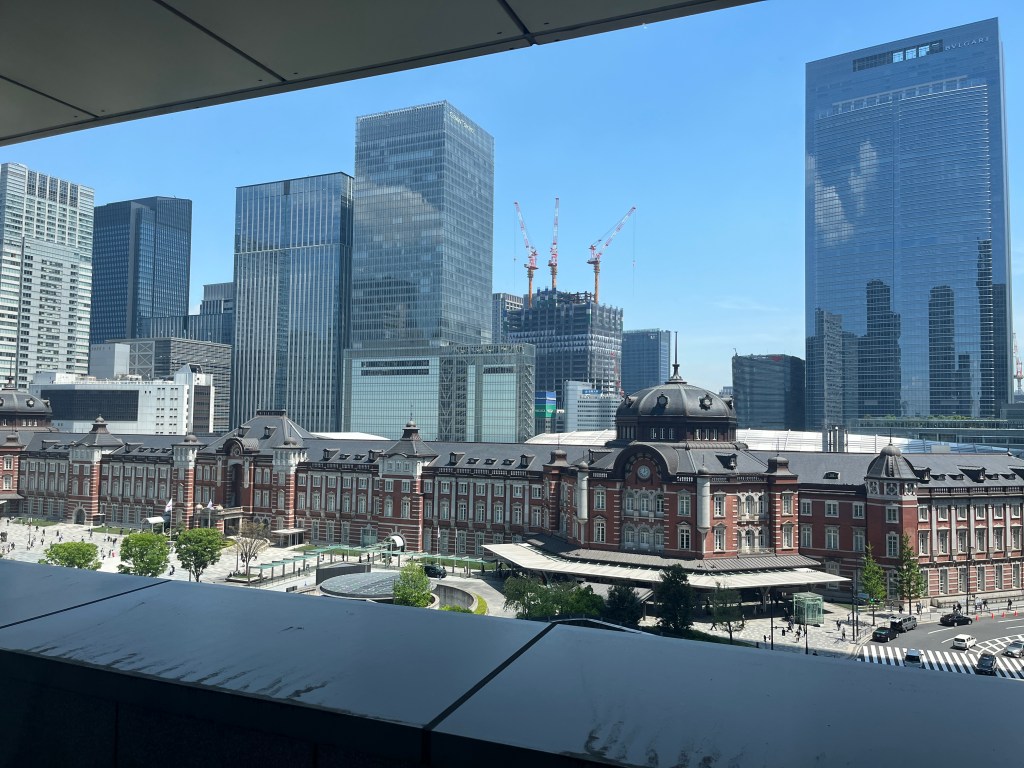
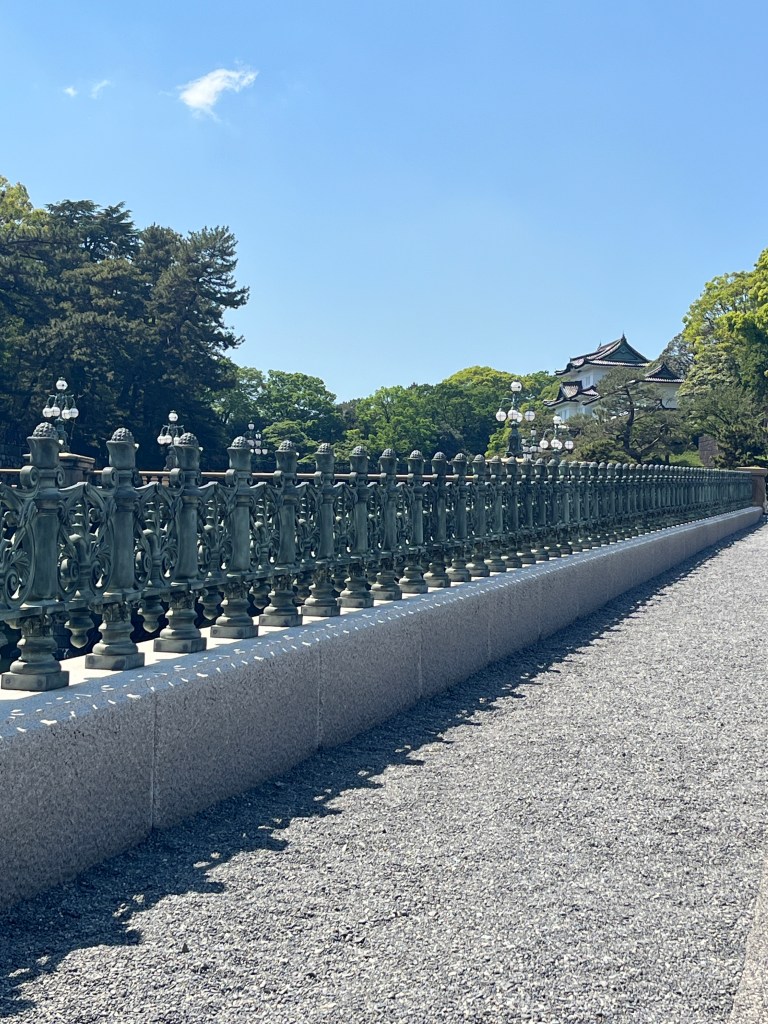
We did have a wonderful meal in the business district. I was amazed how quiet the city was, especially since we were in the bustling down town area. Our guide had at us lunch just before the rush of business people would get there. The Tokyo Imperial Palace was breath taking or maybe that was the long walk through the parking lot.
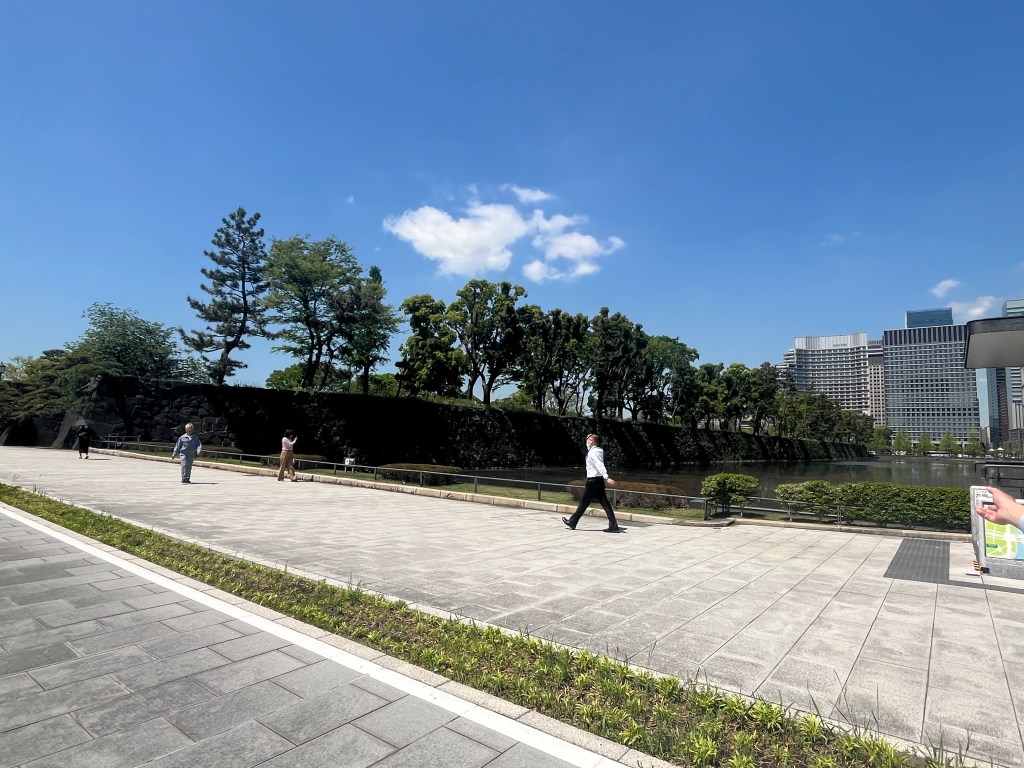
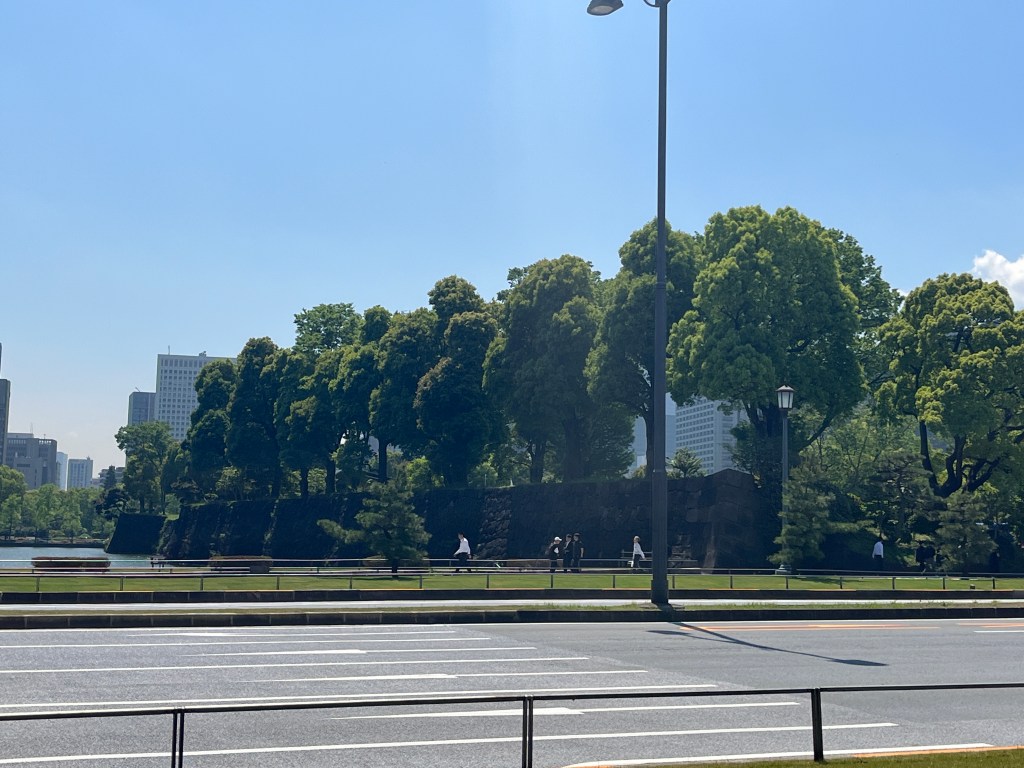

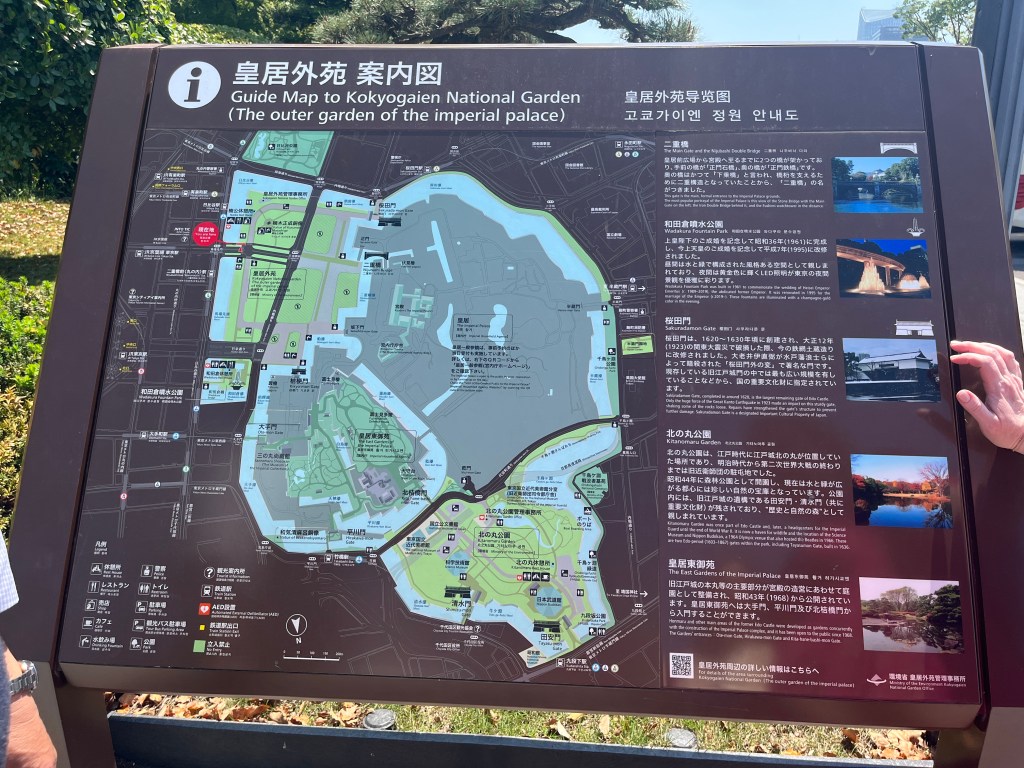
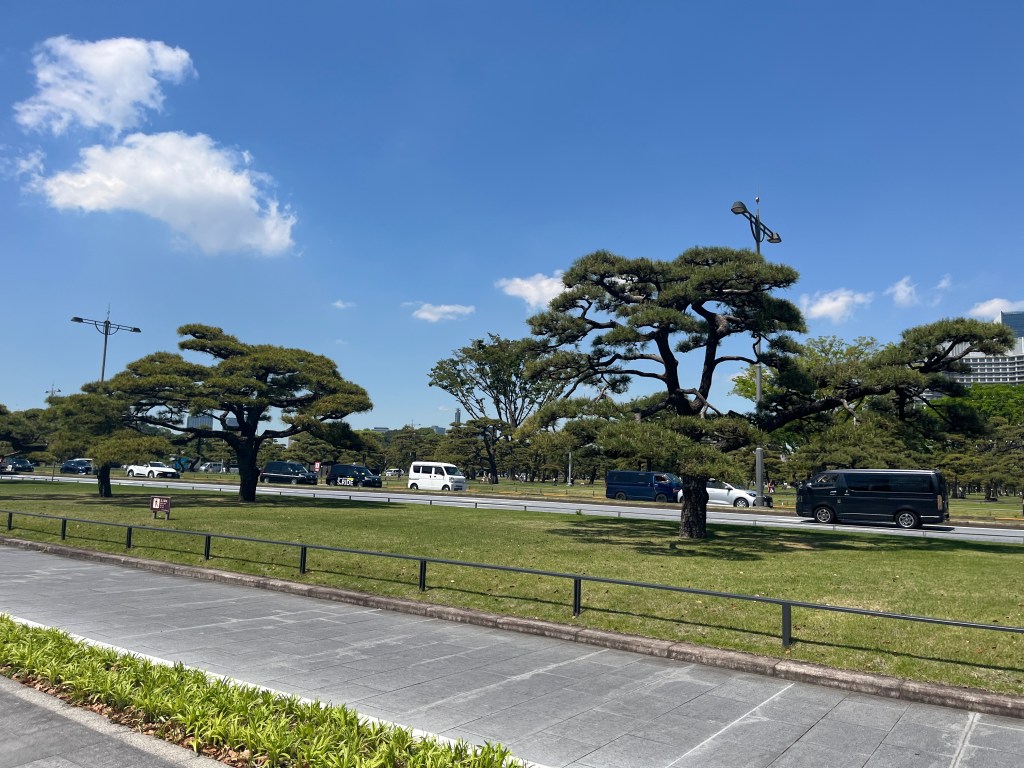
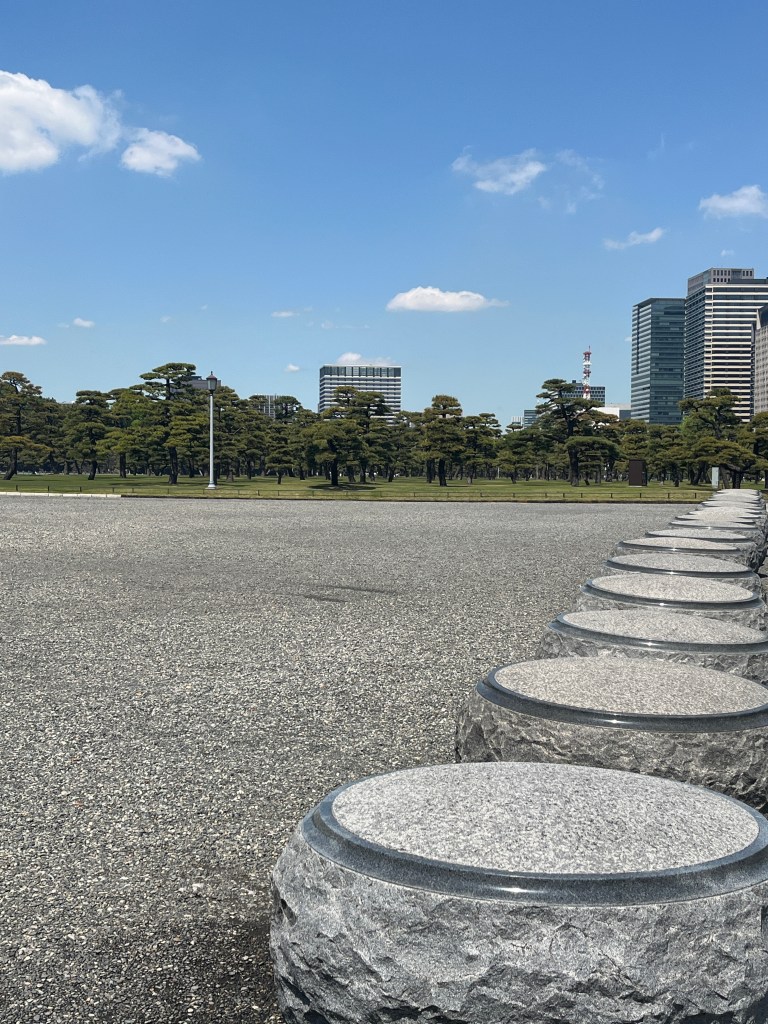
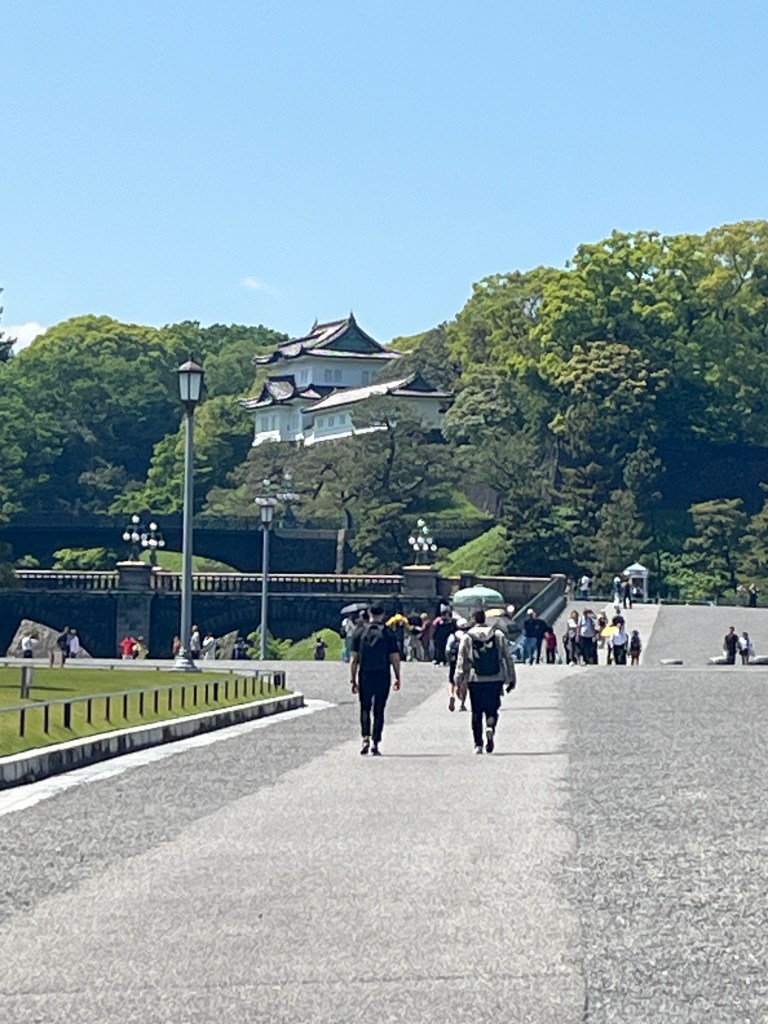
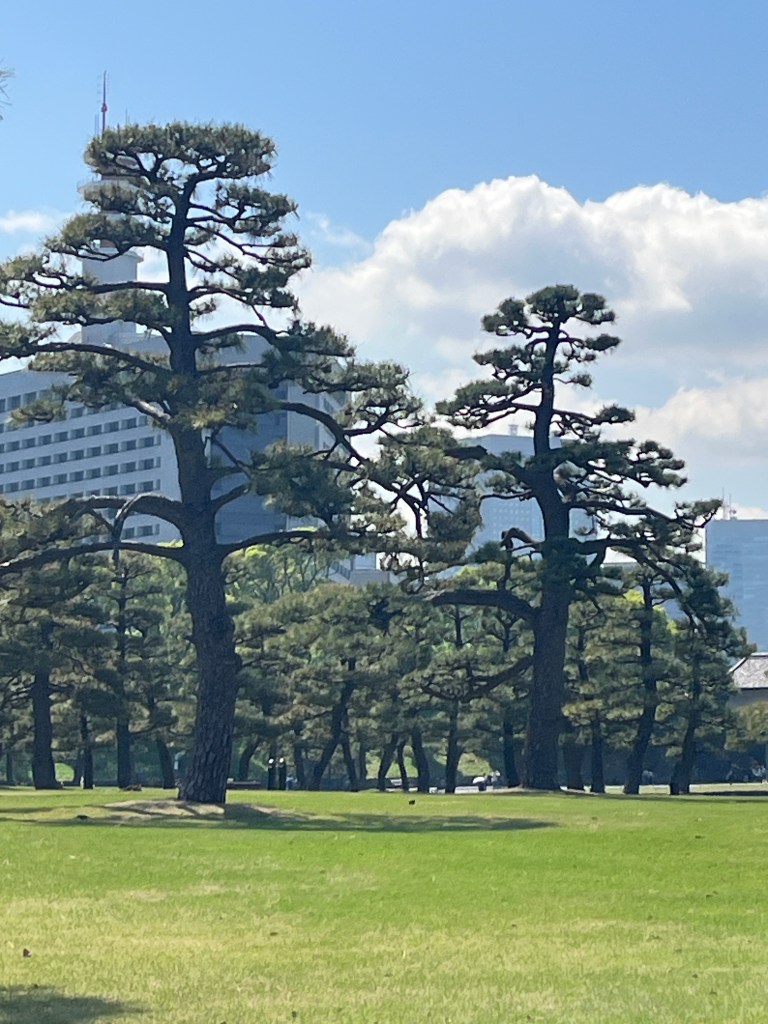
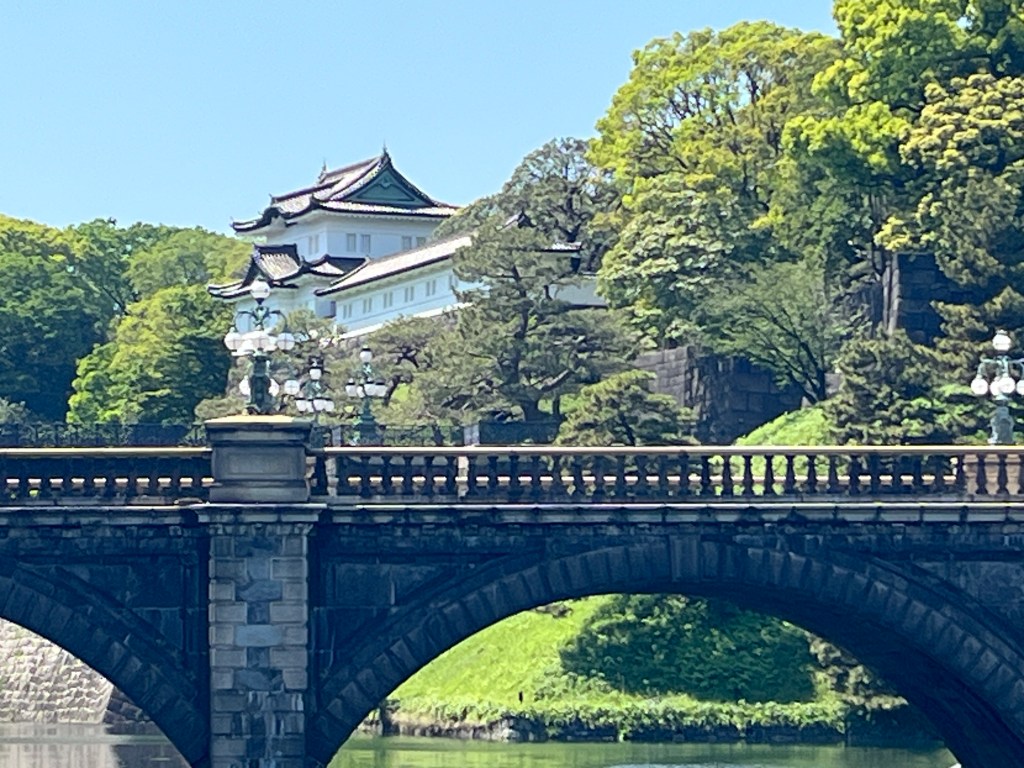

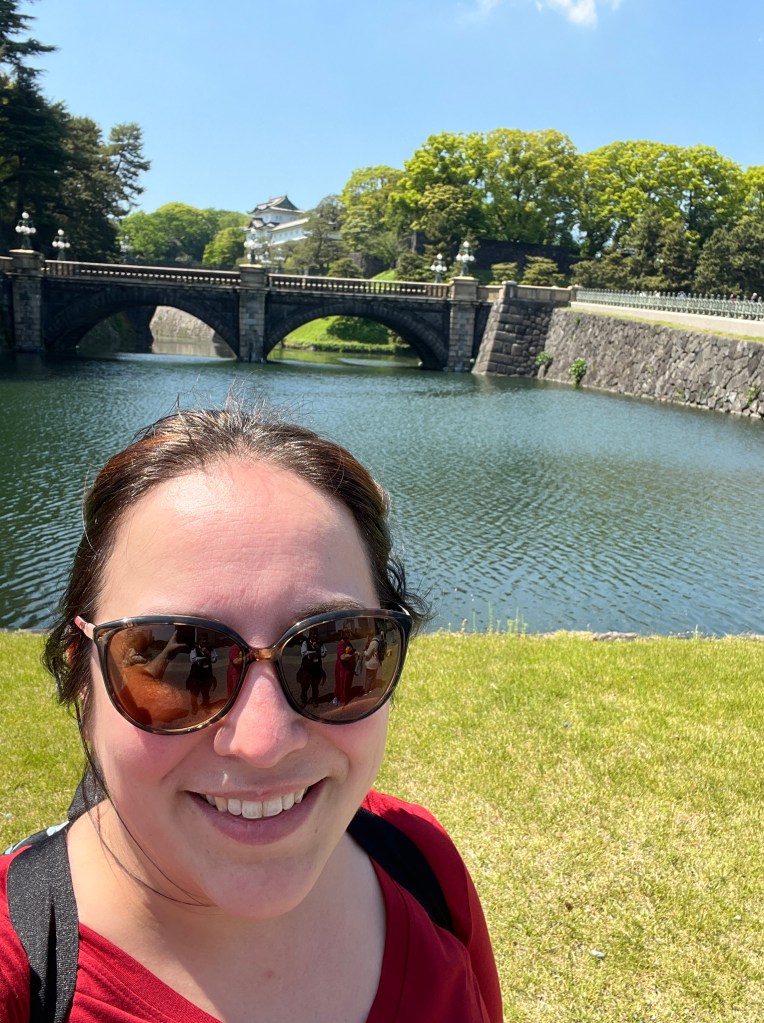
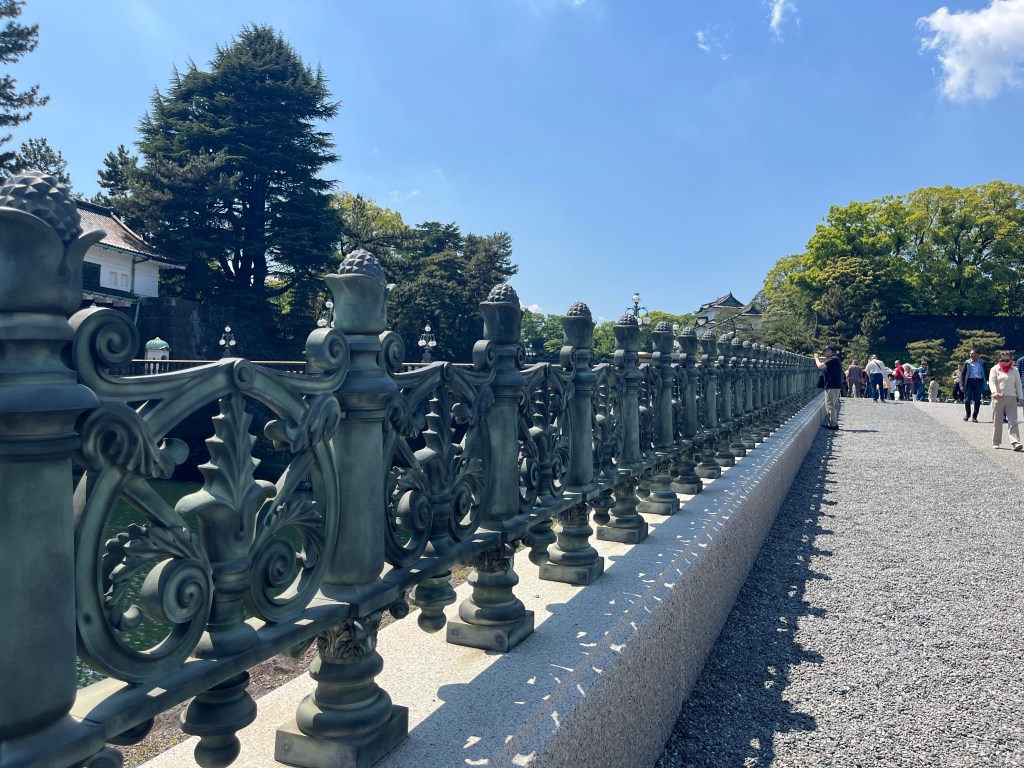
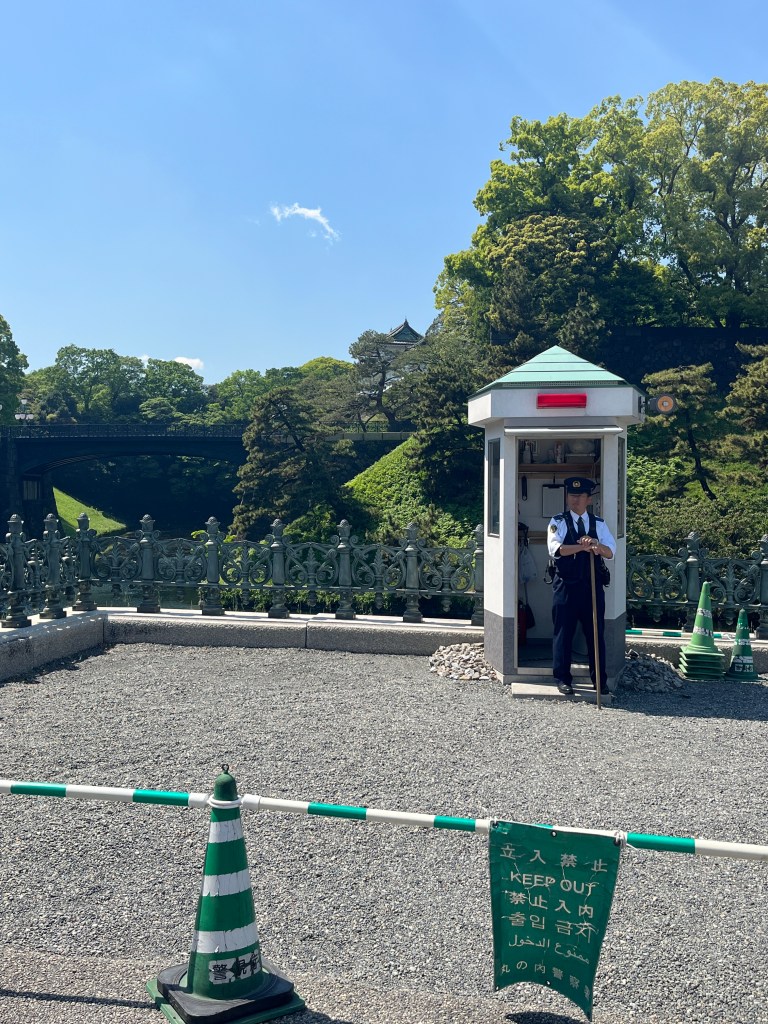
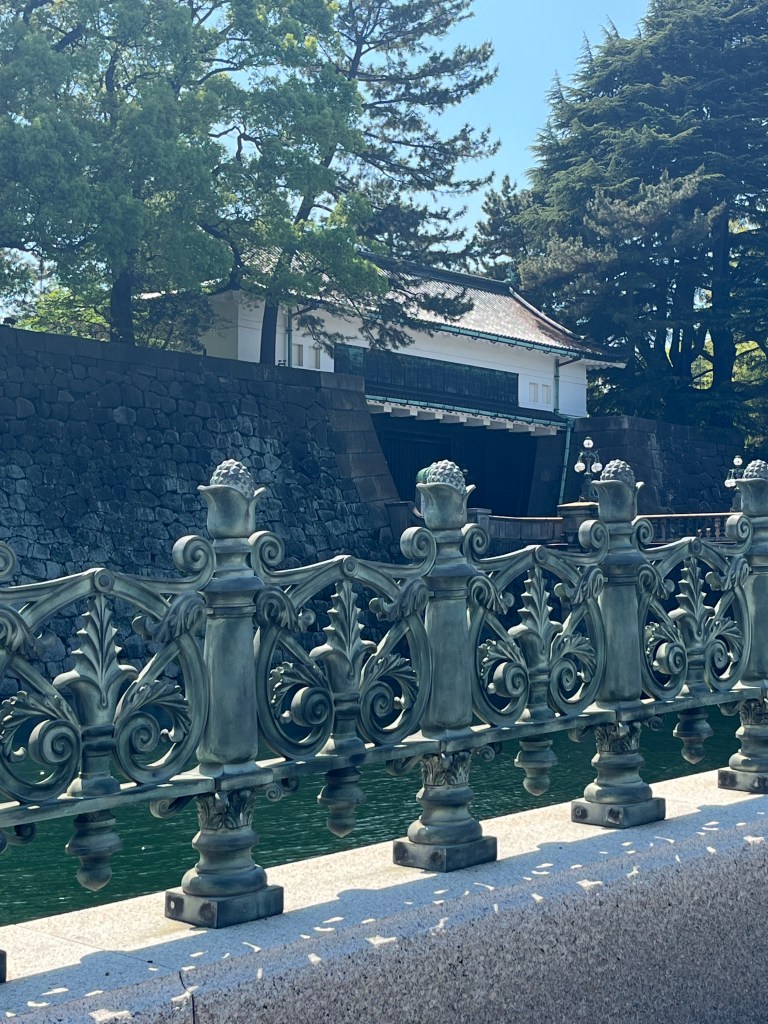
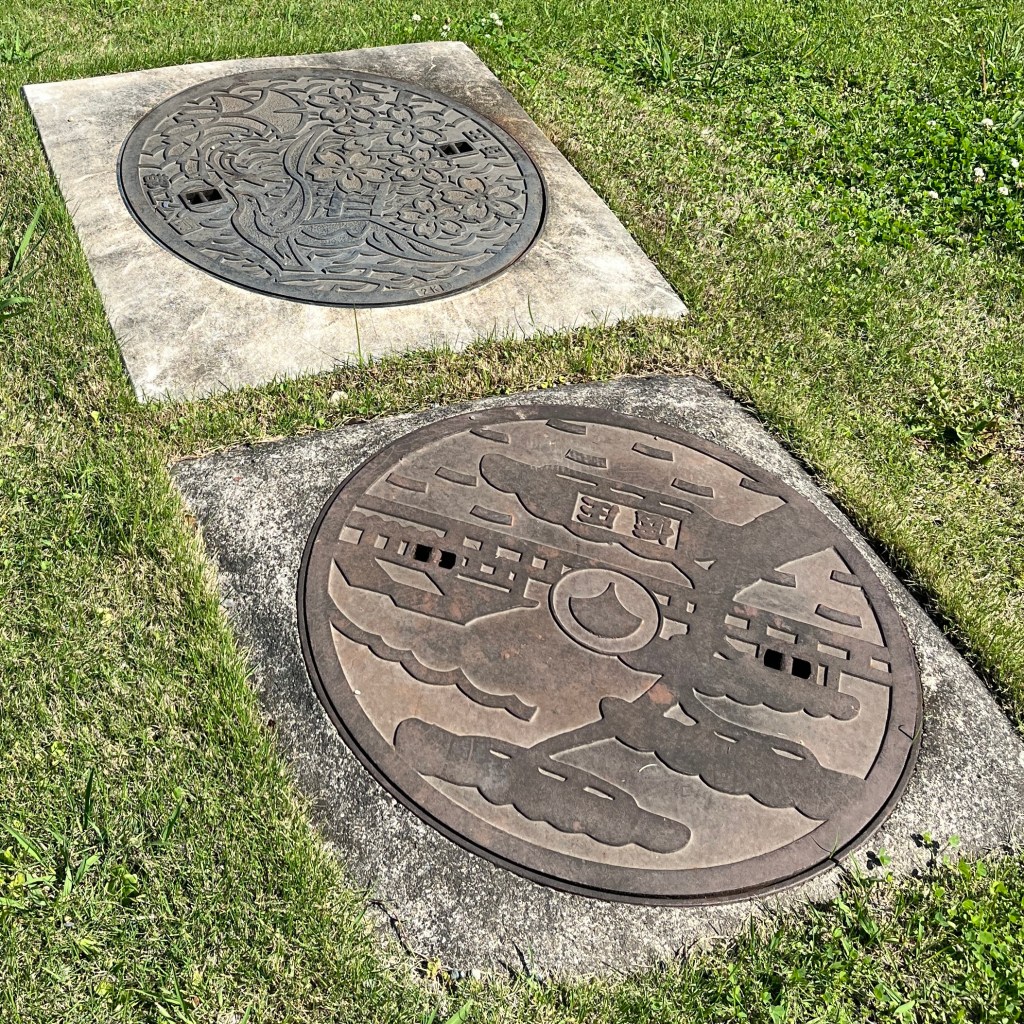
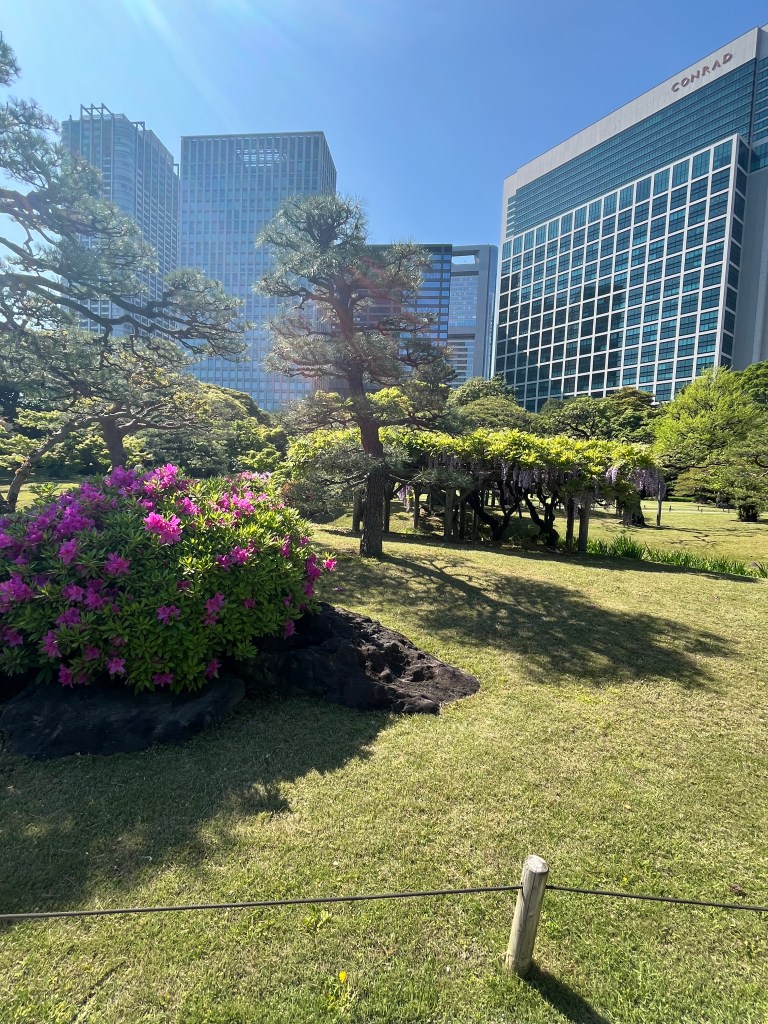
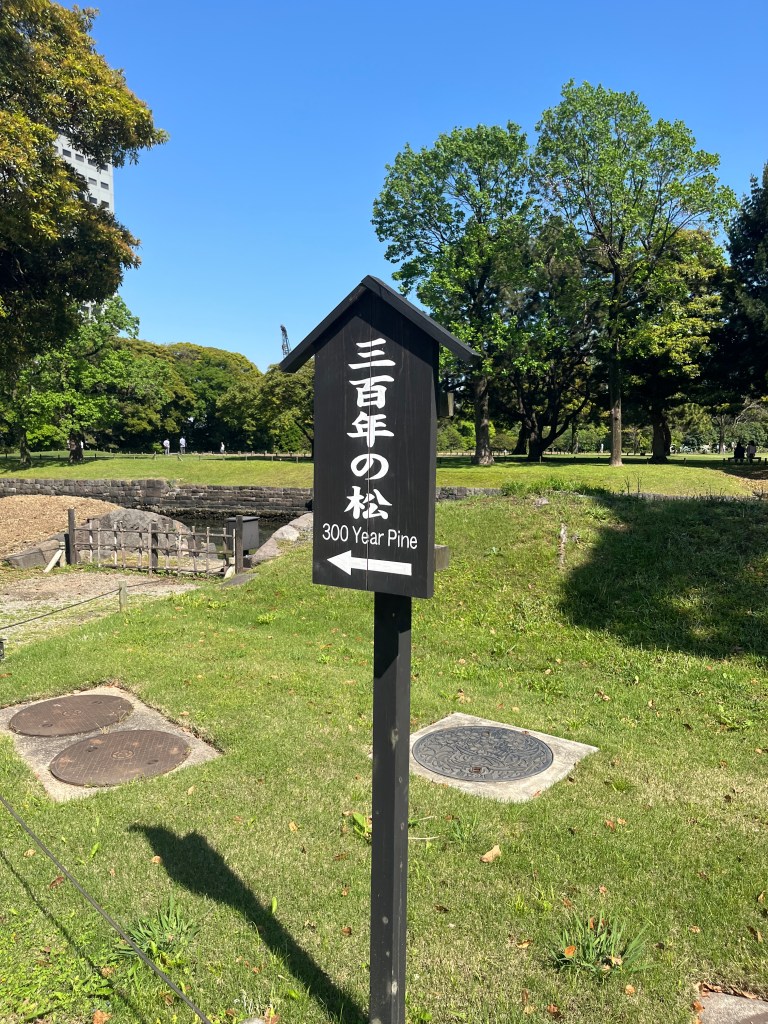
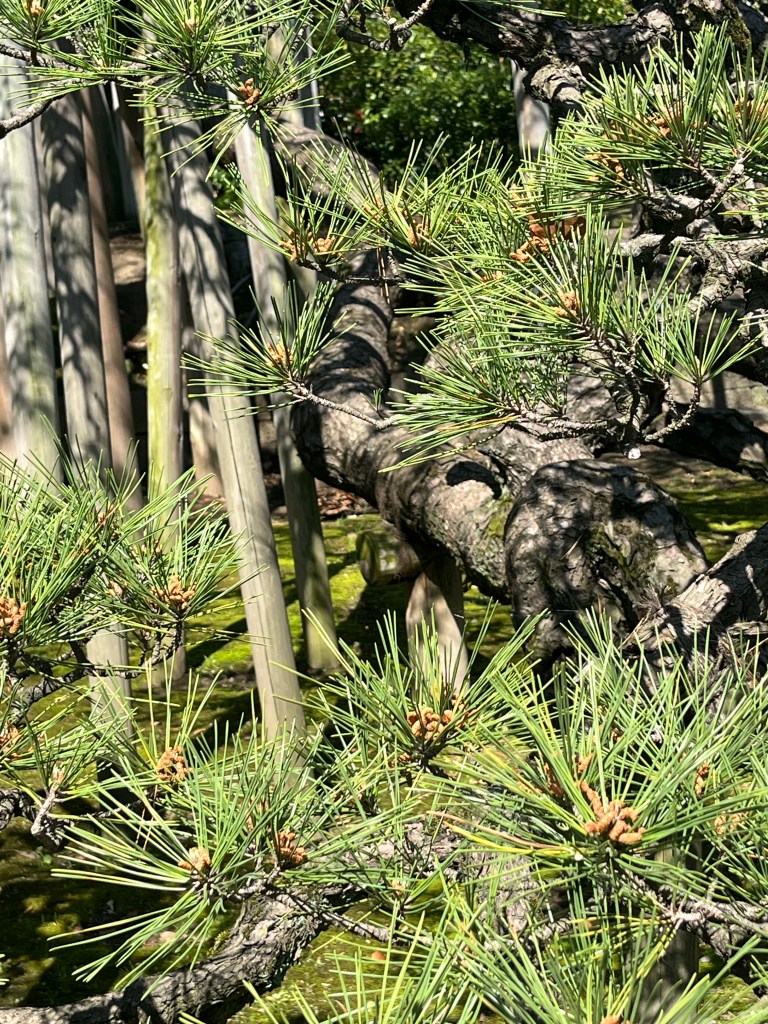
At the Hamarikyu Gardens we got to see a 300 year old pine tree and that was about all we had time and stamina for.


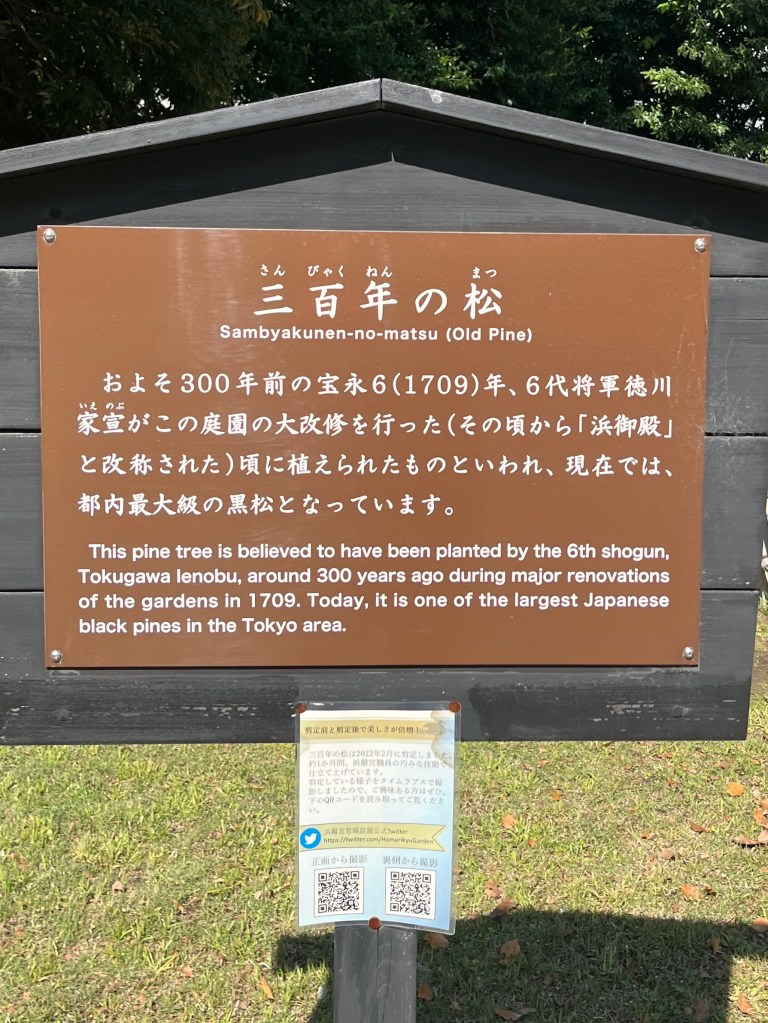
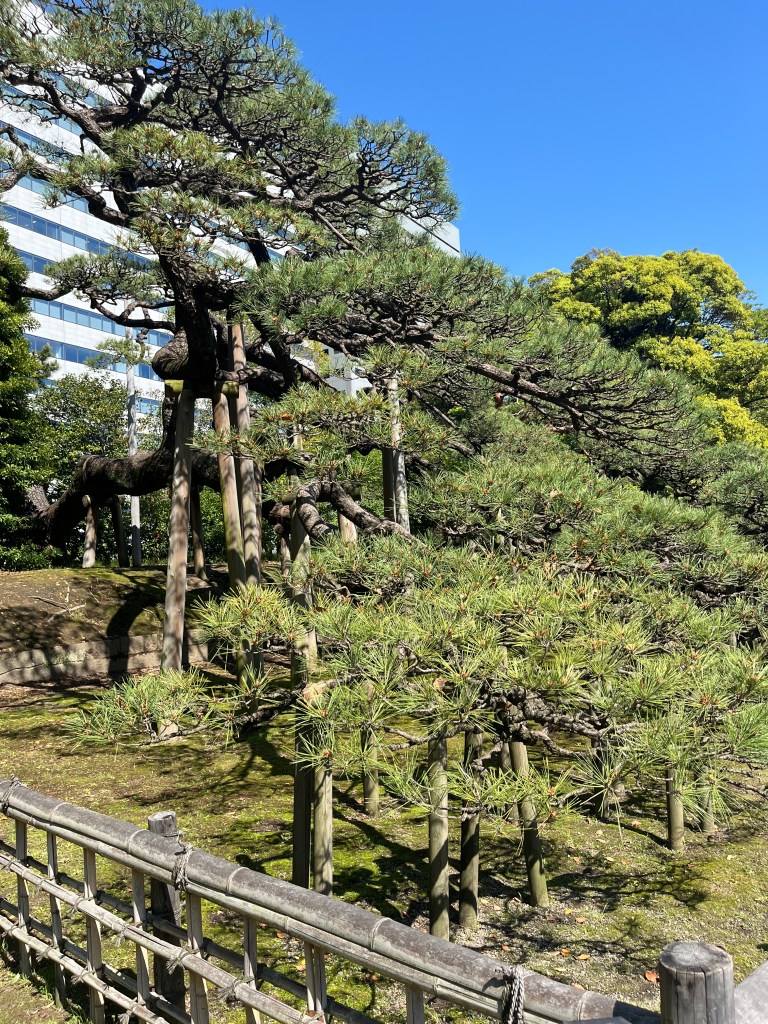

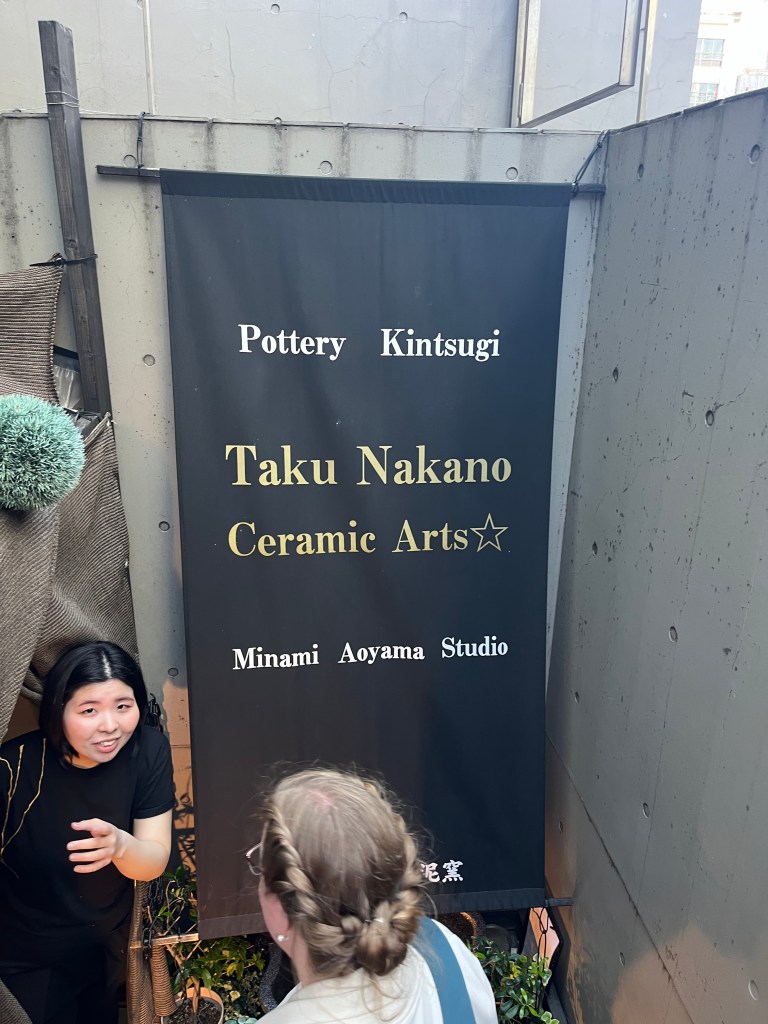
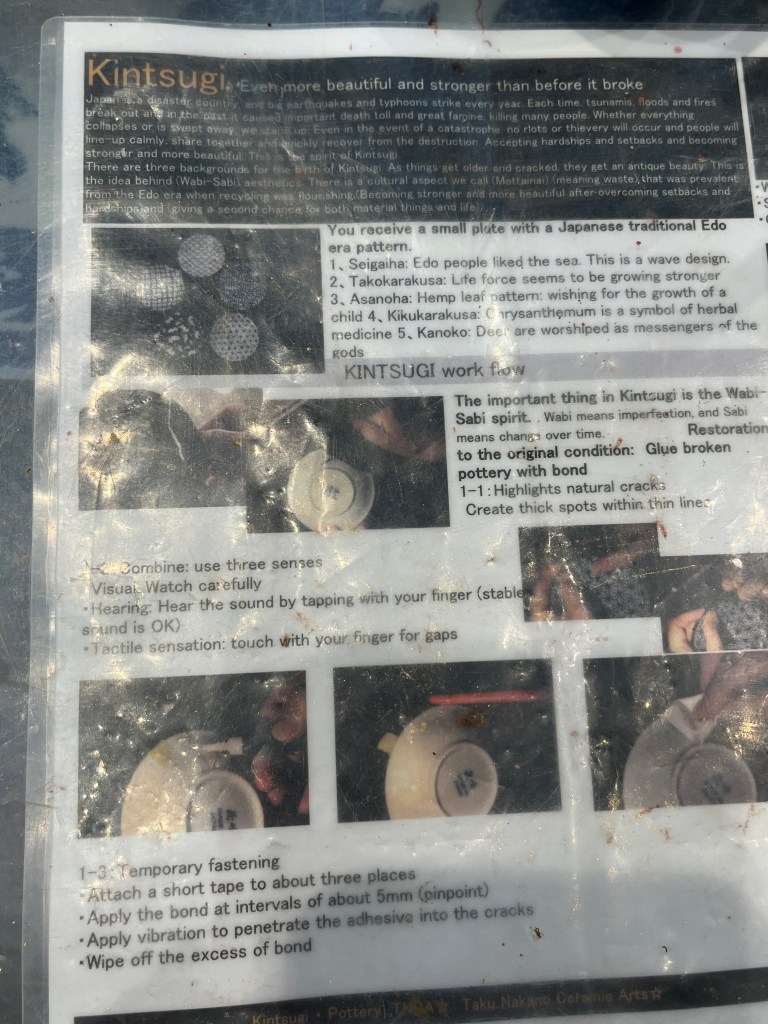
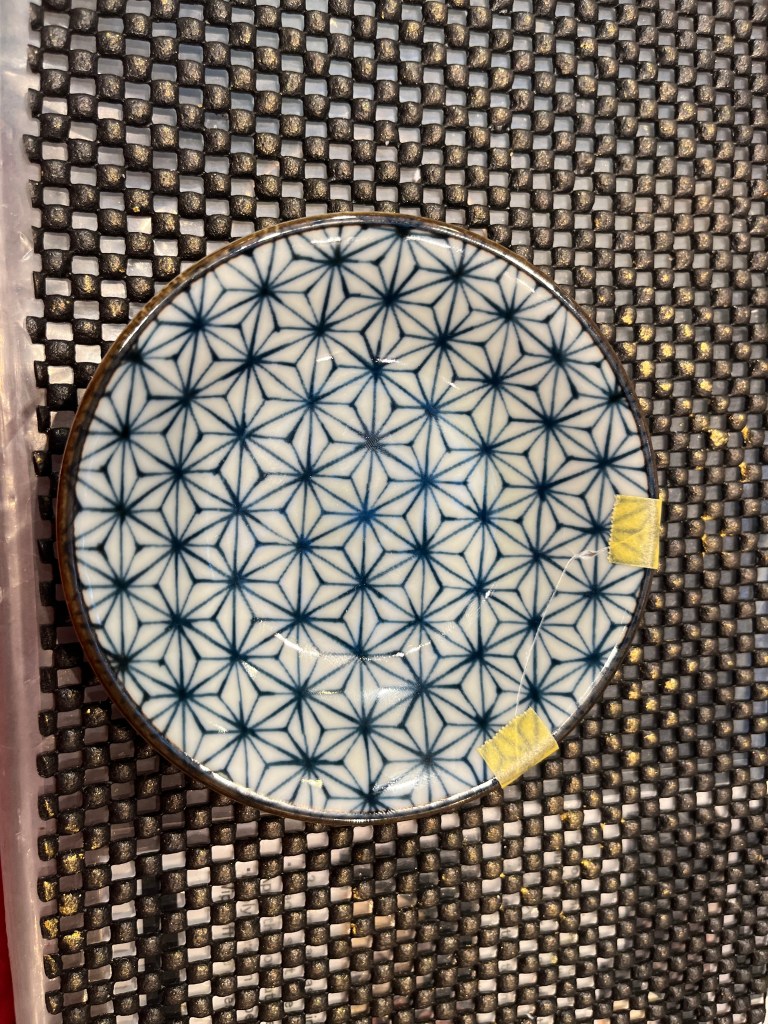
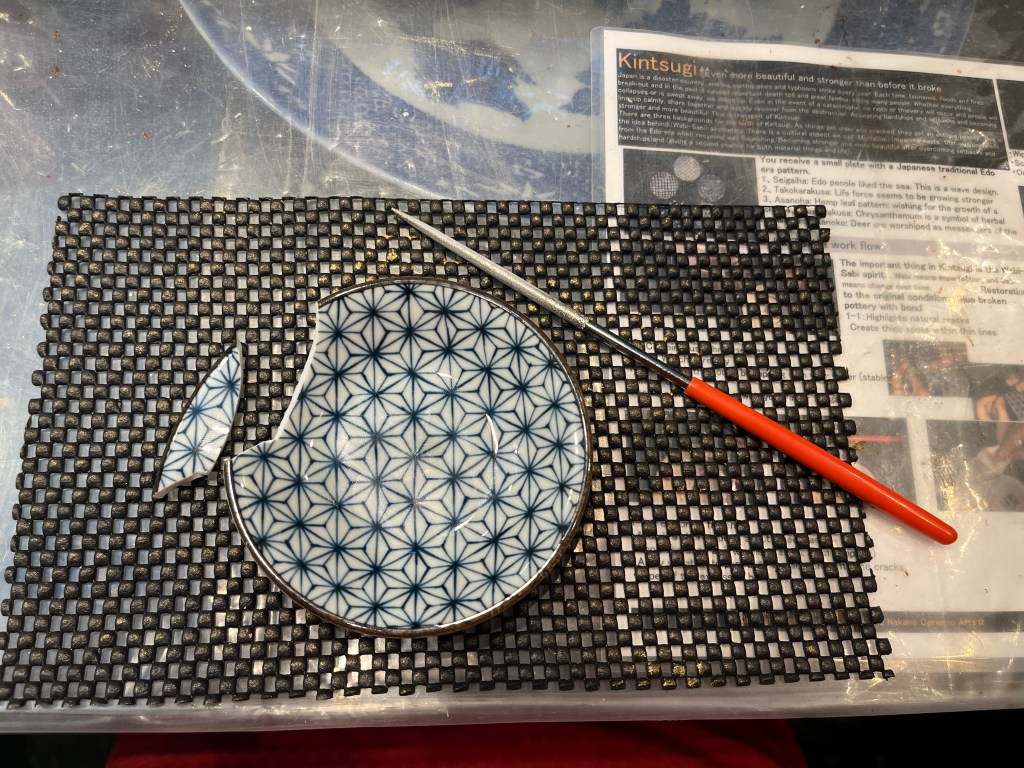
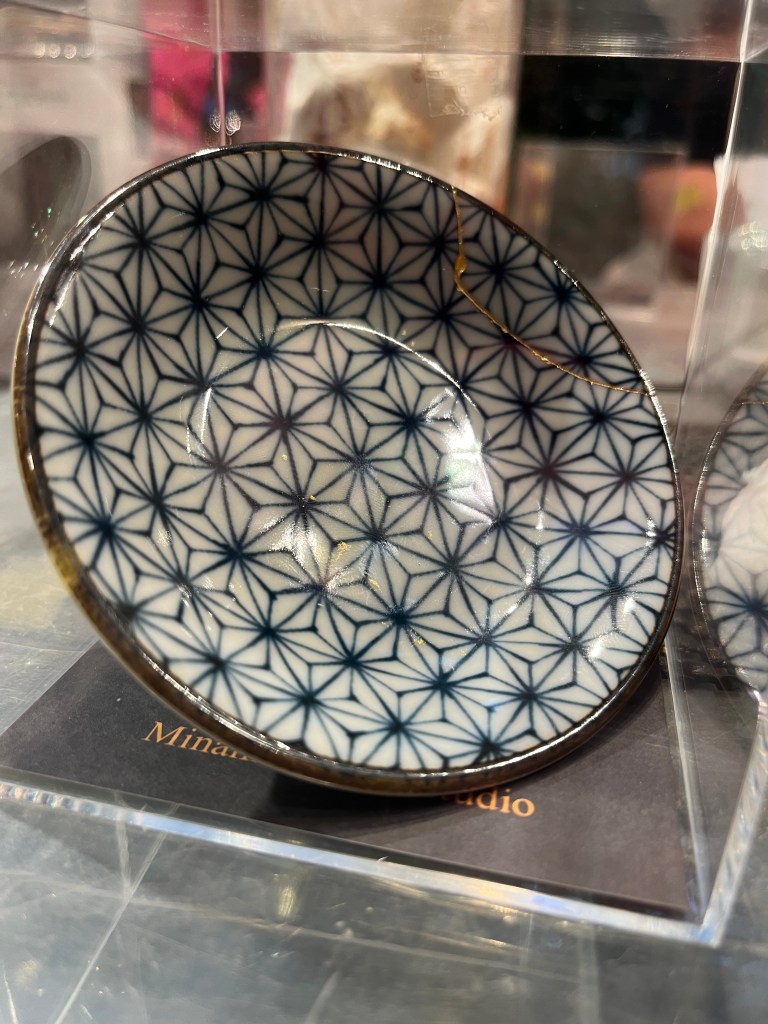
The garden tour wasn’t as relaxing as we had hoped, so we were glad to have also planned a Kintsugi experience too. We got a little lost locating the building and ended up being a few minutes late to the class. The instructor may have needed the three deep breaths to deal with the Americans as much as we needed them to unwind from our misadventure. But either way, kintsugi begins with breathing. We were given pre-broken plates and detailed instructions. Each movement from holding the pieces together to gently sanding the seem so it was ready to receive the repair was slow, intentional, and much like the tea ceremony, felt like a mindfulness practice. Our instructor was dressed like his art in wabi-sabi style with his black clothing interrupted by gold blotchy lines. One of his shoes was black and the other was gold. As outlandish as his attire was, his philosophy about mending things that break instead of buying new seemed practical and down to earth. It seemed that he could find a way to mend anything and make it all the more beautiful.
#kintsugi Even stronger and more beautiful than before it broke. @taku_nakano_ceramicarts


Later that night, I journaled some thoughts about pilgrimage. In some ways, pilgrimage has helped me to put myself back together after breaking away from the church I served for nearly a decade. I know I can find a new path. Pilgrimage helps me focus on this present moment, letting go of not only the past, but the future that I thought was going to happen. Meditation helps too, but for some reason being somewhere totally outside what my day to day reality is really focuses my awareness of the present moment. Pilgrimage reminds me to listen to my body, to take care of myself, and enjoy whatever is happening now.
April 26th:
Mt. Fuji day trip. Viewing, not climbing.
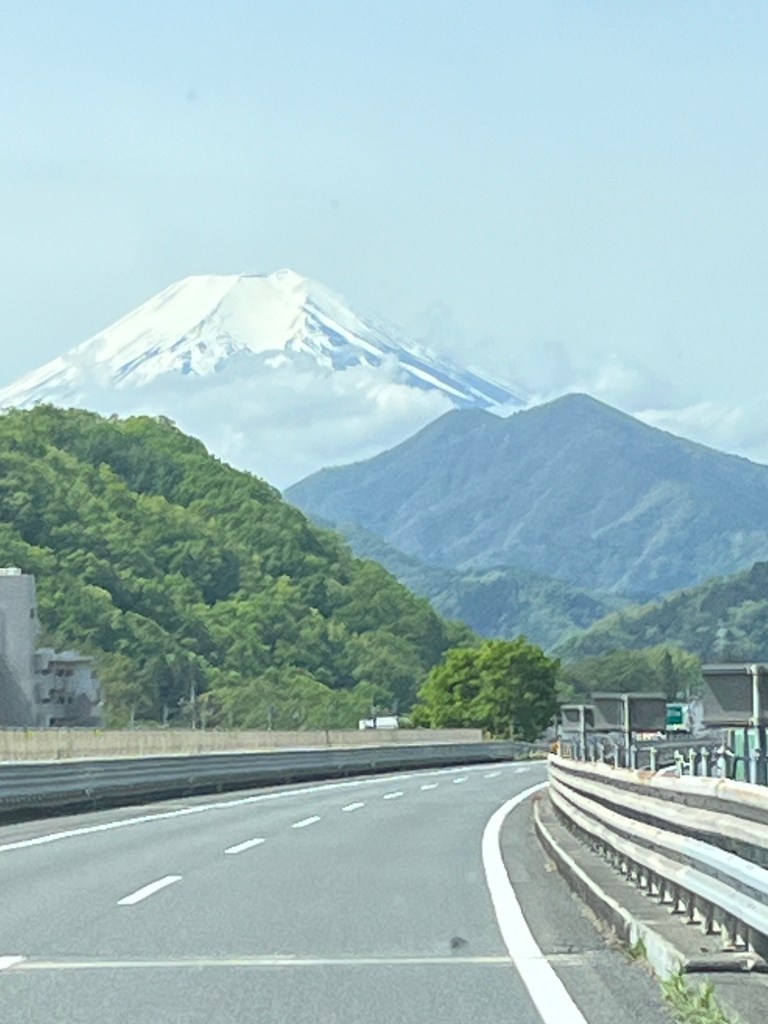
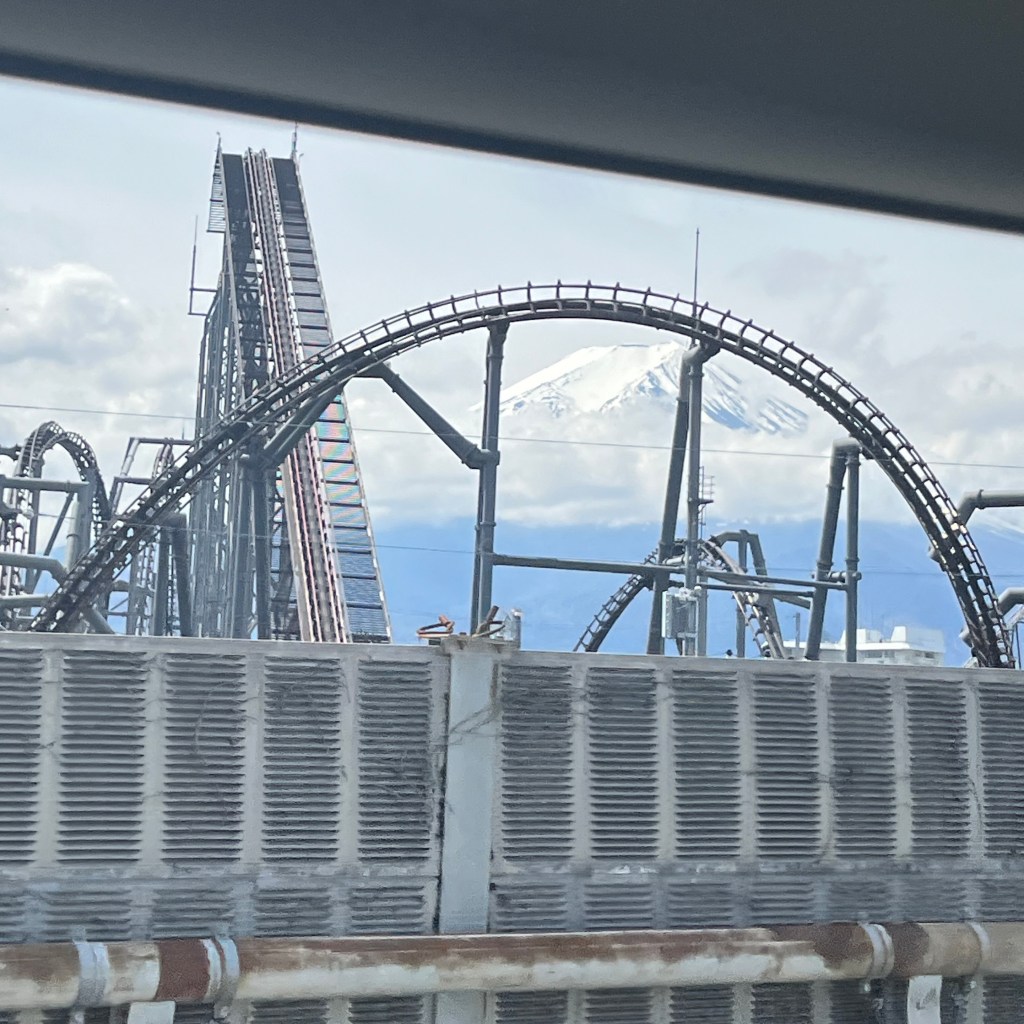
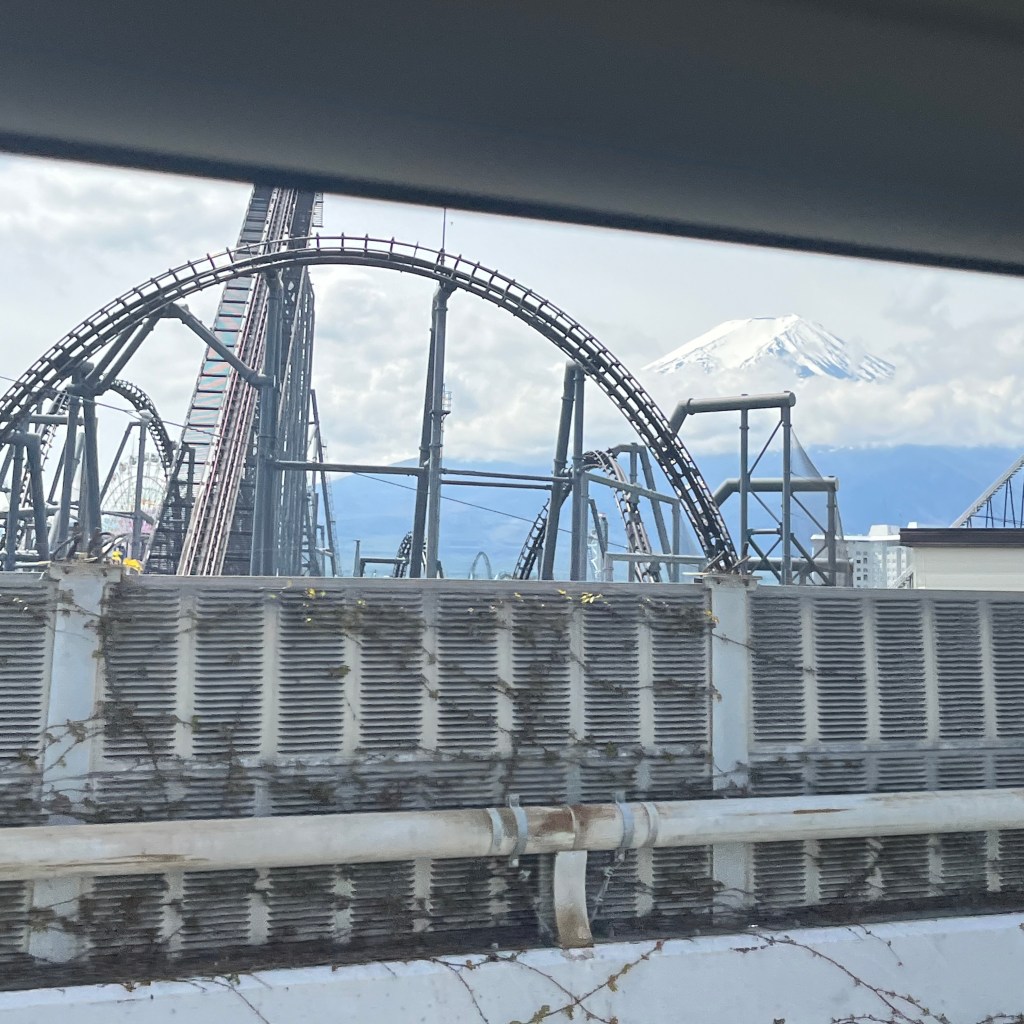
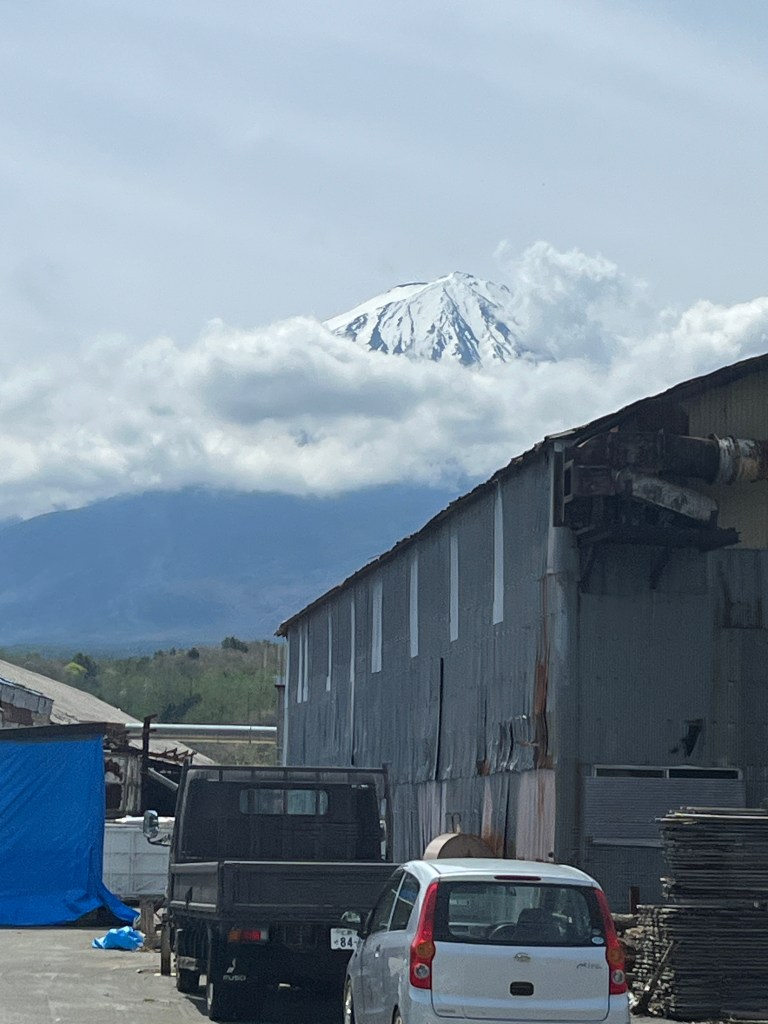
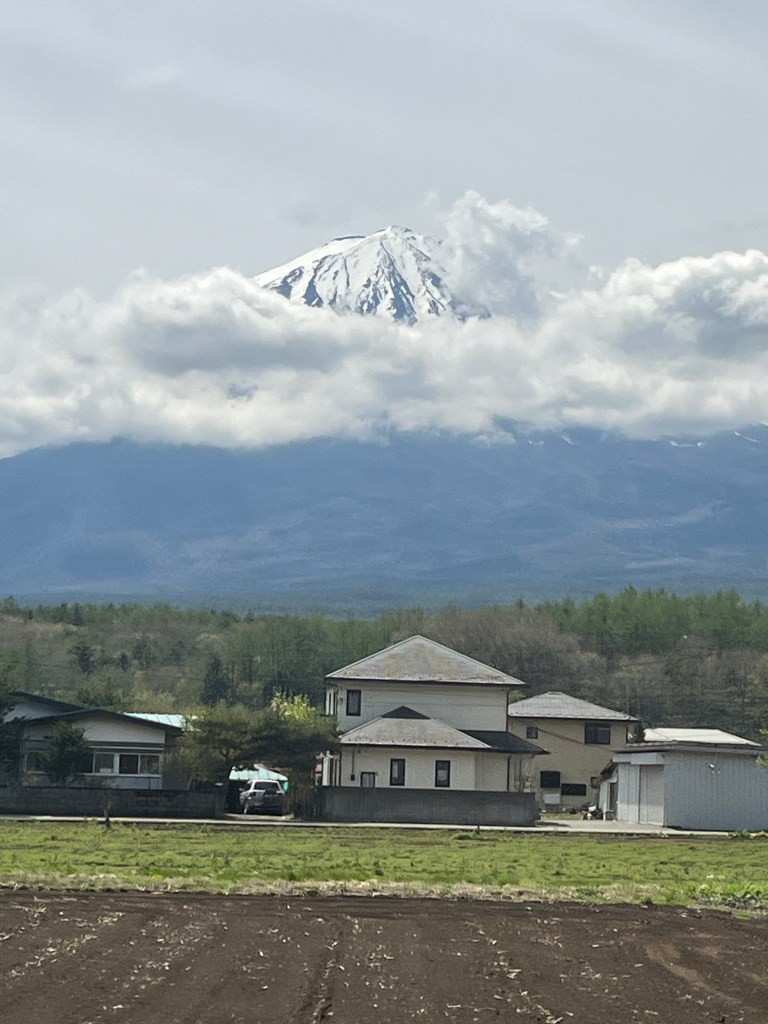
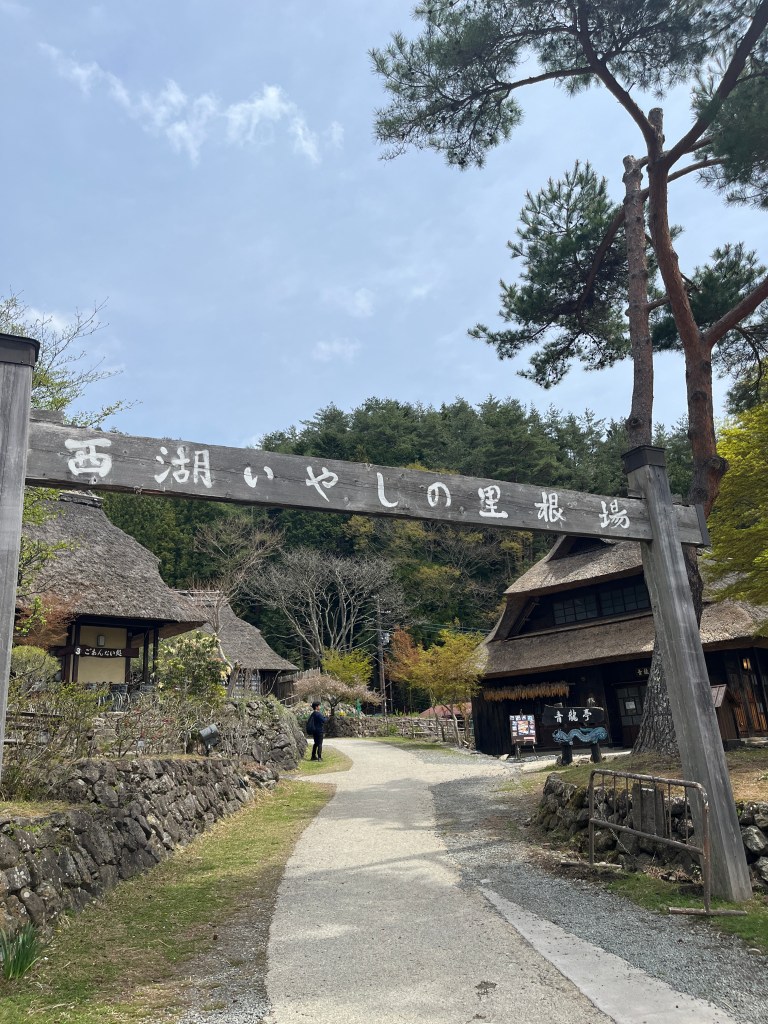
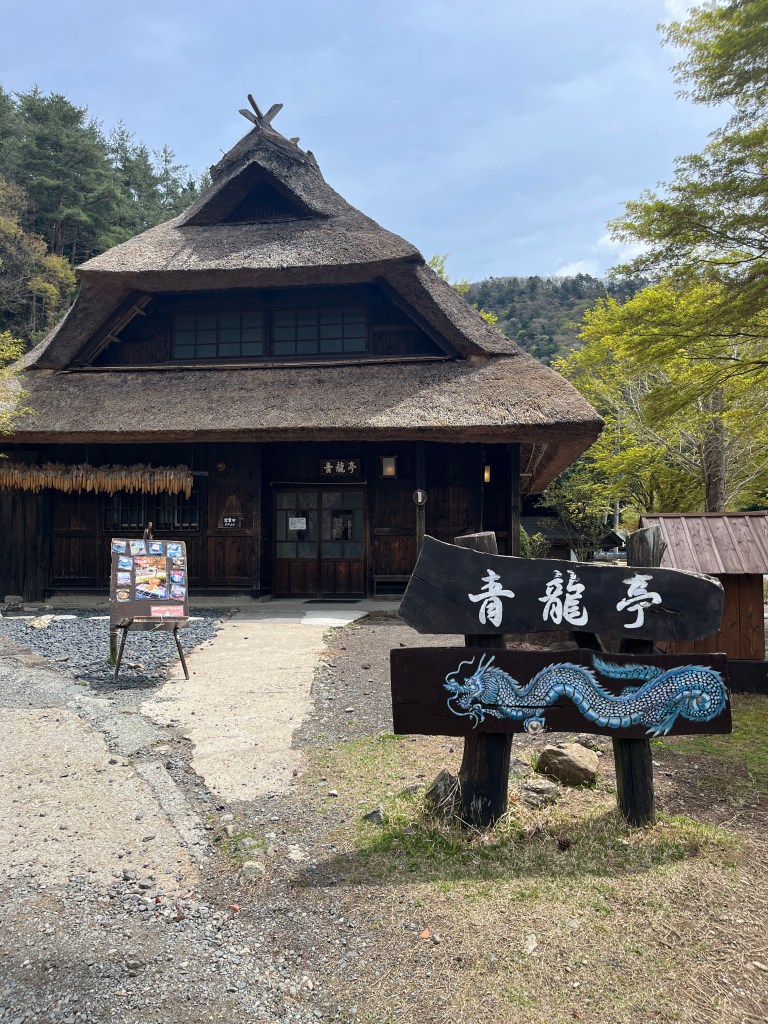
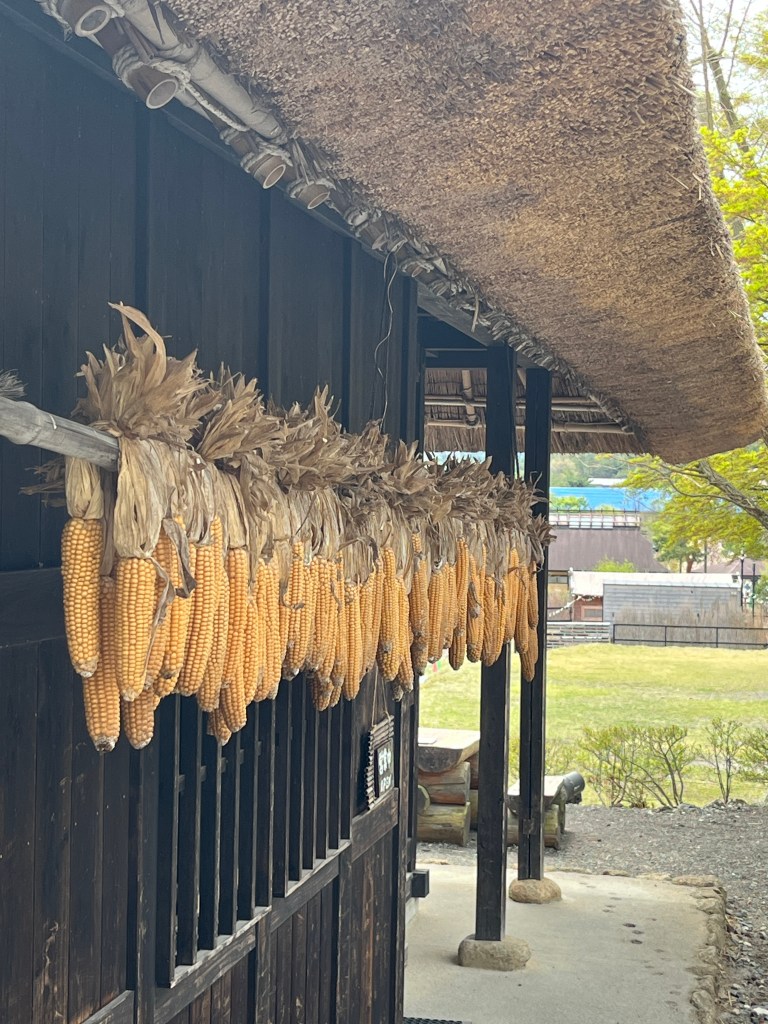
Saiko Iyashino-Sato Nenba is a village that is set up to preserve and honor traditional thatched room homes, local crafts, and of course cherry blossoms.


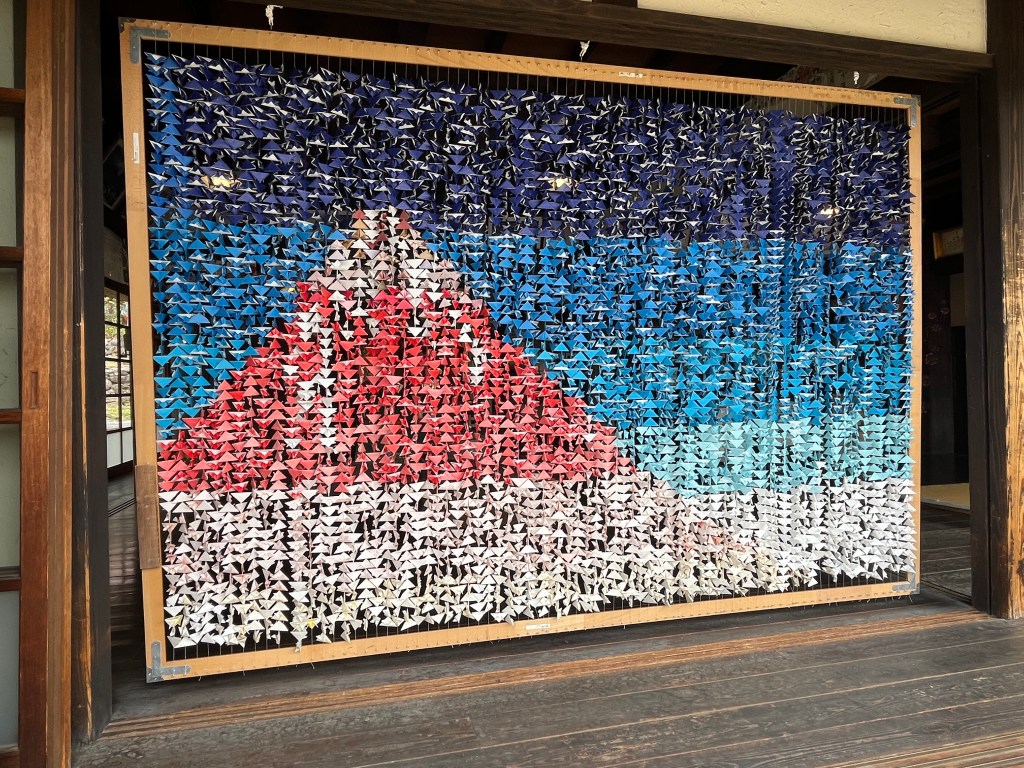
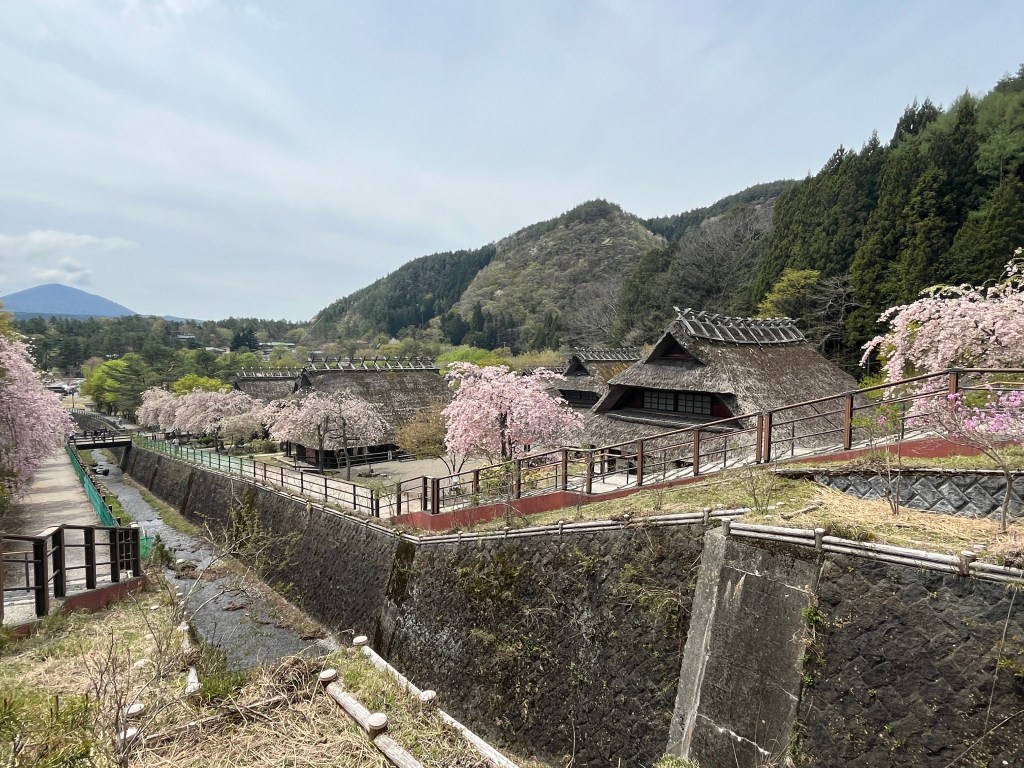

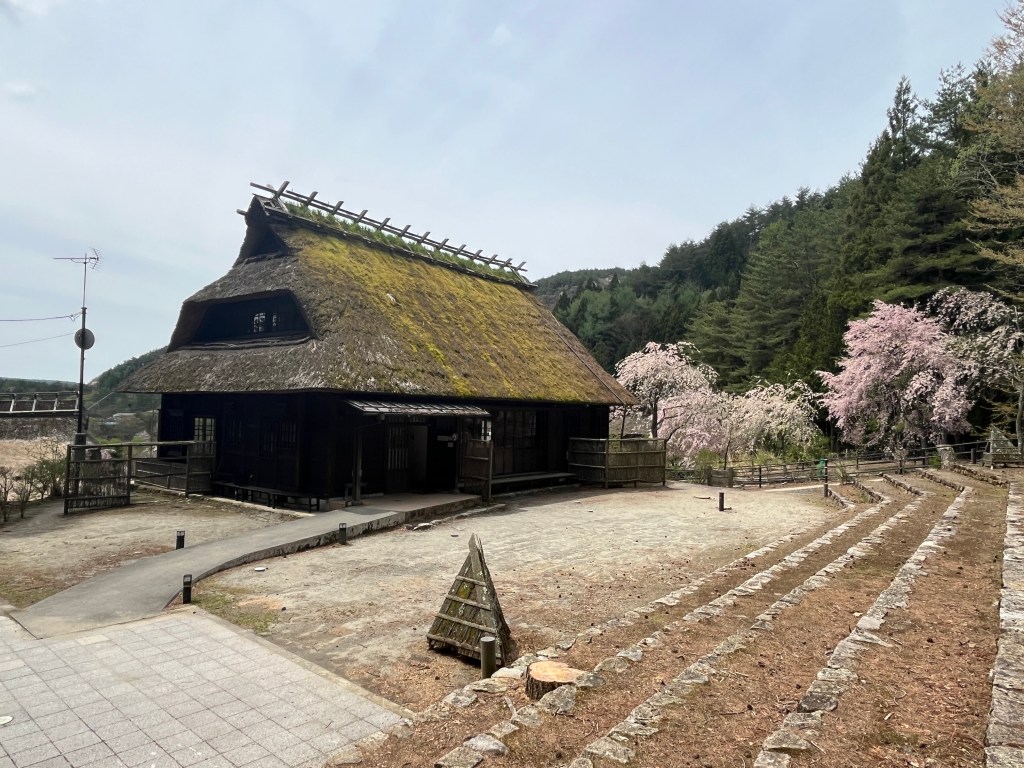
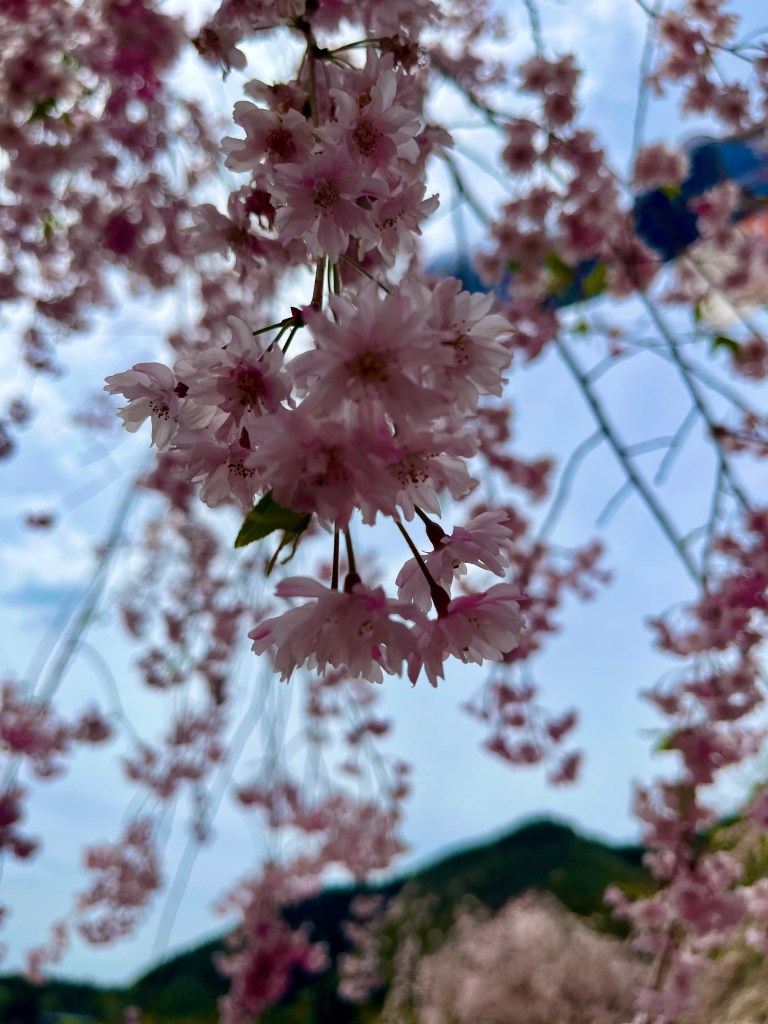
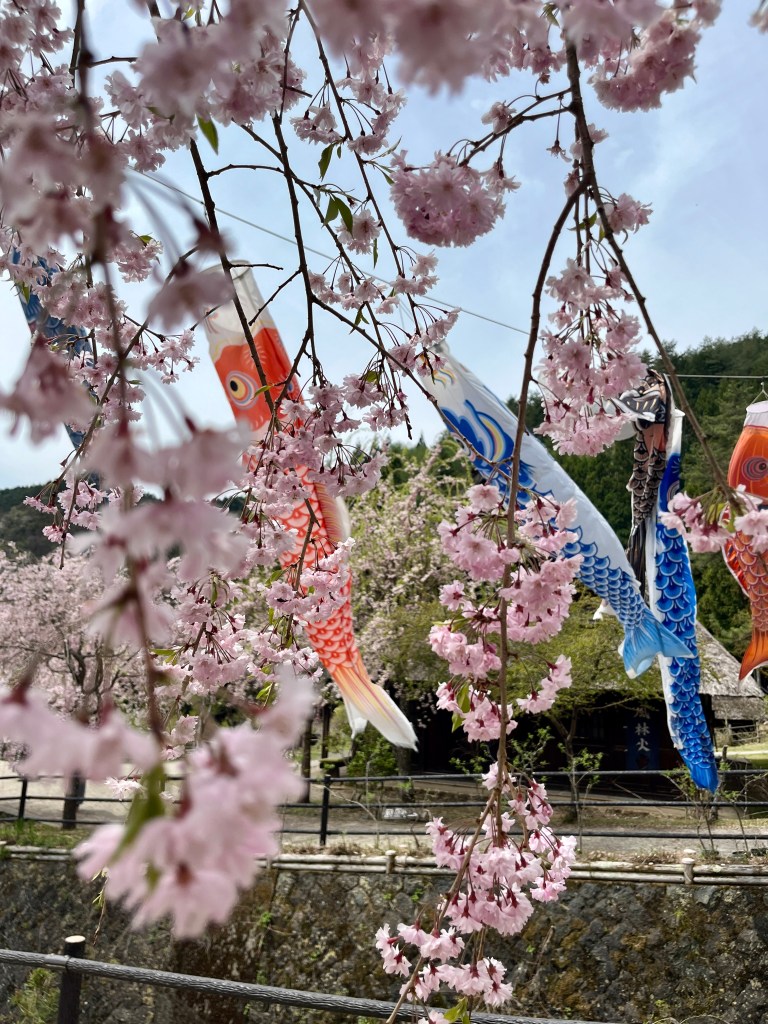

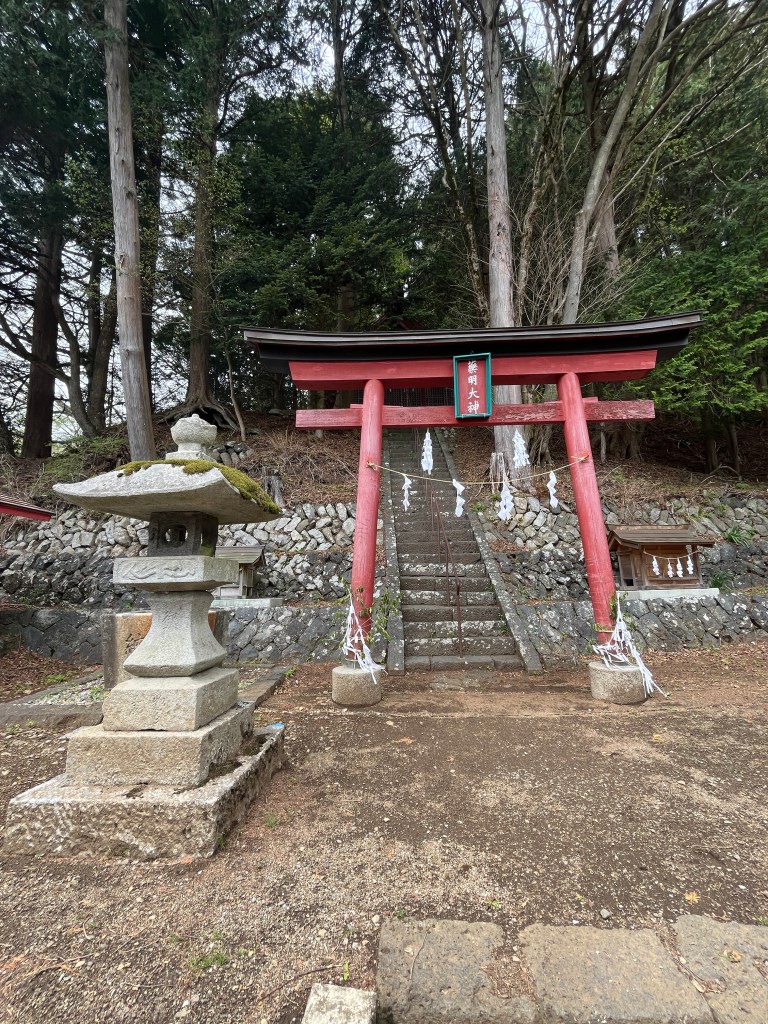
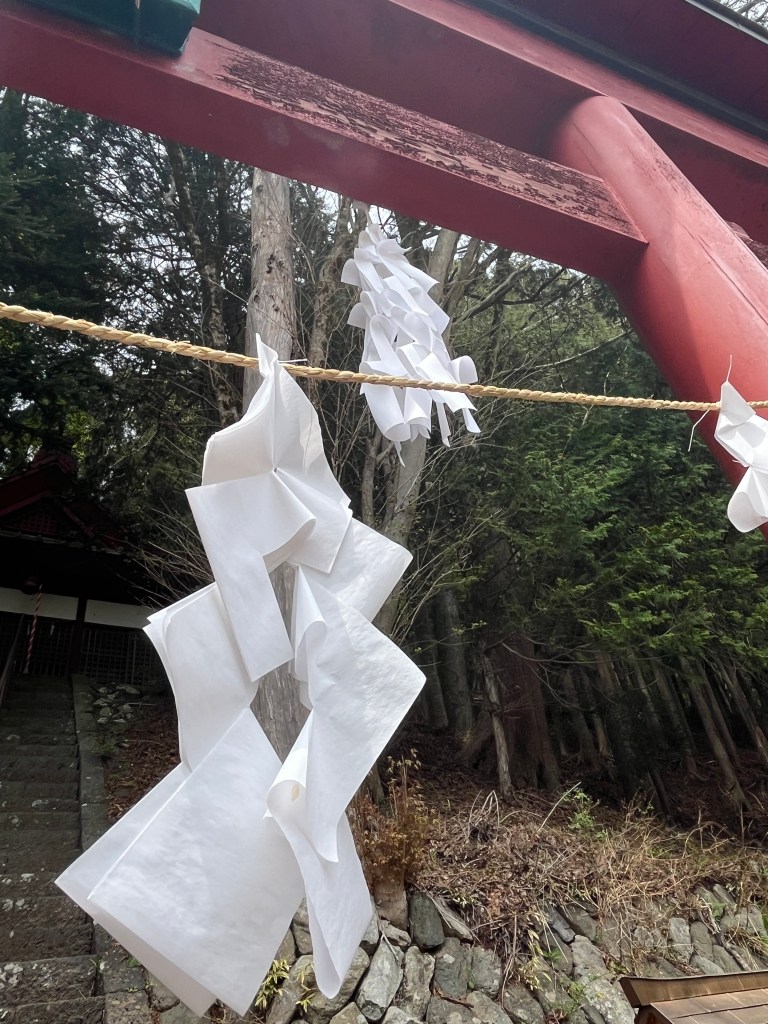
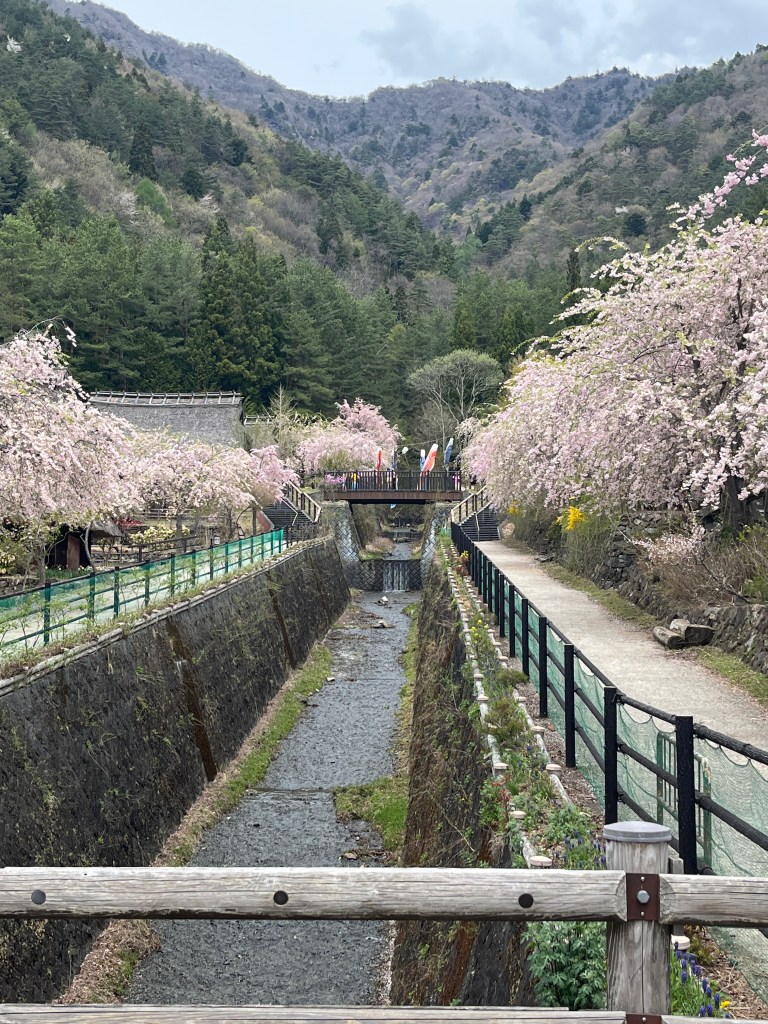
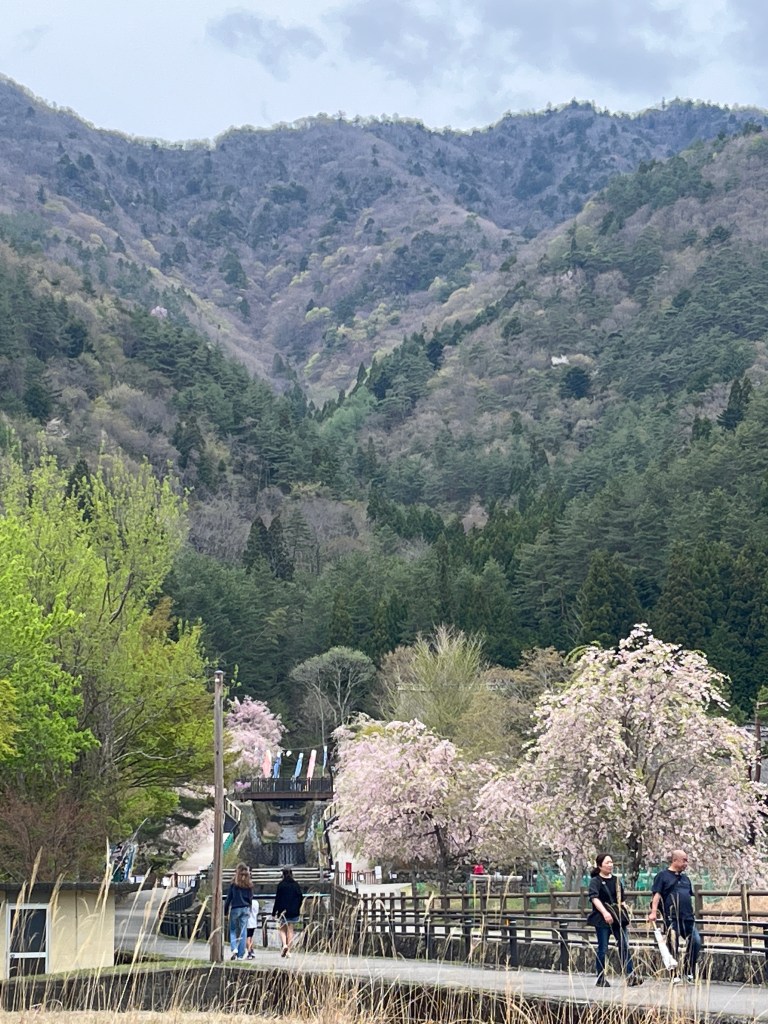
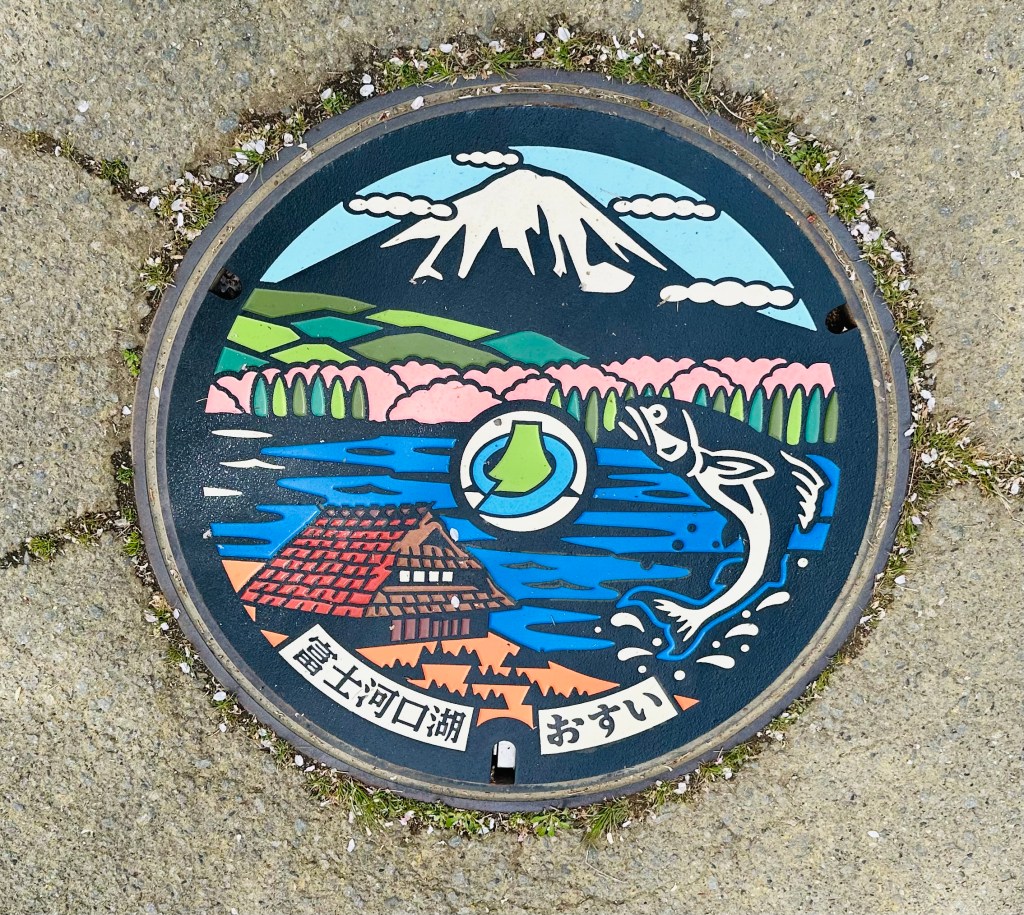

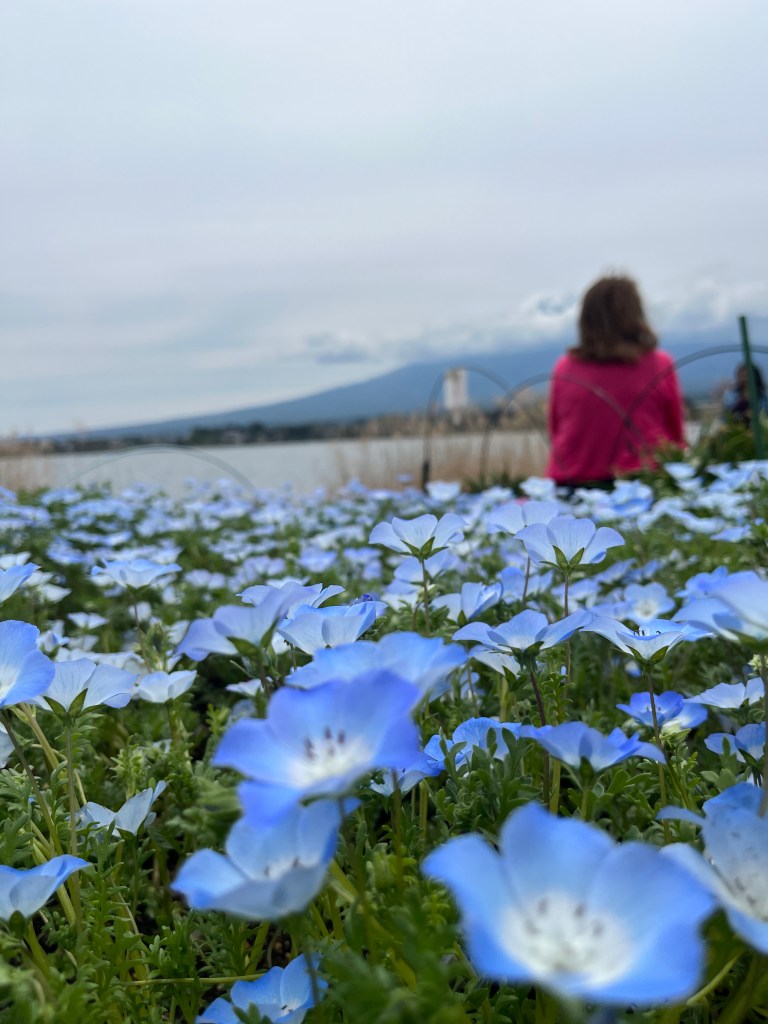
Oishi Park Lake Kawaguchiko has beautiful flowers around the lake that make for interesting foreground in pictures of the mountain. We observed lots of people living out their instagram dreams and joined in (in a respectful pilgrimage way of course). Mt. Fuji is one of those places that feels sacred no matter how you understand divine manifestation.
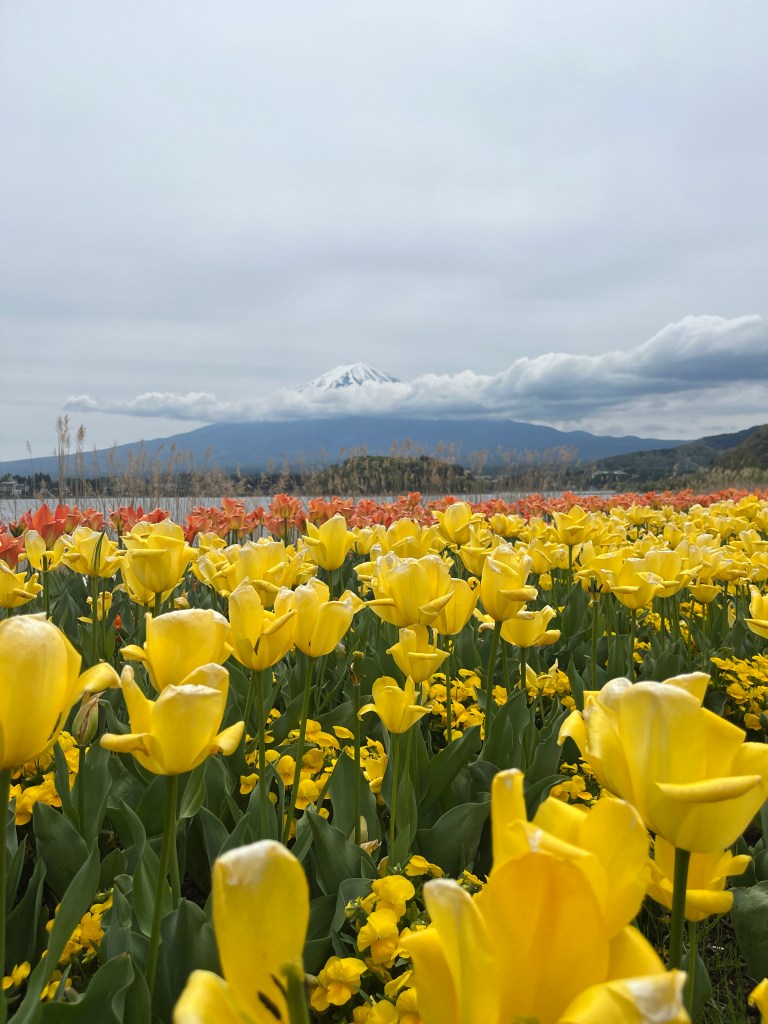
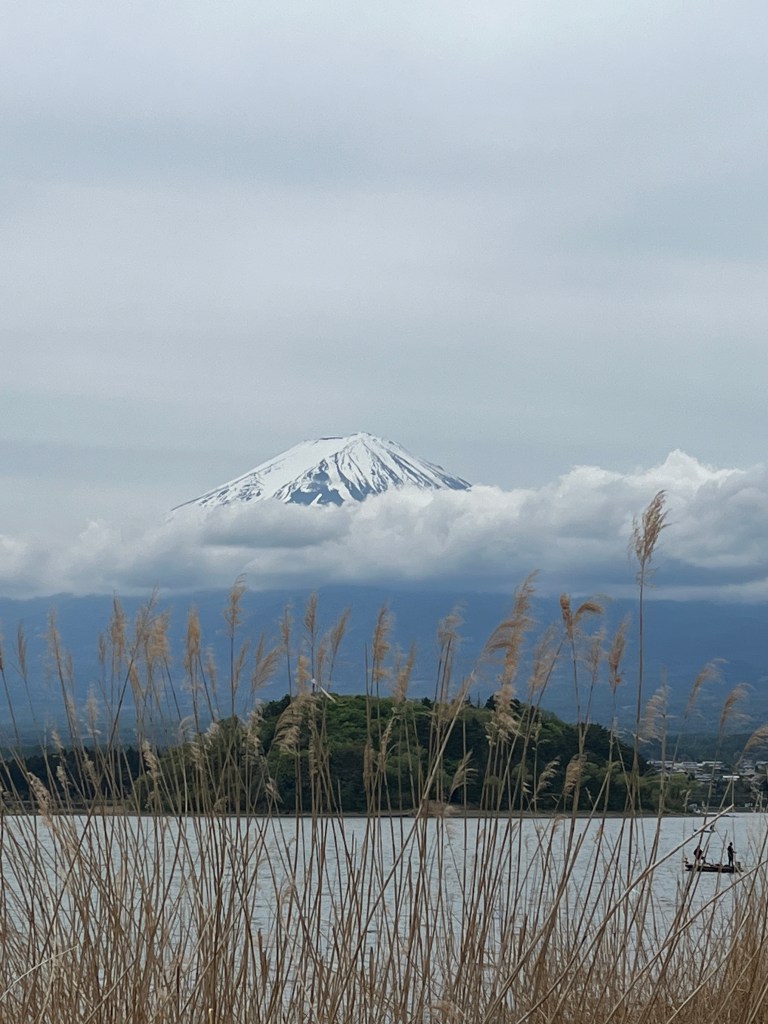

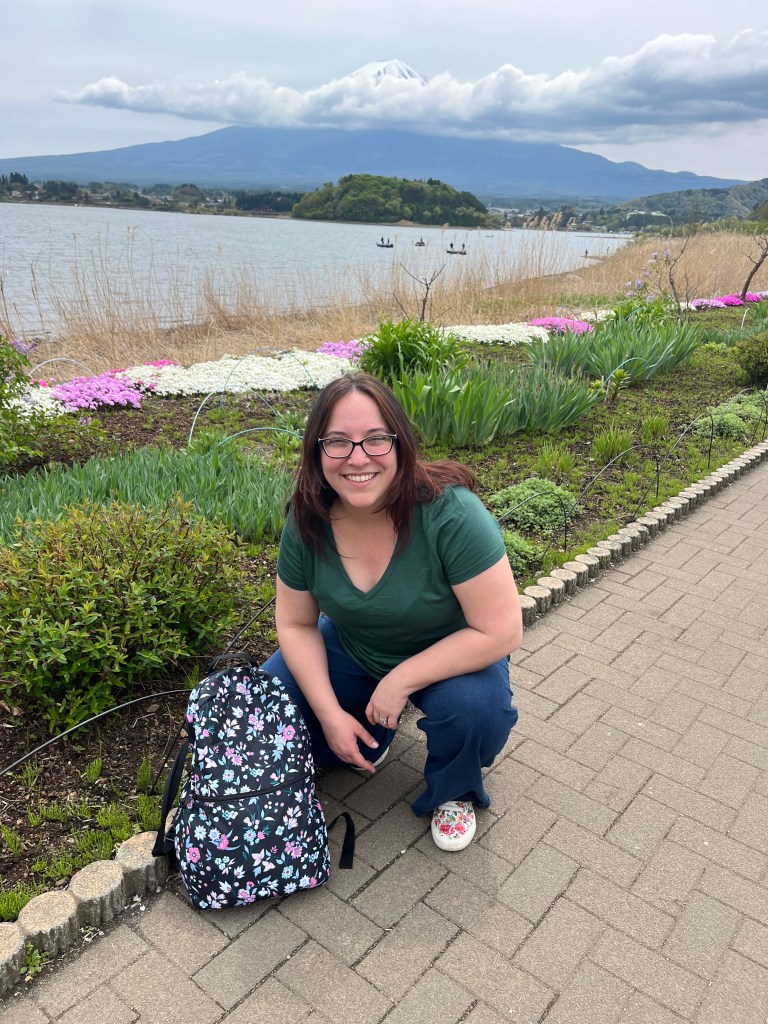
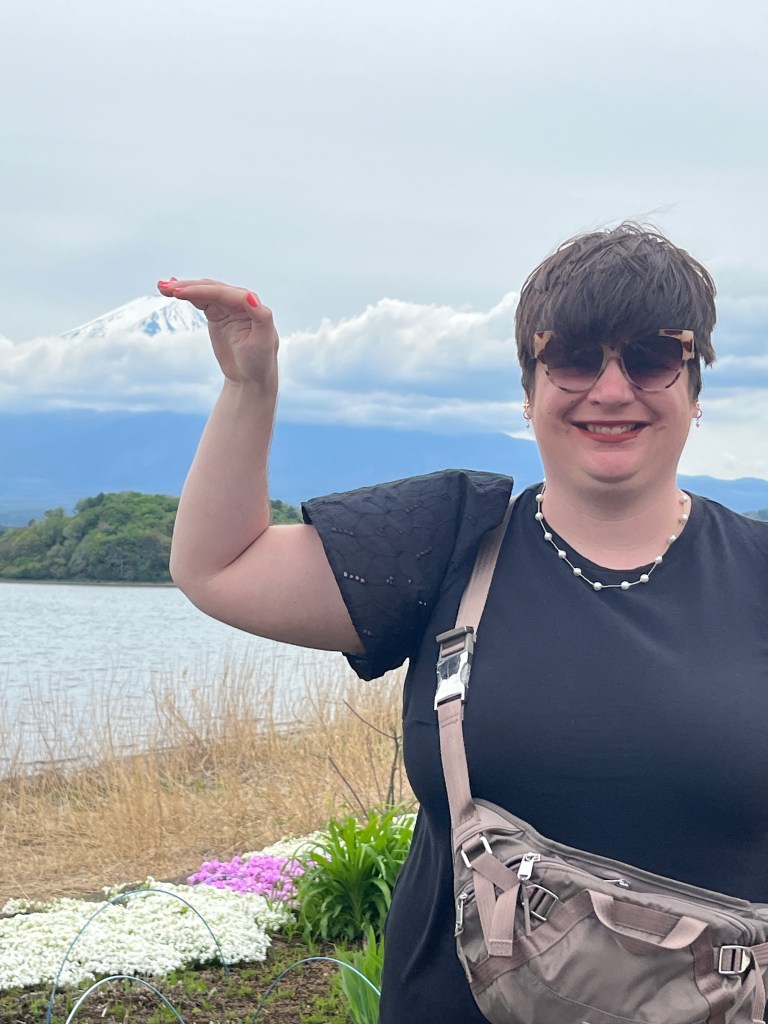
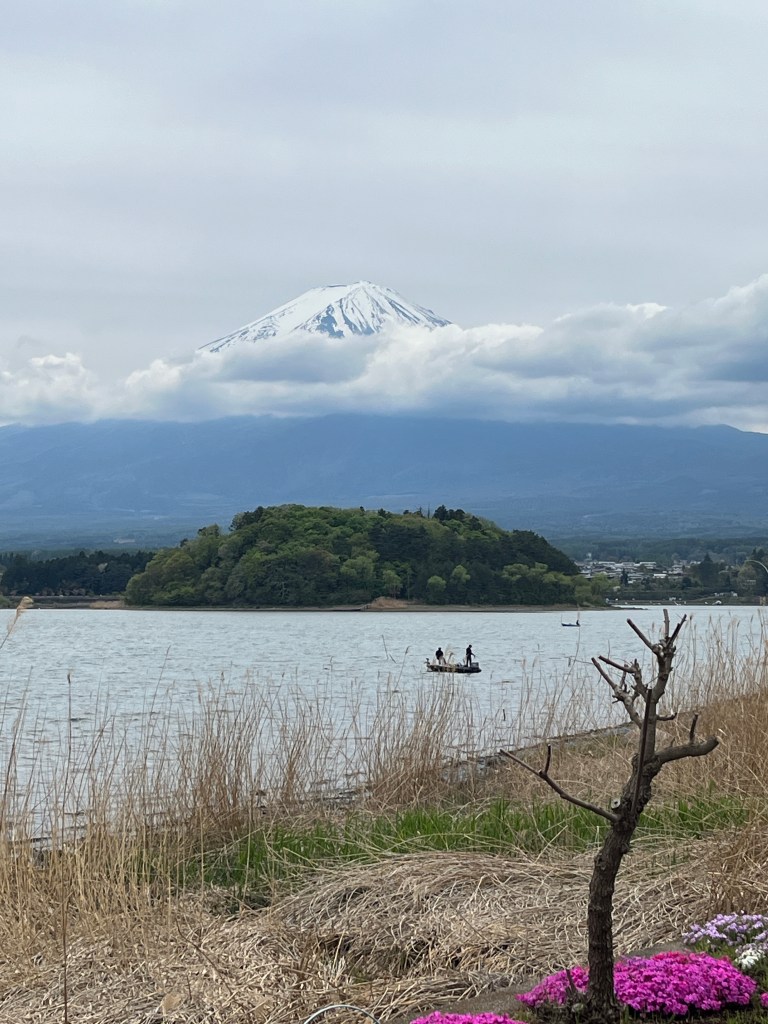
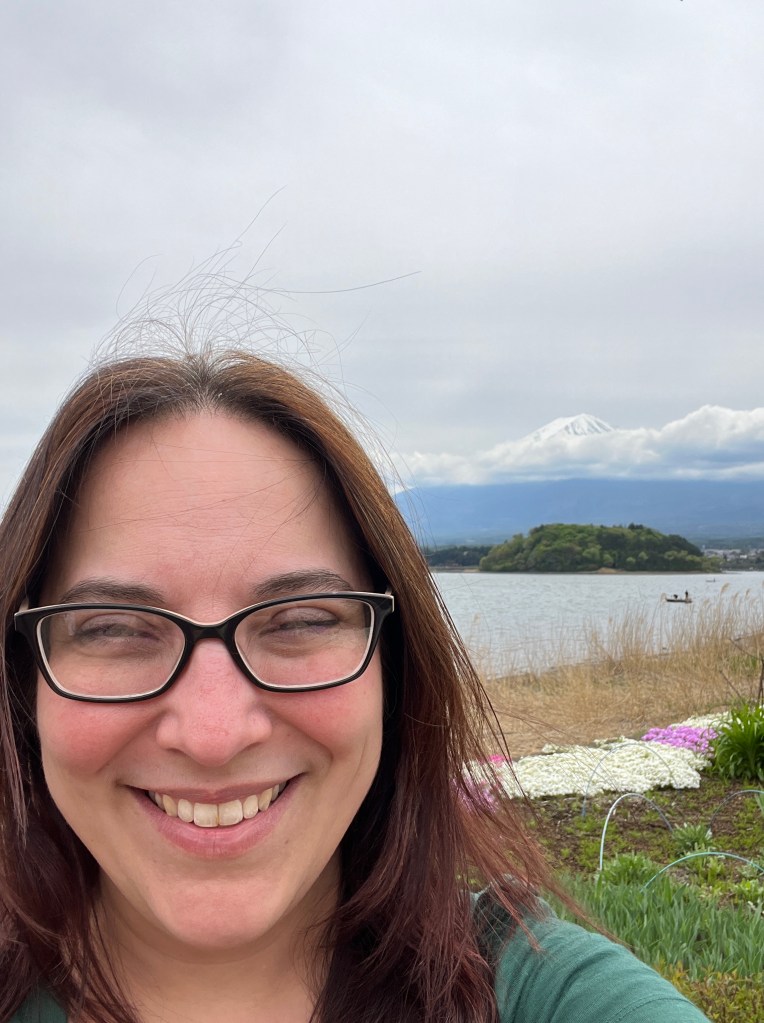

Traditional lunch – I think this was the only time we were able to get a table to accommodate our entire group (and flat Jesus).

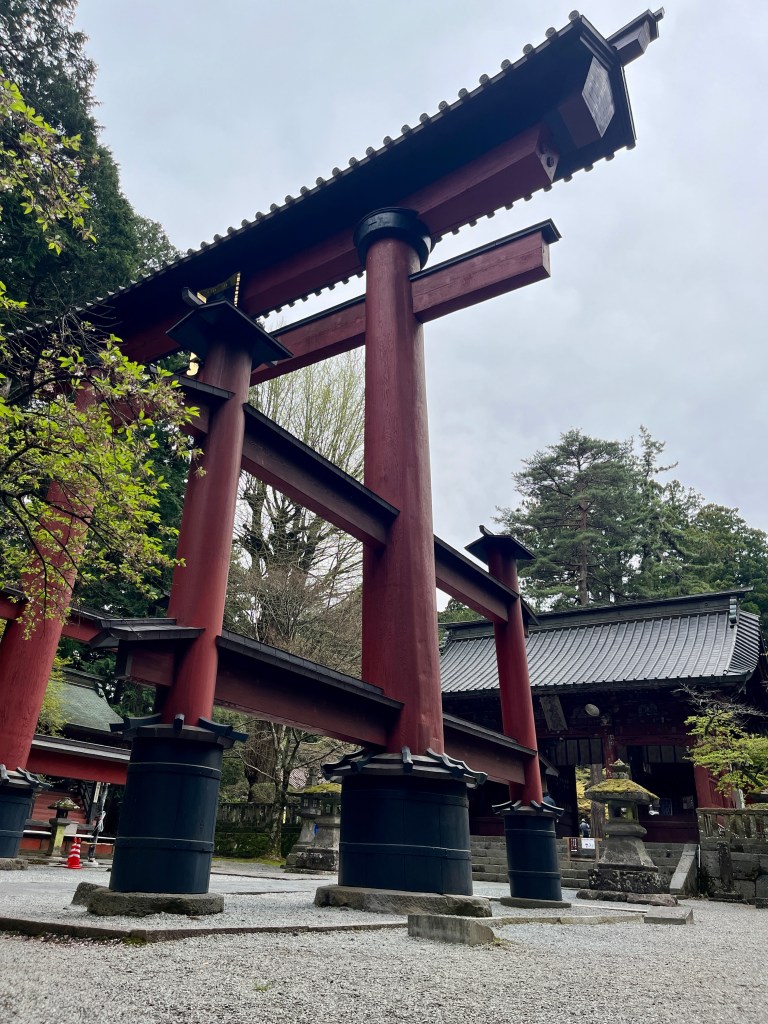
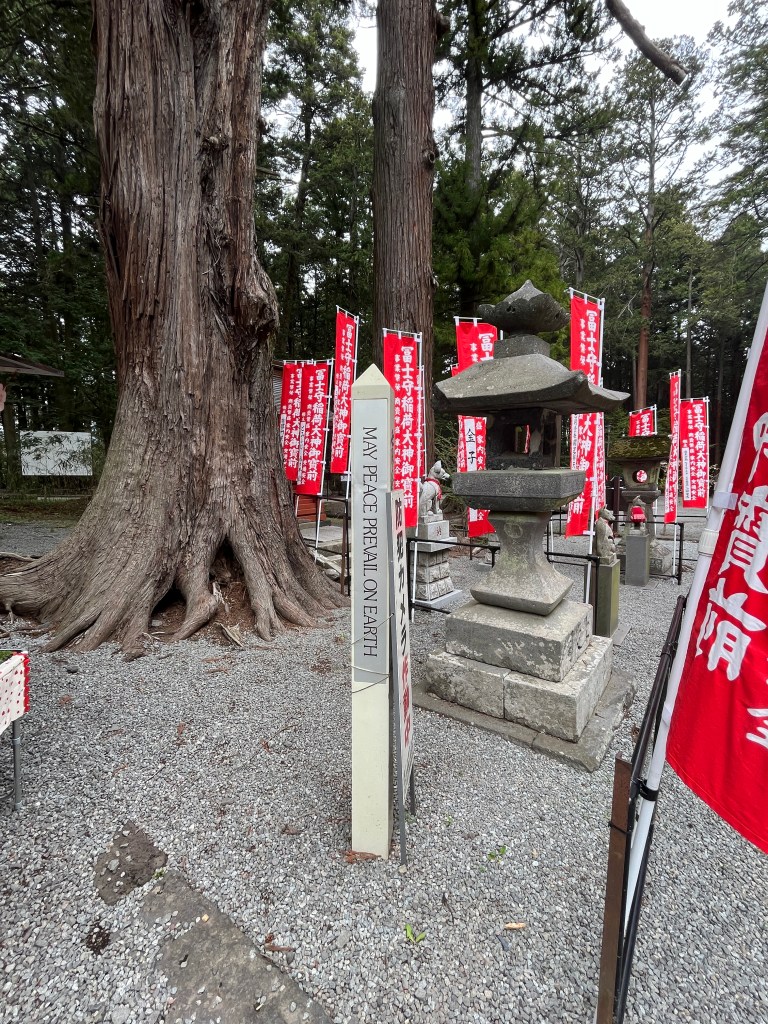
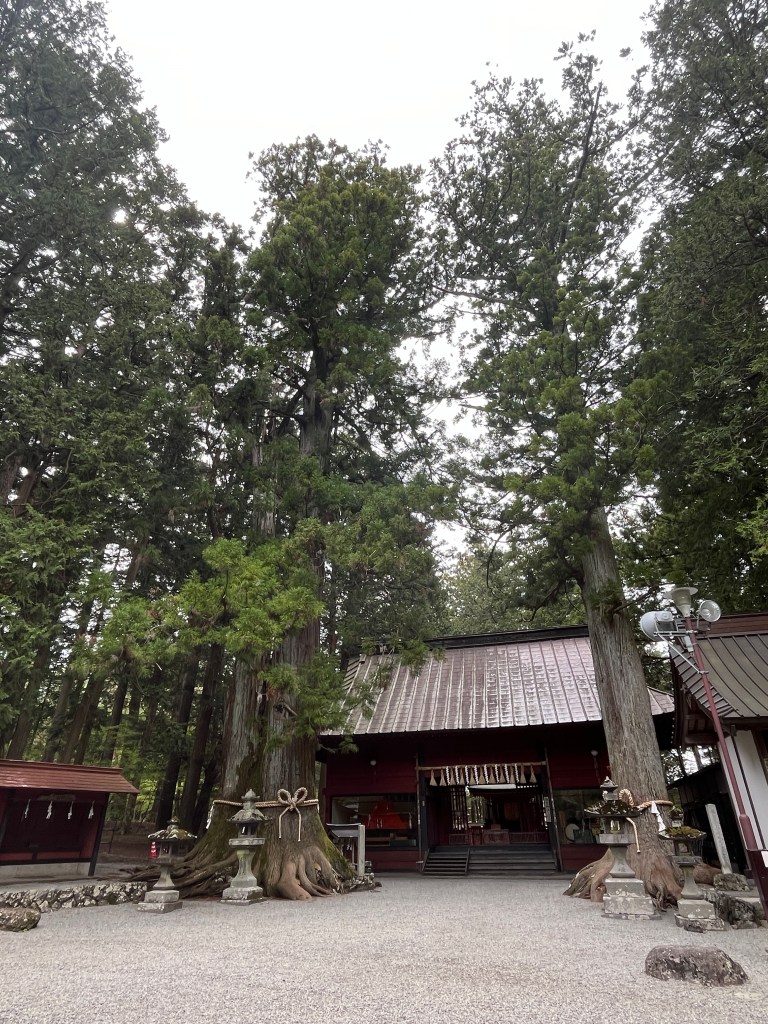
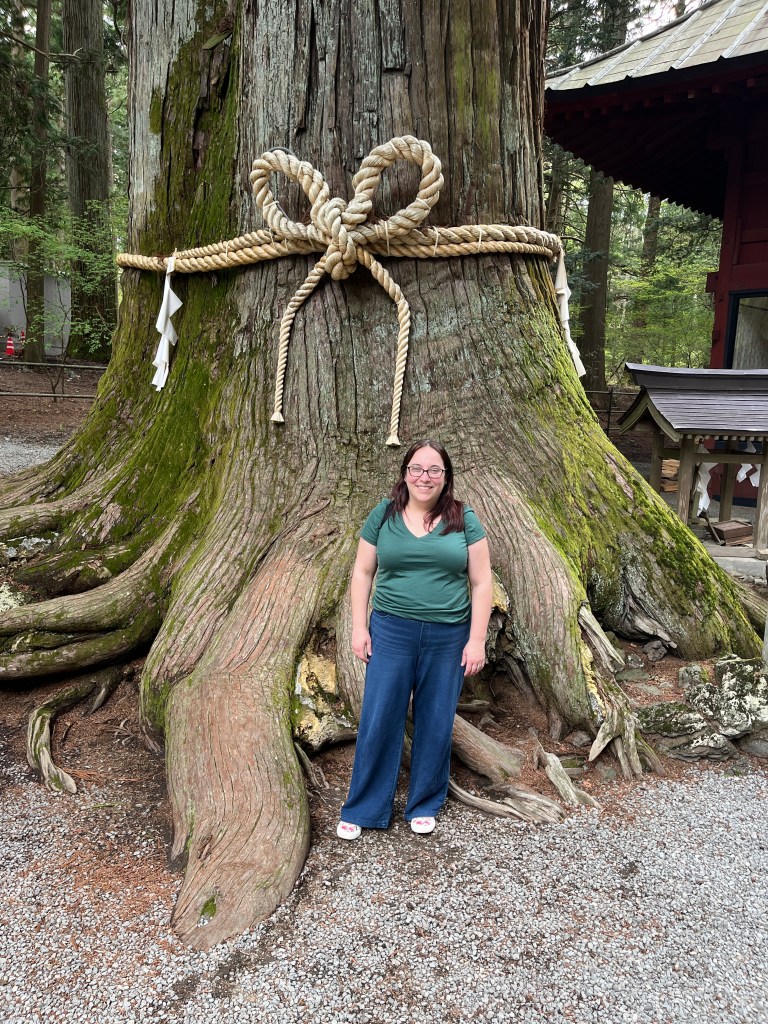
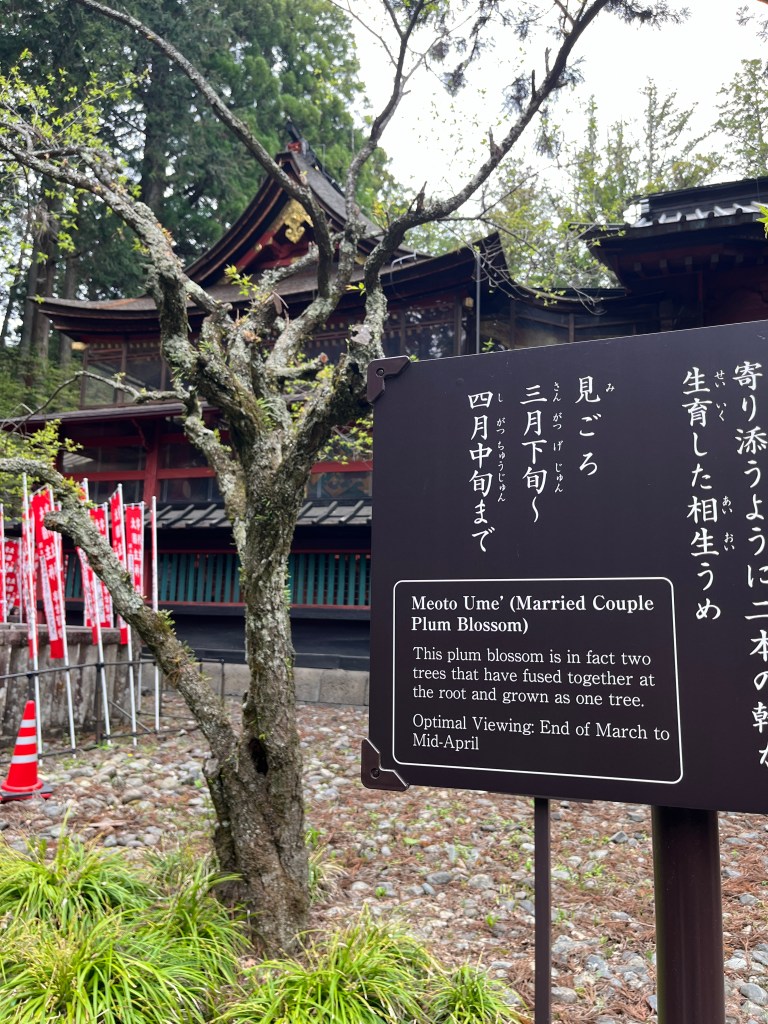
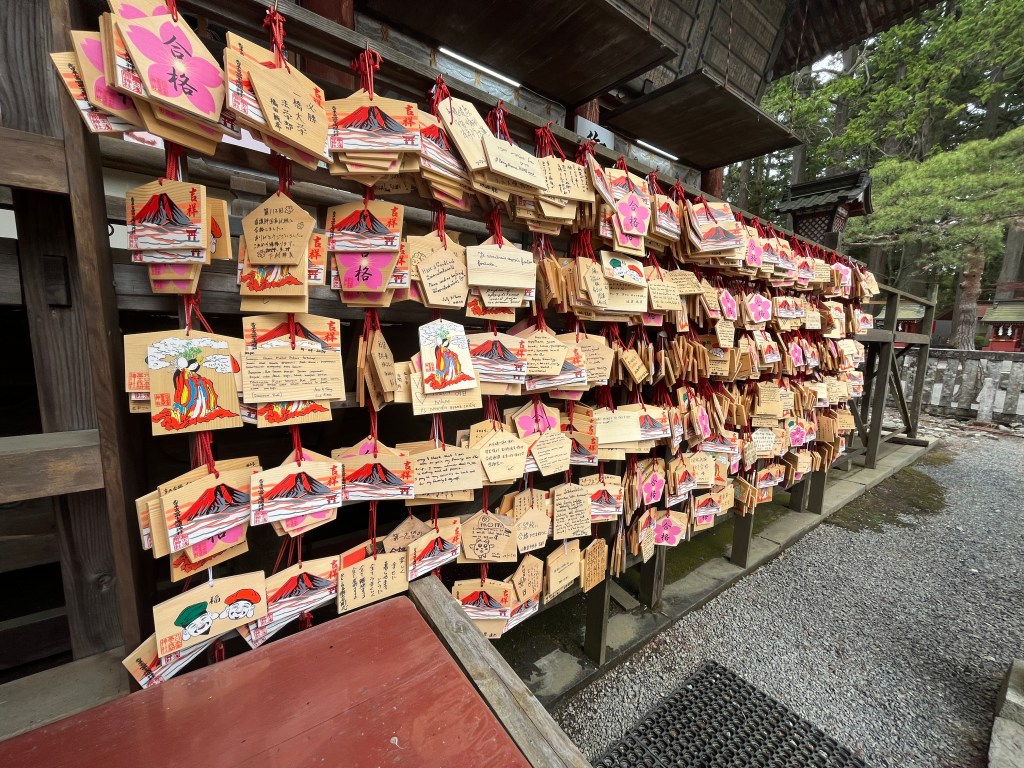
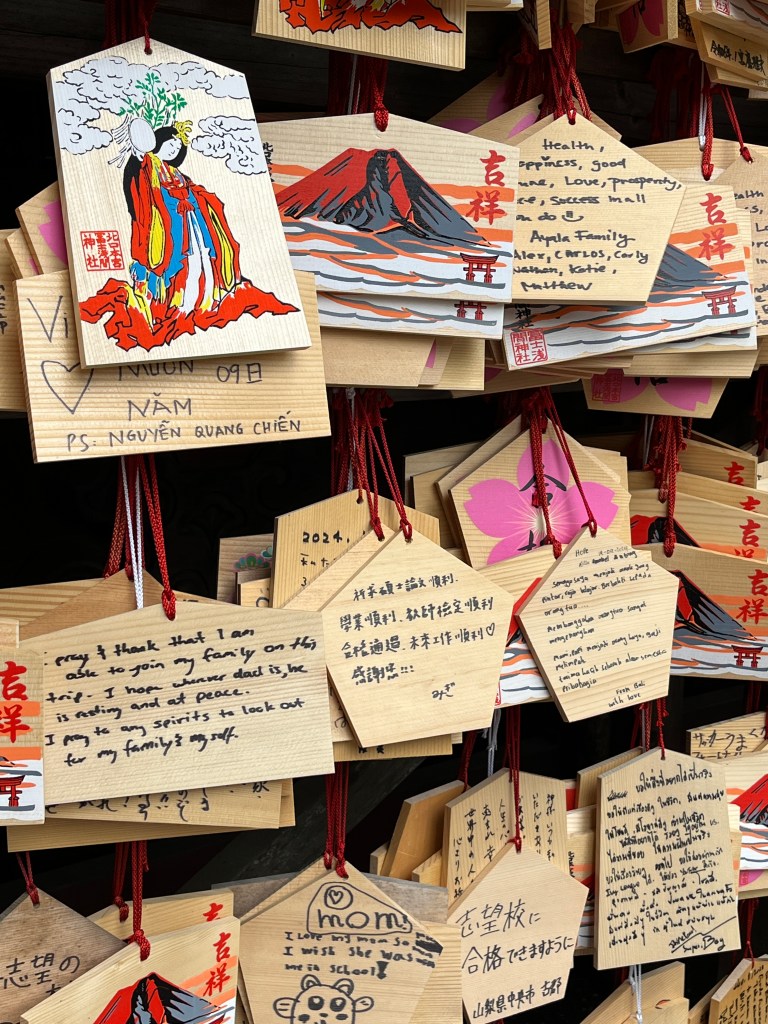
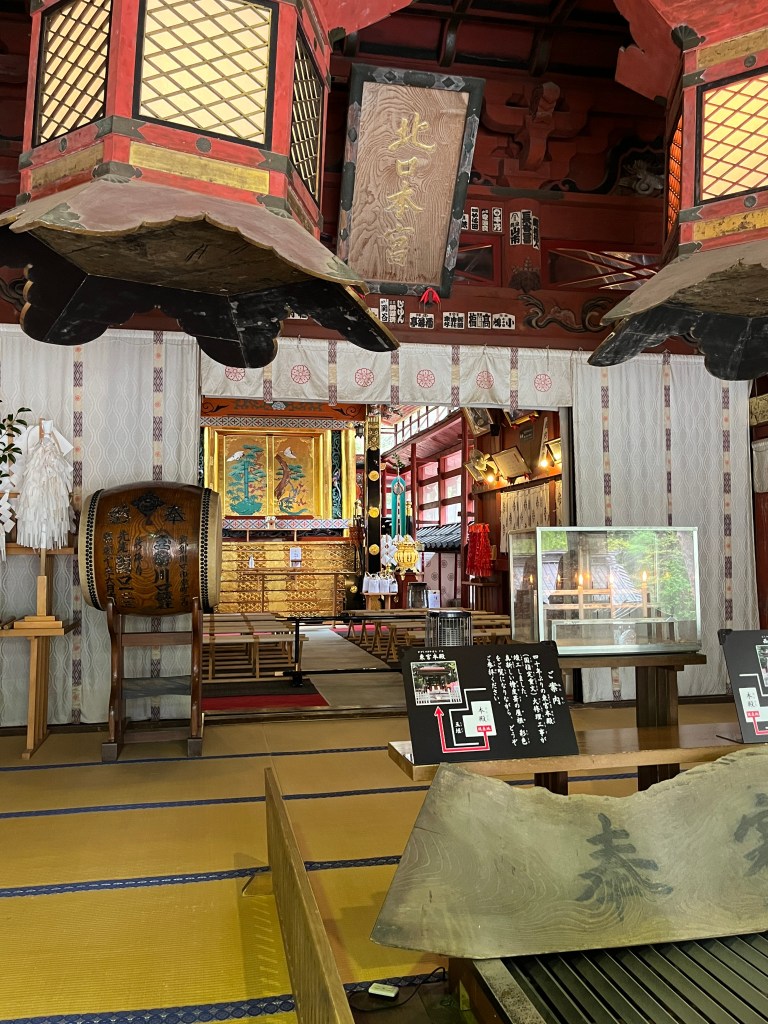
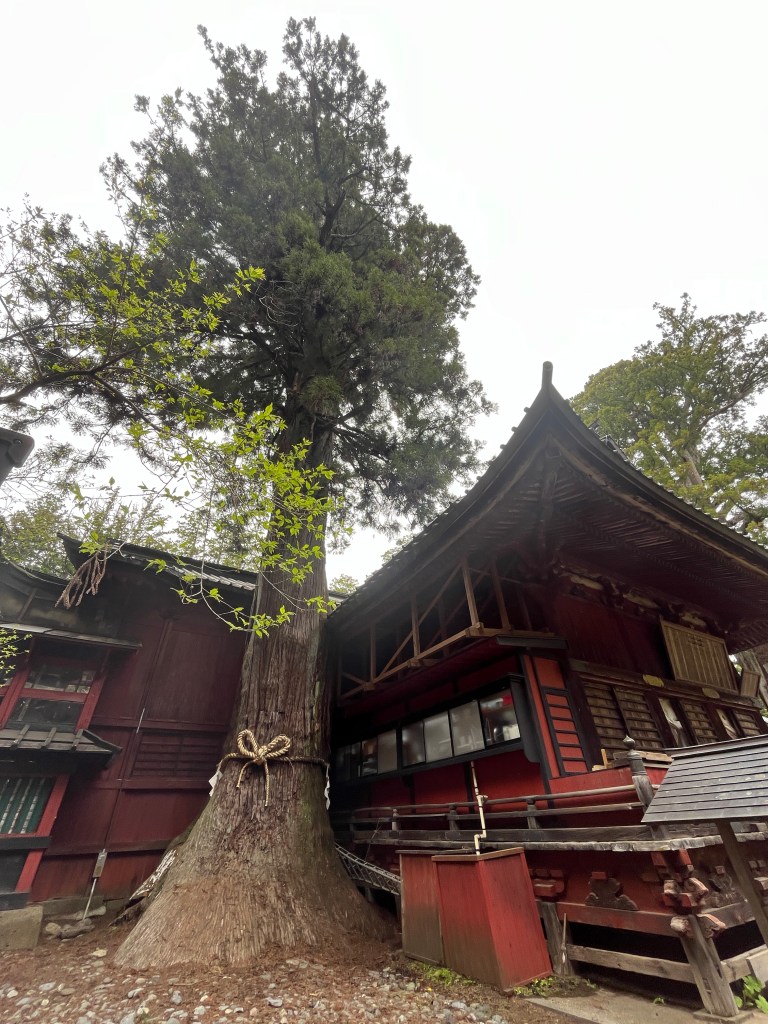
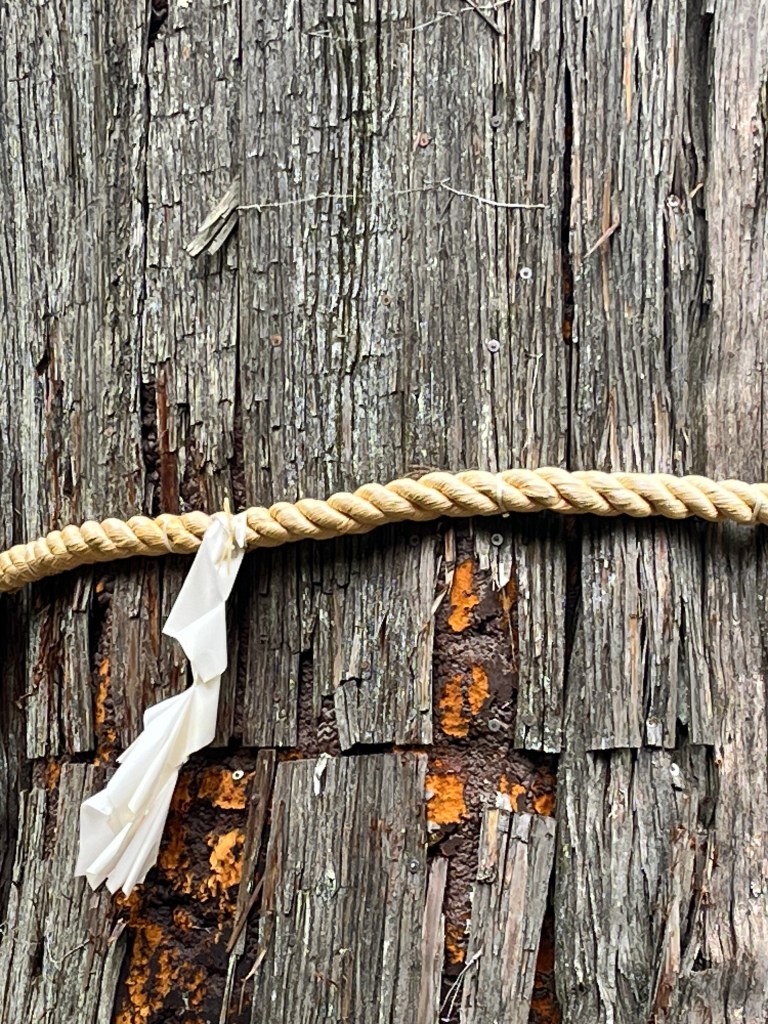
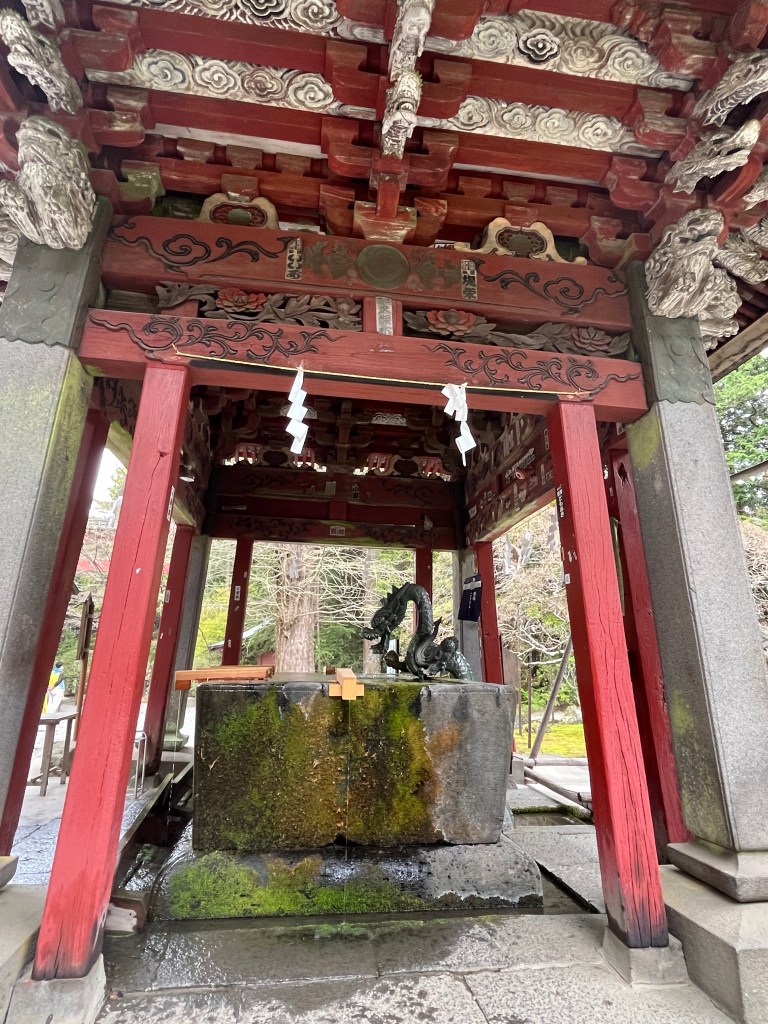
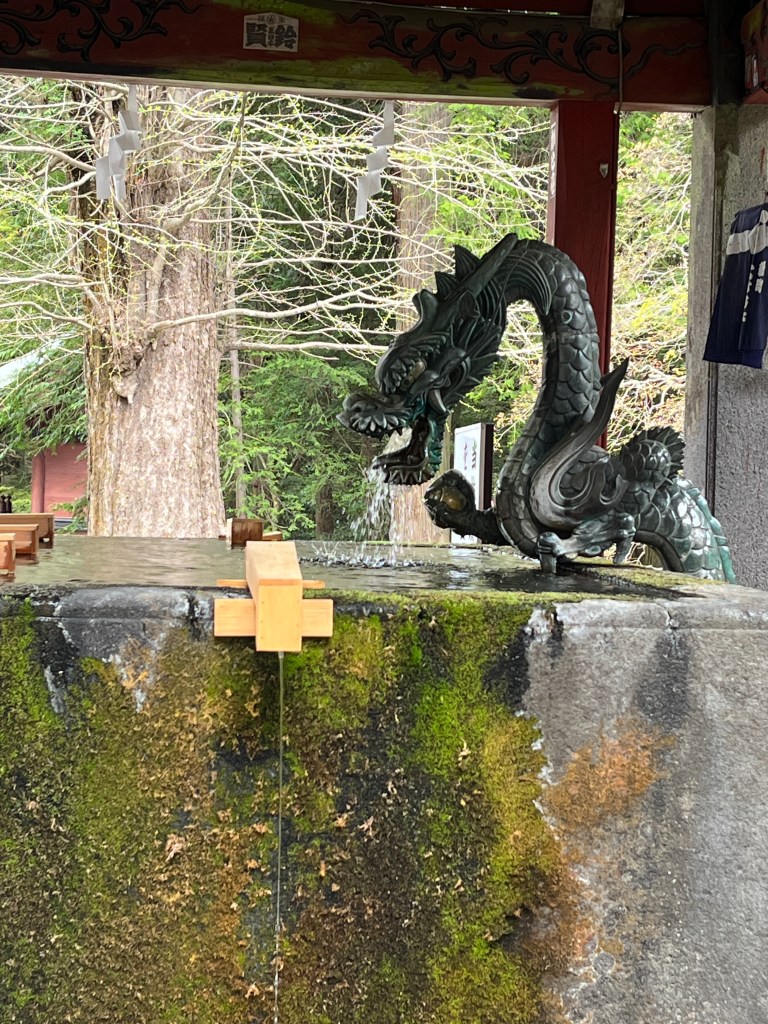
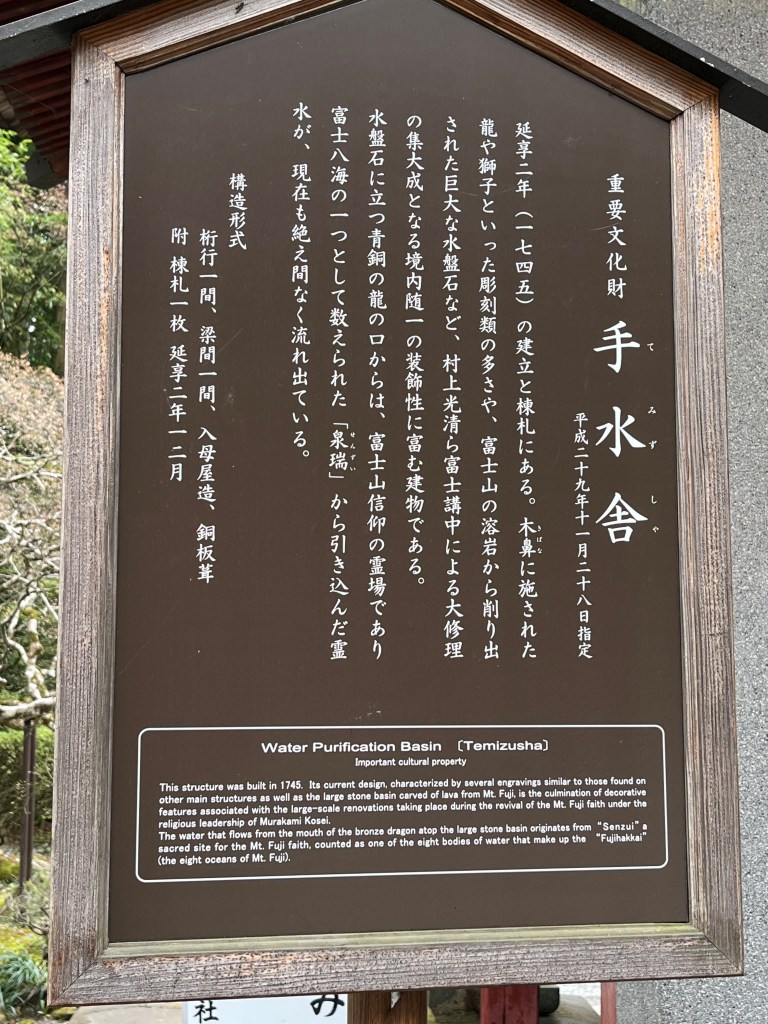
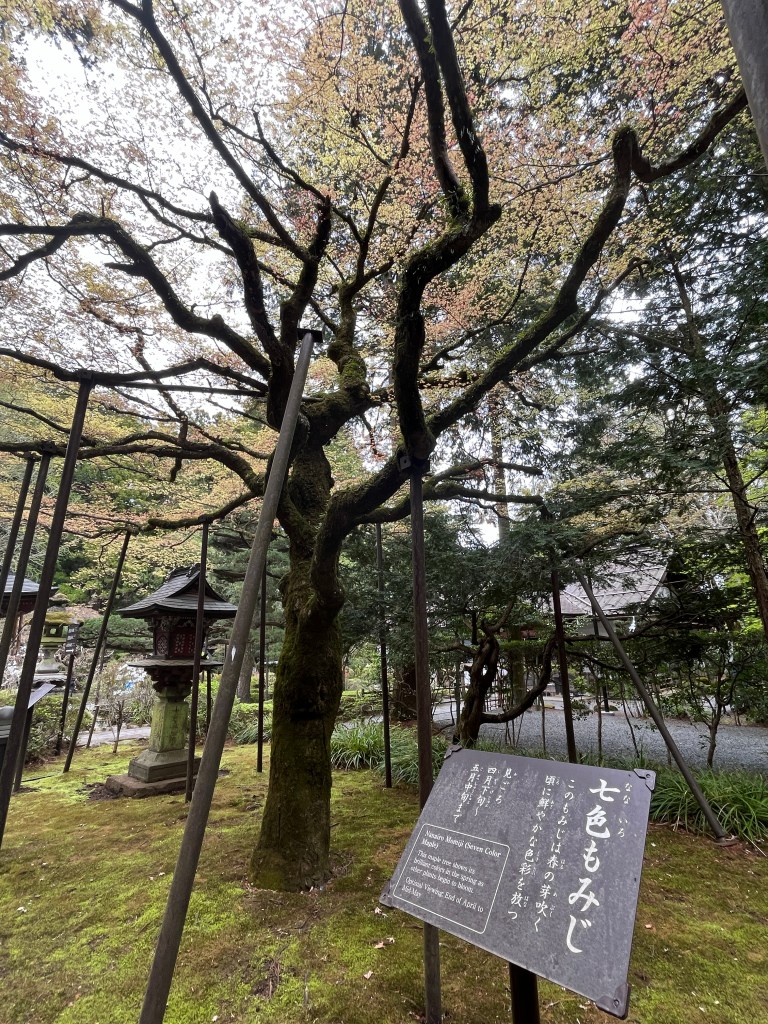
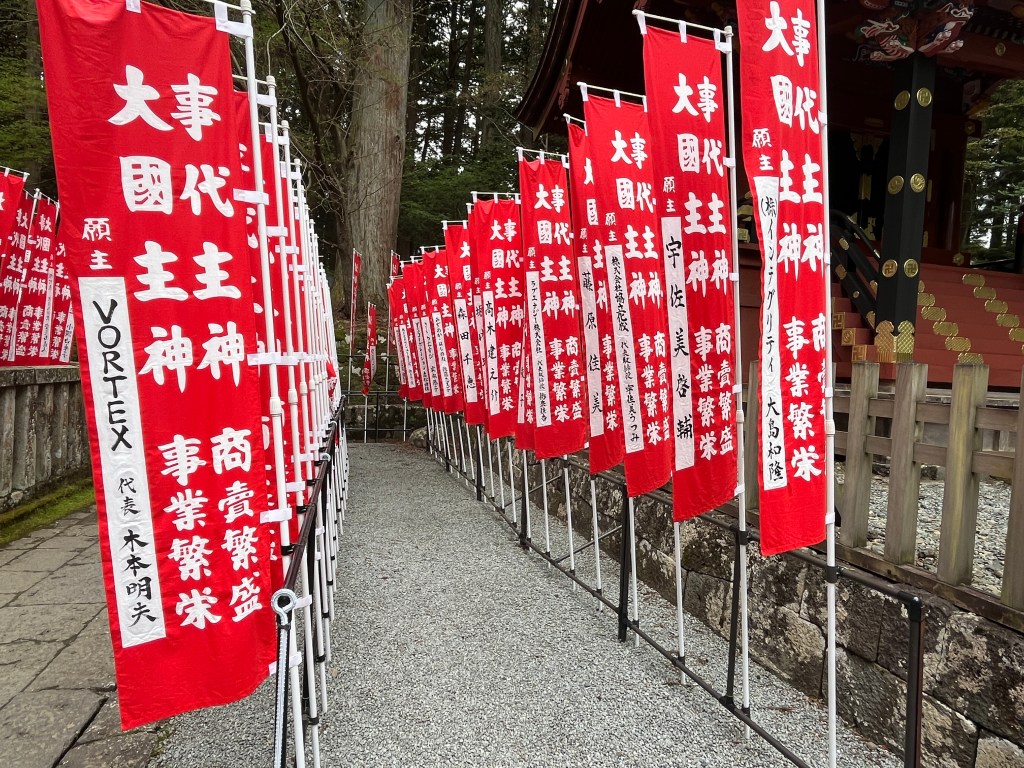
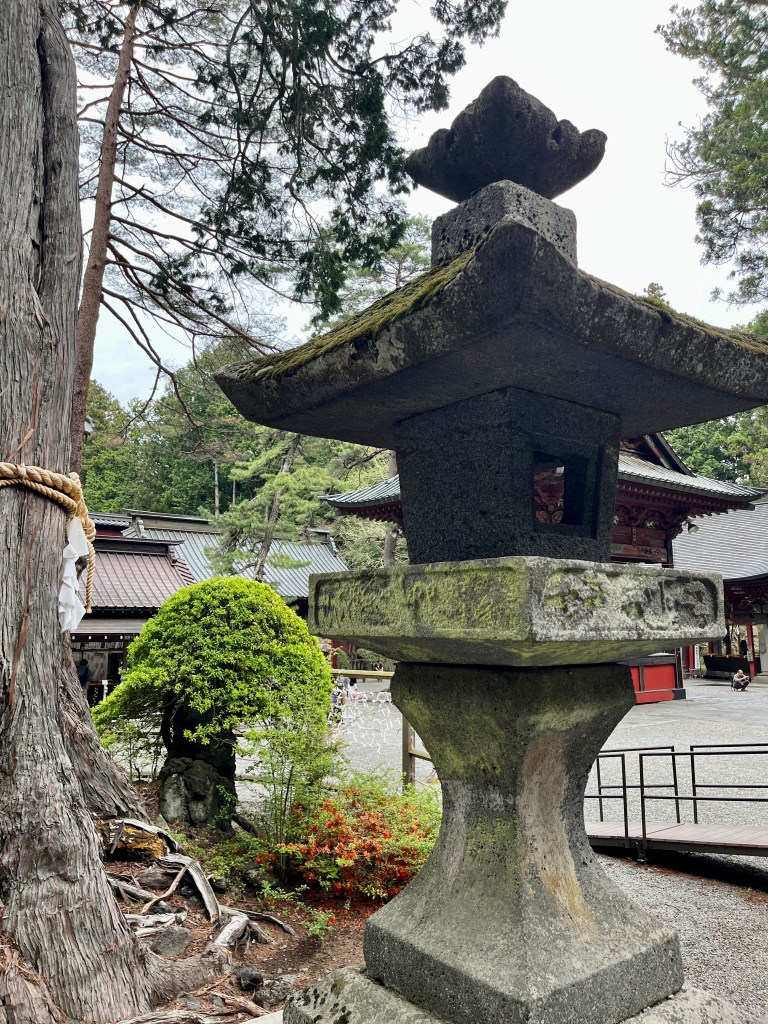
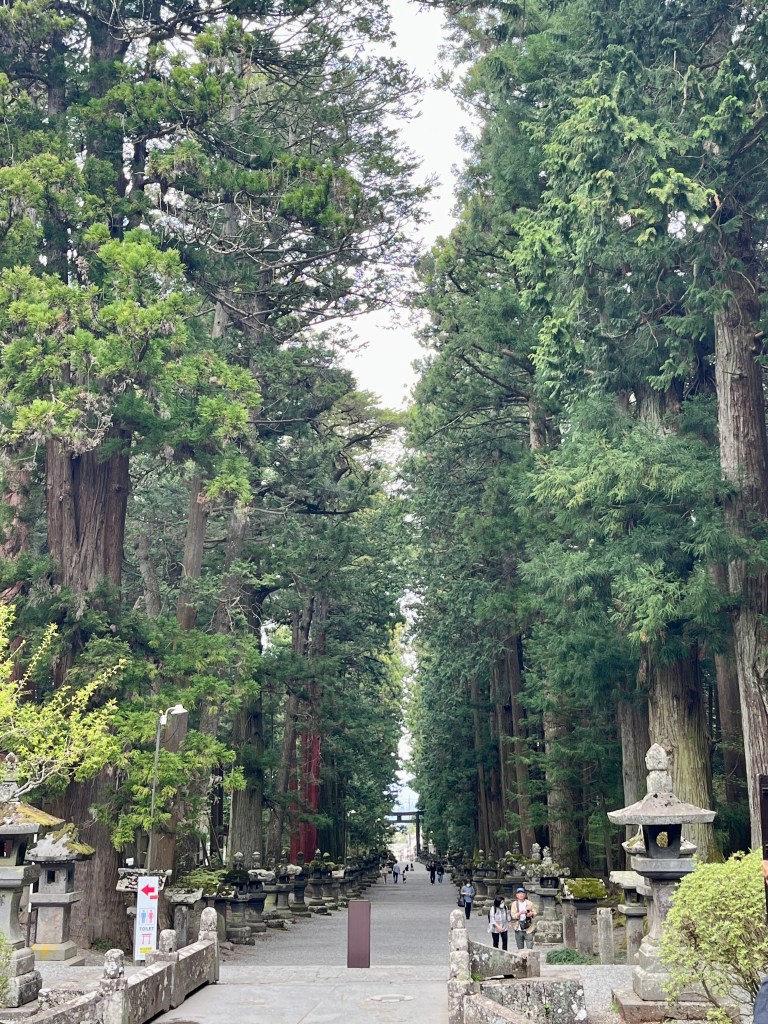
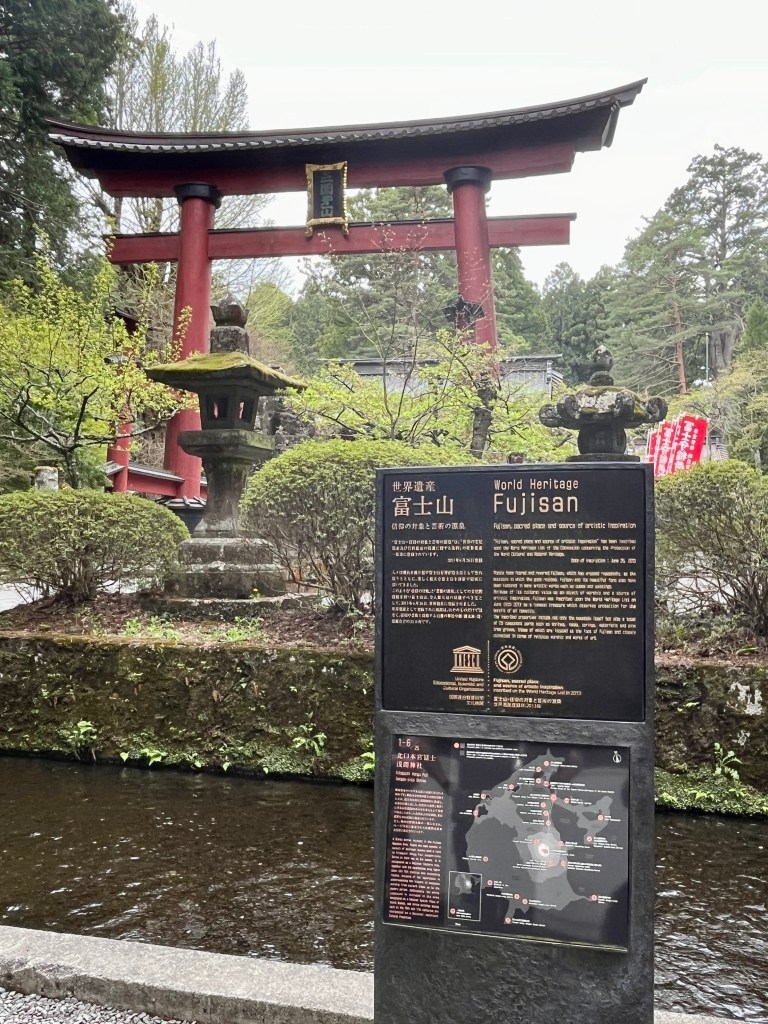
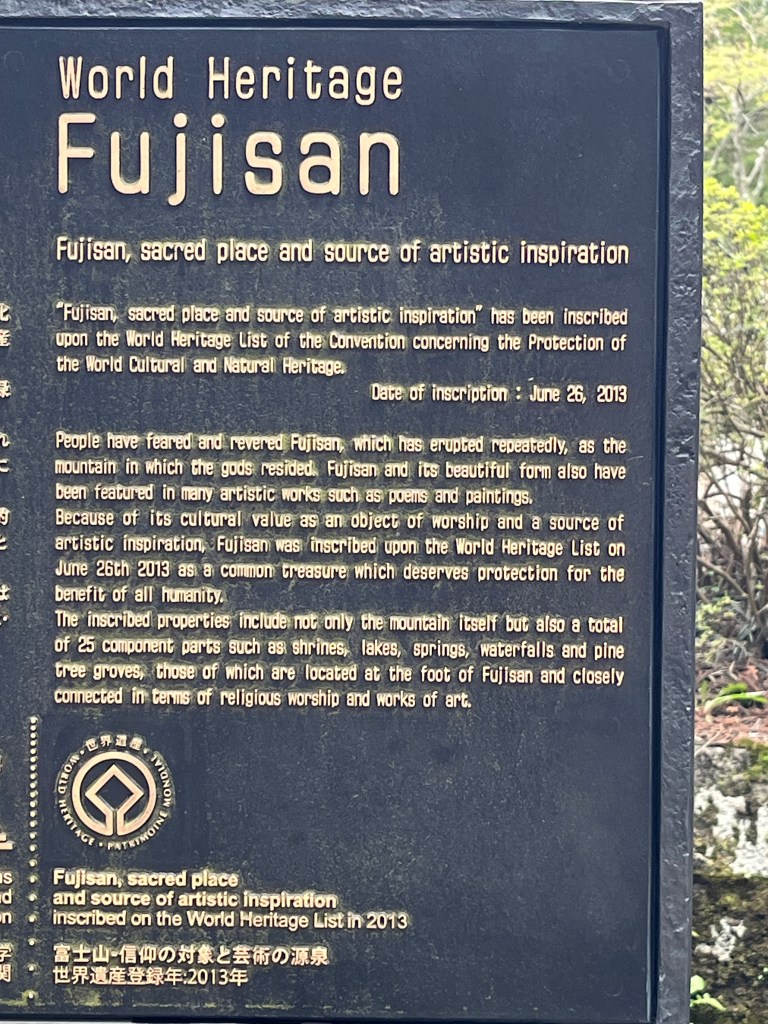
Fujisan World Heritage Site feels like a national park and what the Celtic spiritual tradition might call a thin place, where we feel that heaven and earth are closer together and the space between the divine and the ordinary is thin. I’m having a hard time putting into words how beautiful and strange it is to experience God in the sacred places of another faith, in this case Shinto (we visited Buddhist spaces on the trip too). Many Japanese people practice both. I practice neither. But I have always been interested in how others express their understanding of divine. I love interfaith dialogue and making meaningful friendships with those of different faiths or those who orient their life without a faith tradition. For me this pilgrimage was to stretch my compassion for myself and others. And I believe that the purpose of faith practices is to cultivate compassion.









April 27th:
Sometimes home life interrupts a pilgrimage. In the middle of the night, during the time when my body refused to sleep in Japan, I got a text from my boss. I was working a temporary job with a three month assignment, and knew before I left for the trip that my boss would be resigning if her new position worked out. For many reasons, she was keeping her job search and impending departure to herself and a very small group of trusted friends. Depending on the timing of her resignation, I had to decide if I was going to fulfill my term or depart early, so I had an email draft ready just in case I decided to leave with her. When I got the text, she included her end date and when the announcement would be made to the larger organization and that I was free to share it with my pilgrimage group. So, as I lay in my bed in Japan, I sent the email letting the organization know that I would be ending my time on the same day as my boss. I thought I might go this way before the trip, but somehow Japan had made the decision easier. I knew that I didn’t want to be part of a process where my boss might change multiple times. In my previous ministry position, I was hired knowing that the senior pastor would retire and that I would be there in a time of transition; it was difficult. I knew I didn’t want to have to navigate being without a boss and transitioning to a new one or two again. Part of my pilgrimage story includes quitting my job in the middle of the night. I felt even more relief the next morning when I told my fellow pilgrims and received their love and support. After the pilgrimage, I finished up my last bit of work remotely. The HR manager was wonderful and supportive and the email that went out to the organization about my departure praised me for encouraging the organization to be a period positive work place. In some ways, this job was a short pilgrimage in a workplace, and I am grateful for the experience.
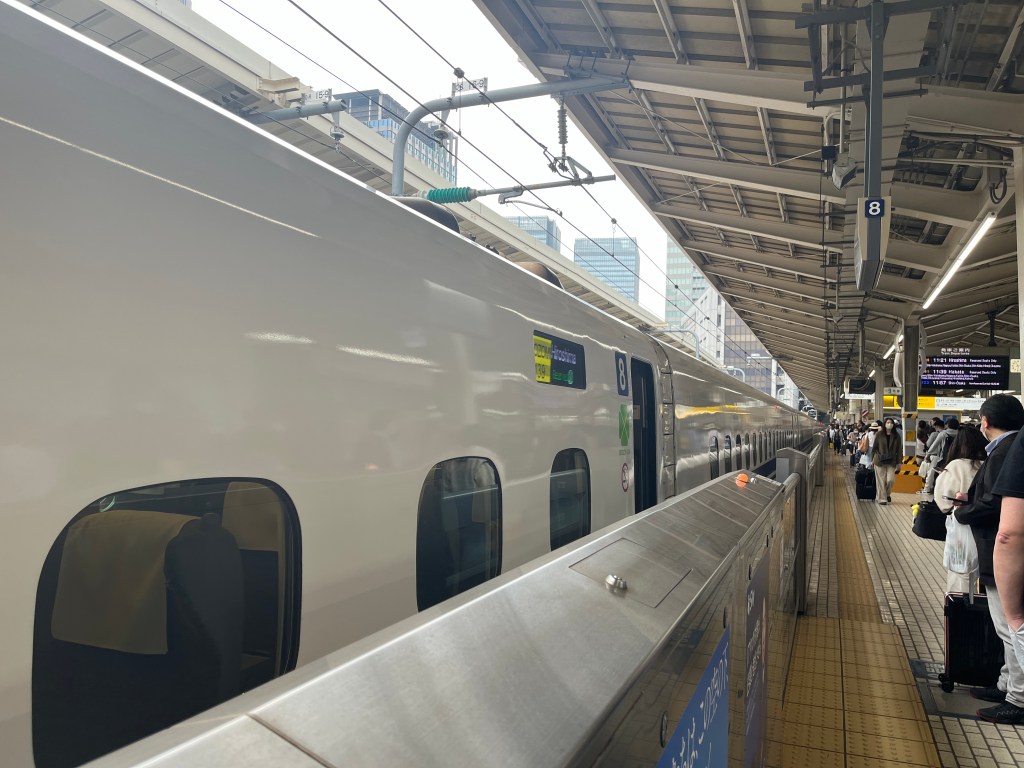
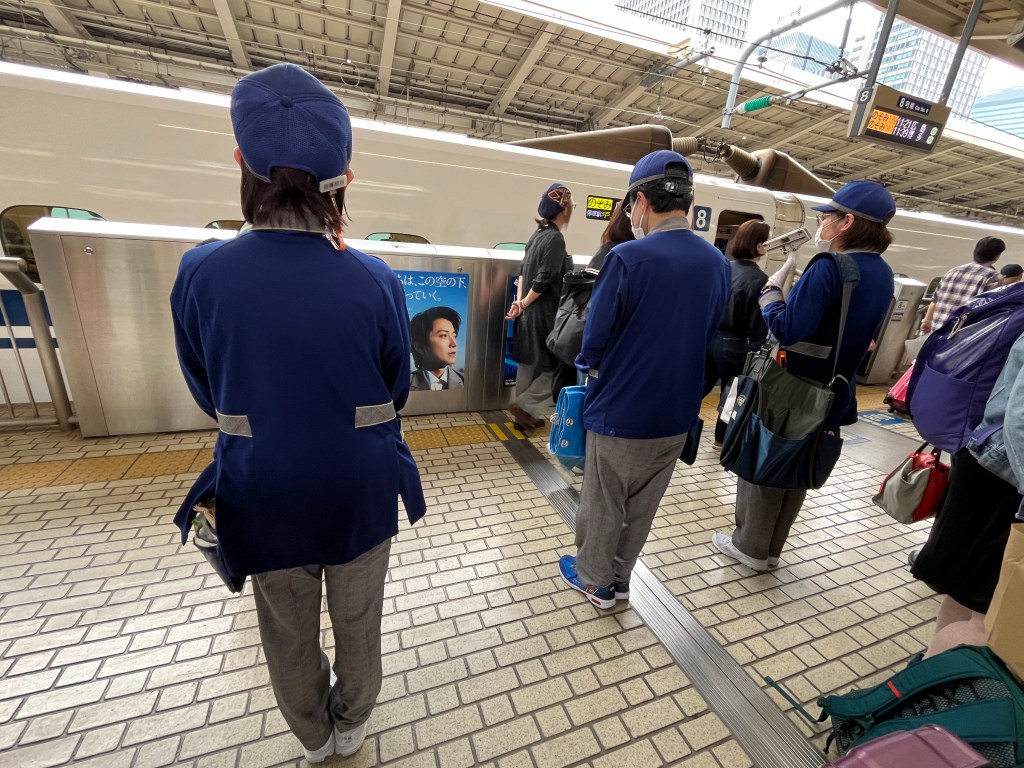
It was fitting that life had interrupted the pilgrimage just when it did, because we were transitioning swiftly, traveling from Tokyo to Kyoto by bullet train. To do this, we needed two tickets. The 東京駅 (Tokyo Station) attendant explained that one ticket is for distance and one ticket is for speed…. So as pilgrims, we are going the distance and we are going for speed. #cake #thedistance Christin and I whisper/sang some of the lyrics while we waited to board the train. We also observed the crew quickly cleaning the train and helping passengers who needed assistance. It was like watching a well choreographed dance.

On the train I ended up sitting next to an English man and he started a conversation with me. (Japanese people are silent on public transportation, so we whispered, although, even my whisper gives me away as a loud American). He had been living in Japan for 20 years and was drawn to the quiet contemplative style of Japanese life. And he noted that food was better in Japan and not anywhere near as processed as in England (or the USA). He recommended a couple of spots to visit in Kyoto, the philosopher’s path and the bamboo forrest. The forrest is crowded but well worth a visit, he told me. He also recommended some bars and told me I should try Japanese gin because it’s gaining popularity. Then he asked me what I liked most about Japan, and I told him the quiet on public transportation… he replied, until a white stranger starts talking to you… we had a good chuckle. I must have passed his test, so he got serious and asked me about our upcoming election. He wanted to know if I thought the USA would do the right thing (not elect the felon). He was concerned about our health care and abortion rights and how that might affect policies around the world. His worry about the USA lunching the world into a war no one wants was heartbreaking. I assured him (and myself) that I was hopeful we would do the right thing. I’ve thought about him throughout the election cycle. It’s sad to think that he was so worried about the USA erupting into violence that he was looking to a random person on the bulletin train to give him some hope.
Christin accidentally left her phone/wallet in the seat pocket on the train. Even though in Japan lost items are often taken care of and returned, we were skeptical that a phone and credit cards would reappear. She filled out some forms and was notified that it had indeed been found and she and Laura went to the train stop to retrieve it that same day.
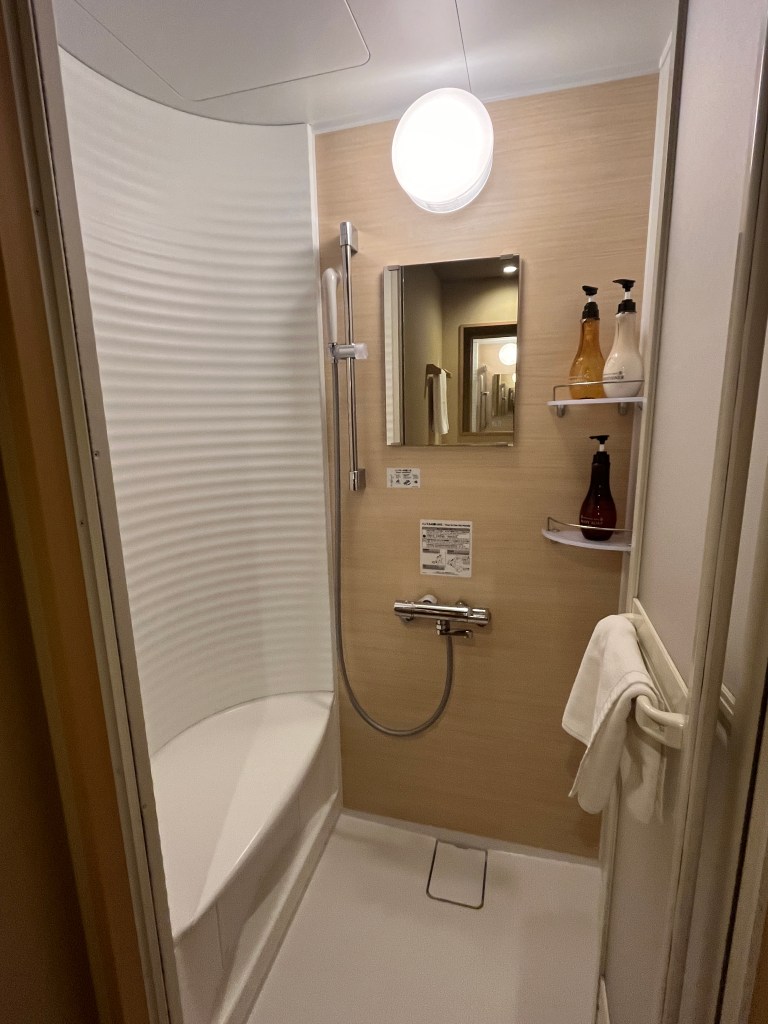
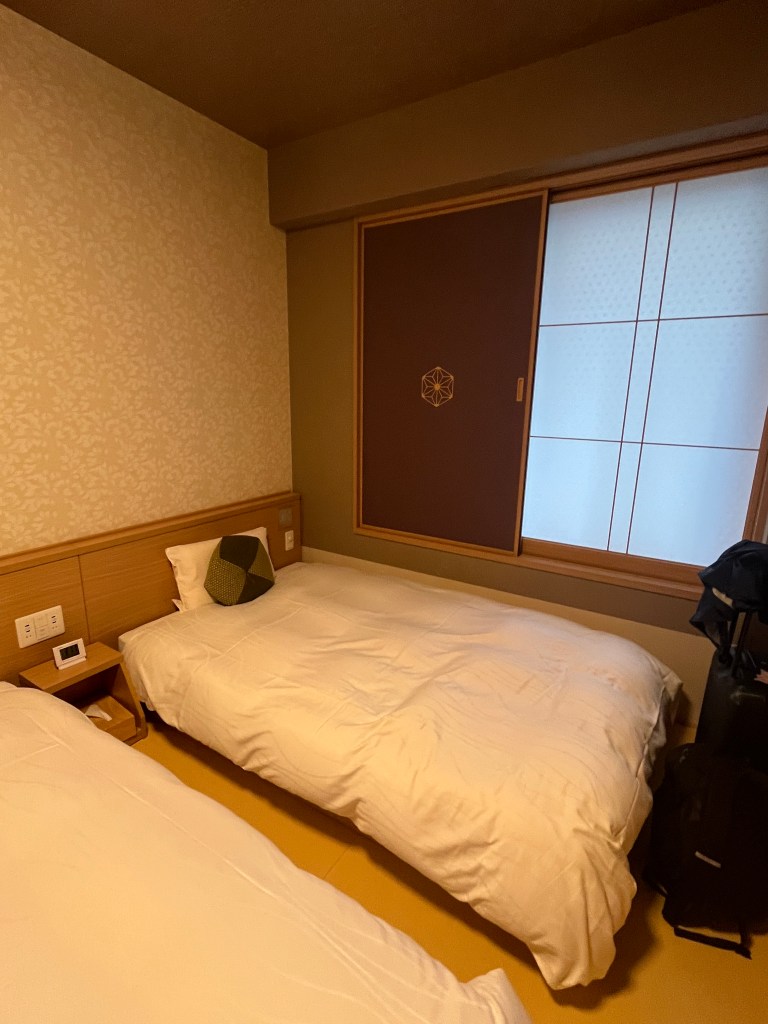
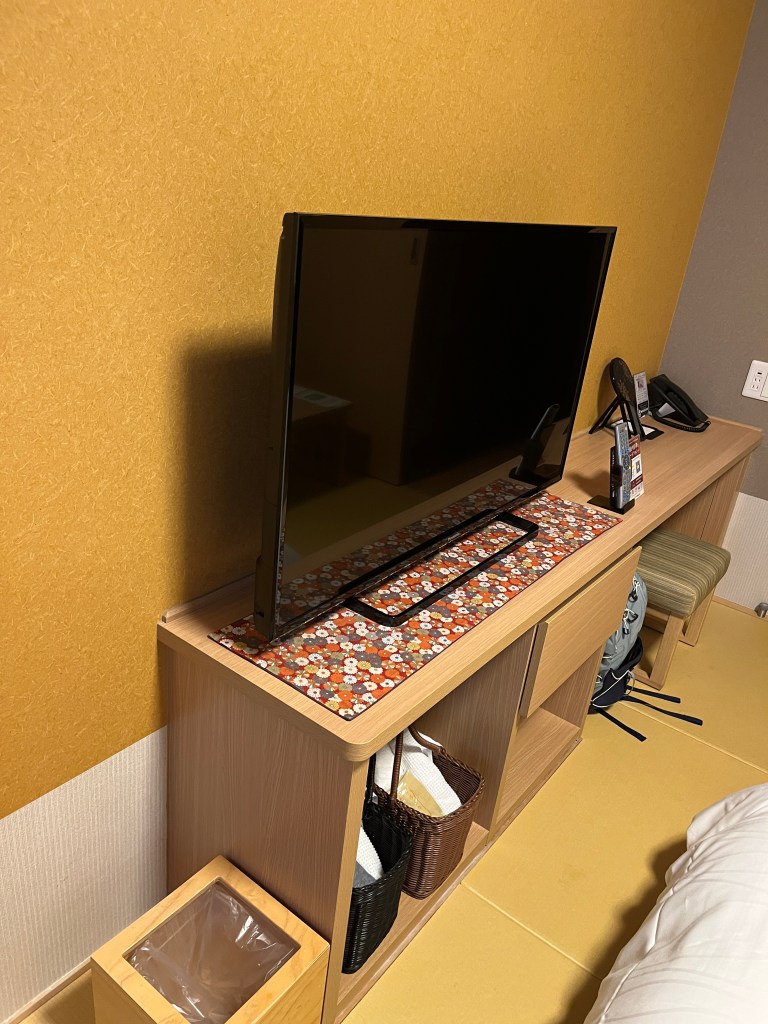
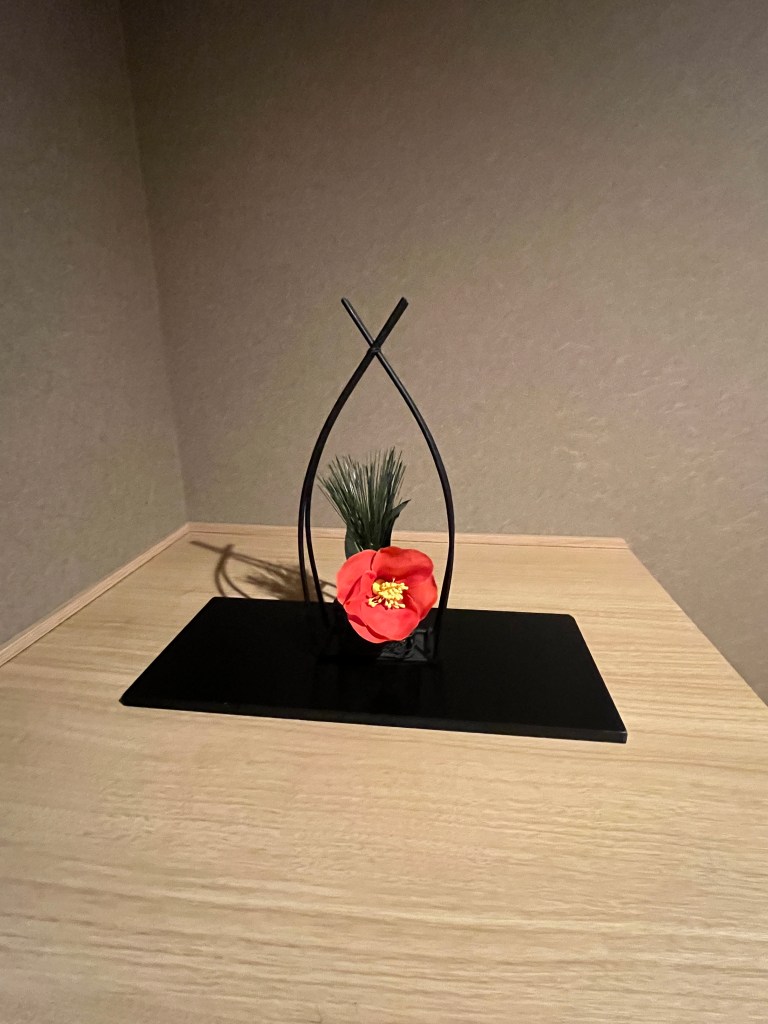
Onyado Nono Hotel We got new pjs, towels, and socks every day in our little baskets to take with us to the Onsen. I don’t think either of us used in the shower in our room. The same soaps, shampoo, condition, lotion and other amenities were available in the spa.



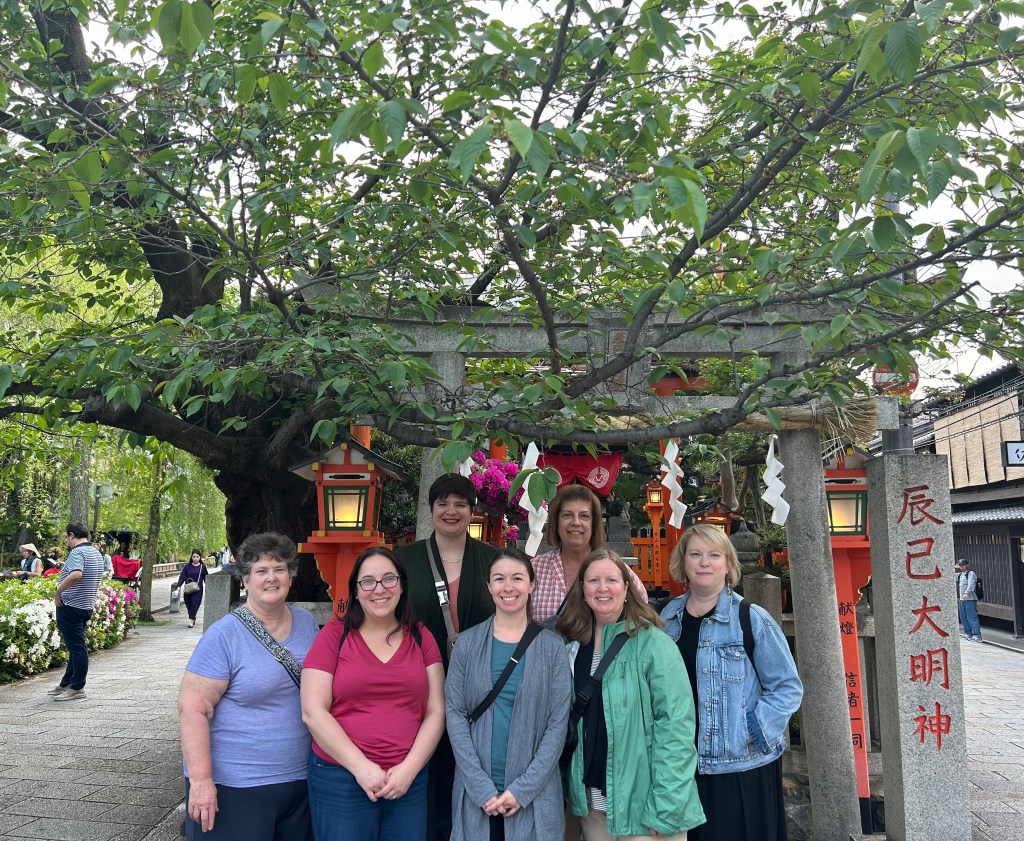
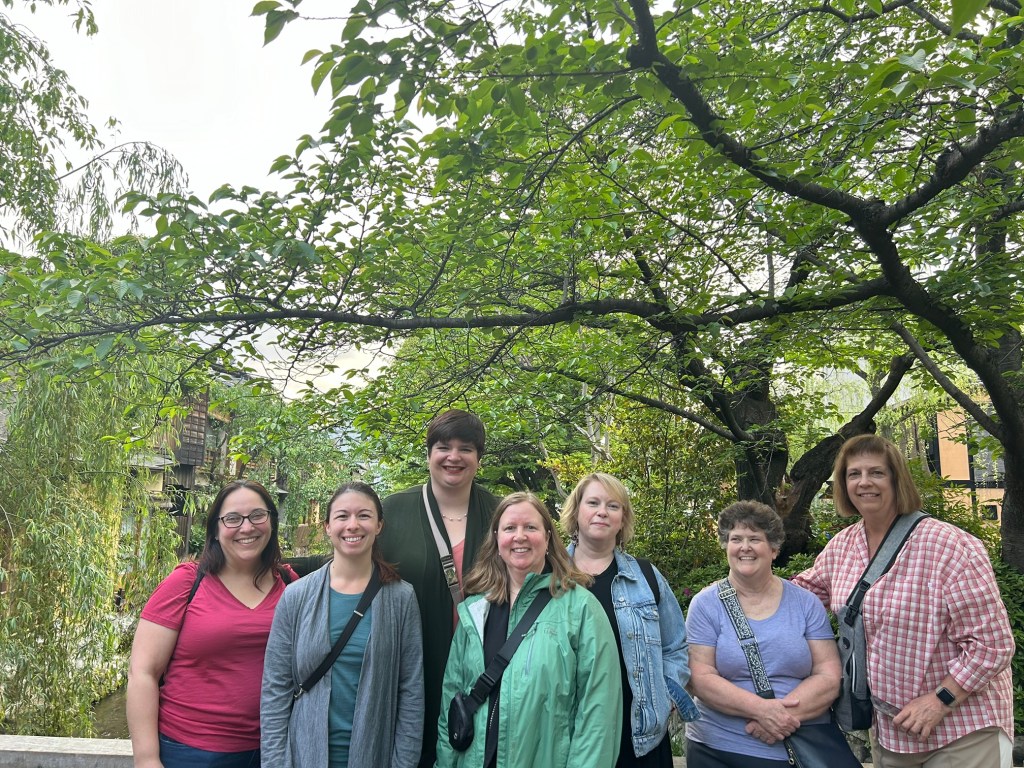
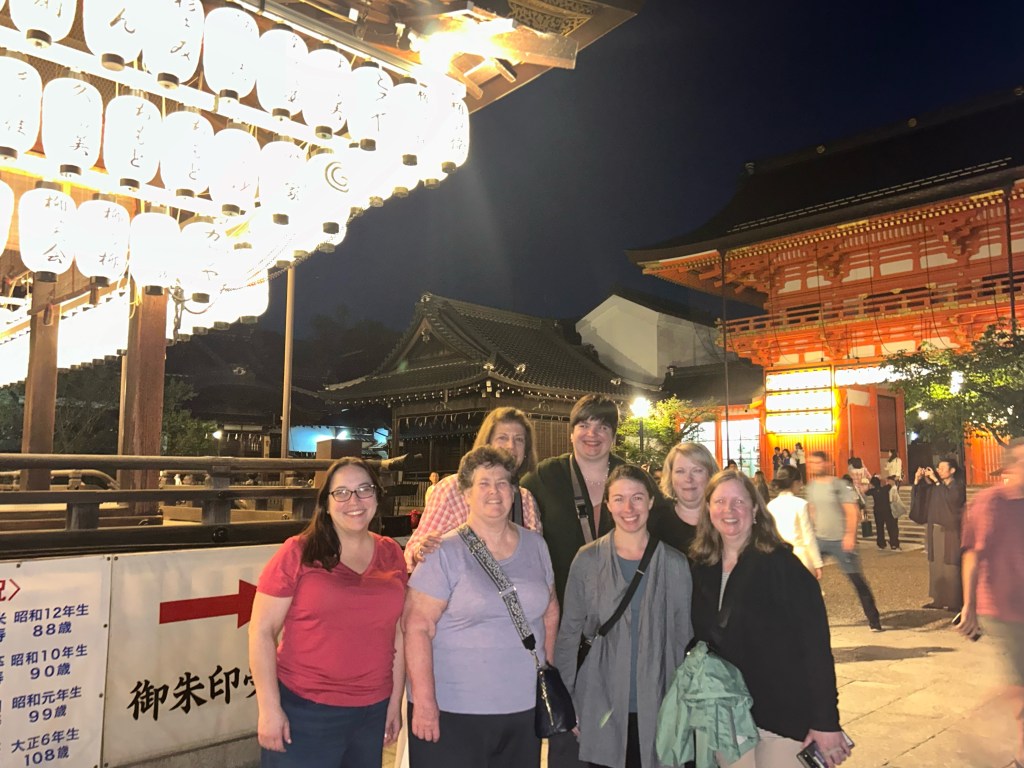
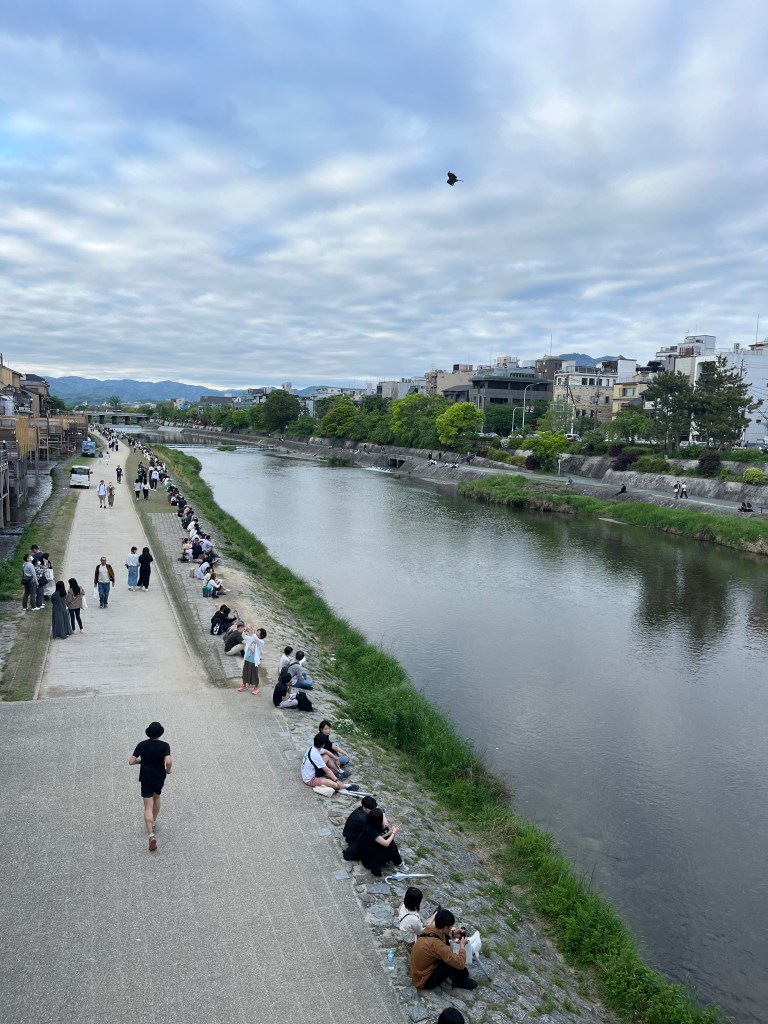
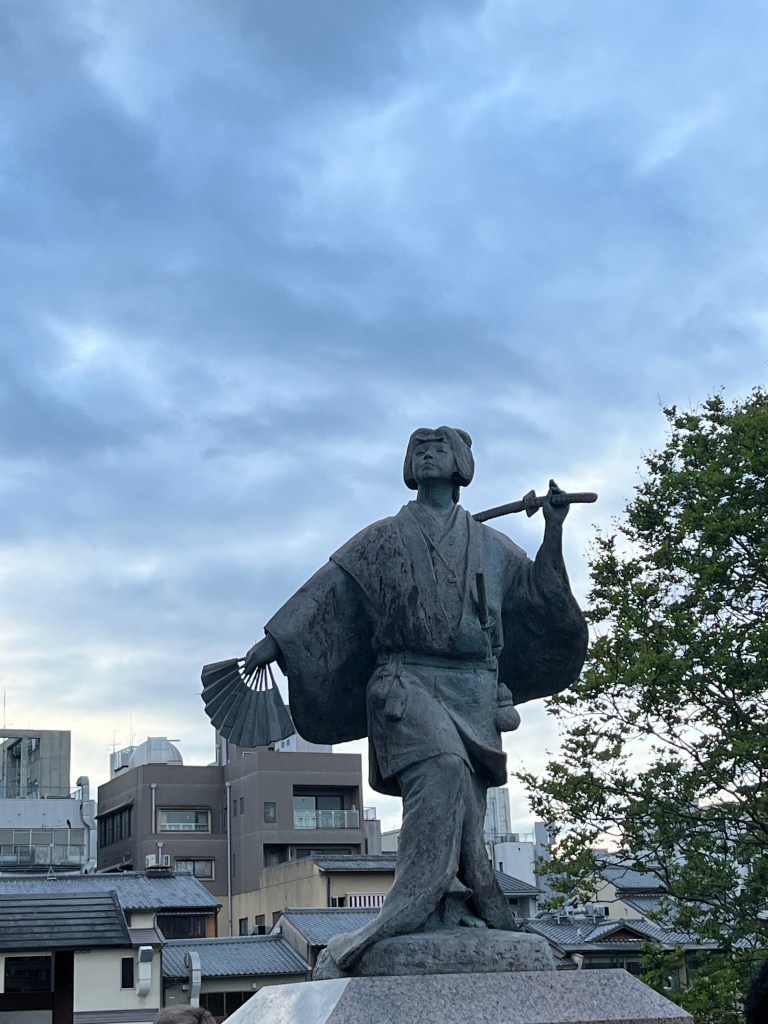
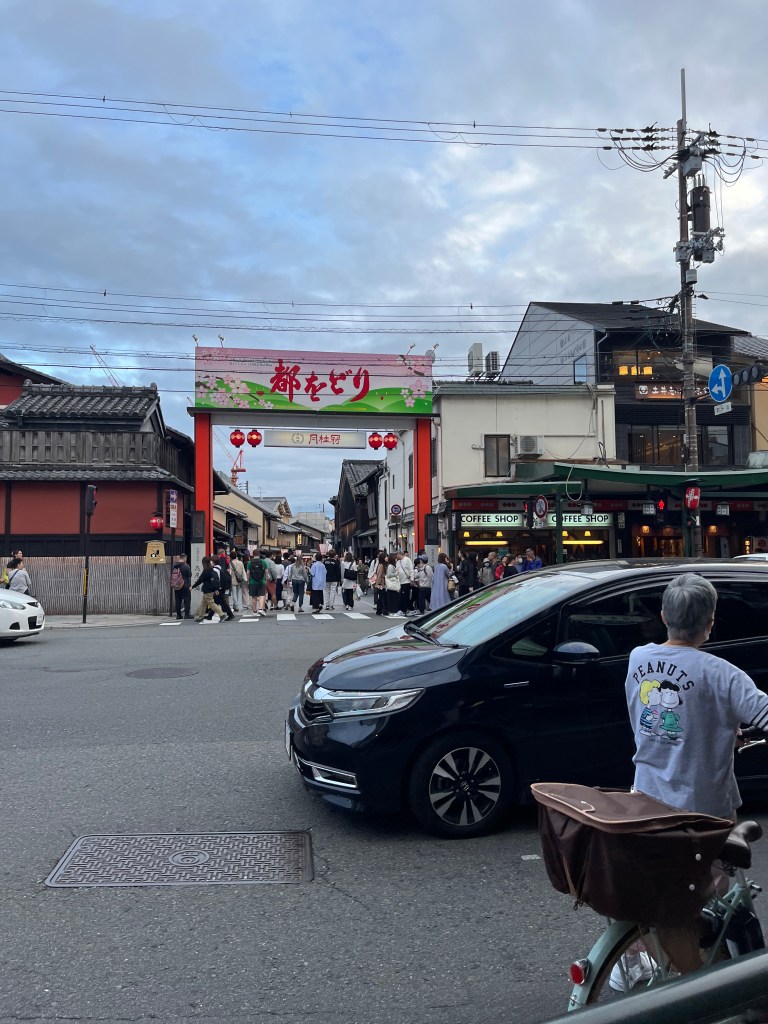
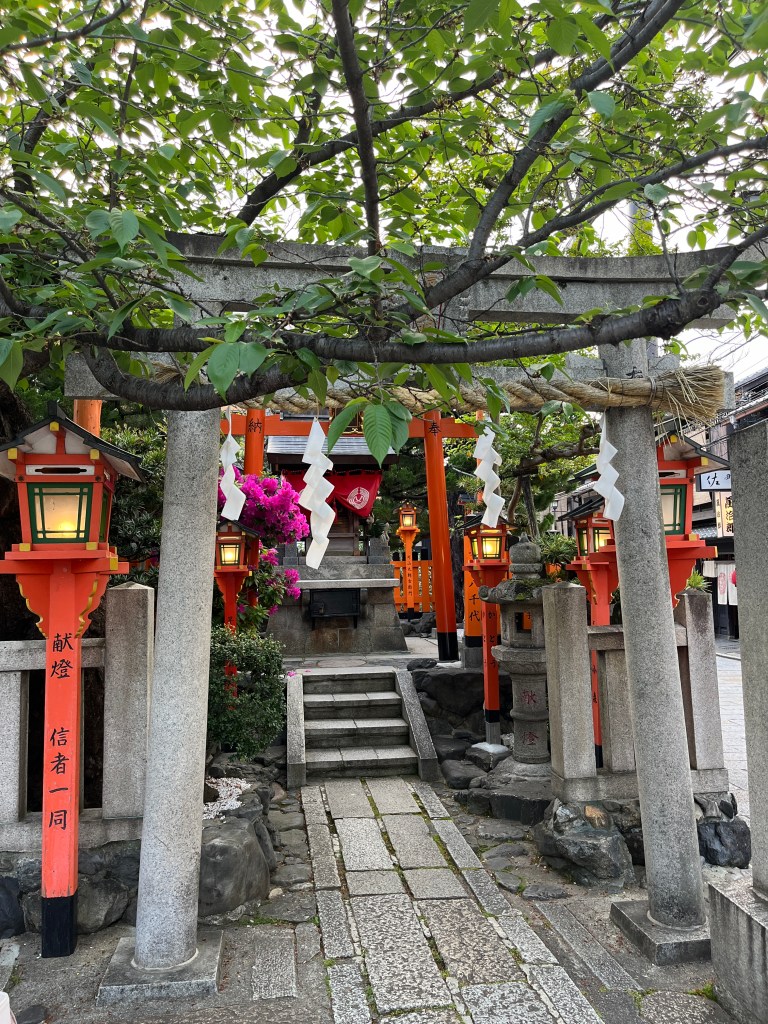
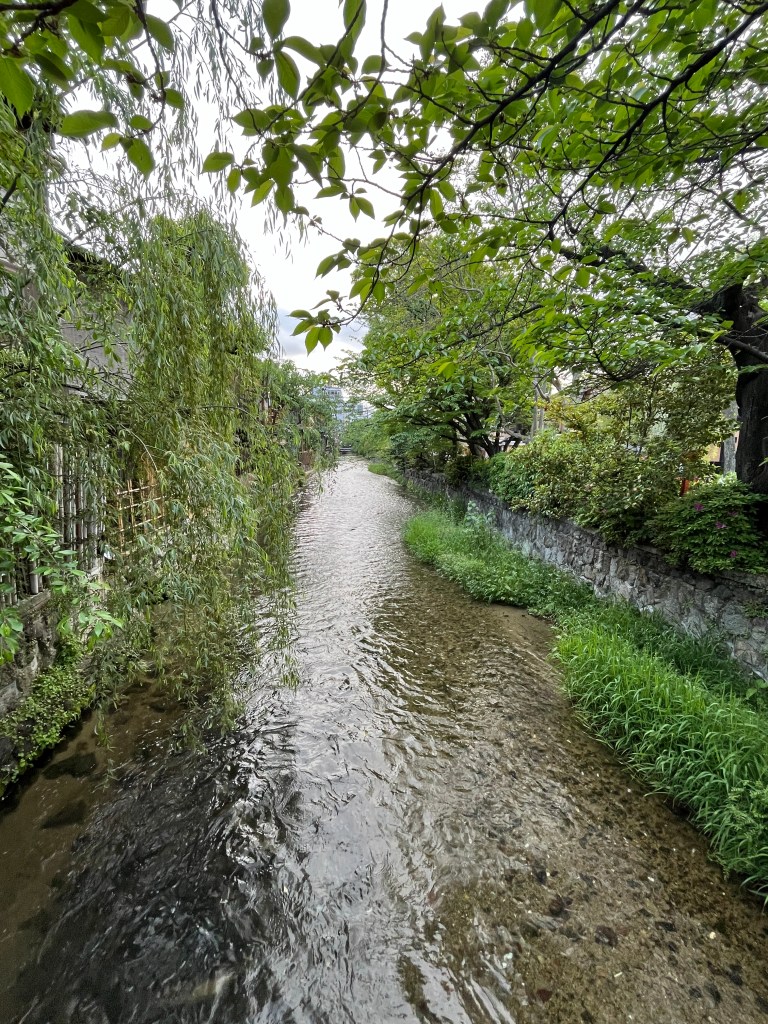
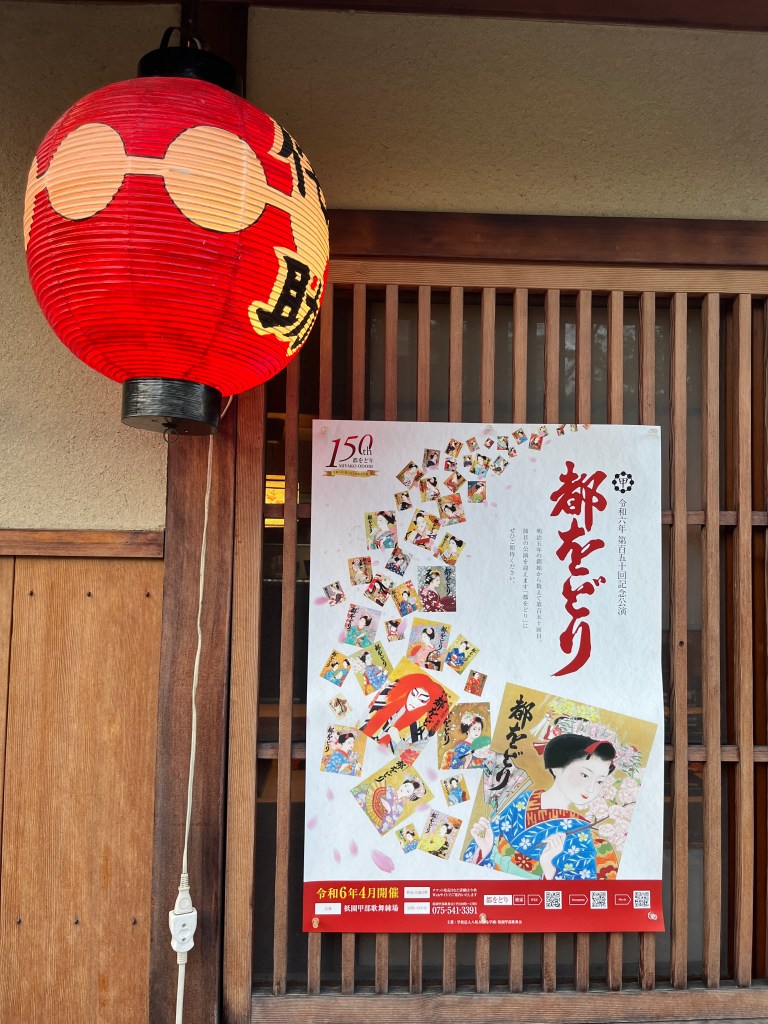
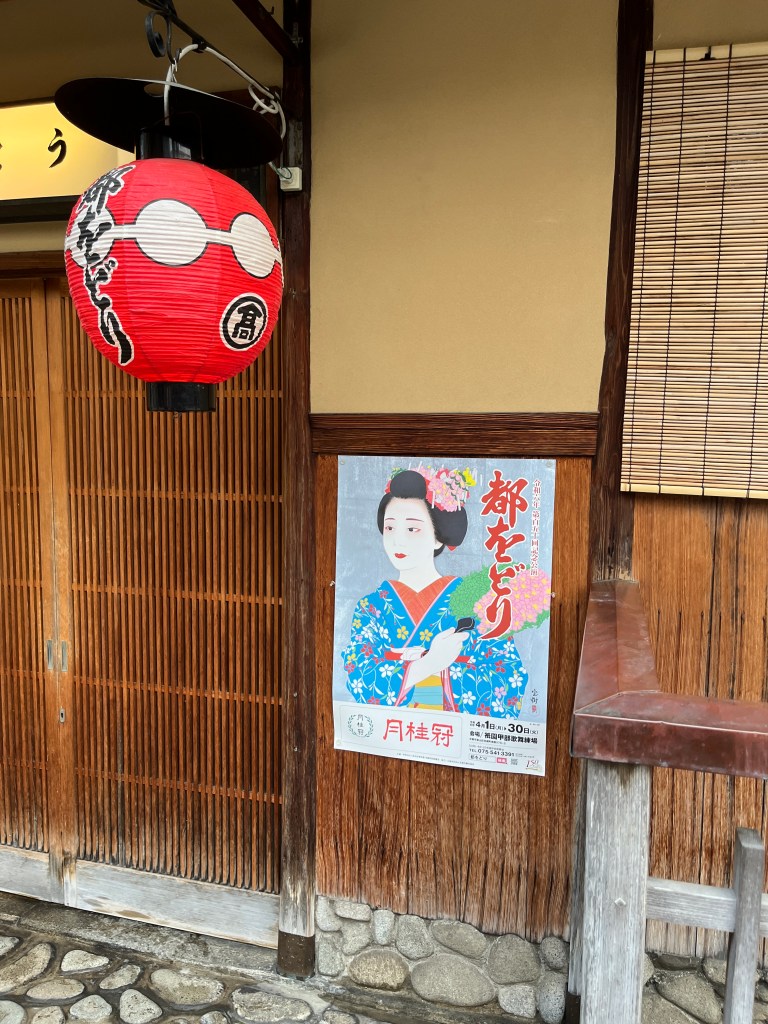
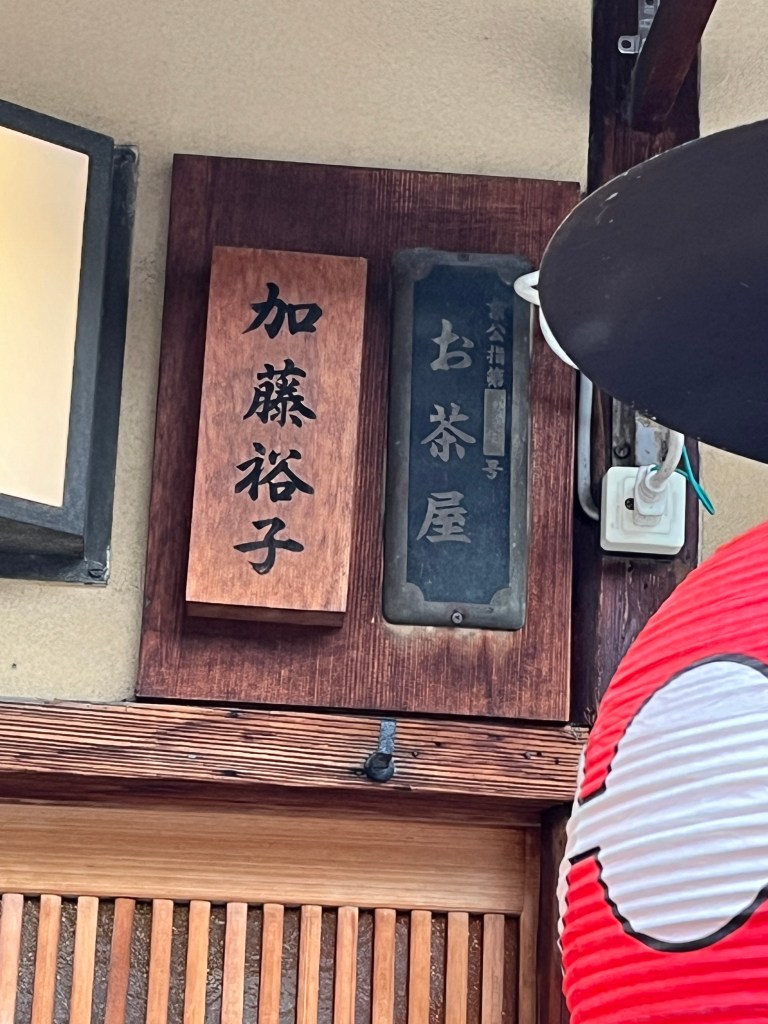
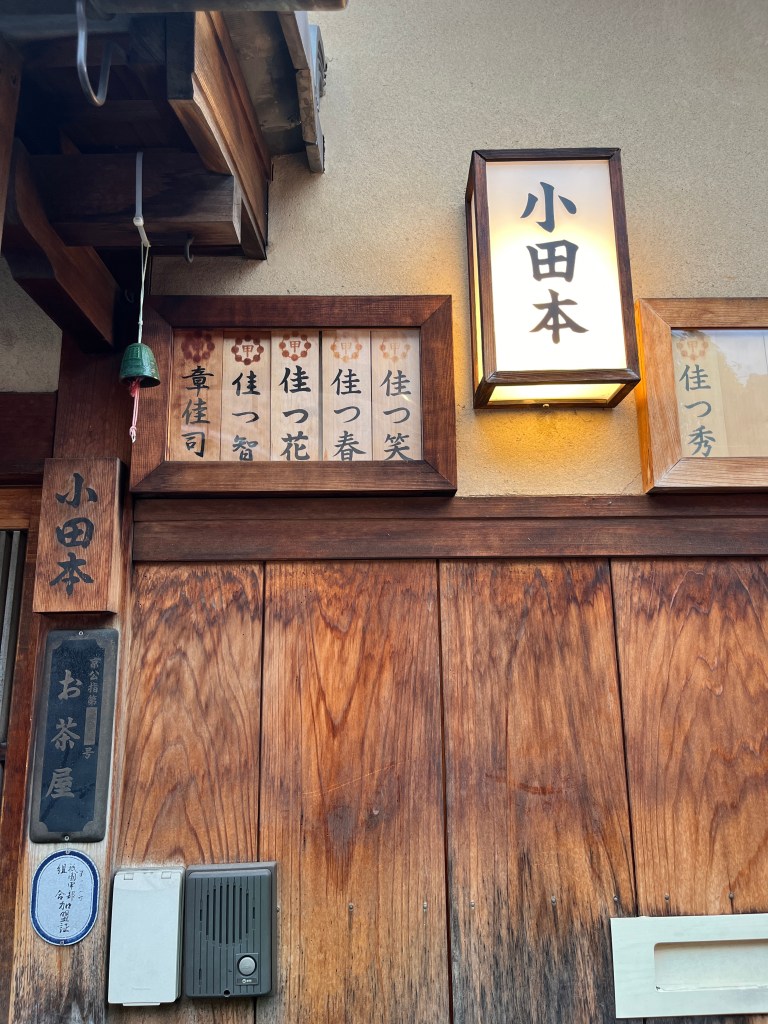
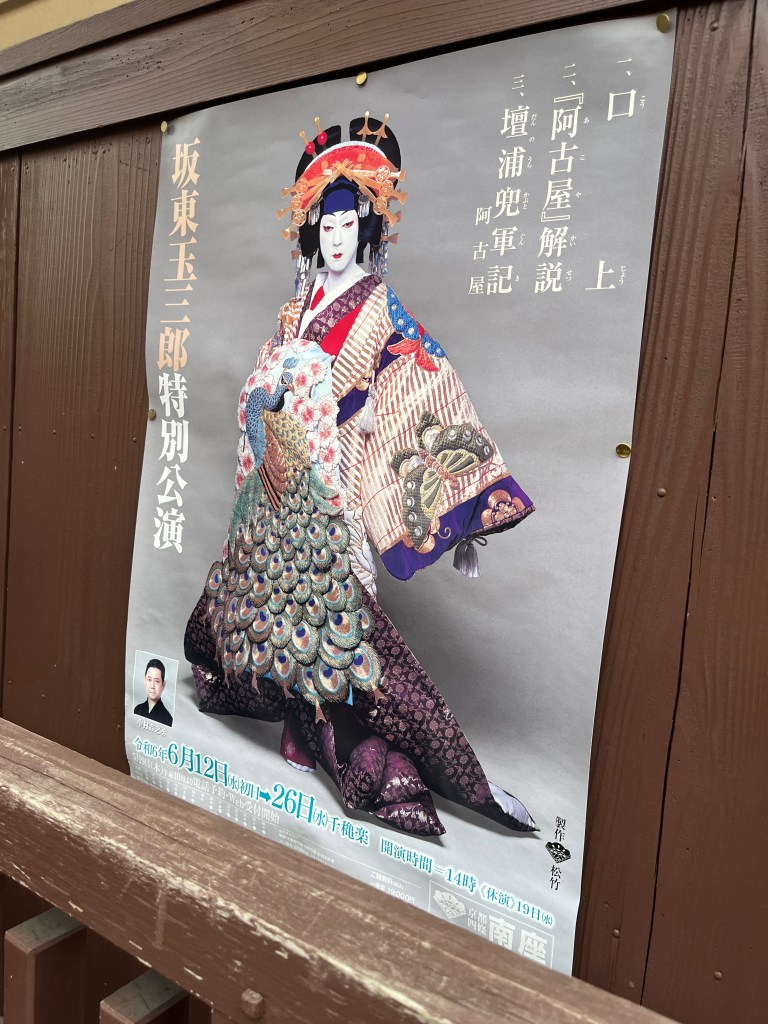
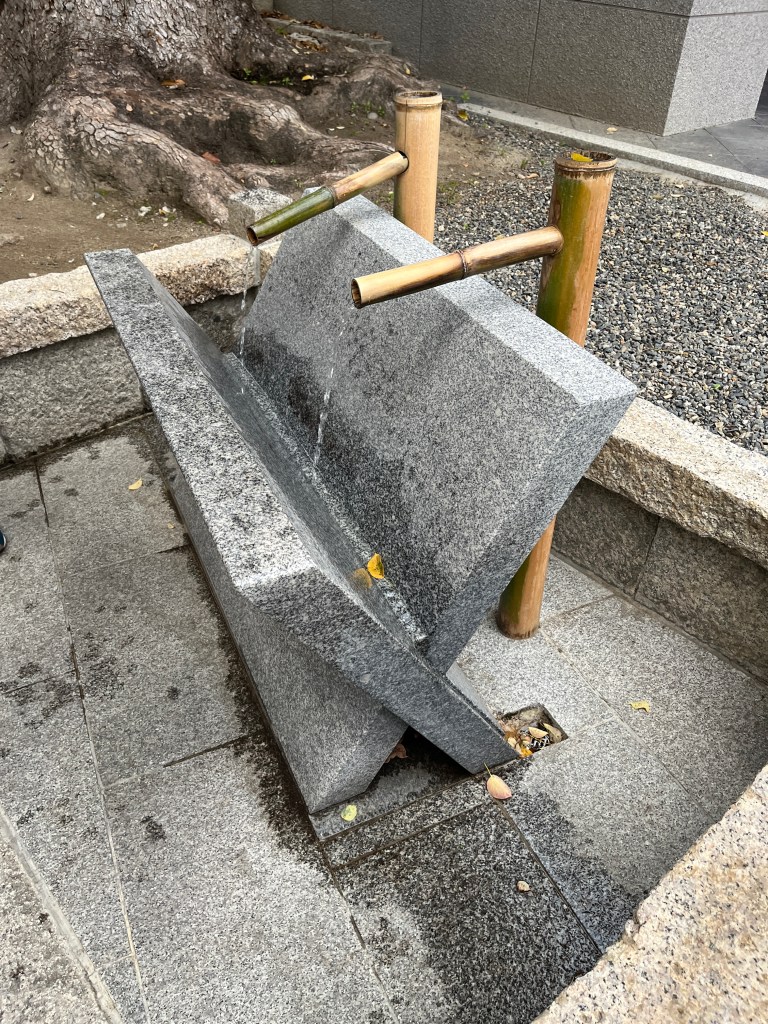
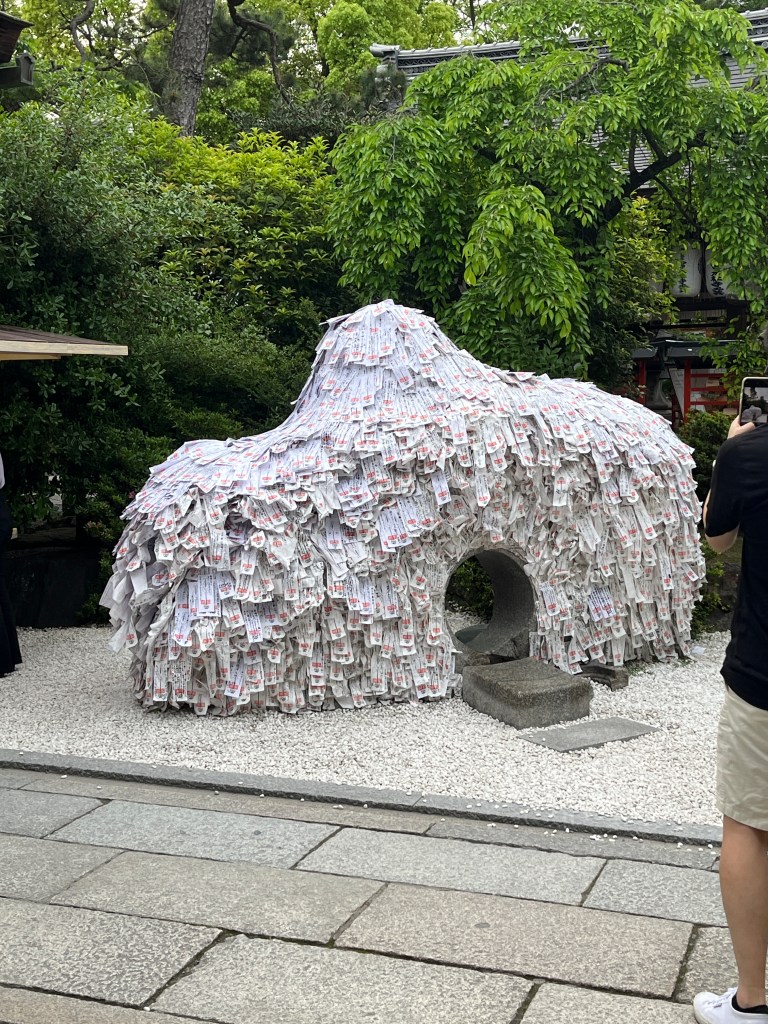
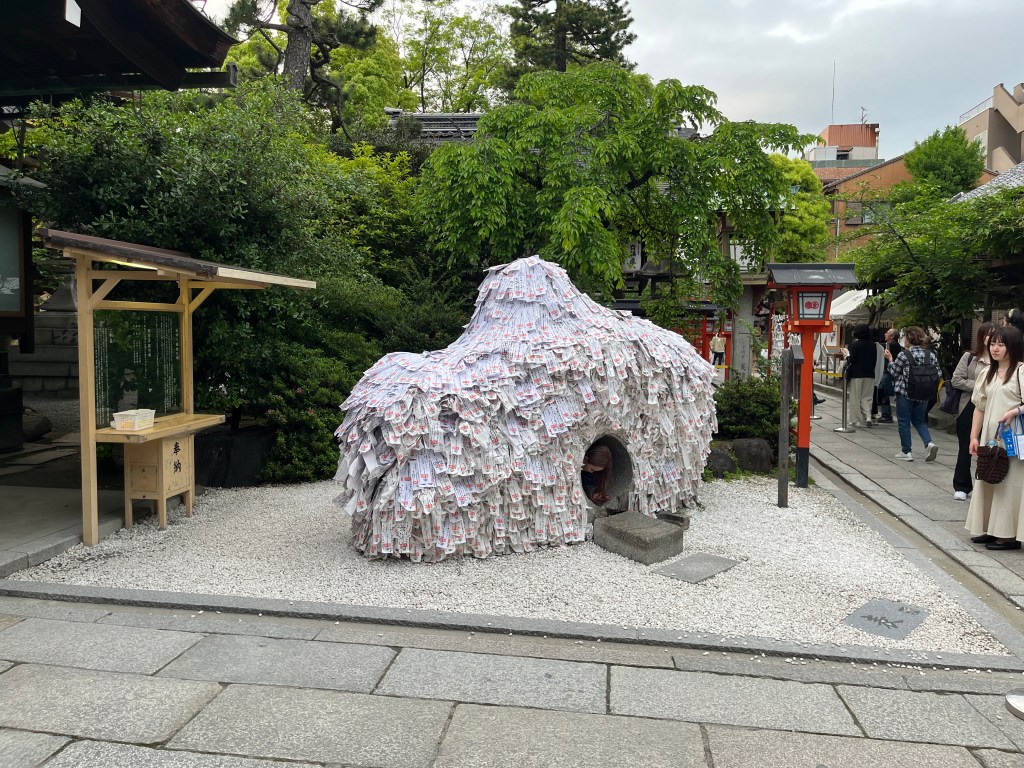
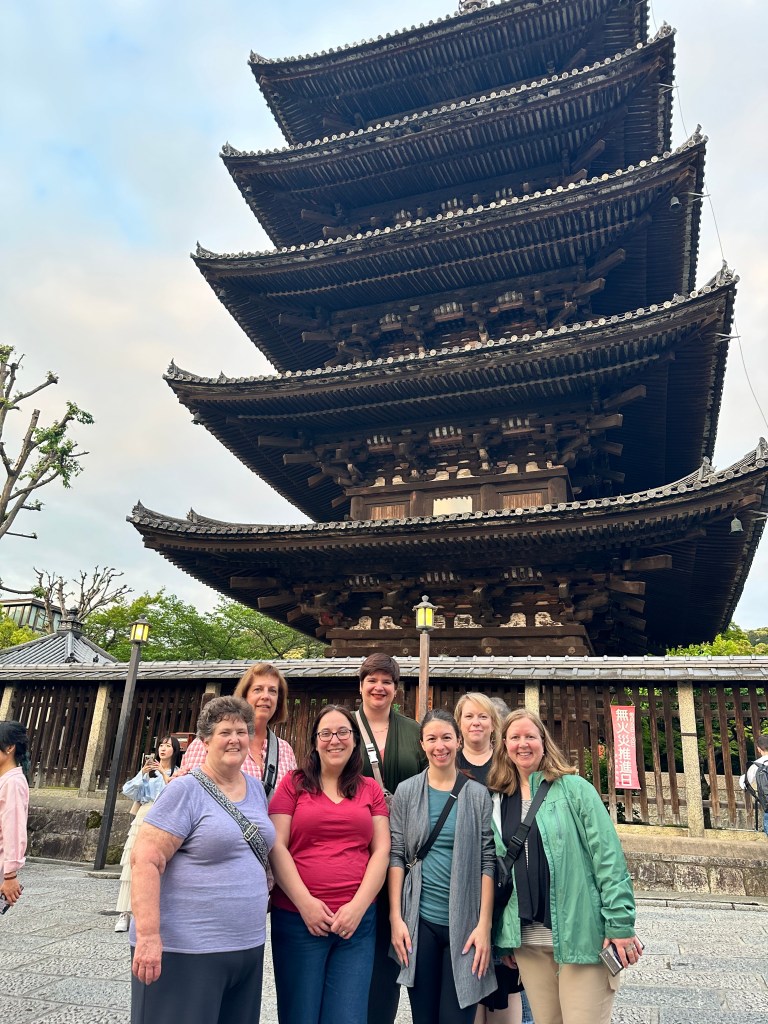
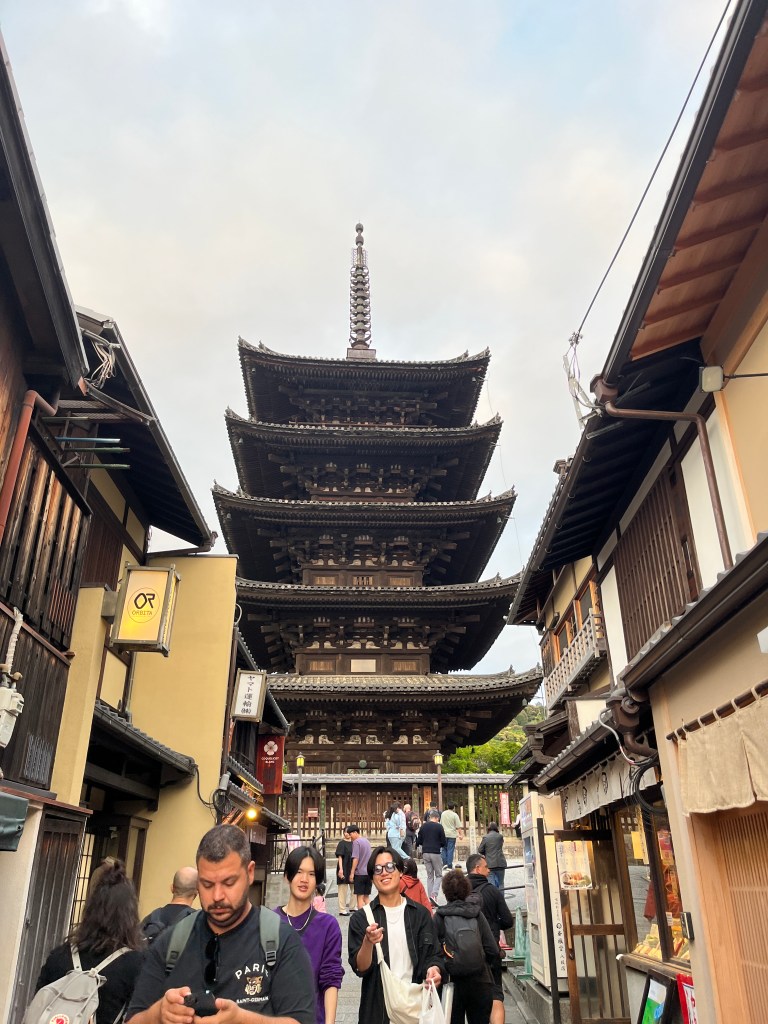
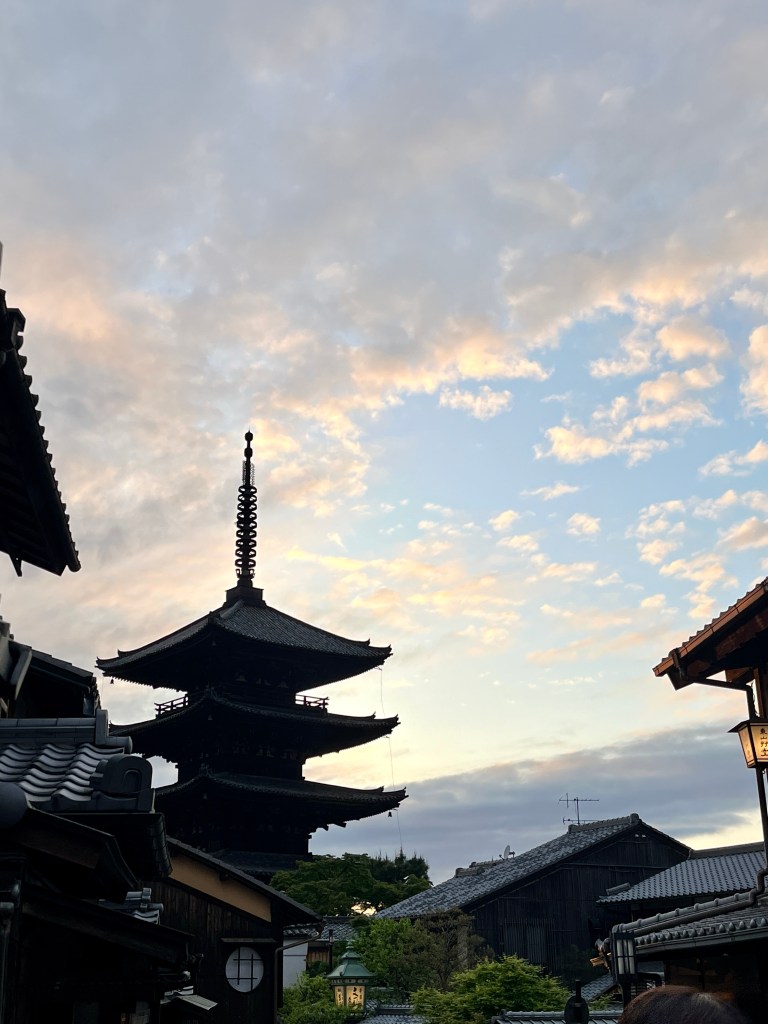
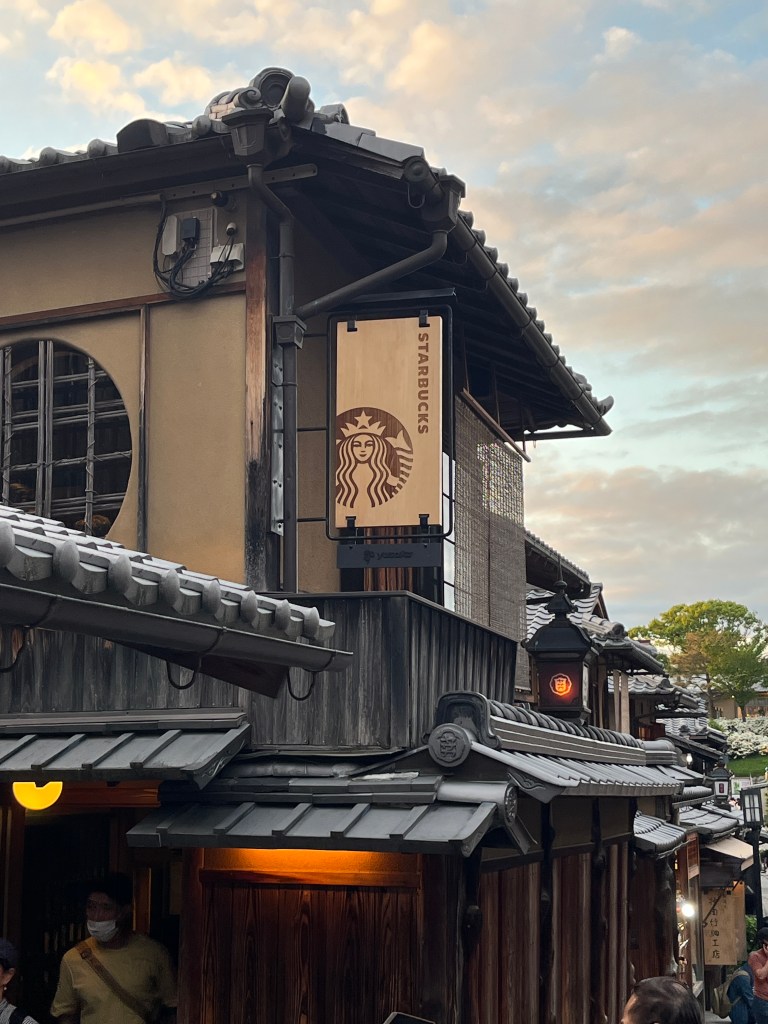
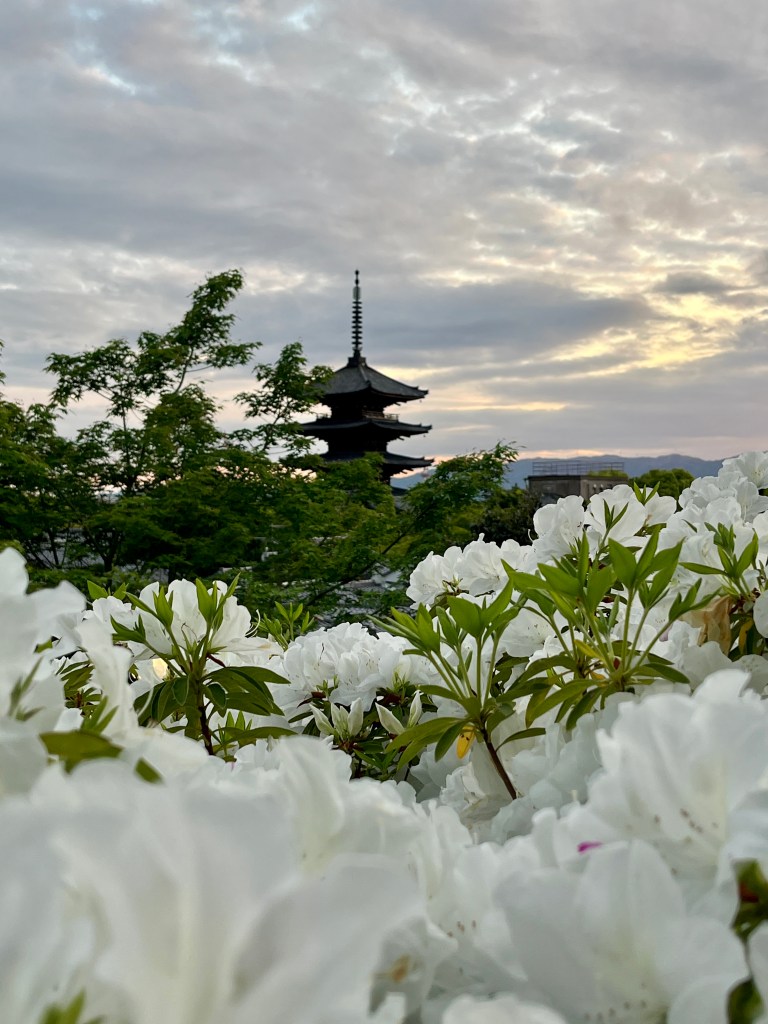
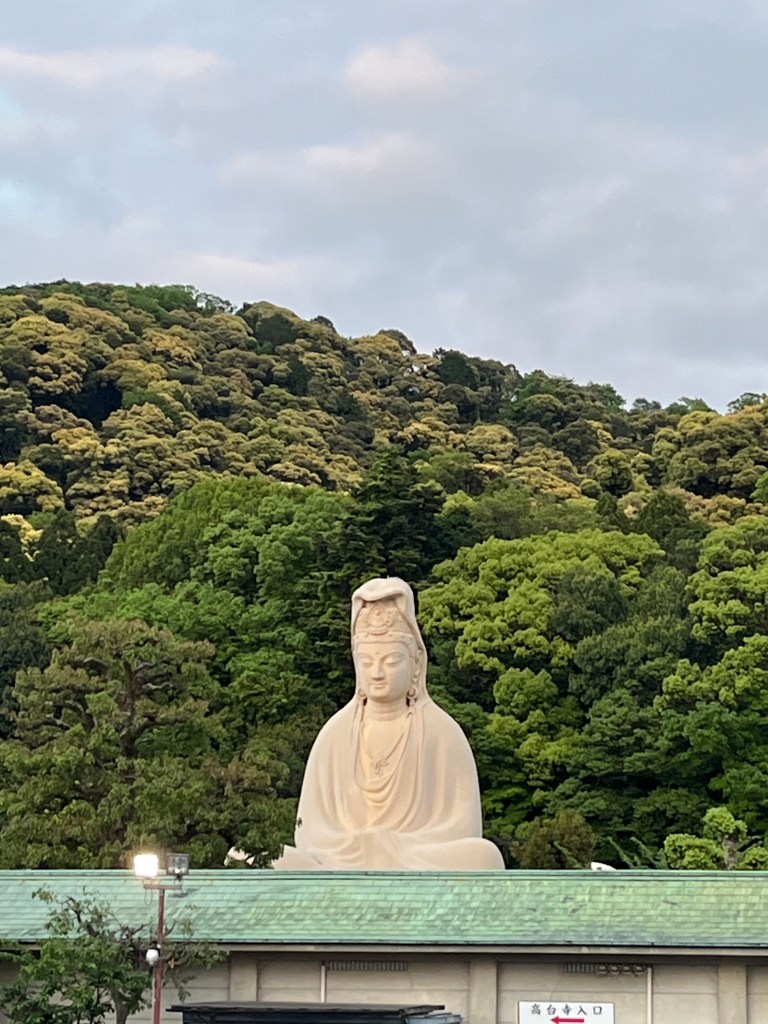
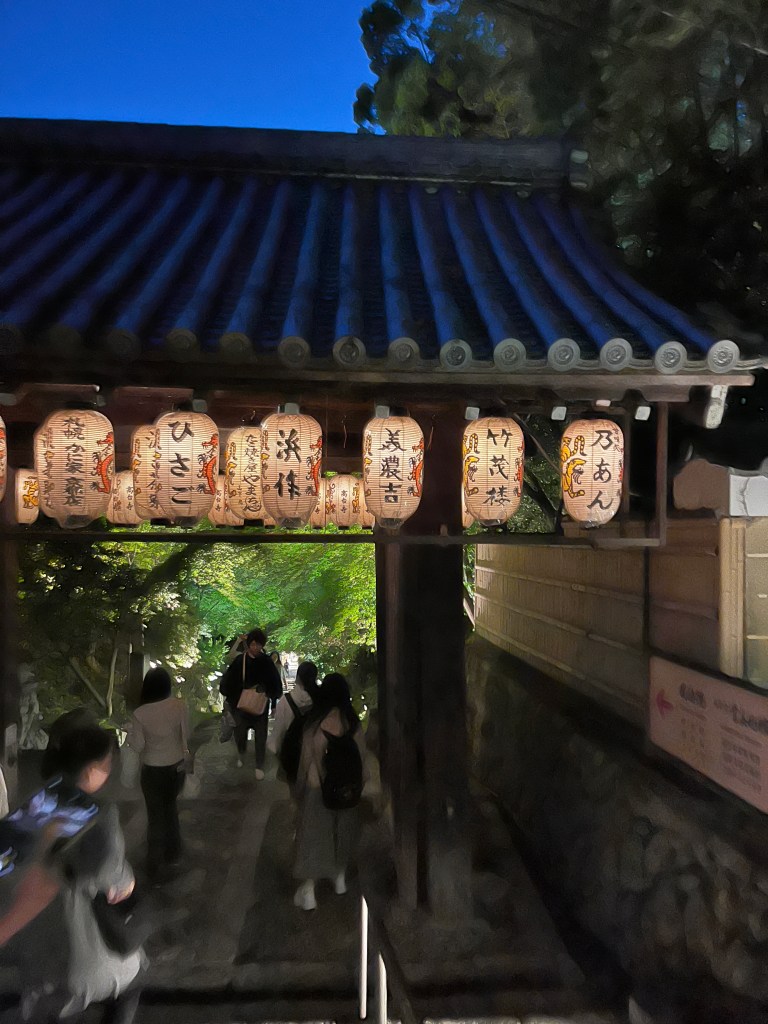
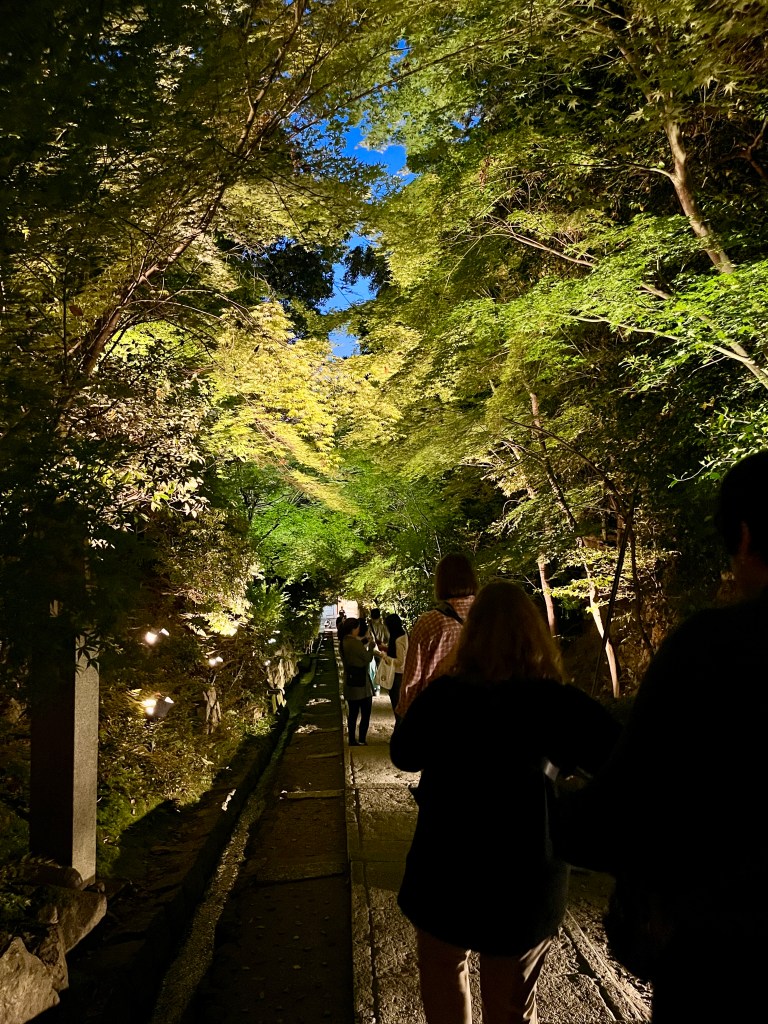
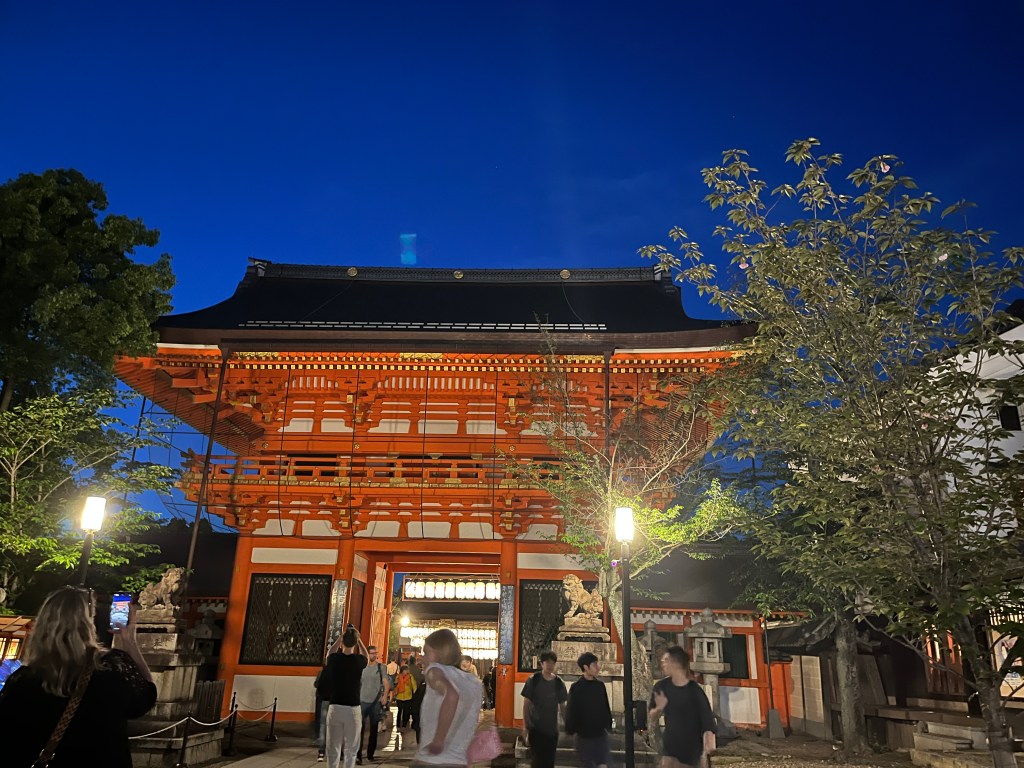
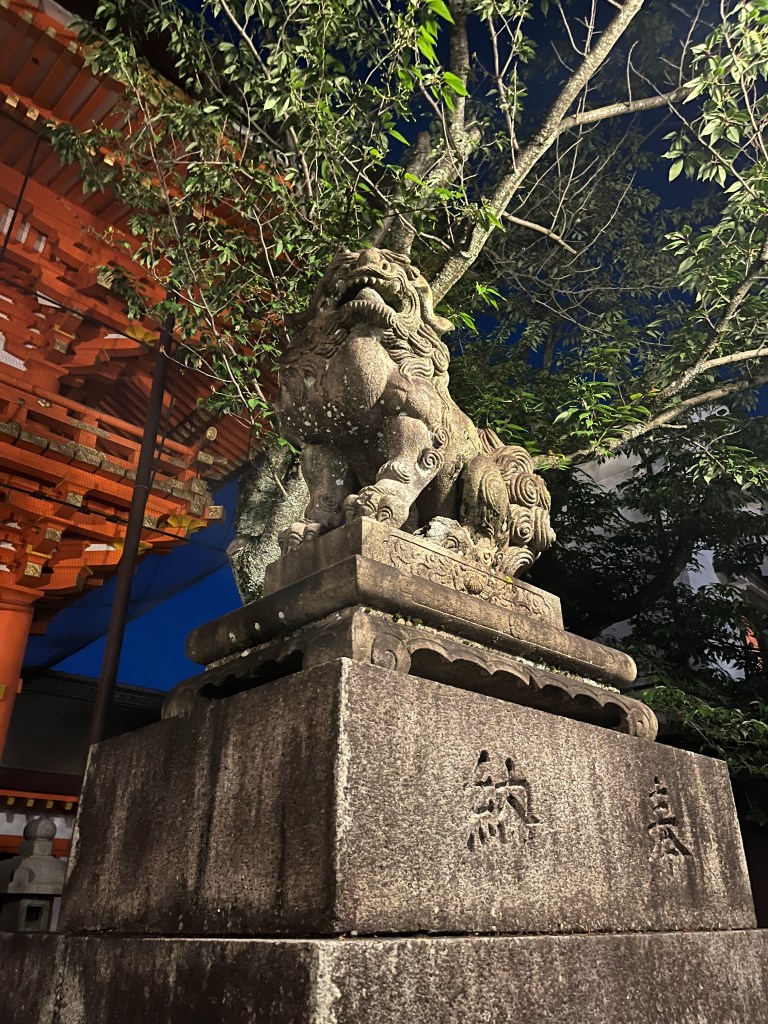
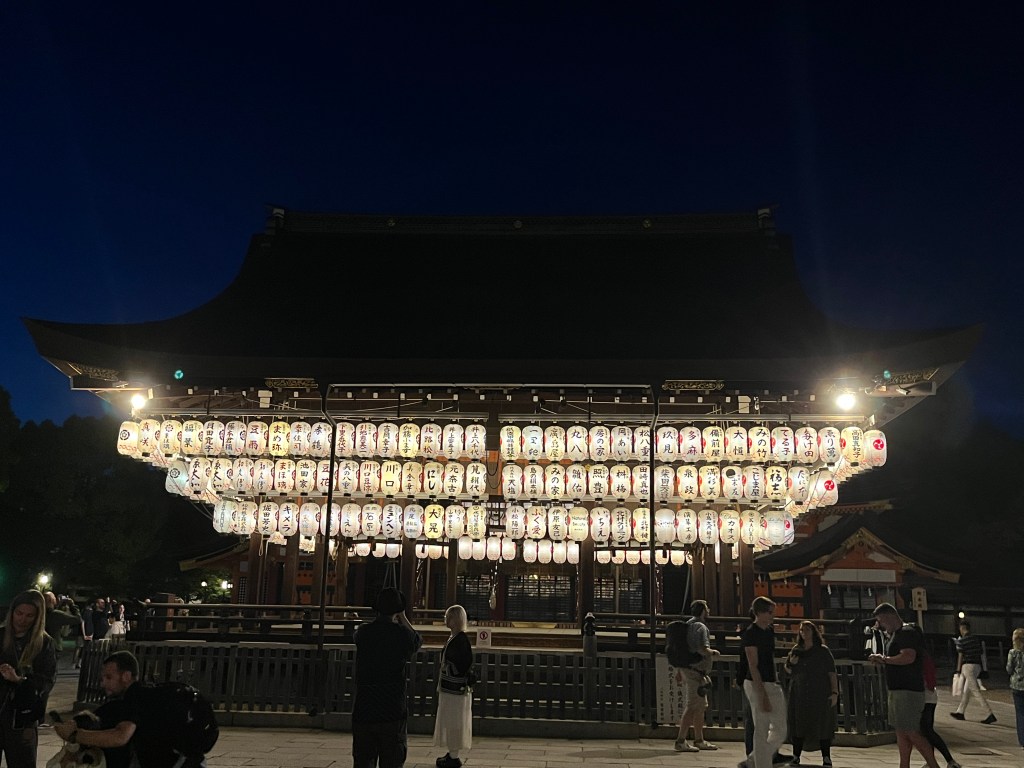
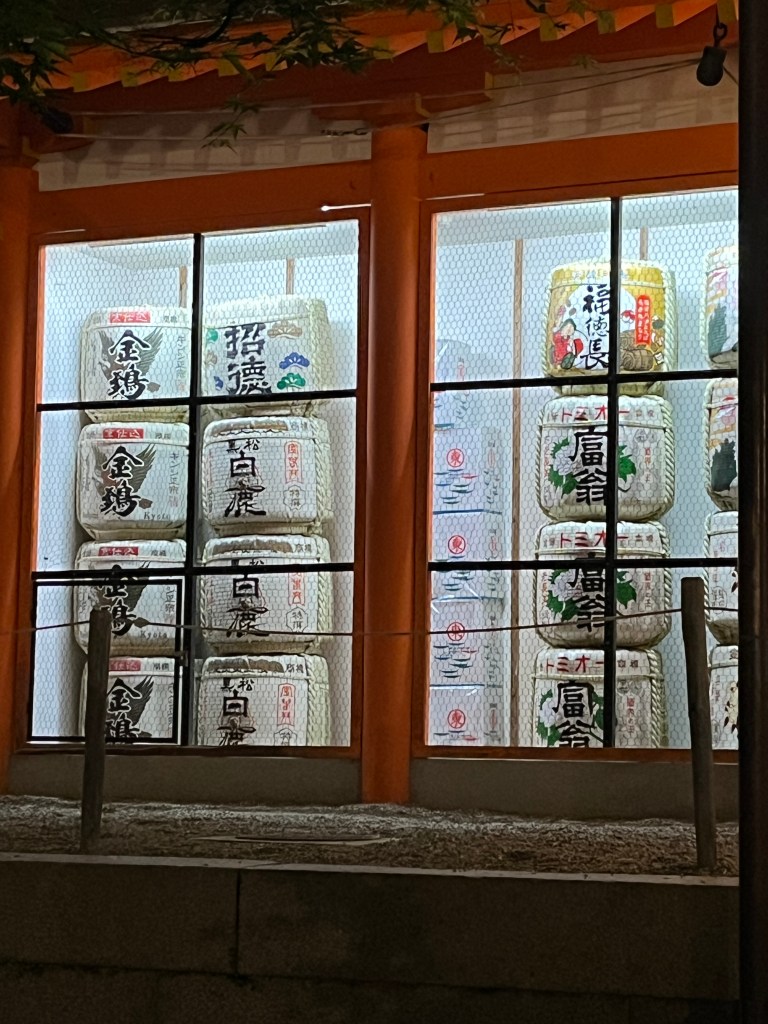
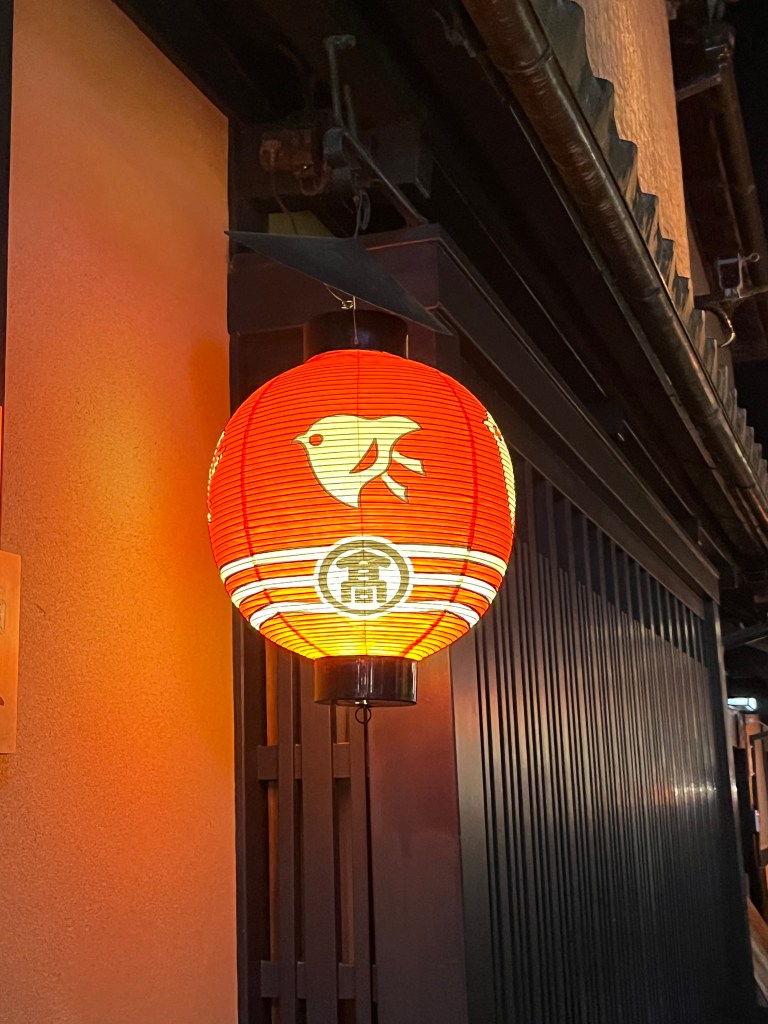
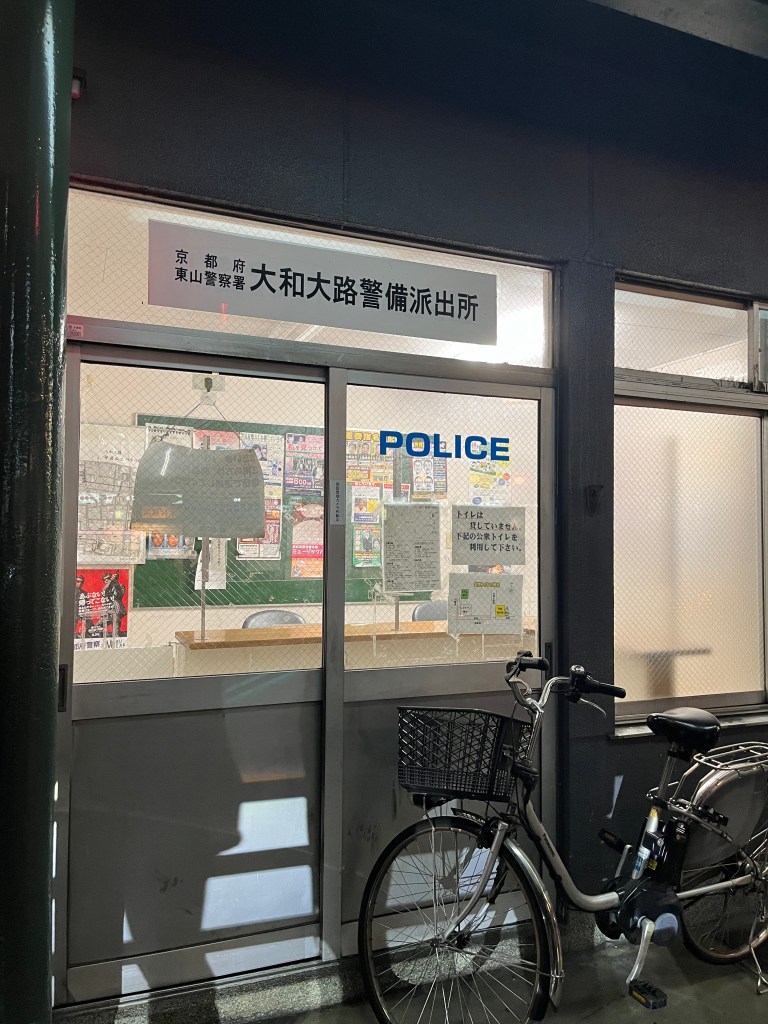
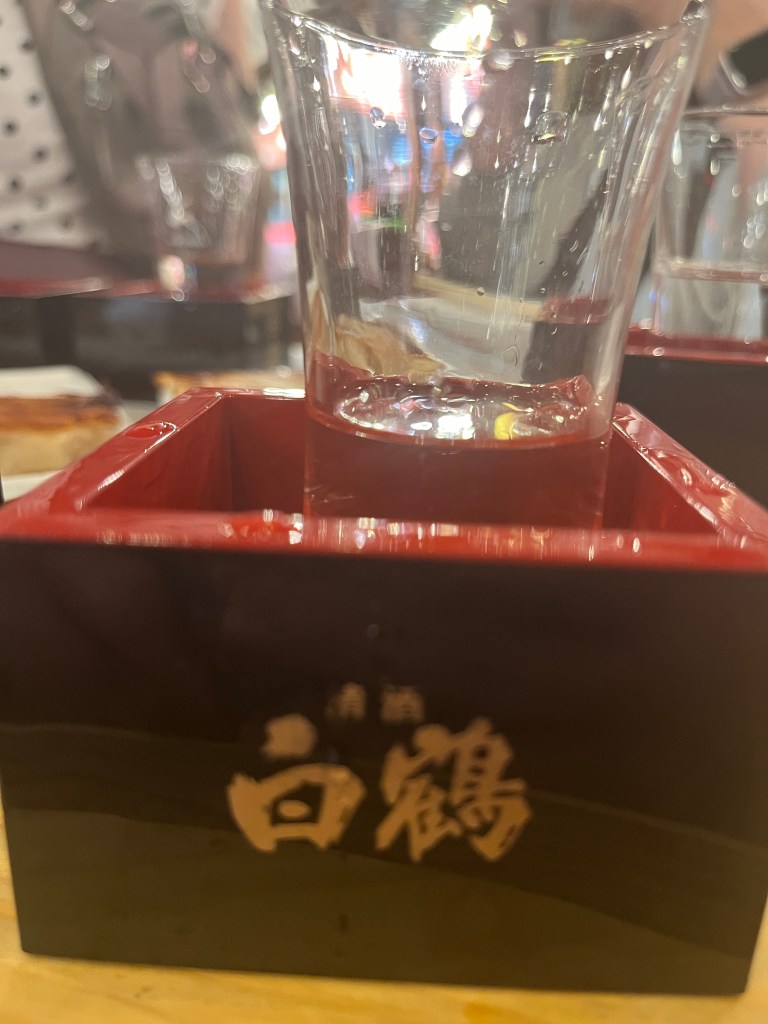
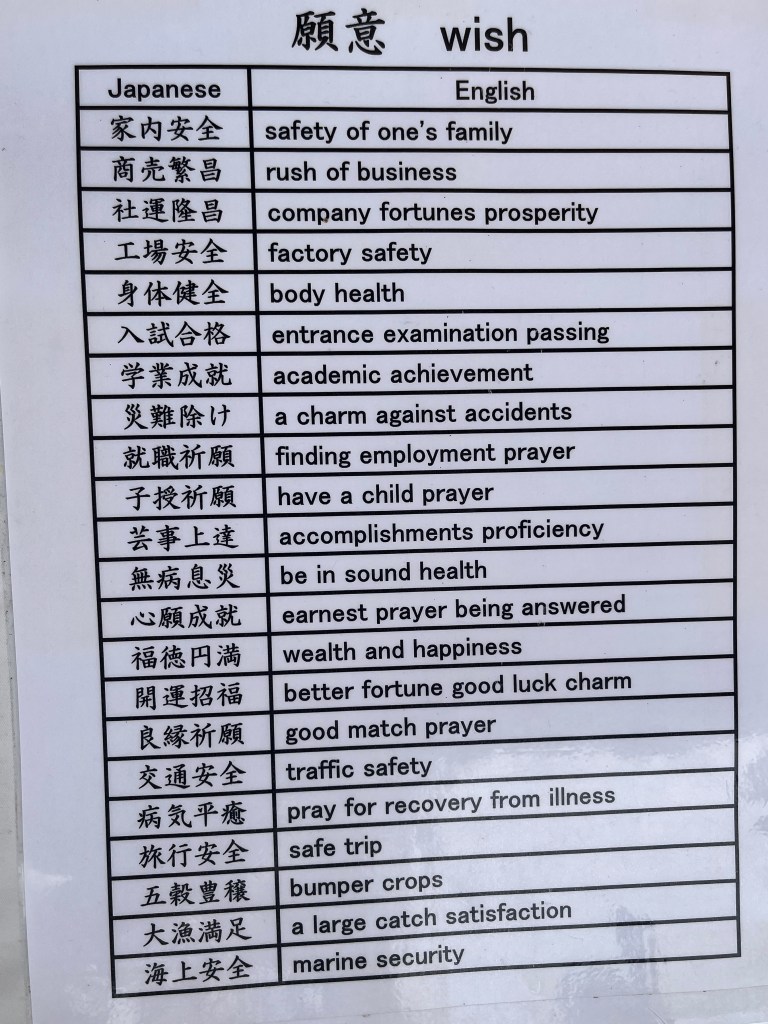
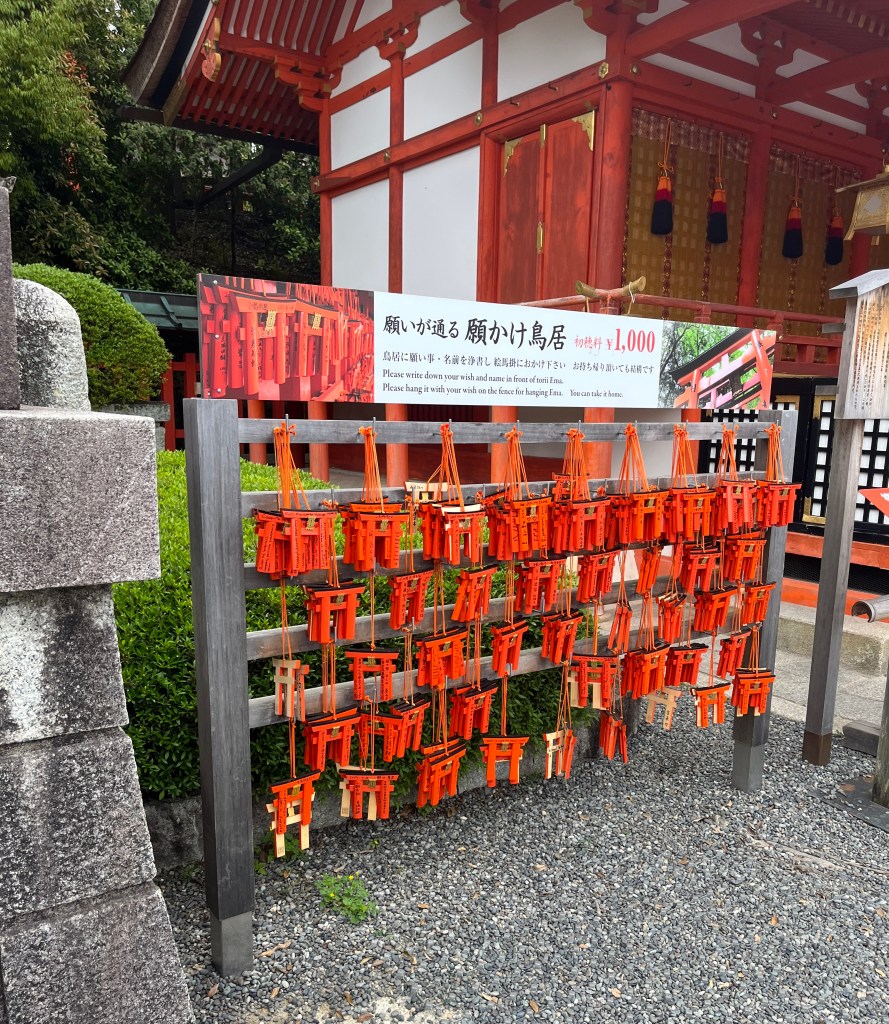
We took an evening tour of Kyoto and we saw a Geisha! We also saw a variety of shops, shrines, and temples, and passed by Minami-za the oldest theater in Kyoto. I used a fun picture from this tour to illustrate a blog post about Psalm 91. Our guide was wonderful and she was easy to understand (she had studied in the USA so she understood our accents too). She wore contacts that made her eyes look a little like an anime character, so cute! I wrote down a few fun facts from her tour, here they are: The small black plaques near doorways indicated that the tea house is run by Geisha. The wooden plaques are the stage names of each Geisha and they are in order of seniority with the most experienced being closest to the door. The make up that they wear is meant to conceal their identity. The color orange is used for many religious sites because it represents the sun and its ability to drive away evil. The wooden ornament prayers are kept up until there are too many and then they are burned. The ashes are spread around the shrine so that the prayers and wishes are always there. The big lanterns and saki barrels at the shrine stay for a year or a period of time designated by the shrine. These decorations help pay for the shrine’s maintenance. In places where you can purchase a fortune, you hold the good fortunes and you tie the bad fortune in a designated spot. That way the bad fortune does not follow you. I love that you never leave a sacred space worse than when you entered (at least in theory). We stopped at a shrine with a stone that had a hole in the middle. Part of the ritual is to crawl through the hole and wish for a spouse. Rebecca was a good sport and gave it a try, it was harder than it looked.














April 28th:
What Japanese Gardens taught me about letting go is a piece I wrote for the Presbyterian Outlook, but mostly wrote for myself. This was the day in the trip, I heard the sermon (John 15:1-8) I mentioned in the article. It took a long time to process all that I’ve learned in Japan, and I really wanted to write this piece about letting go of what I thought was going to happen and trying to embrace the shape my life is taking now. This was certainly my huge “ah ha” moment of the pilgrimage but there were tons of little moments too. This pilgrimage really shaped me in a way that I am only beginning to understand almost a year later.
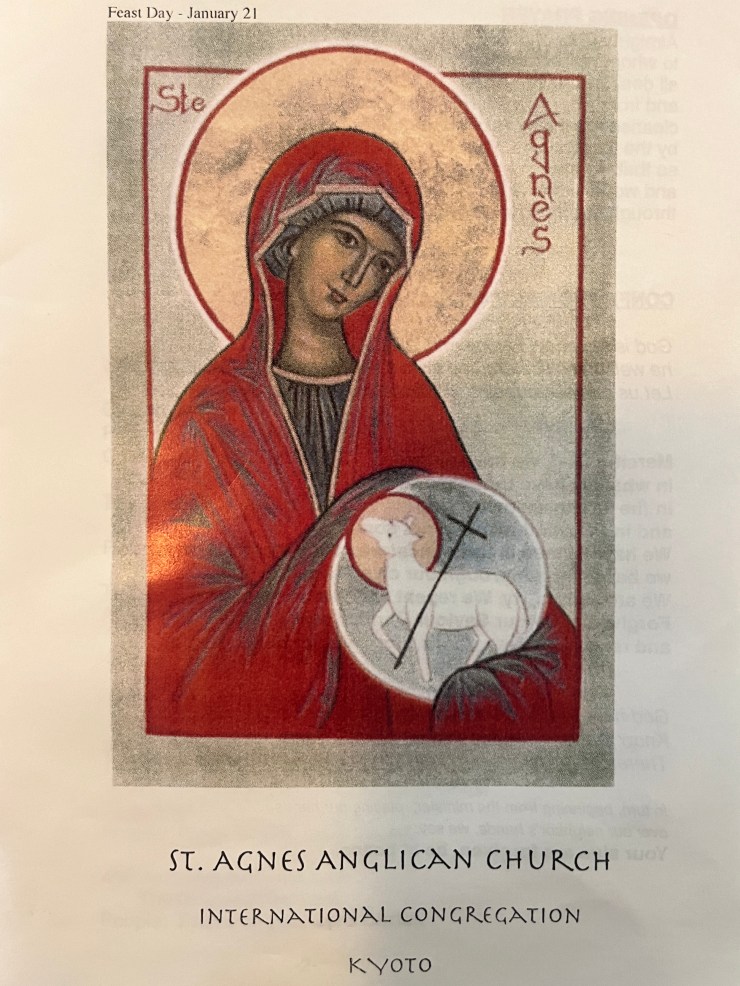
My instagram post from the trip: St. Agnes Cathedral (Kyoto) This was probably one of the best worship services I’ve attended in a long time. Feeling welcomed, engaged in liturgy and discussion style sermon, meaningful forgiveness of sin, friendly coffee hour and a matriarch of the church empowering other women to use their voices. I journaled about the service and hope to include more details in a later blog post. I was grateful to worship today. The international community assembled there felt like a foretaste of the reign of God.
When I made that post, I had in mind writing about this profound experience right away so I wouldn’t forget it. I did journal a lot that day but I also found that I needed space to think about it before writing anything “official”. I’m really proud of how the piece for The Presbyterian Outlook turned out and it took long time for me to write and edit it. Most of my writing has been for sermons or church newsletters that have a “ready or not” it has to be done deadline. Taking time with a piece is a relatively new experience for me and I’m still learning. So most of what I record here is overflow material that didn’t get mentioned in the cultivated piece. Part of me wants all of the messy details somewhere.
Ten white women walk into a church in Kyoto… and were greeted warmly and ushered through a guest sign in process, given hymnals, book of common worship, and a bulletin. This church clearly has seen a lot of visitors. There was an official greeting at the beginning of the service so we could say our names and where we were from. After the prayer of confession each person in turn, says to the next person ‘your sins are forgiven, be at peace’, it was a beautiful experience to hear all of the voices around the room. The sermon was conversational style, sort of like what Don and I did on Wednesday nights at Concord. During the passing of the peace, Christin hugged me. She’s the best; I really needed a hug. It was made clear that communion was open to anyone, I love that. I understand all of the reasons some places do not have an open table, but I think the idea that it’s God’s table and the it is open to all is the best theology I’ve seen in action. At the end of the service Christin and I talked to the pastor and he agreed to take a picture with her and flat Jesus. (Christin’s flat Jesus reminded me a little of Gumby; I’ve seen other flat Jesuses that are paper). The idea of the flat Jesus is to have a small physical reminder that Jesus is always with you. It’s fun for kids and anyone who is willing to engage in the silly and the sacred at the same time.
We joined the congregation for coffee hour after church and lively discussions. When it looked like everyone had coffee and a place to sit a woman in a blue dress with floral print (reminiscent of a Kimono) stood and tapped her spoon to her tea cup until everyone quieted and looked her direction. This is the matriarch. She welcomed the visitors (again) and instructed everyone to go around the room and introduce themselves. It was fascinating to hear the variety of places people had come from, we were in an international space. Those gathered had English as a common language although for most of them it was not their first language. Some had always been Christians and others seemed to be curious about faith and looking for community. One man tried to introduce his wife and daughters (politely) but the matriarch interrupted him and told him to let the women speak for themselves. Talk about using authority and power to empower other women.
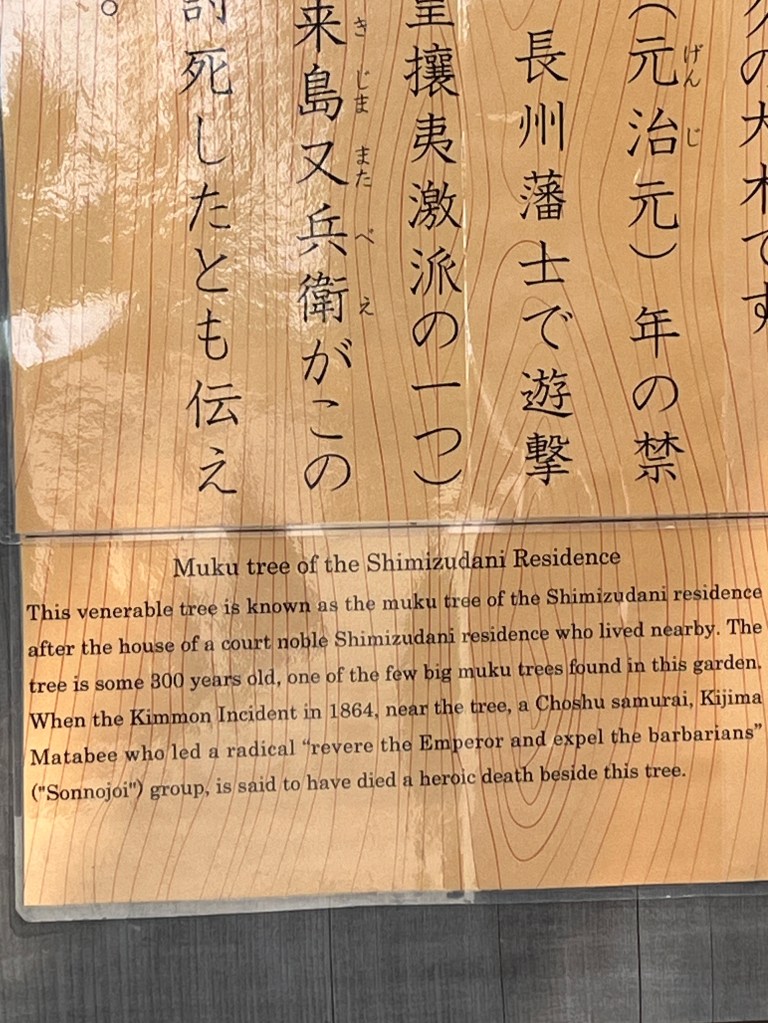
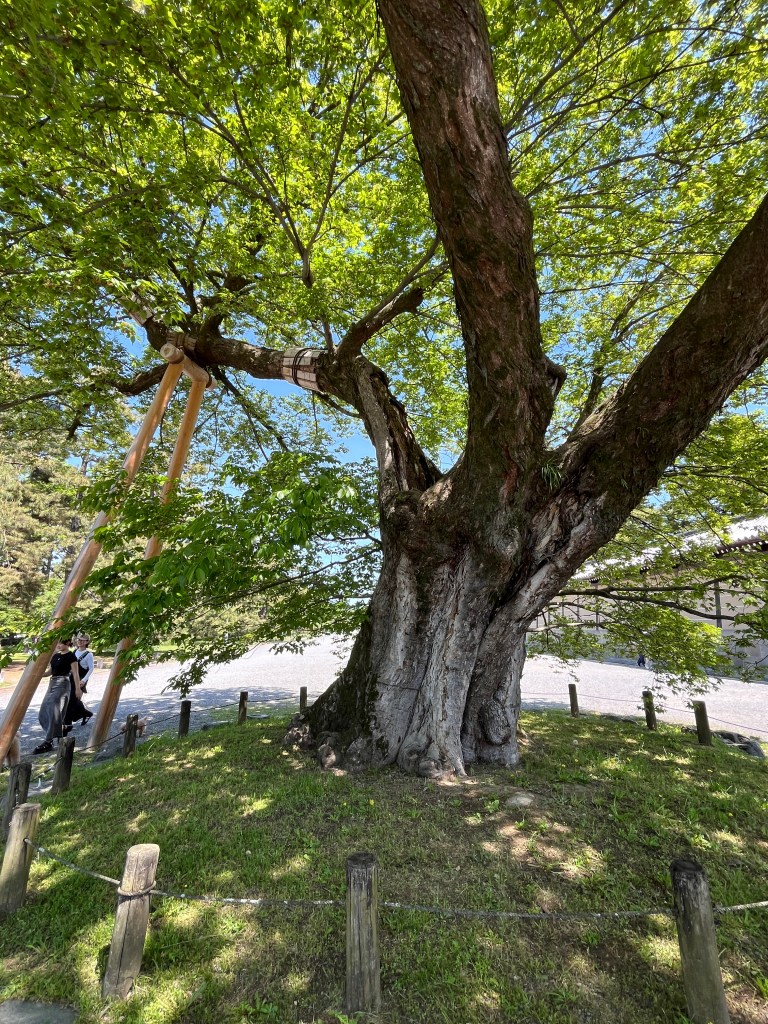
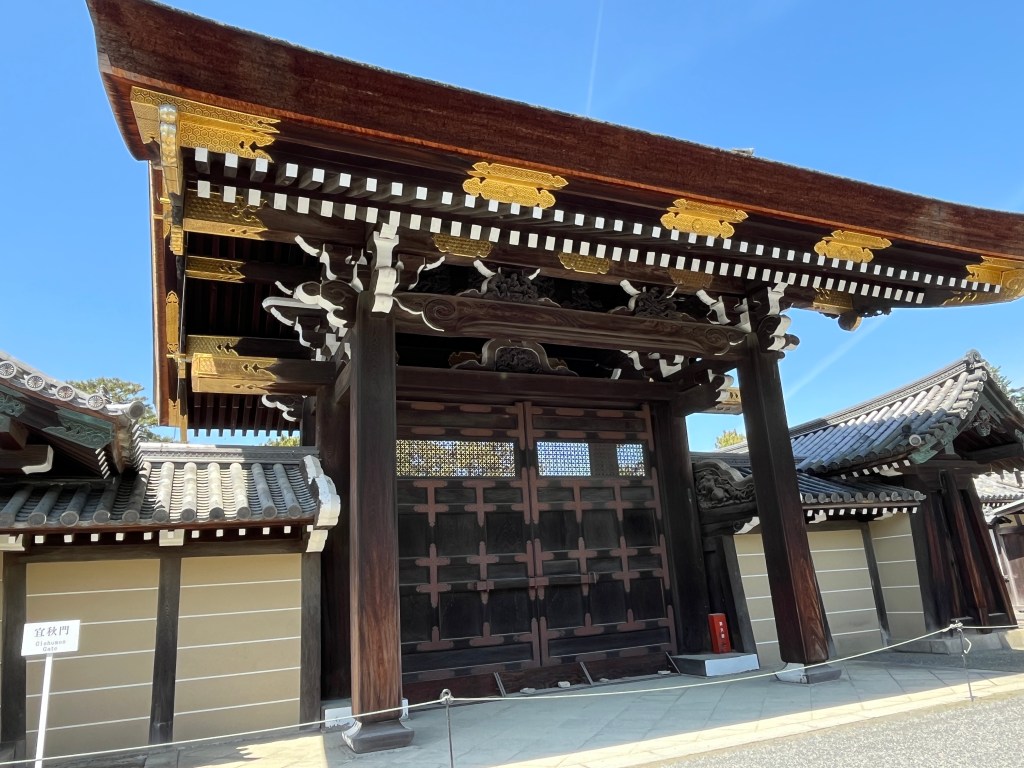
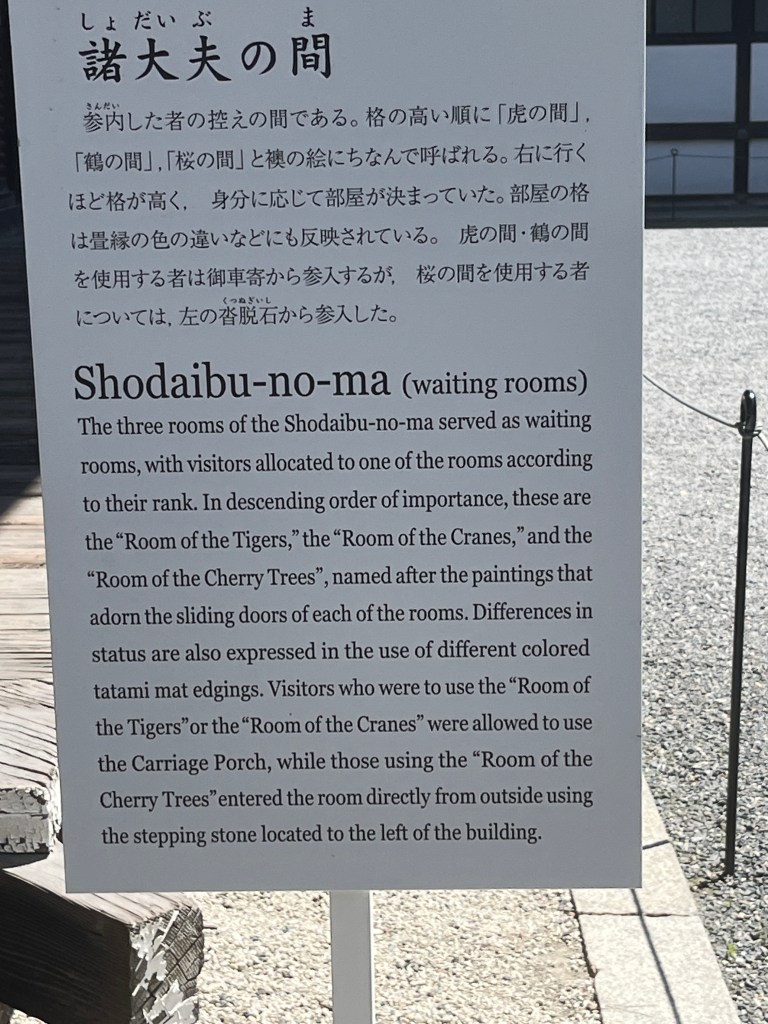
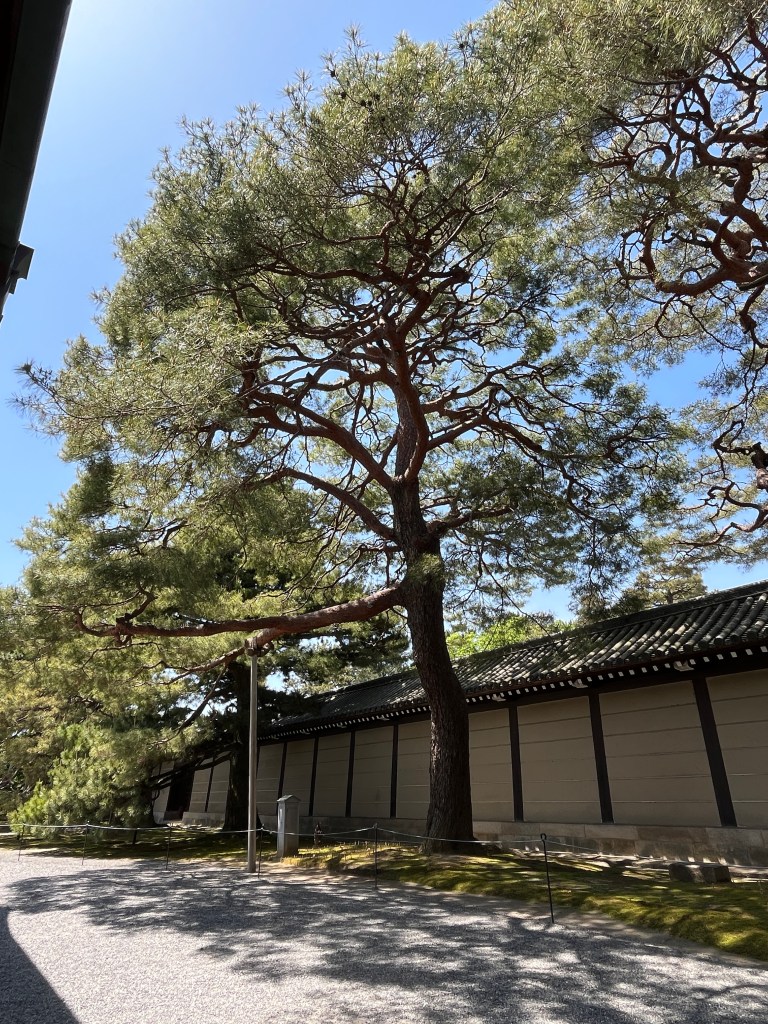
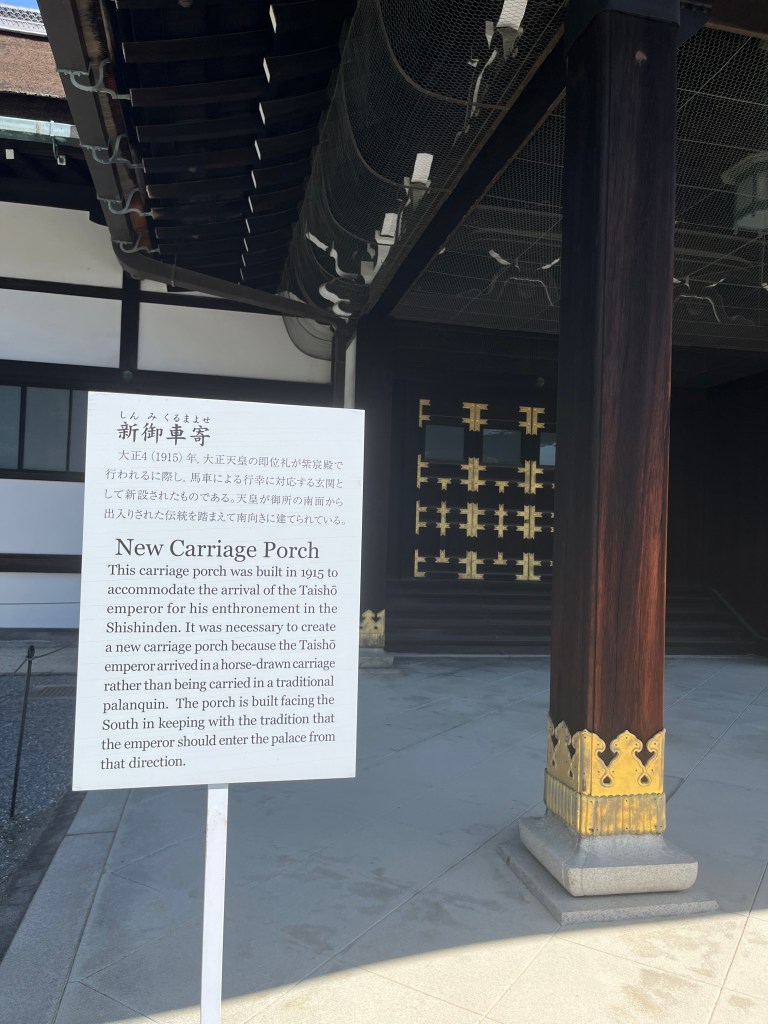
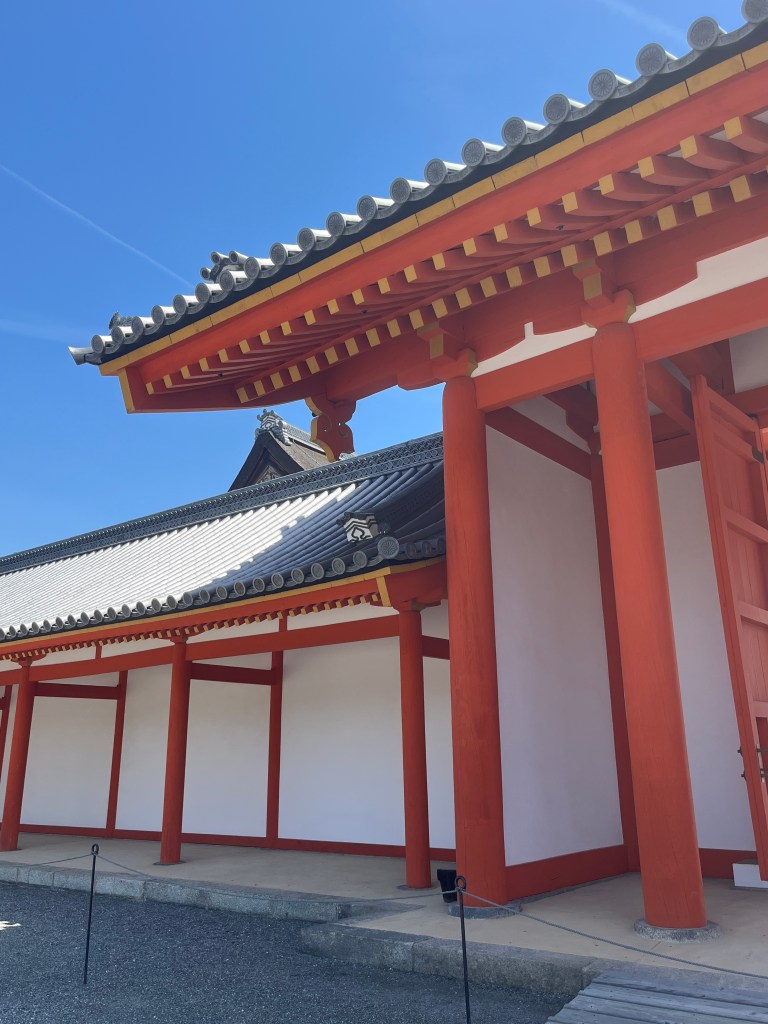
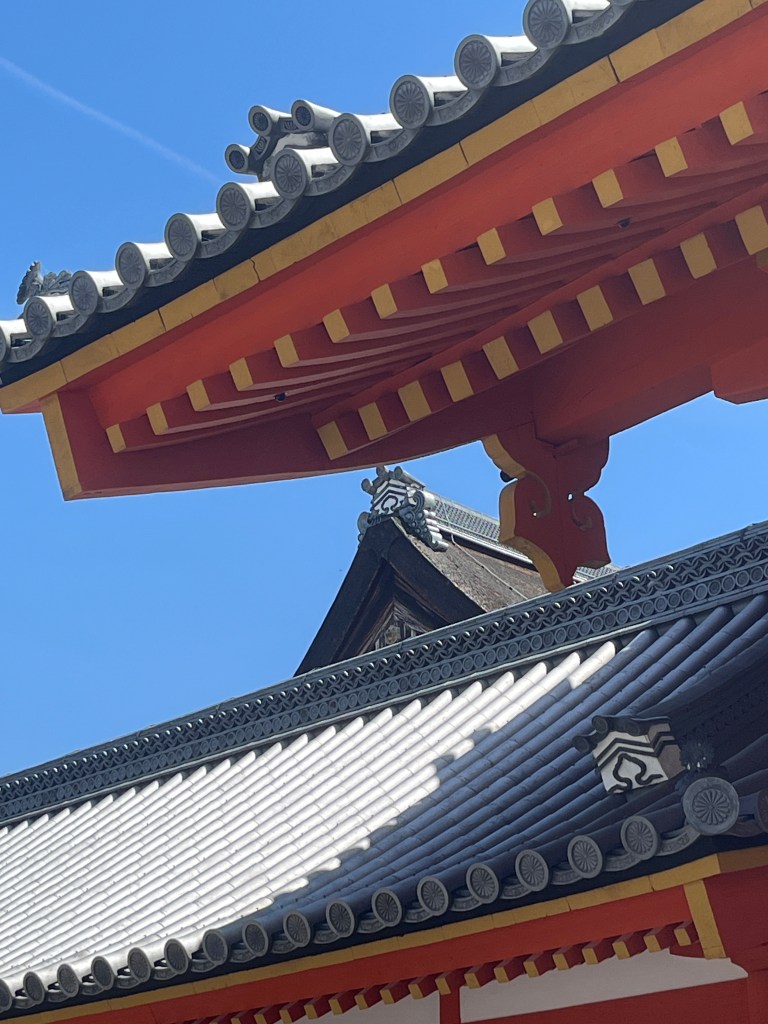
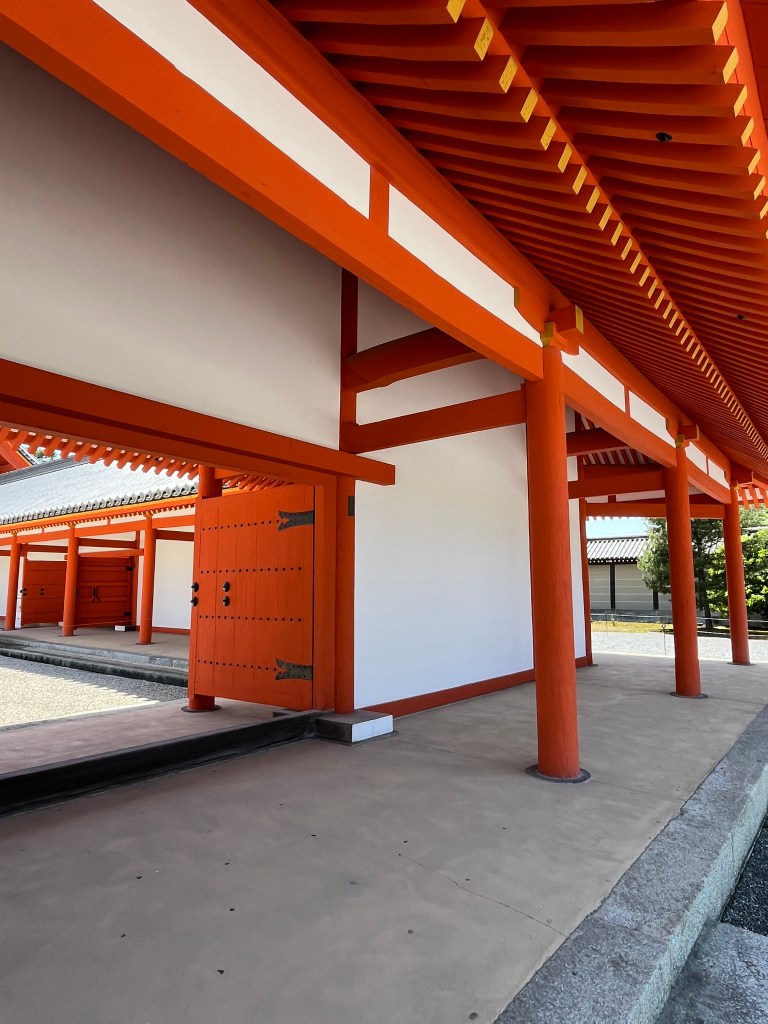
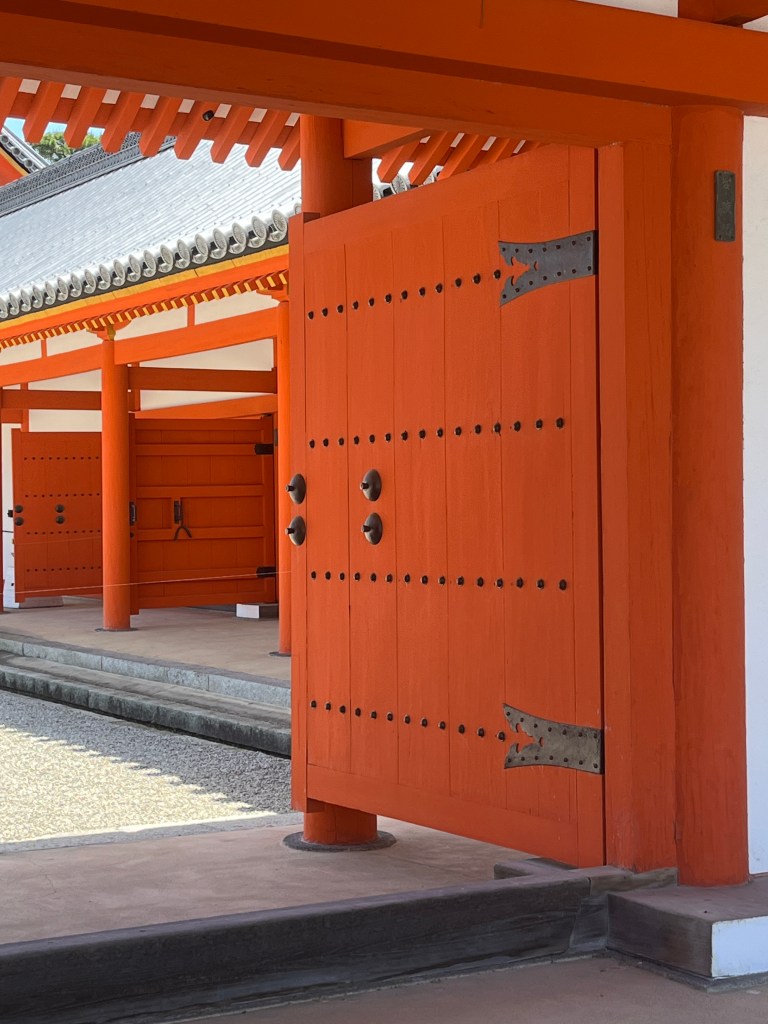
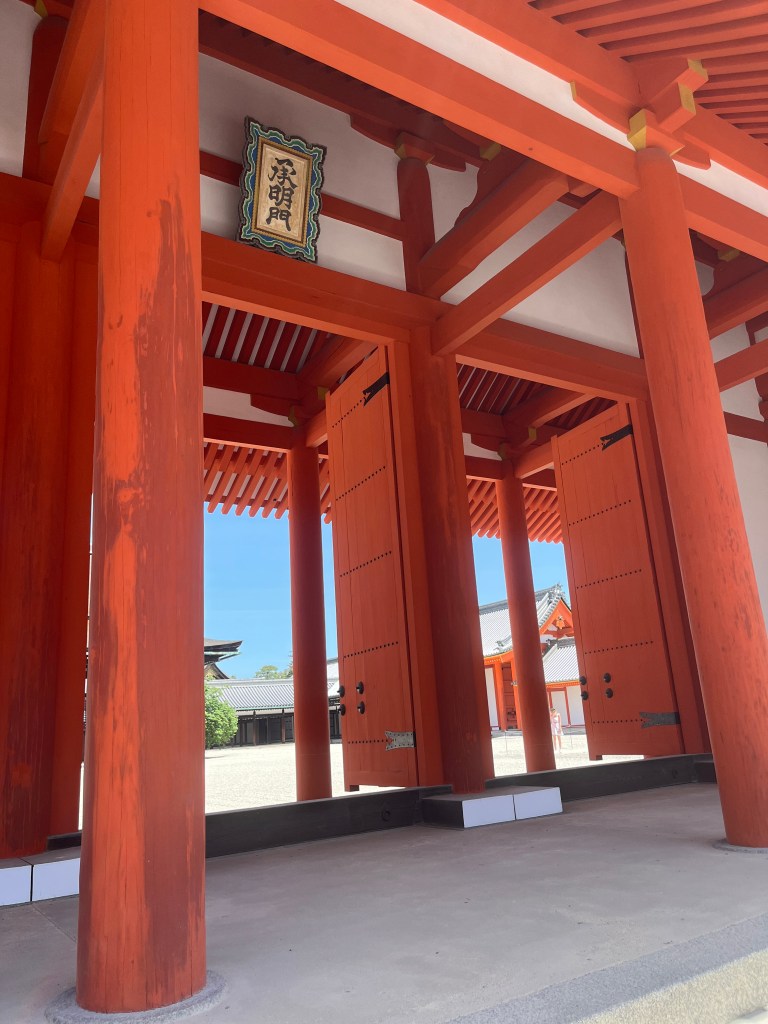
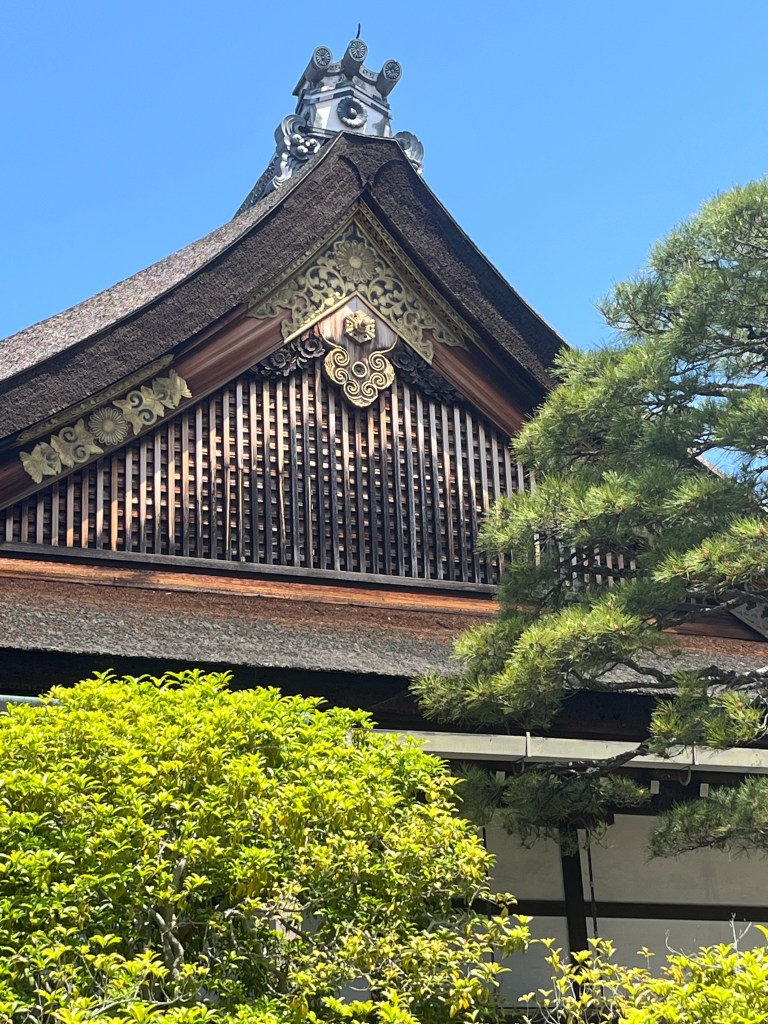
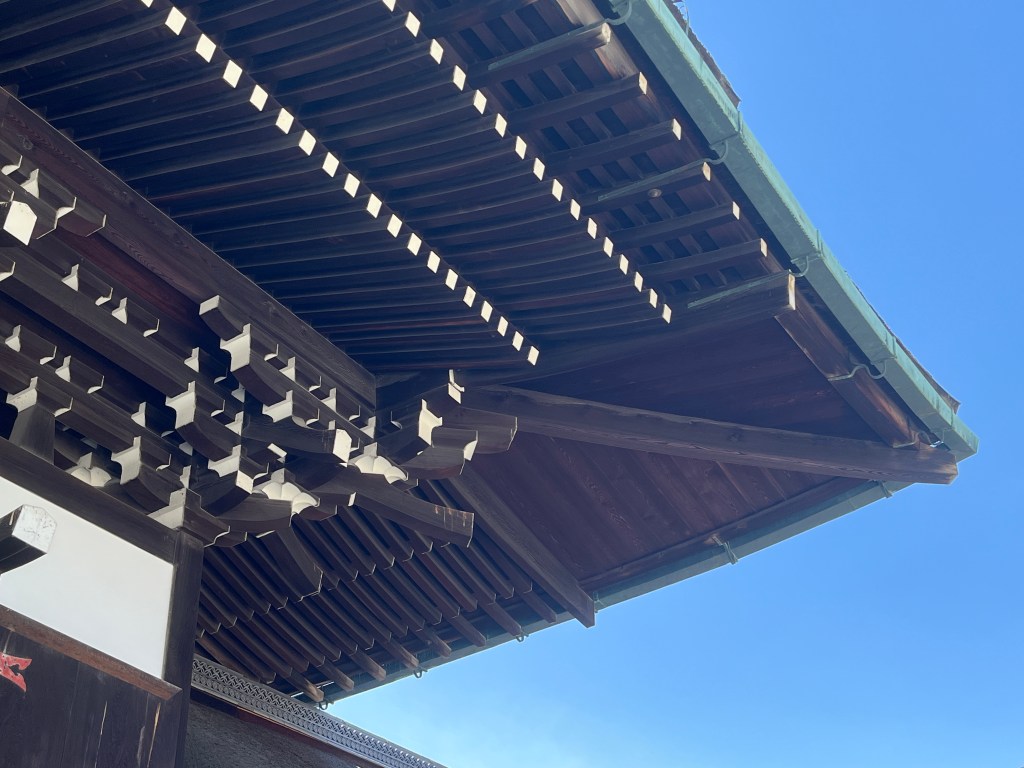
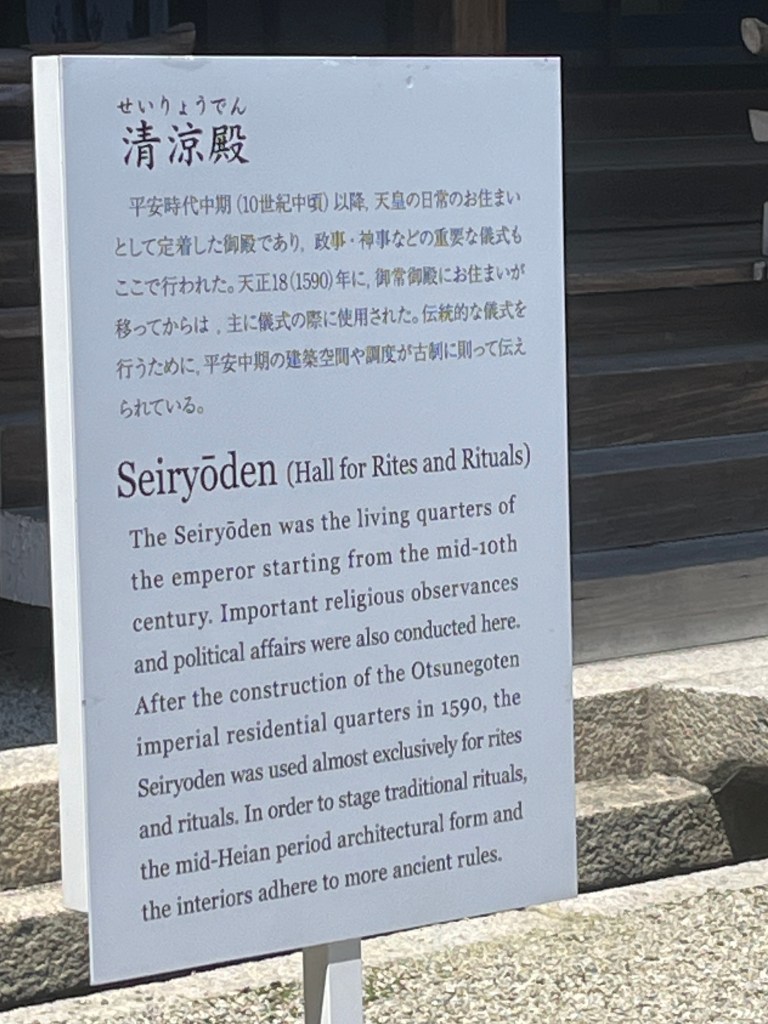
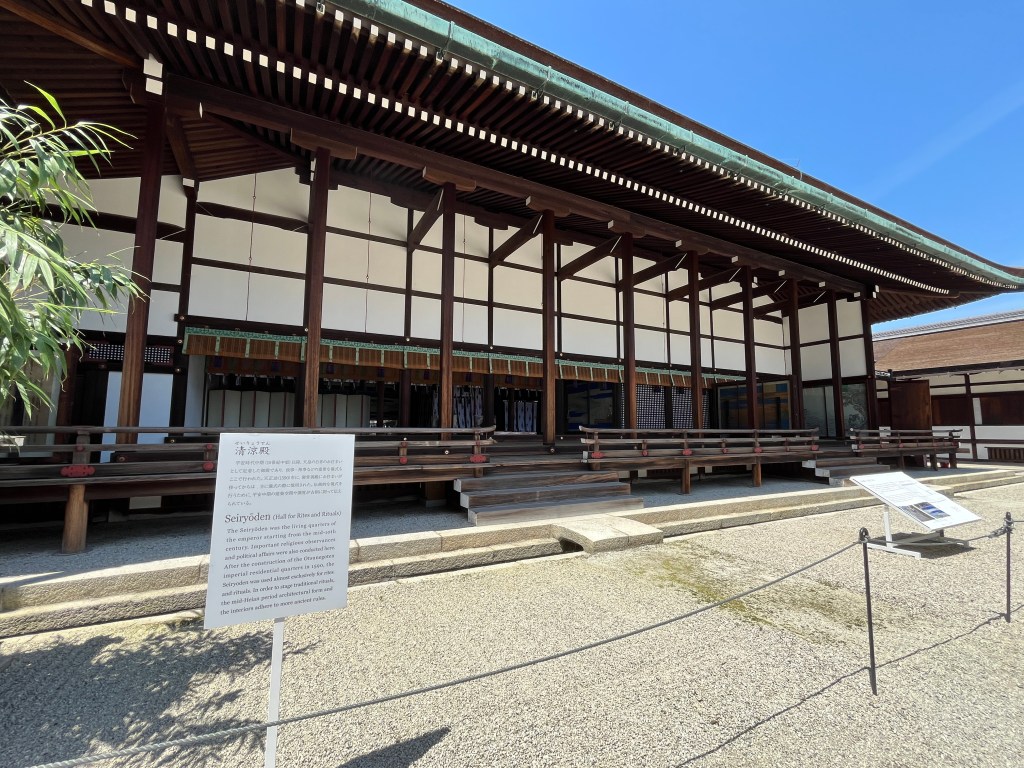
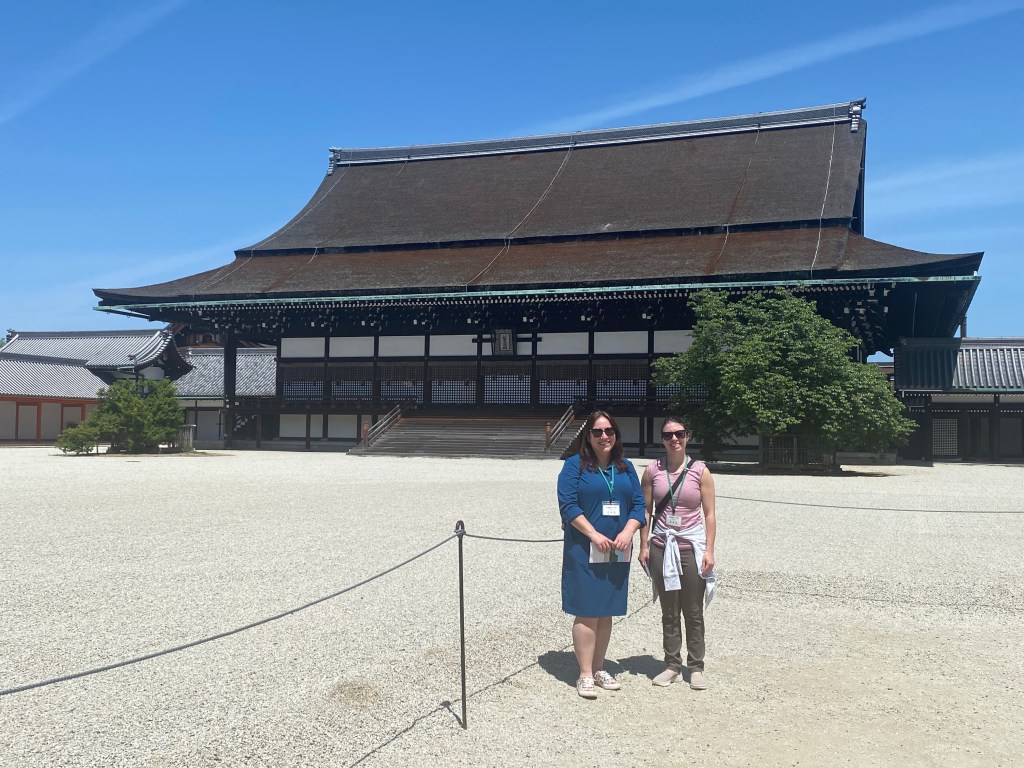
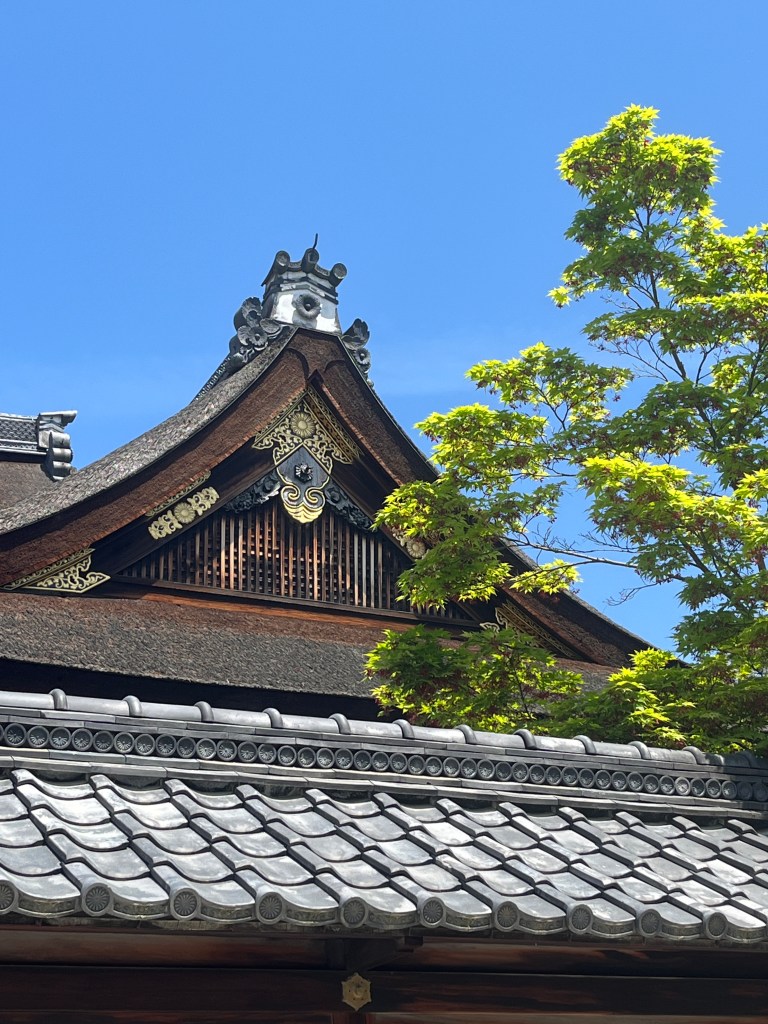
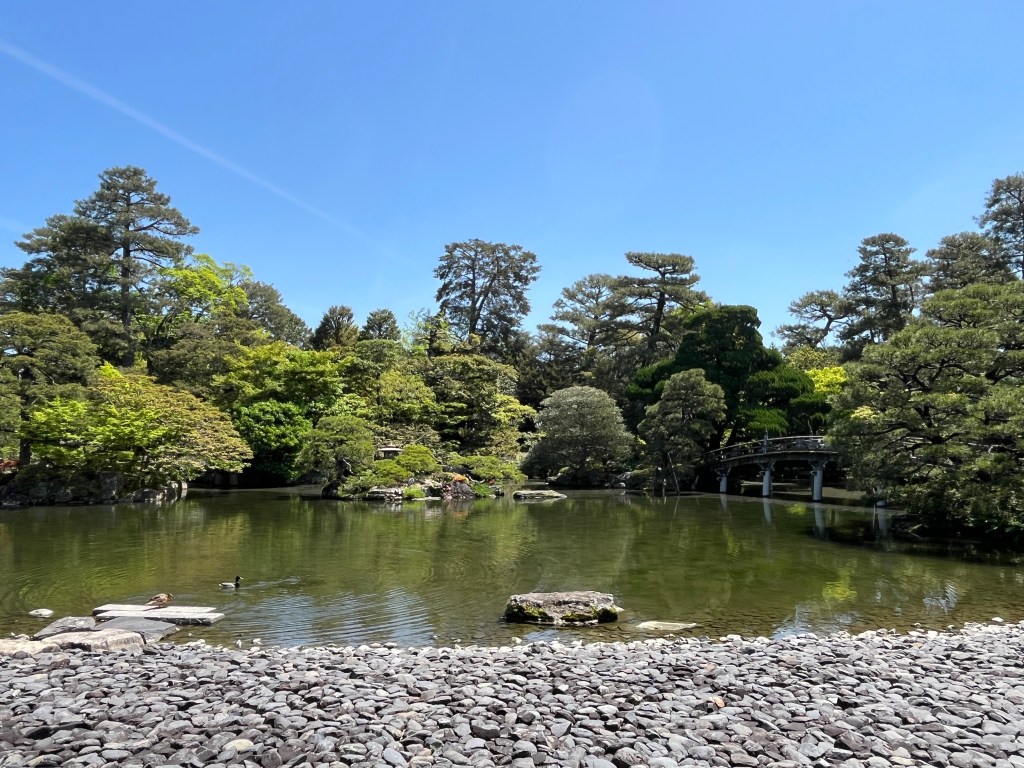
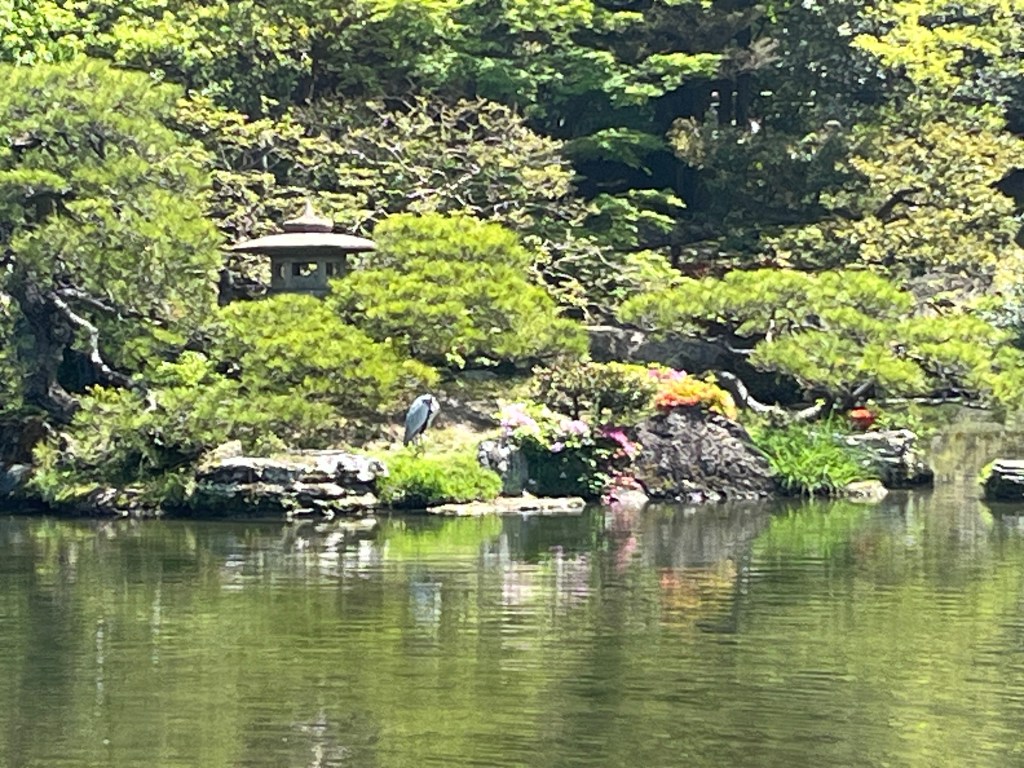
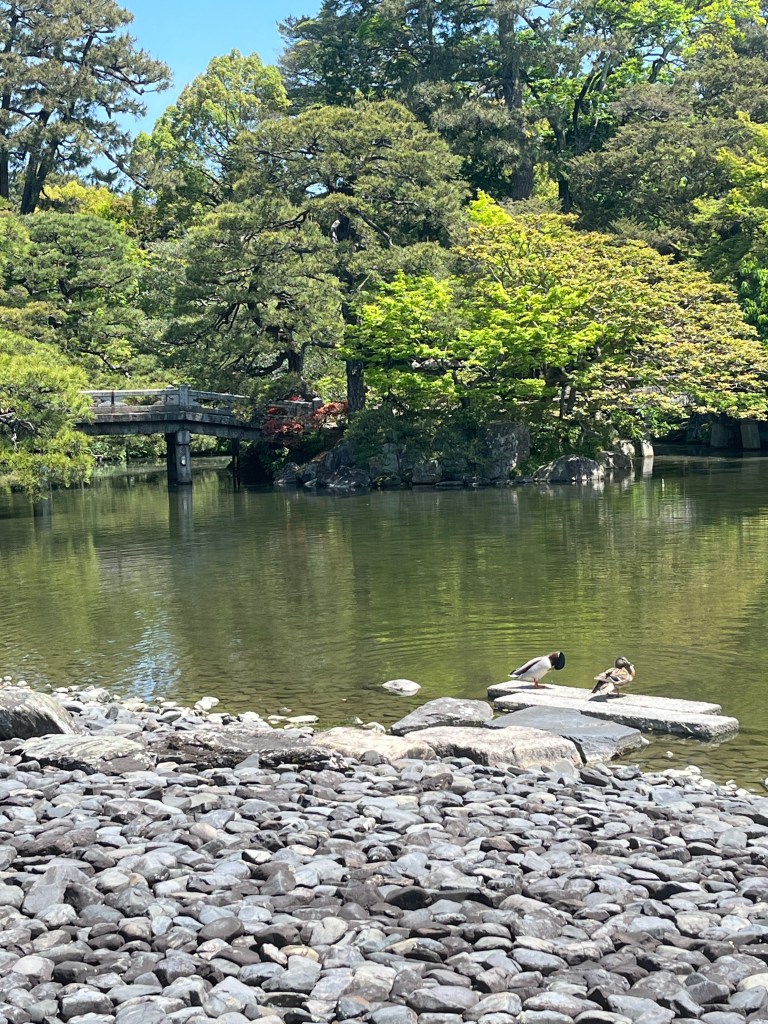
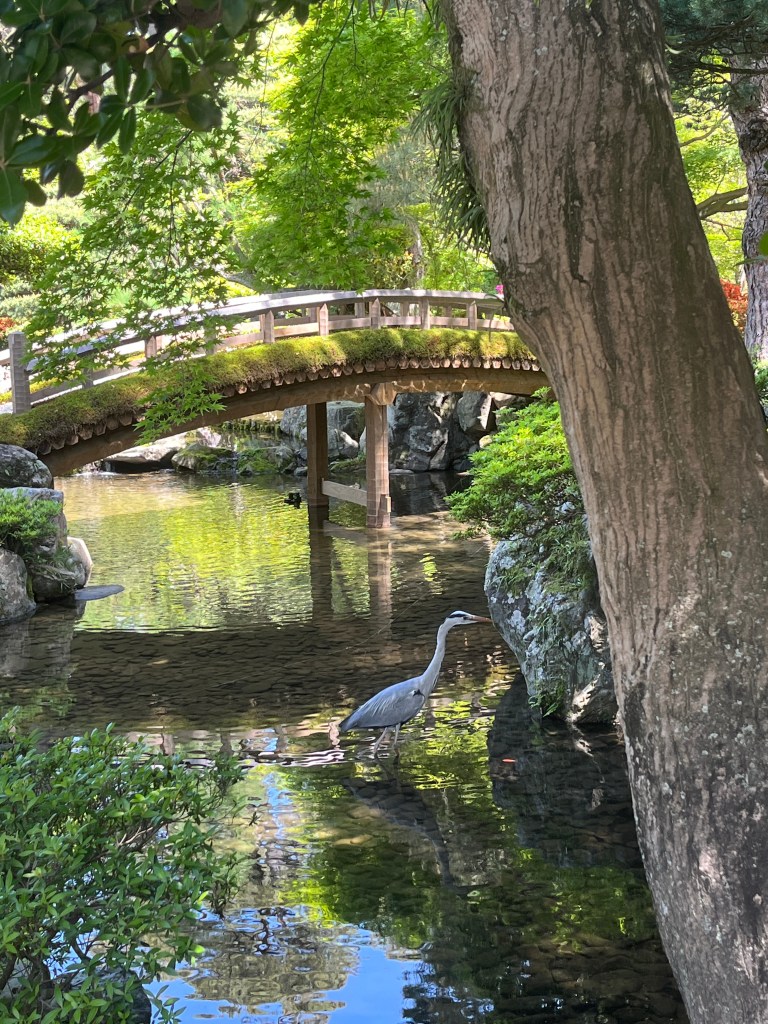
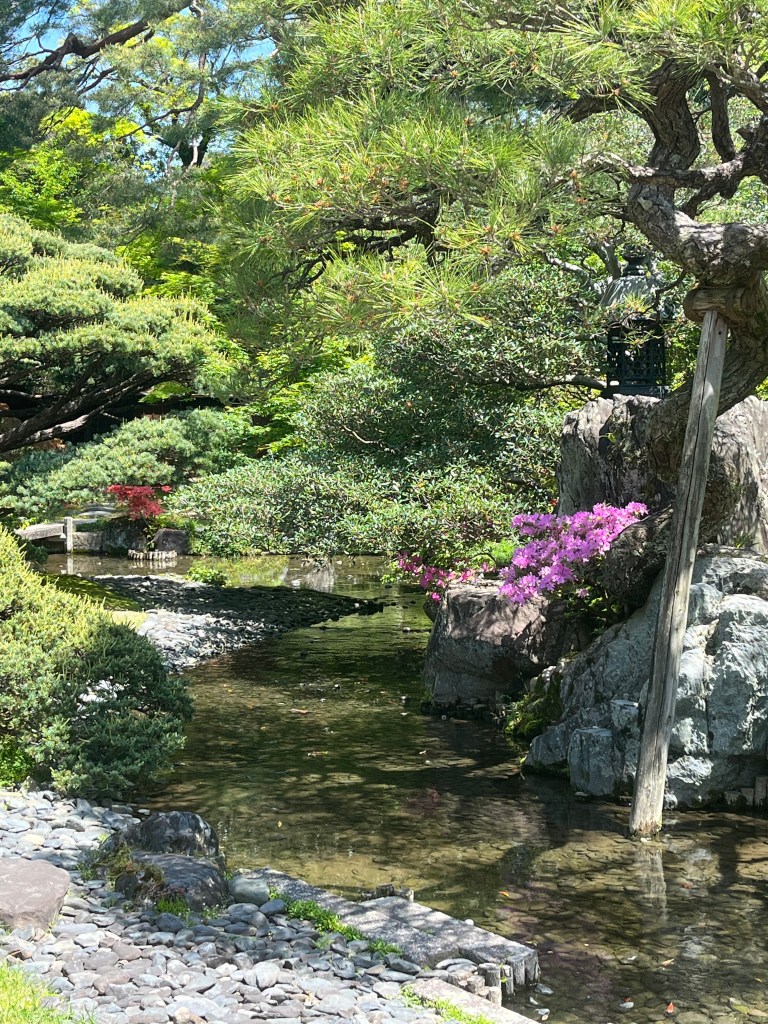
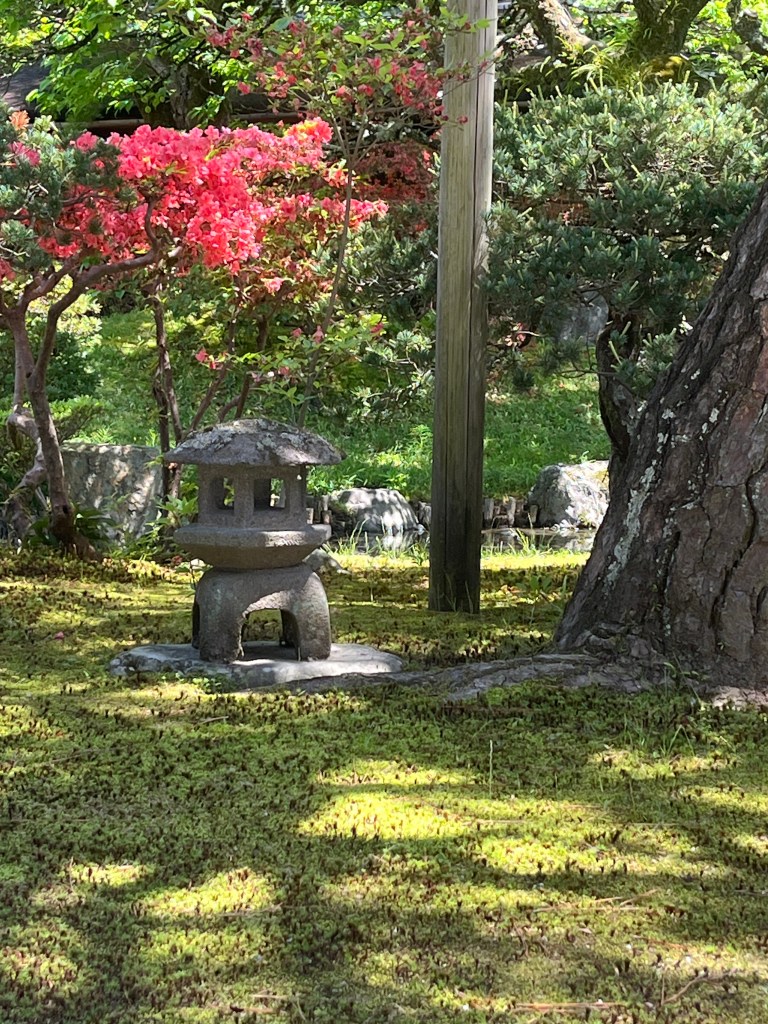
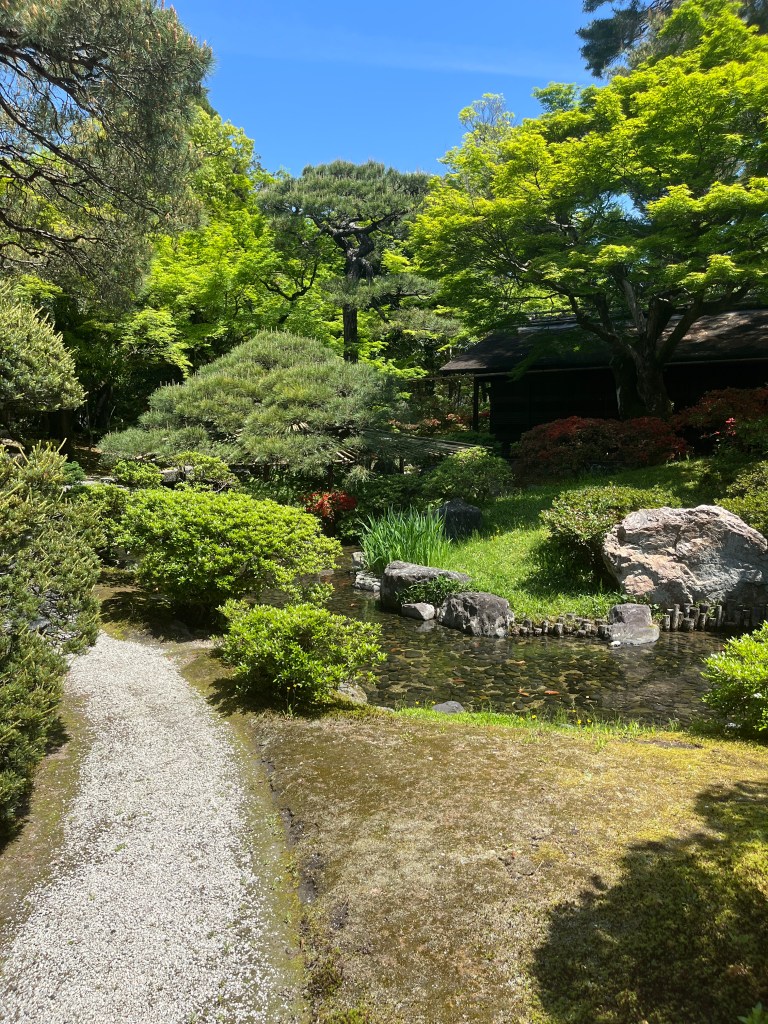
Kyoto Imperial Palace After church, Rebecca, Laura, Elizabeth, Tori, and I walked through the imperial gardens and palace. One of the benefits to being on a pilgrimage is that there are no after church meetings, no grocery store run, no extra errands, etc. to distract from meditation on a Sunday afternoon. I hope to have more slow days (especially Sundays) even when I’m not on pilgrimage. Walking quietly through gardens is a lovely contemplative practice. I’m not sure the message would have resonated so deeply if I hadn’t already spent significant time admiring Japanese gardens and then did so again after the message. Pruning and shaping gardens means something entirely different to my soul after having been to Japan. So, after church, having heard about cutting vines and branches I couldn’t help but notice the groomed trees around us. I thought about the passage from John and how it applied to my own spiritual journey. To make trees into artful shapes they have to be pruned and sometimes that means trimming dead branches and sometimes that means trimming green growing branches. I had always thought this scripture passage was about trimming what wasn’t fruitful but the pastor mentioned that a grape vine needs to have good canopy which means leaving the dead branches to create the structure and sometimes pruning away fruit bearing branches because the canopy can’t sustain it and/or its not the desired overall shape. Sometimes the green and growing must be pruned to get the desired overall picture the gardener is after. This is really helping me to think about ministry and how even a fruitful thing might be trimmed away to make the design that God has planned. I hope that I can allow my heart to be open to whatever God is wanting to transform me and my work.
Since this trip to Japan, I feel like I’ve been in a season of letting go, of allowing myself to be pruned, and of ridding my life of physical and mental clutter. I keep getting a sense that there’s still too much… too much of what I’m not exactly sure, but the more I let go of the better I feel. And I think I’ll just know when it’s the right time to start growing again.






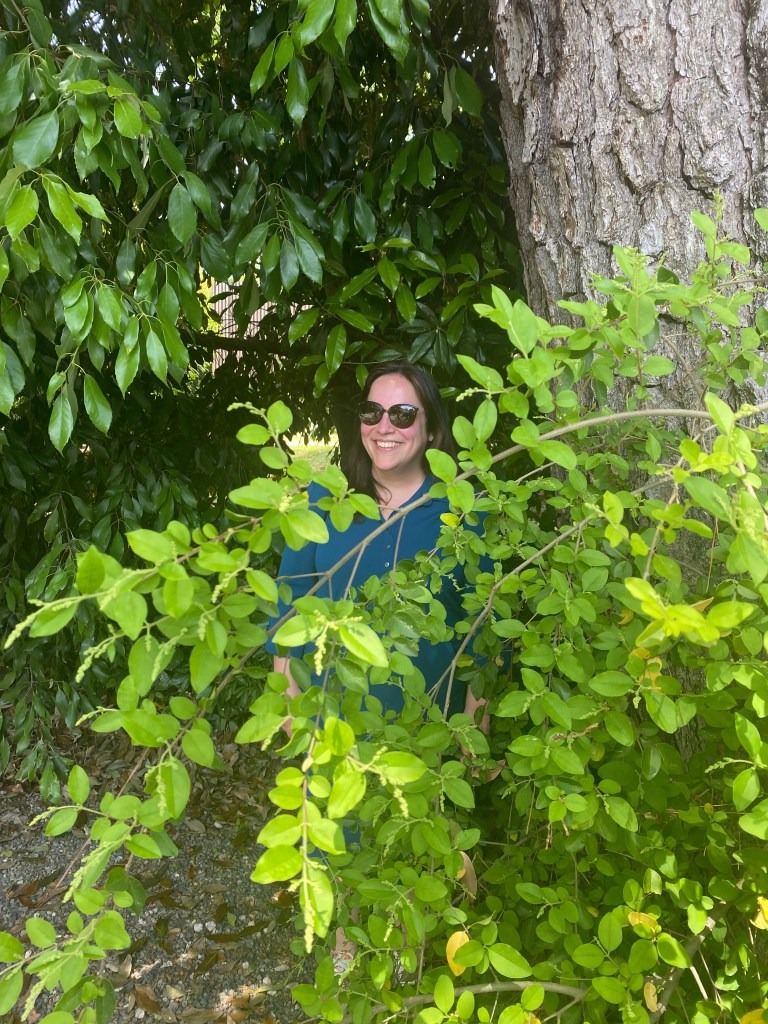
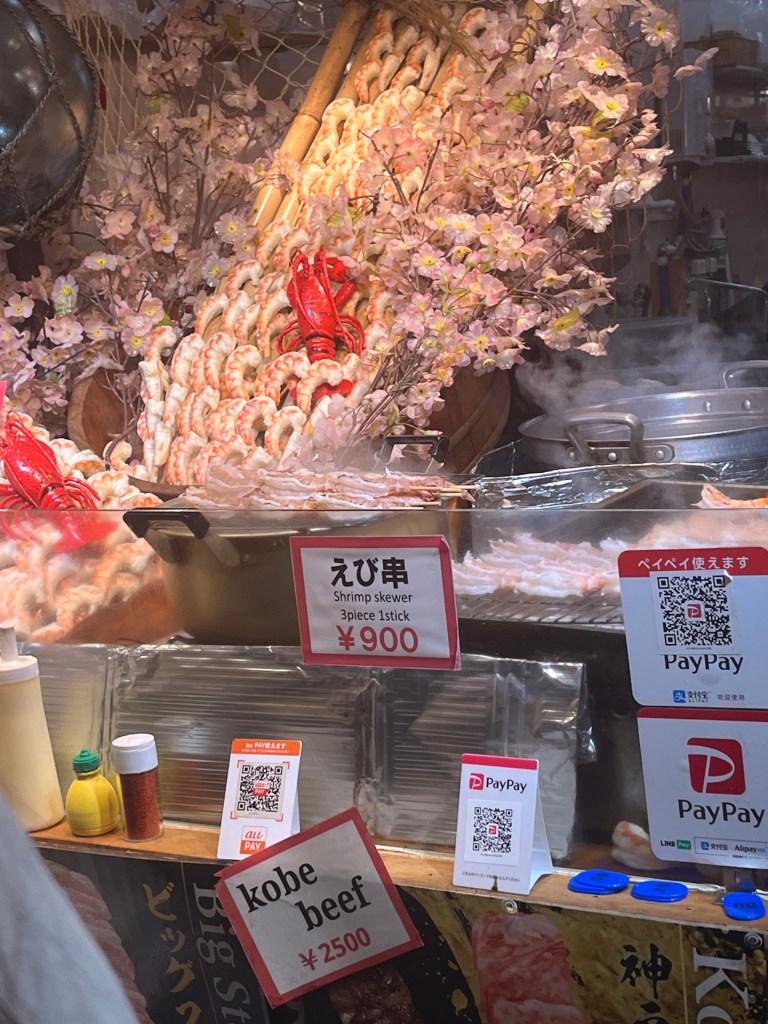
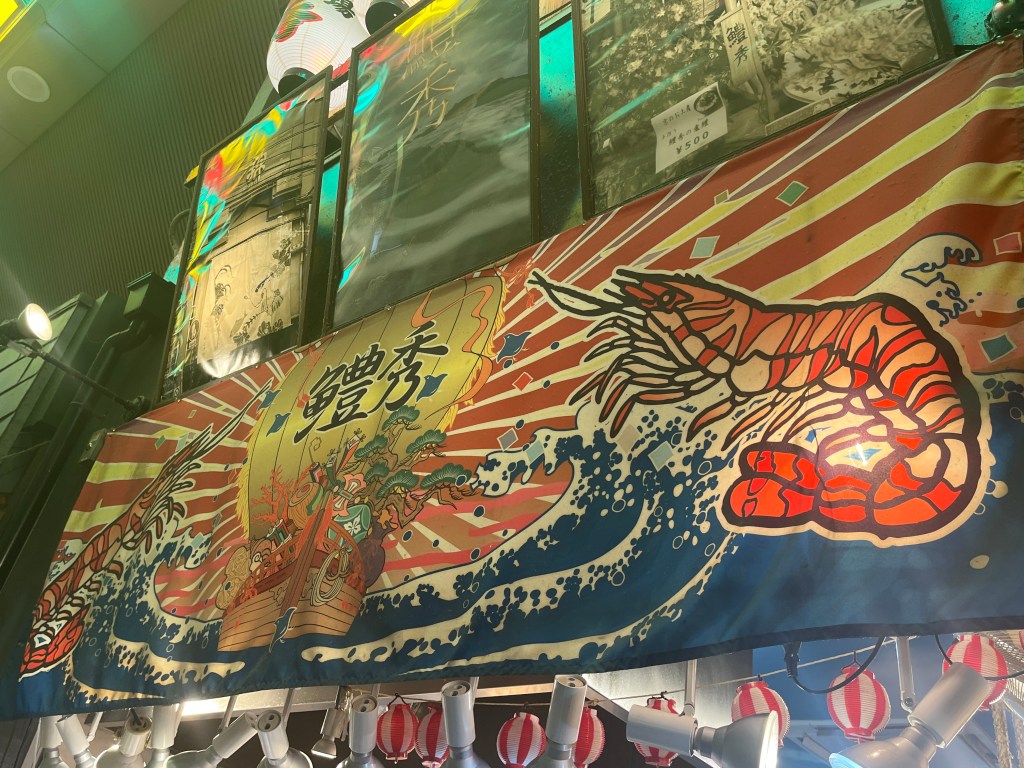
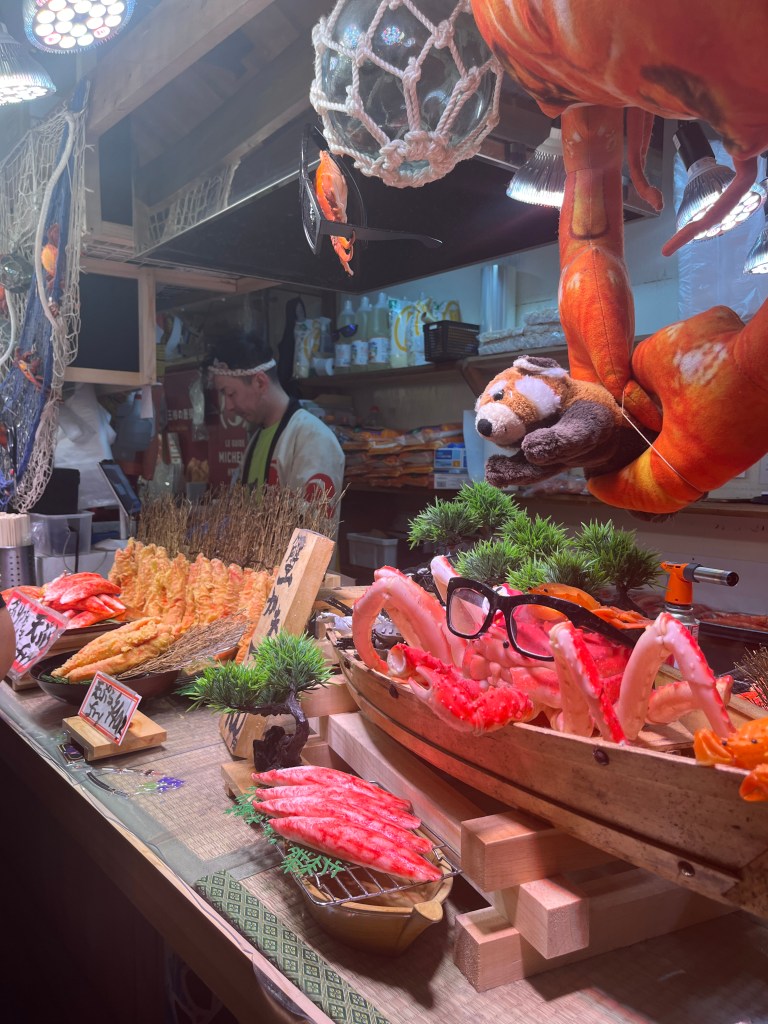
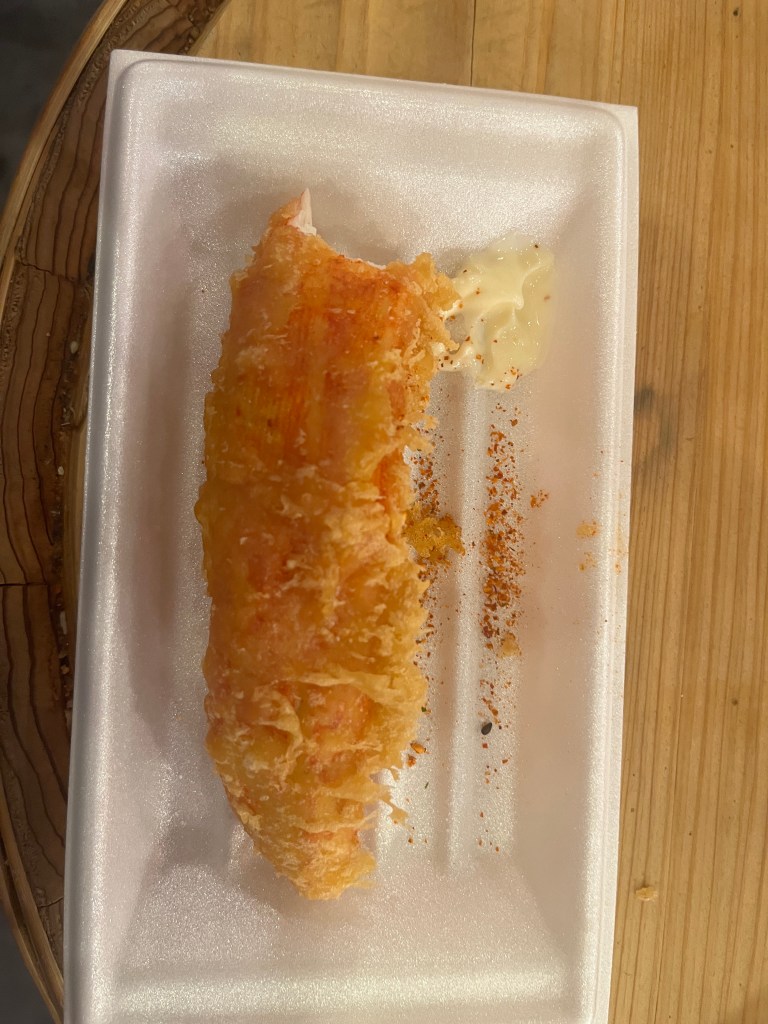
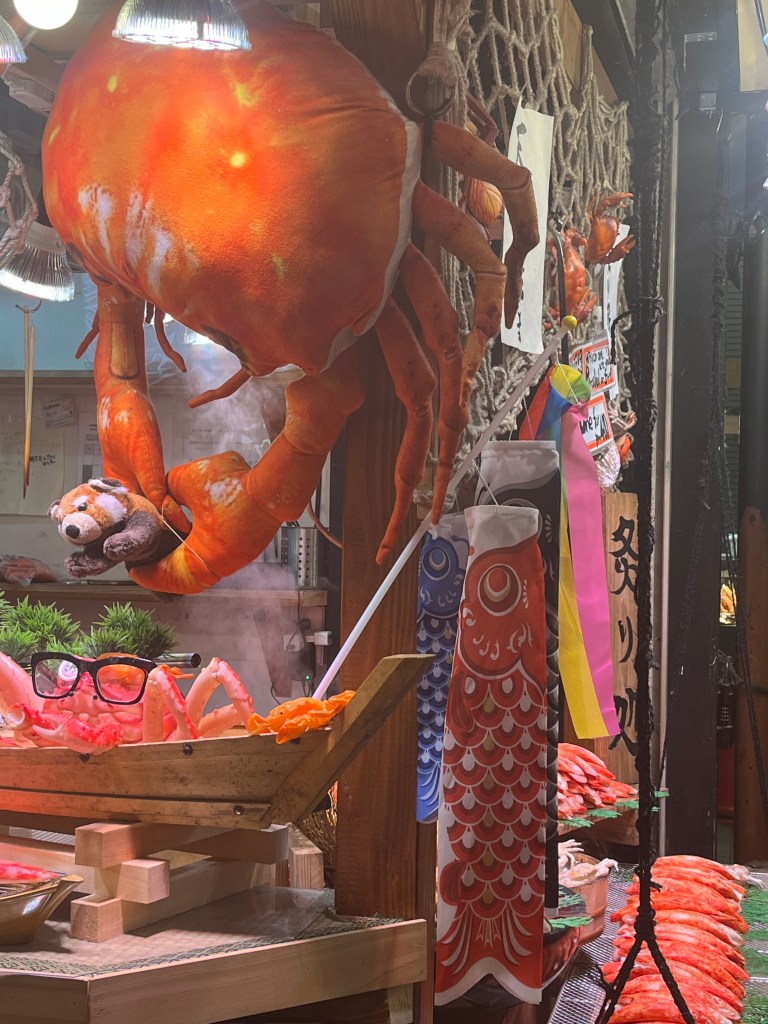
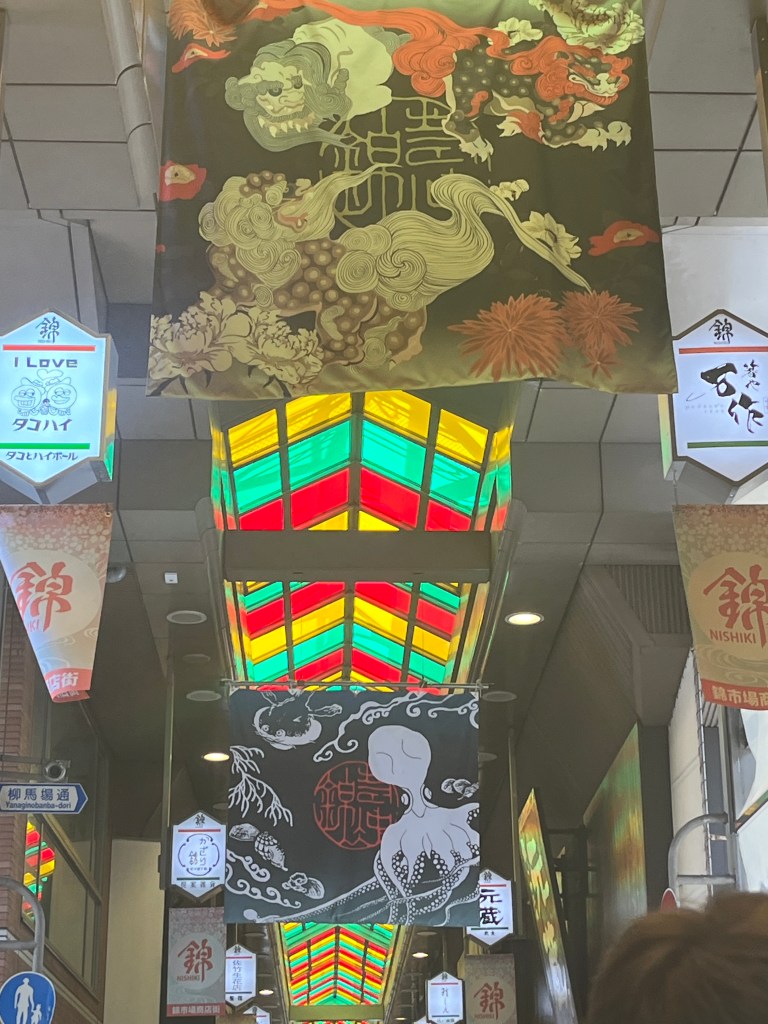
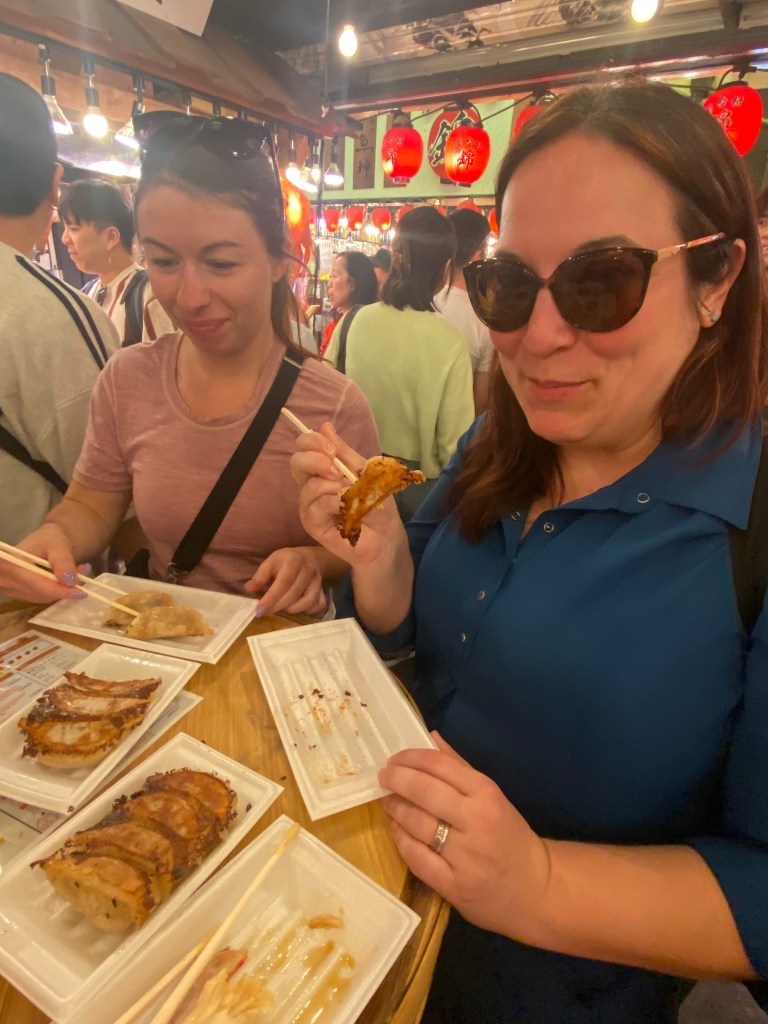
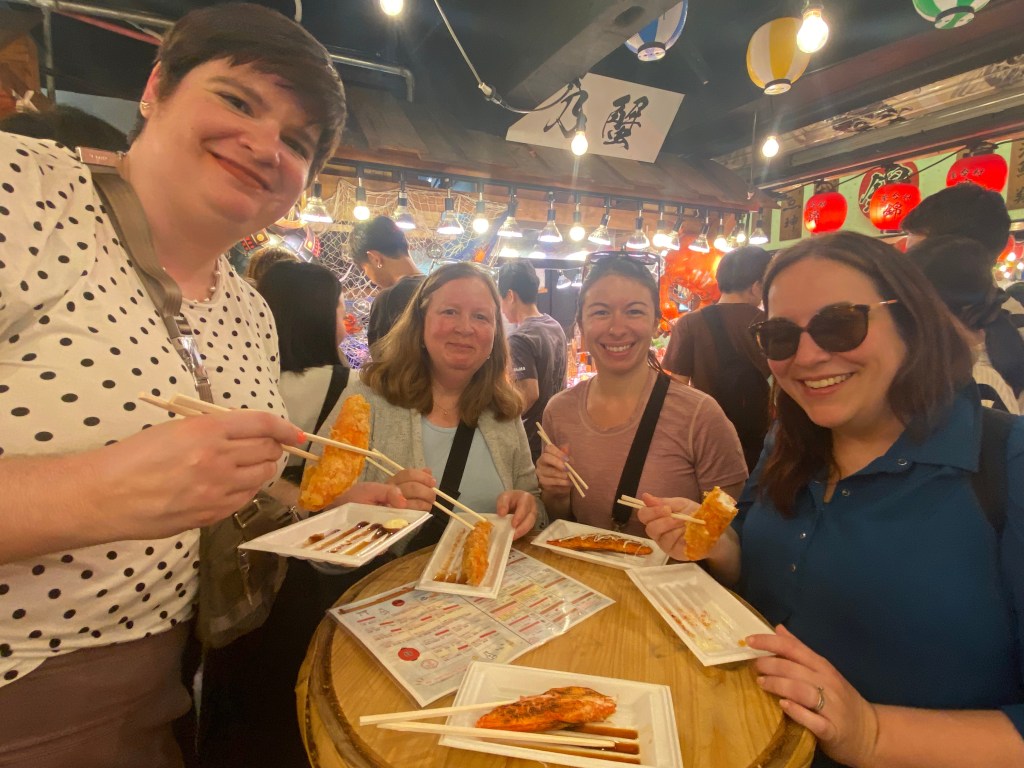
Nishiki Market 京都锦市场 Wow! This was an incredible experience. I’m not a foodie, but I do like trying new things in small bites. This was exactly the right place to go to do that. The tempura crab leg I had here was the best thing I ate in Japan. Along with the food venders were all sorts of other shops. I picked up fabric that reminded me of the kimono I got to wear during the tea ceremony. The fabric is meant to be folded into a bag or purse or used for wrapping a special gift. We went through what I can only describe as a store based on serving costco style samples to sell their products. I purchased a package of seasoning (sort of like a pampered chef style package). When I made the purchase, I gave the incorrect yen, by a lot. I don’t remember exactly now, but if it was 495 yen, I gave 5000 instead of 500. The clerk slid the tray back to me (money is always placed in a tray to pay) and made a gesture that I thought meant a little bit more, so I started to put more money on the tray, and through more polite charades I realized she was telling me “much less” instead of a little more. The little bit more I tried to add was actually enough to pay for the item. I was a little bit embarrassed but once again thankful I was in Japan and not somewhere else where I’m sure I’d be taken advantage of. Also, I realized I was wearing sunglasses and that was probably part of the reason I pulled out the wrong bill. But I have to say, Japan feels very safe. Throughout my experience there, people dealing with tourist like me were always kind and patient, looking to help and not to harm. Kurtis and I used the spices on rice and stir fried vegetables and we were sad when it used the last of it. YUM.

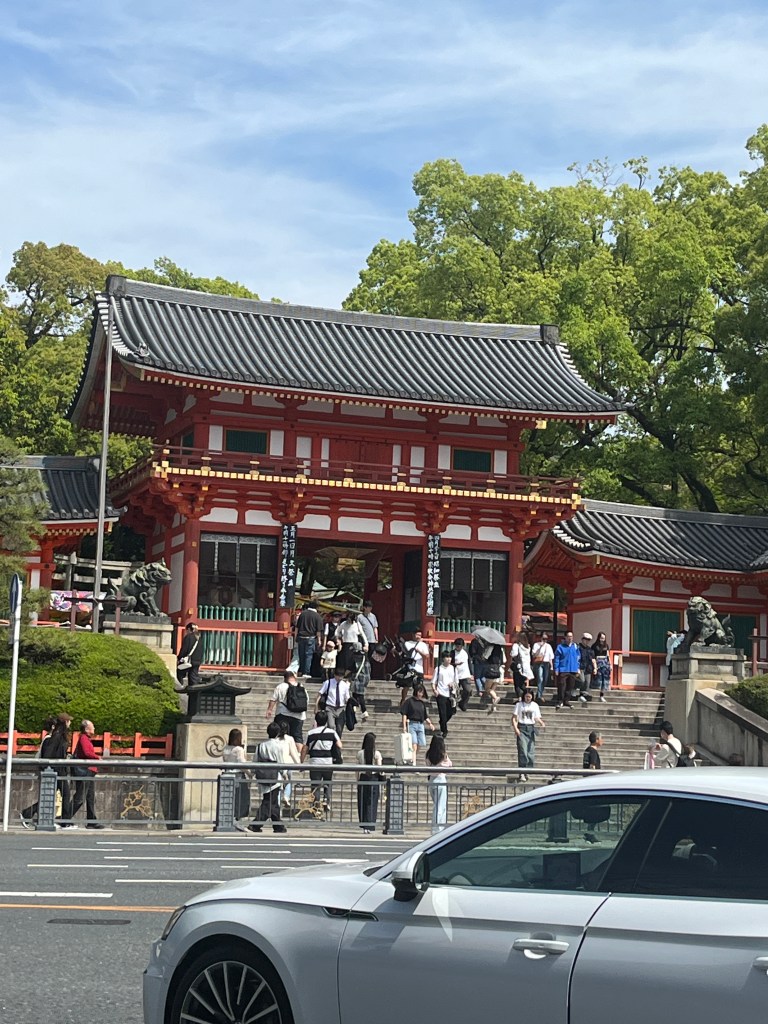
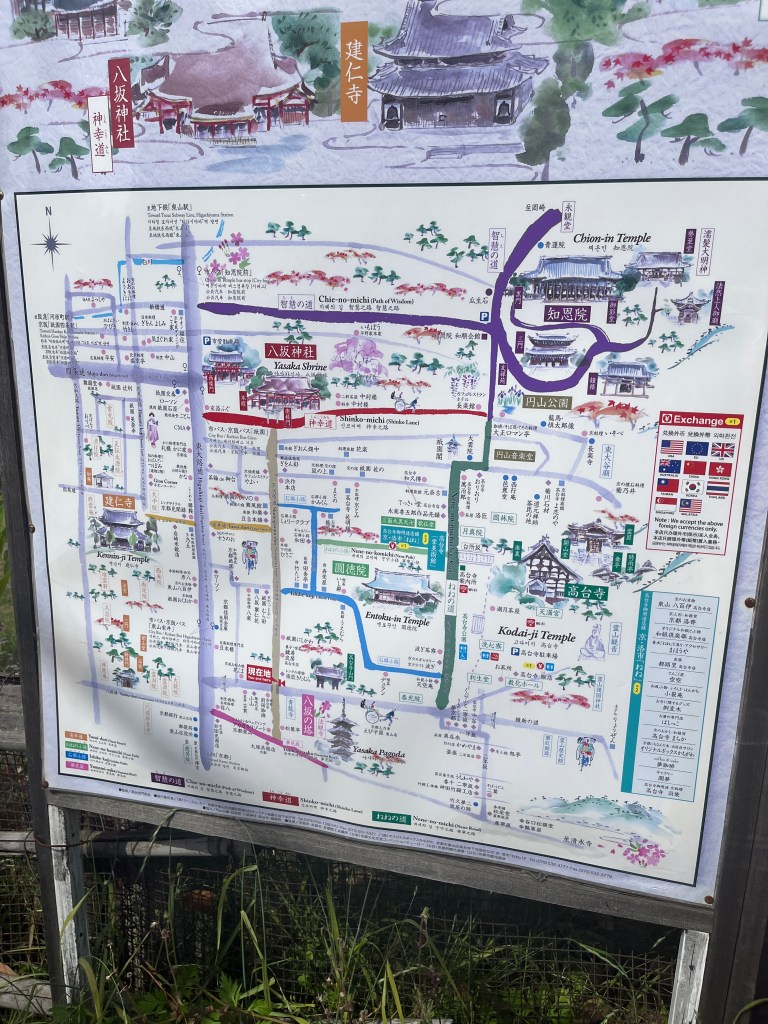
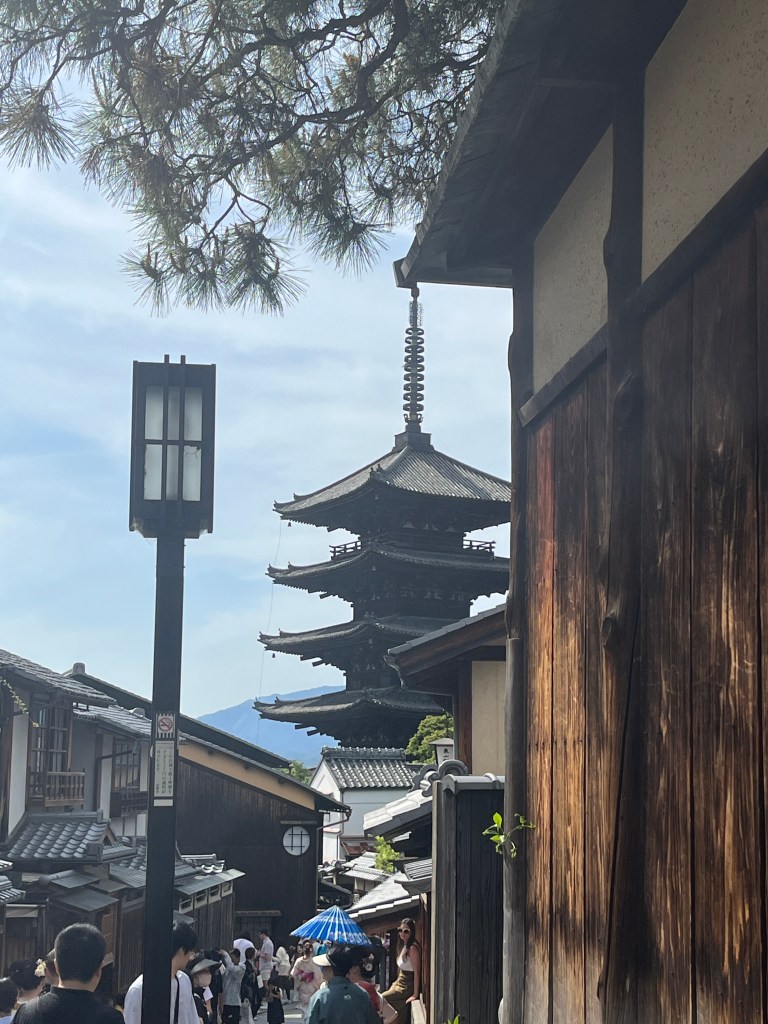
八坂神社 Yasaka Shrine We got to see part of the shrine area on our walking tour the night before so I knew that this shrine had handwritten (not sure that’s the correct way to describe it) temple signature/blessing. I had to purchase a special book and pay for the written blessing separately (at other shrines I paid for the blessing and they added it to subsequent pages in the same book). It was beautiful to watch. She took the book from me with a bow, held the pages open with paper weights, carefully stamped the page twice and then dipped the pen(?) in ink and wrote the blessing on top of the stamps. Every movement seemed to be filled with intention. (The only experience I’ve had like it was watching a scribe write a new Torah in honor of my Rabbi friend’s retirement.) Other shrines had people writing directly into the books and some simply had pre-written cards to purchase. My book has both, and room to visit more shrines…if I ever have a chance to go back to Japan, this is something I really enjoyed. The rest of my group was resting on nearby steps and kimono watching. I joined them and we watched for another twenty minutes as people dressed in Kimonos walked by some stopping to take pictures with the shrine as the backdrop.


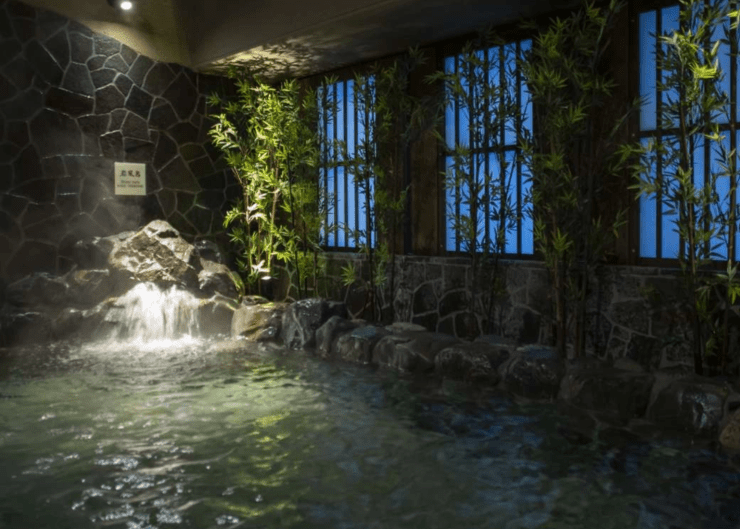
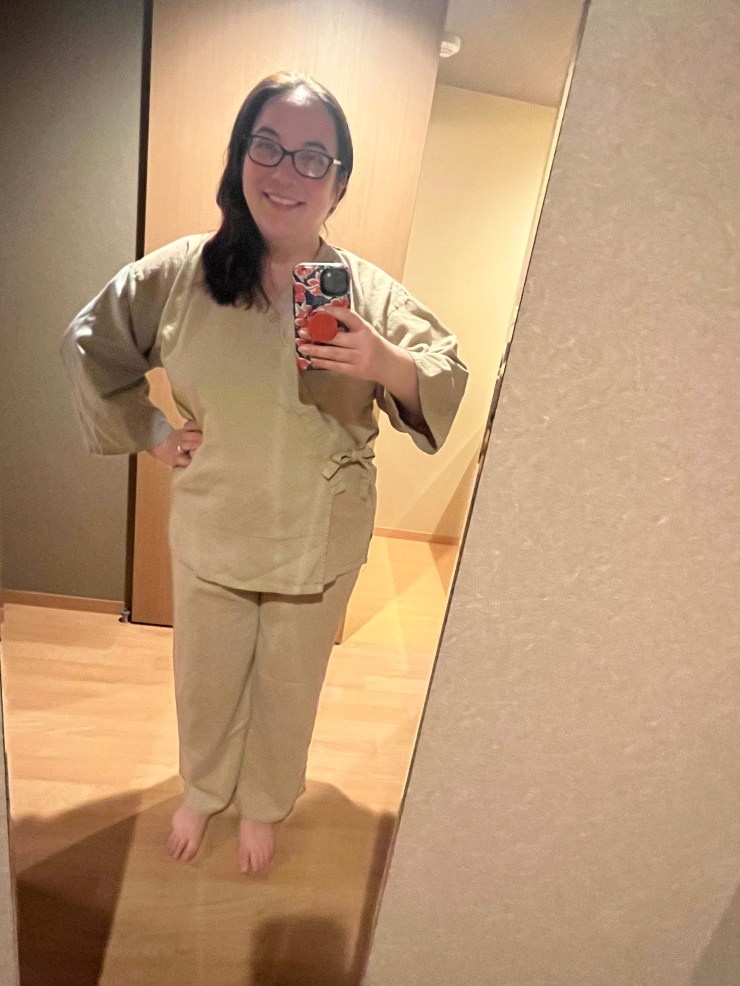
Back at our hotel, Onyado Nono Hotel, my roommate and I watched the video about the hotel’s onsen. Tori was much braver than I was. It was because she was ready to go that I went too. I got through my nerves by avoiding eye contact and reminding myself that I’m probably the only person who thinks this is weird, for everyone else this is a normal cultural experience. (It probably wasn’t entirely true, as there were other tourists at the hotel, but it was a helpful lie). After a thorough shower, I made myself try every bath (for the experience) but decided that next time I would simply spend more time in one or two of them and concentrate on emerging in relaxation. I had a cool/cold shower at the end because I was starting to feel a little overheated. Honestly, it was a better experience than I thought it would be. Here is my instagram post from that night: Onyado Nono Hotel I went to the Onsen at the hotel tonight. It is a public bath/spa and everyone is naked. The anticipation of participating in this cultural activity was far worse than the experience. I was surprised how comfortable I felt. I was naked but never embarrassed. This women-only space was peaceful, calming, and empowering. My skin feels amazing, and my muscles are relaxed even after a long day of walking. #pilgrimage
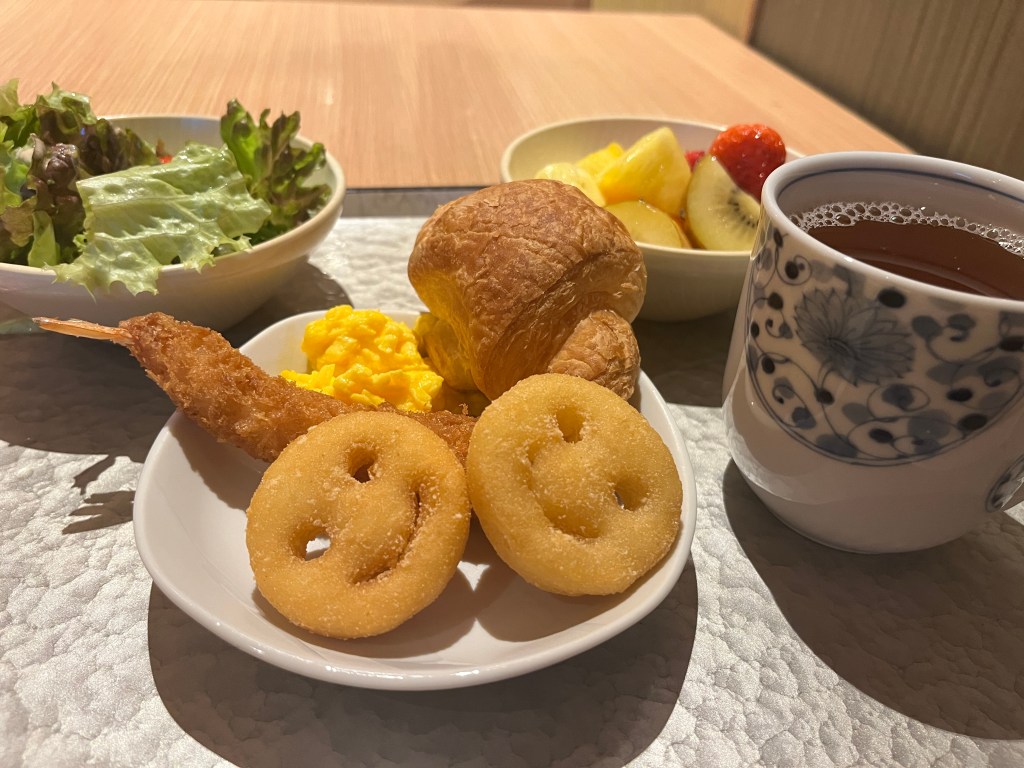
For obvisous reasons, there are no pictures of the Onsen experience, so here are a few pictures of the hotel food. Late night ramen and breakfast.

Here is picture from the hotel website of my favorite bath:
April 29th:
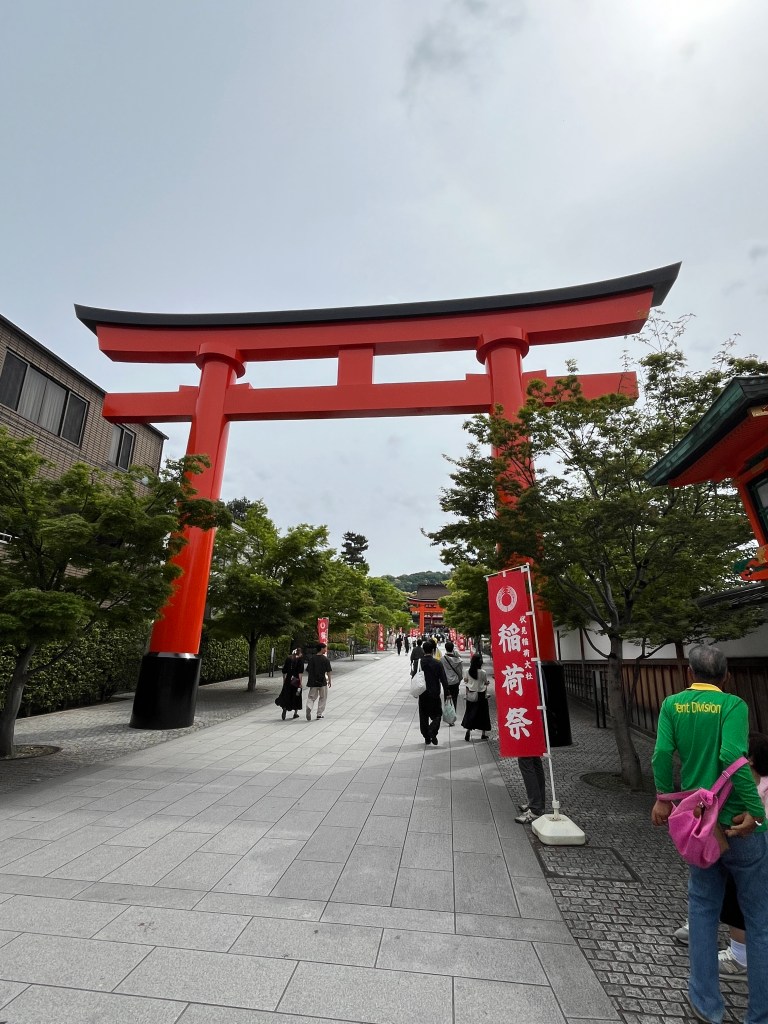
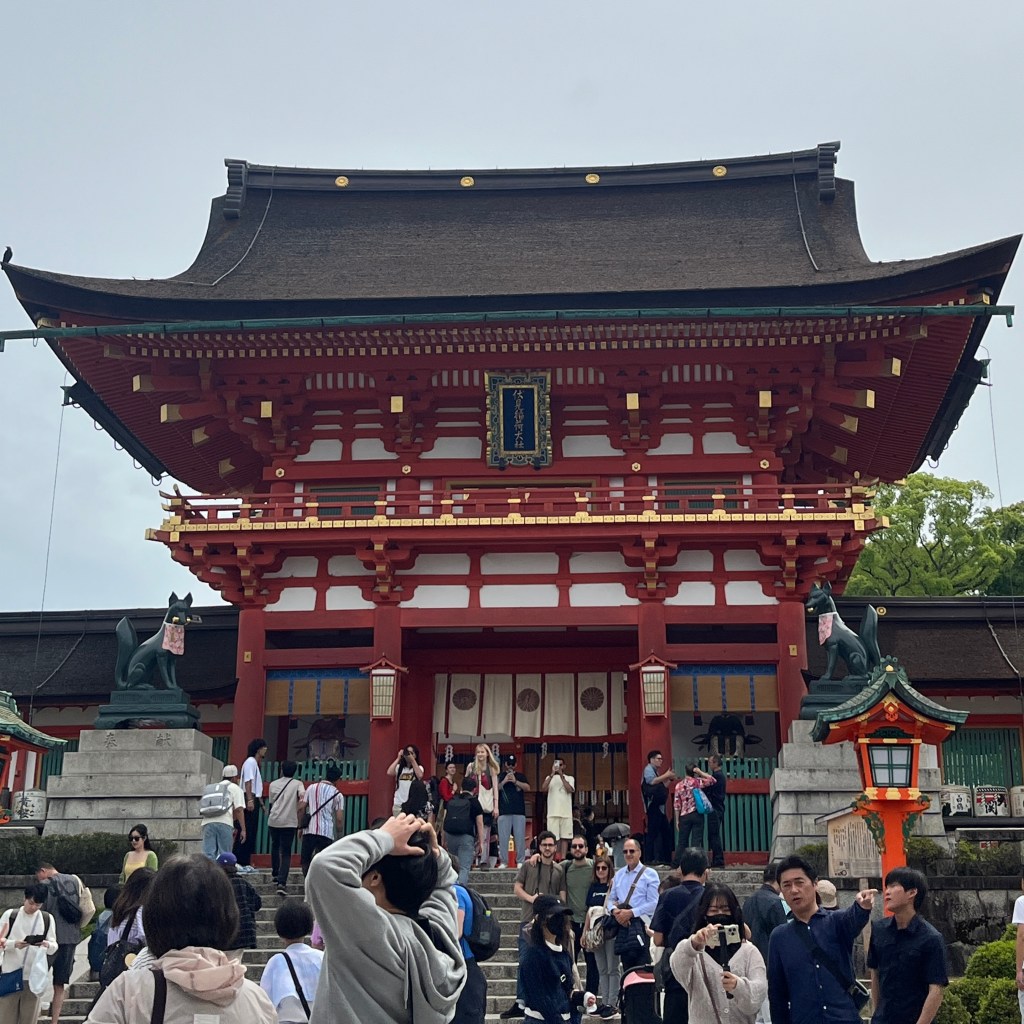
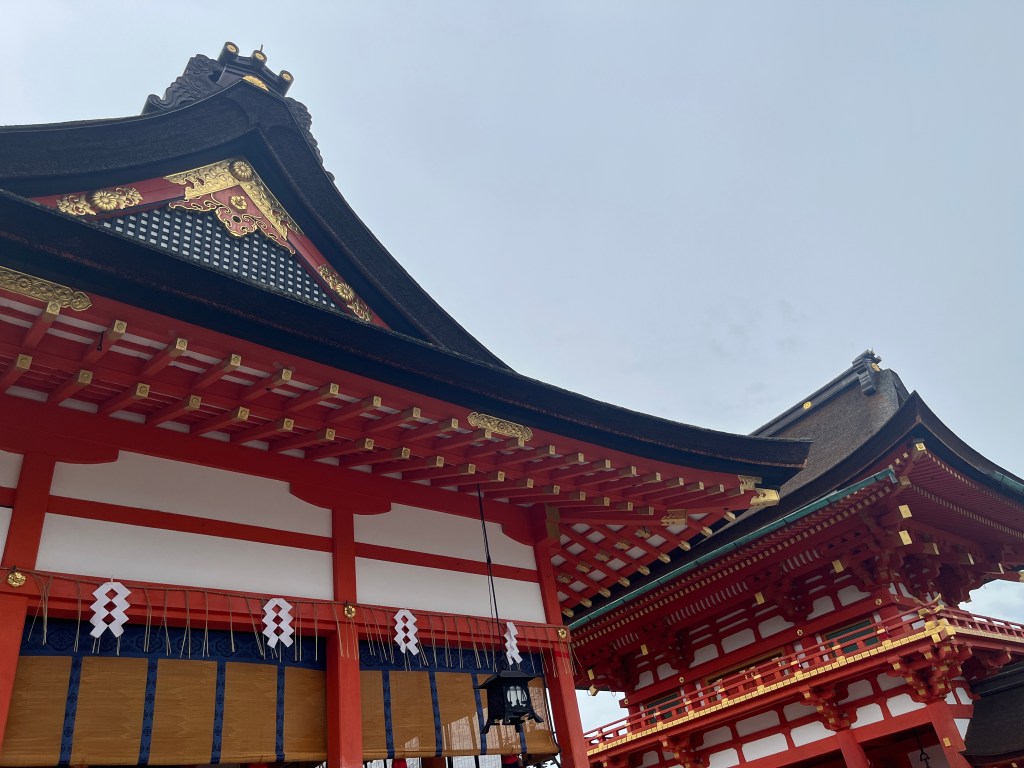
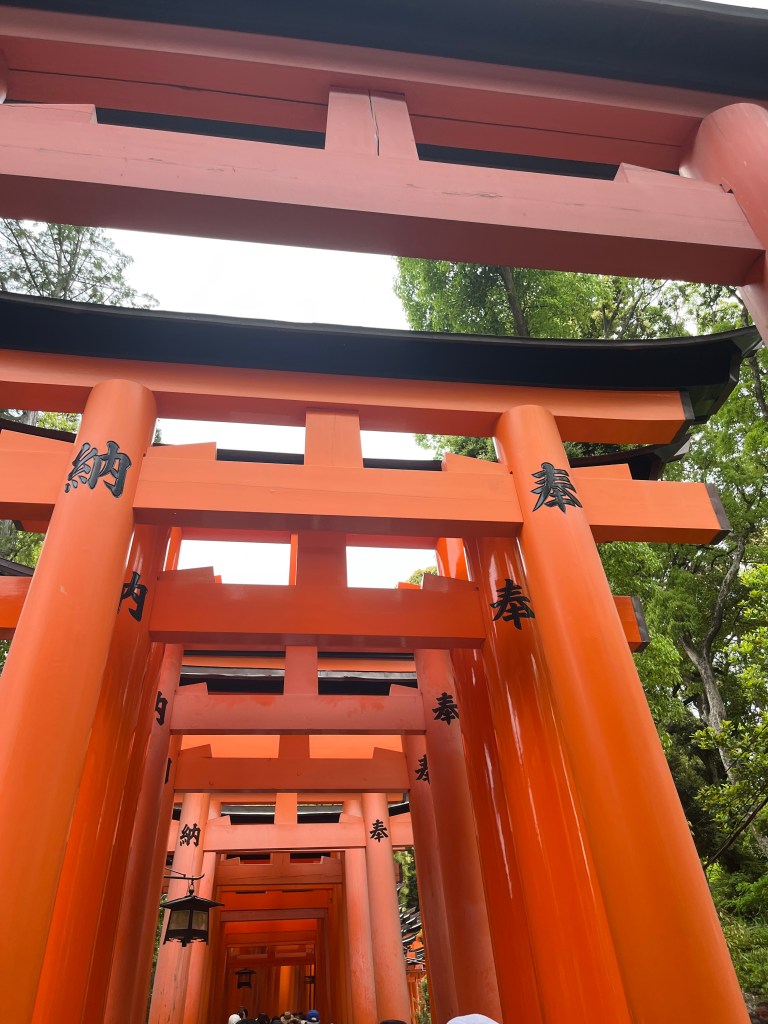
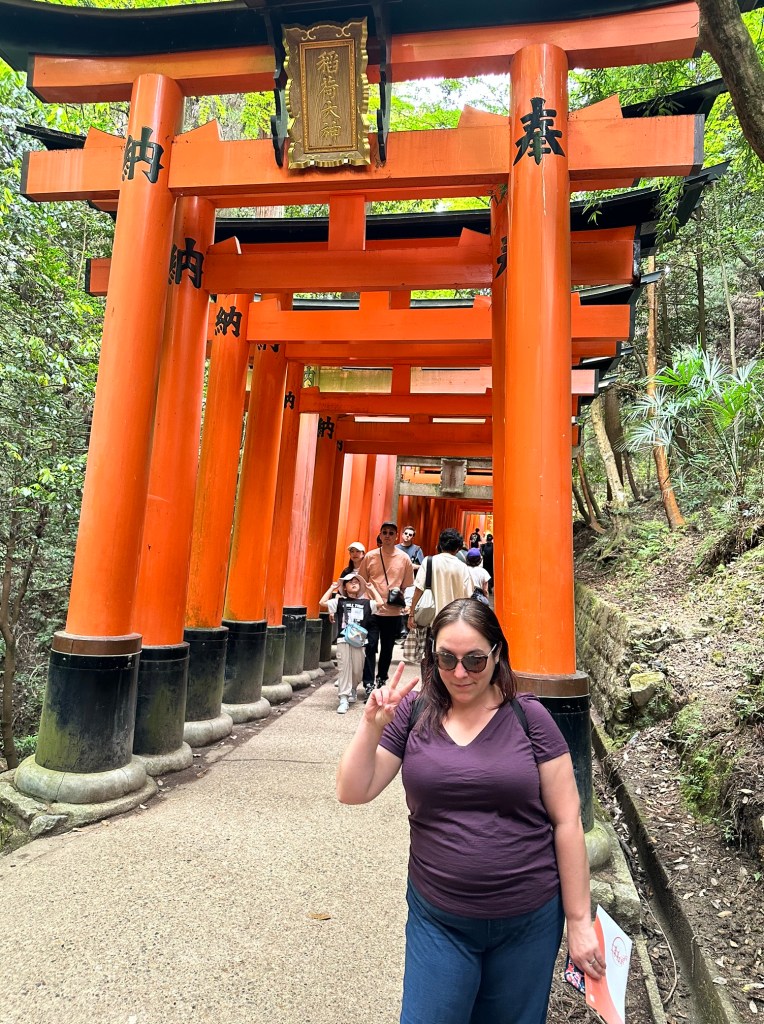
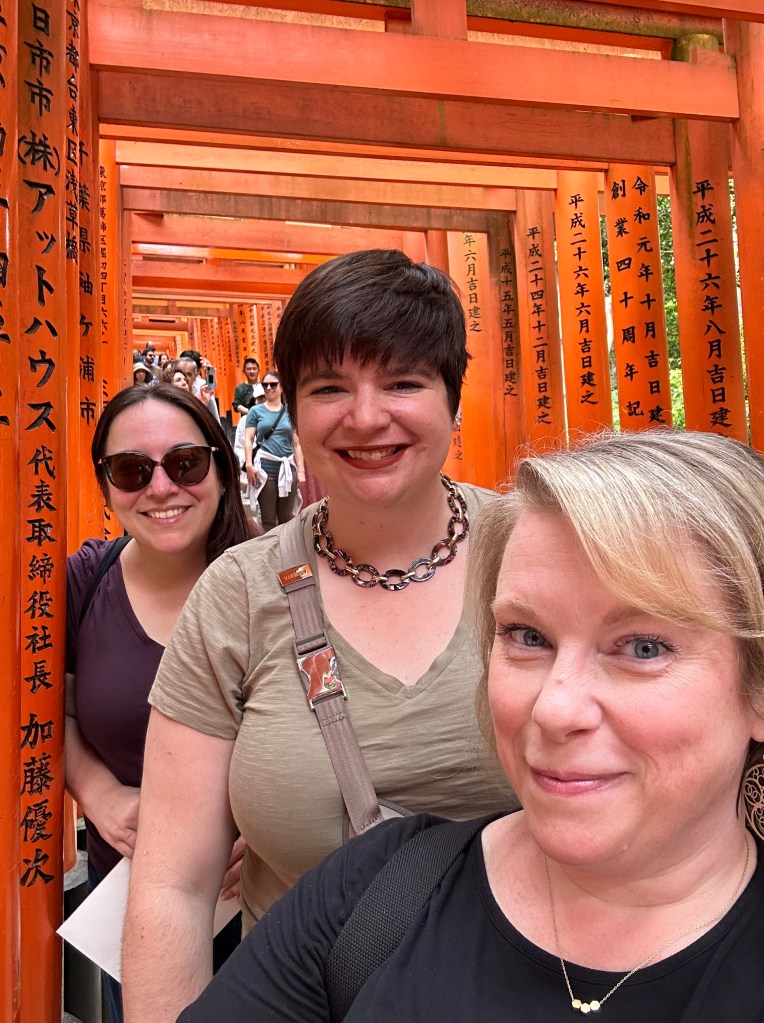
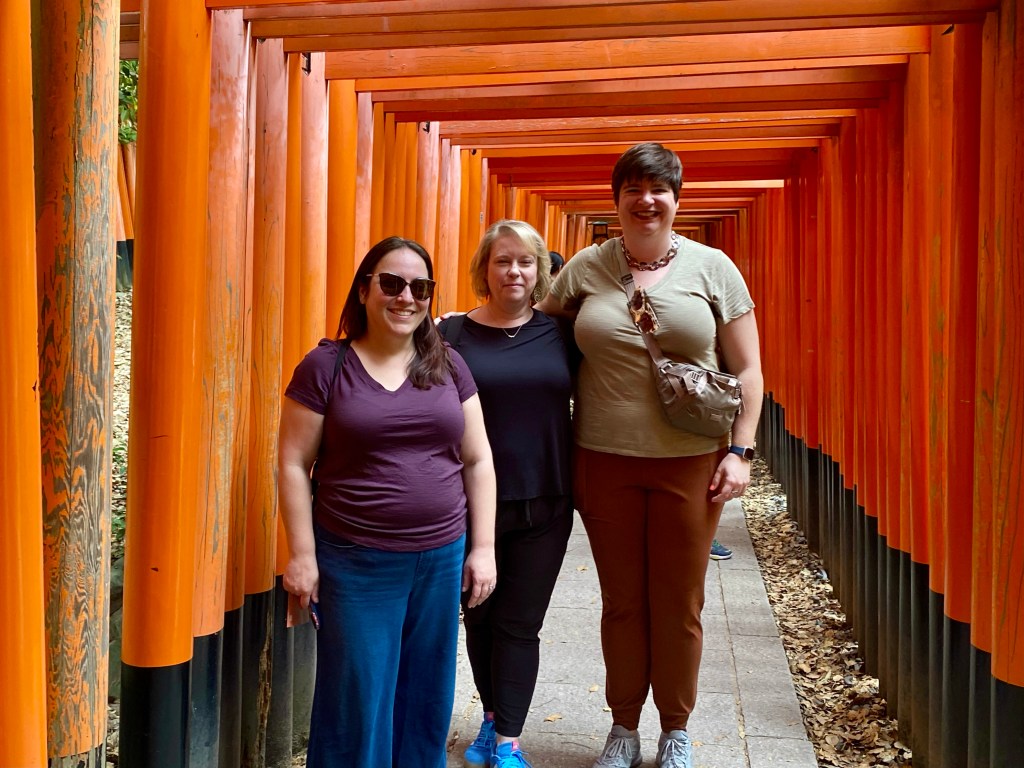
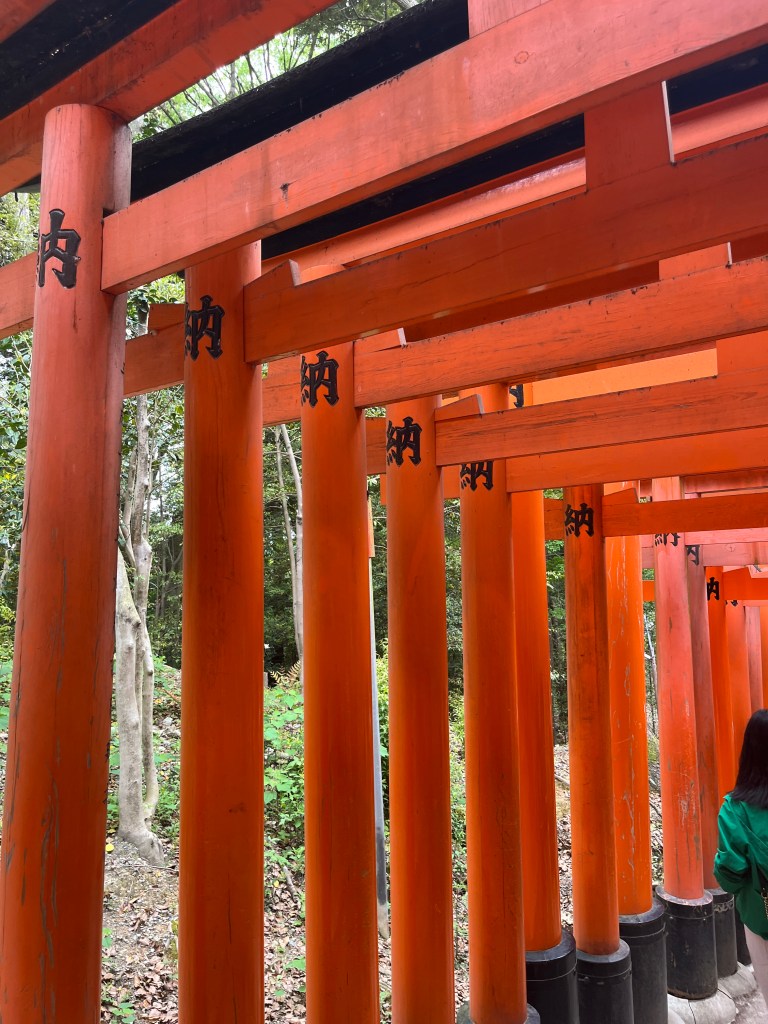
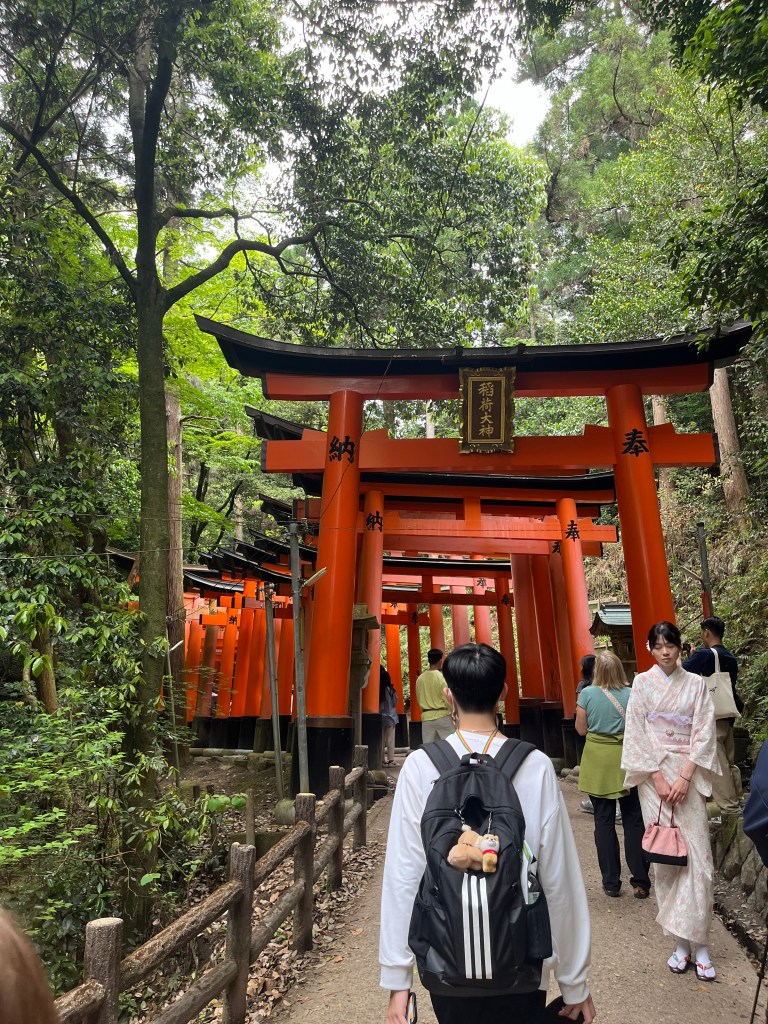
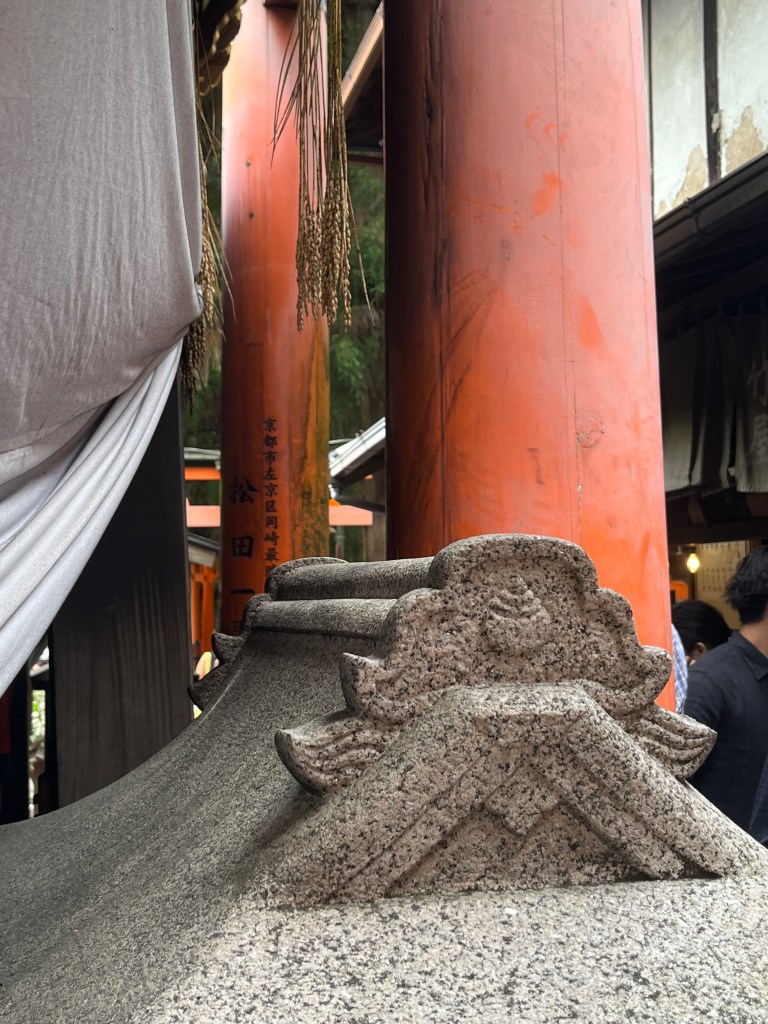
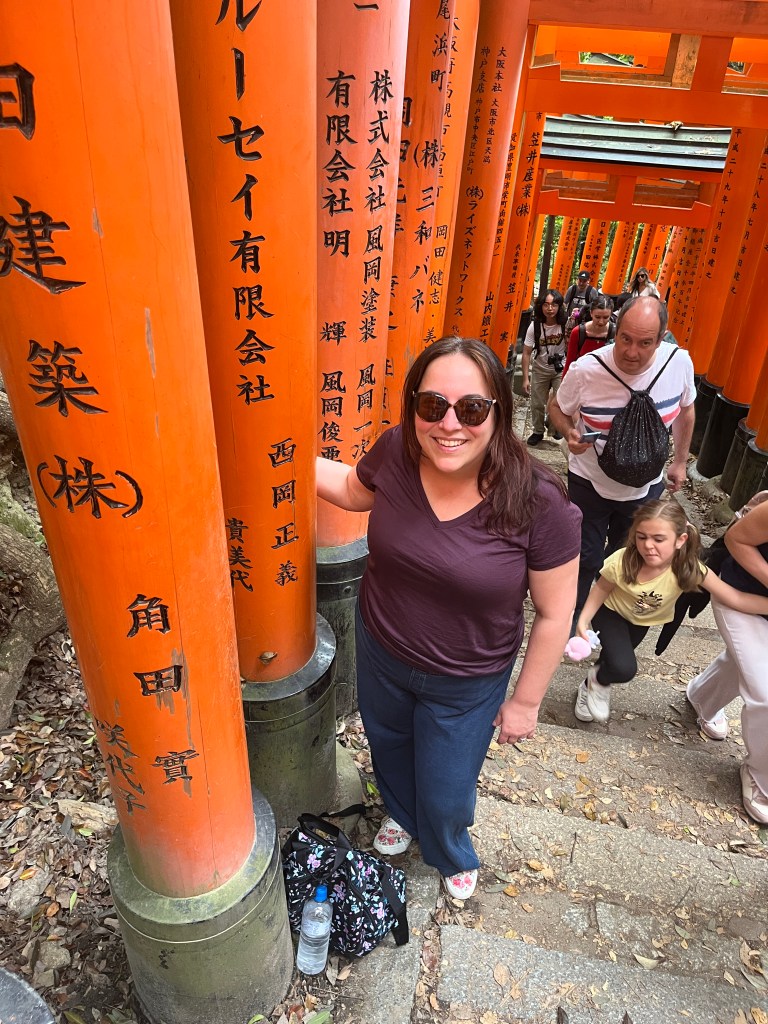
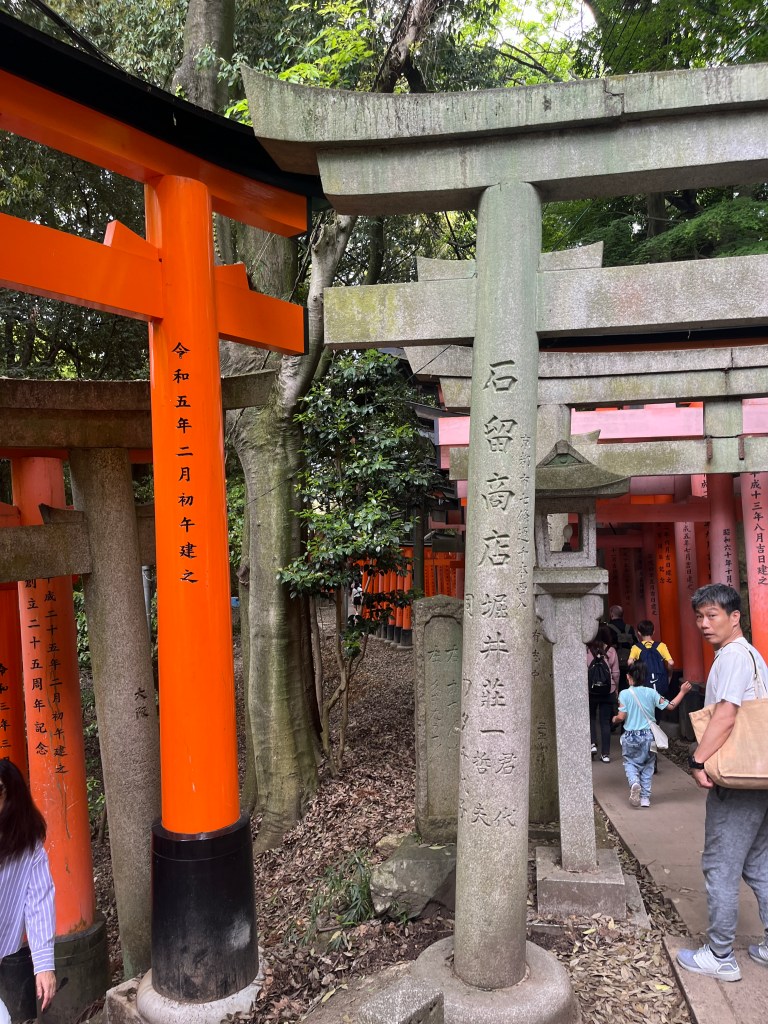
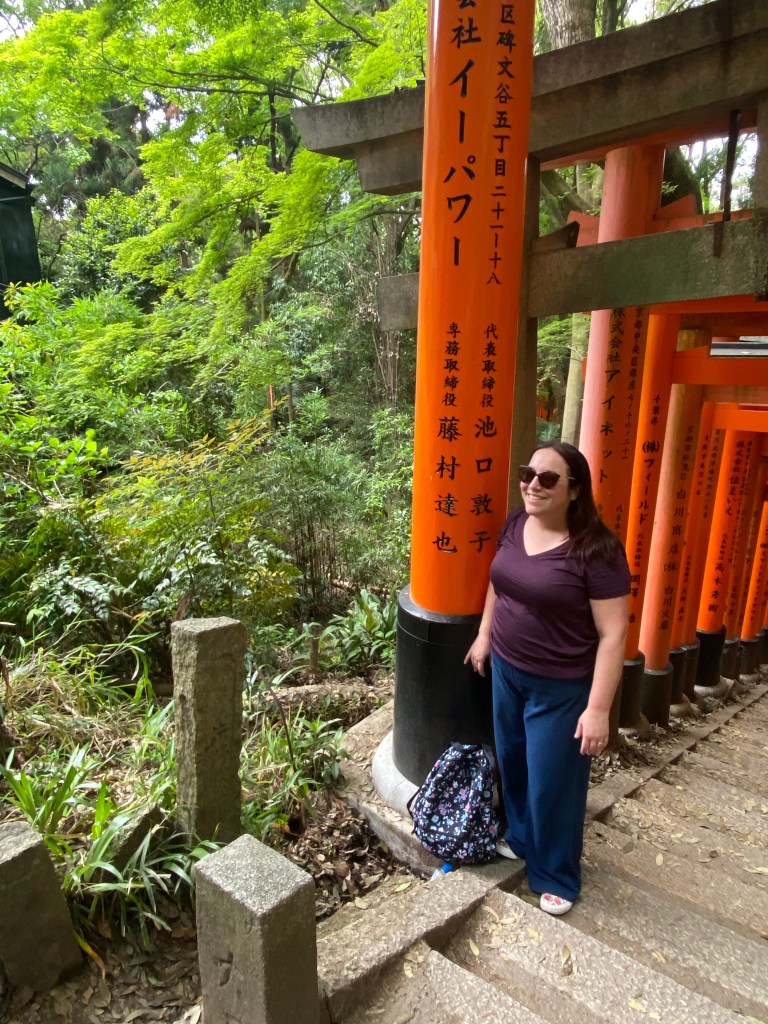
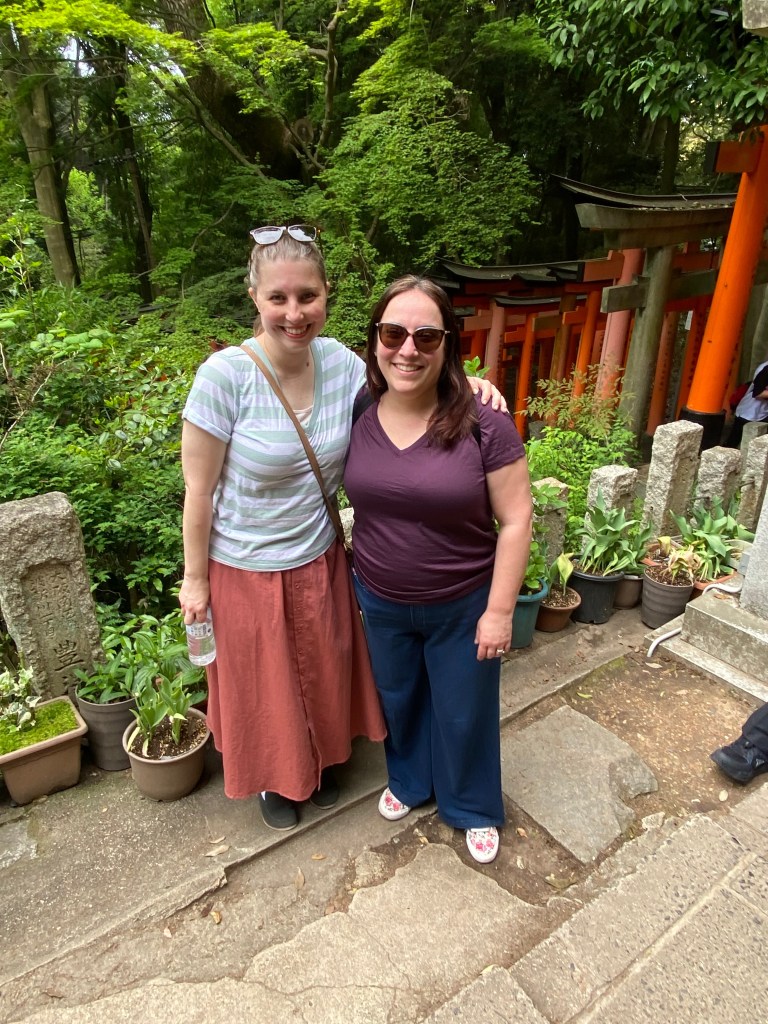
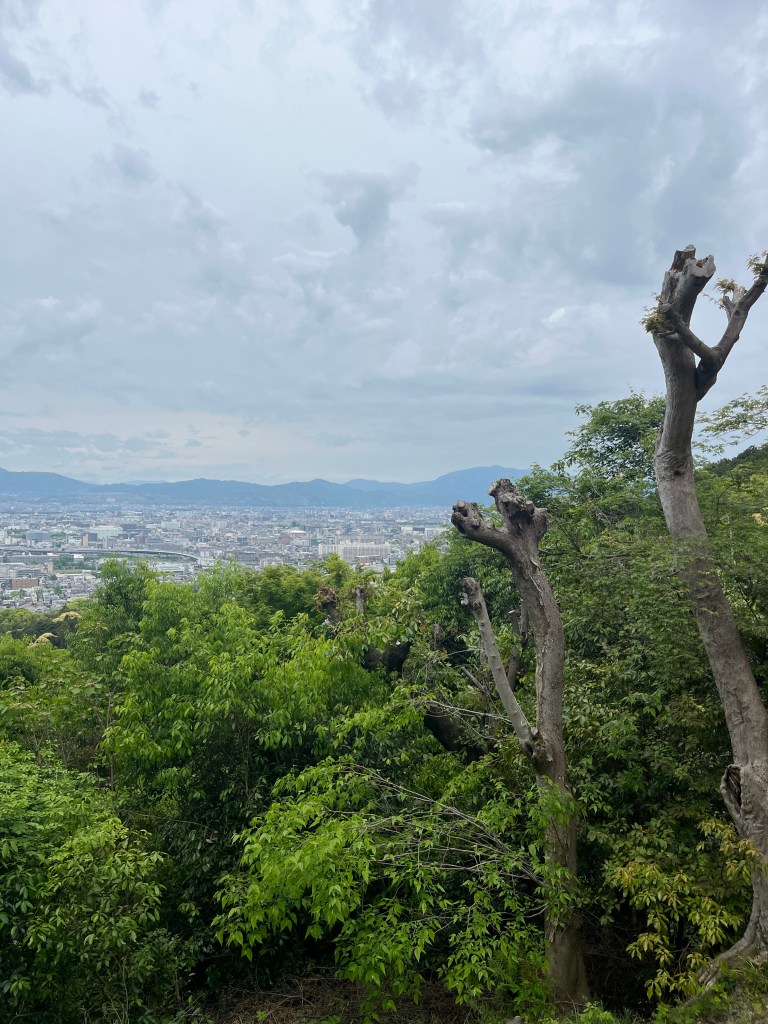
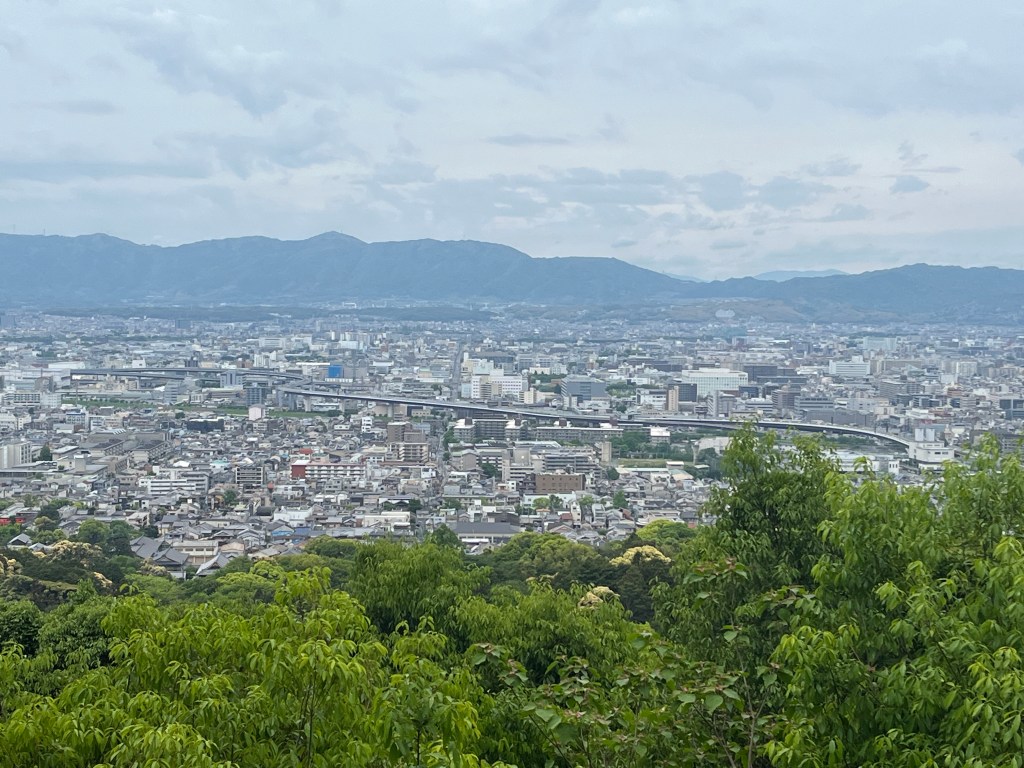
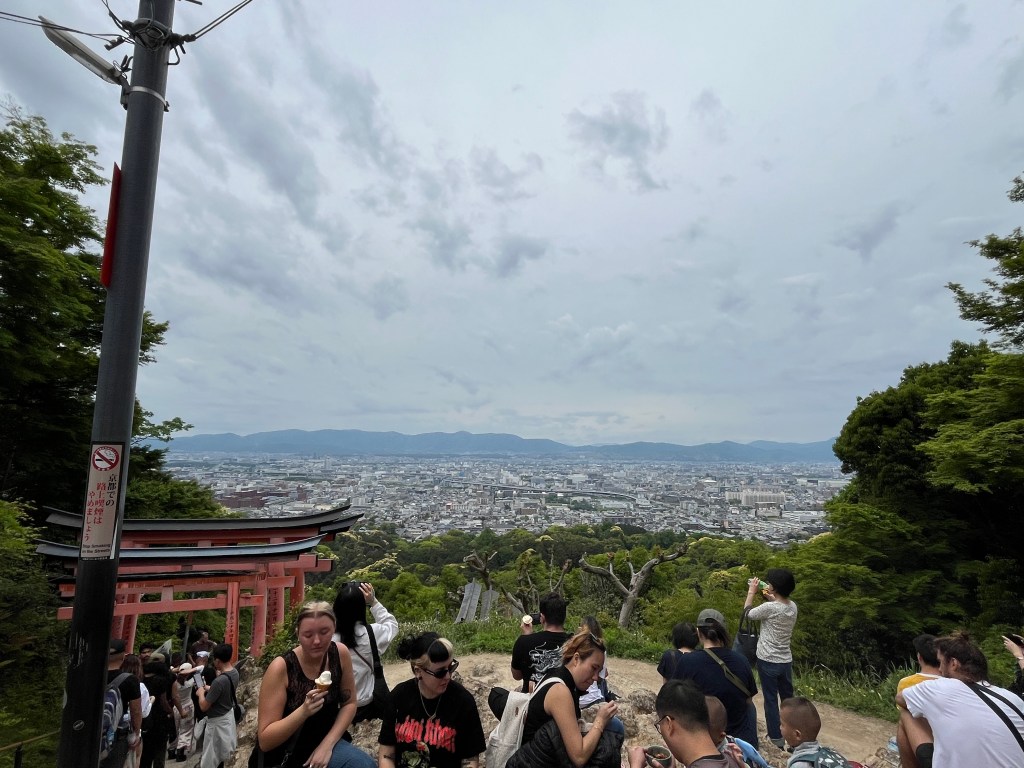
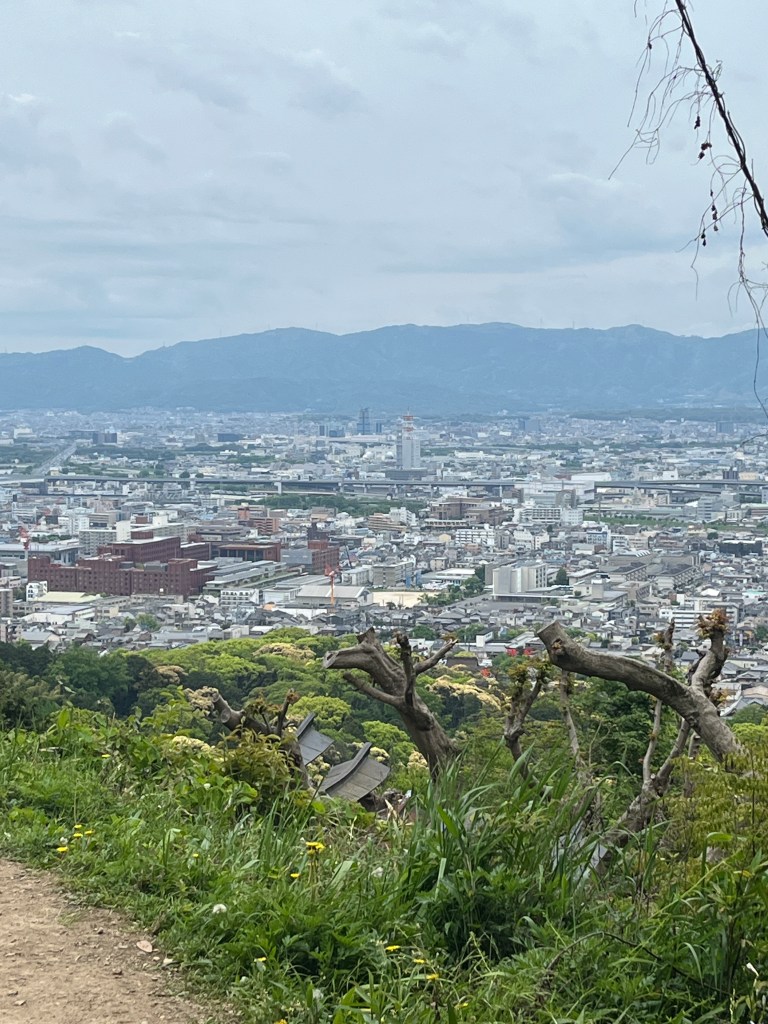
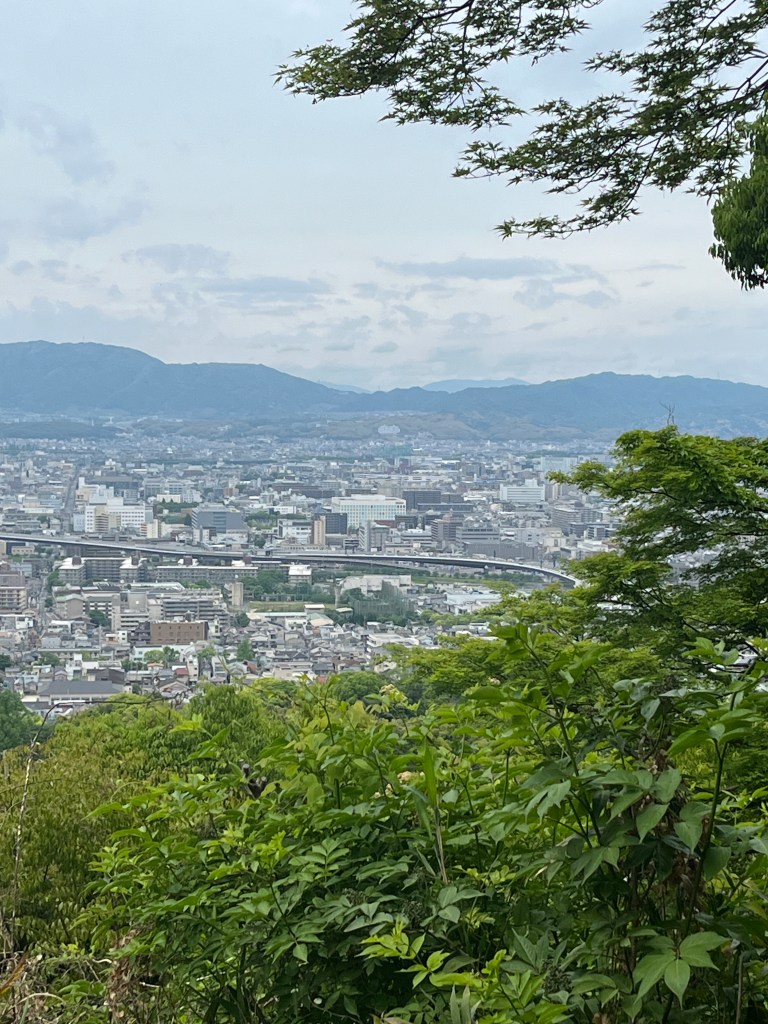
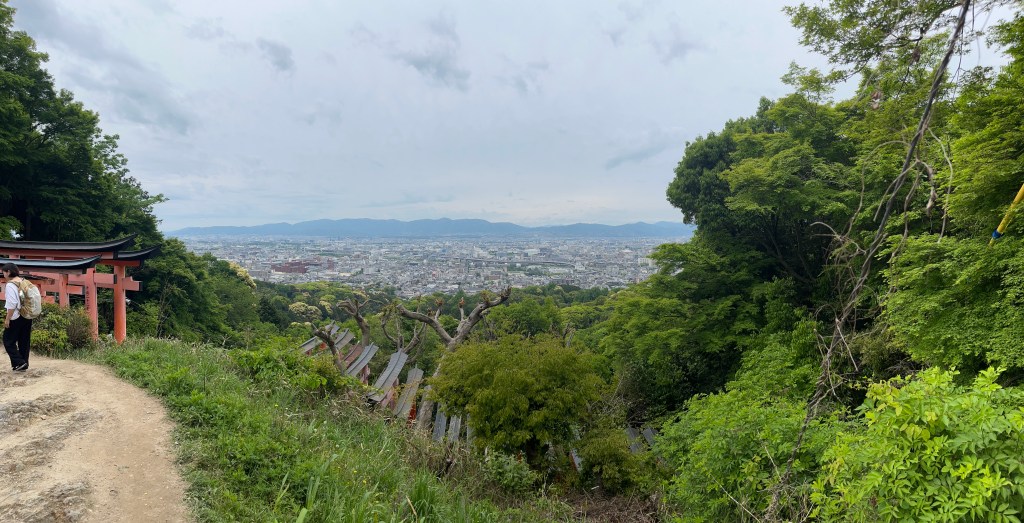
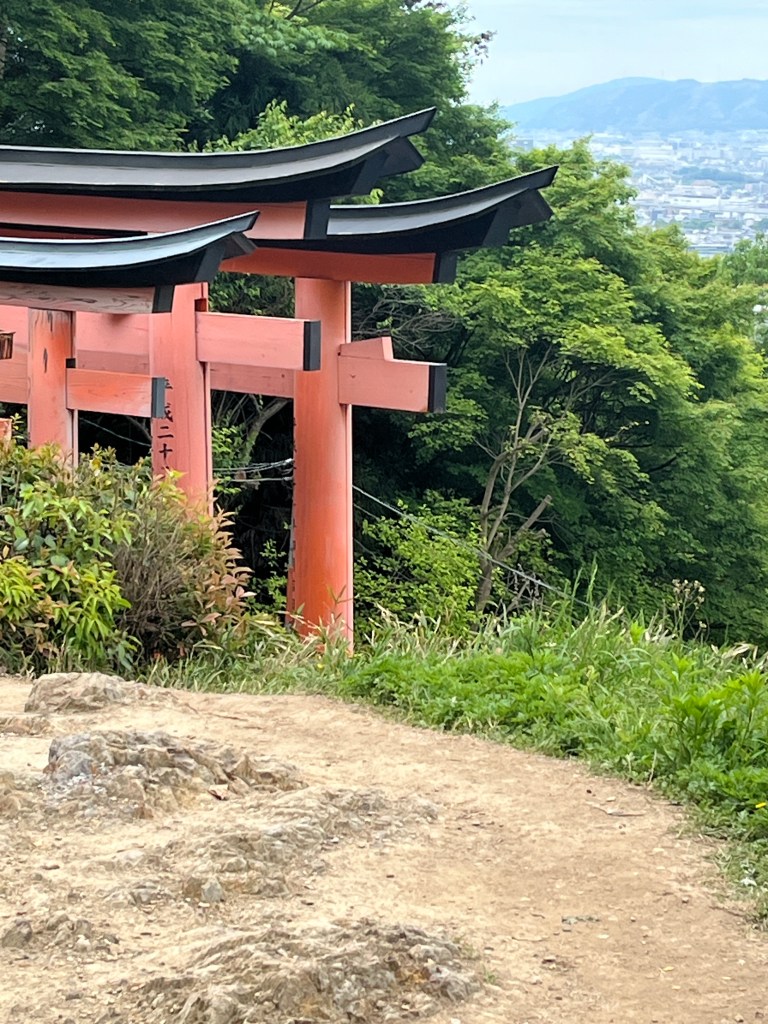
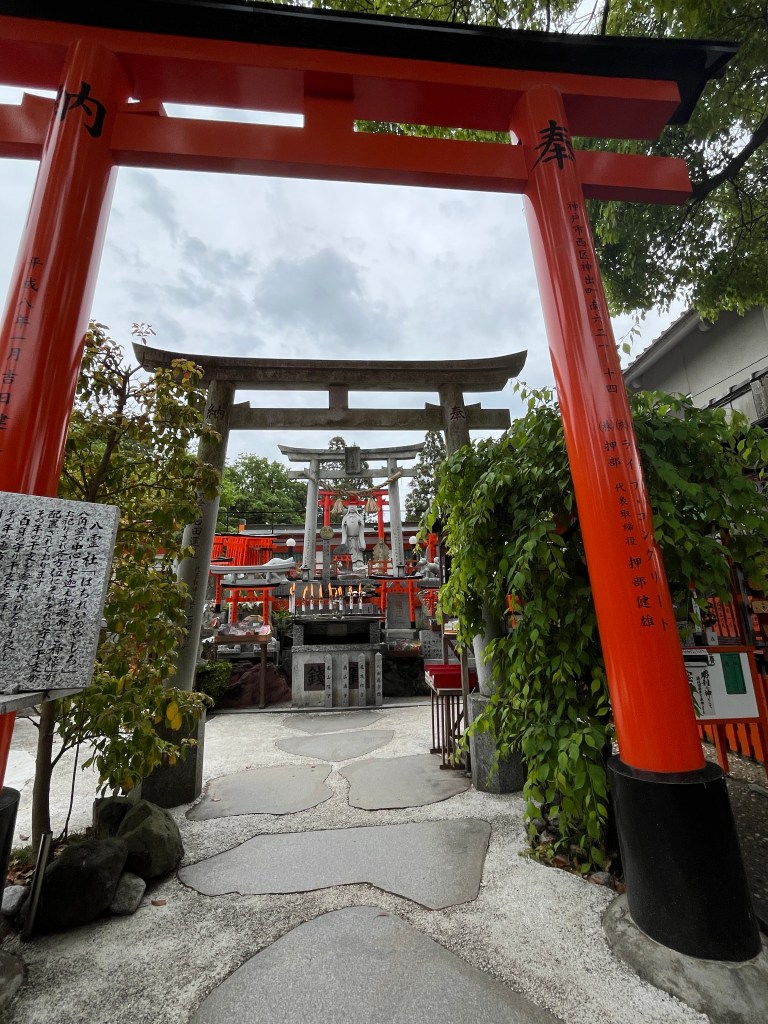
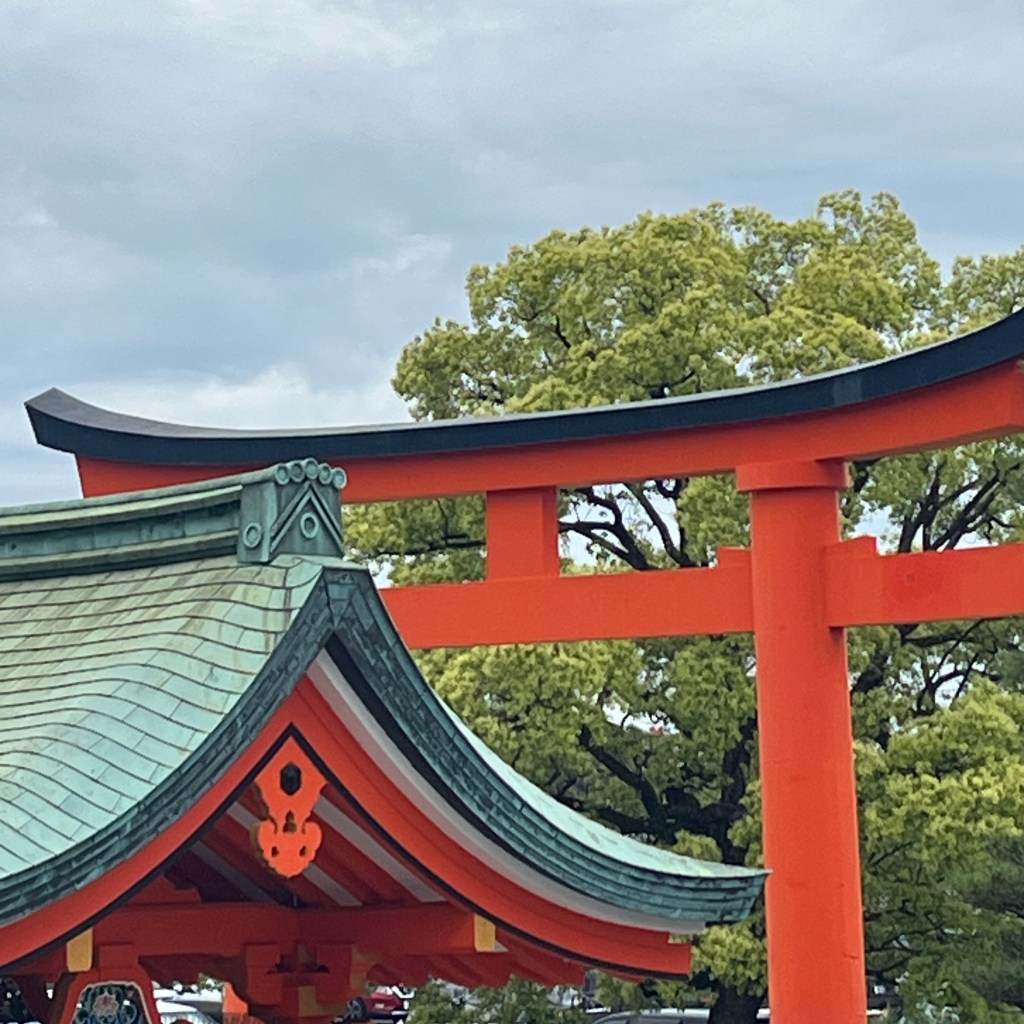
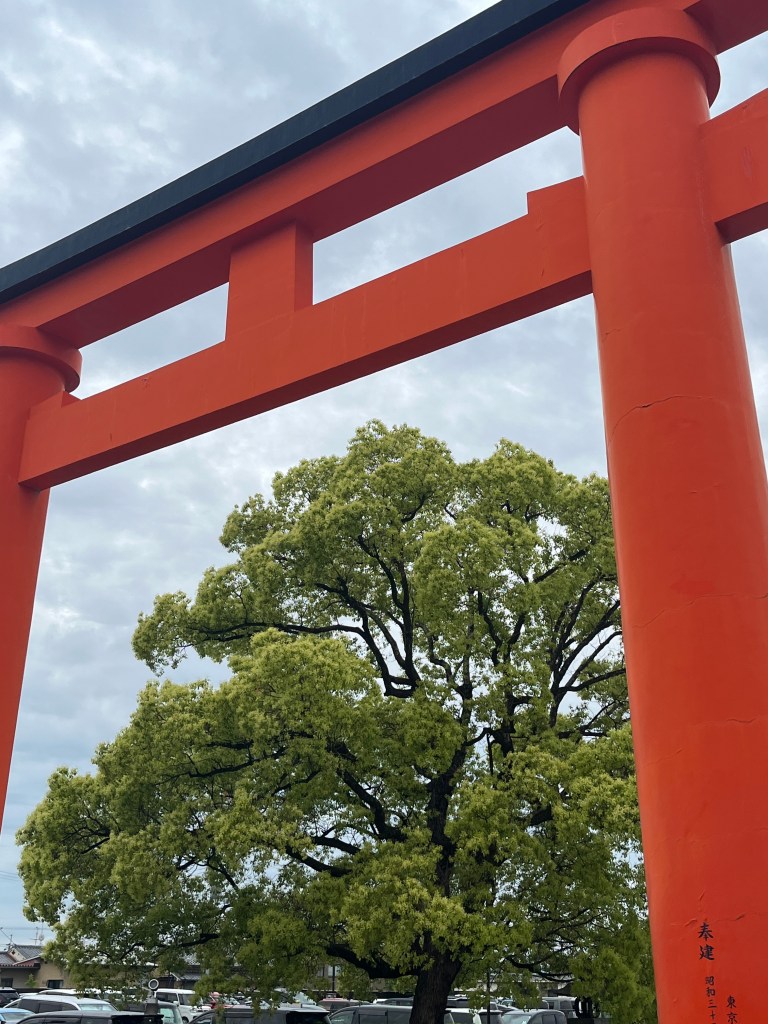
伏見稲荷大社 Fushimi-Inari Taisha Today we visited the Fushimi Inari Tasha shrine and walked the Senbon Torii (thousands of torii gates). We made it to the Yotsutsuji intersection and enjoyed the view. This walk/climb reminded me of one of the books we read in preparation for this pilgrimage: “Once you get the pilgrimage bug, the type of religion ceases to matter. The practices of putting one foot in front of the other and slipping outside of normal society and its distractions takes precedence.” Todd Wassel, Walking in Circles
Speaking of other Pilgrims, my scriptures record how people prayed on their way to Jerusalem (Psalm 125). They noticed the mountain and compare it to God’s steadfast love. I always thought of a pilgrims journey as one full of movement, it struck me that this psalm points to the unmovable Mount Zion. I thought about it as I climbed a the Sebon Torri (thousands of torri gates) in Kyoto, Japan.
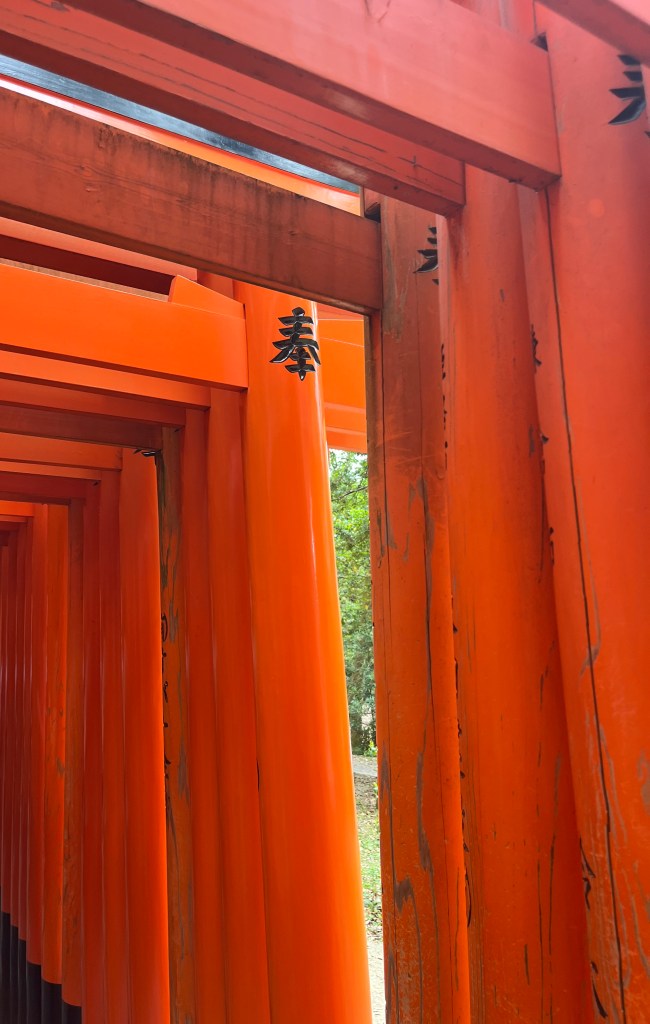
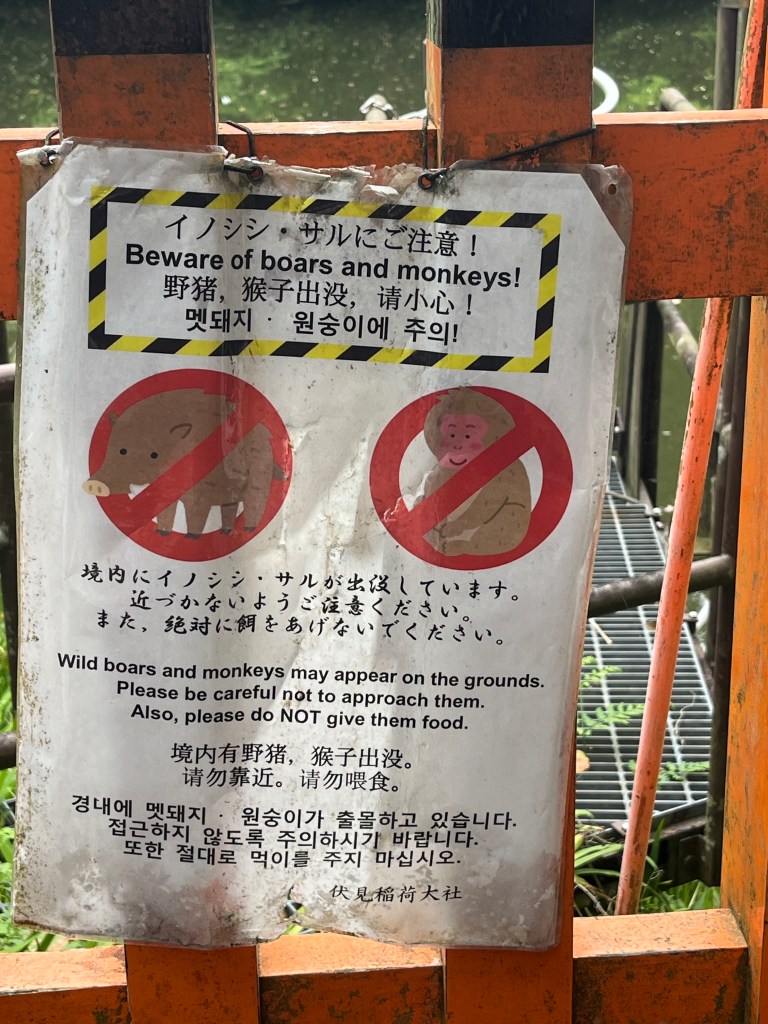
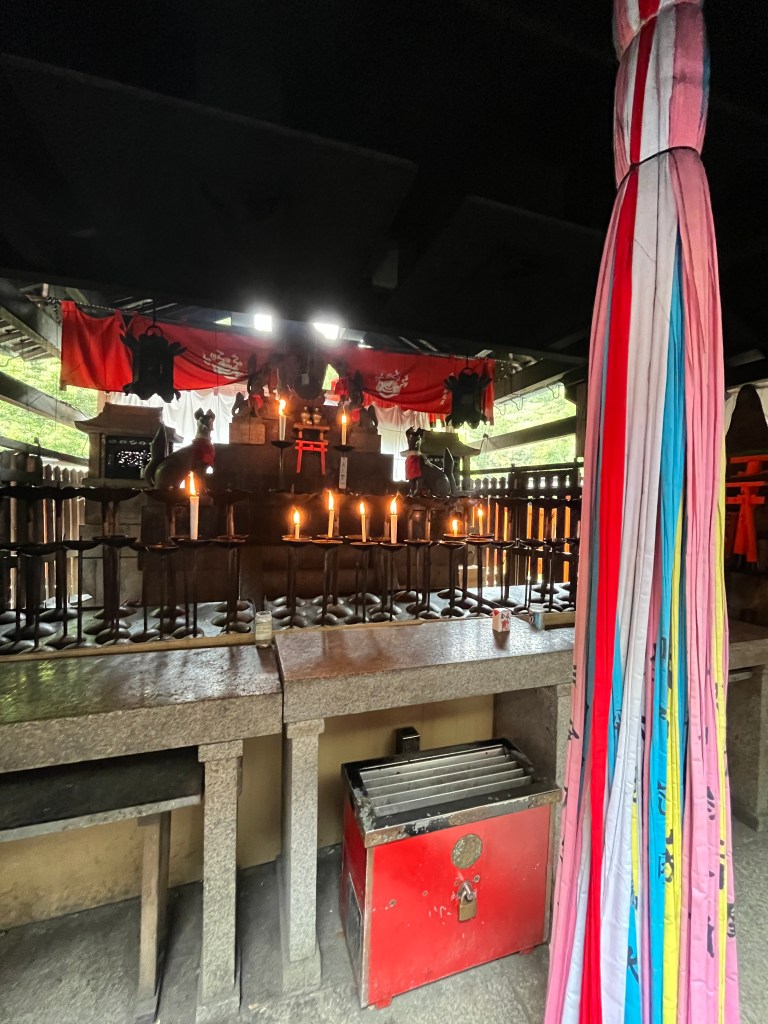
The mountain is indeed not going to move; there is not an escalator, only the steady footsteps of thousands of pilgrims on solid stone stairs. The orange gates kept us anchored on the path and allowed us to glimpse the beautiful forrest. The tall trees provided oxygen rich air in gentle breezes around the gates. My breath sustained by the garden whose seeds were planted in a past more distant than I can imagine. I marveled at the women who made this trek in beautiful kimonos honoring traditions nearly as old as the mountain itself. Stops along the path revealed shrines from ancient and nearly forgotten to well attended with ribbons and flickering candlelight. Everything on the path seemed ancient, unmovable, and holy.
I felt my mortality in my aching legs and in the way my soul was glad to have just a tiny connection to this sacred place. How many mortal feet have climbed this same path? The mountain might know. Each tender toe, each drop of sweat, each prayer lifted, are precious to the Beloved Spirit who dwells in the unmovable mountain and in each fluttering heart. God invites us all, “Come! Enter the Garden of Love!” I encourage you to find a pilgrim’s path and climb into the heart of God.












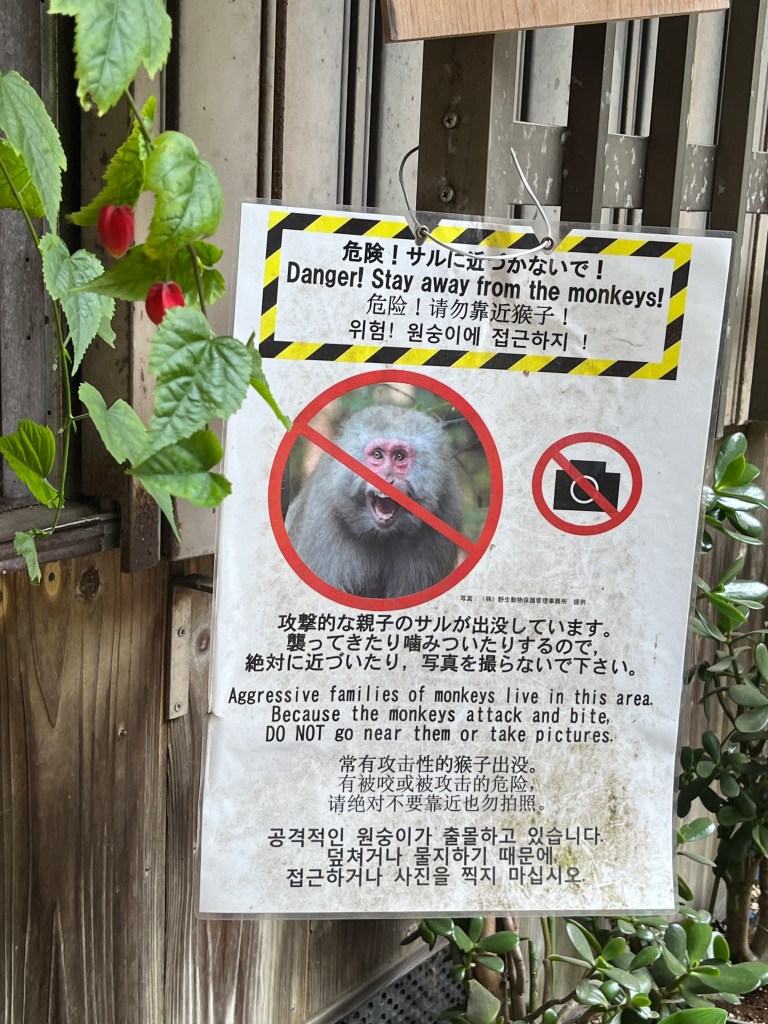
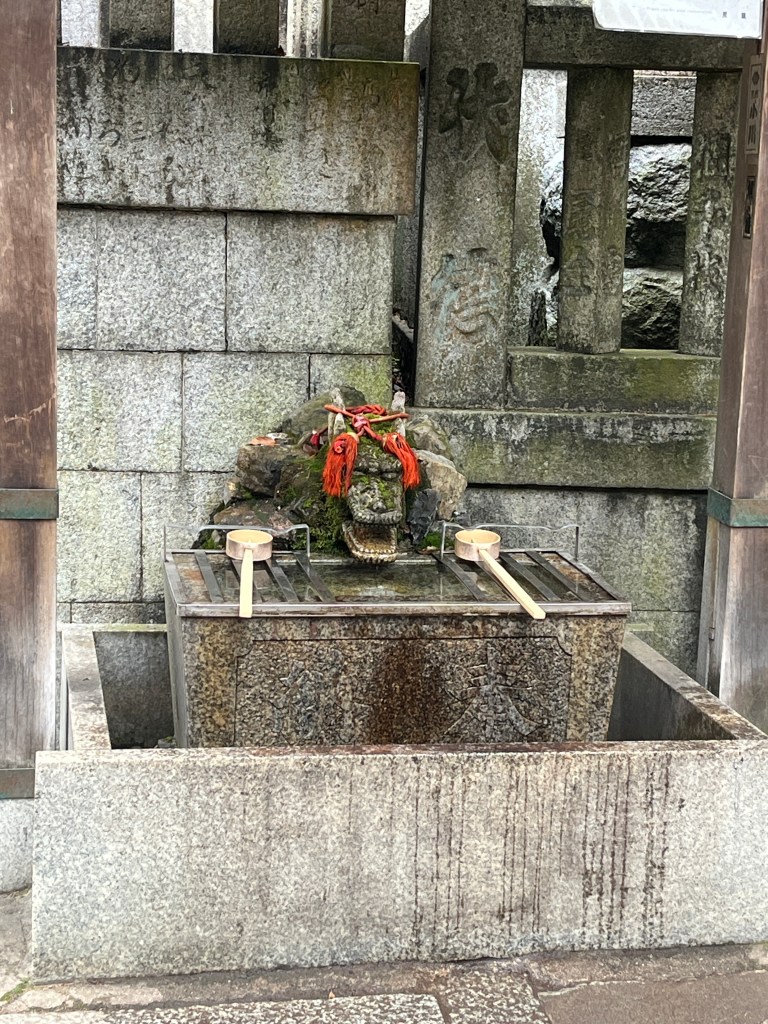





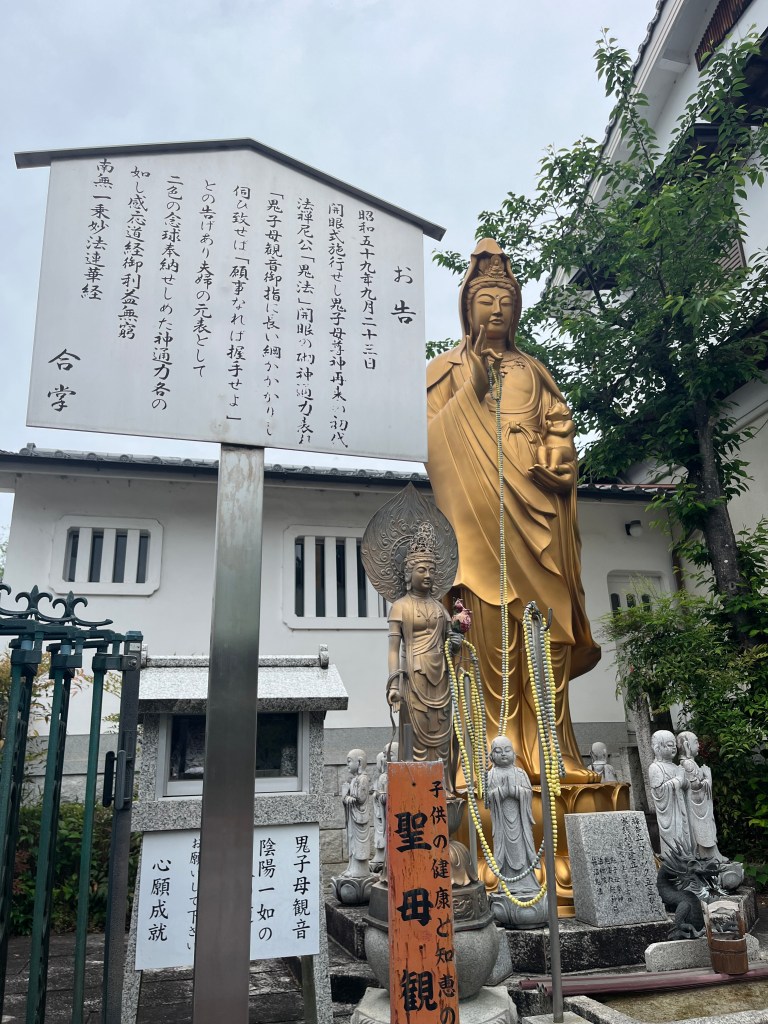
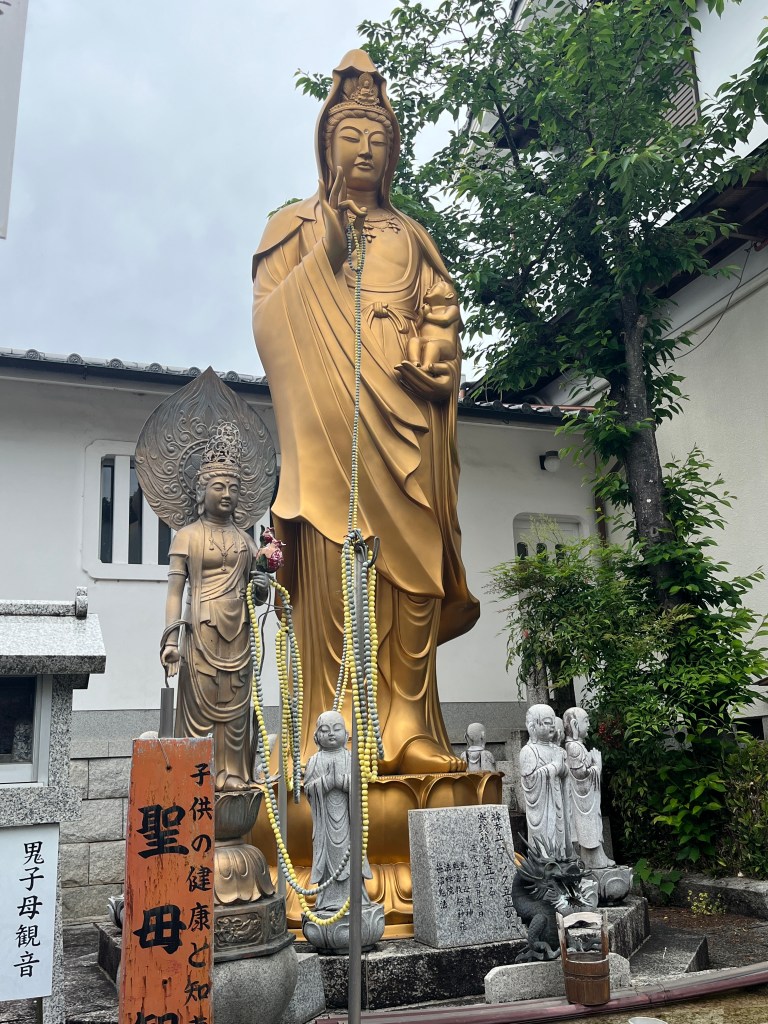

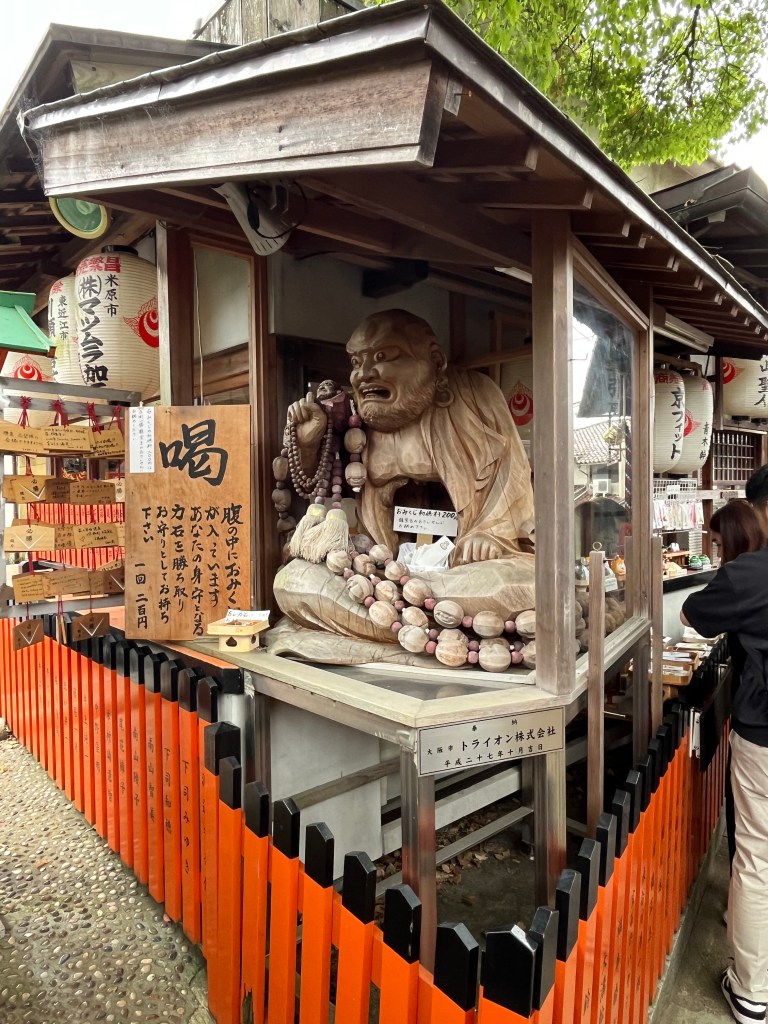

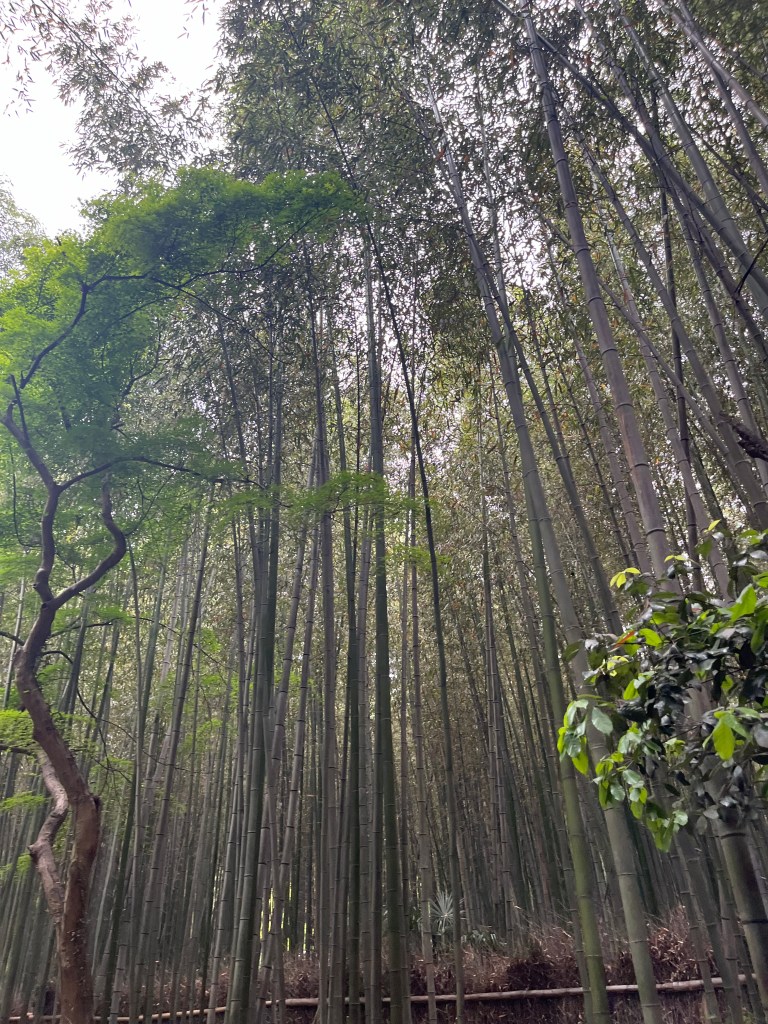
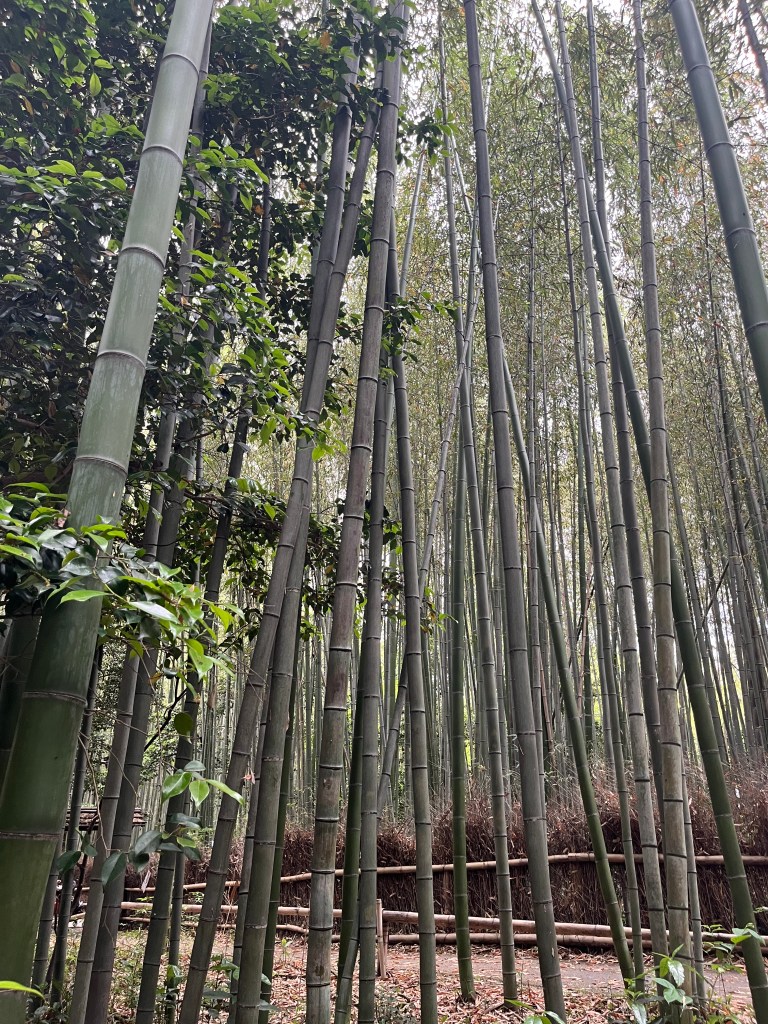
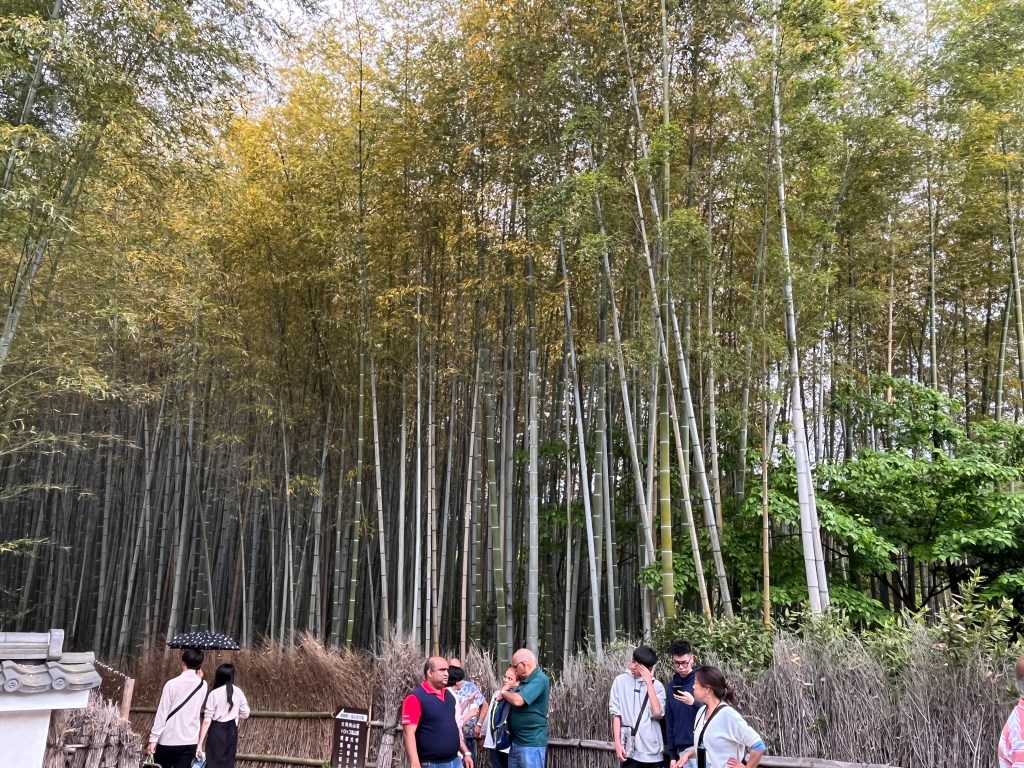
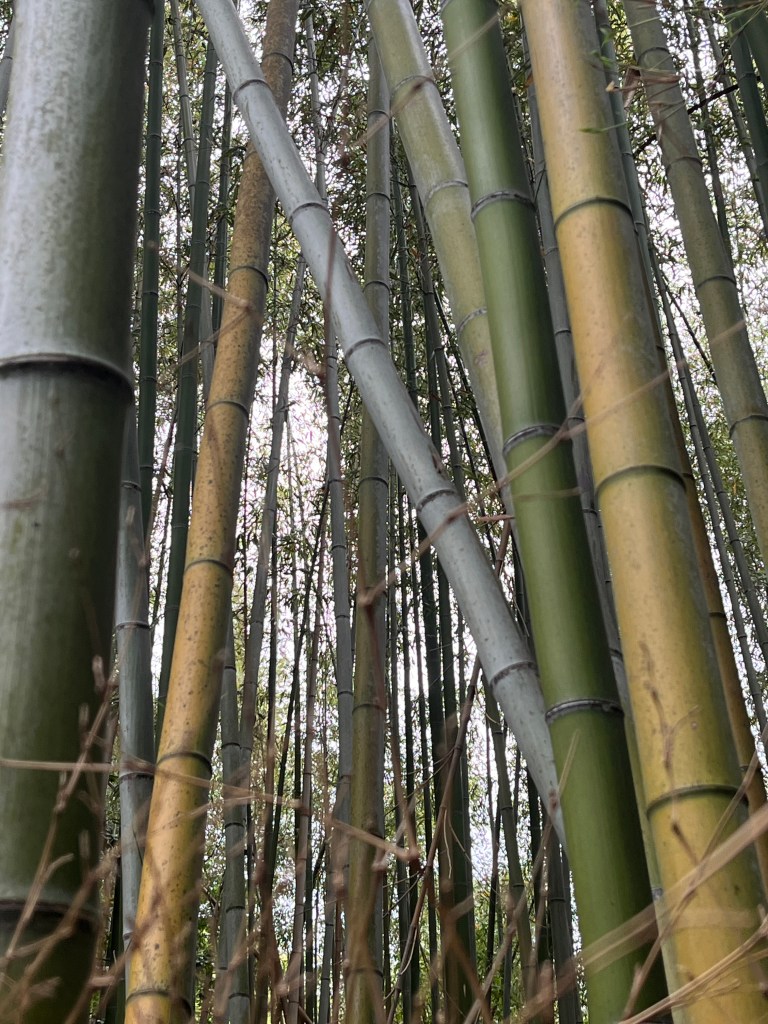
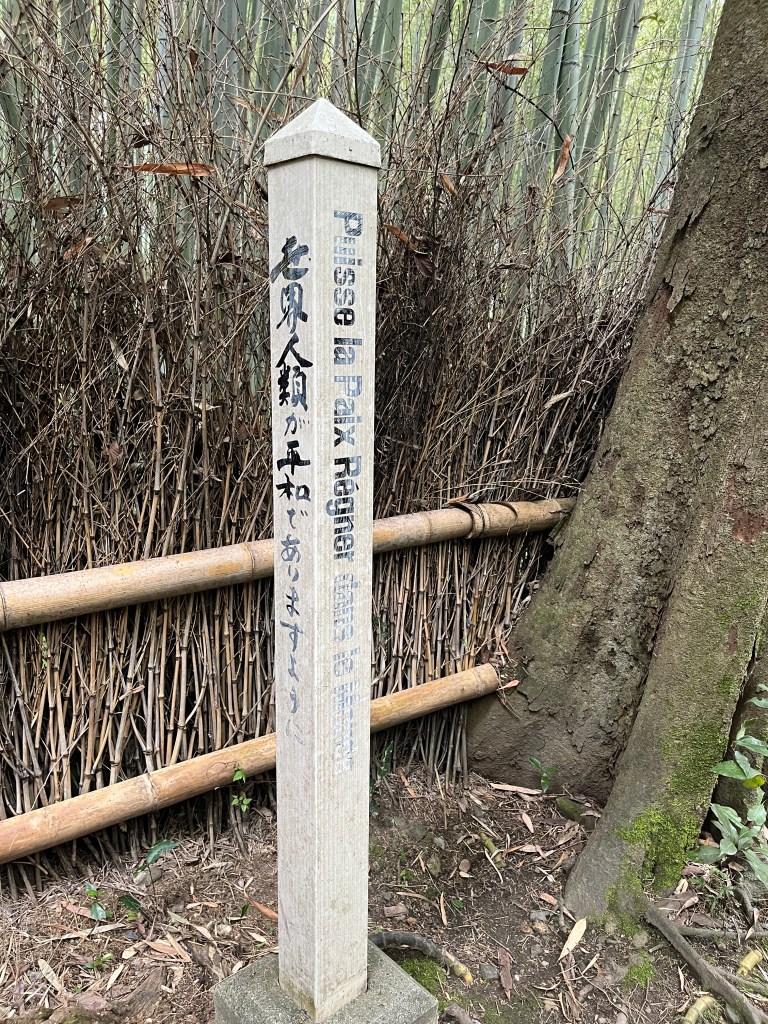
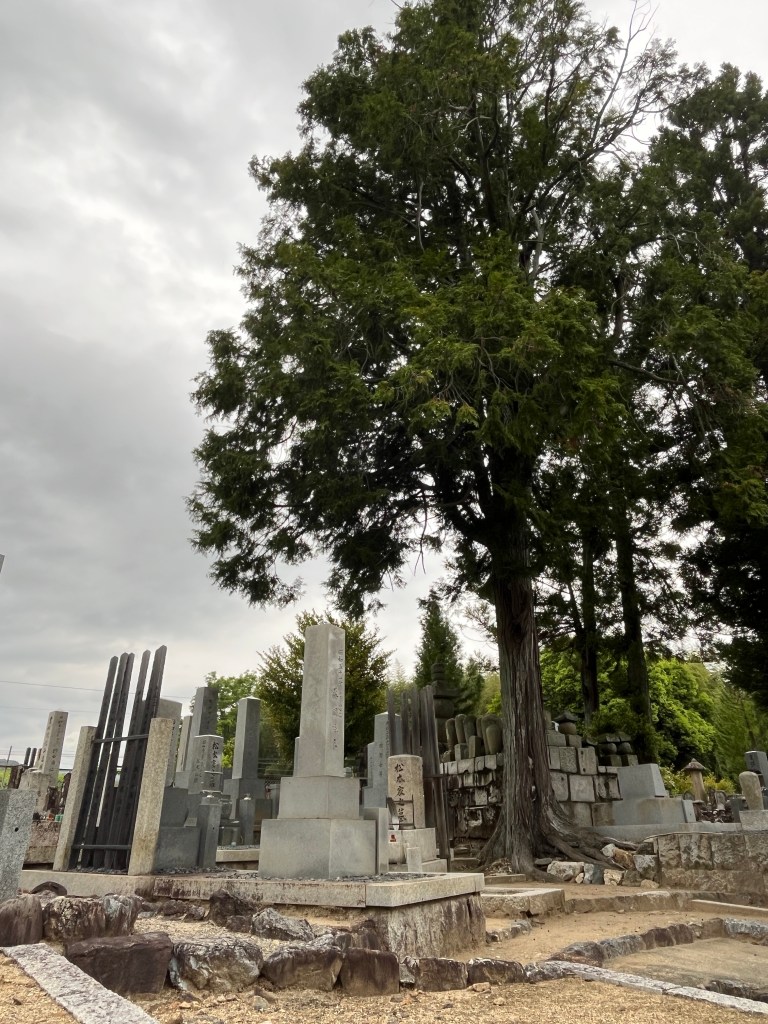
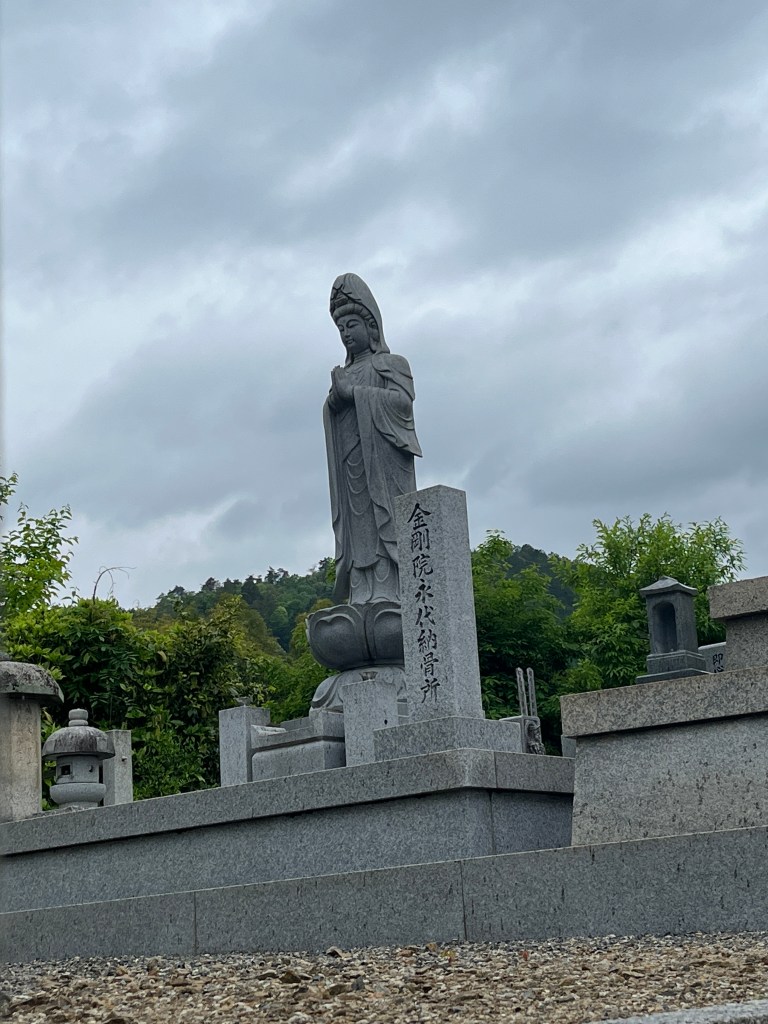
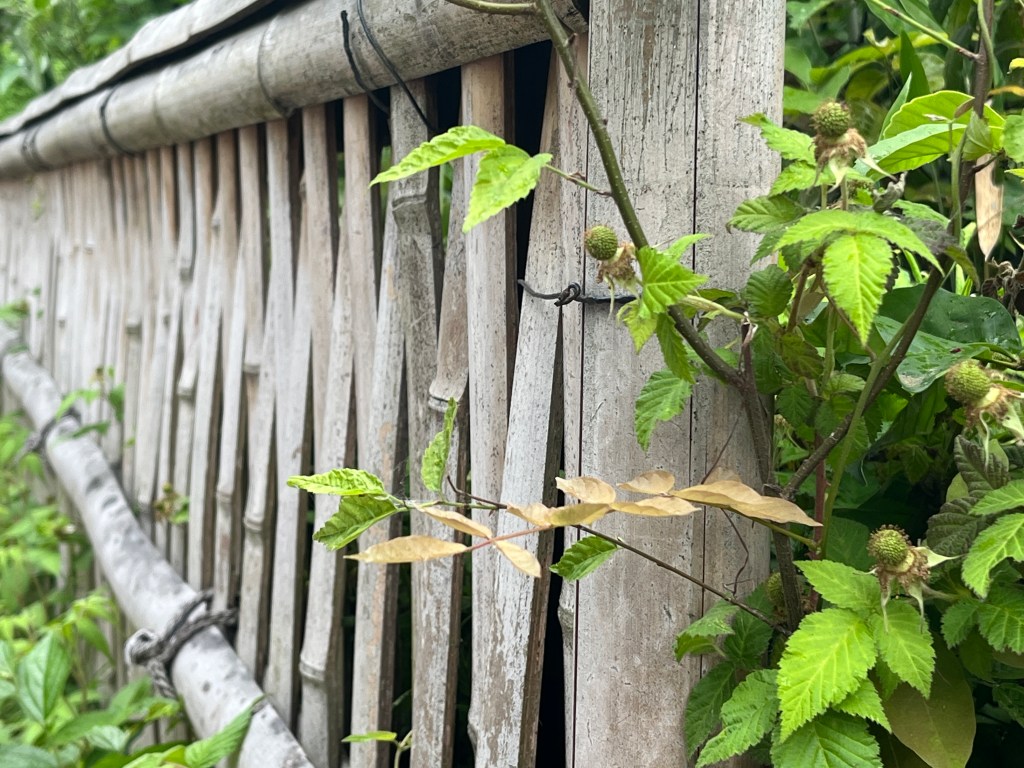
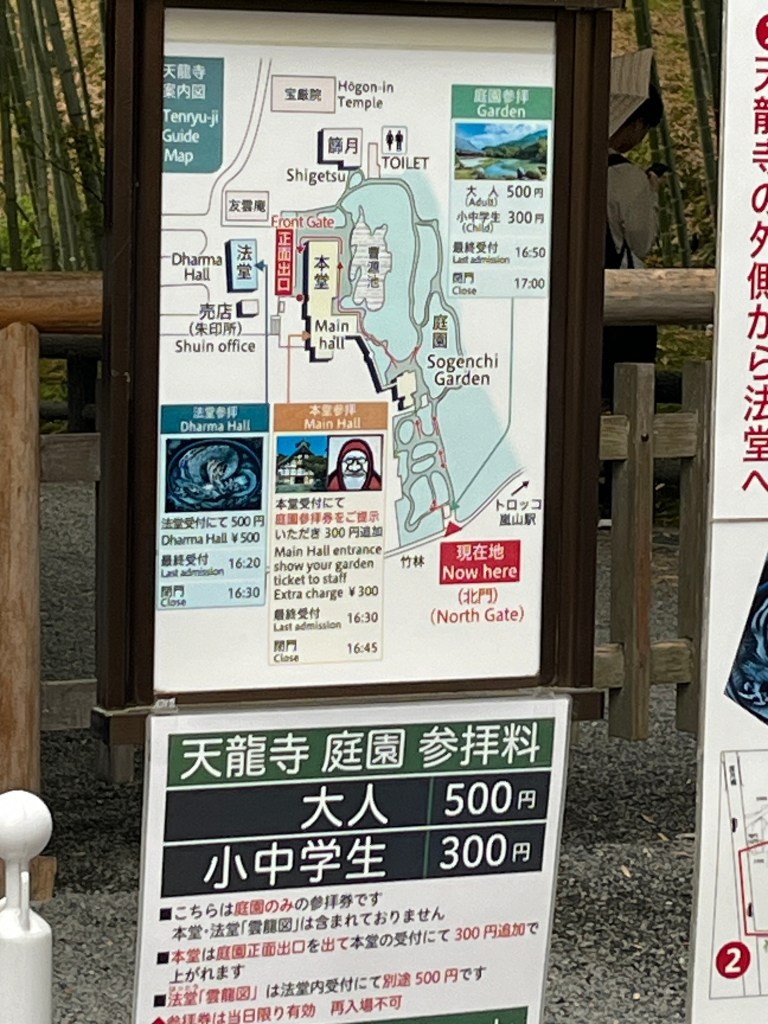
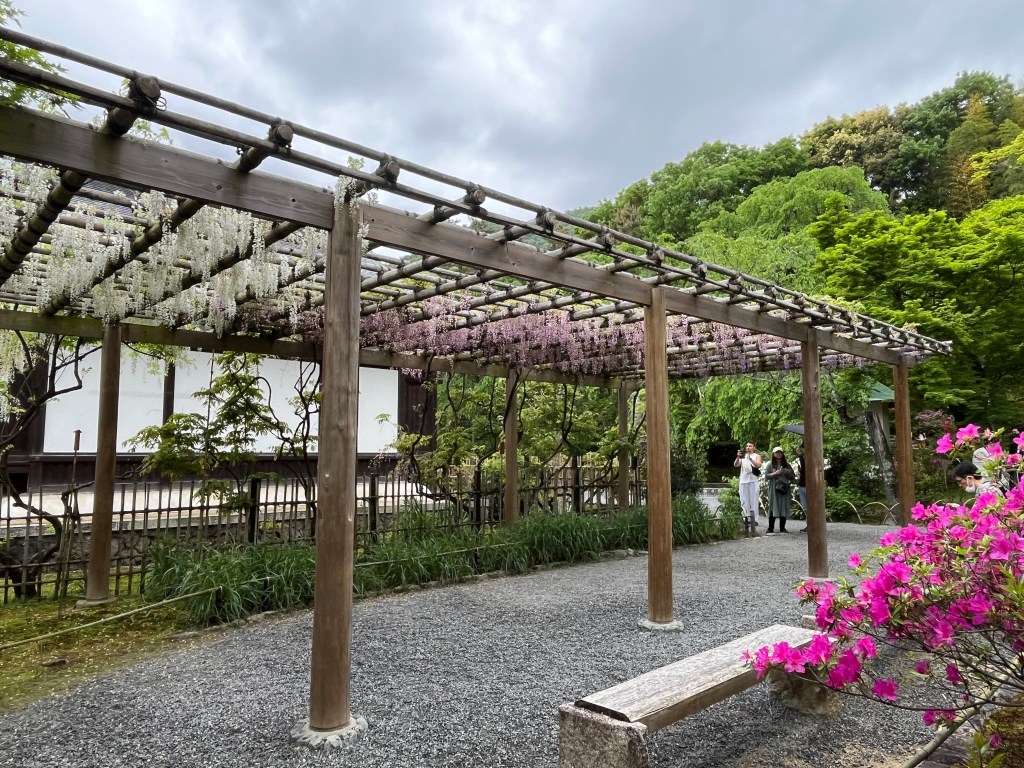
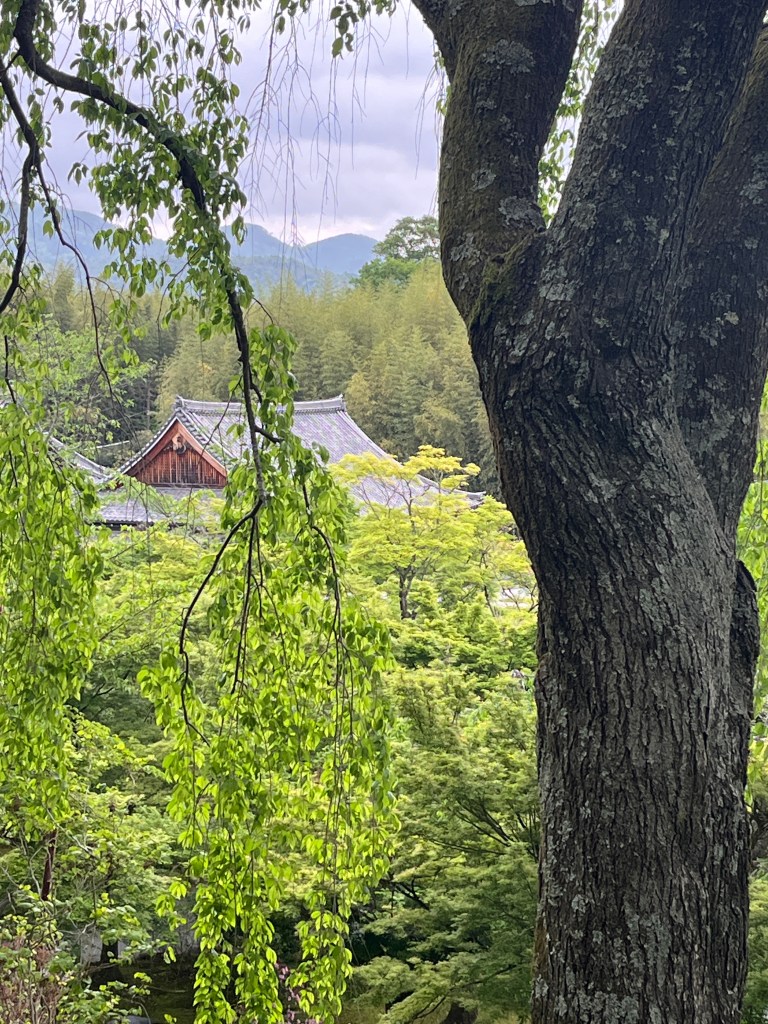
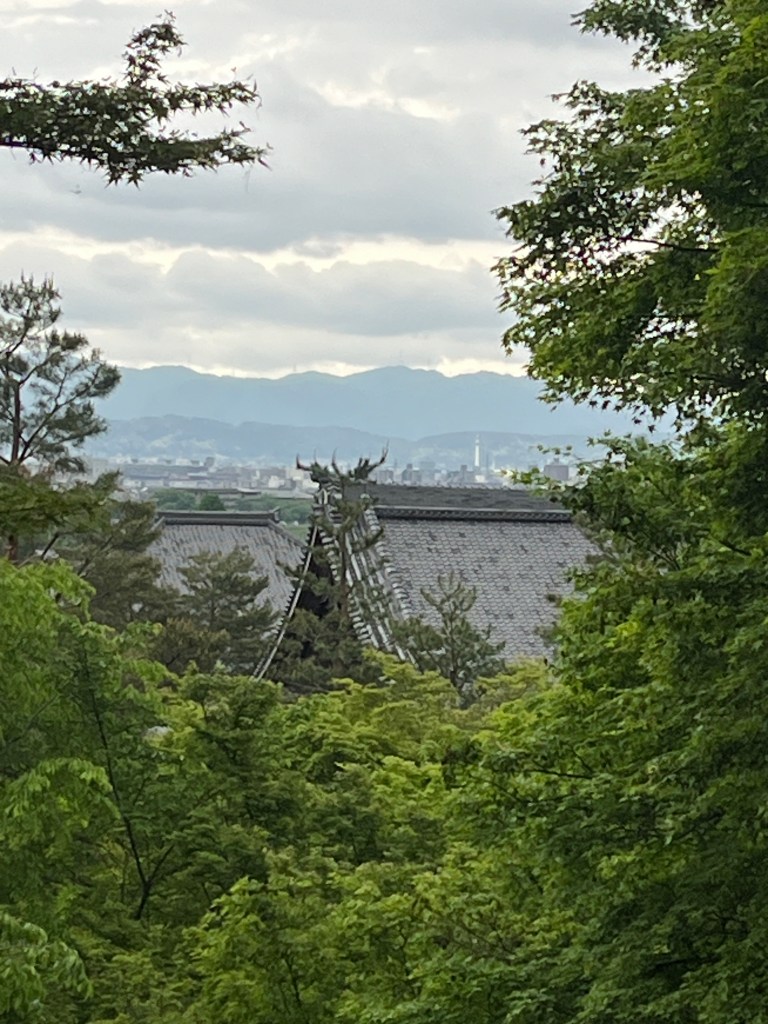
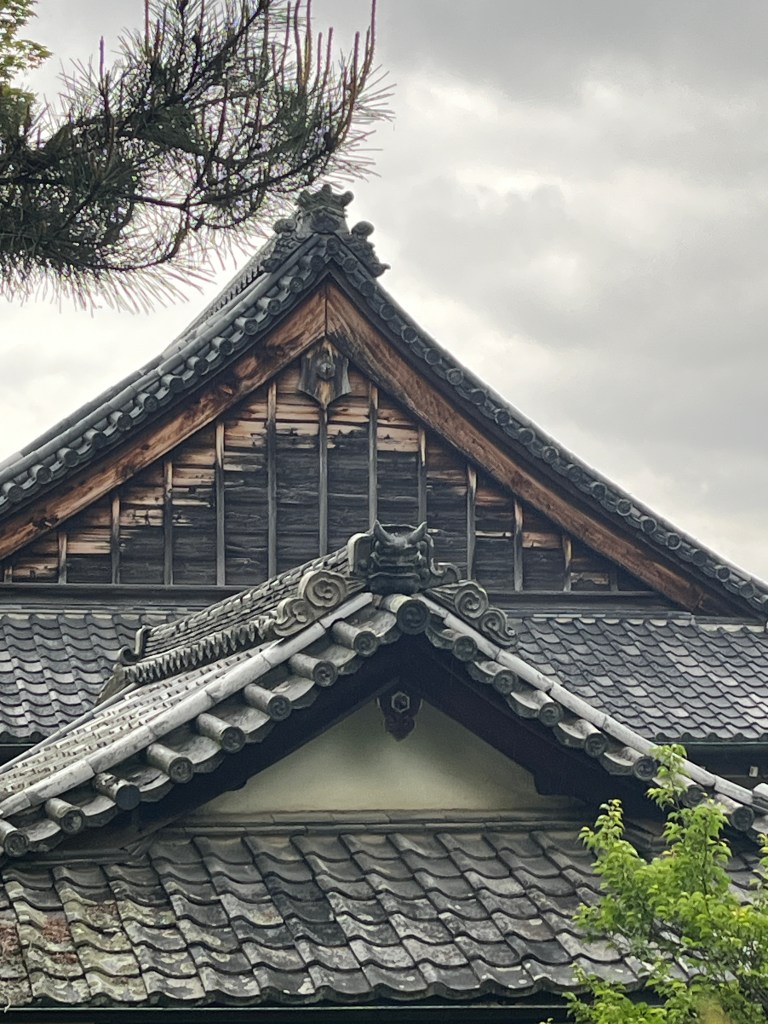
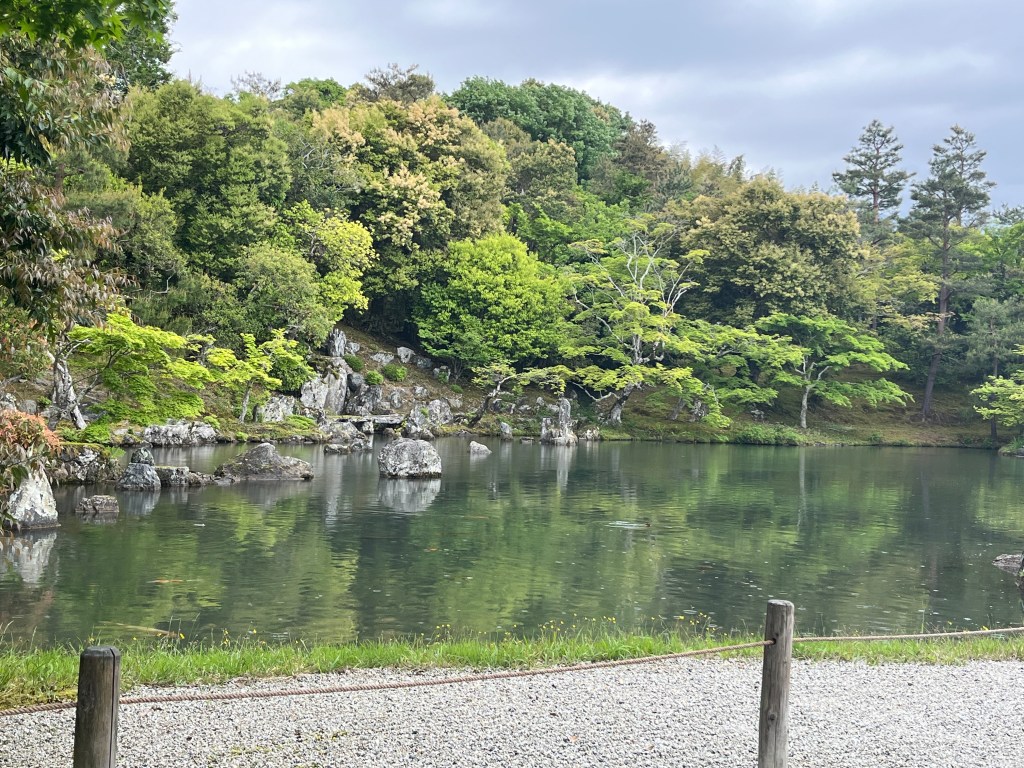
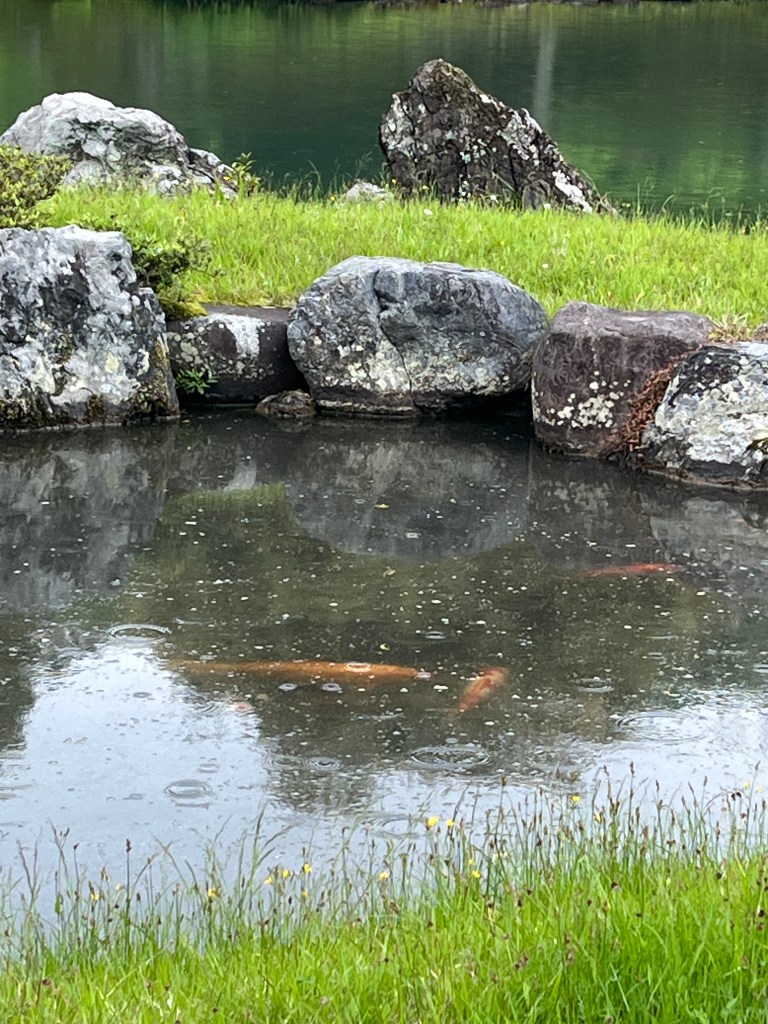
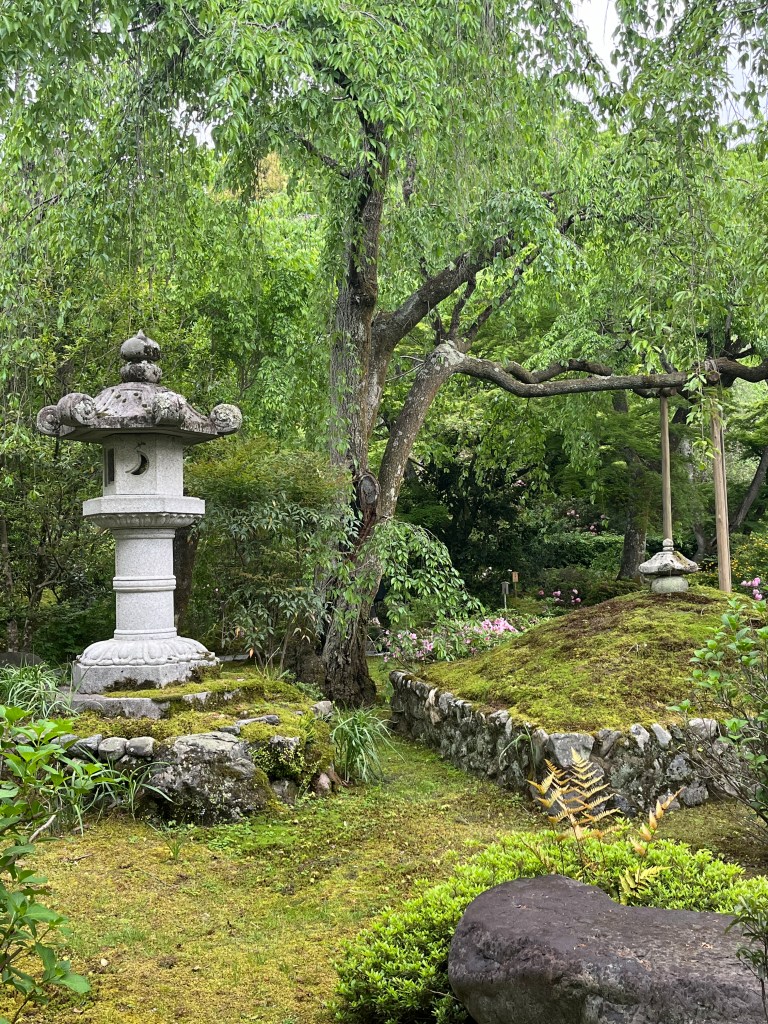
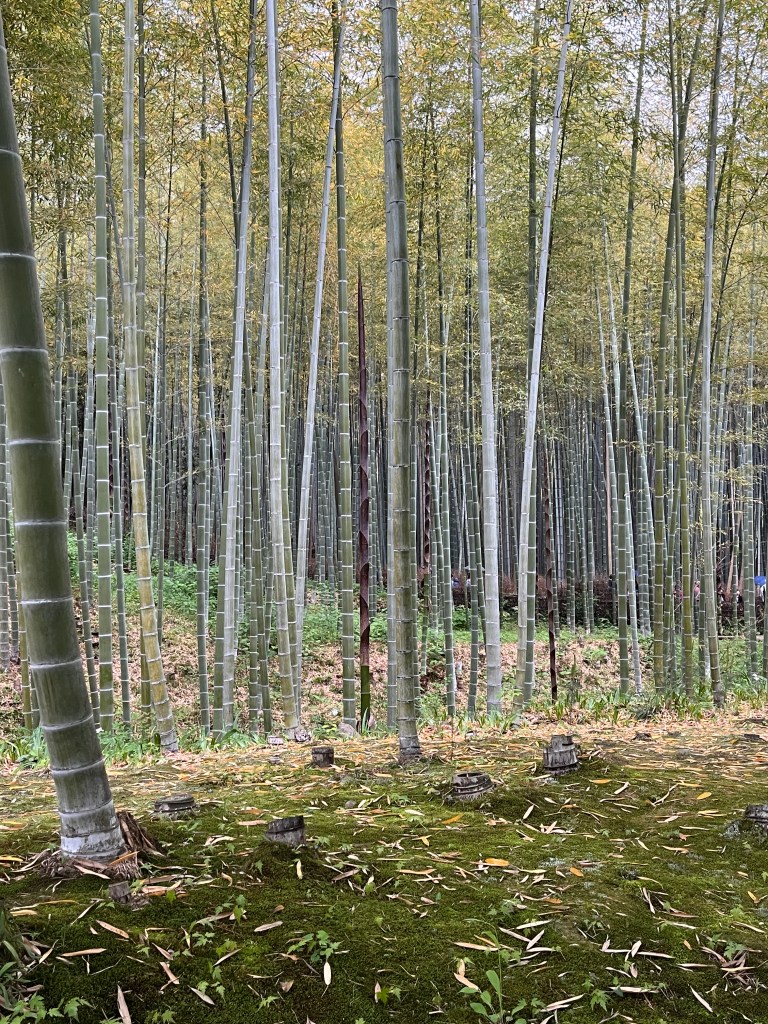
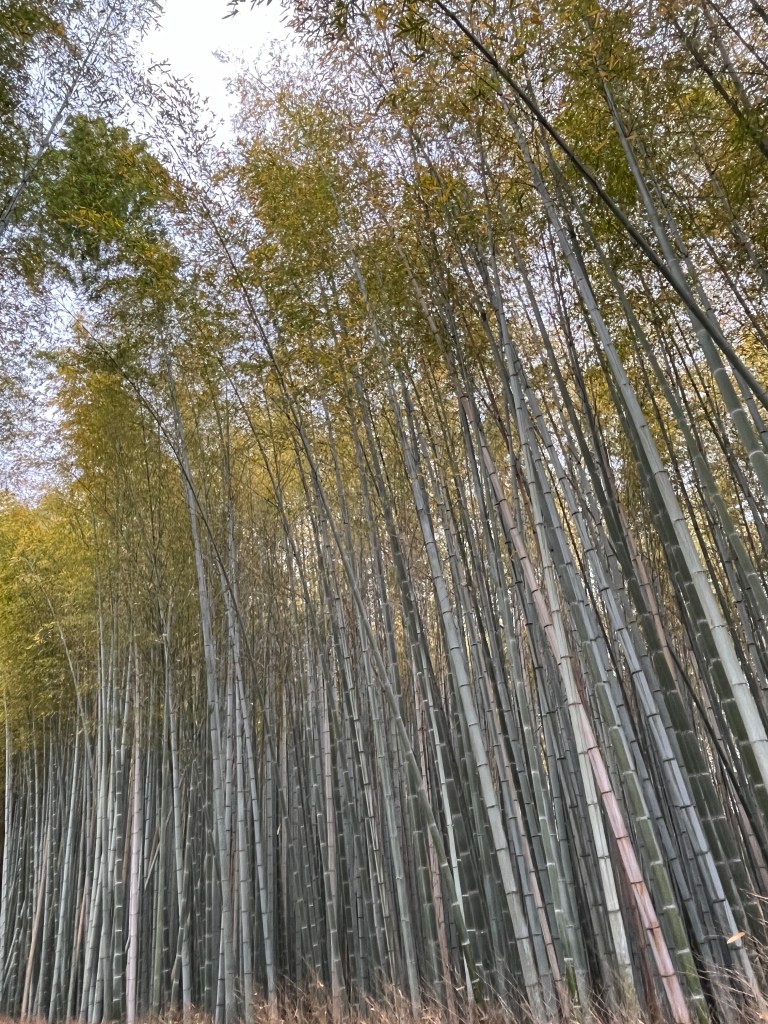
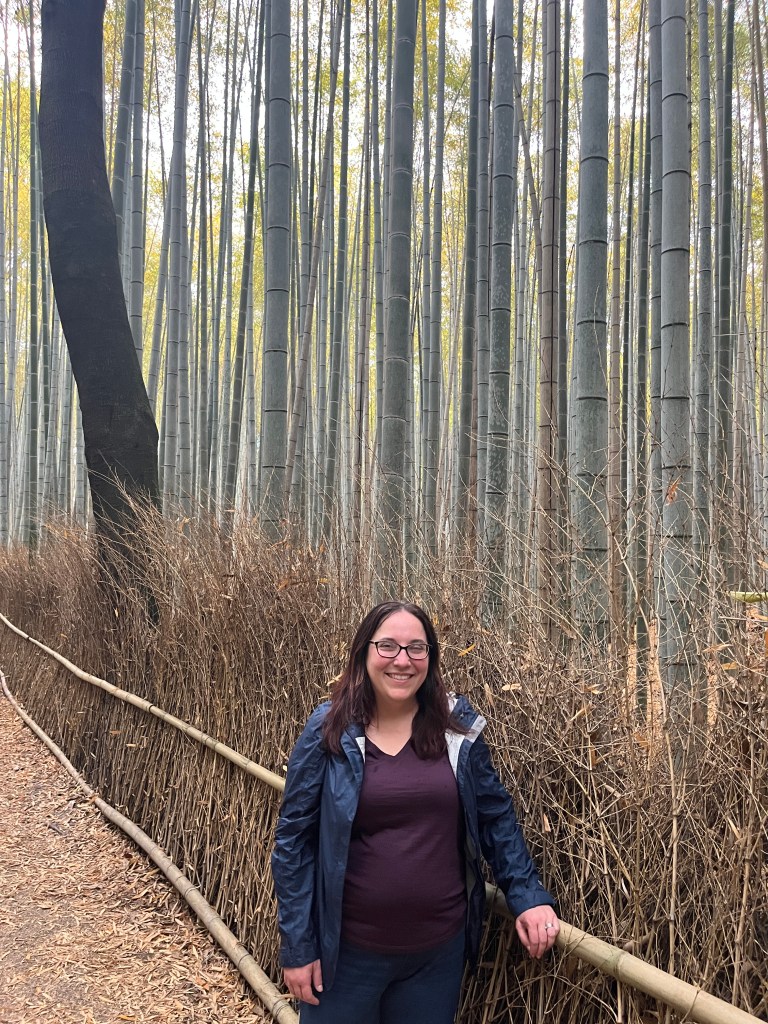
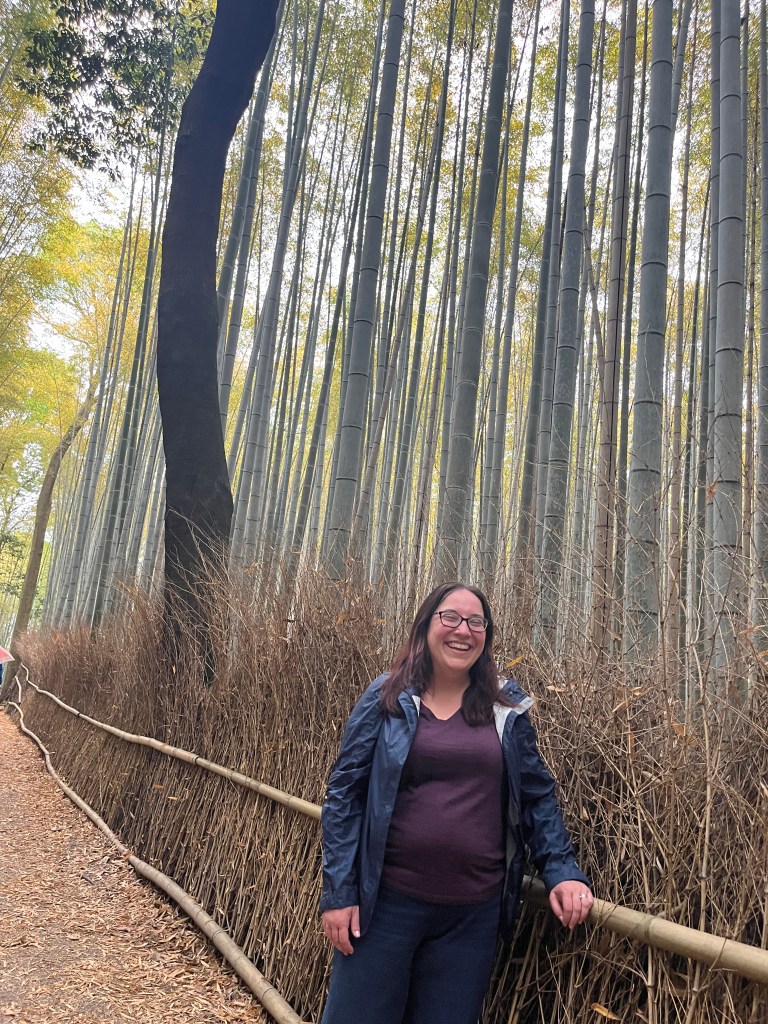
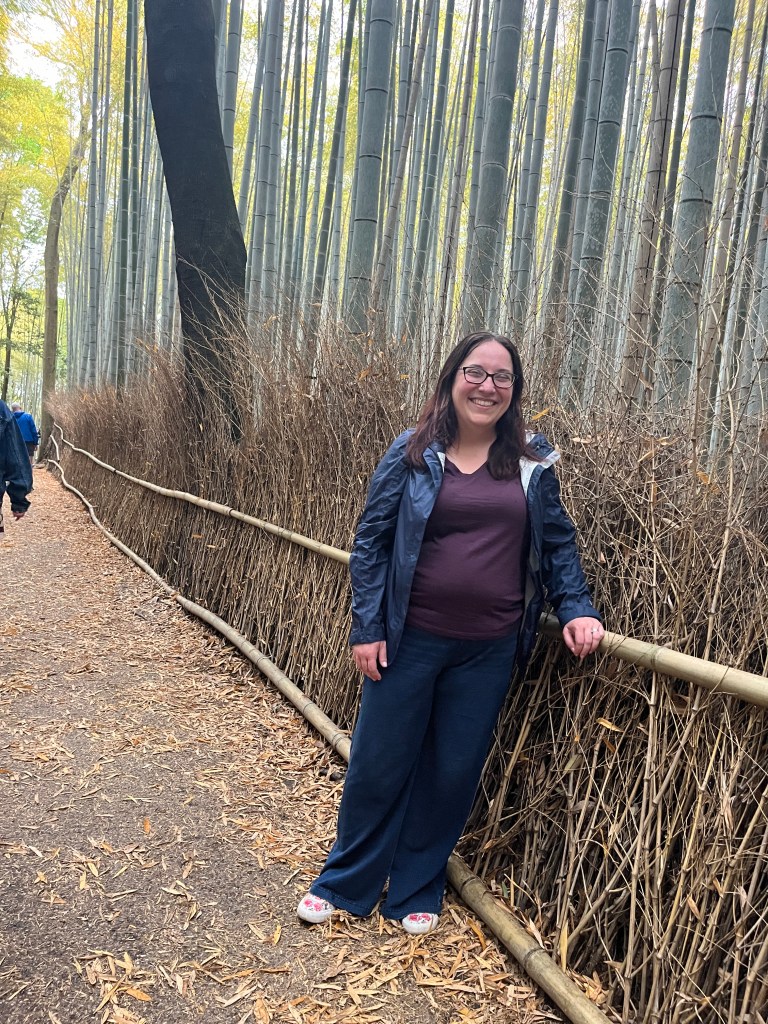
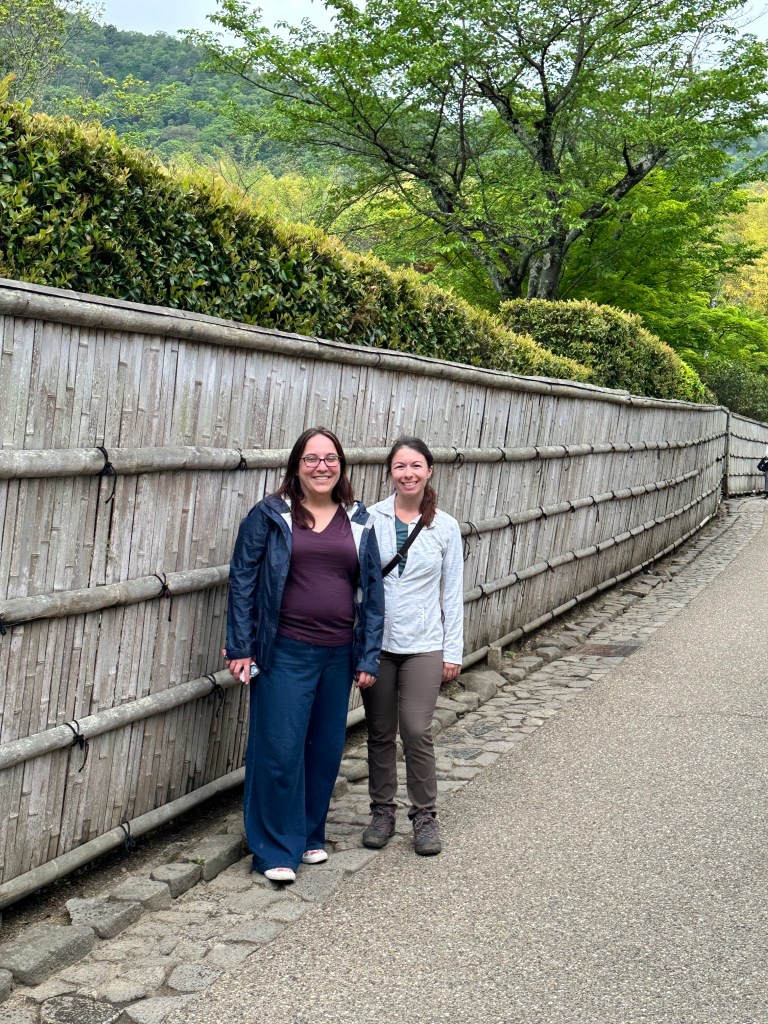
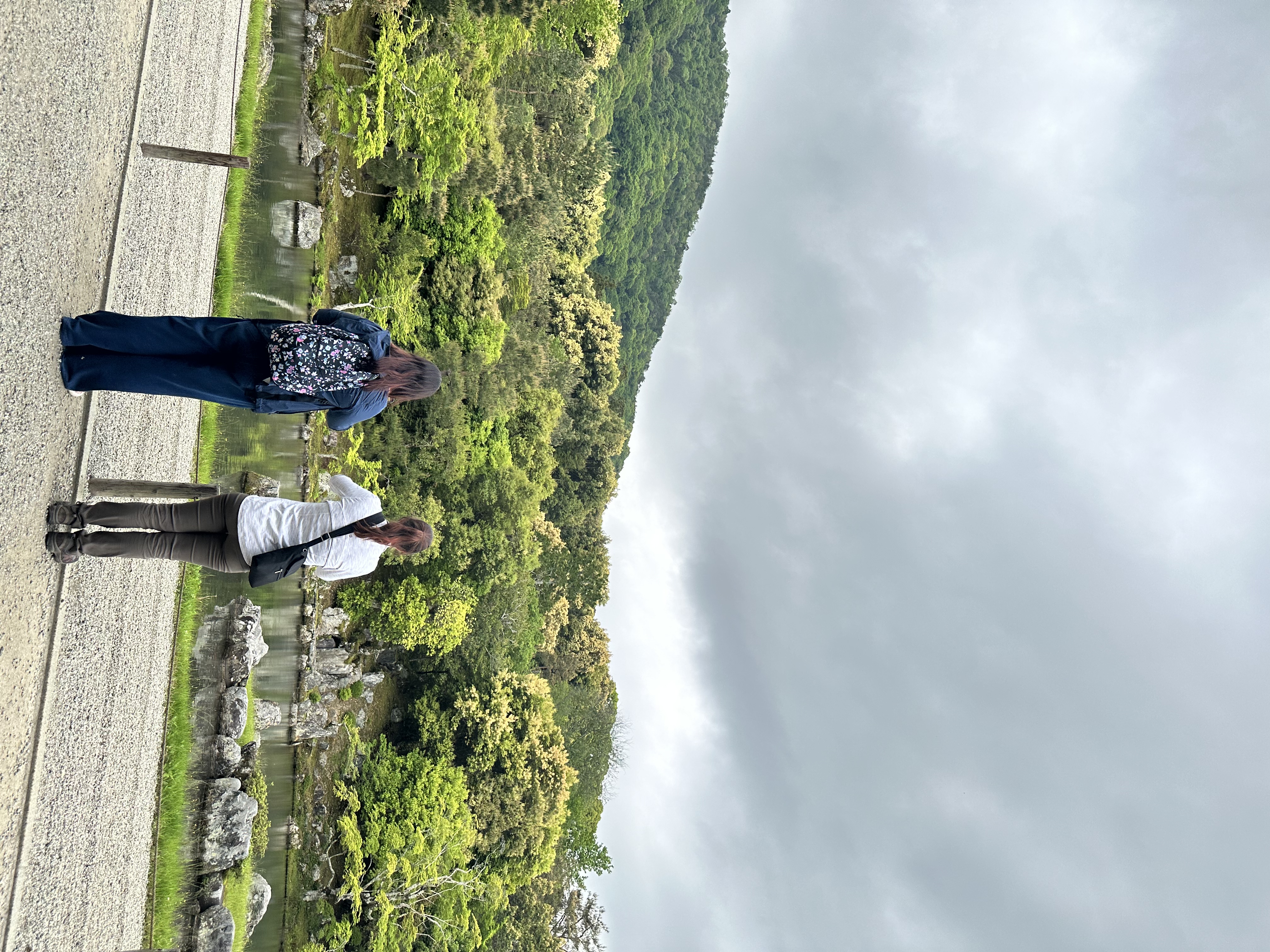
Arashiyama Bamboo Forest and Tenryu-ji Temple and Gardens. The man on the train was right about this place; it was crowded, but worth it. We took a little side quest into a garden that had a separate entrance but seemed to be part of the bamboo forrest experience. The garden was definitely designed to give little peaks of the forrest as if it were a backdrop.


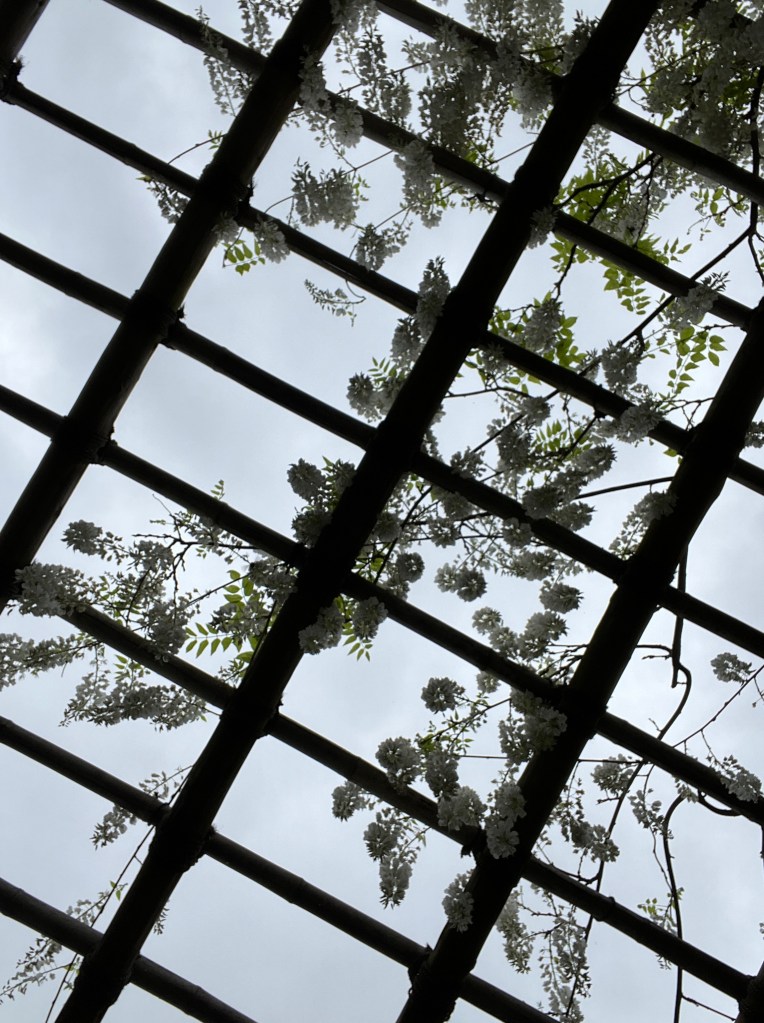


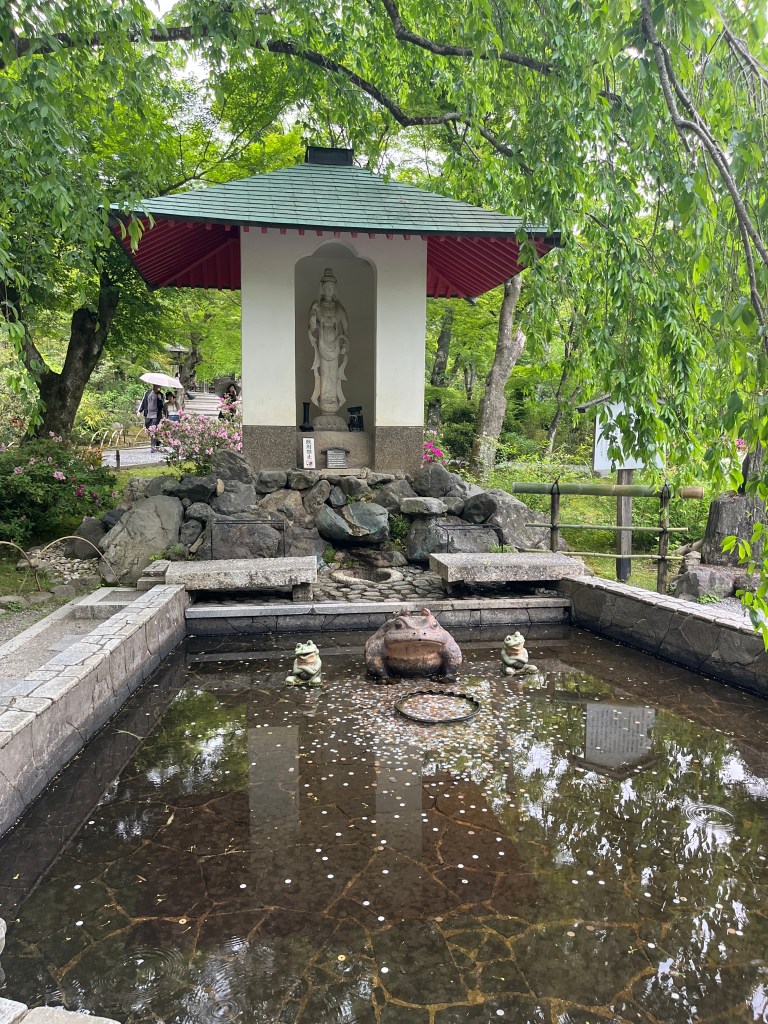
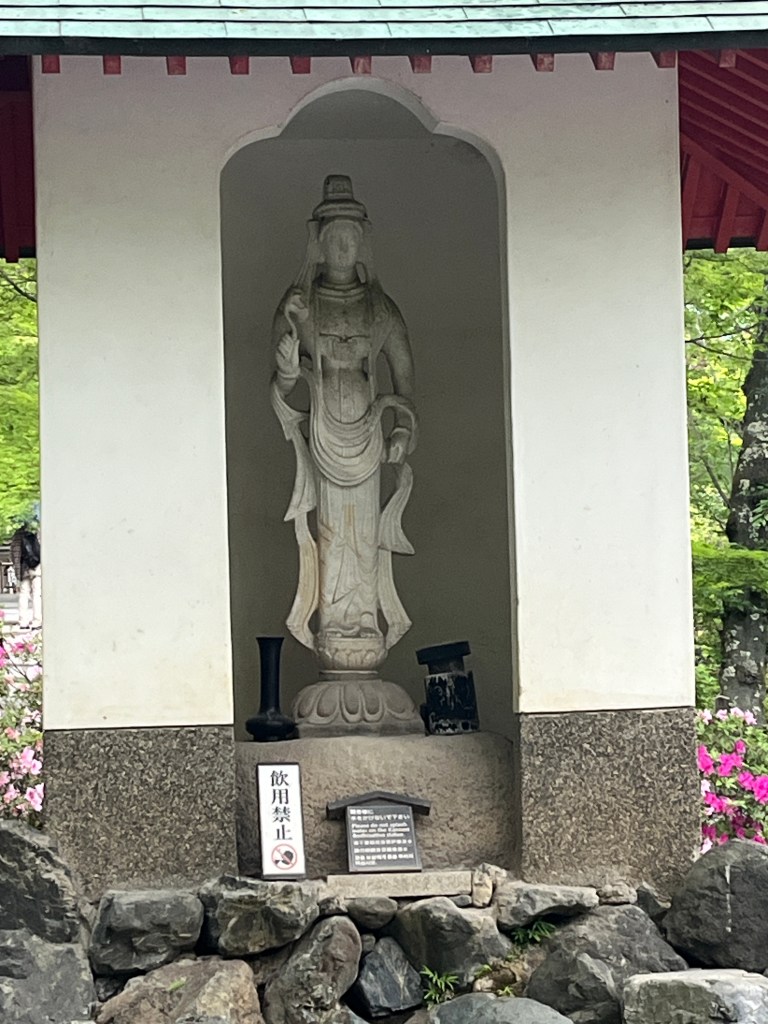
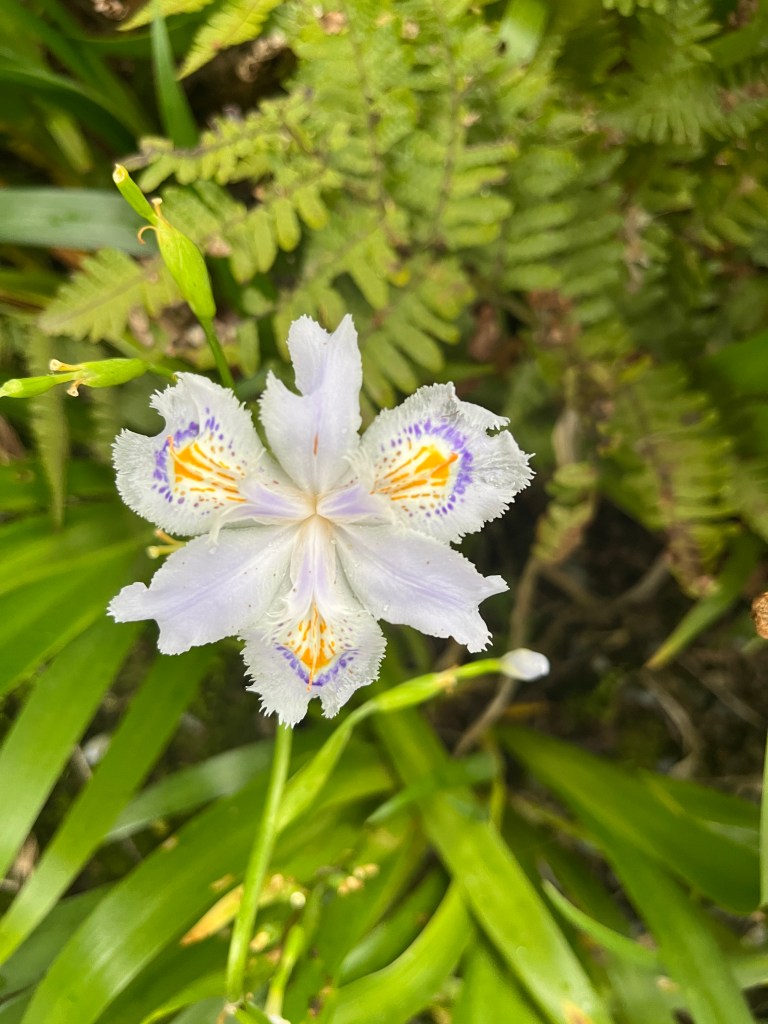

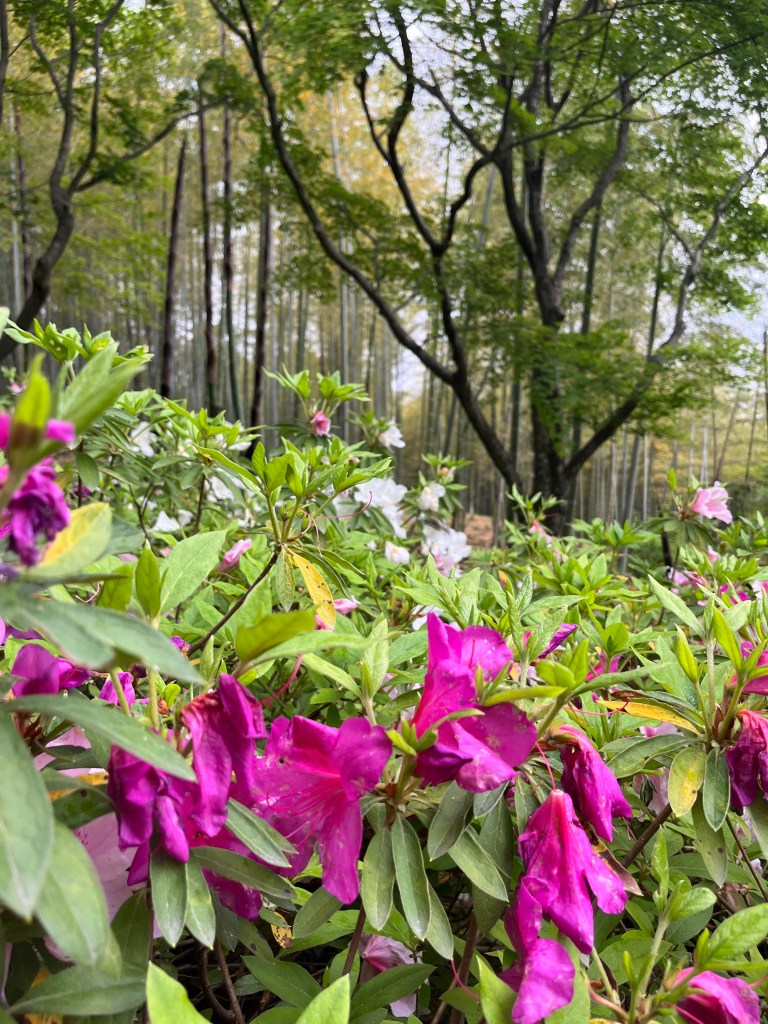
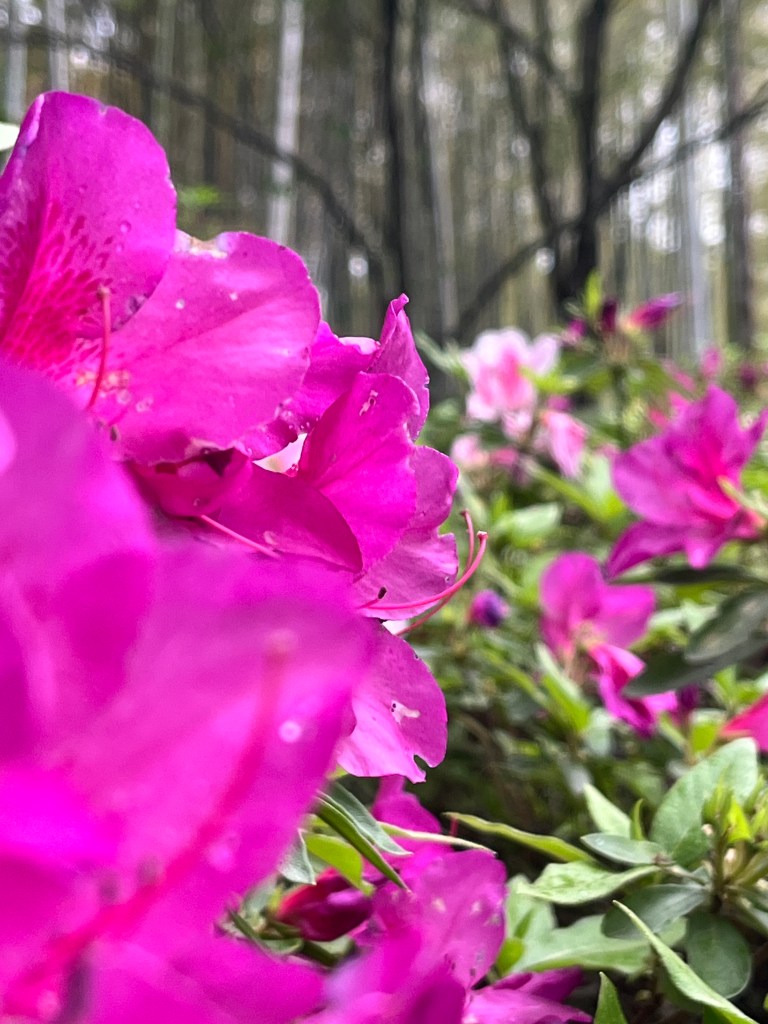
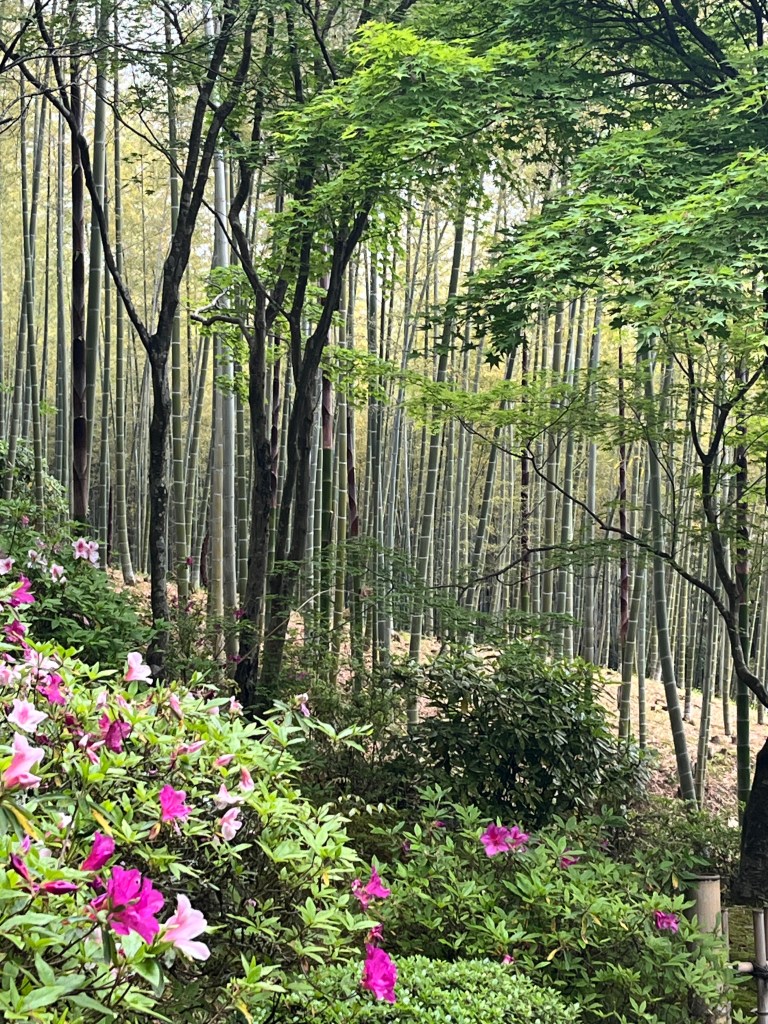
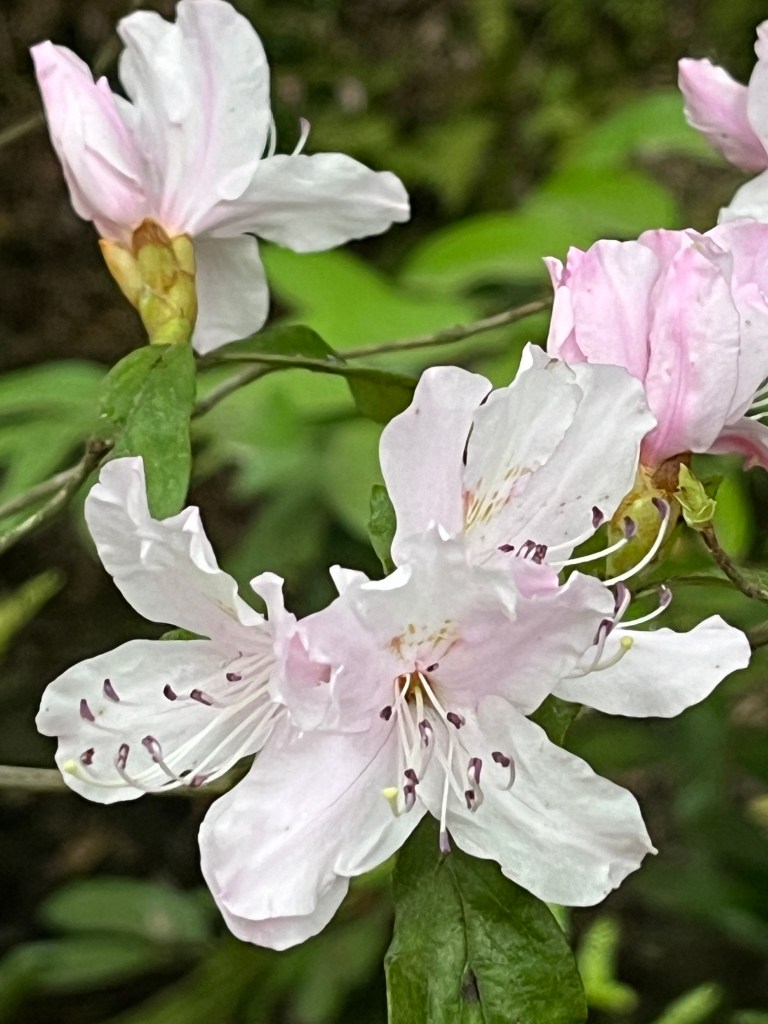

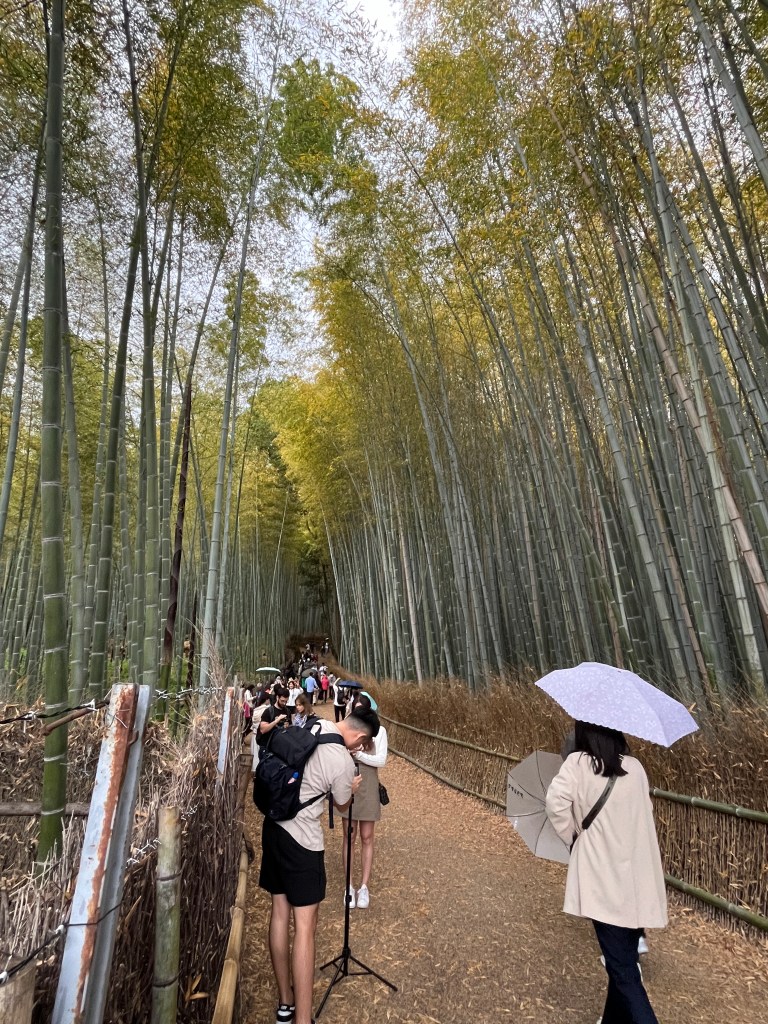
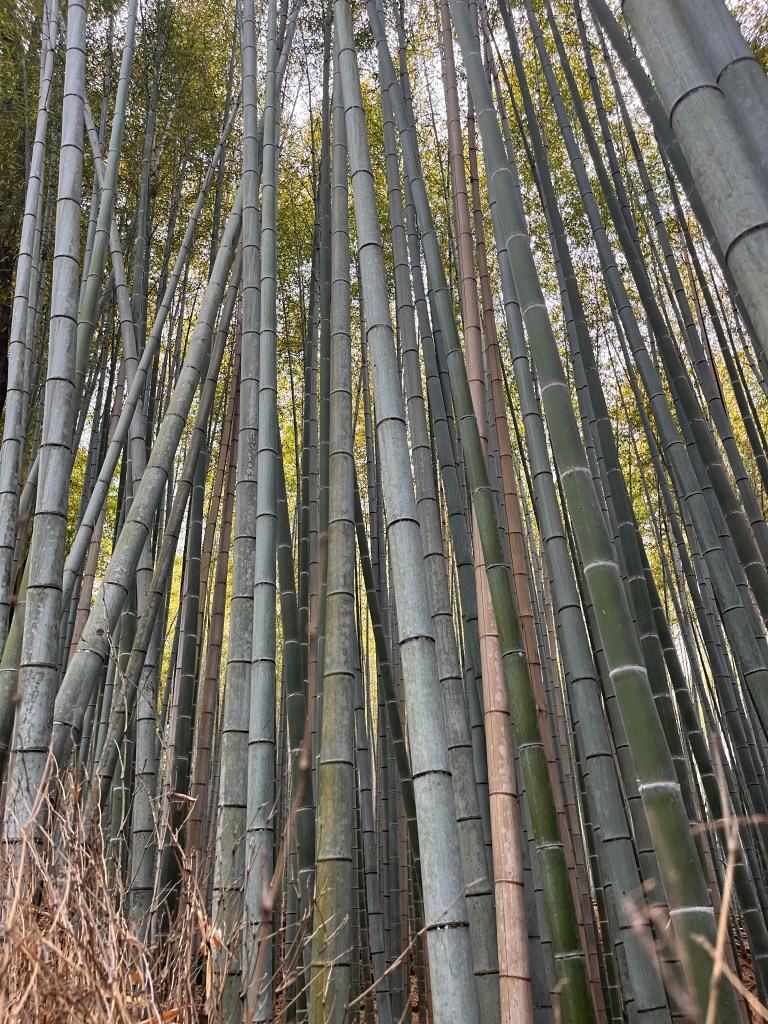
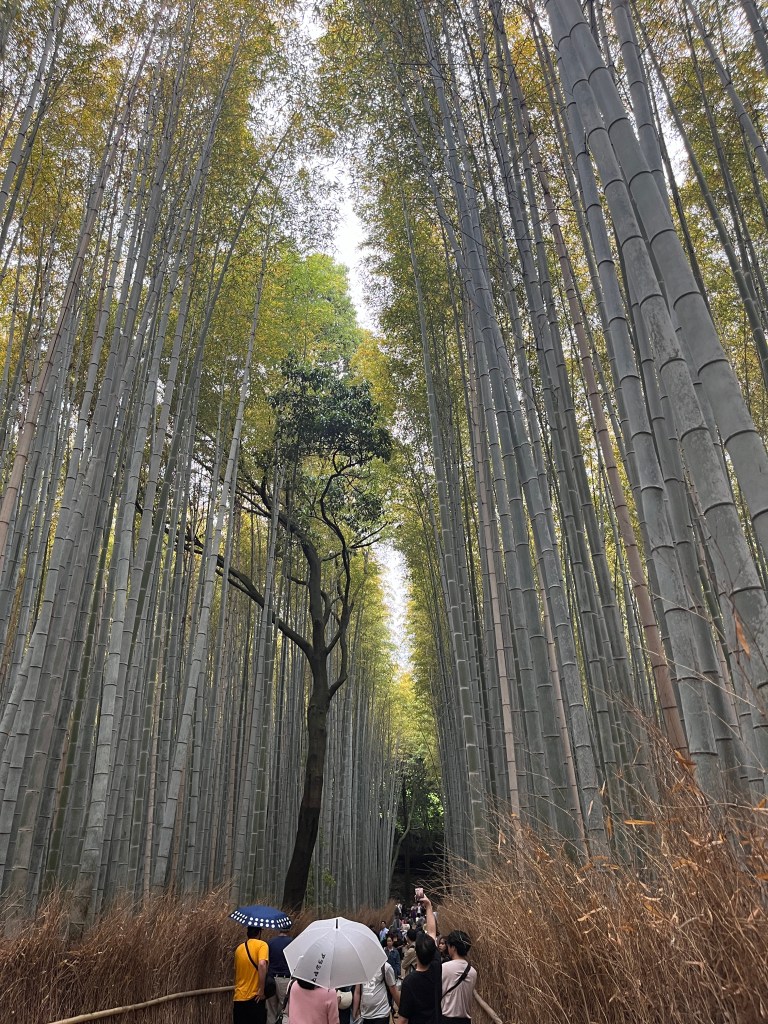


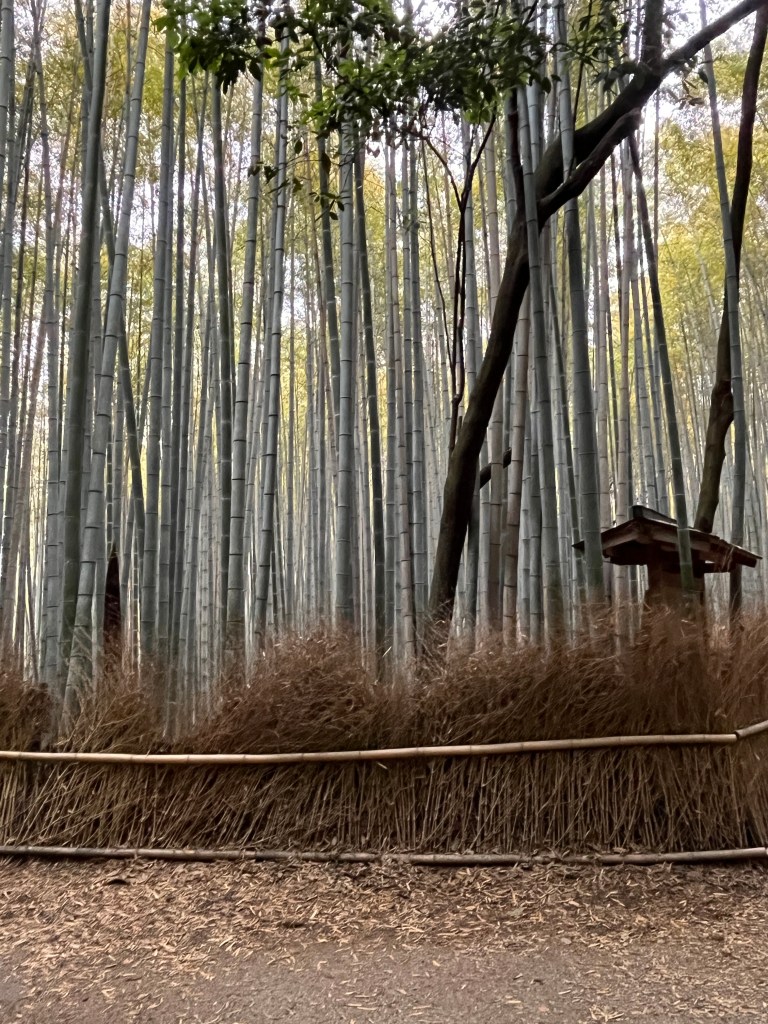
Onsen at the hotel felt like a religious spa experience tonight. I chose three soaking tubs followed by a cool shower. Having experienced it the night before I was less nervous and able to relax more fully. I used the fancy hotel spa hair dryer that looked like it was from the future to blow dry my hair. I found the popsicle place! Japanese women often eat ice cream or popsicles or some sort of treat after a hot soak. And a massage chair was available, so I hopped in and found it to be as luxurious as my fellow pilgrims described. Taking care of my body as a pilgrimage practice has been challenging and rewarding. In the Onsen, we are all there in our bare selves looking for healing and finding acceptance.
April 30th:
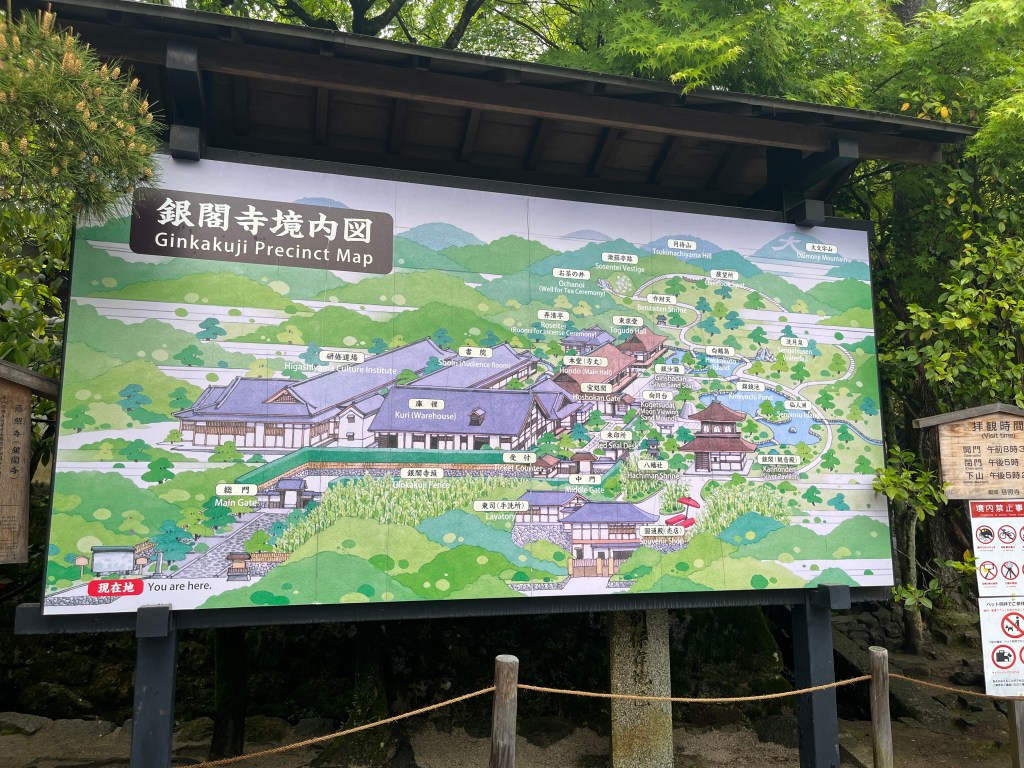
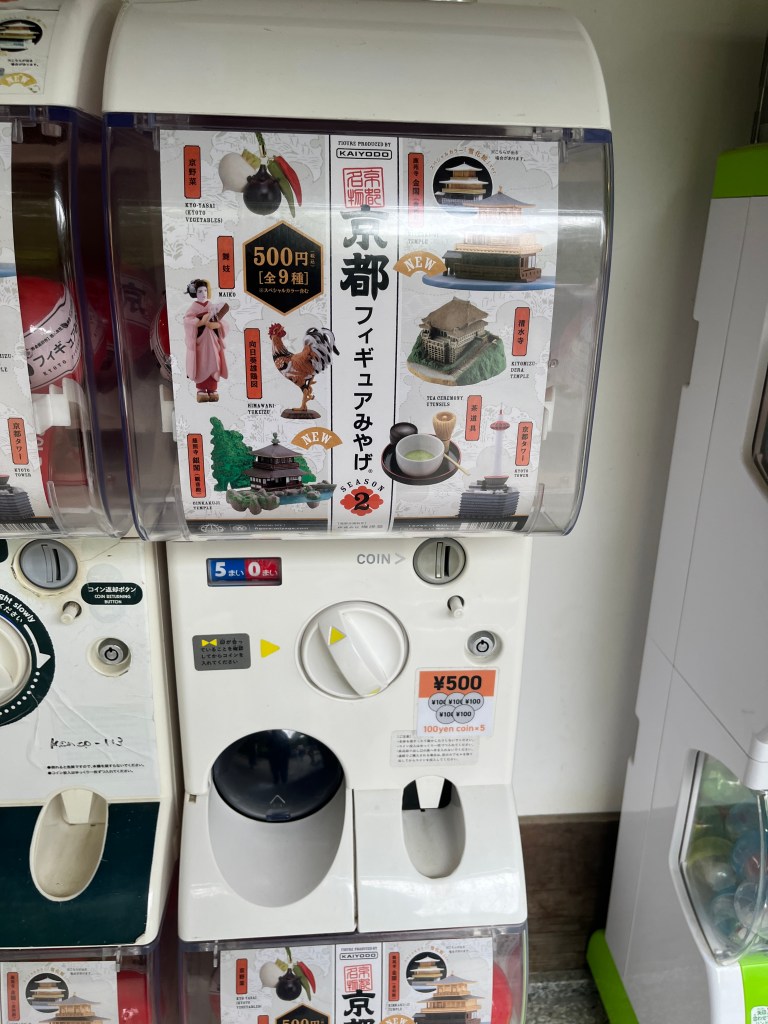
Silver Pavilion does not appear silver until later in the day but this was still a special place to visit. I need to do a little more research but I believe it appears silver in the moonlight or at twilight which is the hour of the rooster (in the system Japan used before the Jesuit missionaries brought a western clock). The rooster is my zodiac symbol, so I was on the look out for a rooster souvenir today.


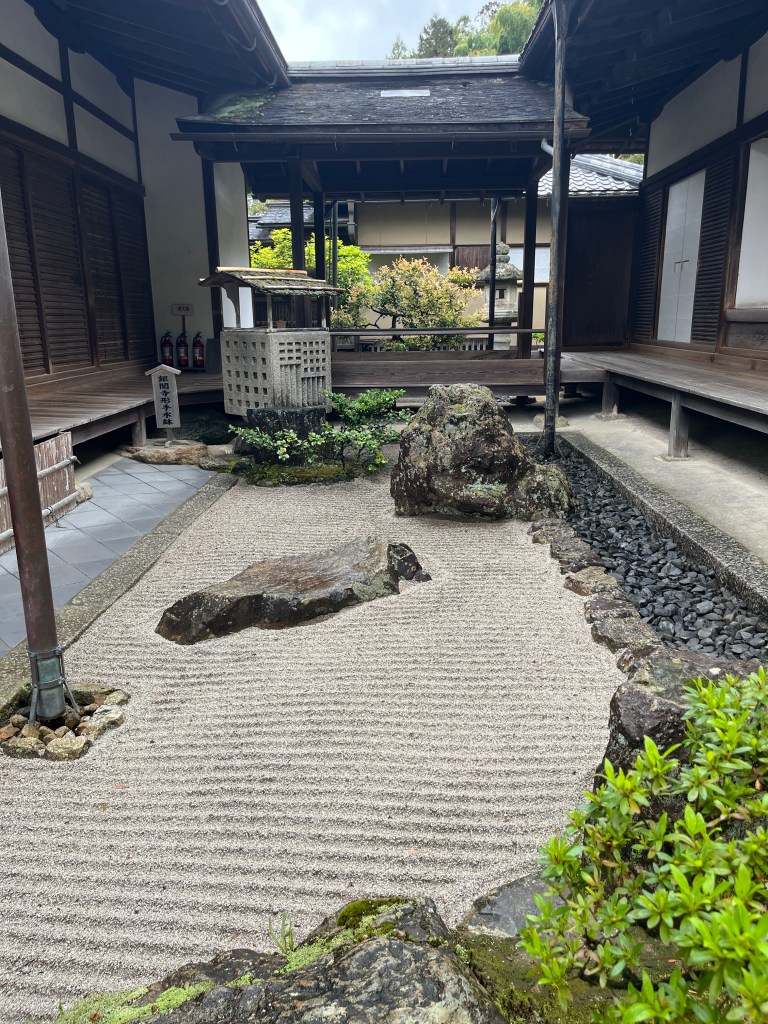

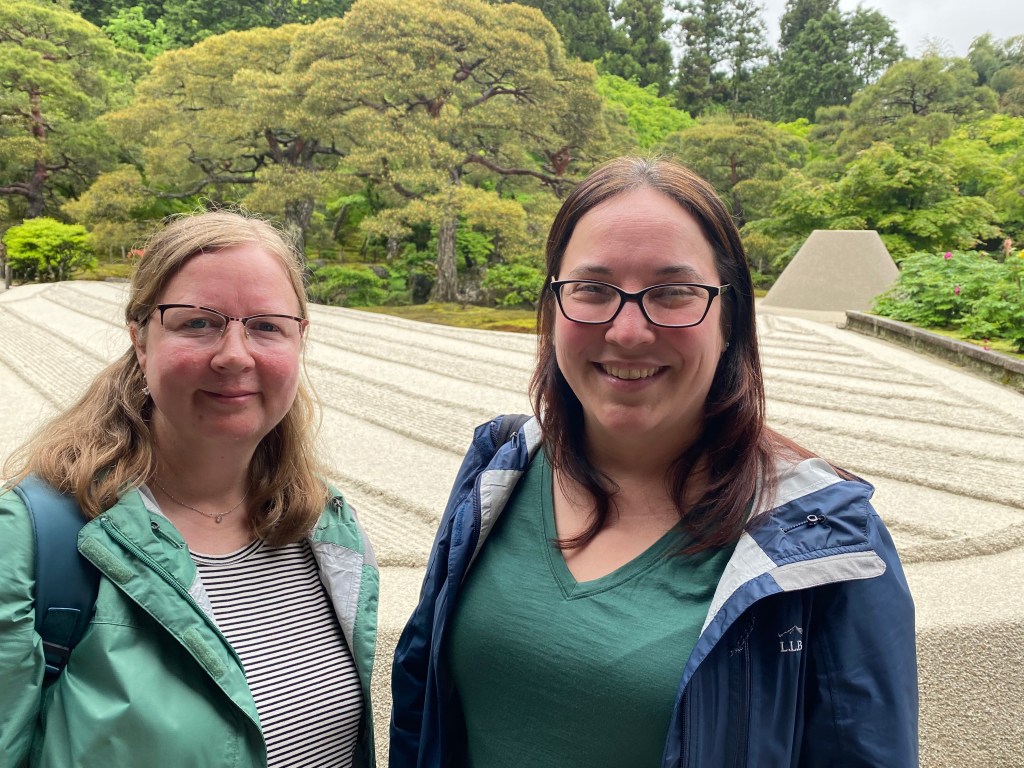
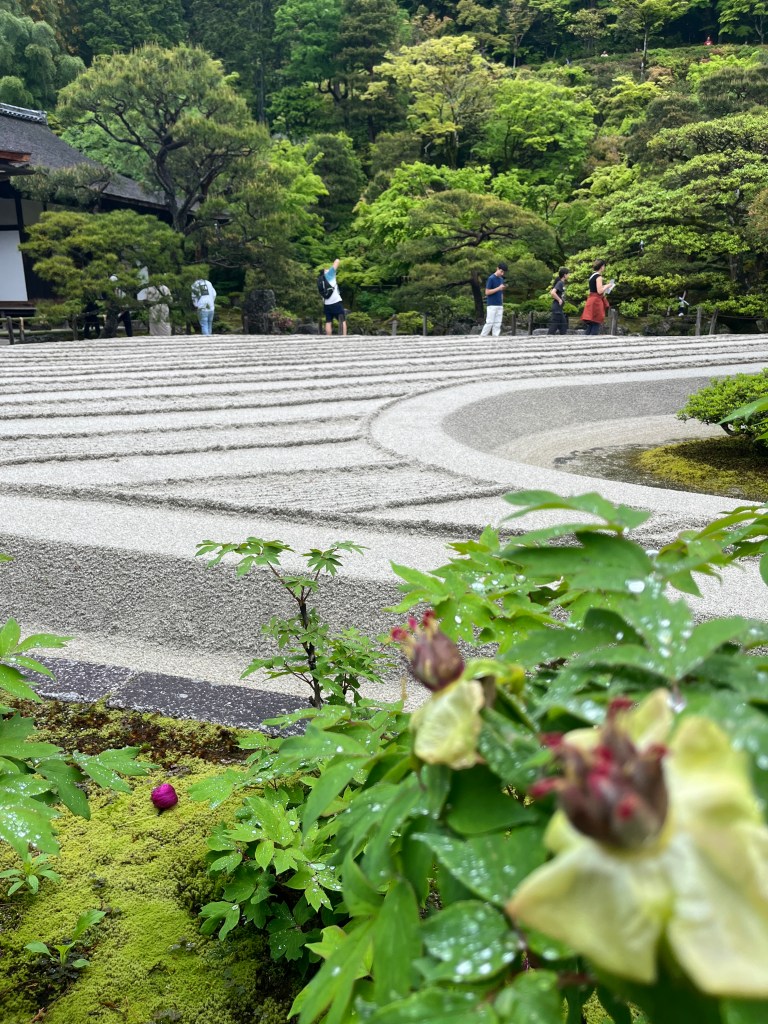


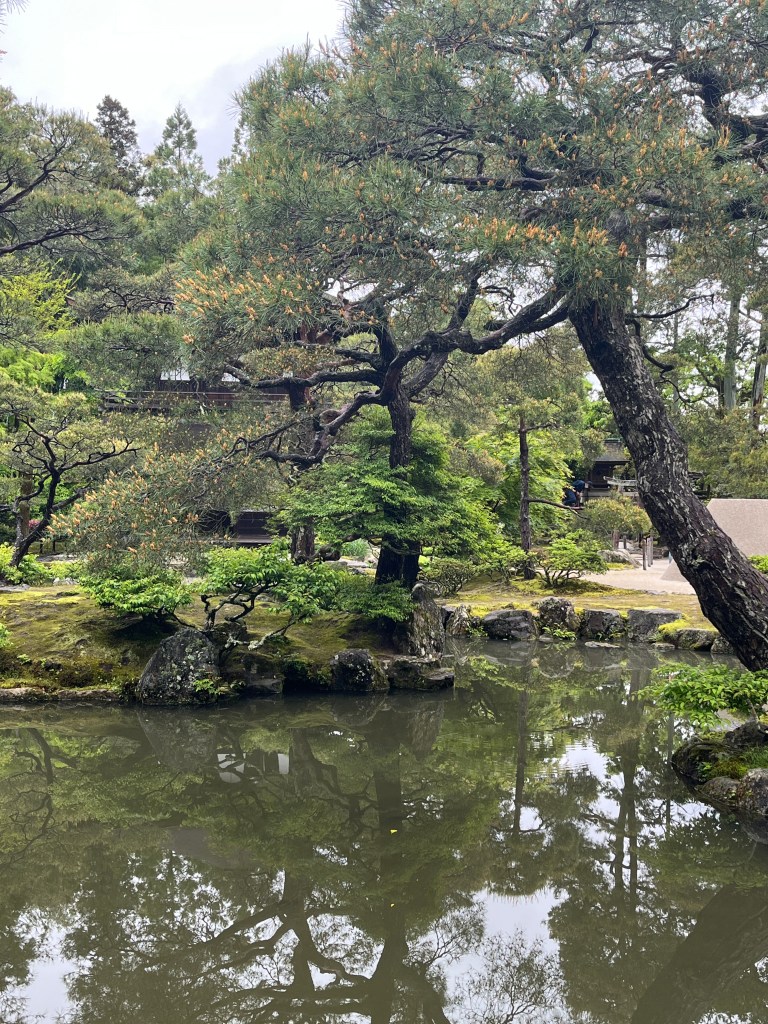
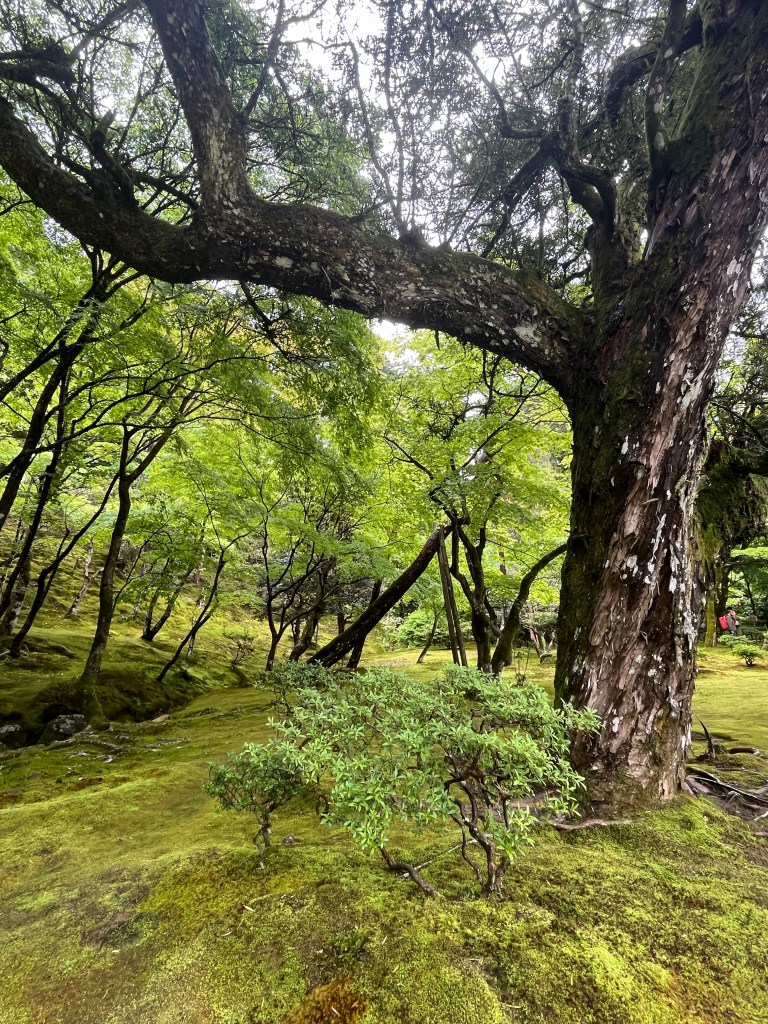
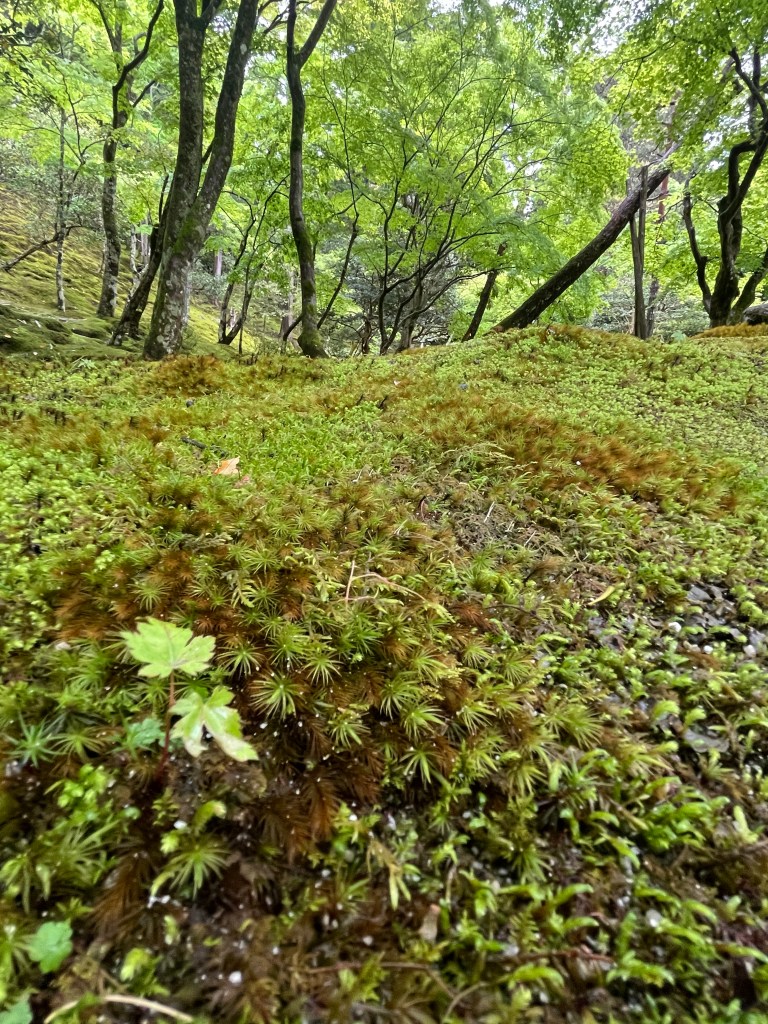

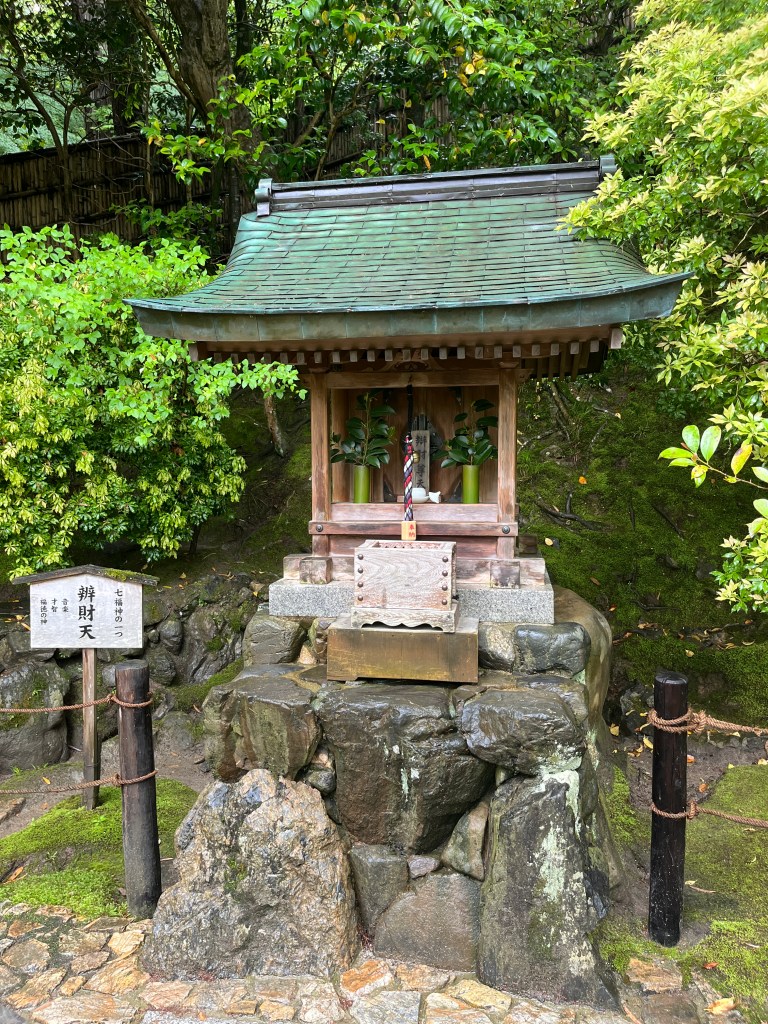
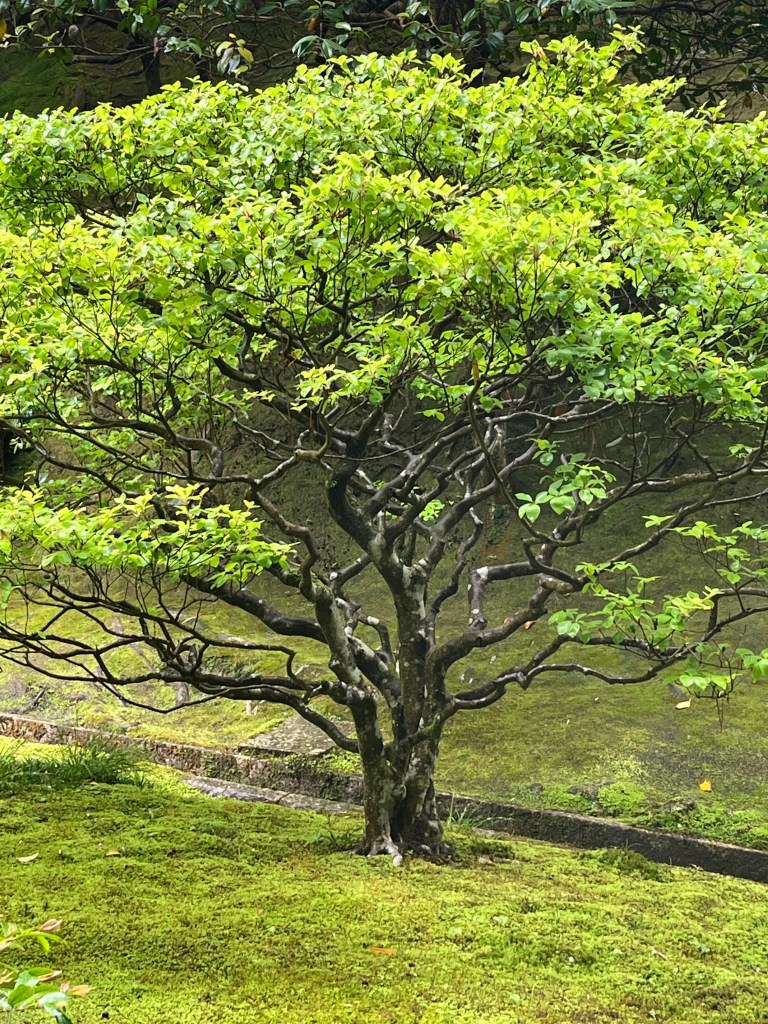
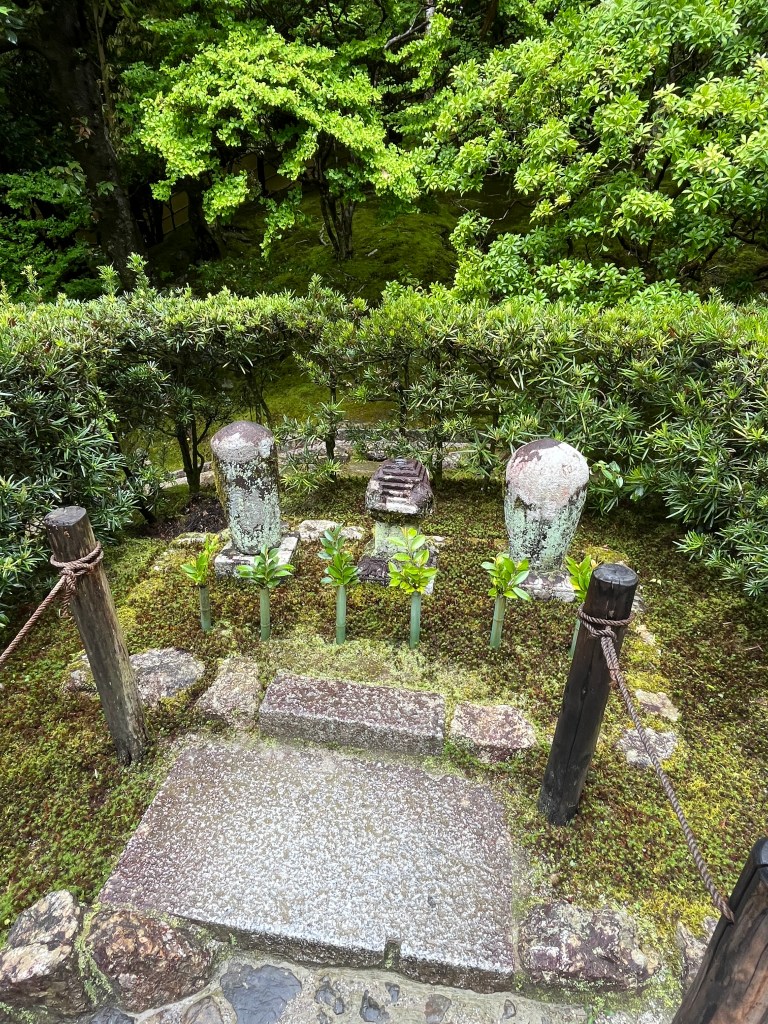

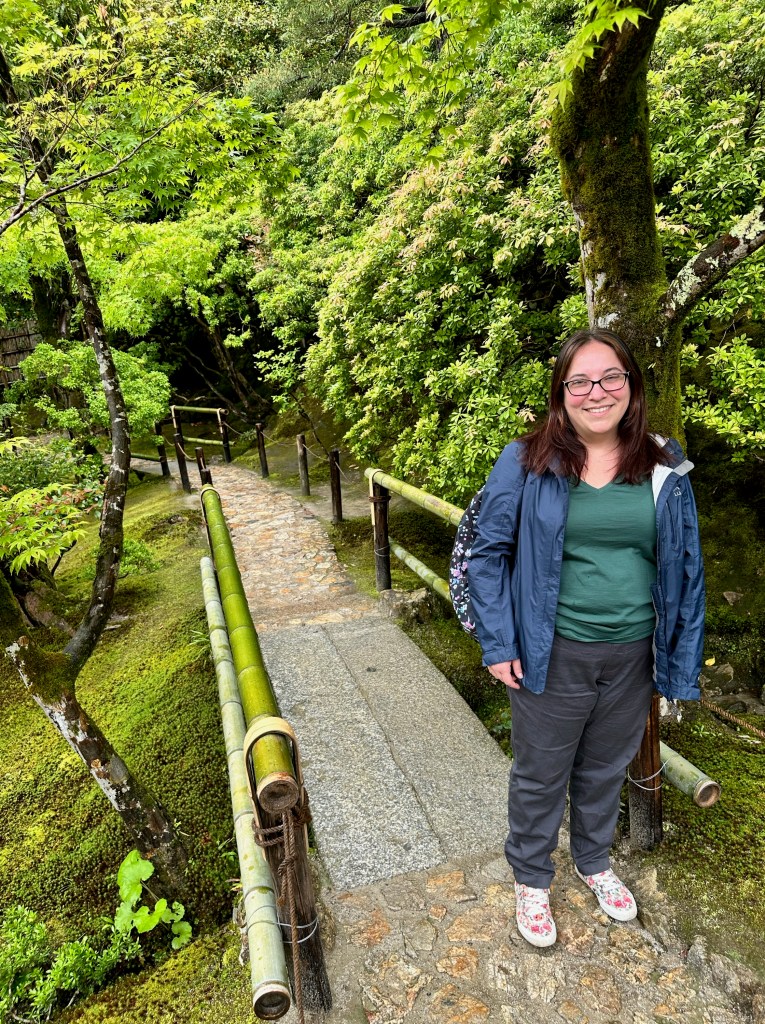
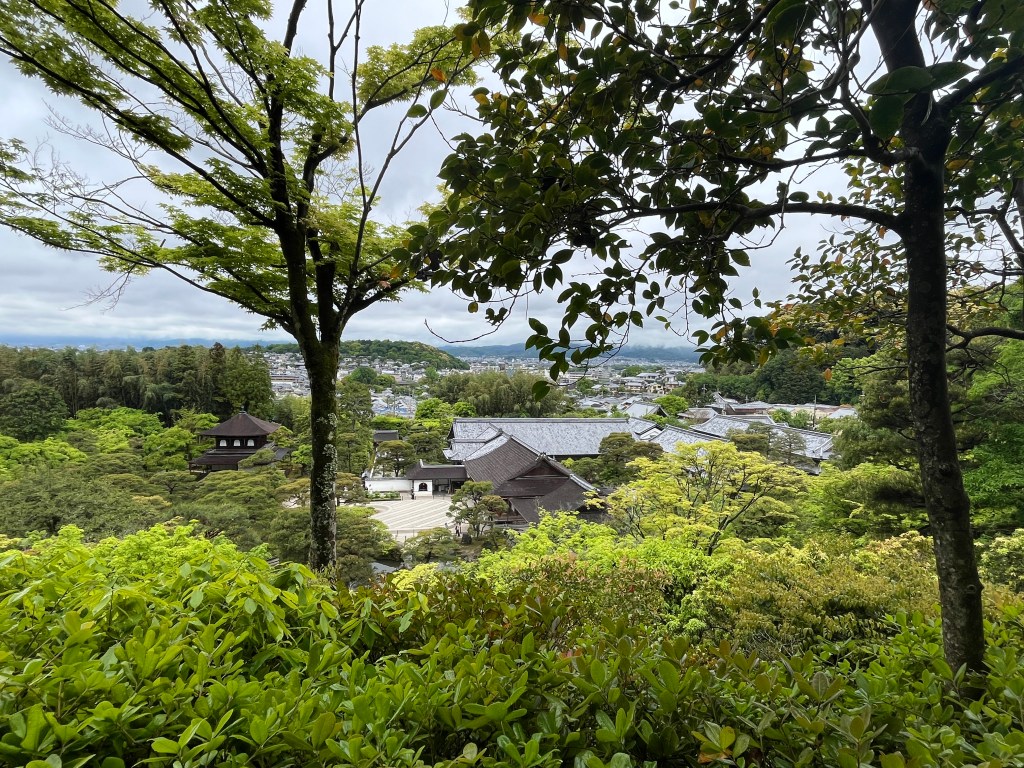
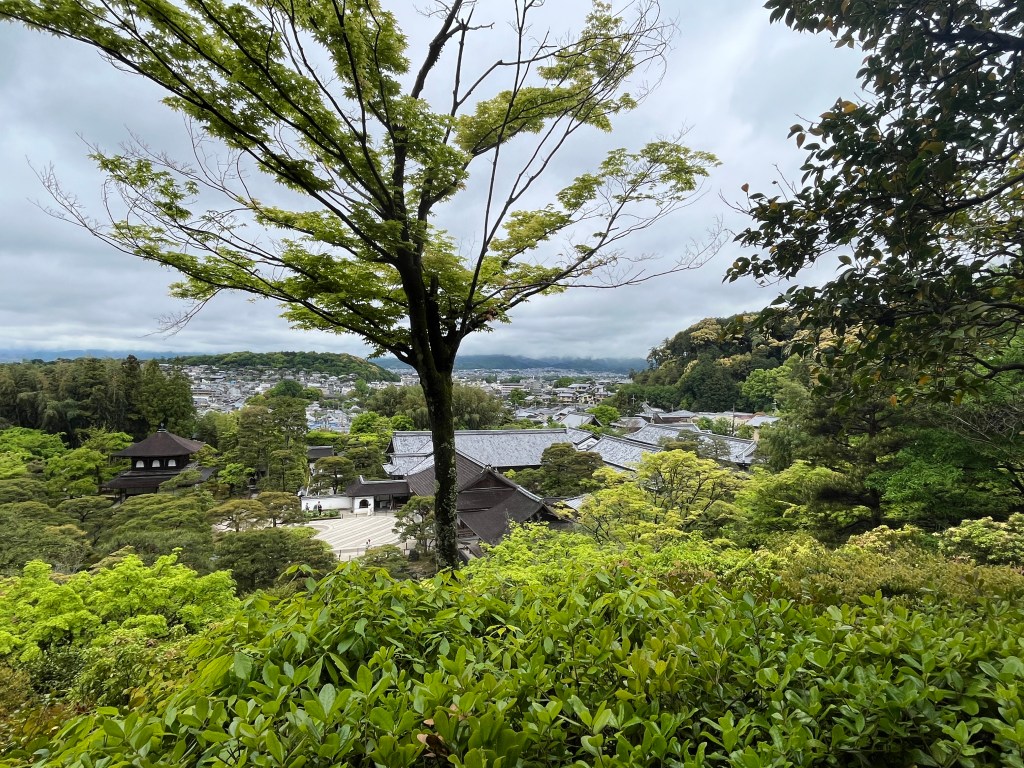

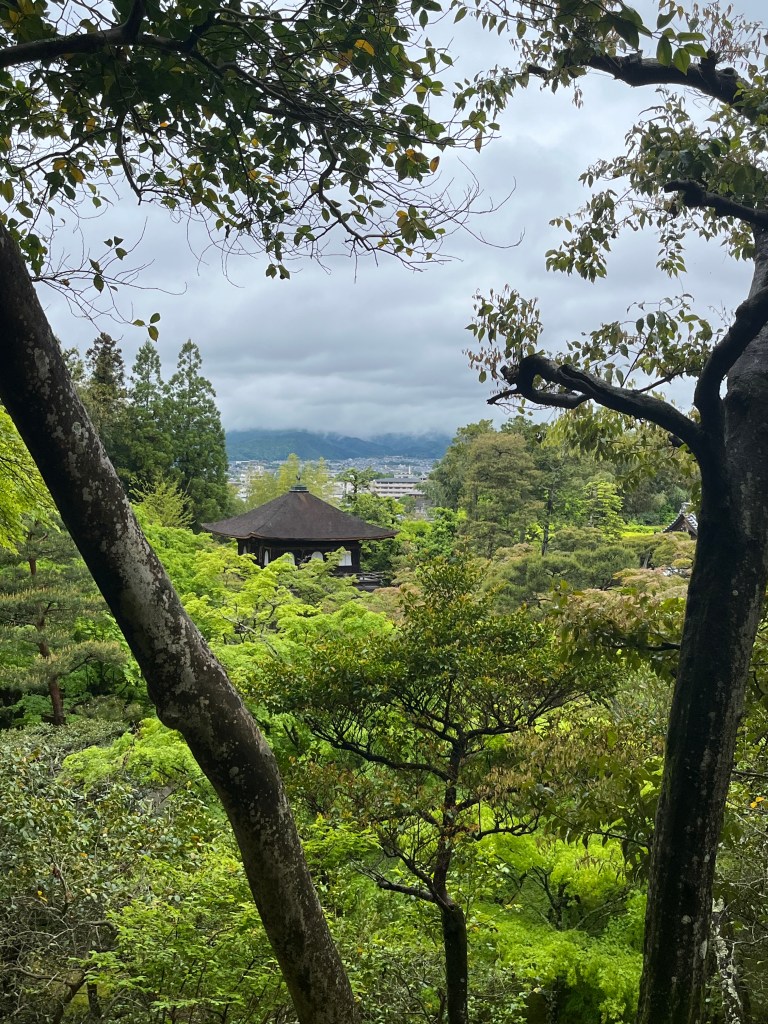


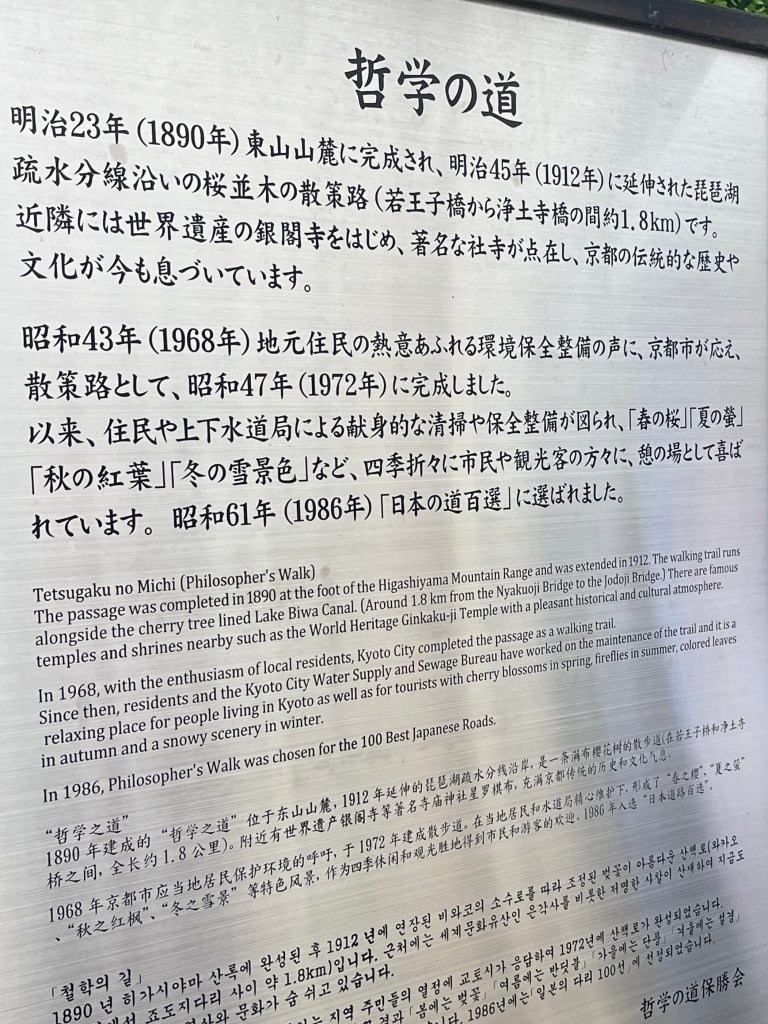
Philosopher’s Path came highly recommended by my friend from the bullet train so I’m glad we had the opportunity to walk it. The path was named for “Nishida Kitaro, one of Japan’s most famous philosophers, who was said to practice meditation while walking this route on his daily commute to Kyoto University.” (Japan Guide) As a pilgrim, I look for experiences that heighten my awareness of God’s presence and enhance my contemplative prayer practices, like walking meditation. Walking meditations are mindfulness practices that will help build a contemplative life. The goal is that every step, every day is done with reverence. All ground is holy ground, what is lacking is our awareness of the sacred in daily life. Psalm 26

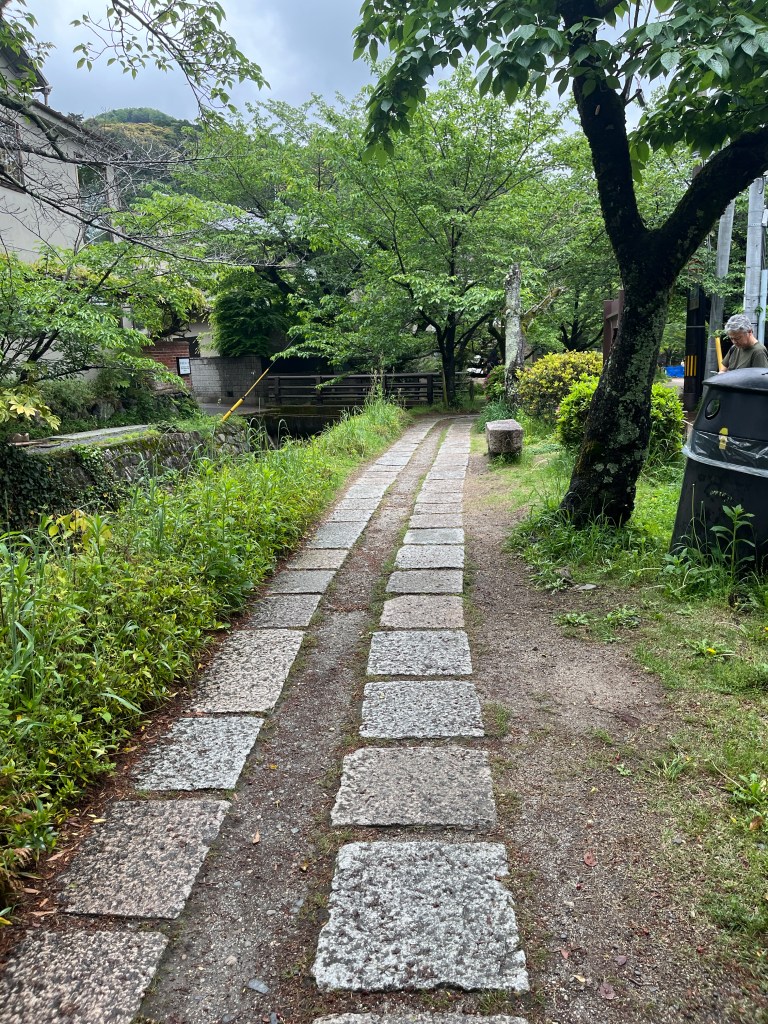
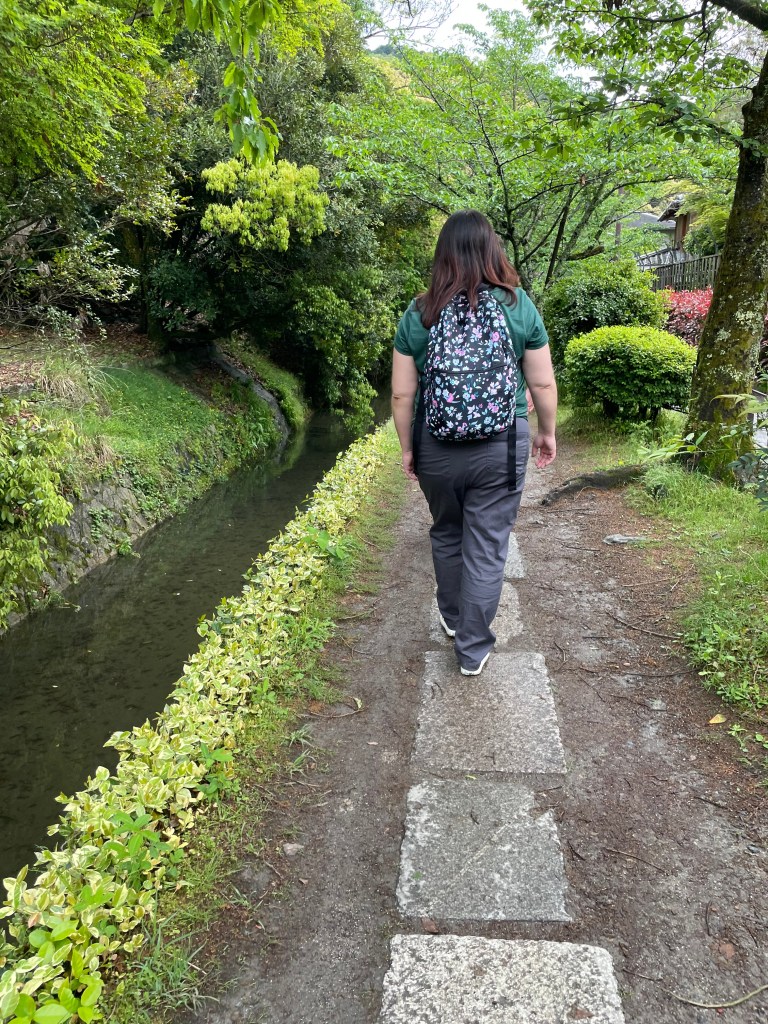



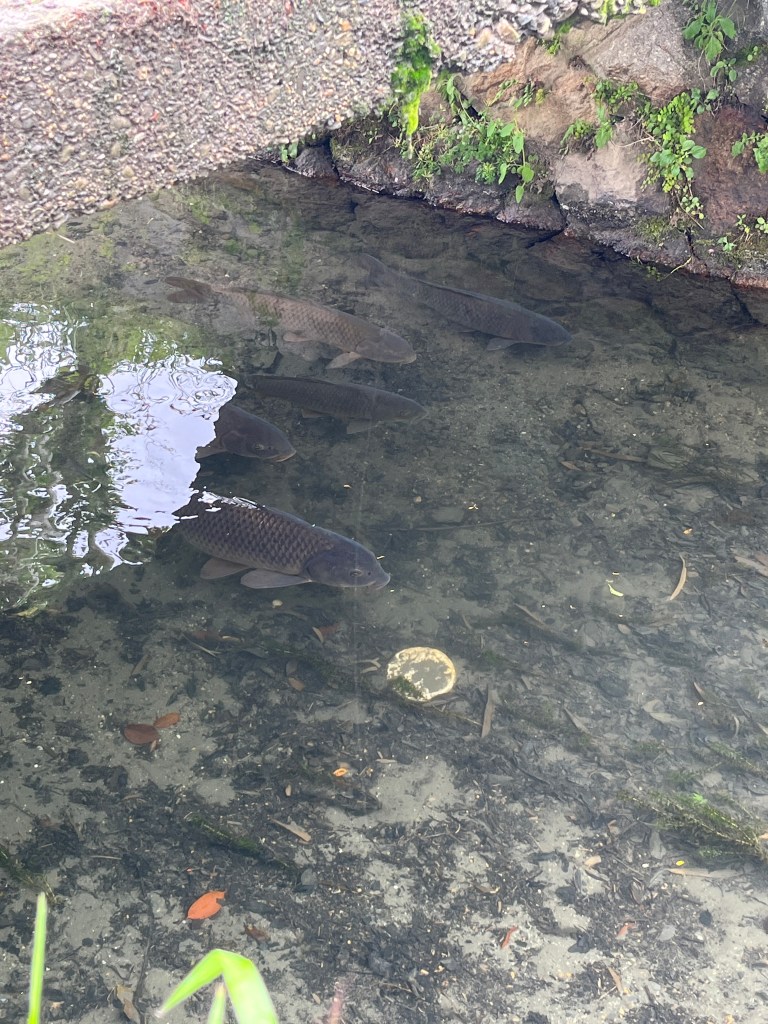
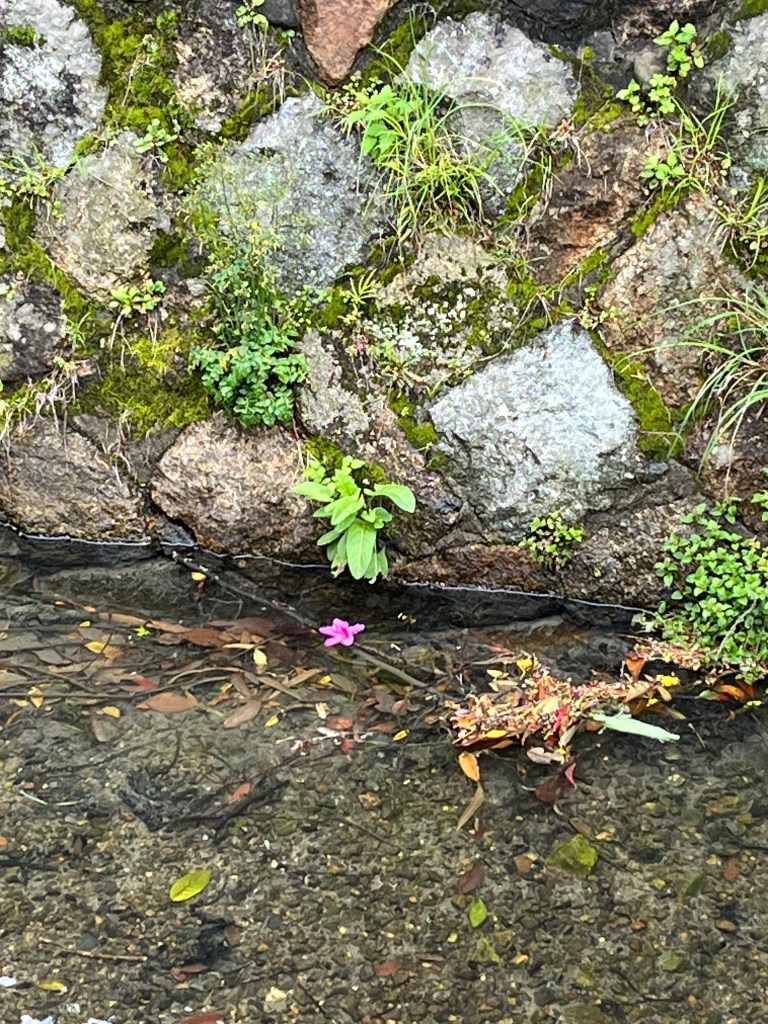
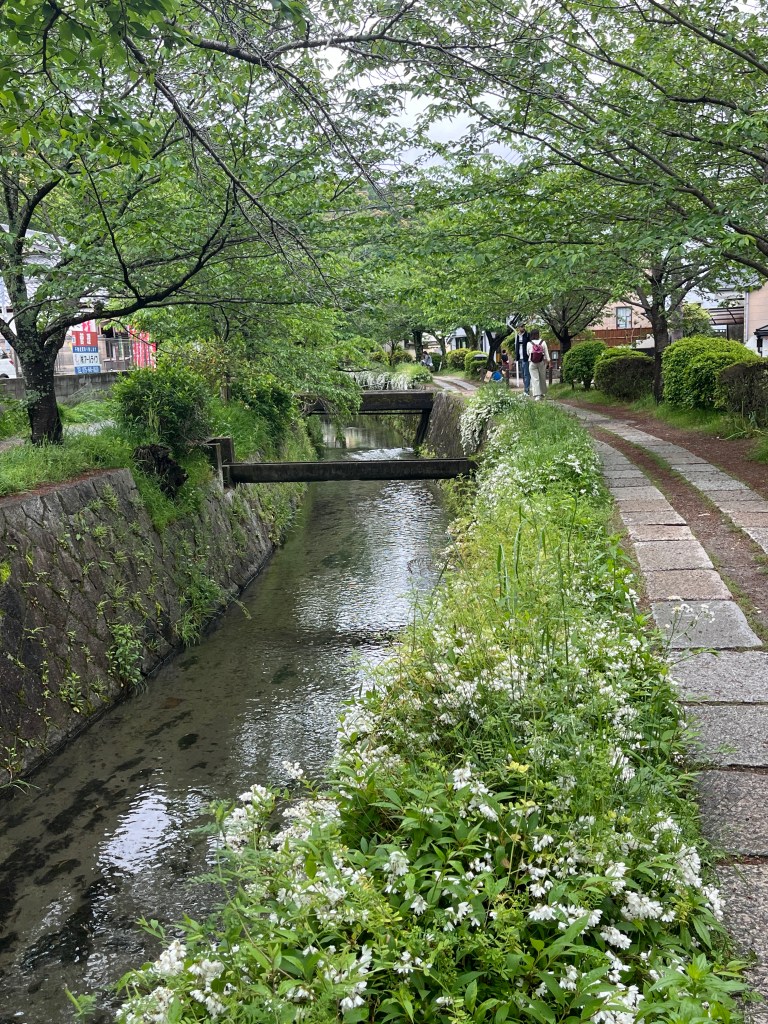
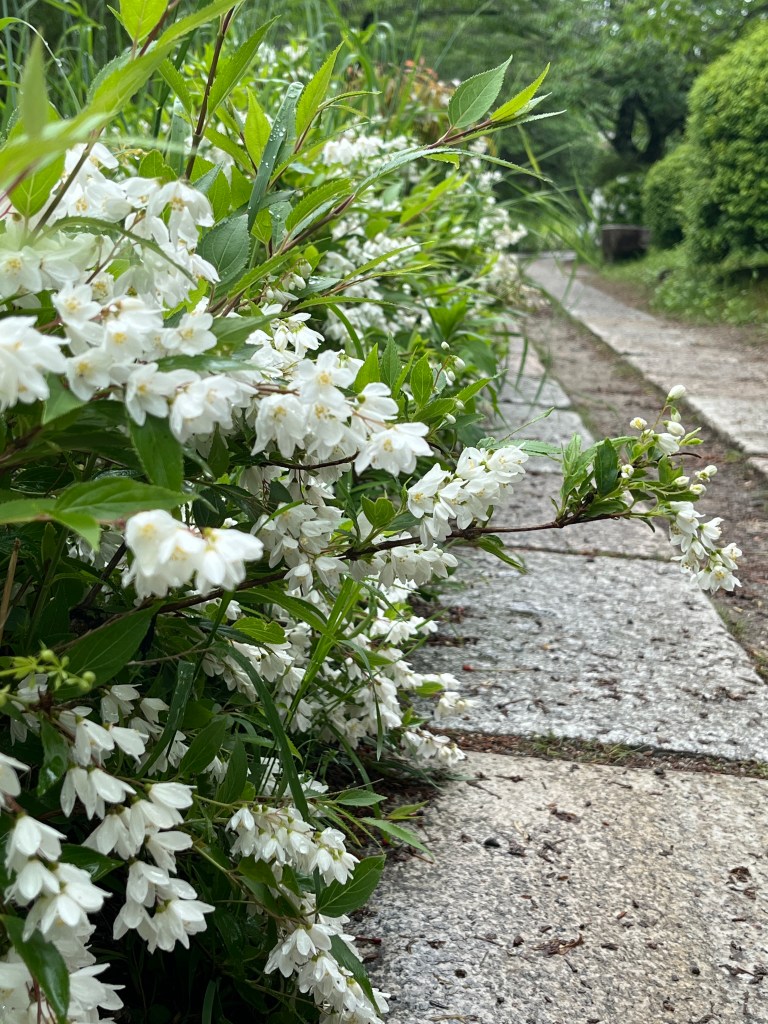
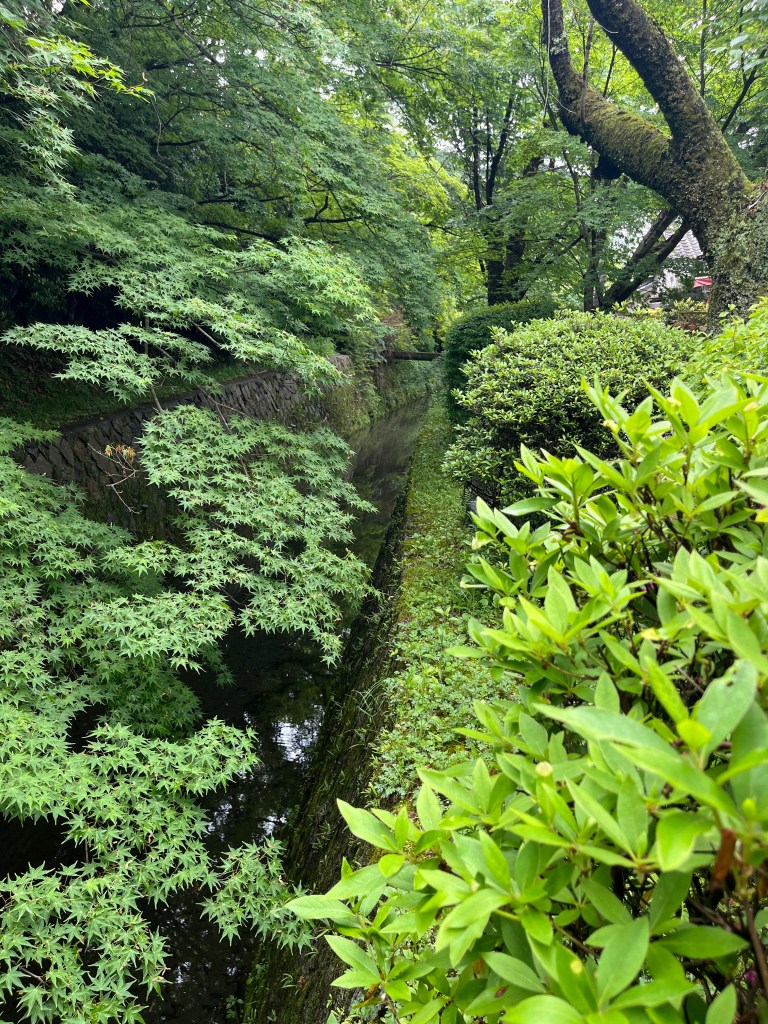
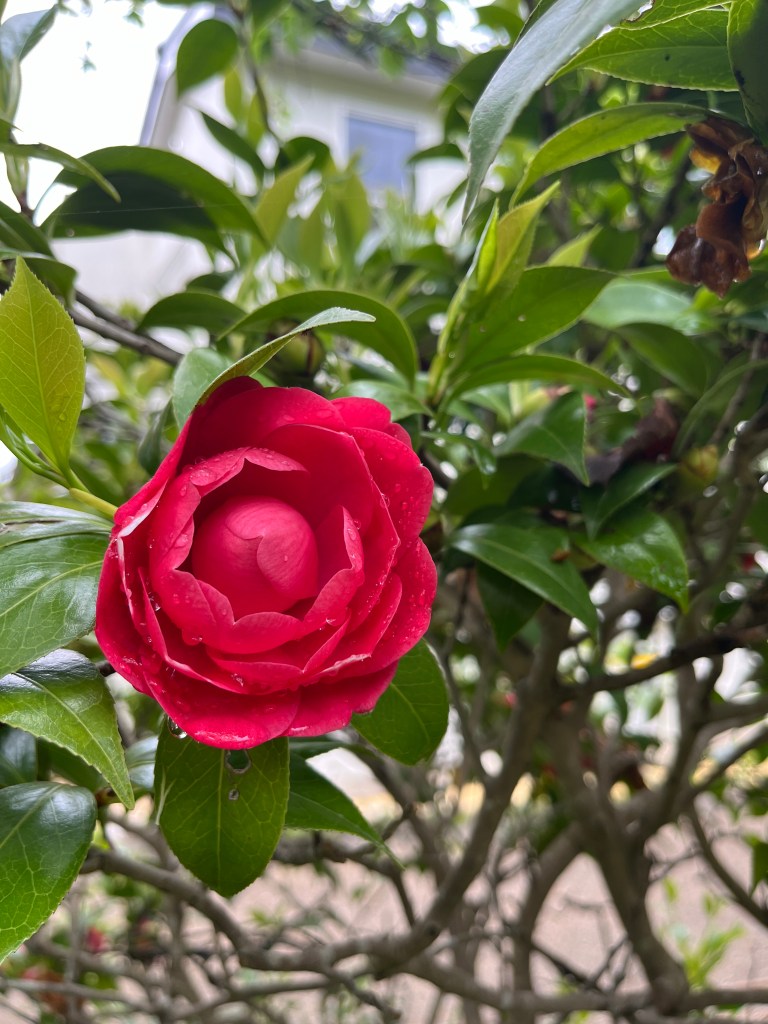
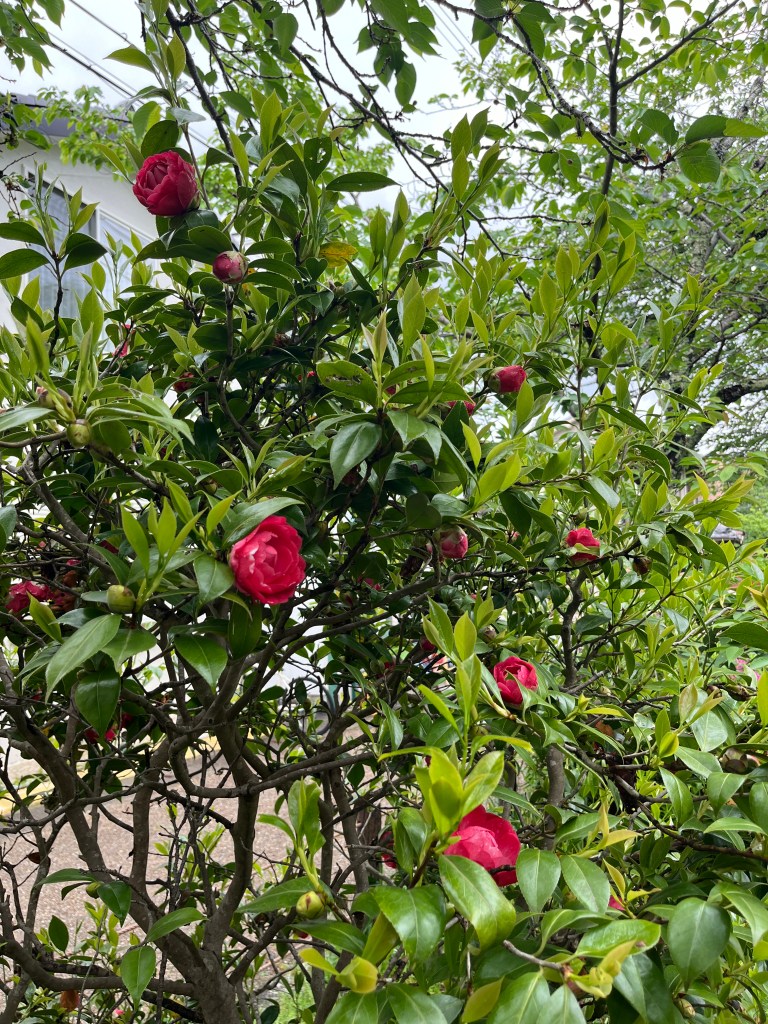

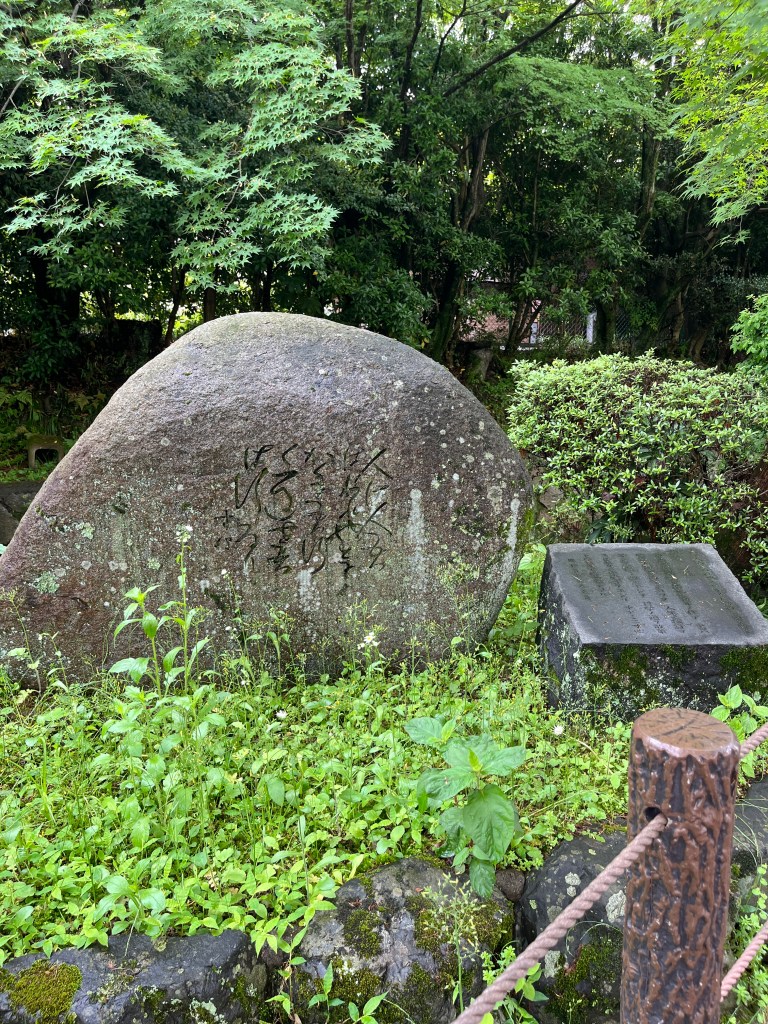
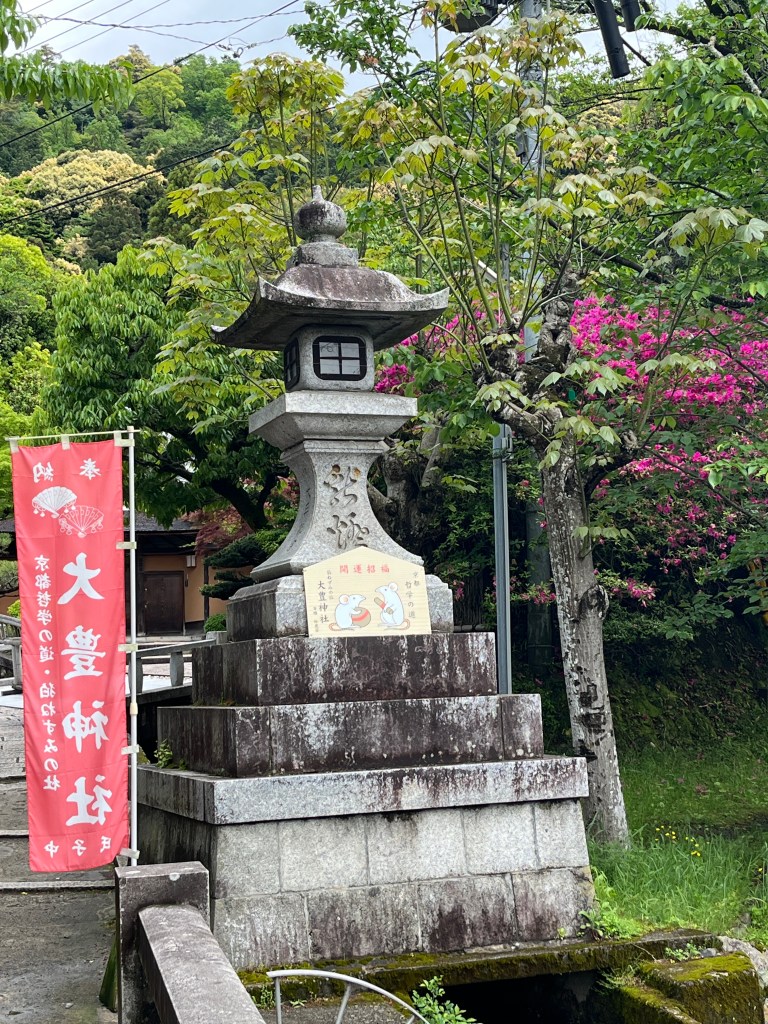
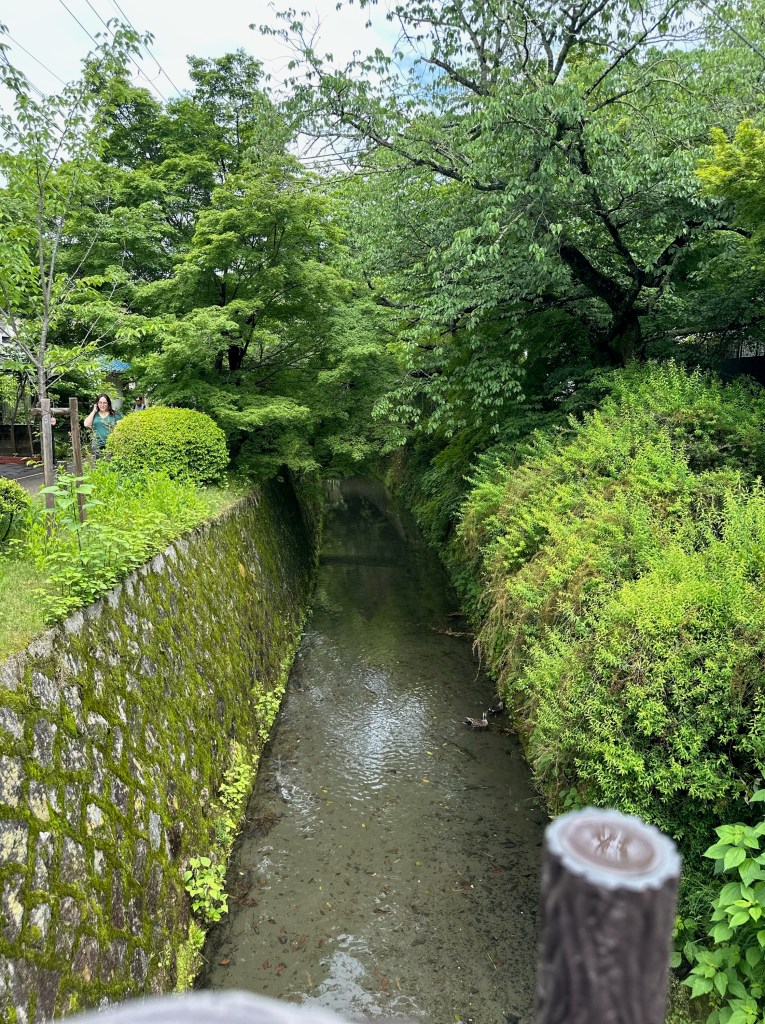
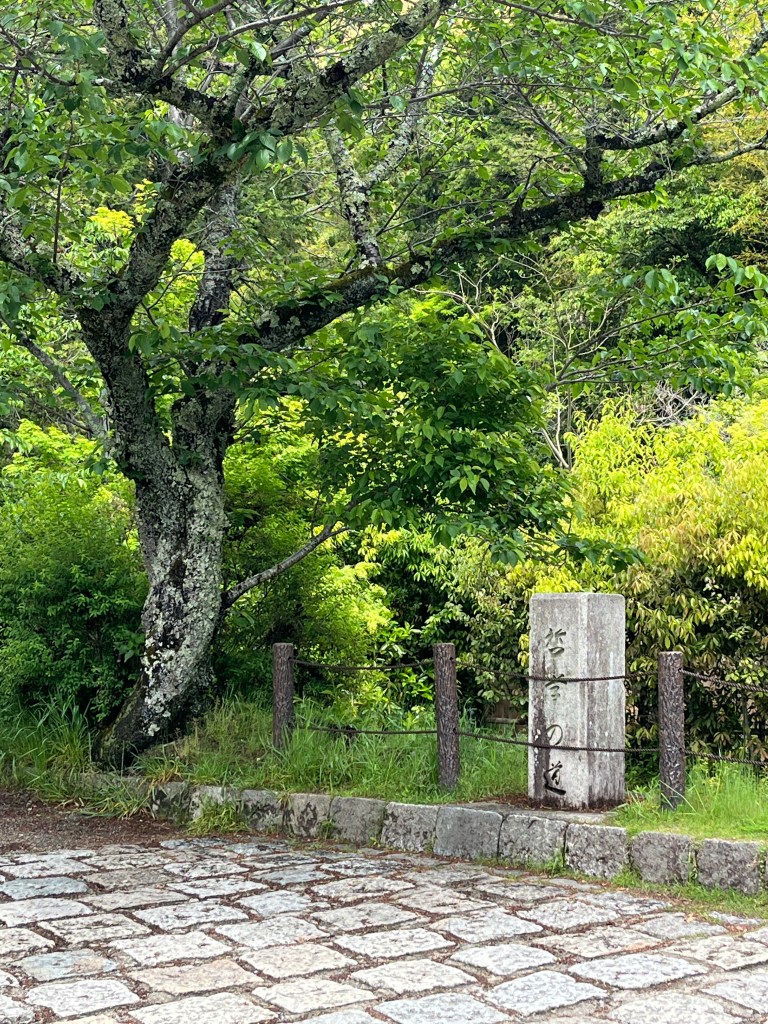
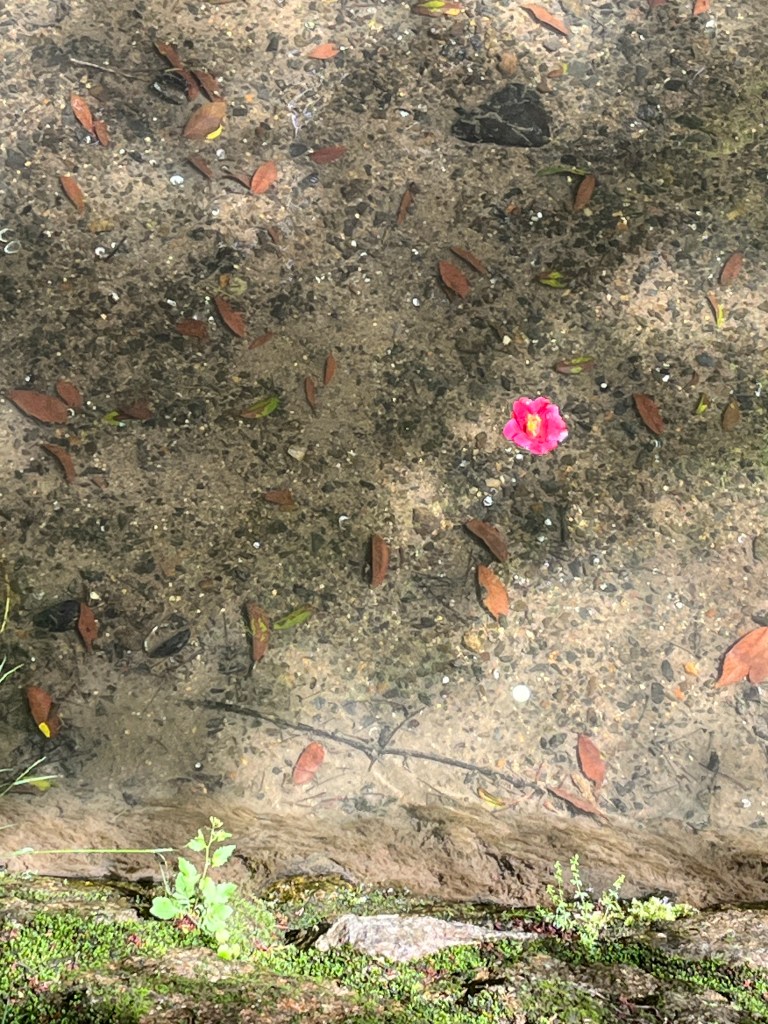
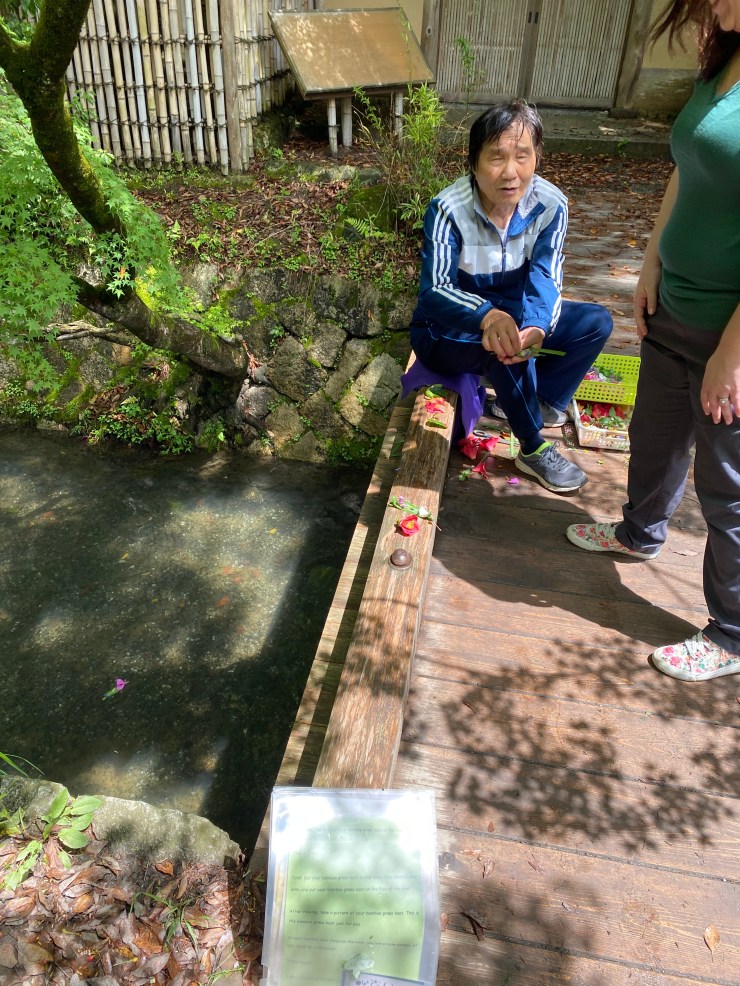
Along the philosophers walk we met a man who invited us to throw flowers and folded leaves into the stream. They were his works of art. And he delighted in each toss and rejoiced when they landed in a lucky way. When one of us tossed an unlucky one he let her try again. That is the way it is here with luck and with fortunes. At shrines you can get a fortune, if it’s good you take it with you and if it’s bad, you leave it behind. You never leave worse off than you were, and hopefully you leave better. Thank you Japan.
After the philosophers walk, we decided to find a place to eat lunch and on the way I saw fabric hanging in a shop window and noticed that it was a rooster pattern! I went into the shop and greeted the owner, who had seen me through the window. She pulled out the fabric I had been admiring and unfolded it so that I could see it was a table cloth (card table sized). She spoke very little english but mimed something she was telling me about the fabric. It took a minute but I understood that she was telling me the design wasn’t printed but woven. She flipped the fabric to the back to show me the design was navy with gold roosters on one side and gold with navy roosters on the other side; double woven. I indicated that I would like to purchase it. She folded it and wrapped it up in orange gift wrap with a card for her shop. I later used google translate to find that the card read something like this: “Daijin Co. Ltd. Naku-Nakago-ku Kyoto City company was founded in 1695. In the joy of creating things we strive to improve quality and heighten sensibilities and continue to study with the sole desire to create things that will remain in the hearts of our customers.” After the polite exchange of money and table cloth, she asked me how many friends I had with me. Then she gave me three pieces of candy to give to my companions. Then there was lots of bowing and exchanges of thanks. She waved to us from the shop door as we left. We all experienced her as dear and thoughtful and gracious. Interacting with her will remain in my heart.

金閣舎利殿 (Golden Pavilion) was stunning. The pictures hardly do it justice. I loved the purple iris plants next to the gold. Purple and Gold are the colors for my alma mater, Pittsburgh Theological Seminary, and for the OLSH, the Catholic high school where I taught music. Both places were significant in my career path and my spiritual path.
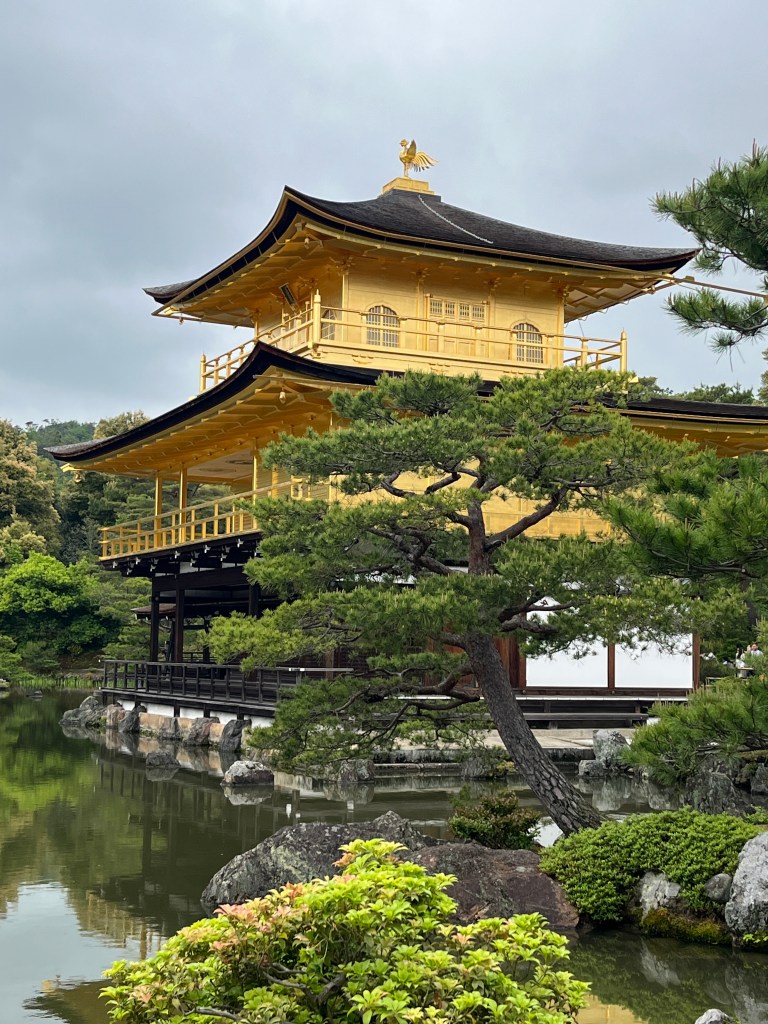
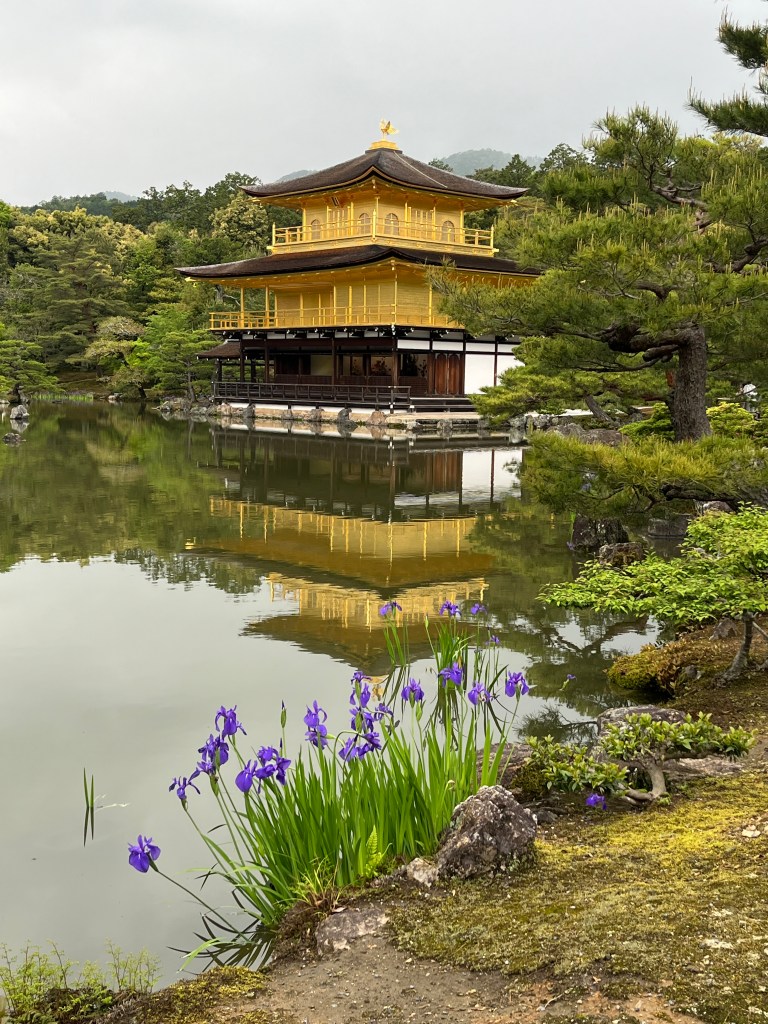

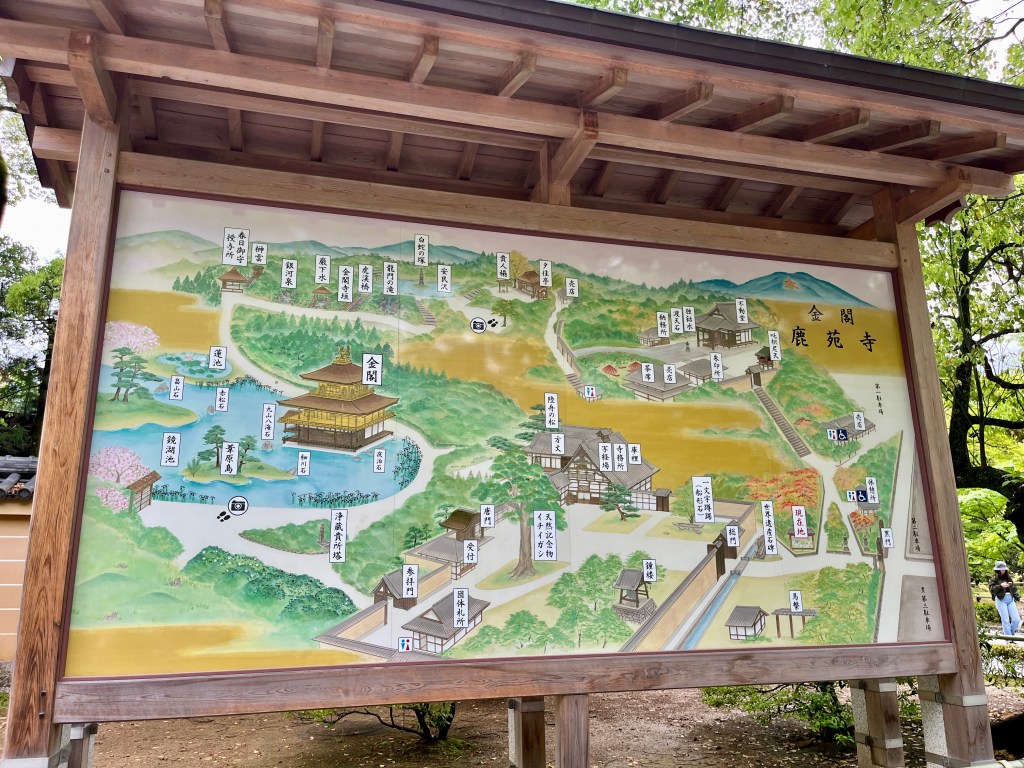

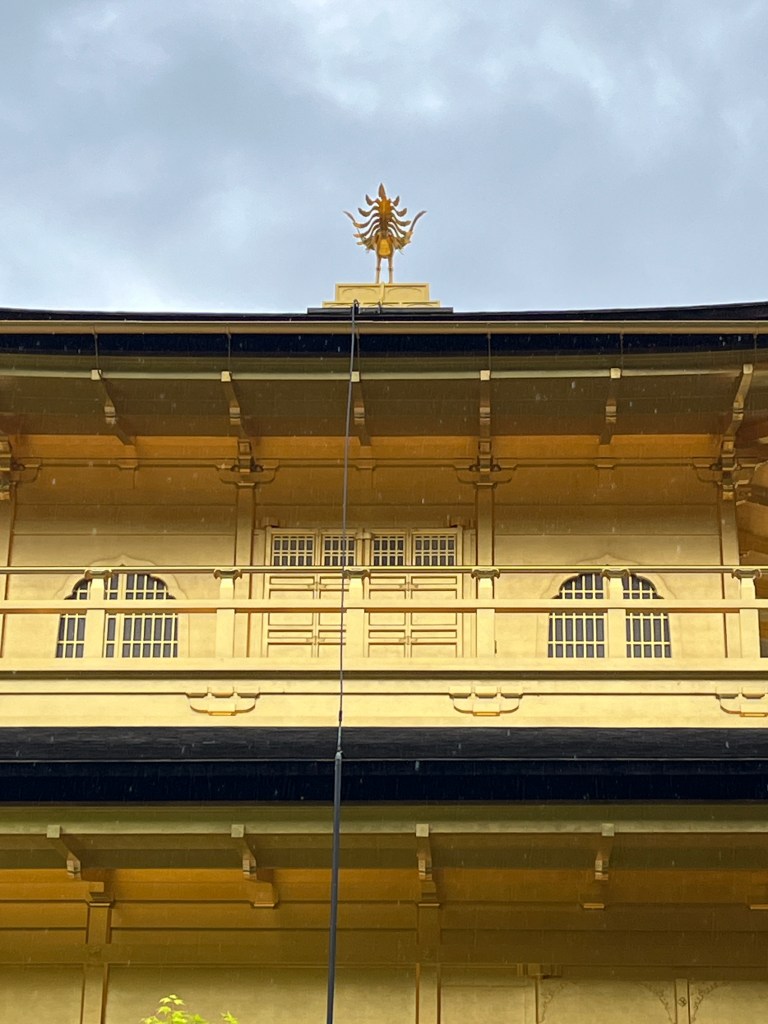
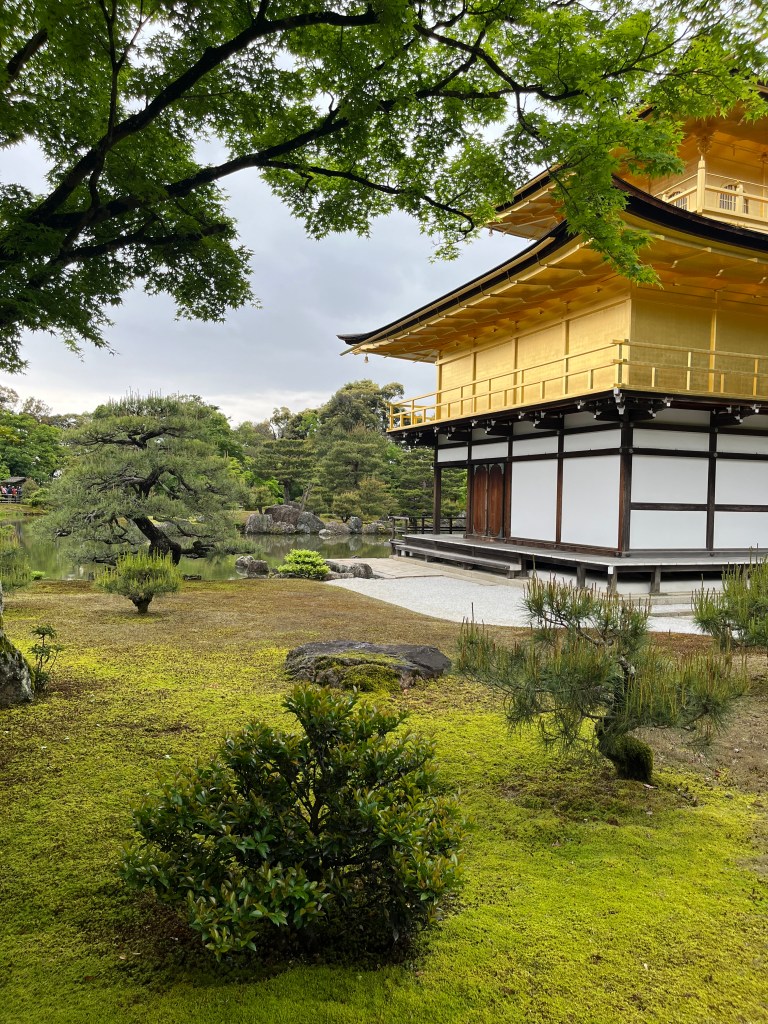
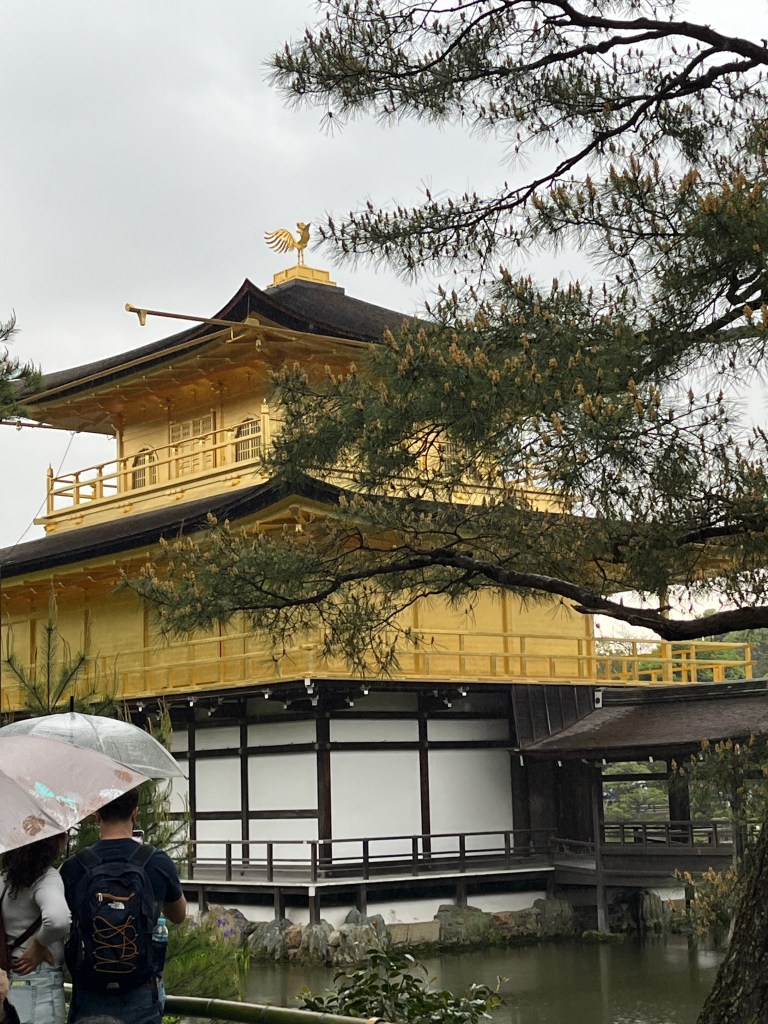
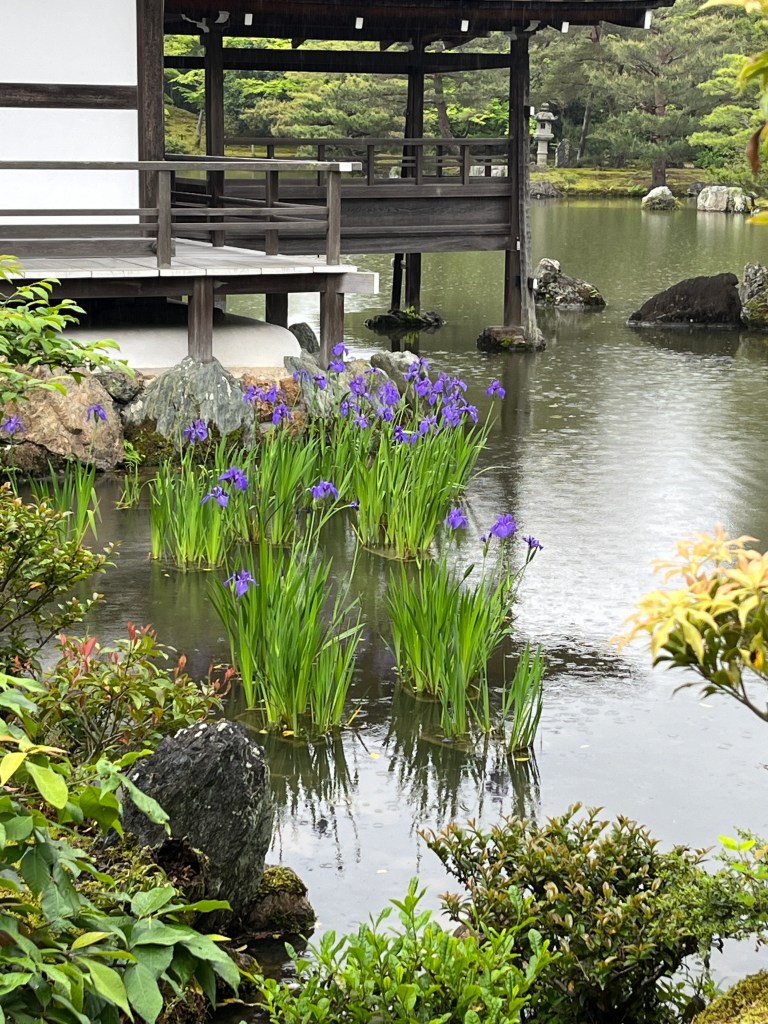

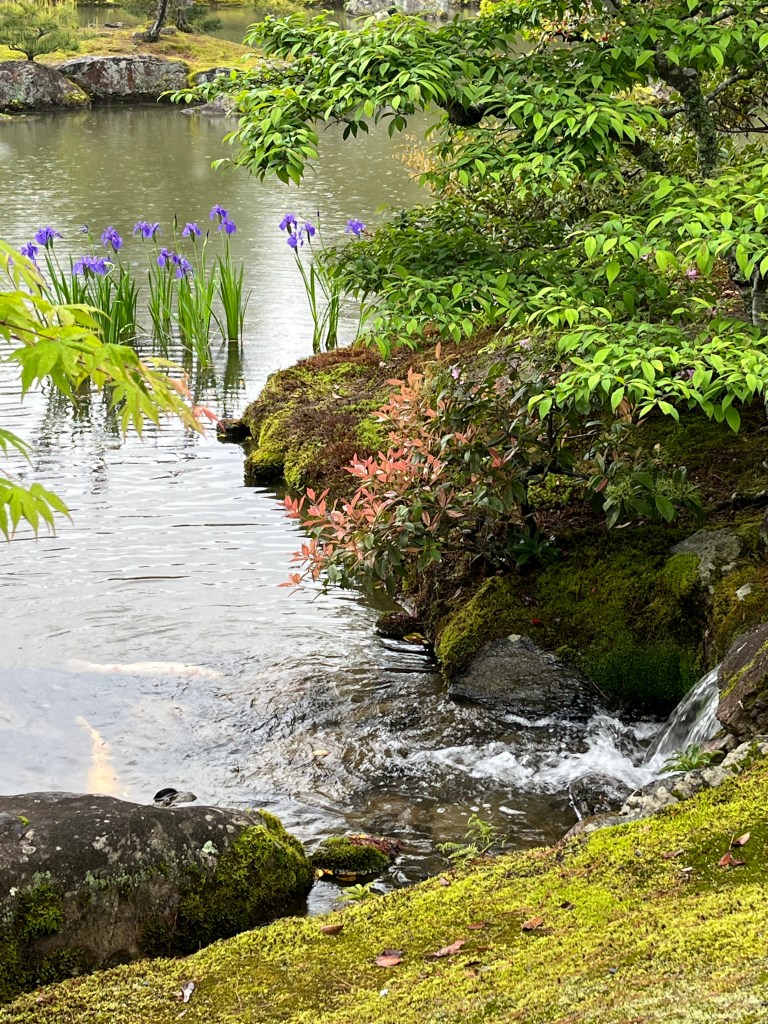
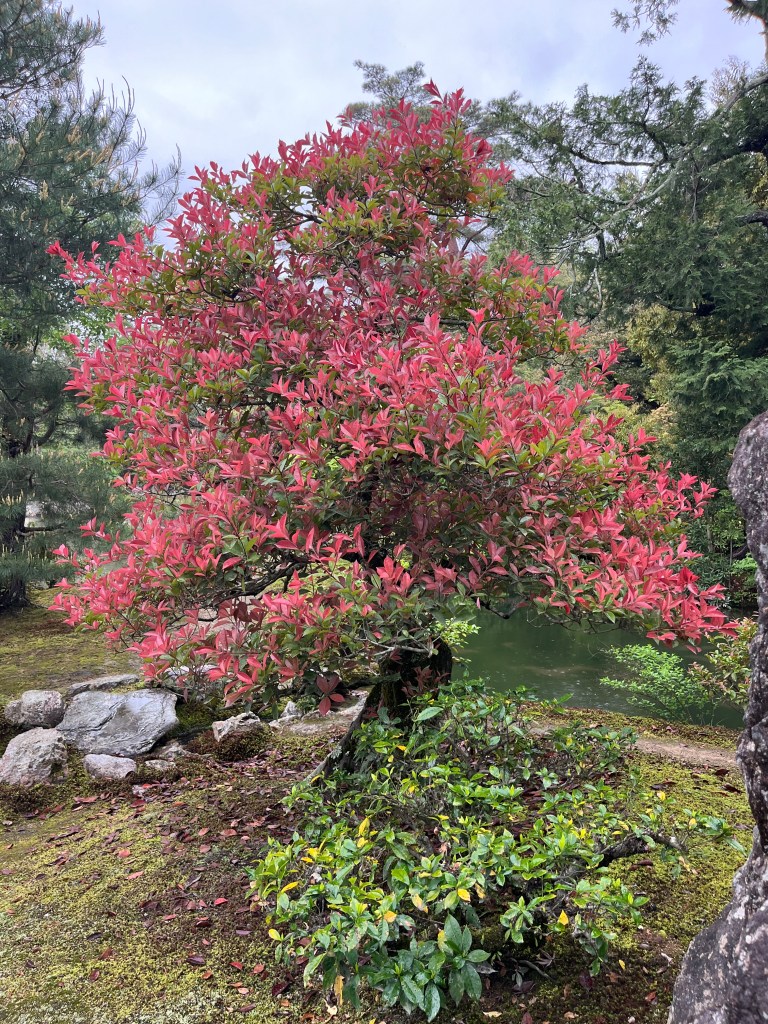
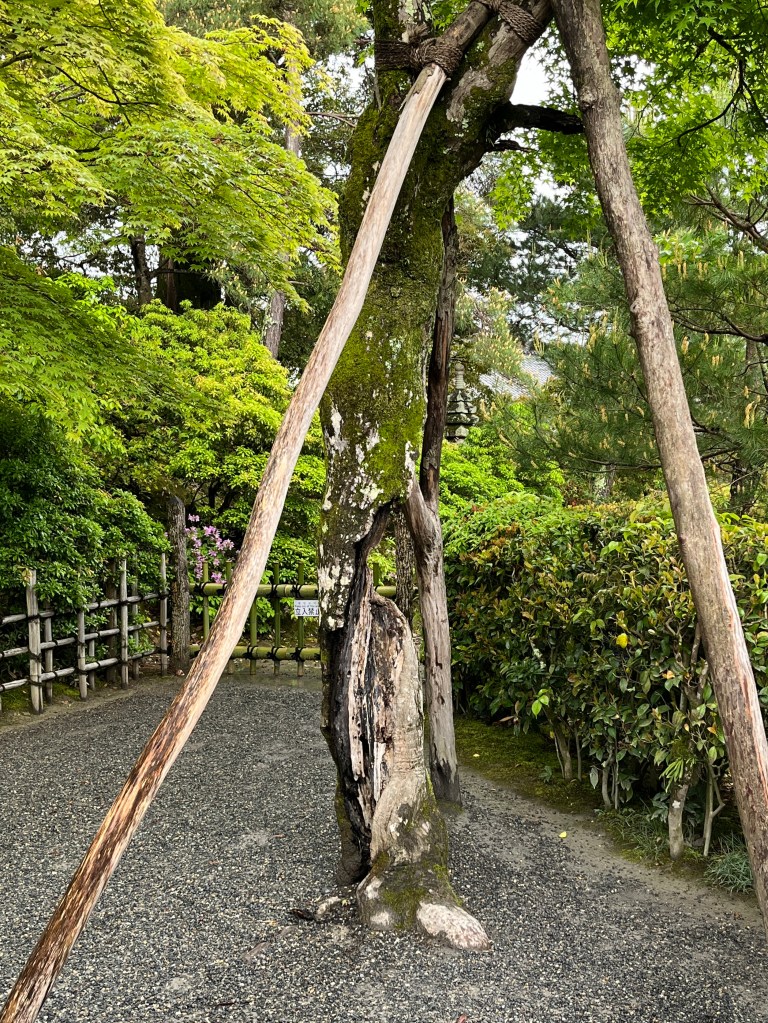
The gardens around the pavilion were beautiful and sometimes unexpected. We’ve seen a lot of trees with supports for branches in Japan, but this tree is missing massive amounts of its trunk. It’s amazing to me that someone chose to support this tree with all of that damage. But love is like that.

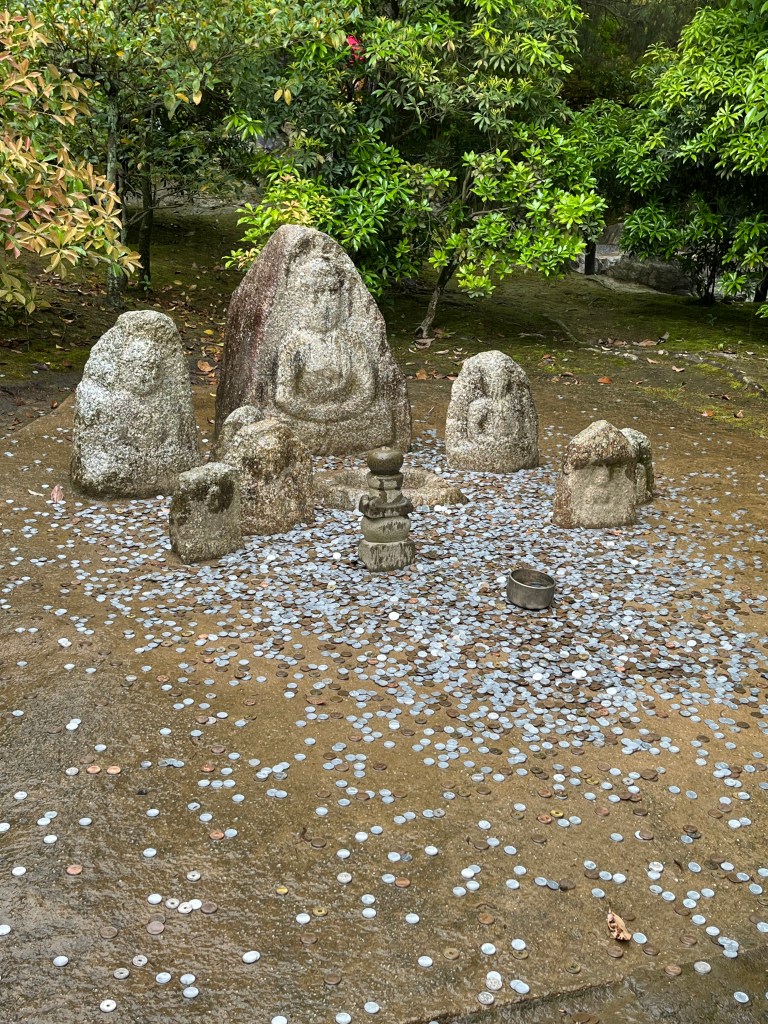
I watched a family and several others tossing coins so joyfully. The object is to get the coin into the large stone circle at the base of the center figure or the small round bowl just in front of it.
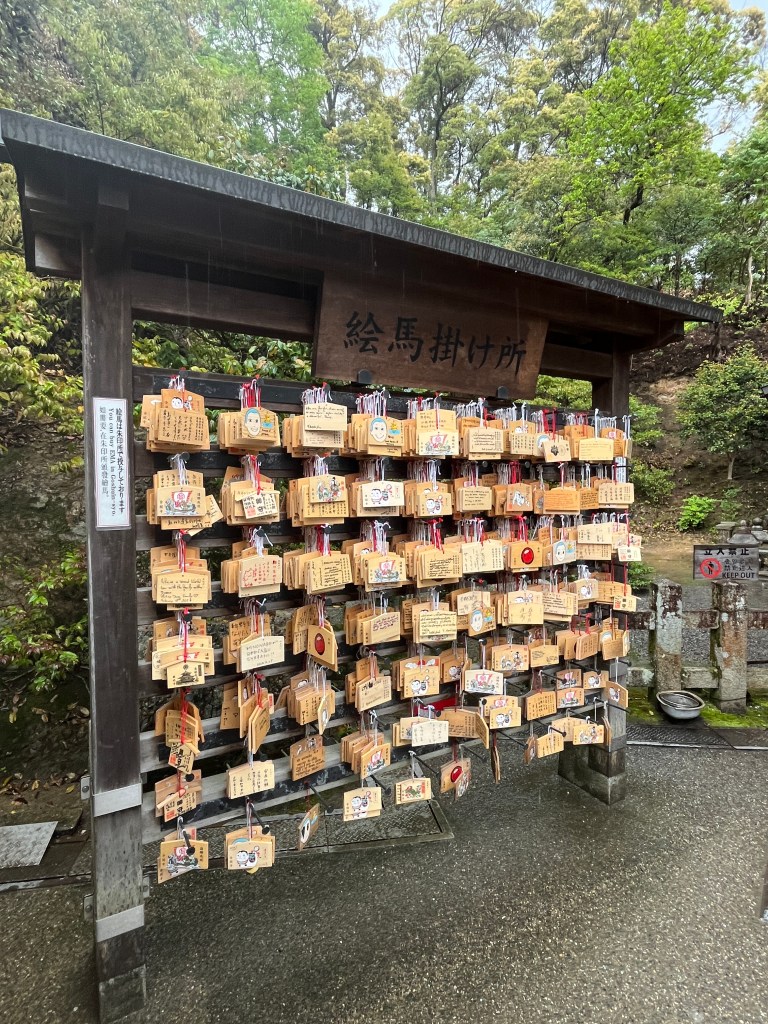
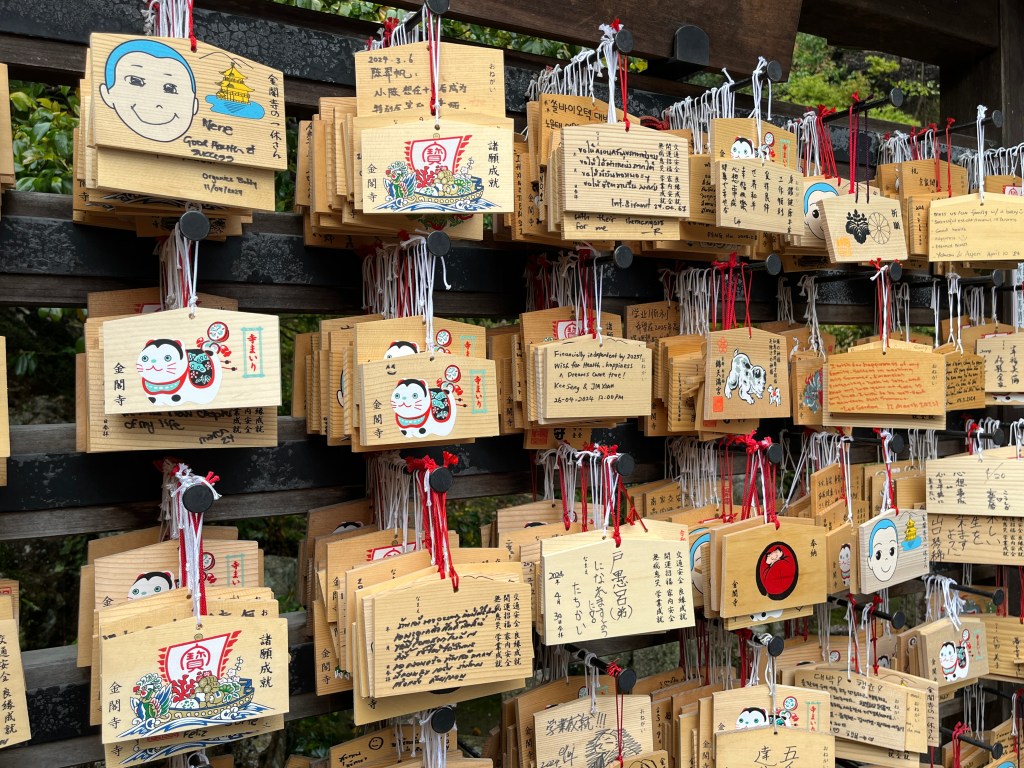
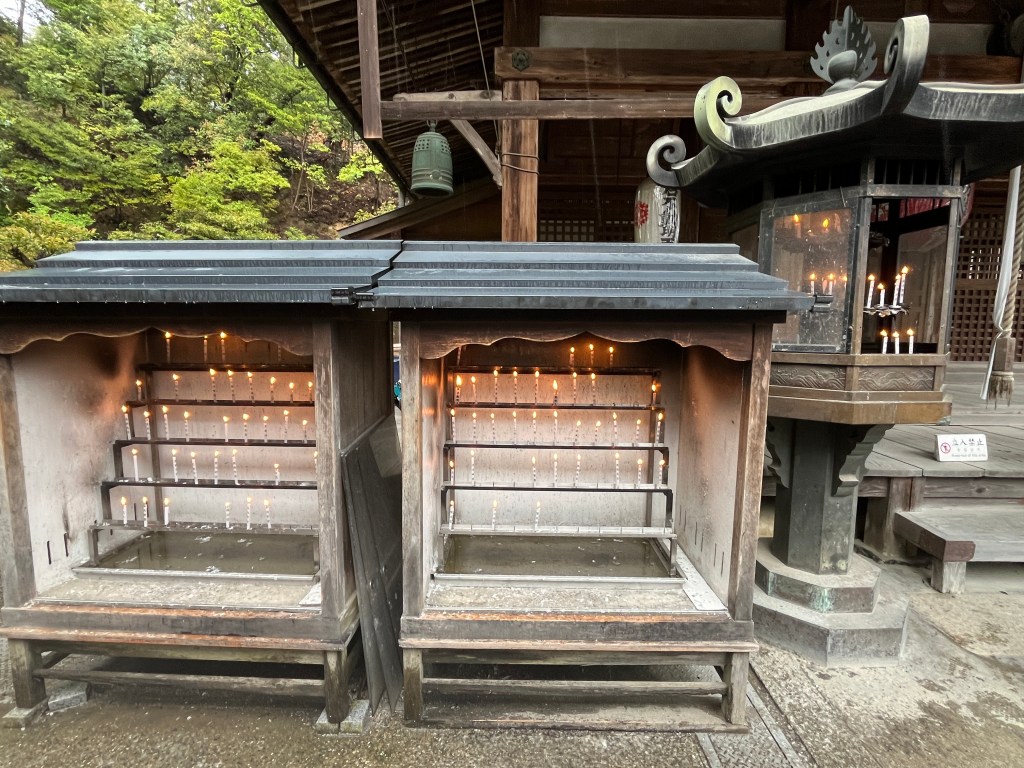

The wooden ornaments are wishes and prayers. They collect for a long time but when it is full they are taken and burned and the ashes are scattered around the shrine that way your intention is always in the place where you prayed or wished for it.
If you get a good fortune at the temple you take it with you. If you get an unlucky fortune you leave it behind. I love the idea that you leave holy ground better than when you came. No one leaves with a bad fortune and it doesn’t follow you. You leave the bad and hold onto the good.
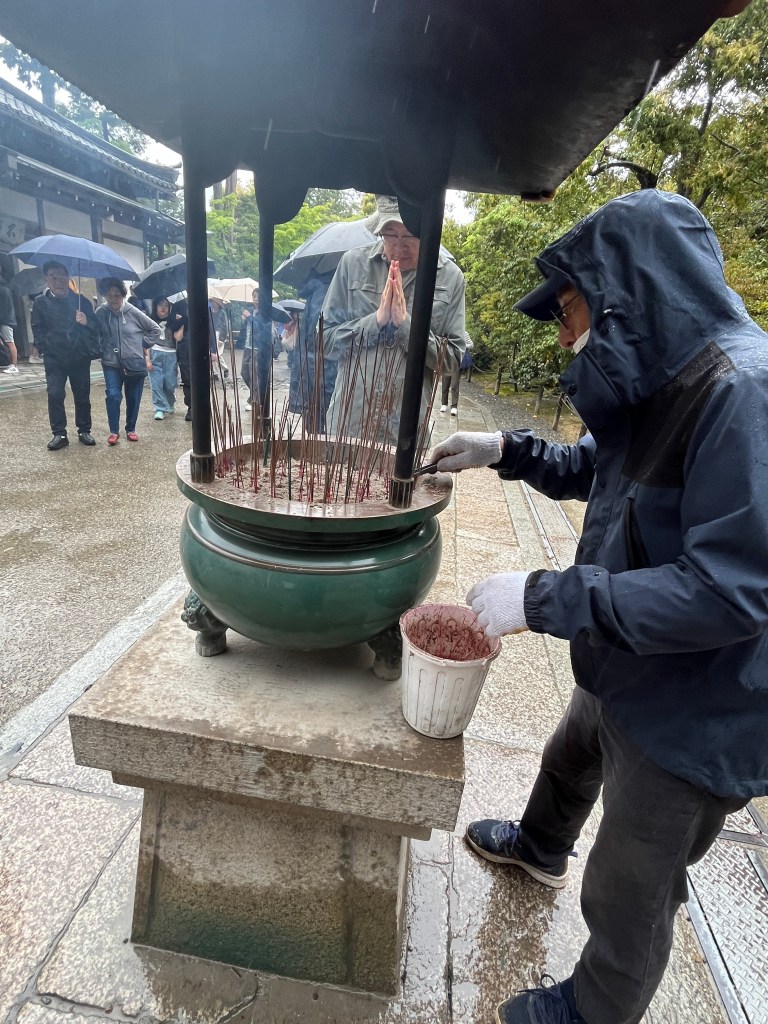
The person is attending to the incense offerings. He is taking out the used sticks and putting them into a tiny white bucket. I continue to admire the love and attention people here put into small things. It seems to me that in Japan so many things are done with great intention. It’s like all of life is a mindfulness practice.
Onsen: After a busy day, I was looking forward to the onsen. Today, it was loud and not exactly meditative. There were a few children in the hot baths doing exactly what you would expect children to be doing. I tried to be patient and remind myself that this is how we empower little girls to be body positive. But after a while I wasn’t enjoying the experience and there were other people talking and carrying on too, so I pivoted and decided to really enjoy the cold shower and take my time getting dressed. The oil and lotion were luxurious. I blow dried my hair with a hairbrush like I’ve watched my stylist do but have never bothered to do for myself. I enjoyed the white noise of the hair dryer and its ability to block out everything else. And then I went to the massage chair and enjoyed an ice cream bar. And after all of that, I felt pretty good. Like all things on a pilgrimage, I have to hold my expectations lightly and be ready to change course when things don’t go as planned. I wanted a relaxing experience tonight and when I didn’t get the experience, I thought I wanted, I changed course. I still relaxed just in a different way. And it was lovely. #pilgrimage

May 1st:
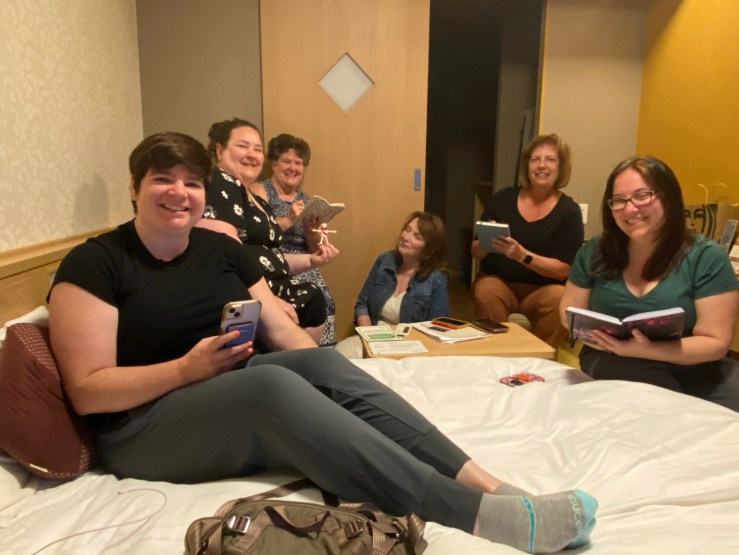
Devotions today led us into thinking about our insights and wisdom gleaned from the week. I thought about a good bit on the train ride back to Tokyo and I also took the opportunity to rest on the way since I was alone in my row this time. Even writing this blog almost a year later, I know that I still have so much to unpack and learn from this pilgrimage. Most importantly, I am grateful for the opportunity to be a pilgrim, to live for a short time in a new place, and to invest in the friendship of the women on this pilgrimage with me and those who accompany me on my life’s journey. We got resettled into the hotel and went out to dinner and did a little more shopping. The exchange rate had changed since we arrived and if we took any yen back home we would be loosing money when we exchanged it back into USD. The obvious choice was to invest in our happiness and bring home treats to our loved ones. When I packed up that evening, my suitcase was bursting and so was my heart.
May 2nd:
In our devotions, we reflected on all of the ways we experienced sacred presence. We felt this sacred presence in a variety of ways: safety, beauty, simplicity, calmness, ritual cleansing, in the majesty of Mt. Fuji and in observing the way others prayed, in speaking a universal language of love/kindness/compassion, and in being a stranger and choosing to see goodness.
The airline bumped me to a different flight that had me land after my connecting flight left. I was able to sort it out and get on standby for the next flight, which delayed, but I did get home to Pittsburgh after just over 24 hours of travel and was so grateful to be home.
Post Japan (May 3rd – 8th):
Time adjustment was really difficult. I rested a lot between unpacking and doing laundry and packing for the RV trip.
Kurtis purchased new patio furniture while I was away and we got to enjoy our new comfy chairs and Japanese candy.
The Presbyterian Outlook publish my article about the silent retreat I went on to help me learn about mindfulness and prepare for Japan. The Hospitality of Silence
I visited with family and friends. Notably, I had lunch with the retired Rabbi I mentioned earlier. He and his family are planning to travel to Japan in 2025 or maybe 2026. I gave him my guide to the public transportation system.
I had appointments to get my hair and nails done. And met with my therapist.
I checked into my work email and read the announcement of my departure which included praise for guiding the organization to being a period positive workplace.
On May 8th Kurtis and I (and our sweet dog, Penelope) left on a two month RV trip for the second summer in a row. How national parks taught us the art of slow travel
Much later… March/April 2025:
On April 8th, The Presbyterian Outlook published my article about the Onsen experience. Curiosity over fear: Healing body and soul A couple days later I got a message on instagram from a Japanese pastor serving a PCUSA congregation in New Mexico telling me that the Onsen is the thing she misses most about Japanese culture.
I’m really hoping to finish writing about Japan before I leave for the next pilgrimage (Scotland) and summer RV trip. But the truth is, I will never be “done” as Japan is somehow lingering in a quiet corner of my heart. I would love to revisit, but more than that, I desire visiting other new places and experiencing other cultures and spiritual practices. I find myself, as cliche as it might sound, believing that all of life is a pilgrimage.
If you want to see pictures from Scotland and my other travels, follow @periodpastor on instagram.
This was a long post… if you read this far, like and subscribe!

 Period Pastor Pad