I love the National Parks!
My husband and I have jobs that allow us to work remotely and we have used that to our advantage so we can enjoy road trips hauling our RV across the county. Sometimes we have full hookups (meaning we can have running water and electricity by directly hooking up to those resources at the camp ground). Sometimes we are parked in locations without hook ups and we have to rely on our solar/generator and water tanks. This means that we are thinking about our water usage more than we typically would when we aren’t traveling this way. In our RV and at the National Parks, we have to be prepared for a variety of toilet situations.
In the 22 National Parks that we have visited (planning on more) we have noticed that the visitor center bathrooms have running water, soap, and toilet paper. They are typically very clean. Sometimes the toilets are accessible when the visitor center is close but other times not. This really depends on the building’s layout. The other toilets you will find in the parks do not have running water. Typically, these will include toilet paper and hand sanitizer.
To manage my period in a variety of settings, I have a variety of products. My menstrual cup is my go-to period product, but when I’m in situations where I’m not sure I’ll have running water, I have to think twice about it. I always have a travel sized hand sanitizer, a small package of wet wipes, and a few disposable pads and tampons in my “in the car bag” for our travels. This helps me feel like I can manage my menstruation in any situation even if it comes at an unexpected time.
I love my cup, and any washable product that is putting less waste into our world. But I keep some disposables with me for travel and for sharing with others who might be caught without products. As expensive as menstrual products are, I would gladly give some to a stranger in need. I’ve seen other women do the same. We need to take care of each other (and we do!).
Having brief experiences without running water, or access to products when I need them, remind me that all people with periods experience issues with access too. These issues can happed to anyone anywhere so having access to menstrual materials (Products or items used internally or externally to absorb or collect blood and tissue that comes out of the vagina during menstruation. Source: Planned Parenthood) and menstrual supplies (Other items aside from menstrual materials needed to support the management of menstruation. Source: MHM Emergencies Toolkit) is a public health issue. Products should be supplied in public bathrooms that support menstrual health. And everyone should have access to education about our bodies including menstrual health and reproductive health. (Notice that these are part of the United Nations Sustainable Development Goals).
If thinking about periods as a public health issue is a new concept for you, check out these resources:
Period Positive Workplace – this is something you can present to your employer or any business to advocate for a #periodfriendlyworld
Sommer, M., Hirsch, J., Nathanson, C., & Parker, R. (2015). Comfortably, safely and without shame: Defining menstrual hygiene management as a public health issue. AJPH, 105(7), 1302-1311.
Columbia University Mailman School of Public Health (n.d.). Measuring Progress on MHH: Infographics [Education, Gender, Psychosocial Health & Sexual and Reproductive Health]. If you don’t have the bandwidth to read this larger document, check out: Overview: Water, Sanitation and Hygiene (WASH) & MHH(link is external and opens in a new window)
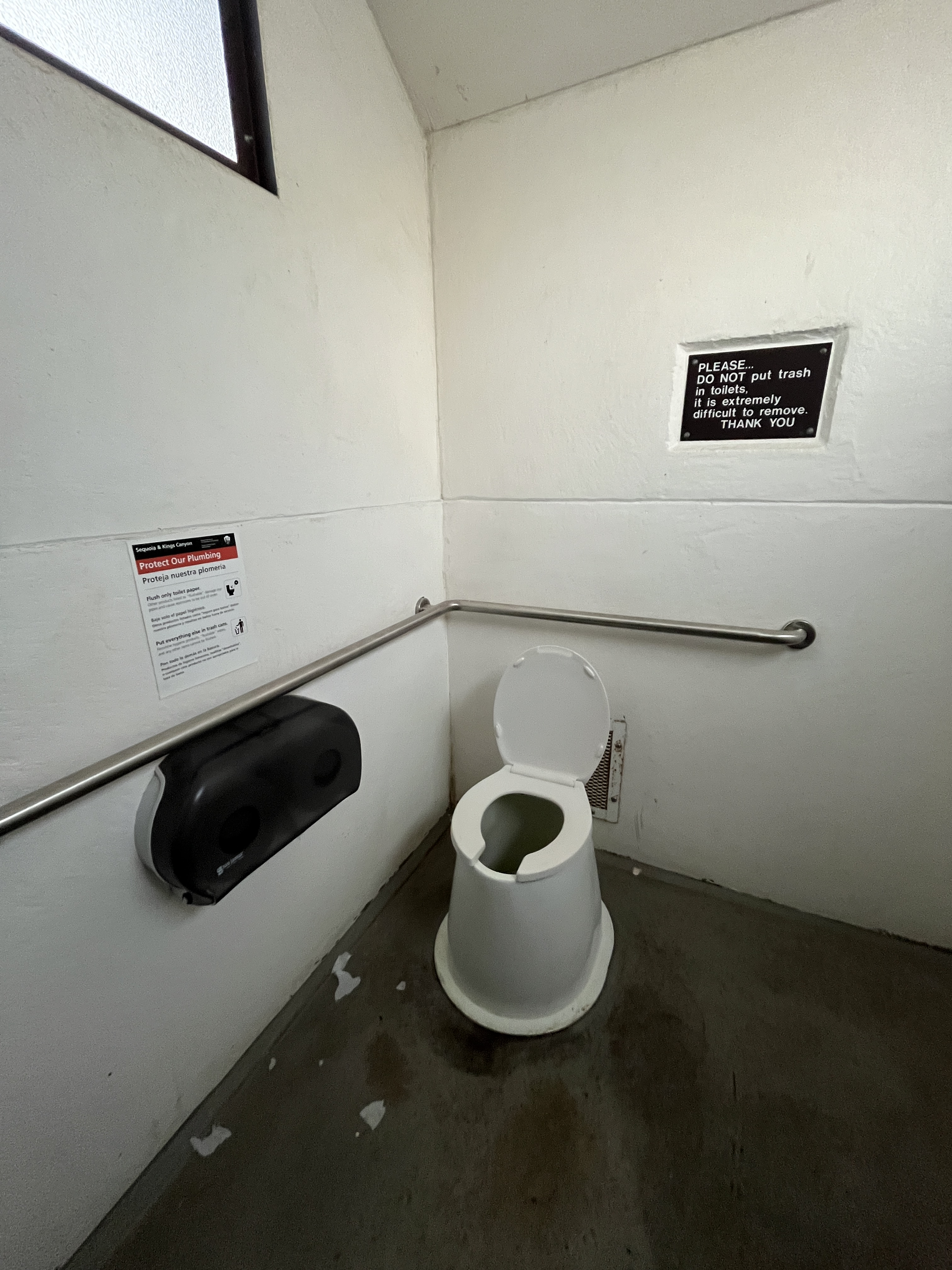
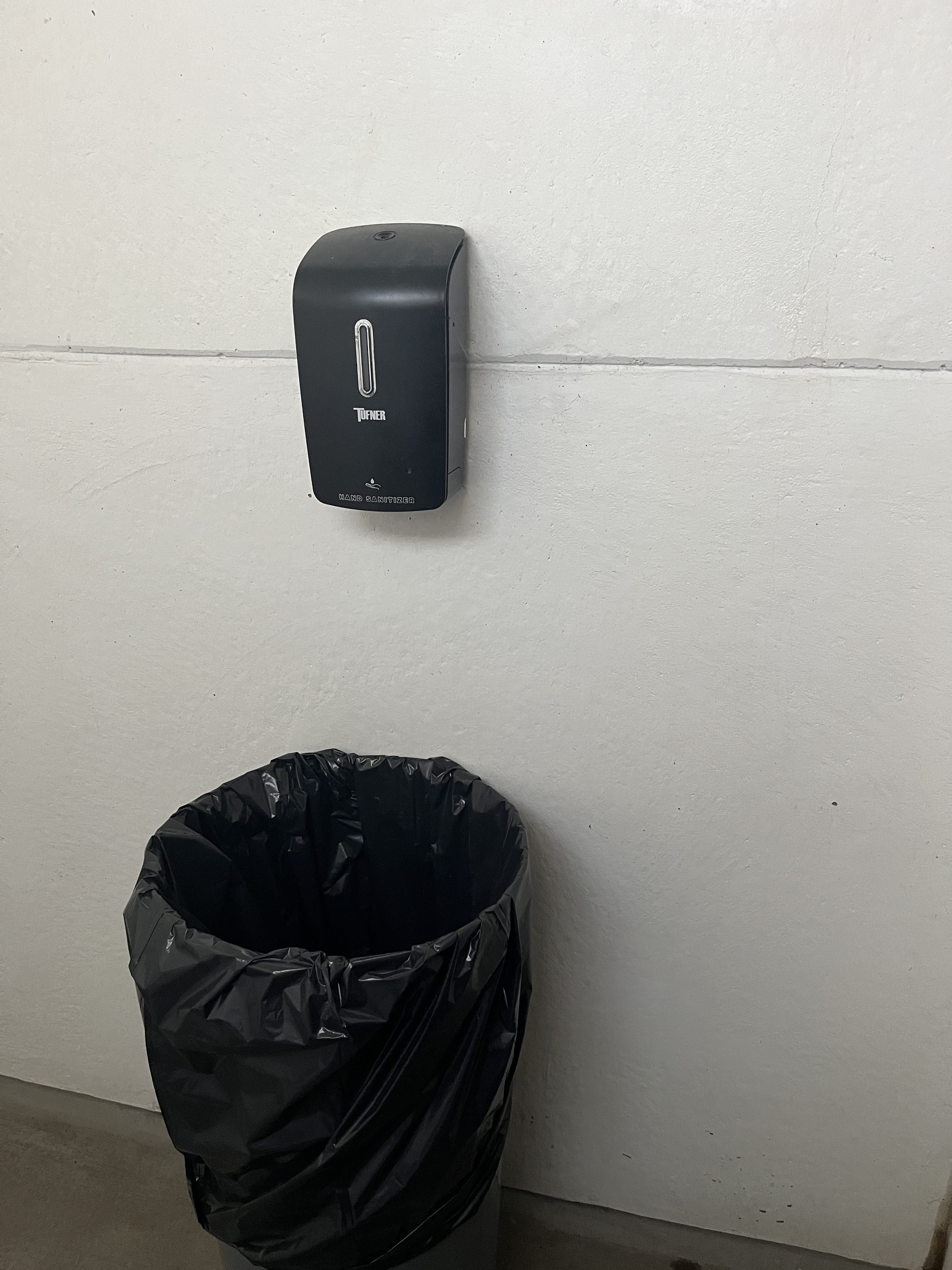
The above images are of a typical toilet that can be found throughout the national parks (no water).


