Every once in a while, the website host prompts me to view blog posts from a few years ago. I remember this one and I remember doing the training that I talk about in it. 2020 was certainly a wild time, with the pandemic, political unrest, and a resurgence of anti-racist protests. I was participating in as much as I could, feeling the need to do something. Like many of us, I over function or over prepare when I feel helpless and that’s certainly what was happening to me six years ago. But, I now have skills and knowledge that I can put into place in a variety of settings.
Here is my current de-escalation advice (really, life advice):
- Keep yourself calm and make it a habit, not just a when you need it. This can be a prayer or meditation practice you do daily (or at least often enough to call it a habit). Doing good things for yourself, drink water, take your meds, eat well, and occasionally go outside for a walk, etc. If you are unwell you will not respond to stress well. Take care of yourself first, then engage with the public.
- Surround yourself by other people who are doing this work. Keep in touch with friends and colleagues whose life choices you admire. Spending time with each other will give you the strength and support to do difficult work. Related, when you go to protests or poll watching or pro-choice clinic escorting, and other things that will put you in contact with antagonistic people, have a buddy or several so that you can take care of each other. At the clinic we are reminded that if we get triggered it’s okay to walk away and let someone else handle it. We call it tapping out. And if you see that someone else is triggered, check in to see if they need to tap out. No shame. We are all here to keep each other (and in this case our patients) safe.
- Do something you love. Experience joy. Life cannot be about preparing for the worst and living through it because of your elite level training. There is more to life than the current crisis. Tap out when you need to, do something for the sheer fun of it and then tap back into the work. This is different from point one in that you should eat your vegetables on a regular basis but an occasional funnel cake is good for morale.
Here are the reminders from the Building Trauma-Informed and Resilient Communities with the Pittsburgh Pastoral Institute and Dr. Taunya Tinsley:
- Staff Skills – Know yourself, be calm, safe and non-threating. Be respectful. Prepare ahead and use resources.
- Personal Control – create appearance of calm even if anxious. Looking calm and in control clear thinking, that results in better decisions.
- Verbal and Non-Verbal Skills – most of communication is non-verbal; listen closely with your ears, watch with your eyes and have an empathic caring heart.
- Engaging the congregant/member (person/child of God) – establish a bond; promote autonomy; minimize restrictions yet don’t eliminate those that provide safety; show trust, remain connected. Remember aggression is often a response to loss of dignity so be respectful
- Timing – Early can be preventative but could be unnecessary or increase risk for exacerbating the situation. Later increases risk of loss of control.
- Ensuring safe conditions – this is again about being prepared and knowing who should respond, ex lay leaders or hired security. Think about where you are and request the person to move to another area (for safety of others).
- Strategies for de-escalation: There isn’t a clear-cut situation, and everyone is different. One size does not fit all. Base what you do on the needs and characteristics of the congregant (person). Pay attention to the person’s emotional state and formulate a strategy. Remember to be an empathetic listener and pay attention to non-verbal cues. De-escalation takes time and effort, it requires flexibility. Find a balance between supporting the person and keeping the situation under control.
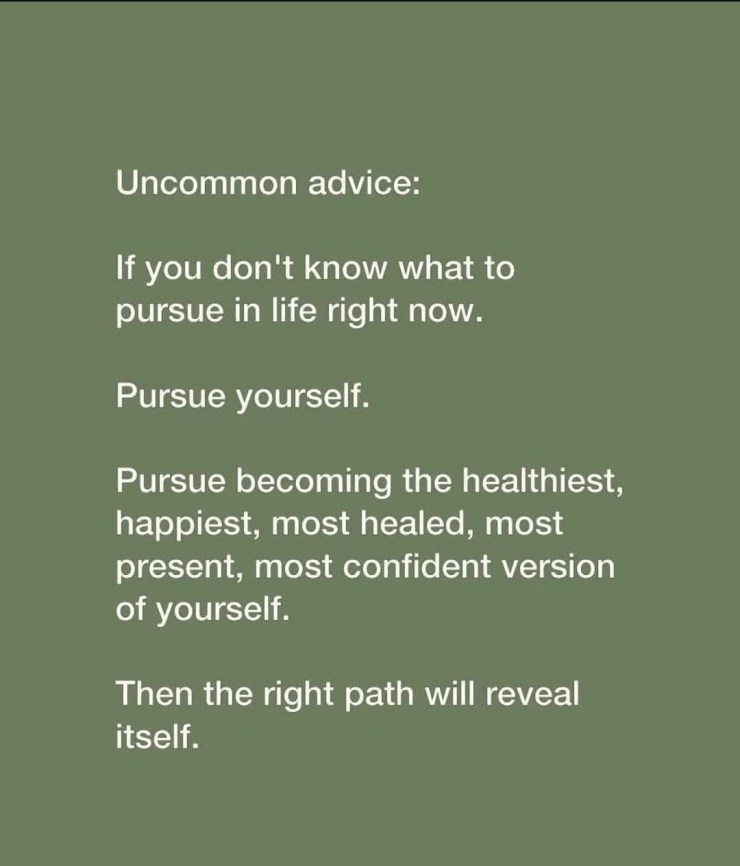
Above all, if you don’t know what to do and you are feeling anxious about our current situation (gestures at the US political, social, economic, shitstorm) invest in yourself, be healed, healthy, and happy. Then pick one place you can make a difference. That could be donating to a food bank or volunteering at an after school program. You don’t have to be directly involved in the current protest or crisis to make a difference. Small investments in your community matter. Vote, for the love of God, vote.