Joy. My intention for this pilgrimage is joy. Not healing and transformation, not deeper understanding of the apostle Paul, not to gain insight into women in the early church, not to eat feta cheese until I’m sick; my goal is joy. Will I do all of those other things? Absolutely yes. But I am seeking joy above all else.
If you’ve read other pilgrimage posts, you’ve glimpsed a little of my spiritual journey. (My Psalm 133 blog post reflects on other pilgrimages and includes links if you want to check out those adventures in more detail.) Going into this pilgrimage I felt the most like myself that I have in a while. Finally feeling like there wasn’t a drastic need to fix, to heal, or to transform into a better version. The question that lingered was, what if I’m enough just as I am? What if I just show up with my whole self and just be? The thought was so freeing. This pilgrimage would be about joy, about celebration, about gratitude for finally feeling good enough.
As always, I kept a journal specifically for the pilgrimage. My journal began with the psalms of ascent, the psalms, that we think were used by people on their pilgrimage to the temple in Jerusalem. I ended up reflection on these psalms more before we left than during the trip but I was glad to carry them with me. The next section of my journal included notes on the books we read. Followed by video notes. Then I put in our devotional material as Laura had sent it ahead. I loved having in the journal and being able to reflect on our devotional in the same place I was writing about our adventures.
Traveling with Pomegranates: A Mother and Daughter Journey to the Sacred Places of Greece, Turkey, and France by Sue Monk Kidd and Ann Kidd Taylor – I loved this book. The relationship between the two women and how they experienced the pilgrimage was so fun to read. I’m between them in age but was able to see aspects of both in my own pilgrimage experiences. Their writing also helped me to better understand my fellow pilgrims. I loved the way they explored themes that seemed to transcend different faith practices in the places they visited. It was a bonus that they visited a few of the places we did on this pilgrimage but not essential to enjoying the book.
St. Paul the Apostle we Love to Hate by Karen Armstrong I enjoyed this book too. She describes Paul in a workshop discussing his ideas about Jesus with his fellow workers and customers, and that description made Paul more human, more accessible, more like working in my DfG workshop with my co-volunteers. Armstrong also pointed out all of the ways women were part of the early church sighting how Paul wrote bout them. I might want to take a class on Pauls letters again from a feminist/womanist perspective. Let’s just say, the impression I got about Paul in seminary (and honestly most of my life) was the droning about how women shouldn’t teach/preach and wives should be servants of their husbands. I always thought I was a pastor in spite of Paul not because of Paul. During our pilgrimage we got to stand in the place where Phoebe would have received a blessing/commission to take Paul’s letter to the Romans. And while I’m not convinced that we know the exact spot this happened, I know that Phoebe was assigned to take the letter, to read it, to teach it, to explain it, preach from it, etc. She had knowledge and status that allowed her to do that. We know about Paul’s letter to Rome because of Phoebe’s work.
Introducing the Ancient Greeks, from bronze age seafarers to navigators of the western mind by Edith Hall. The history buffs in our pilgrimage group liked this book. I couldn’t get into it. Instead of feeling guilty, I simply put it in the donate bag and went about watching the pilgrimage videos.
Here are the videos:
Athens – Rick Steves, 24 minutes
New York Times: 36 Hours in Athens, 6 minutes
Meteora: UNESCO World Heritage Site, 8 minutes
Delphi – Rick Steves, 3 minutes
A Day in the Life of the Oracle of Delphi: TEDEd, 8 minutes
Corinth Canal, NatGeo, 3 minutes
Gender, Love, and Sex: The Feminist Ancient Greek Poet Sappho, BBC
Meteora, Greece
Monasteries Hanging in the Air
All Six Meteora Monasteries AND the Hermit Caves
How to Avoid Pickpockets
Full Tour of Athens Airport
Money, Banks and Credit Cards in Athens
Things I Wish I Knew About Greece, 27 minutes
Athens Food: Plaka and Sytagma
Plaka Sites to See (Instagram Sites)
10 Things You Should Never Say to Greeks
Shopping in Athens – Where to Get GOOD Souvenirs
Athens Food You Must Try
Cheap and Delicious Food in Athens
Beautiful Churches and Sacred Art in Athens
Easter in Greek Orthodox Church: Rick Steves
February 19th, St Philothei’s day
Acrocorinth Castle History
Acrocorinth Greece Explored
Laura recommend this amazingly informative YouTube channel: https://www.youtube.com/@GreeceExplained
Laura’s devotional included scripture, litany, prayer, and a reflection on a woman from church history each day of our trip: Mary Magdalene, Junia, Priscilla, Phoebe, Macrina, Olympias, Thecla, Kassia, and Philothei. Laura pulled from a variety of resources to make this unique devotional for us, a true labor of love.
Part of the pilgrimage preparation is also meeting with each other a few times throughout the year prior to the trip. Originally there were ten of us, but unforeseen and heartbreaking circumstances kept three people from coming. We missed them and prayed for them.
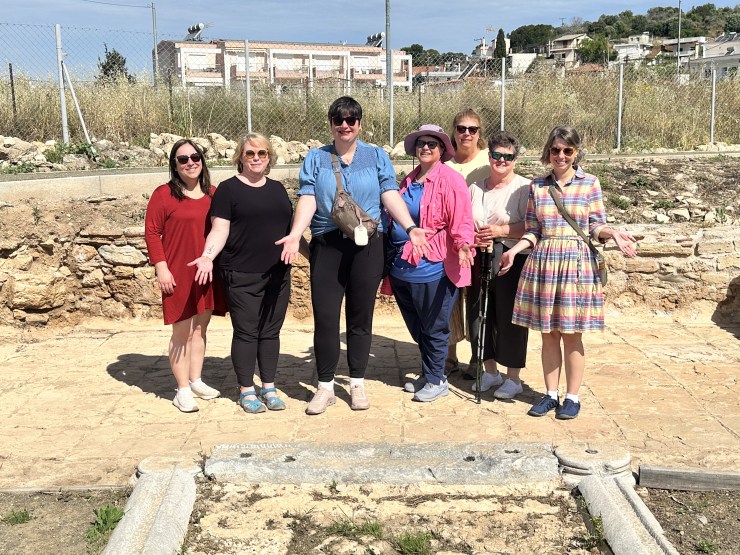
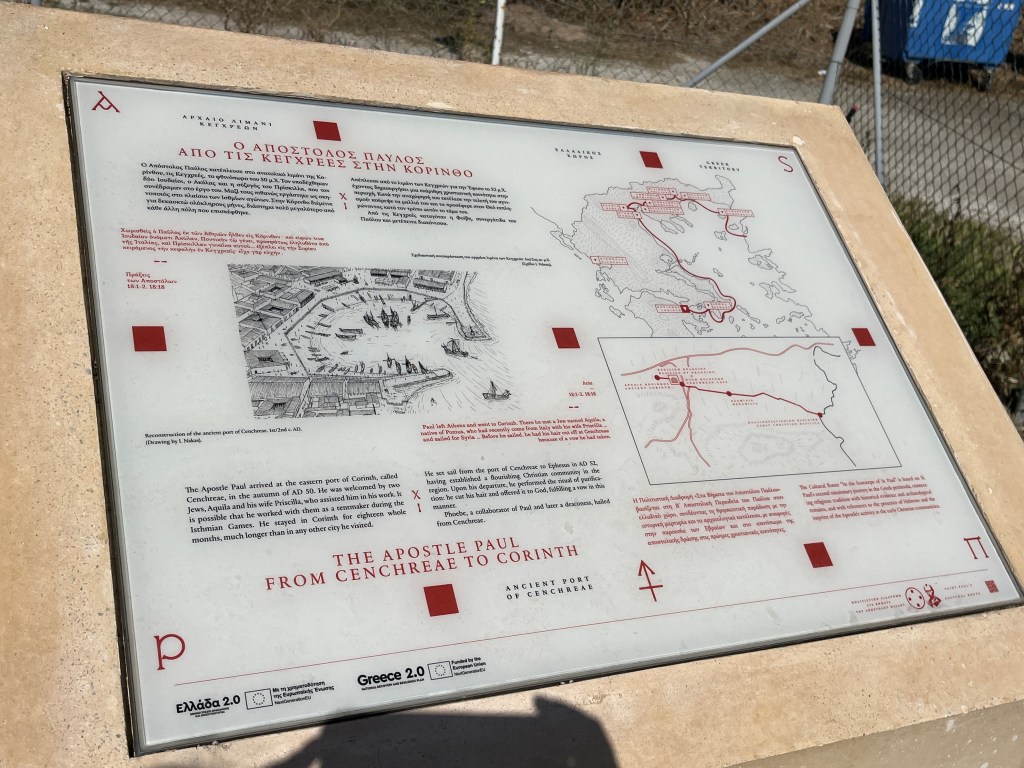
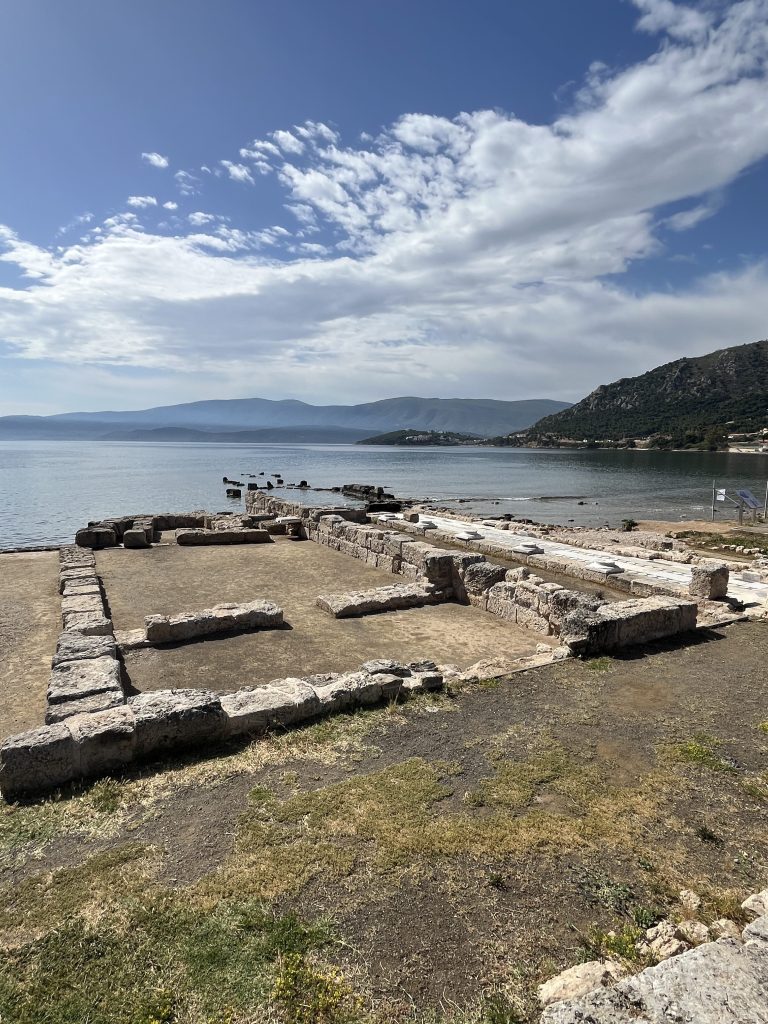
The port of Cenchreae in Corinth is the place where Phoebe was given Paul’s letter to the Romans to take to Rome. Honestly, it didn’t look like much. This wasn’t our first pilgrimage stop but it was certainly the place that resonated deeply with all of us, a reminder that we are sent as Phoebe was sent: to ministry that is unglamorous with journeys that are long and difficult with little other than hope to carry us forward.
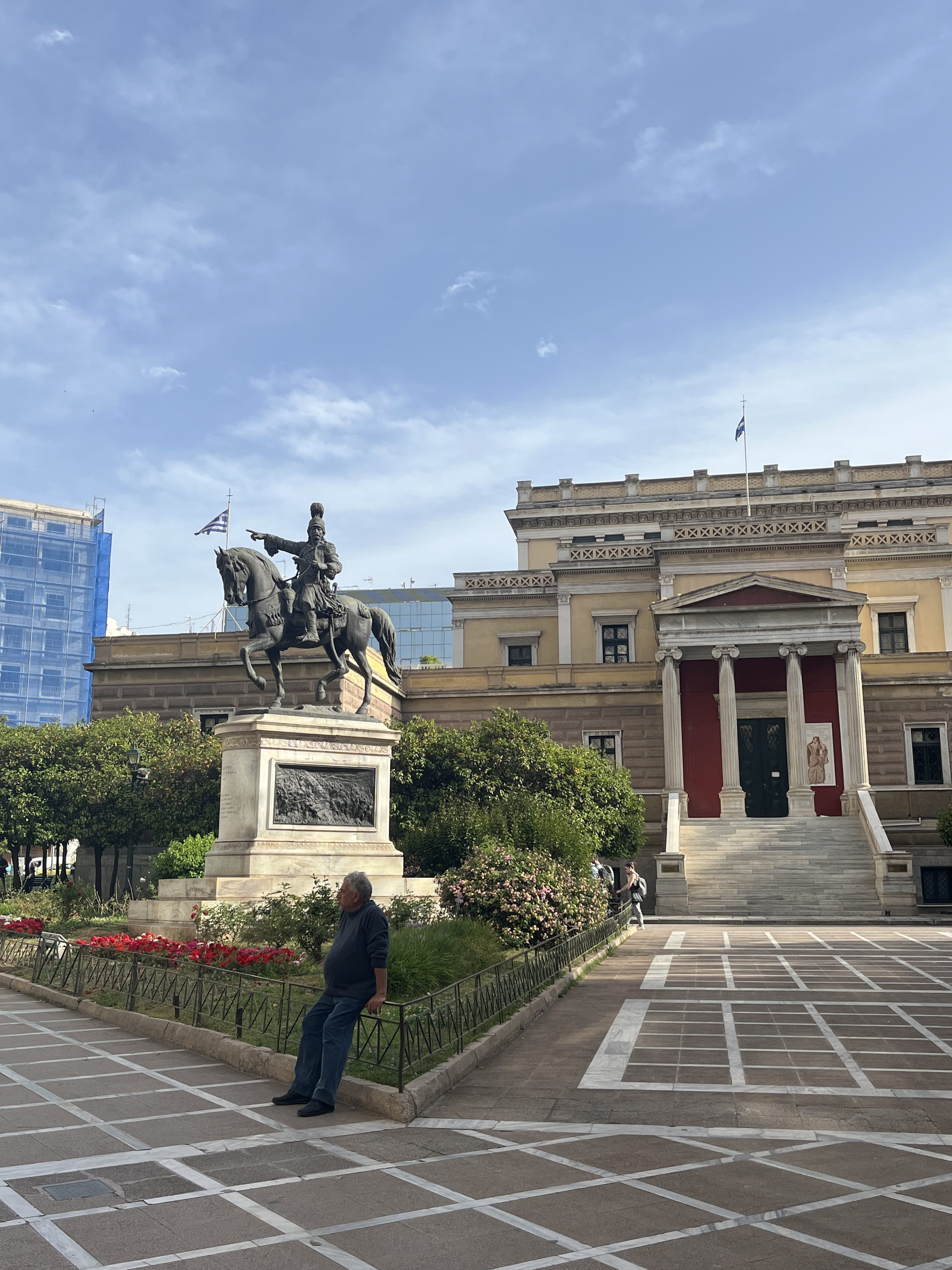
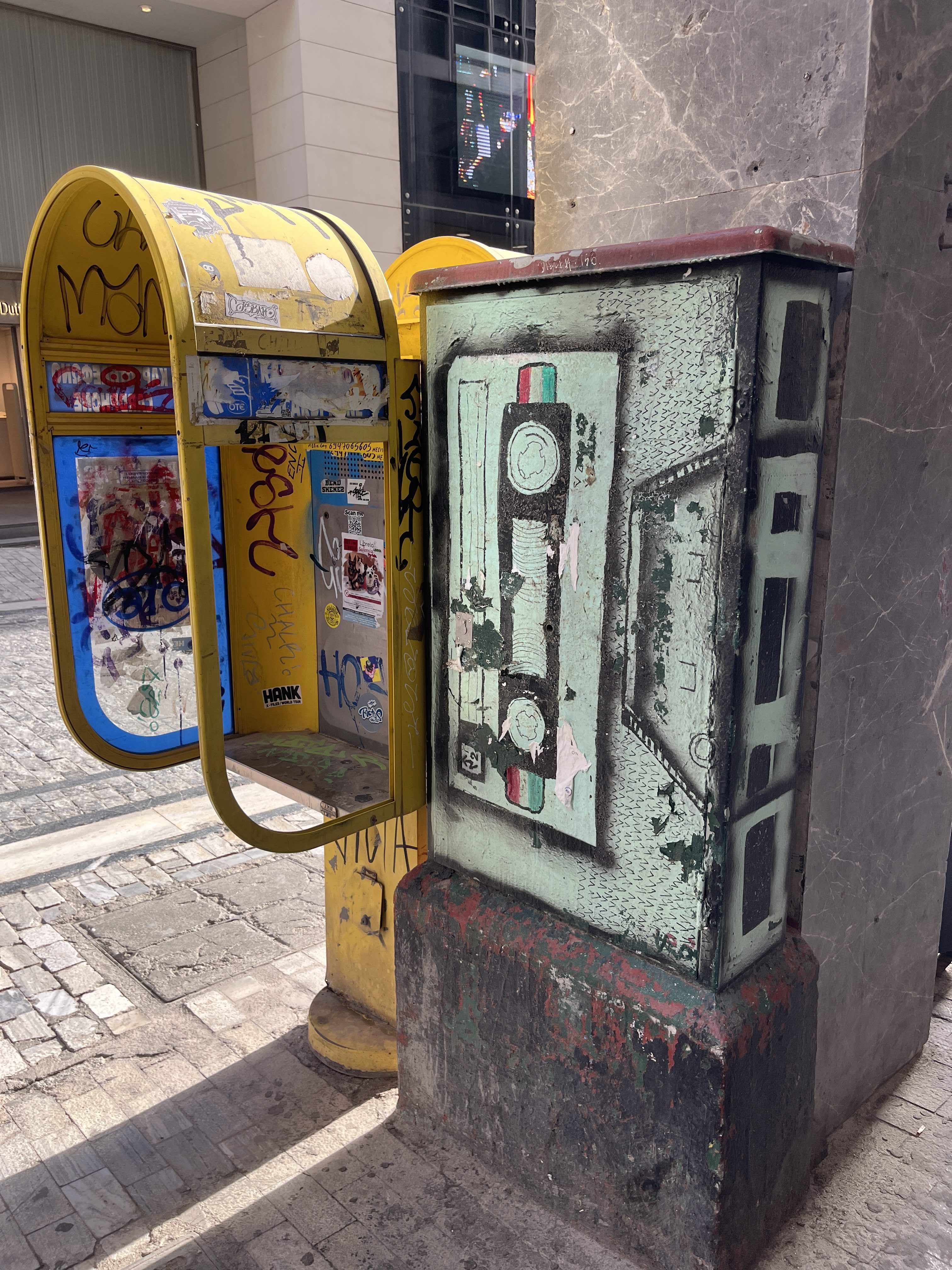
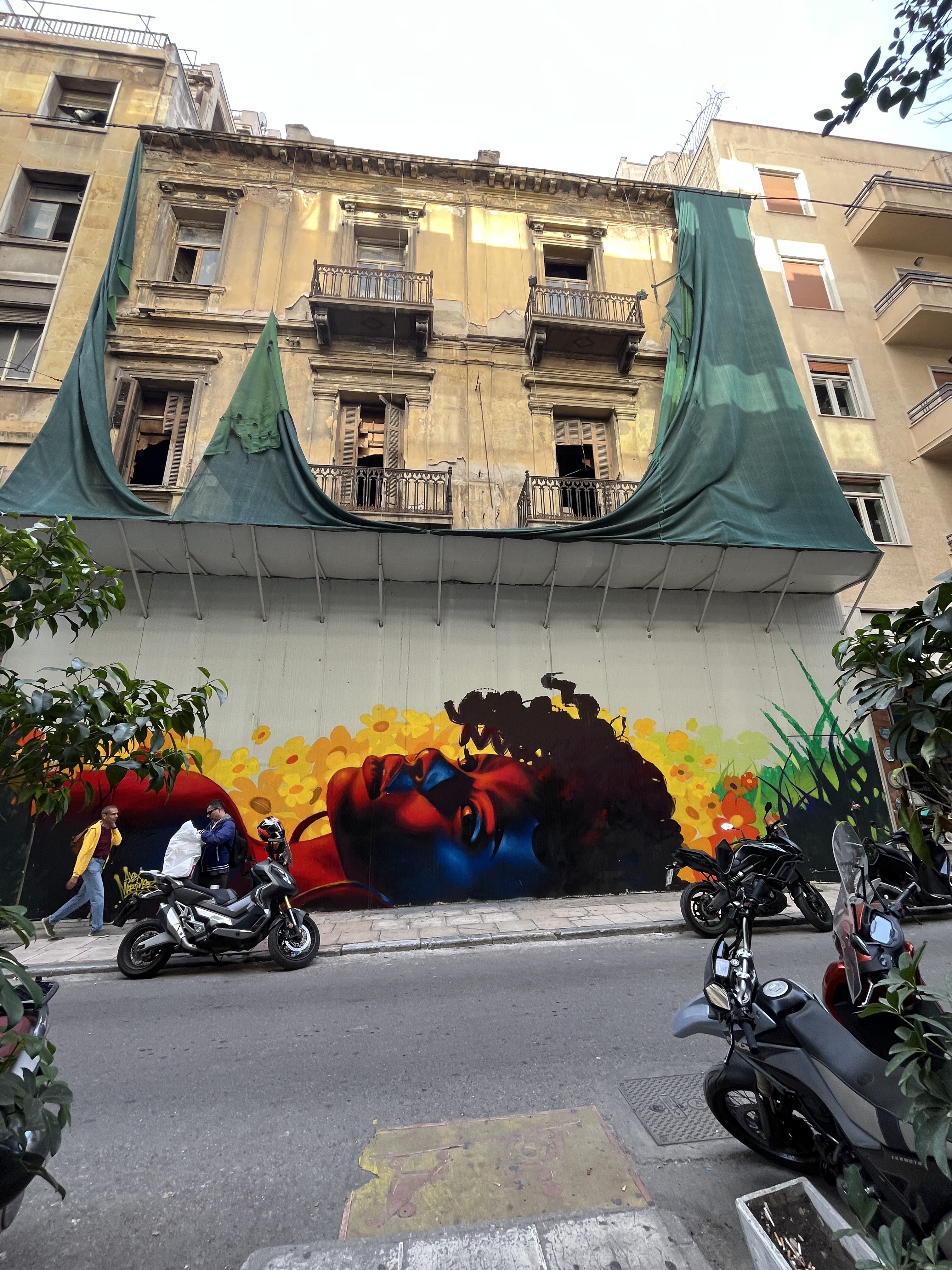
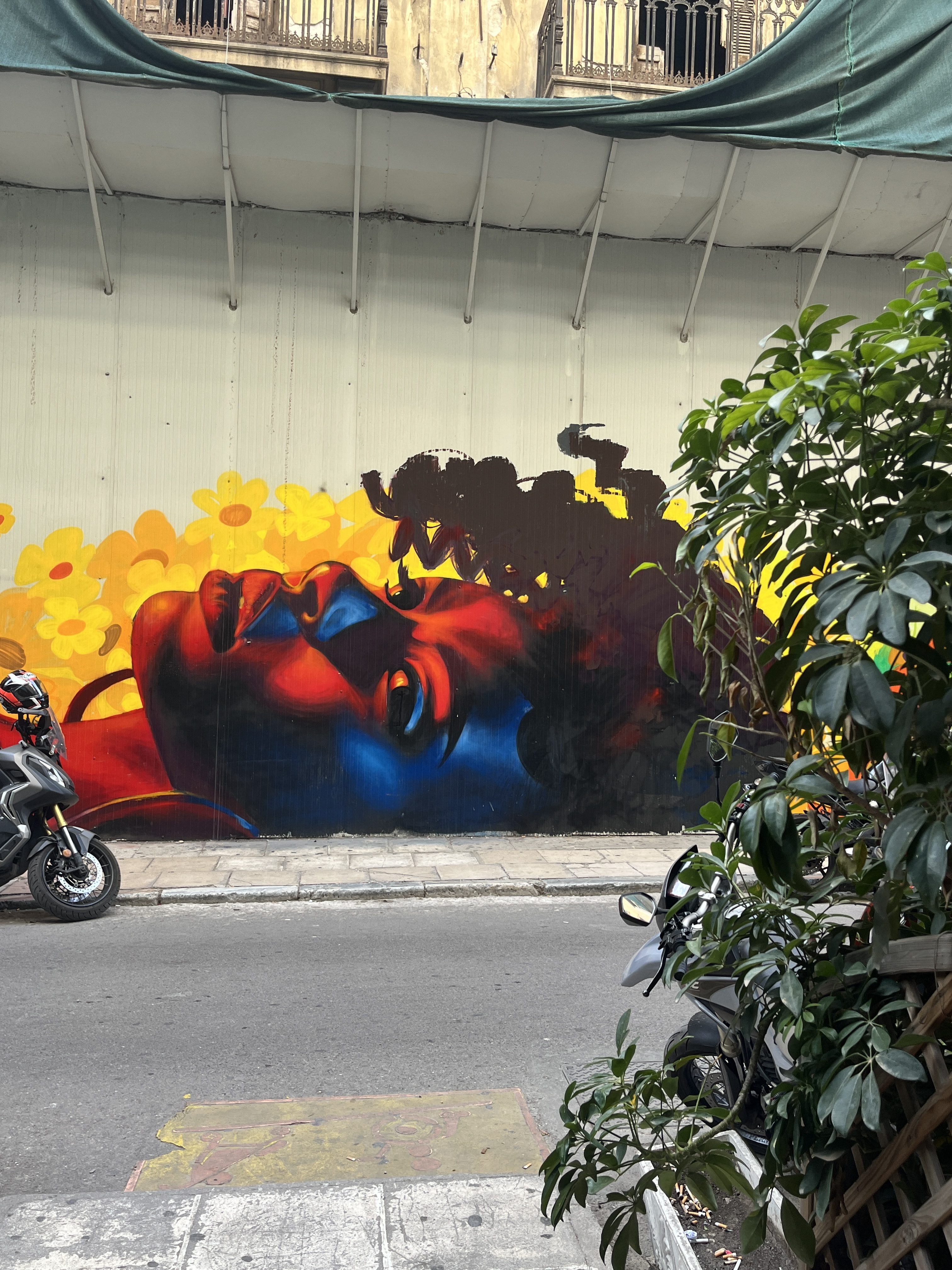
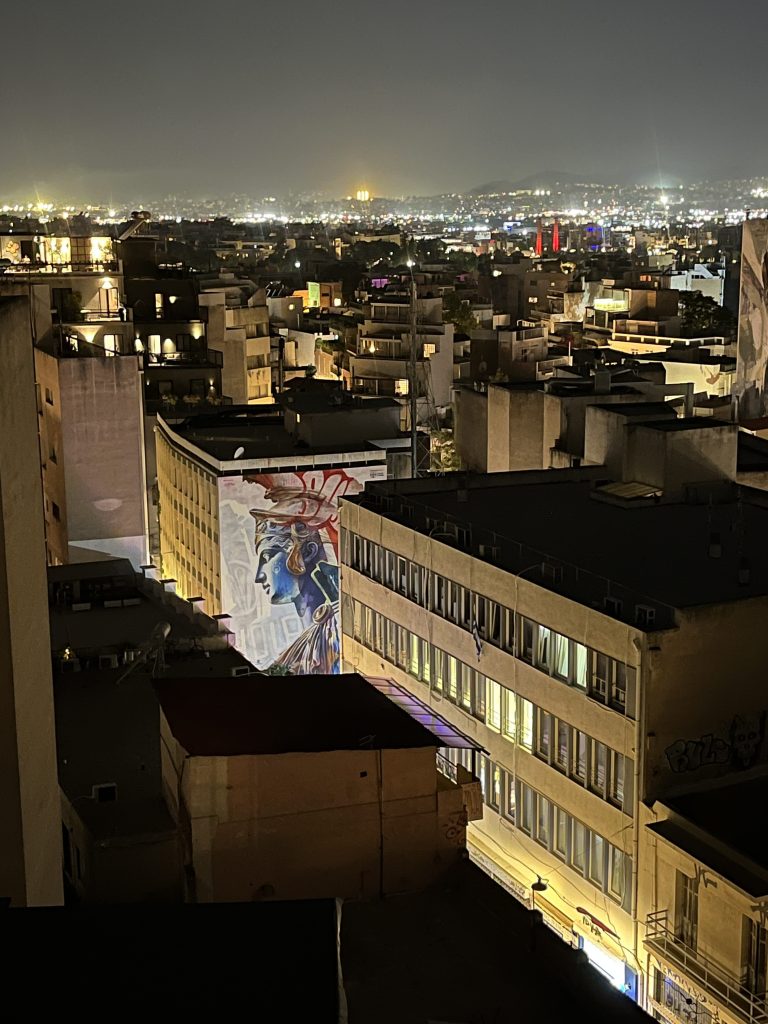
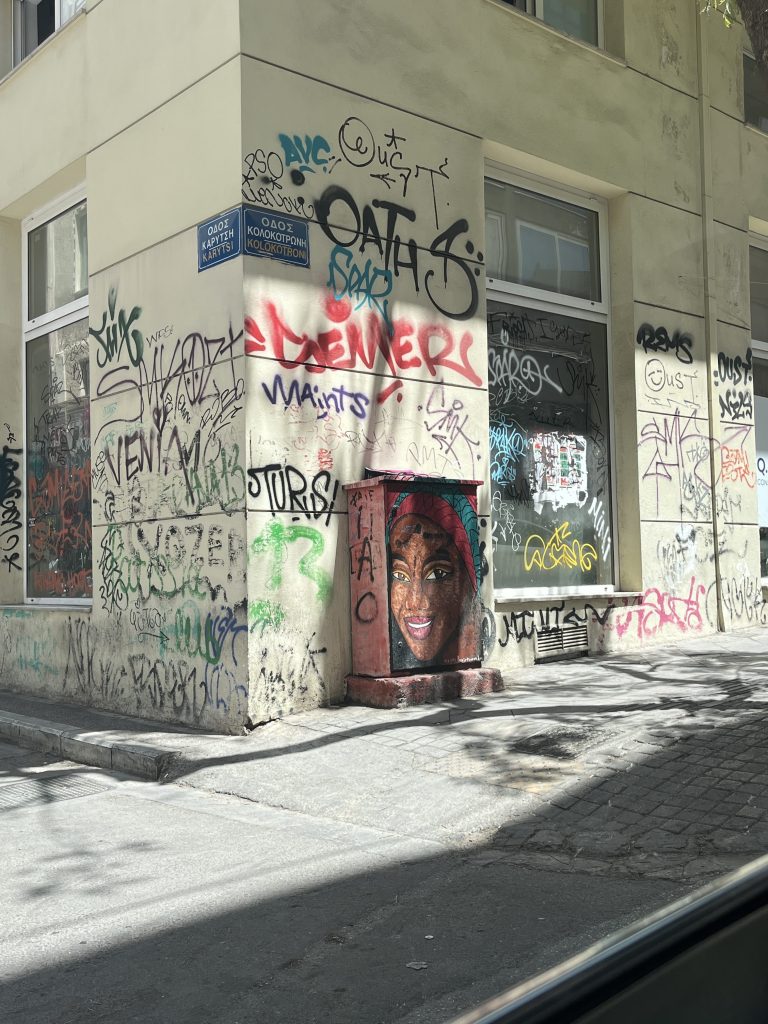
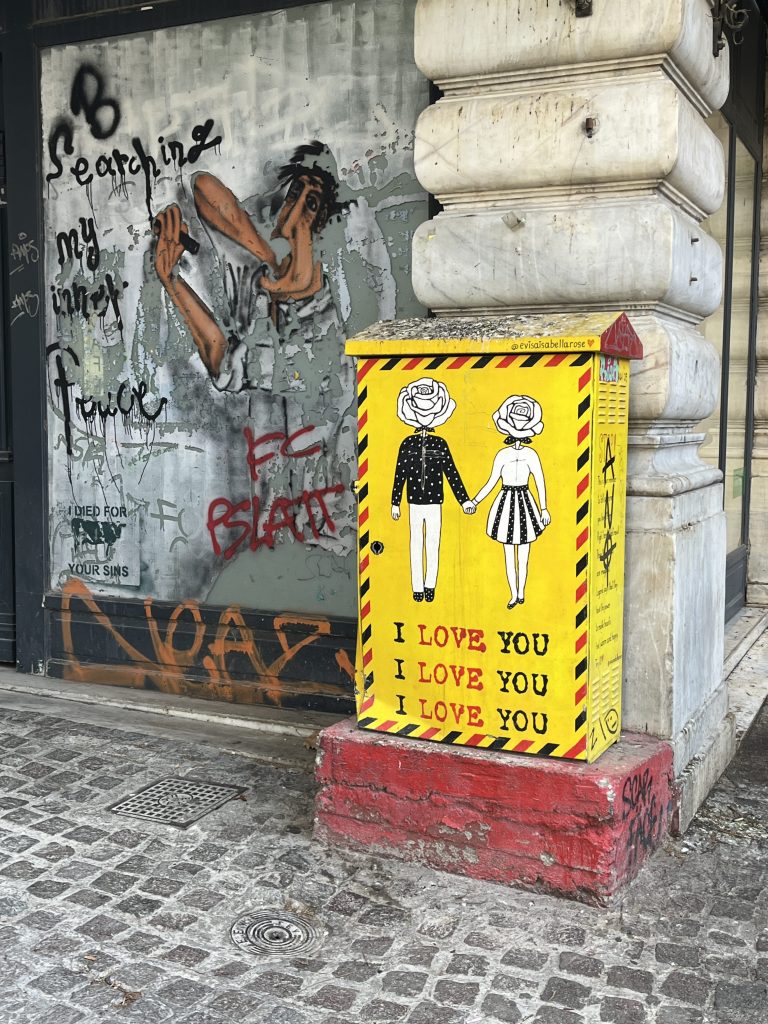
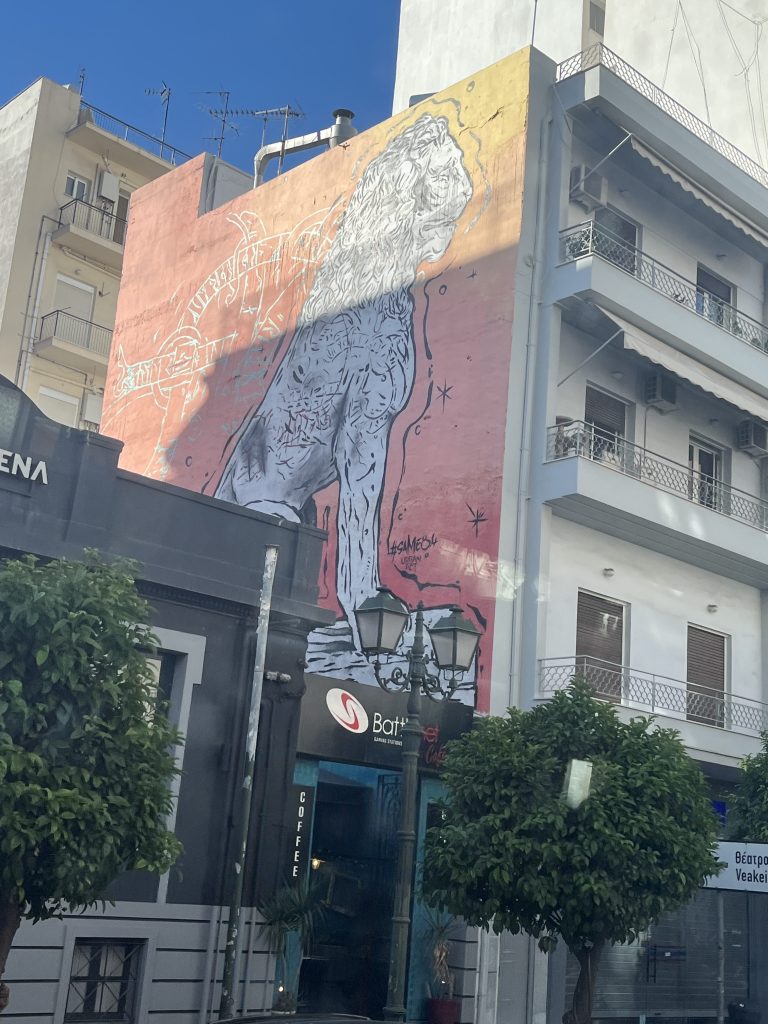
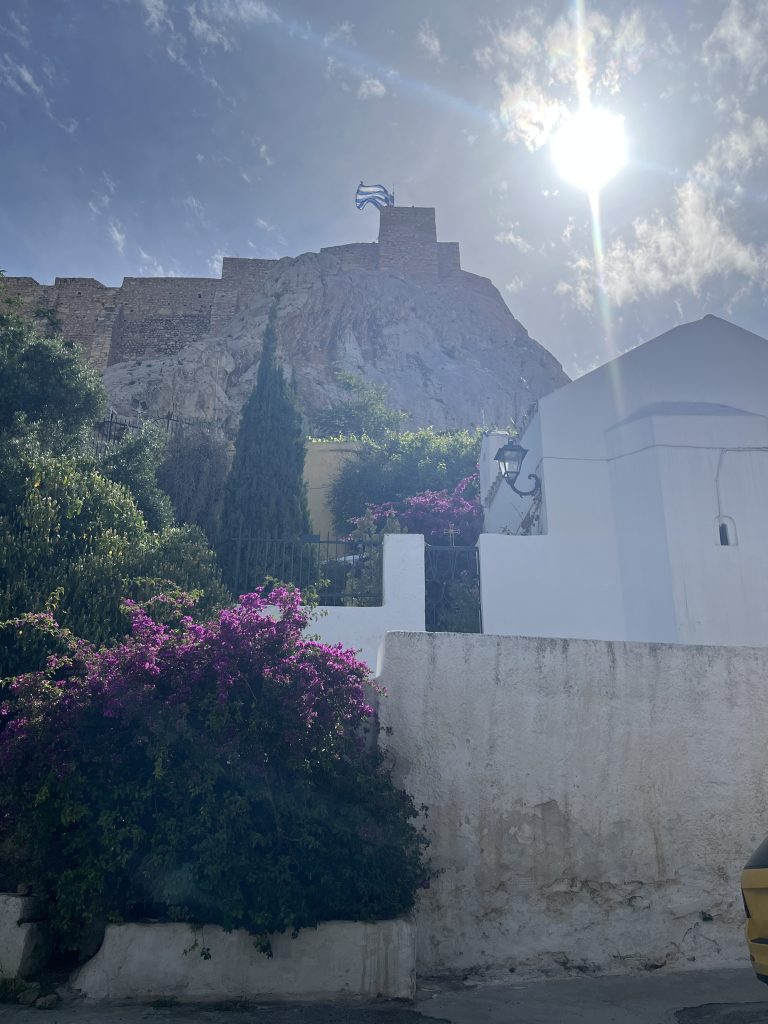
May 10th – leaving Pittsburgh, way too early. Sarah and I booked our flights together and at the last minute our Pittsburgh to New York flight got moved and unfortunately none of our other flights were moved early so we were in the airport layover almost as long as it would have taken us to drive to New York. We made the best of it, but no airport chairs are actually made for comfort…. making the flight even more uncomfortable than it already had to be. When we arrived in Athens on May 11th we were exhausted and sore. Sarah’s luggage was not put on the plane. She did everything right, checked her bag really early, but somehow someone forgot to put it on the plane. Ugh. We weren’t sure if we believed the airport agent that her bag would be put on the next flight and then delivered to our hotel. (Thank God it was at the hotel the very next morning). We took the subway to our hotel and luckily checked in early and got to take showers. Then we had a quick lunch, I don’t remember what it was but it was not good, we think we stumbled into a tourist trap type place at an odd time. We decided to break the rule about staying awake until dinner and took a nap. We set an alarm so we didn’t sleep too long. It was exactly the reset we needed. We explored the city and picked up a couple of things including sunblock. It was something we planned to pick up in Athens instead of bringing it with us (they have better quality and we would be applying daily). We also noted a small orthodox church, historical buildings, graffiti, and murals.
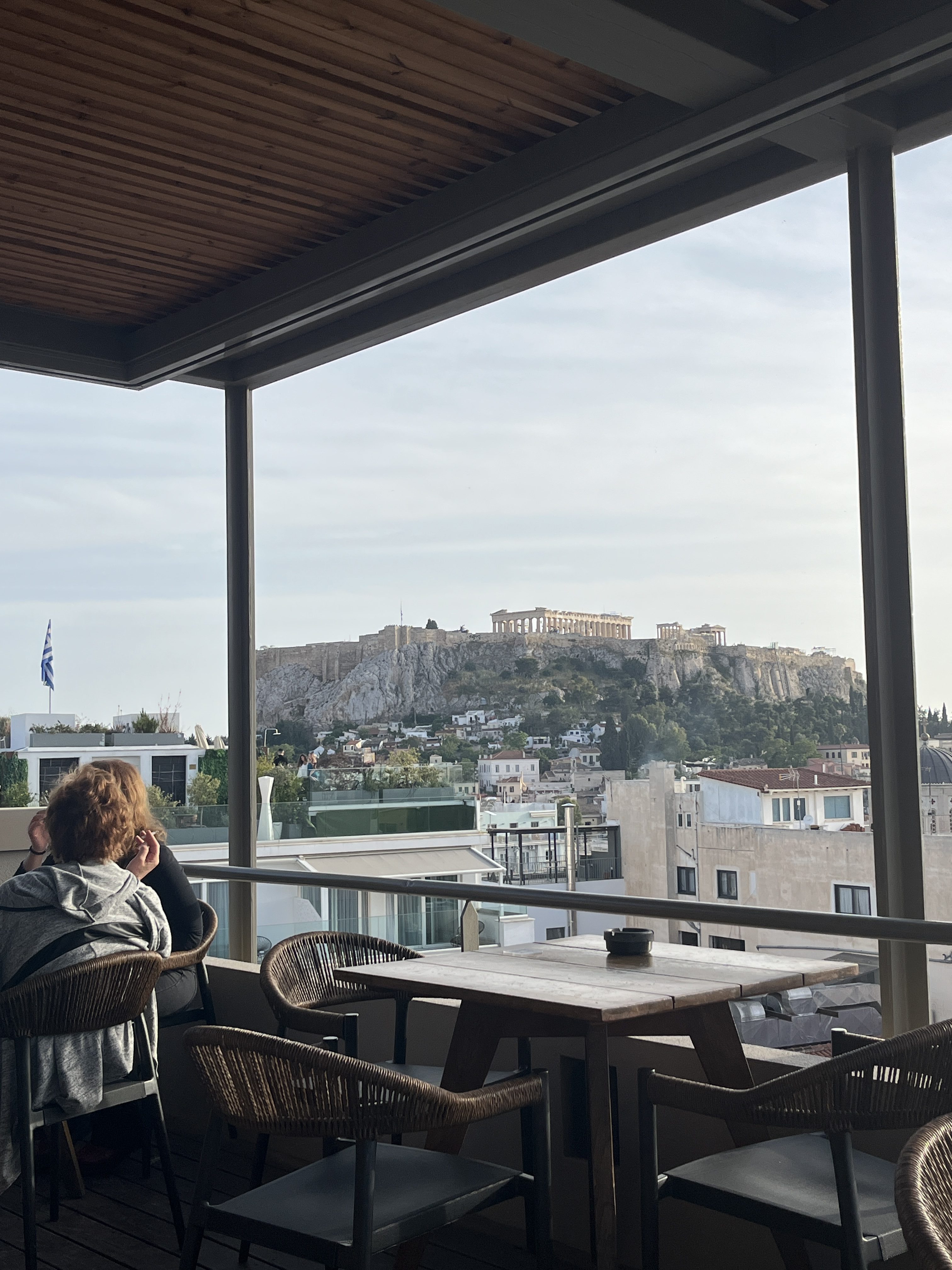
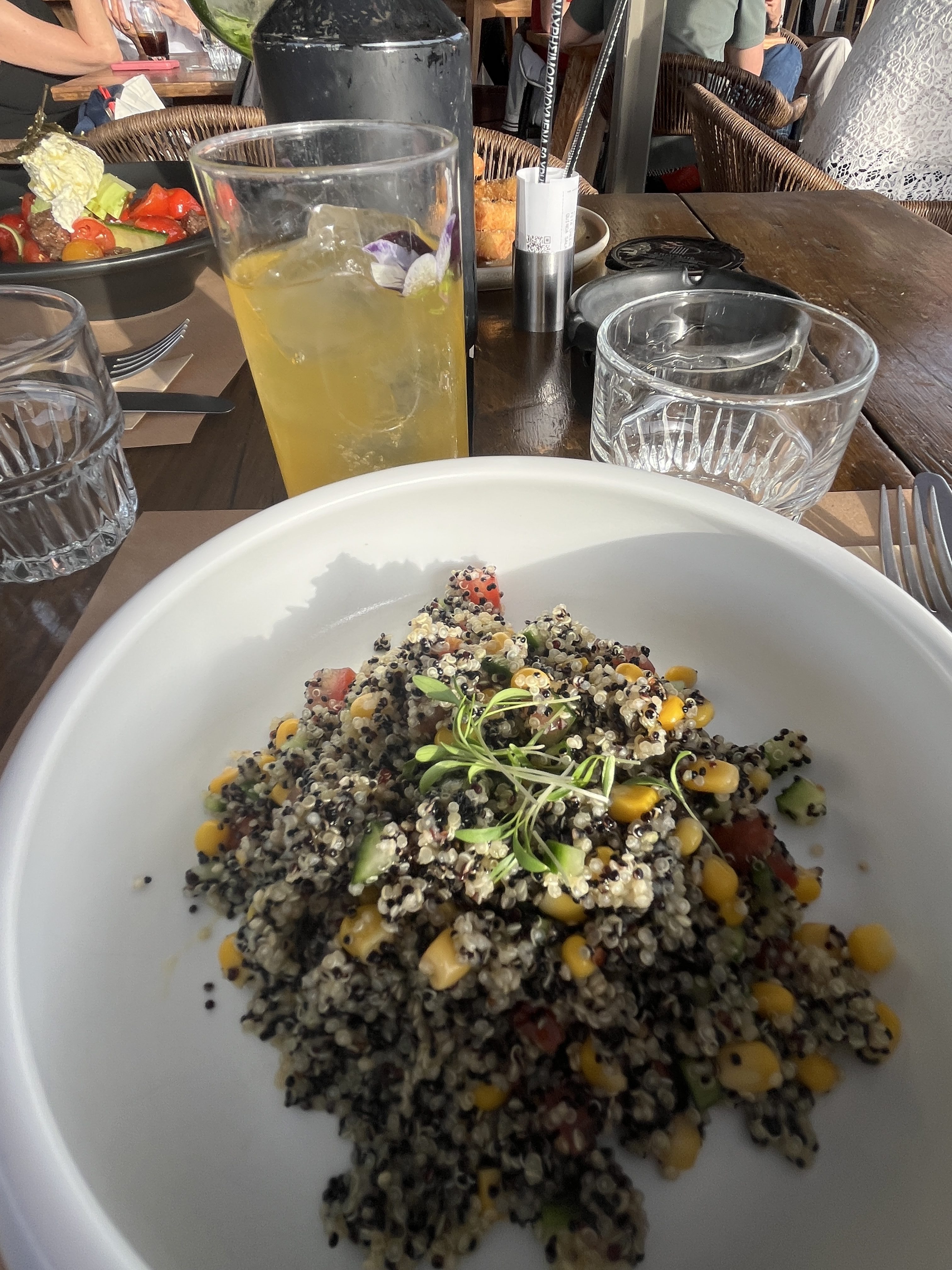
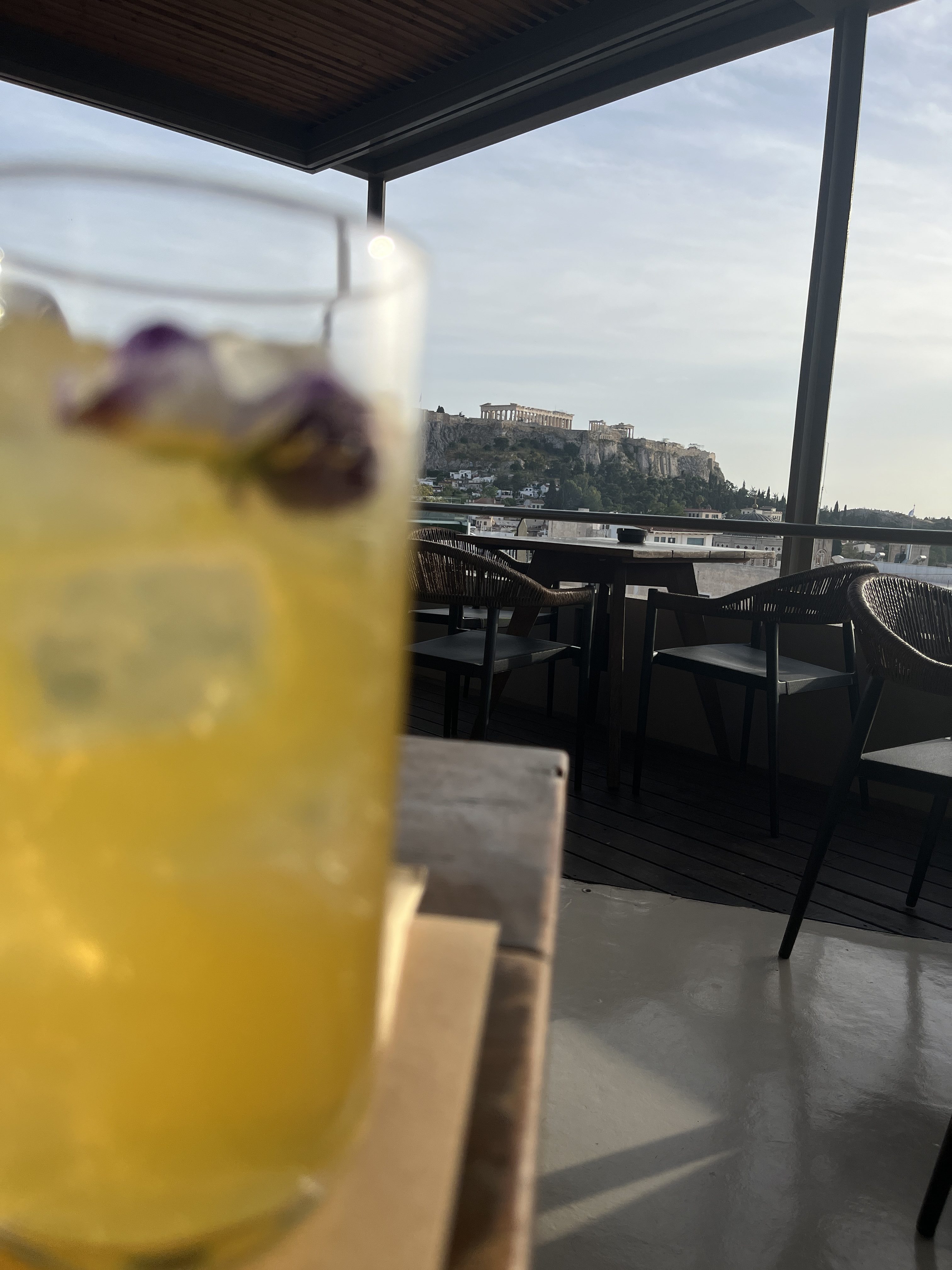
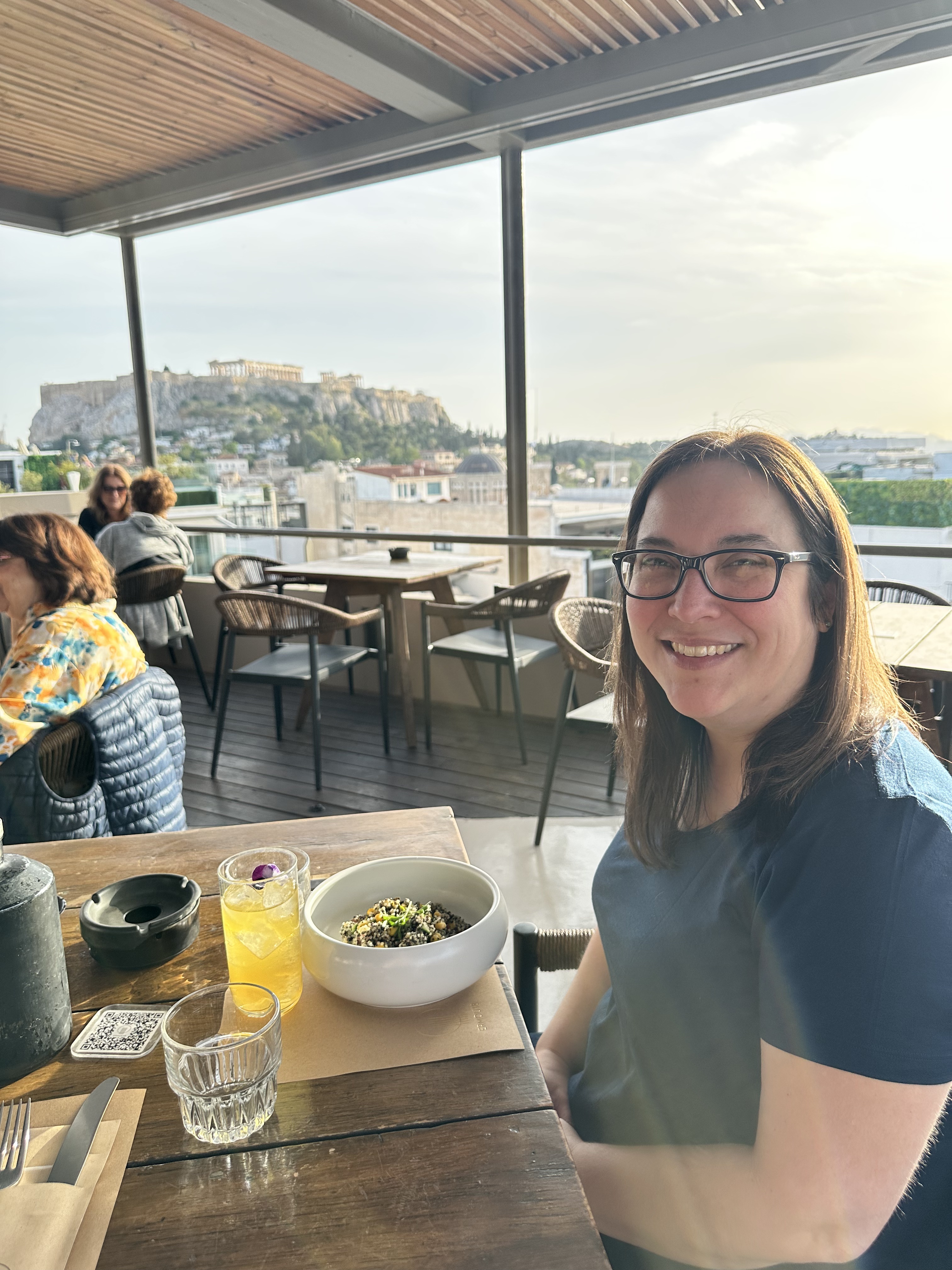
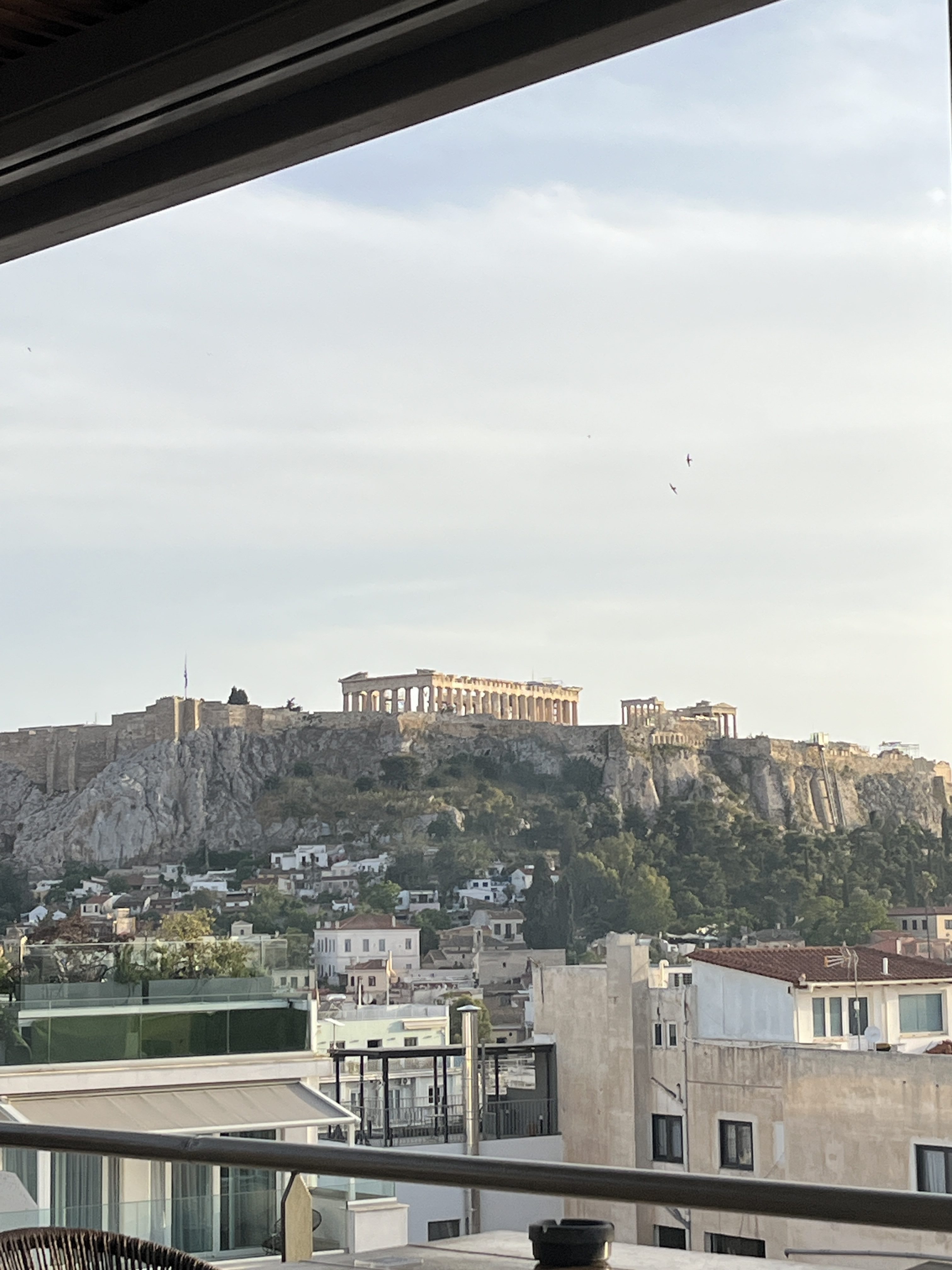
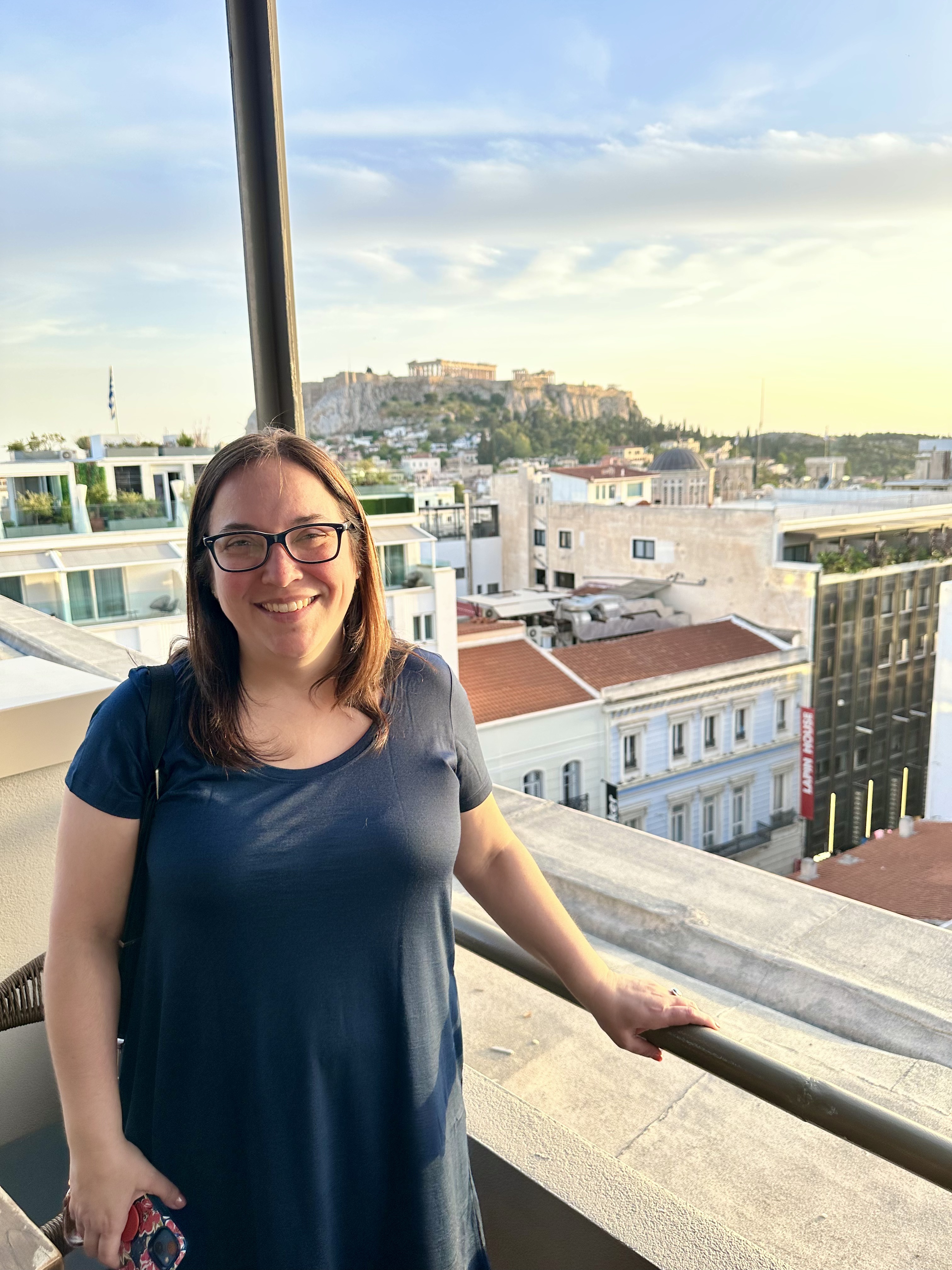
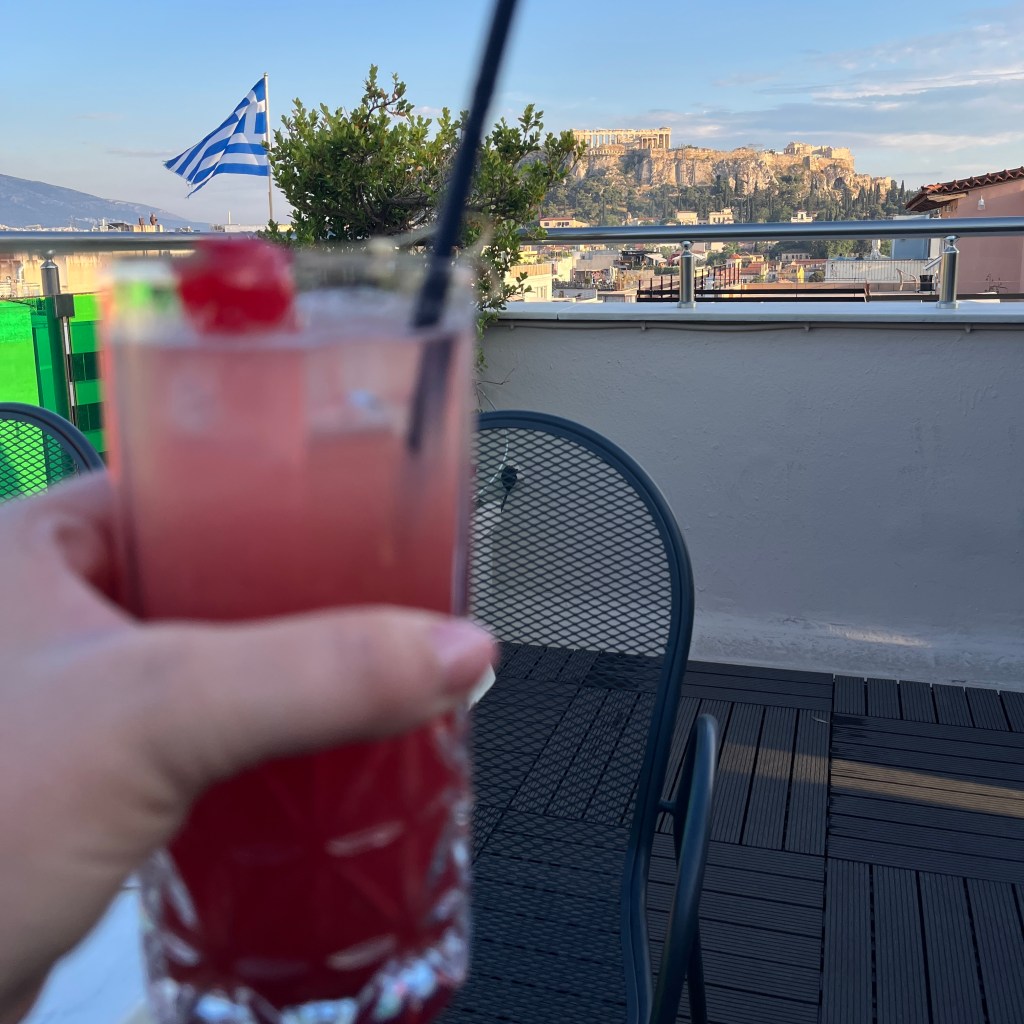
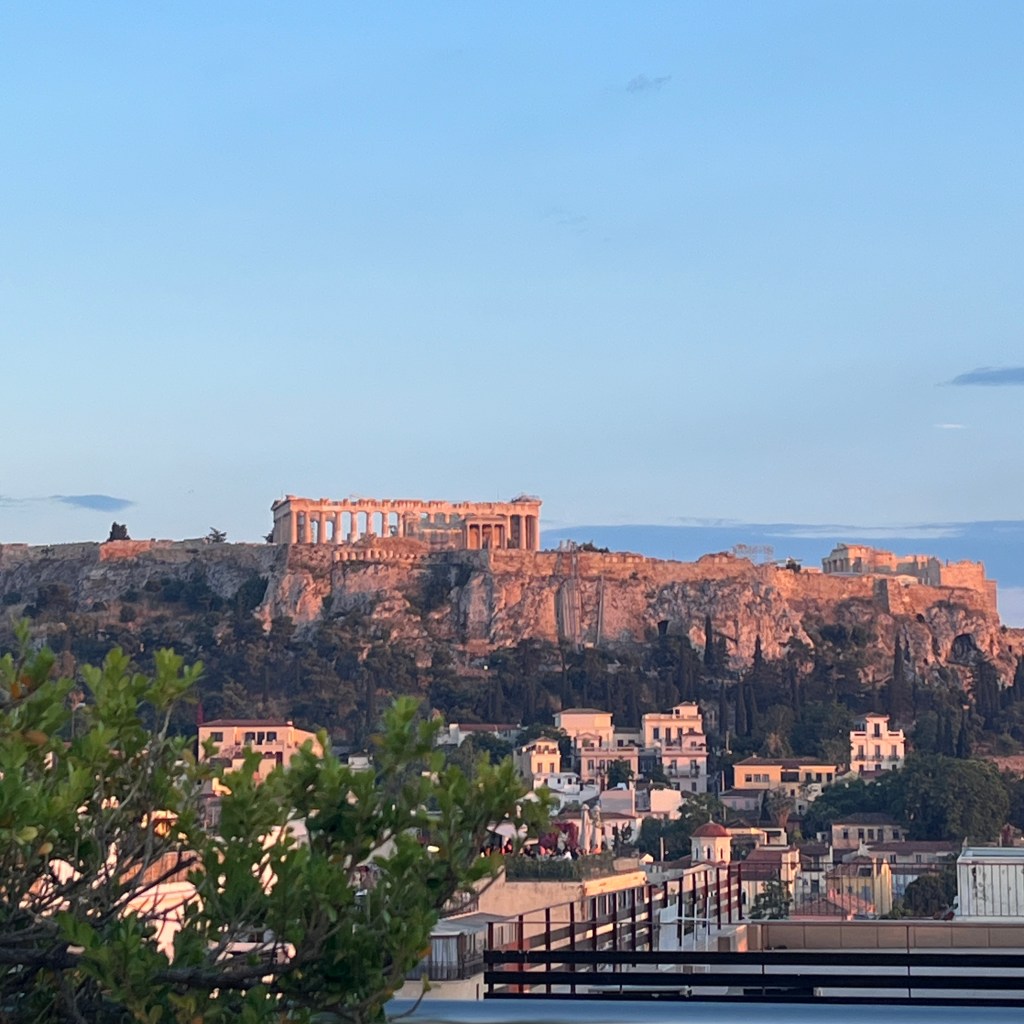
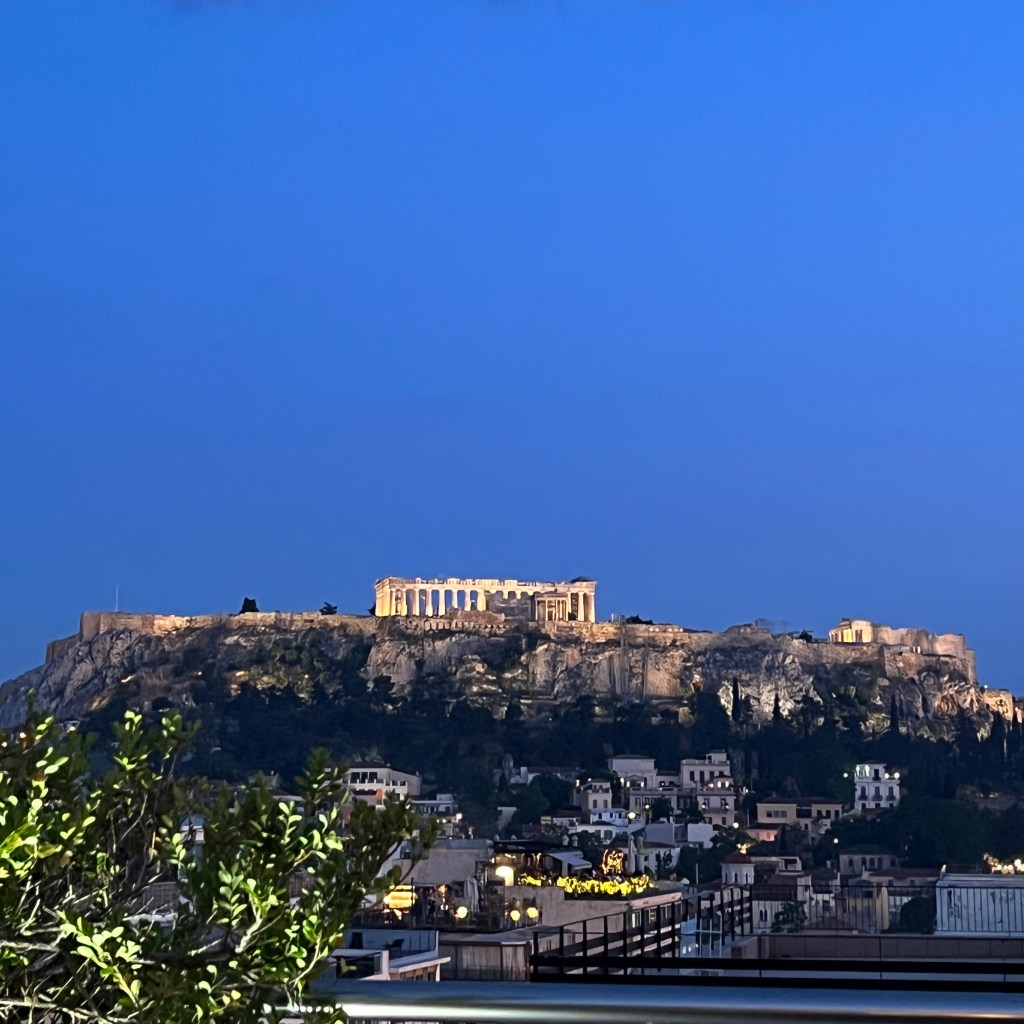
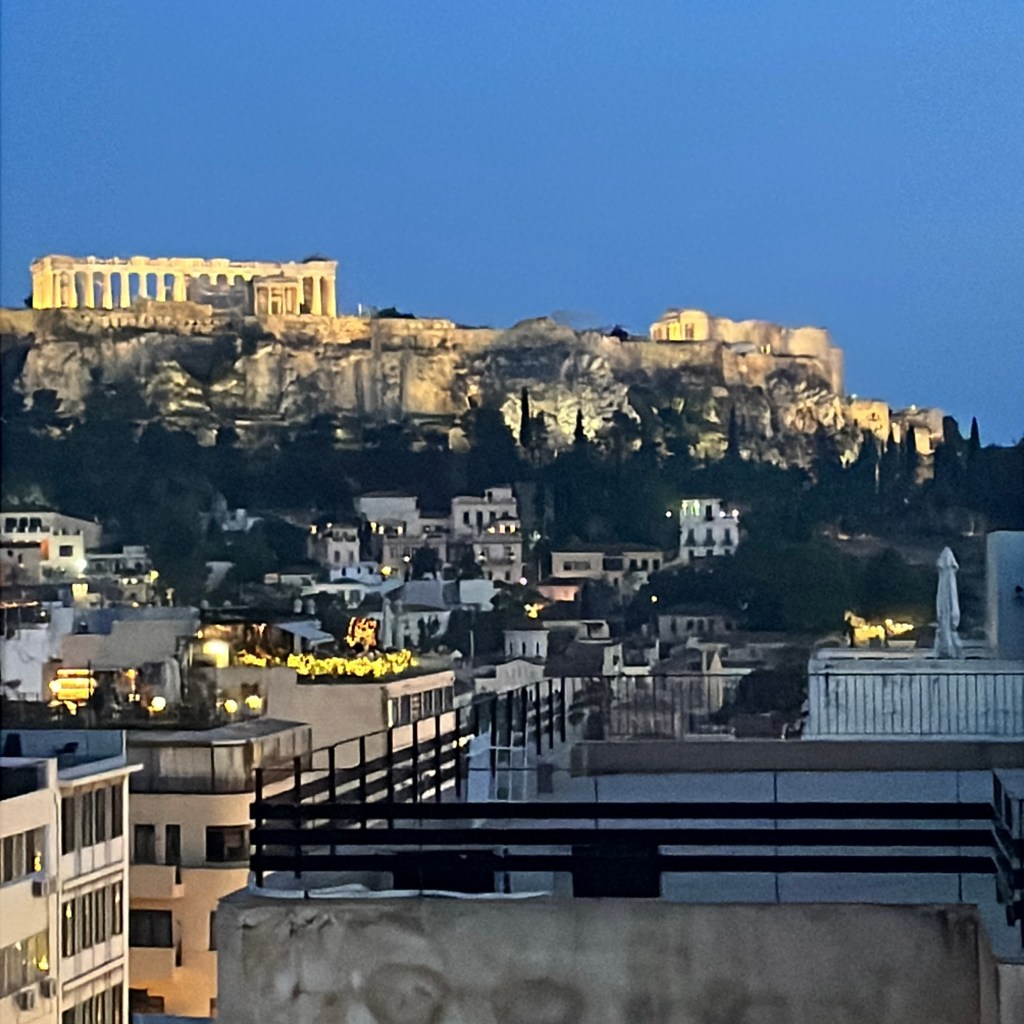
We had drinks and dinner with a view (of the acropolis) at the rooftop restaurant Ermu 18 Beyond the Horizon. Most people were there for coffee or happy hour drinks. Many Greeks drink coffee around 5pm, then have happy hour drinks, and dinner is very late in the evening (no sooner than 8pm).
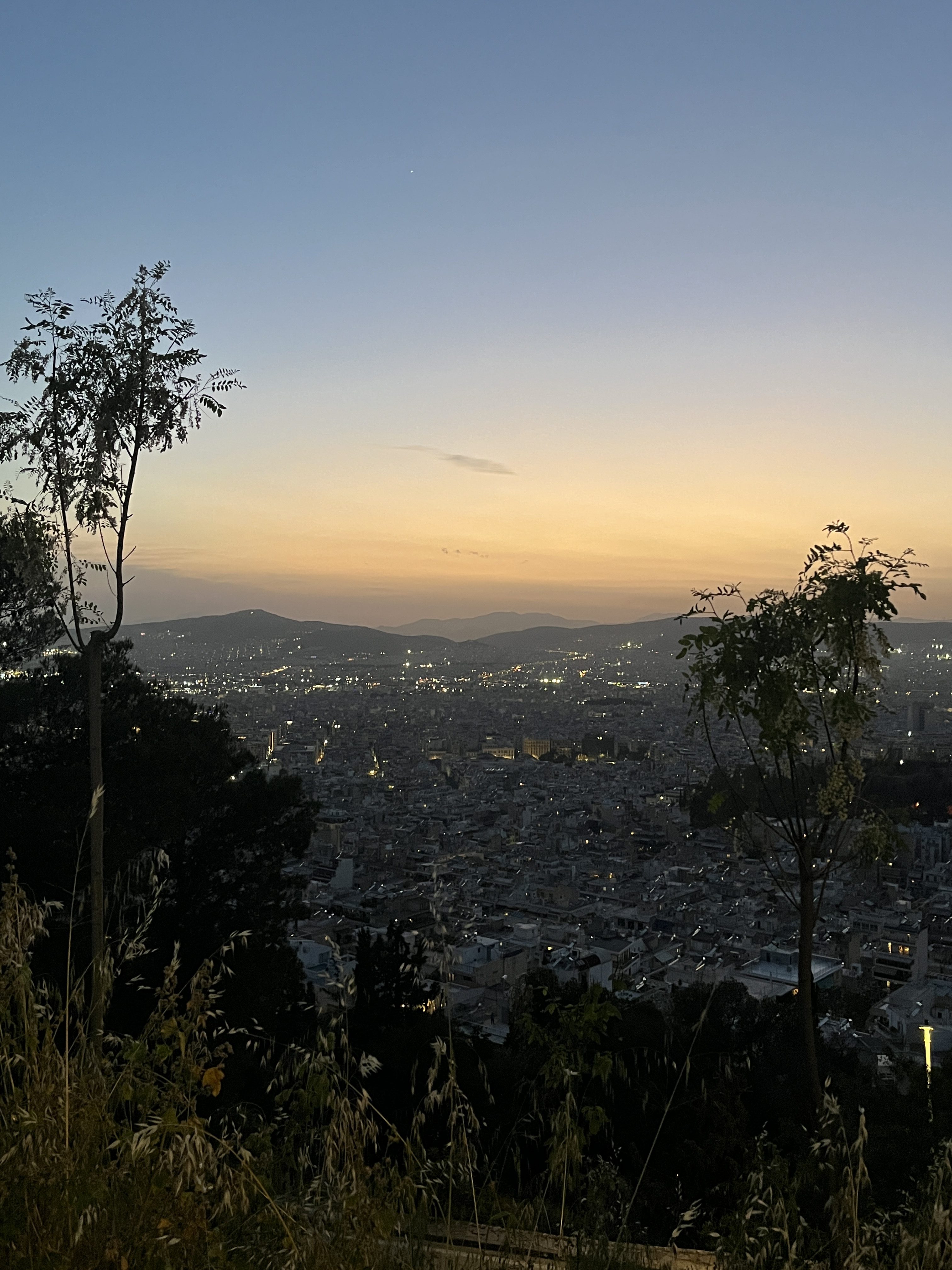
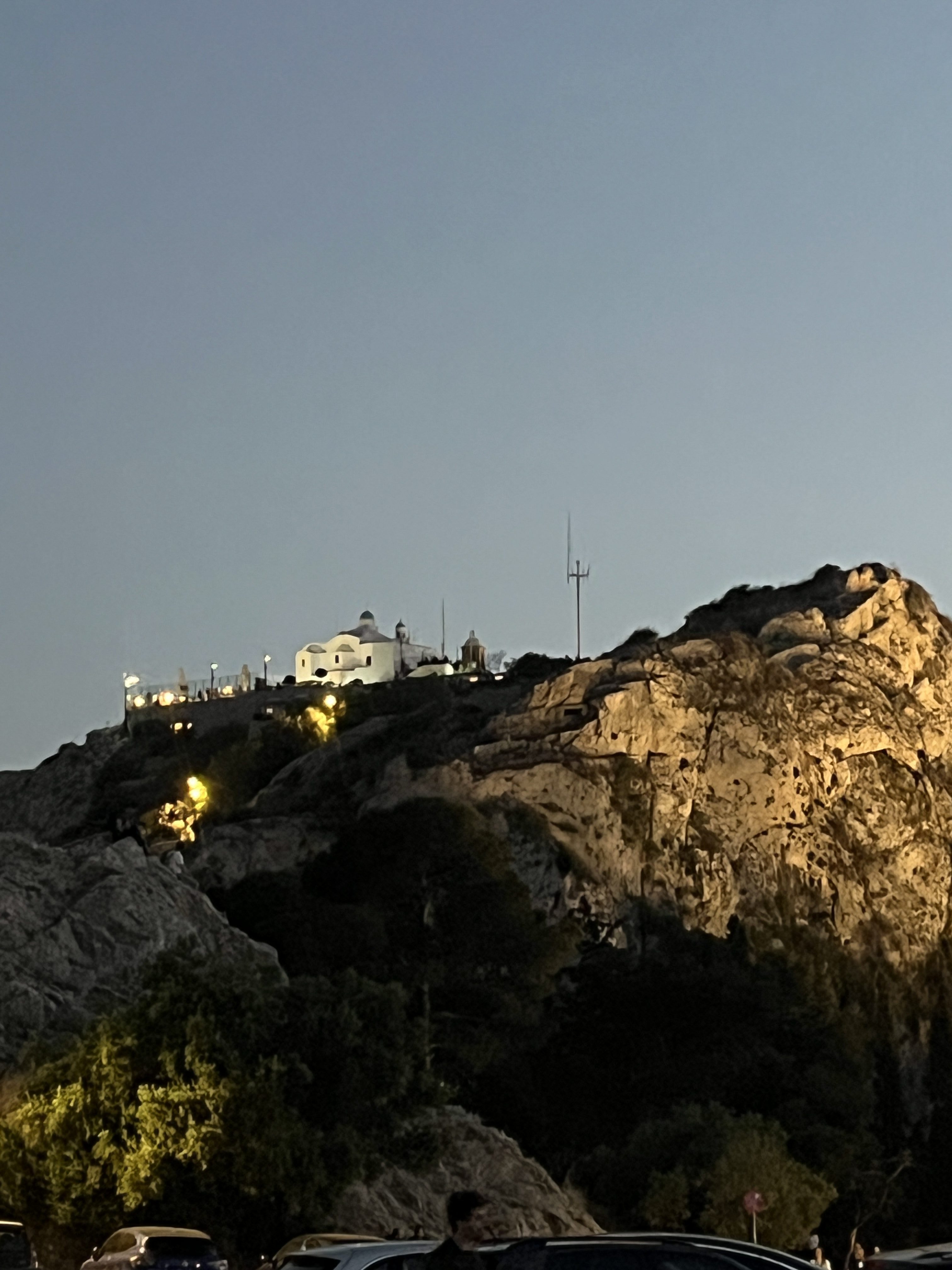
Then we went to Mount Lycabettus for a city view at sunset.
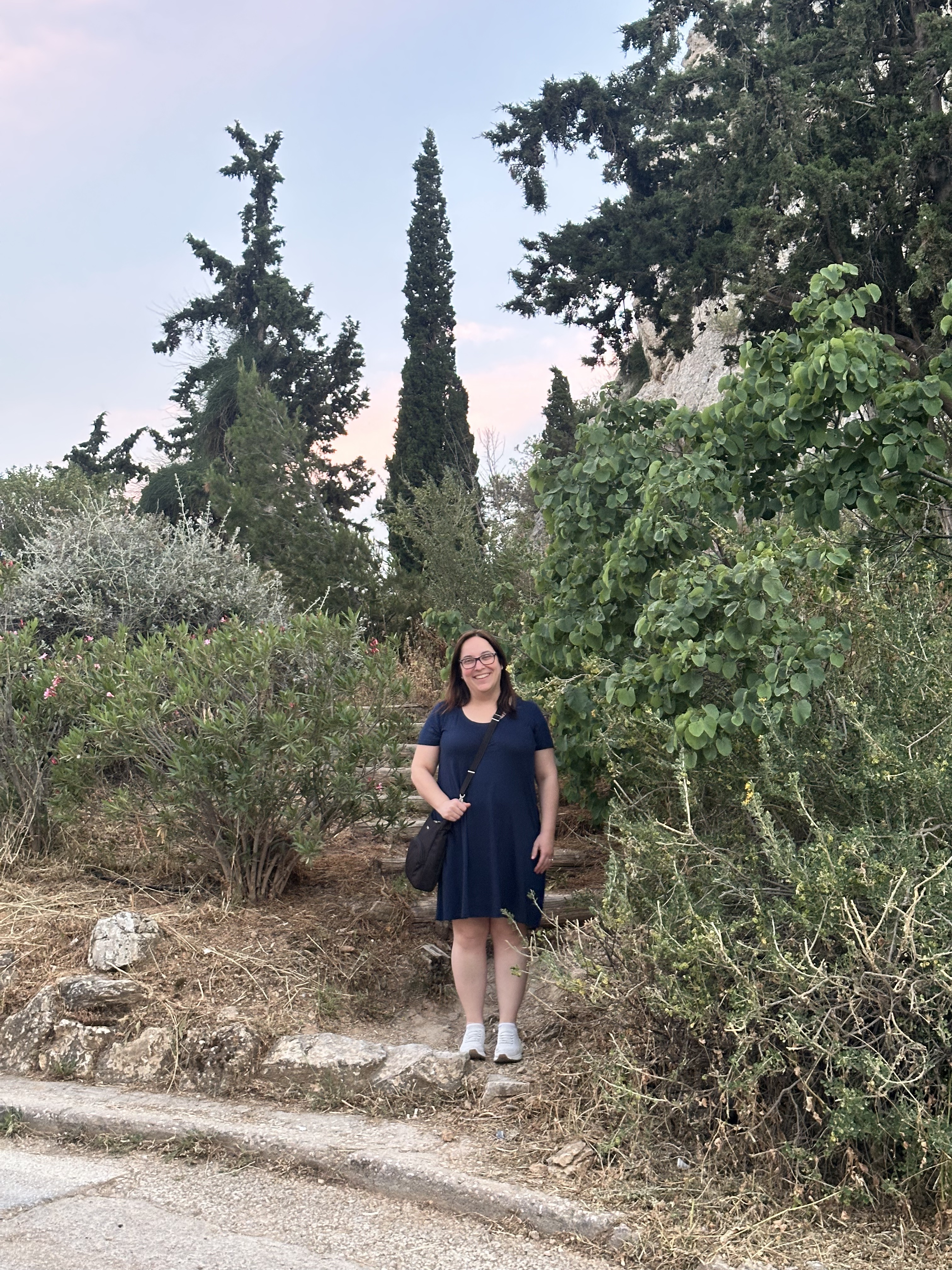
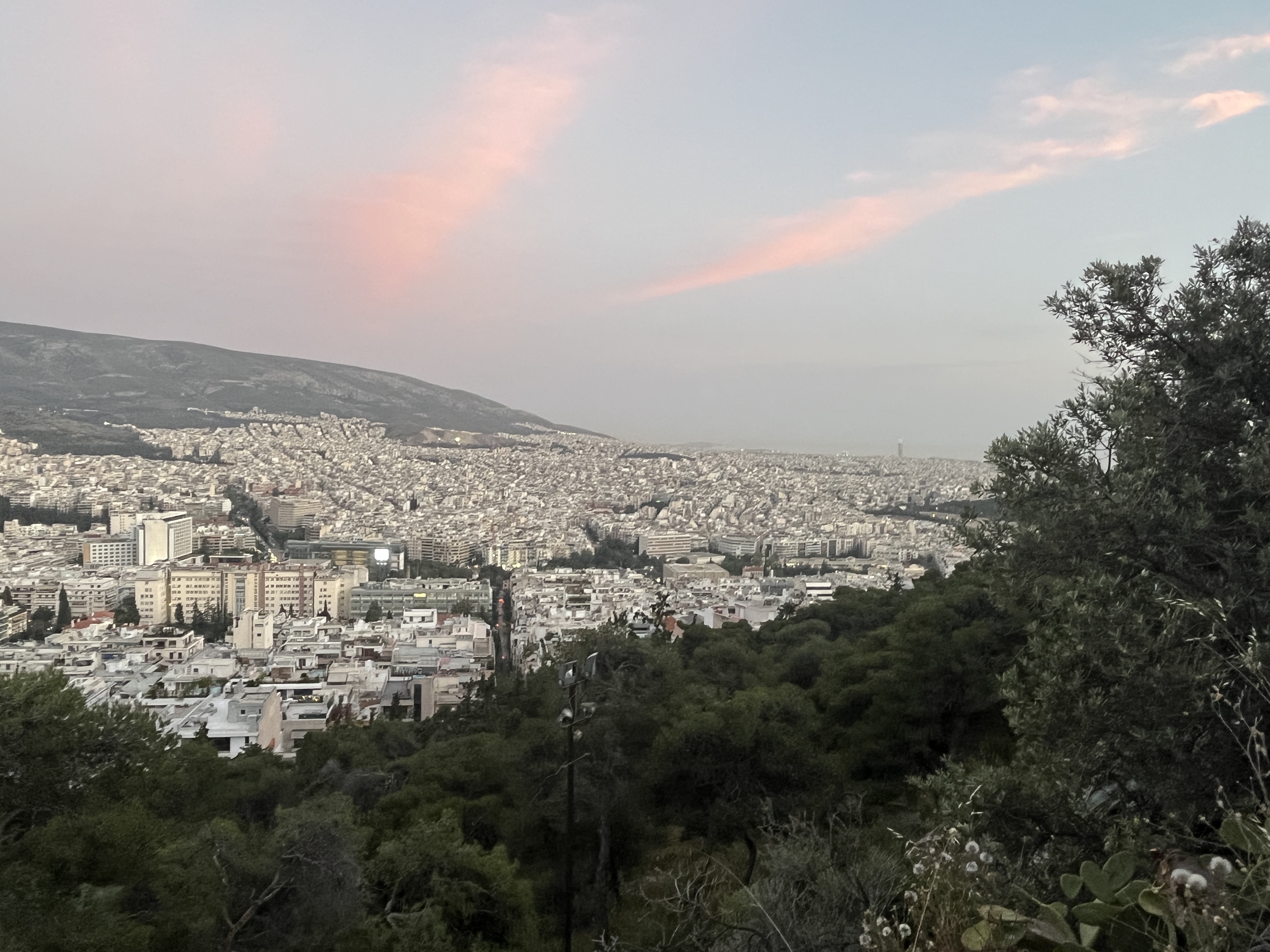
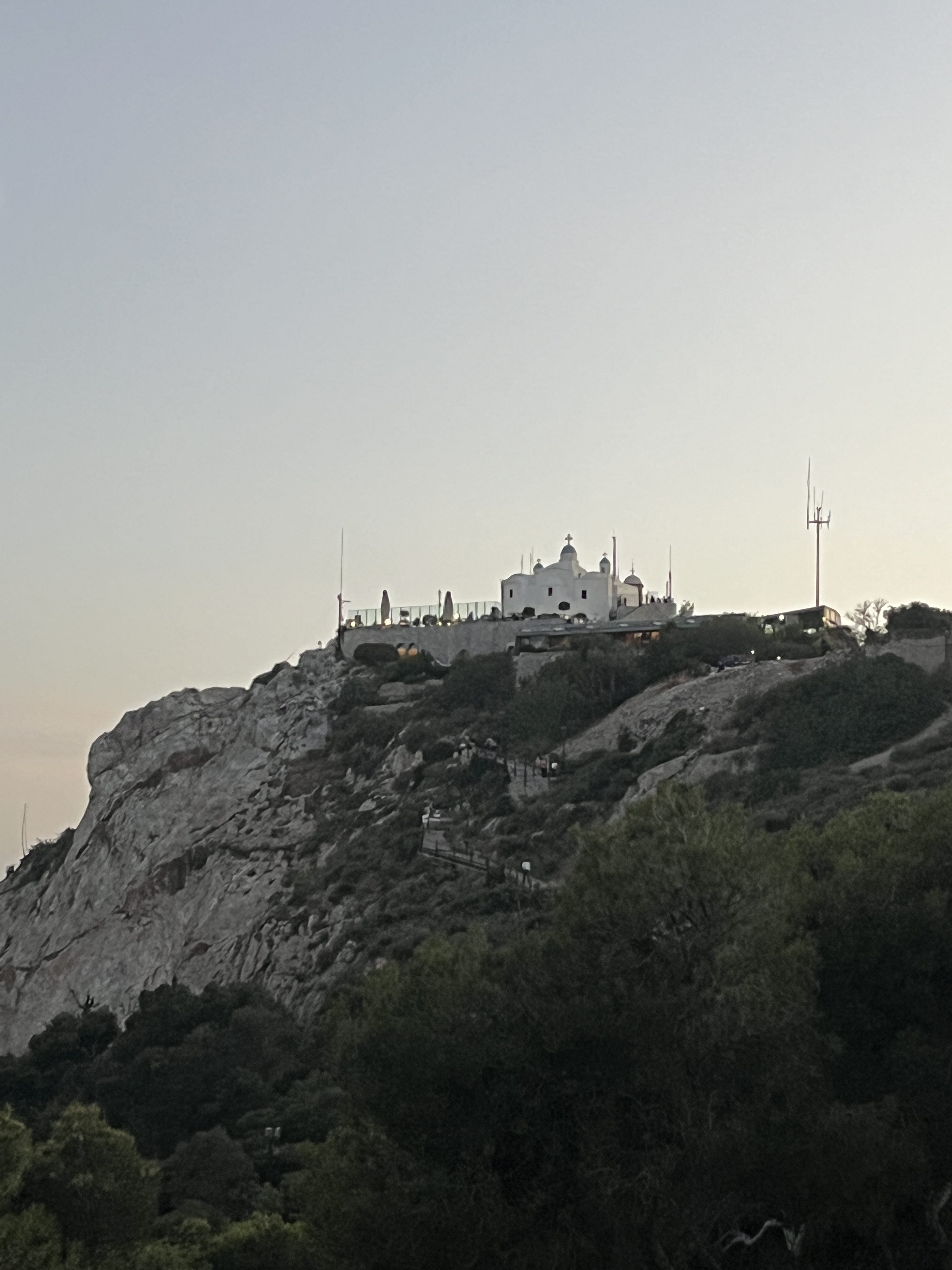
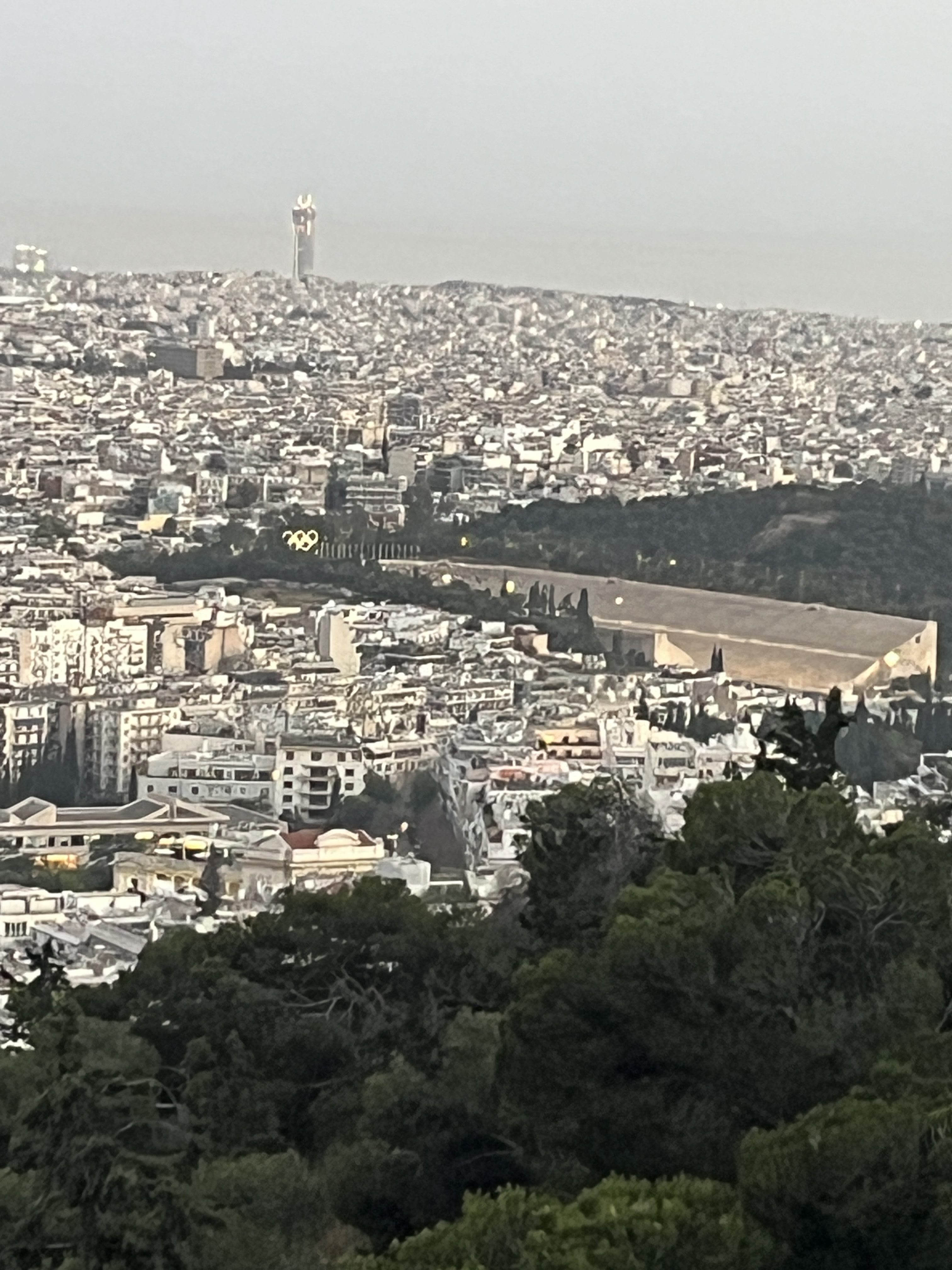
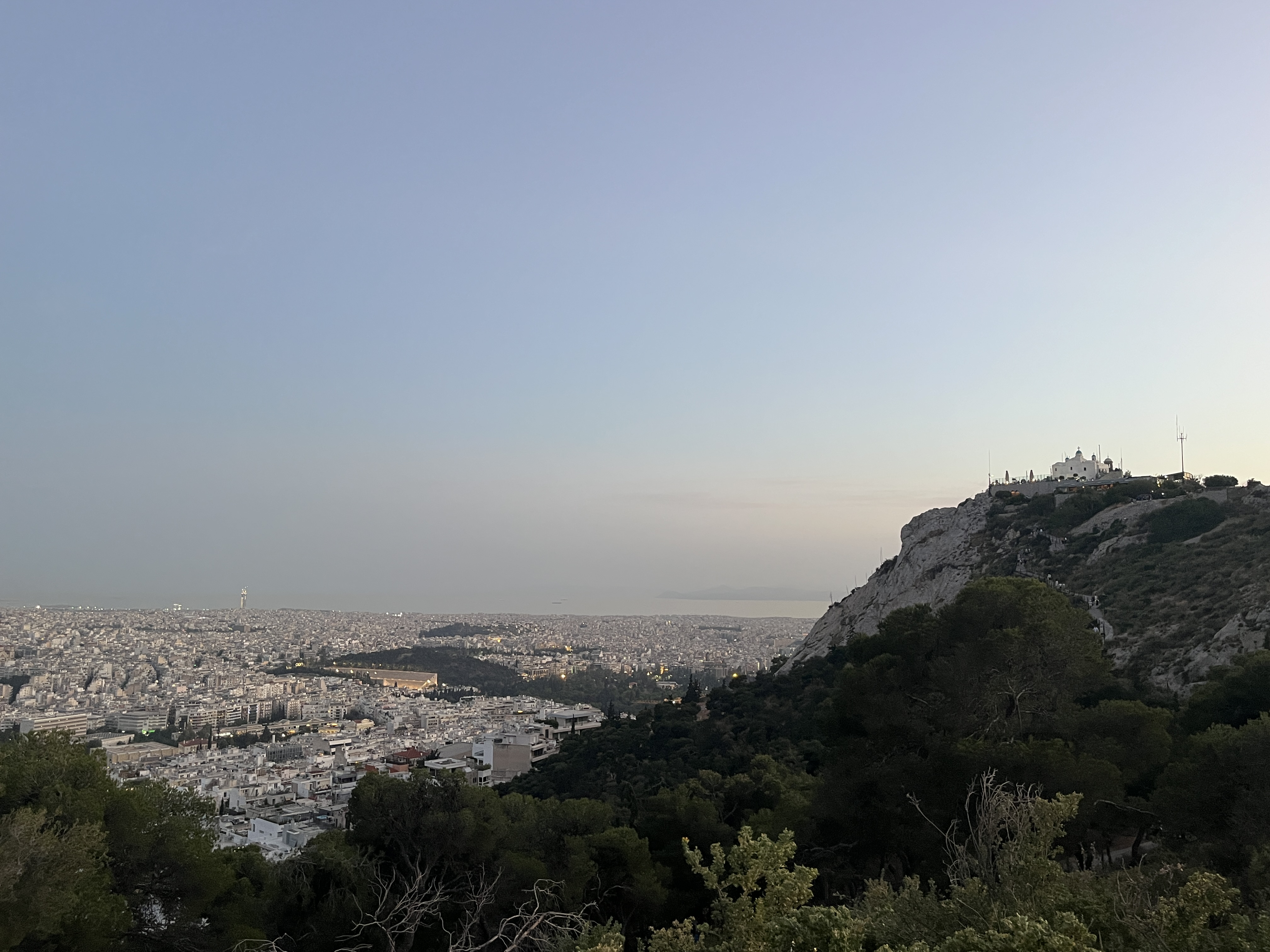
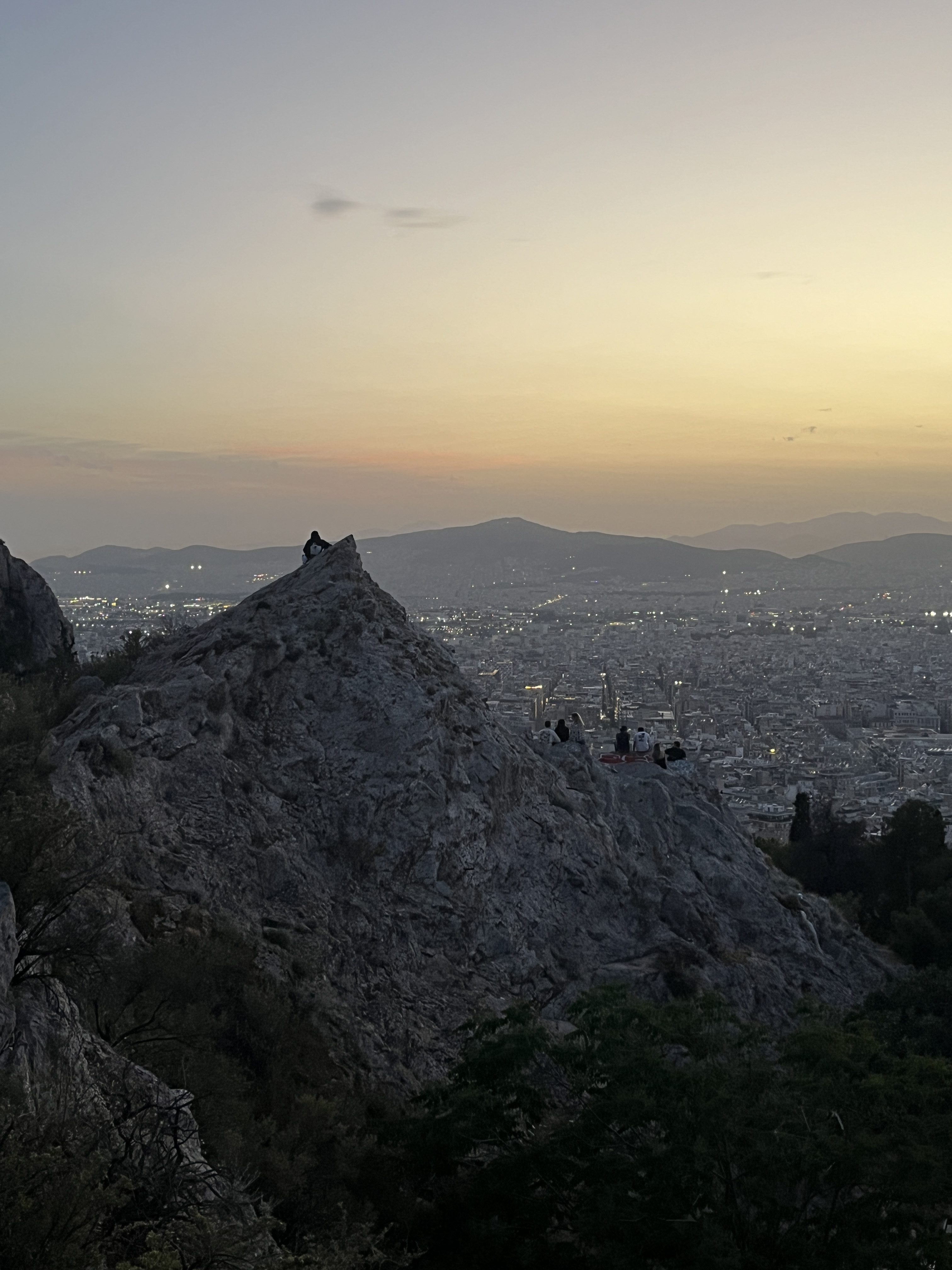
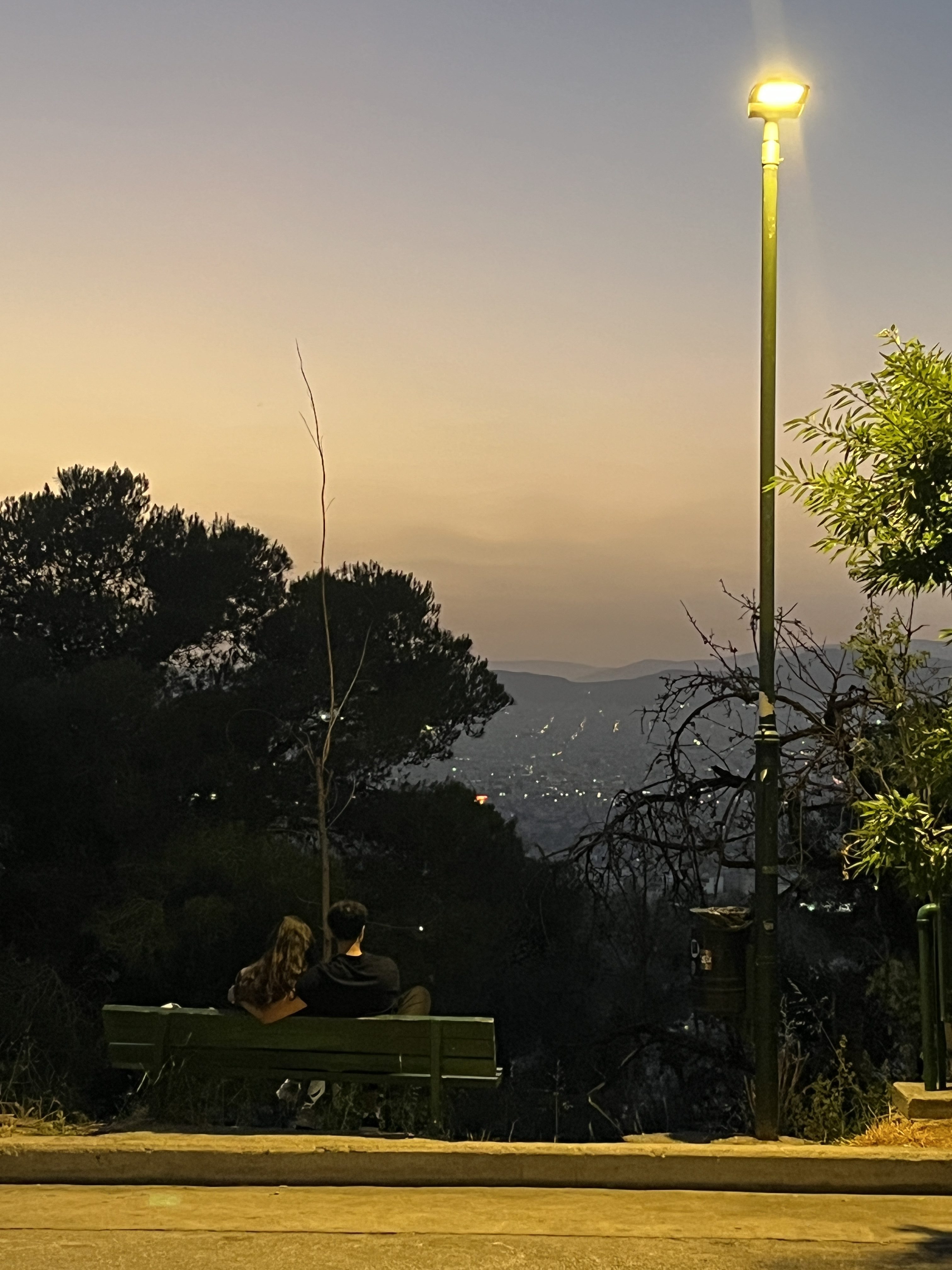
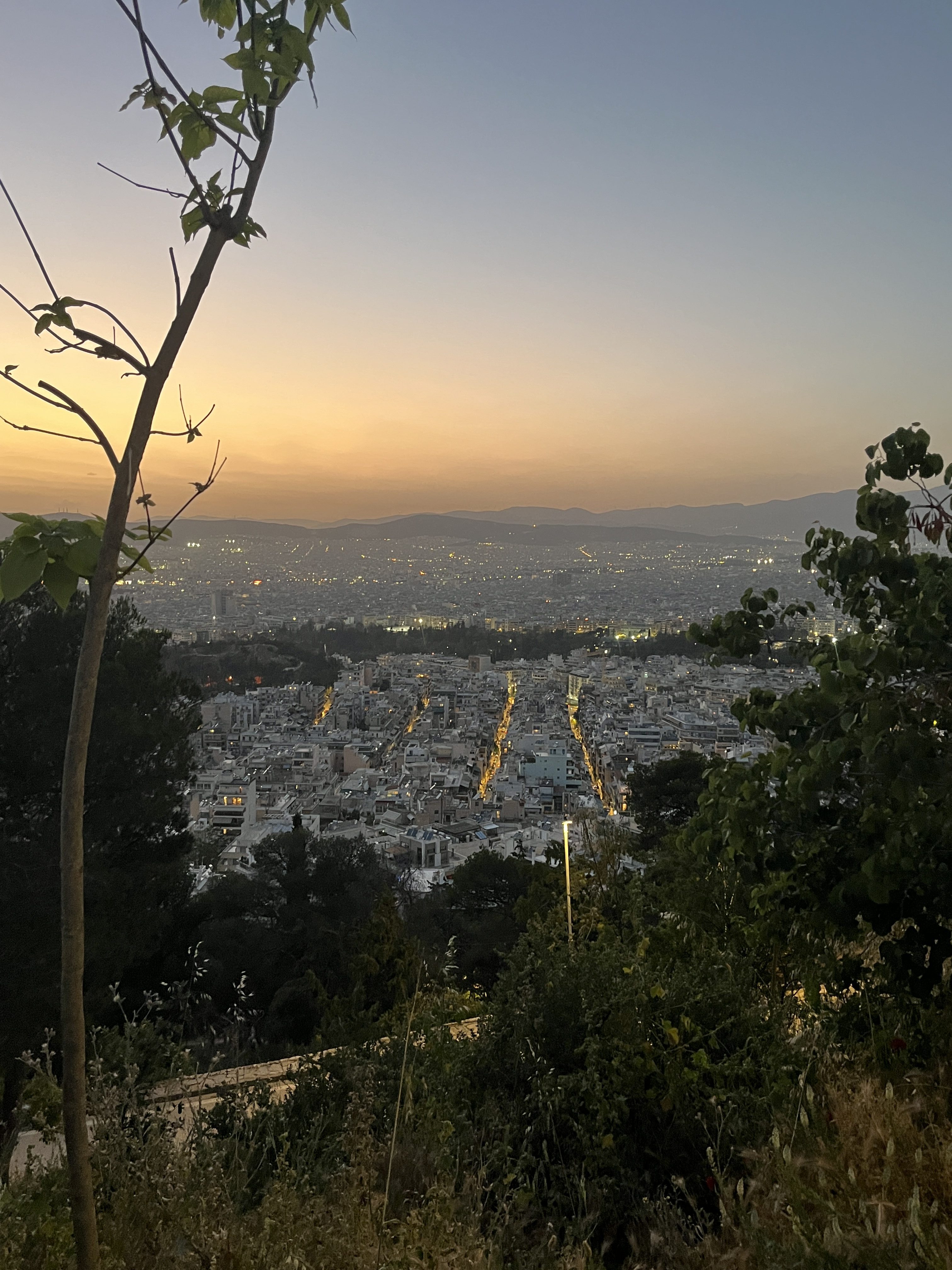
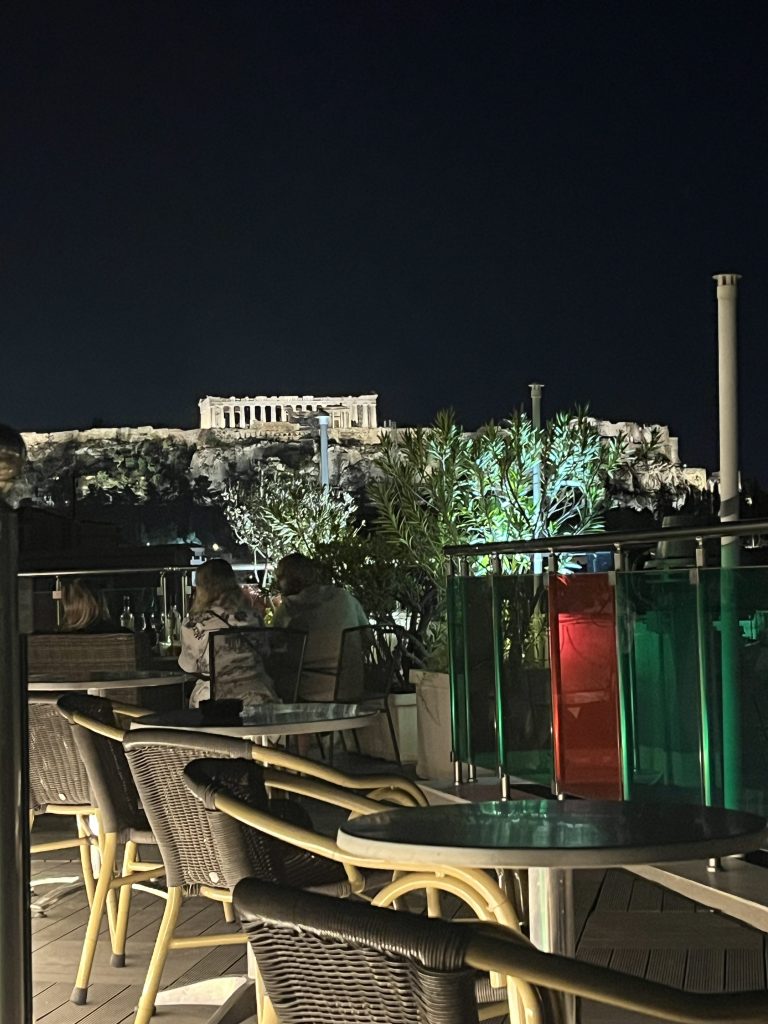
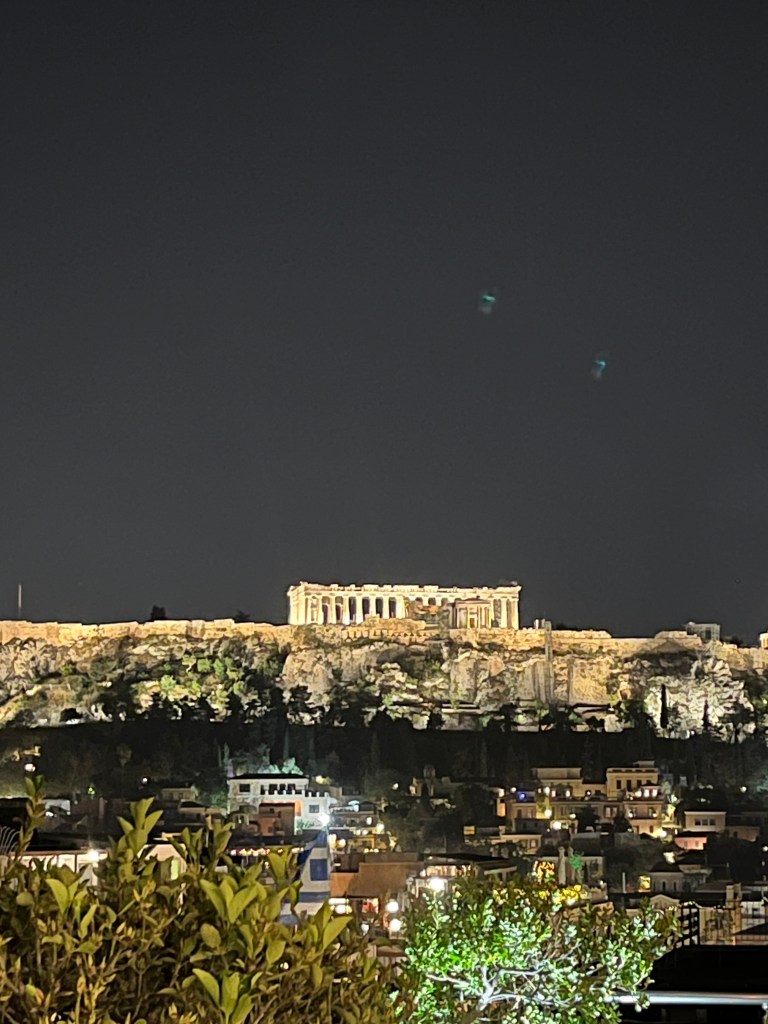
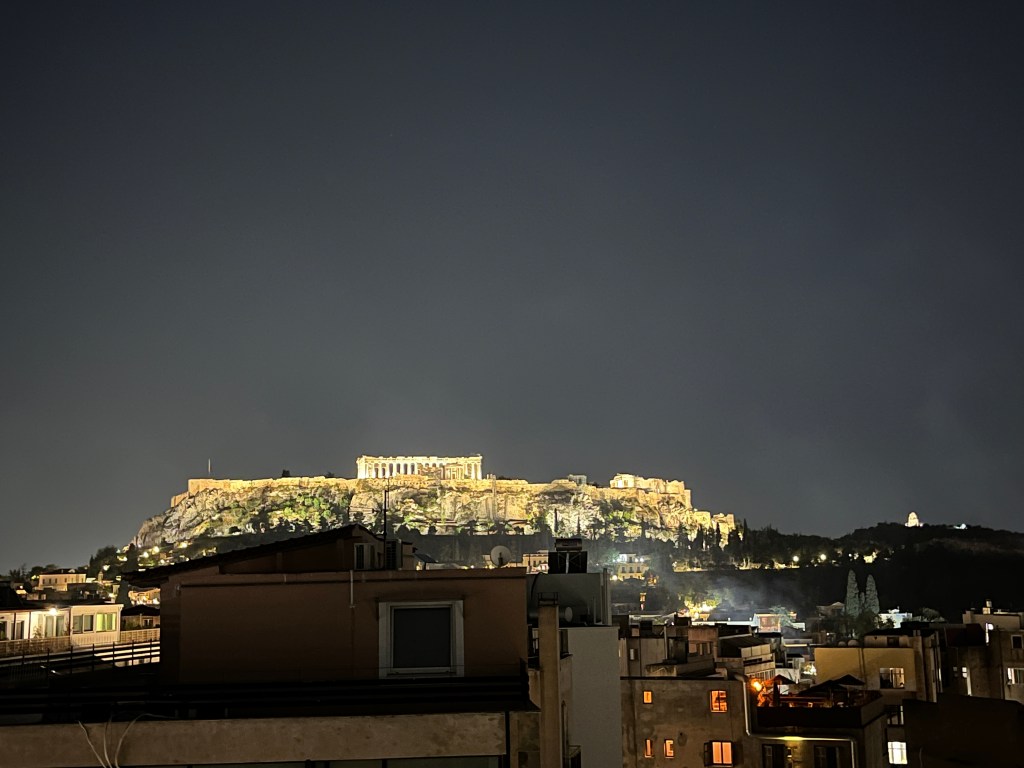
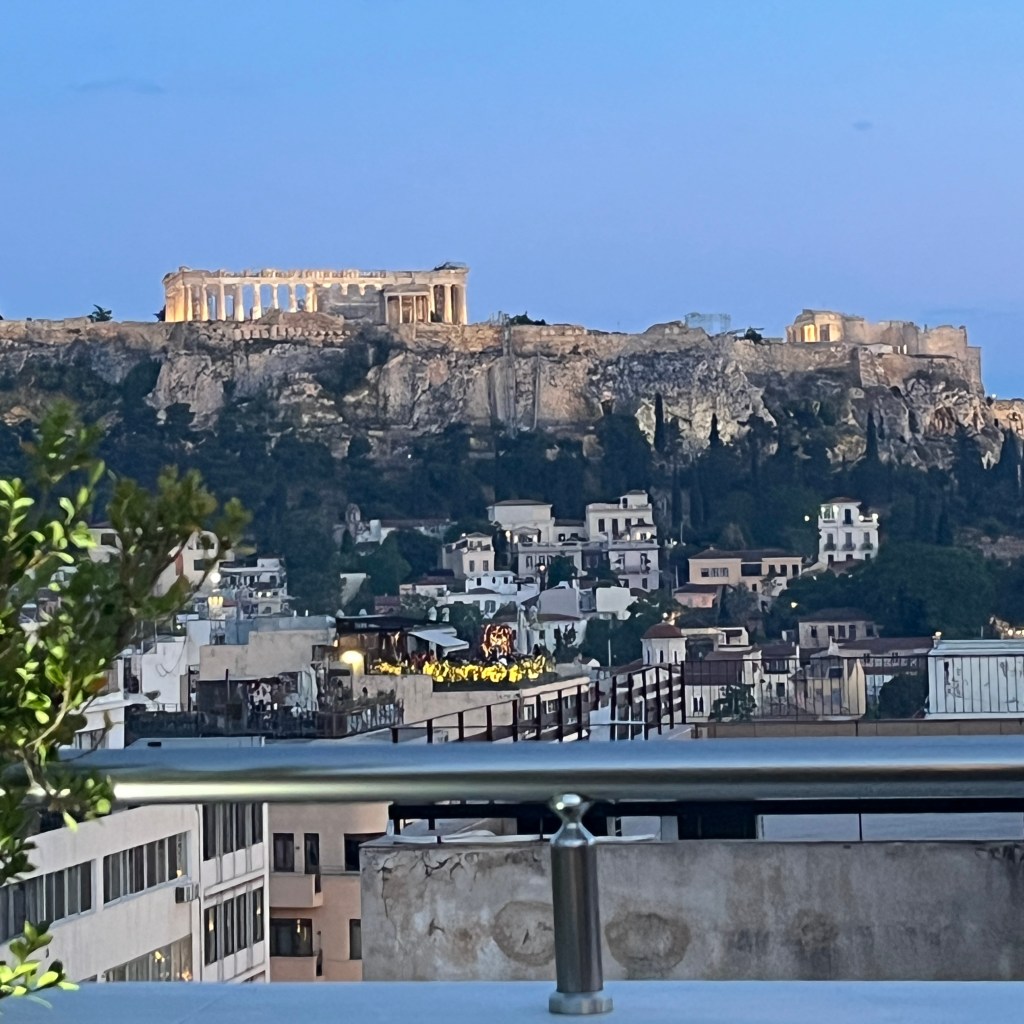
Back at our hotel we went to our roof top bar to peek at the acropolis with its evening lights.
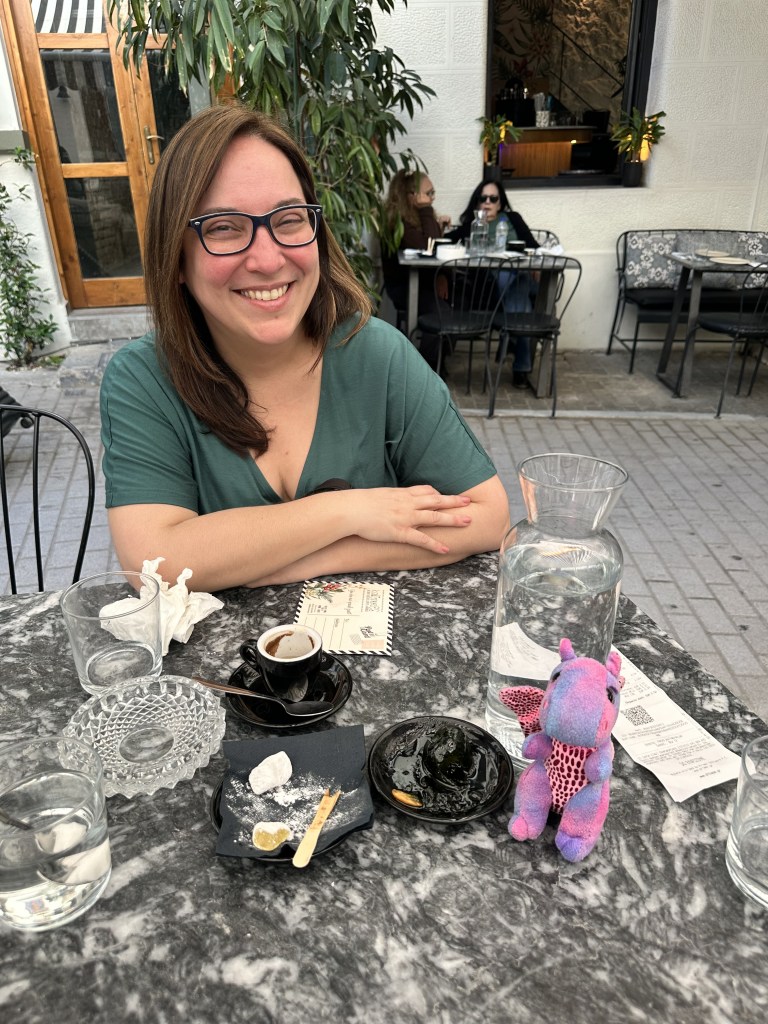
May 12th: Sarah and I had a nice slow morning. We found a cute place for brunch and explored a little more. Sarah’s kiddo sent Sunset (a stuffed dragon) along for the trip this is the first of many pictures with them.
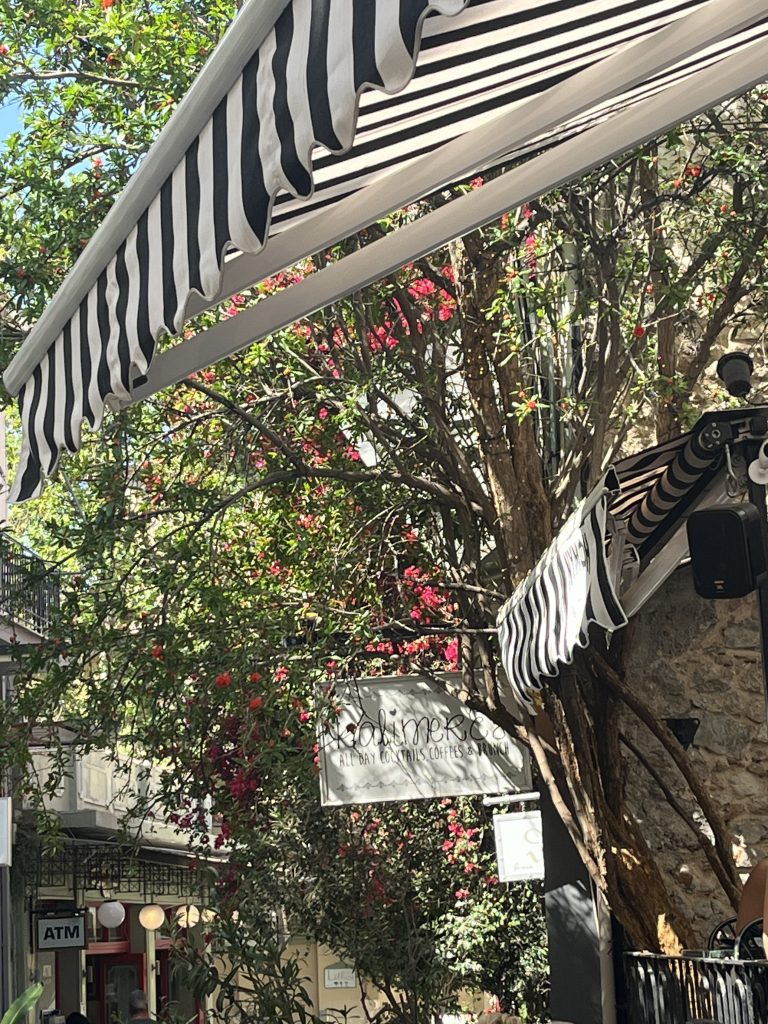
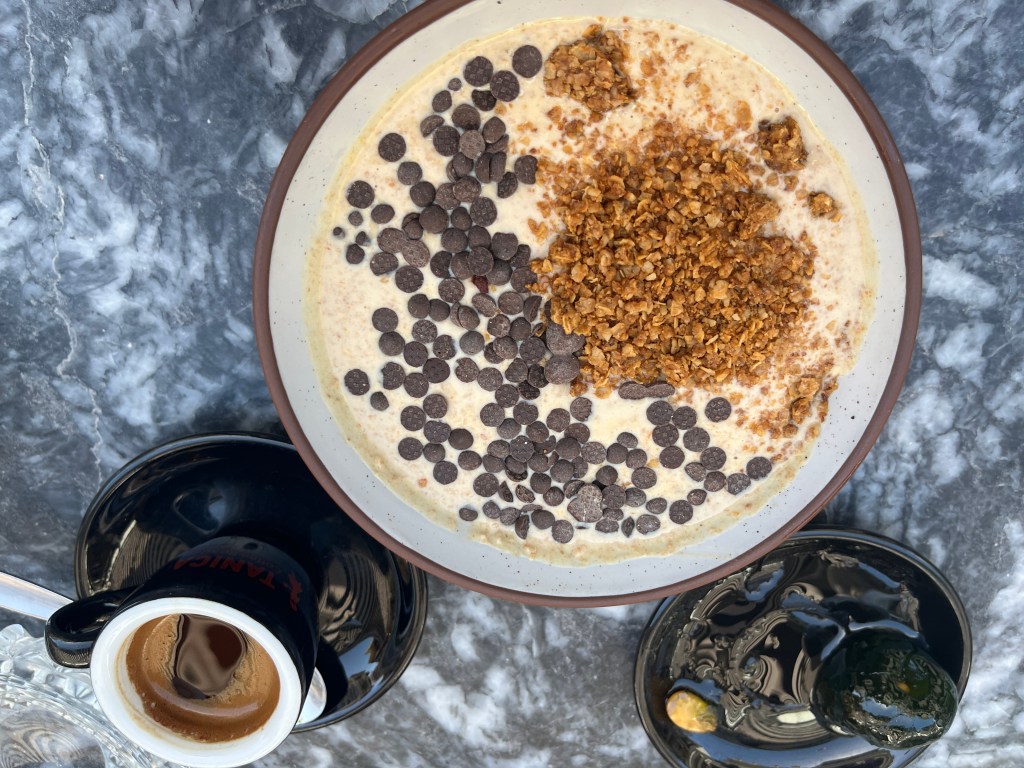
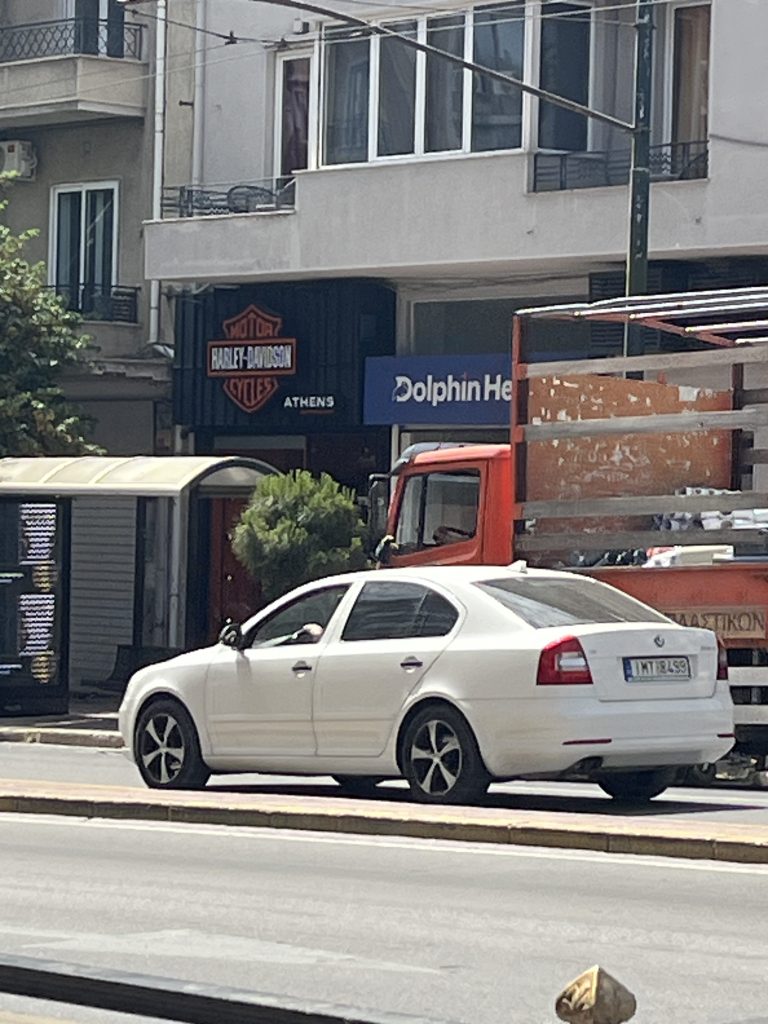
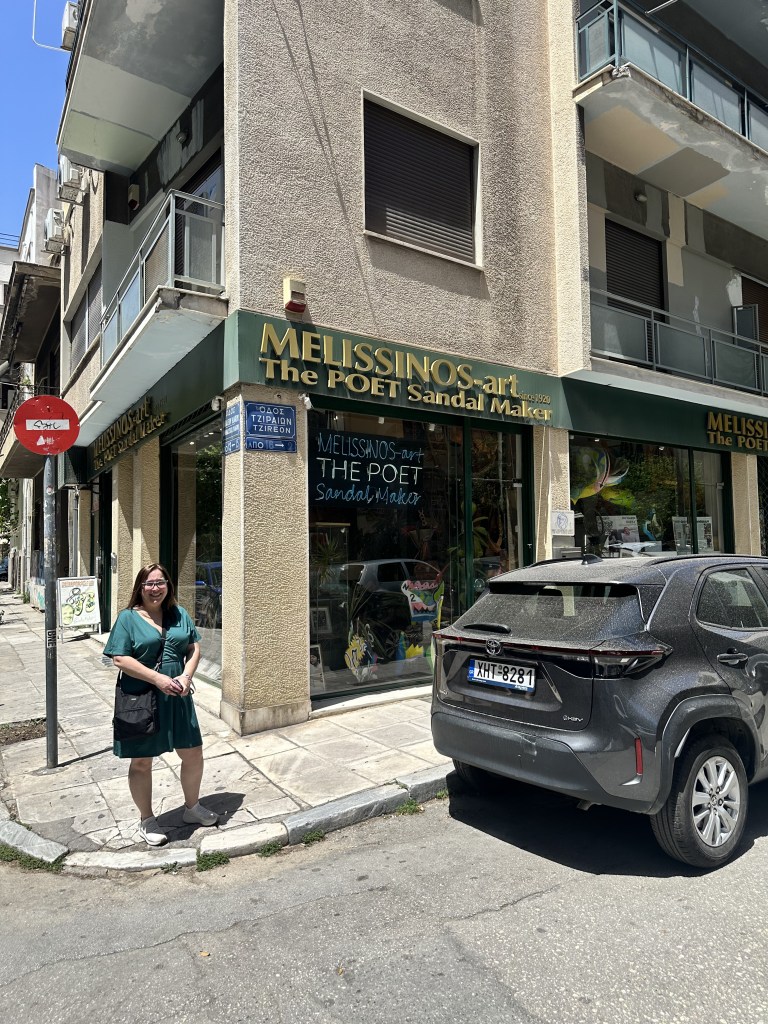
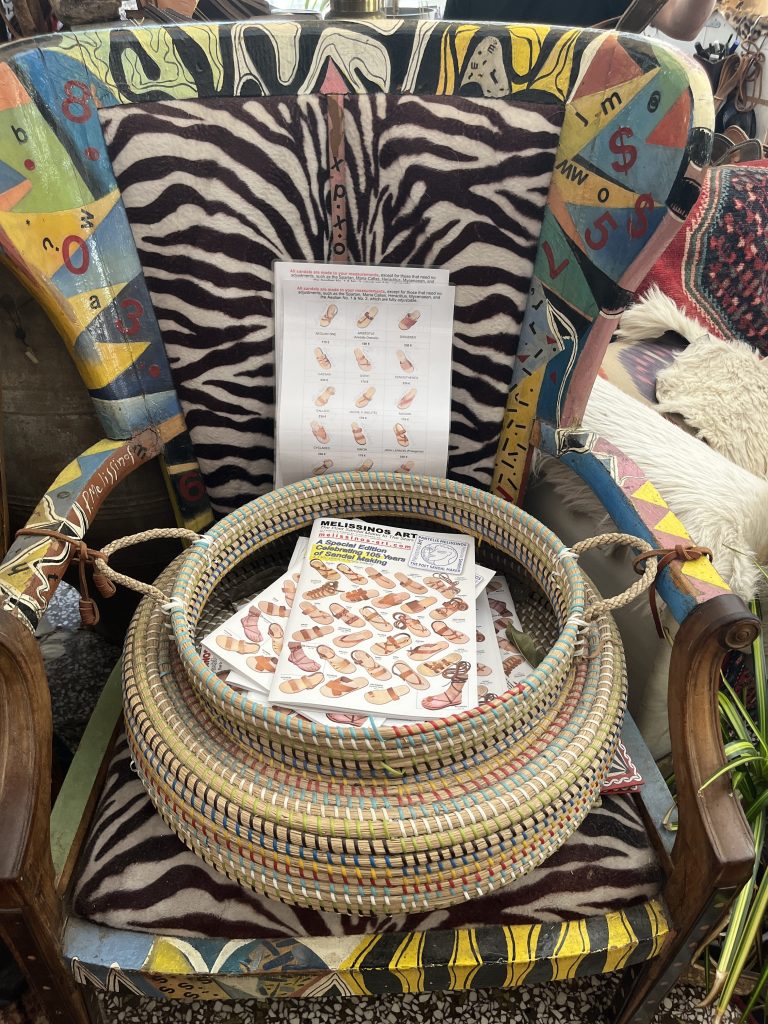
After breakfast we explored around. We decided to go to “The Poet Sandal Maker” we saw on a video, it was way more glamorous on the video. We decided that perhaps it has a better vibe later in the evening. Nearby was a Harley Davidson t-shirt shop so I stopped to get one for Dad. This is not something I typically find on a pilgrimage as they don’t generally put these shops up near historic churches. We got a bottle of water at a convenience store and noted that they had unpleasant experiences with previous United States visitors… In many places the signage is in Greek and English. Some of the graffiti we noticed had messages especially for visitors from the states. Hotel staff and tour guides were always kind to us, but the general vibe is that the USA is a mess.
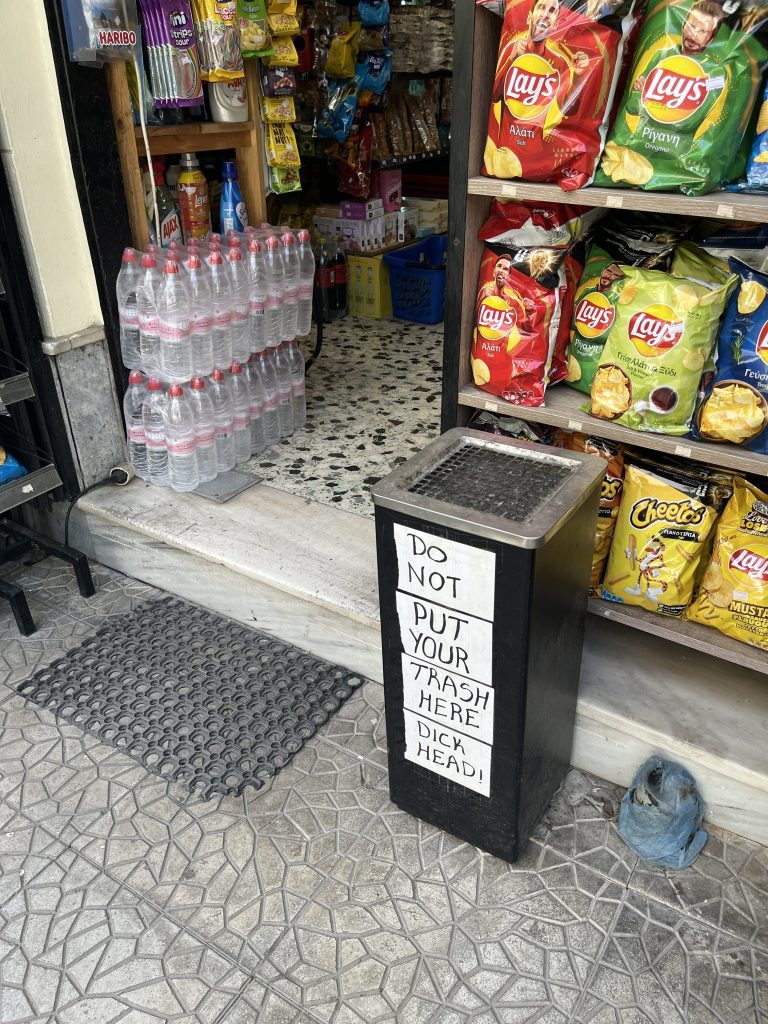
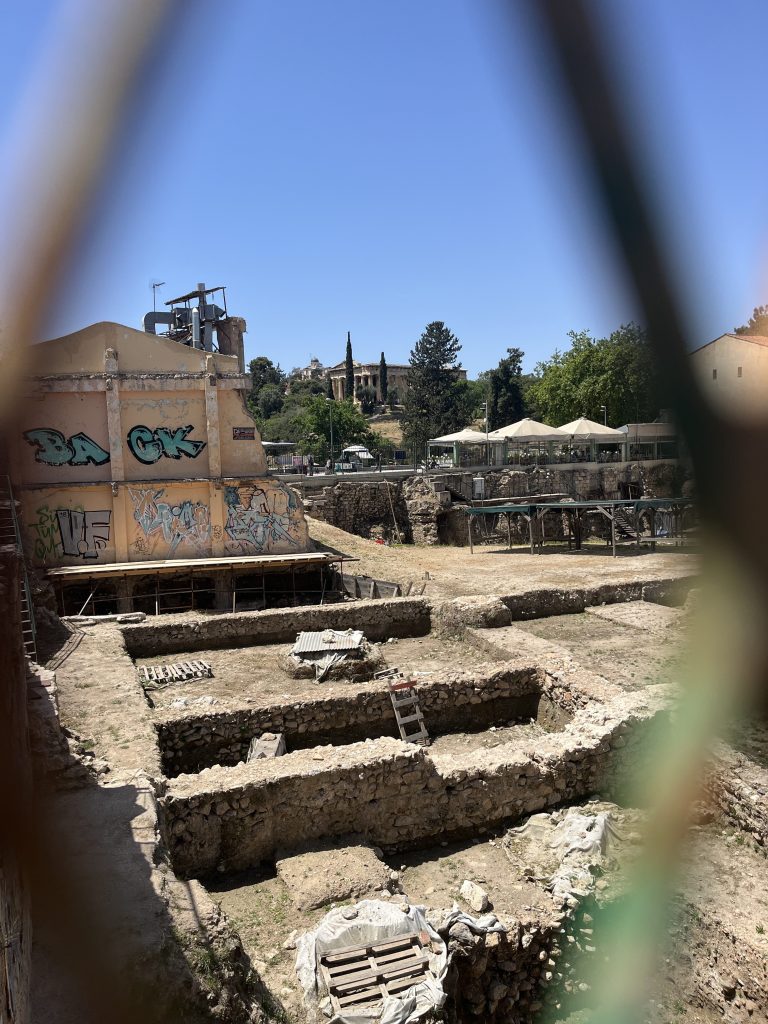
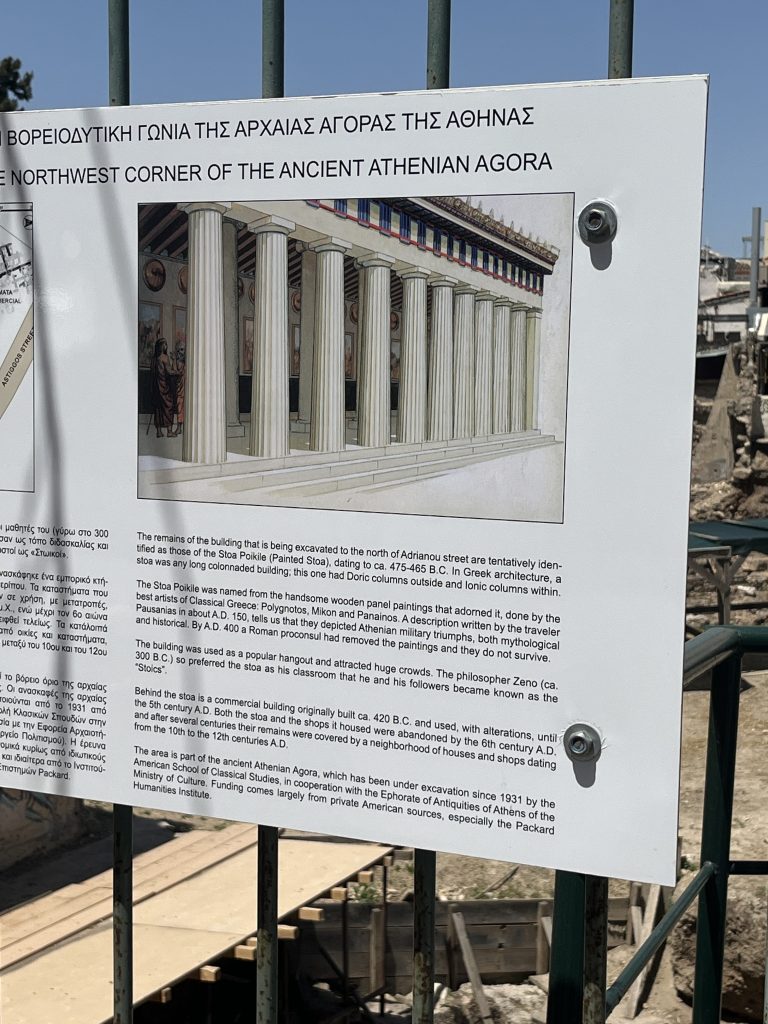
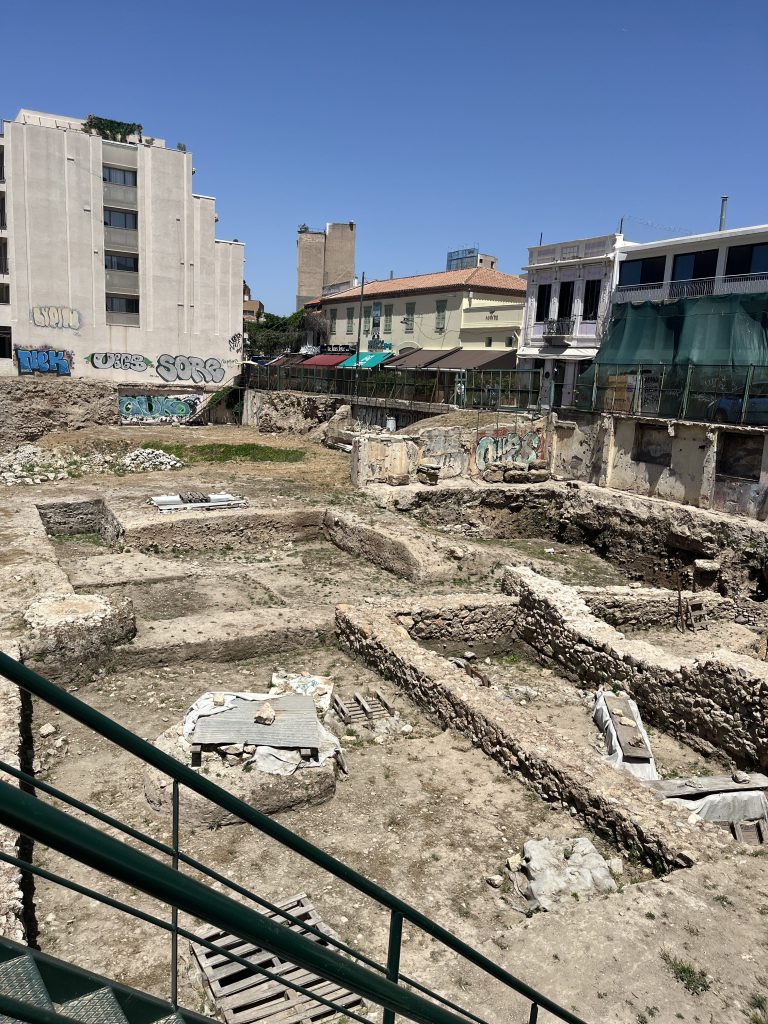
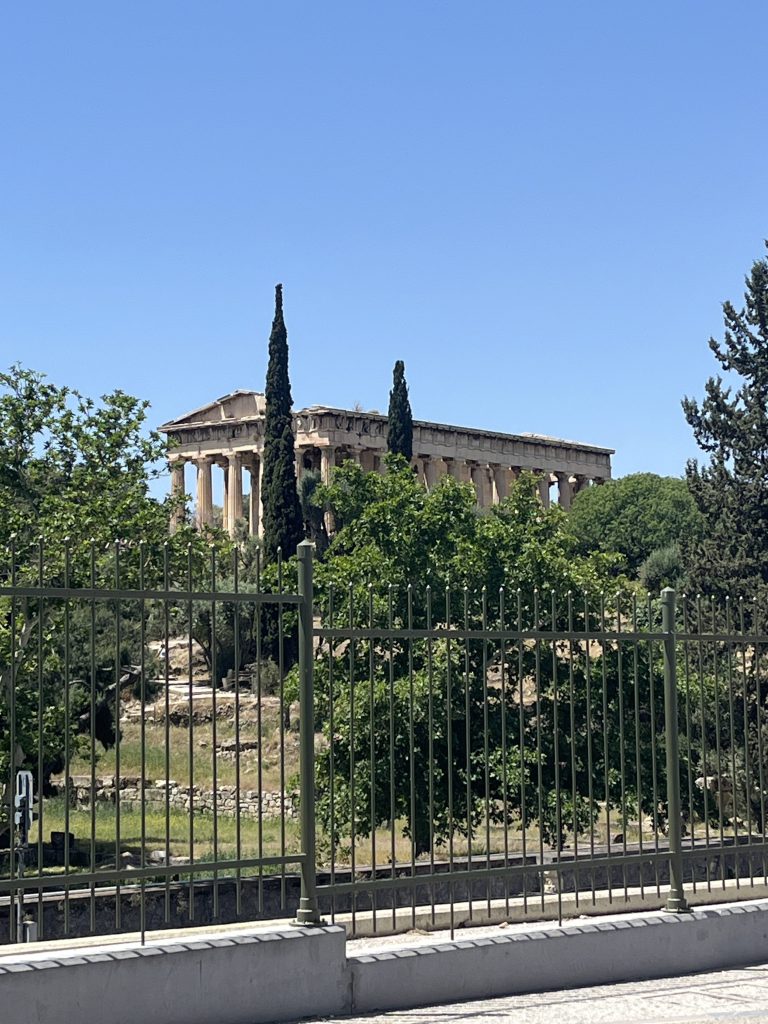
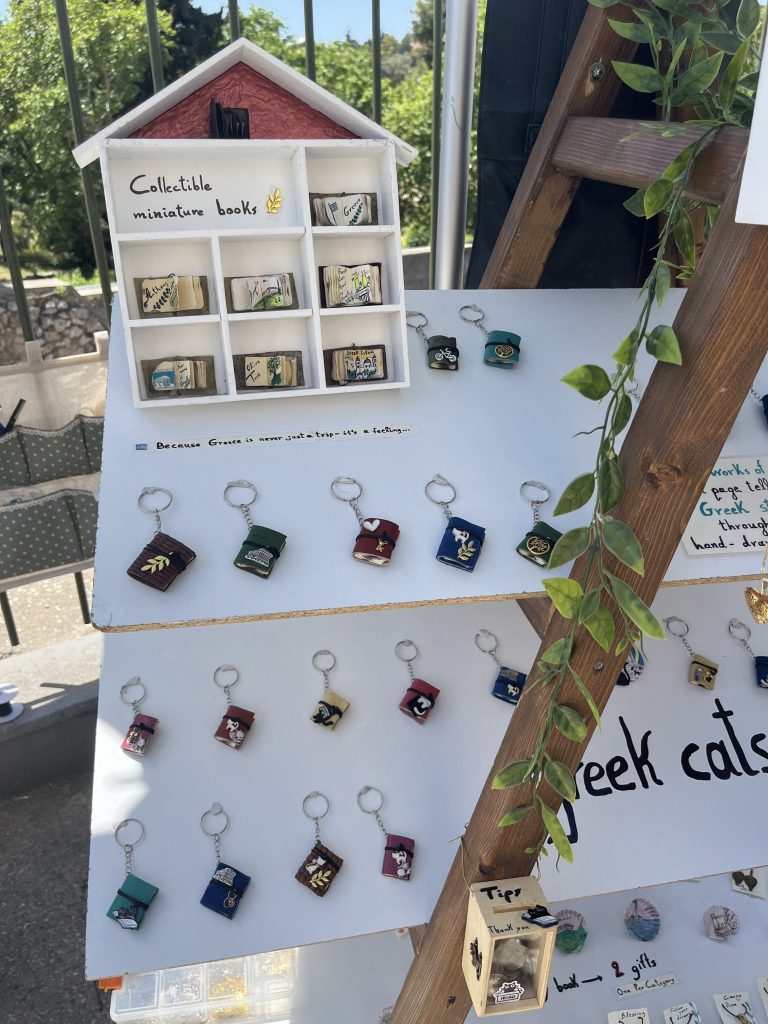
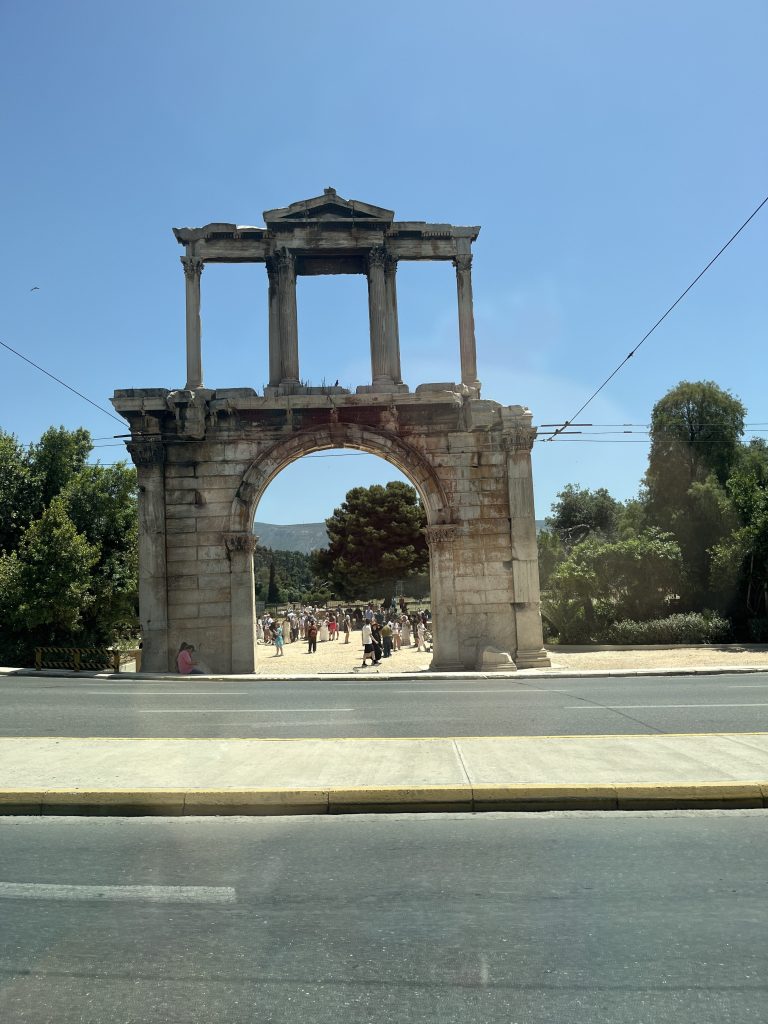
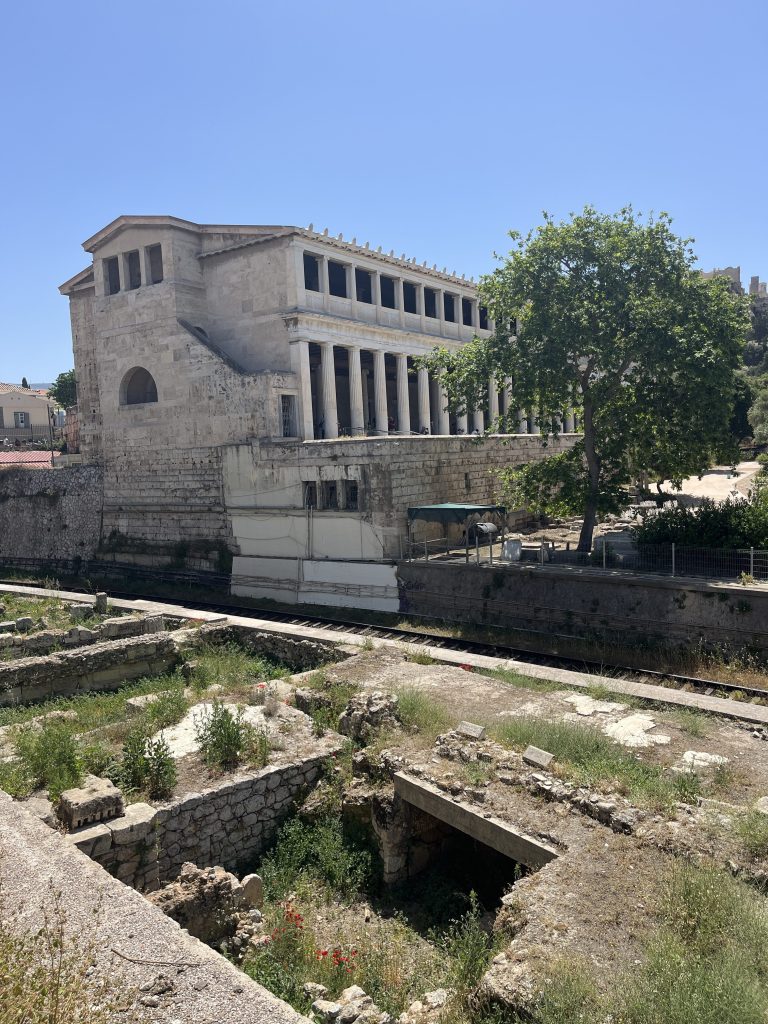
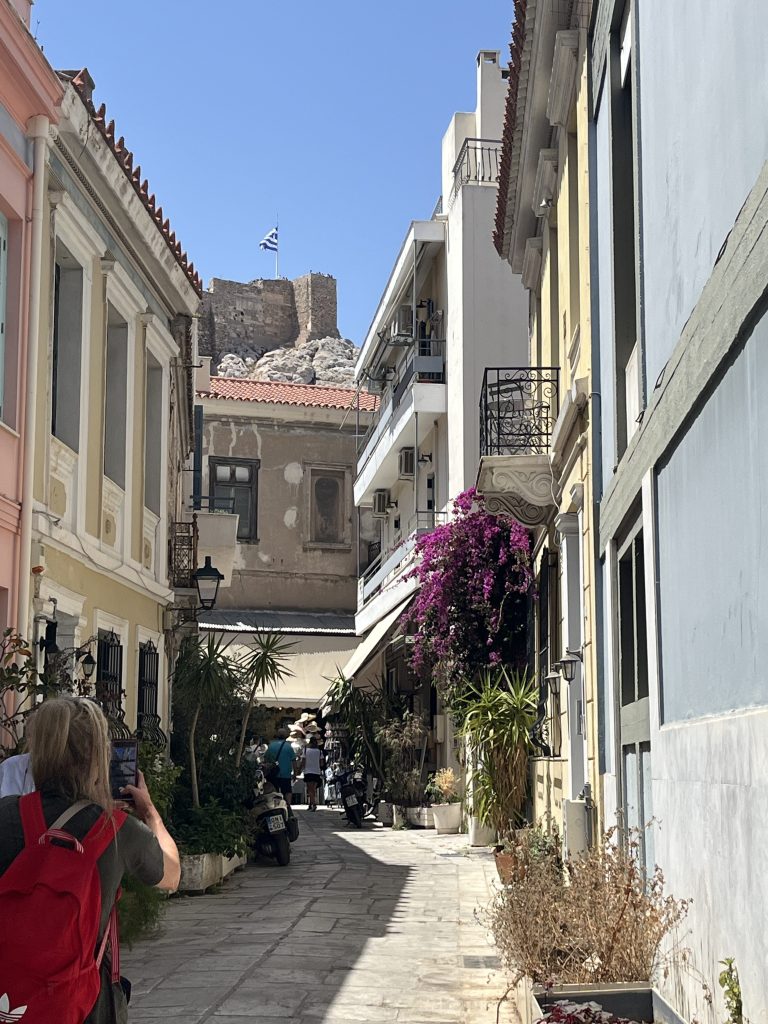
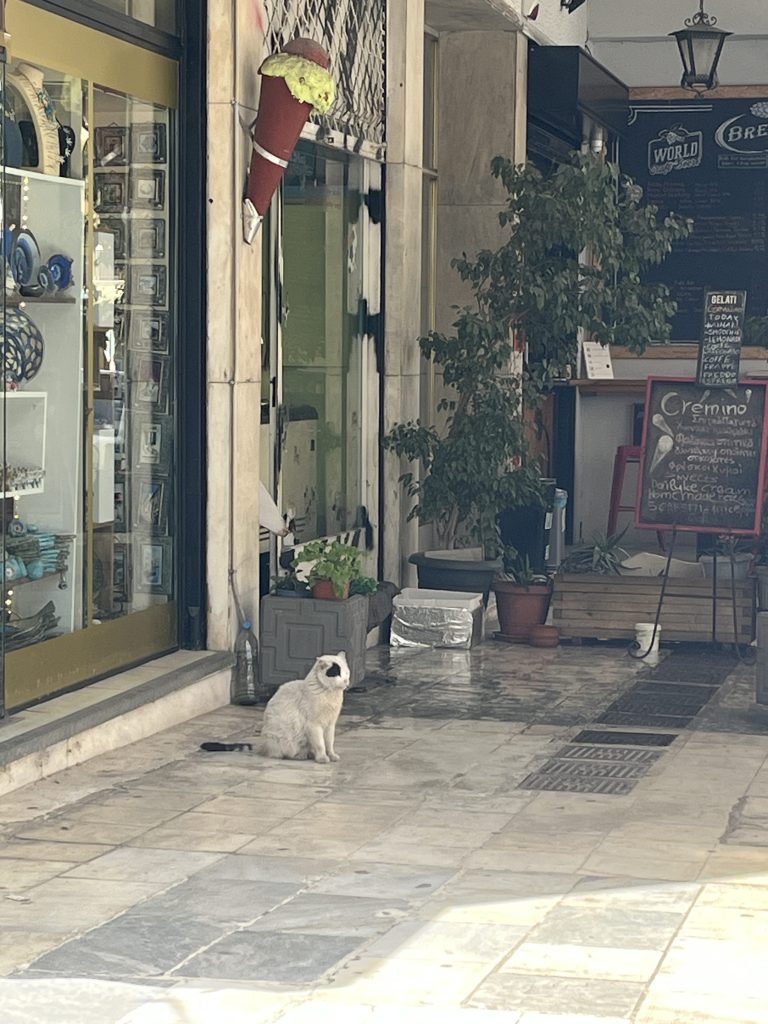
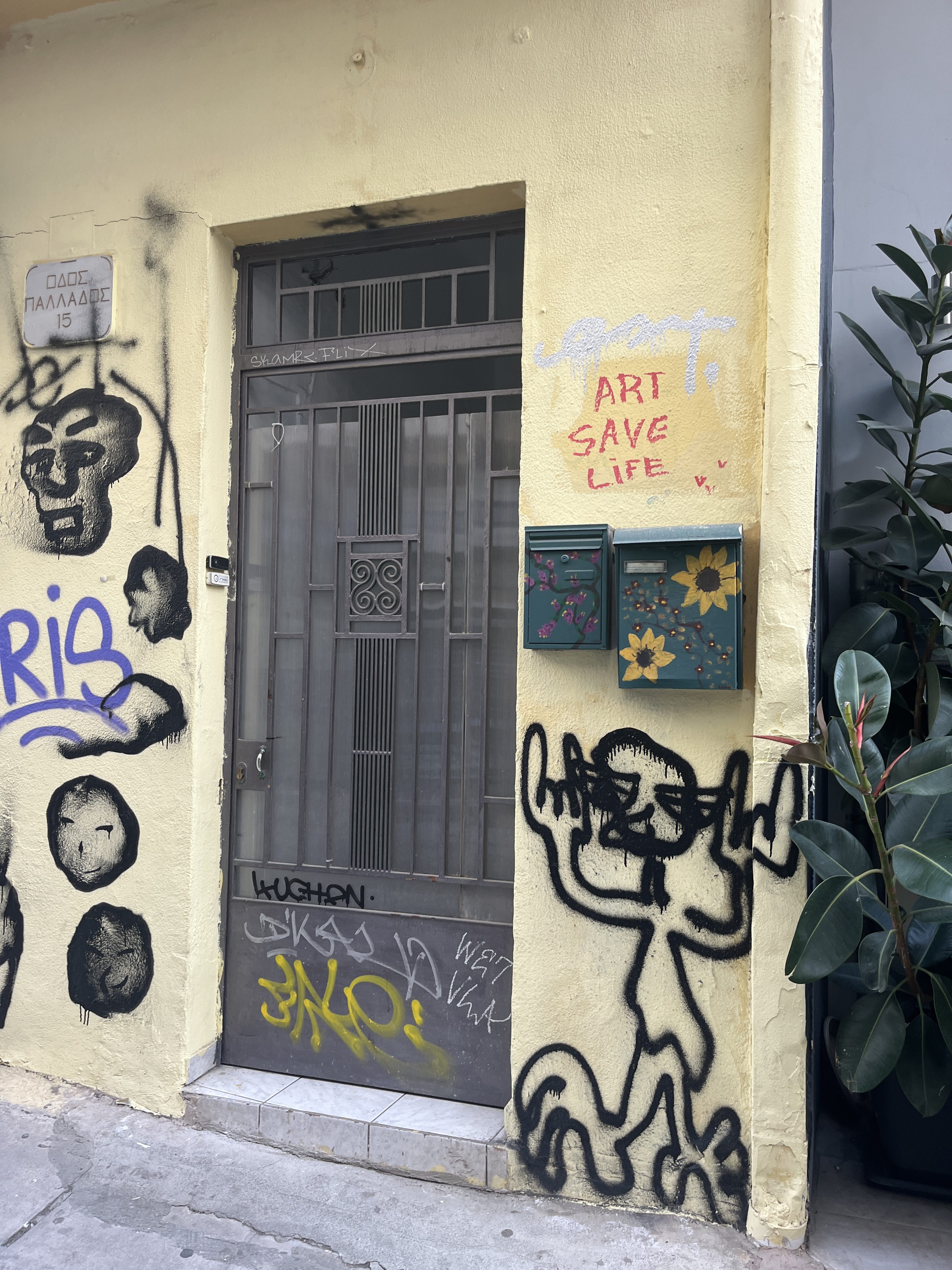
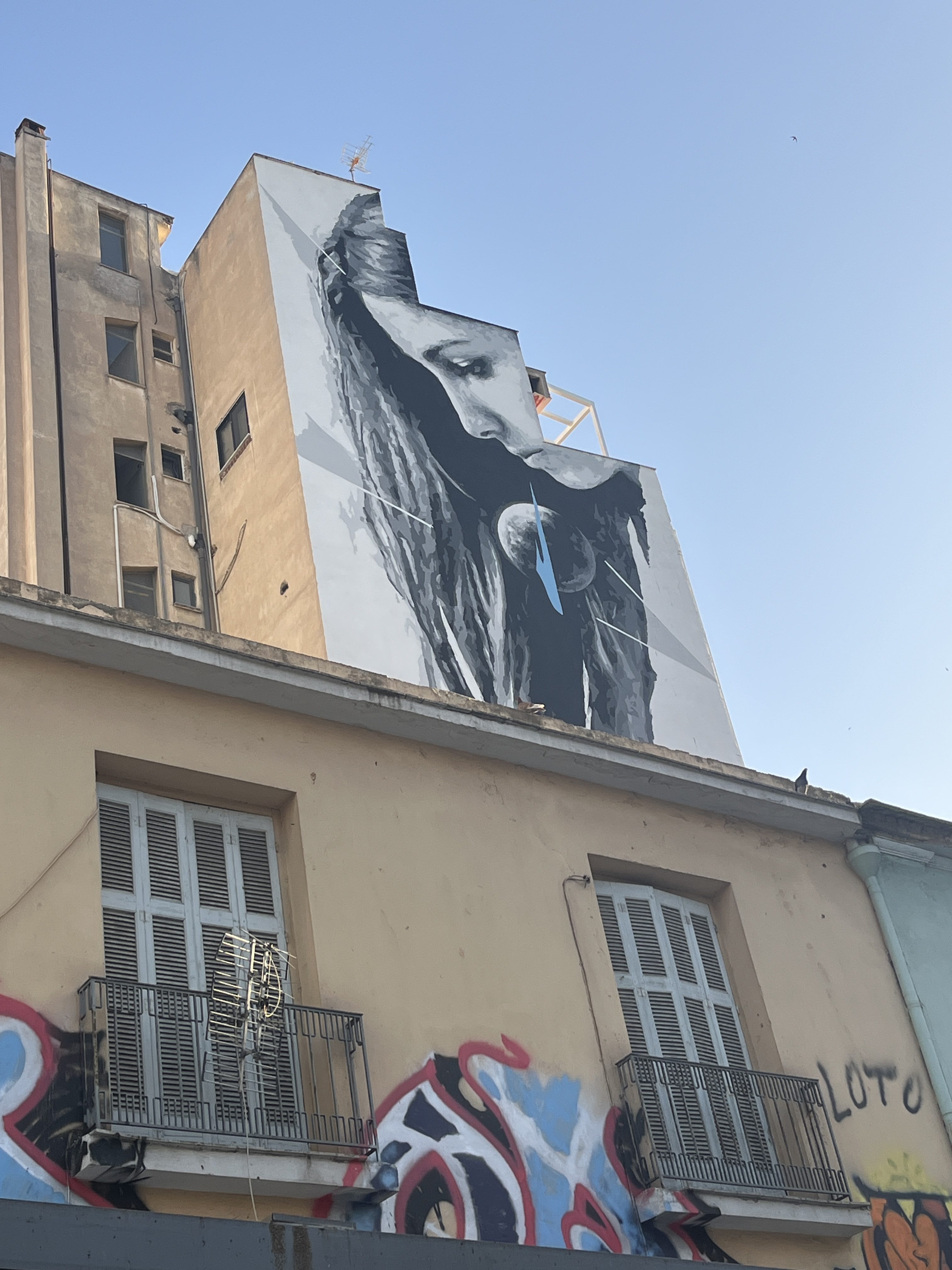
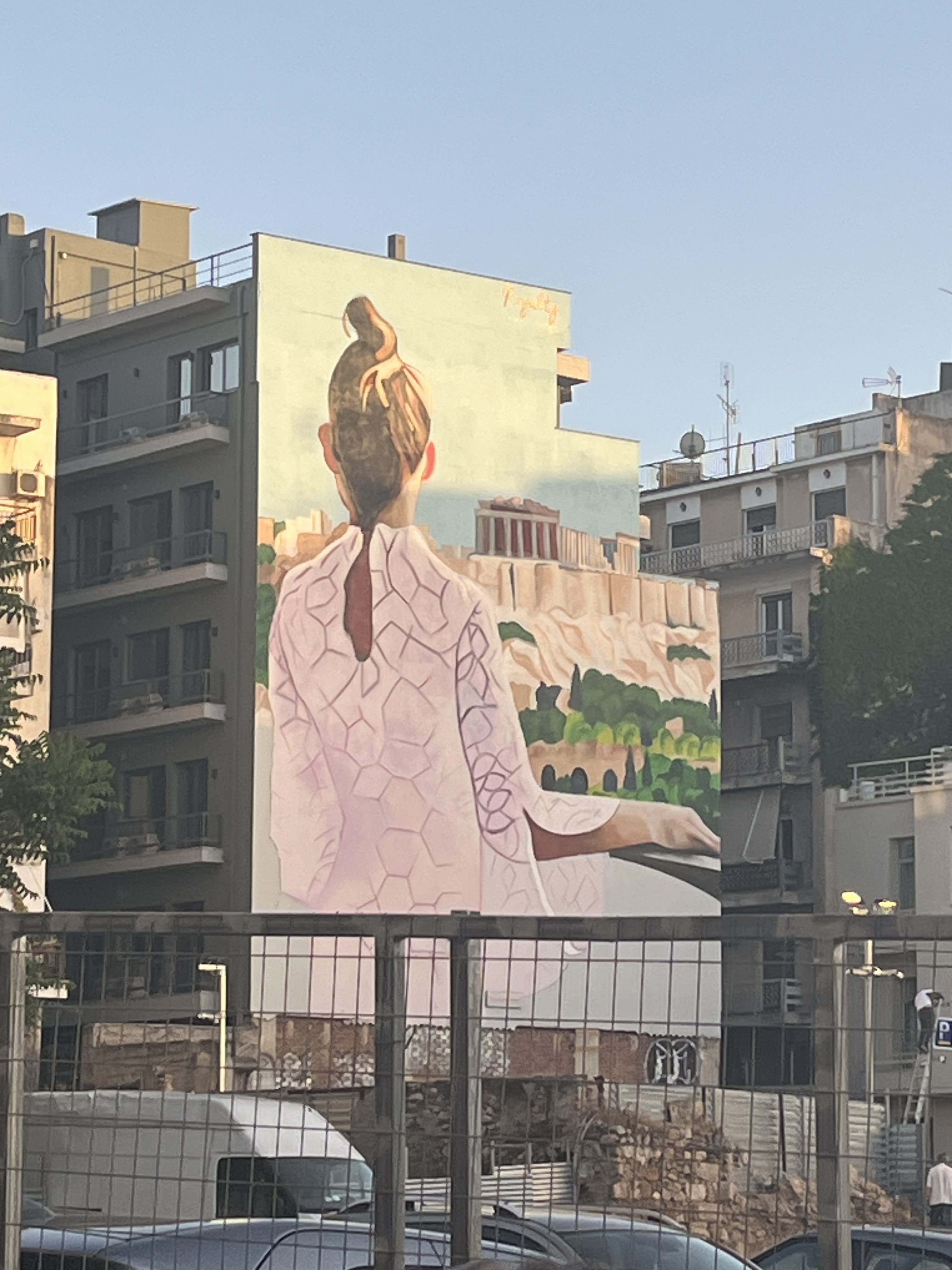
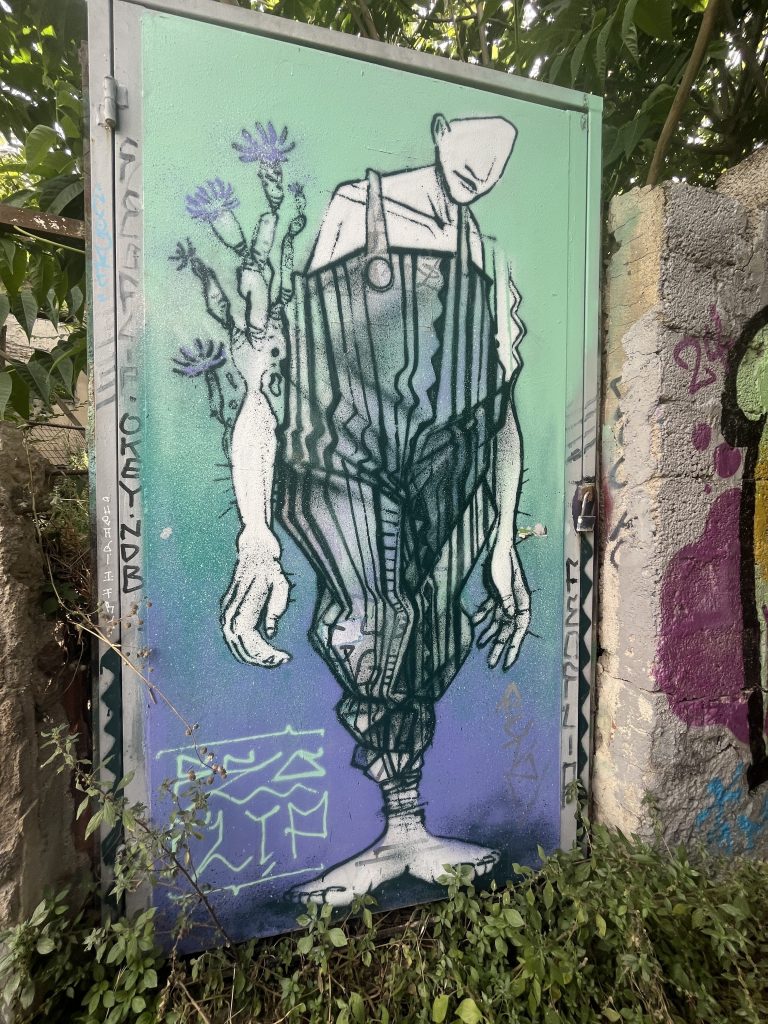
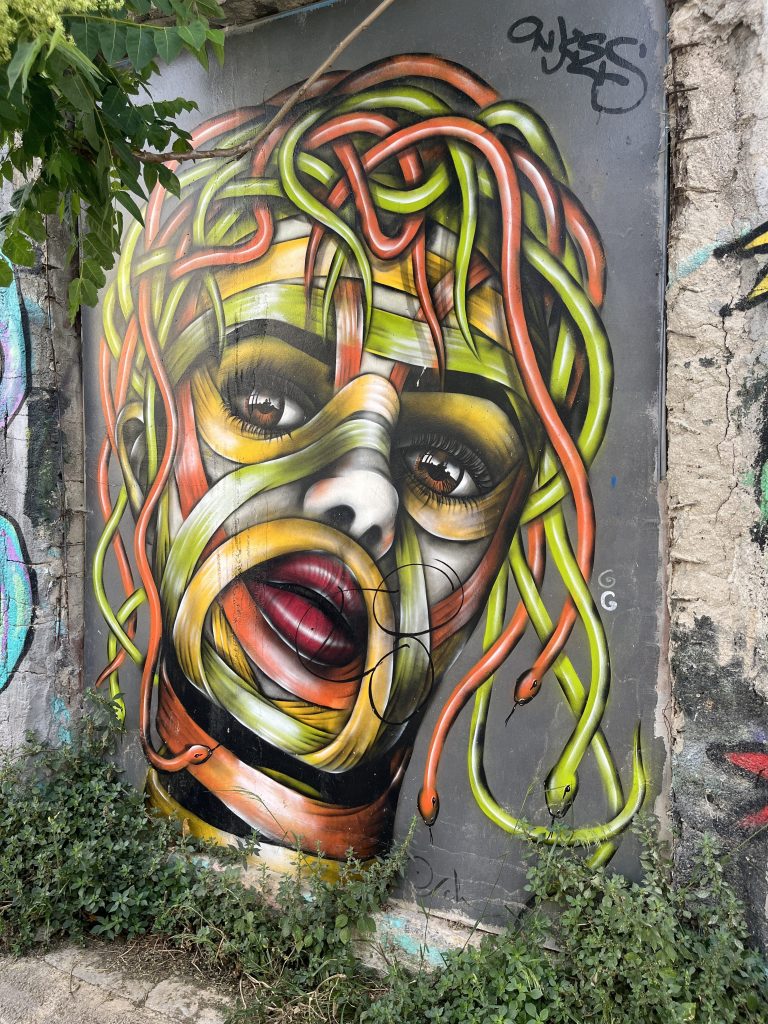
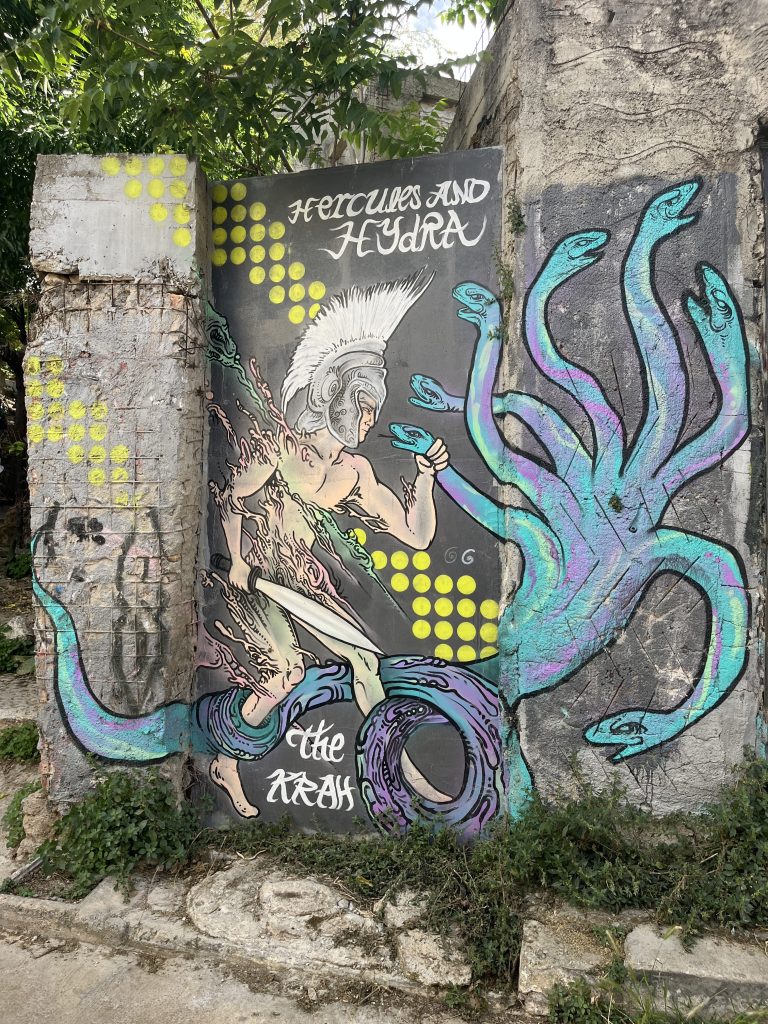
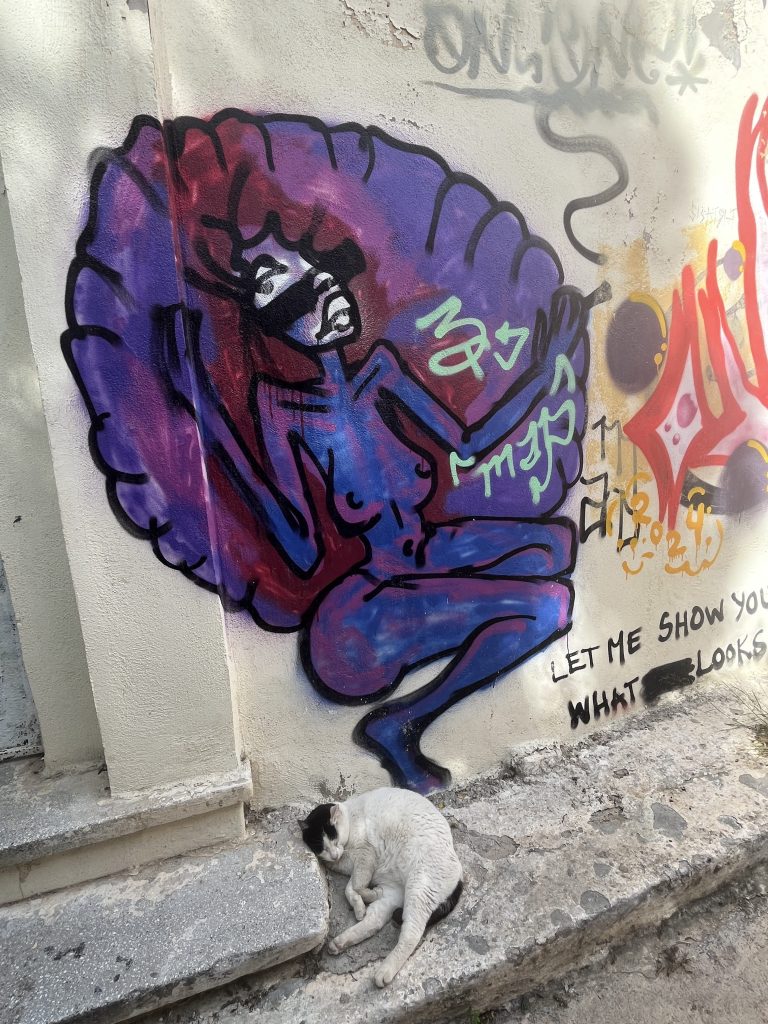
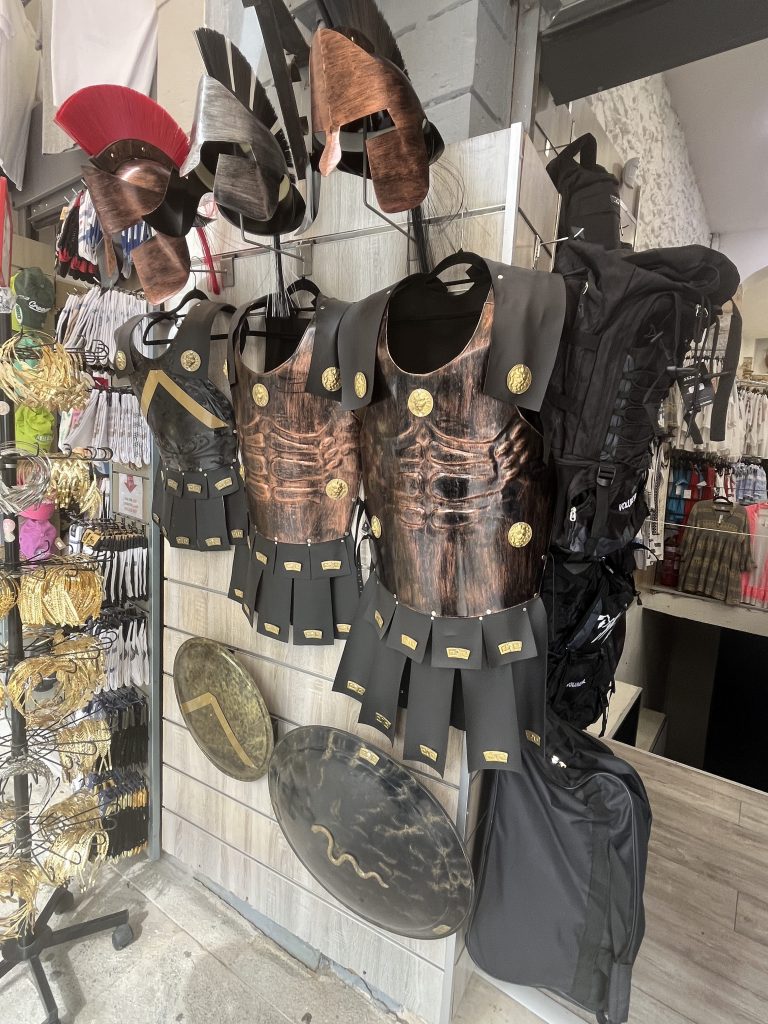
Sarah and I spent most of the afternoon following vibes. Below are pictures of how new construction is often halted if they find something old… call the archeologist! Little trinket stands can be found just about everywhere around the touristy spots. Even charming streets have graffiti, and some places it’s hard to tell if the mural was intentional or vandalism. Cats are everywhere. I wouldn’t call them strays because they are so well taken care of by the locals. I don’t think Greeks have personal pets, rather, it seems everyone cares for all the cats.
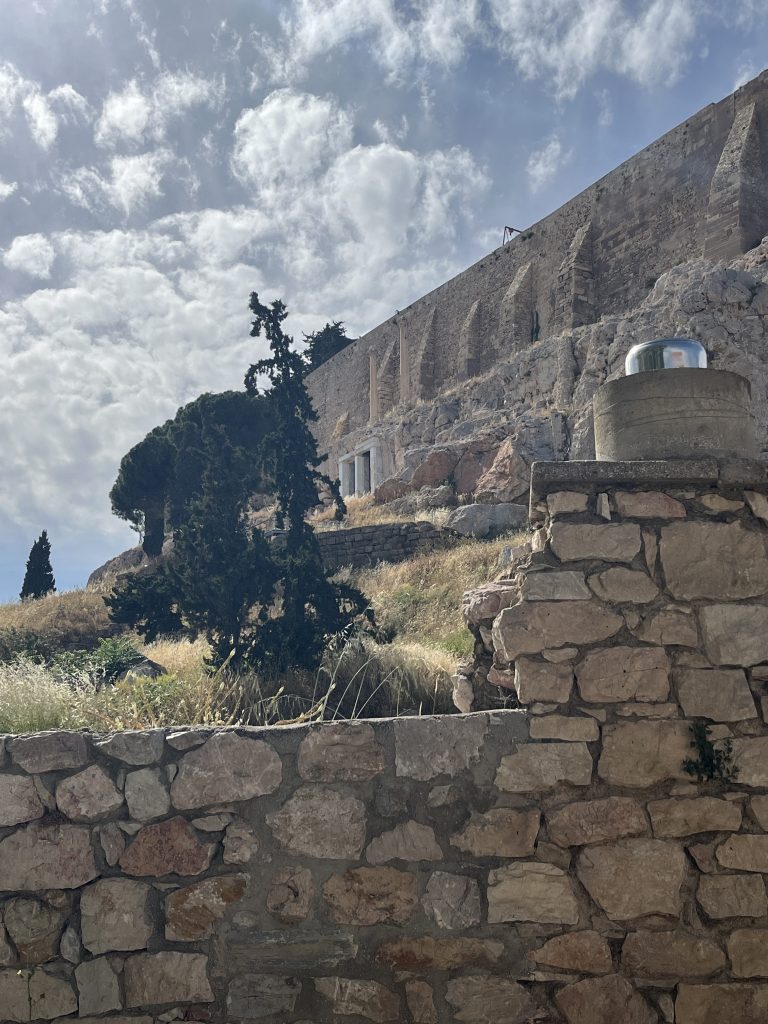
As much as they care for the cats, they do not care at all about human safety, everything in Greece seemed to be trying to kill us. The old marble streets, potholes everywhere, cars that sometimes drove down pedestrian pathways, unmarred holes in the ground at historical sites, no handrails. Every year tourists are injured at the acropolis and other ancient ruins. The Greeks will warn you to be careful but putting actual safety measures in place seems out of the question. All of us slipped or tripped but thankfully no one in our group was hurt badly.
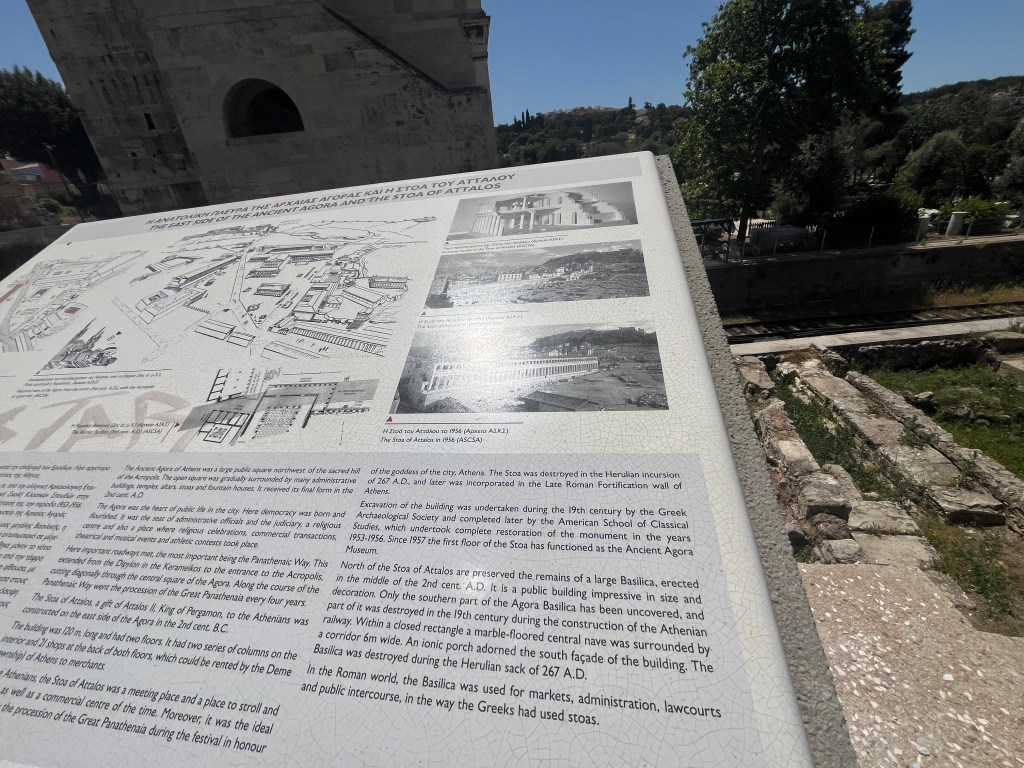
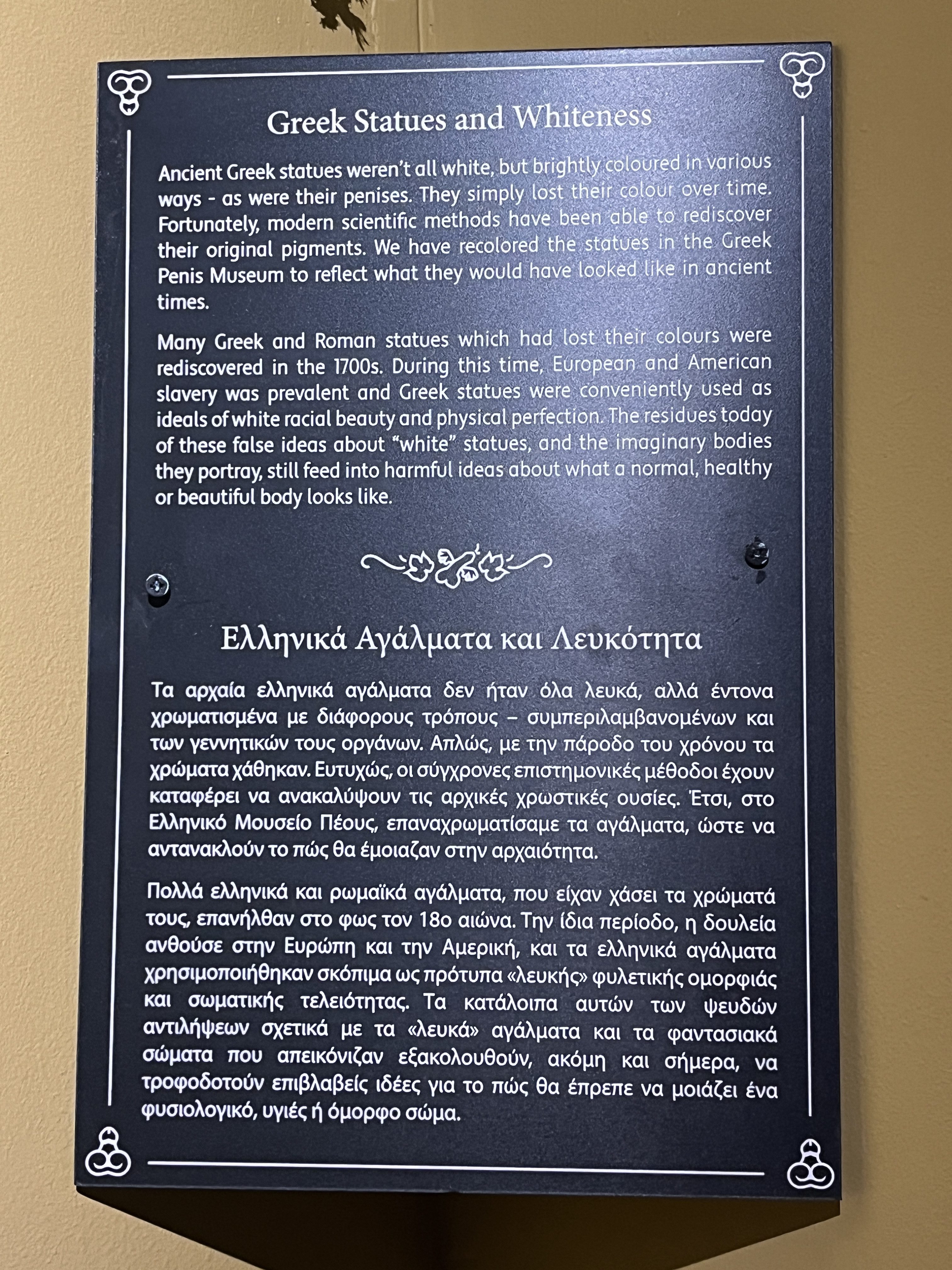
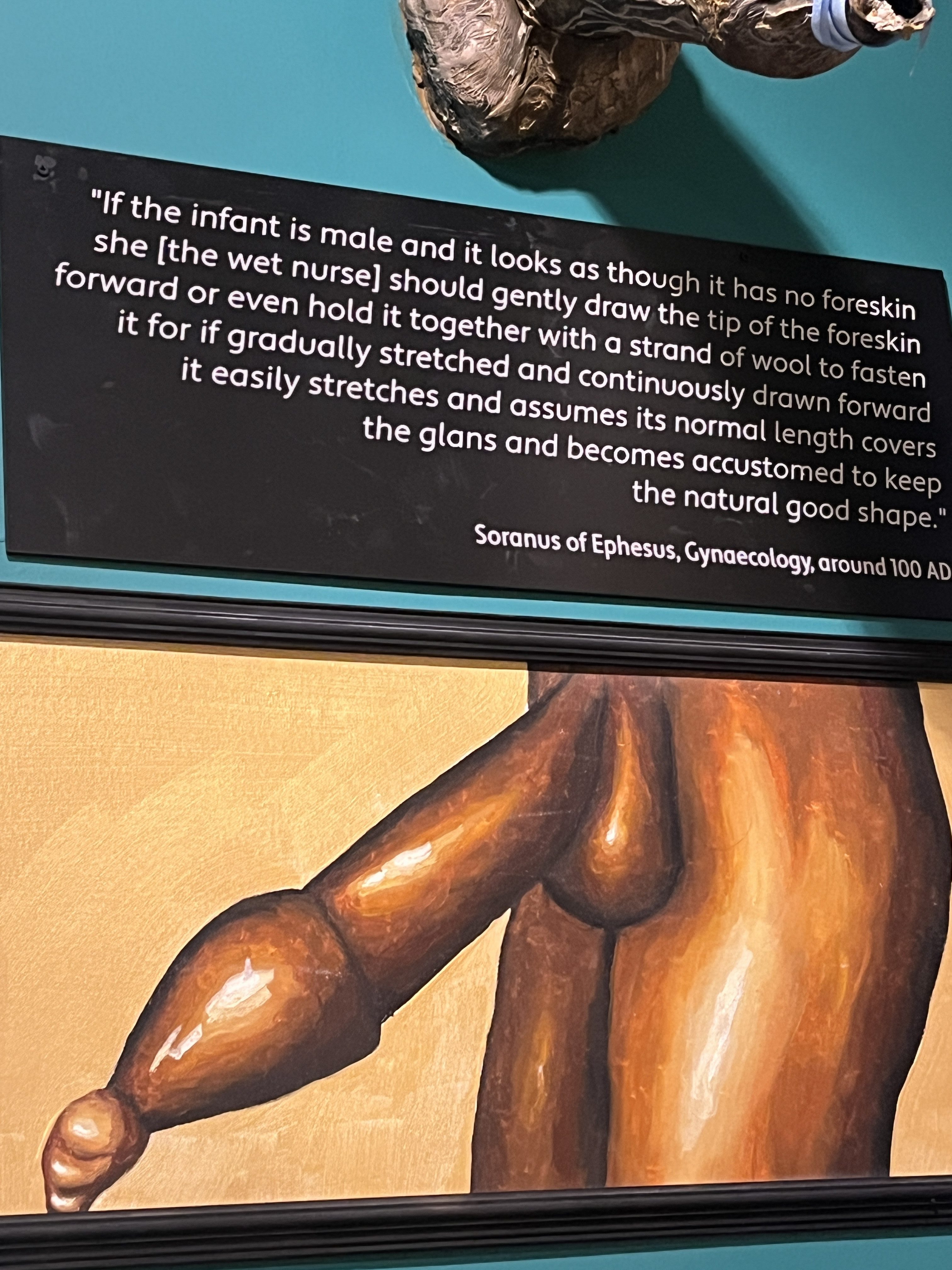
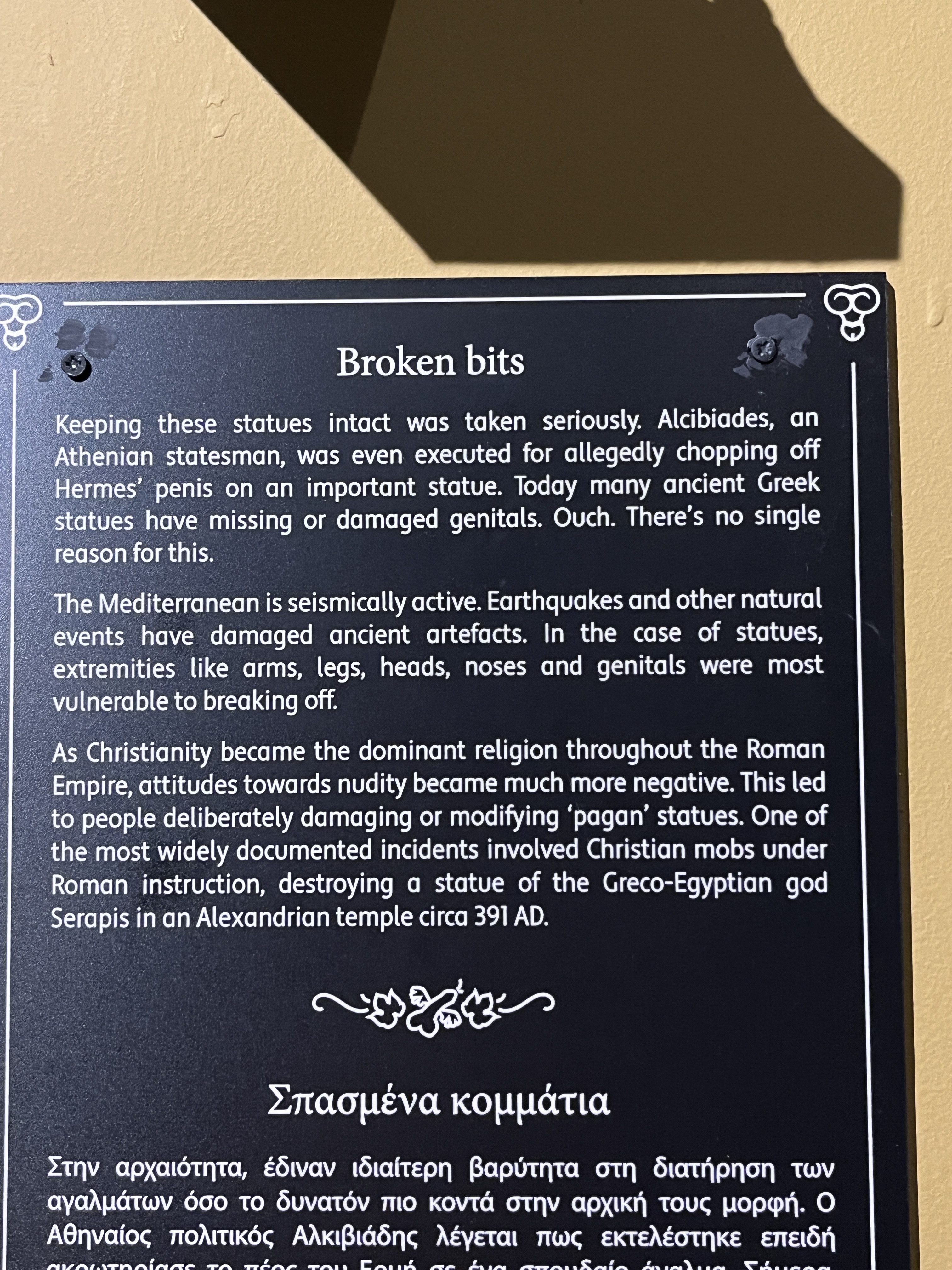
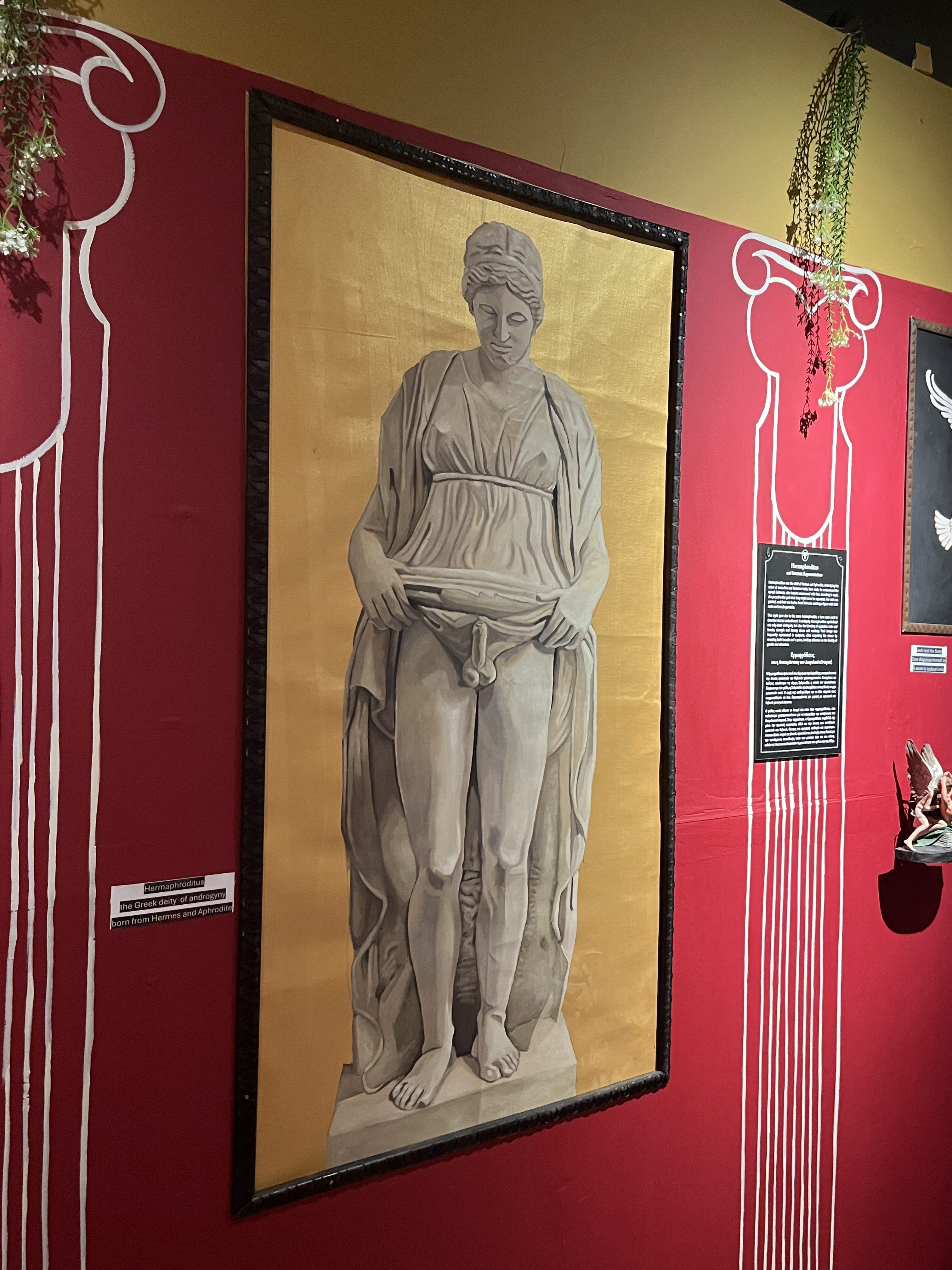
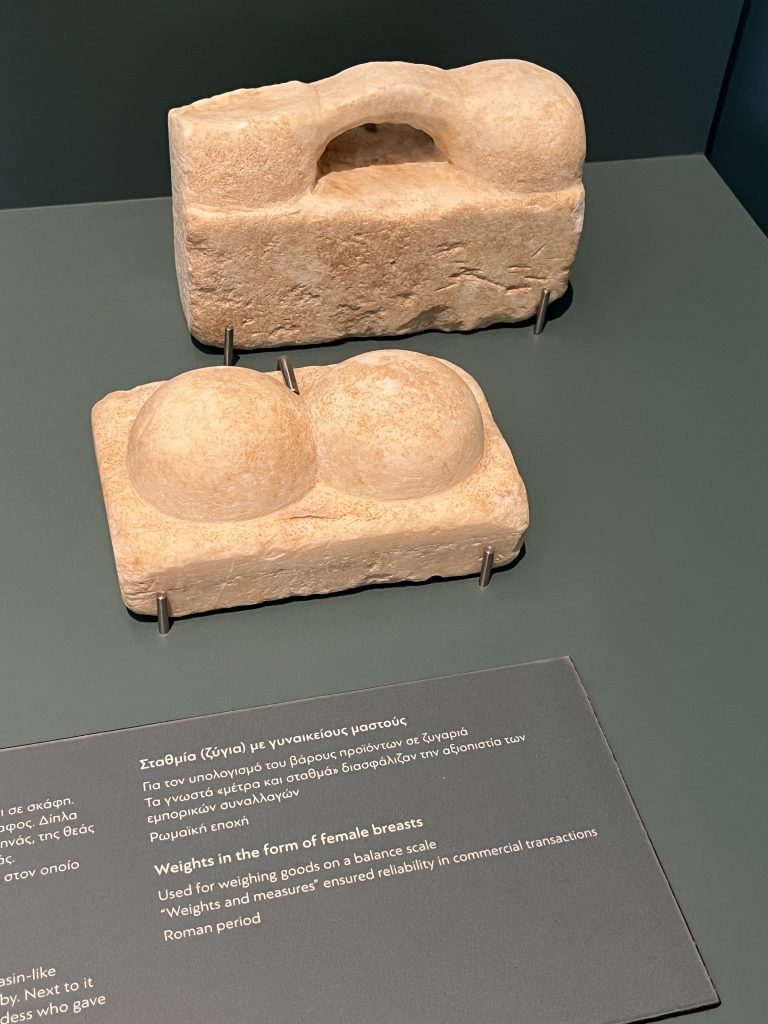
Eventually we found a museum that was not on our pilgrimage itinerary, but it could have been. The emphasis of this small museum was to reclaim art and culture that christians stripped away when they came into power. Statues were lost or destroyed or pieces were removed. The stories of Greek deities were changed or wiped from culture, especially those of Hermaphroditus (child of Hermes and Aphrodite). The museum had thoughtfully documented these changes reclaiming and celebrating all that was once lost. It was a mix of tasteful history and humor. 10/10 highly recommend the Greek Penis Museum. I bought a chapstick at the gift shop (admission was free as long as you made a purchase).
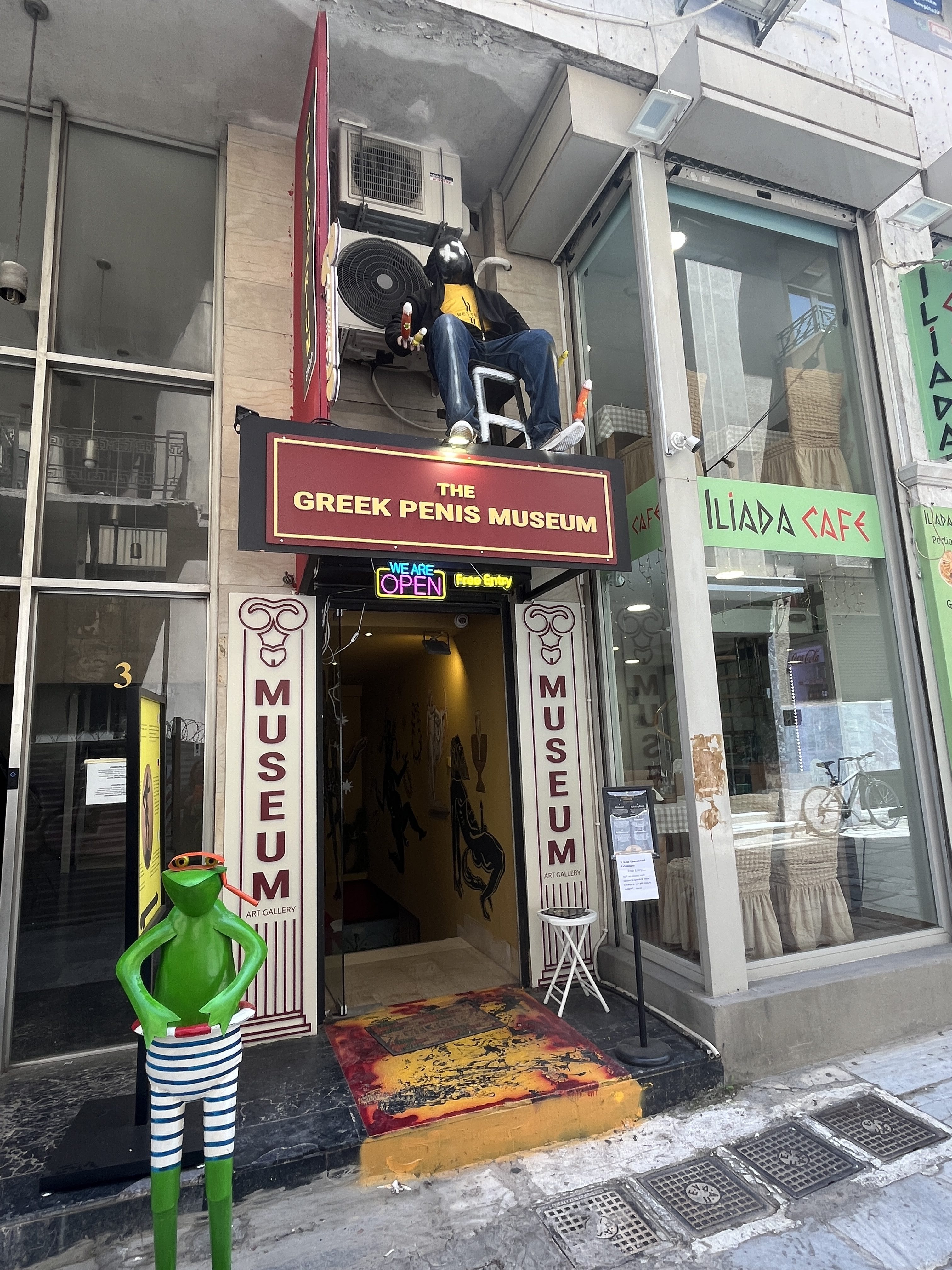
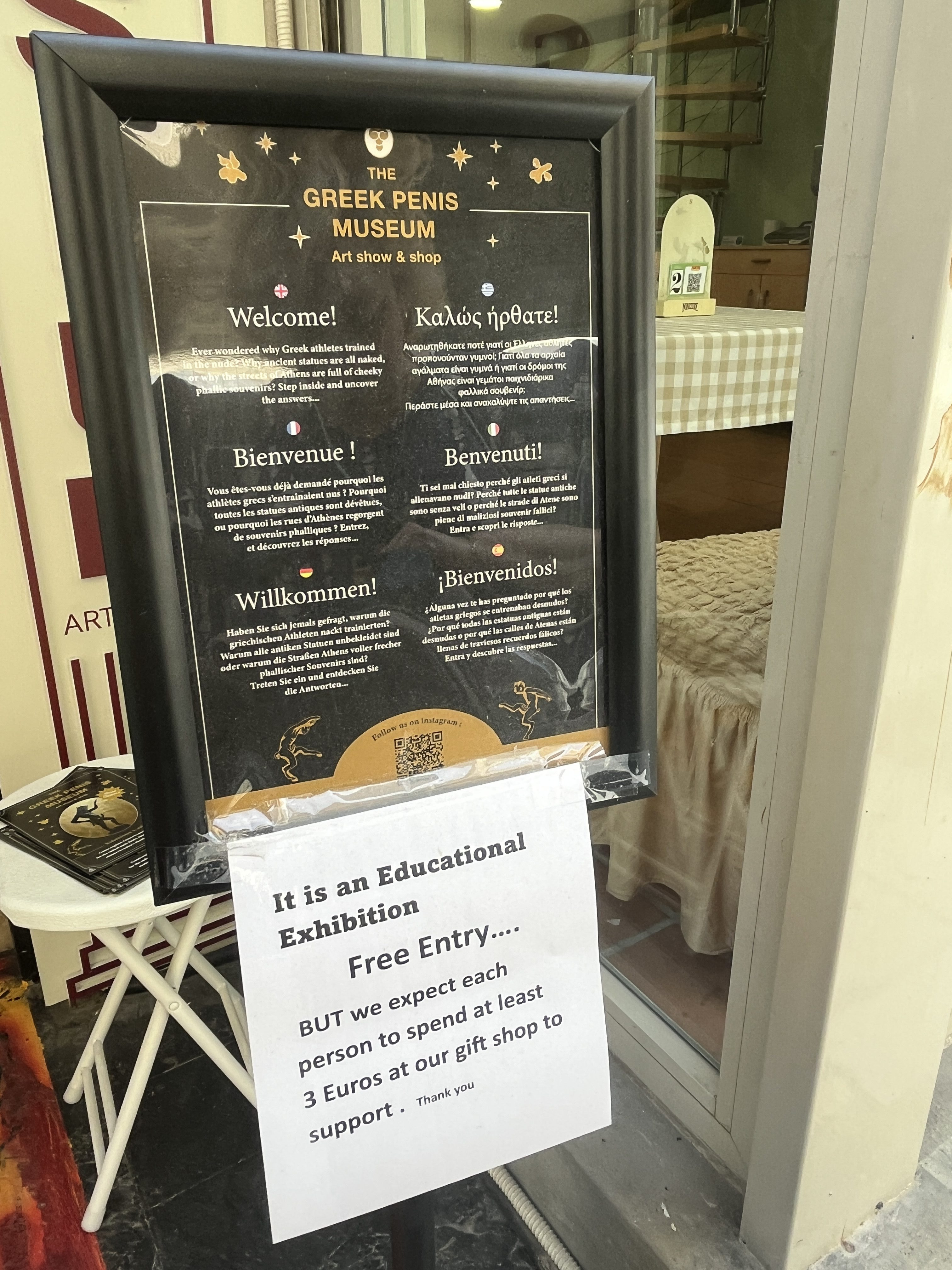
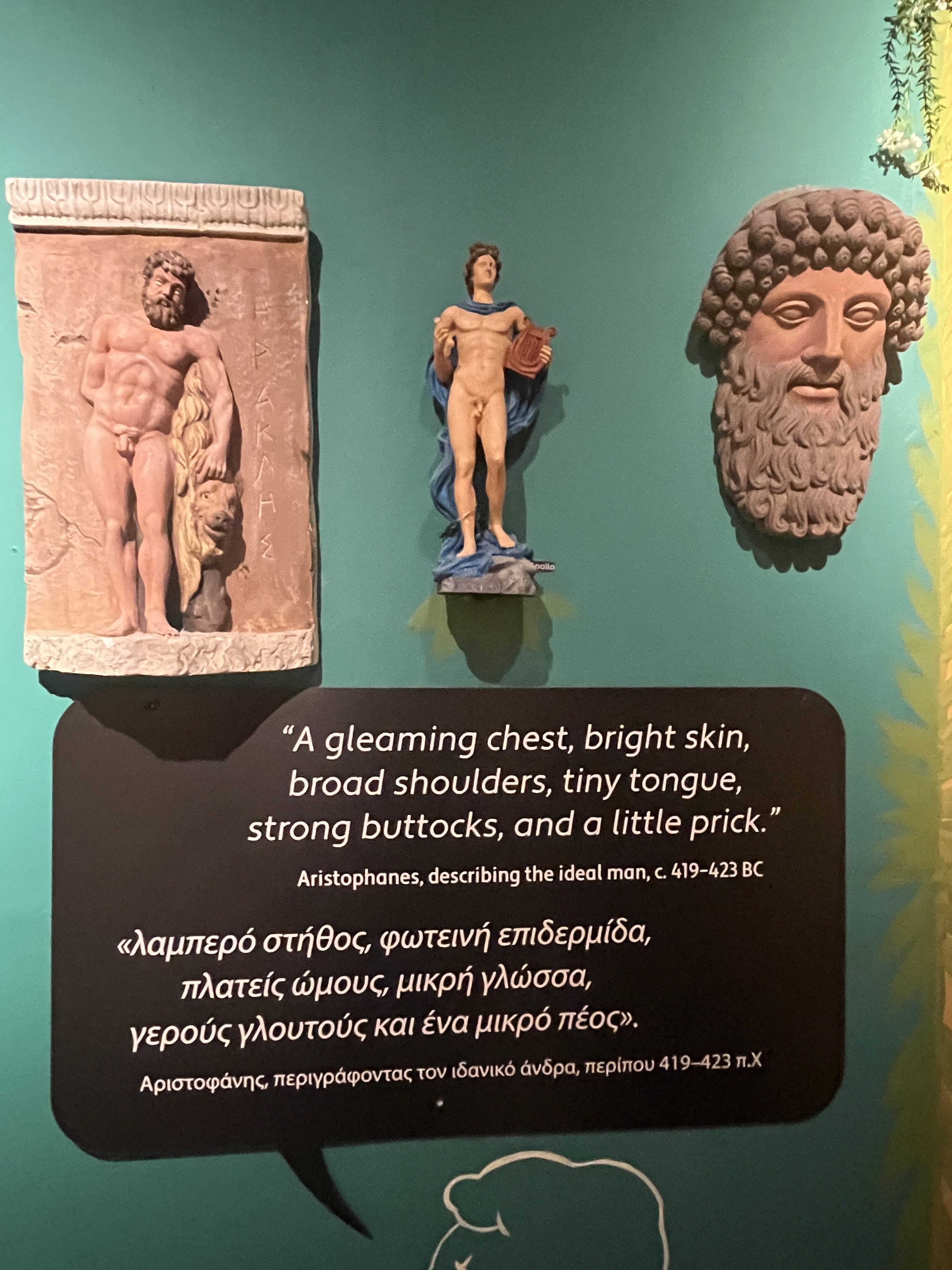
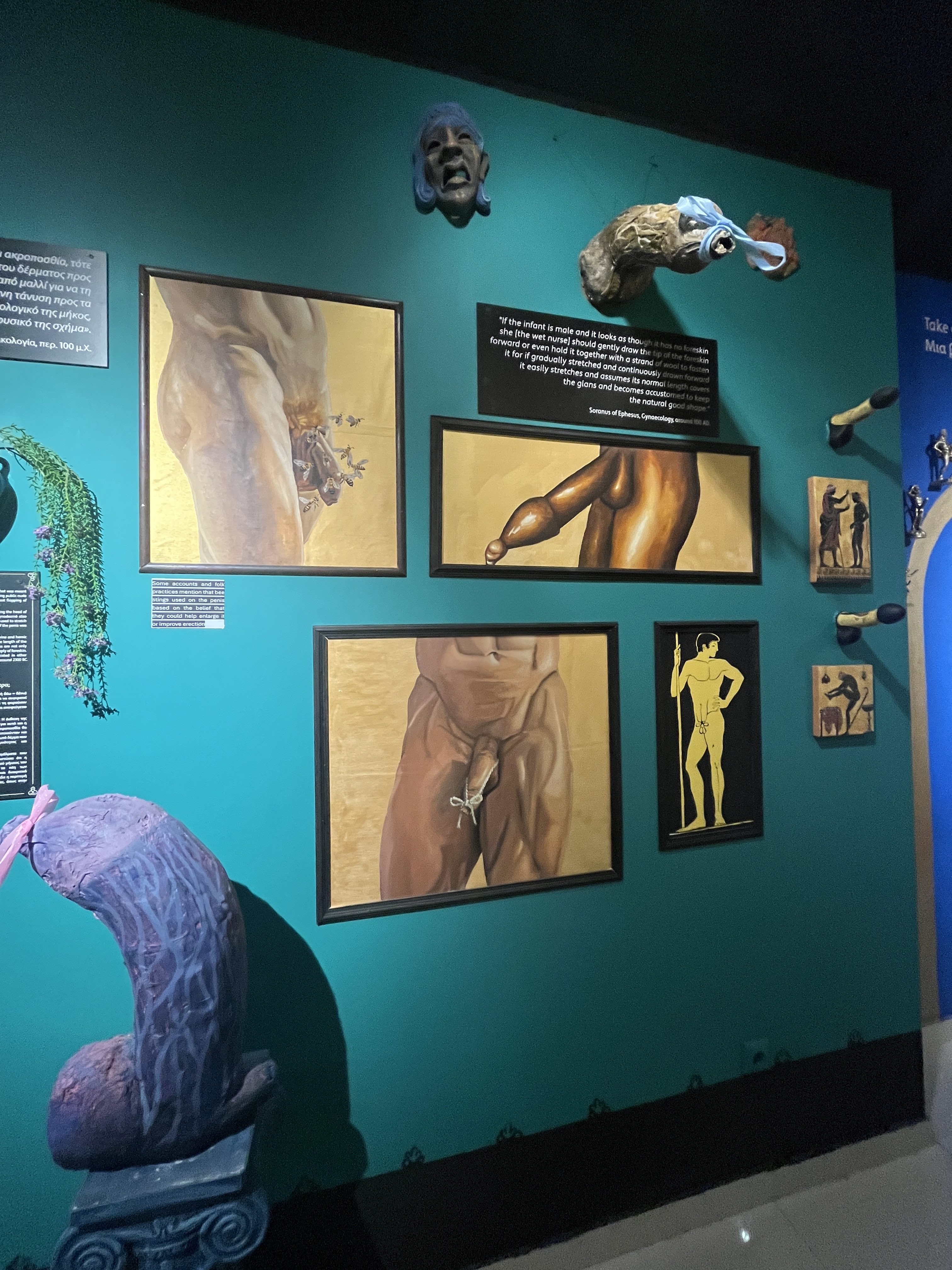
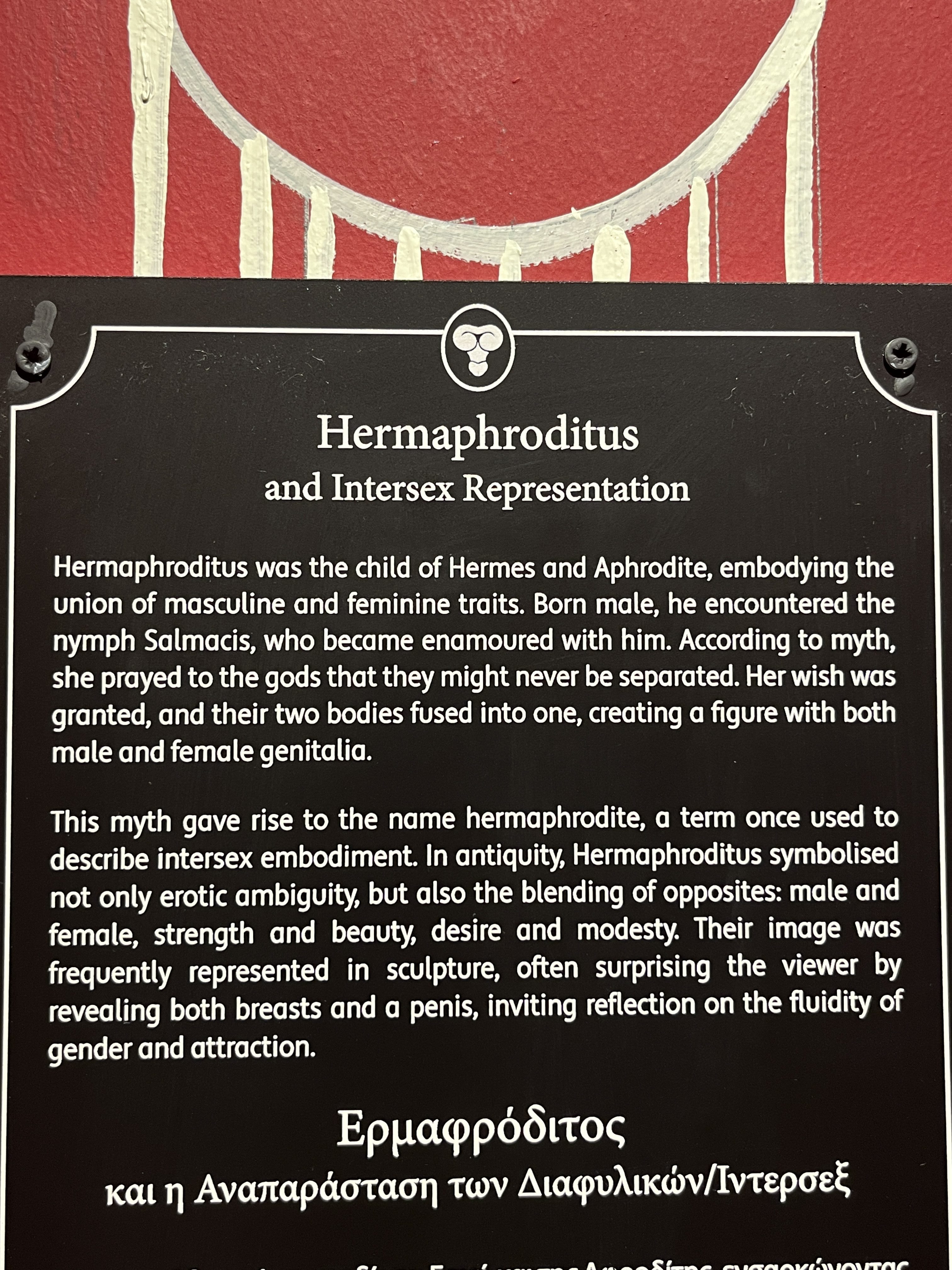
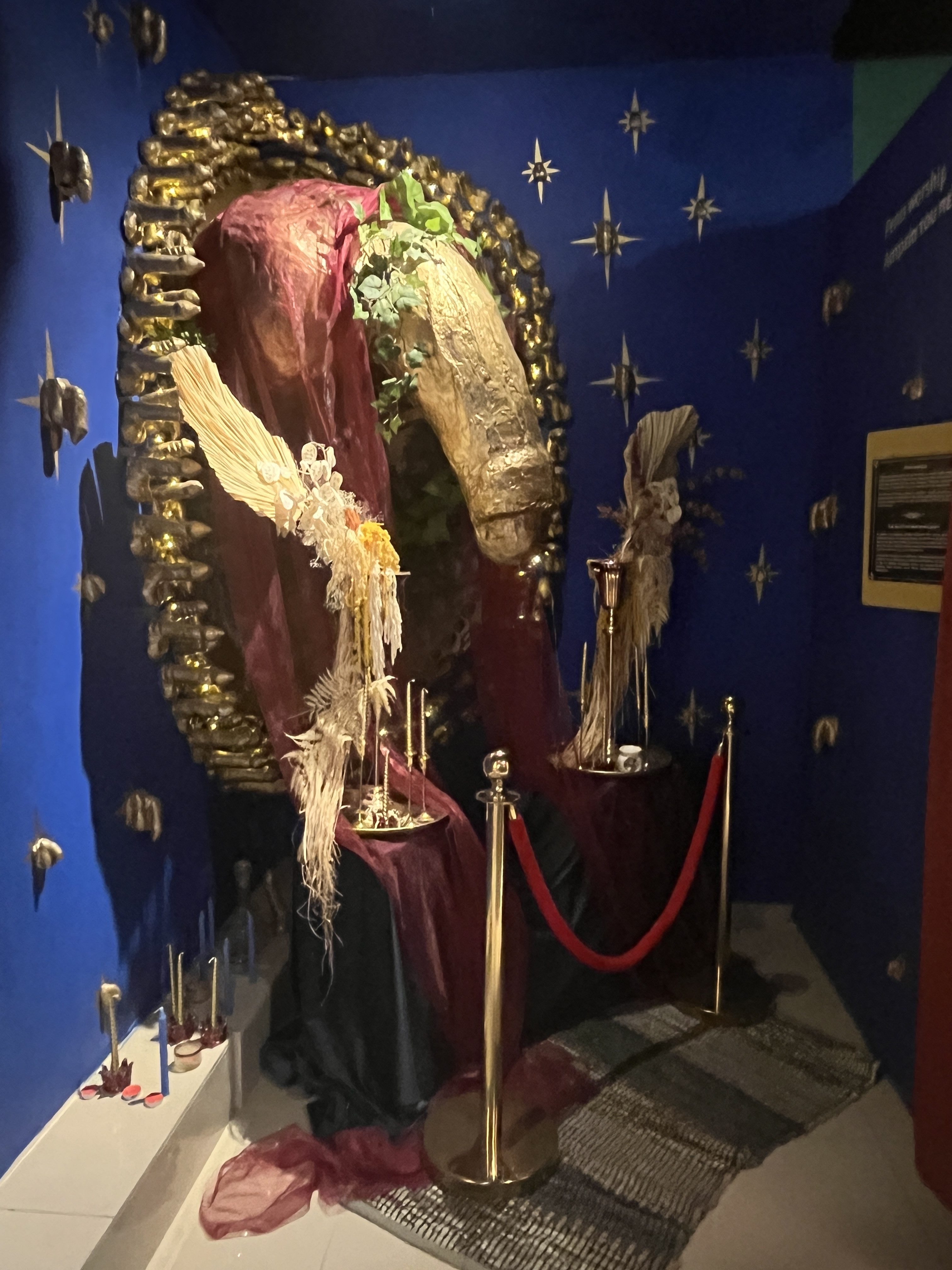
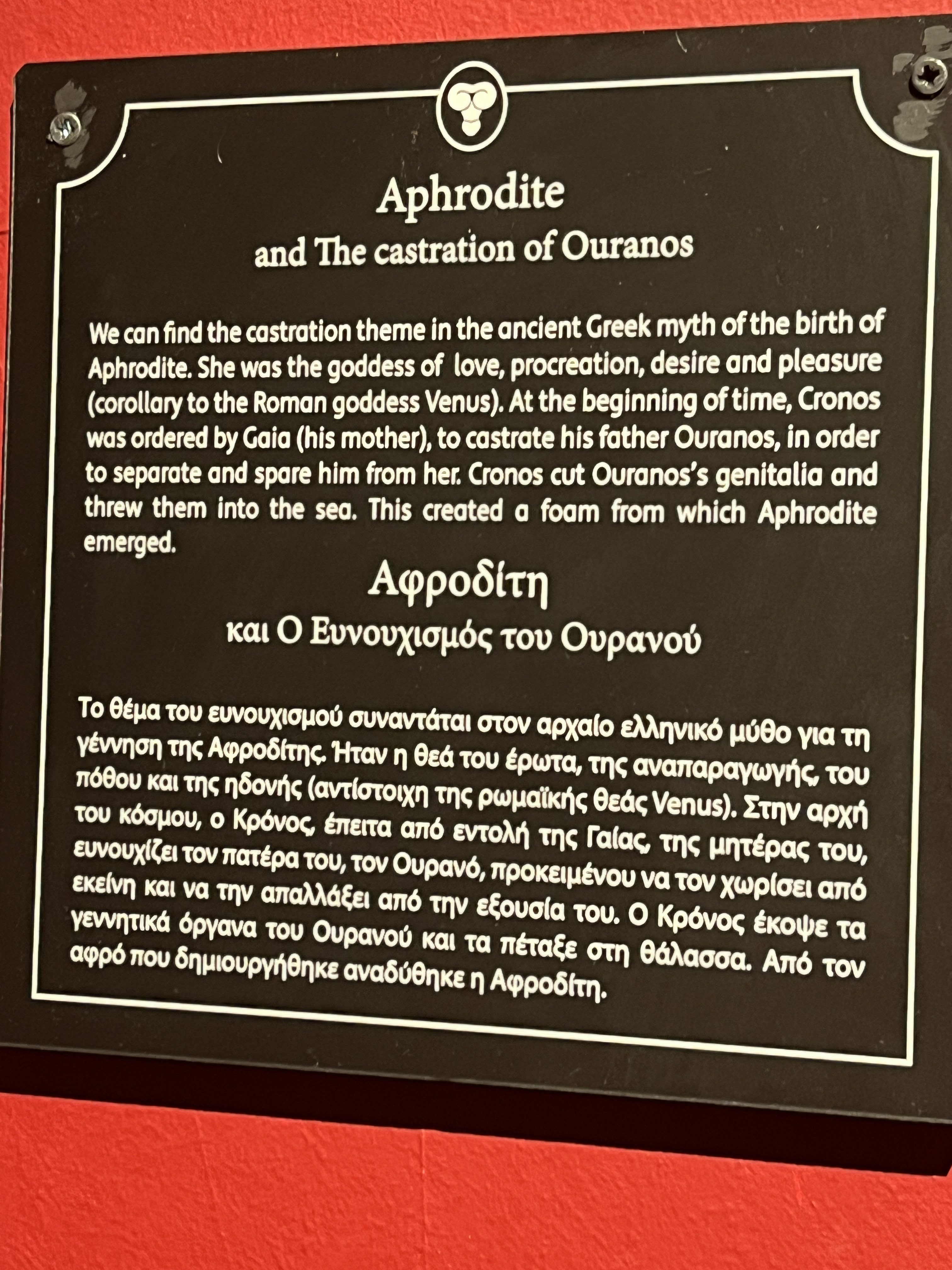
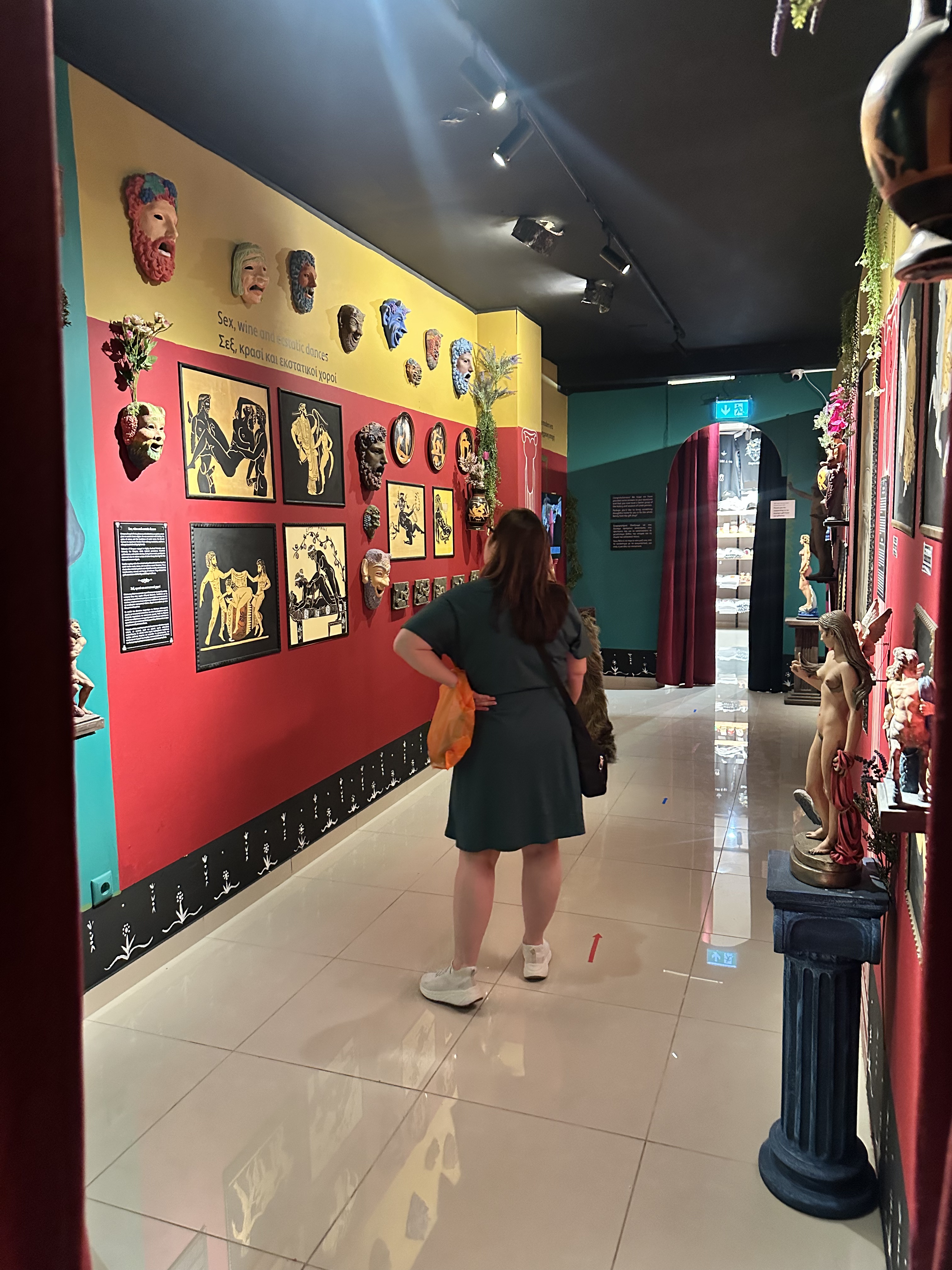
After the museum, we met Laura and settled into our new hotel room (same hotel, Attalos). Laura arrived a day early too but stayed at the hotel to assist with check ins and to confirm some of our reservations for later in the week.
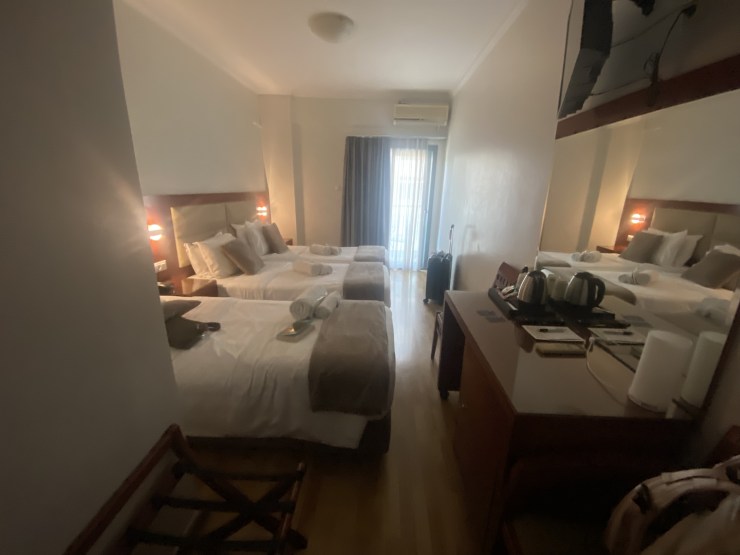
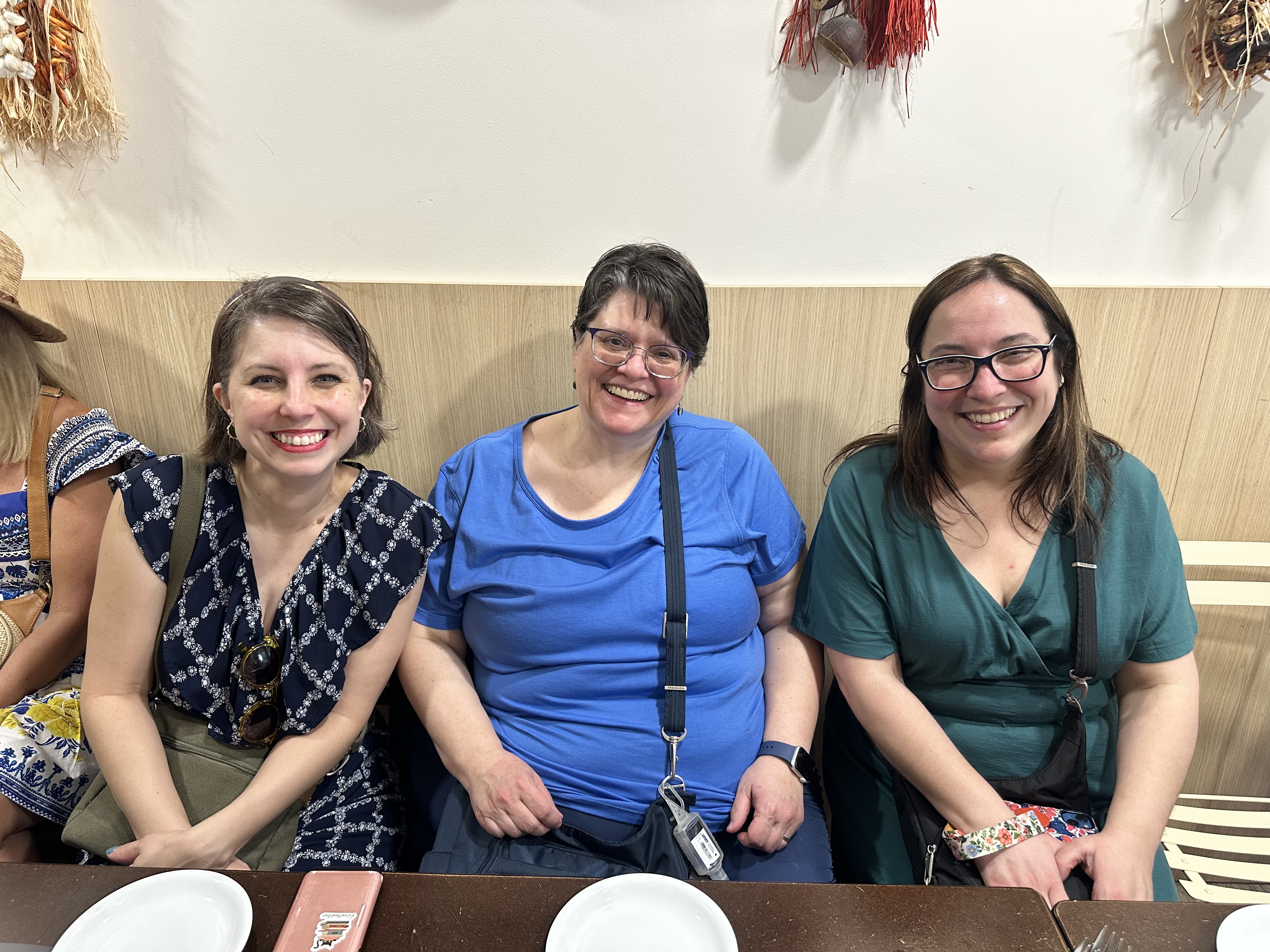
The hotel staff was wonderful to us. Our room was always clean, the front desk was exceptionally helpful, and breakfast was delicious. Then we met the other pilgrims and our food tour guide!
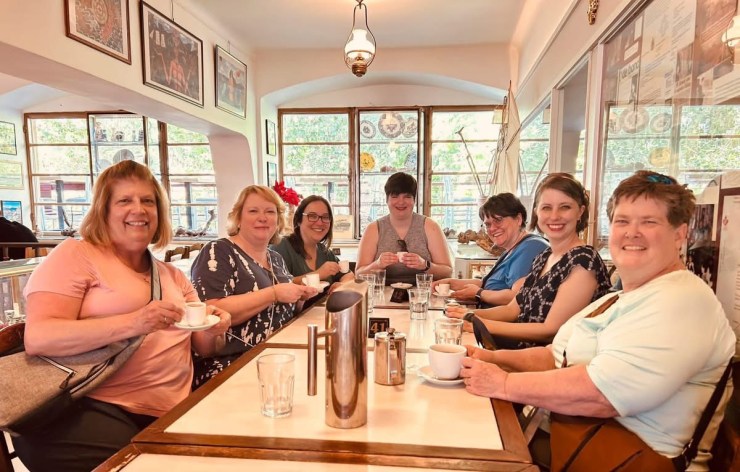
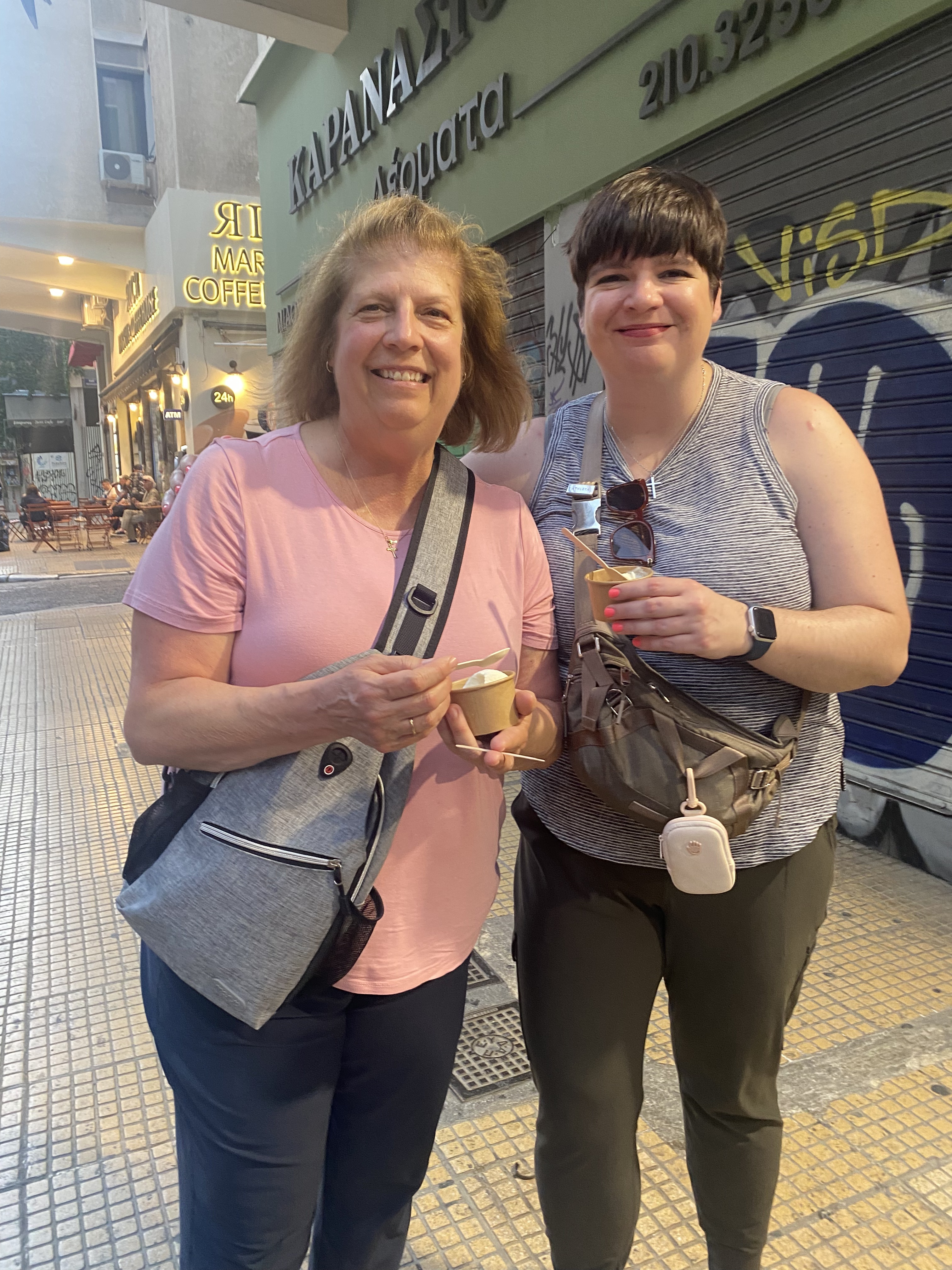
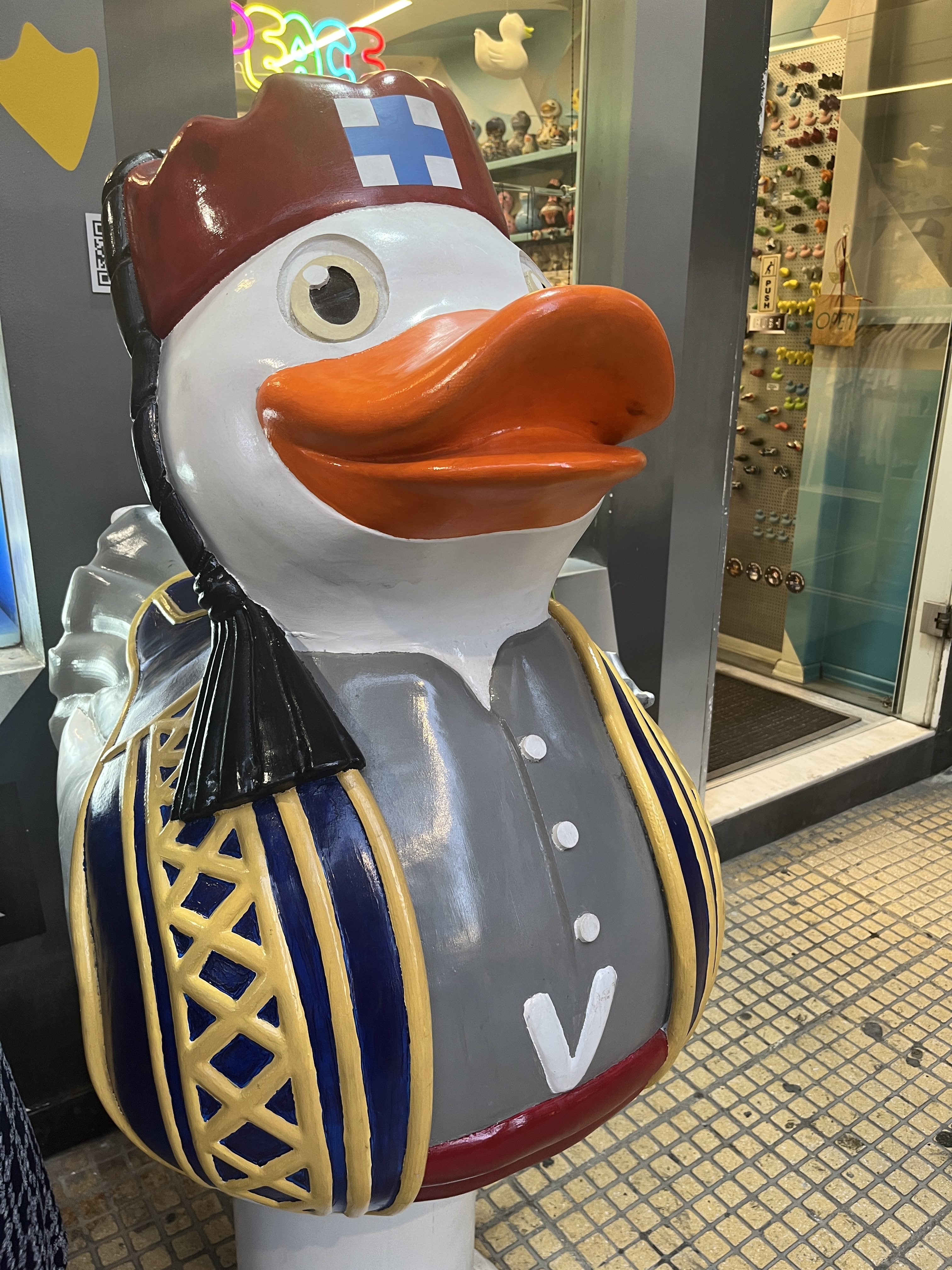
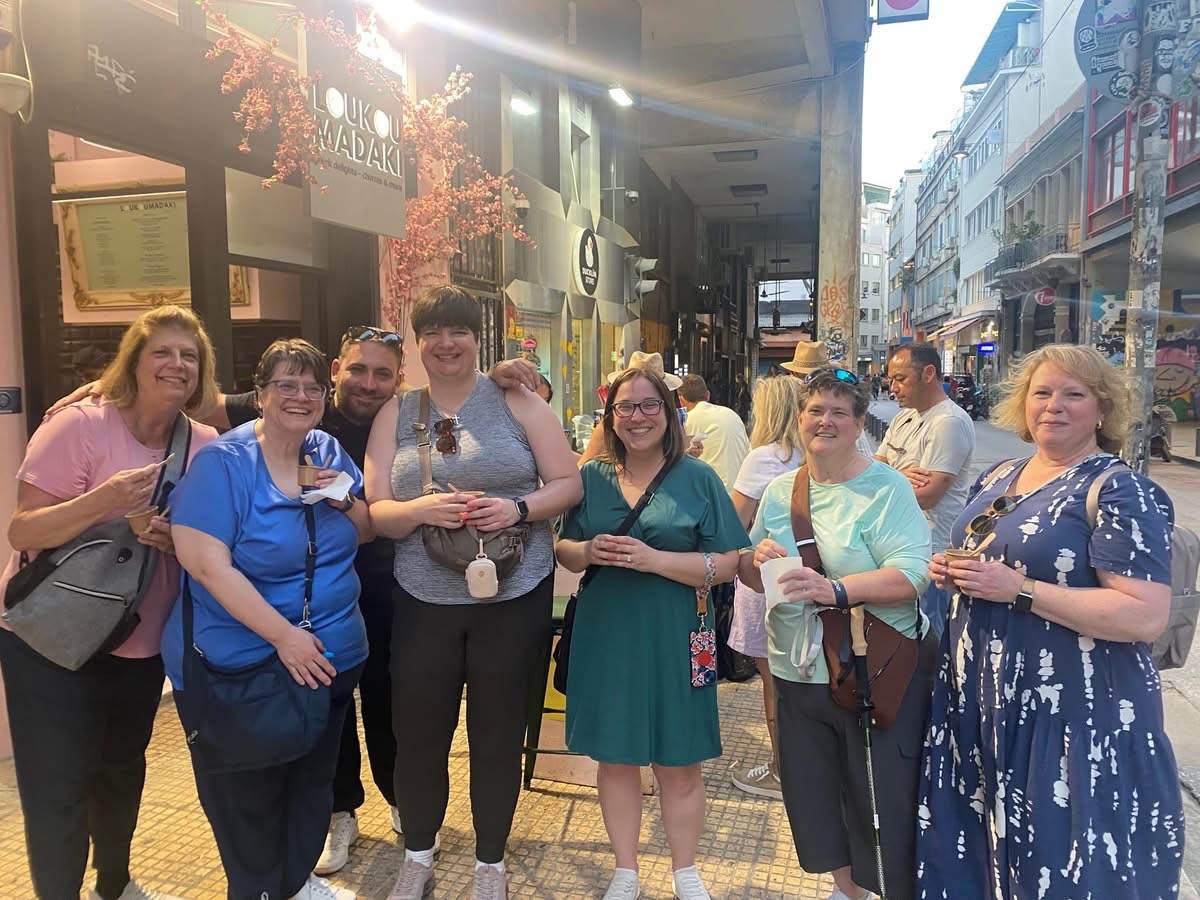
The tour started with breakfast foods, then lunch, dinner, and dessert. We got small bites everywhere. All of it delicious. It was a walking tour so we were able to enjoy the neighborhood surrounding our hotel and we stopped back at a few of these places later in the week. We took some dessert to-go and enjoyed it on our hotel roof with devotions.
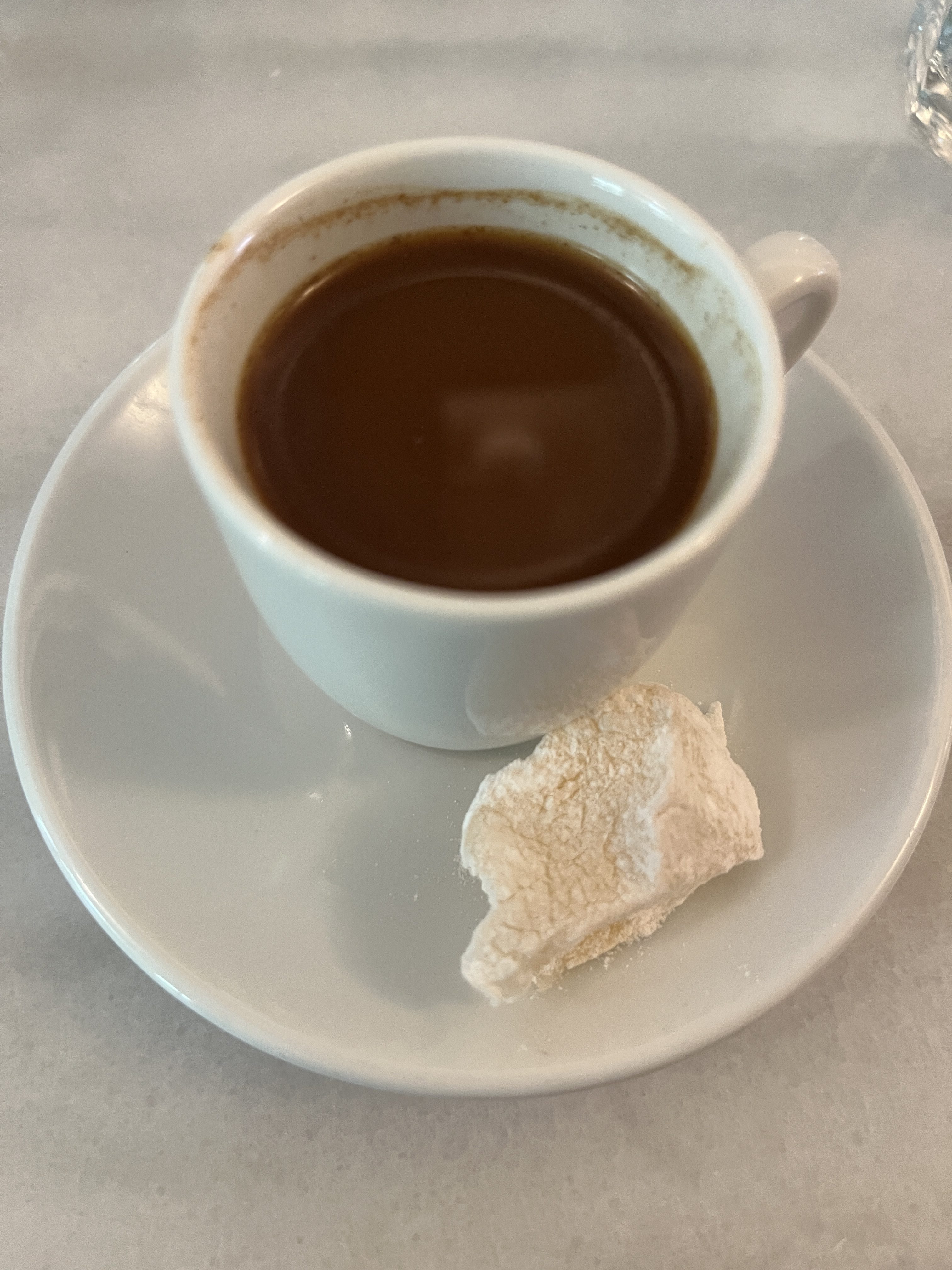
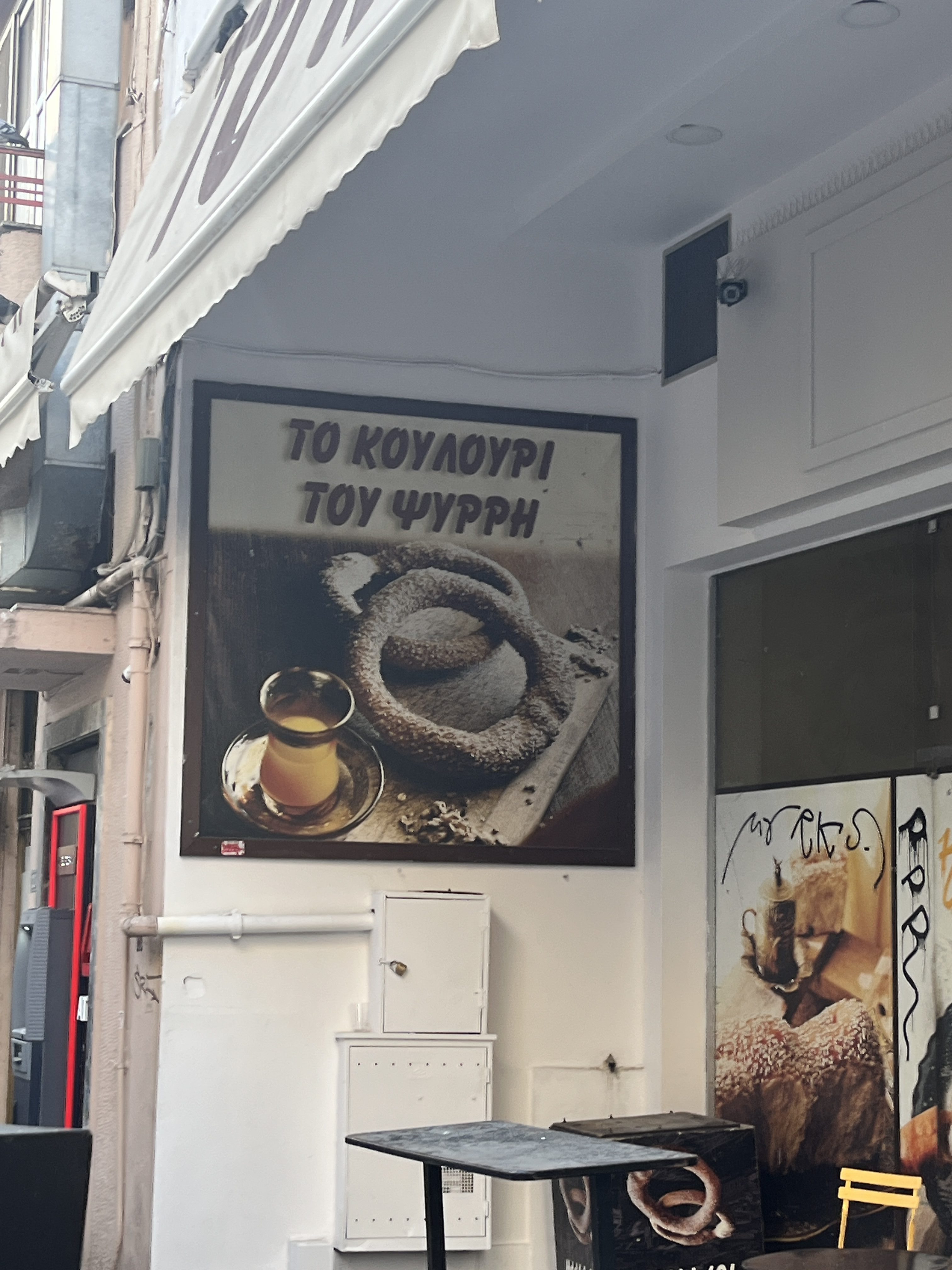
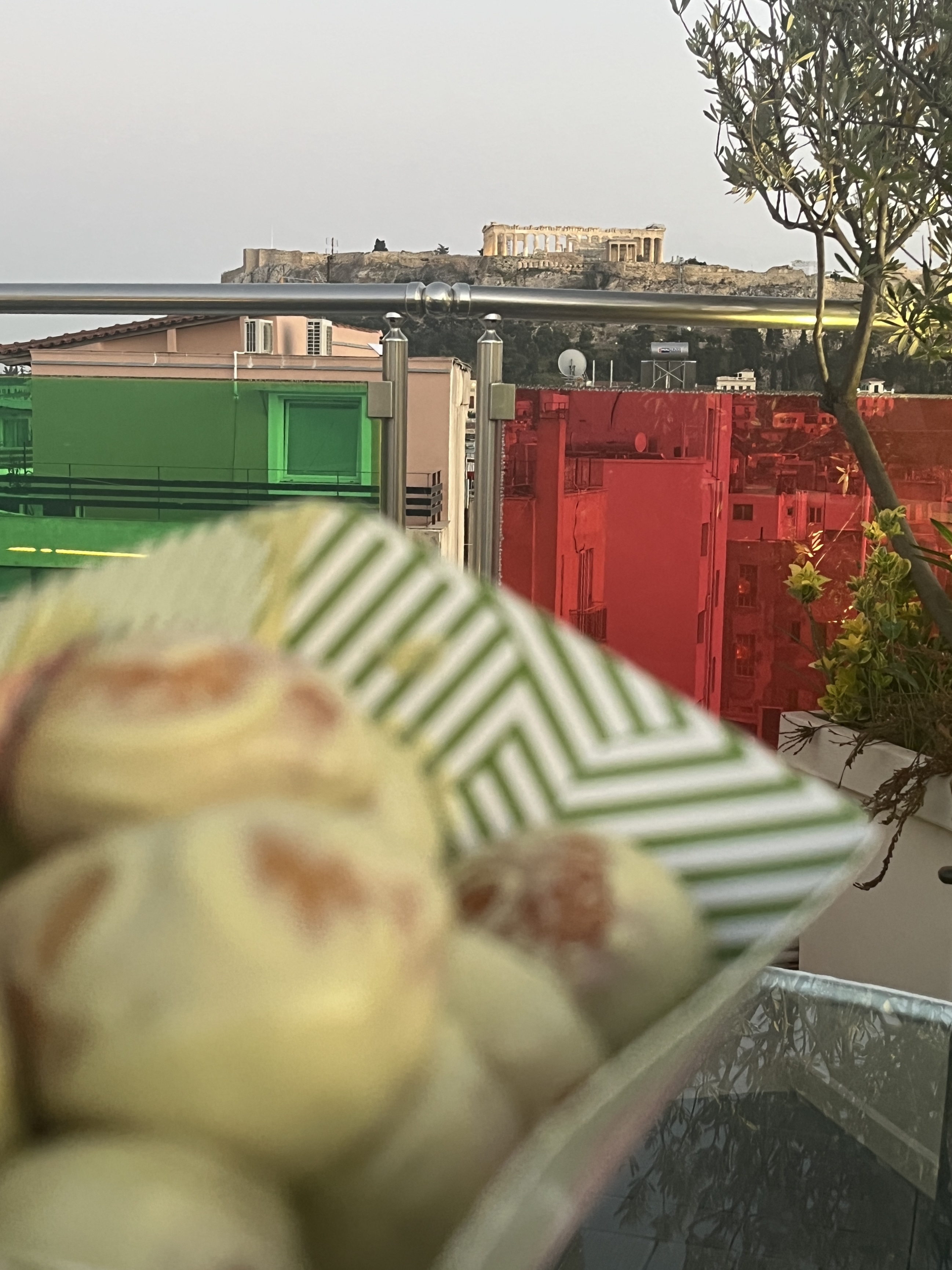
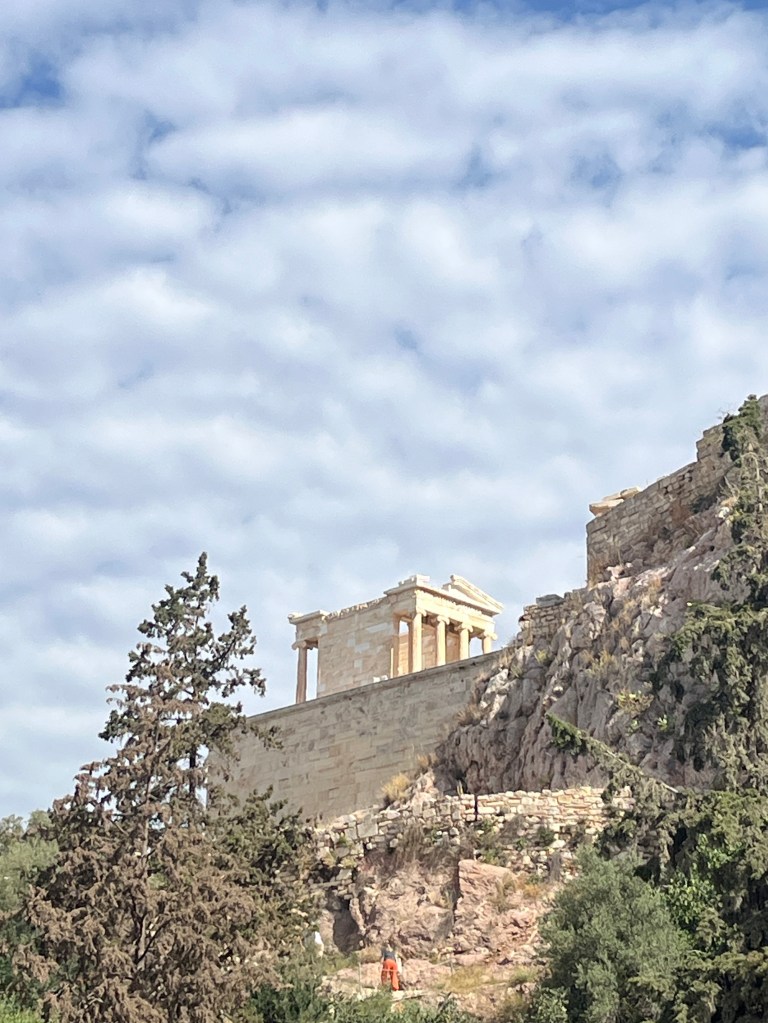
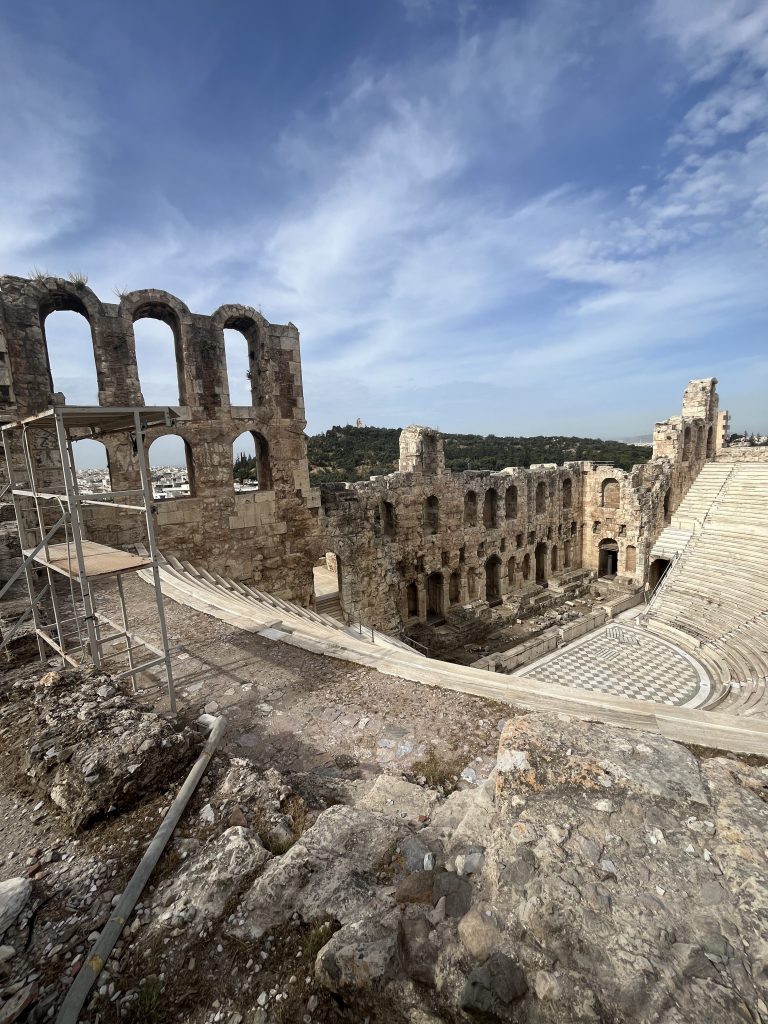
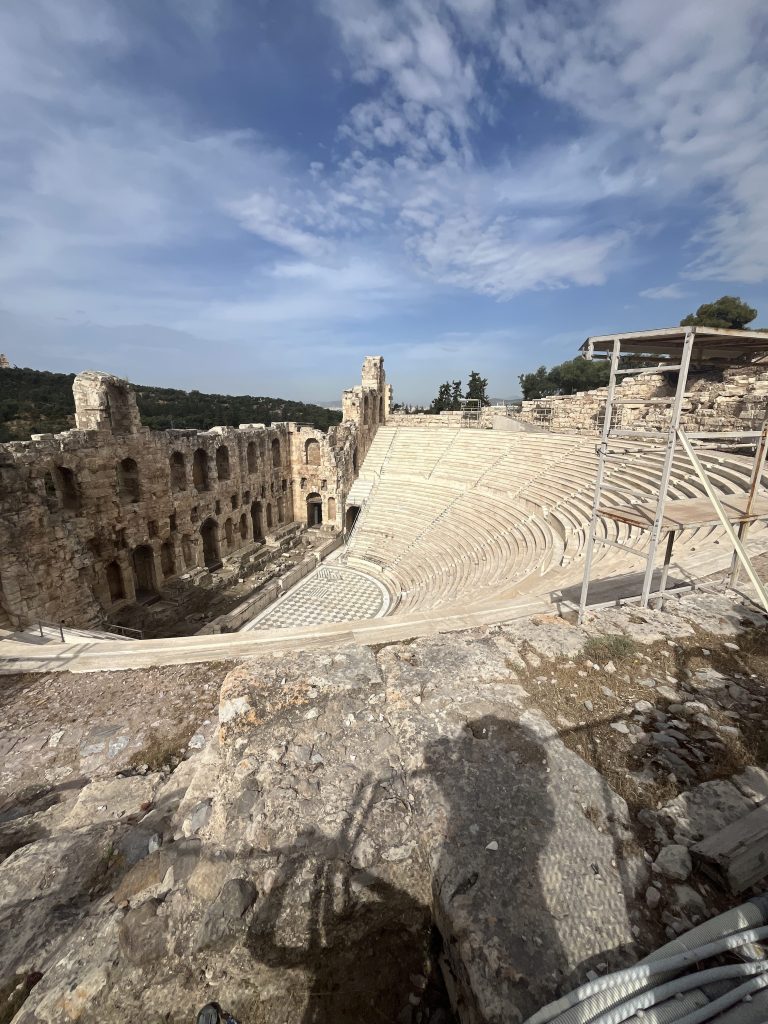
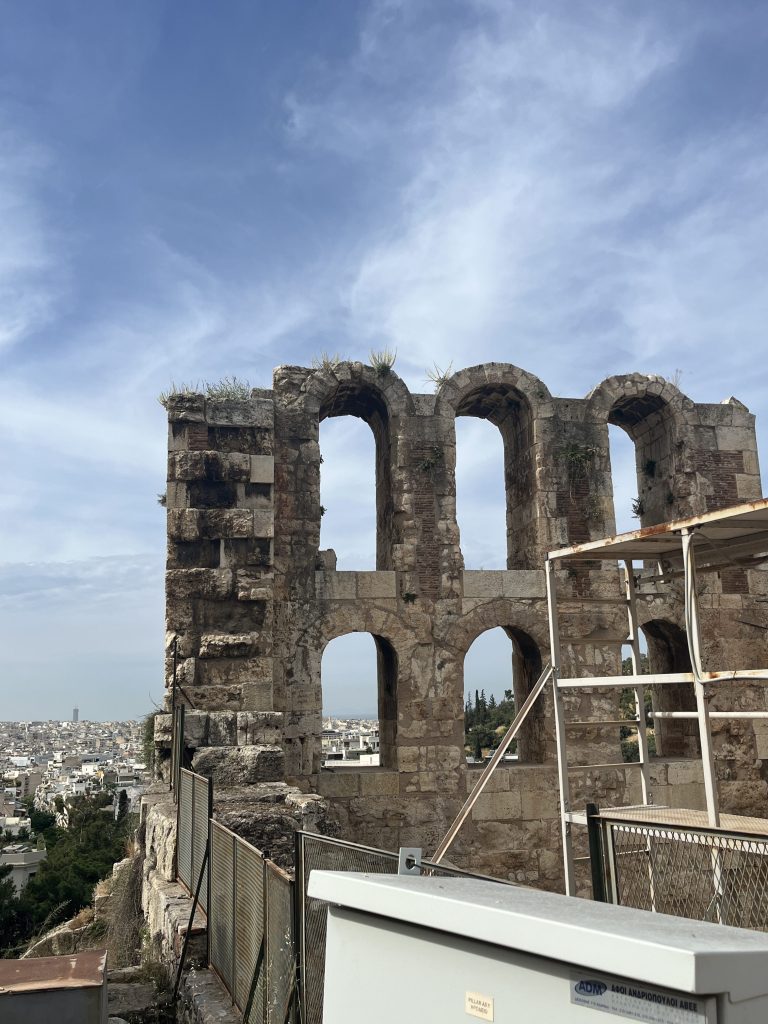
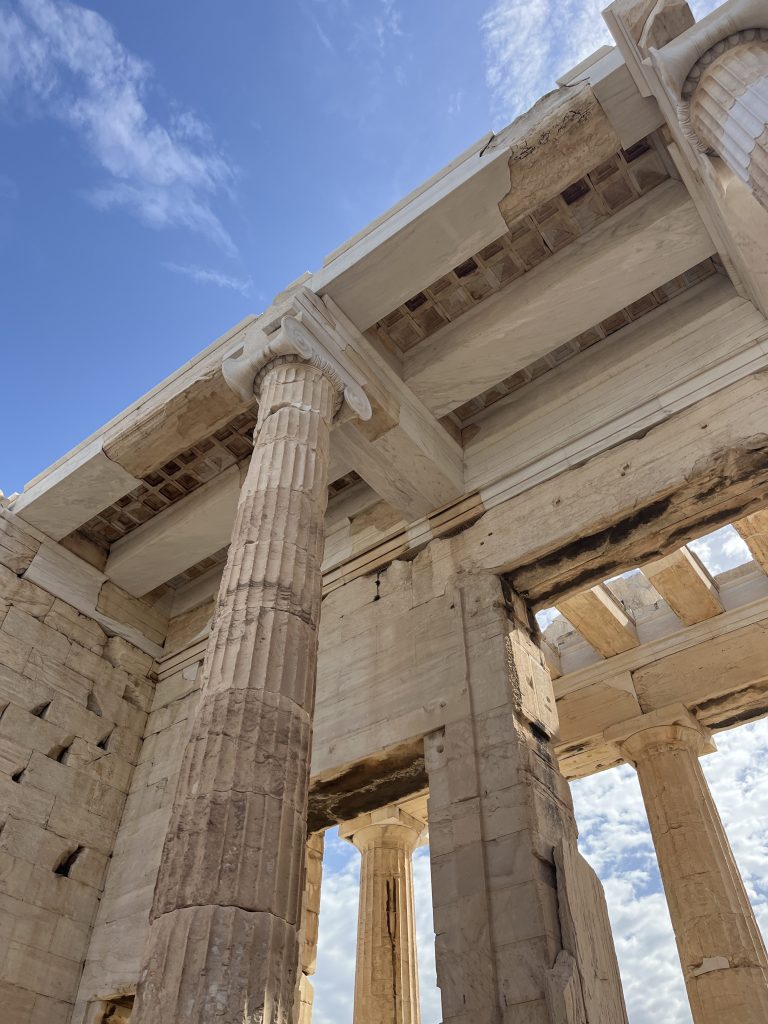
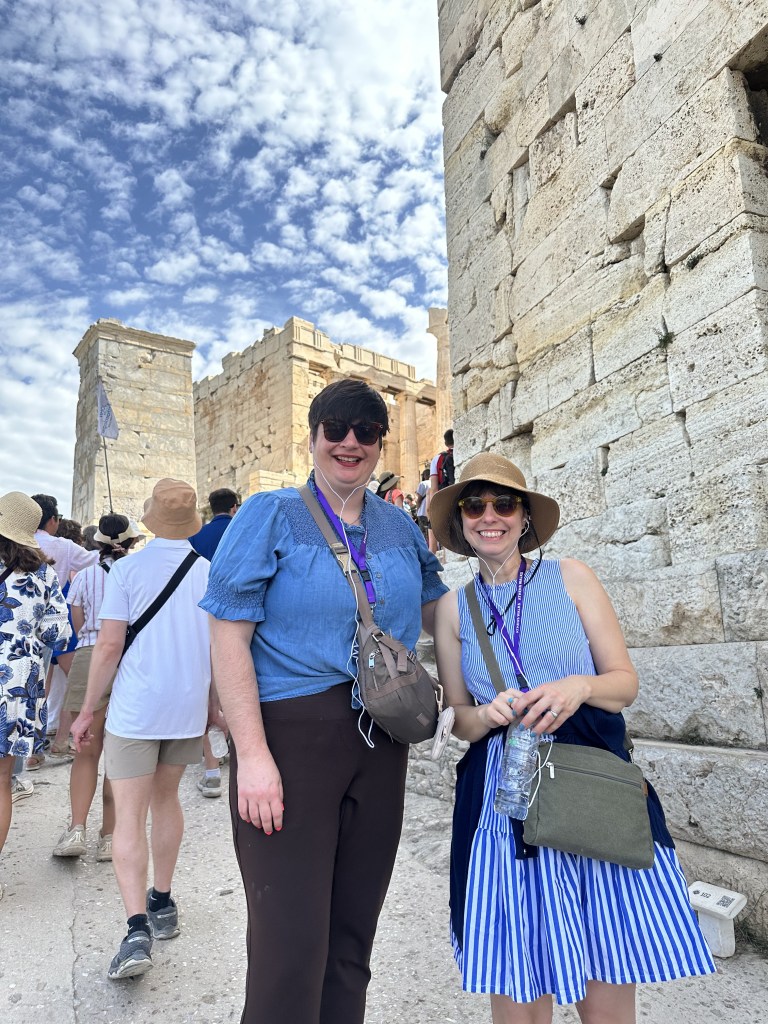
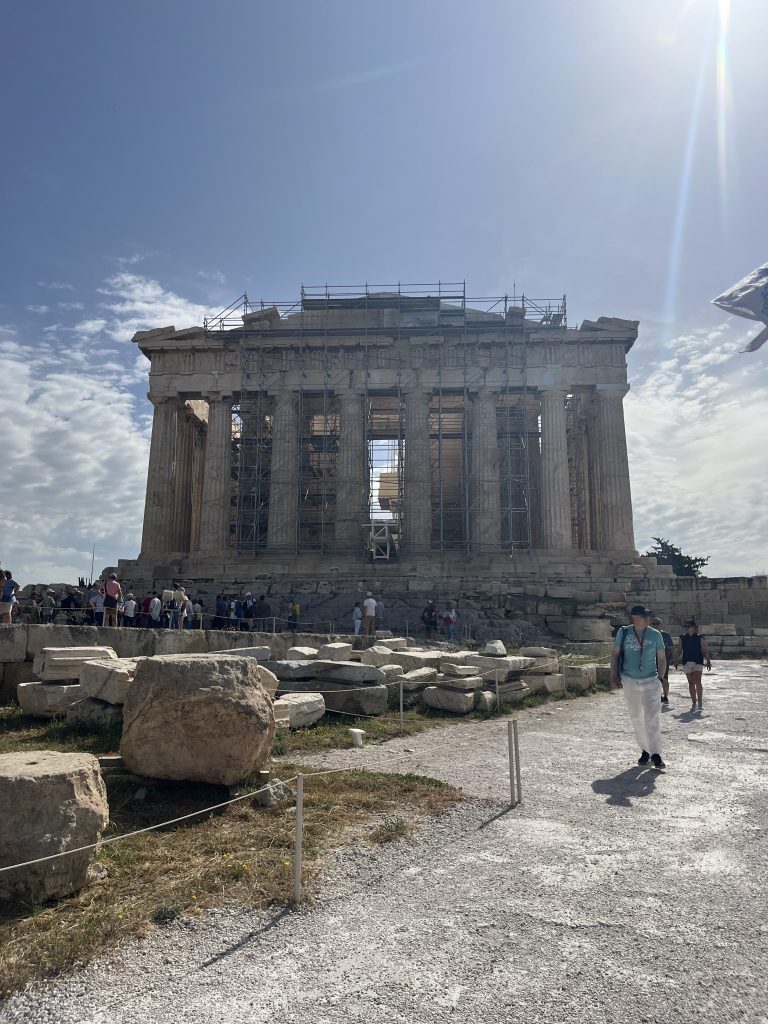
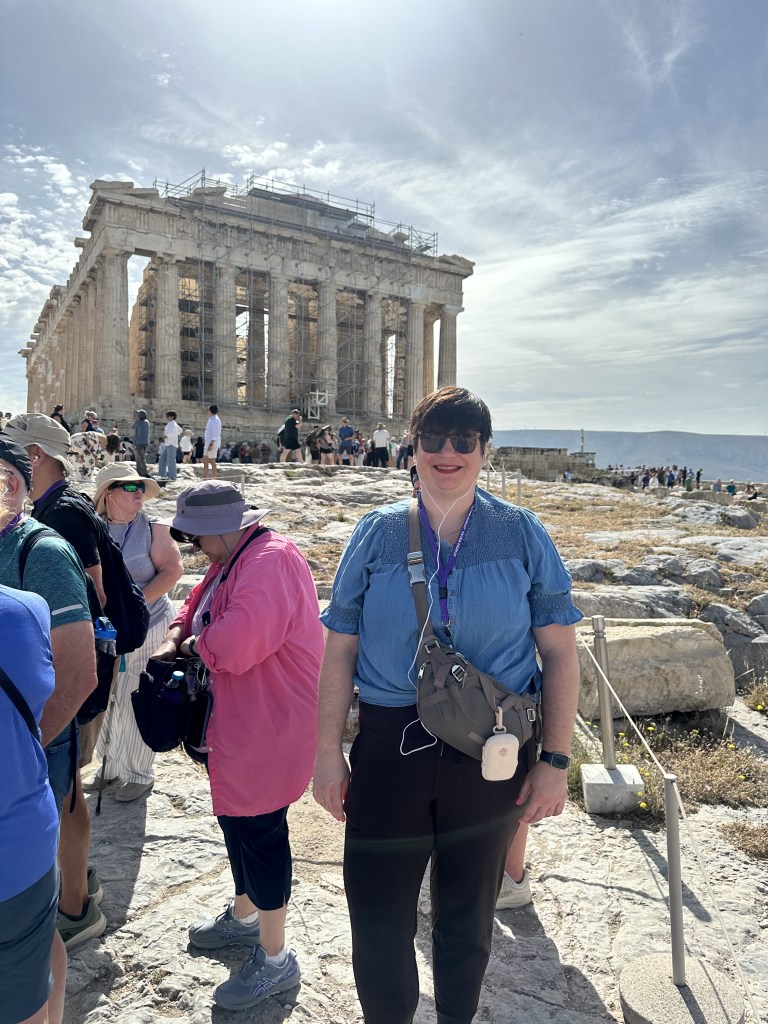
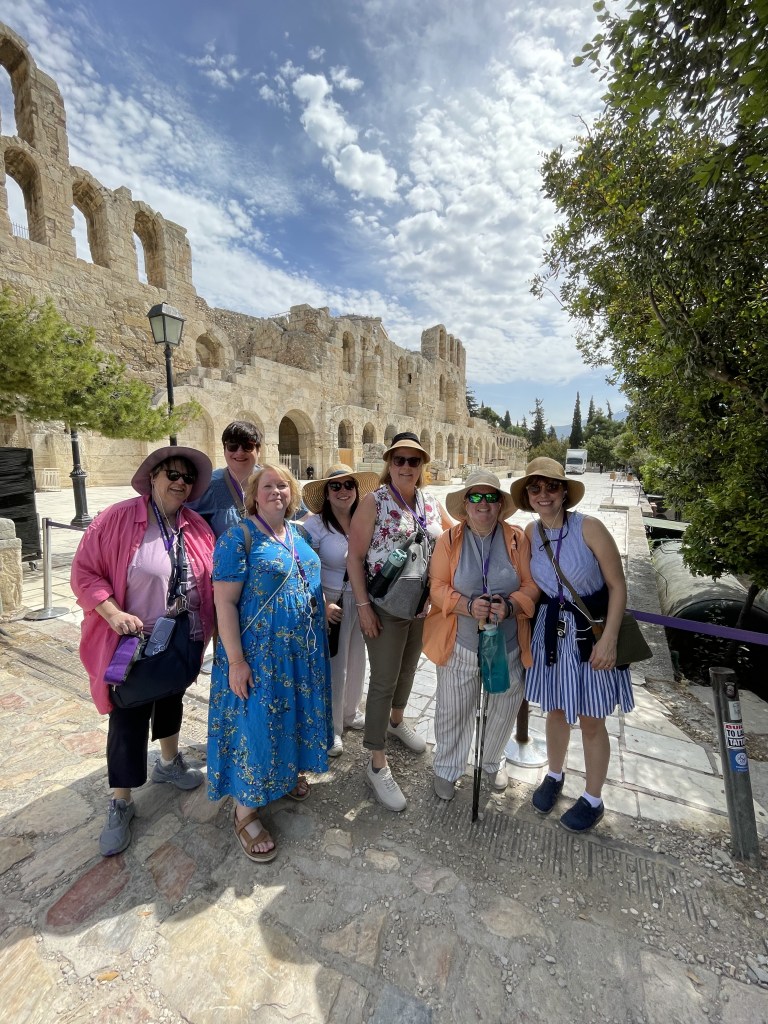
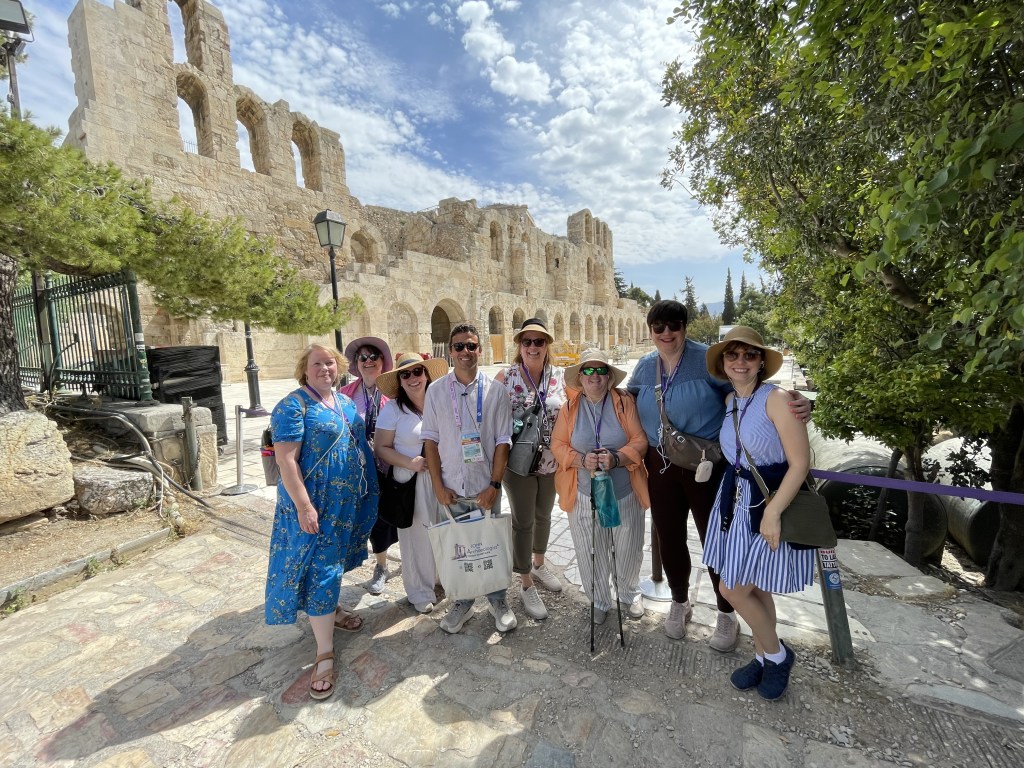
May 13th: Acropolis tour. We did an early morning tour with a guide. Our guide was amazing, John made everything manageable – stop, shade, sit – then he kept our group moving to good picture spots and took photos for us. He navigated the crowds, gently guiding us through. Once he did have to forcefully ask a family to *not* stand on an ancient artifact. We continued to quote John throughout the trip, “Welcome to Greece, tour coming through” and “Oh my god I love my job” (usually said after he had to redirect someone doing something they shouldn’t be). Seriously, get a guide.
I wish I had written down a little more about what he was telling us at each of the archeological sites but it was overwhelming. Restoration is taking a long time because of the uniqueness of each piece. Each stone (especially the columns) are fitted exactly in their spot.
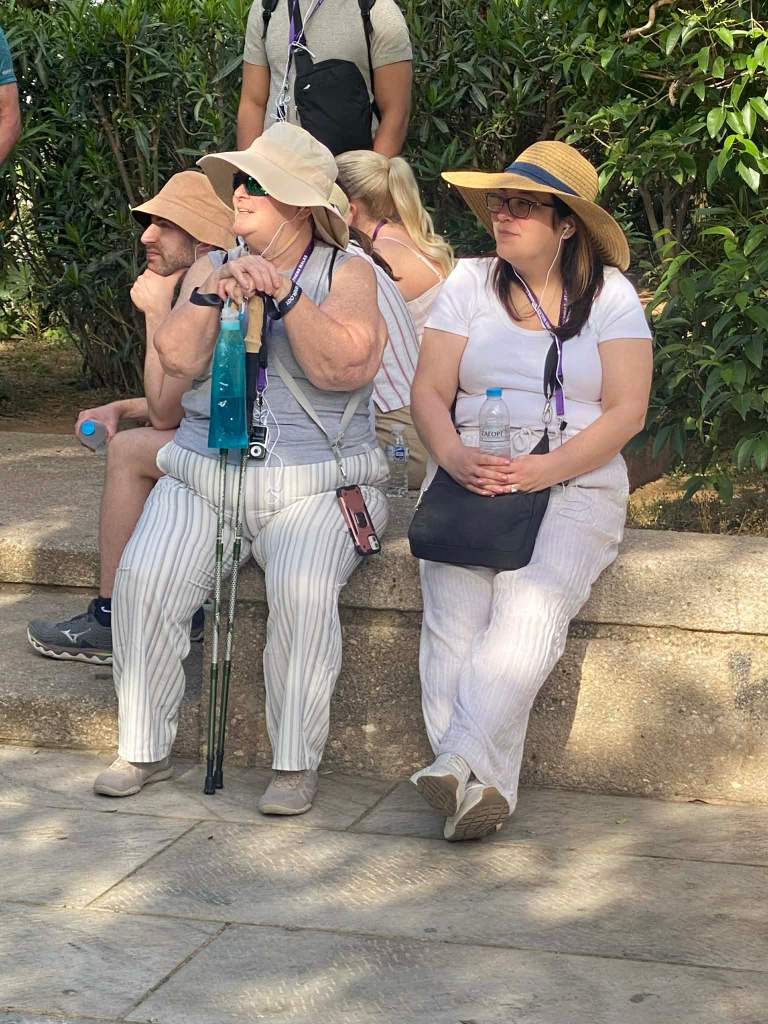
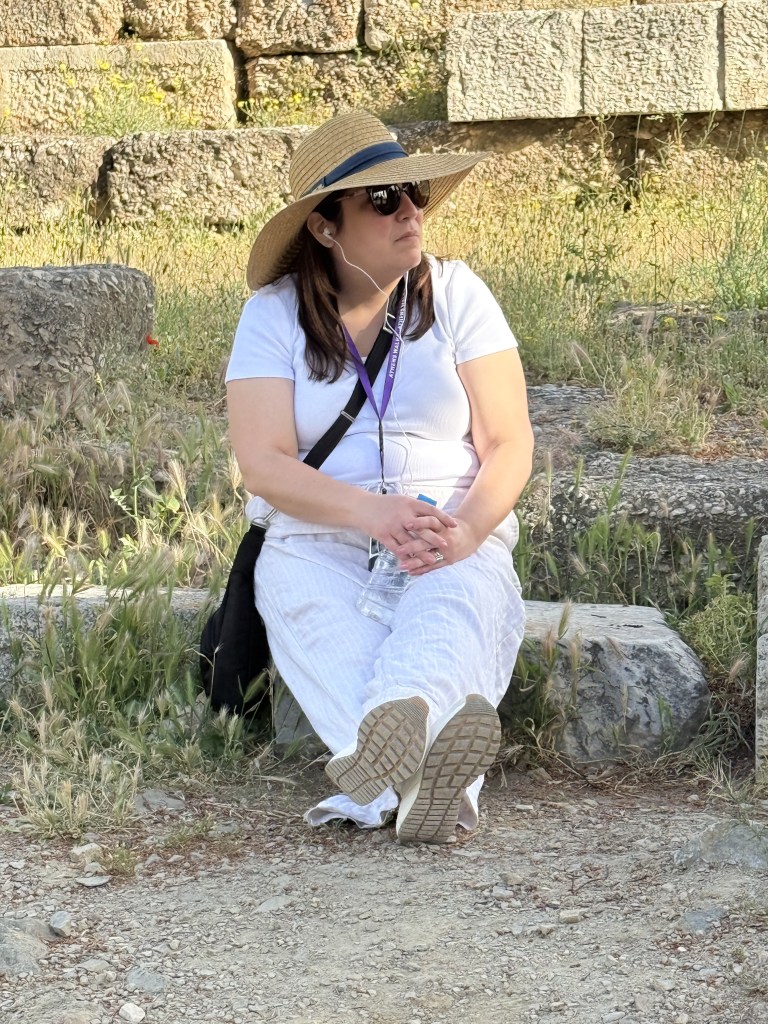
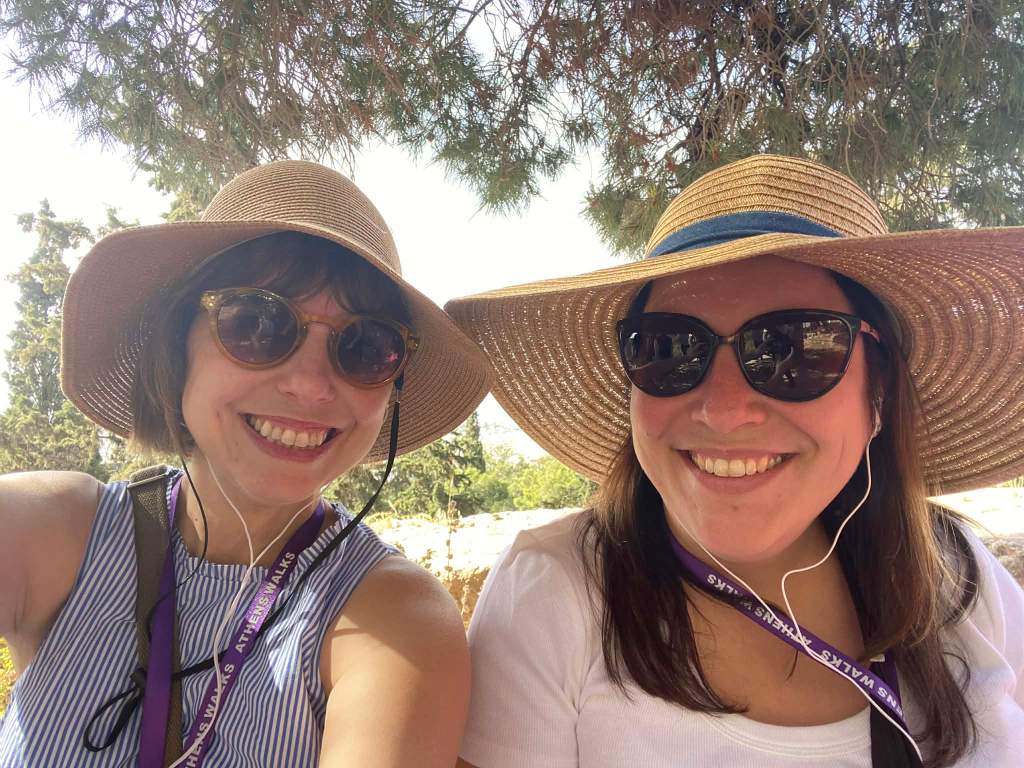
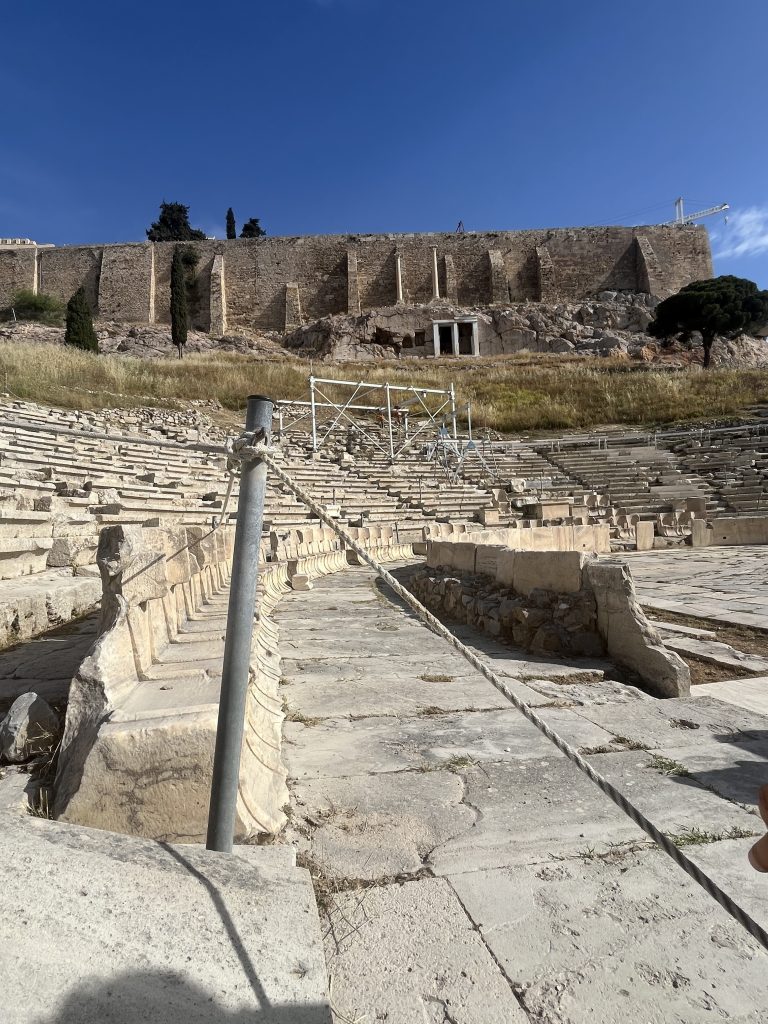
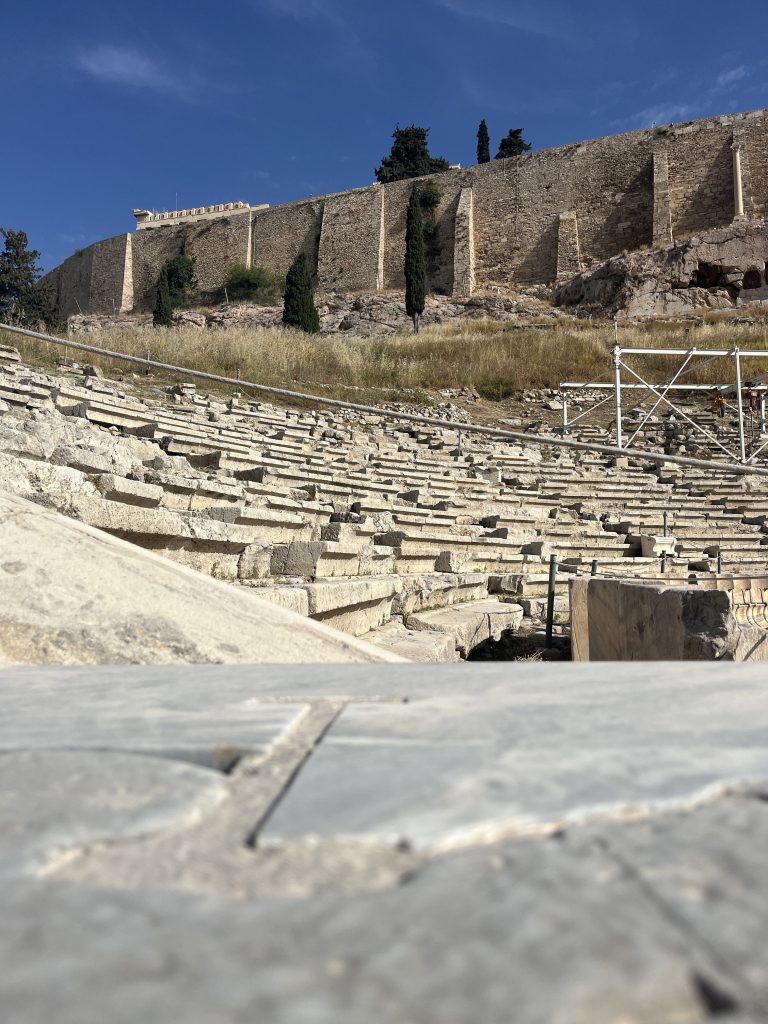
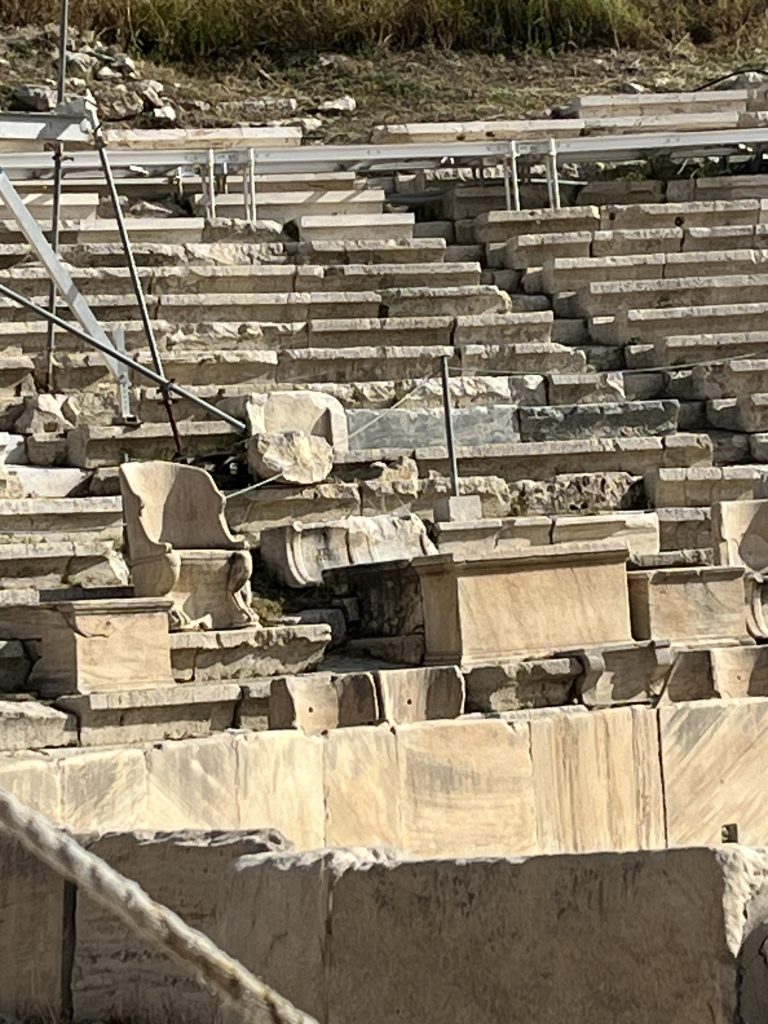
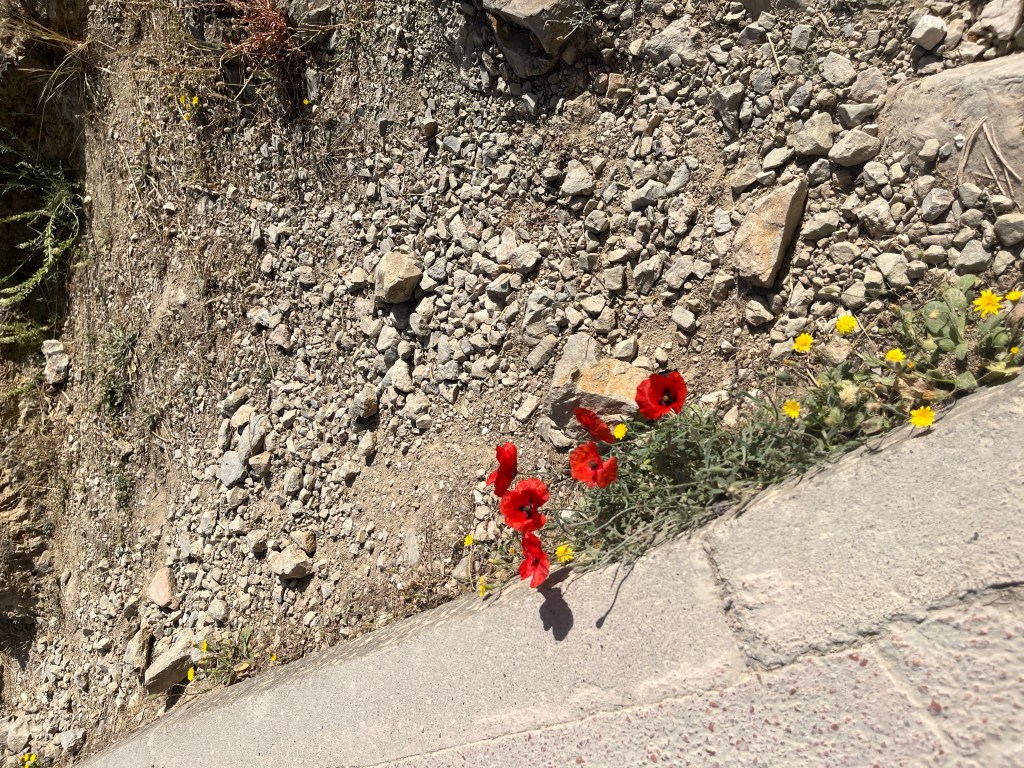
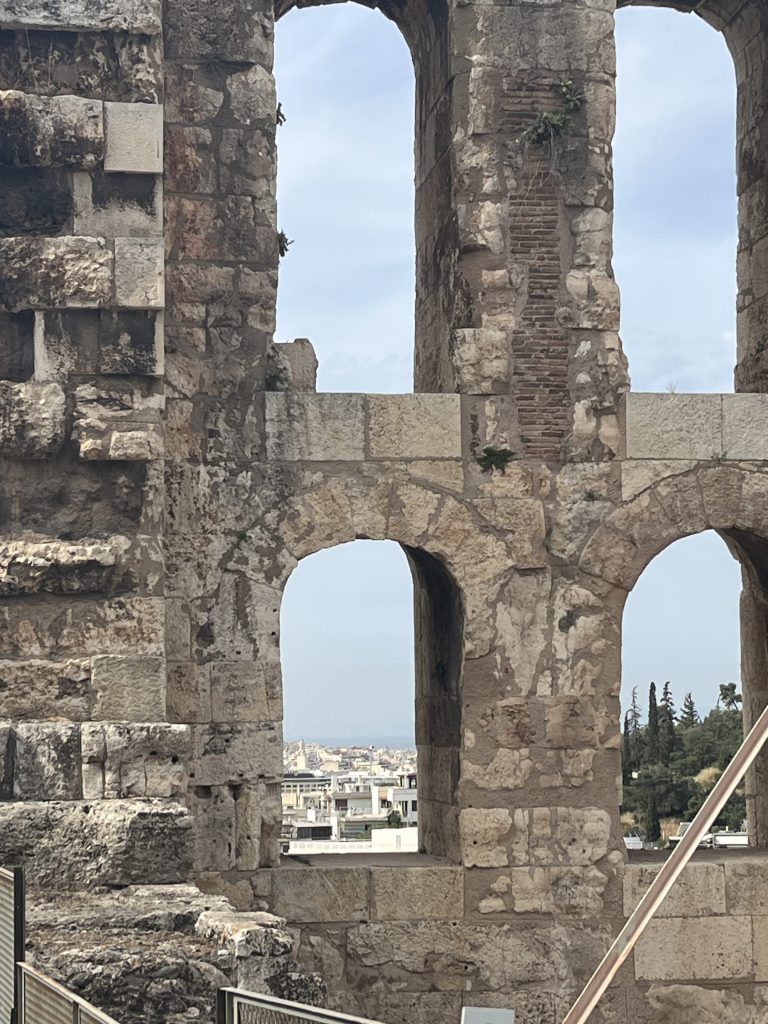
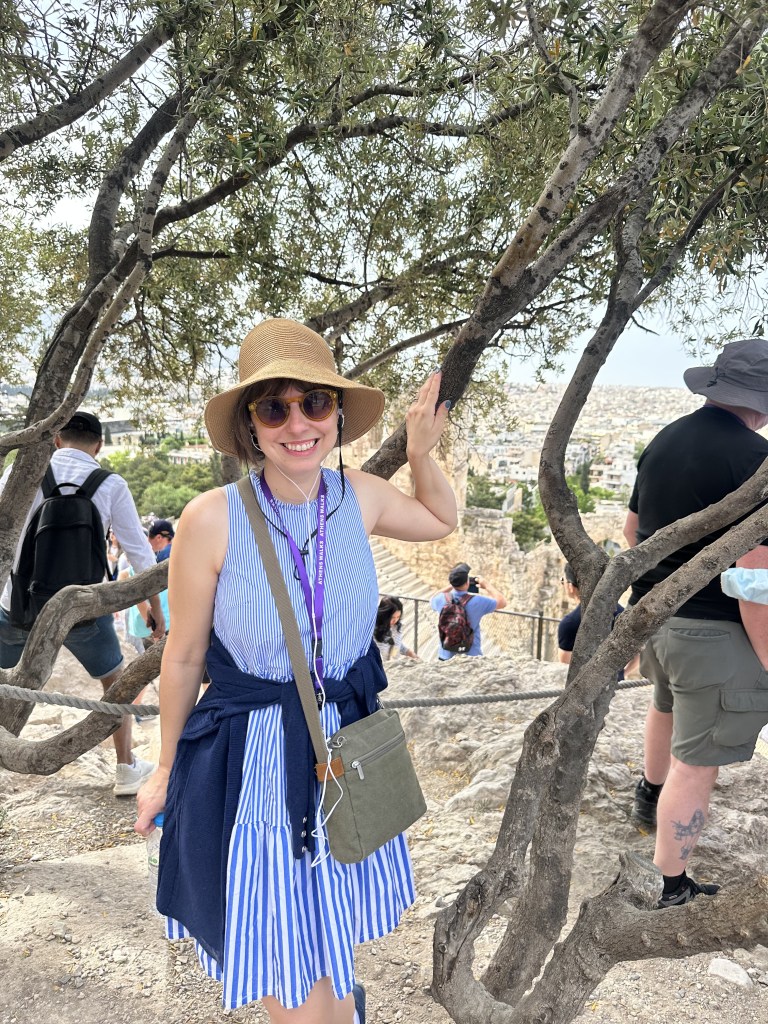
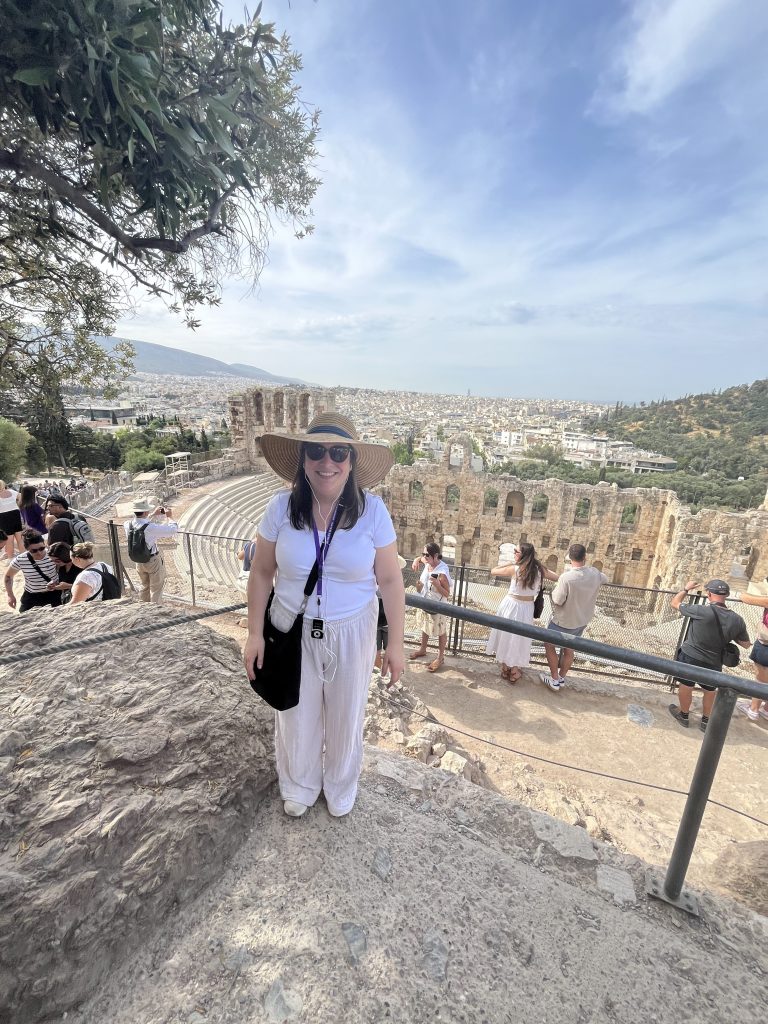
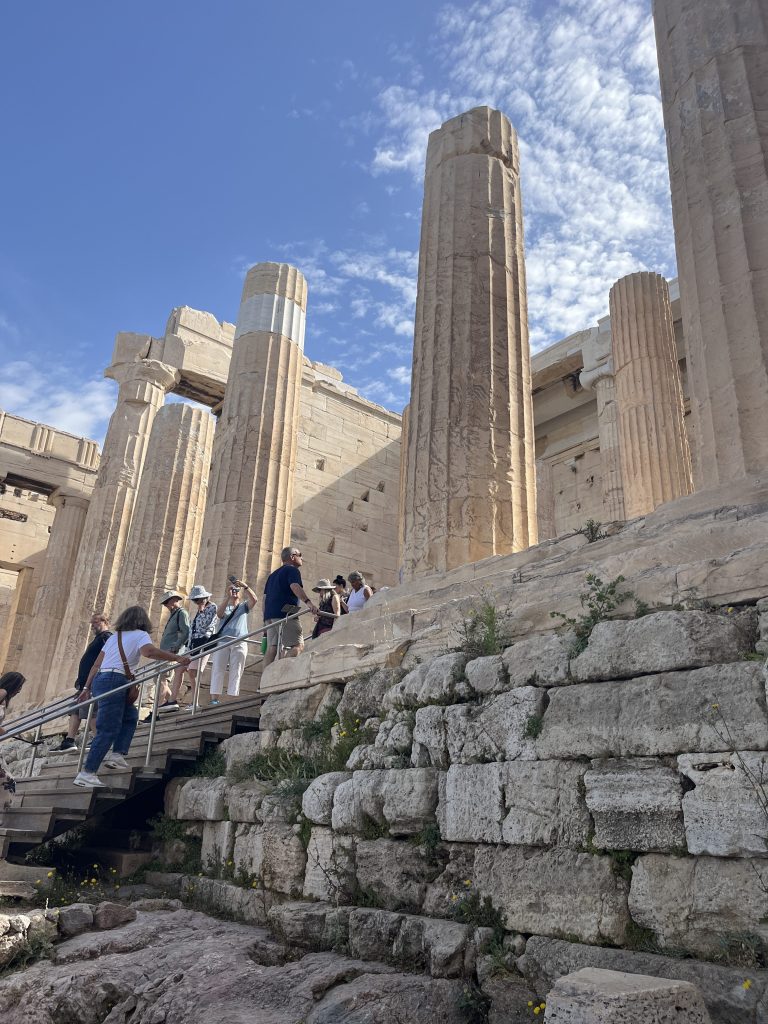
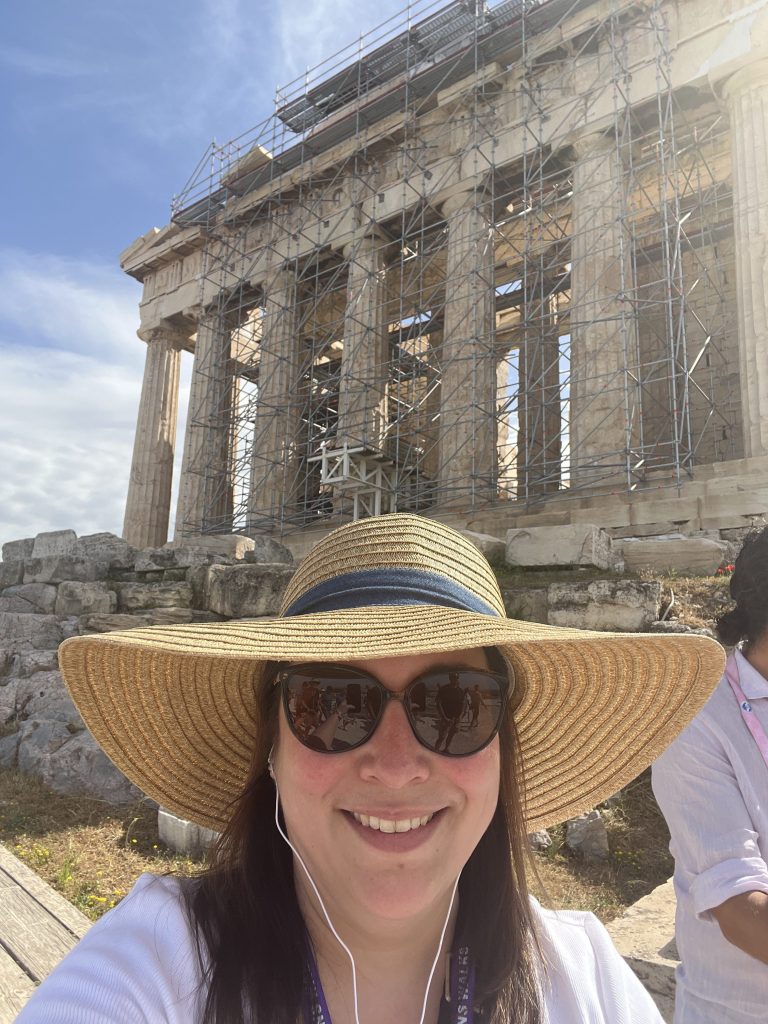
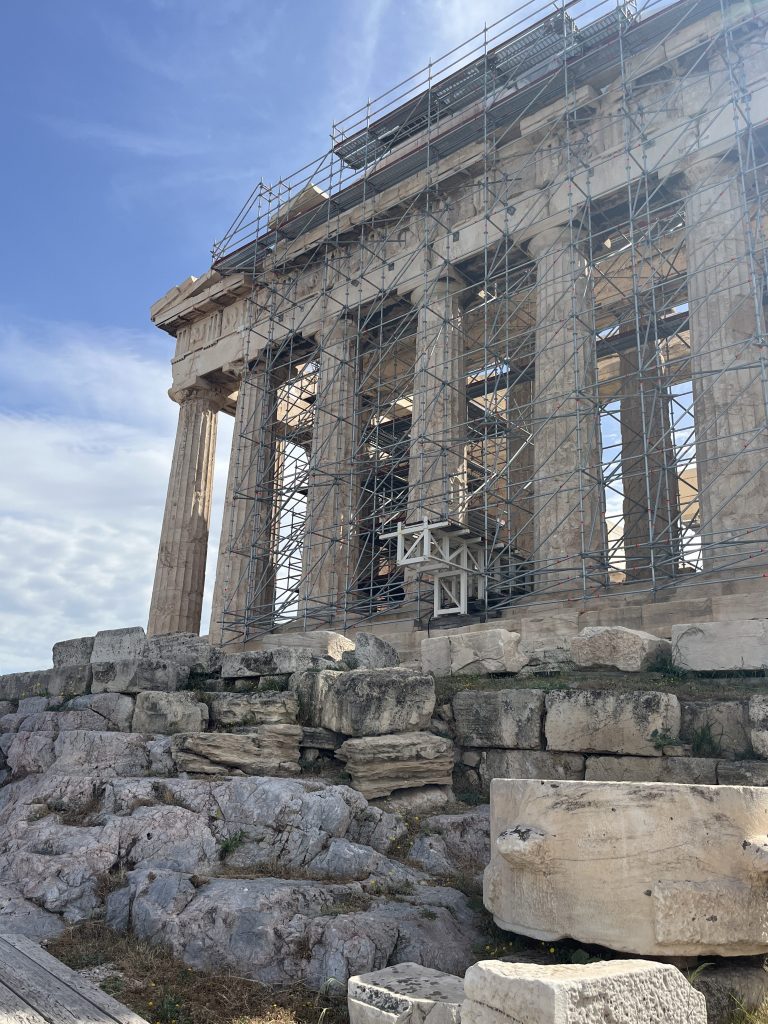
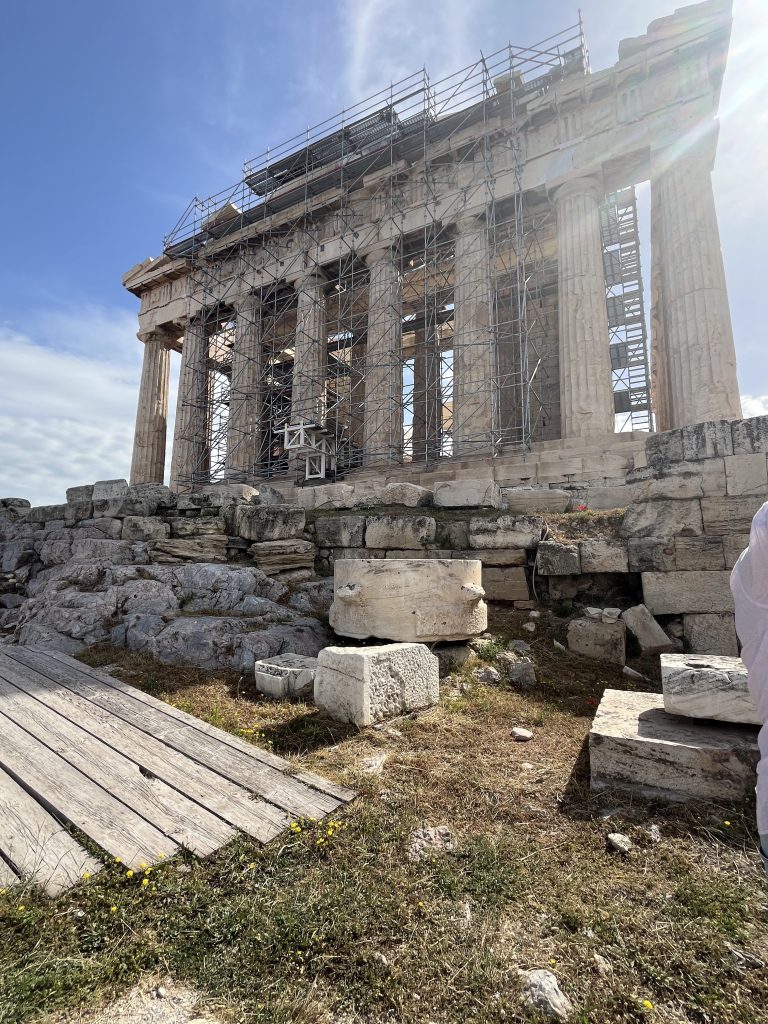
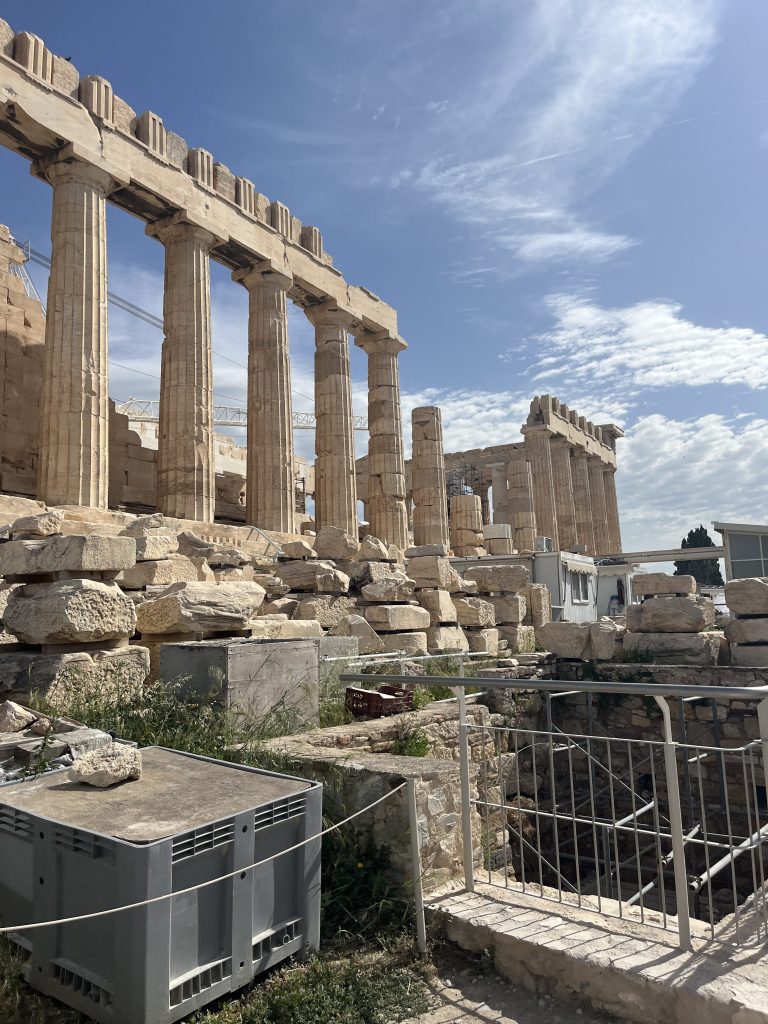
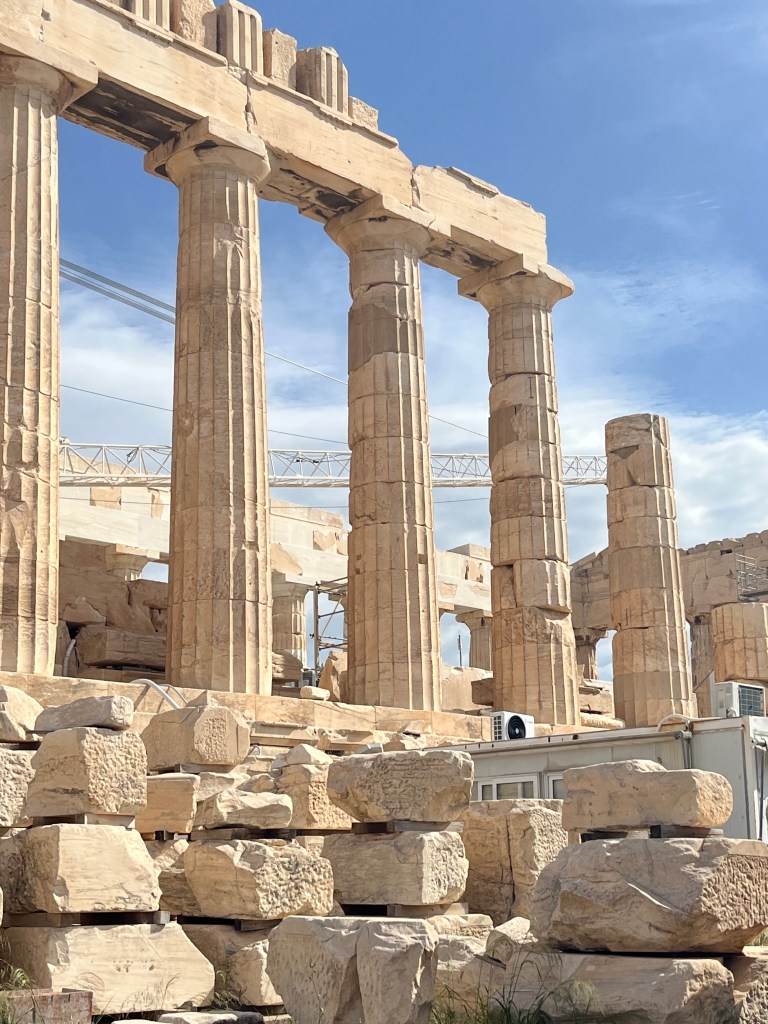
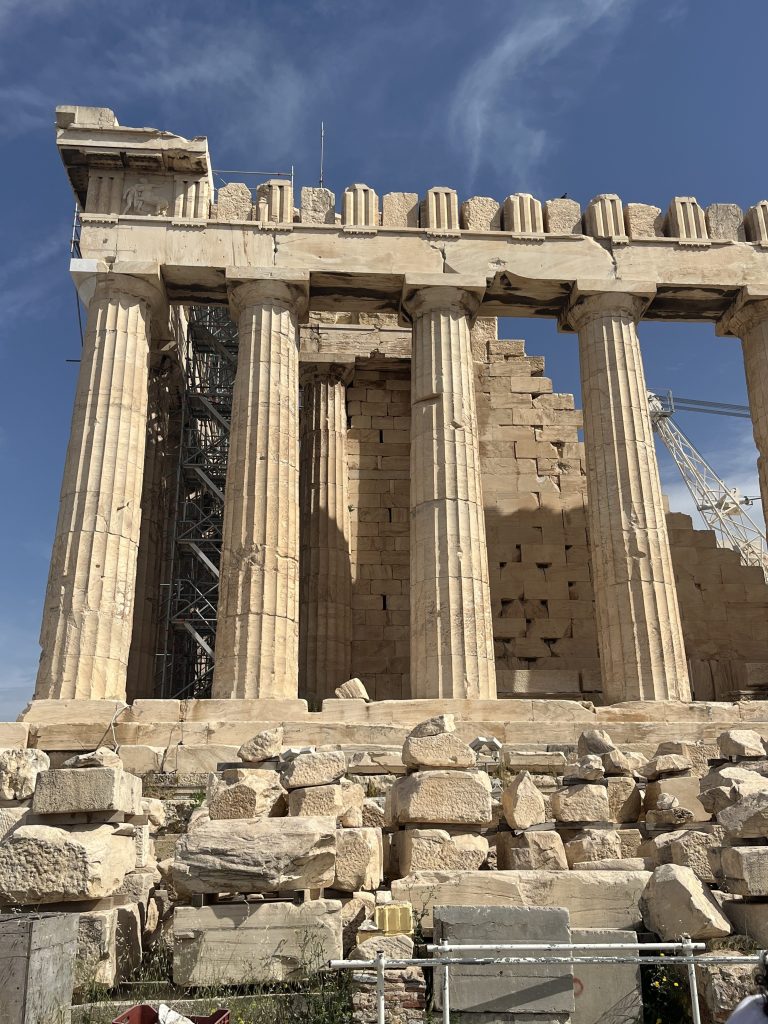
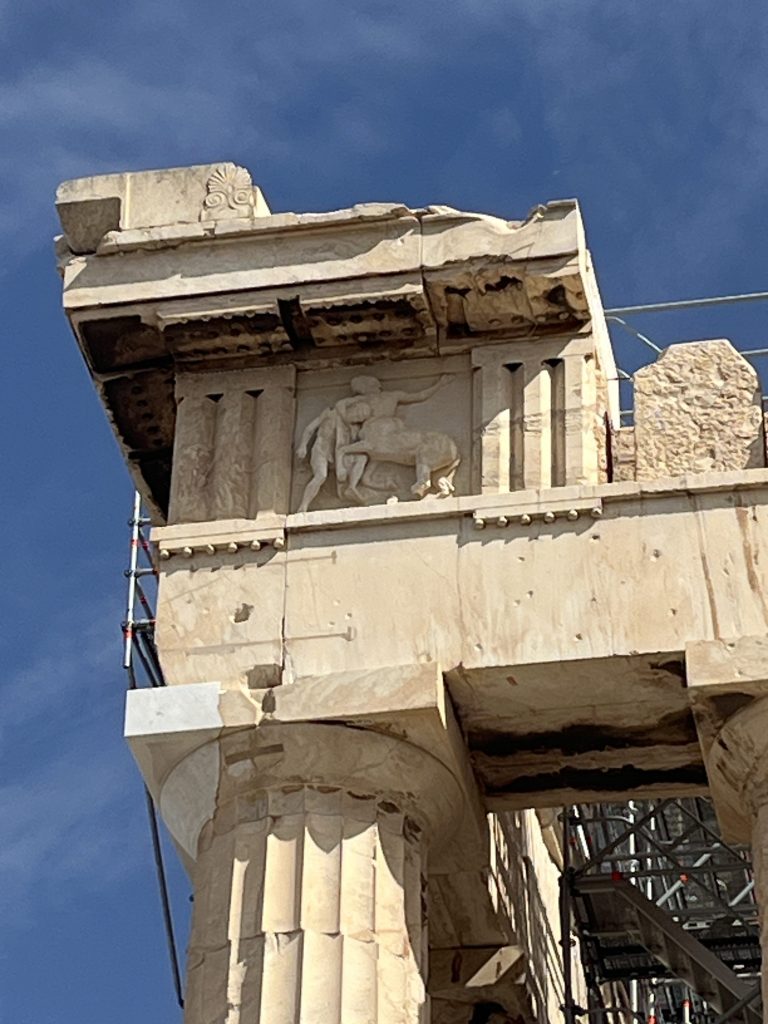
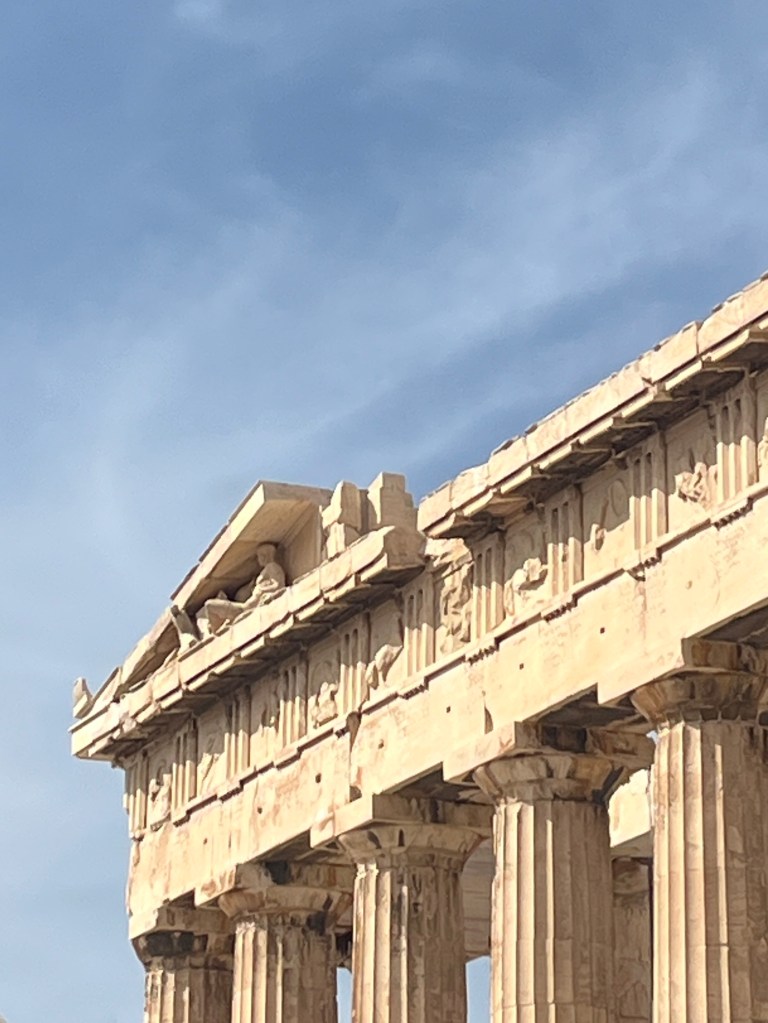
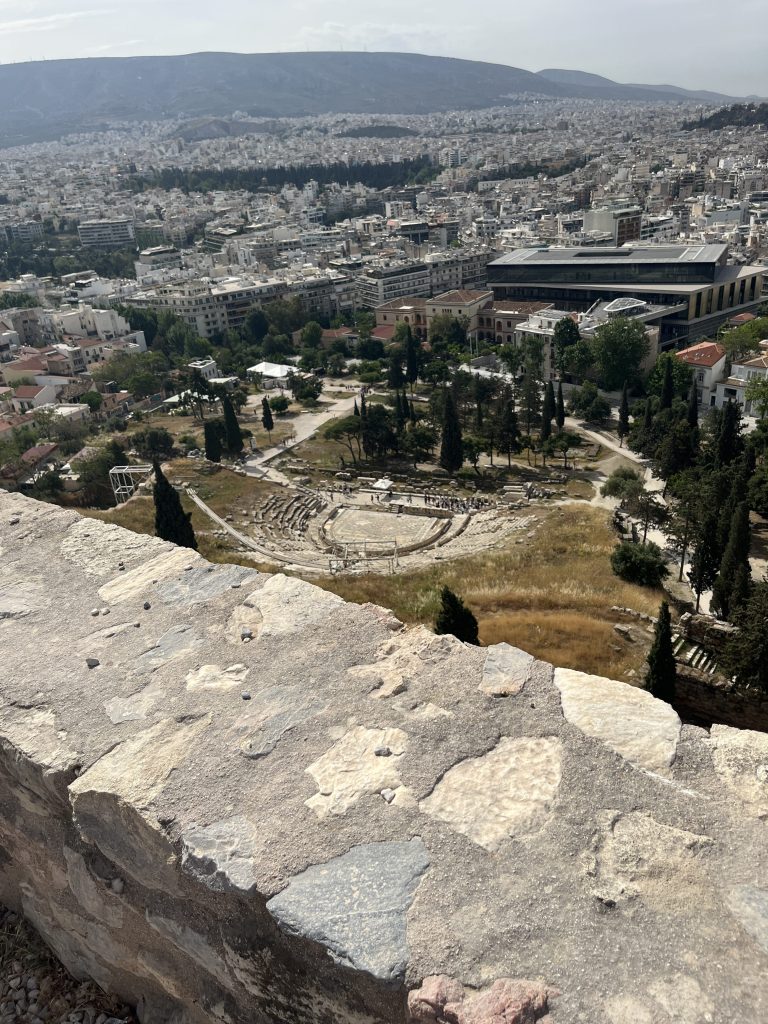
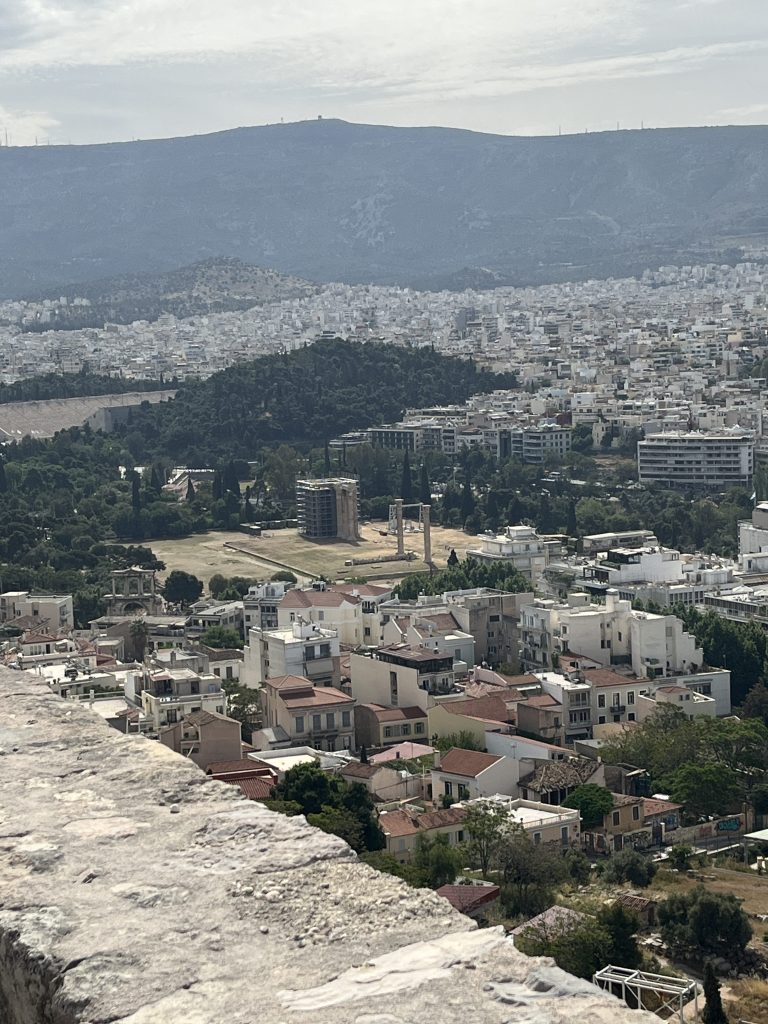
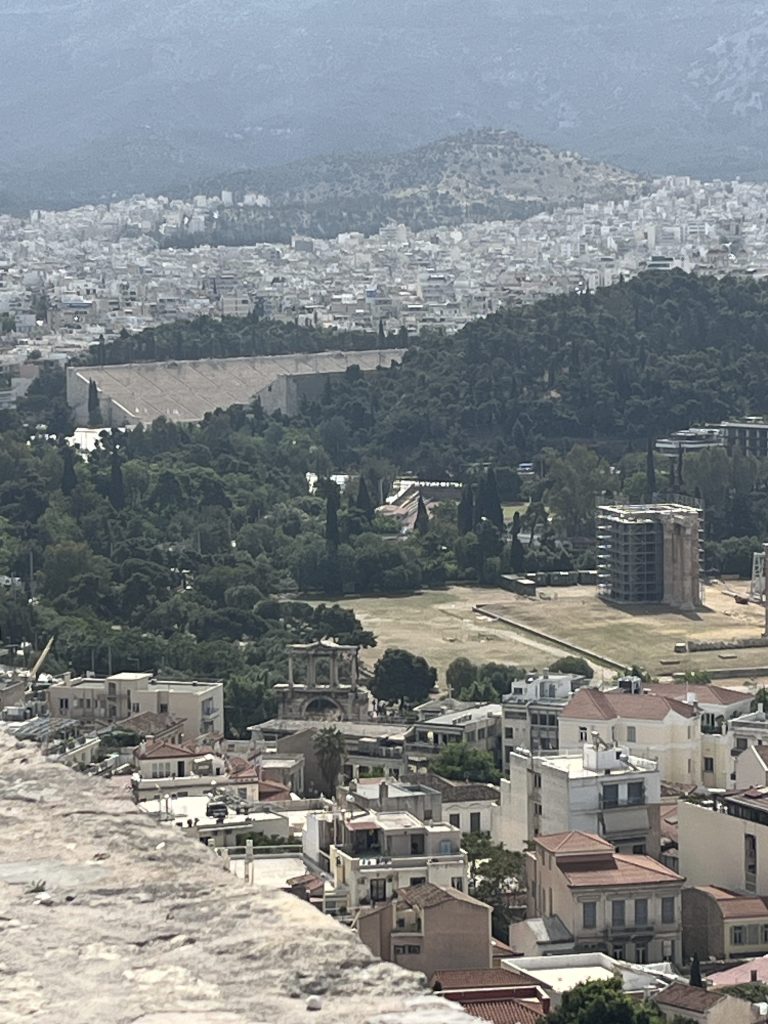
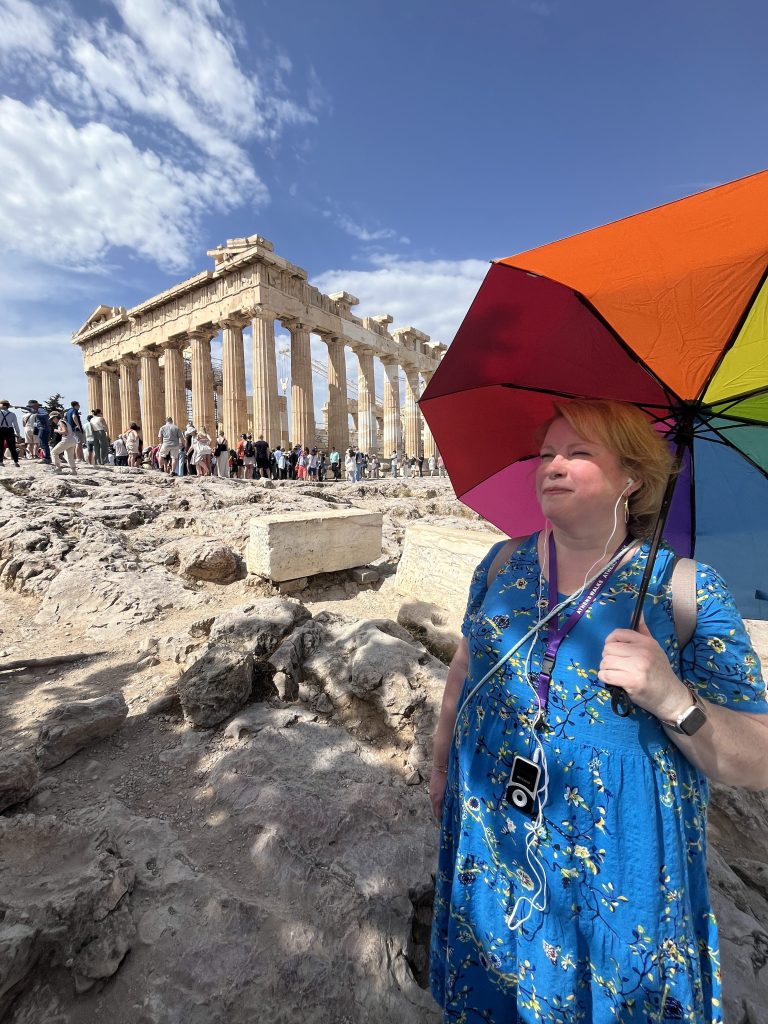
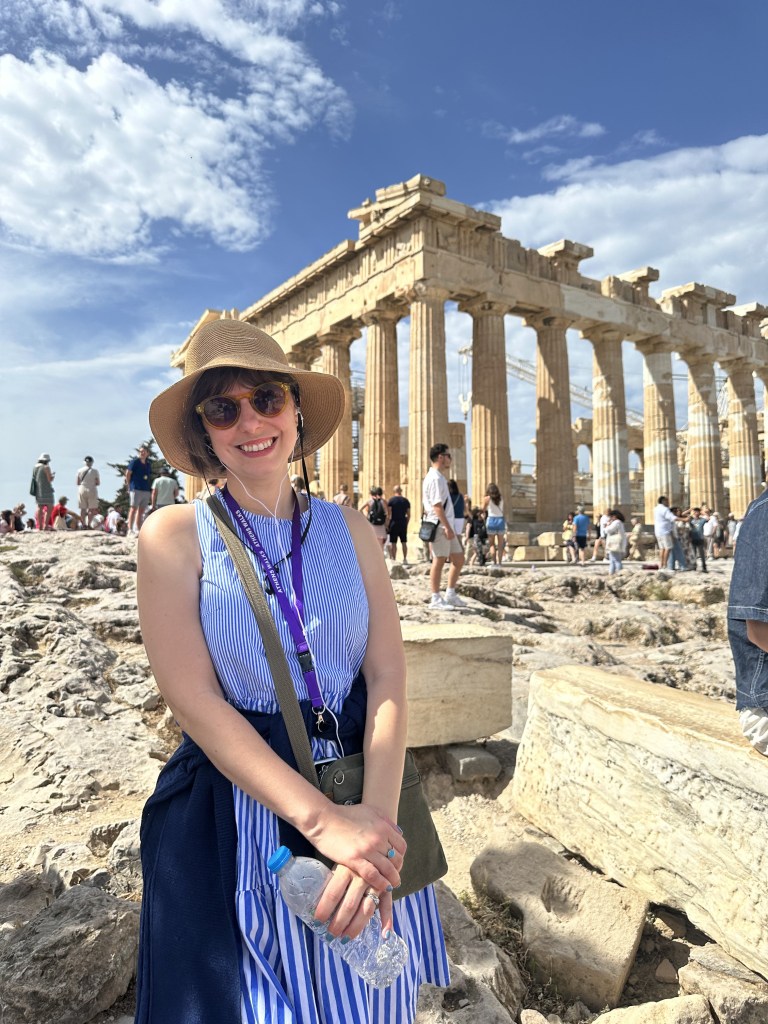
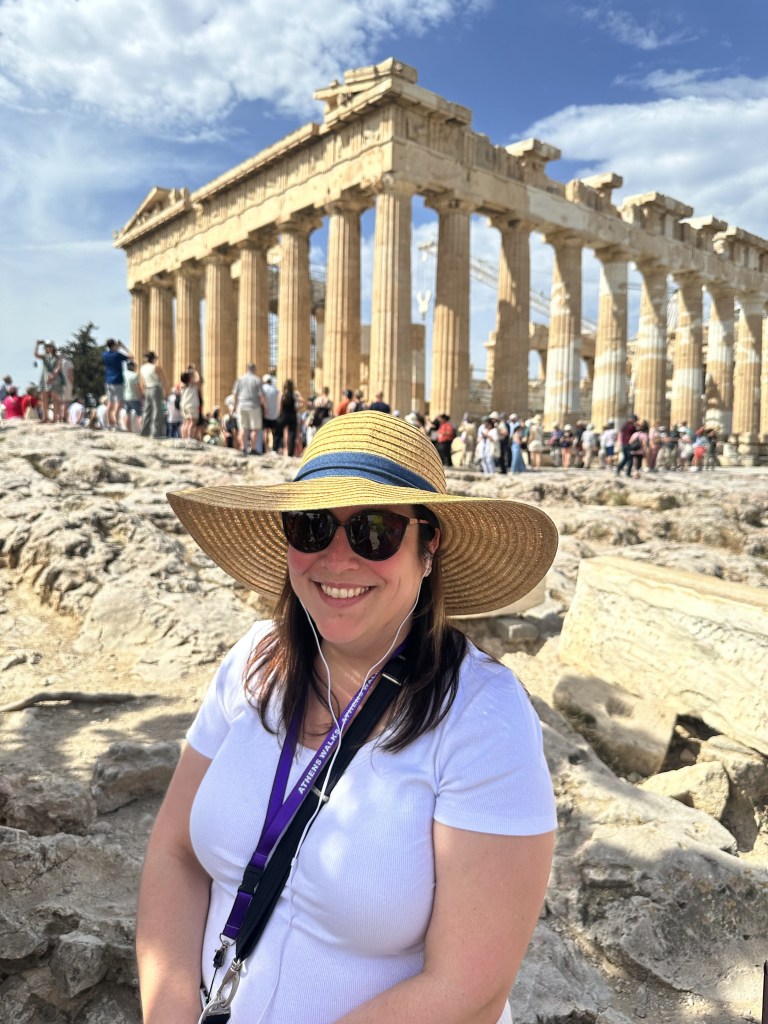
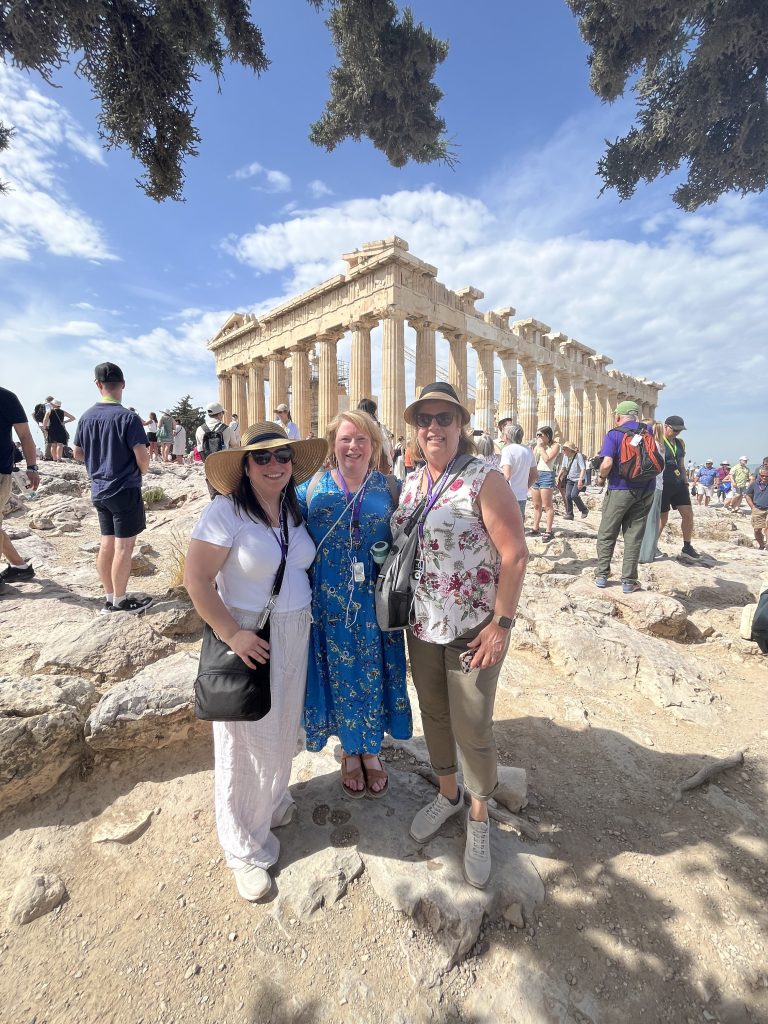
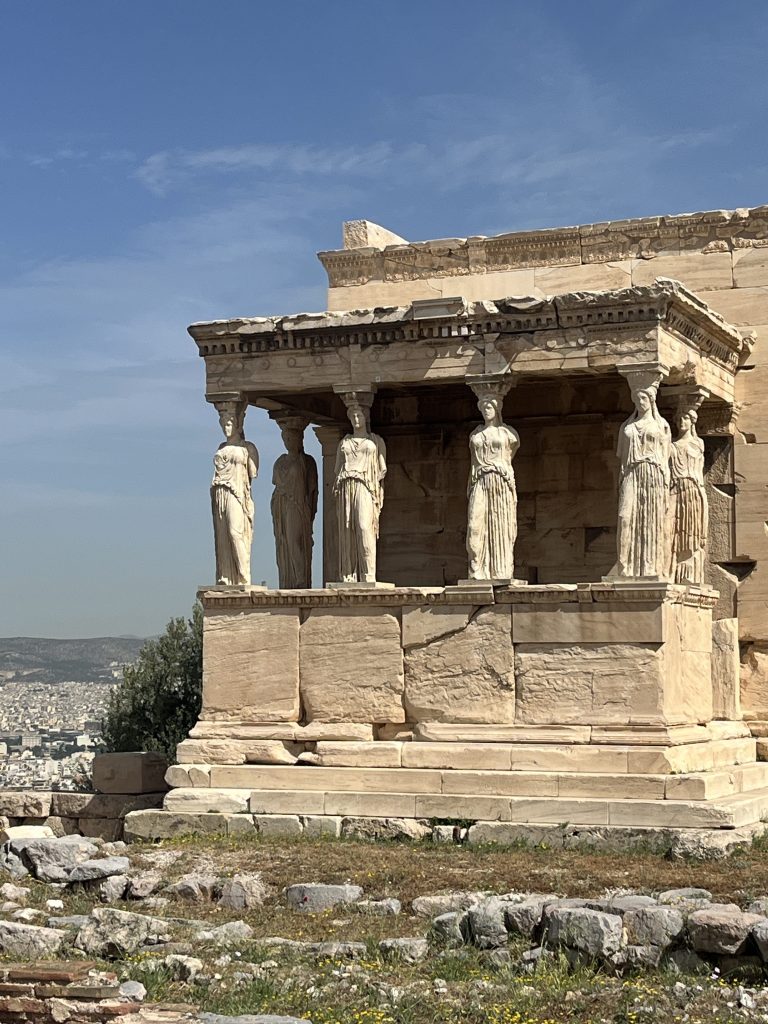
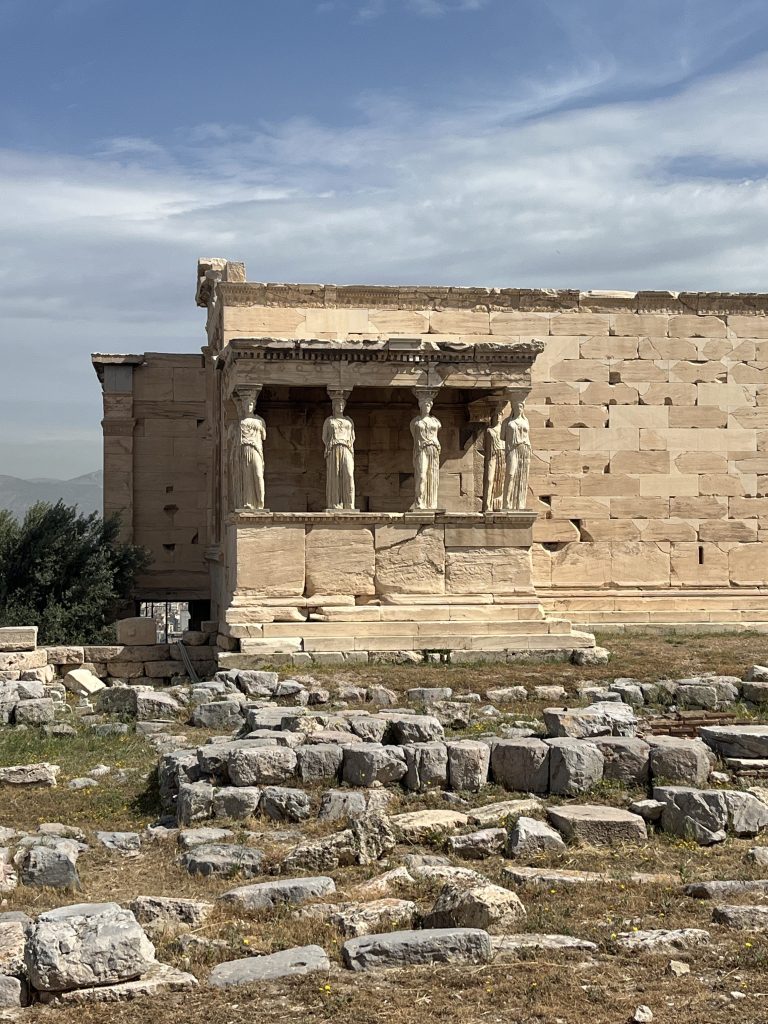
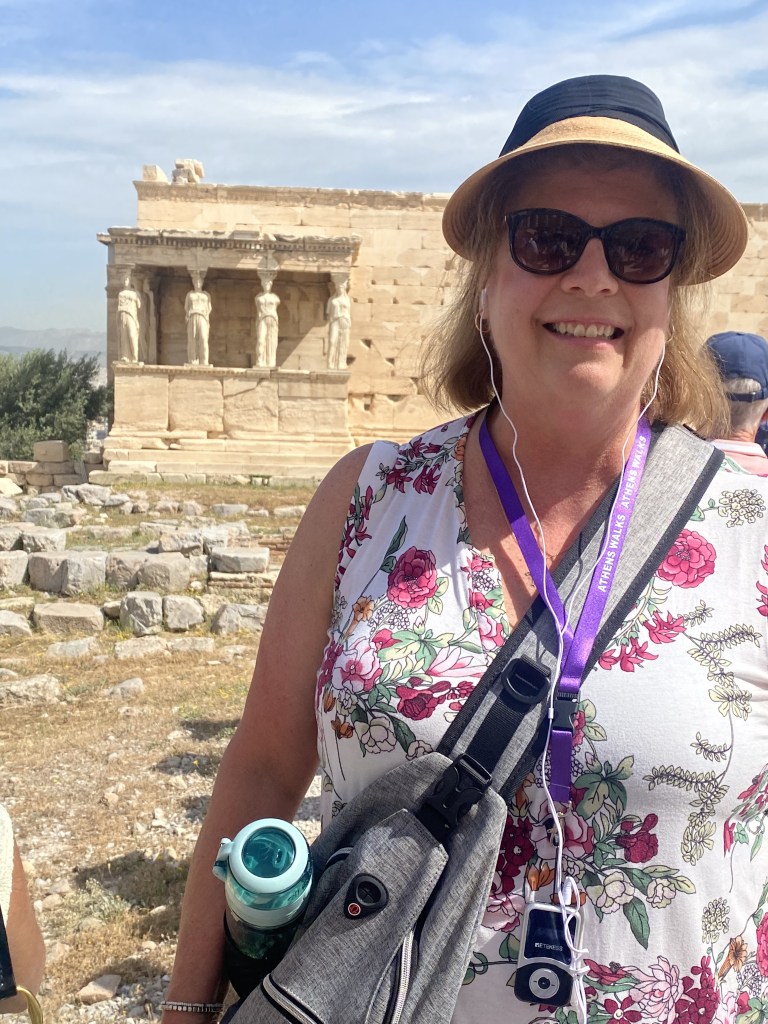
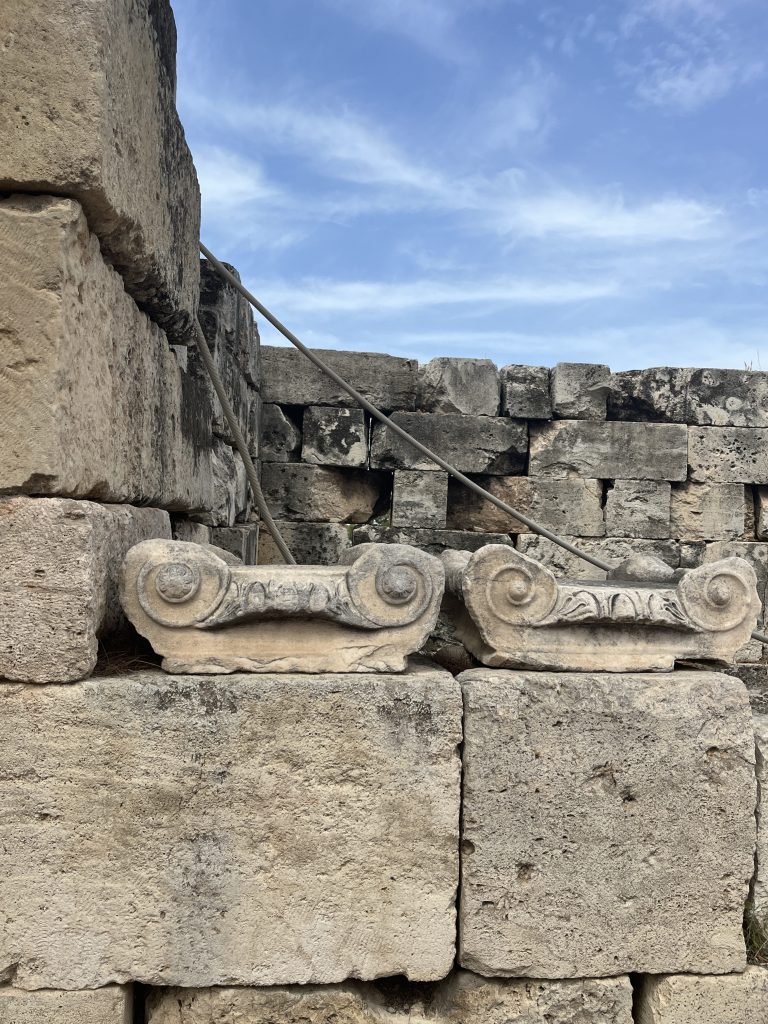
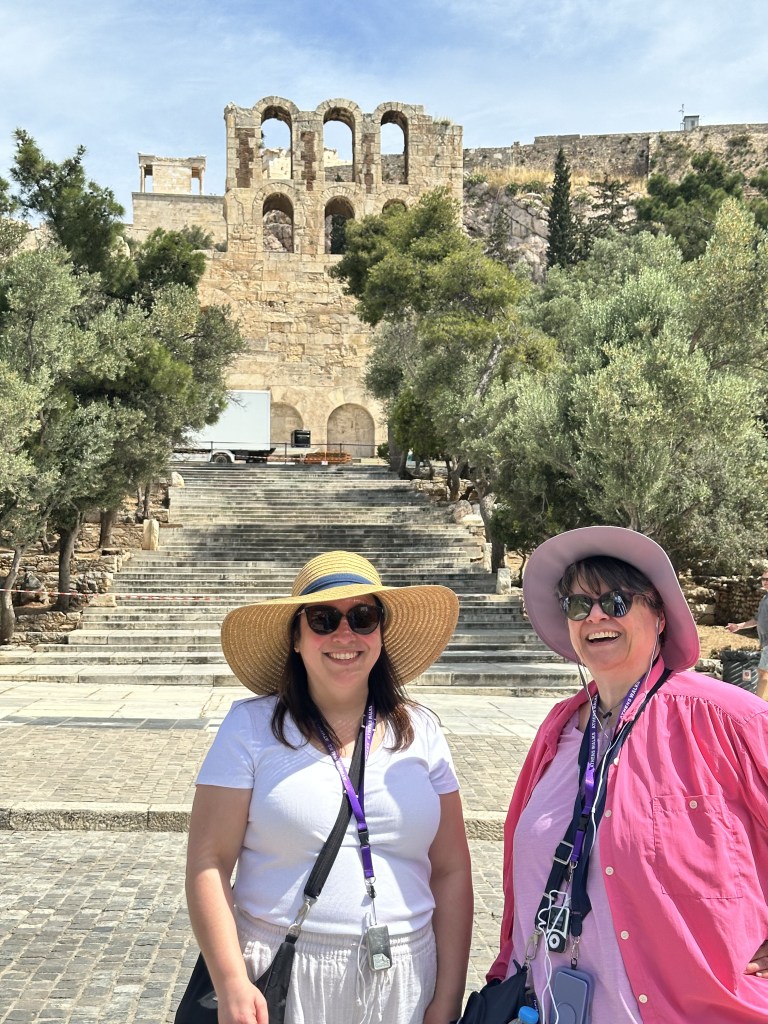
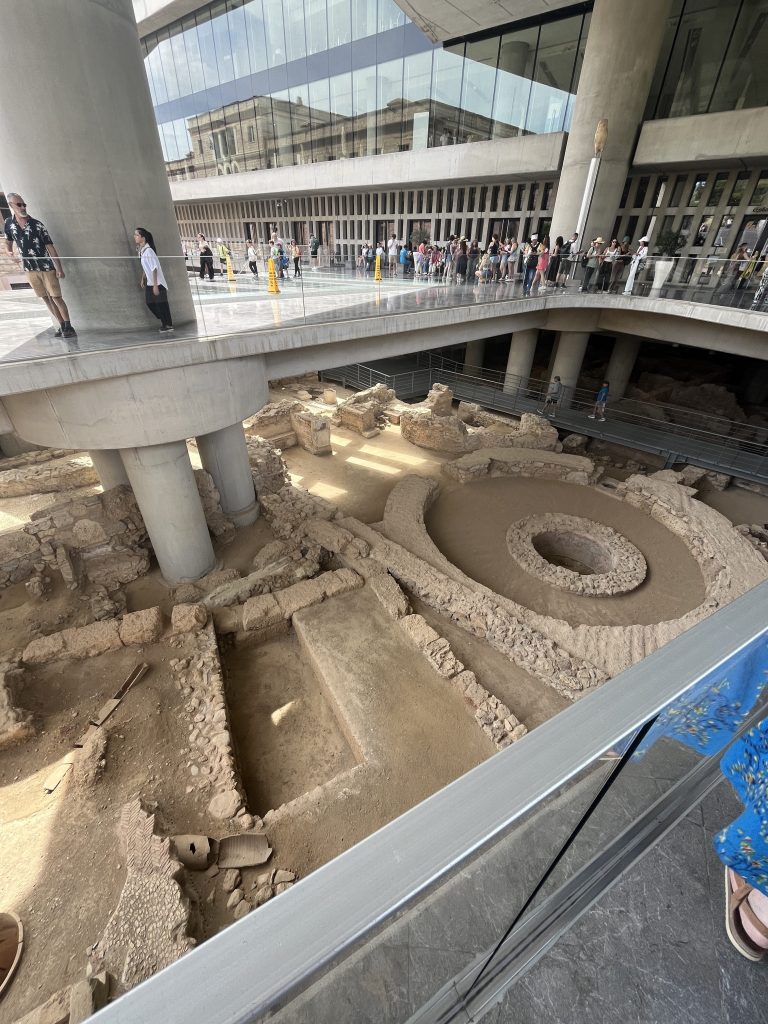
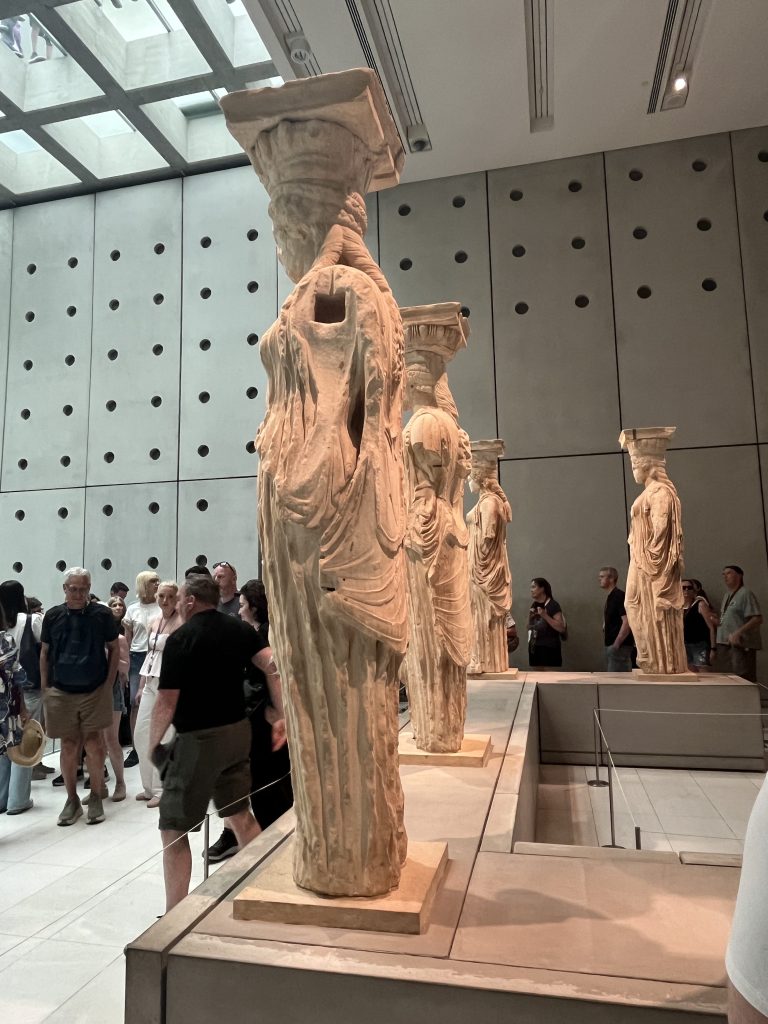
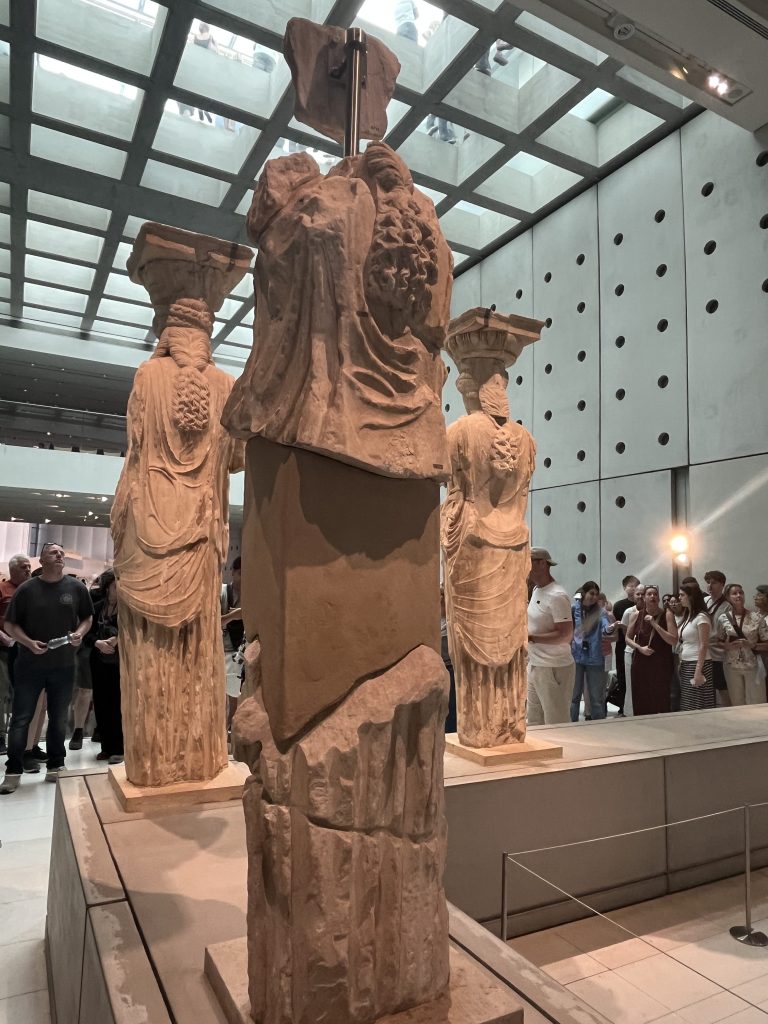
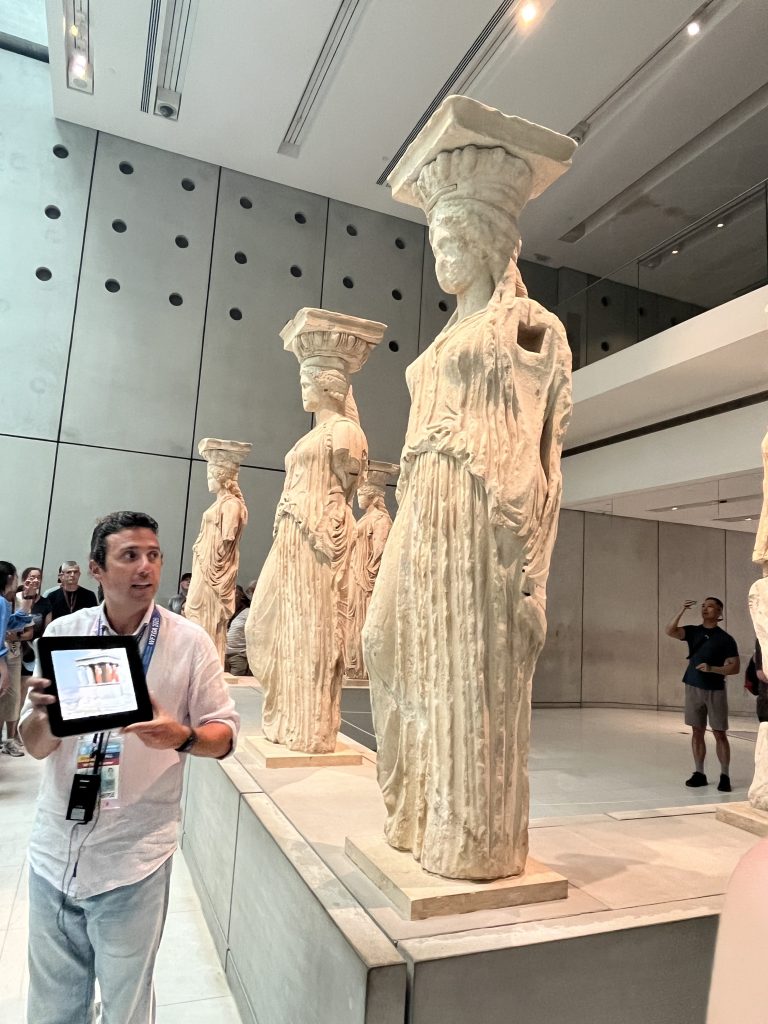
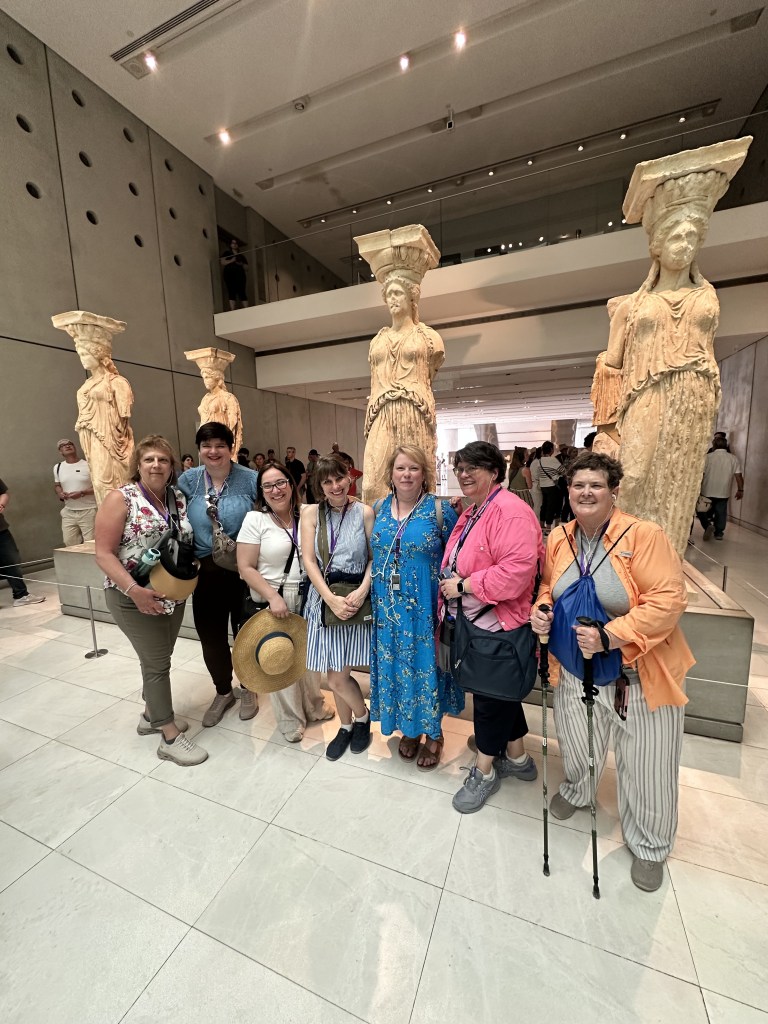
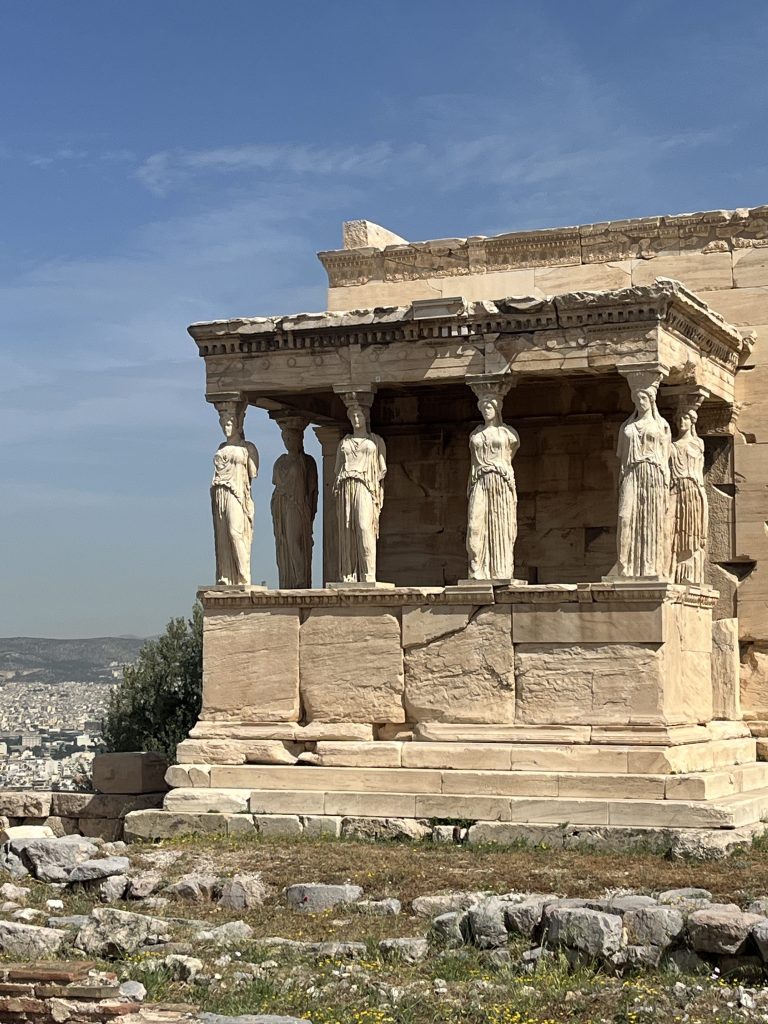
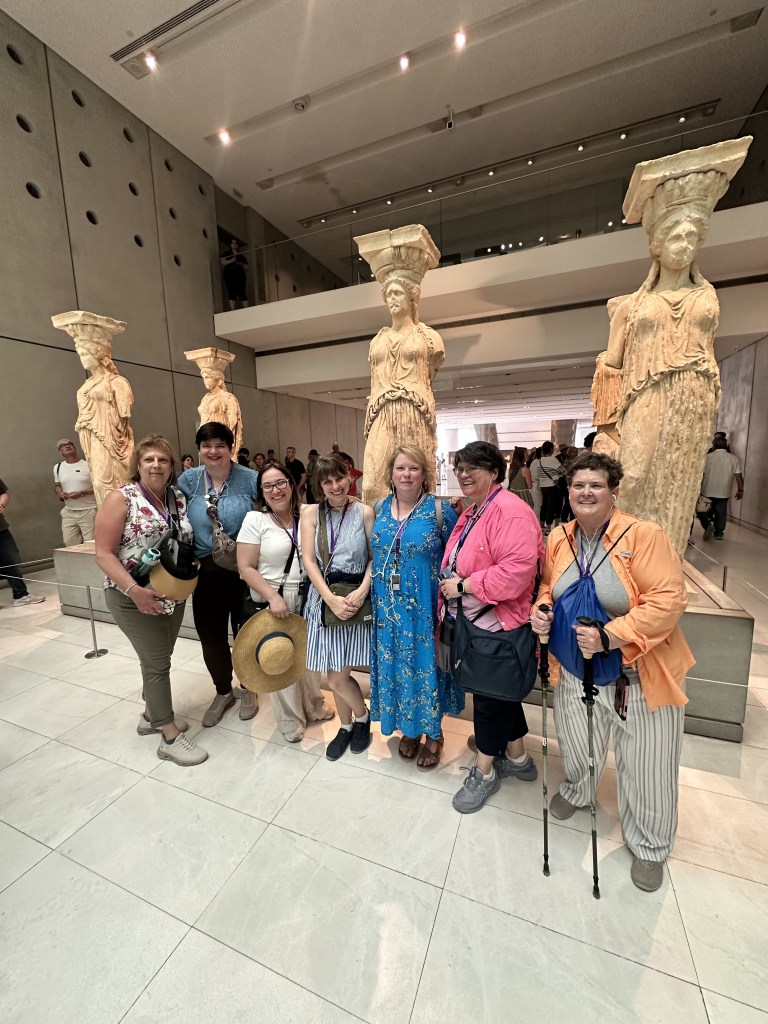
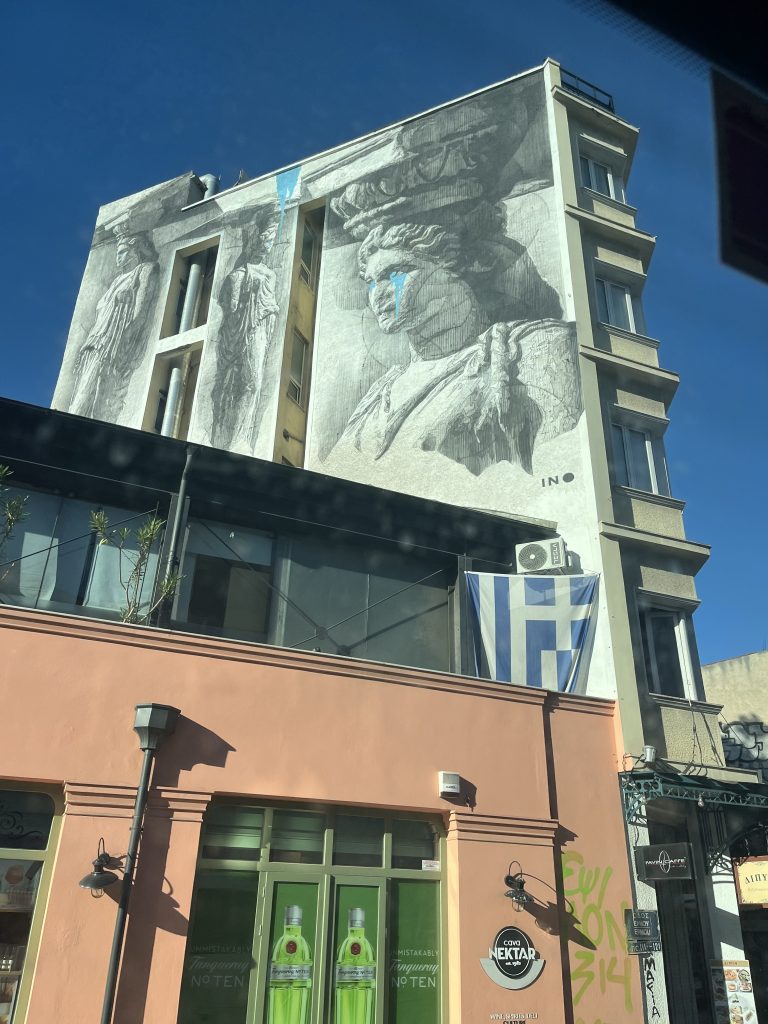
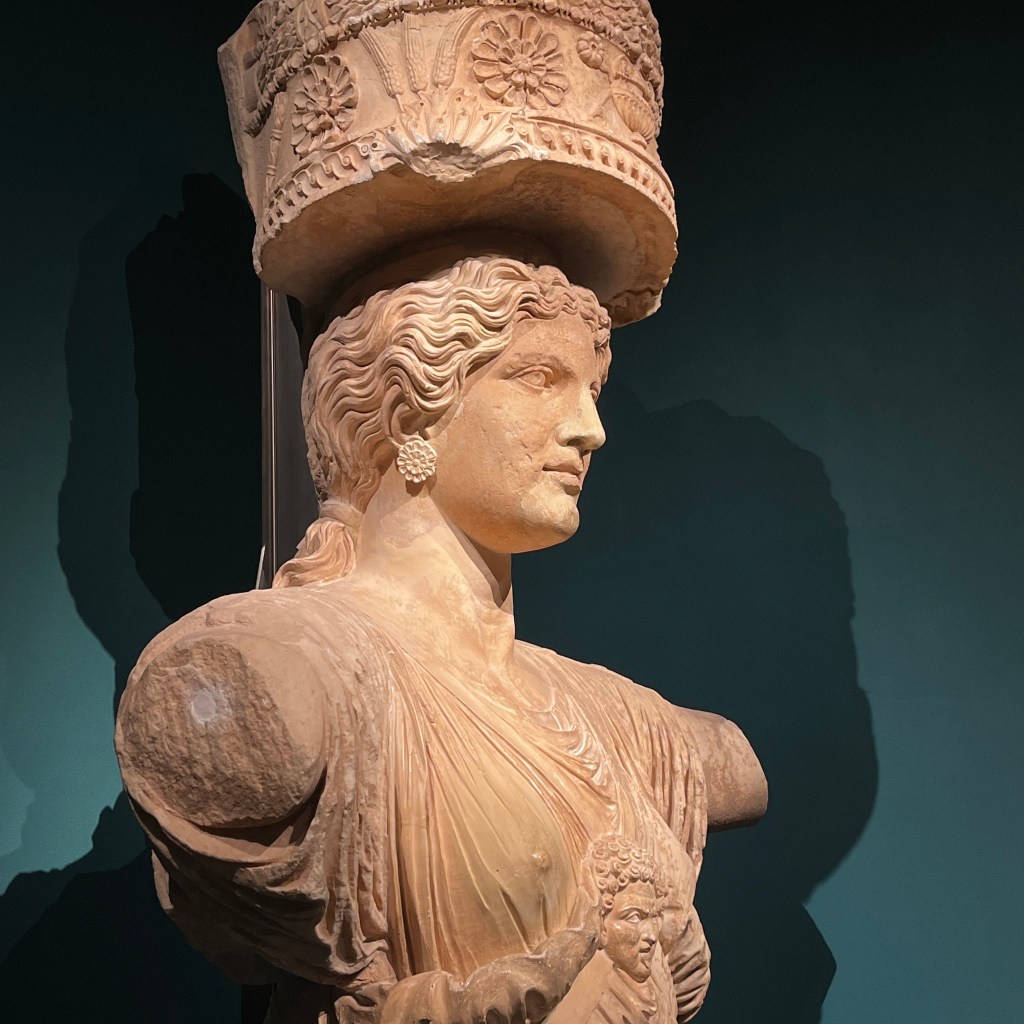
Then in the museum he gaged the crowd and shifted the order of our tour a little so we got the best experience possible. The group photo of us with the Karyatids is my favorite. One of these 6 stone women was stolen and ended up in the British museum, but negotiations continue to return her to her place in the Acropolis Museum. There is a legend that her sisters cried when she was taken (we saw a mural depicting that story on a different day). The museum designed this display with a place for her. The karyatids outside are replicas (the missing one does have a replica outside).
May 14th: Women of Ancient Greece walking tour. We were a little early so Carla and I took a picture with sunset since we matched the pink and blue theme.
My pictures do not match the stories I wrote down from the tour… or do they? I have no idea. Following joy seems to mean that I am less vigilant about recording details.
Women of ancient Greece (I did not record dates) who were on the marriage track were not educated. They stayed home and only left the house when escorted by a man. Servants/slaves were sent to the market to bring things she needed. Married women were not seen in public and were not considered citizens. Men were considered citizens if they were born to a citizen of Athens and his wife.
Spartan women were expected to be strong and have strong children. They had military style clothing and hair cuts and often married warriors. They were allowed out of their homes and could interact with public society.
Porna and Hetera were working women. Hetera were not *always* sex workers. Sometimes these women were educated women from other places that men would pay to talk to and learn from. Asparacia was one such Hetera and she was said to have influence/educated Socrates.
Some time later… a woman named Agnodice was taught to read (by her father) in secret. After being educated by her father she went to medical school (not sure where) and came back to Athens to help women and children. When she returned to Athens she pretended to be a man and used the name Herophilus. Male doctors in Athens were jealous of the popularity of this new doctor and accused “him” of flirting with married women to get more business from them and took Herophilus court. During the trial, Heropilus revealed that she was a woman (Agnodice) and a new trial was set for the next day, with new charges. The judges wife heard what happened and sent a slave with a message to tell the Hetera to go to court the next day to save Herophilus/Agnodice. Their protest worked and Agnodice was spared. It’s unclear if this story is a myth or history, more research is needed. But we do know that in 315AD women were allowed to midwife without a male doctor present so even if this story is a myth, there is a little bit of truth behind it that allowed women to practice medicine.
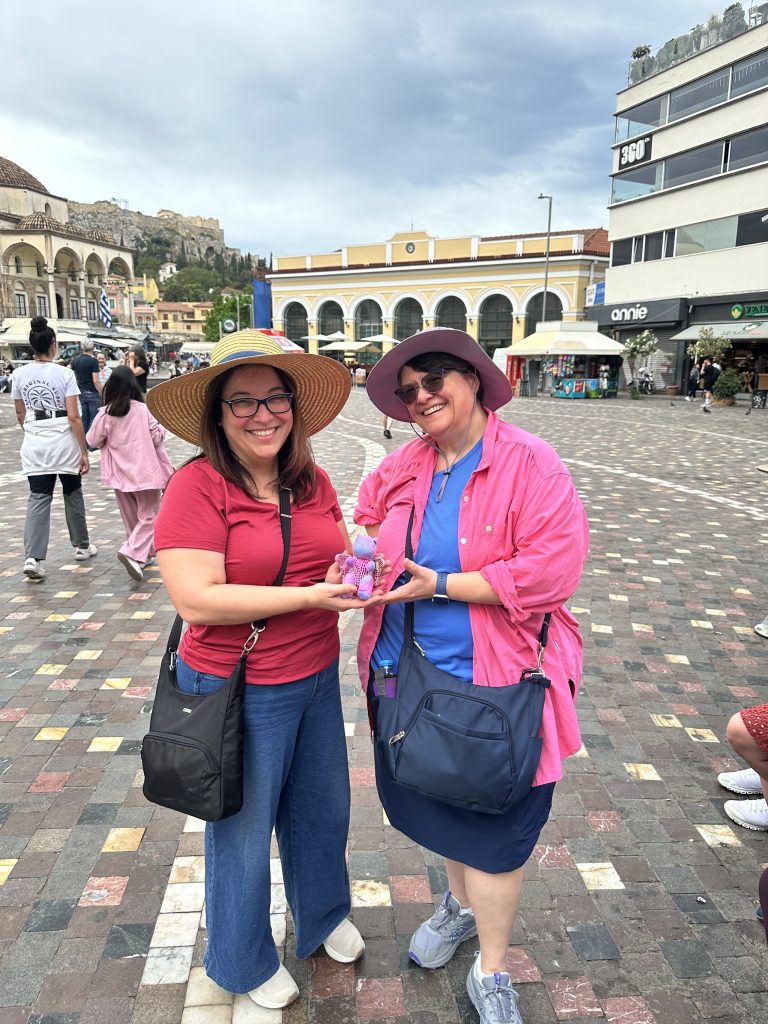
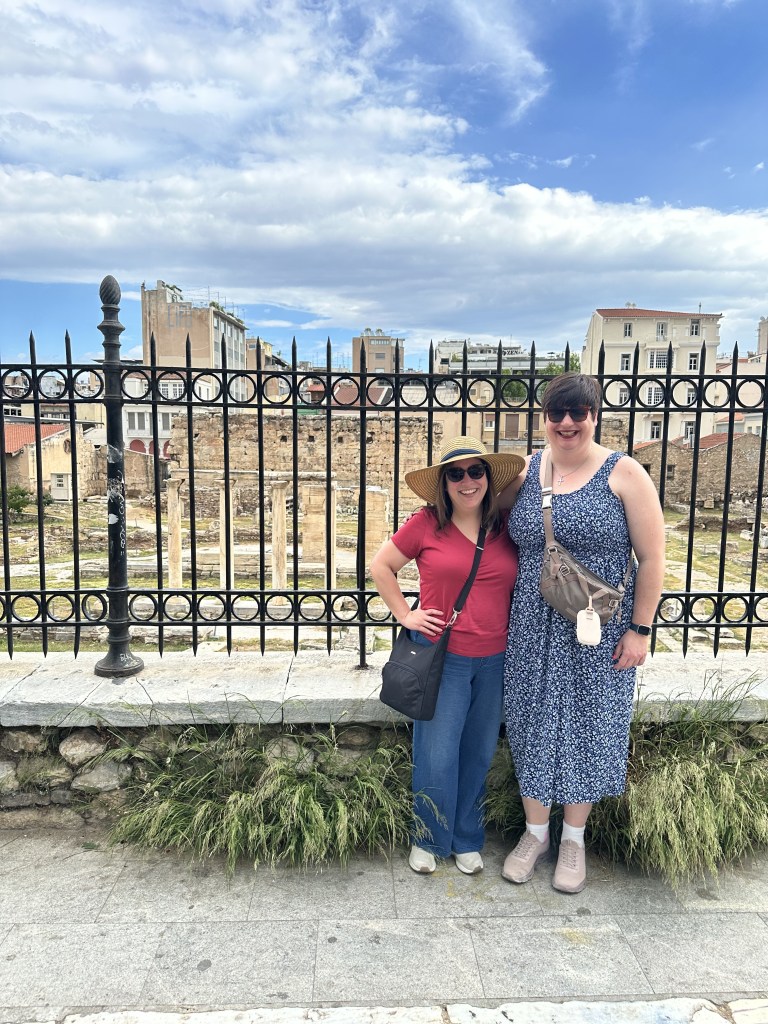
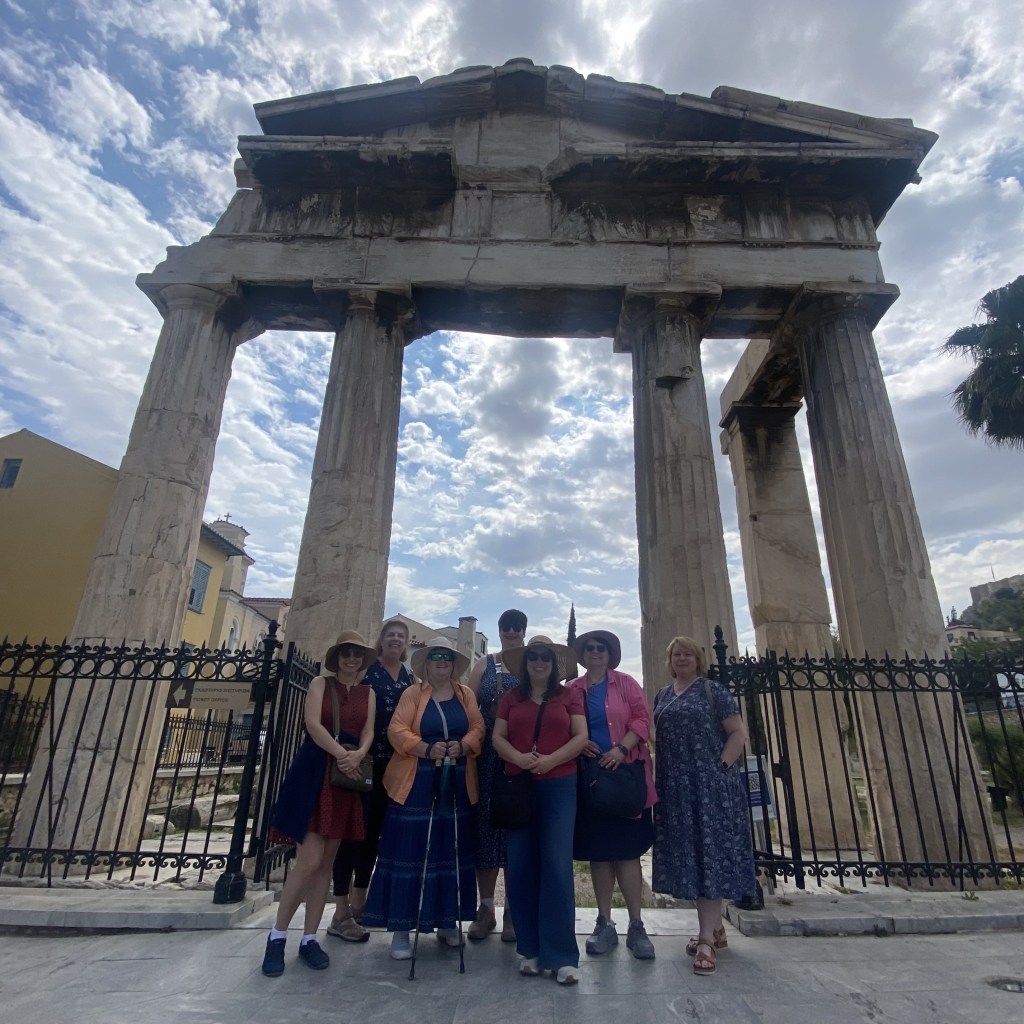
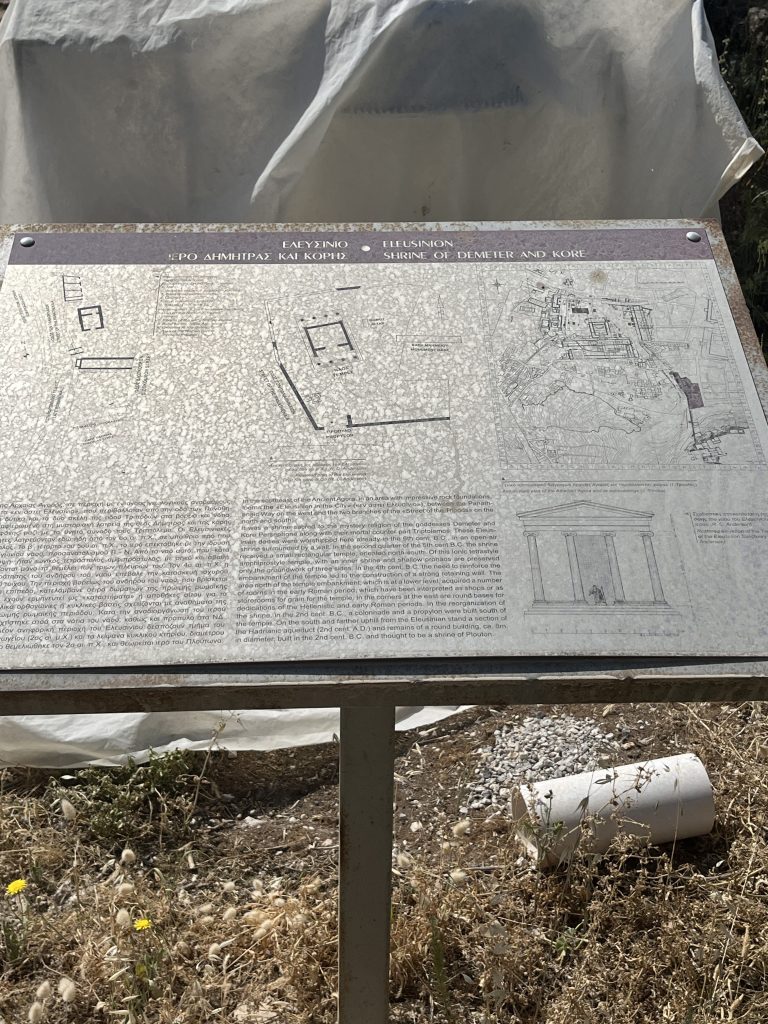
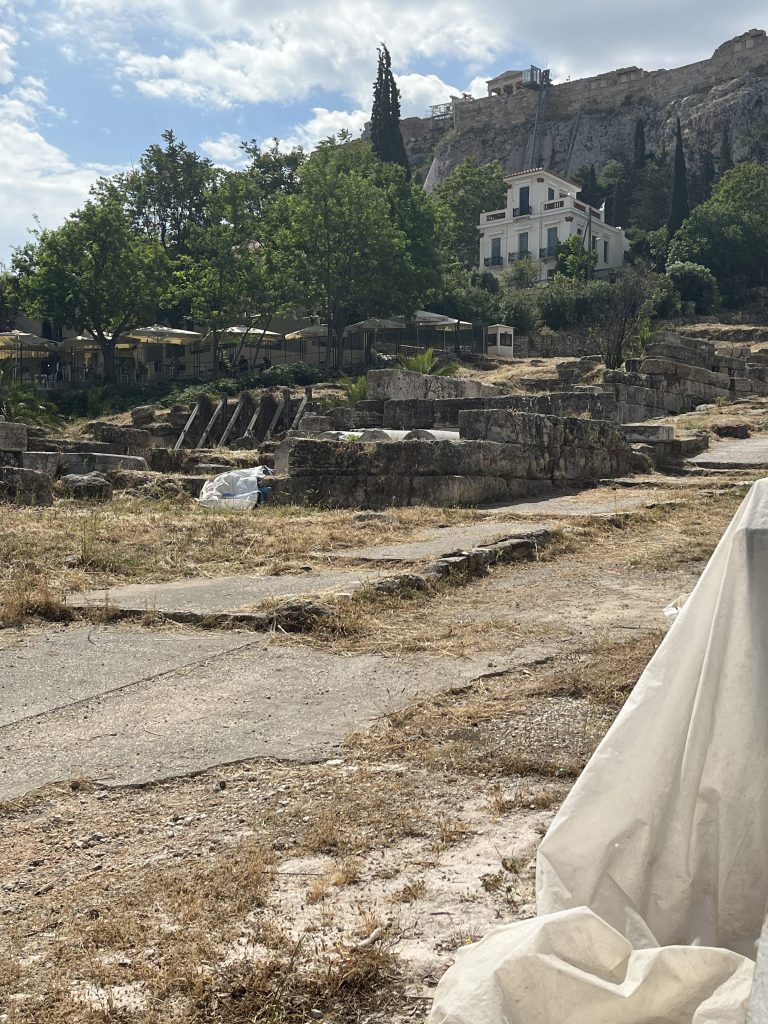
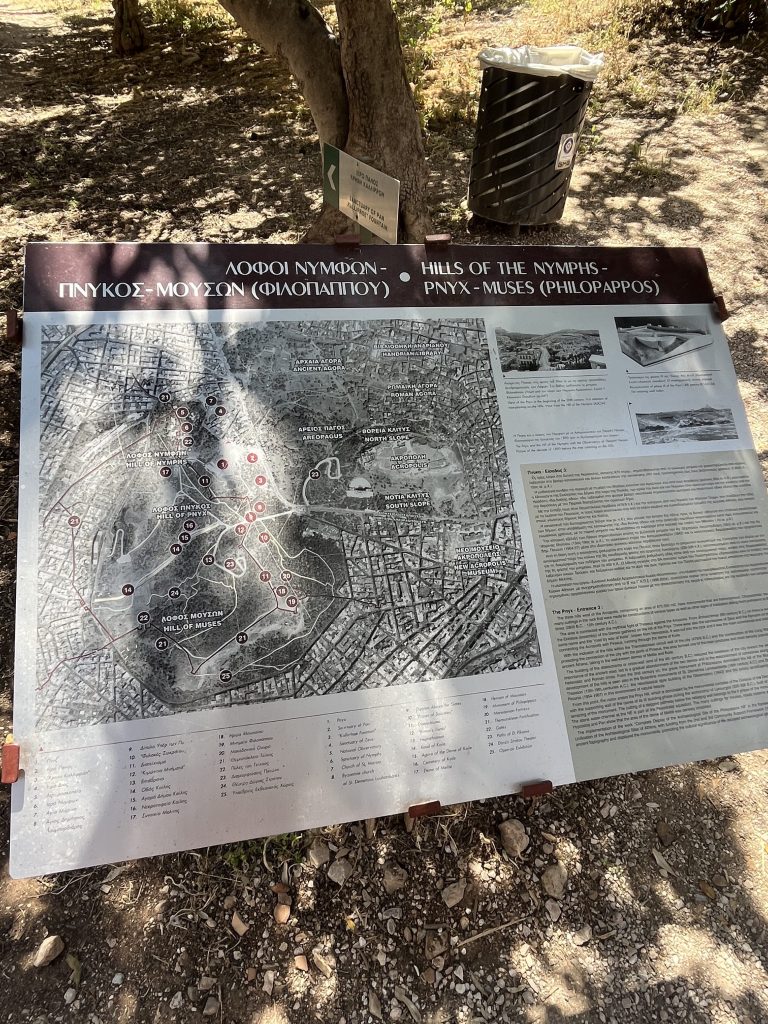
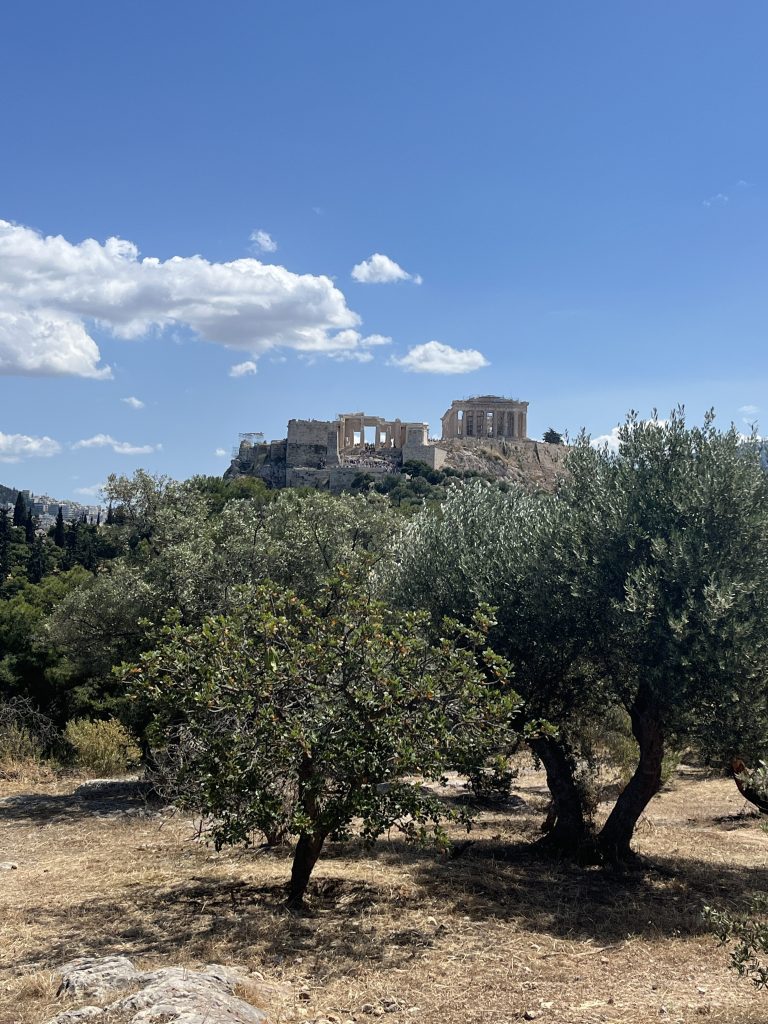
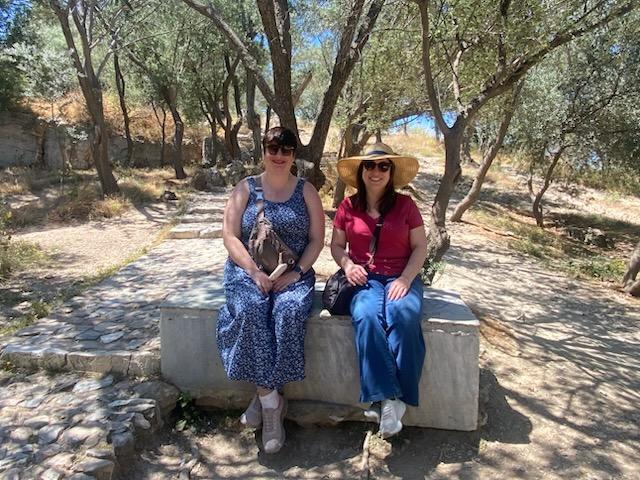
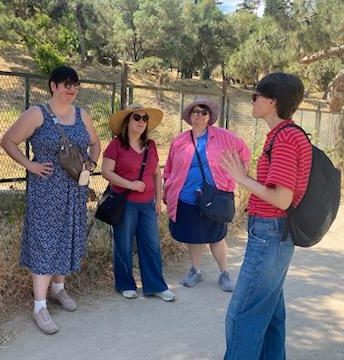
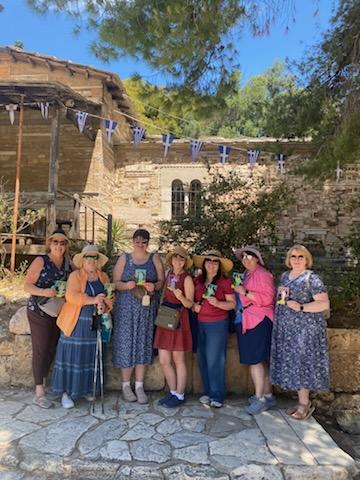
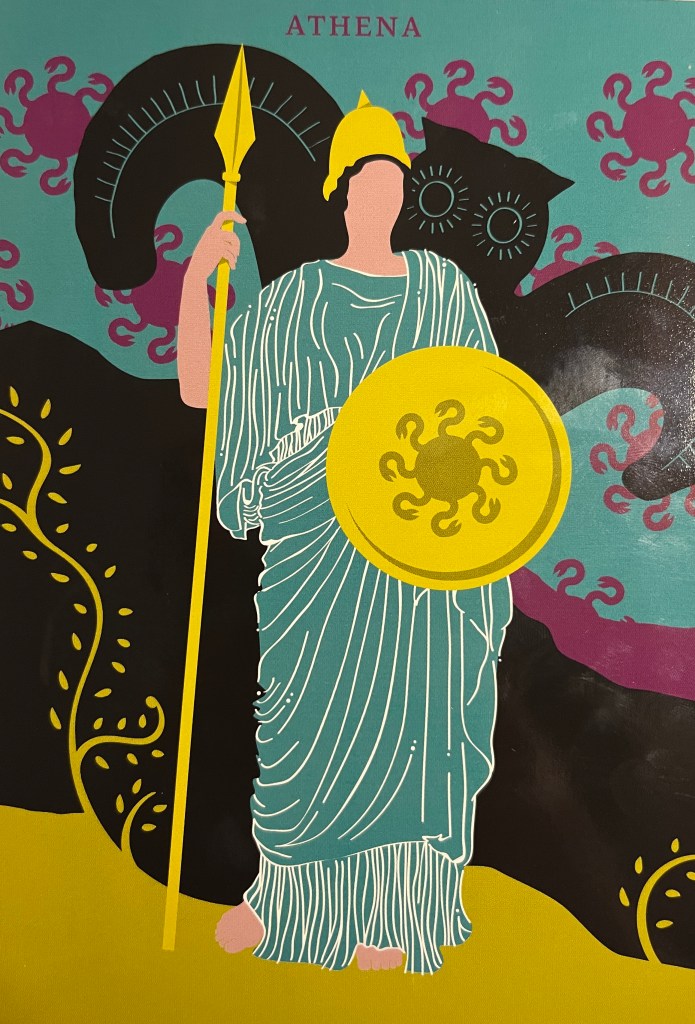
After the tour, our guide held out postcards face down for us to choose a Greek goddess… or did the goddess choose us? I drew Athena.
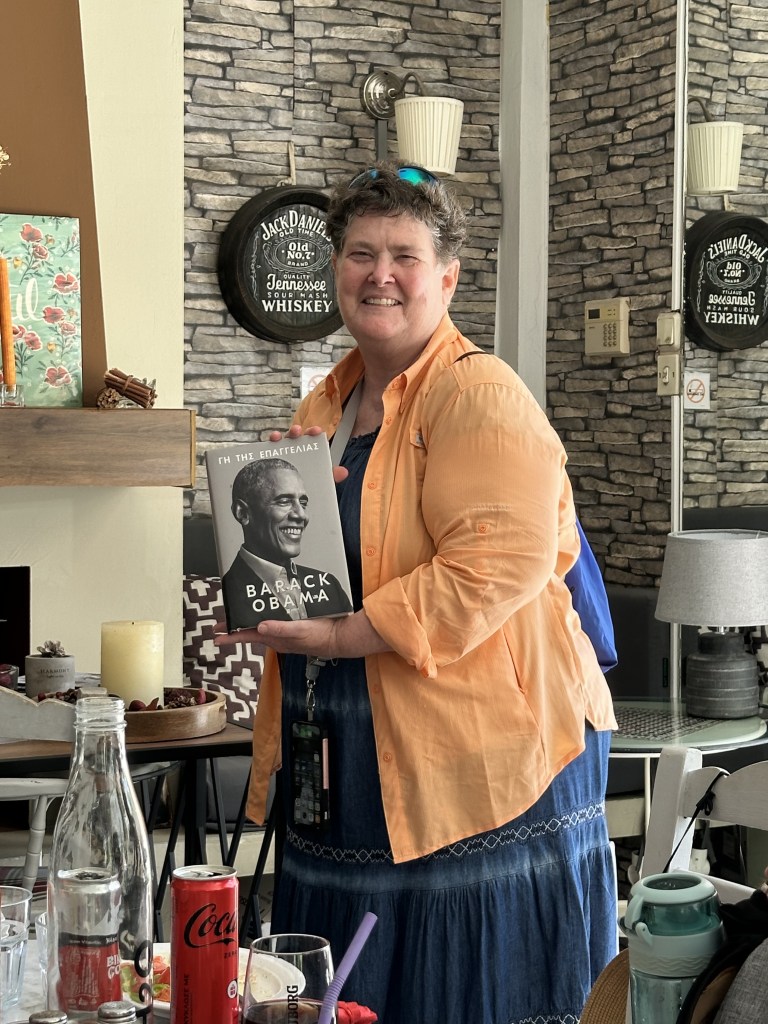
Our guide encouraged us to walk to a different neighborhood than we ended our tour in for lunch (less touristy) but we made a wrong turn or two and ended up in tourist trappy lunch. It was a strange place that was coca cola themed but when we ordered coke, they served a Greek version which was not as good. We insisted on getting the cokes we could see in the cooler. Not sure what that was about. LoAnn also noticed a Barack Obama book on the shelf there. Truly a strange place. The food was just okay.
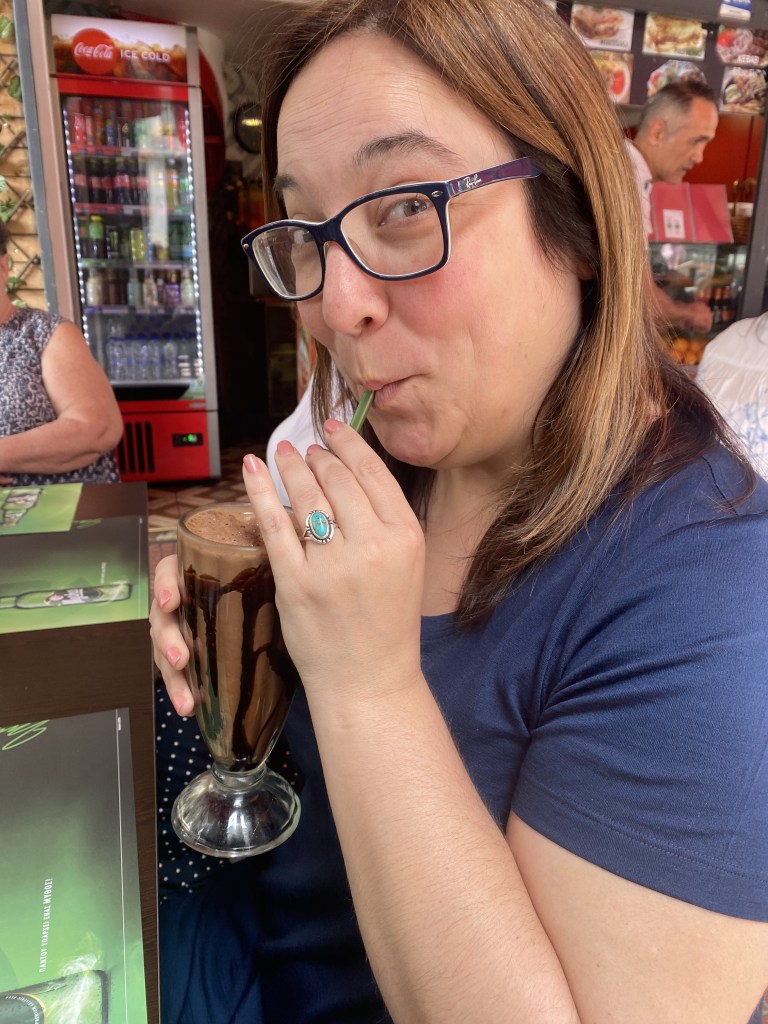
Some of our fellow pilgrims needed some rest, Laura need to go over plans for the next couple days reservations, so Sarah and I did a little more exploring of the neighborhood near our hotel… snacks, shopping, joy.
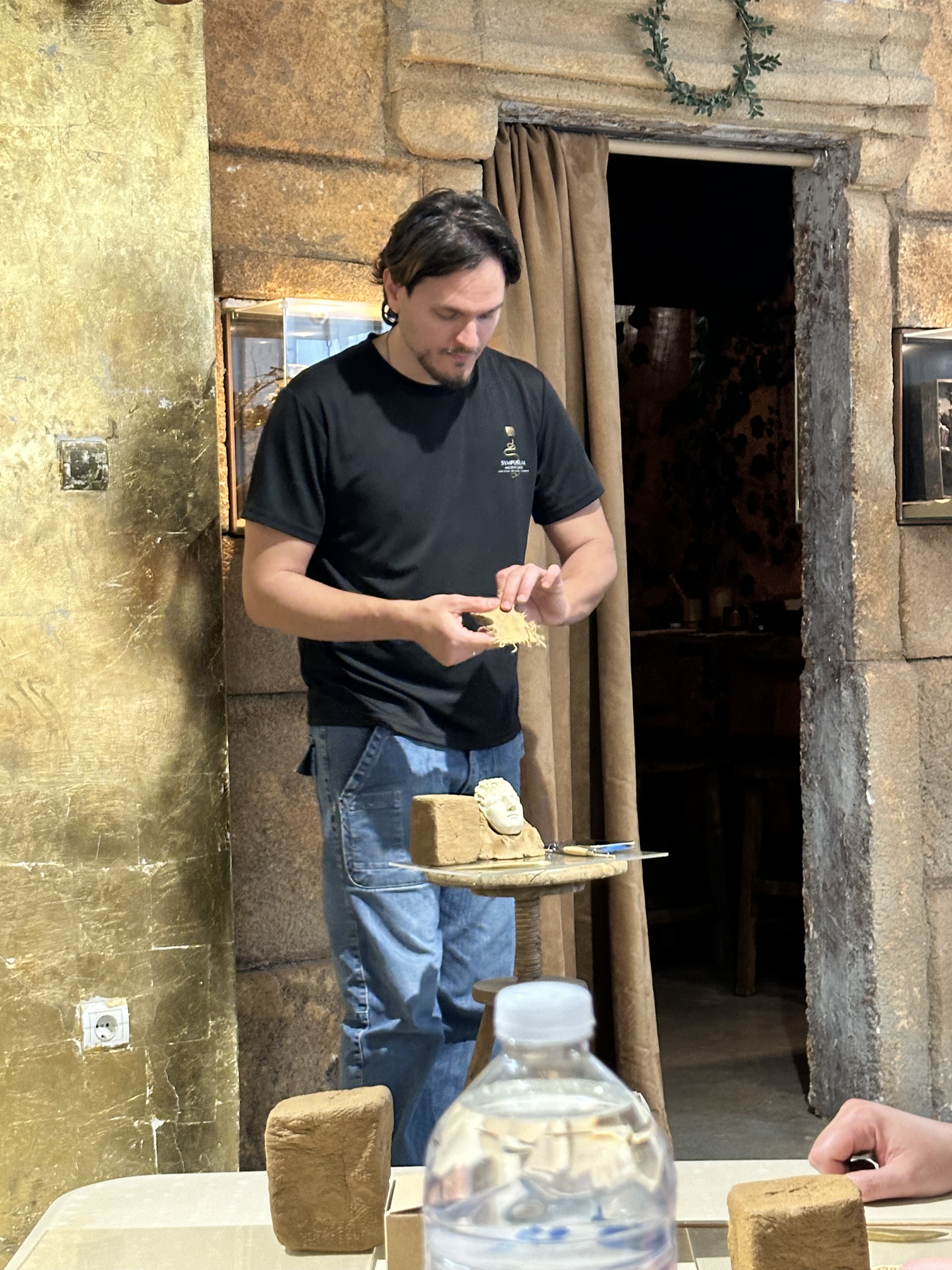
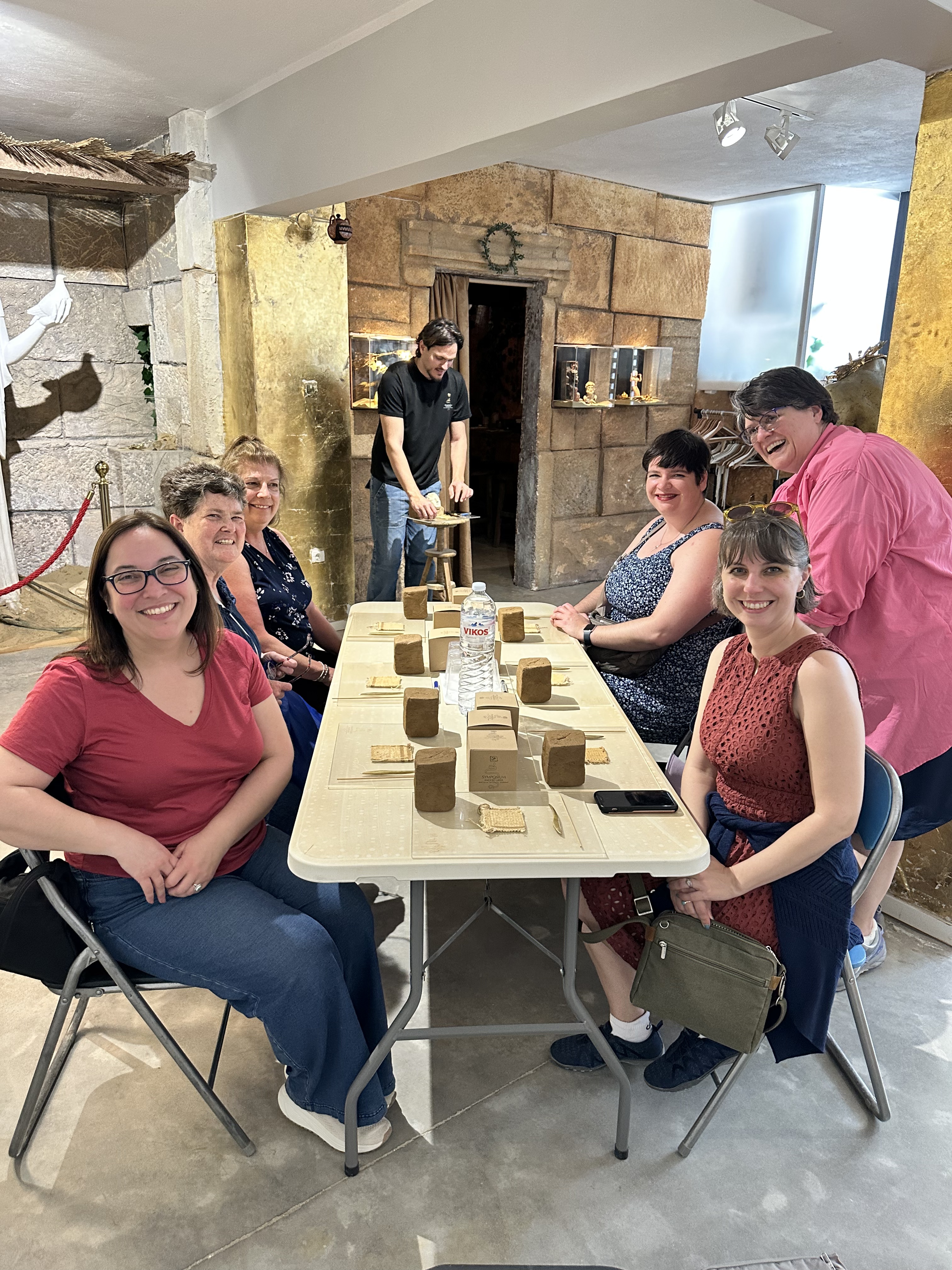
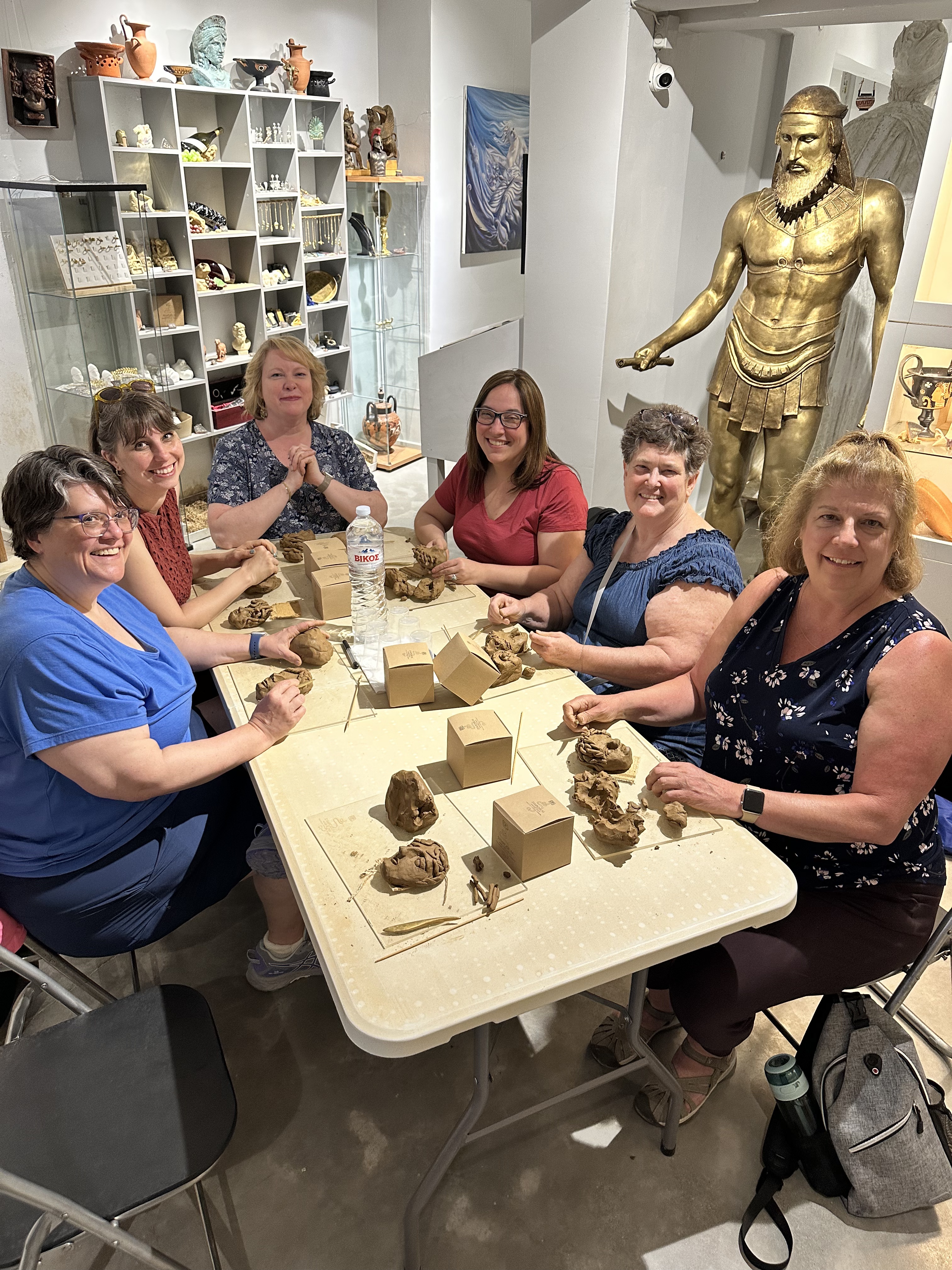
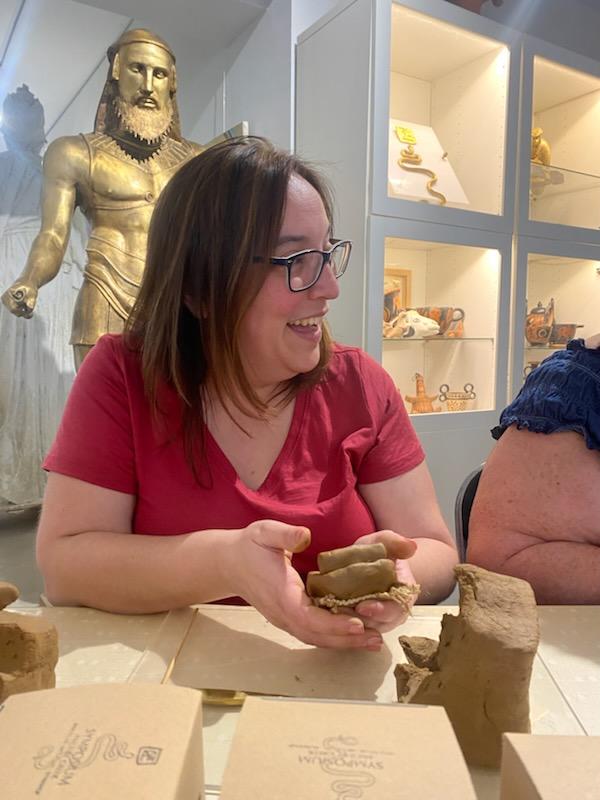
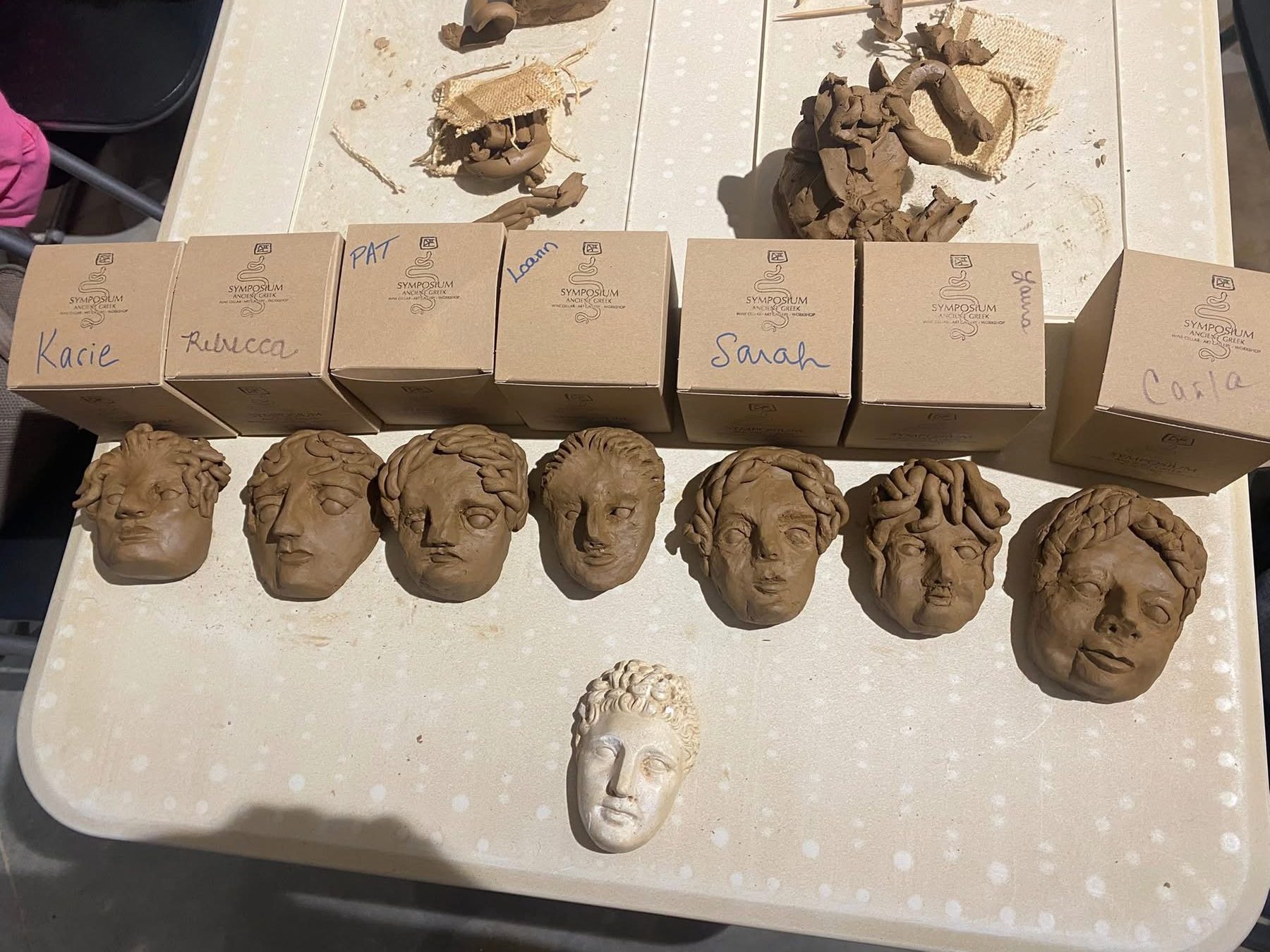
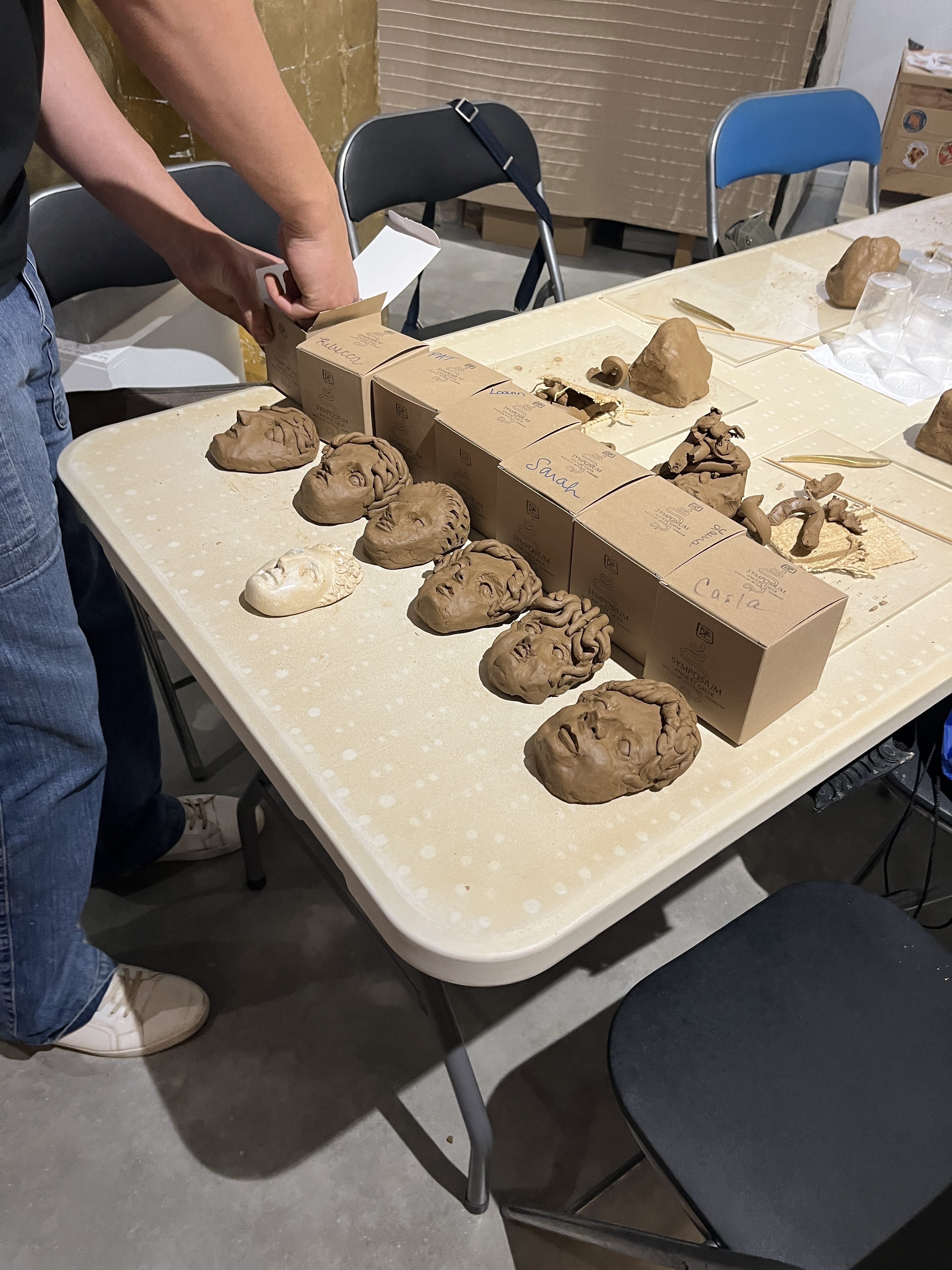
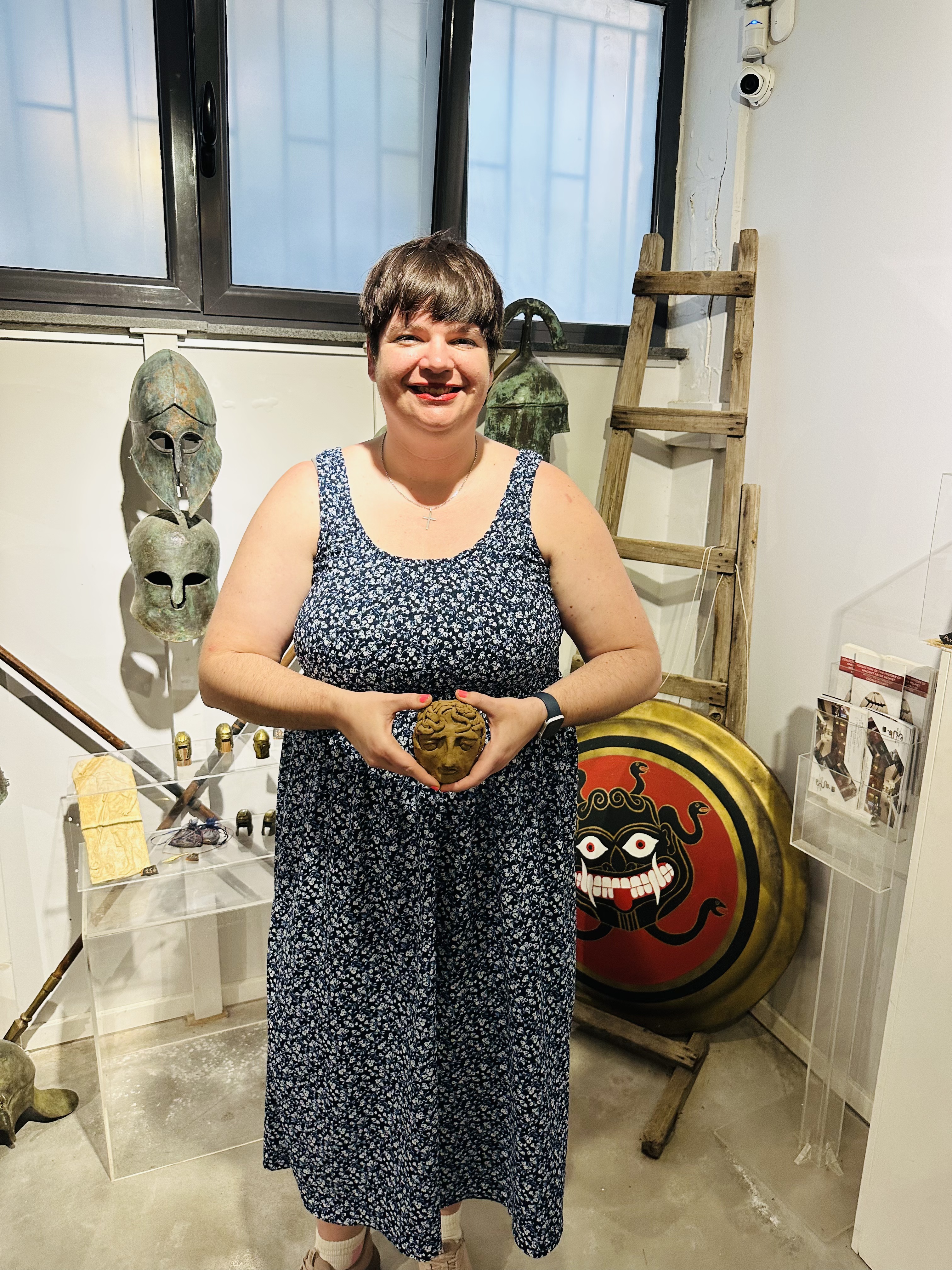
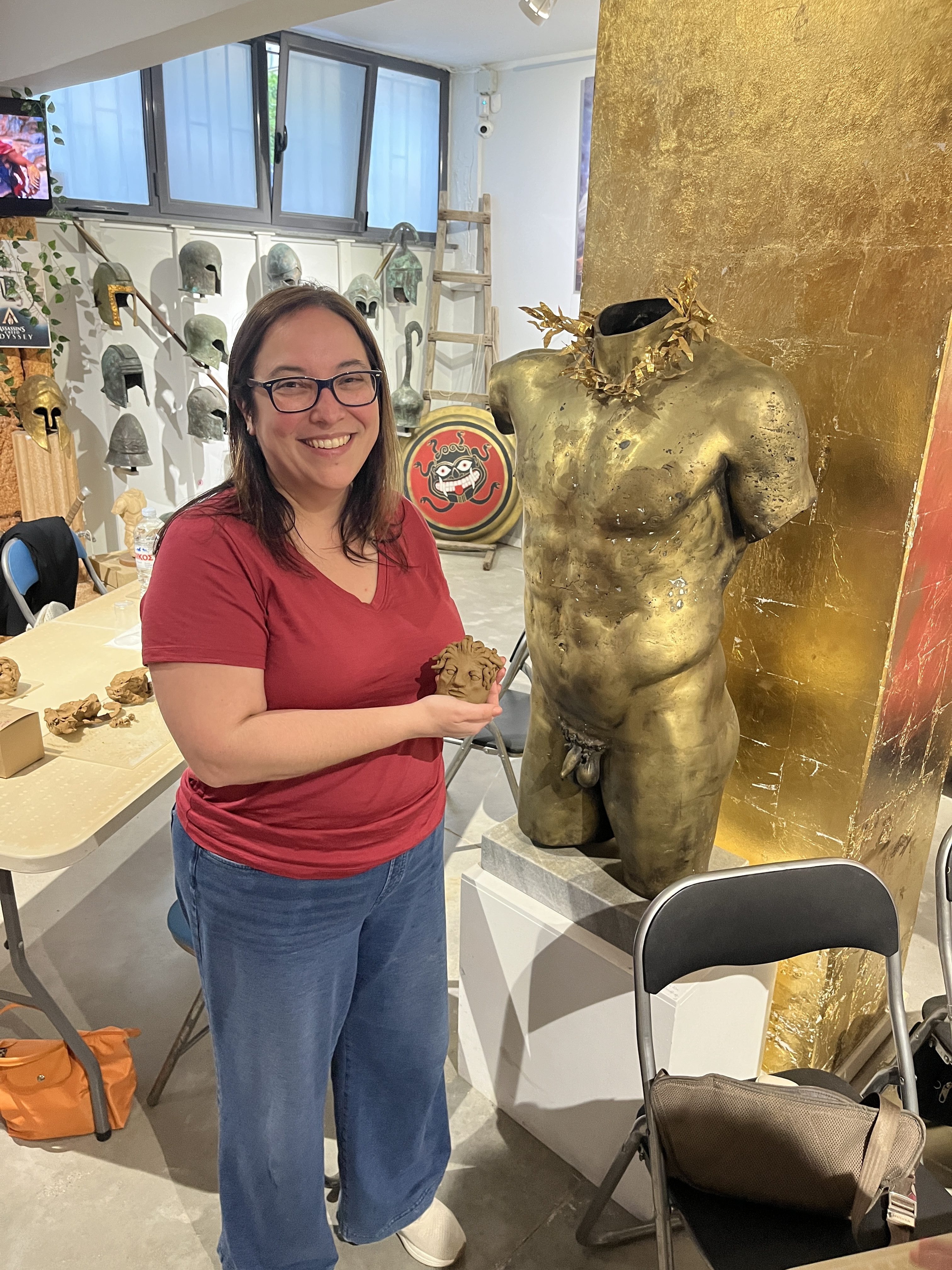
Our sculpting class was lots of fun. We all have different confidence levels when it comes to crafts but the instructor was great about checking in with each of us and helping out, “we can adjust this”, “that can be fixed”, “good!”. He did not say “oh my god I love my job” but maybe he thought it.
May 15th: Delphi
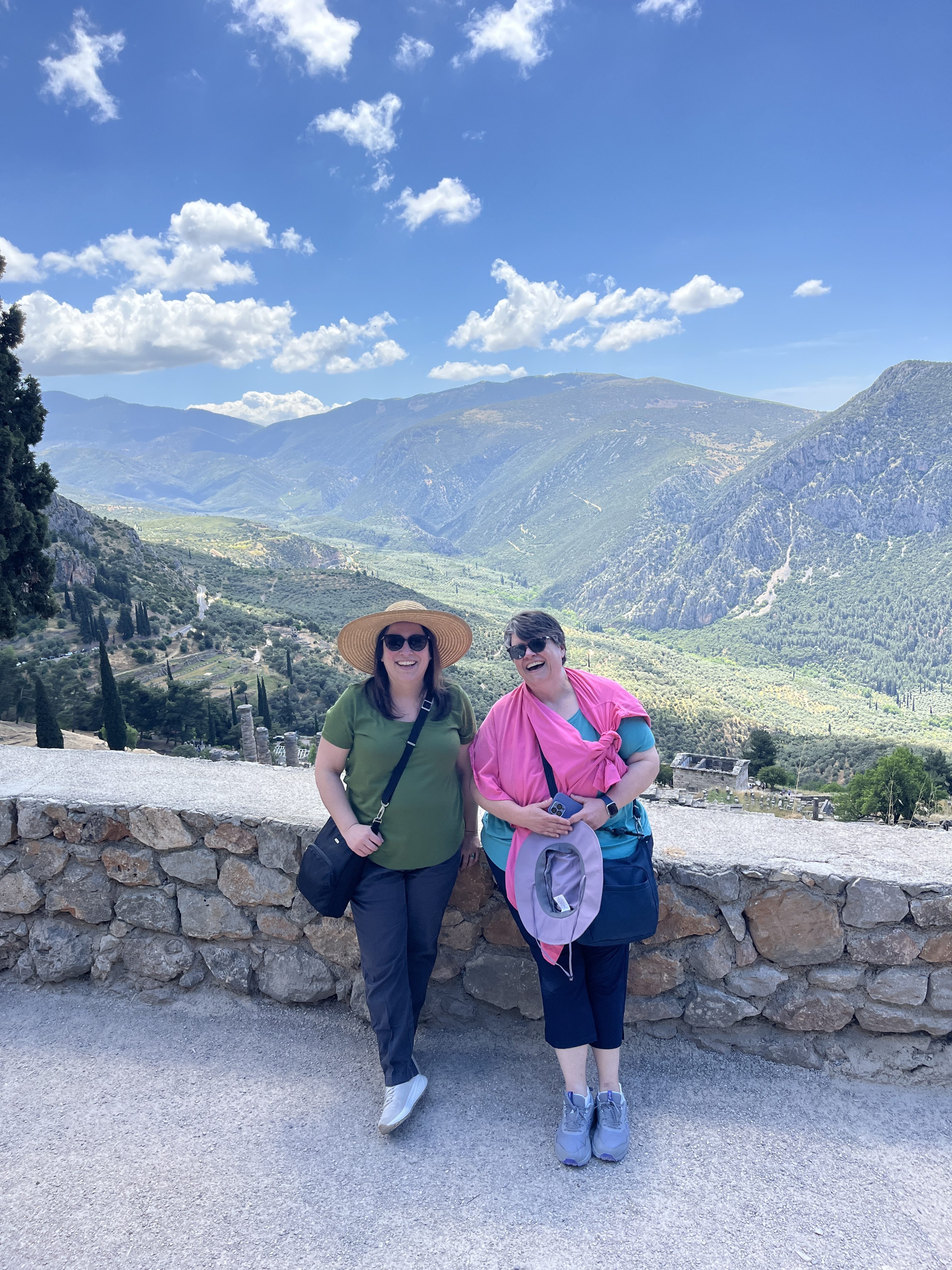
Our tour guide is Bill Clinton (an easy name for us to remember, he said). Apparently, the Greeks like US democrats. Bill was known everywhere we went (he was also our guide the next day) and everyone loved him. Our tour guide on the last day knew him as everyone’s favorite guide too. He only opened the back door for us to get into the van but at our first stop I asked if I could sit up front with him (we were a little squishy) and he said yes. I was surprised to find out he didn’t know what a passenger princess was…. but then, he treated all of us like royalty. Carla got to be the passenger princess on our second day with Bill.
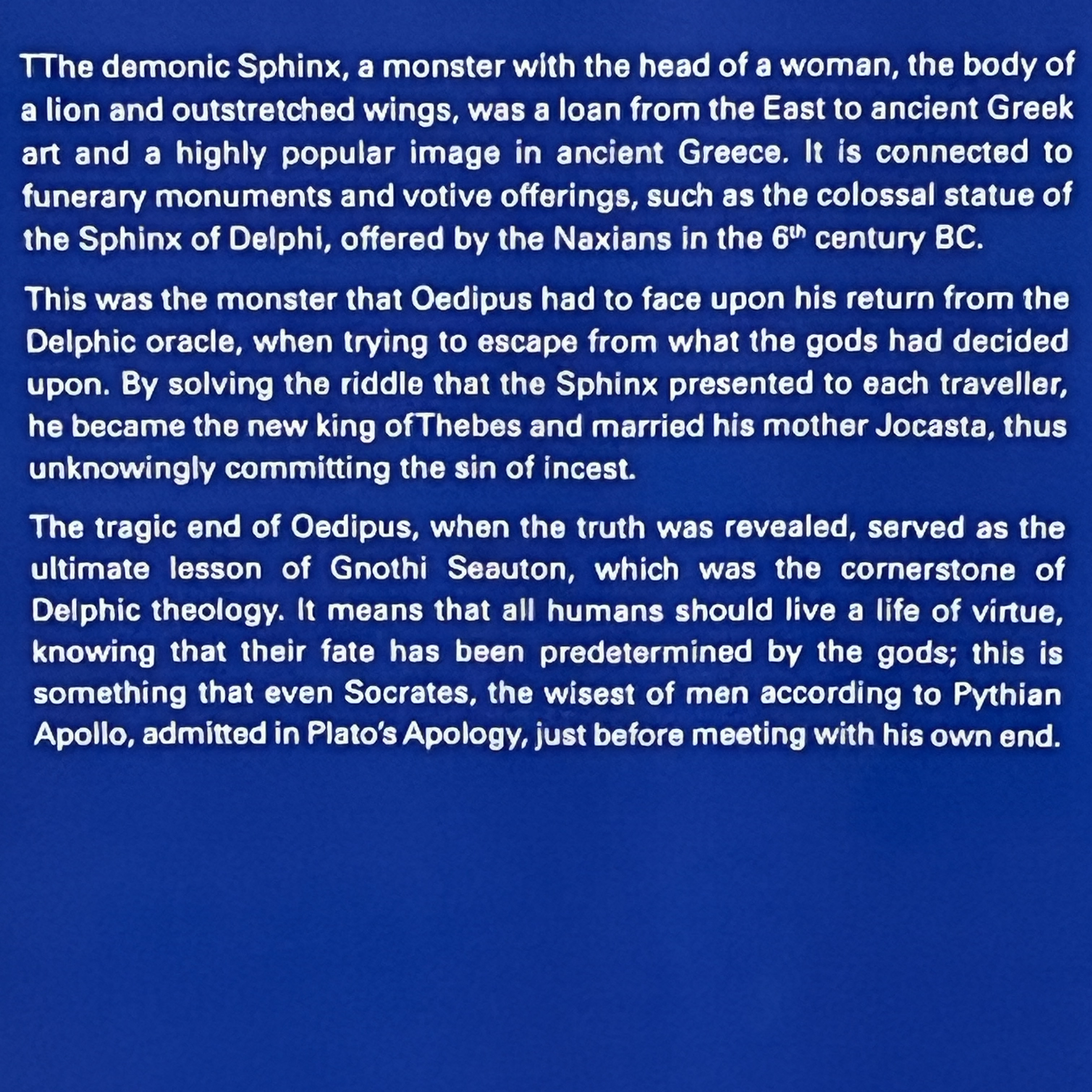
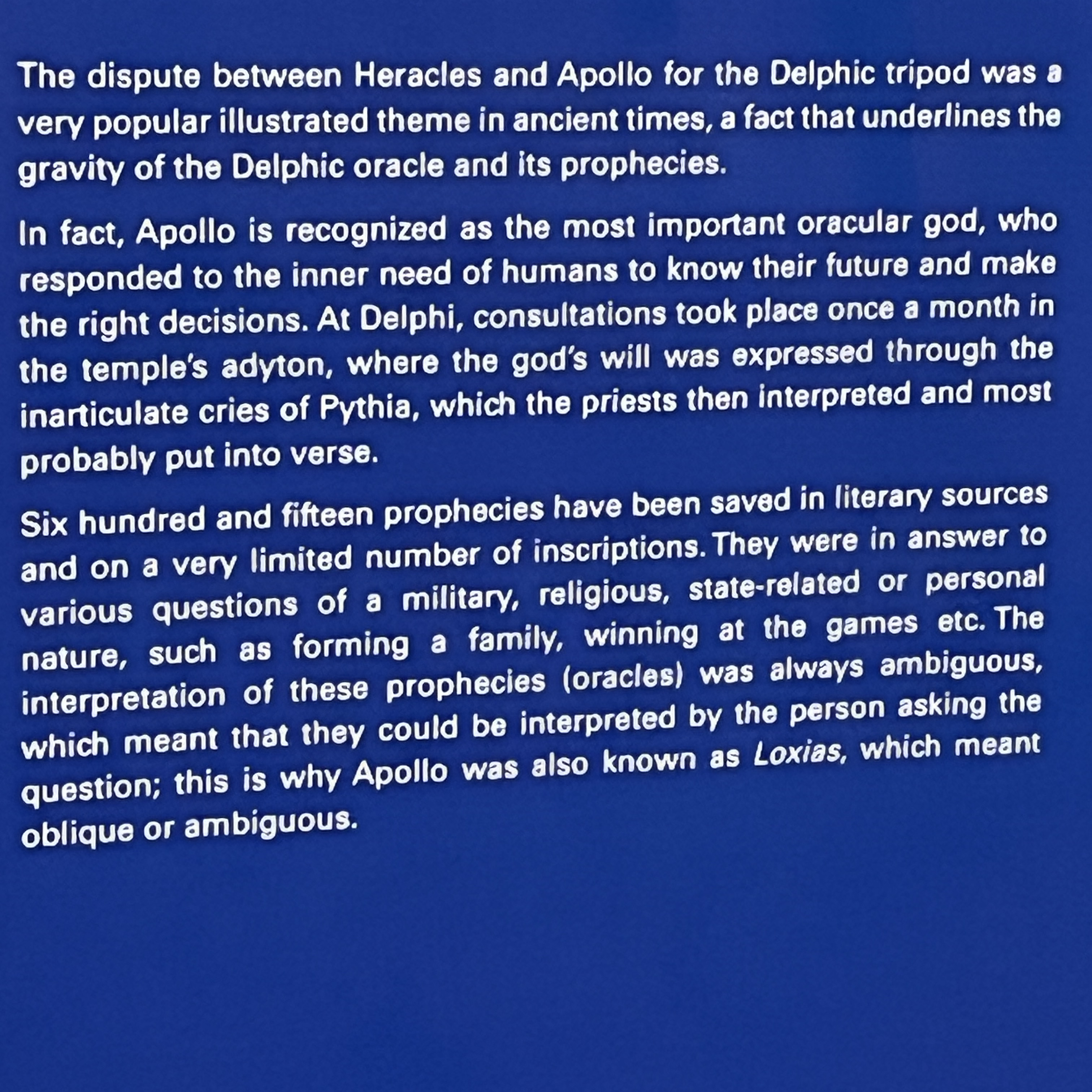
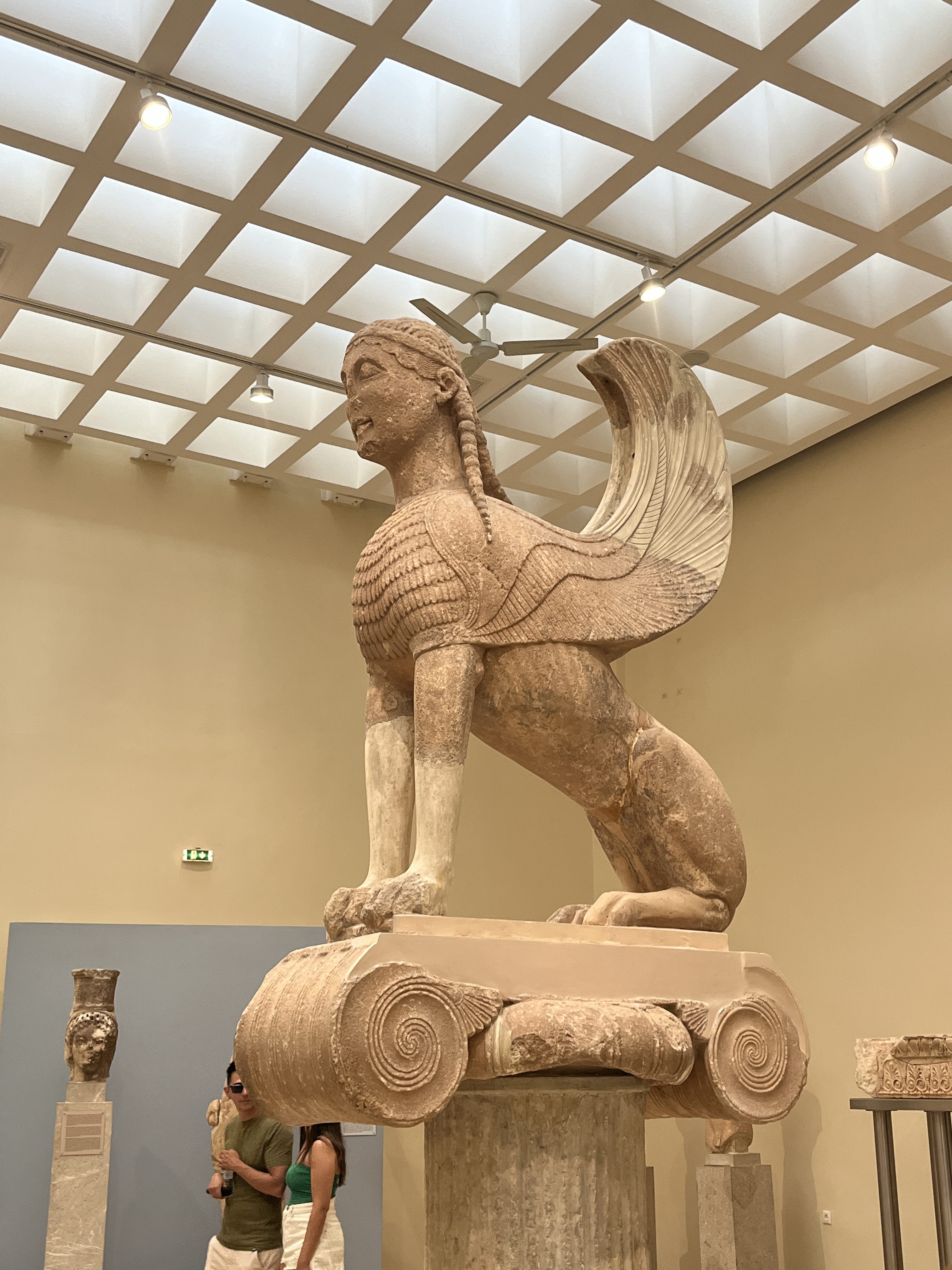
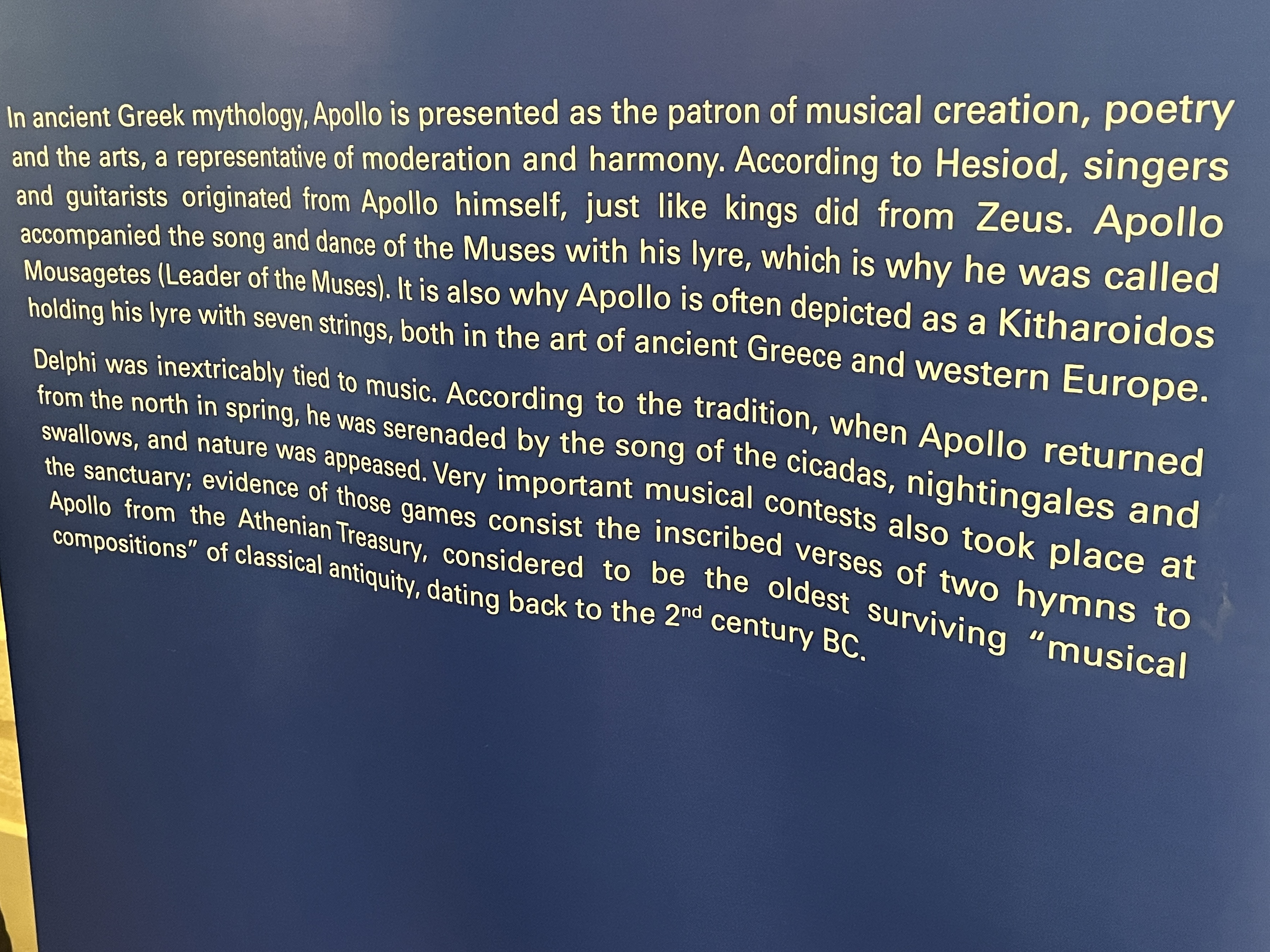
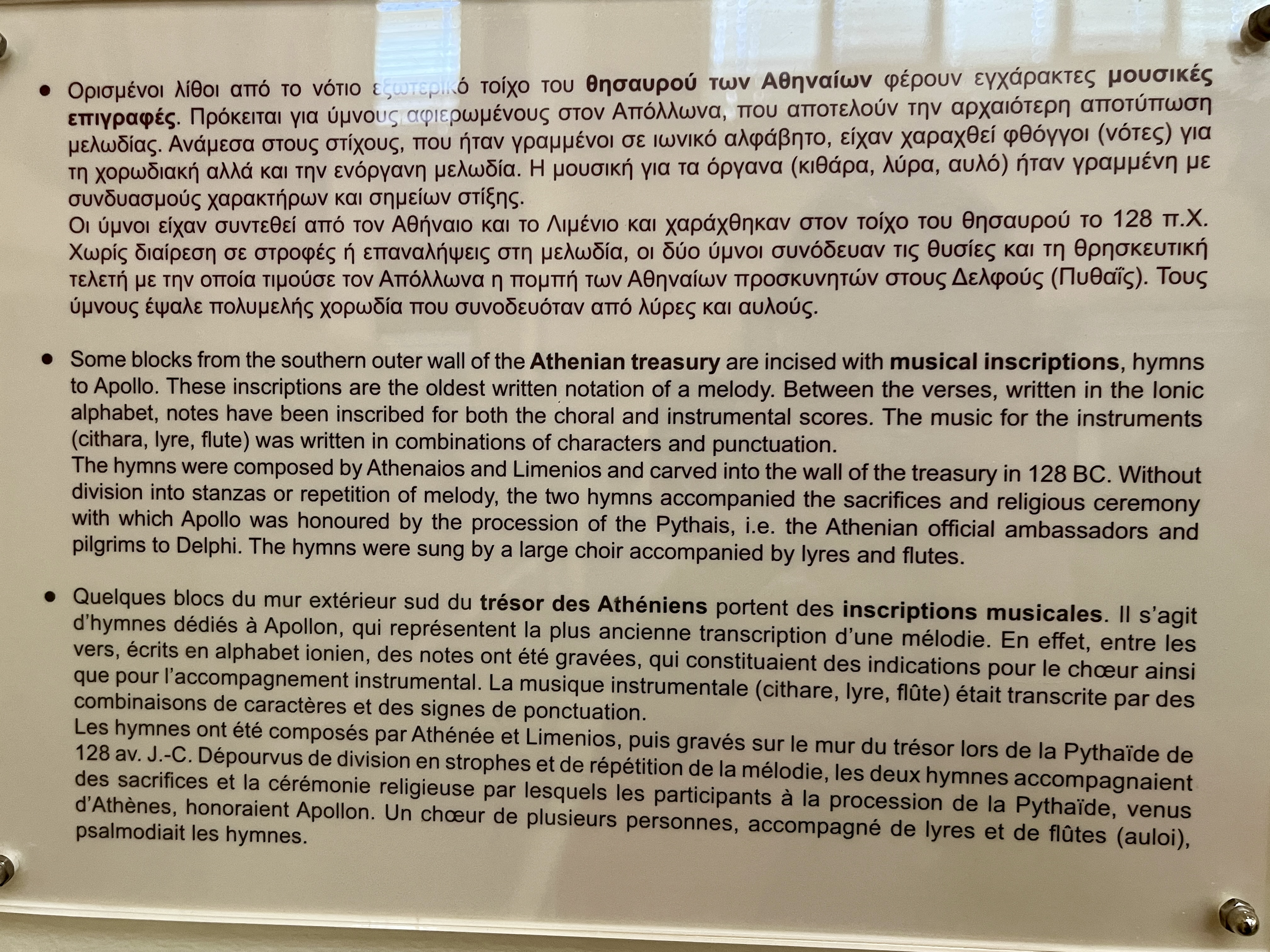
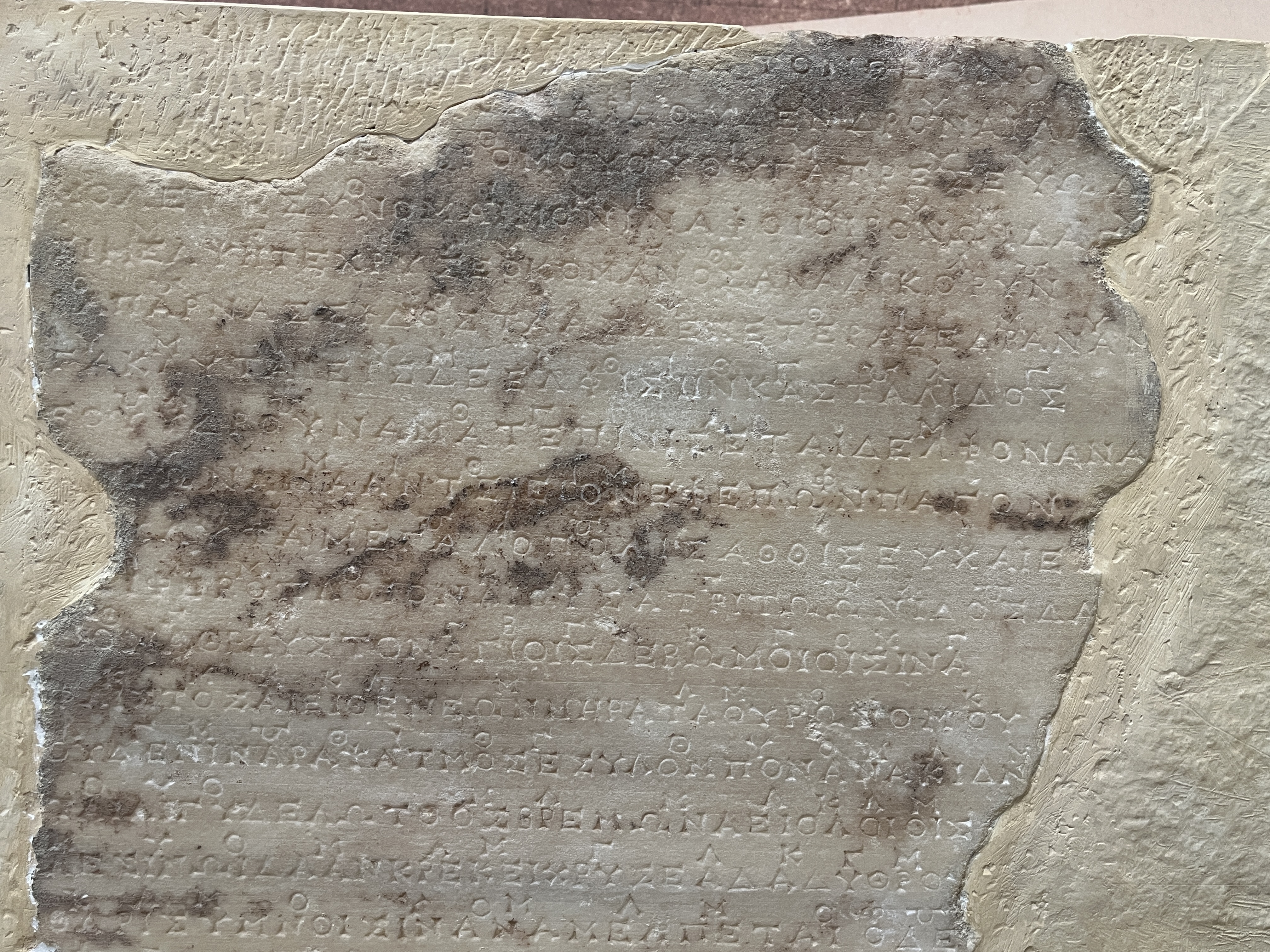
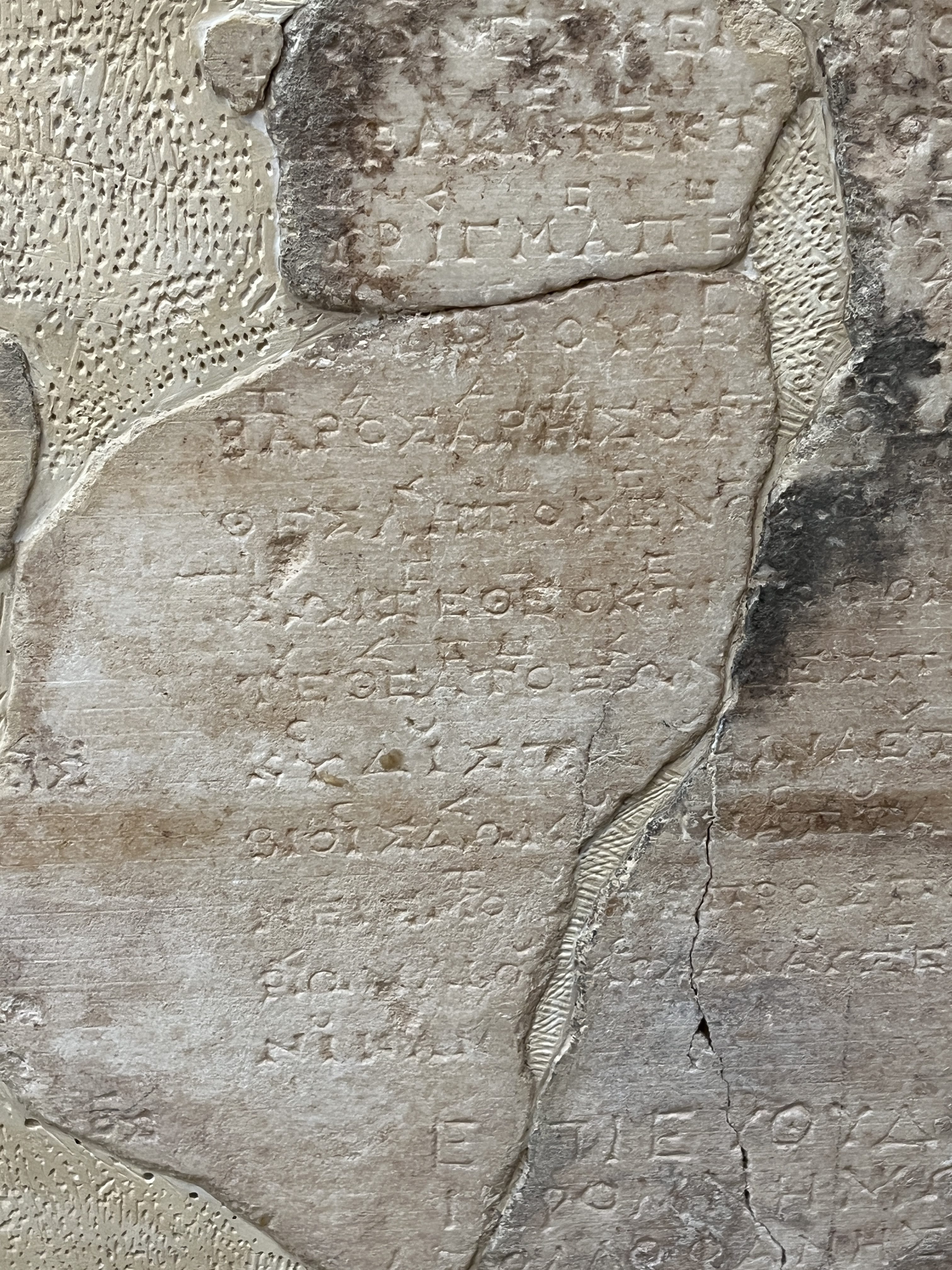
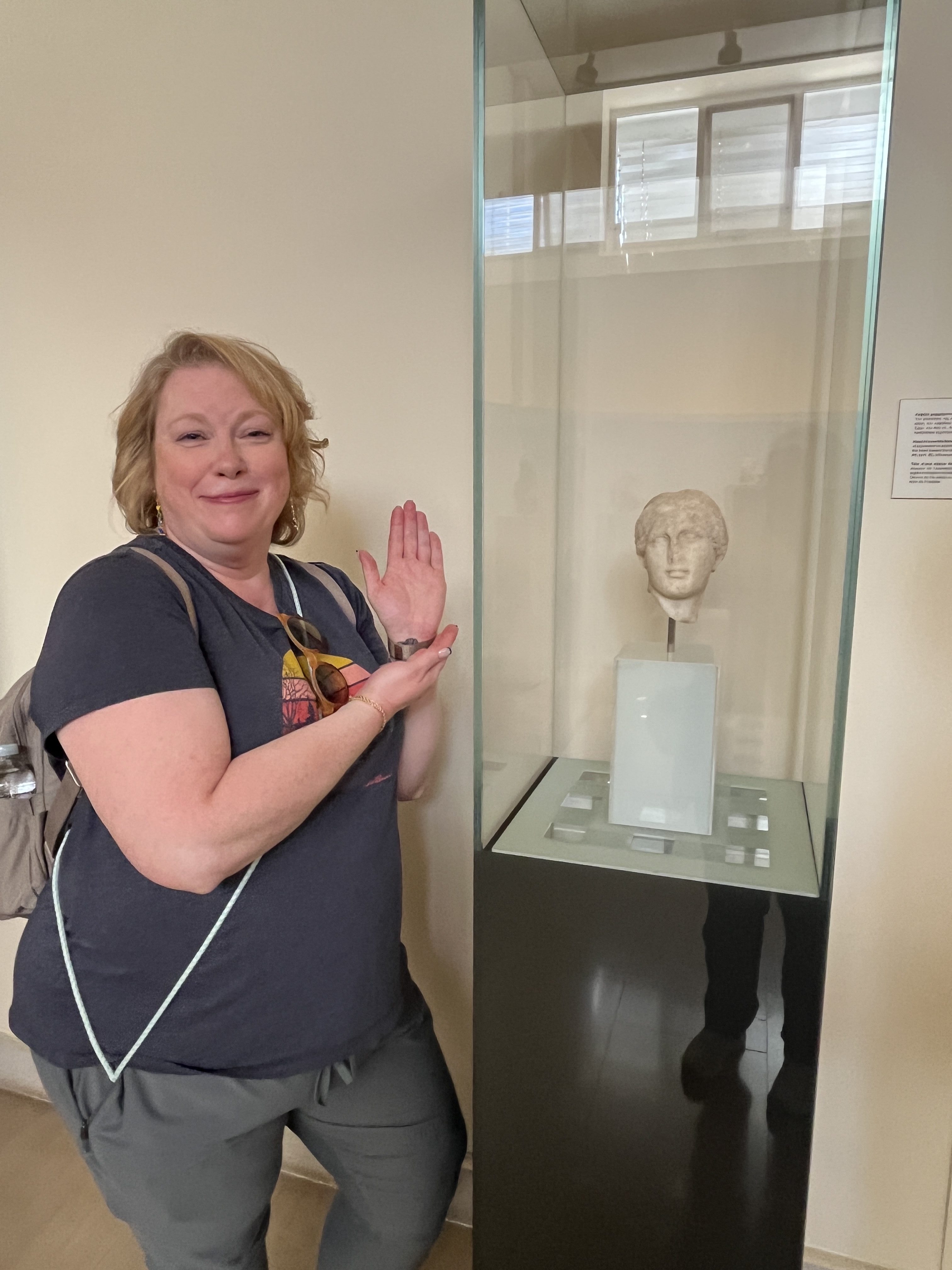
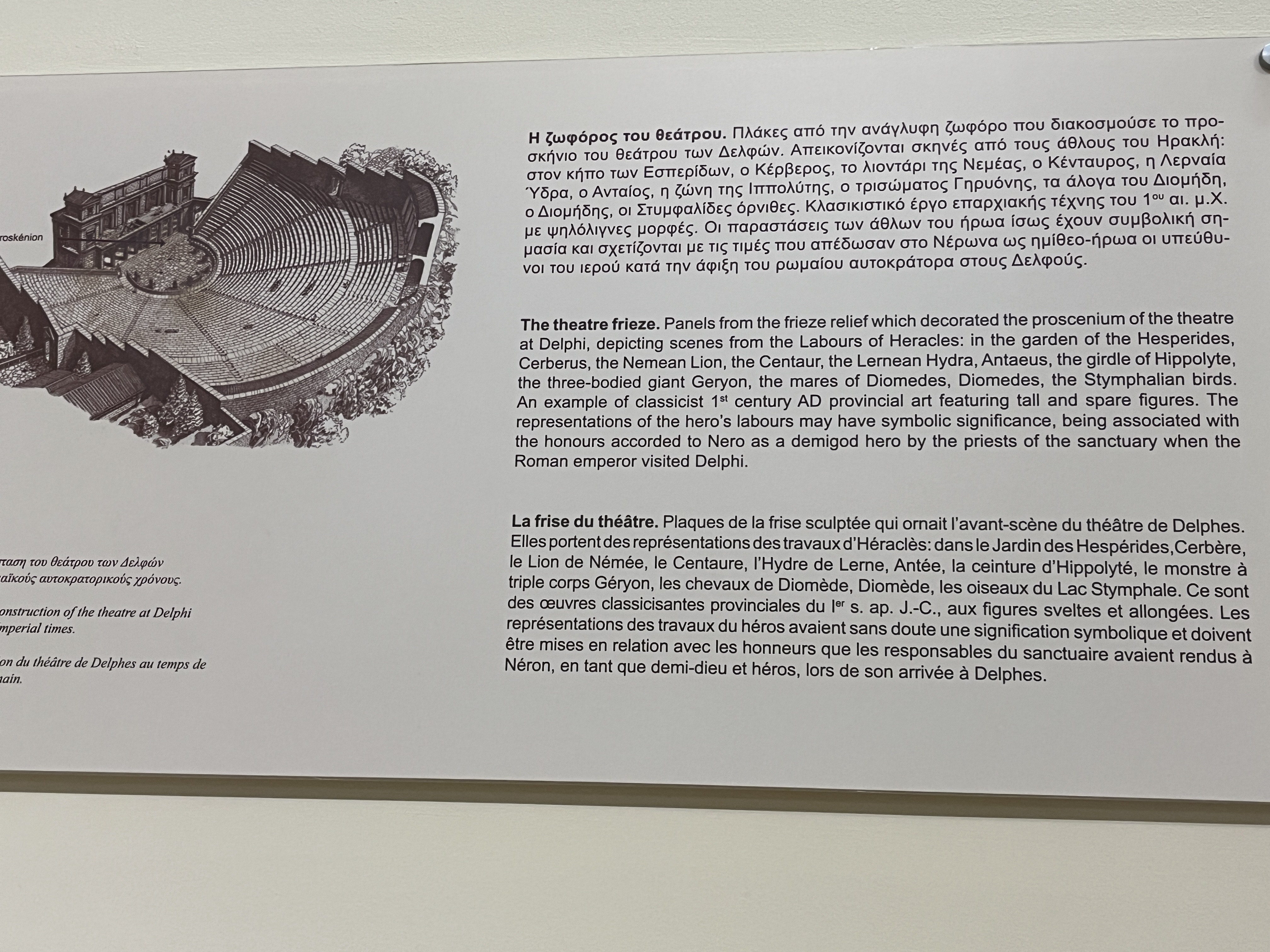
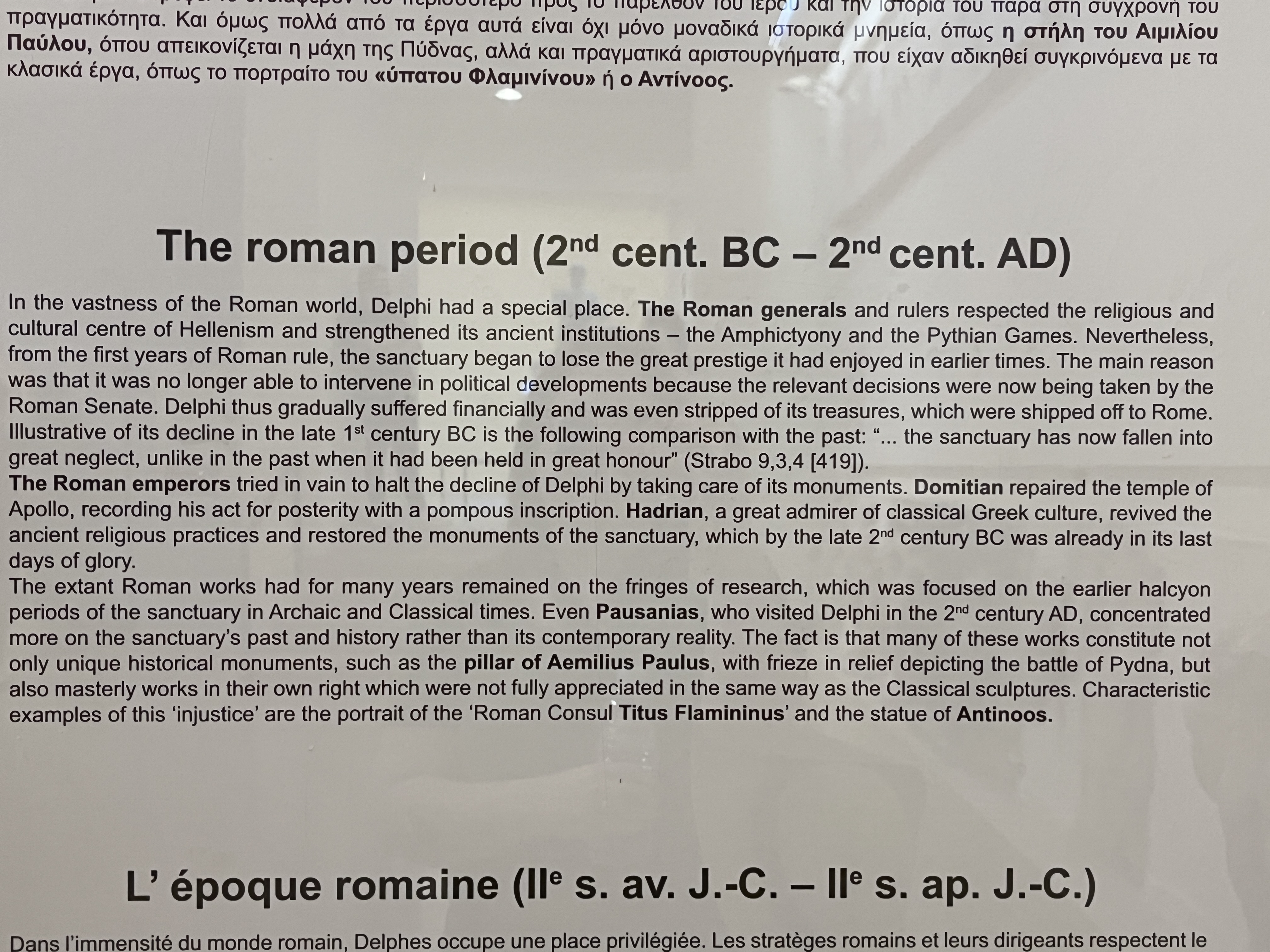
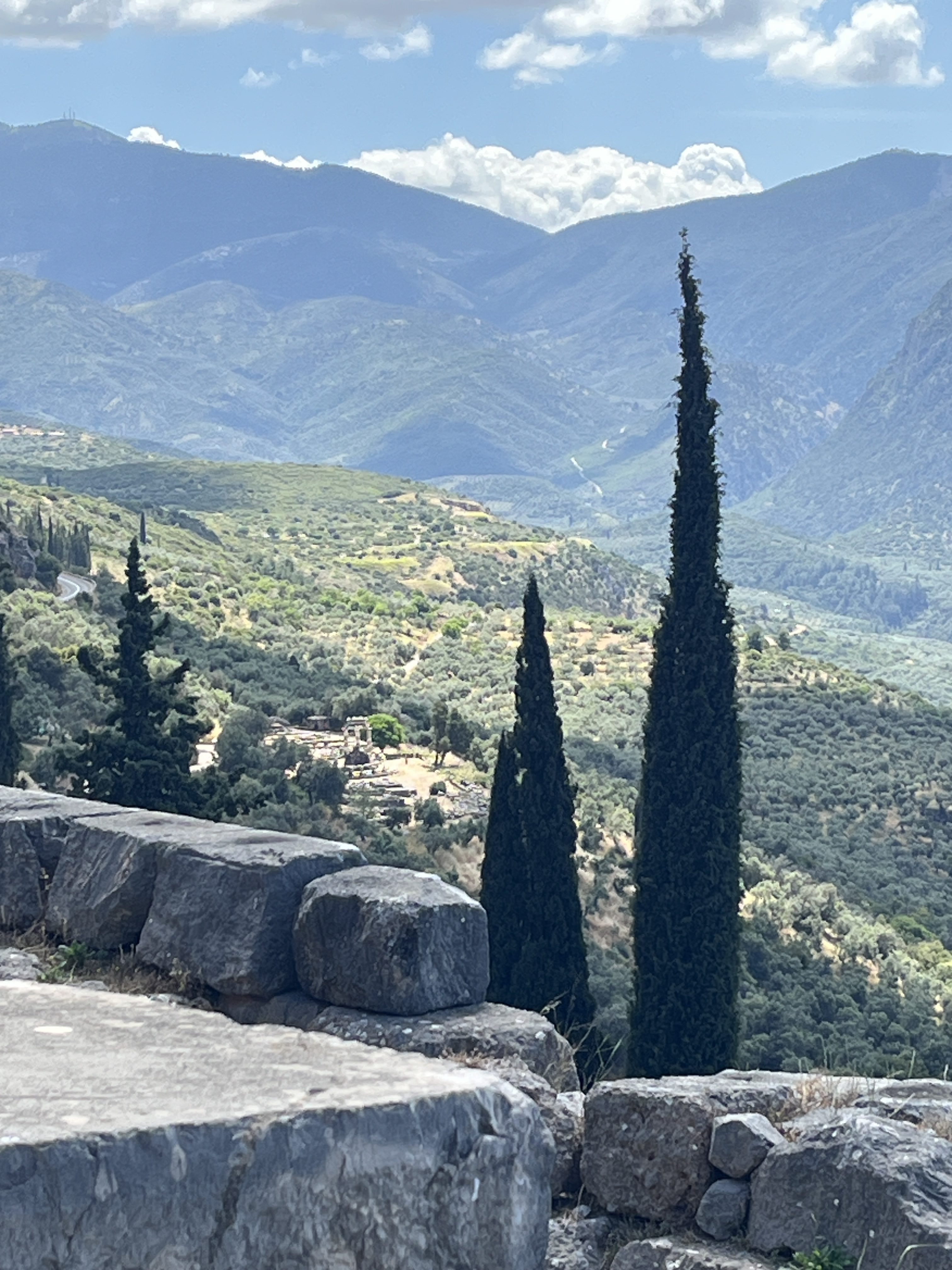
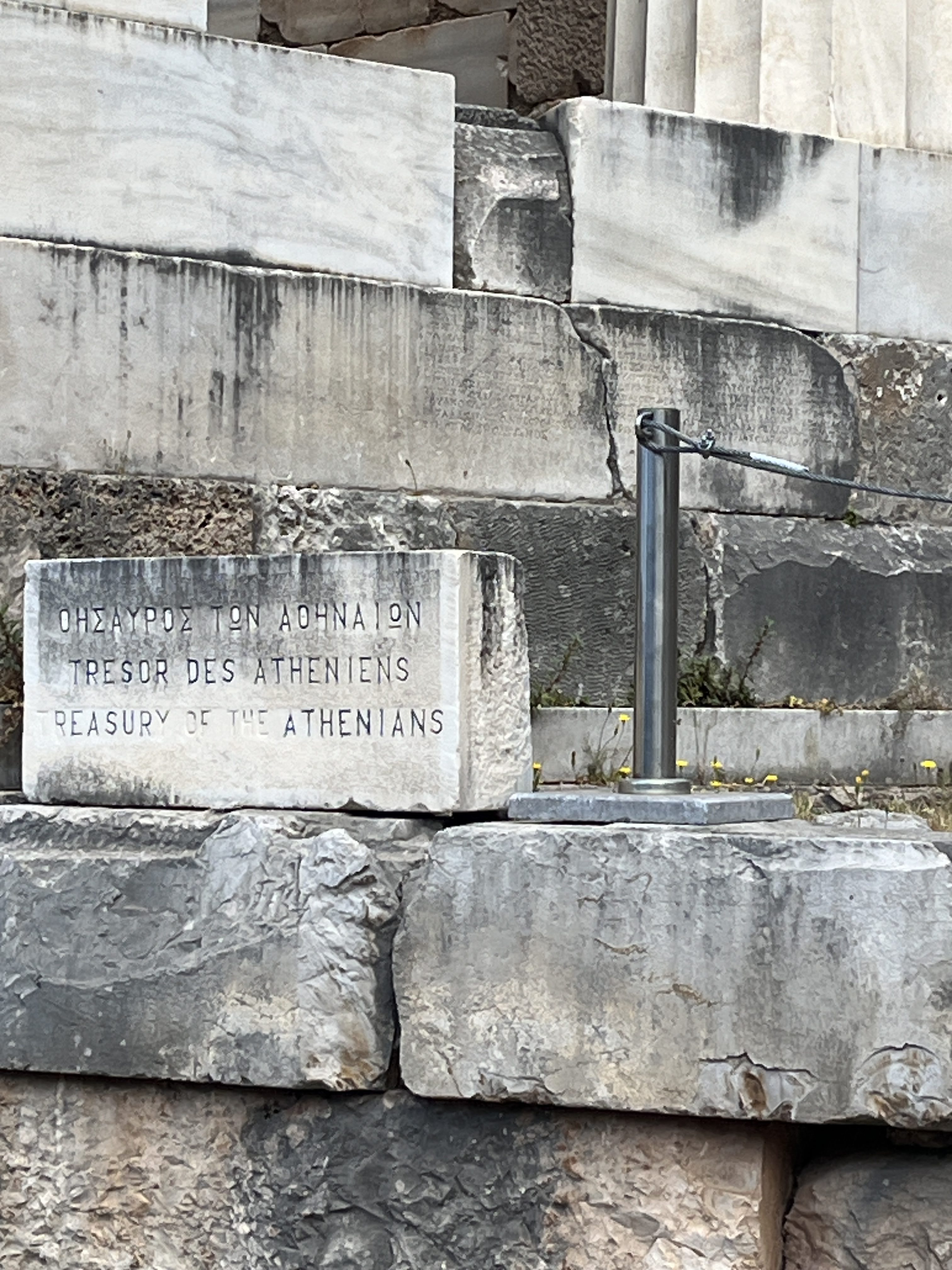
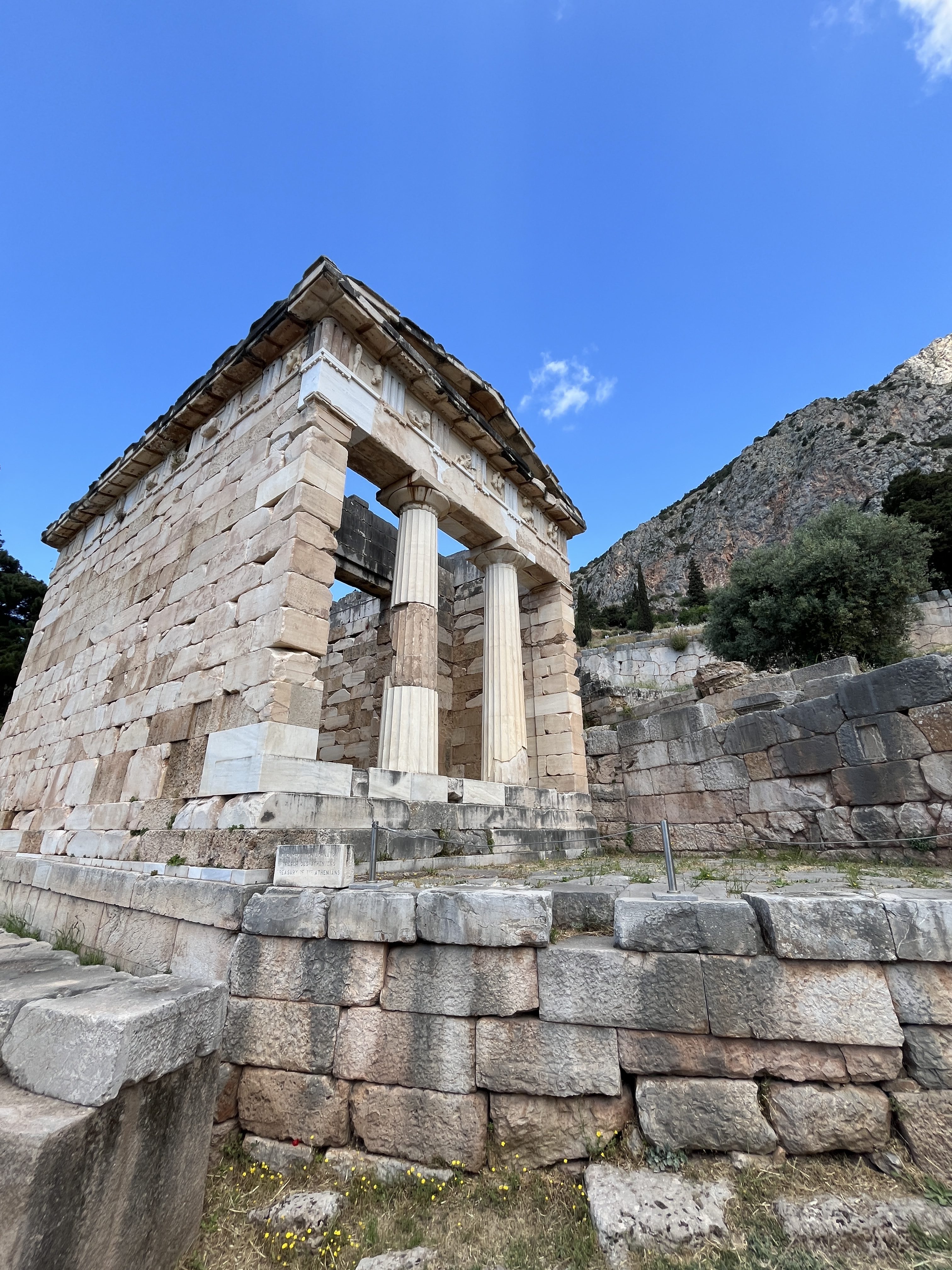
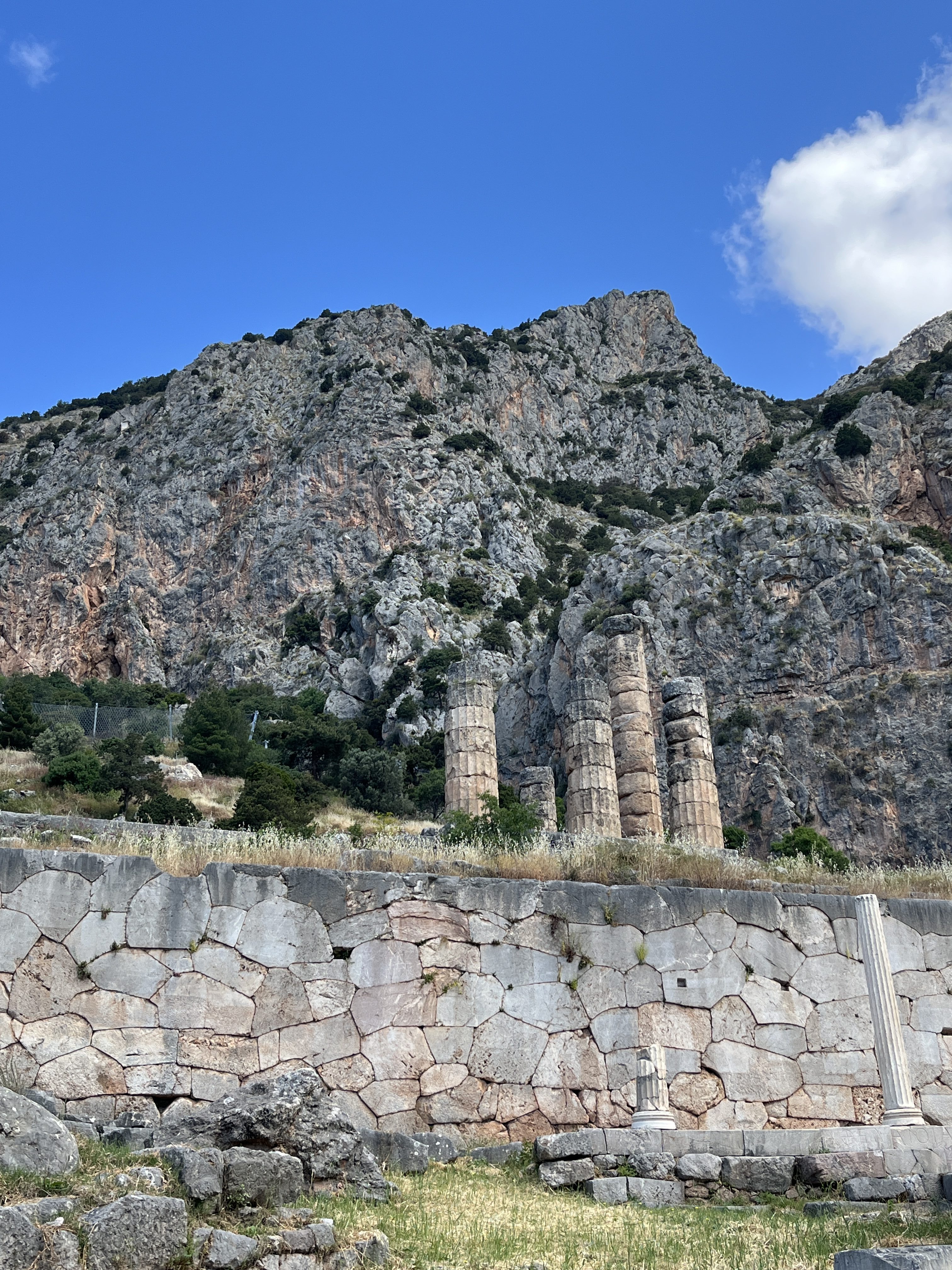
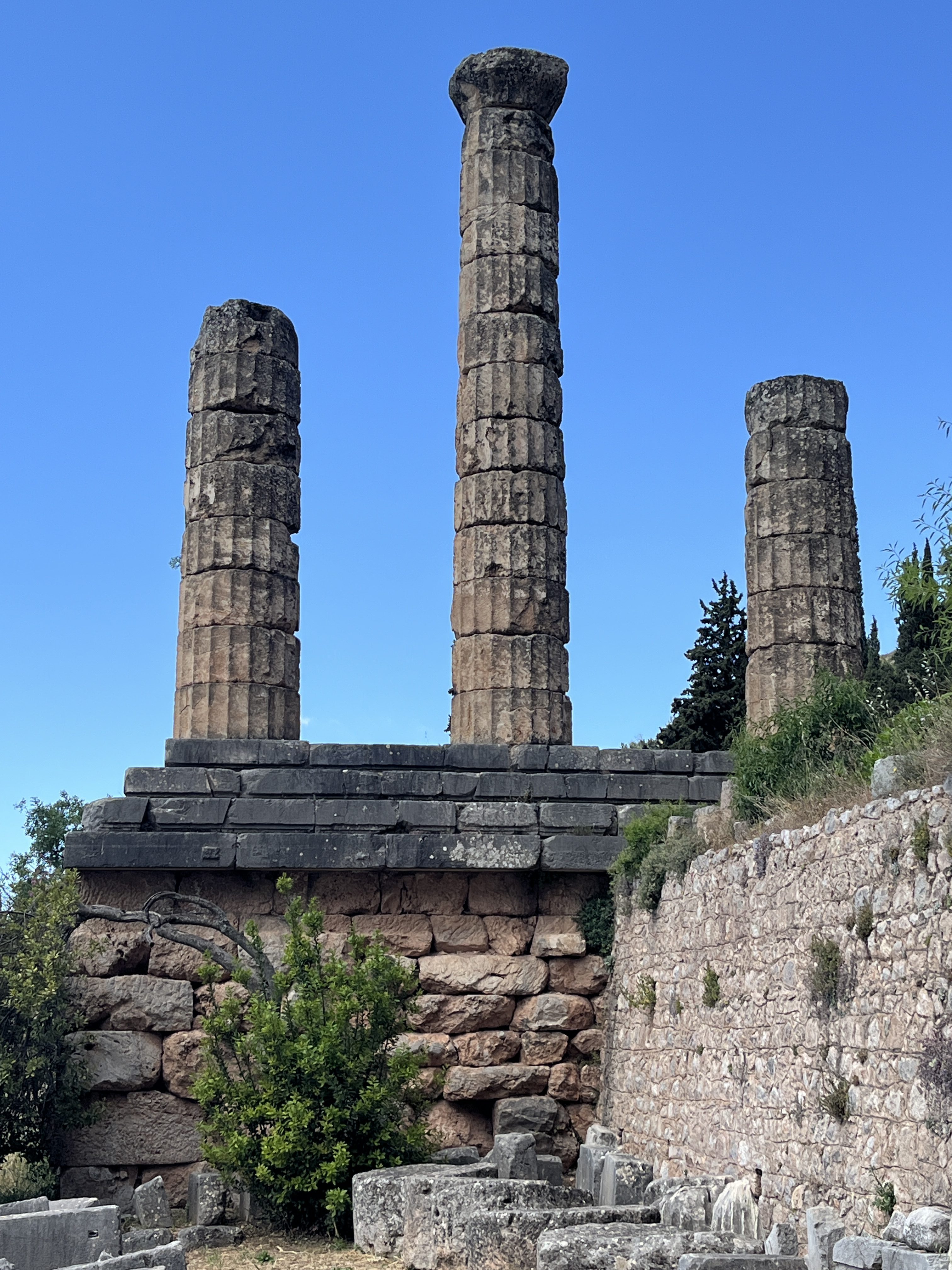
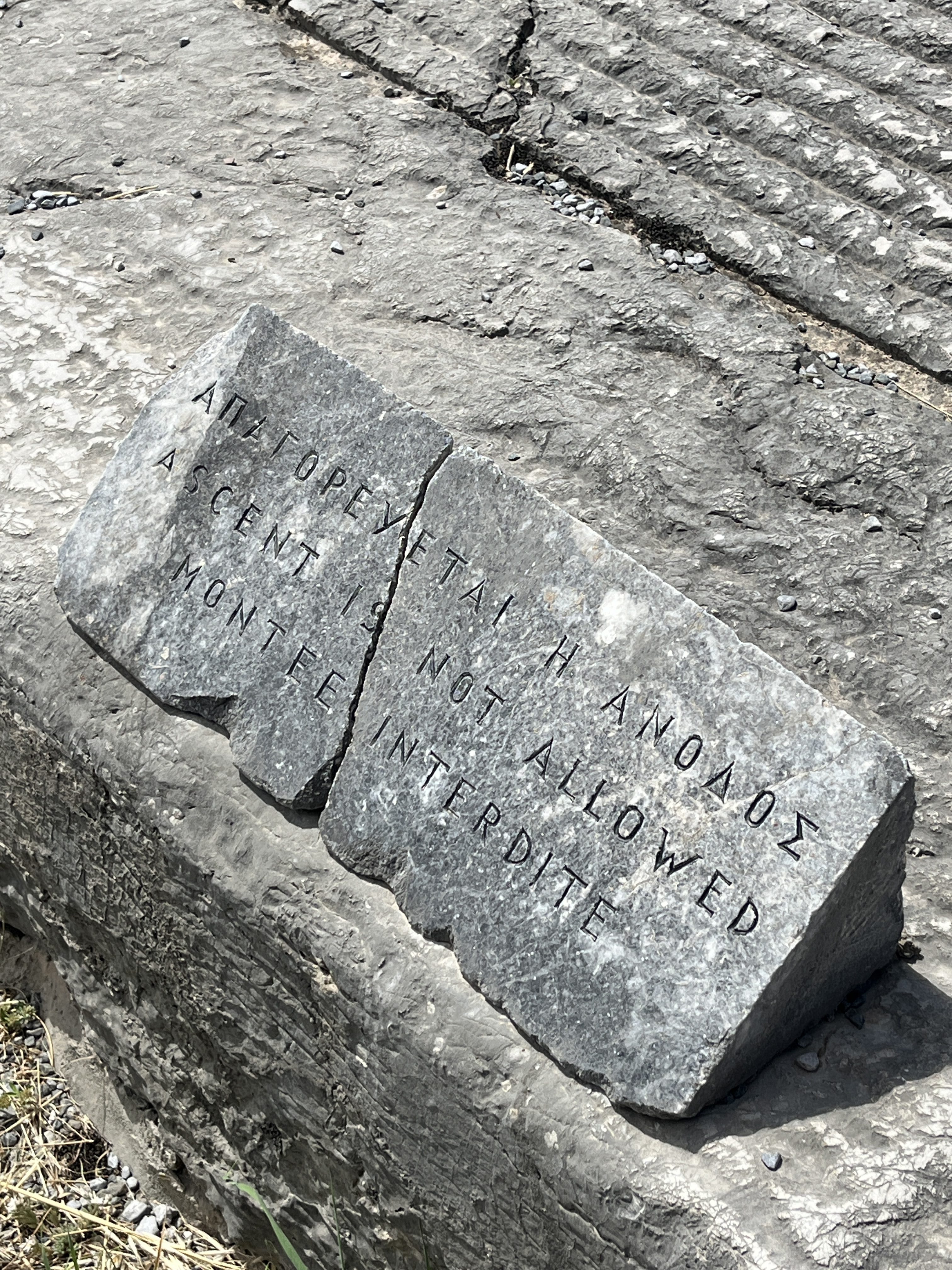
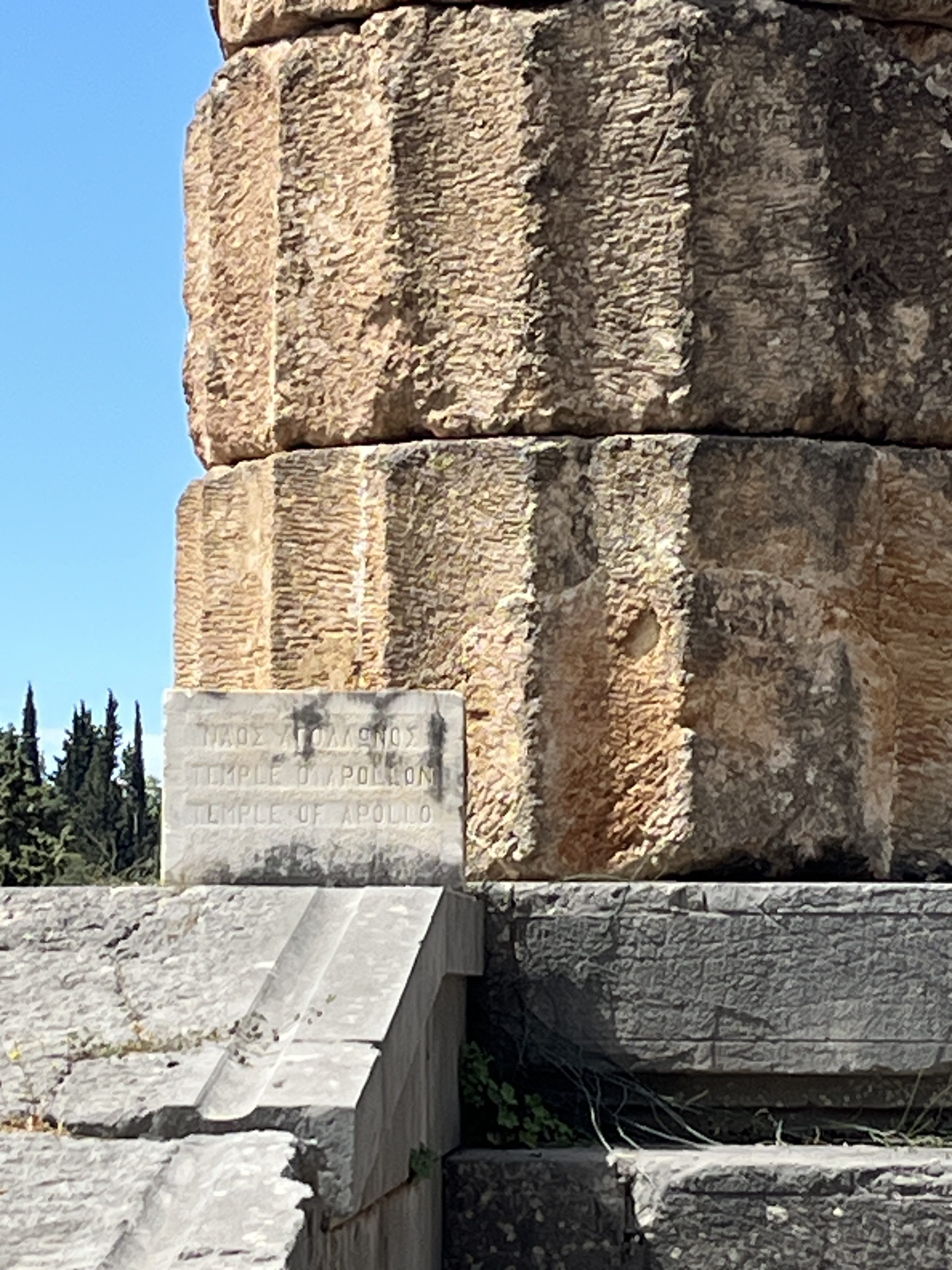
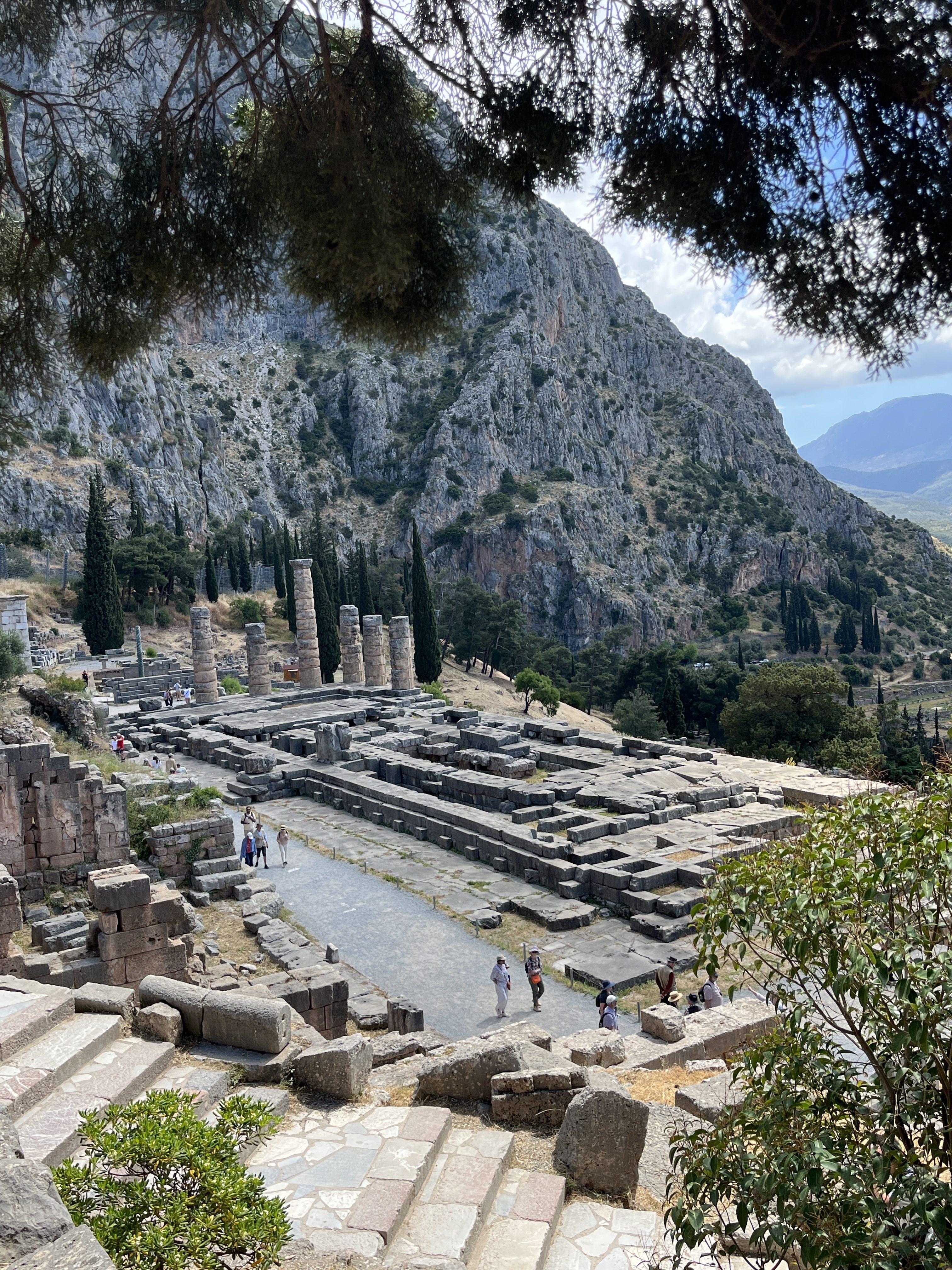
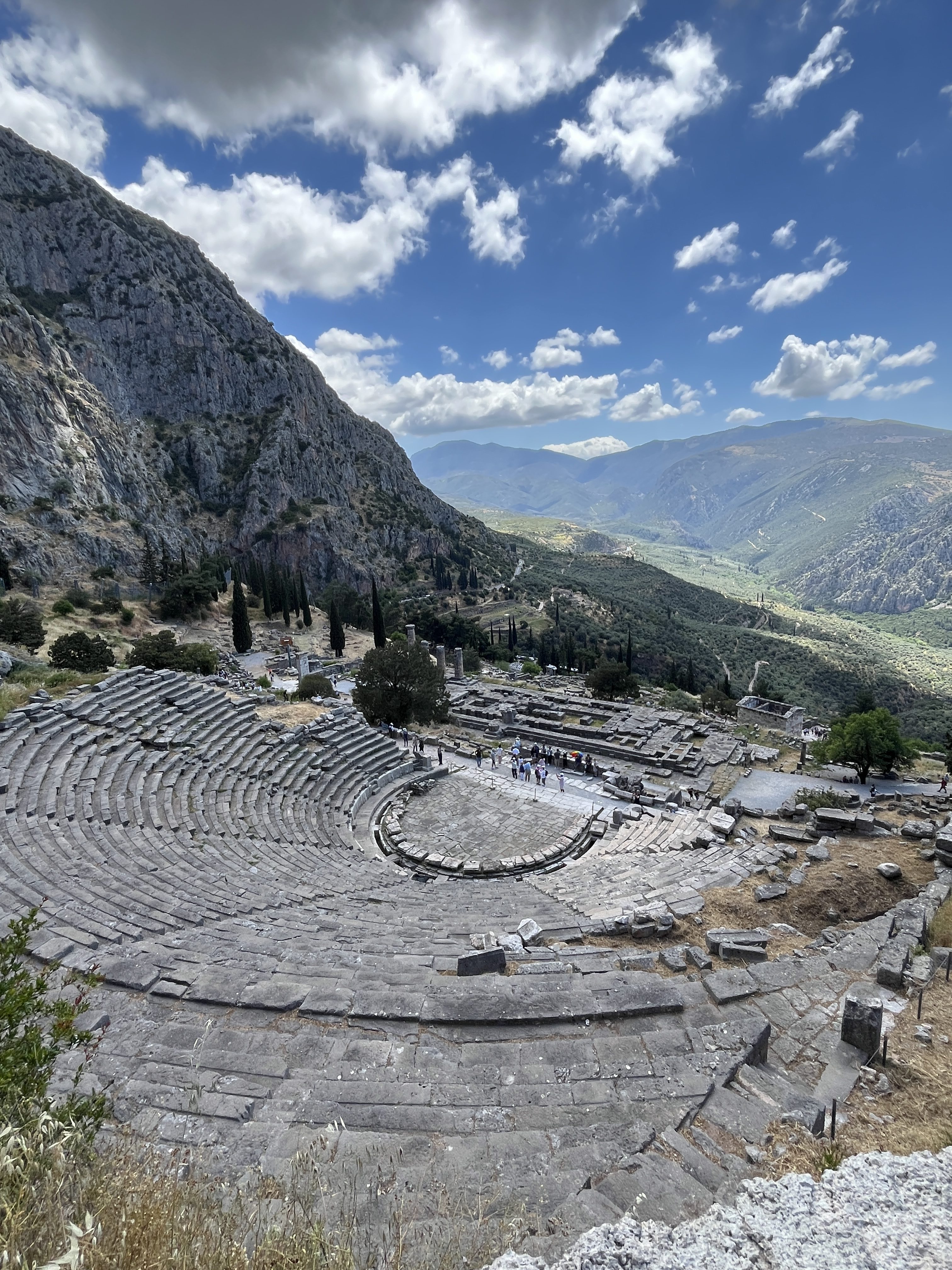
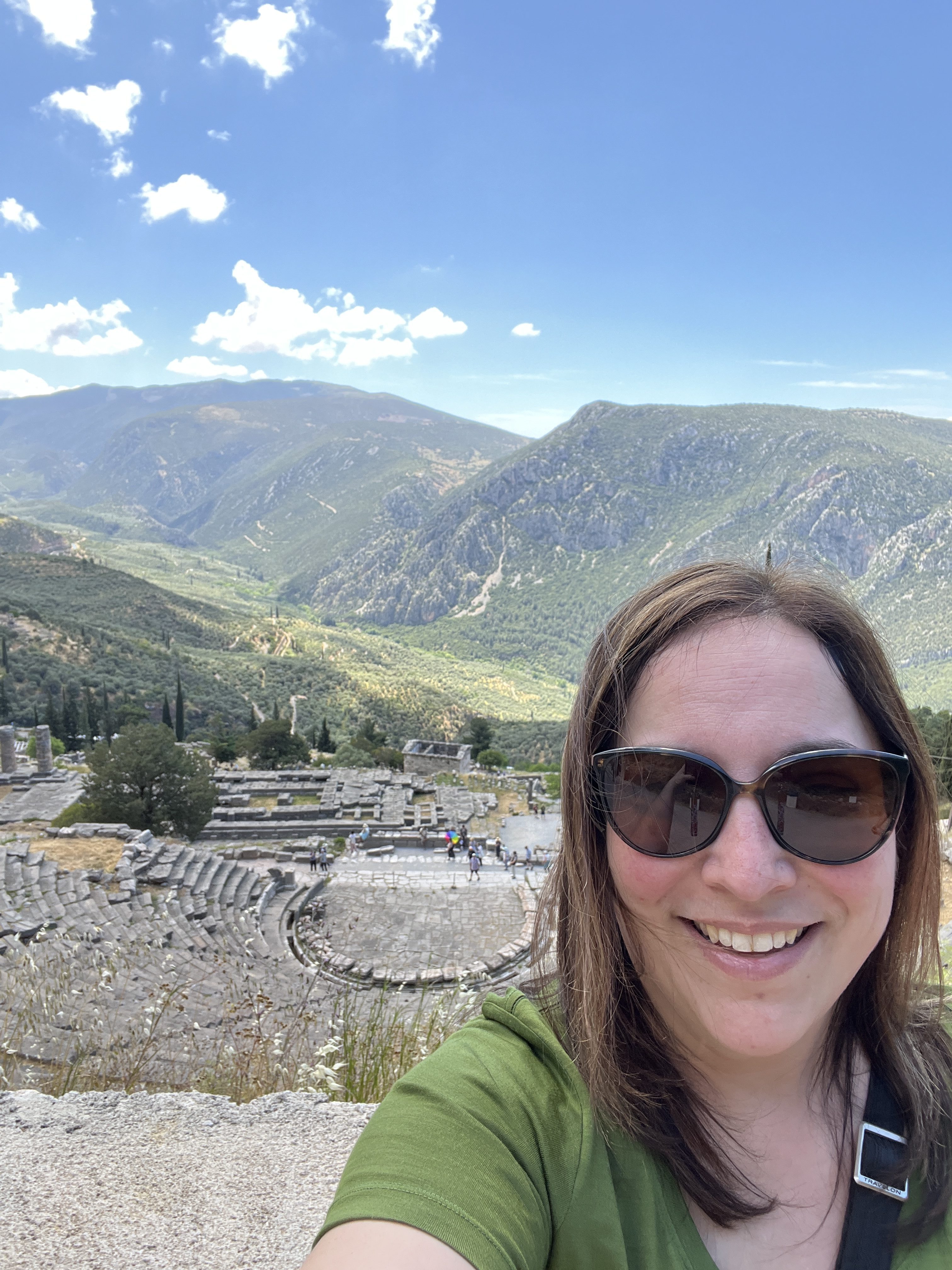
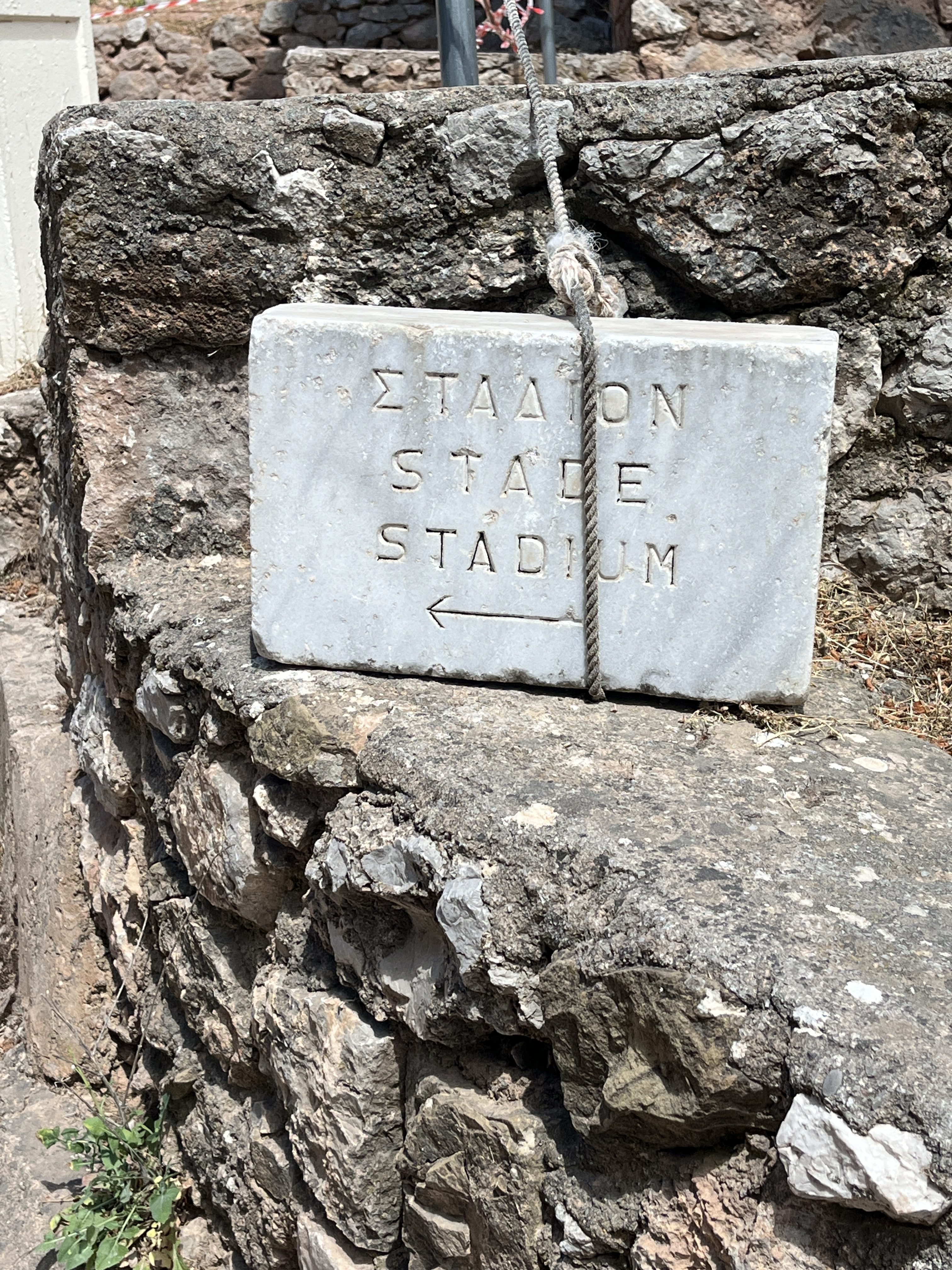
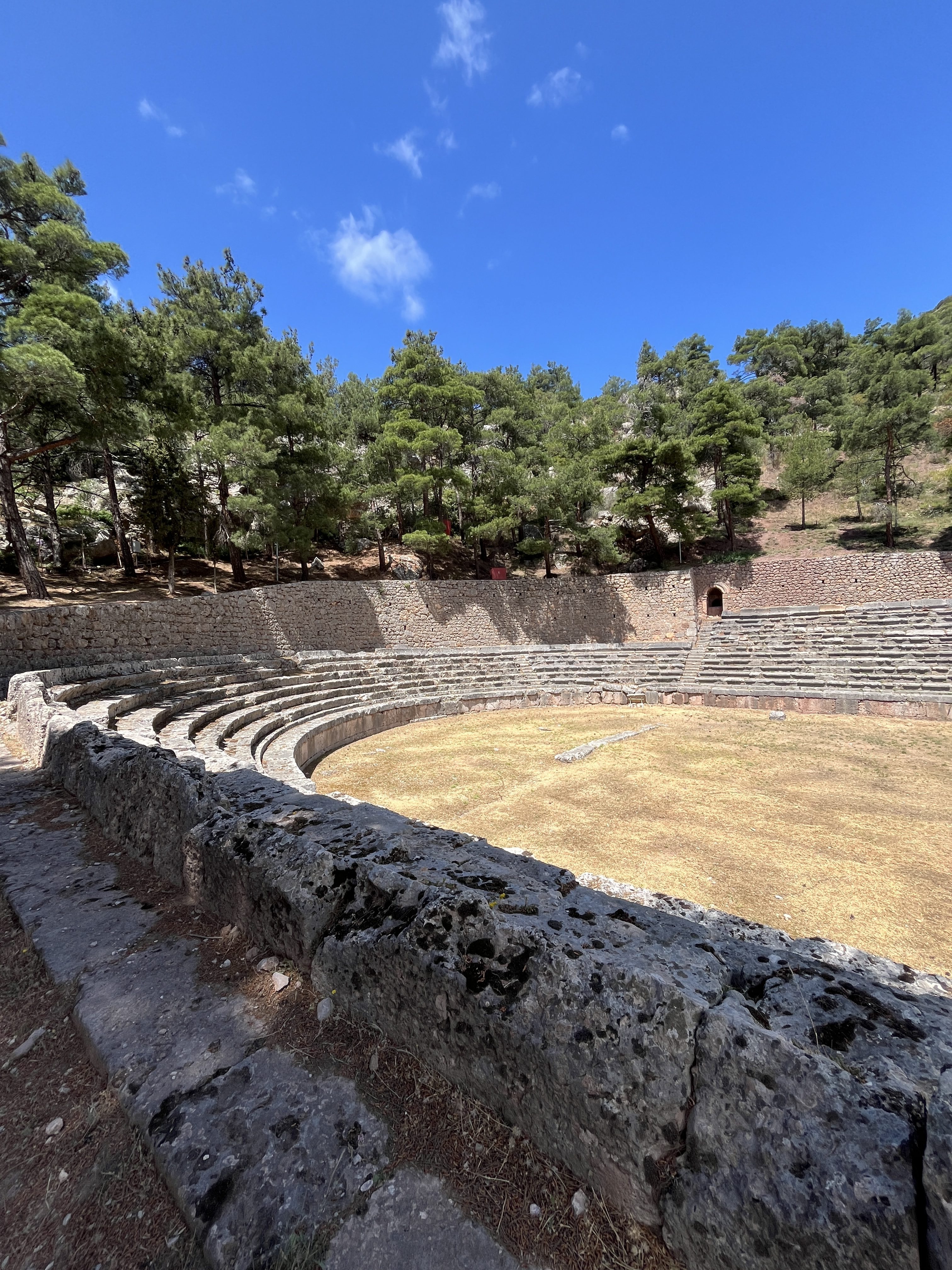
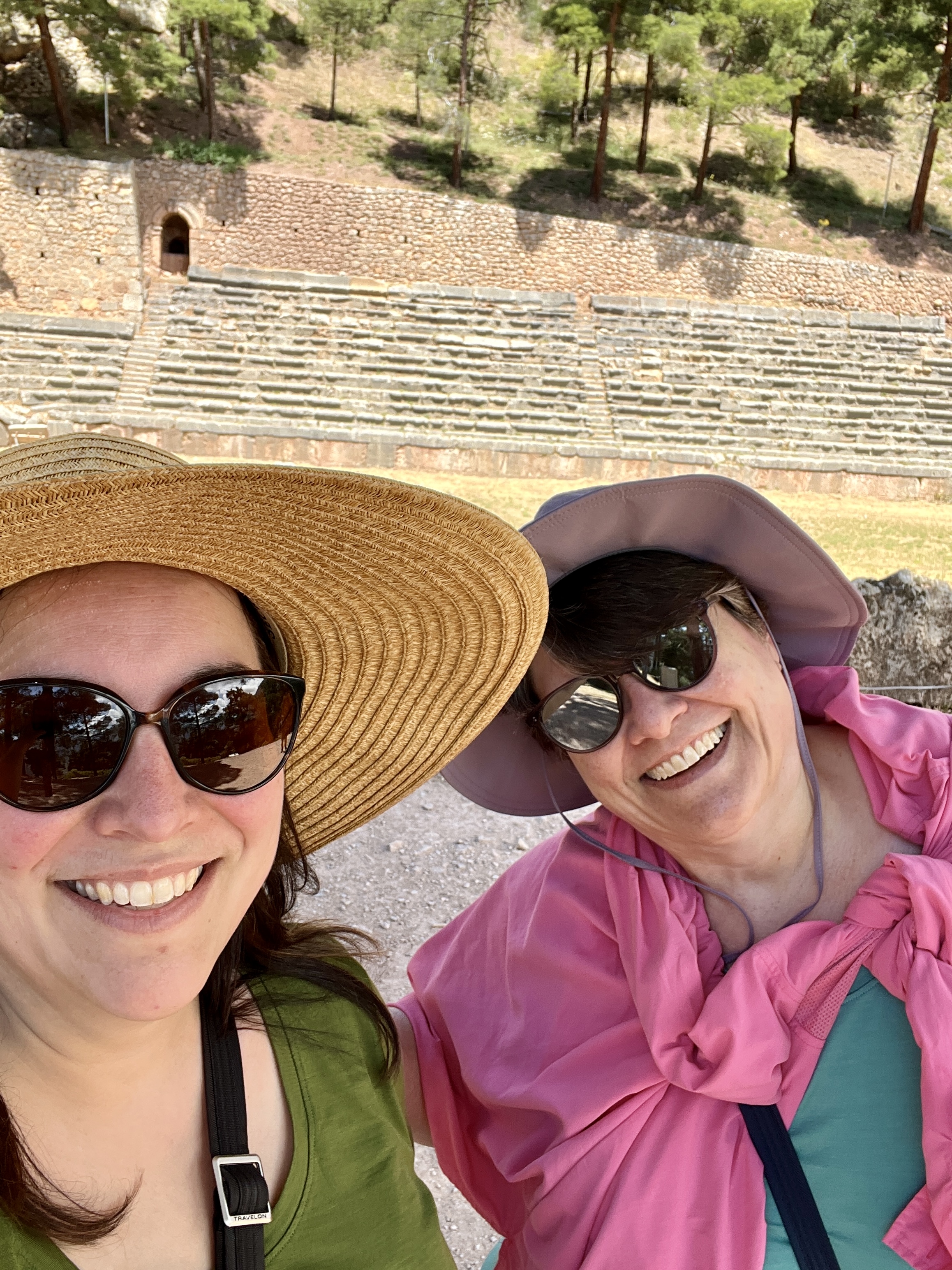
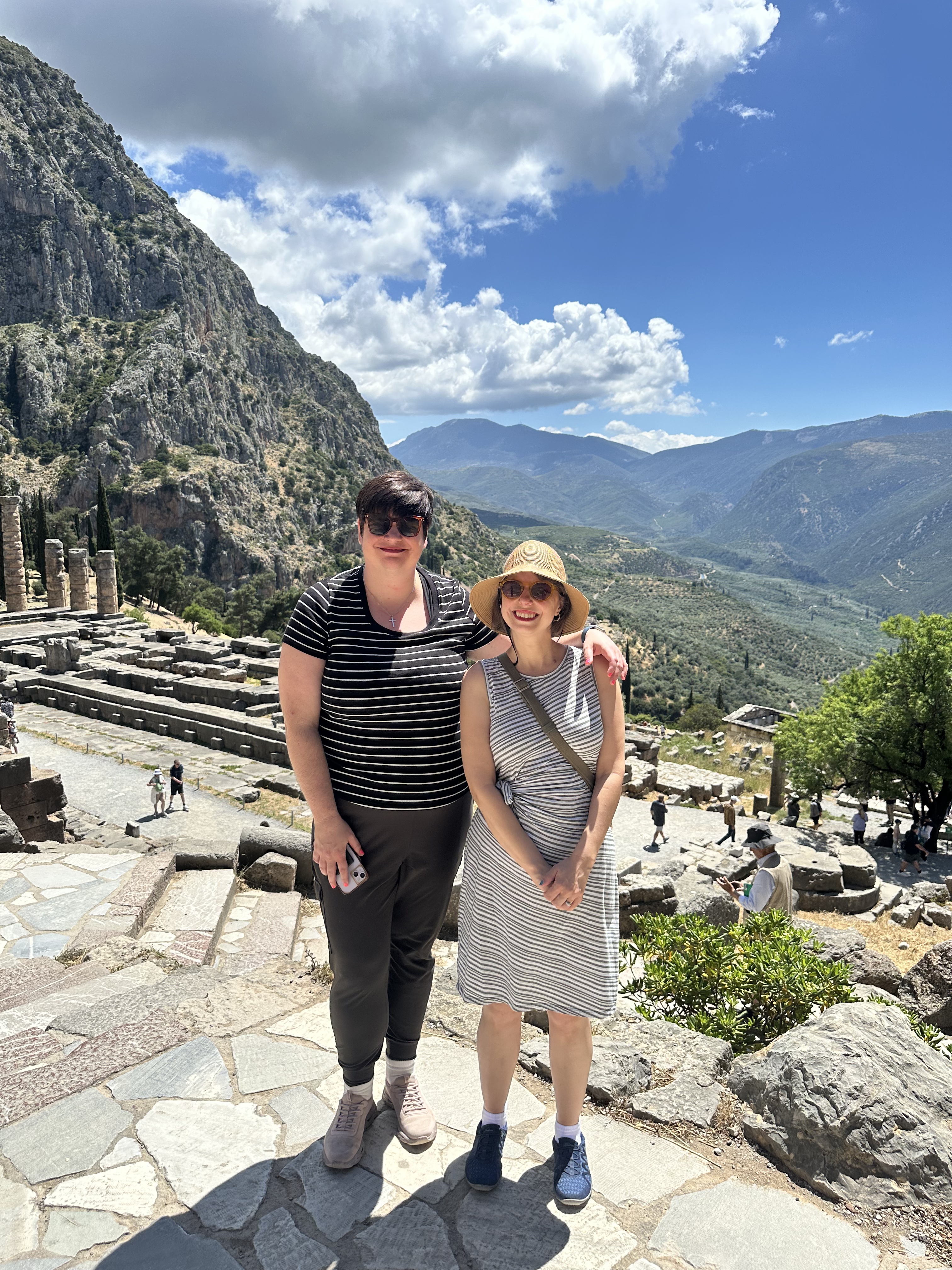
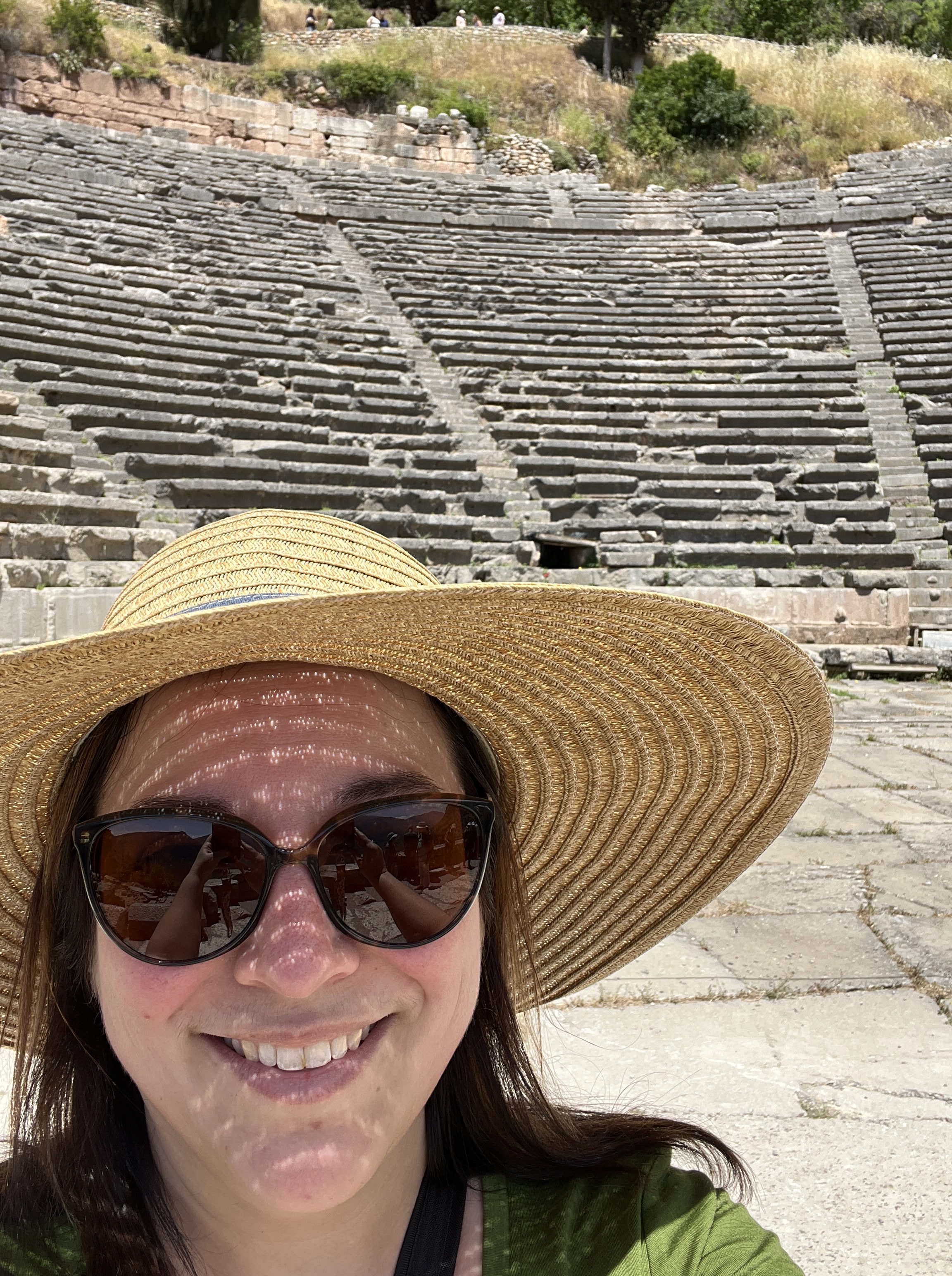
Delphi was considered the center of the world, was famous for holding the Delphi games, and for the oracle. A Day in the Life of the Oracle of Delphi We did not get to hallucinate in the temple, but we did get a museum and archeological site to explore.
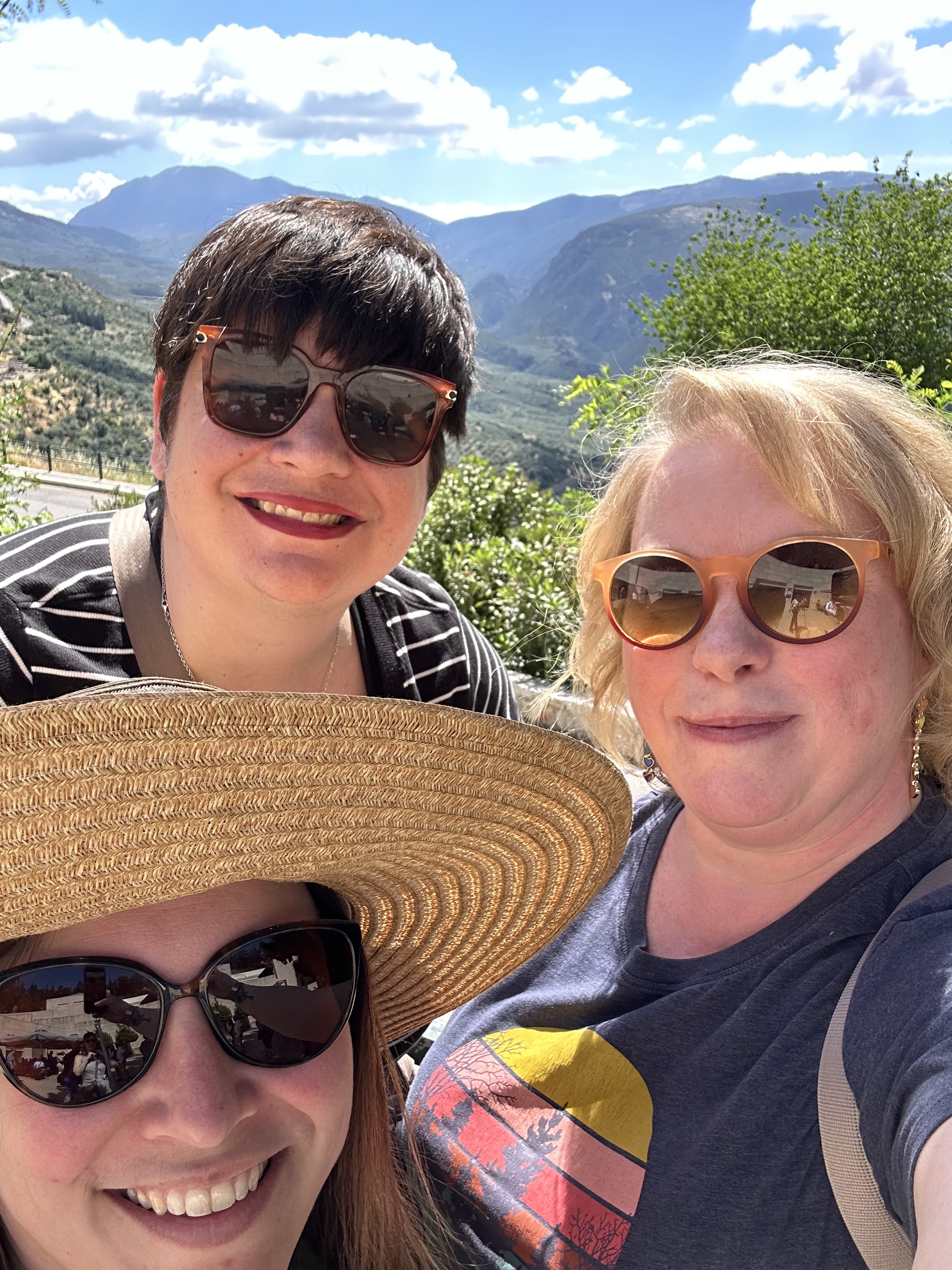
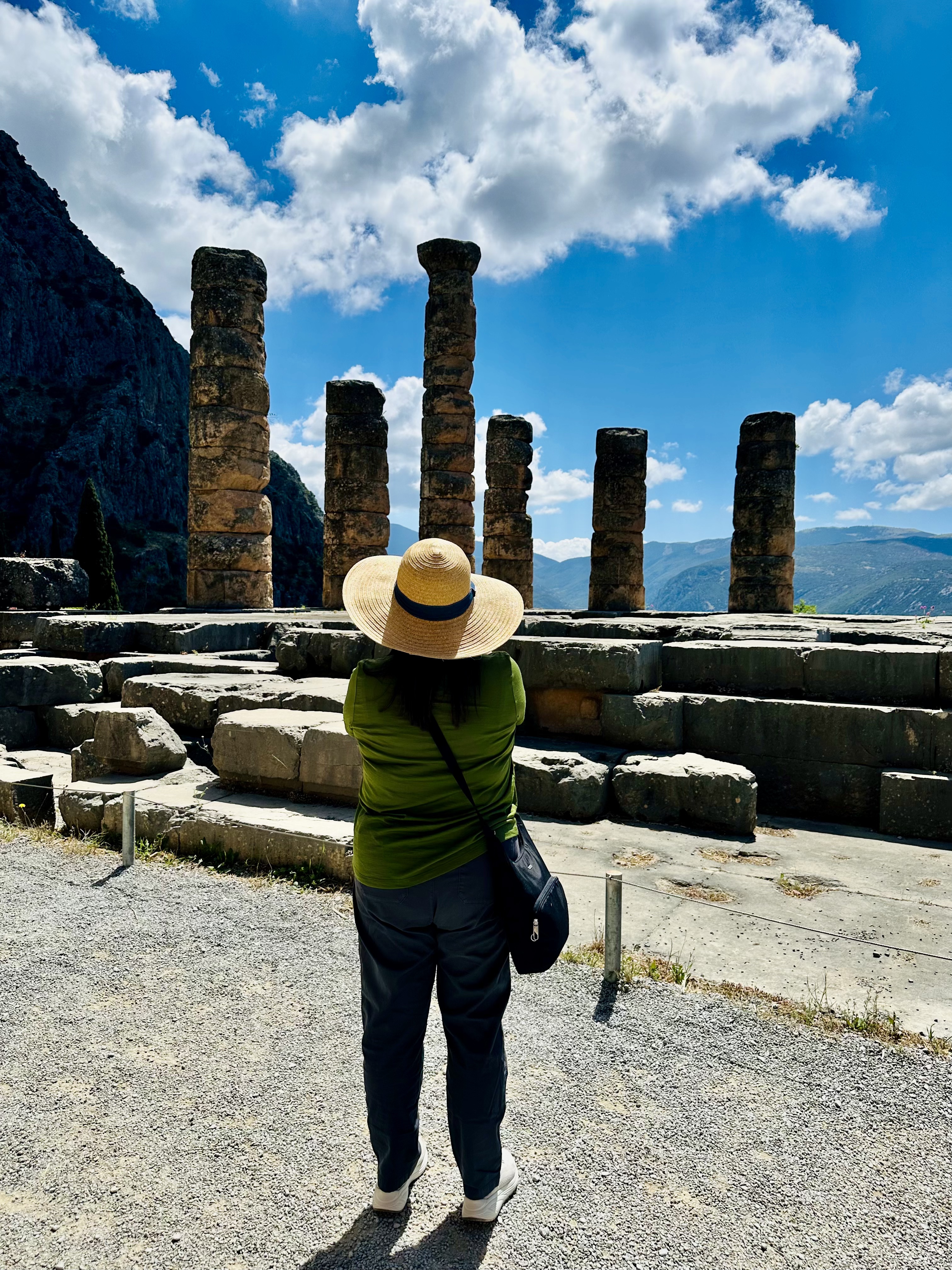
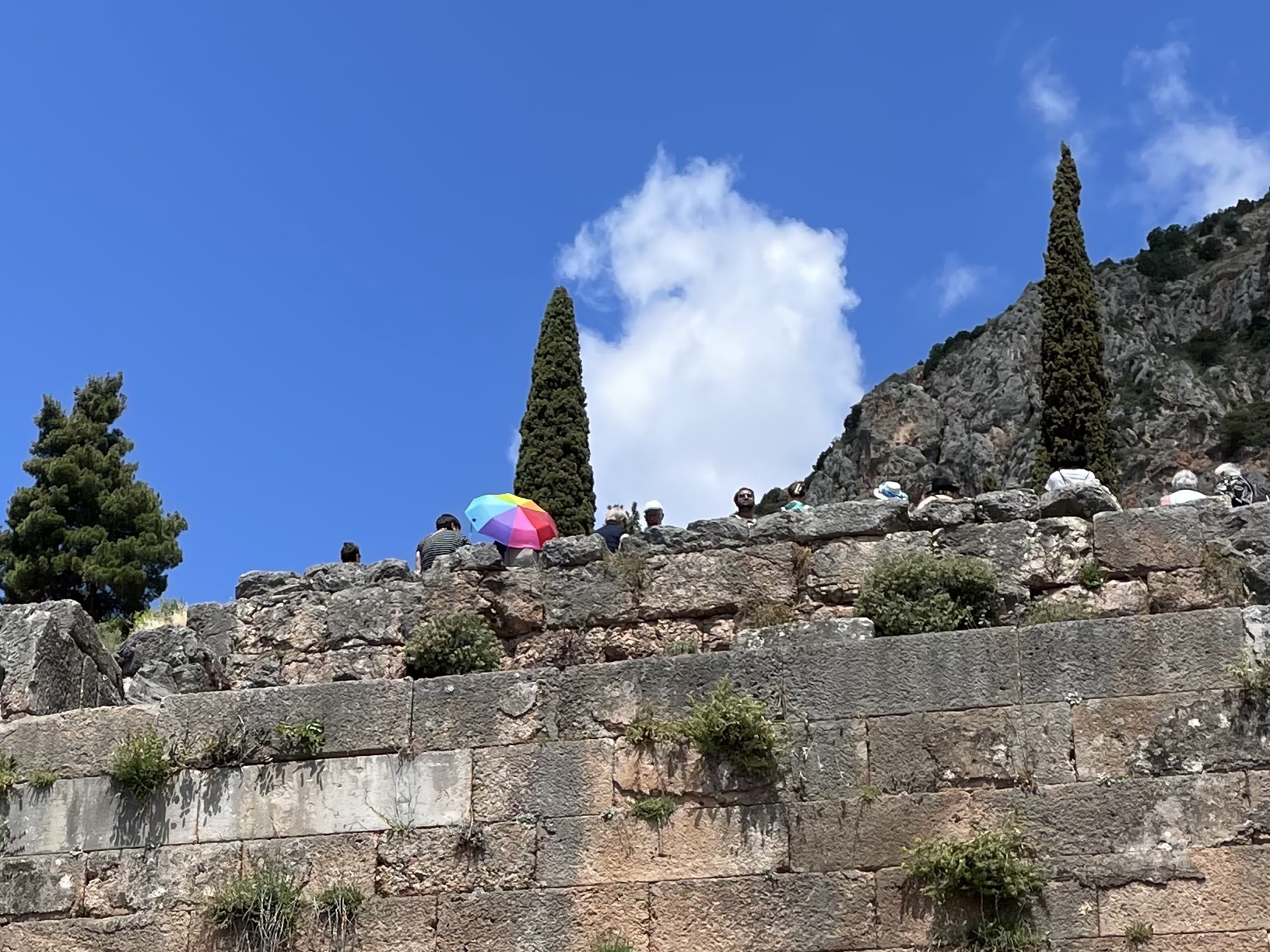
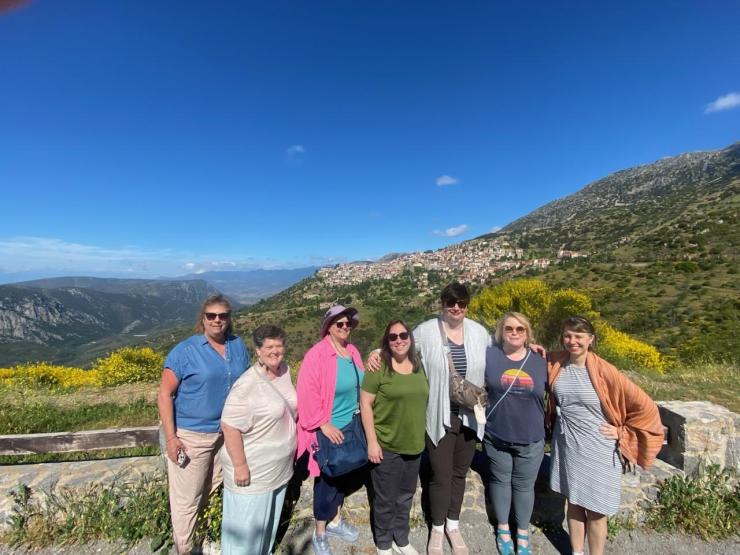
It was a beautiful day and I enjoyed climbing all the way to the arena at the top of the hill. Part of my joy was that I chose today to wear my dinosaur shirt. (I purchased it because it was the exact color of moss canyon in the Redwood Forrest national park where scenes from Jurassic park were filmed and I wanted to blend in when I visited later this summer). It arrived in time for the pilgrimage so I wore it to Delphi knowing that I would need to climb and explore. Sarah said I was a brave billy goat (best compliment ever). The silly green shirt certainly brought a lot of joy that day. Carla and I made it to the top together. I think the other pilgrims did too but we all went at different paces.
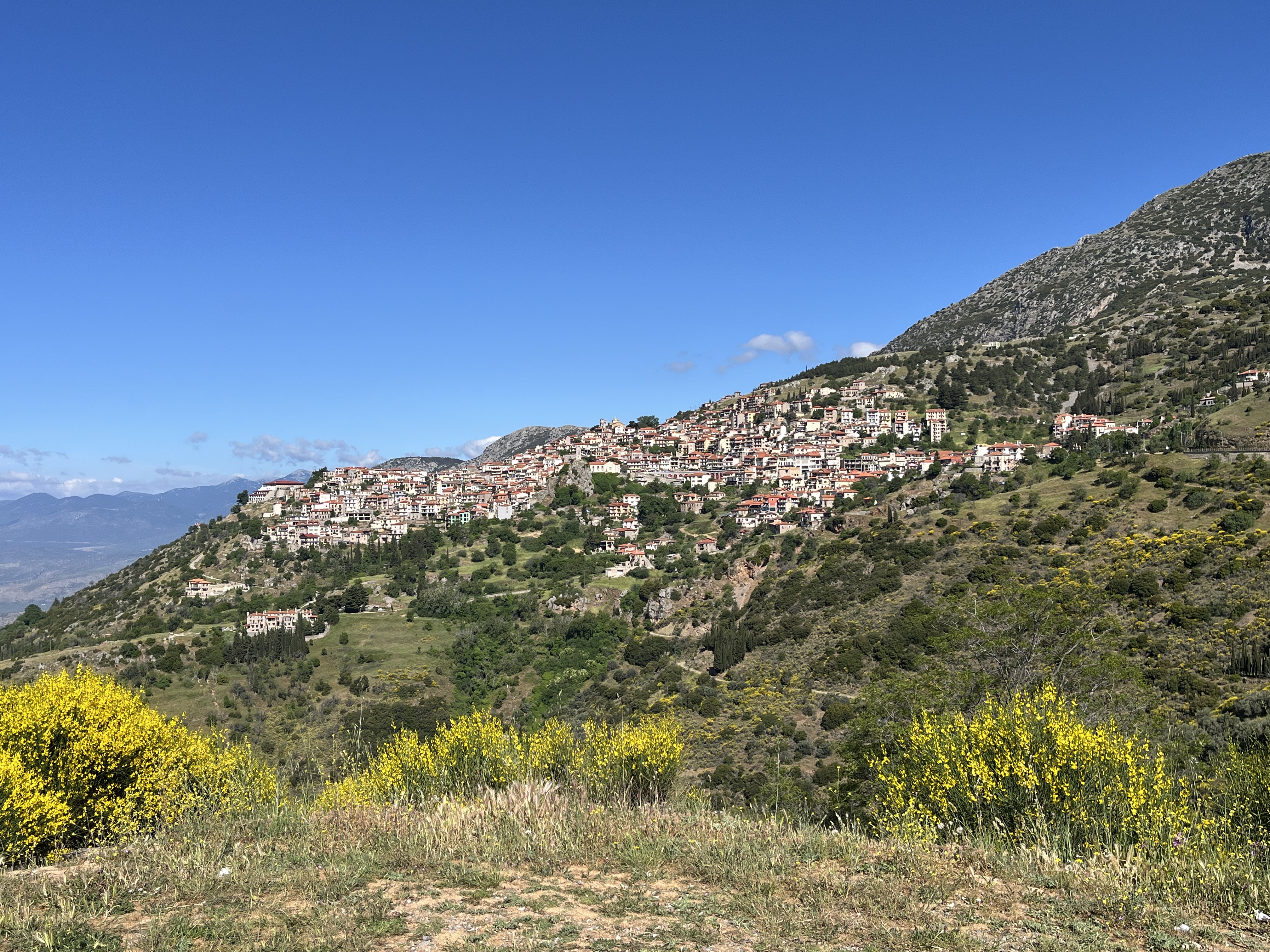
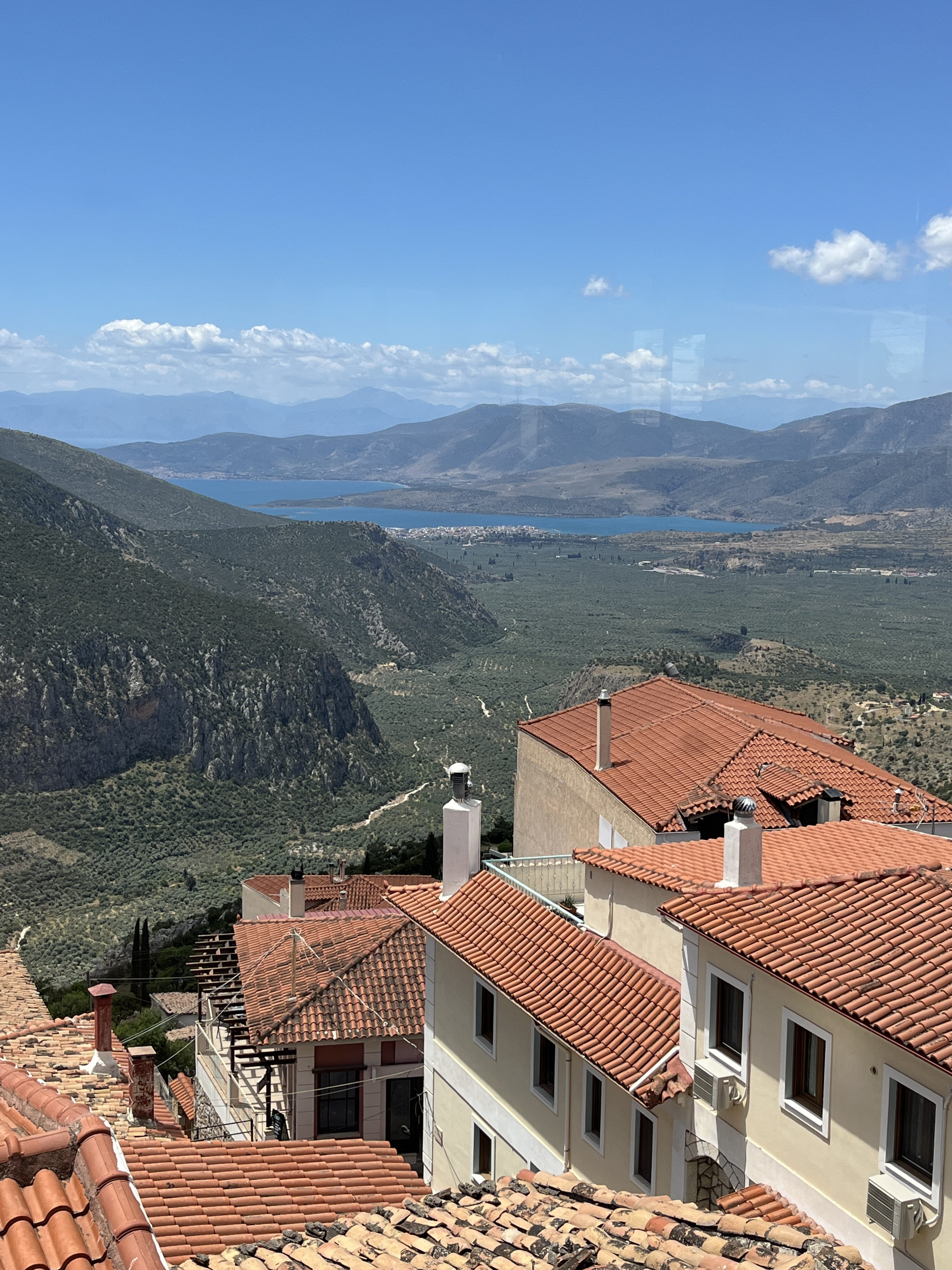
The town near Delphi is a sky resort and we ate lunch there overlooking the Ionian Sea. Bill made sure we got the table with the best view.
May 16th: Corinth
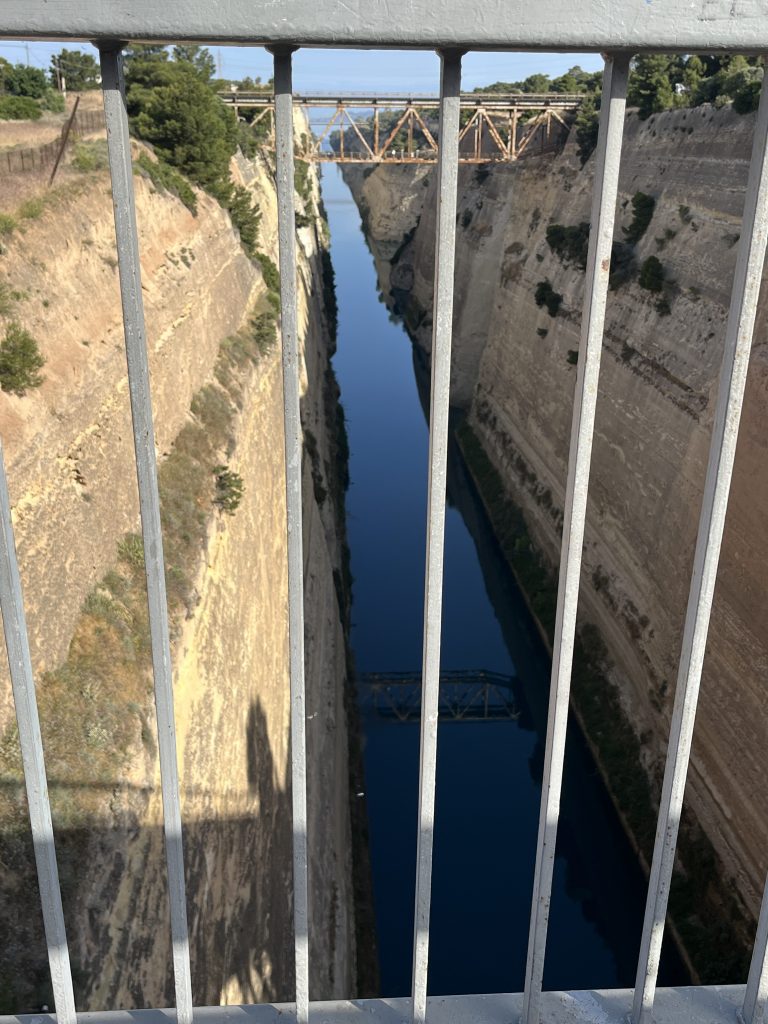
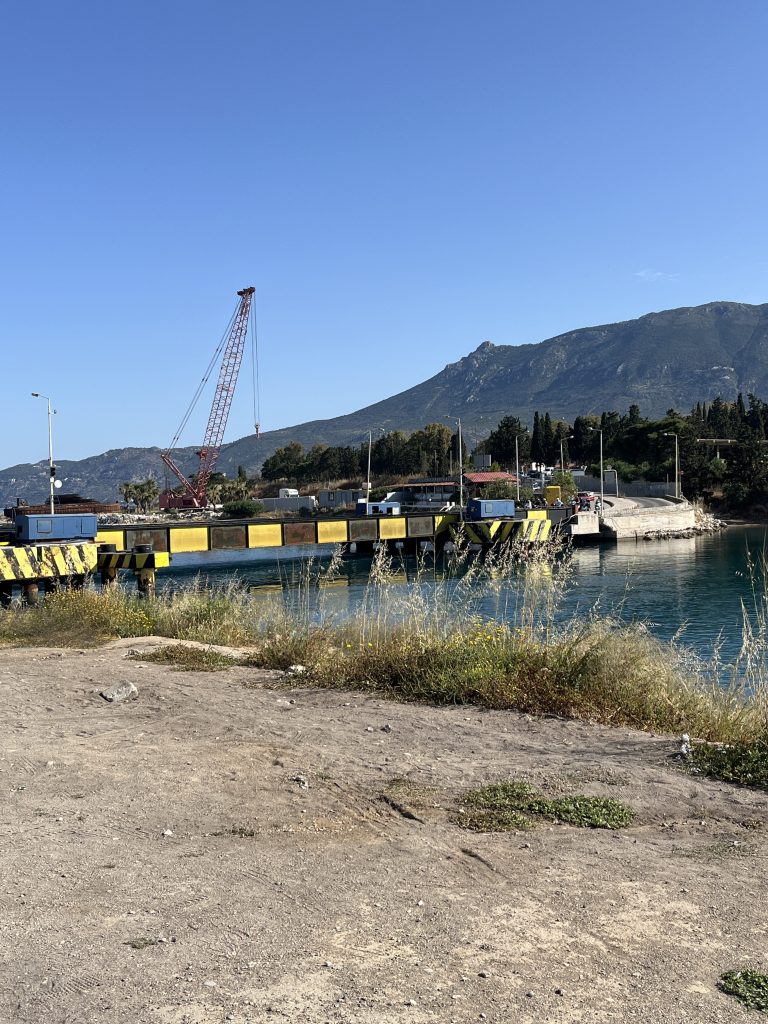
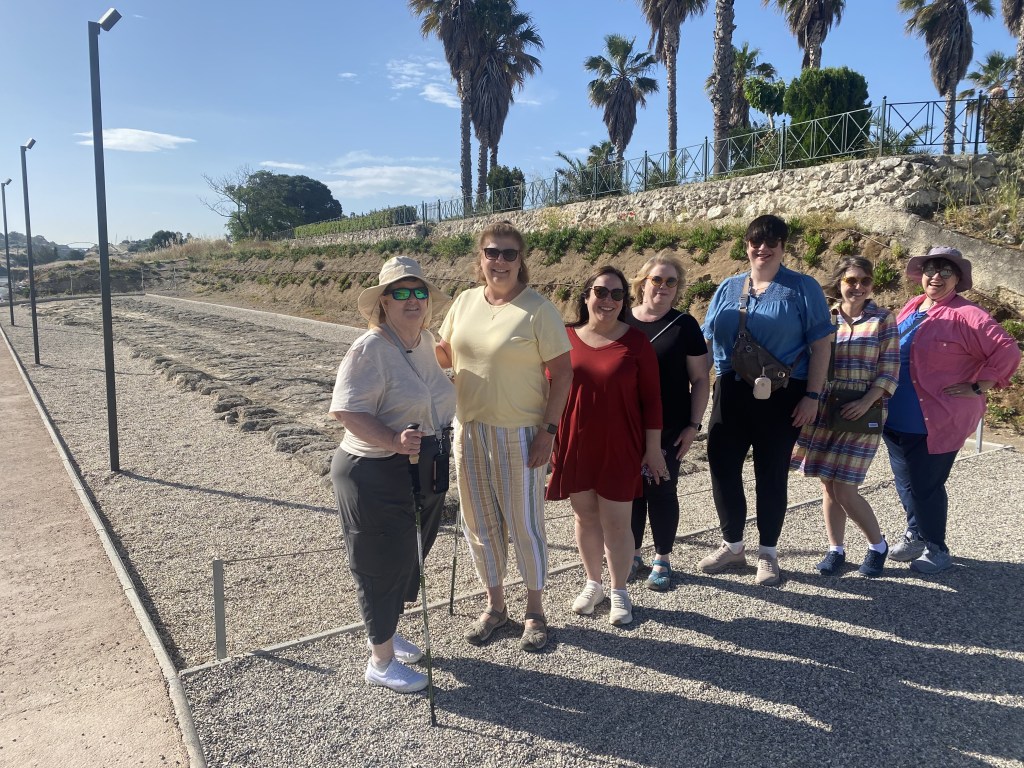
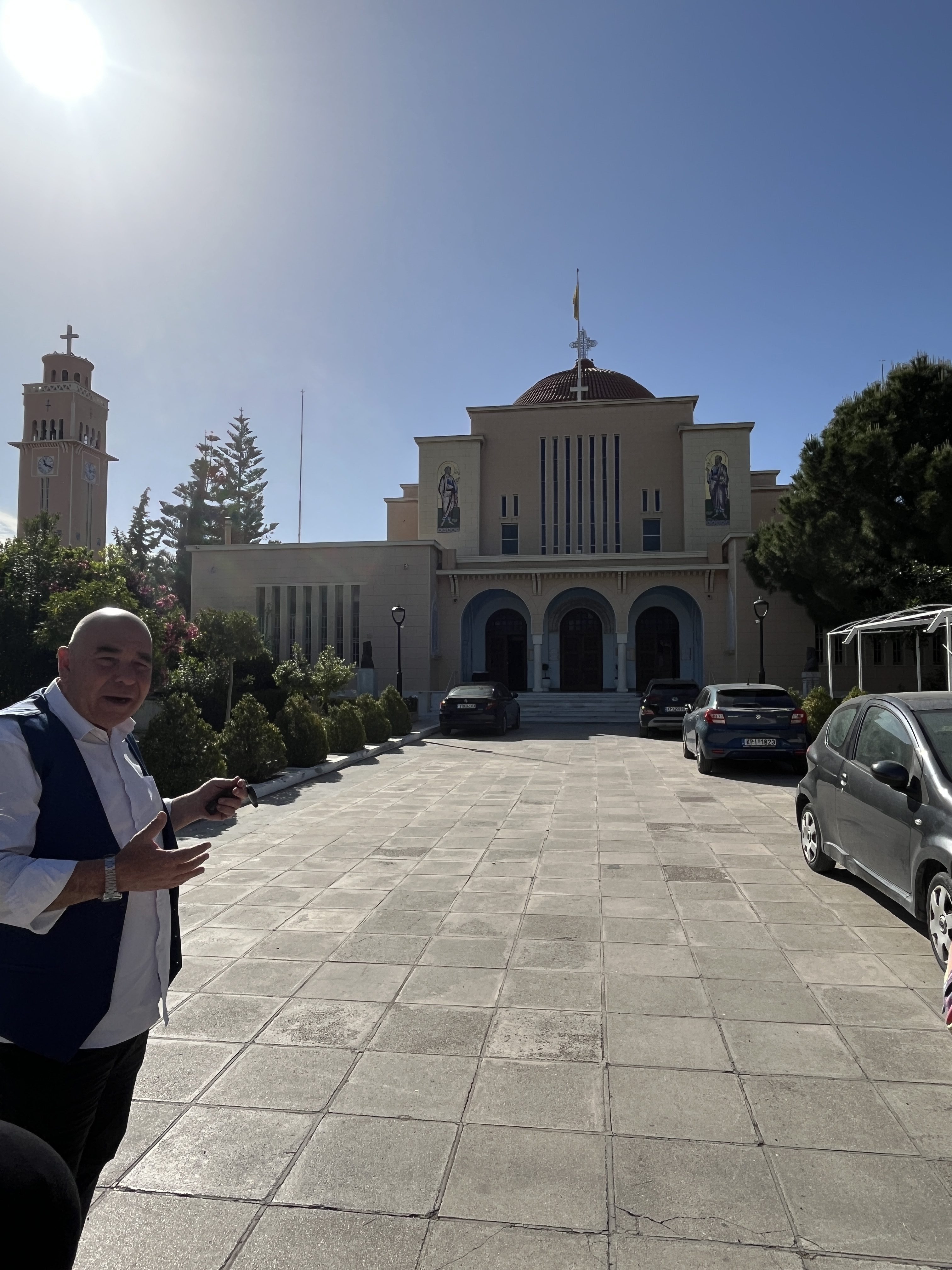
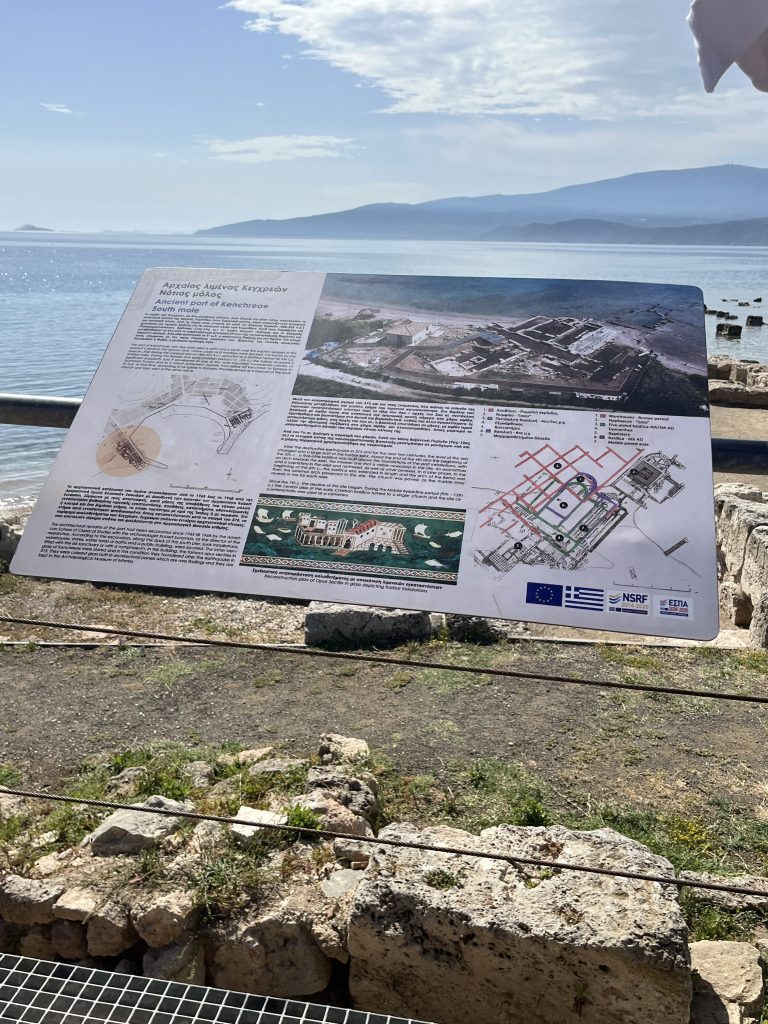
Bill was our tour guide again today. He gave us a little background information for each of our stops and he was a good sport about taking group photos of us. We saw the Corinth Canal that connects the Ionian and Aegean Seas, The Apostle Paul Church with a beautiful mural, the Ancient Port of Kenchreae which had a church on the water for easy baptisms. (It is also the place where Paul sent Phoebe to Rome with his letter), Archeological site of Corinth and museum. (Corinth is also where Paul worked with Priscilla and Aquilla), and the Acrocorinth.
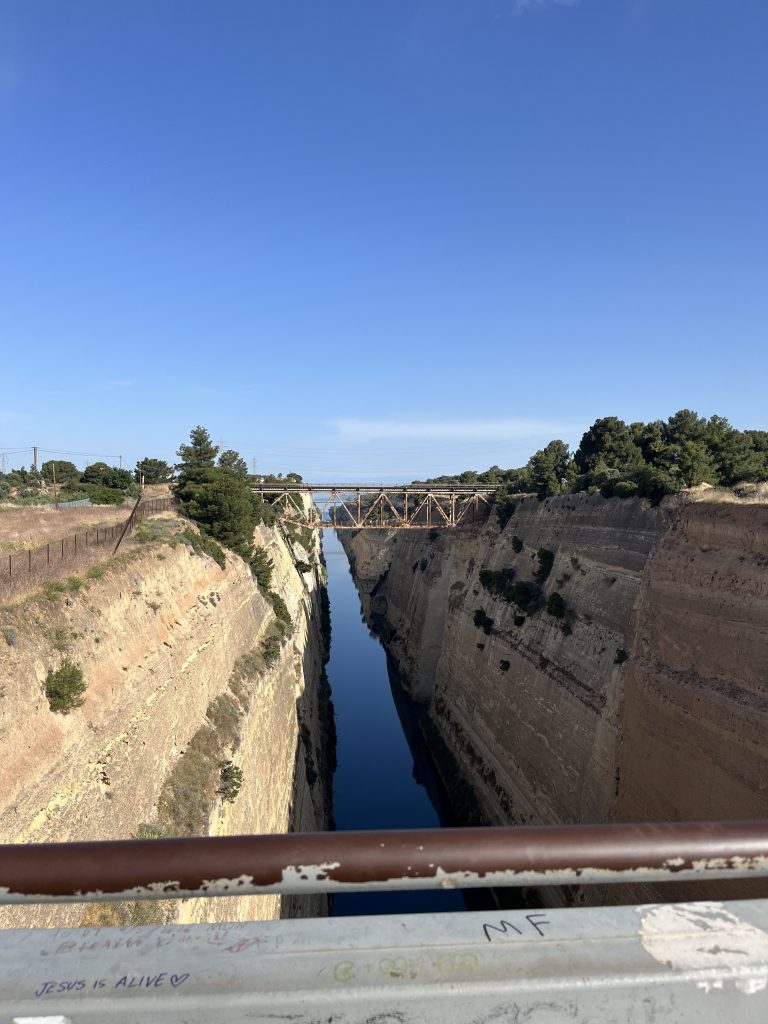
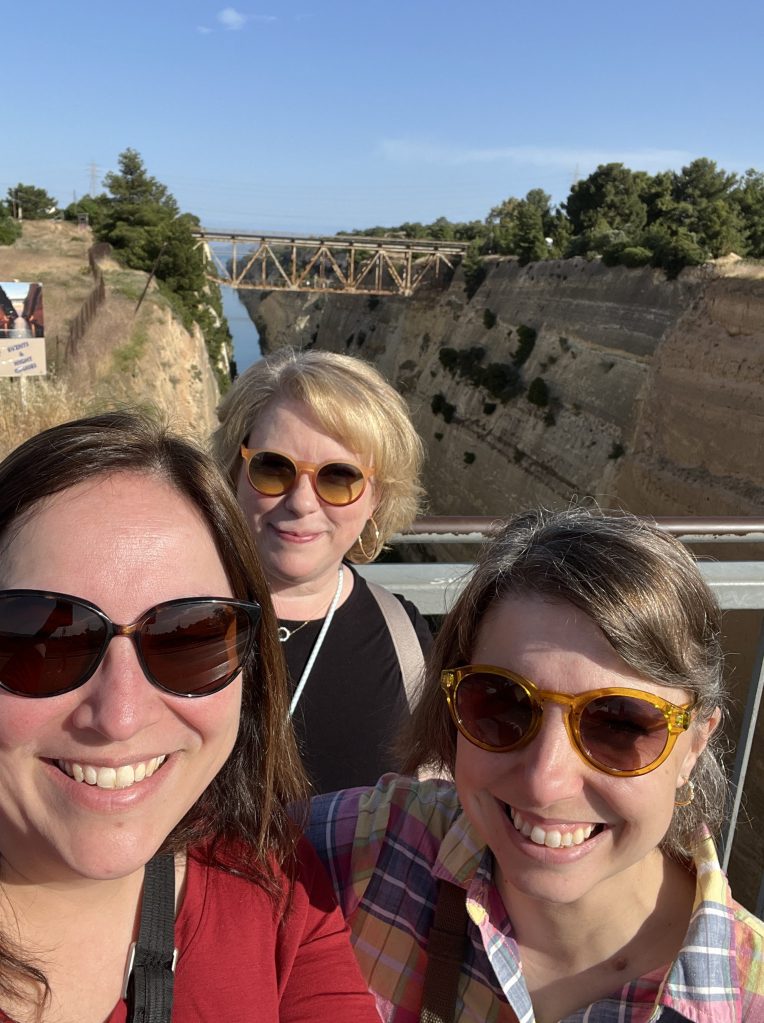
Corinth Canal don’t look down… its too far down… I couldn’t stand close to the railing… too scary. This canal is deep enough and wide enough to accommodate large cruise ships and cargo ships. The video in the link really helps with the scale. Pictures just don’t do this justice.
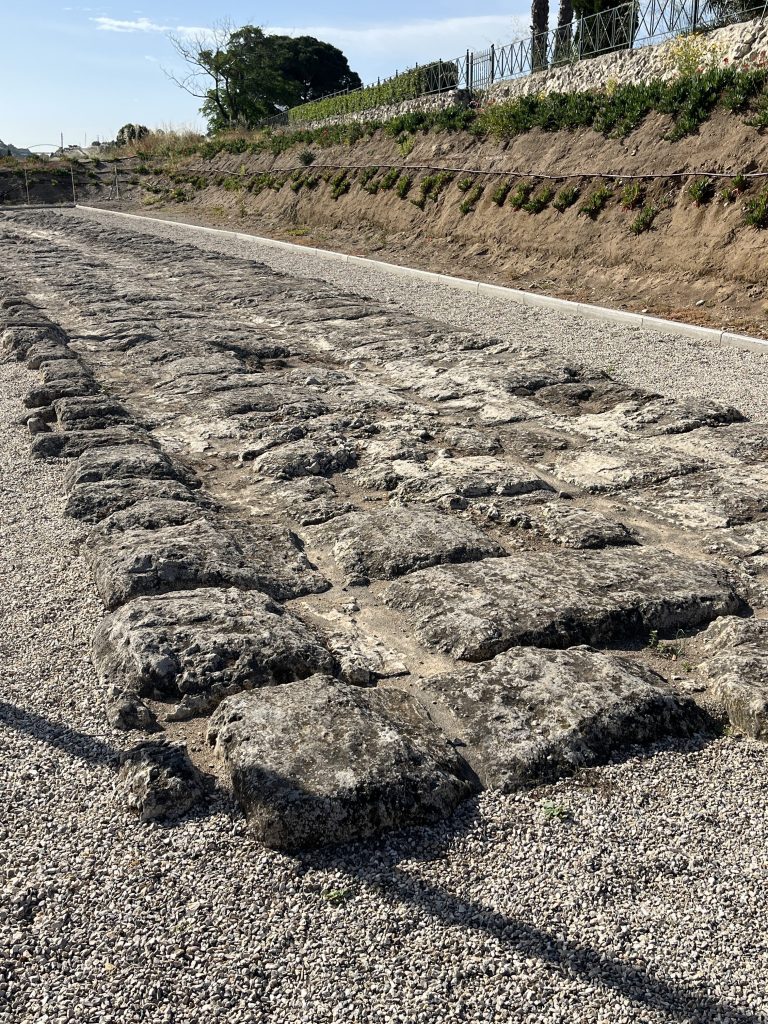
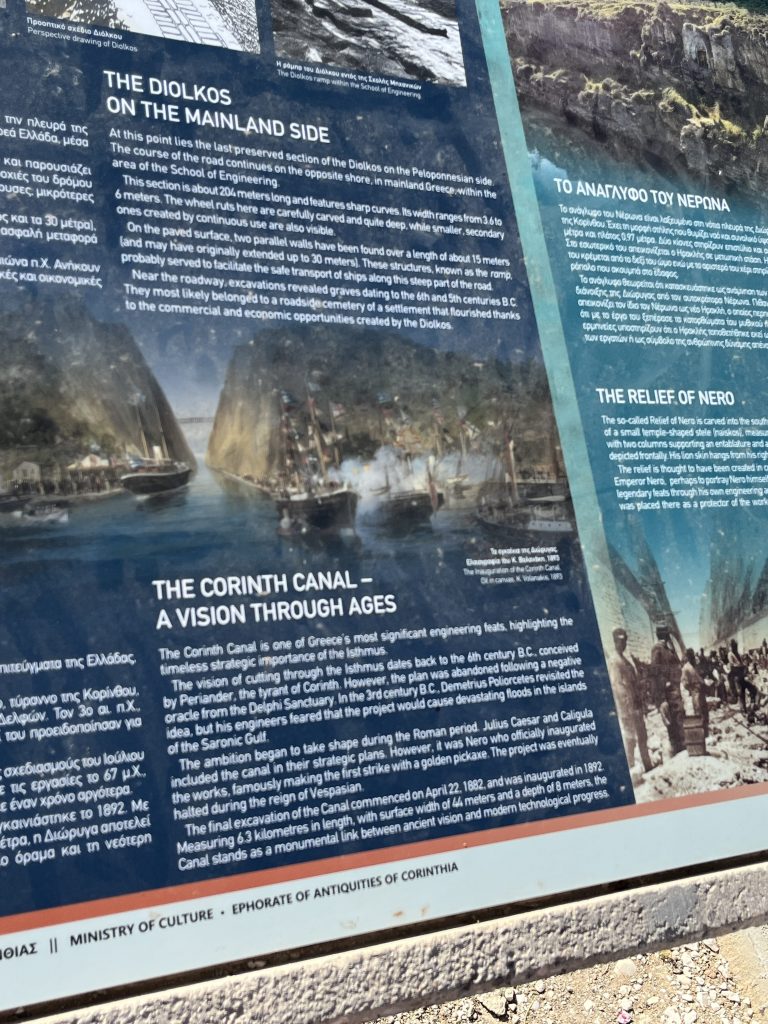
Ancient Diaikos
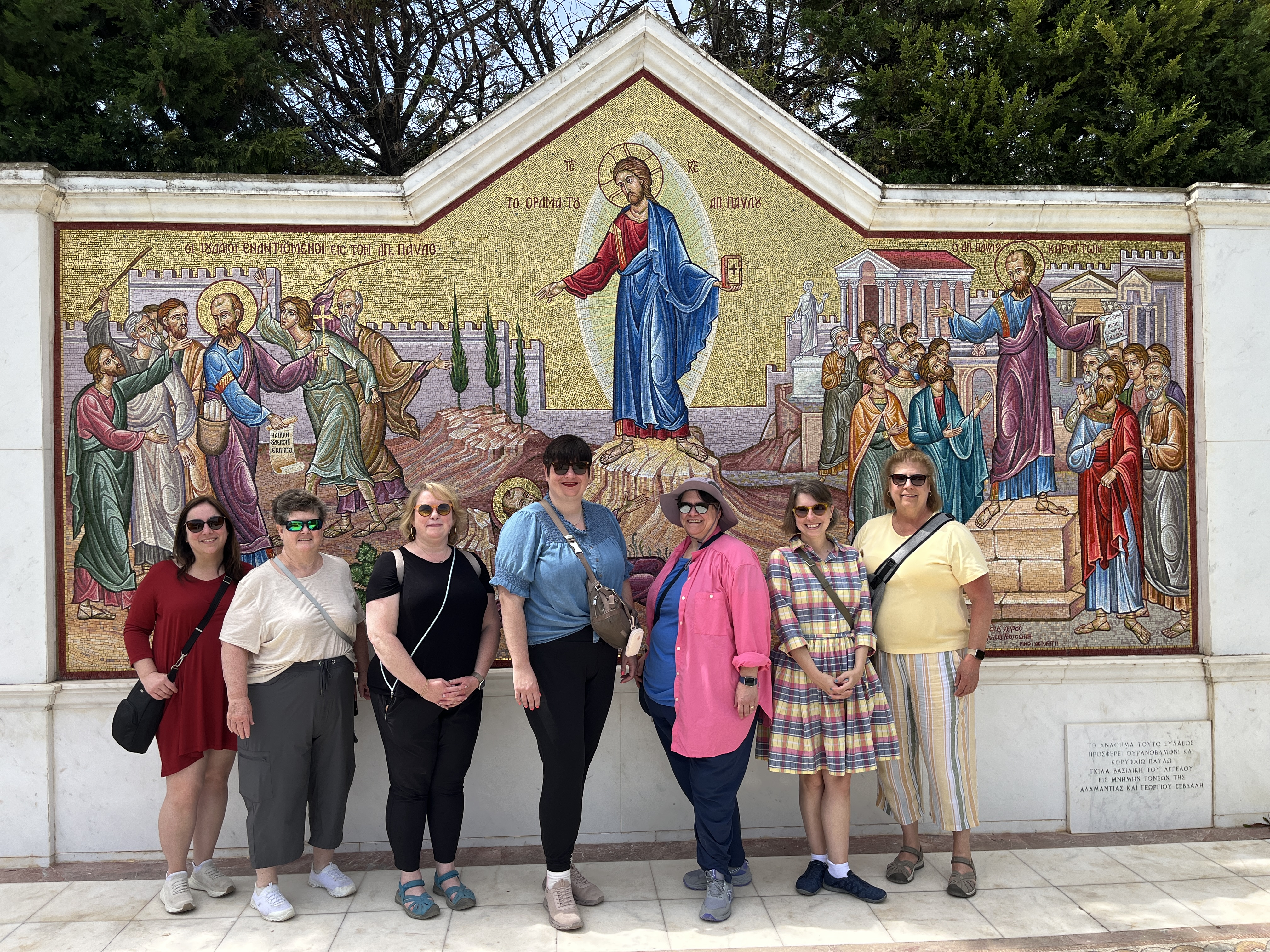
St. Paul Church
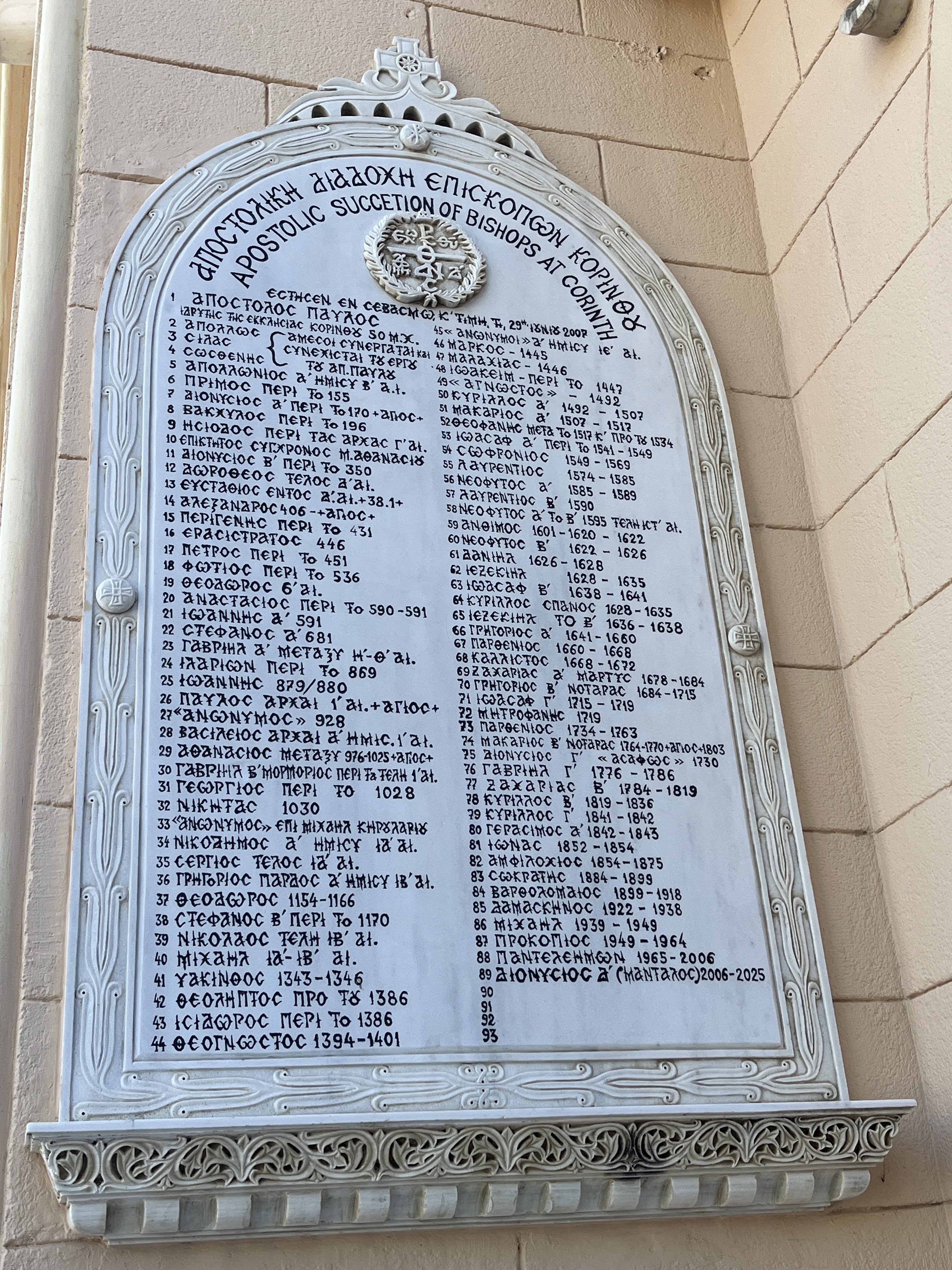
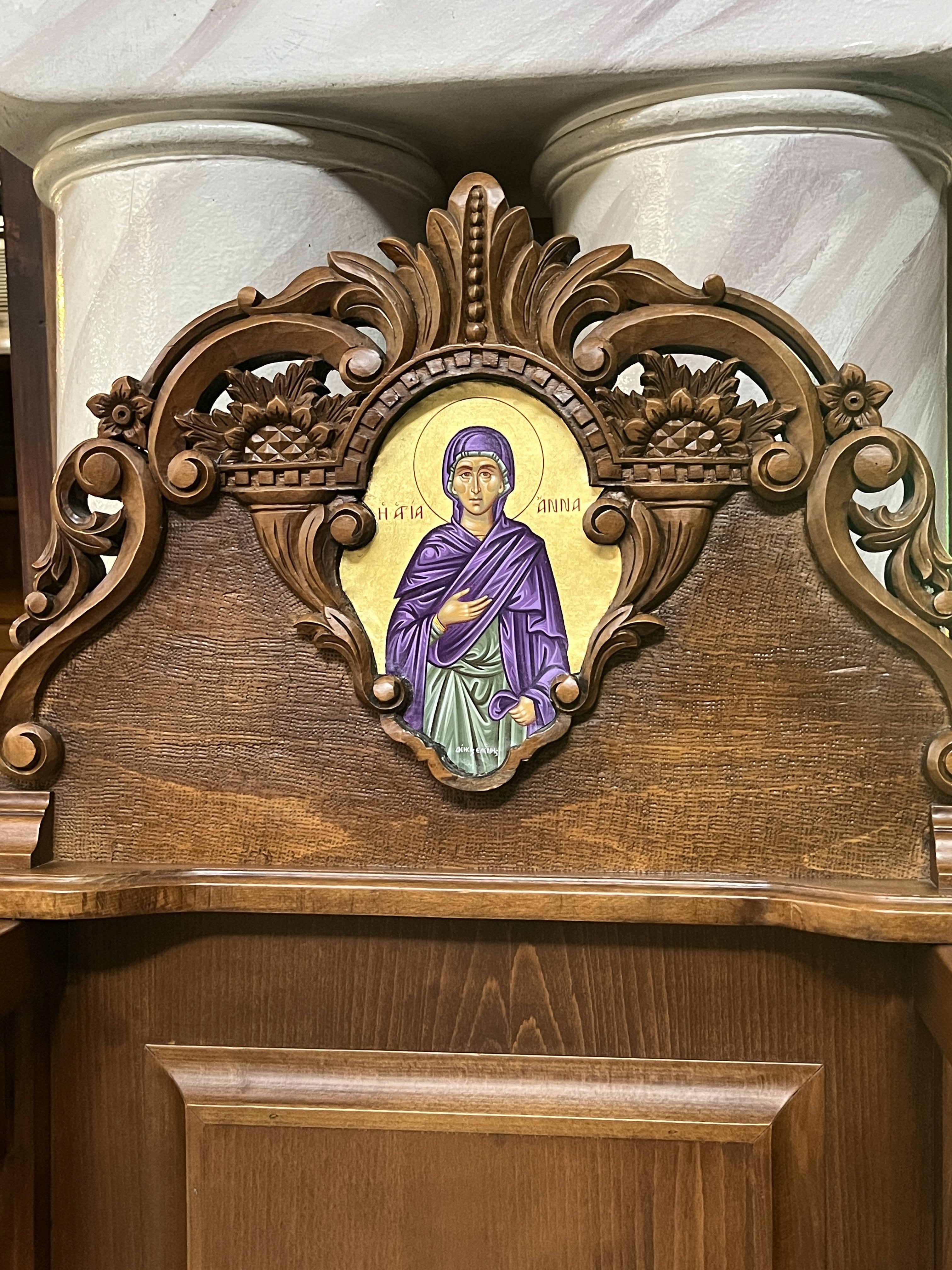
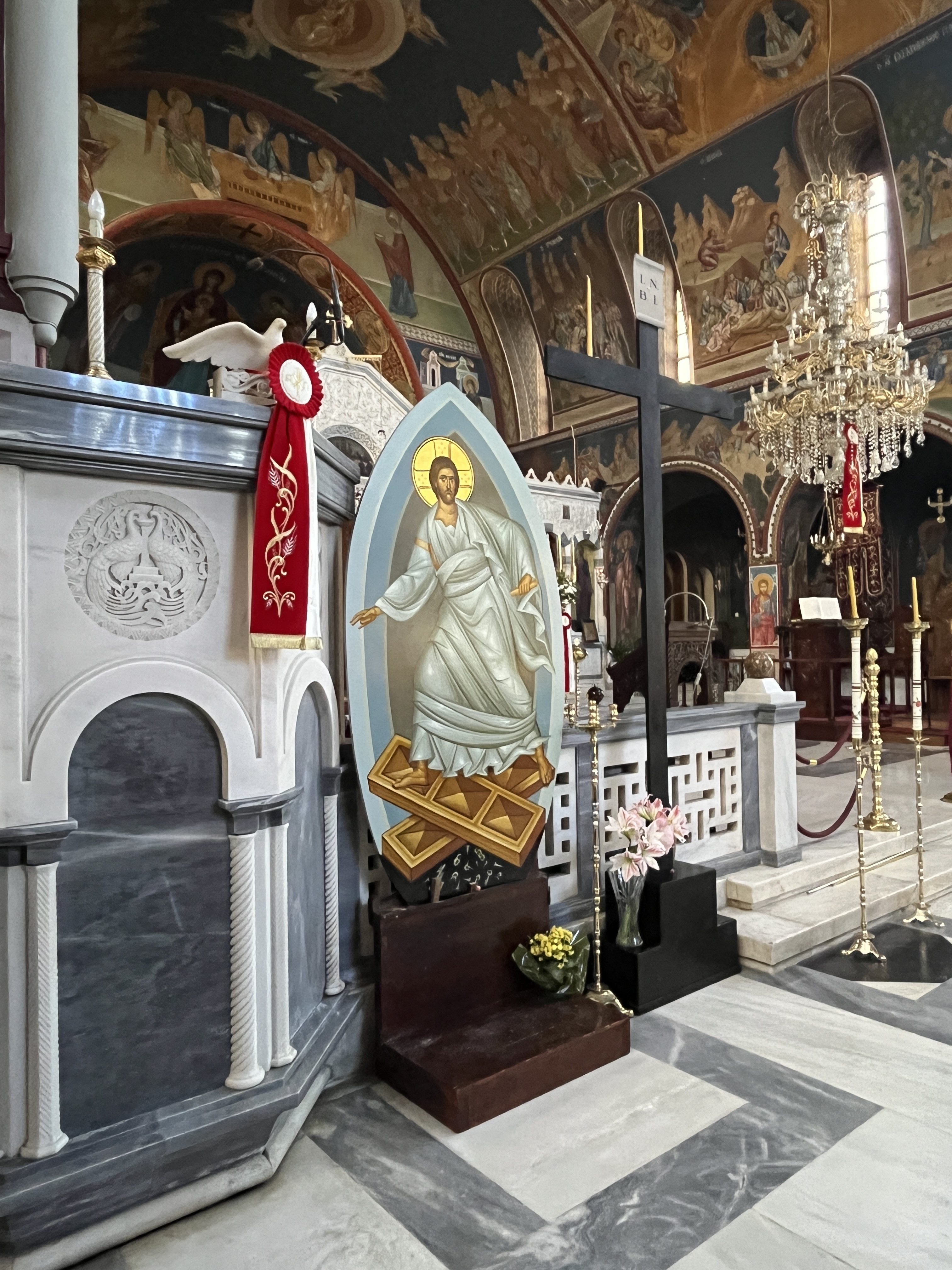
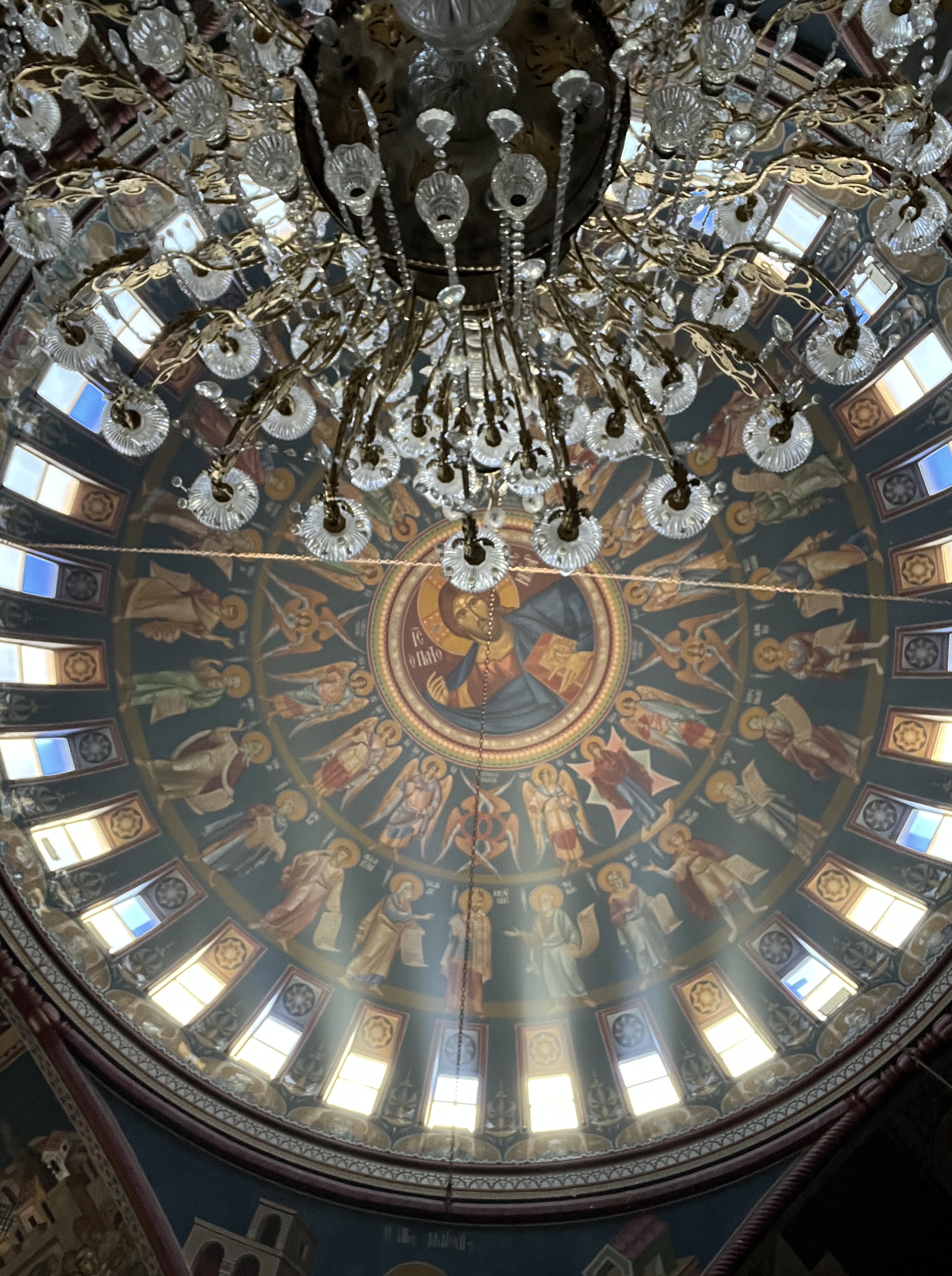
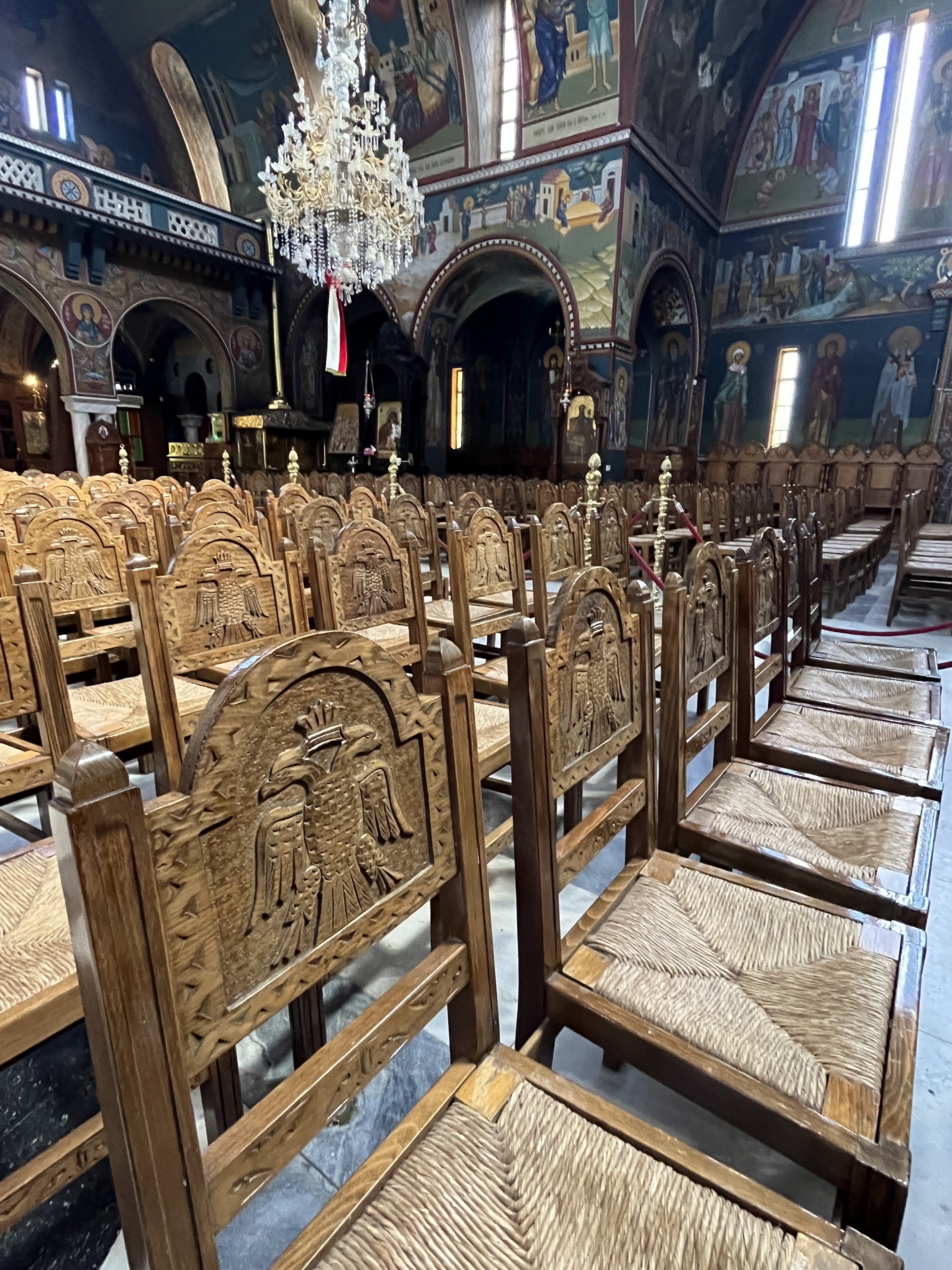
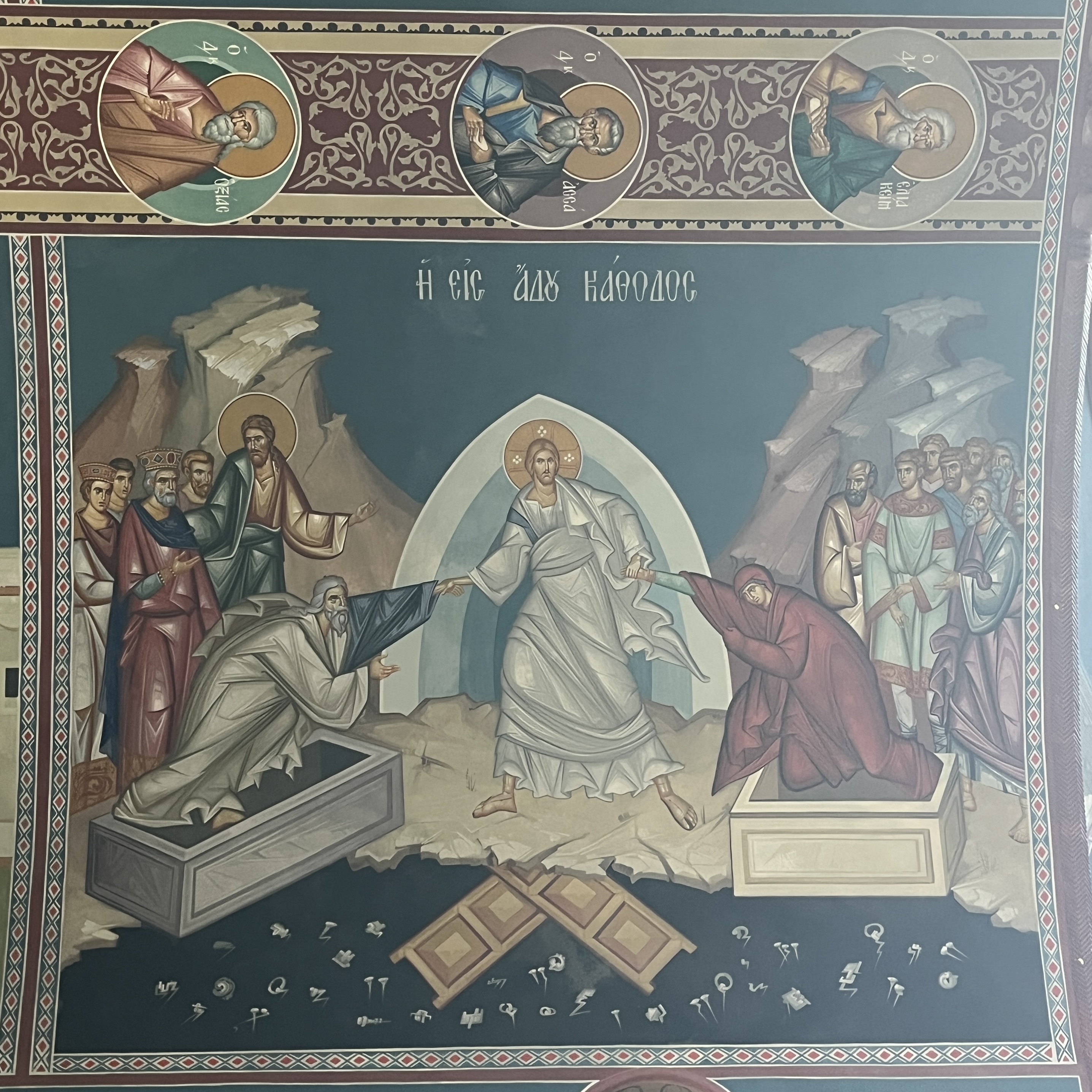
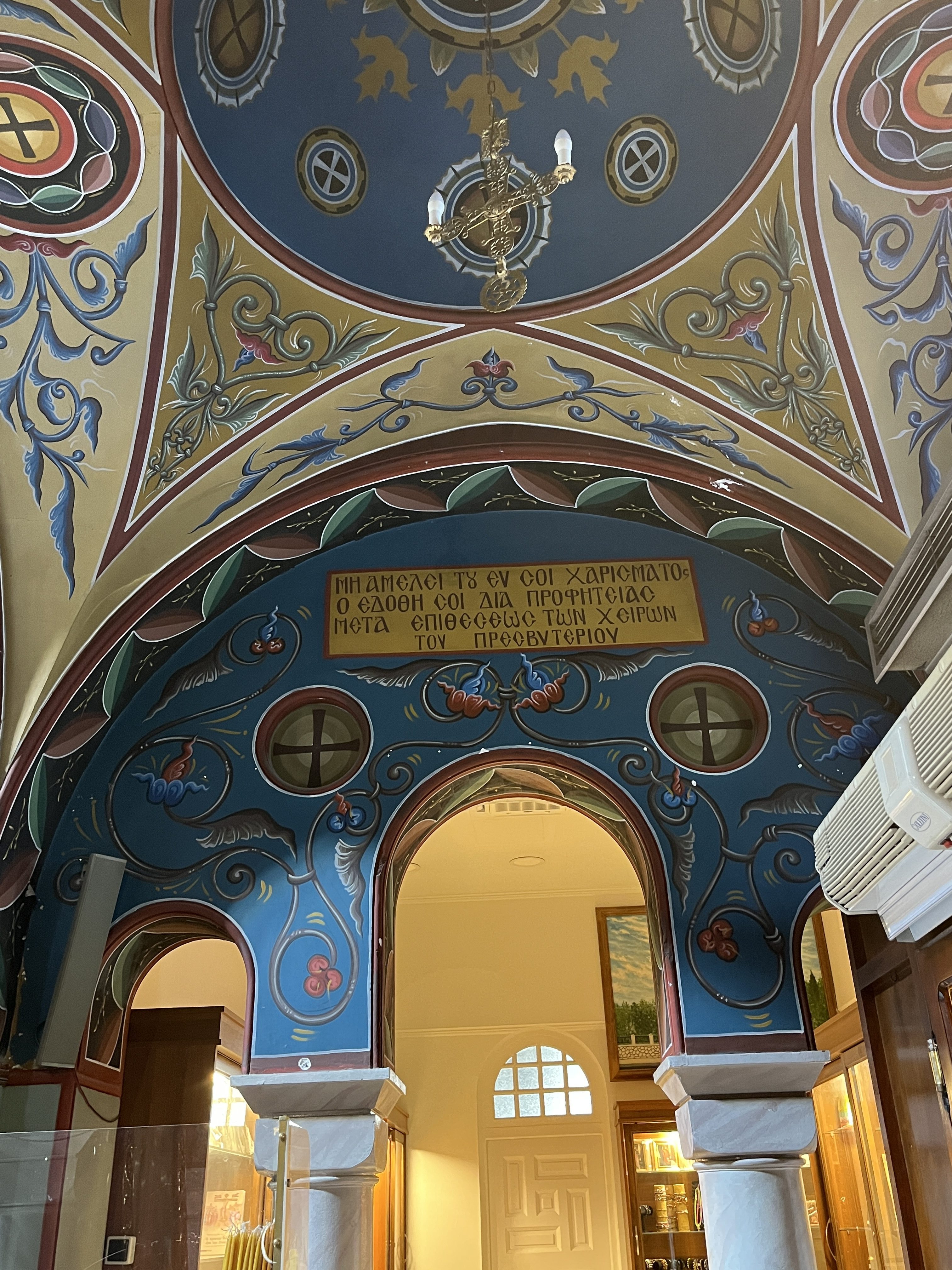
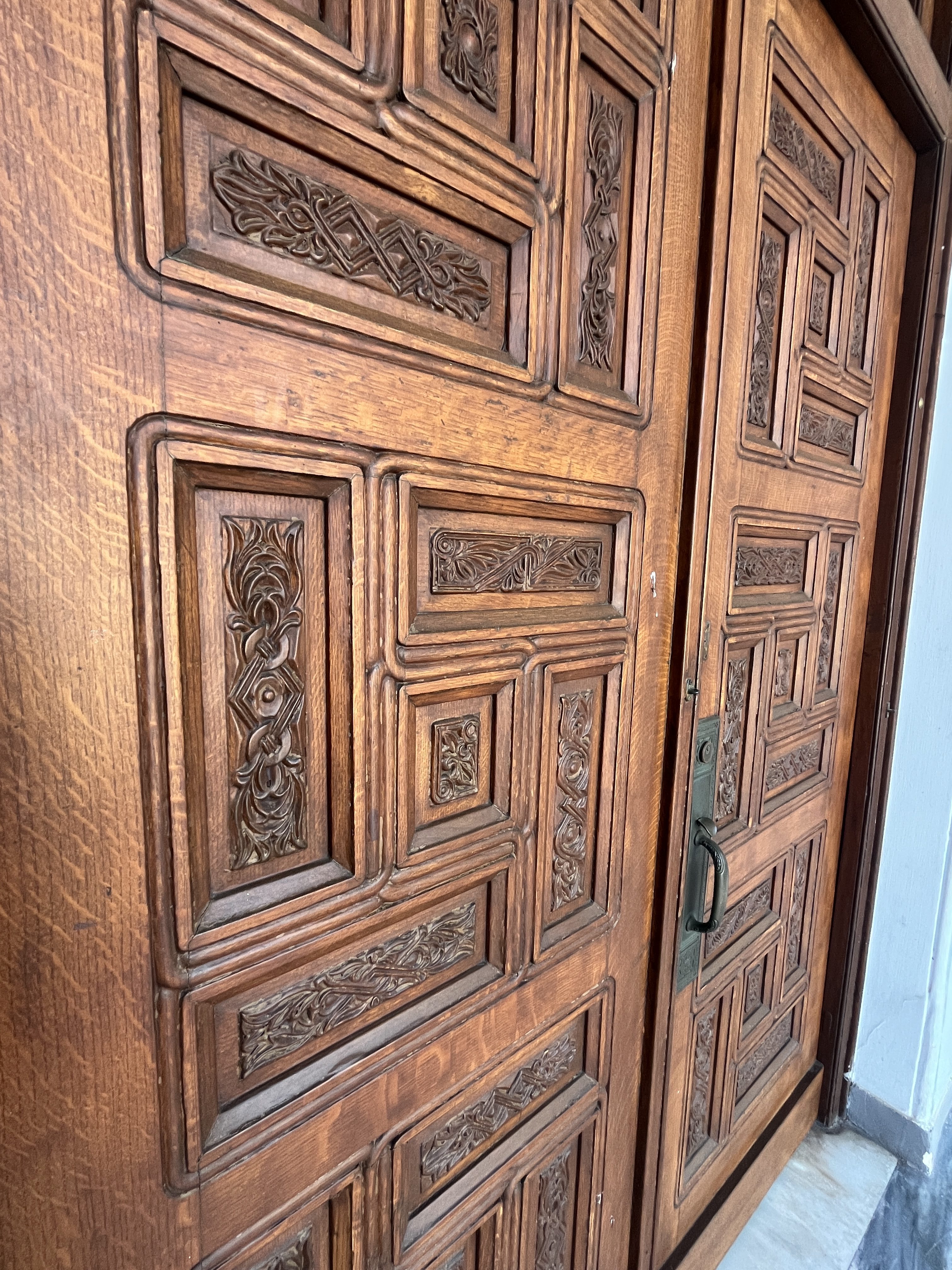
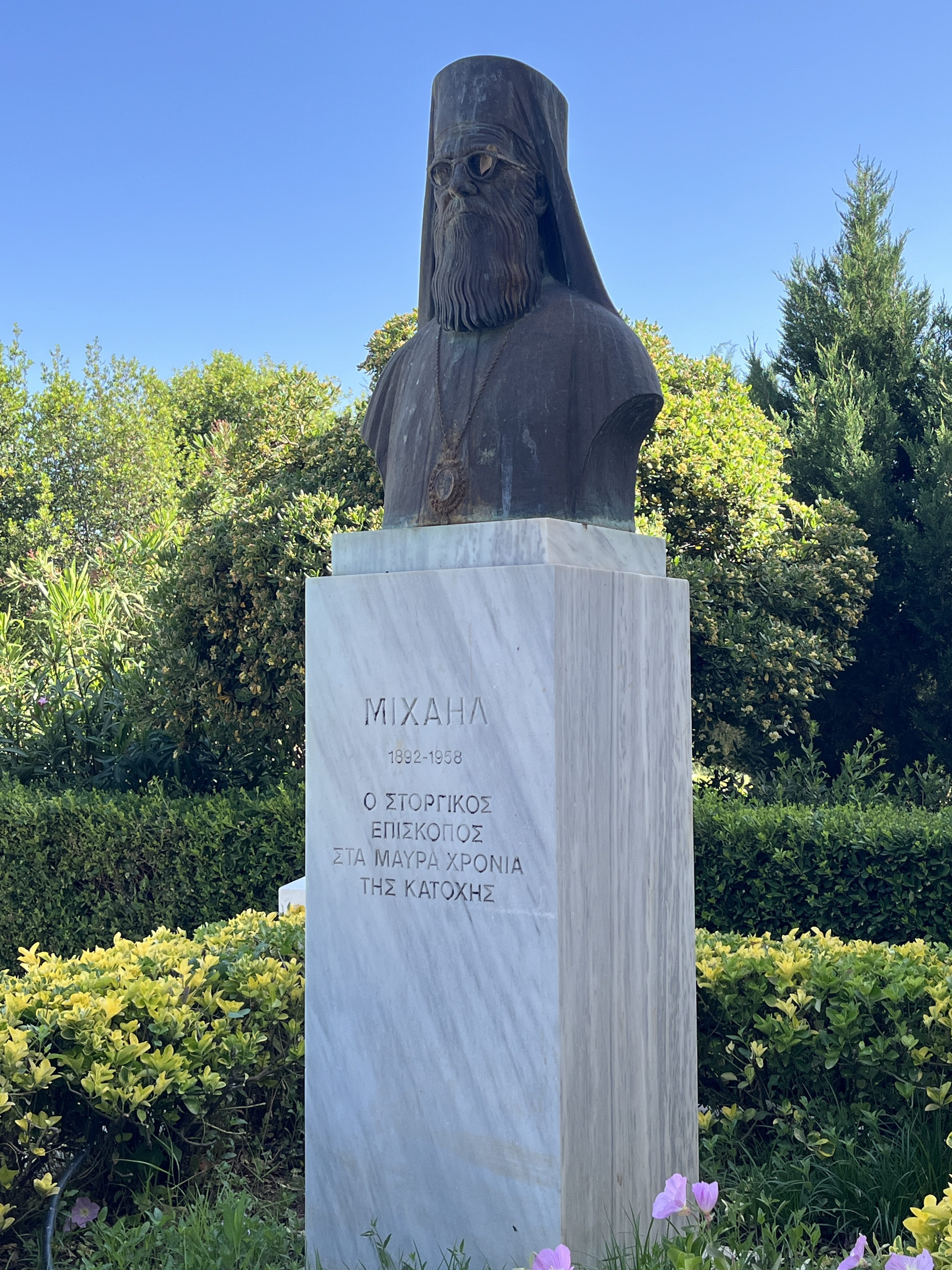
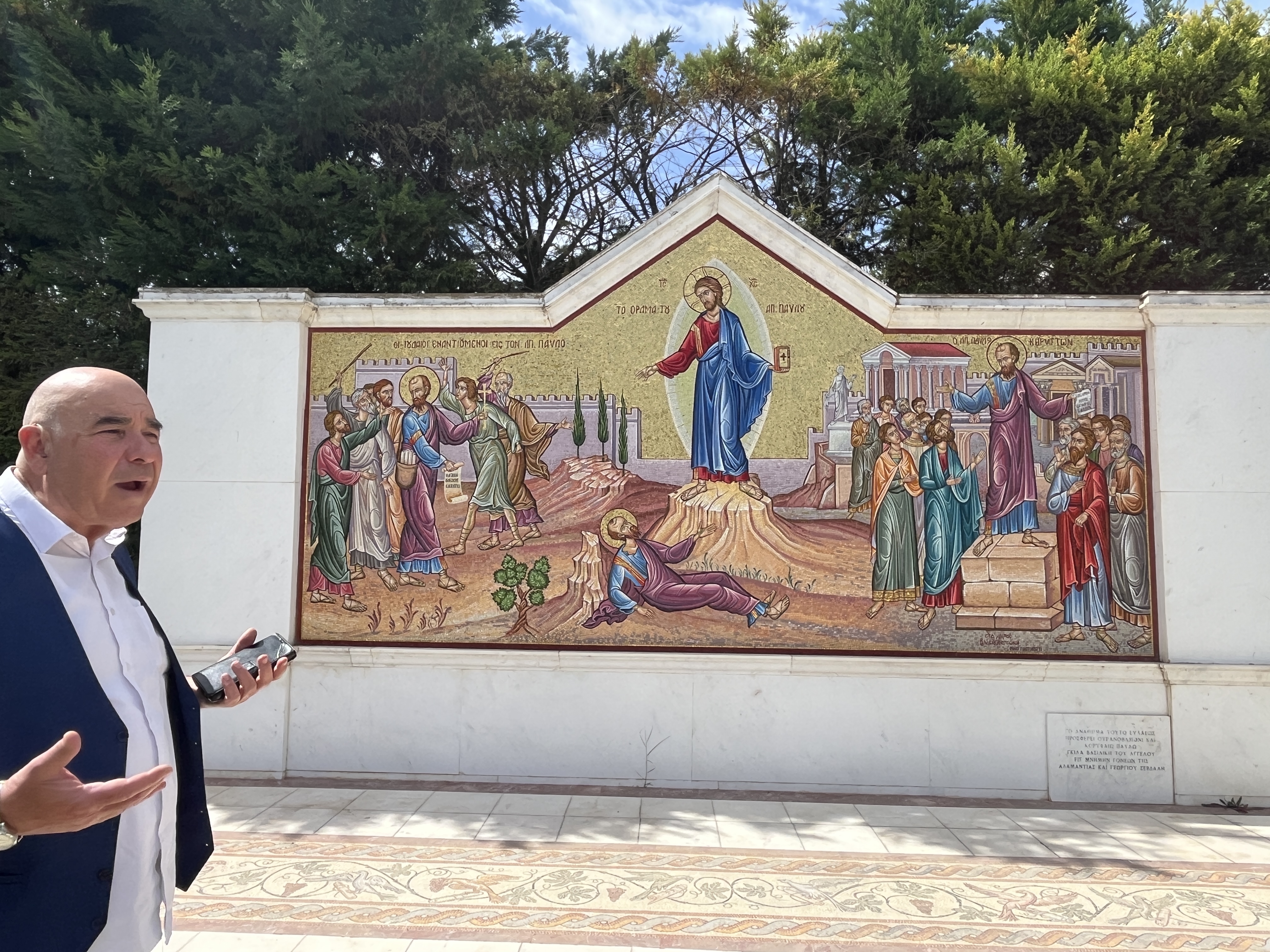
Ancient Port of Cenchreae
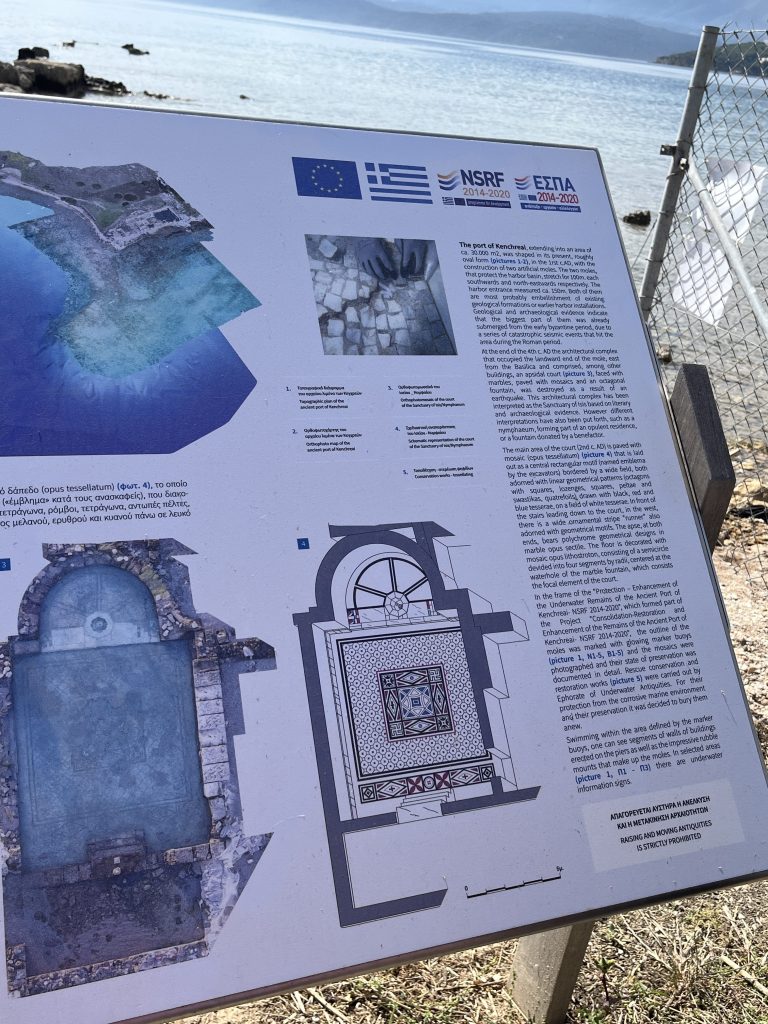
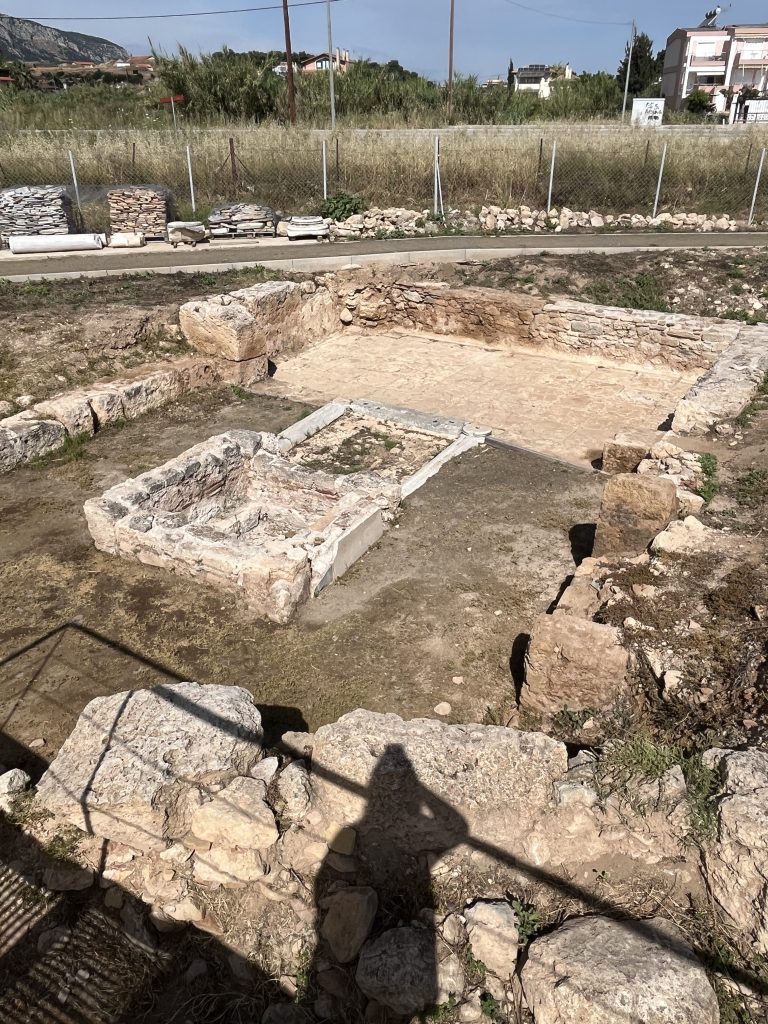
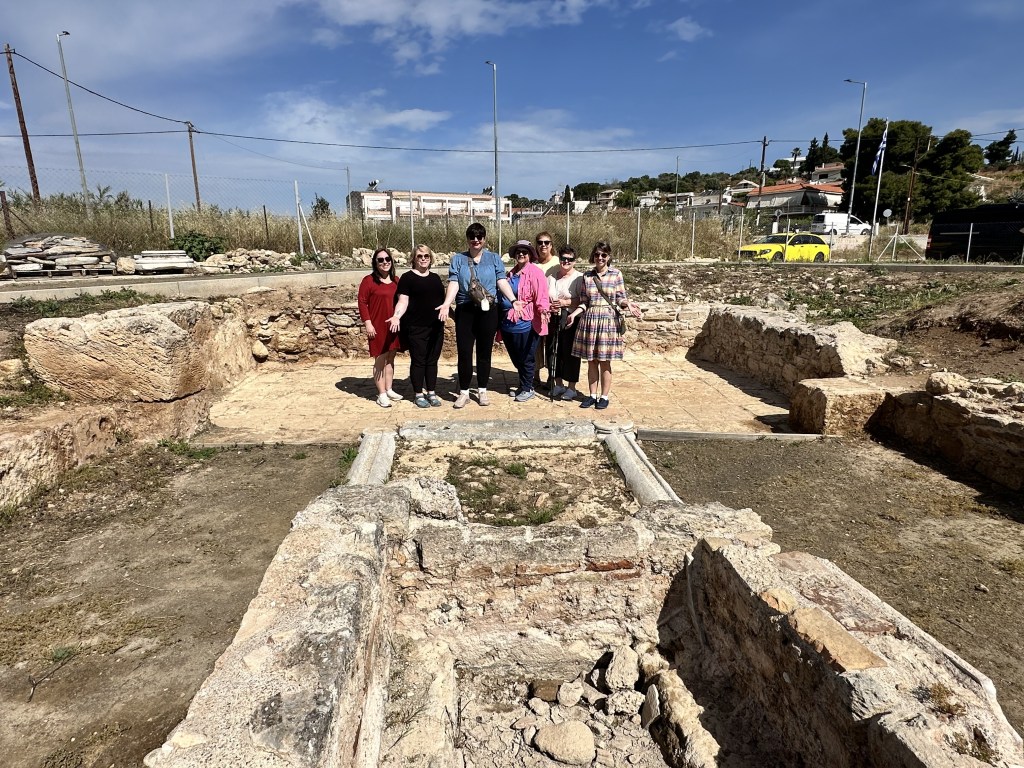
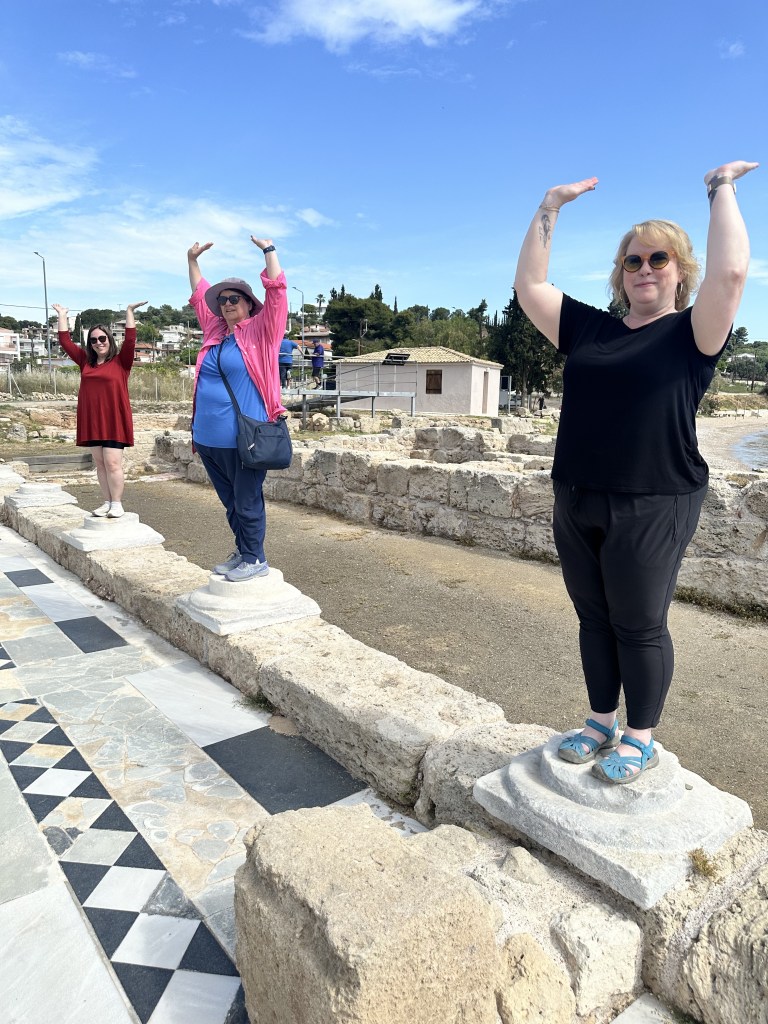
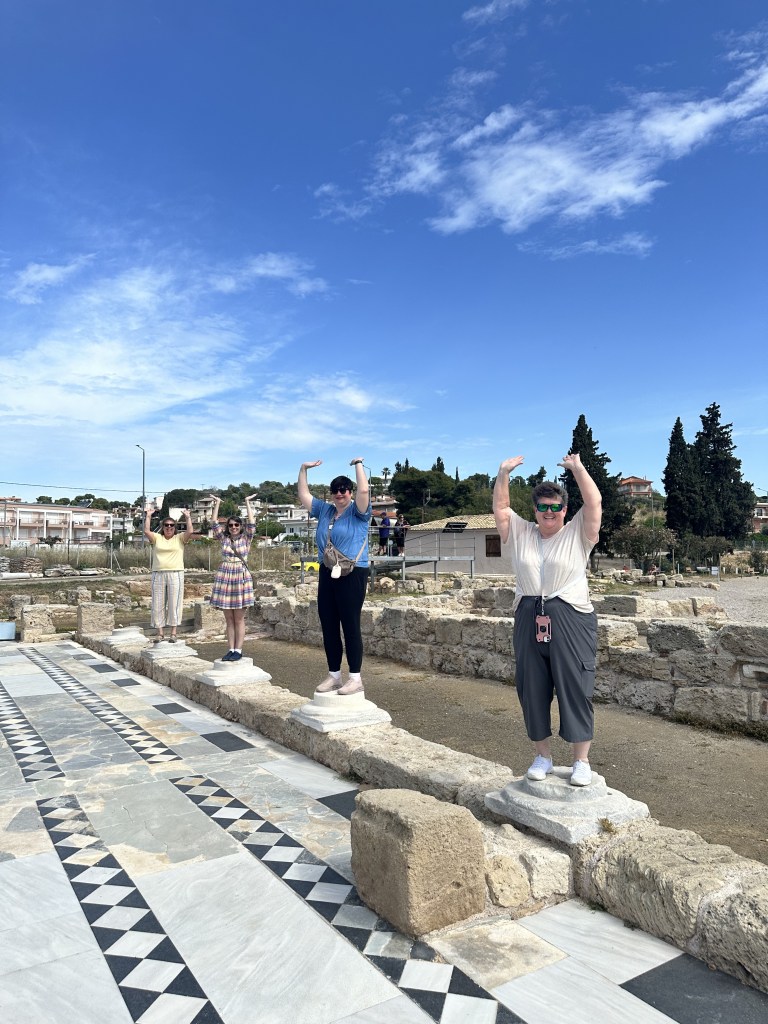
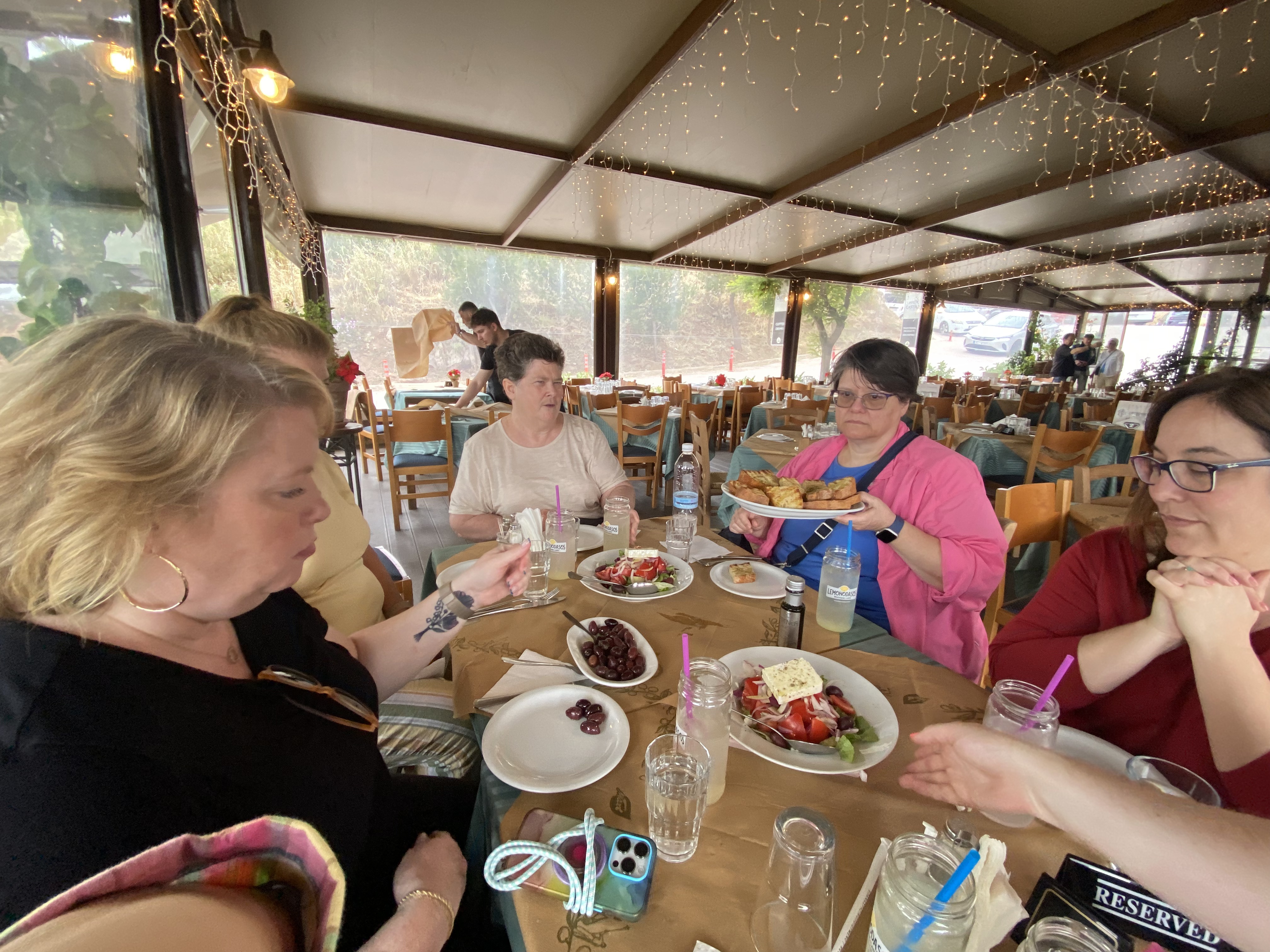
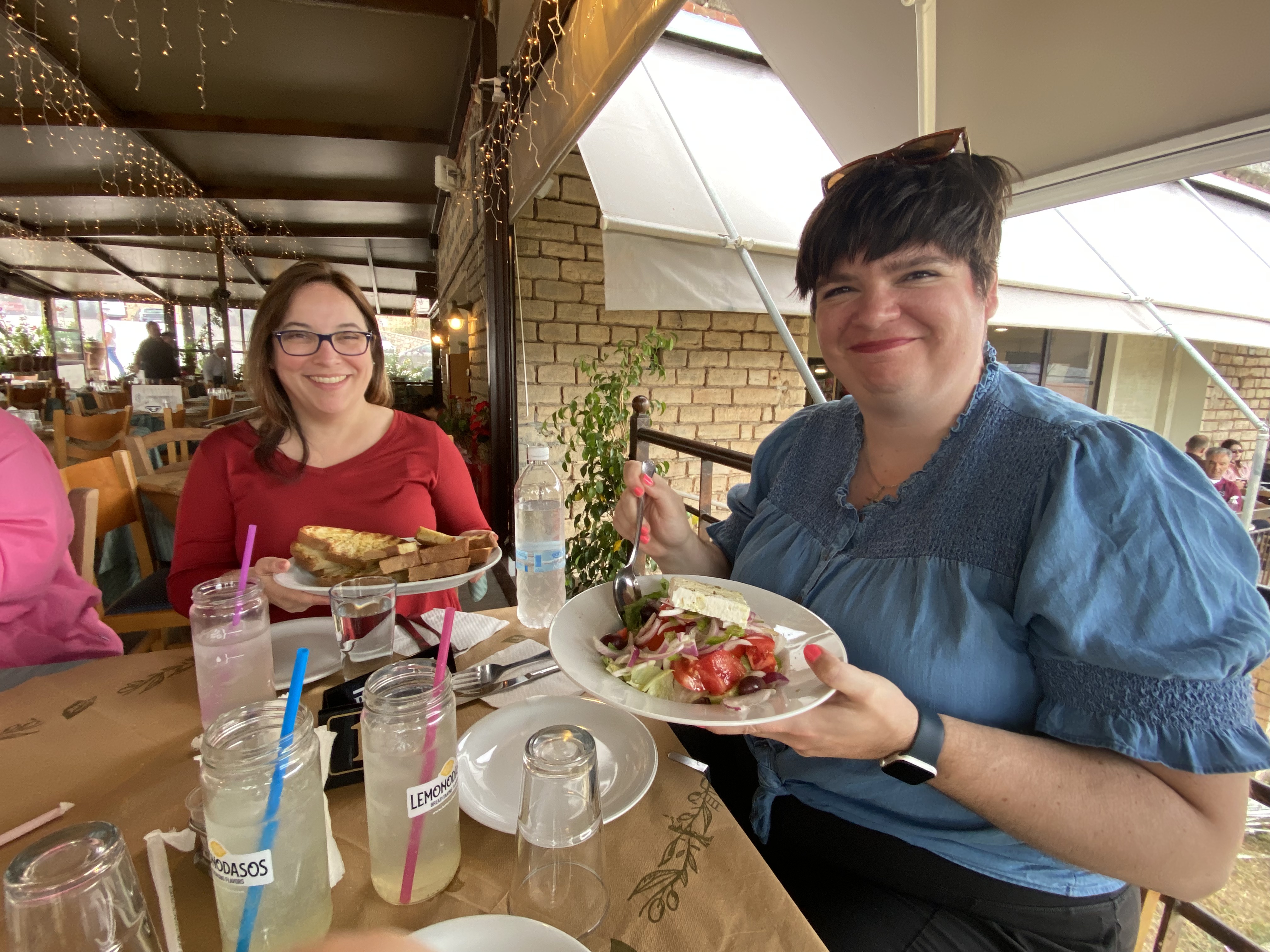
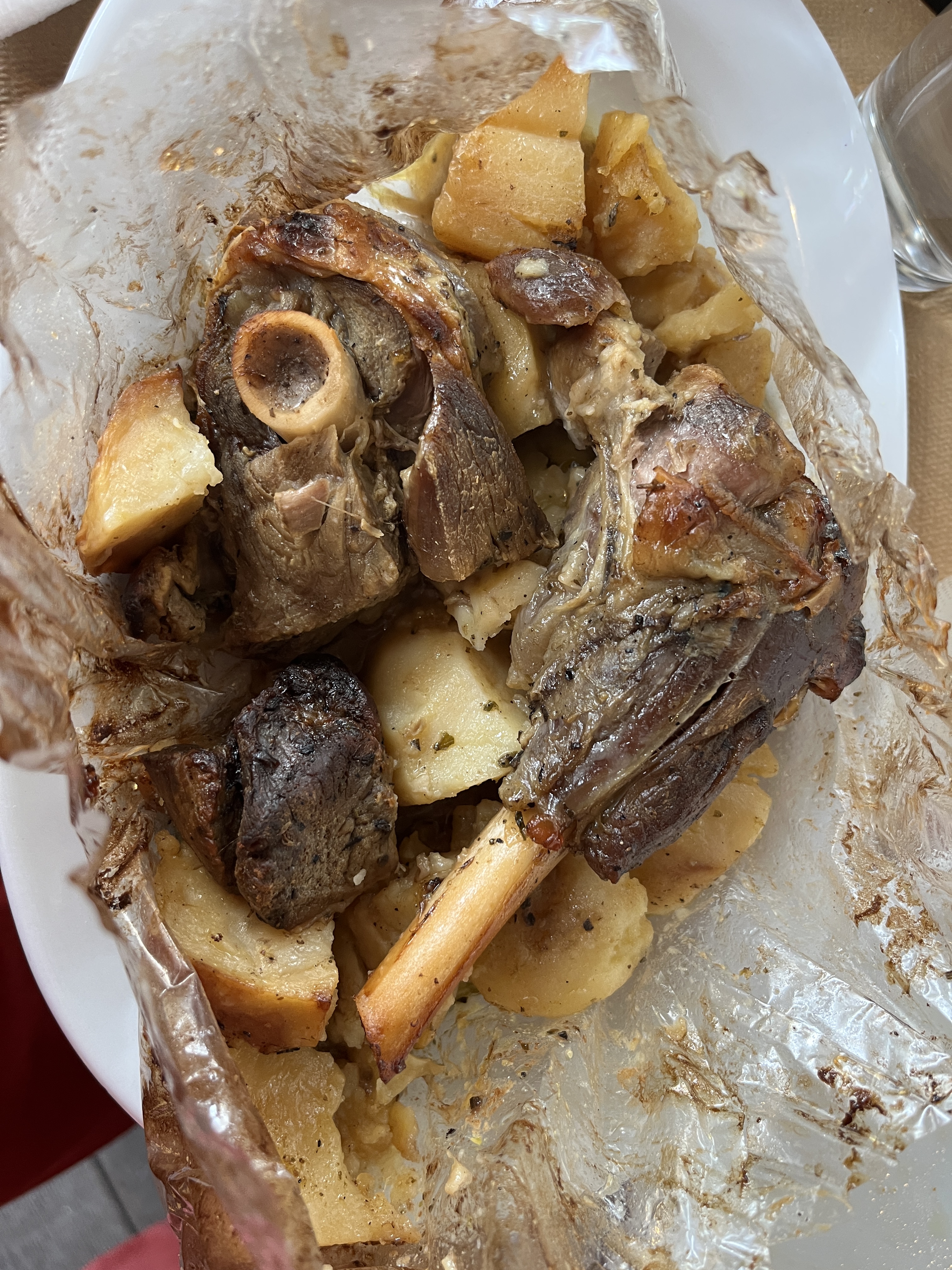
Archeological museum and lunch (Bill got us the best table again, the last picture is our view of Corinth)
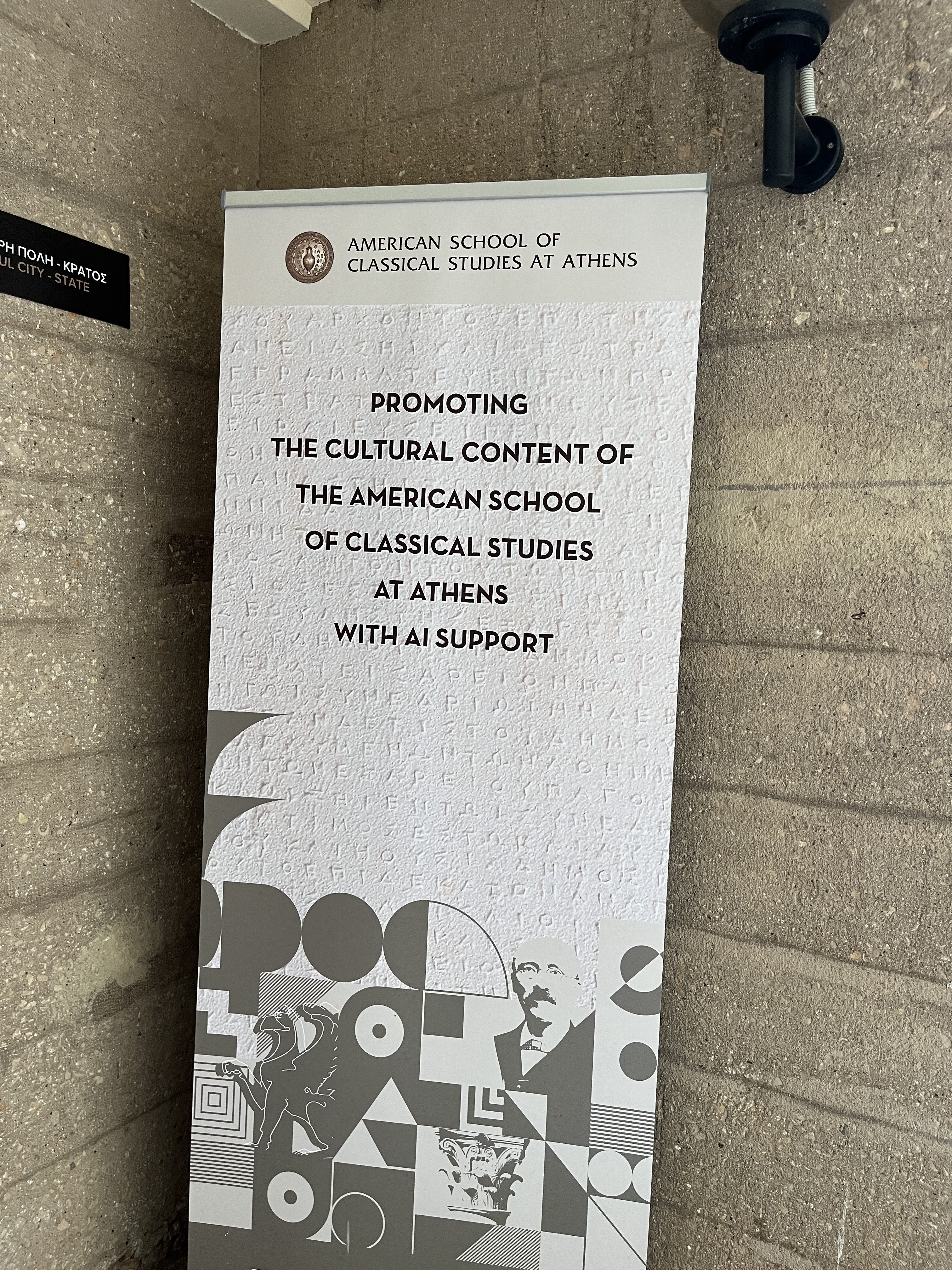
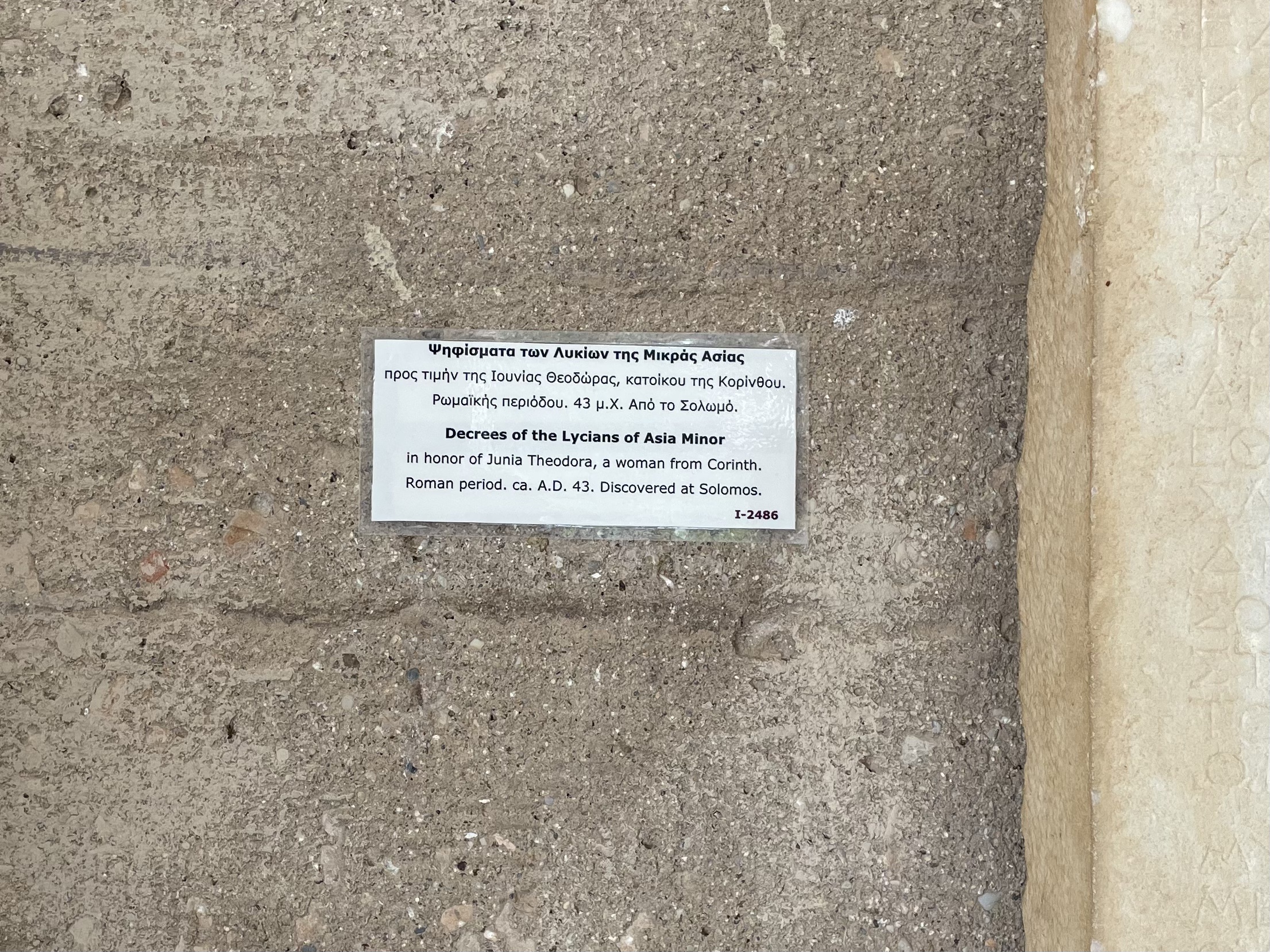
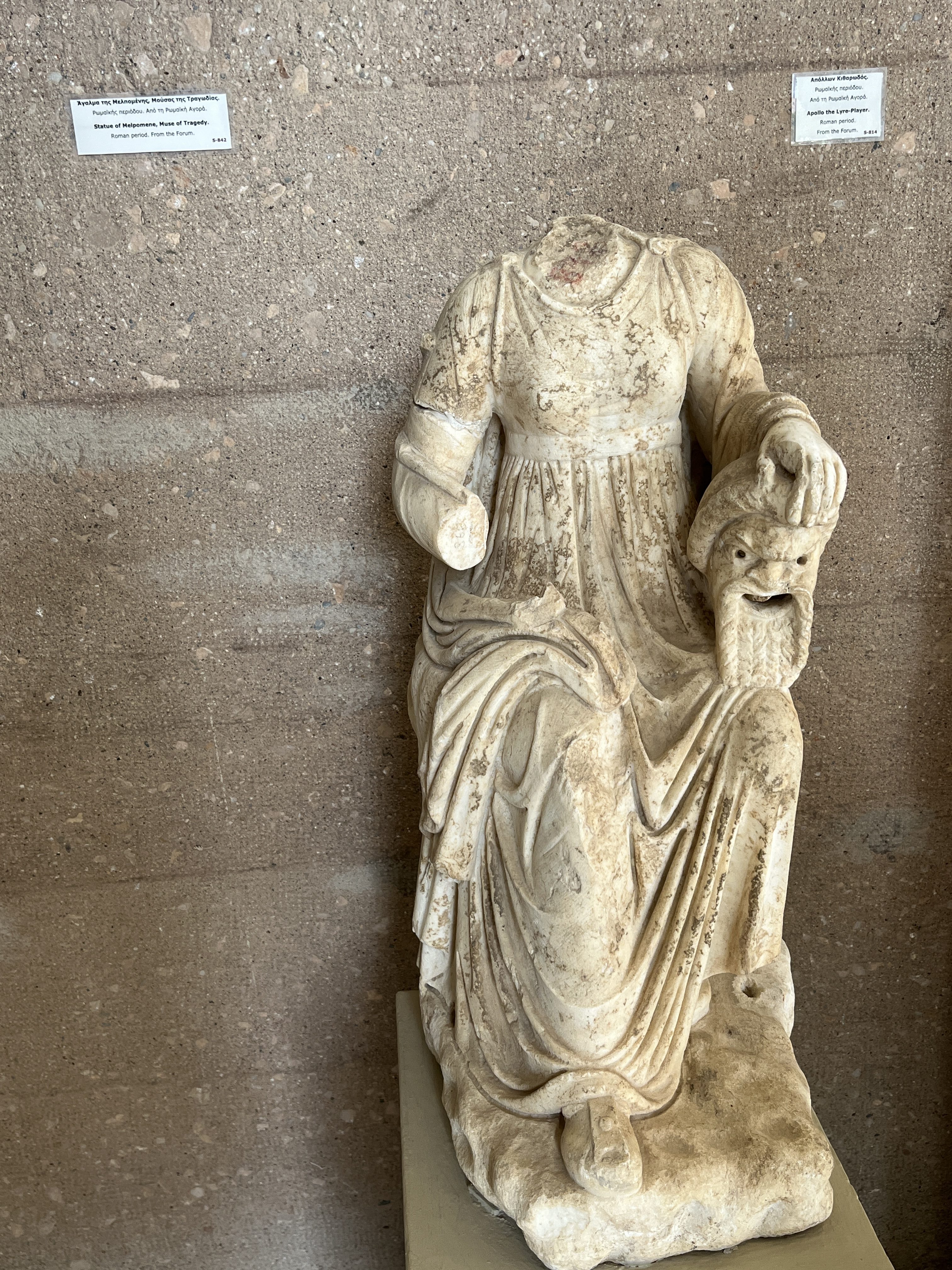
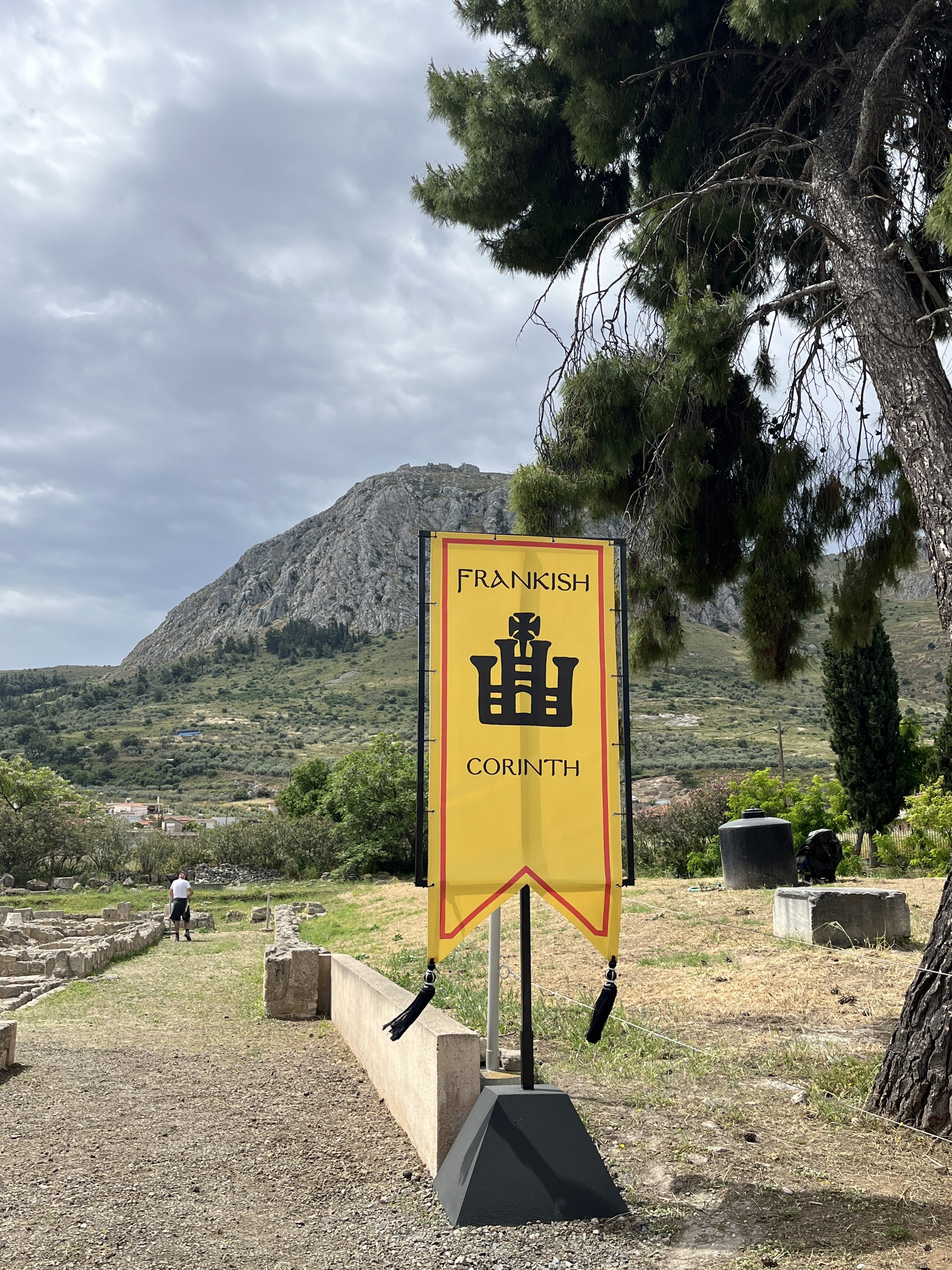
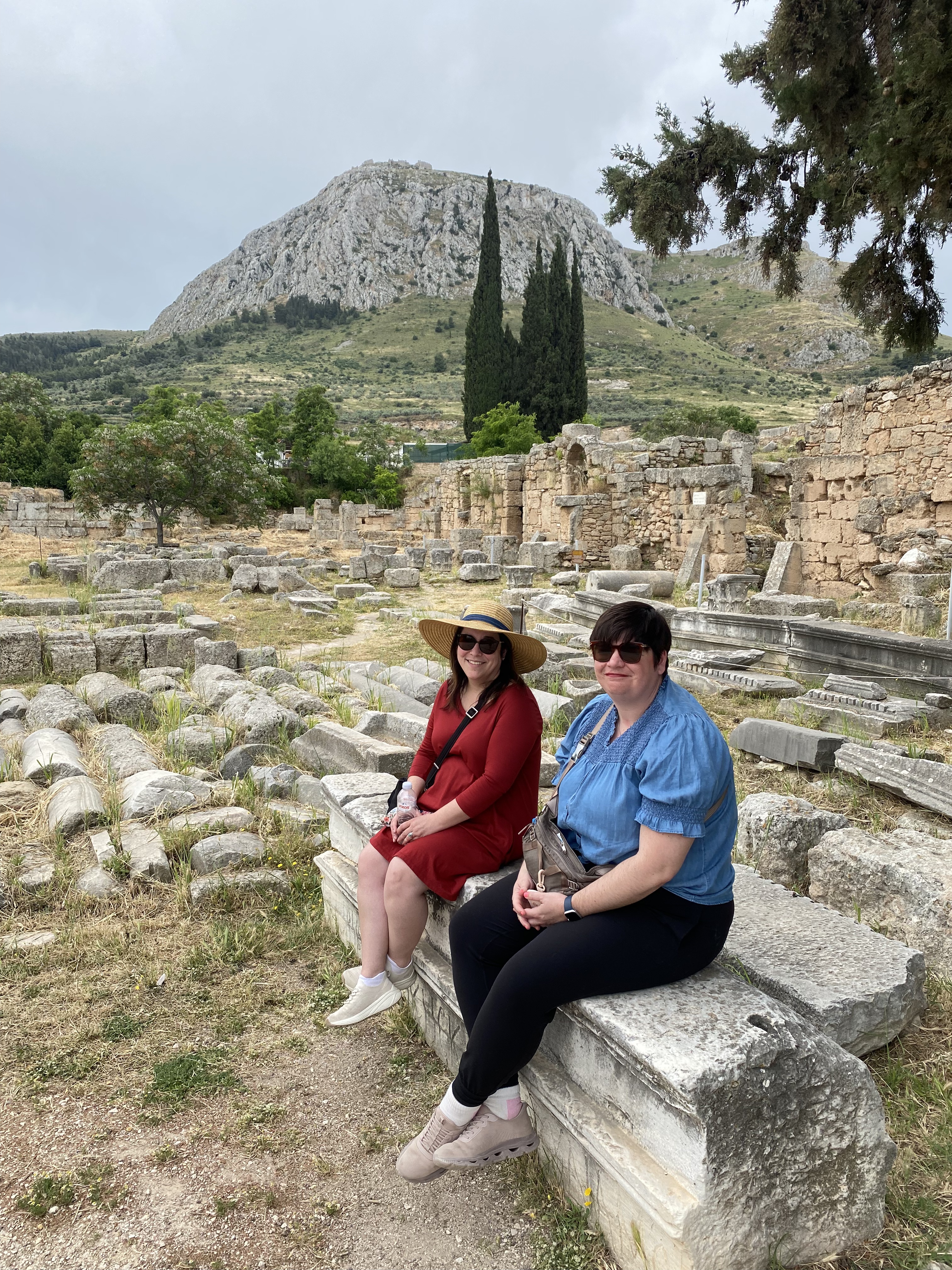
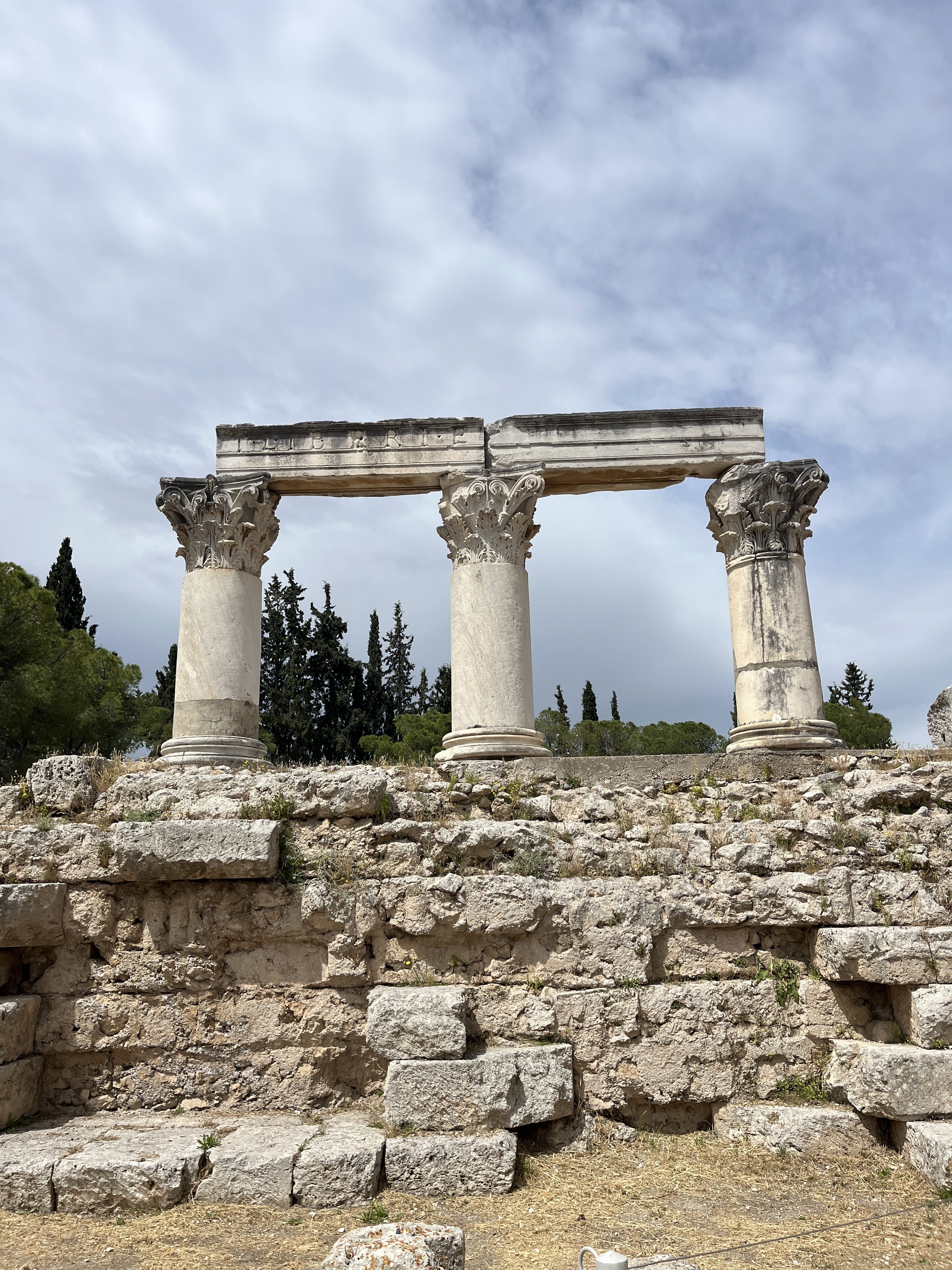
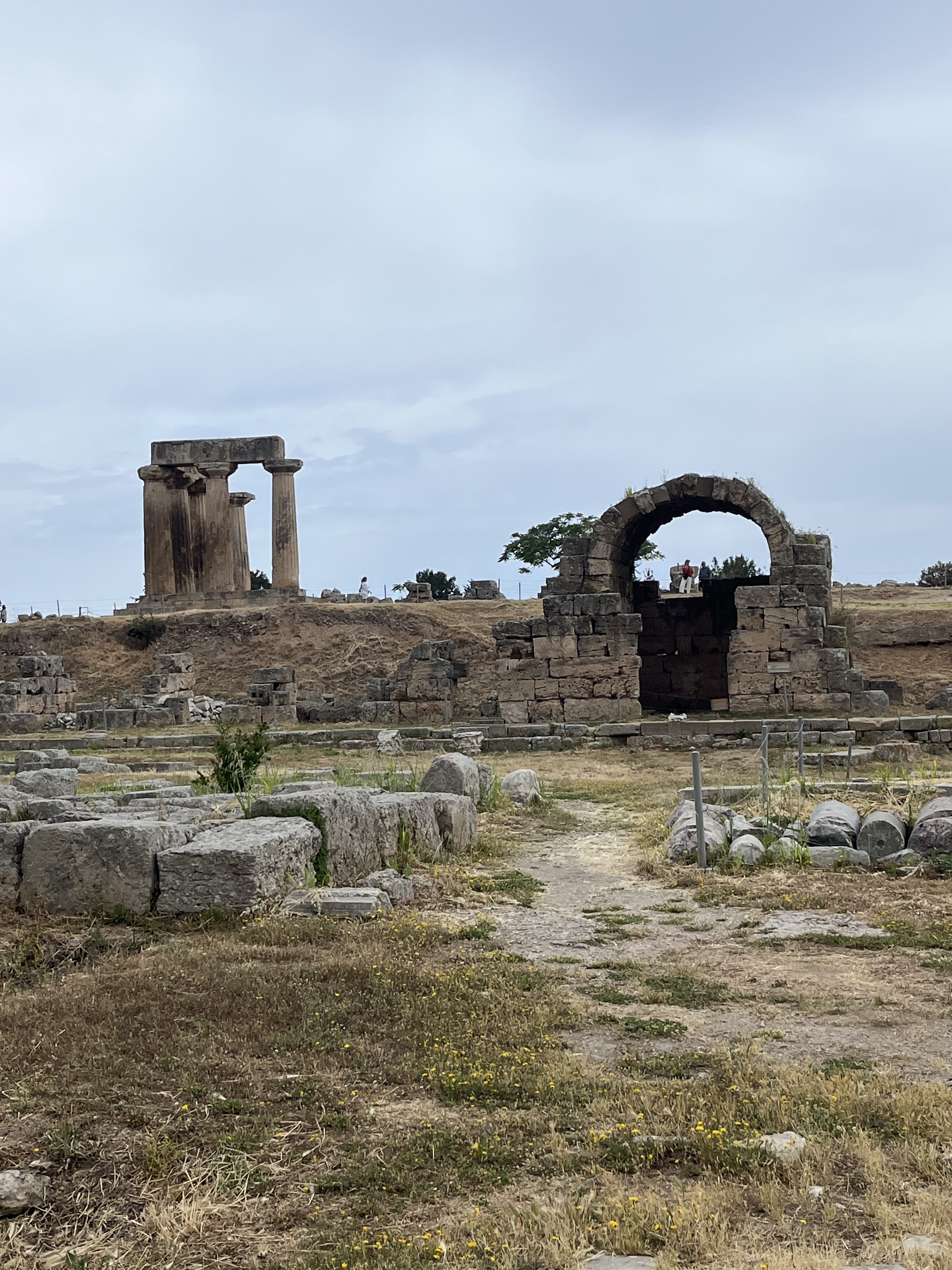
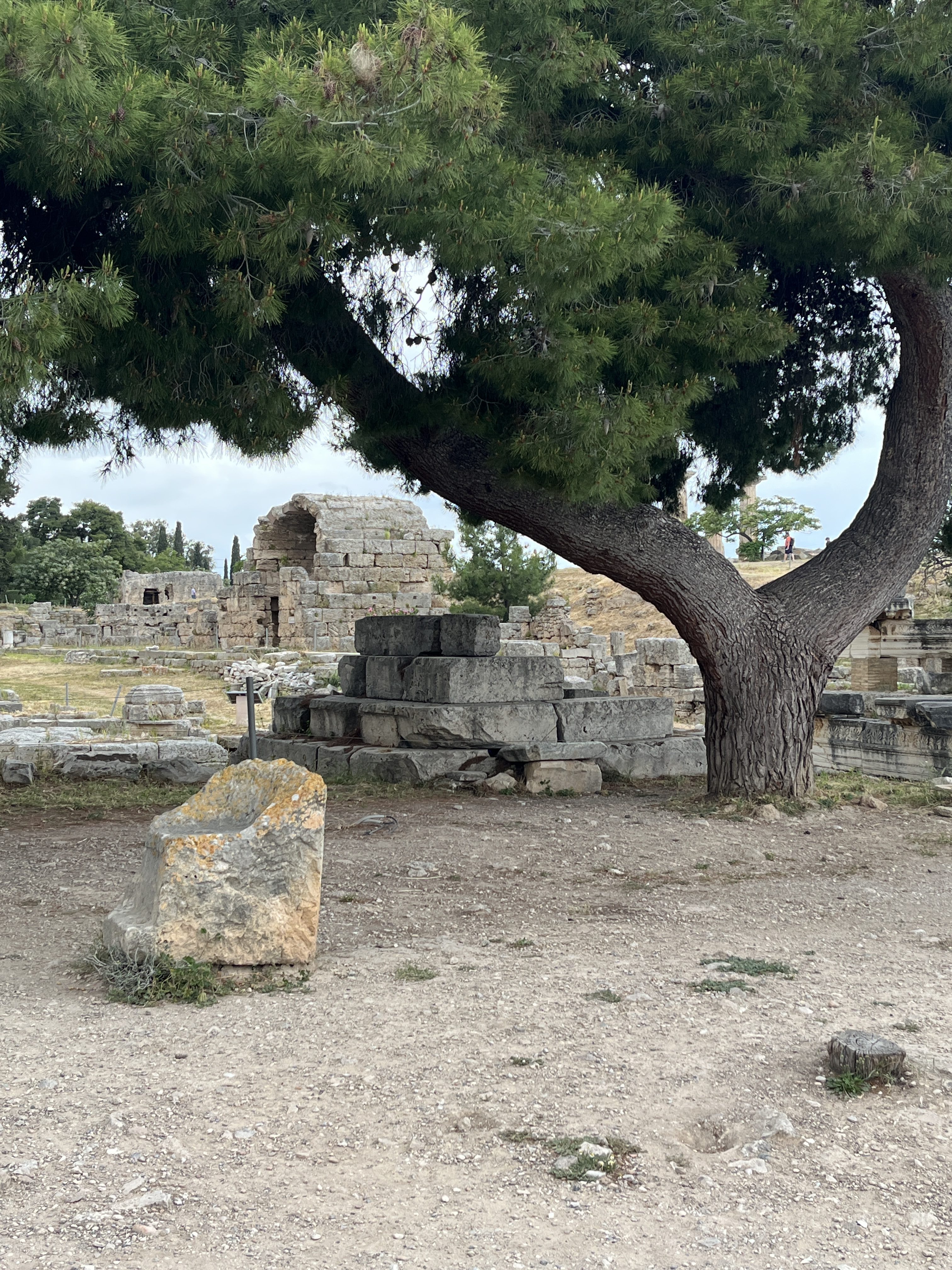
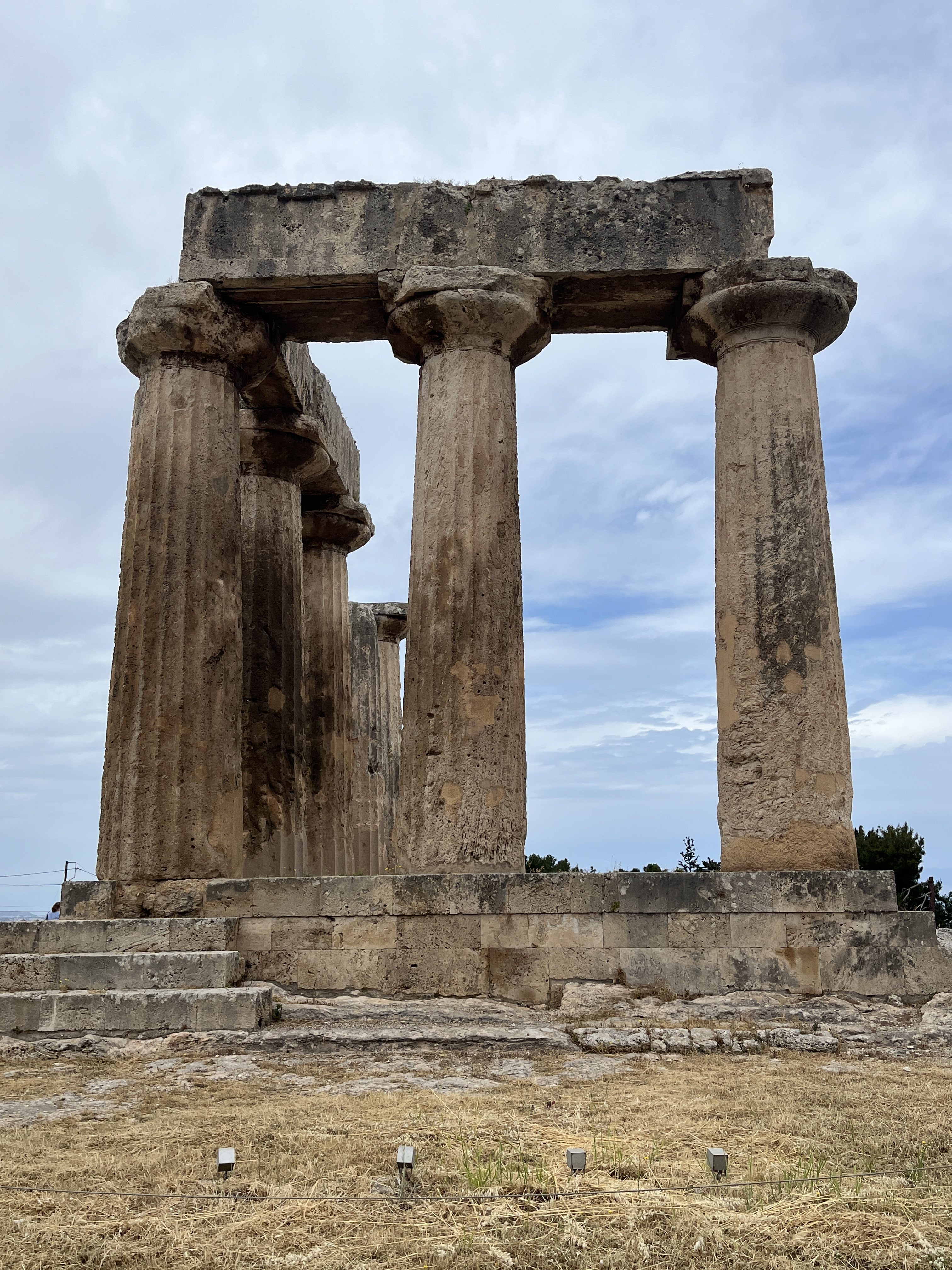
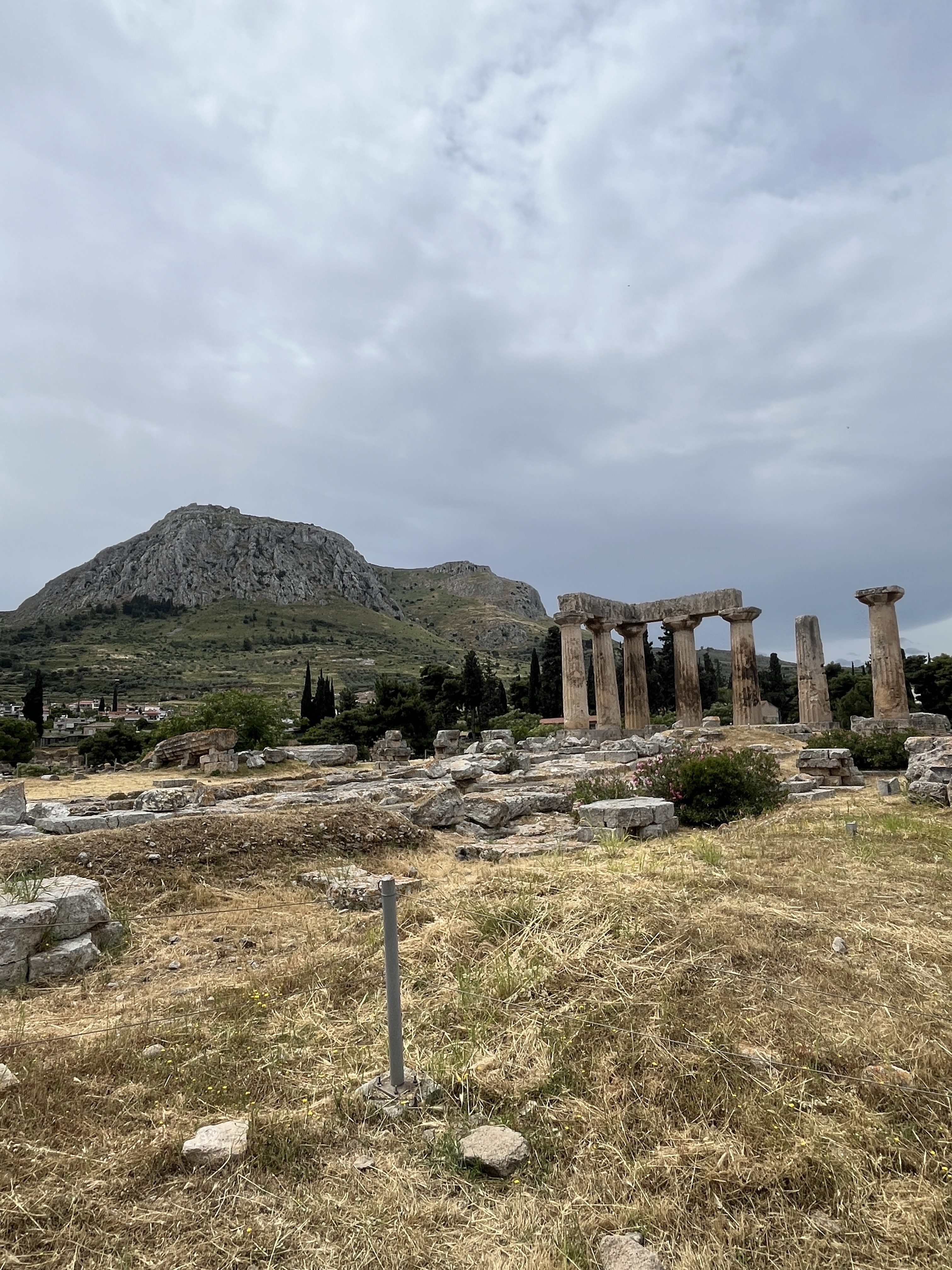
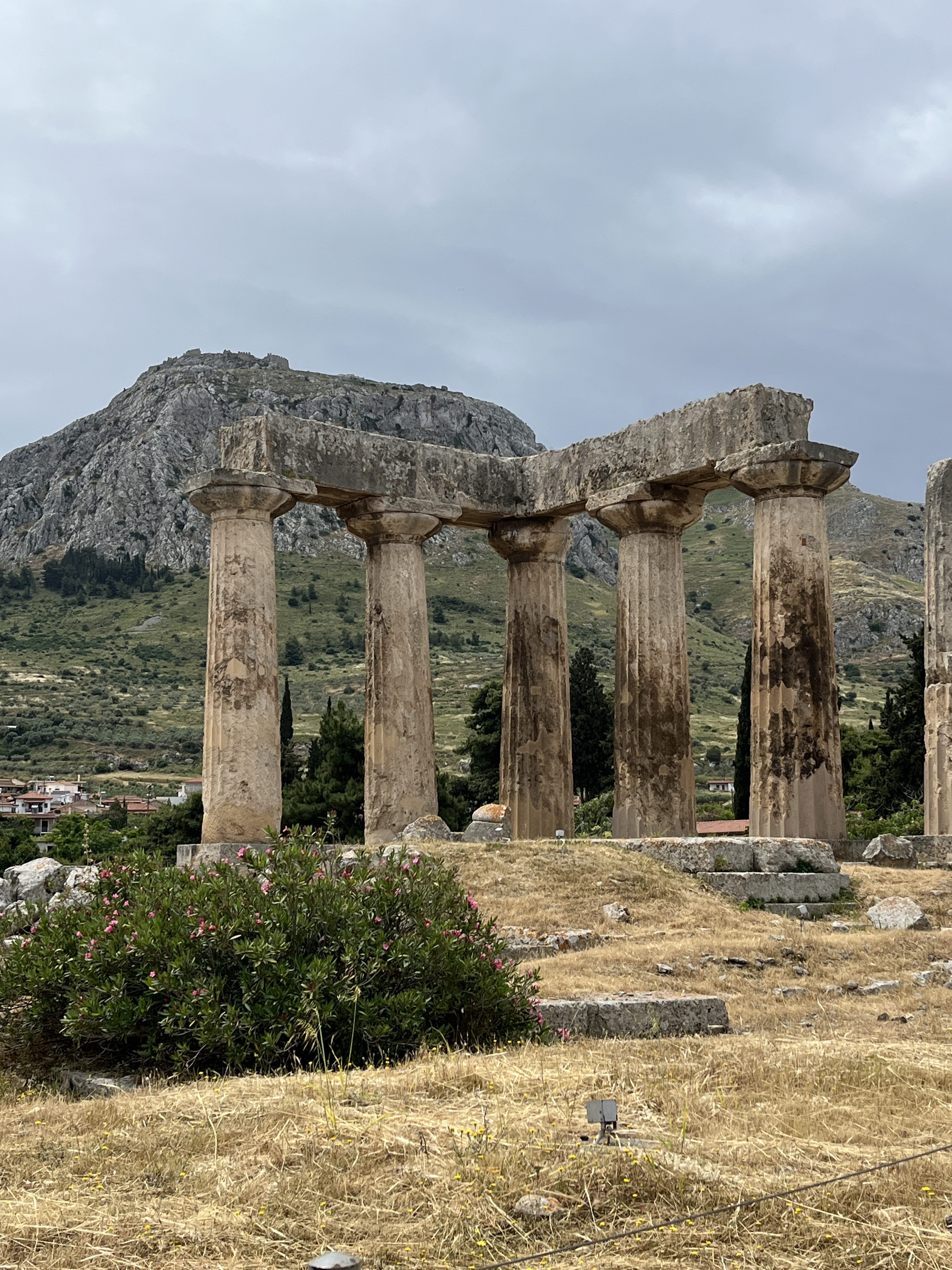
Acrocorinth Castle History / Acrocorinth Greece Explored
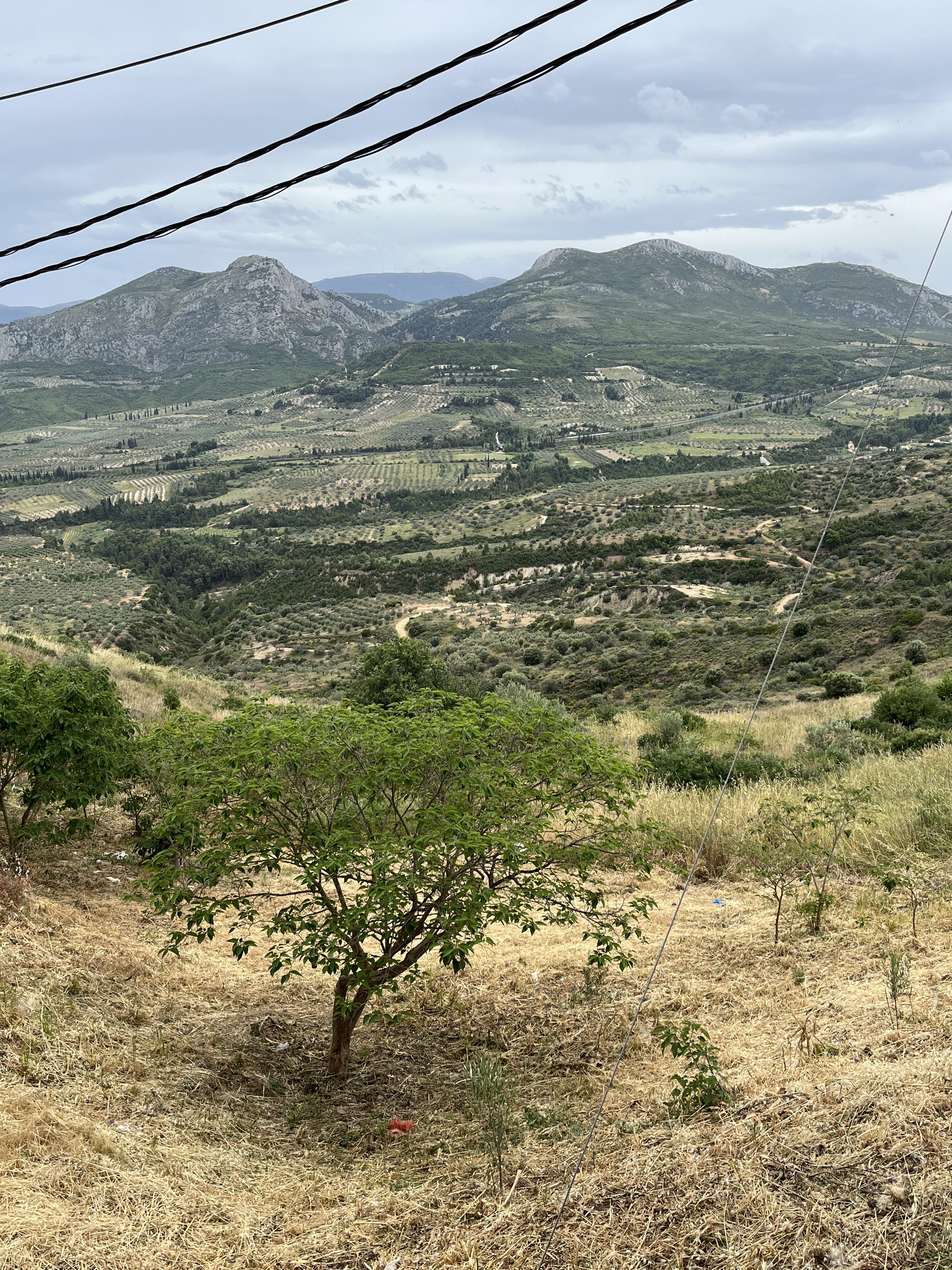
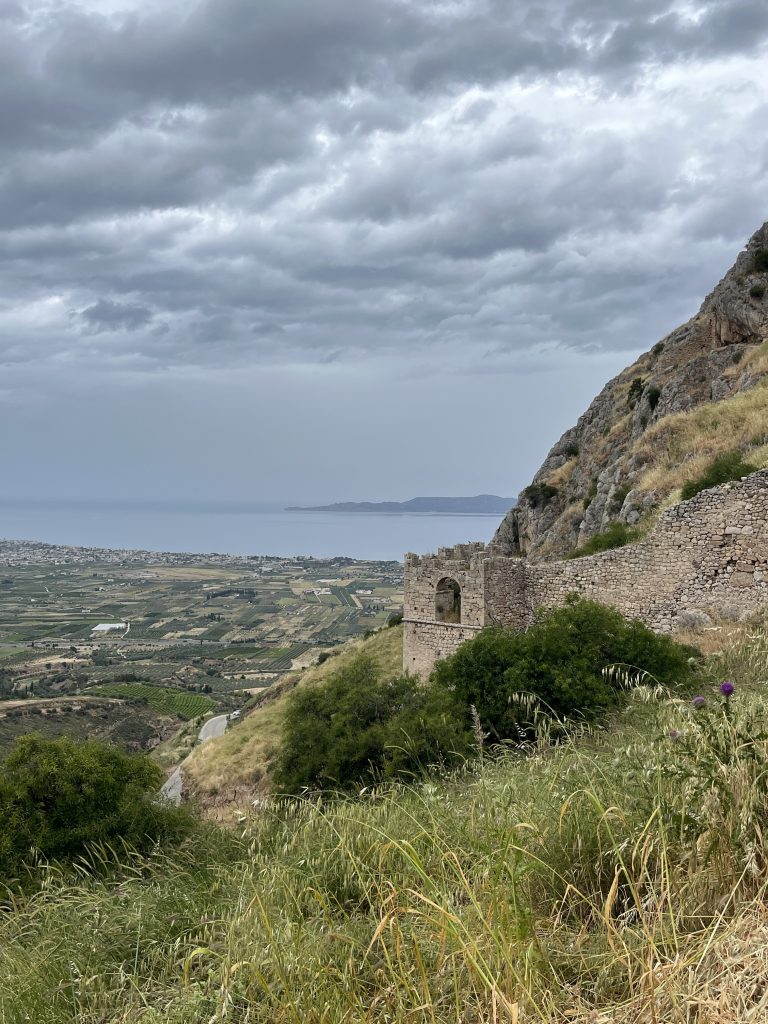
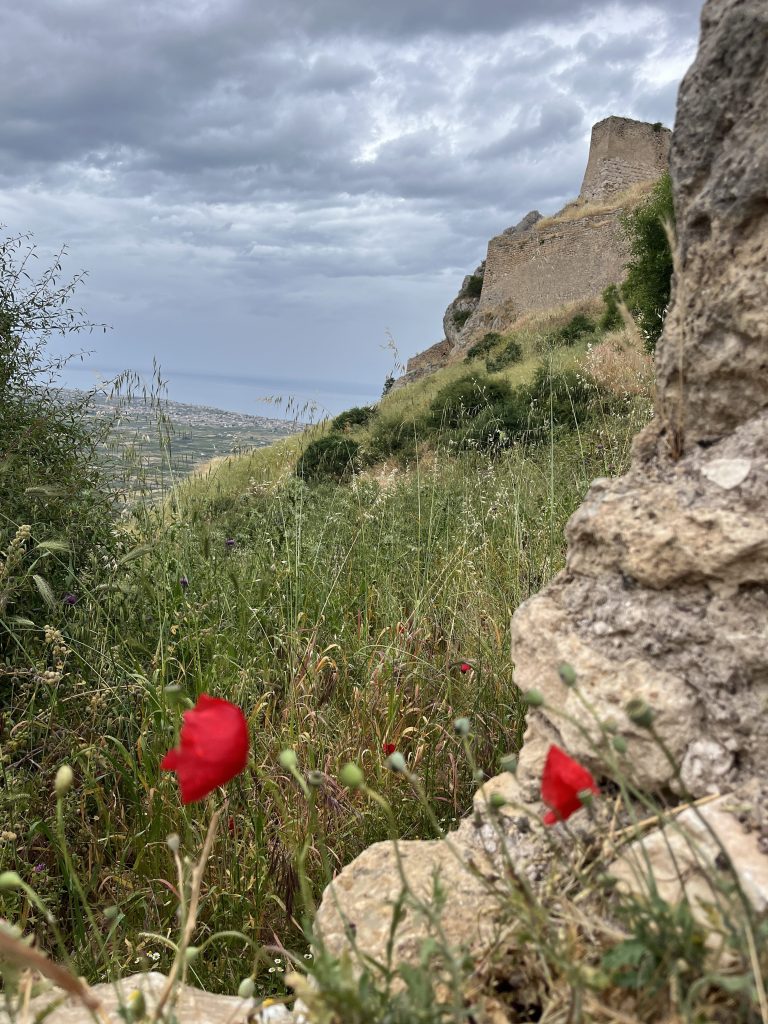
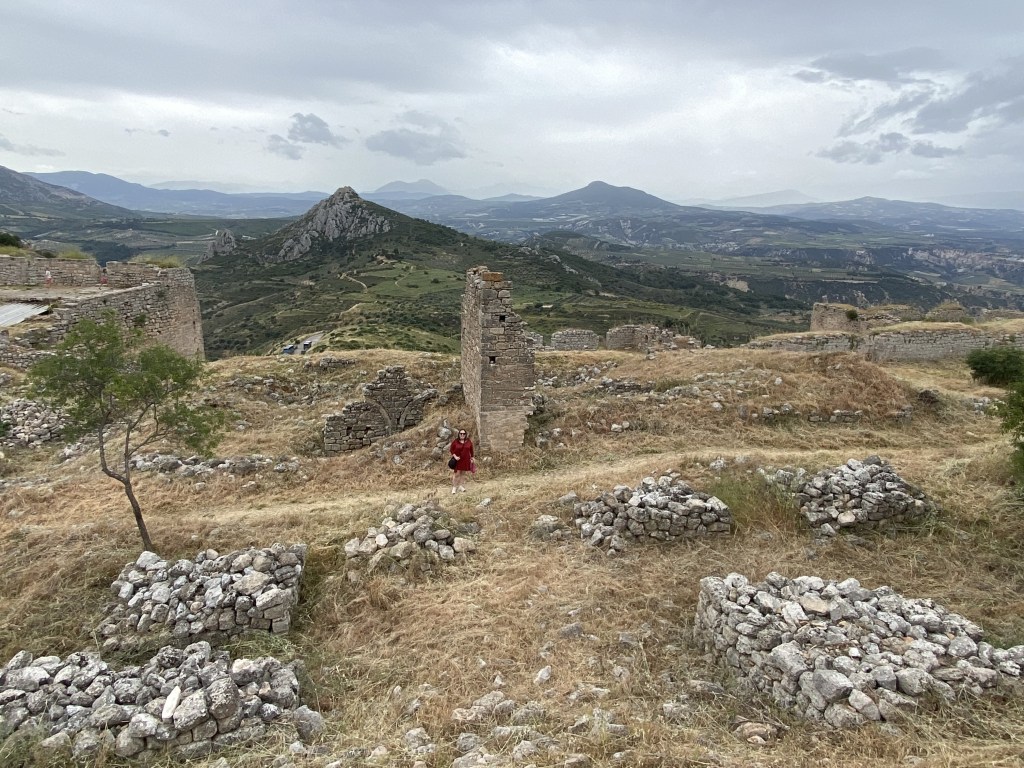
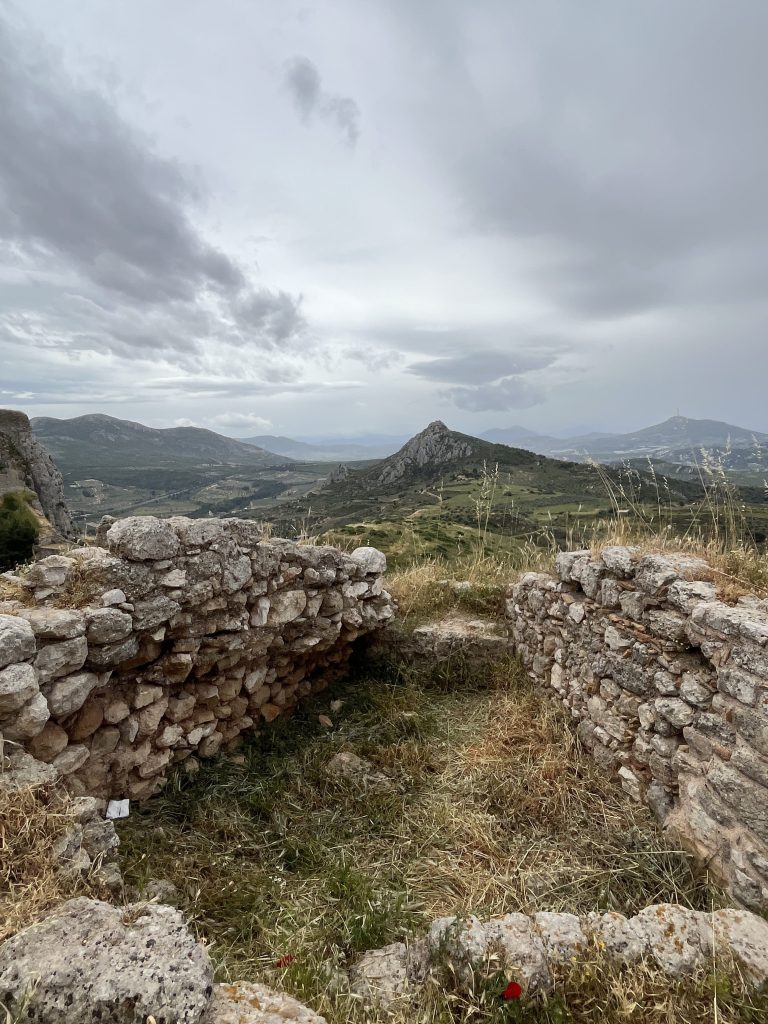
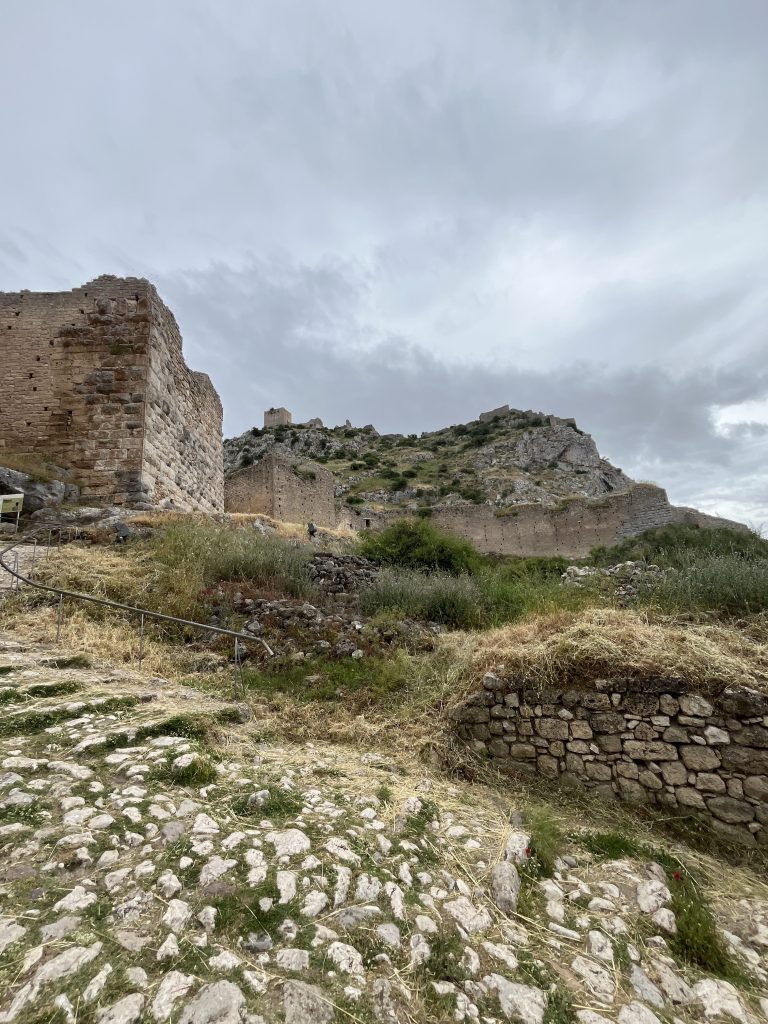
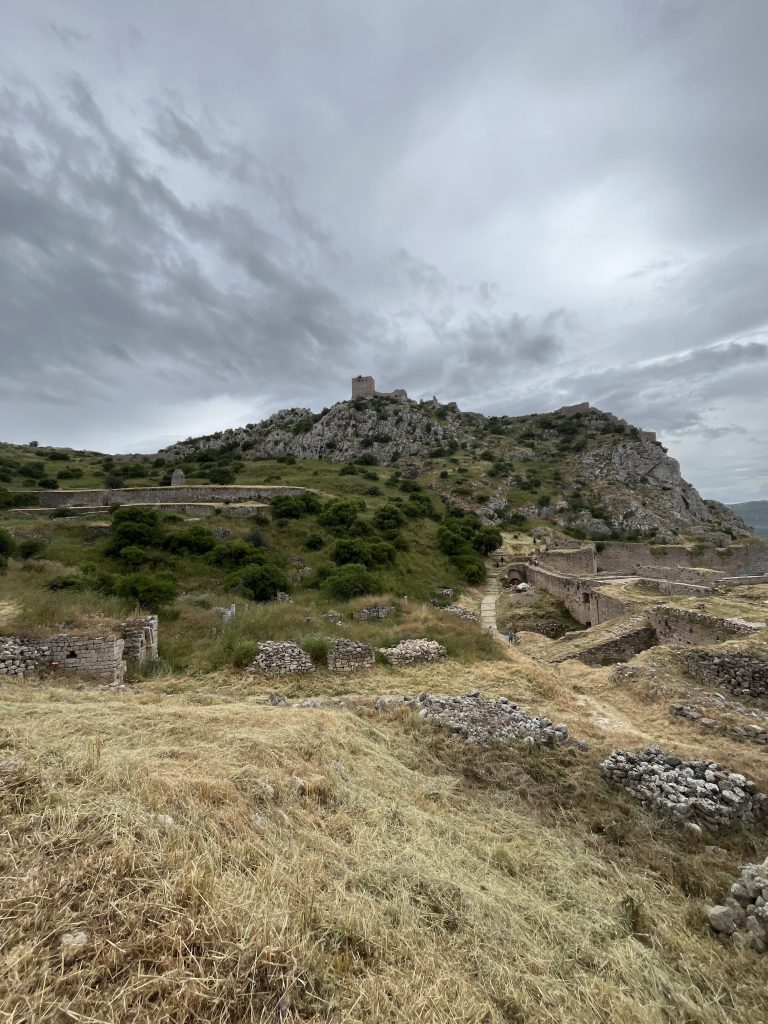
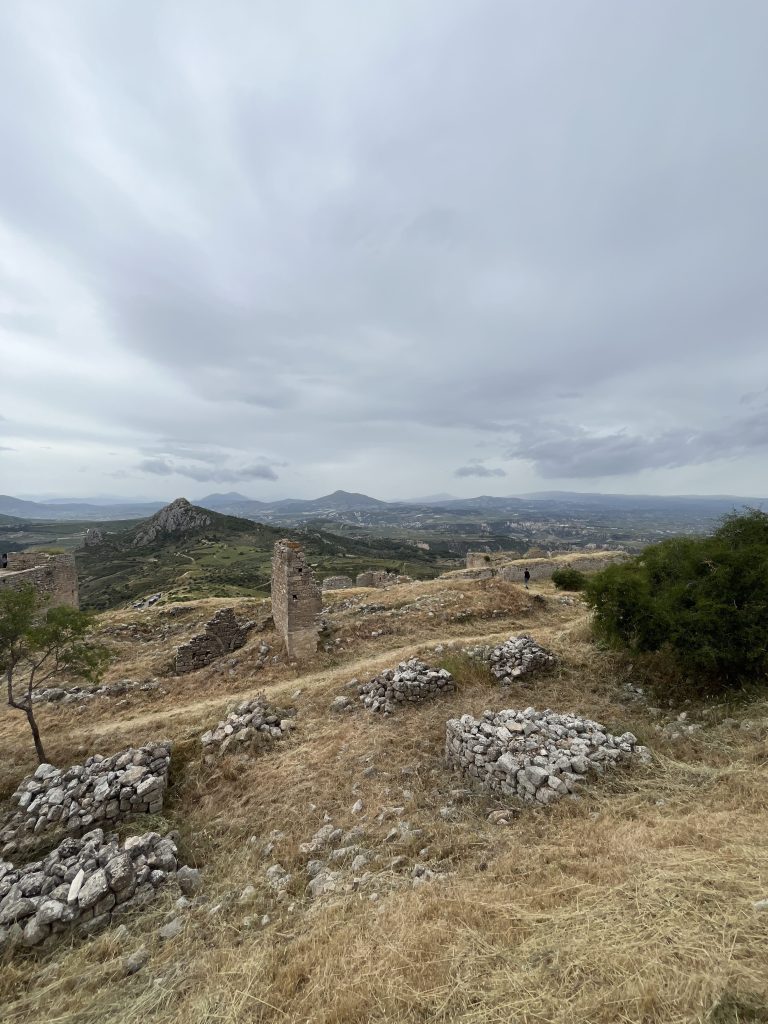
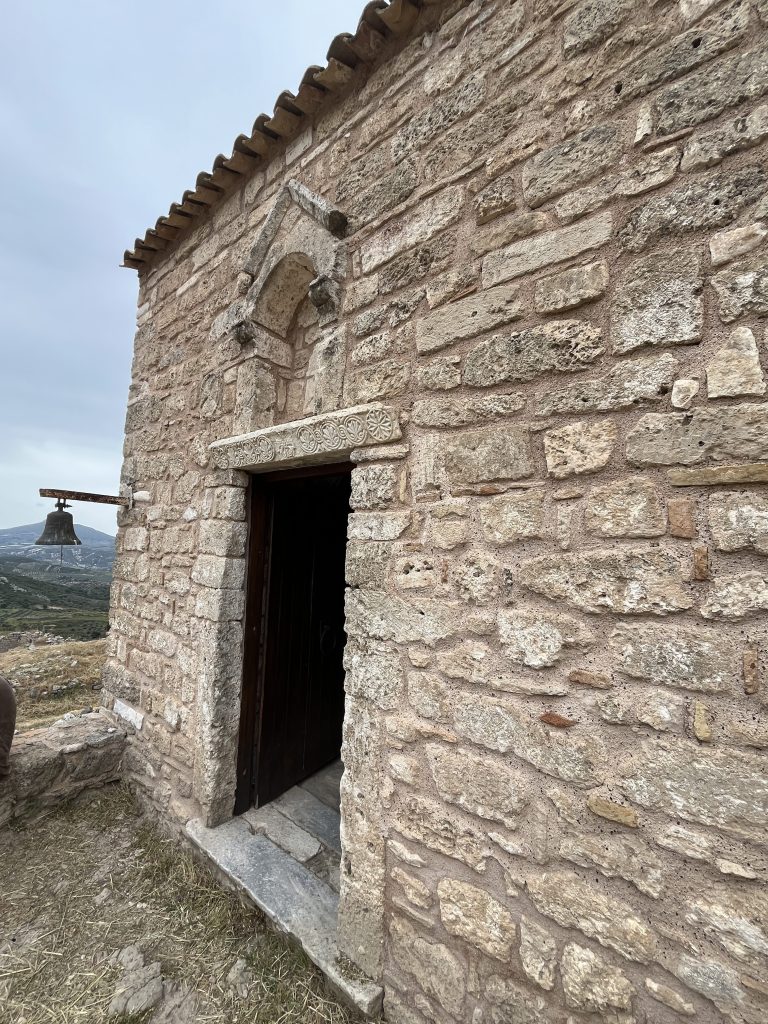
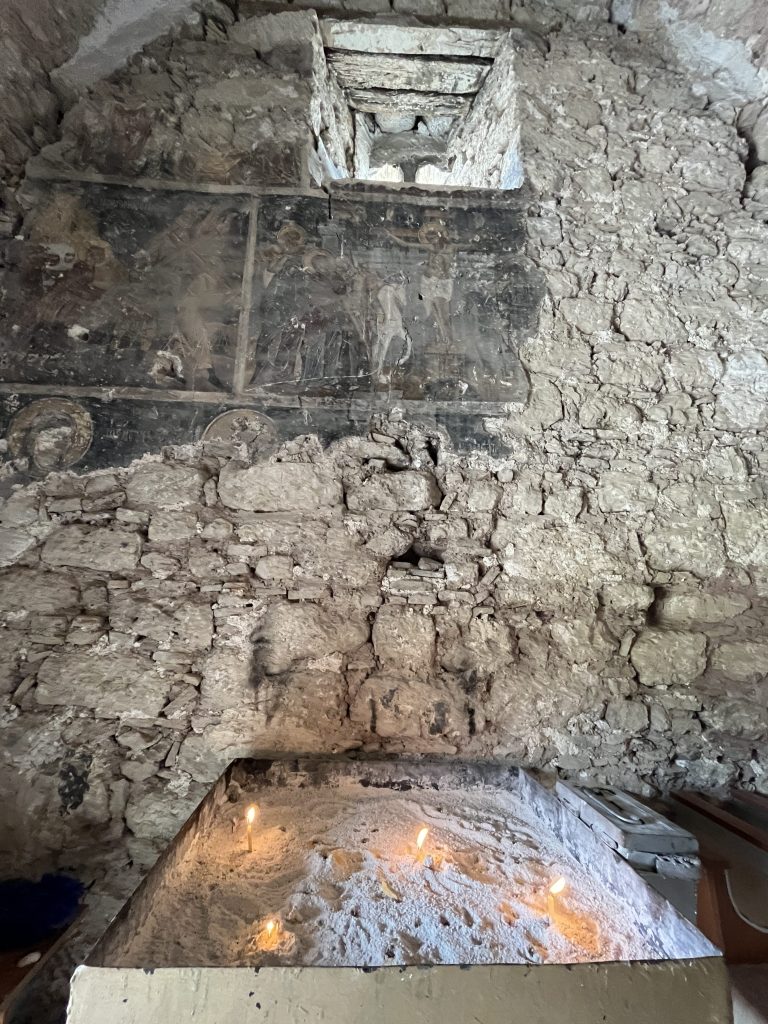
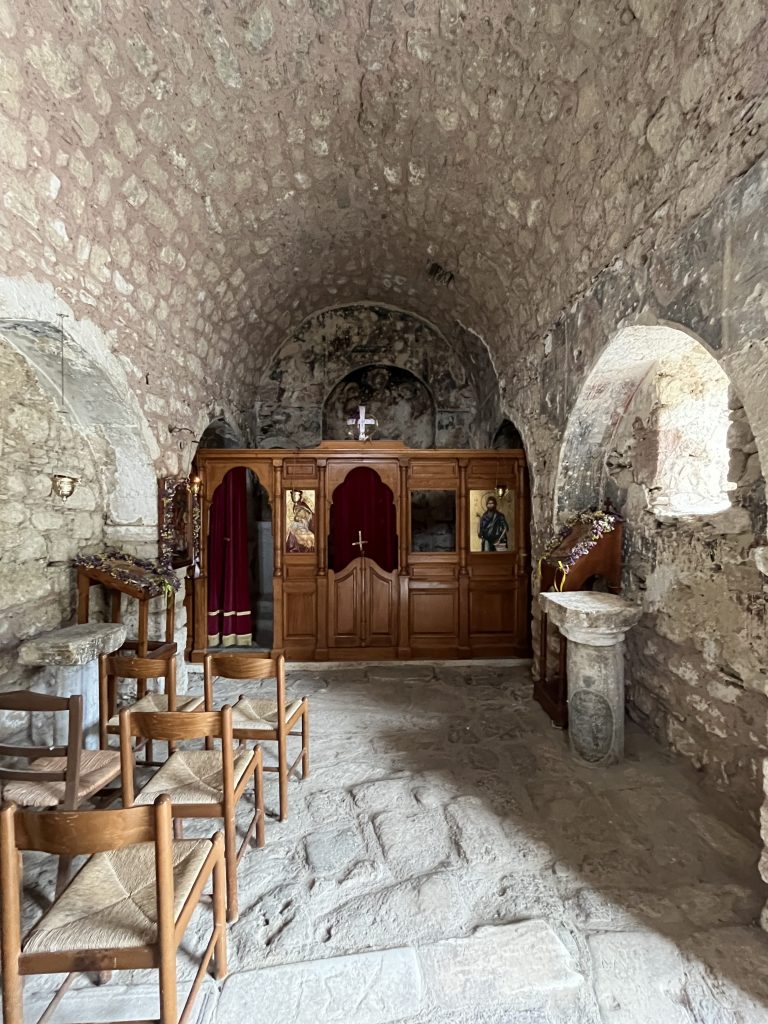
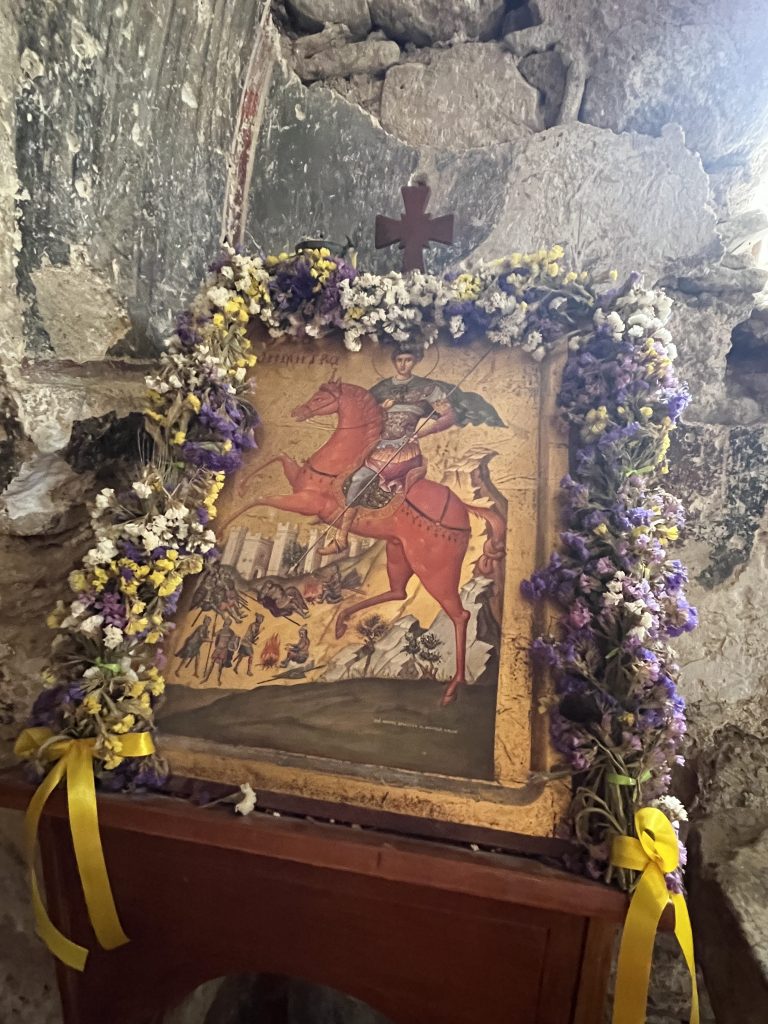
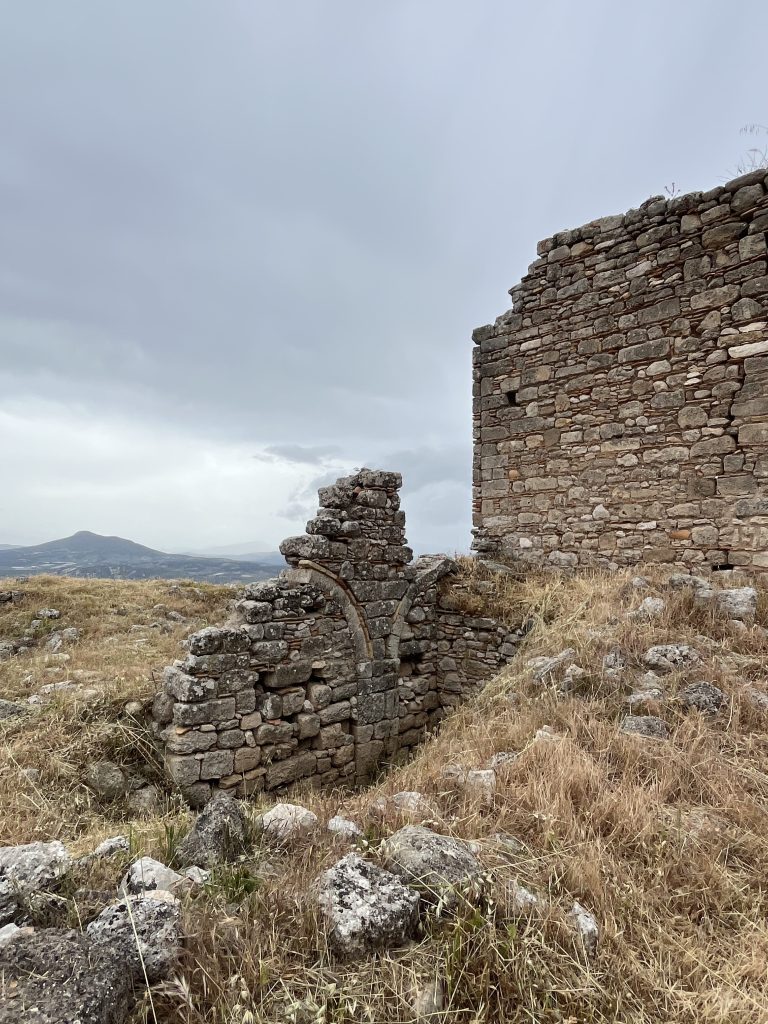
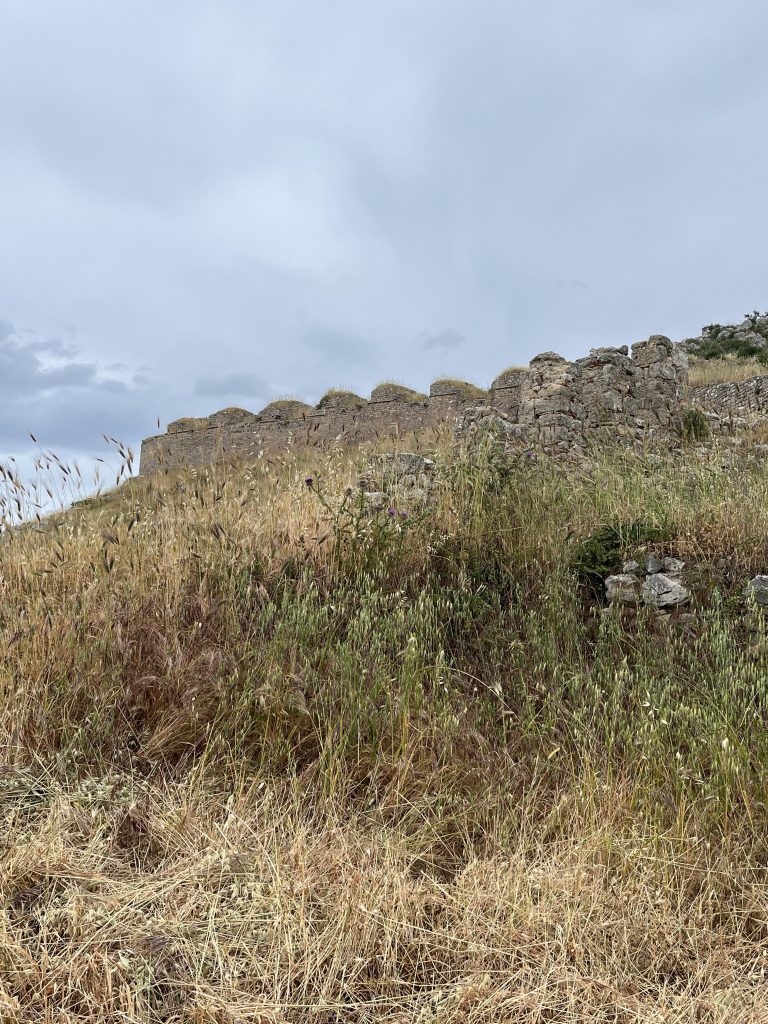
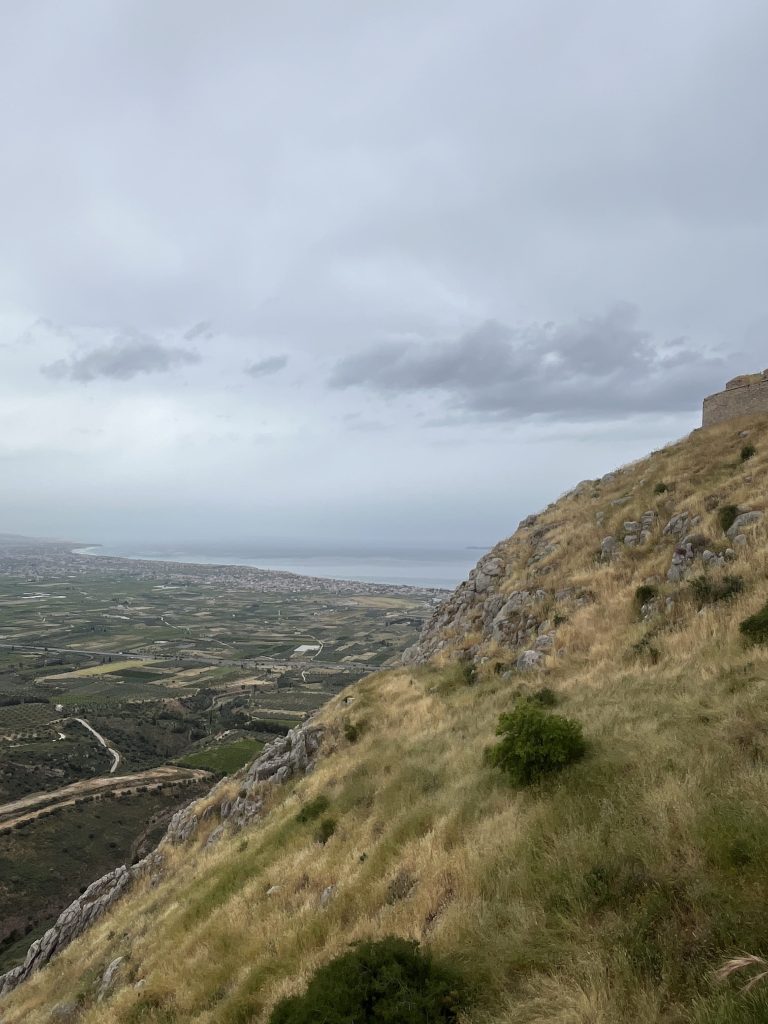
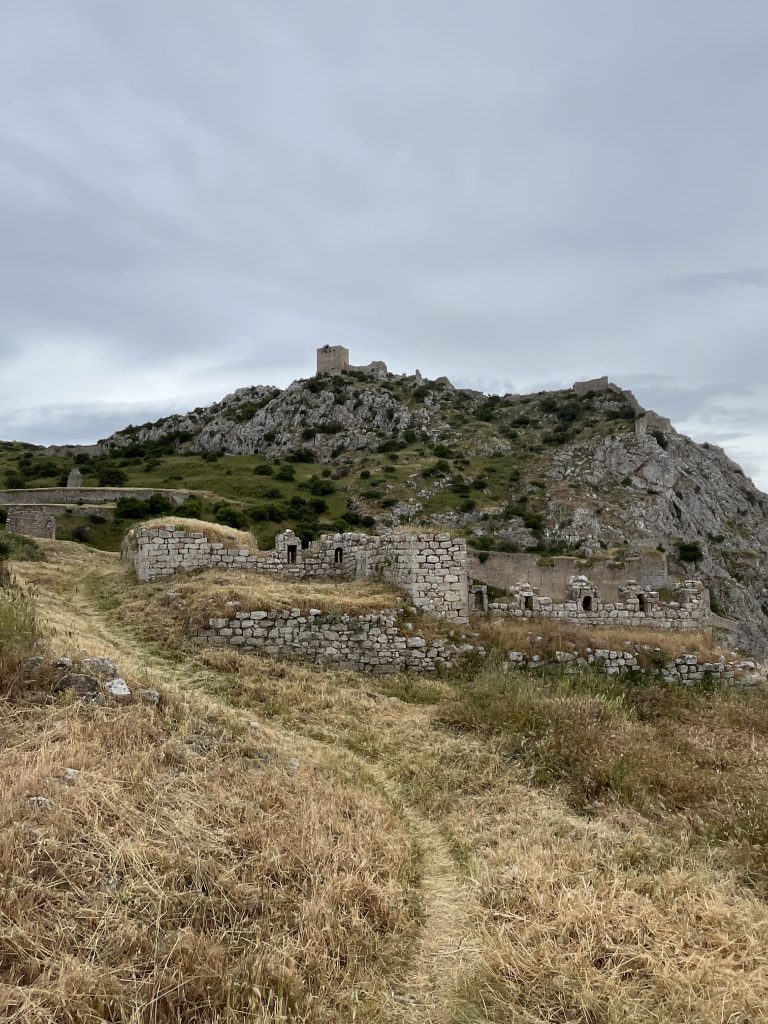
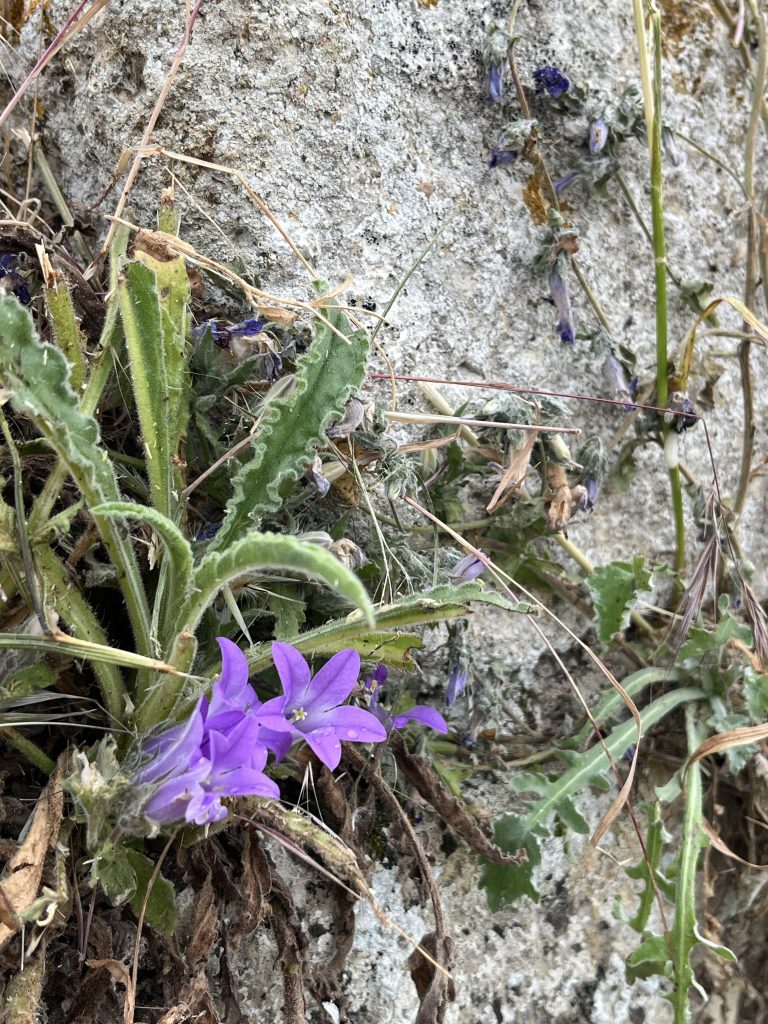
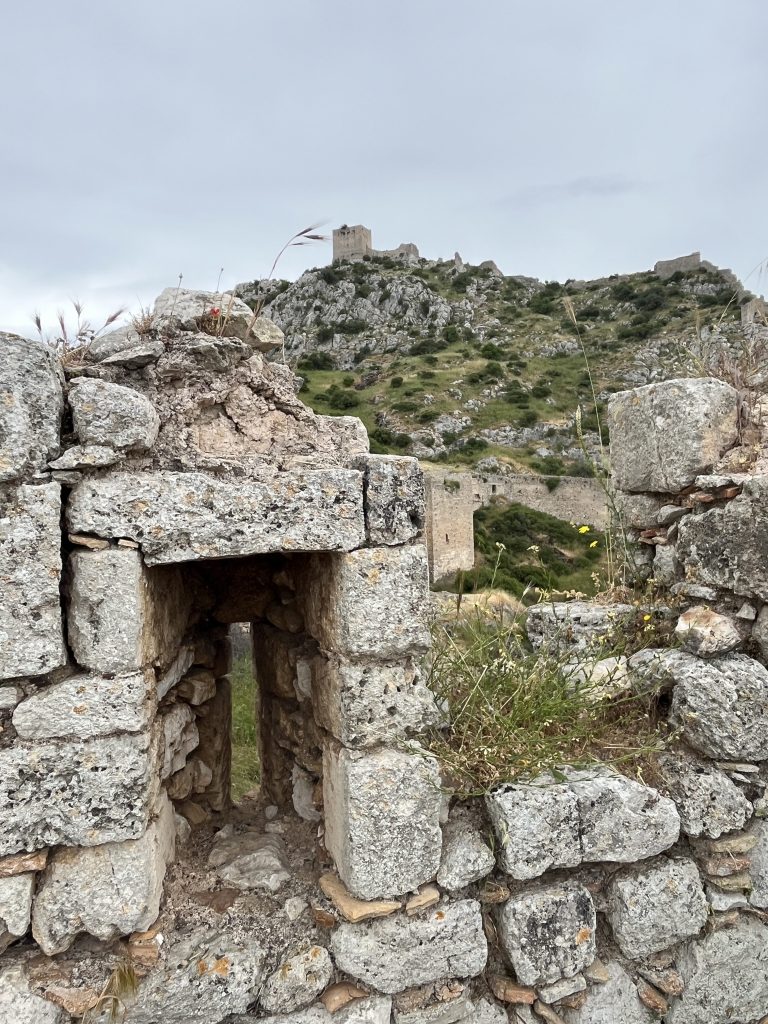
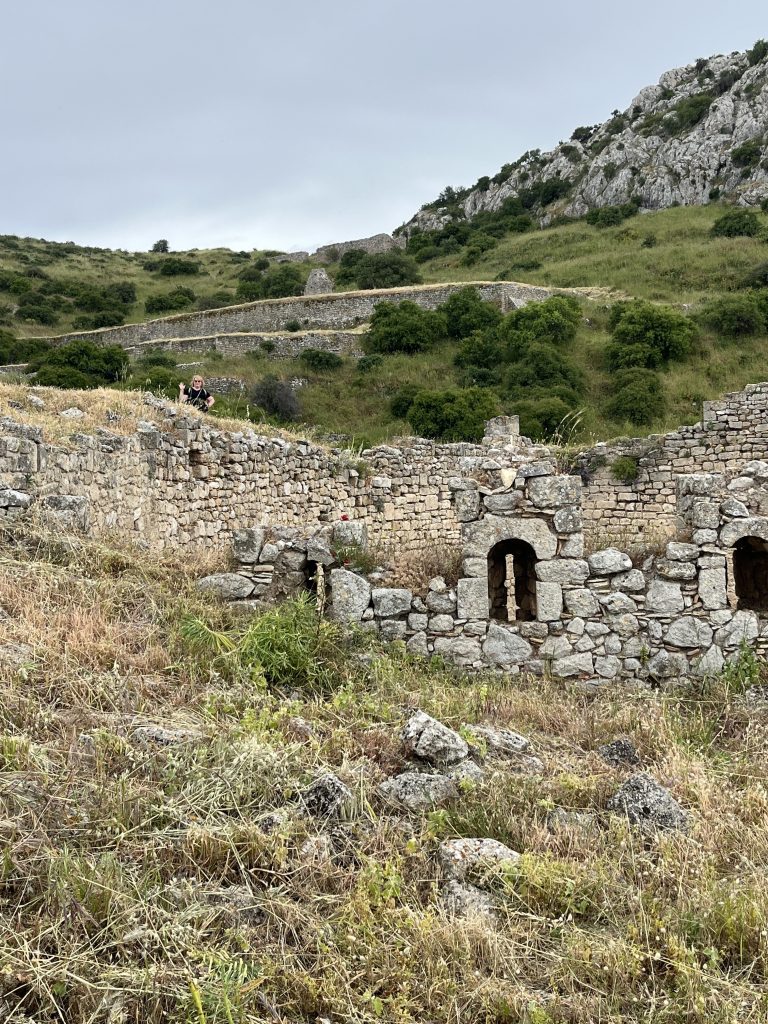
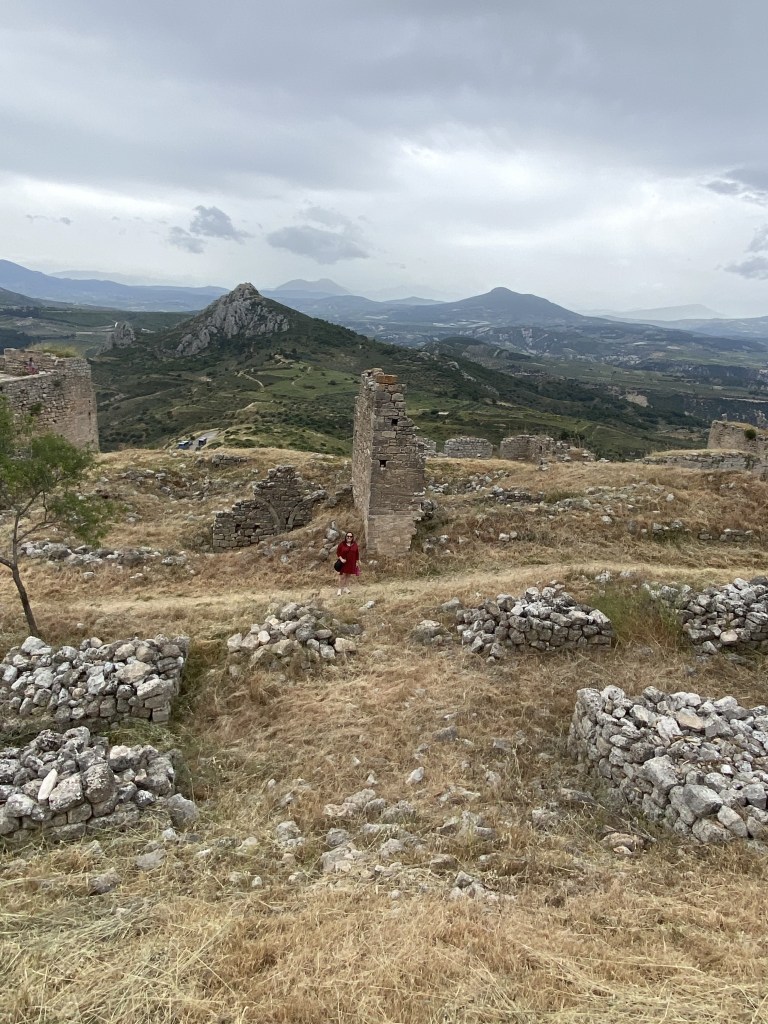
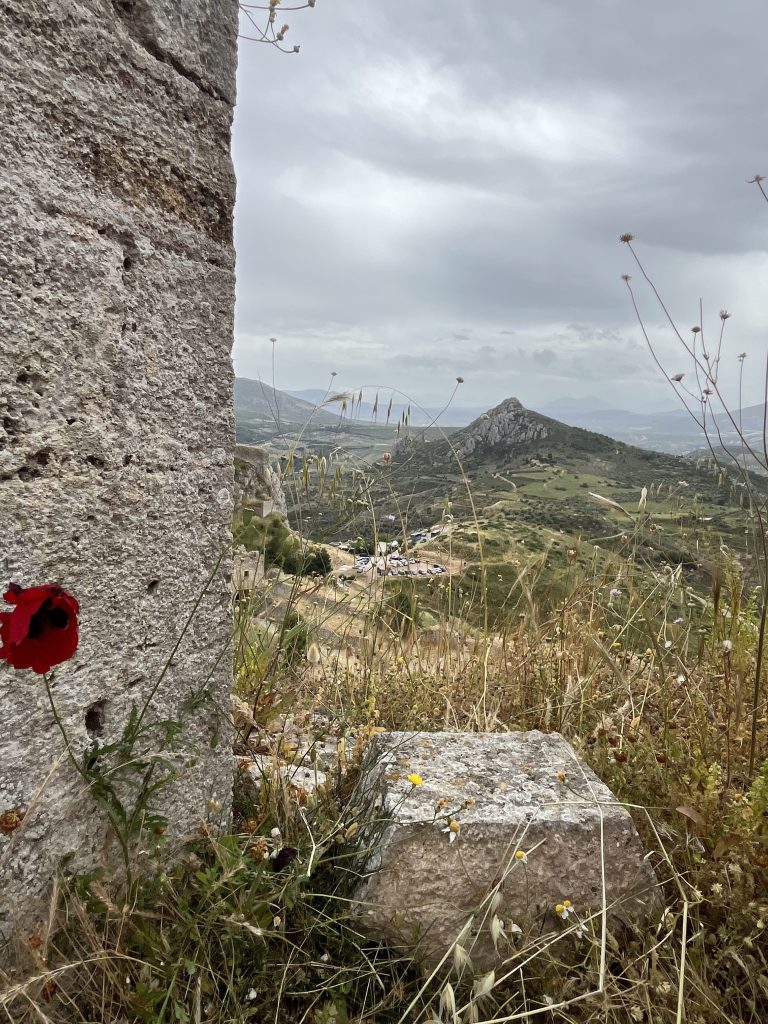
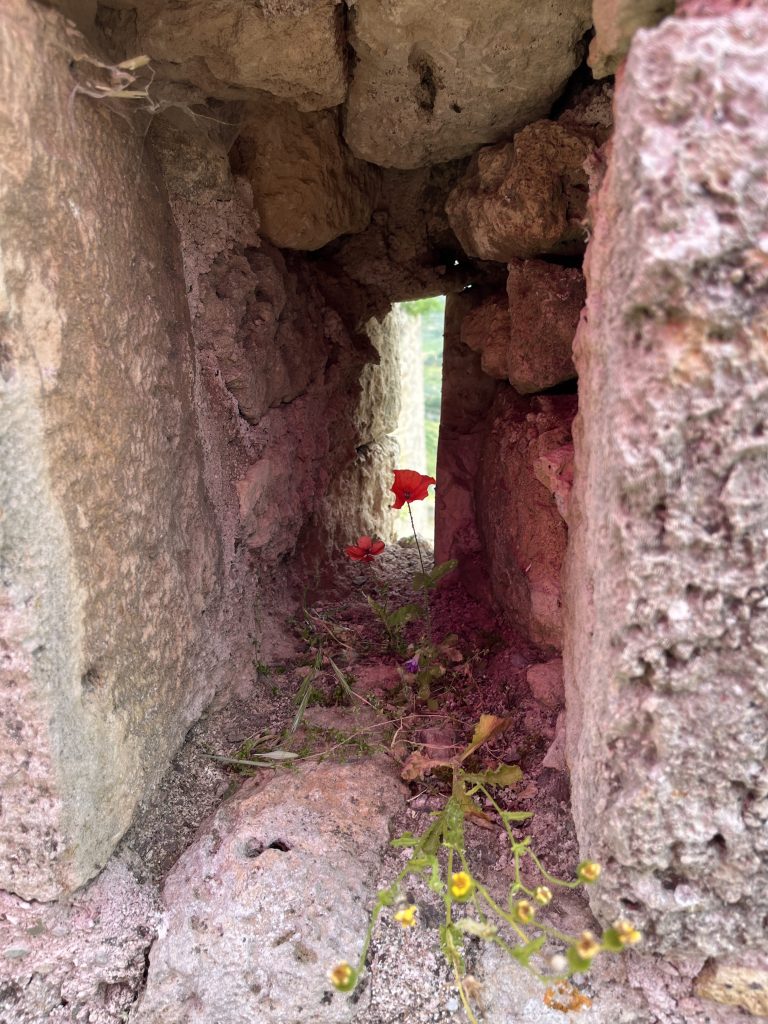
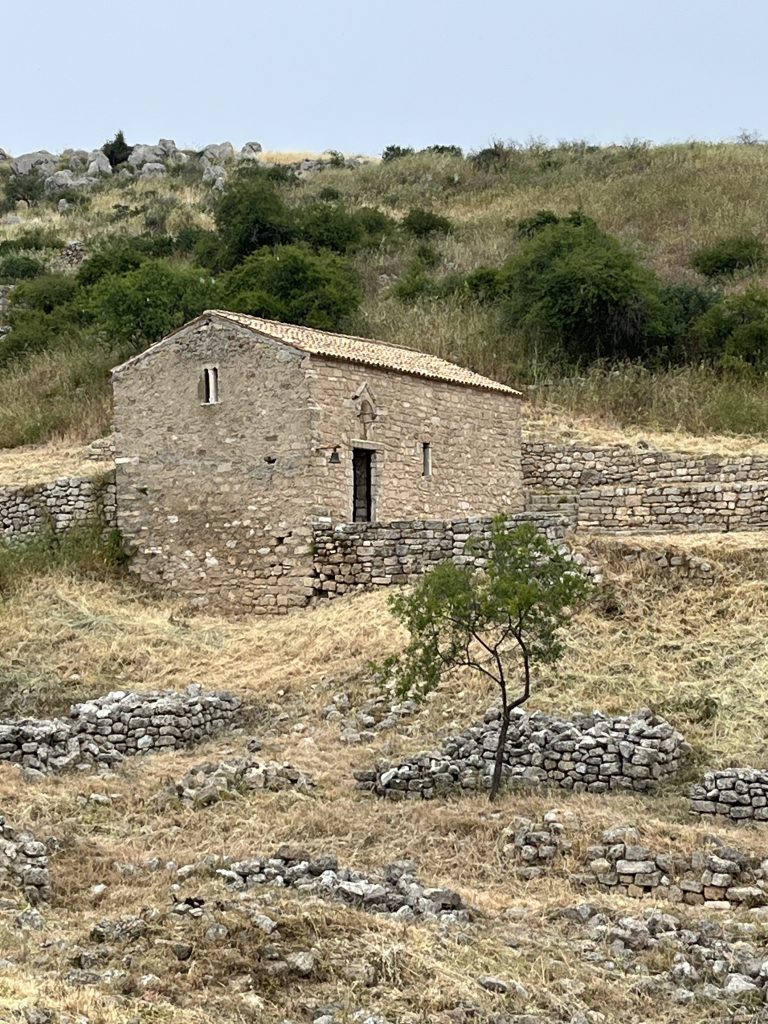
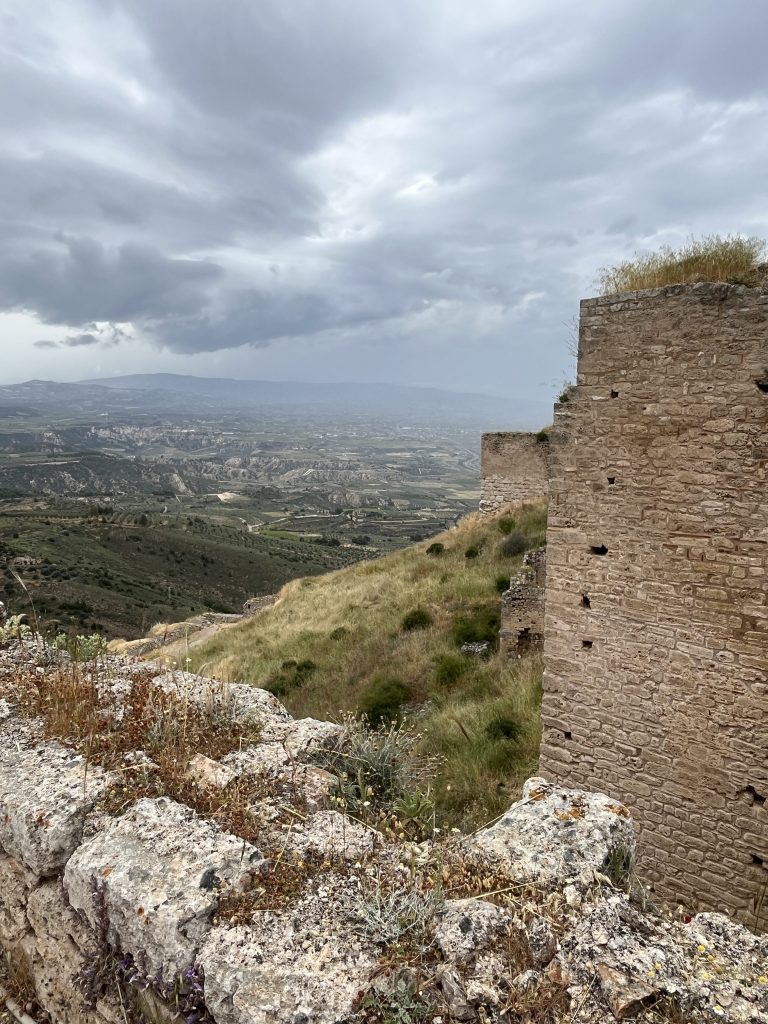
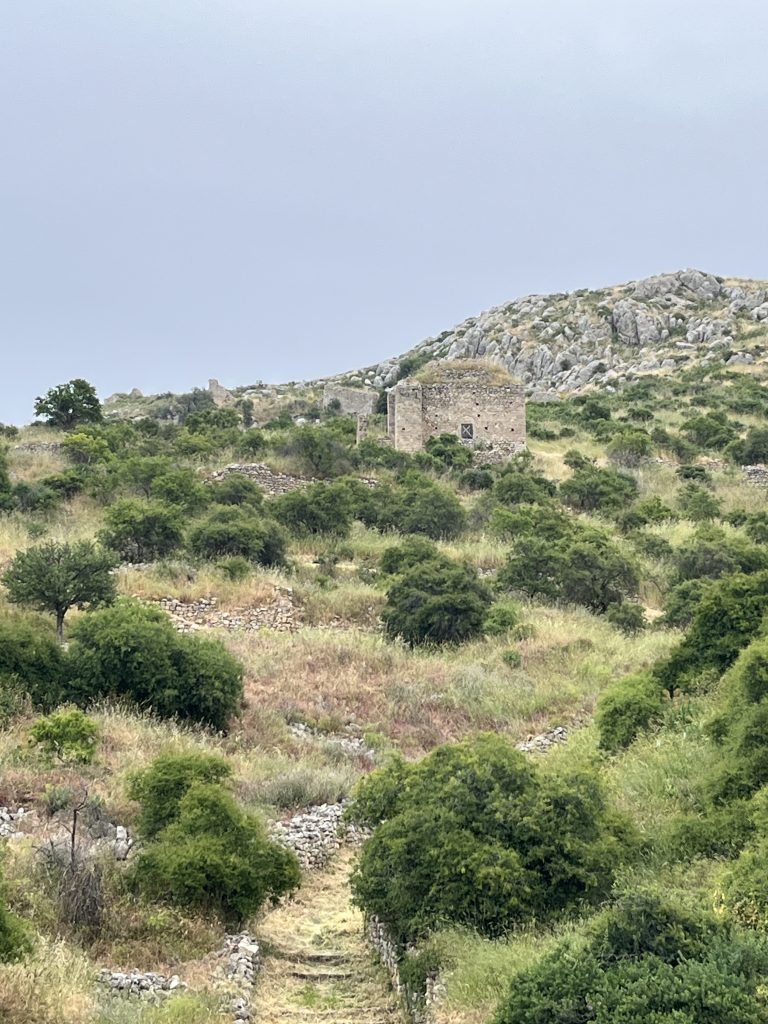
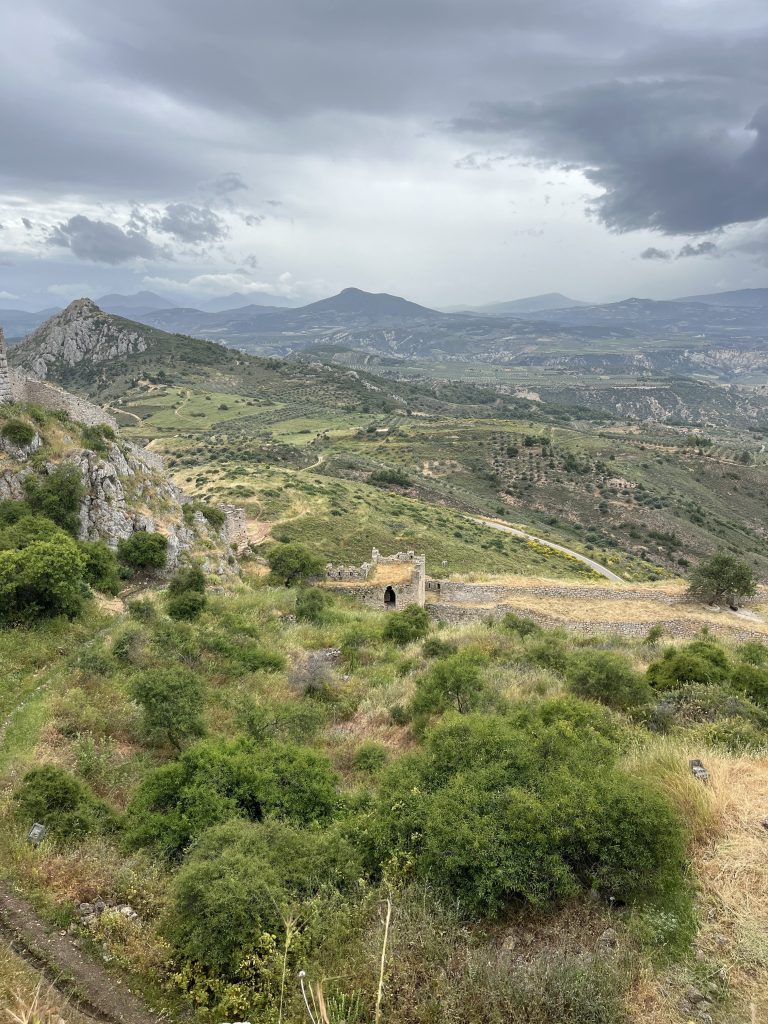
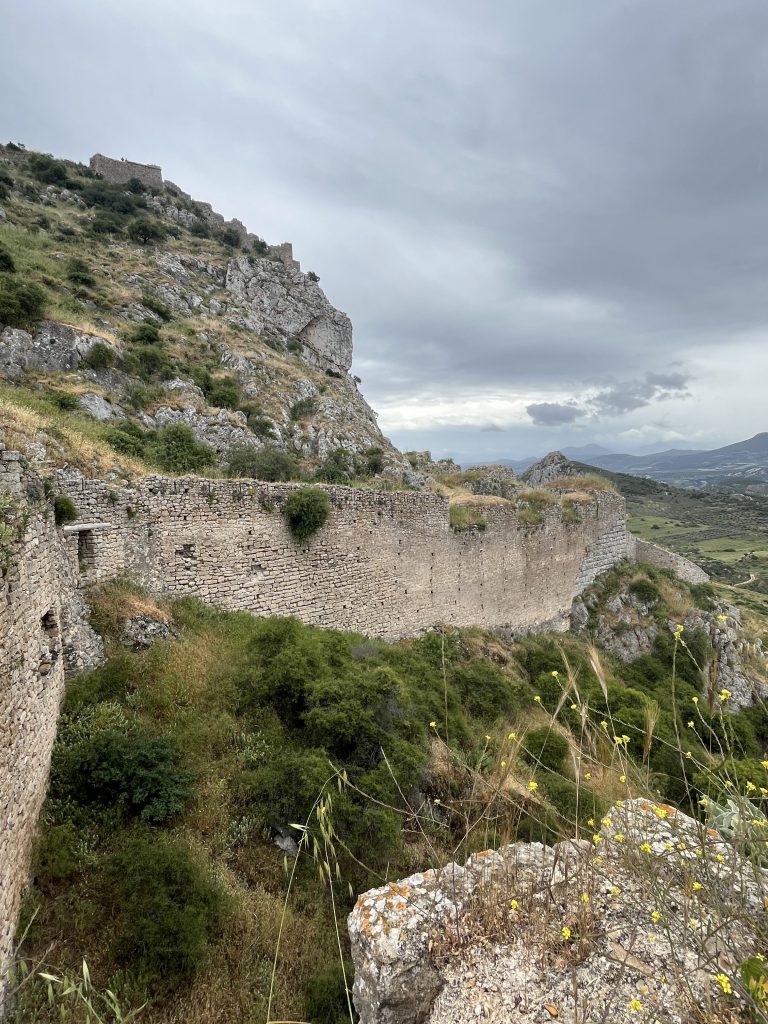
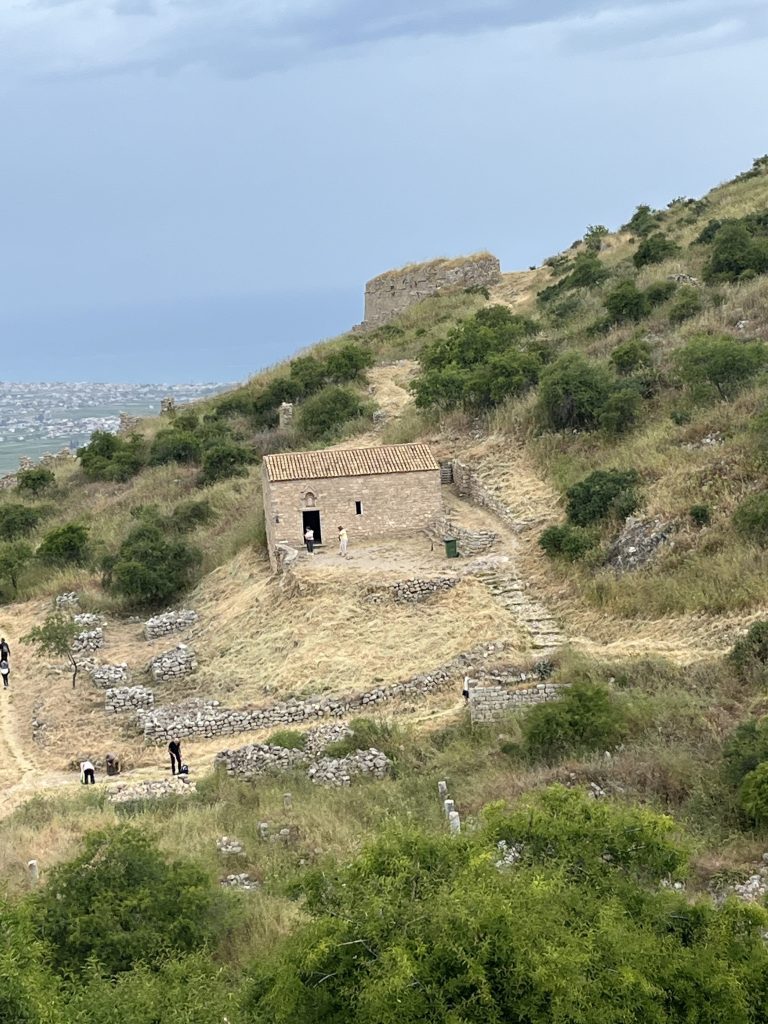
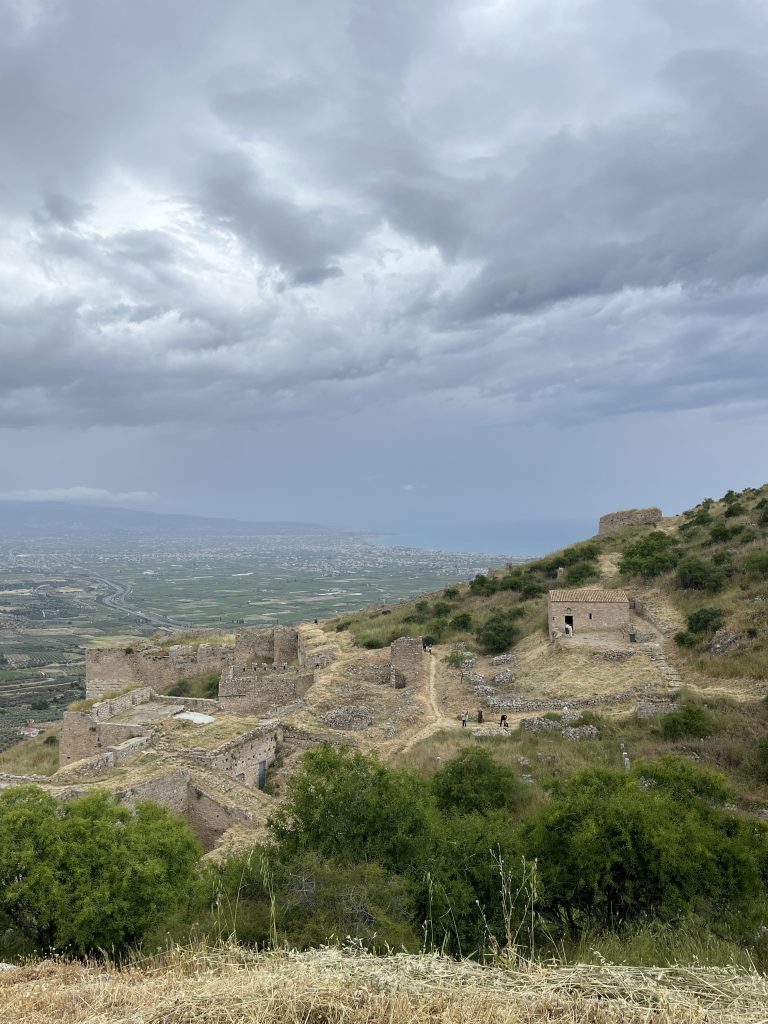
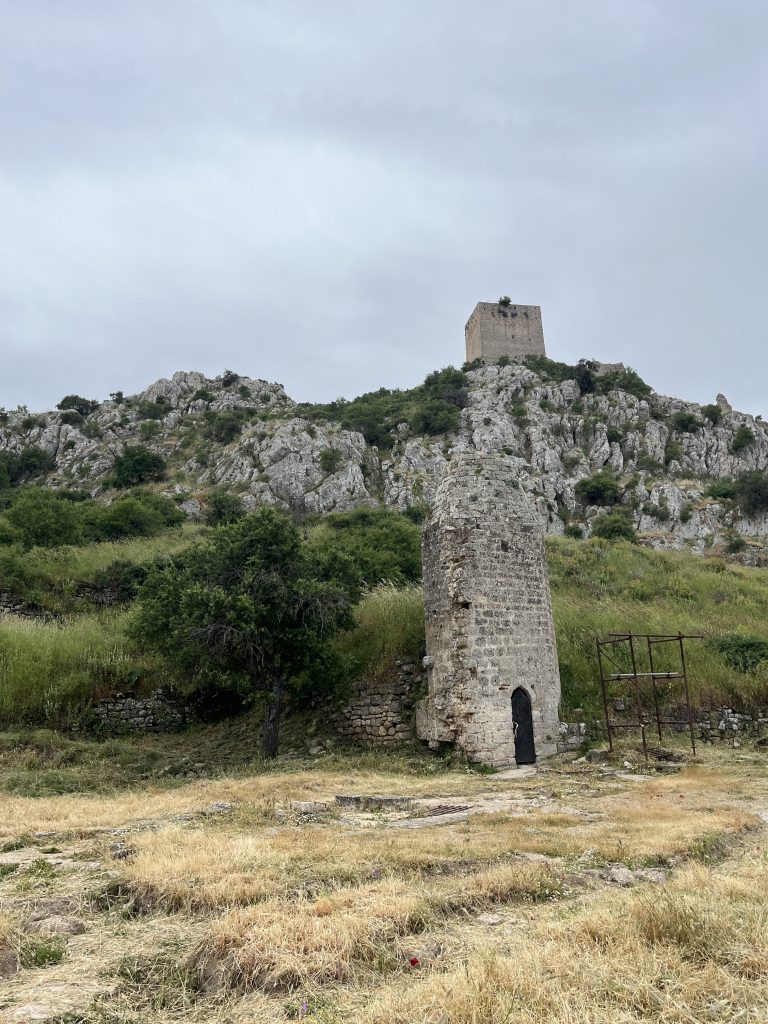
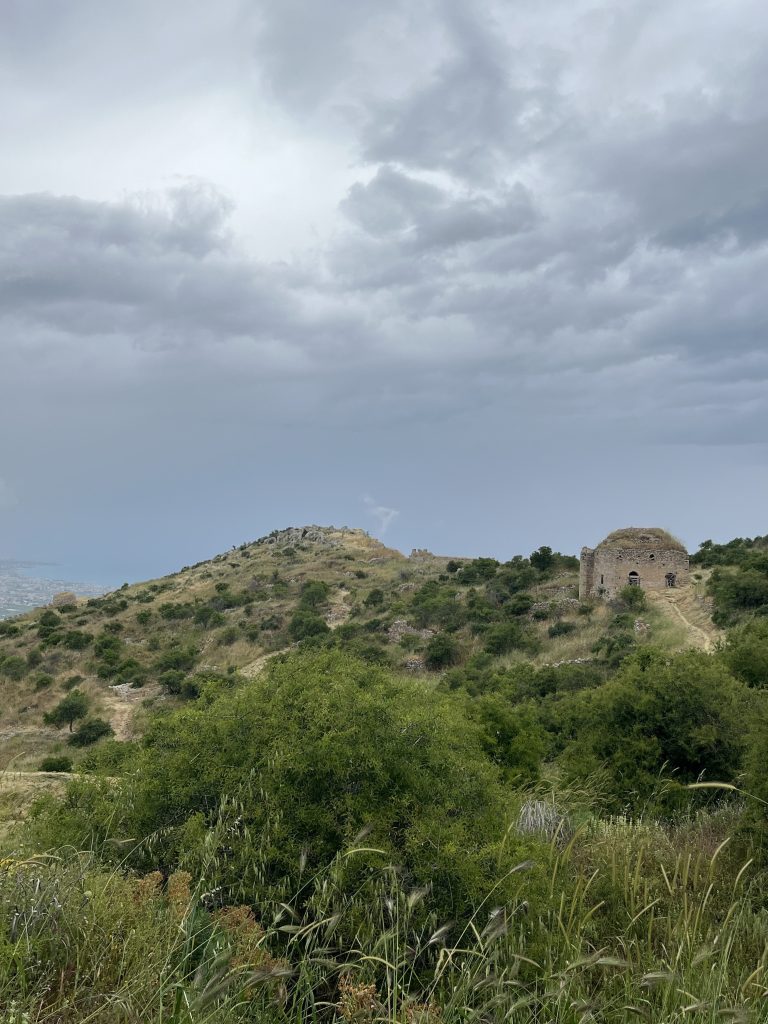
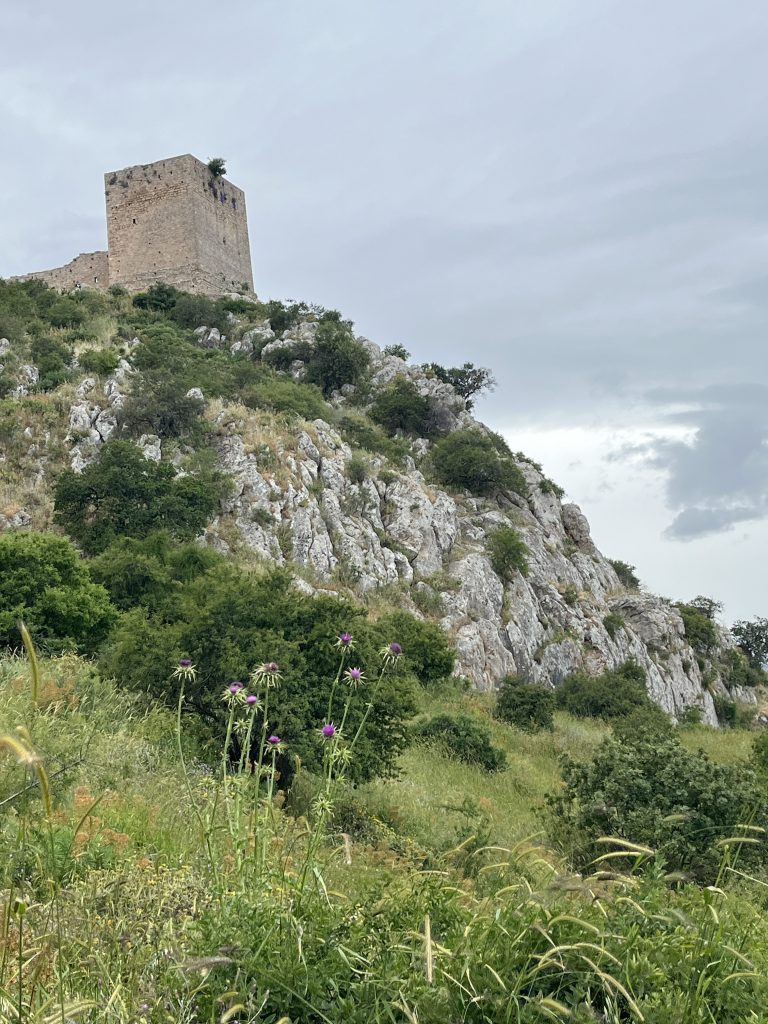
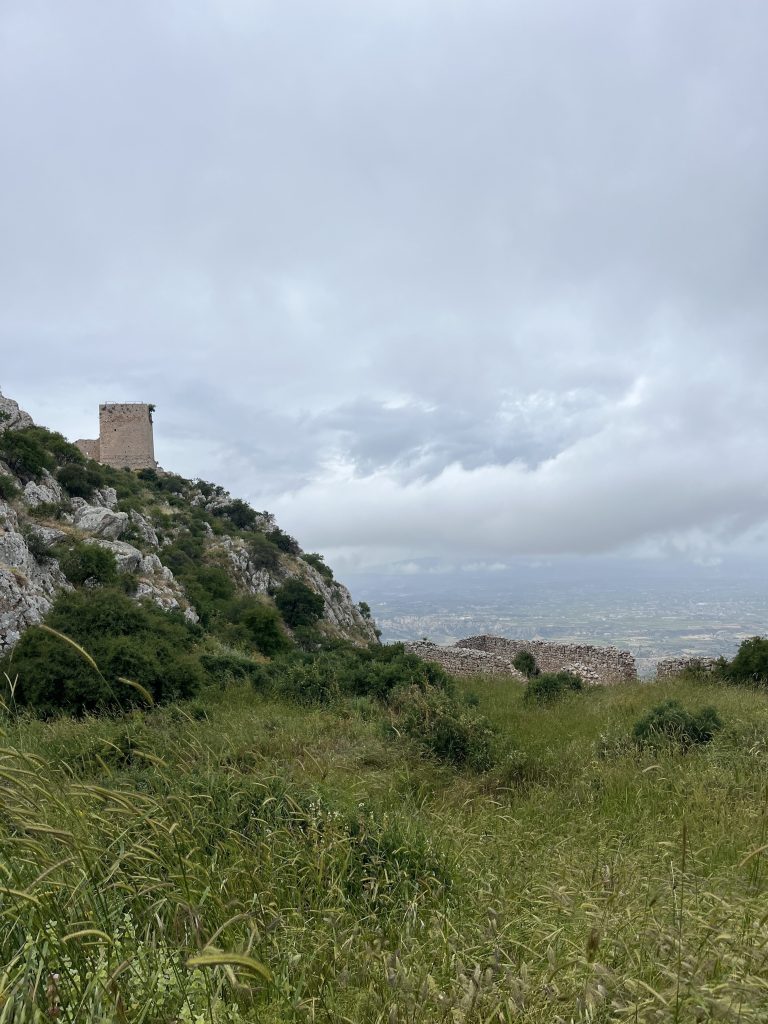
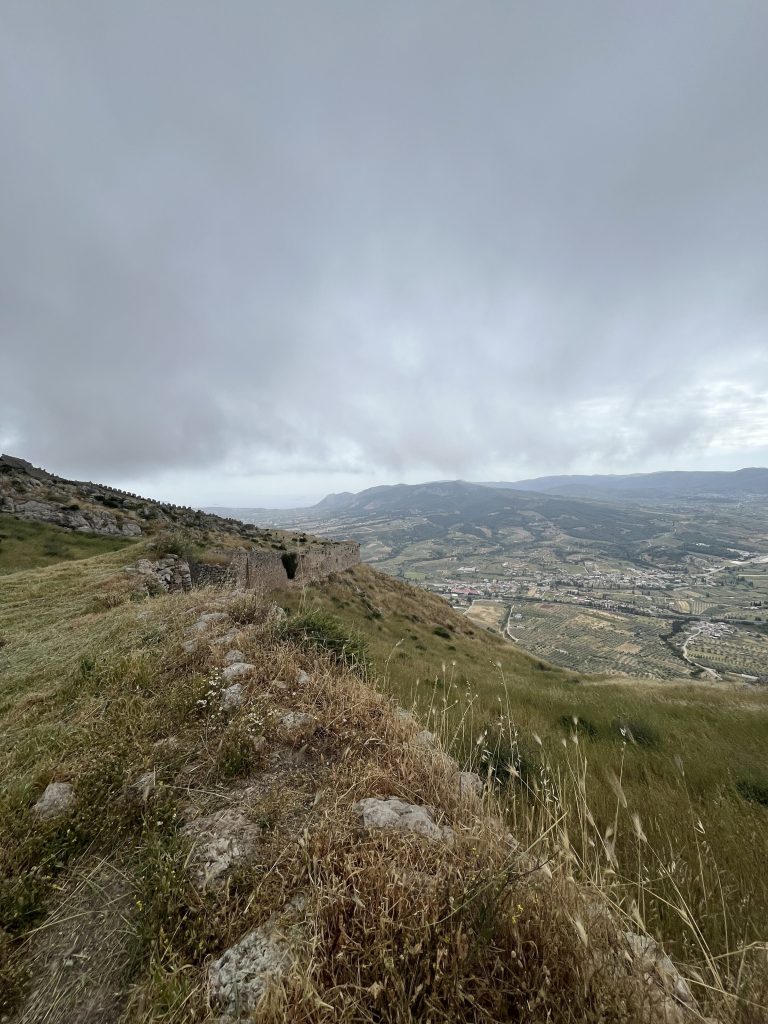
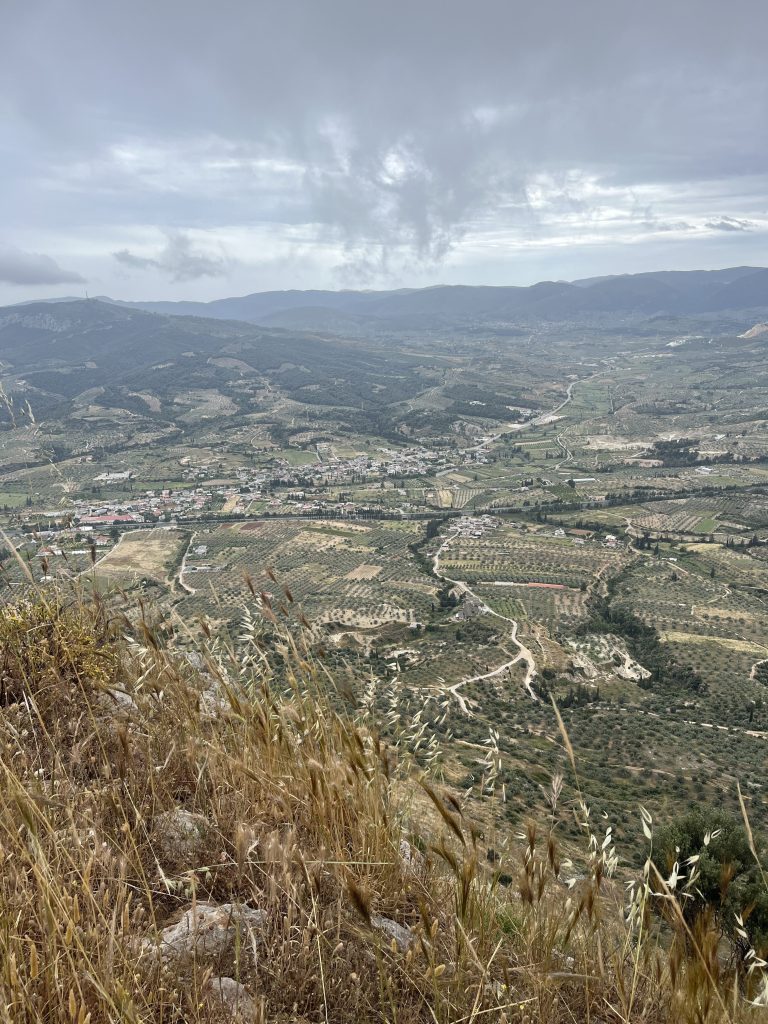
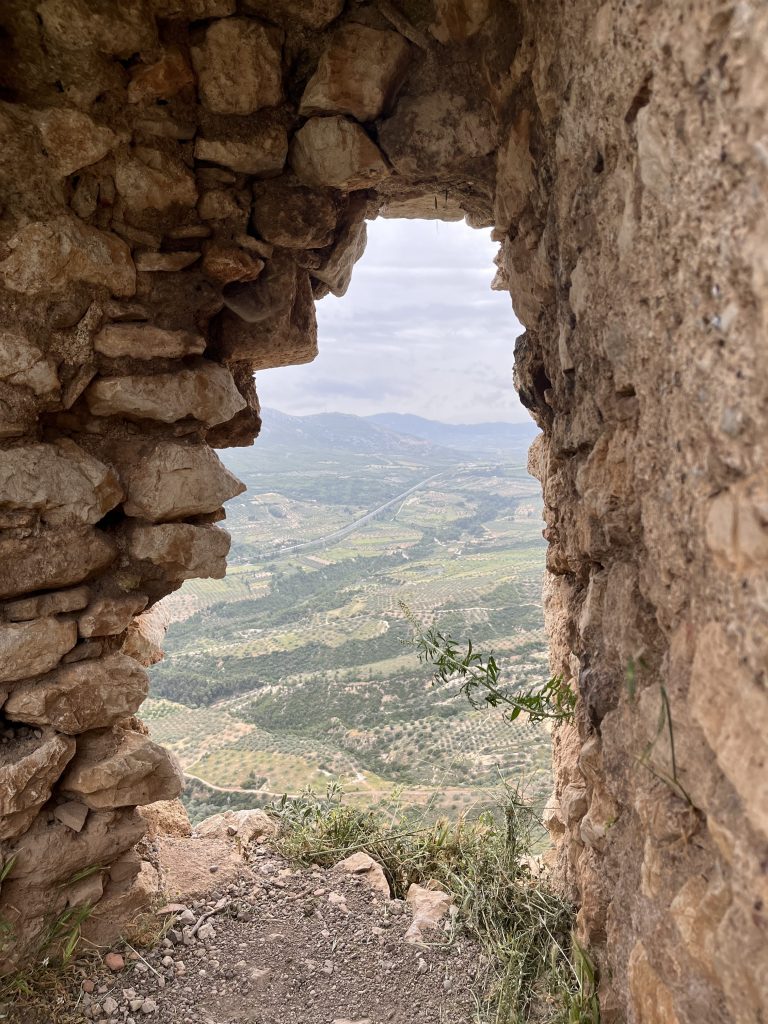
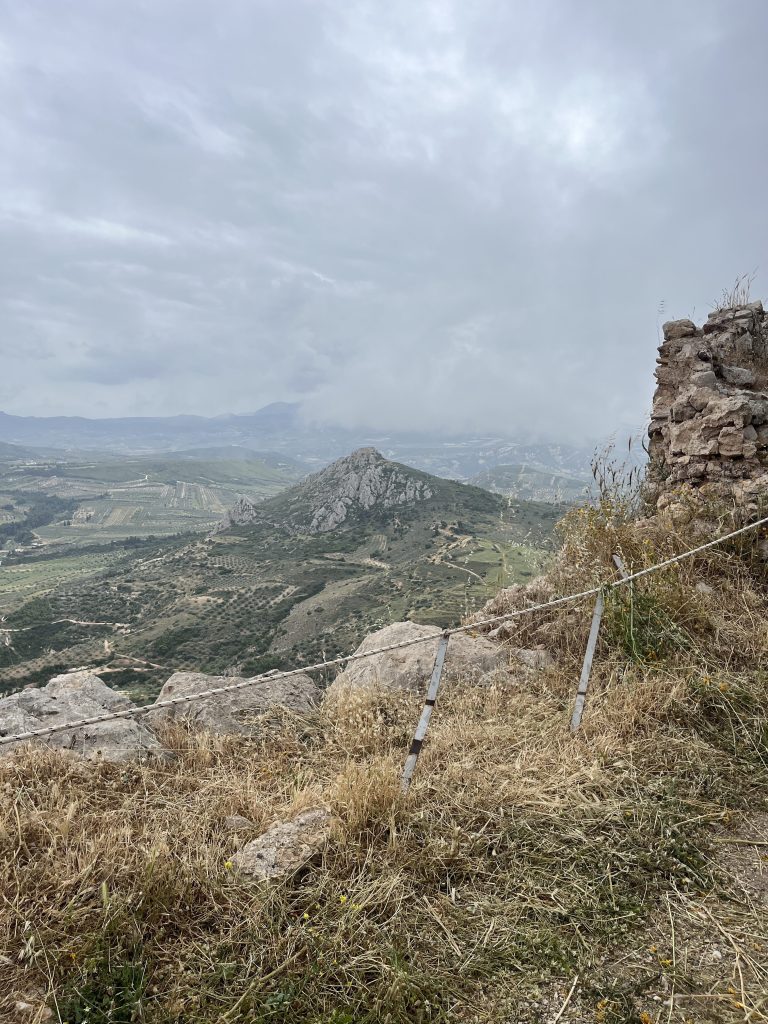
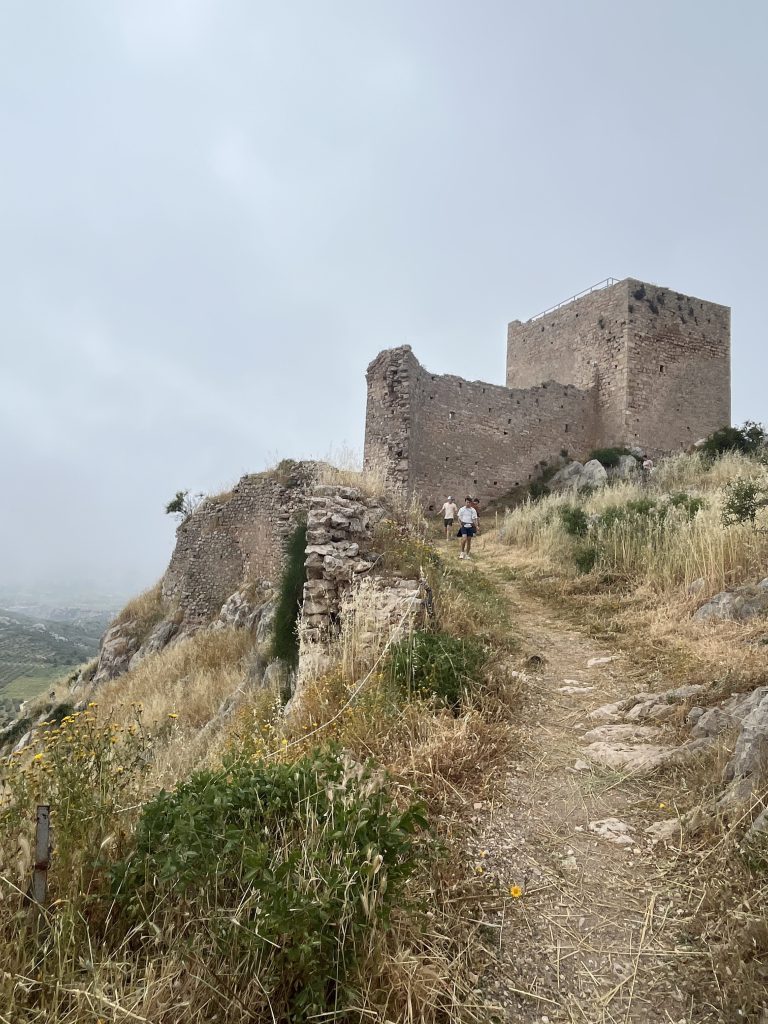
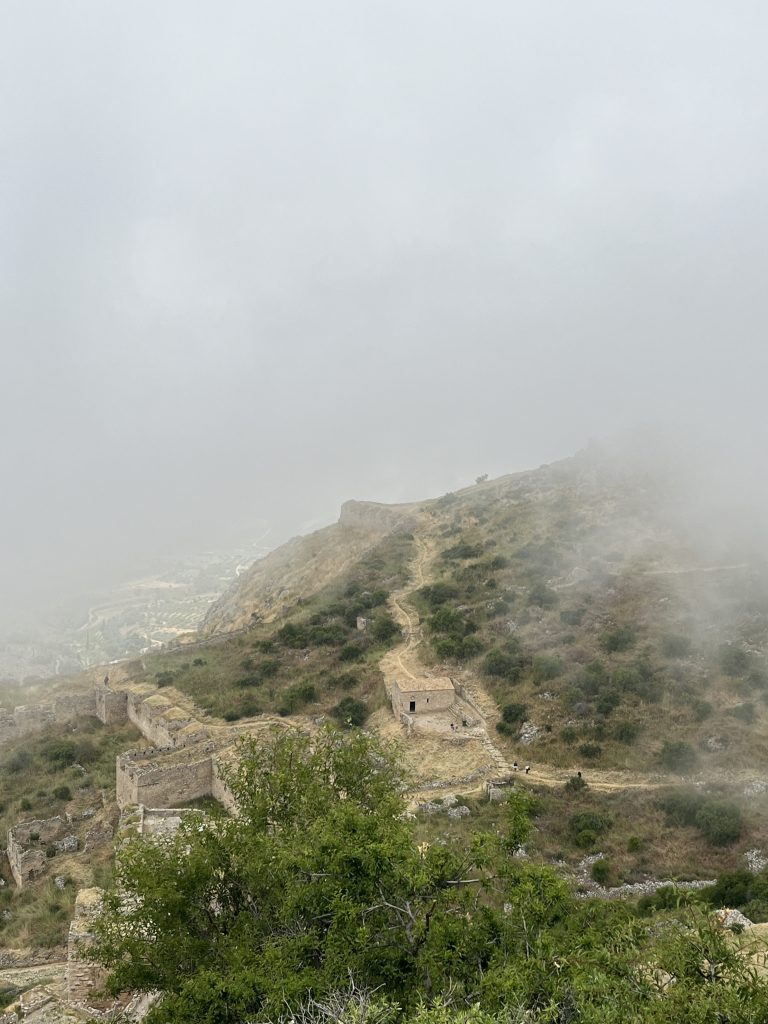
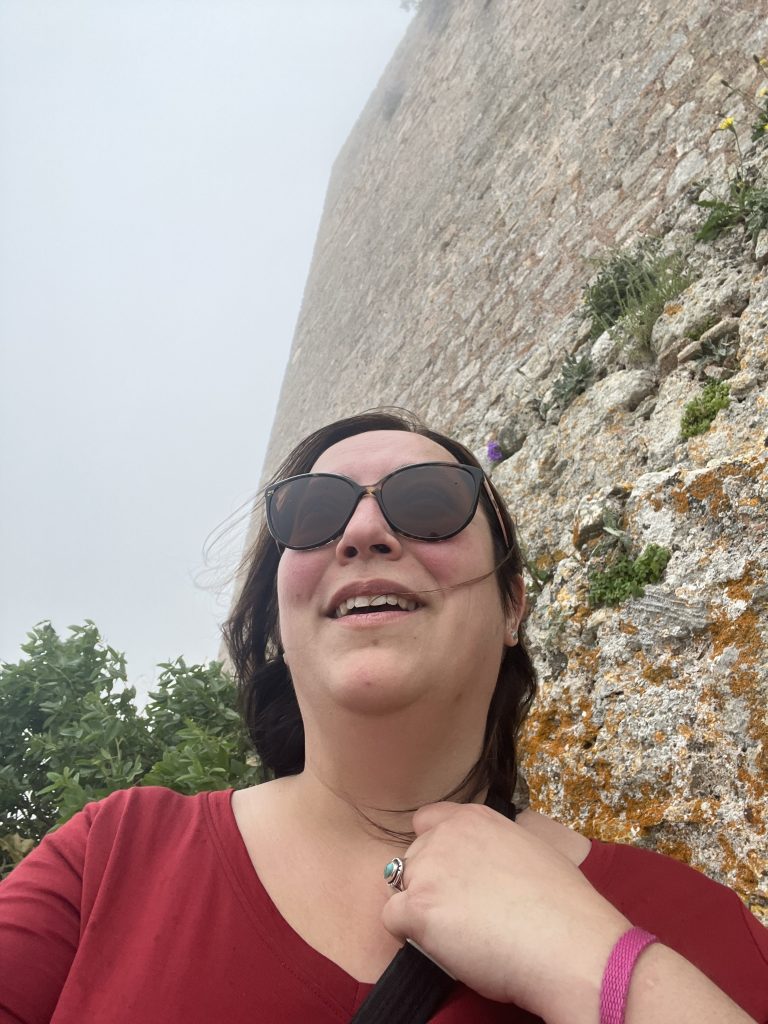
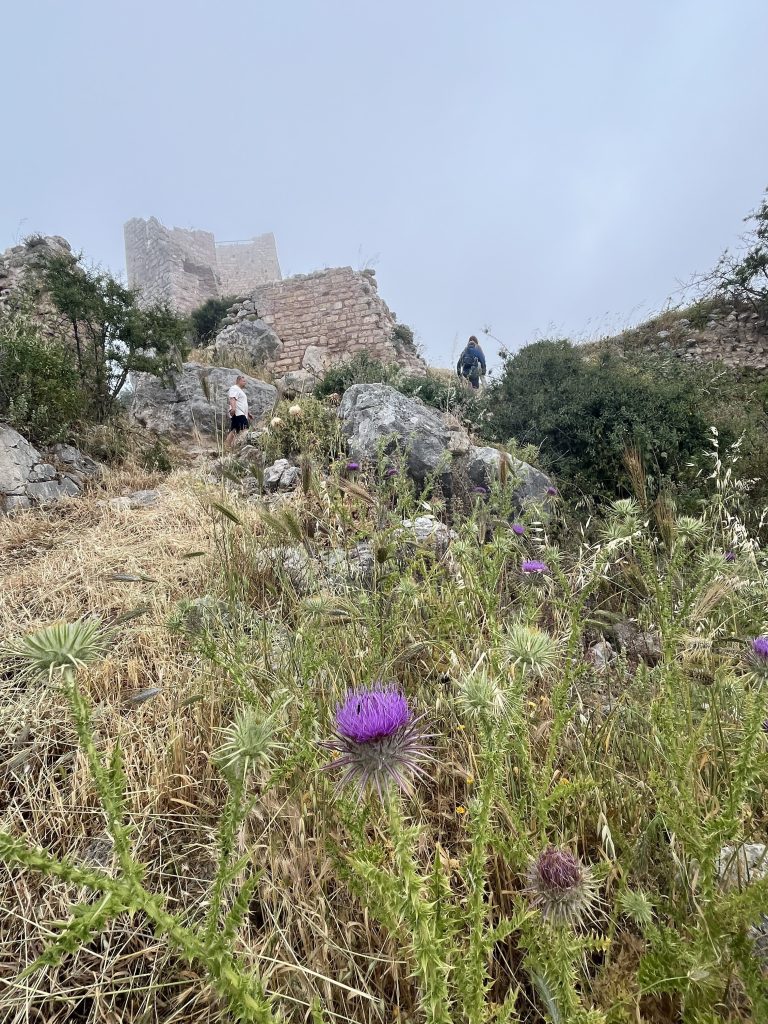
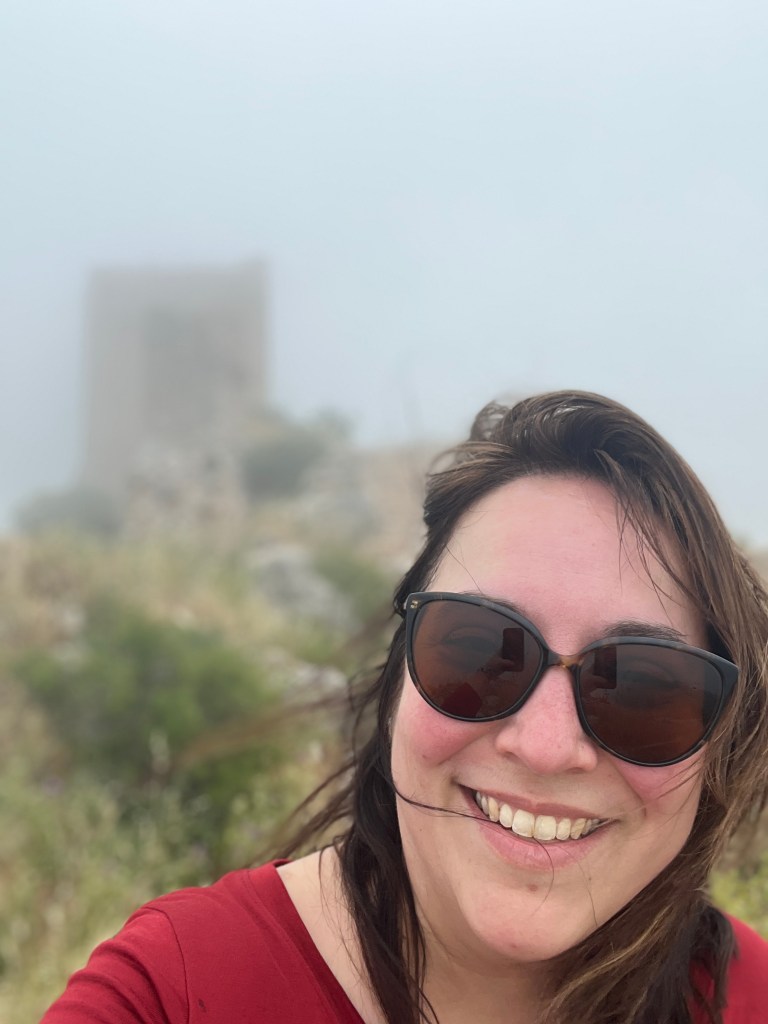
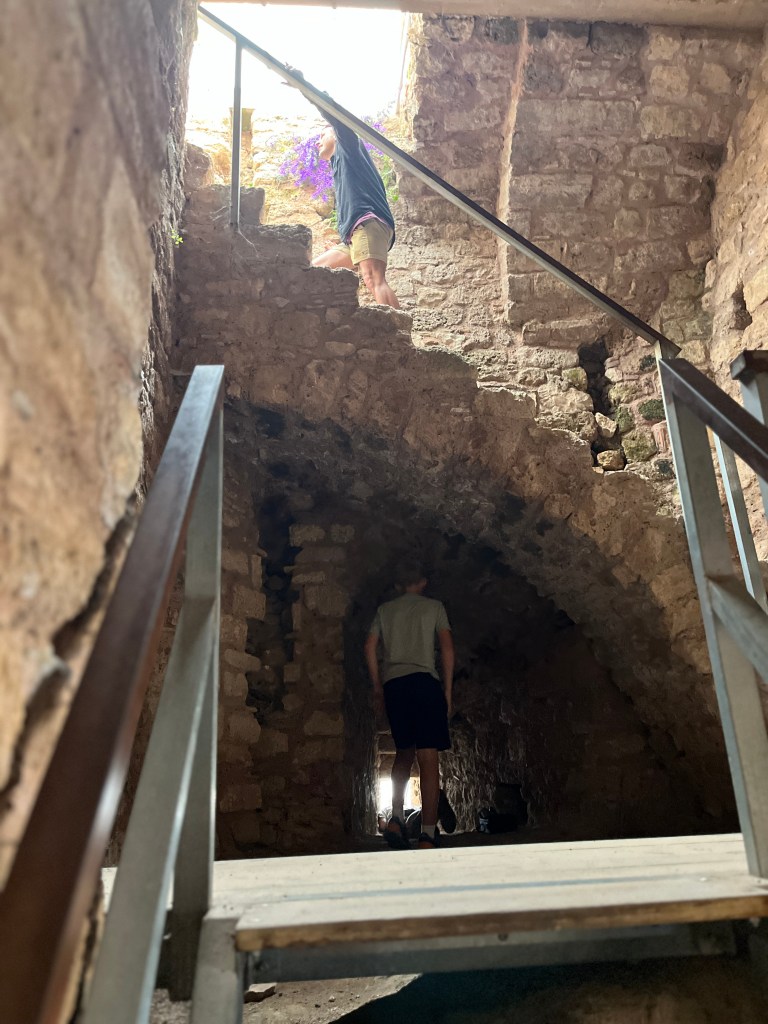
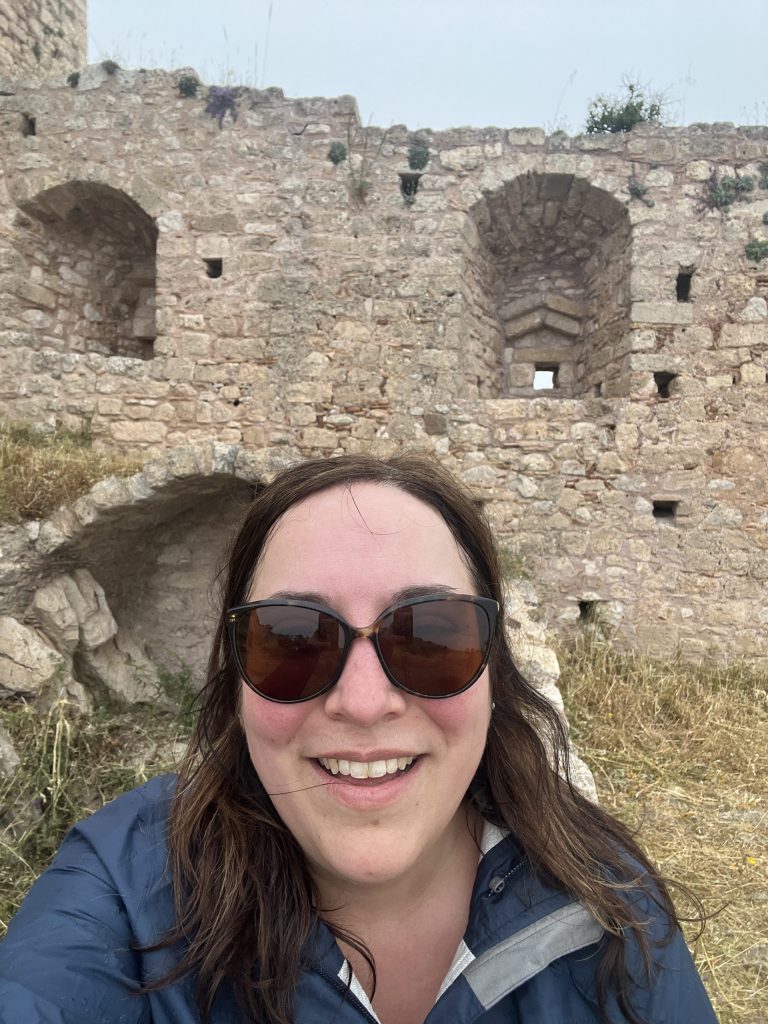
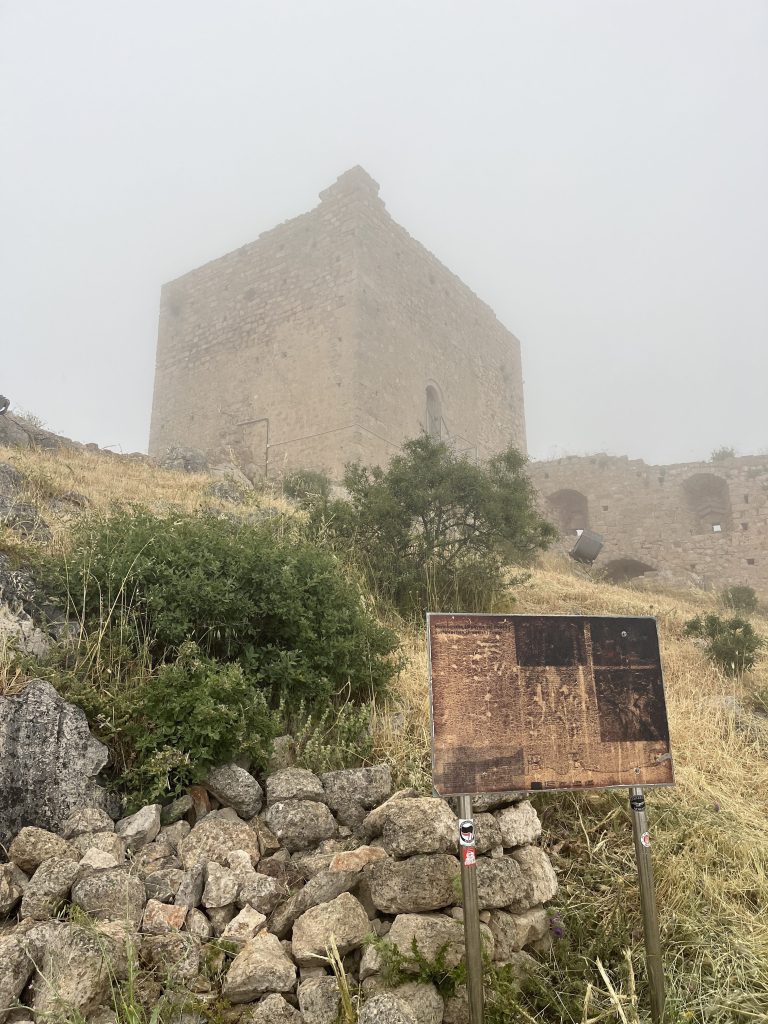
Bill advised us to go slow and when we get tired to rest. We had plenty of time to climb to the top if we chose too. I chose to climb to the top (back down in the rain) and was so thrilled that I did. I took a bunch of pictures while I was resting, most are of the scenery since I made most of the climb alone. In my journal I jotted notes about feeling like something clicked into place, like something healed or was made whole. My inner voice was calm and encouraging which helped me to make the climb. I have rarely felt or heard my inner voice this way. It was a blessing and a joy. I wrote a more detailed reflection about this experience here: Psalm 26 reflection about Corinth. At some point I texted the group that I was at the top and needed a prize. Sarah got me a magnet from the gift shop. I got down the mountain and out of the gates just as they were closing for the day. Rebecca played the theme from Rocky when I got back to the van. In my “thank you speech” I was sure to thank Bill for his advice and his umbrella as well as my fellow pilgrims.
May 17th: Worship at St. Paul’s Anglican Church, Byzantine Museum, tomb of the unknown soldier, walk in a cute neighborhood, wine and cheese snacks, and bought a blue goddess bathing suite cover for tomorrow’s boat day.
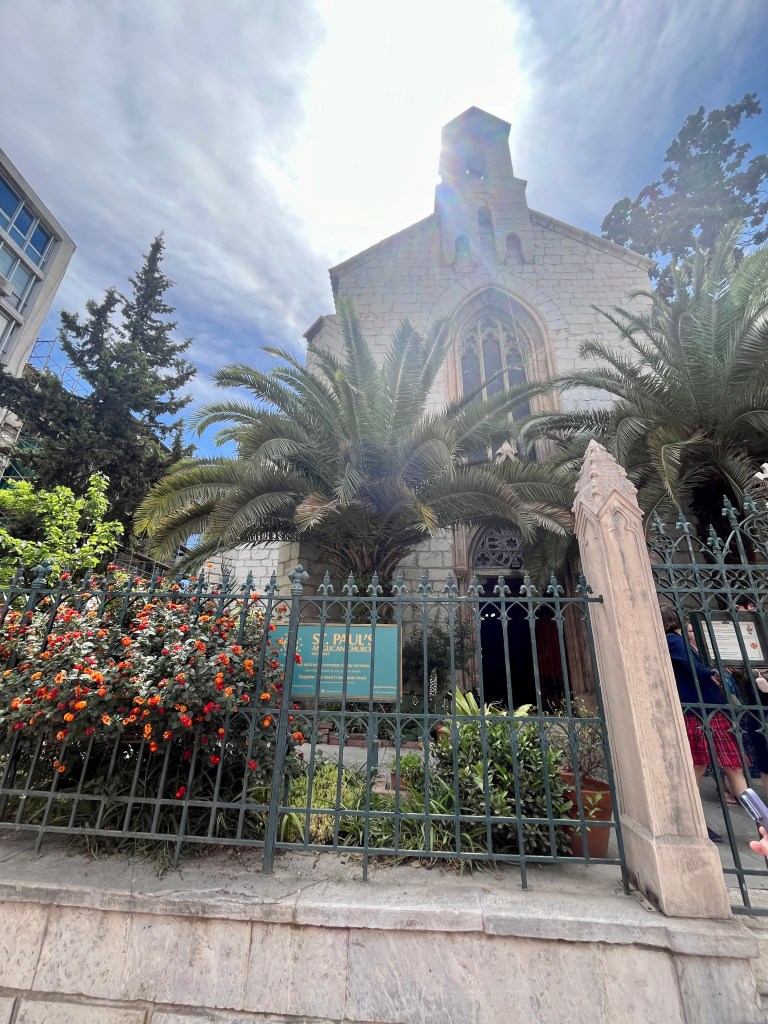
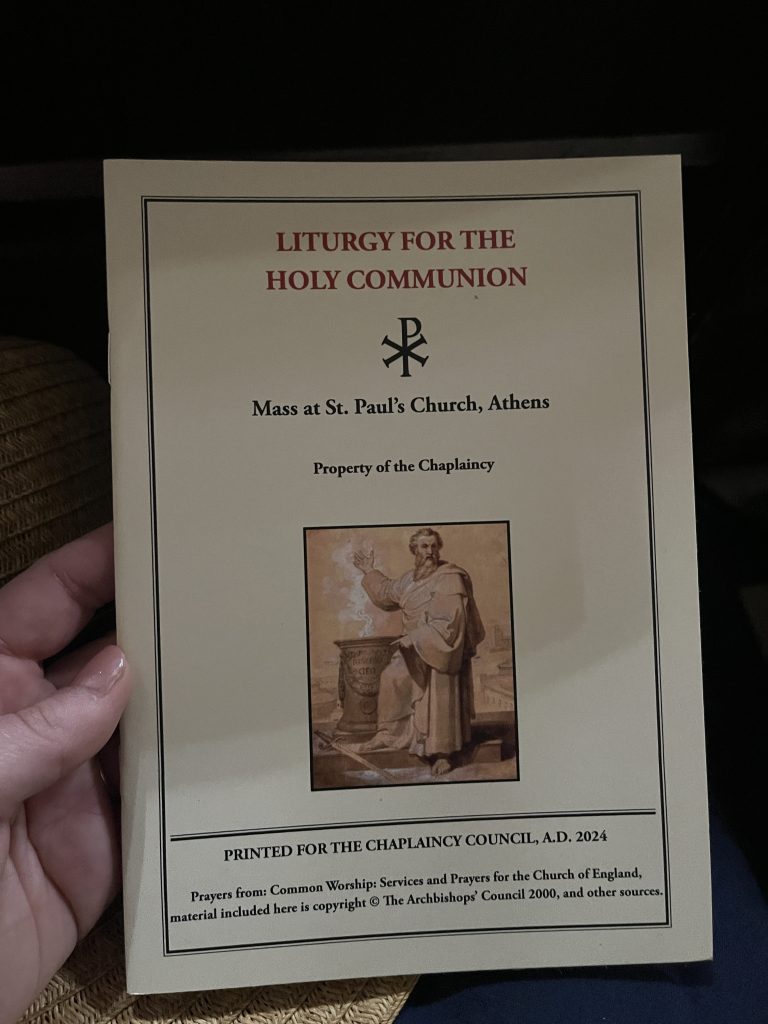
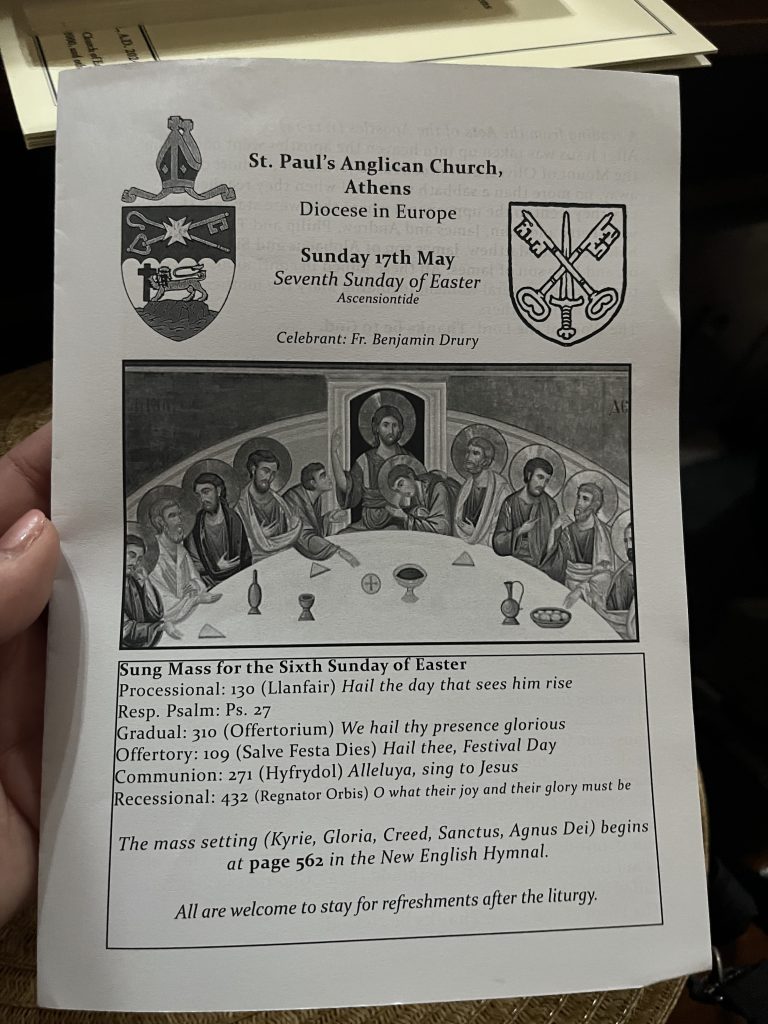
St. Paul’s Anglican Church in Athens (bulletin)
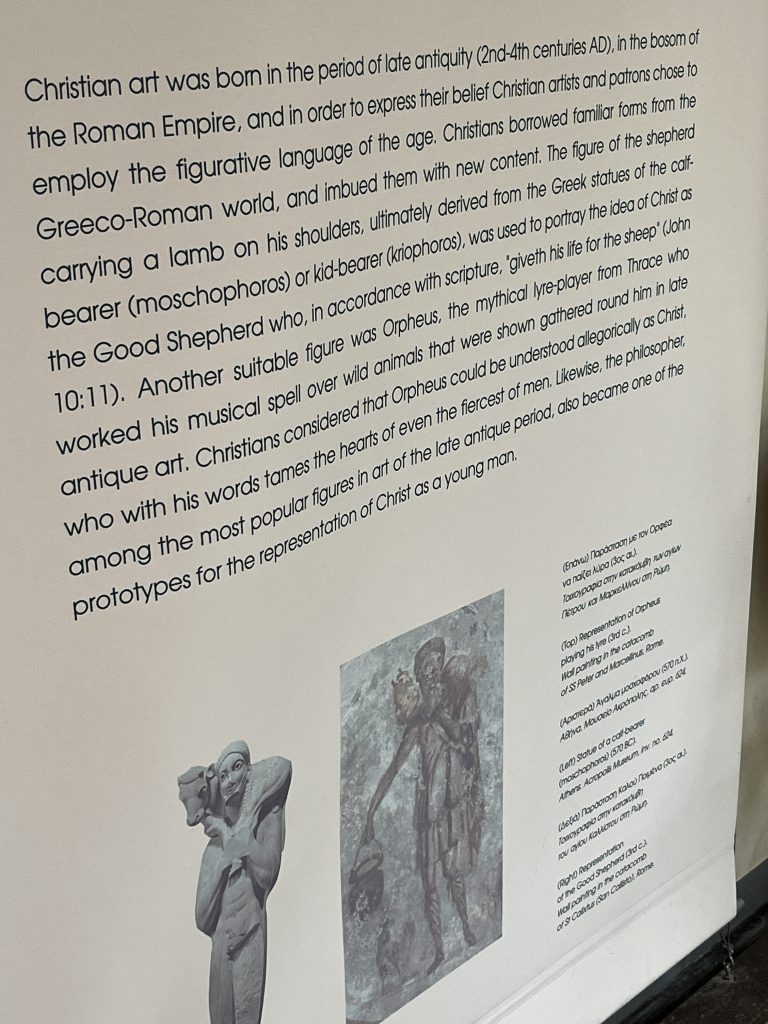
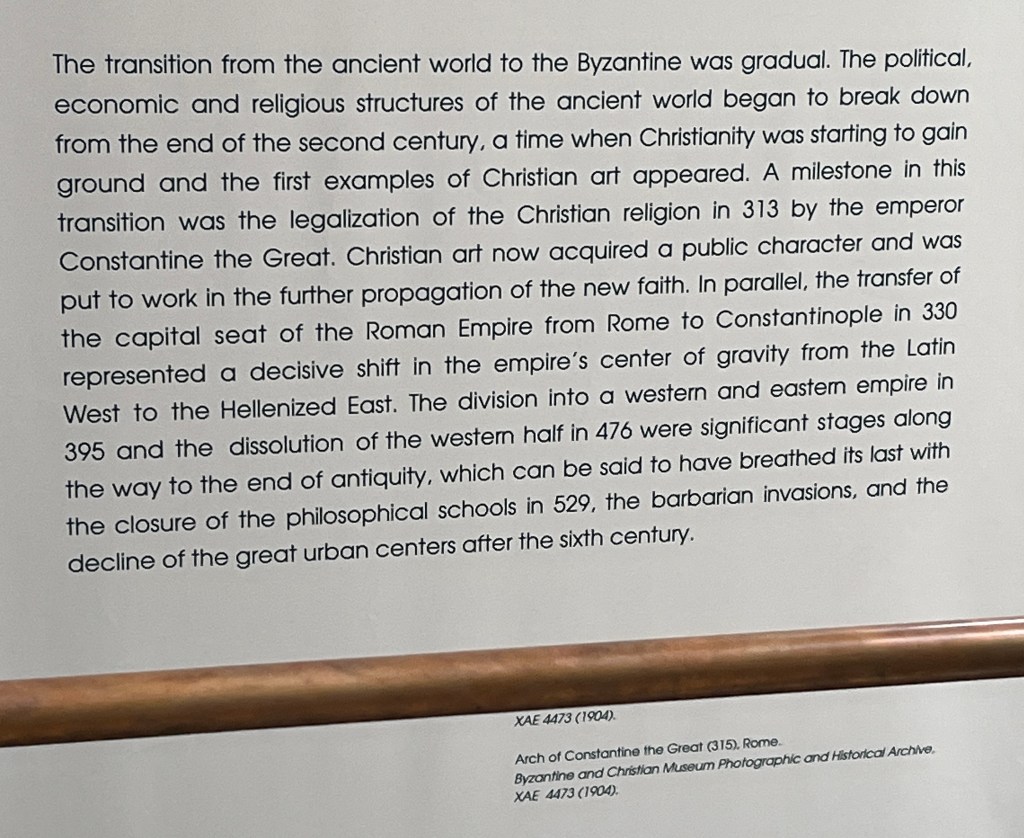
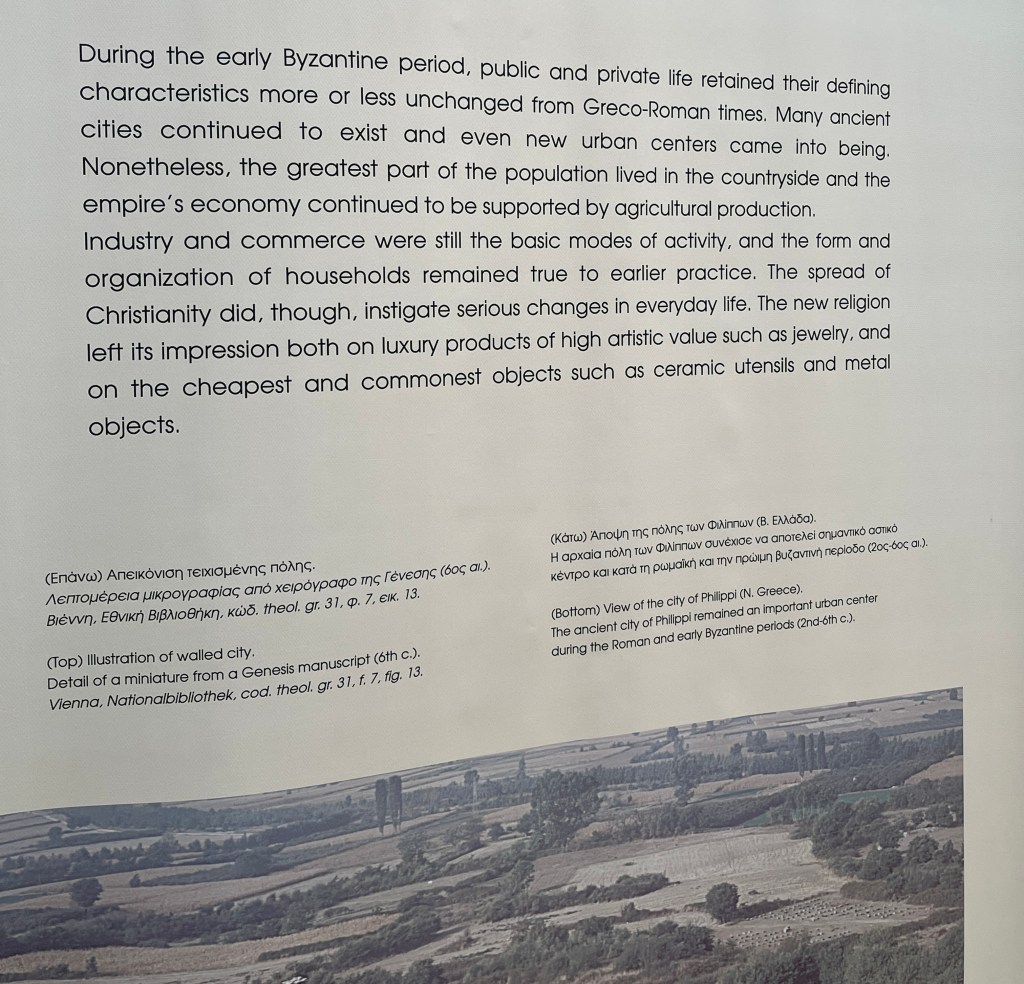
Byzantine Museum
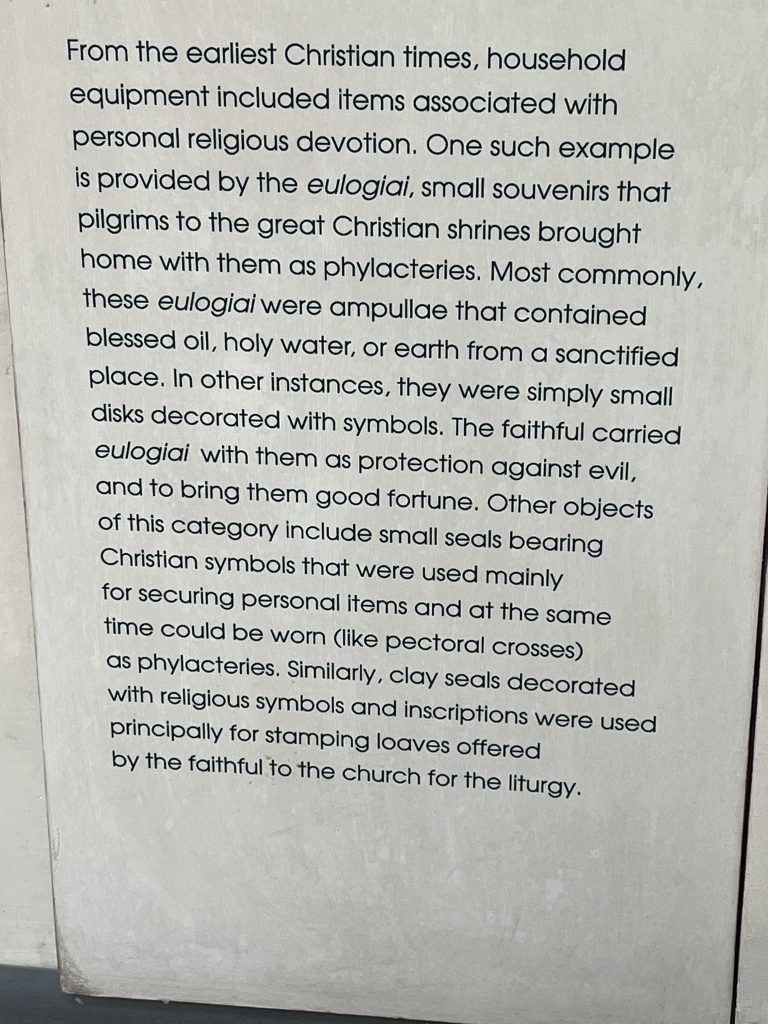
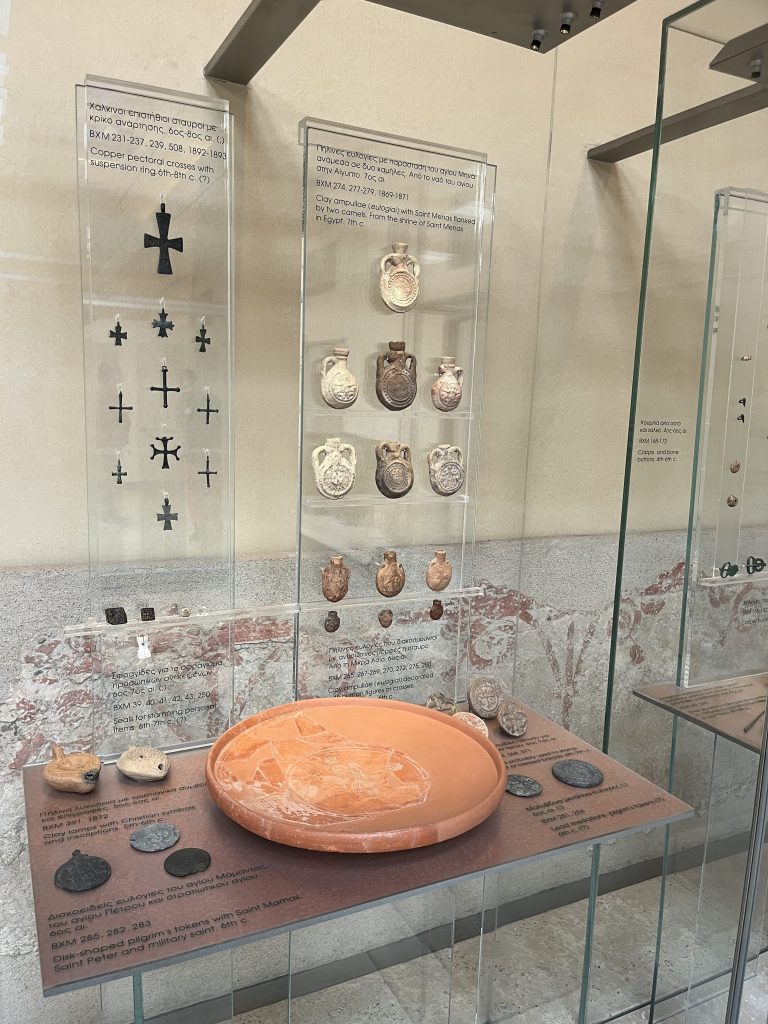
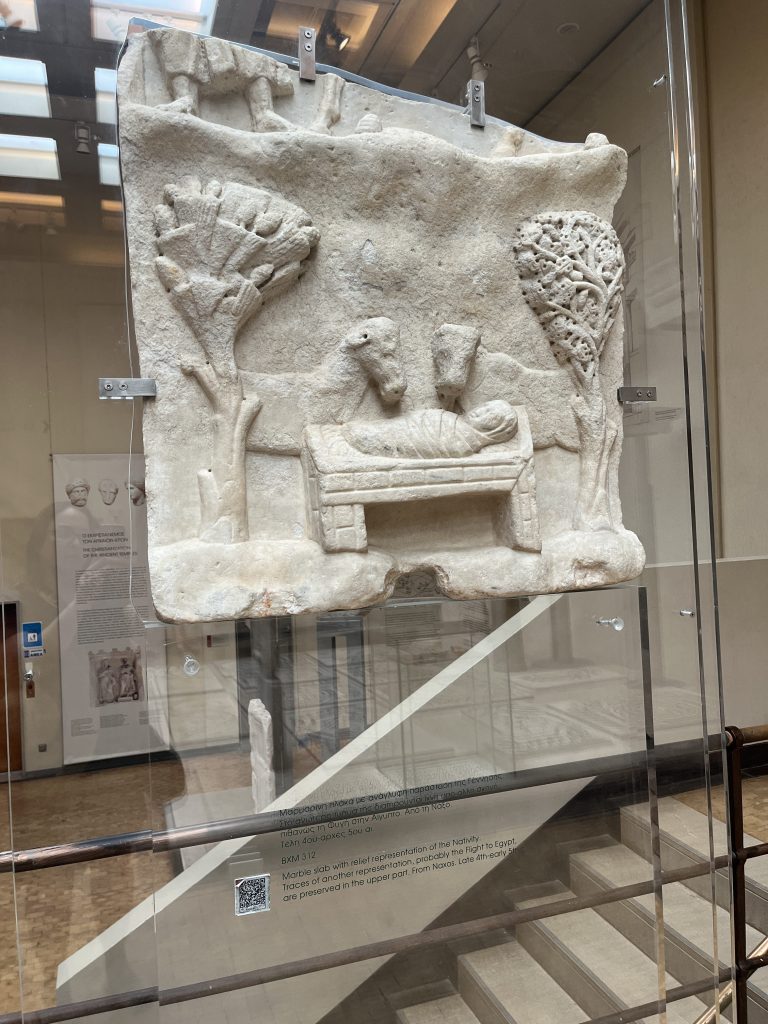
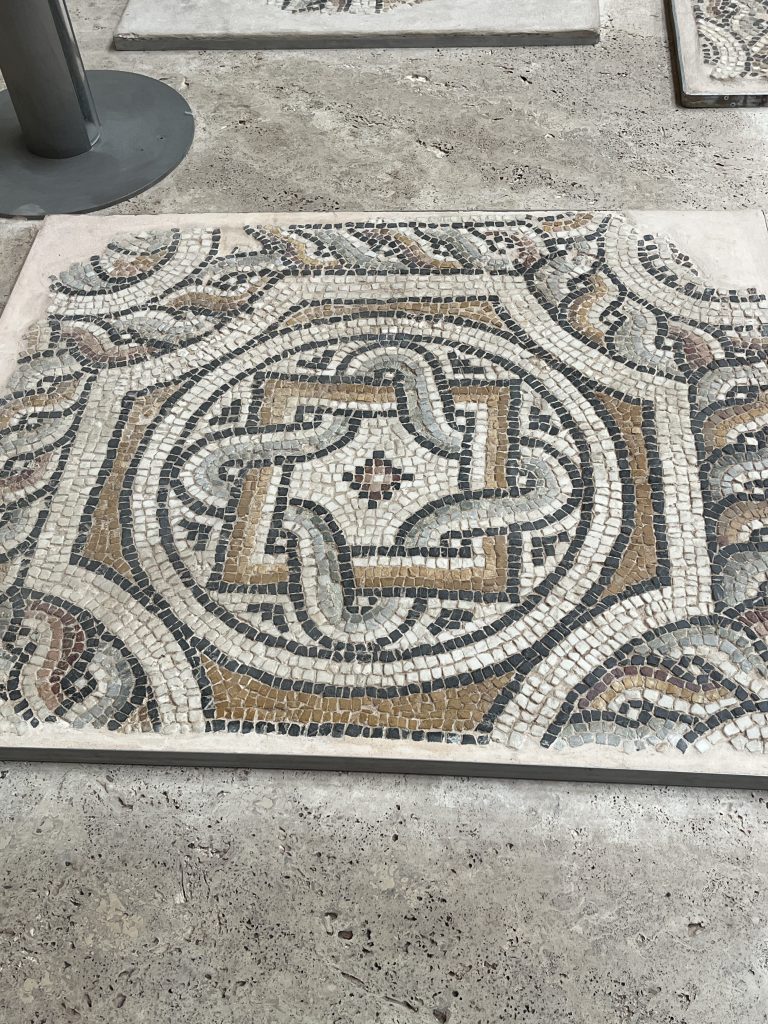
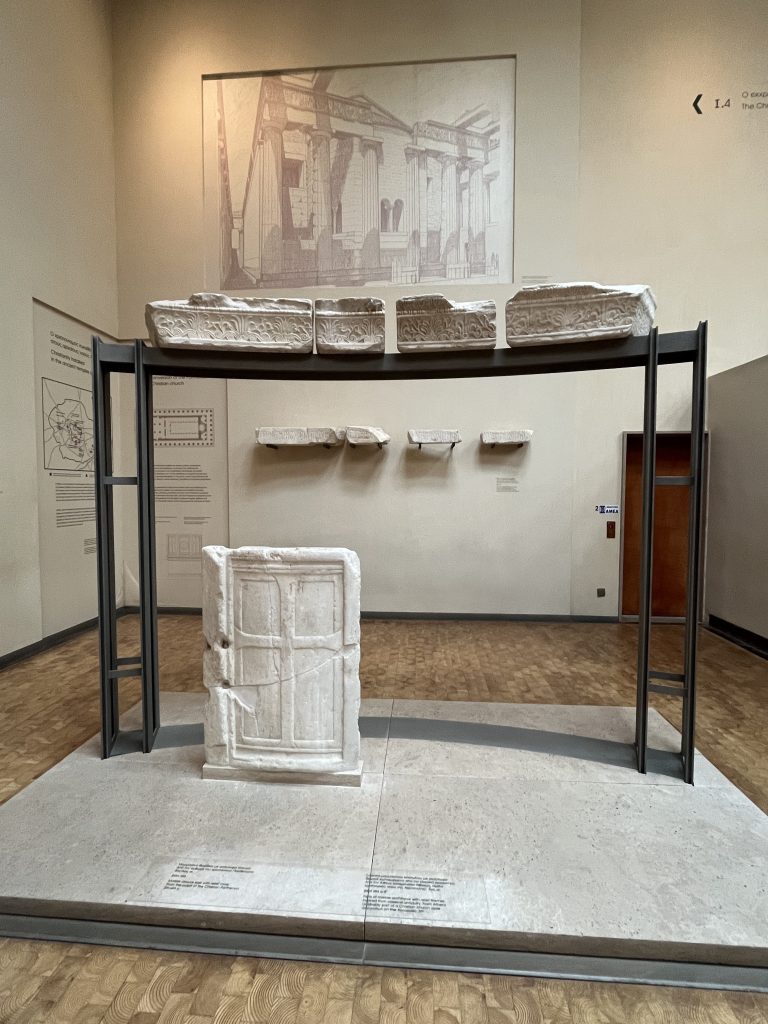
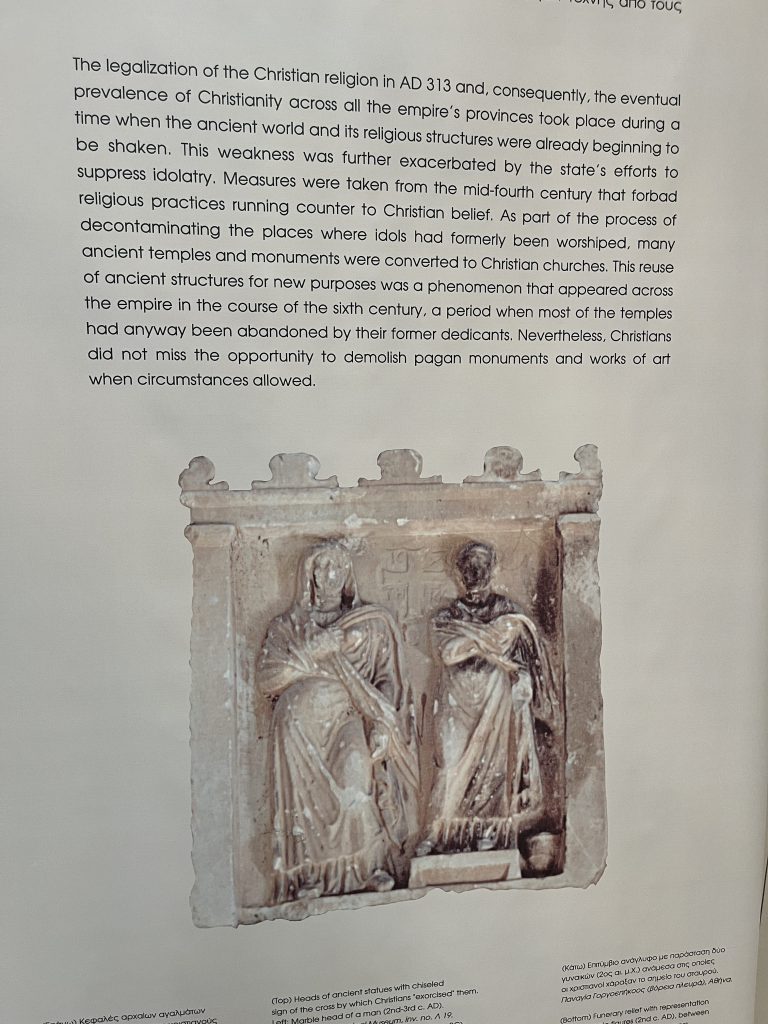
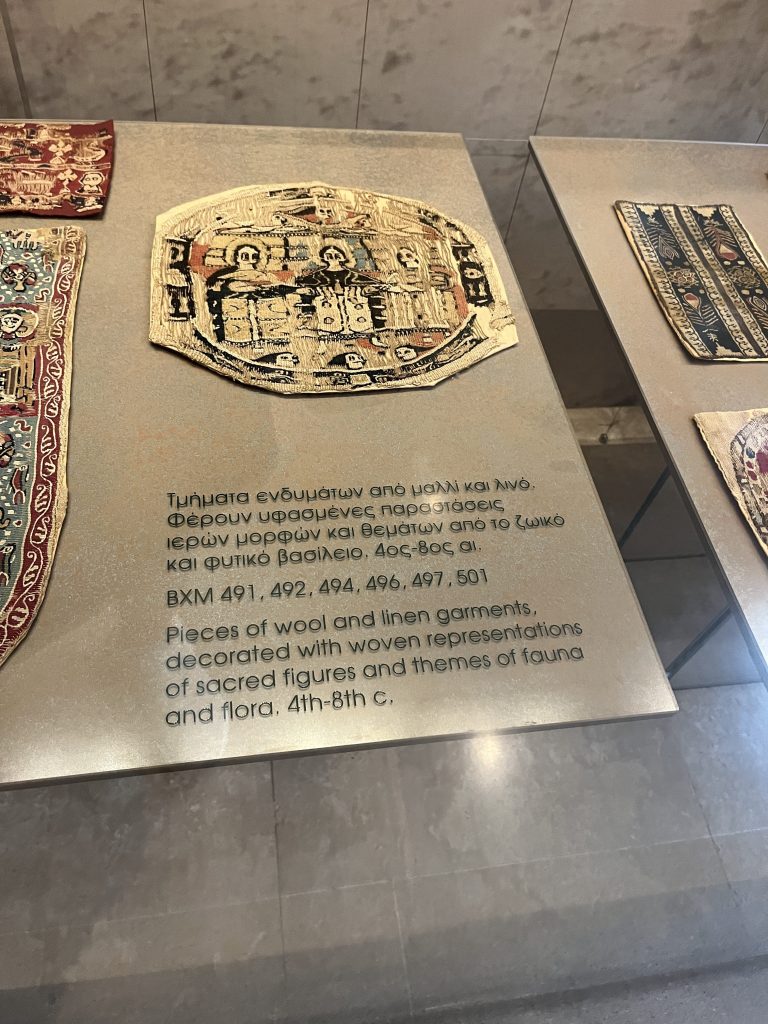
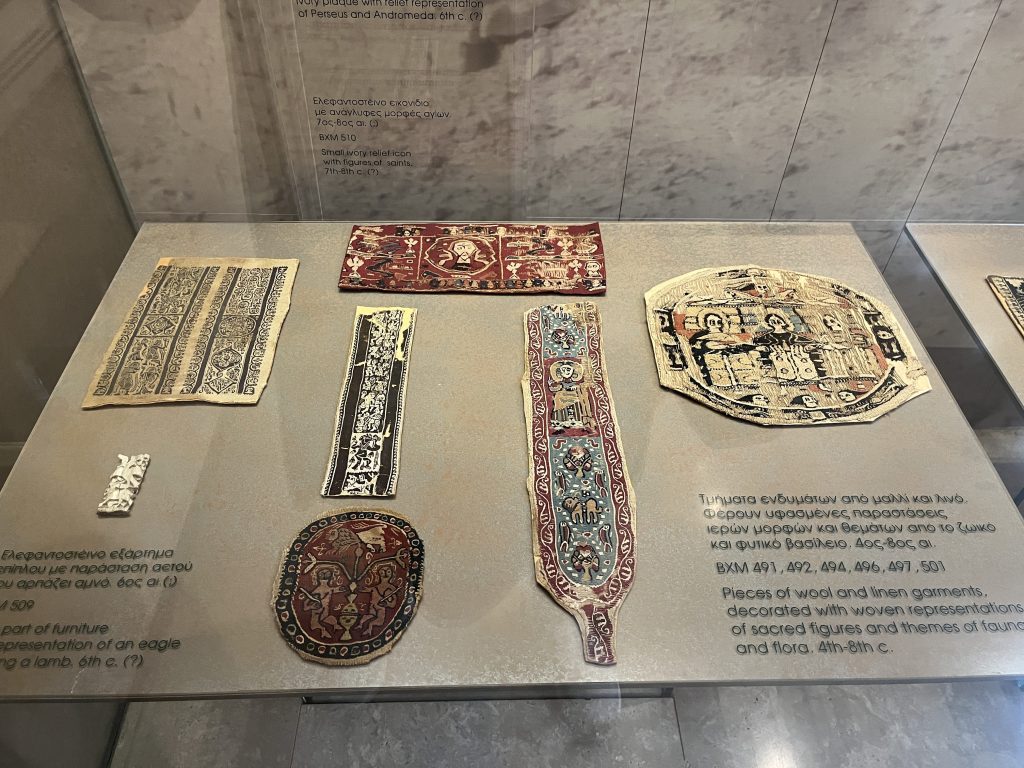
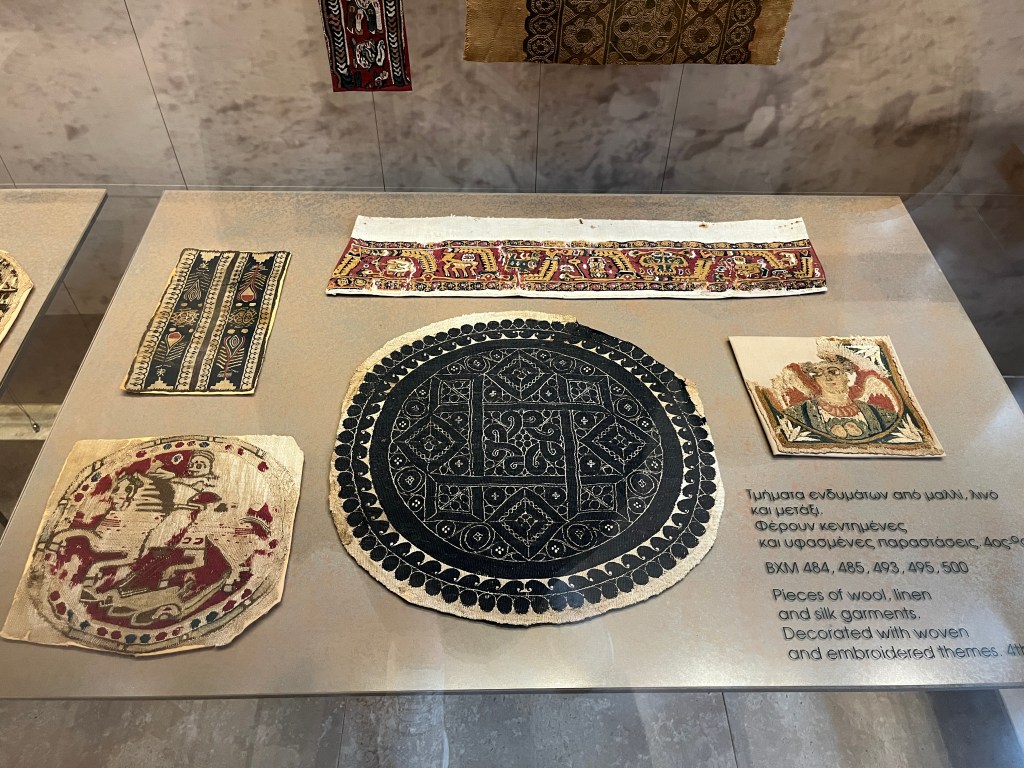
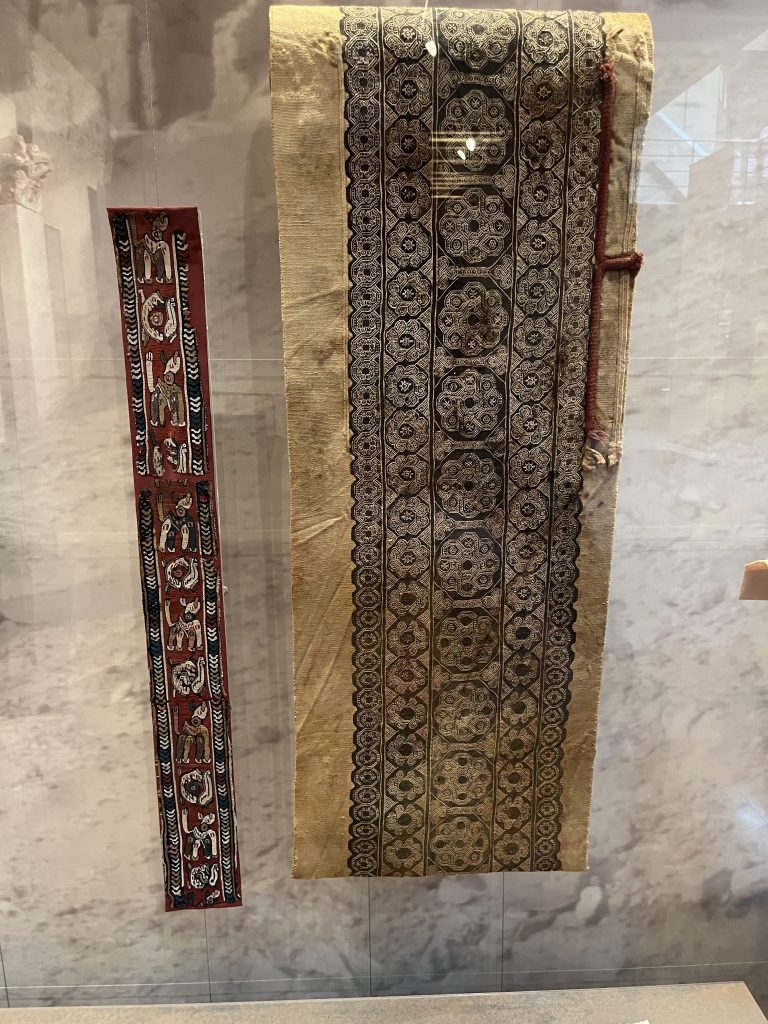
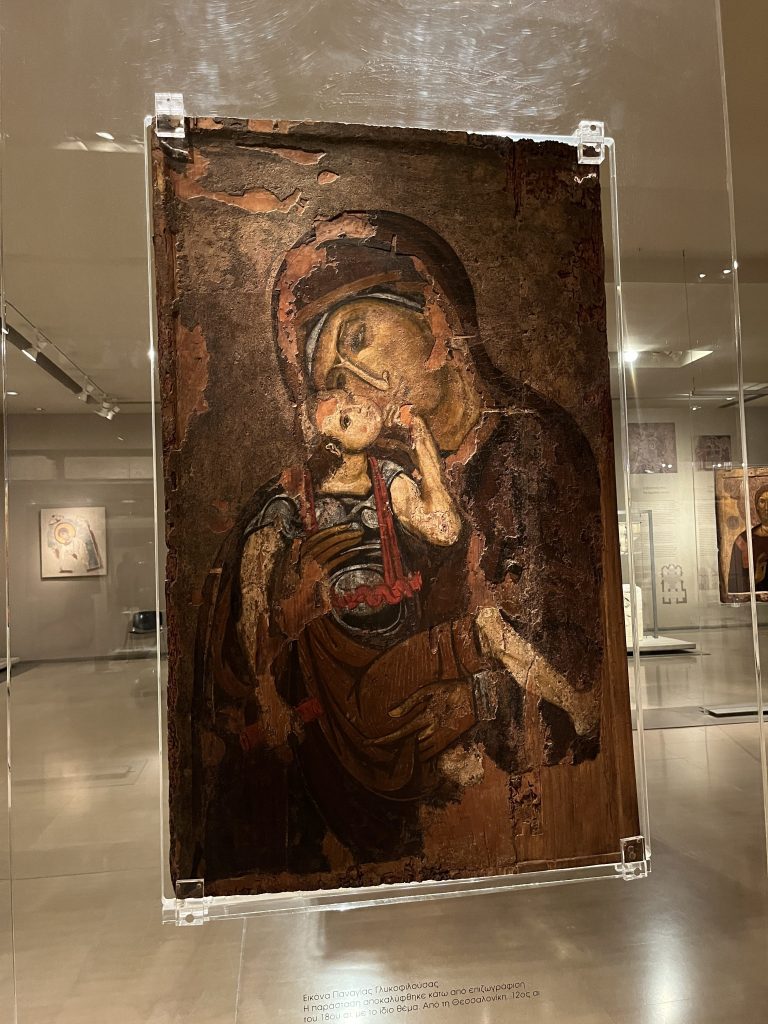
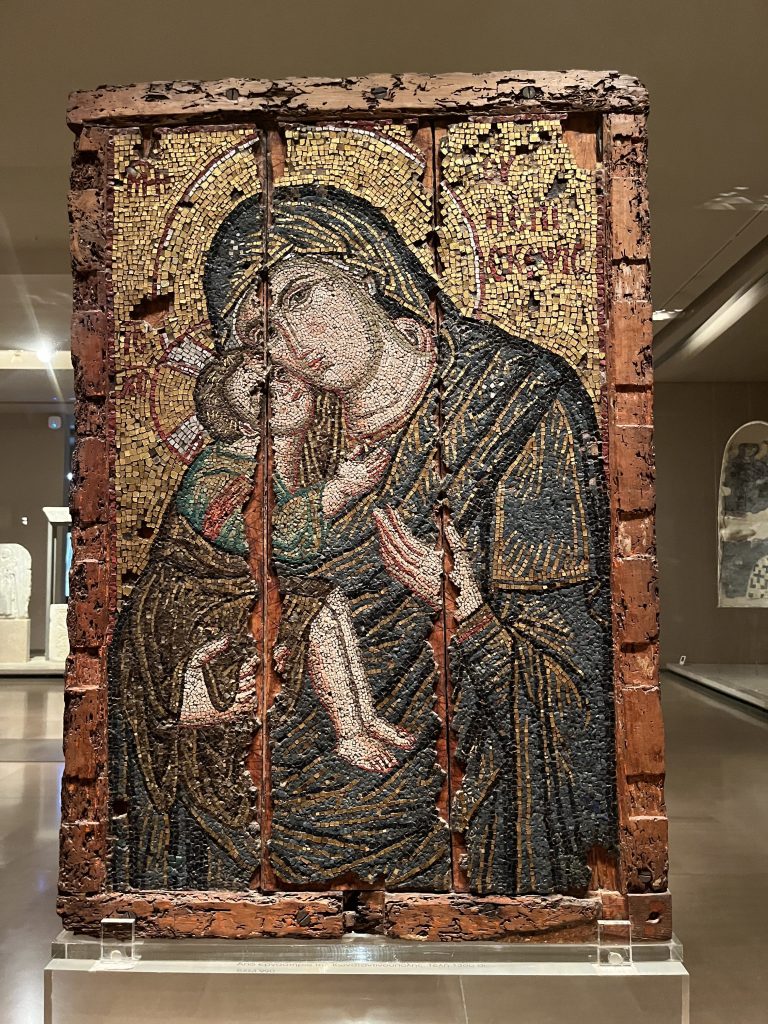
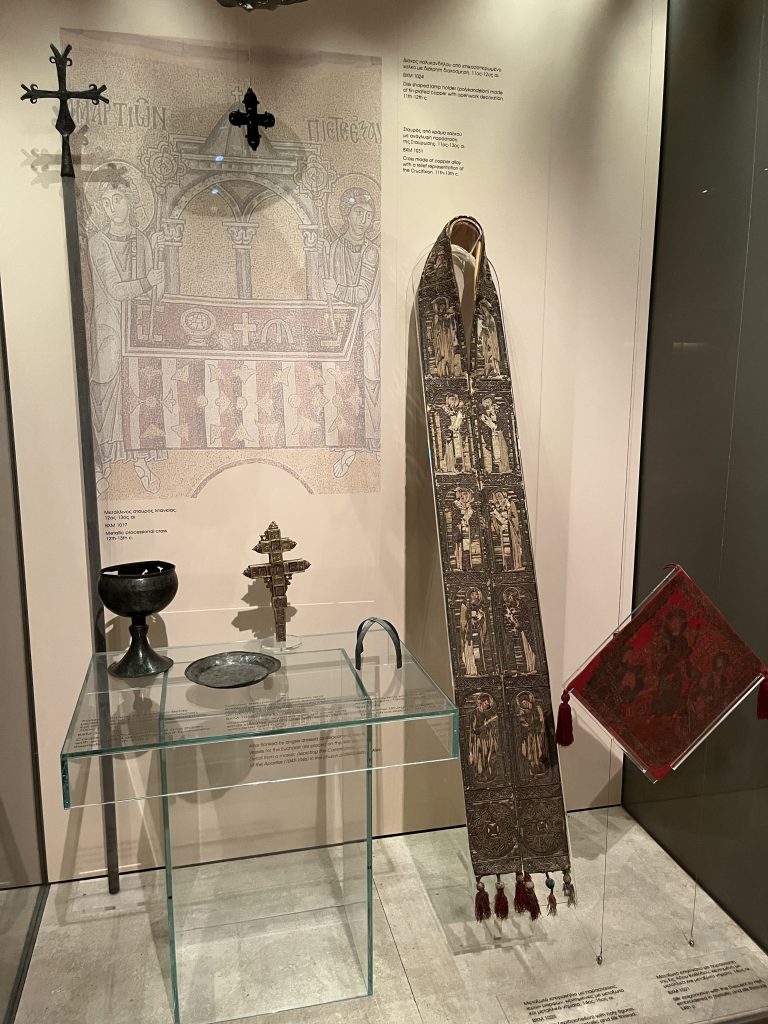
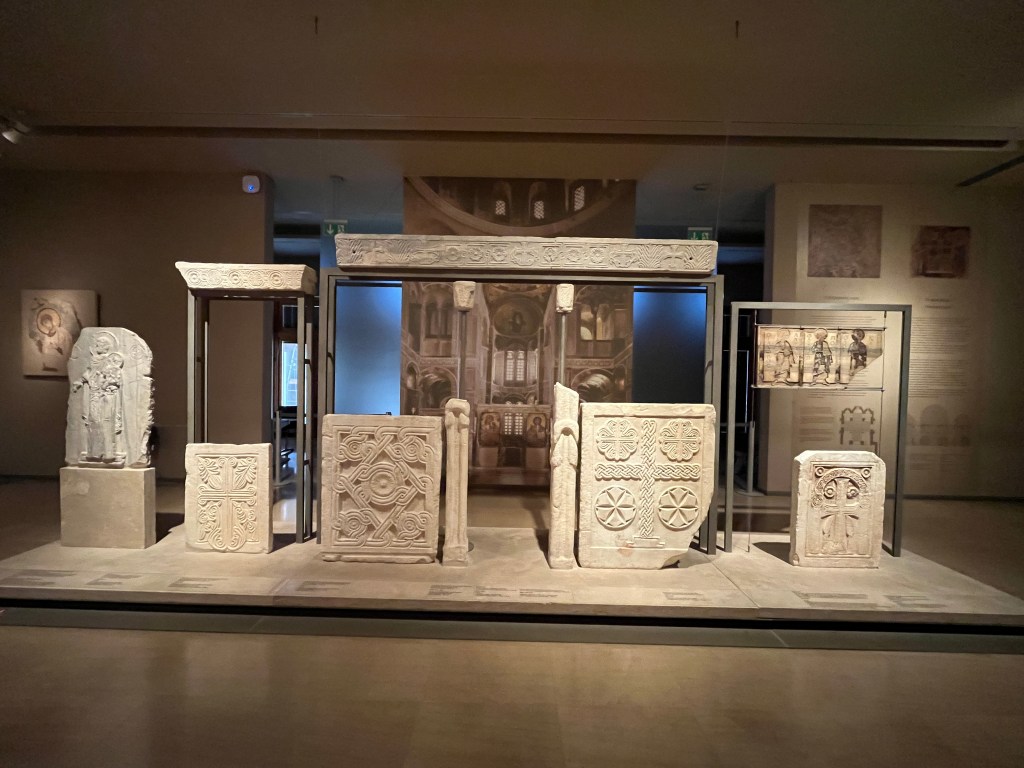
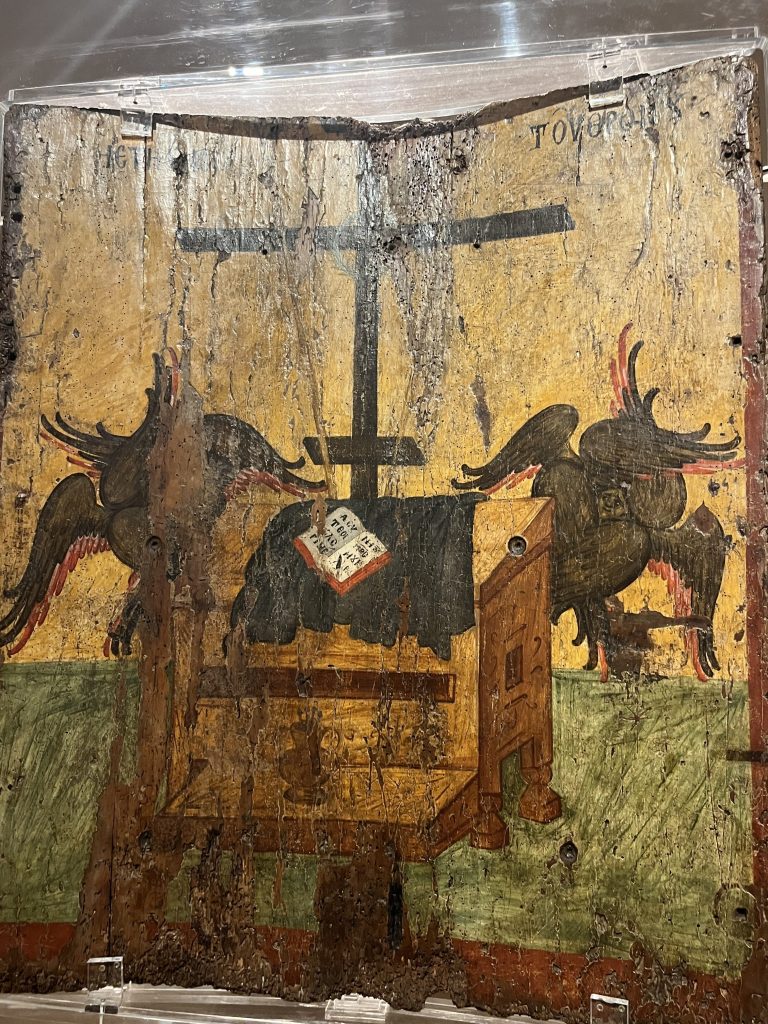
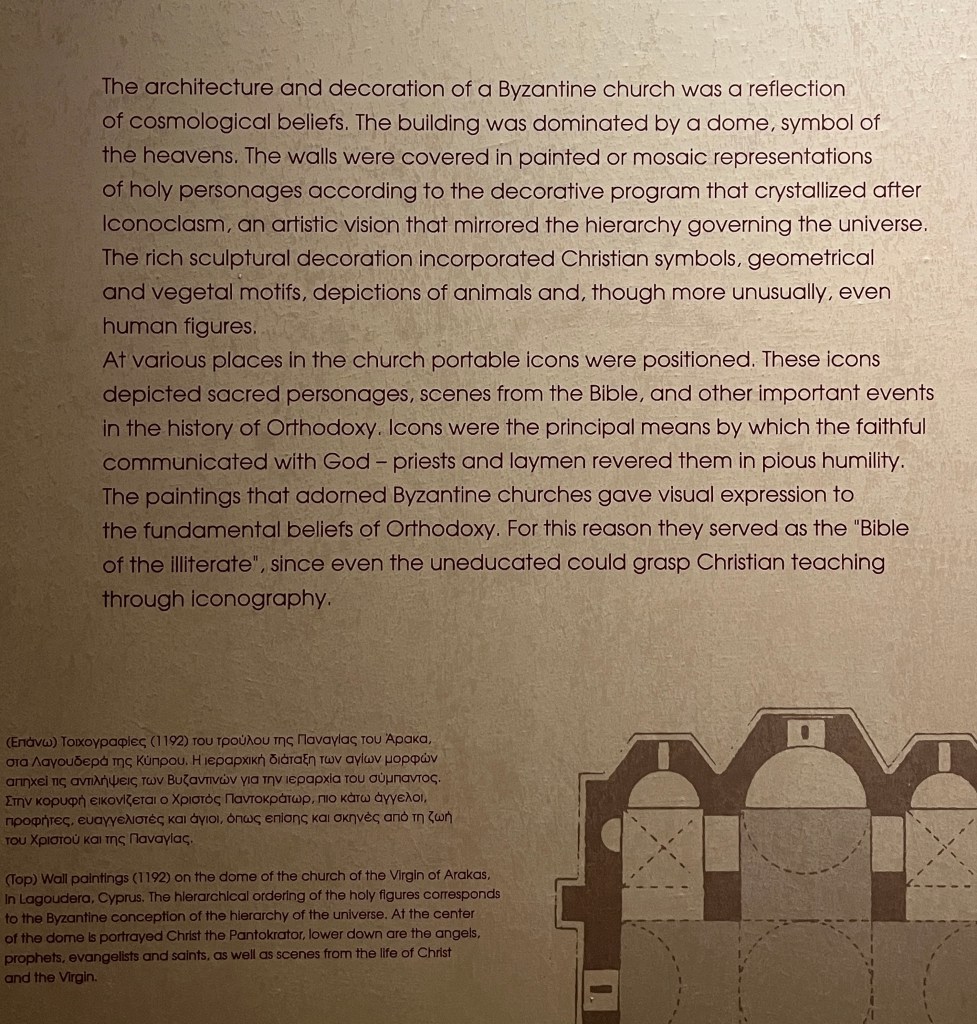
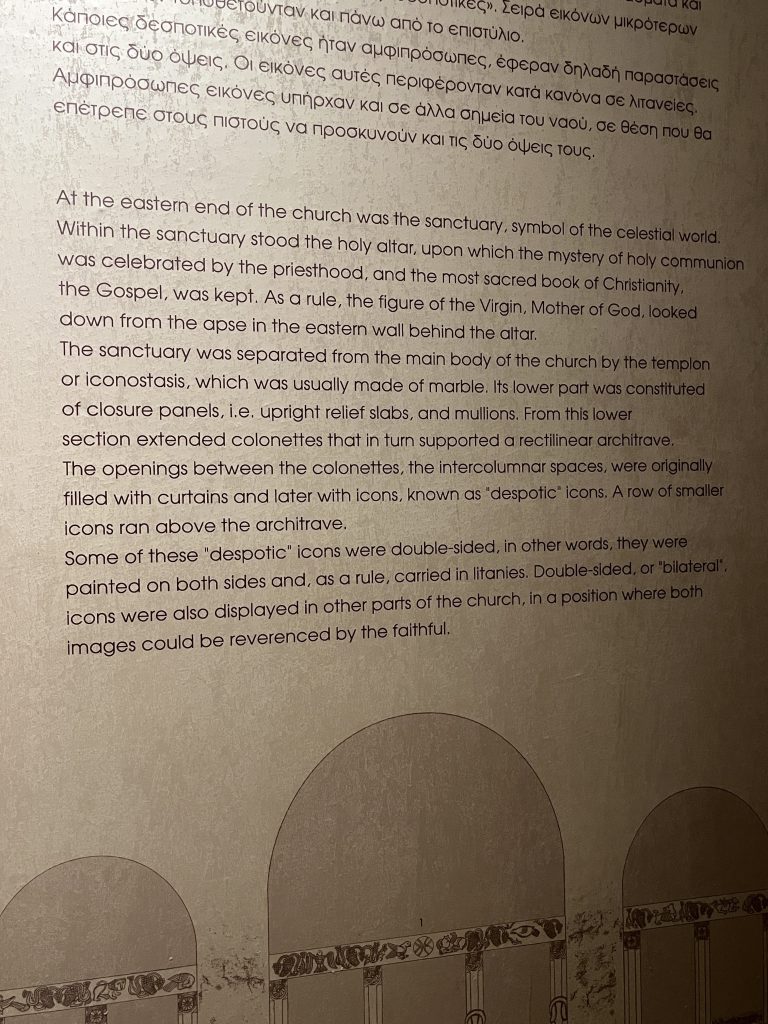
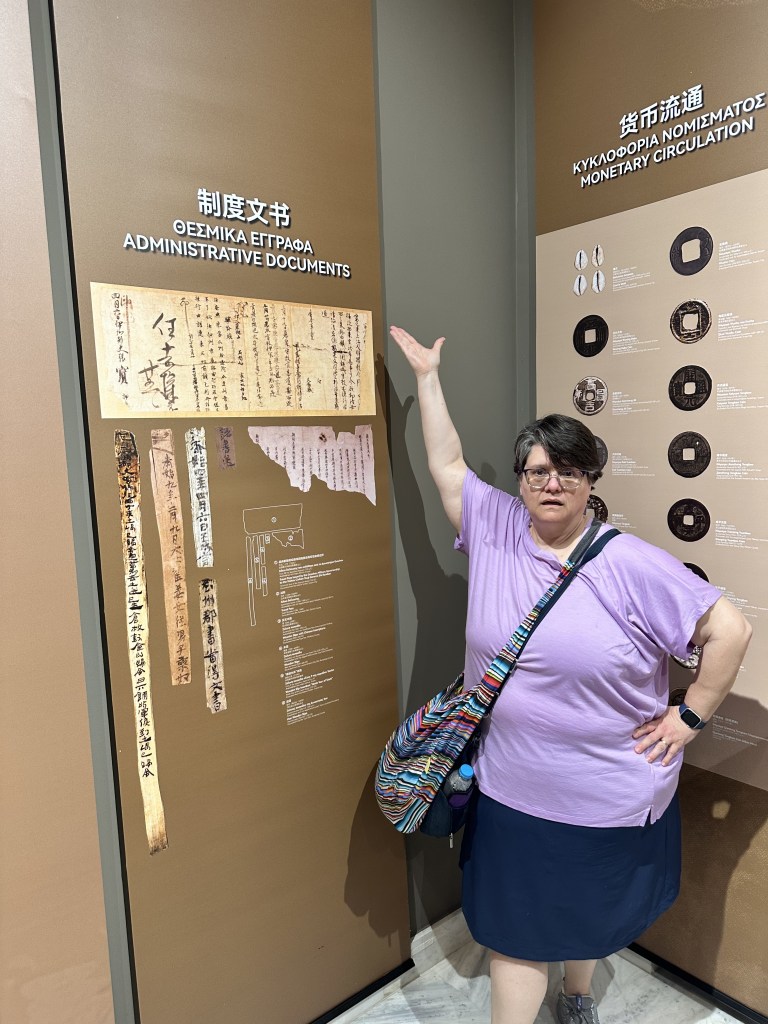
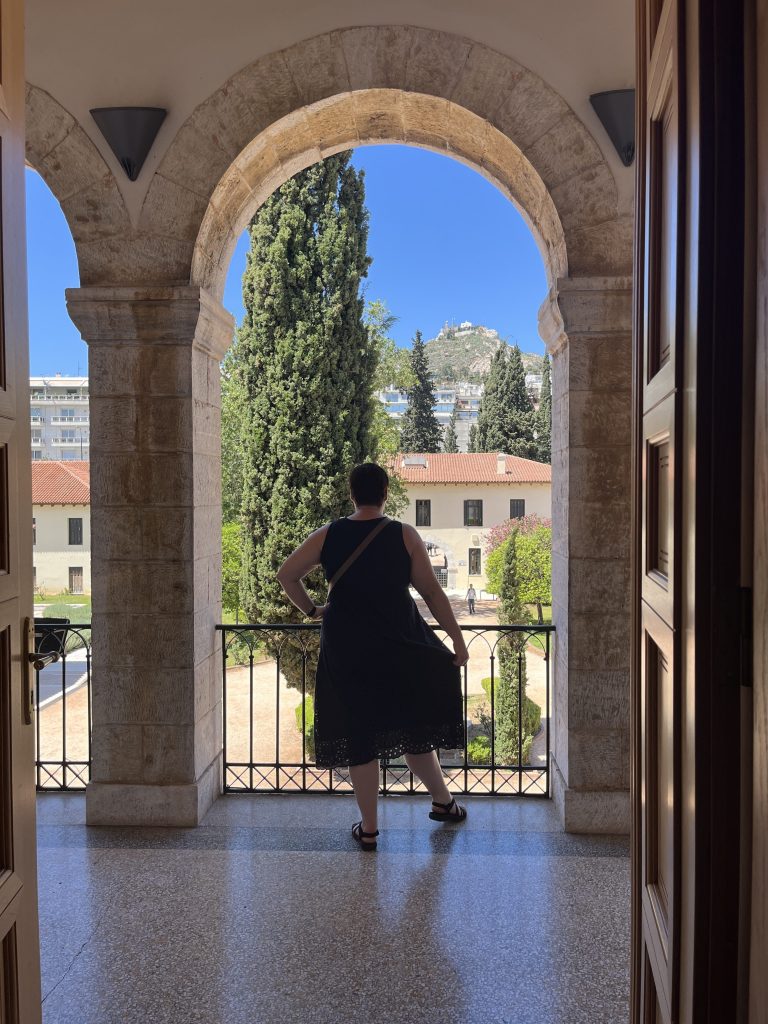
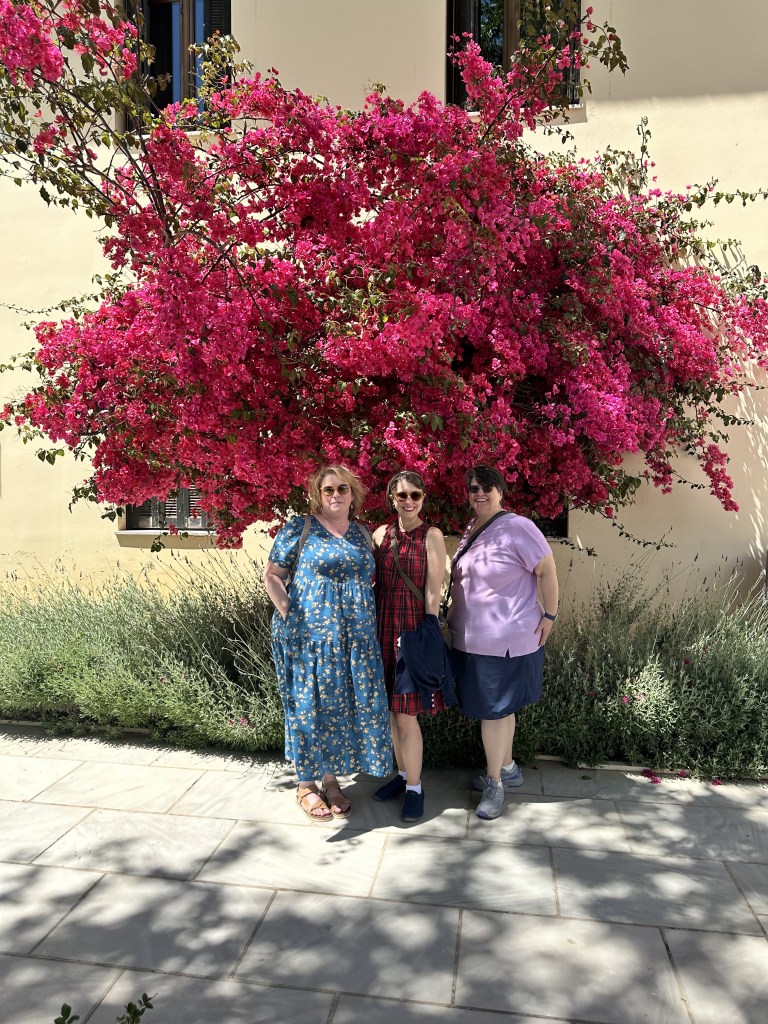
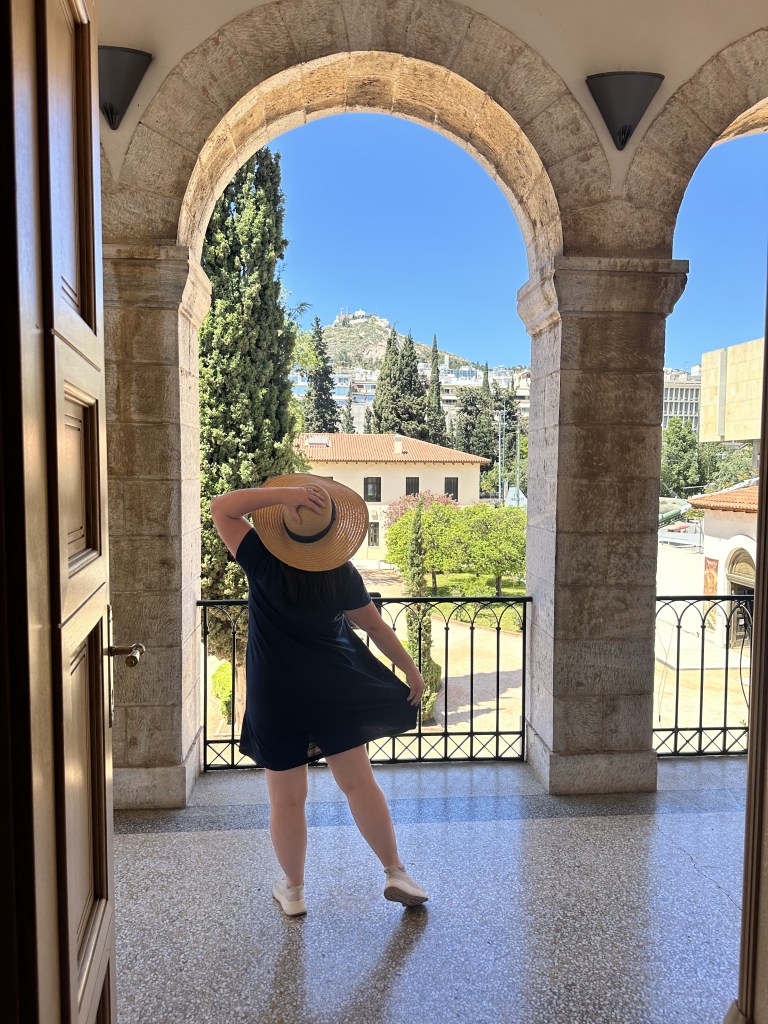
Exploration and lunch
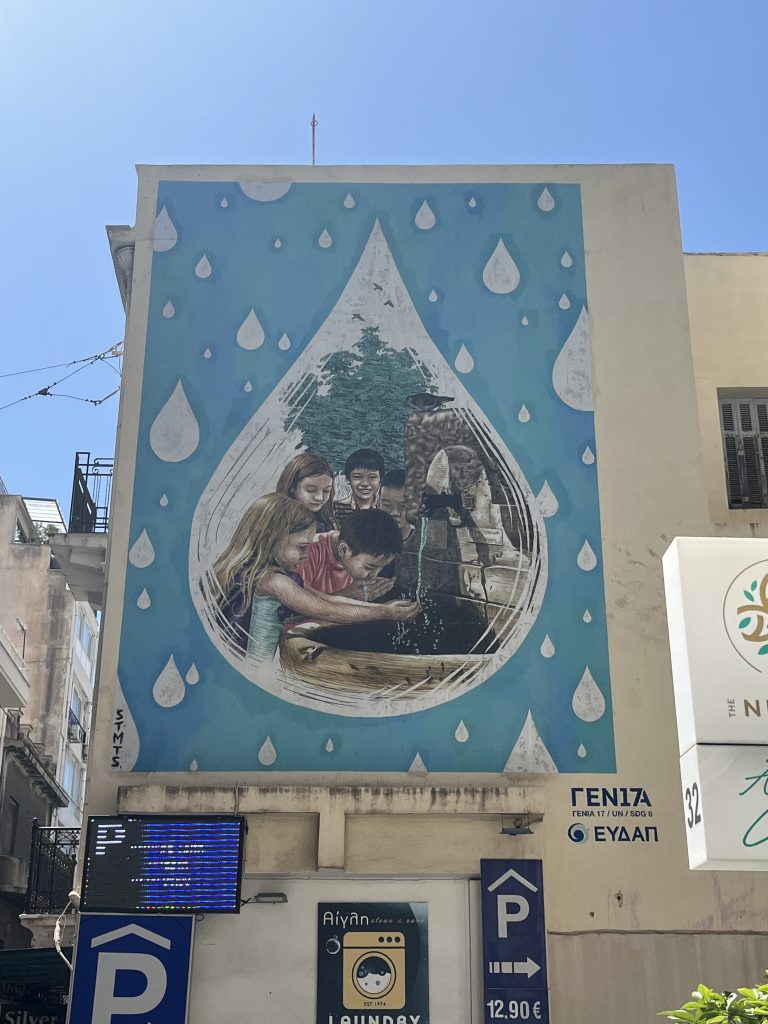
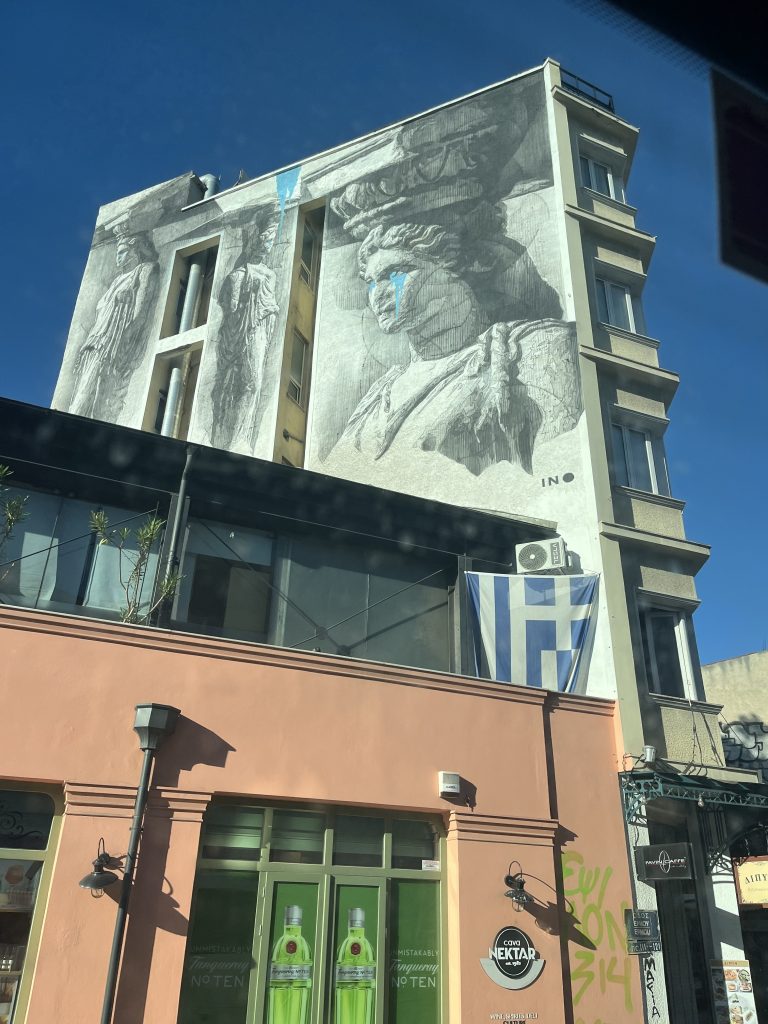
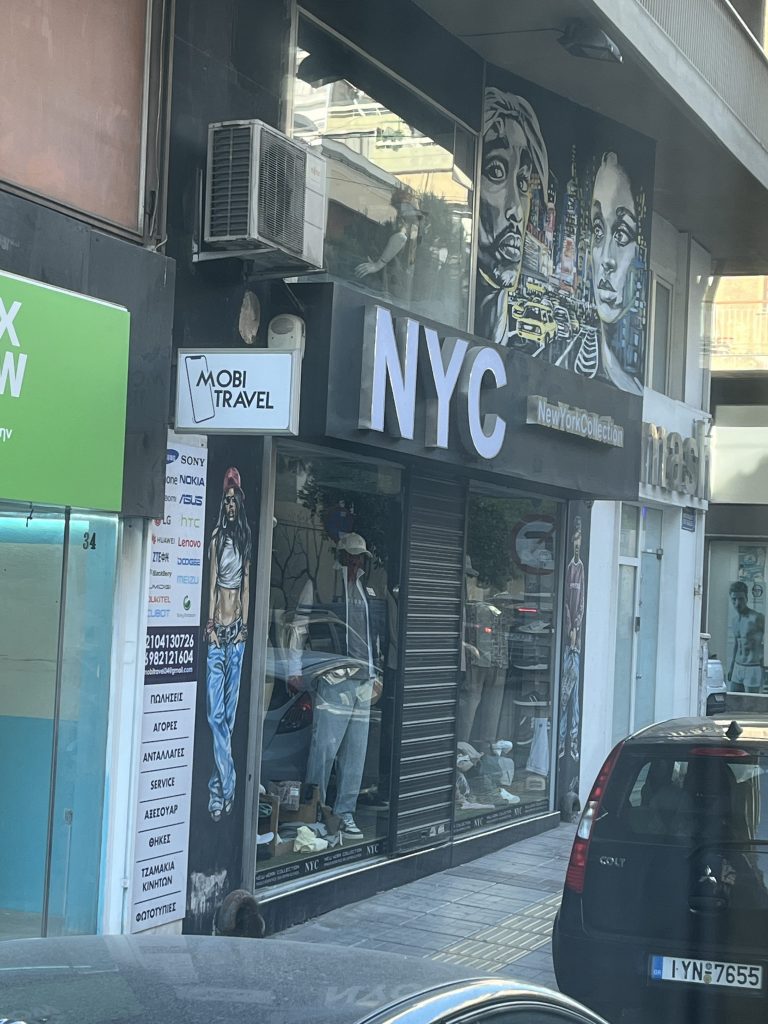
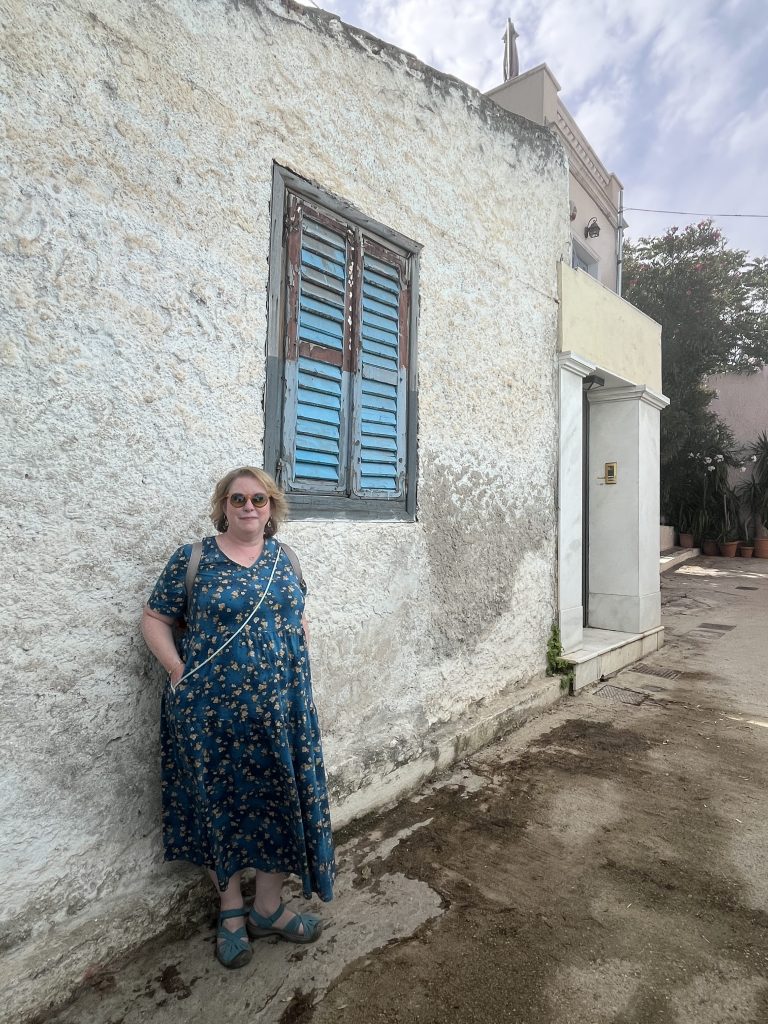
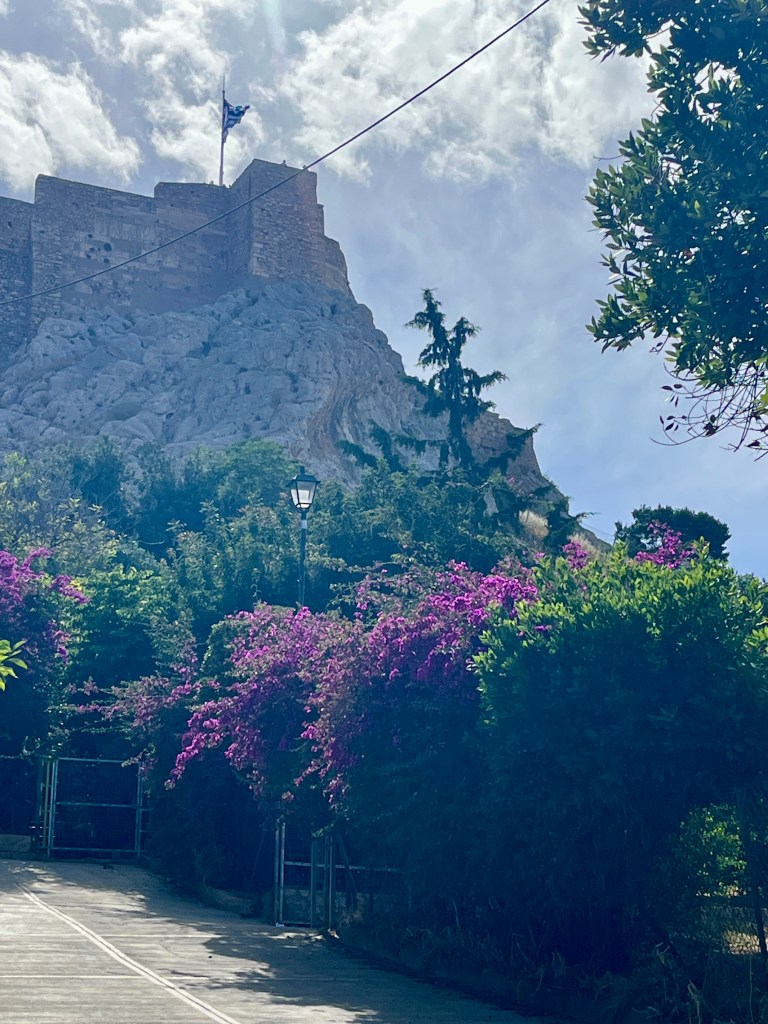
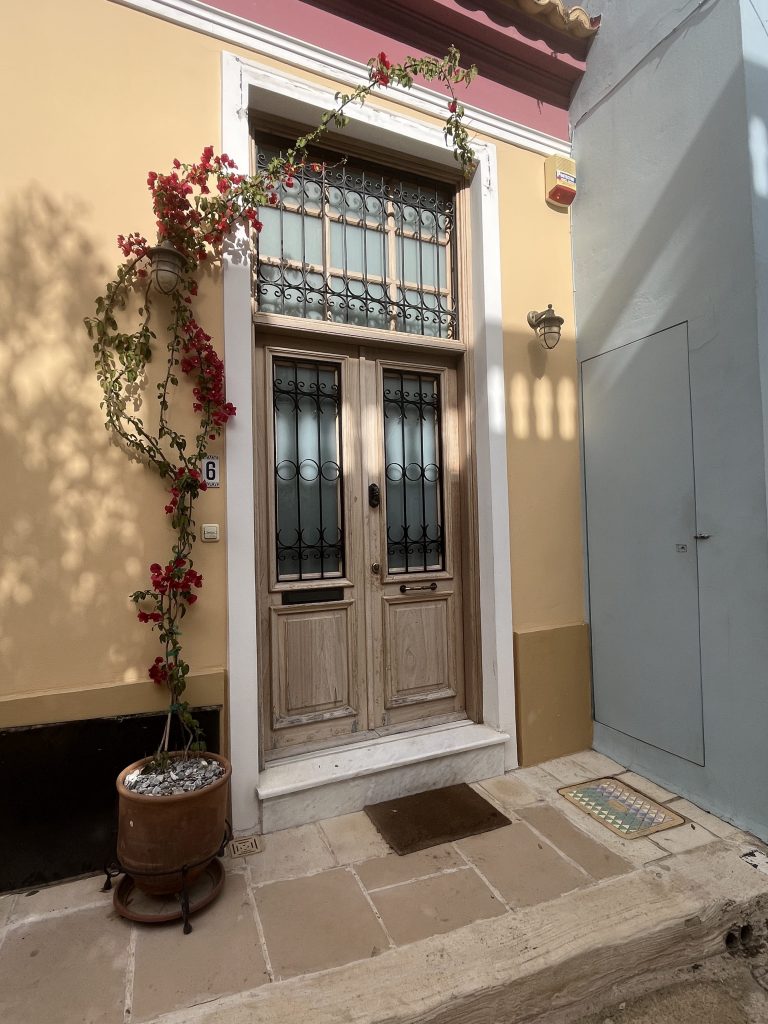
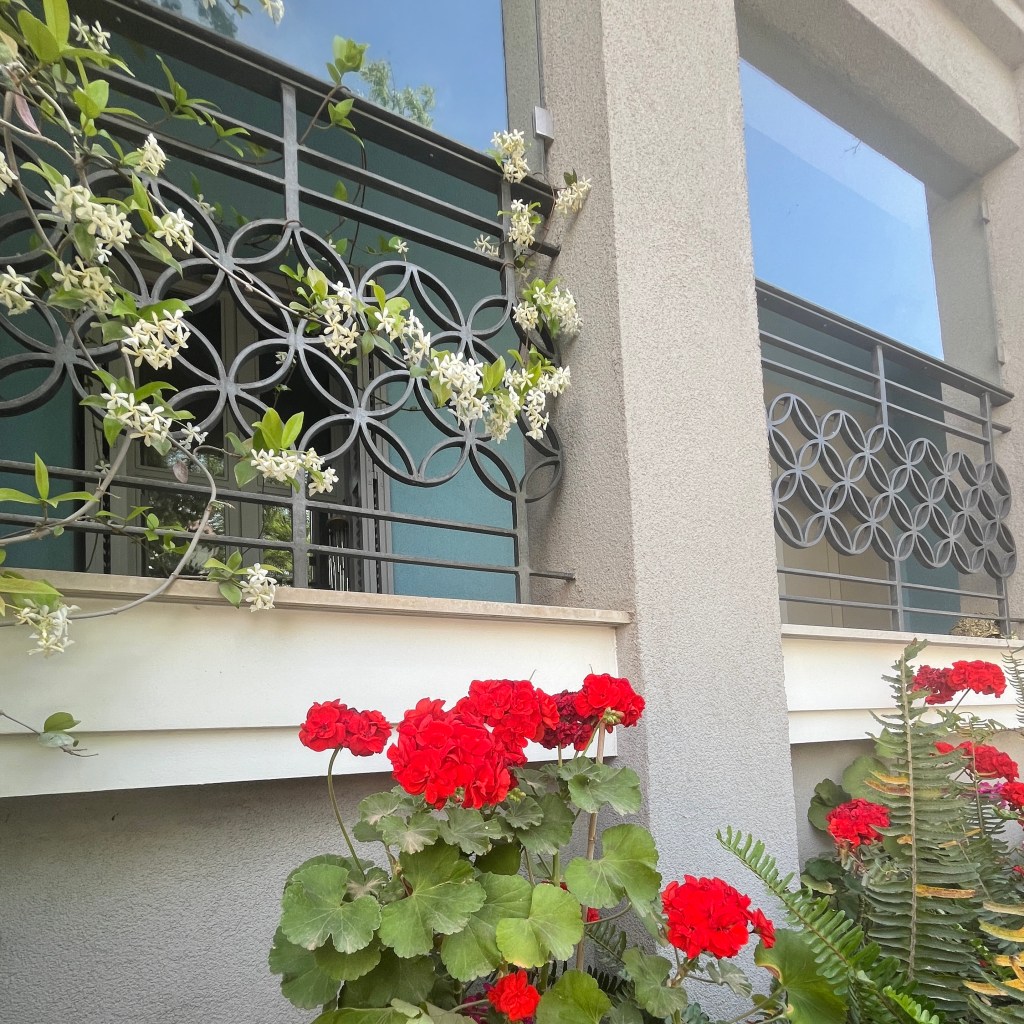
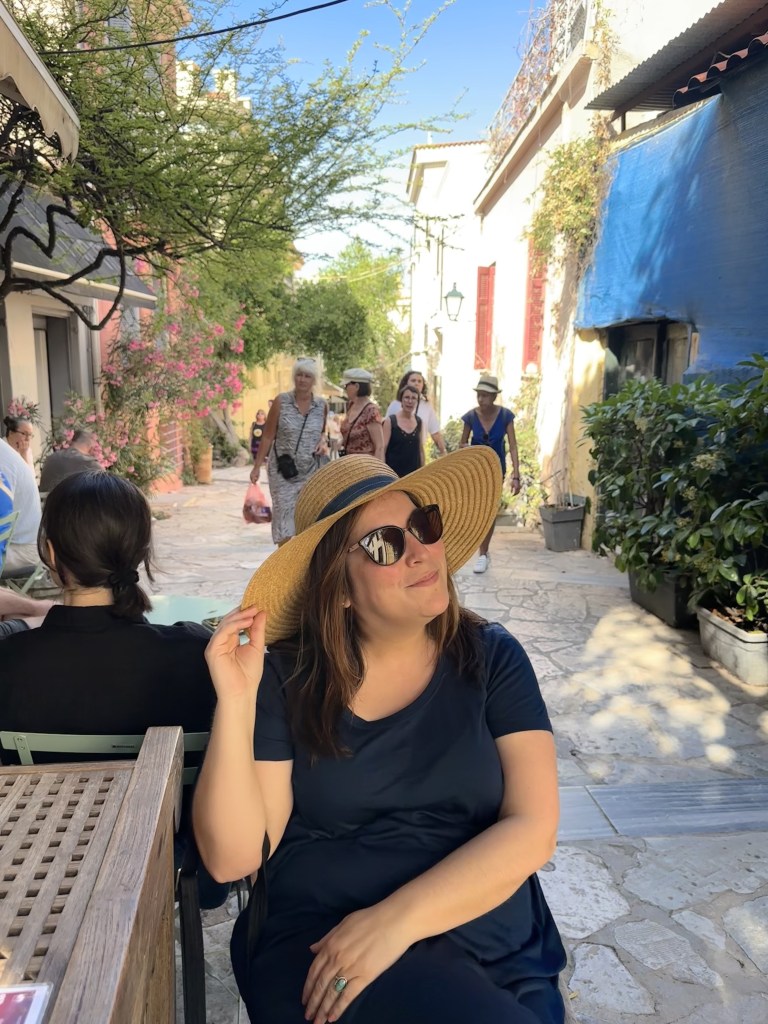
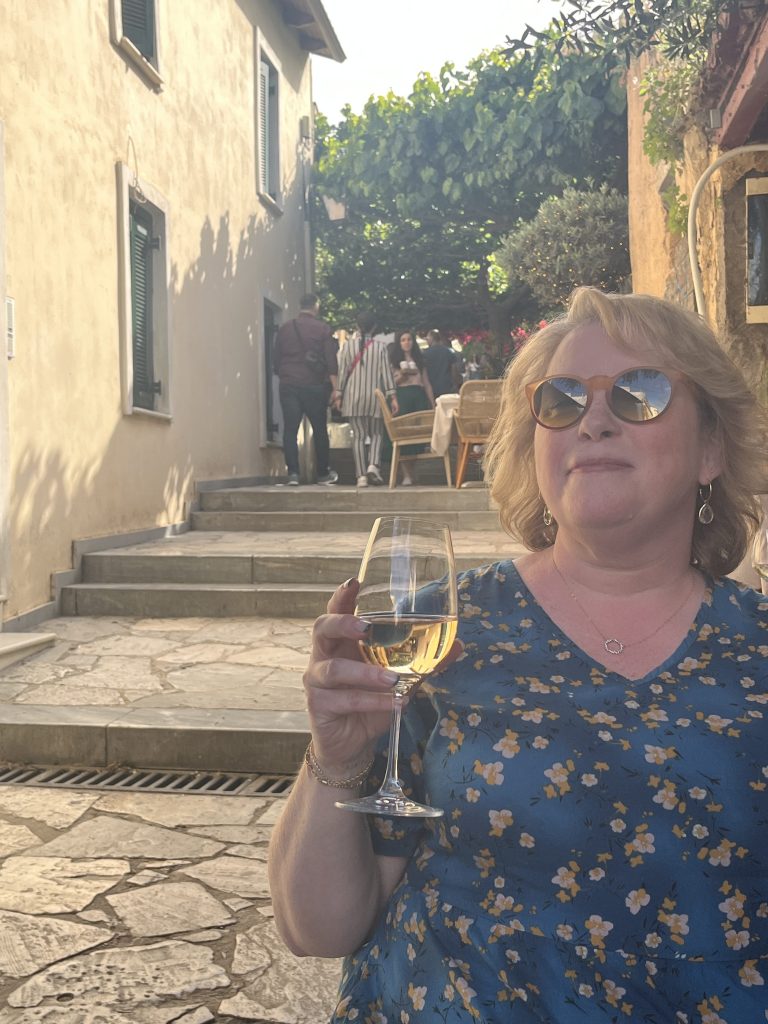
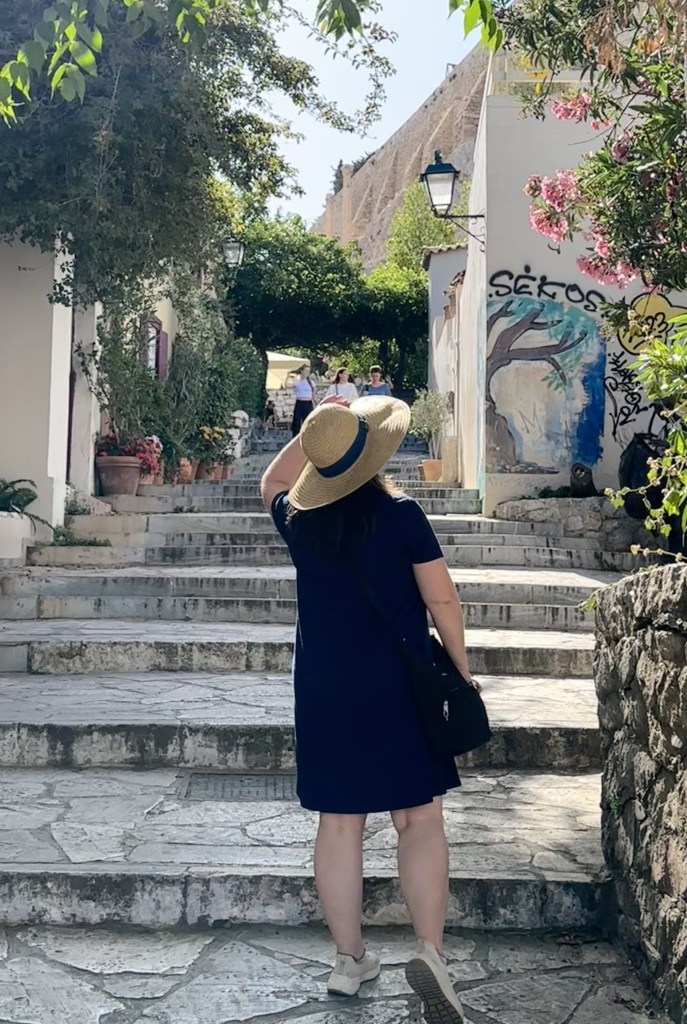
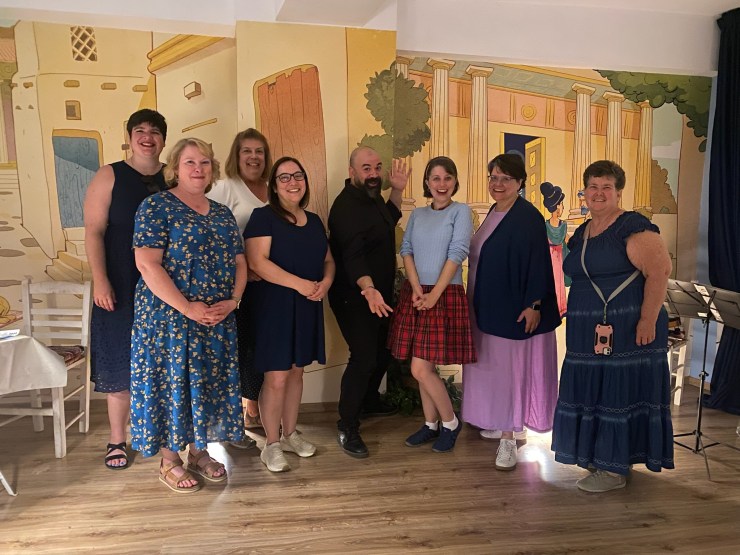
Dinner show about the history of Greece. It was a family operation, parents performed skits about each Geek island (mentioning food and culture) while the sons played violins and sang.
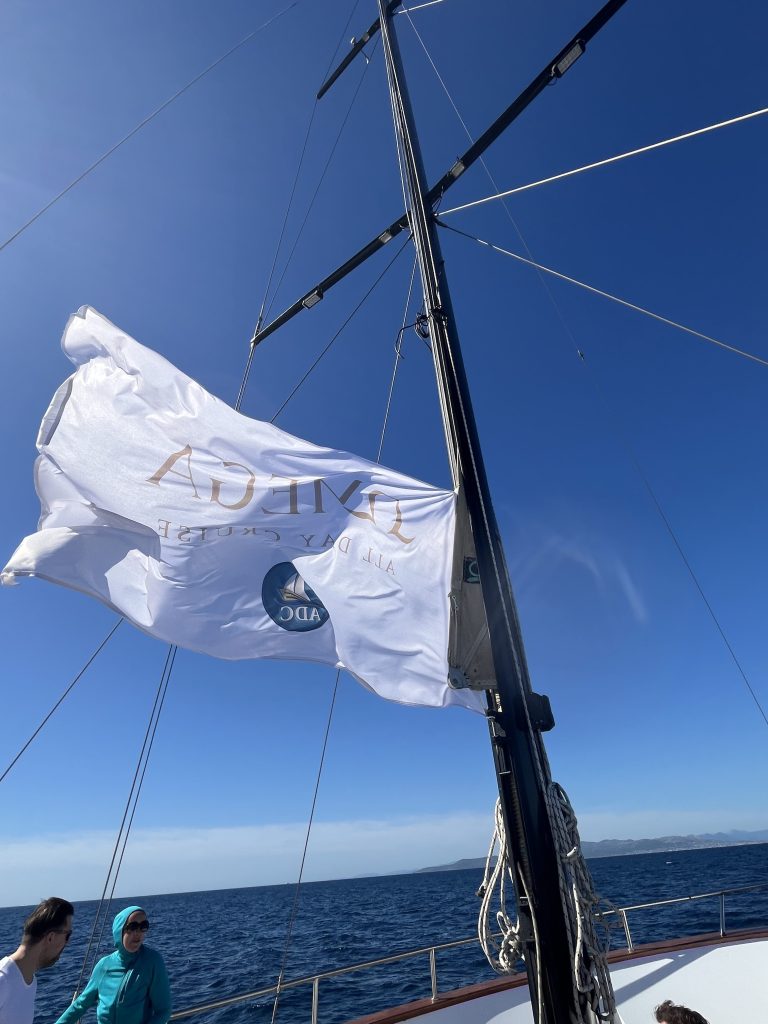
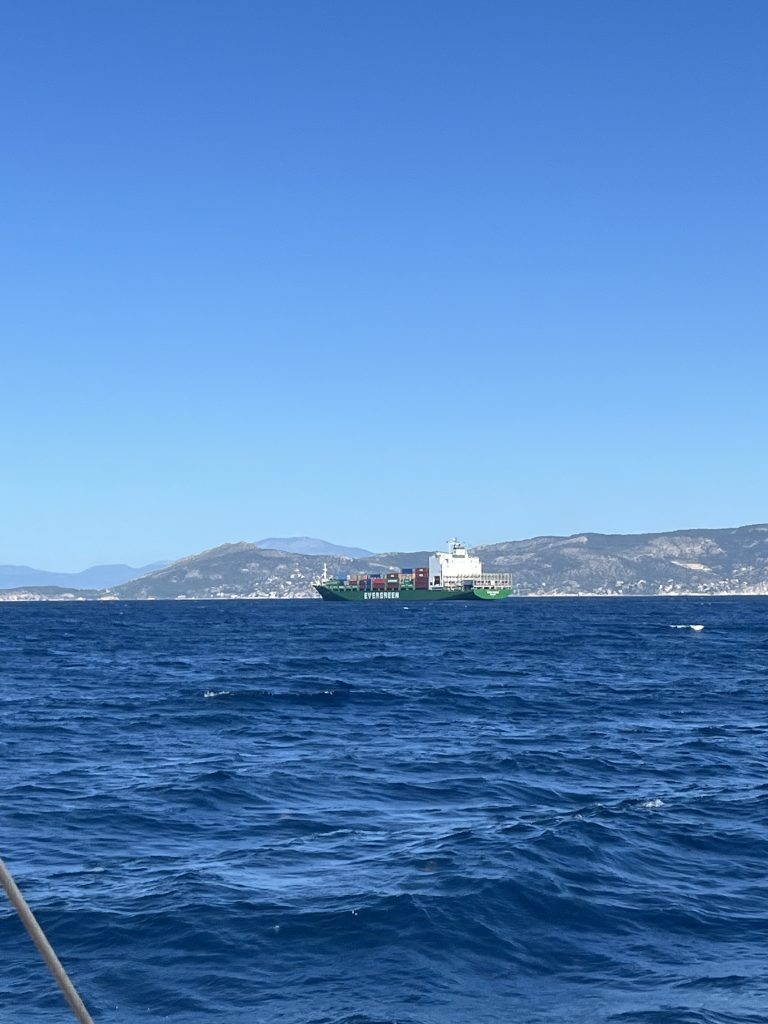
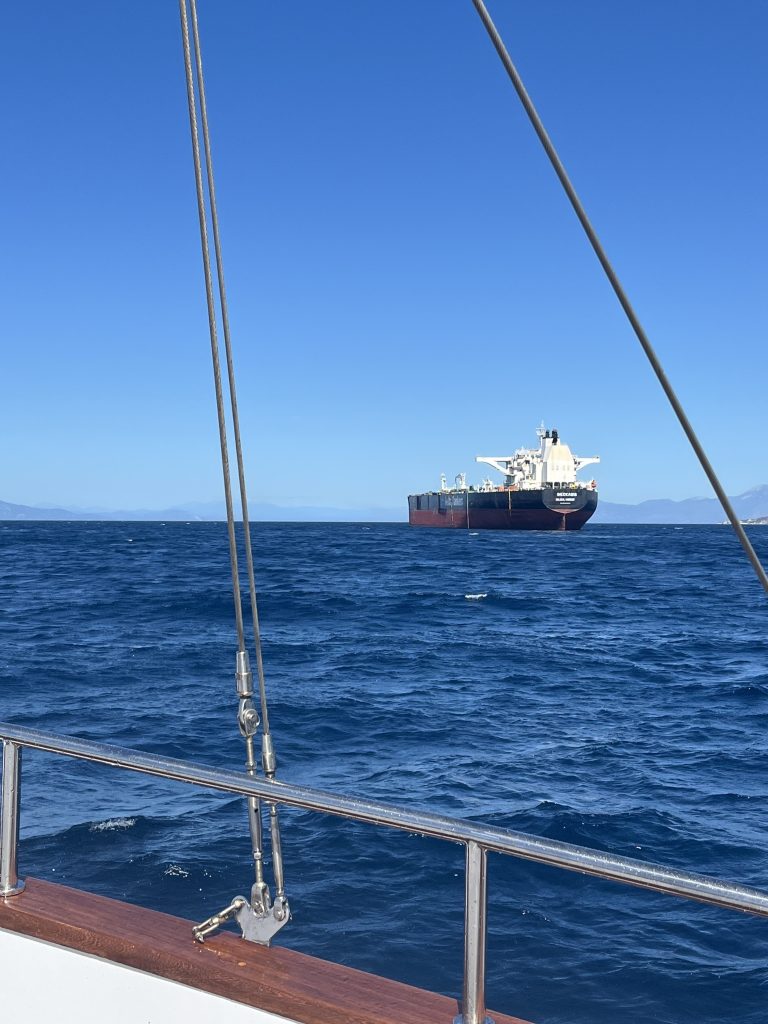
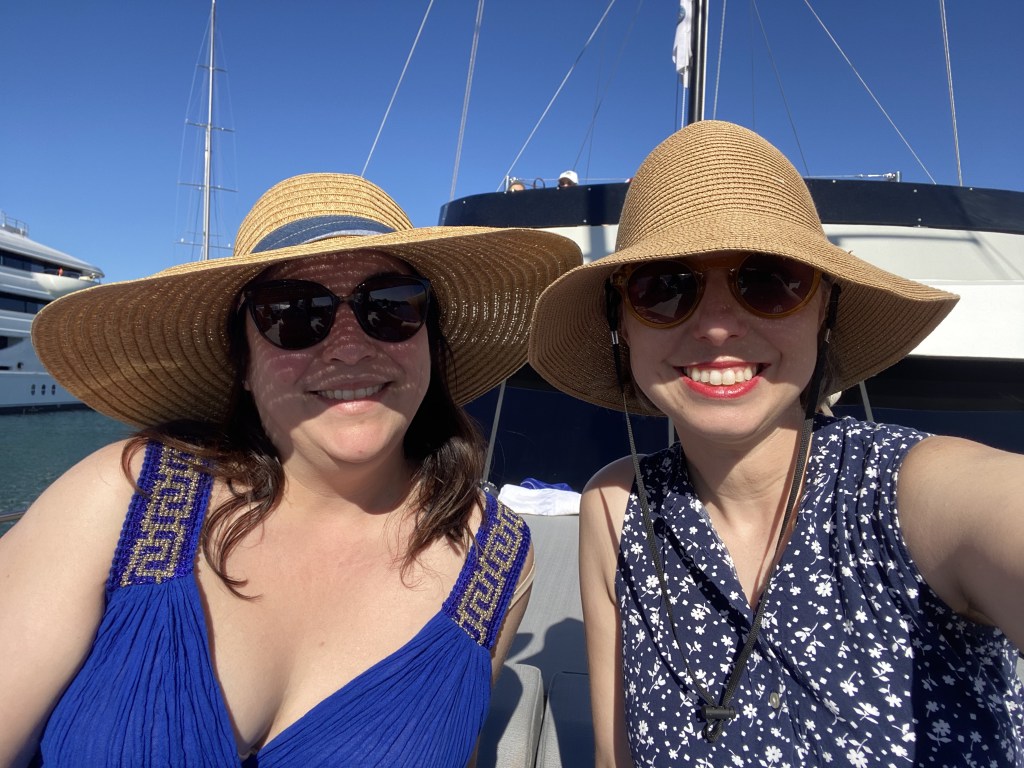
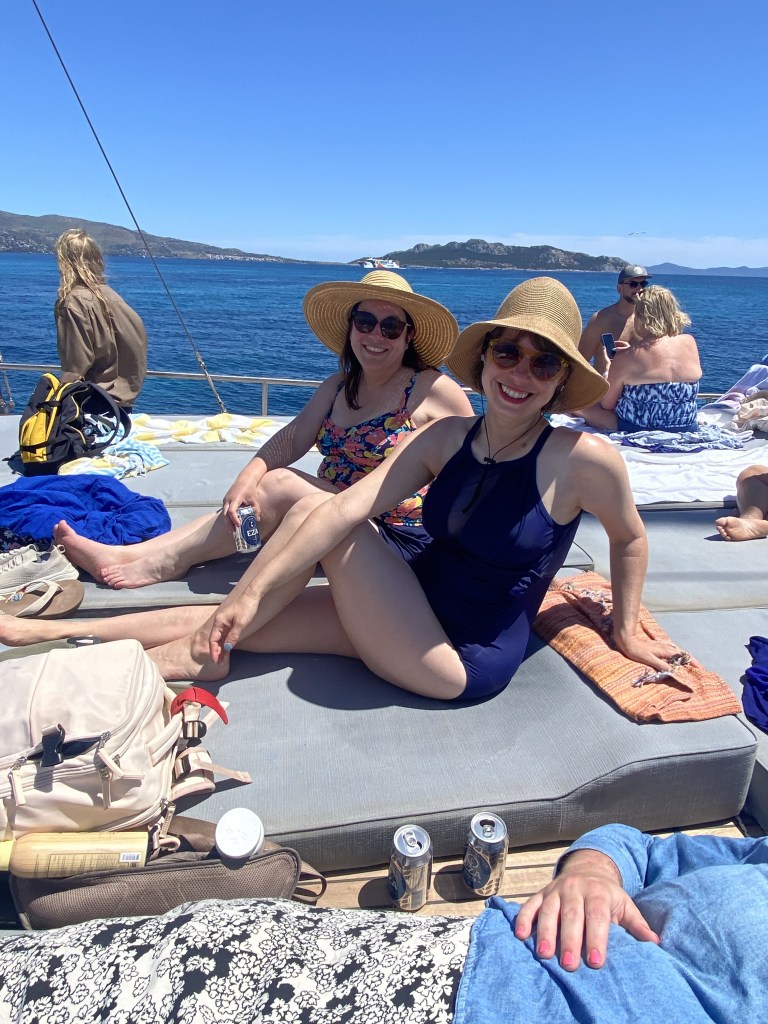
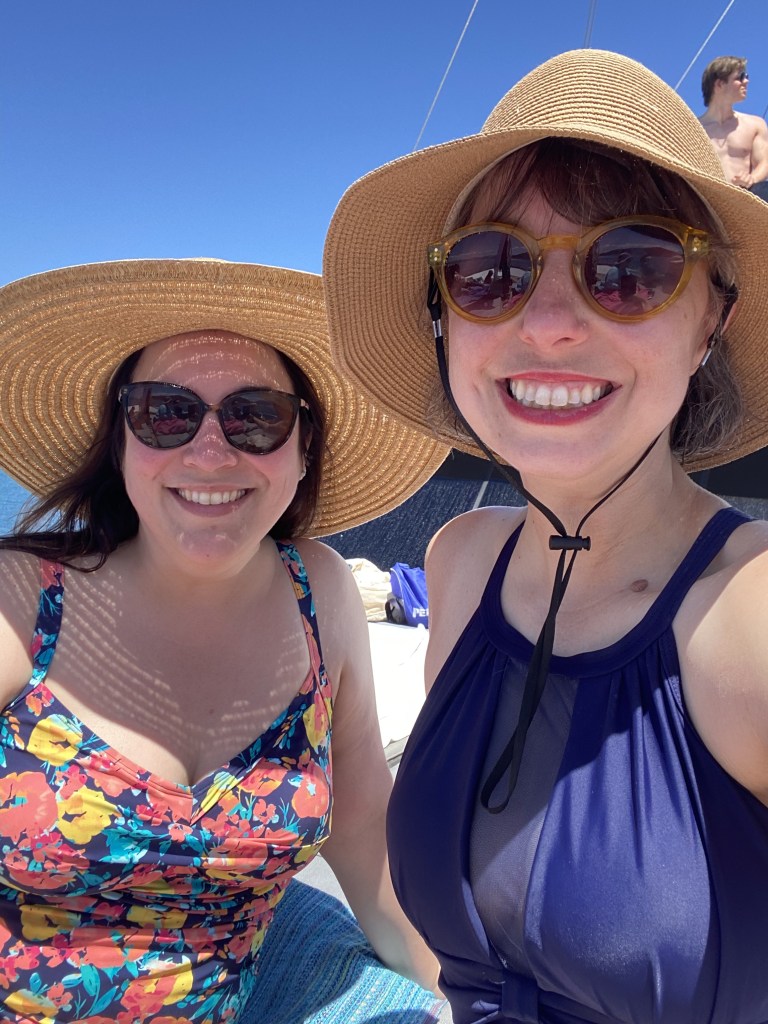
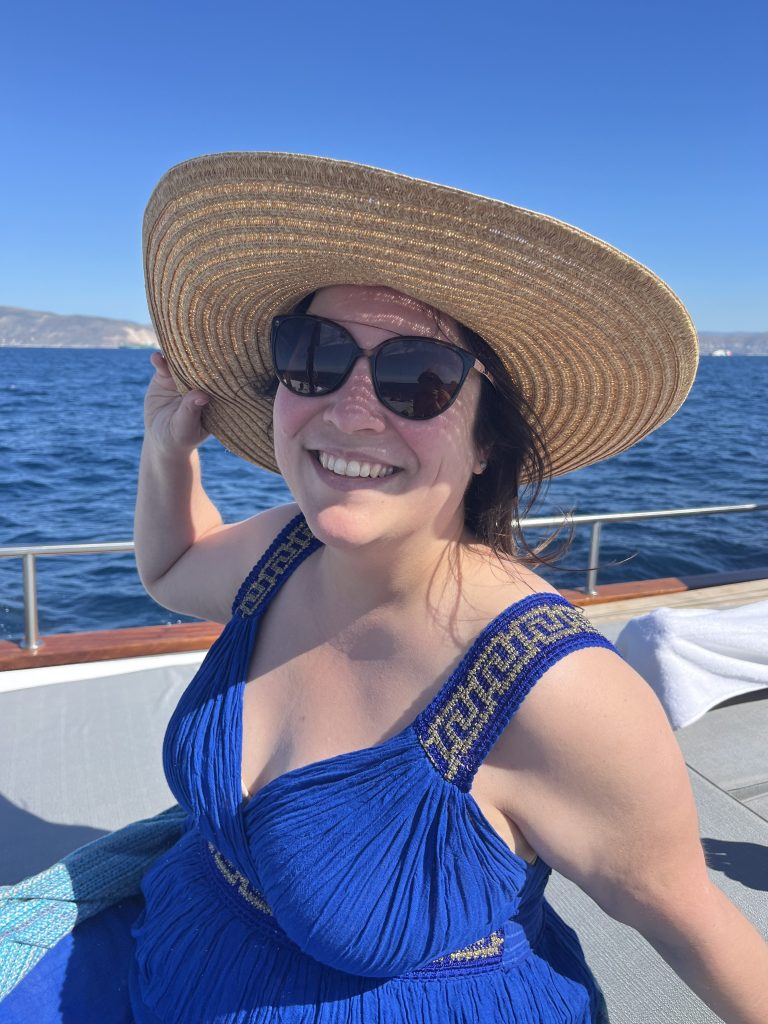
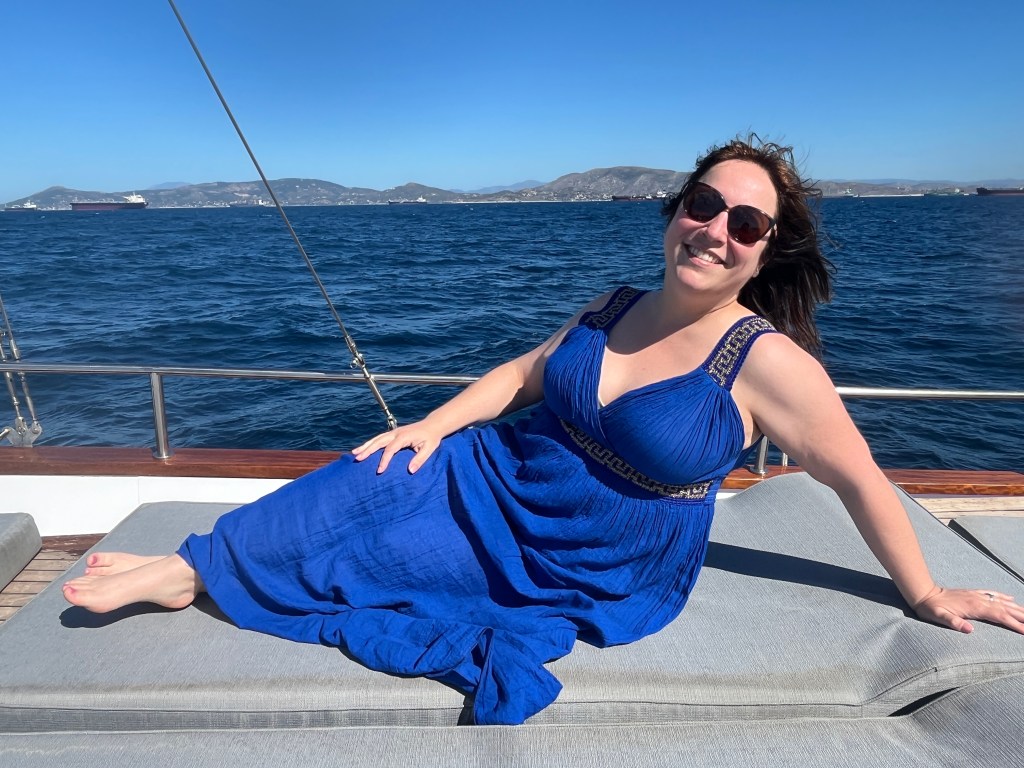
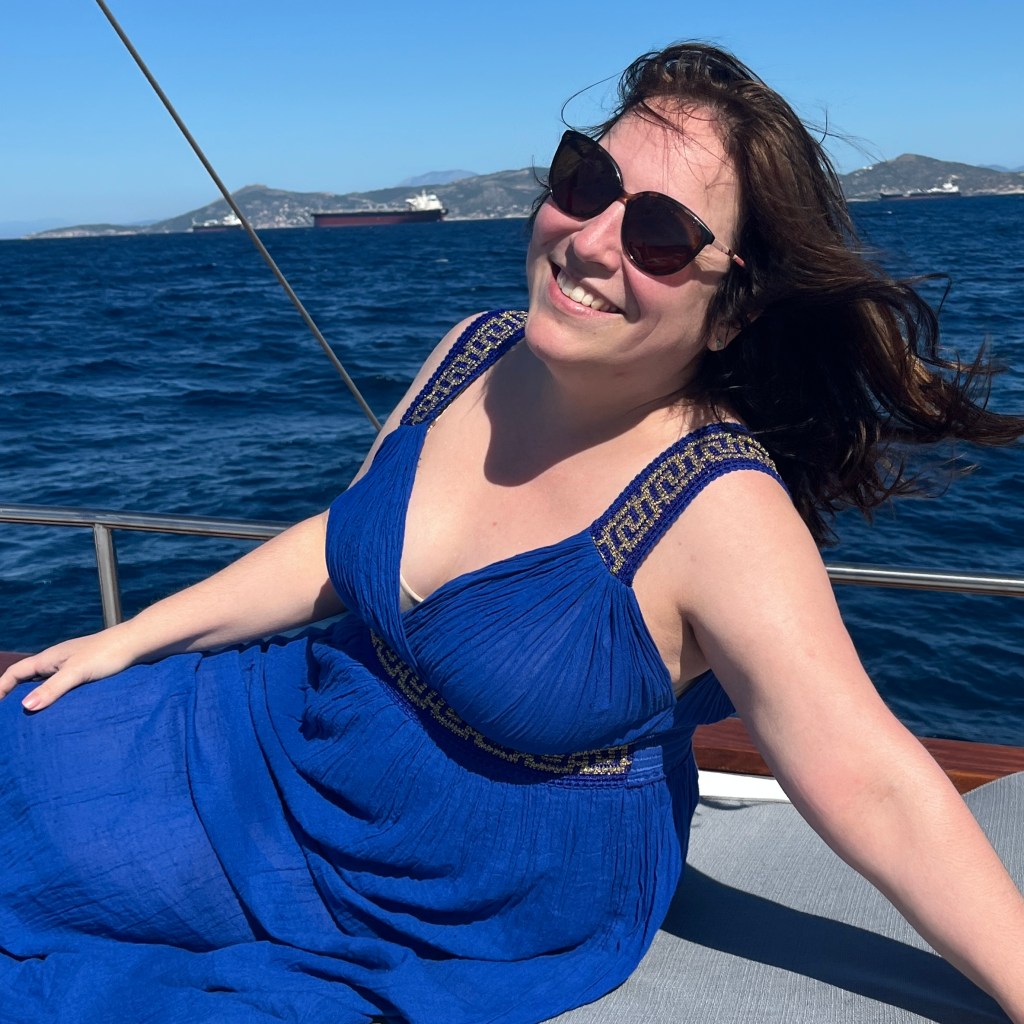
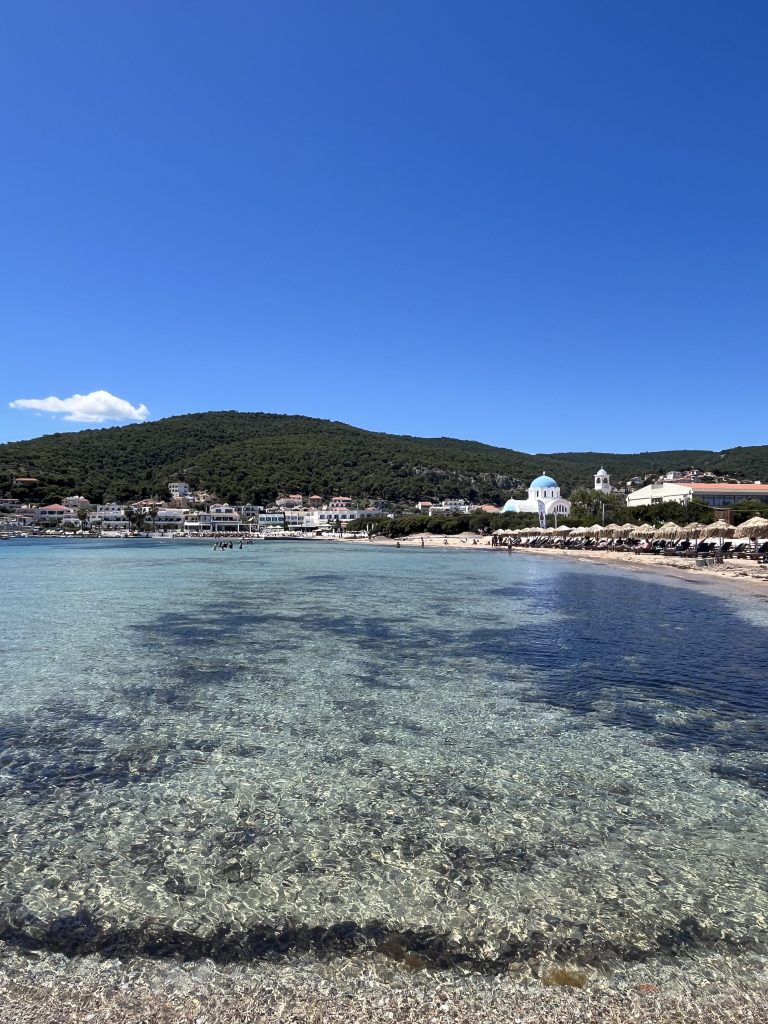
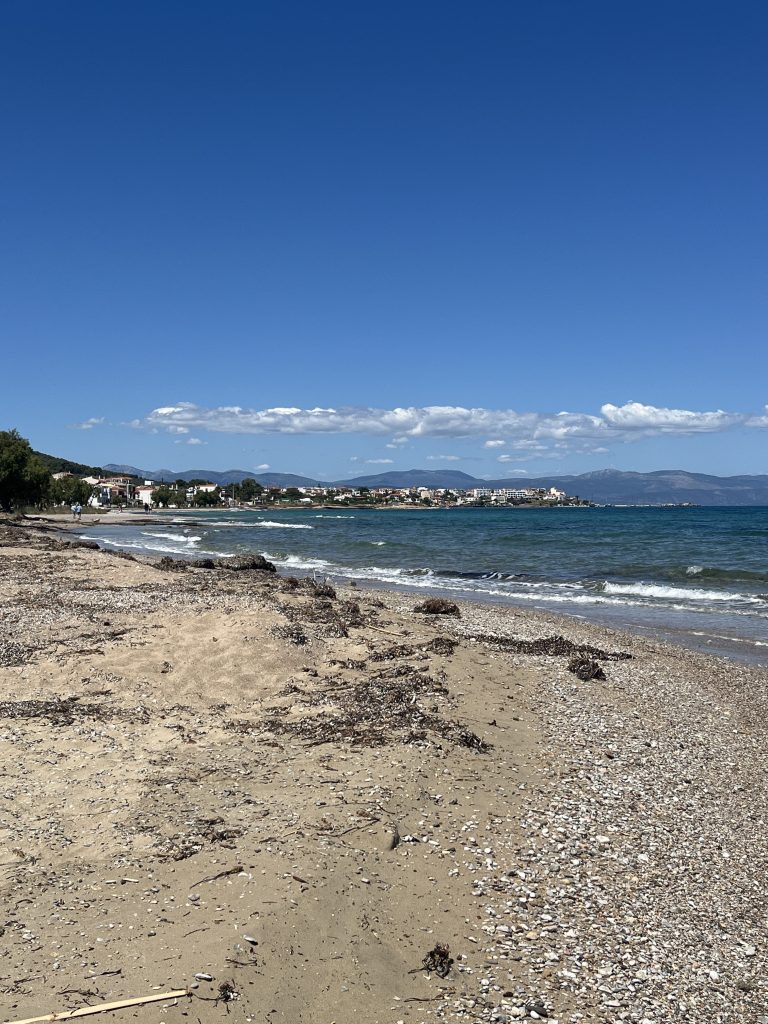
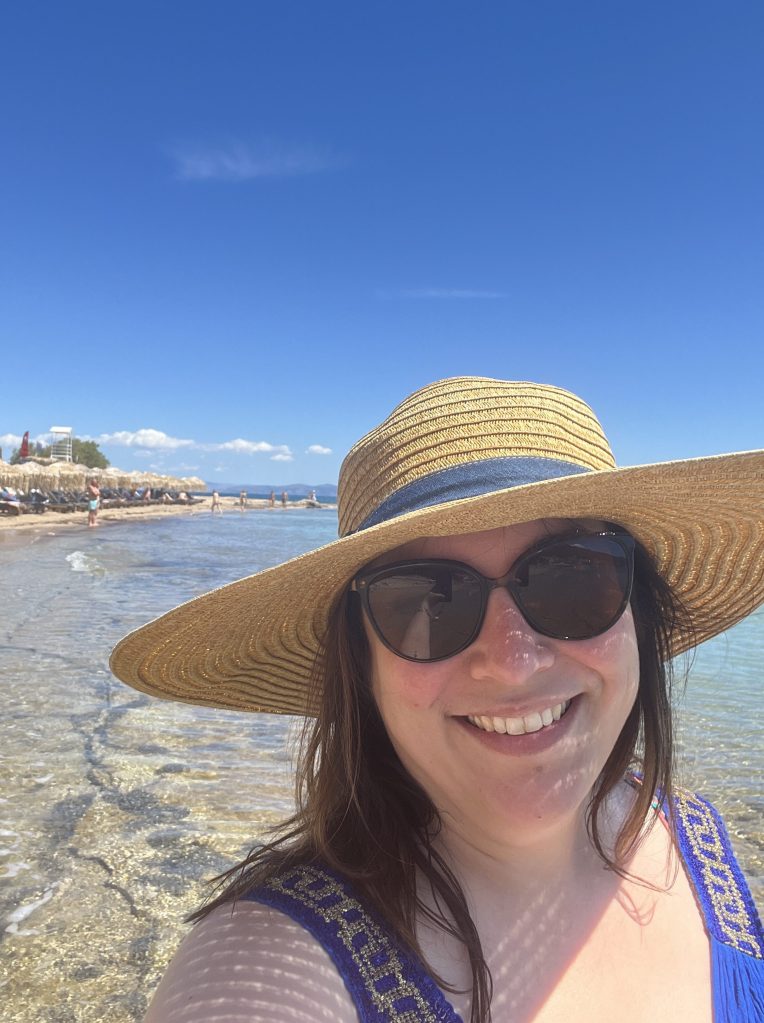
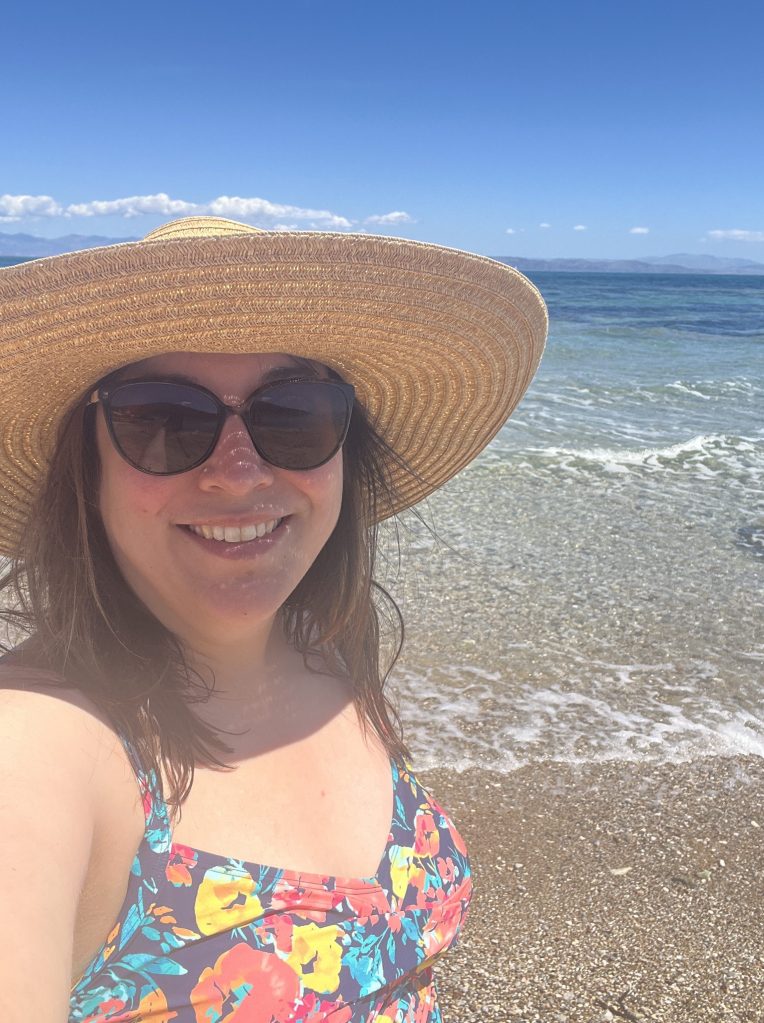
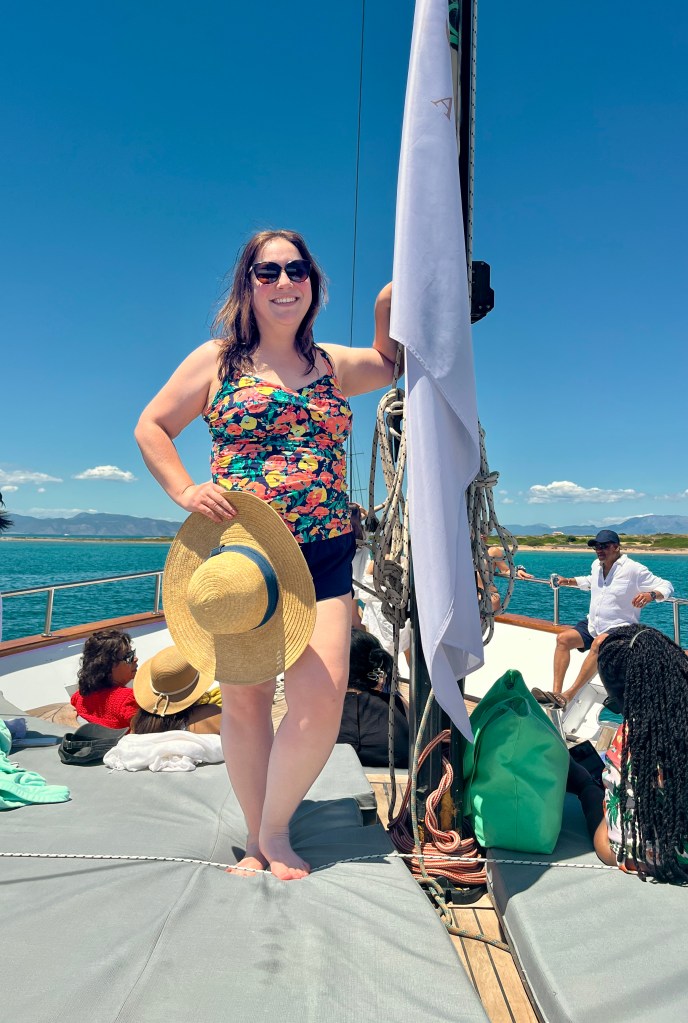
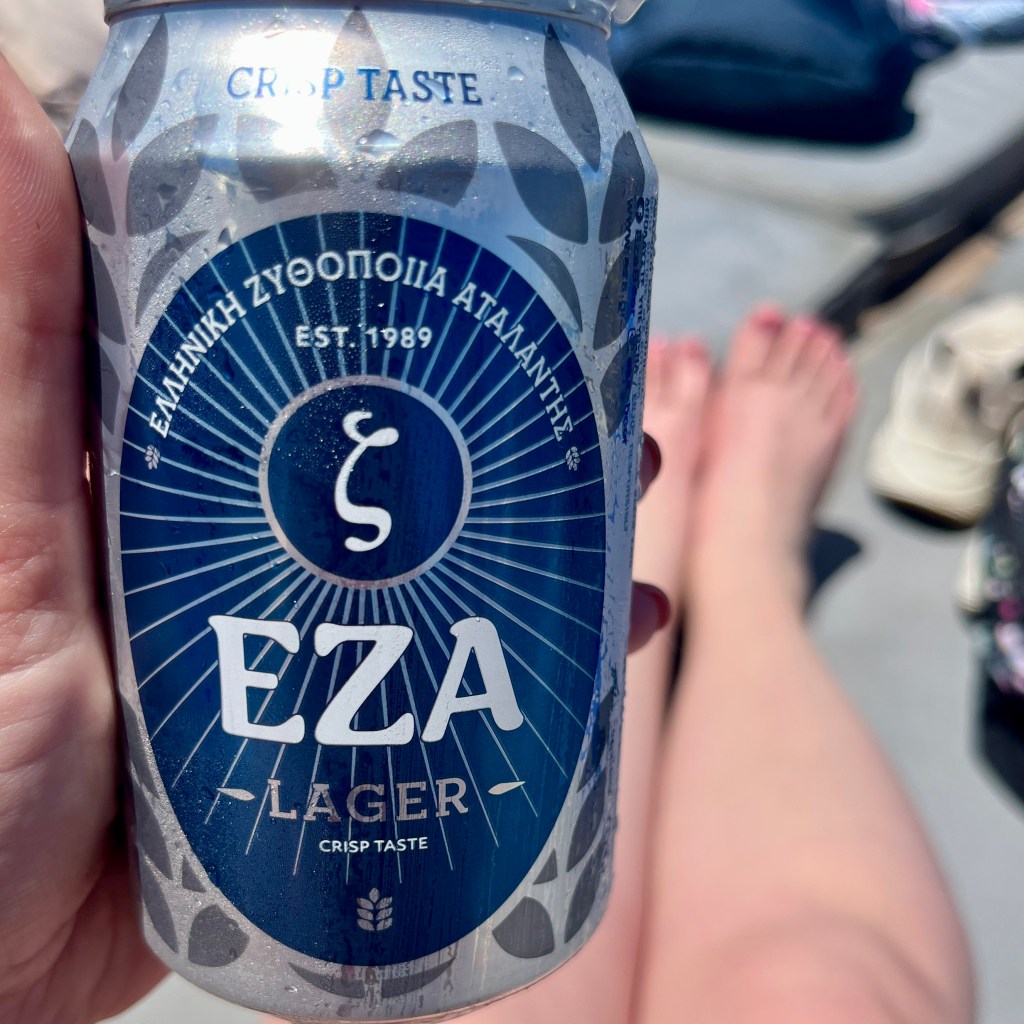
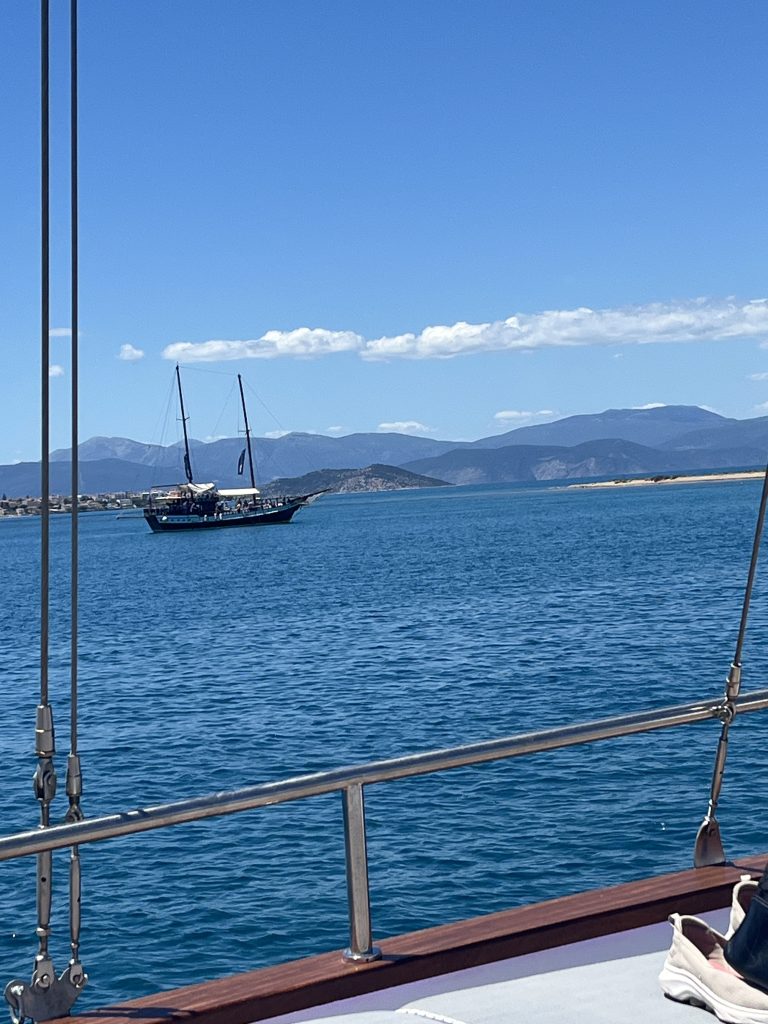
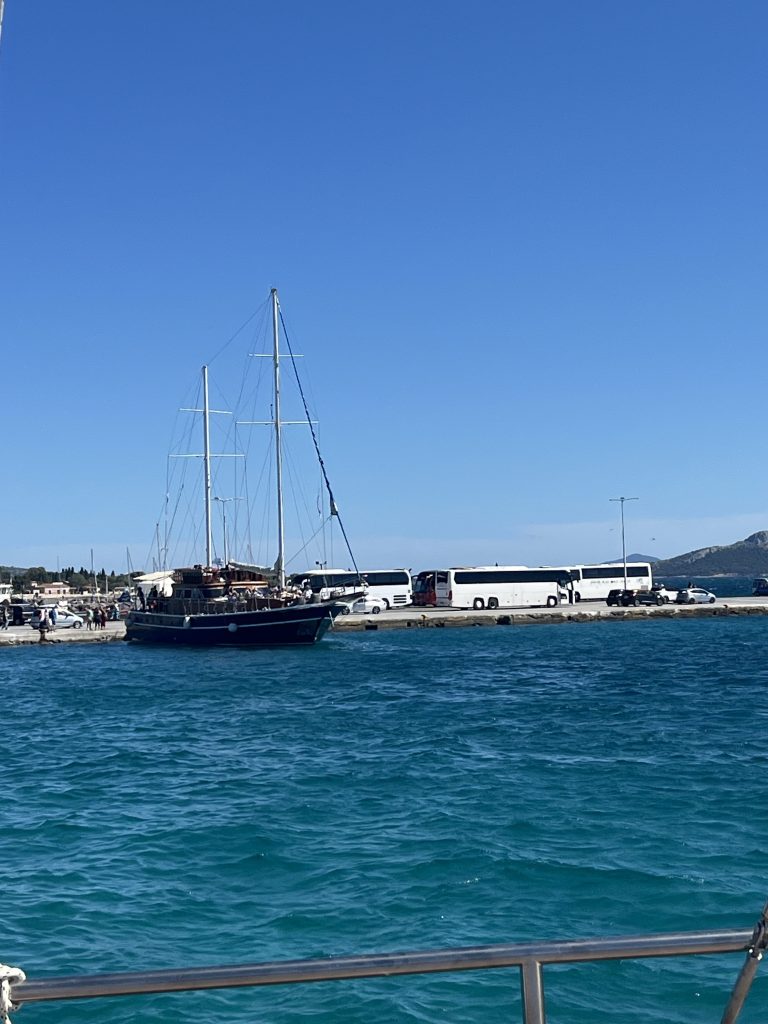
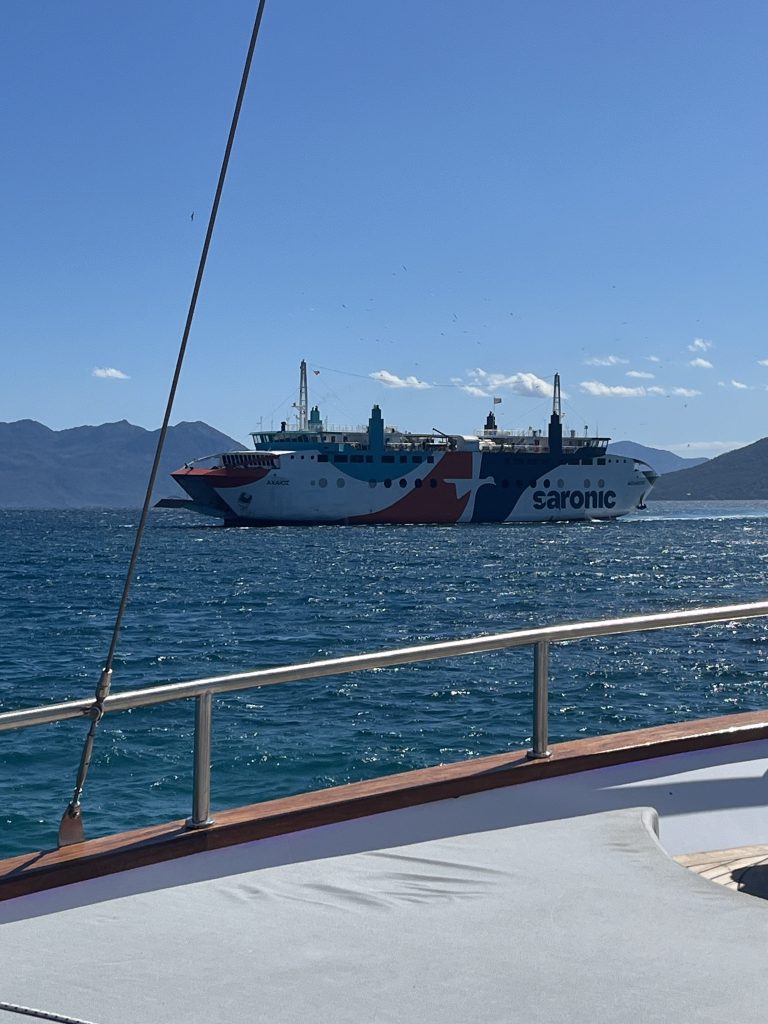
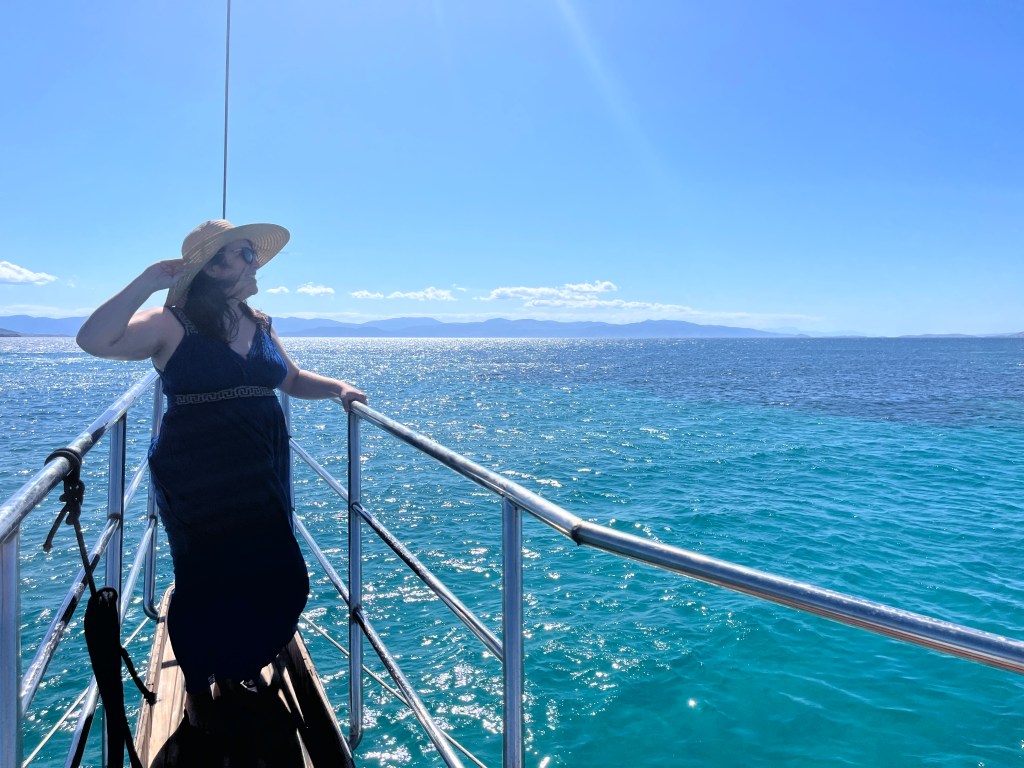
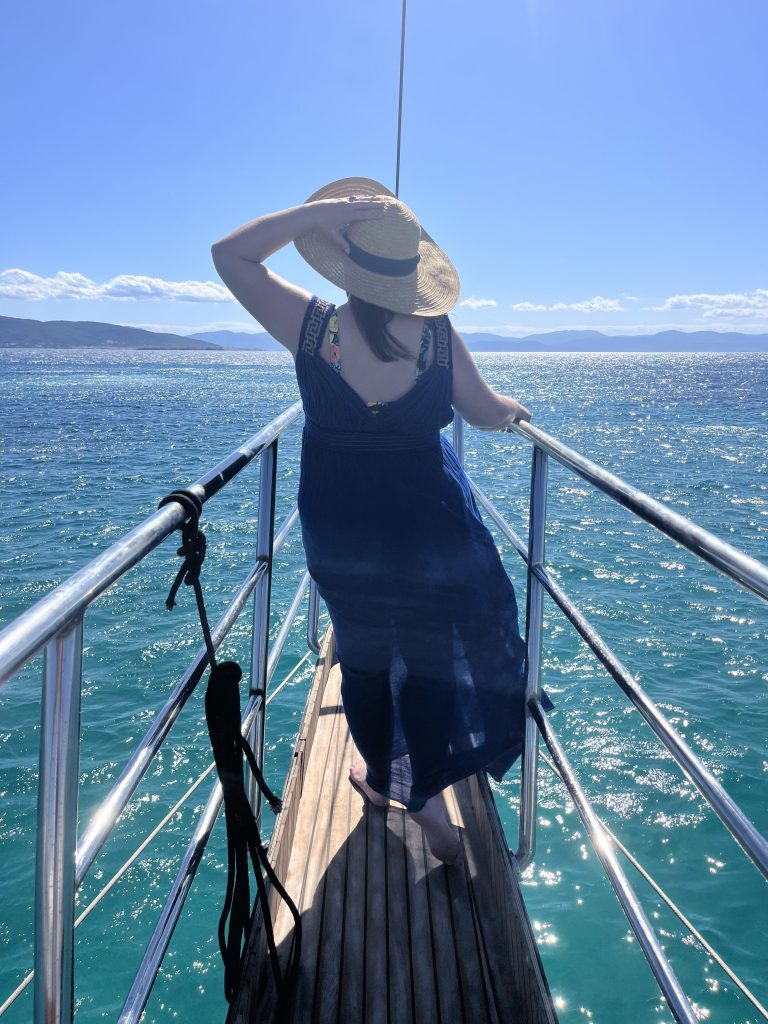
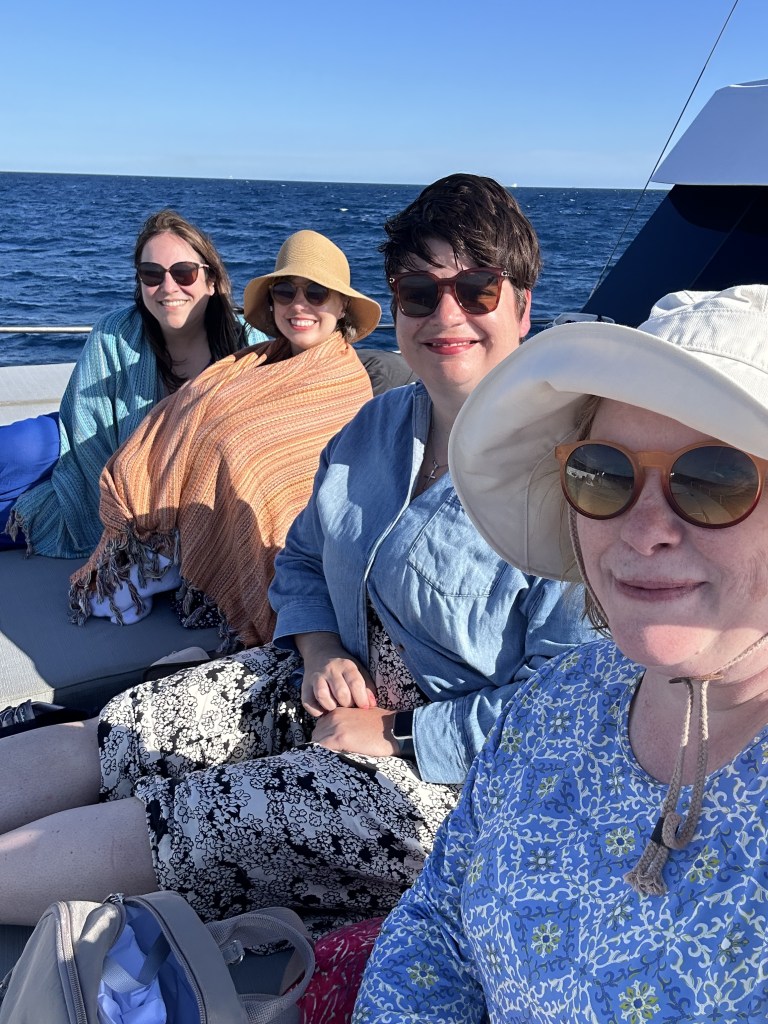
May 18th: Boat Day! Laughing together and experiencing joy!!! The Mediterranean Sea looks like the postcards. The water is so many beautiful shades of blue and turquoise. Being on the deck and getting gently splashed with water, wind in our hair, and cold dinks, we were living our best life. I can’t remember the last time I was happy to have a full body picture taken in a bathing suit, I was probably a child. But I felt strong after all of the climbing in the previous few days and I felt like a goddess in my new dress/cover up.

May 19th Meteora Monasteries
Meteora: UNESCO World Heritage Site
Meteora, Greece
Monasteries Hanging in the Air
This was a long bus ride from Athens, but so worth it! Thanks to Sarah’s quick moves we got great seats. She happened to end up in front of the correct bus at just the right moment. We were checking for our names on a couple of different busses, so splitting up lead to success. Also, is the bus ride really that long when you get the front seats and get to chat with your dear friends for hours? Nope.
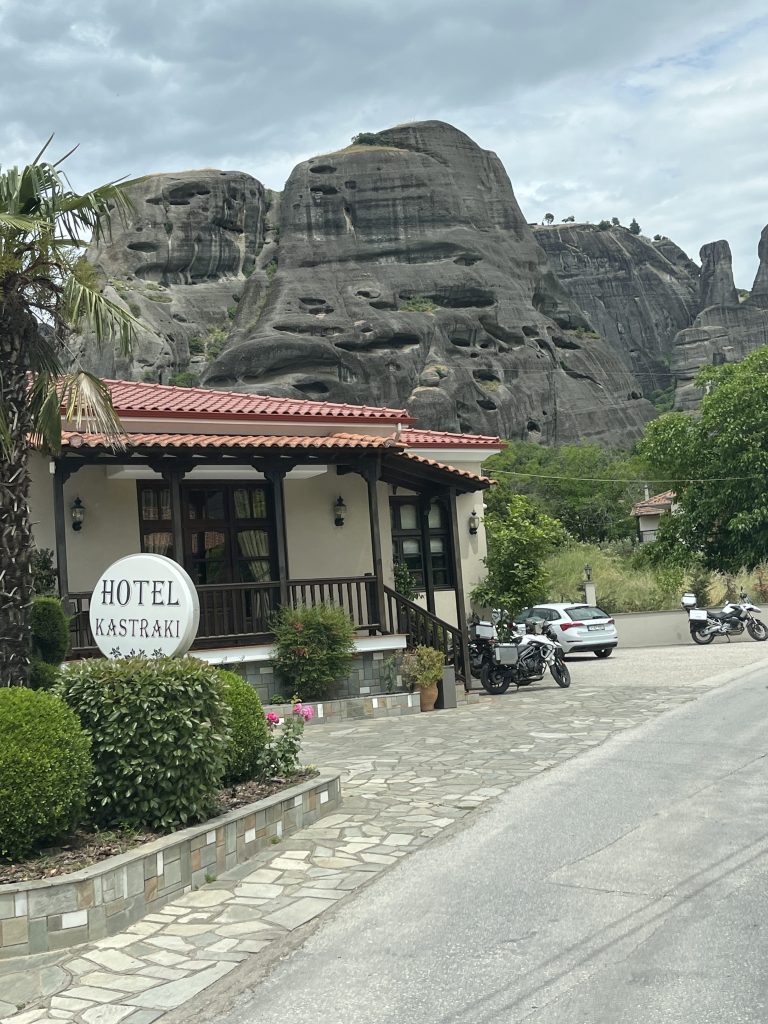
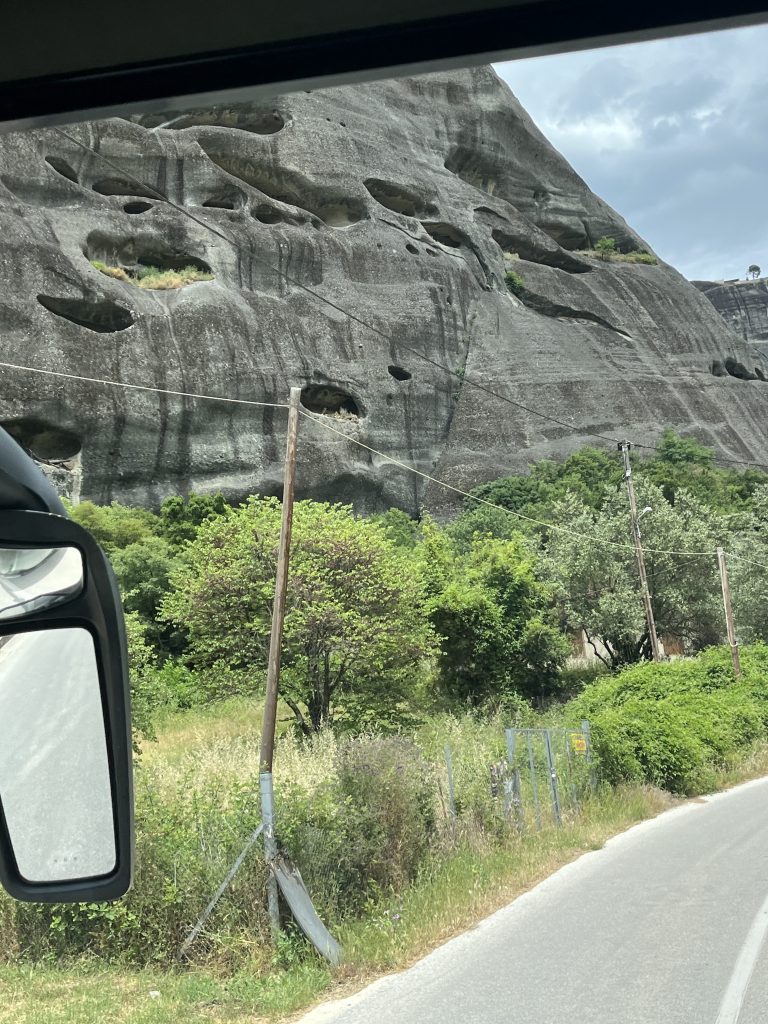
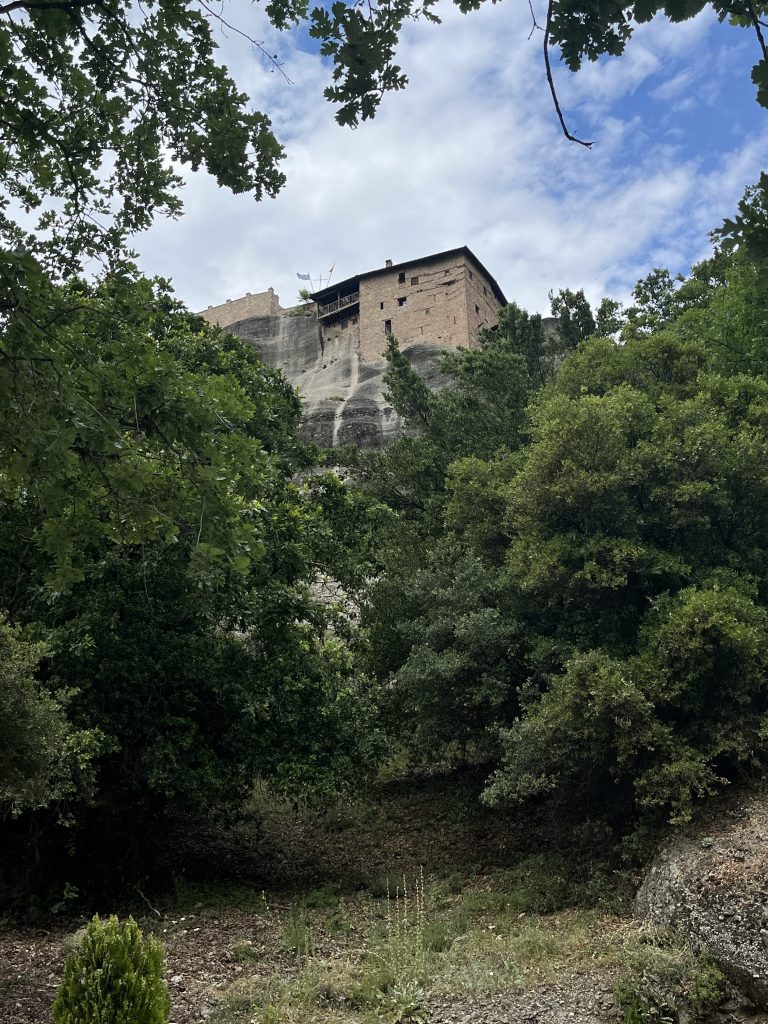
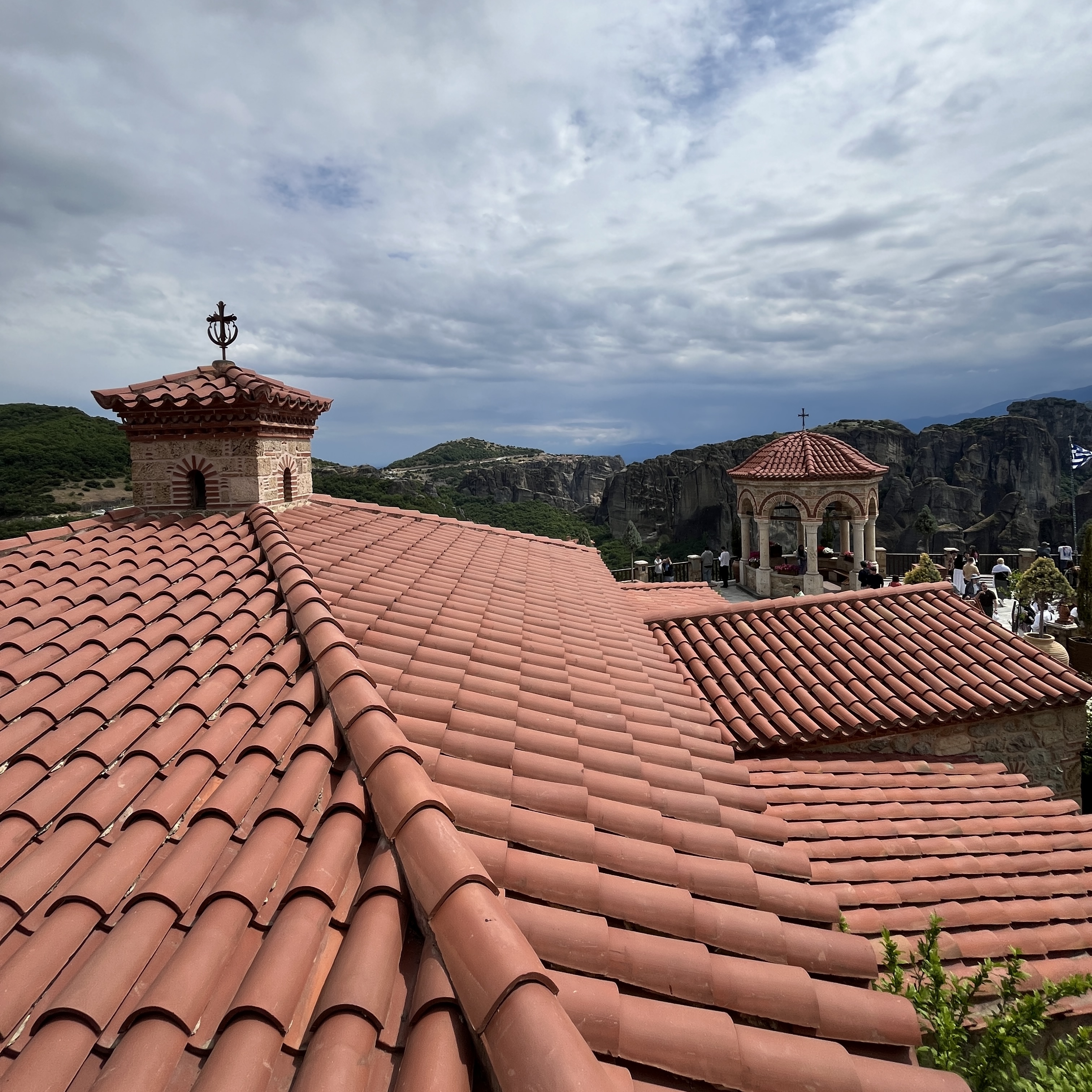
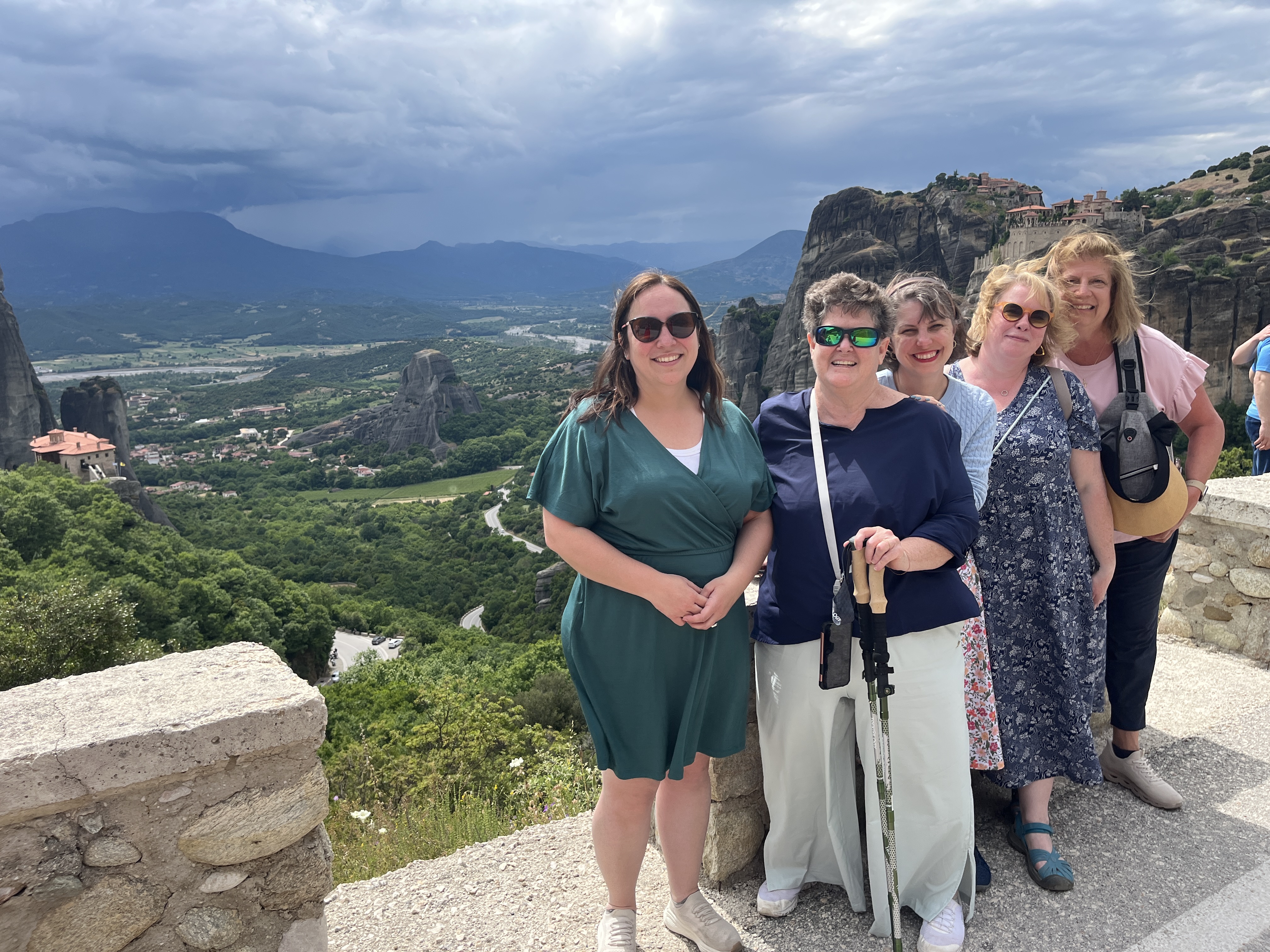
Meteora can be translated as “mid air”. The monasteries certainly feel like they are punched in midair, especially when there is cloud cover below. Different dwellings and monasteries were built in/on these cliffs since the 9th century. Individual hermits would climb into a cliff/cave and live in solitude for 40 day stints and sometimes not being strong enough to climb back down. Eventually more people were drawn to the solitude this landscape provided and monasteries were built with hard labor. Brothers would carry rocks up from the river, sometimes taking multiple days to make the trip with one heavy stone. Eventually a pulley system helped move rocks and monks. Unfortunately the high winds would interfere and knock the men against the rocks causing injury or death. I can hardly imagine how horrible it would be to pull up your dead or half-dead friend. There were also sections where they would jump from one ladder to another and hope to make the landing. But this was the way they lived and believed that death was coming for all of them at any time.
Many improvements were made over time (like the road we use to make most of the journey) but the brothers (and sisters) still climb steep steps (as we did). There are 6 Monasteries today: The Great Meteora Monastery built by St. Athanasius in the 14th century, Varlaam (All Saints), Rousanou built in 1545 and destroyed by German bombs during WWII then rebuilt in 1965, St. Nichollas, Holy Trinity (filming location of James Bond “For Your Eyes Only”, the first a last movie allowed to film here) and St. Stephen. Five of the monasteries are for men and one is for women.
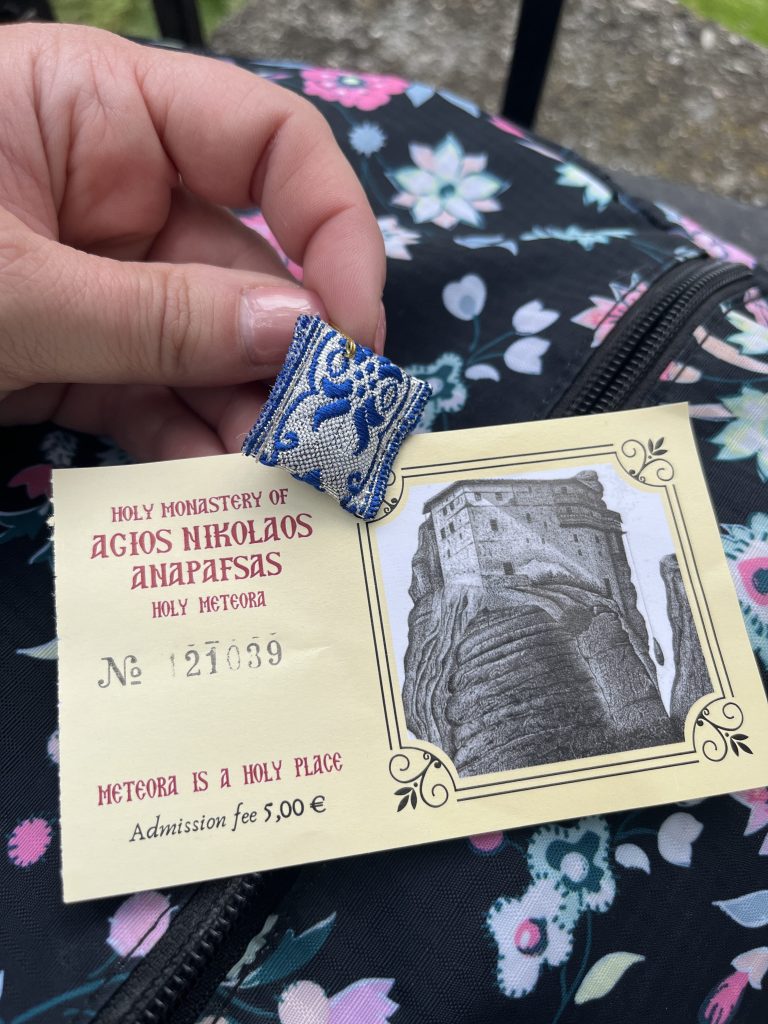
The monasteries open to the public on different days so that they can have privacy most days and still get the tourism support they rely on to support their ministries. My dress was deemed appropriate at two monasteries but at one the door attendant made me put on a long black skirt over my dress. We visited St. Nikolos, Varlaam, and St. Stephan’s.
The sisters’ monastery (St. Stephans) is the most accessible to the public, which is intentionally because they are the group that works most with the local people to support charities. They also allow people to worship with them. Our tour guide has been coming to services here since she was a child. The sisters are also known to have the best gift shop. I thought theirs was the most beautiful monastery as it was covered in flowers. There are more sisters in this convent than there are brothers at the other monasteries. We also saw more of them too. The brothers seemed determine to ignore people if they came into view for a moment. We noticed they only made eye contact with men. The sisters in contrast seemed joyful and smiled at visitors.
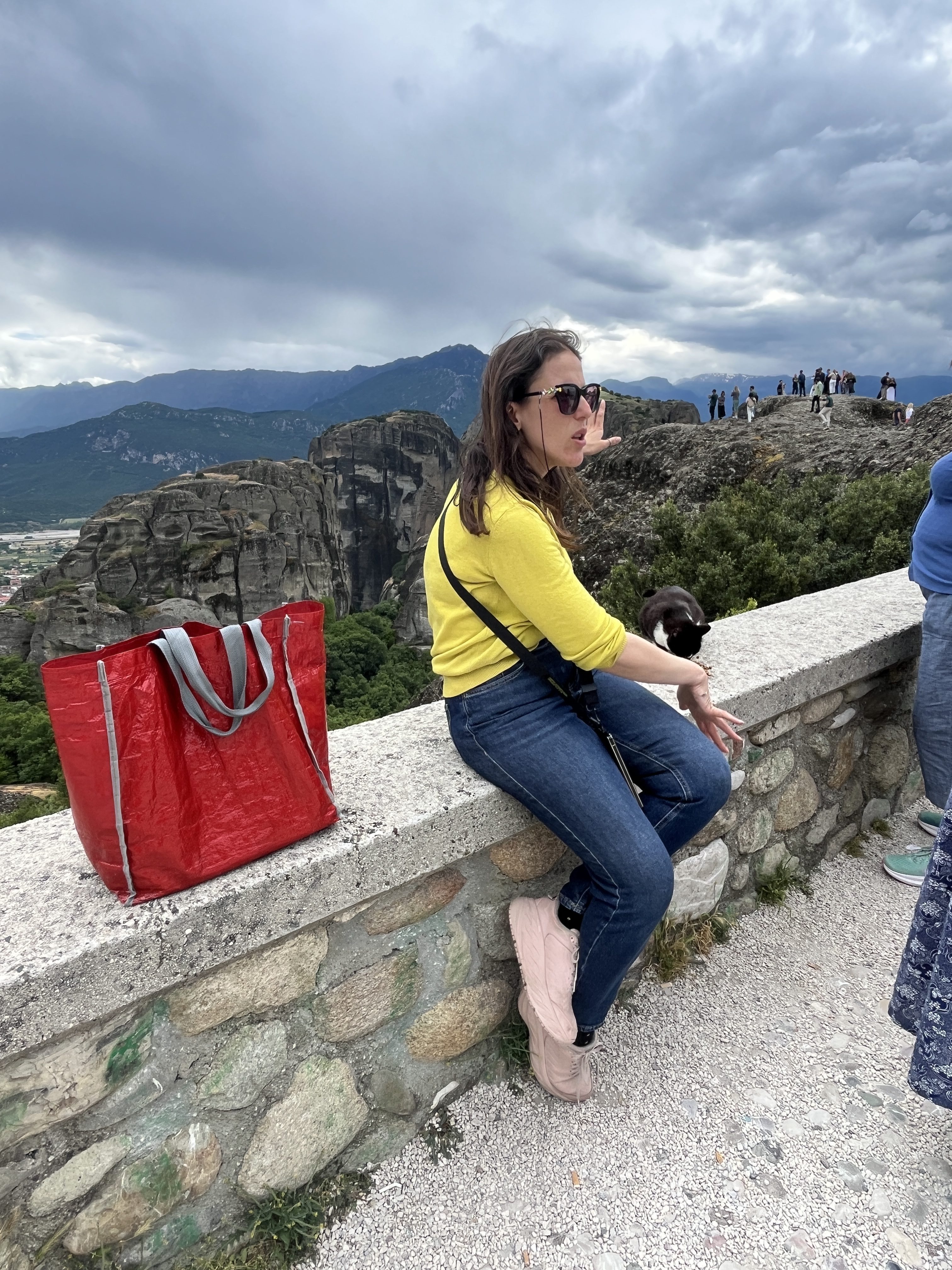
Our tour guide was fabulous and while we went into the monasteries she fed their cats. She had a big bag full of cat food and cat treats for exactly this purpose.
Of all of the holy sites I’ve visited full of pilgrims and tourists, these monasteries seemed to attract those with deep devotion. Typically at other pilgrimage places, I’ve observed people being quiet and respectful and sometimes stopping to pray. But here, people were praying and venerating the icons openly. We saw a little boy praying before an icon on his own (I’m sure his parents were around somewhere) but we had a sense that we were witnessing his faith and not just something his parents made him do.
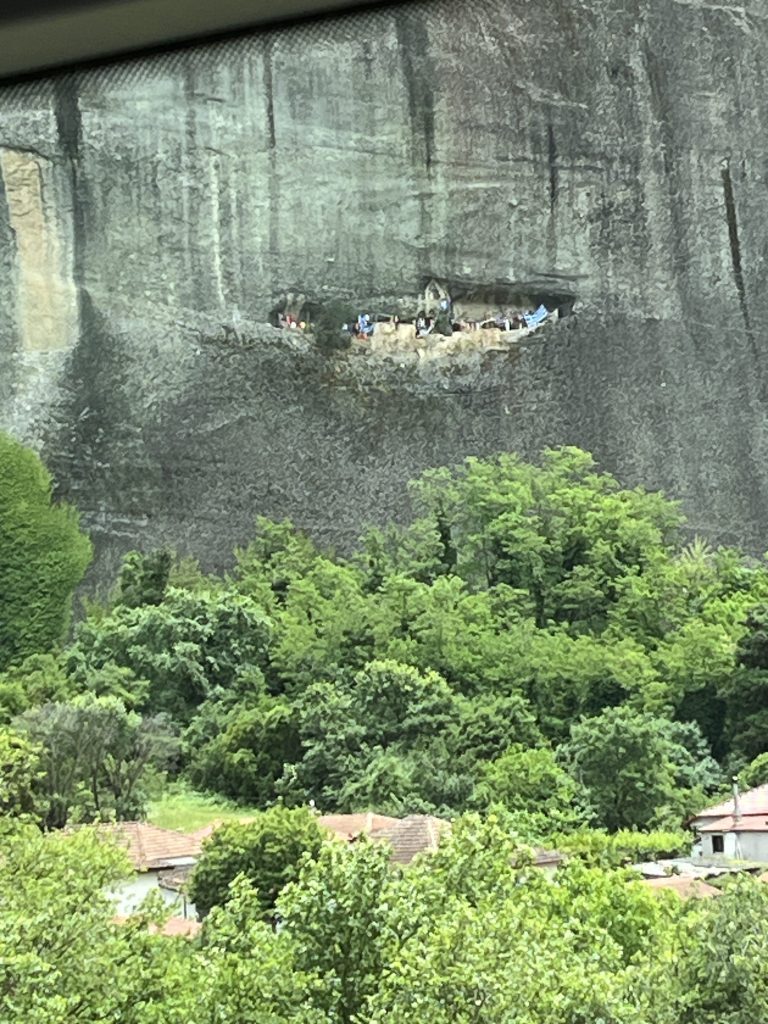
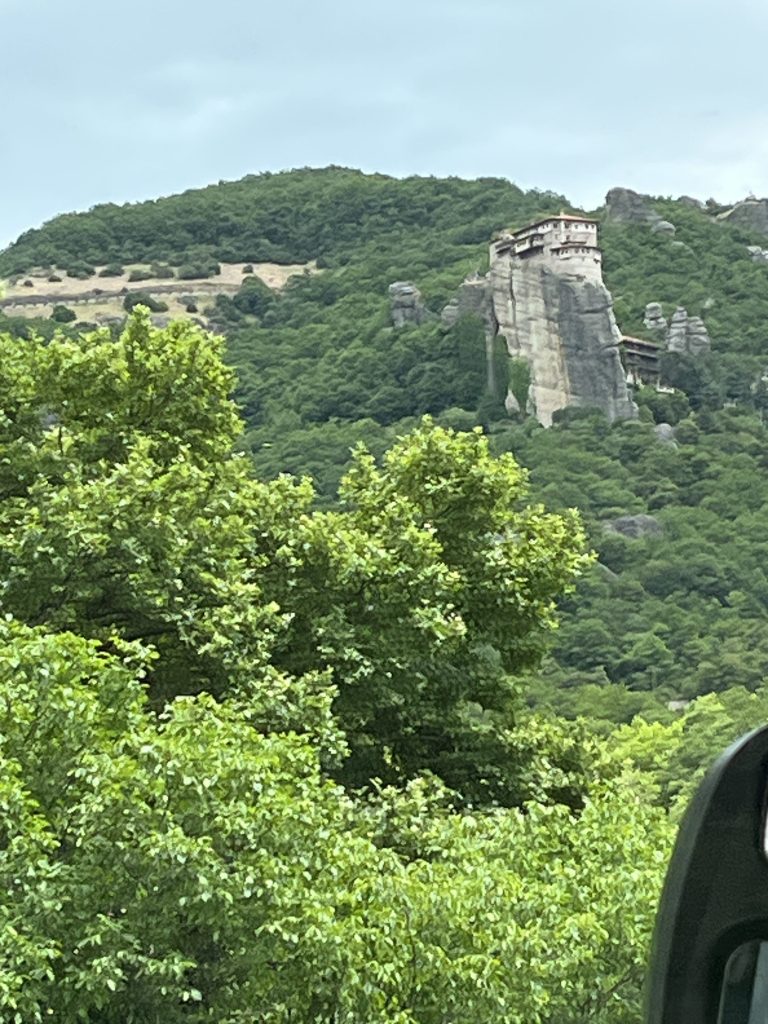
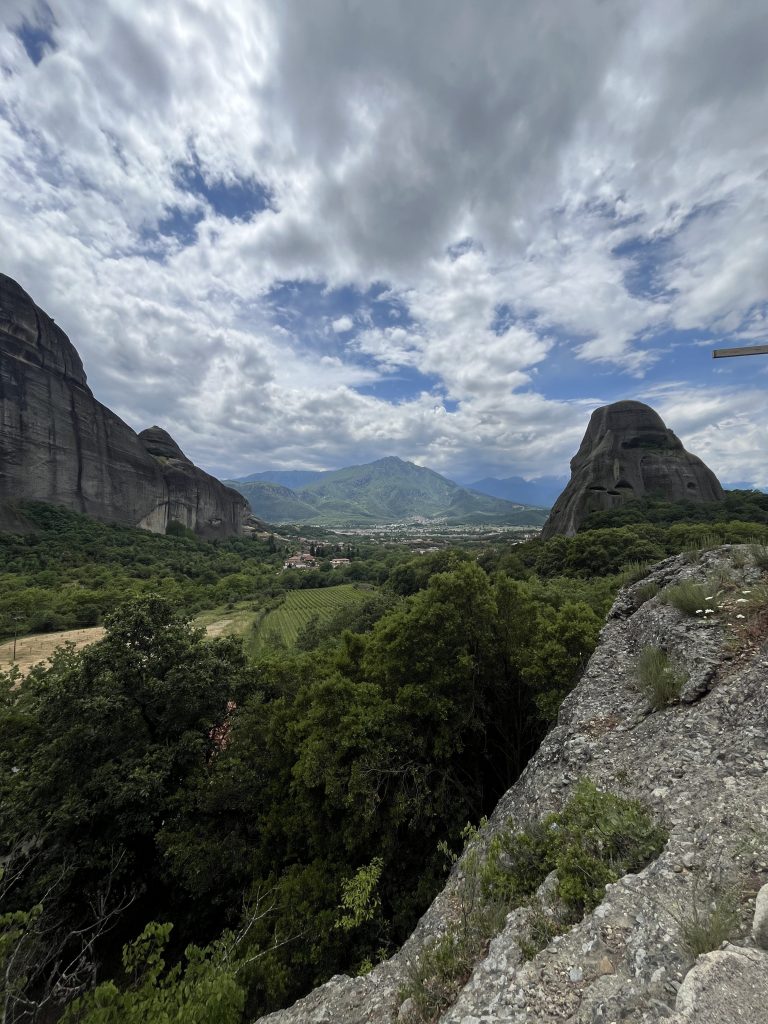
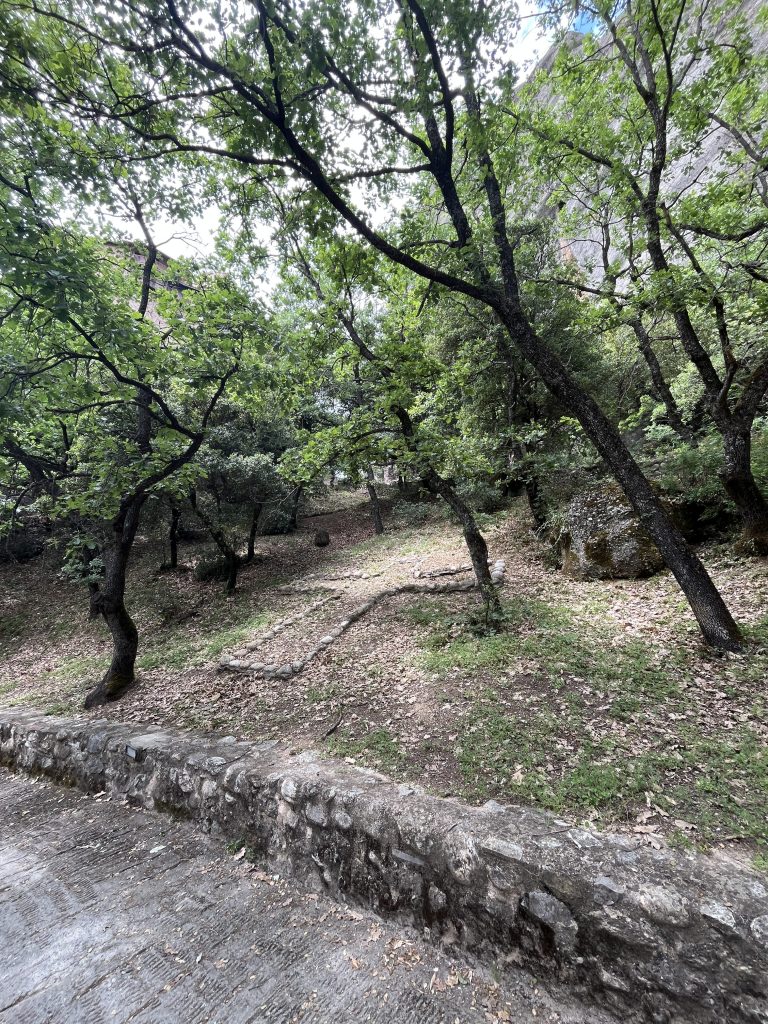
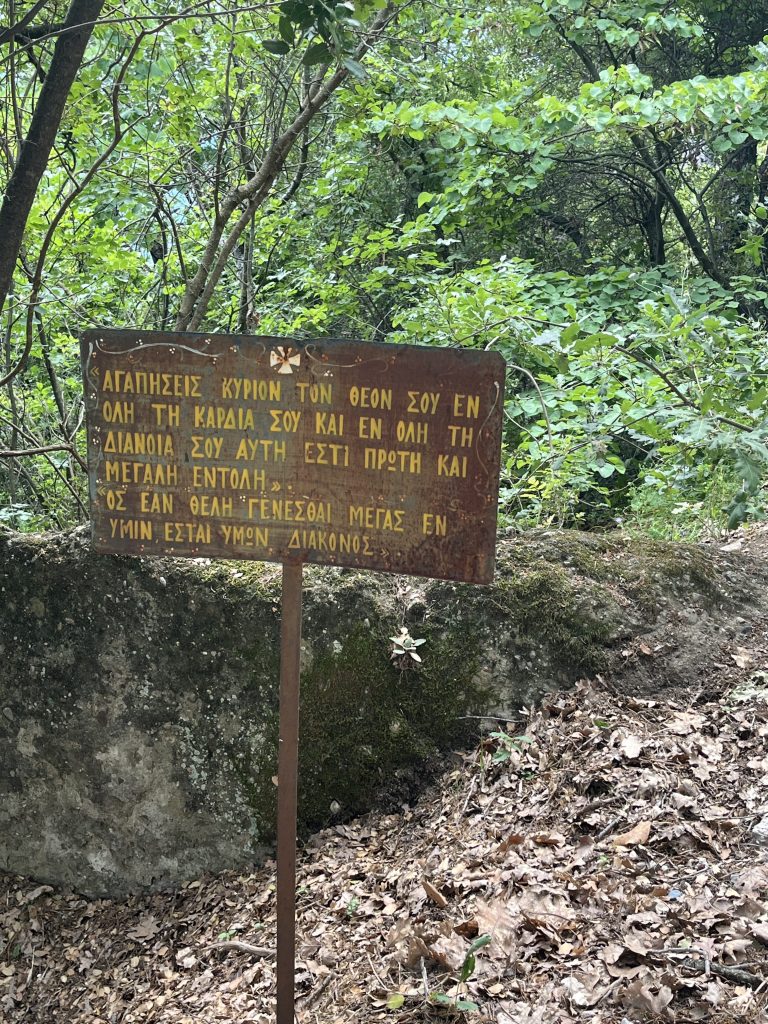
St.Nikolos: photos were not permitted inside. They were also doing some construction and even in this modern era it was difficult work to get the materials to where they needed to be. The brothers work with contractors that allow them to be active participants (carrying supplies) as manual labor is part of their tradition.
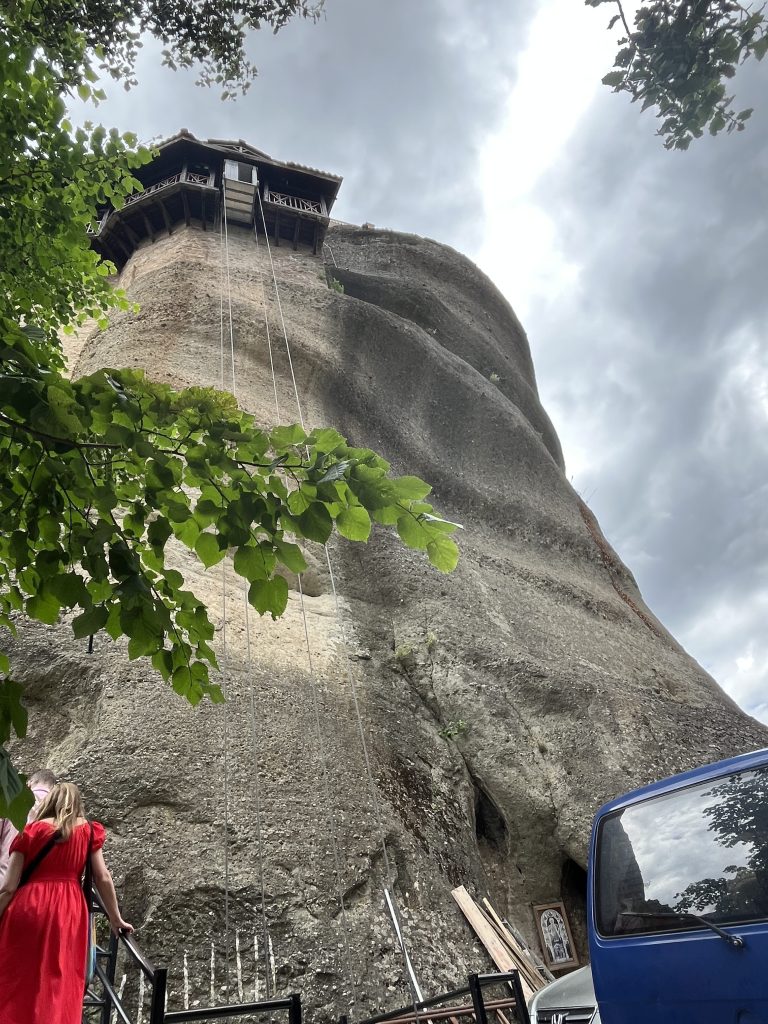
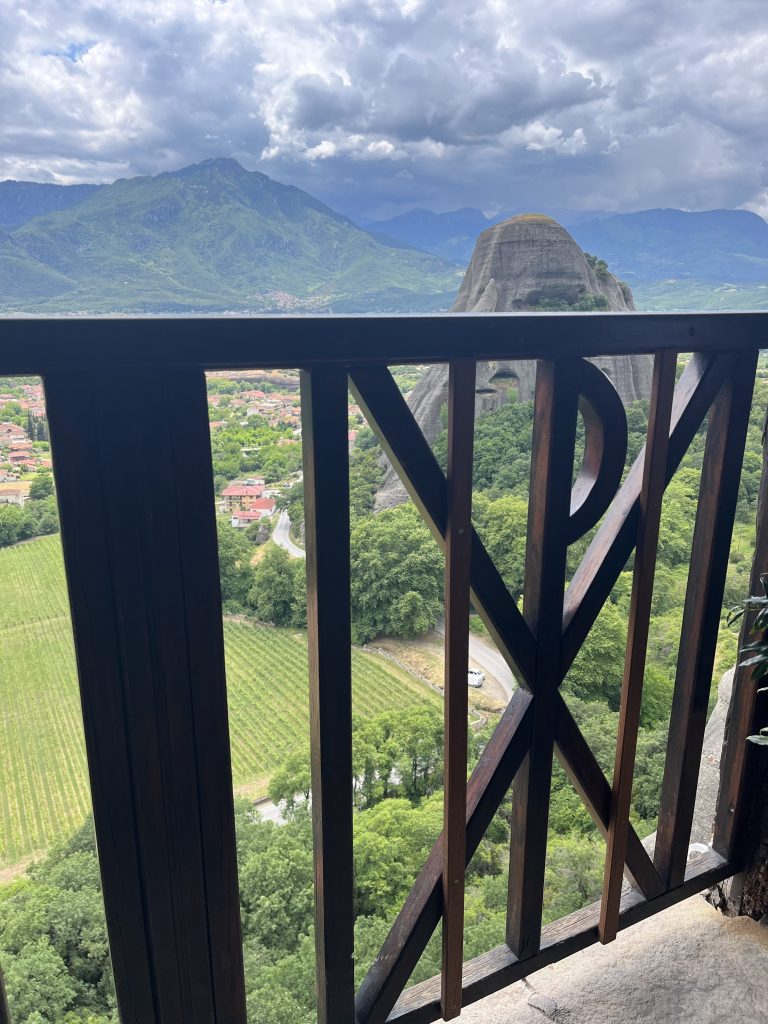
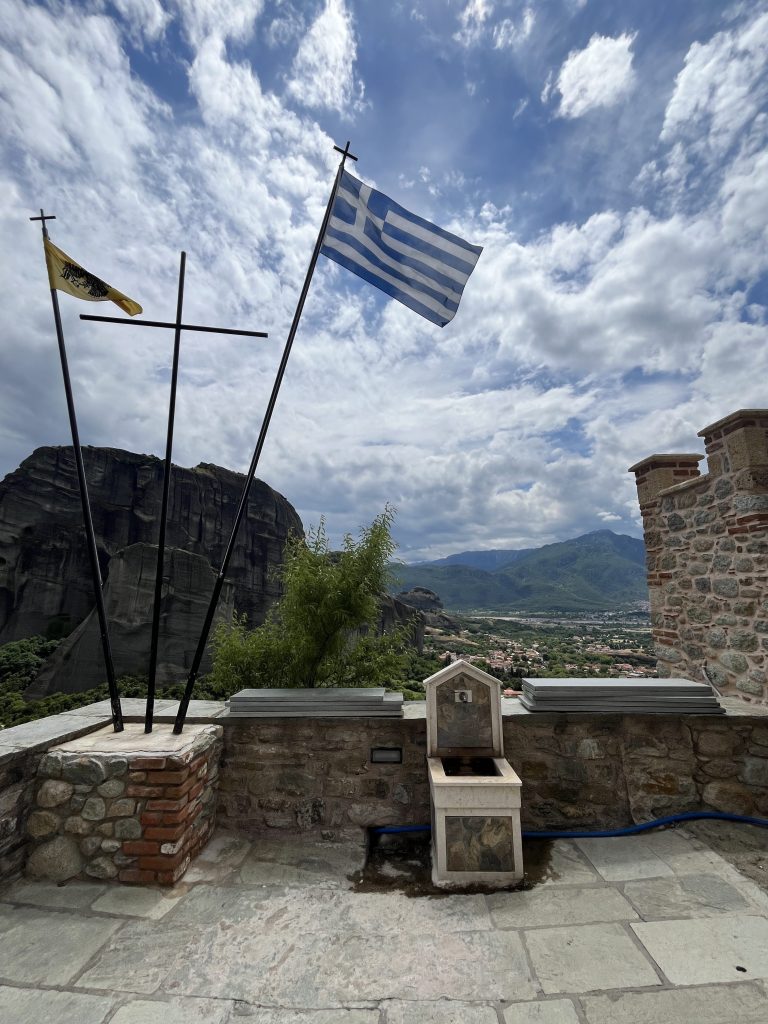
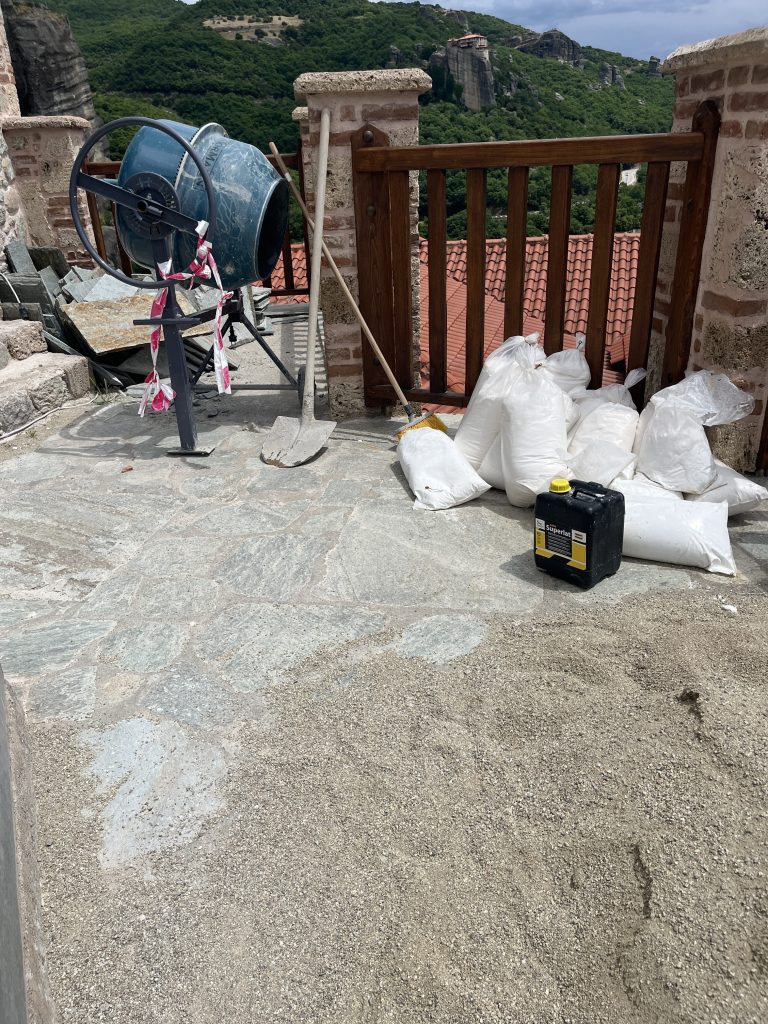
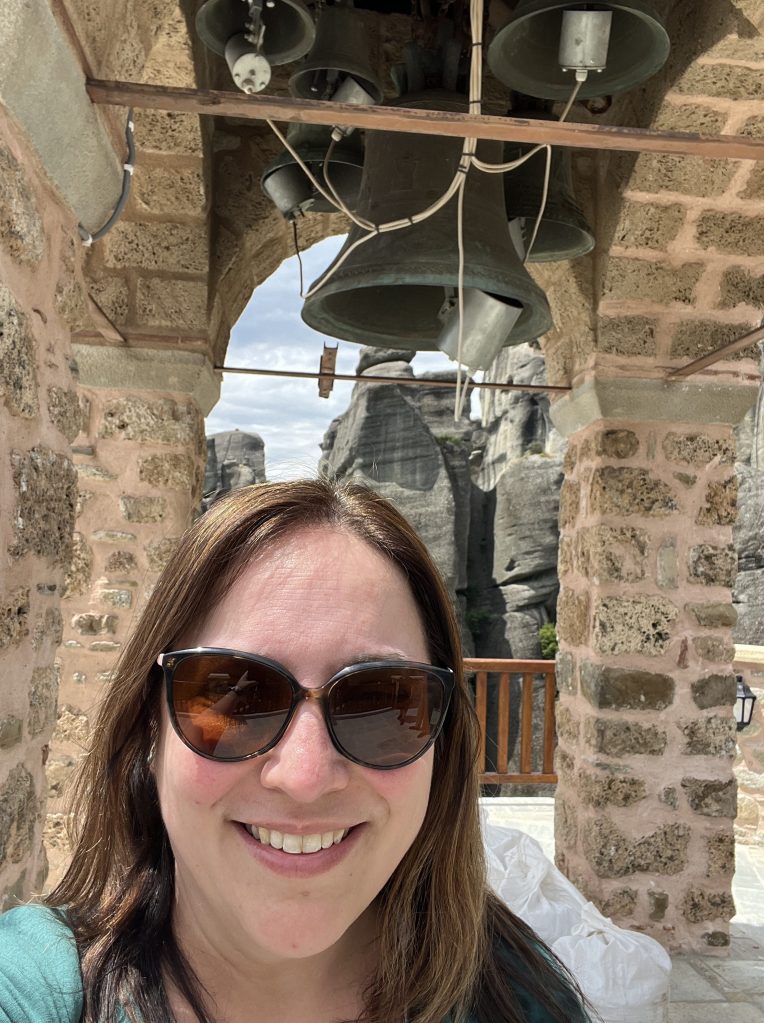
Varlaam:
It was here I realized our tour guide’s red bag was full of cat food and treats. I can’t imagine how many times I would have to see this view before I was like, maybe I would rather play with stray cats…. it would have to be upwards of thousands of visits… right? But she seemed very dedicated to these cats. Perhaps because this is a place that they might go unnoticed.
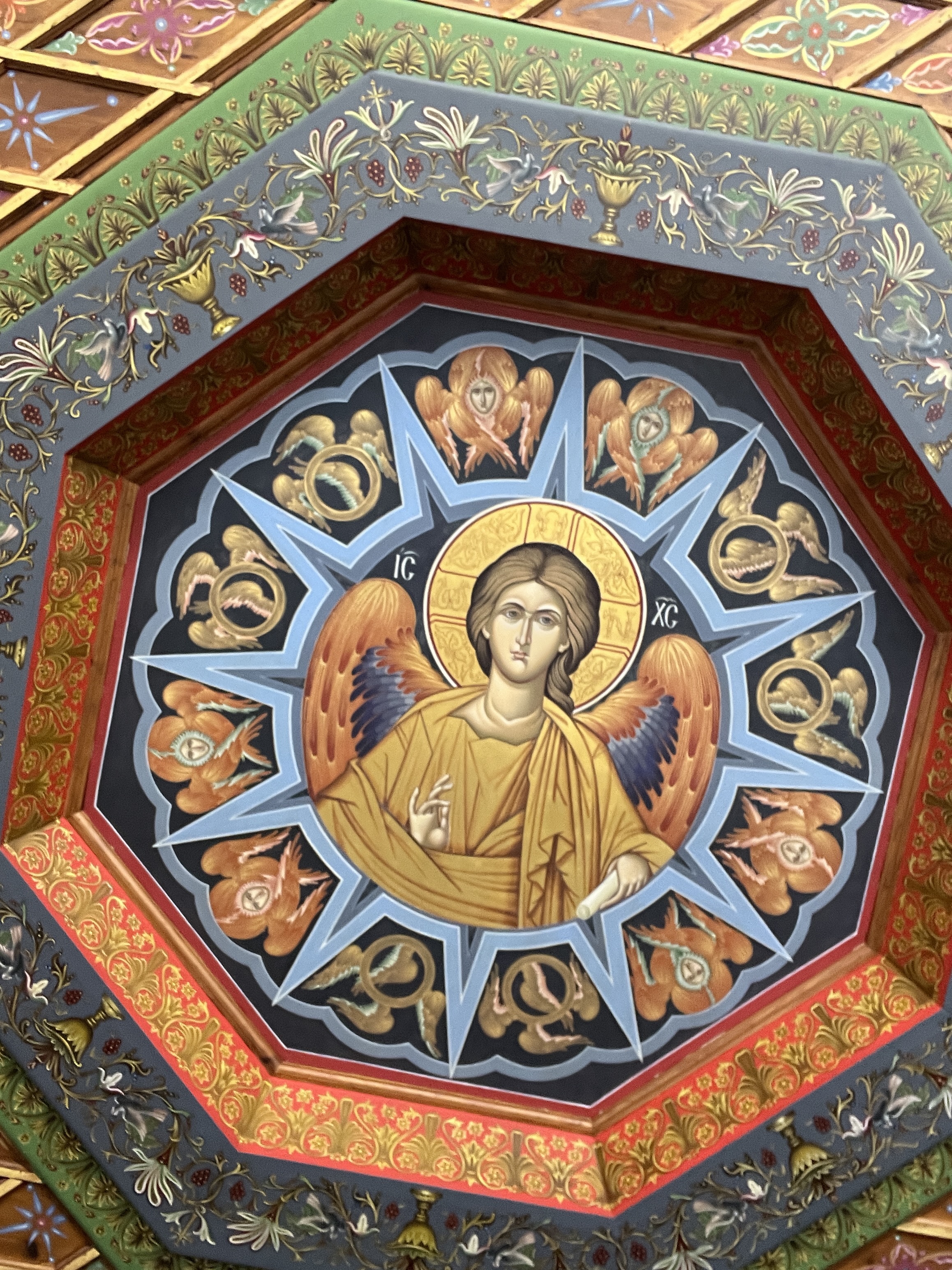
The only place we couldn’t take pictures here was the chapel itself. The chapels are so beautiful and covered in art work. The book I purchased has pictures of some of the icons in the chapels but doesn’t do justice to standing in the chapels.
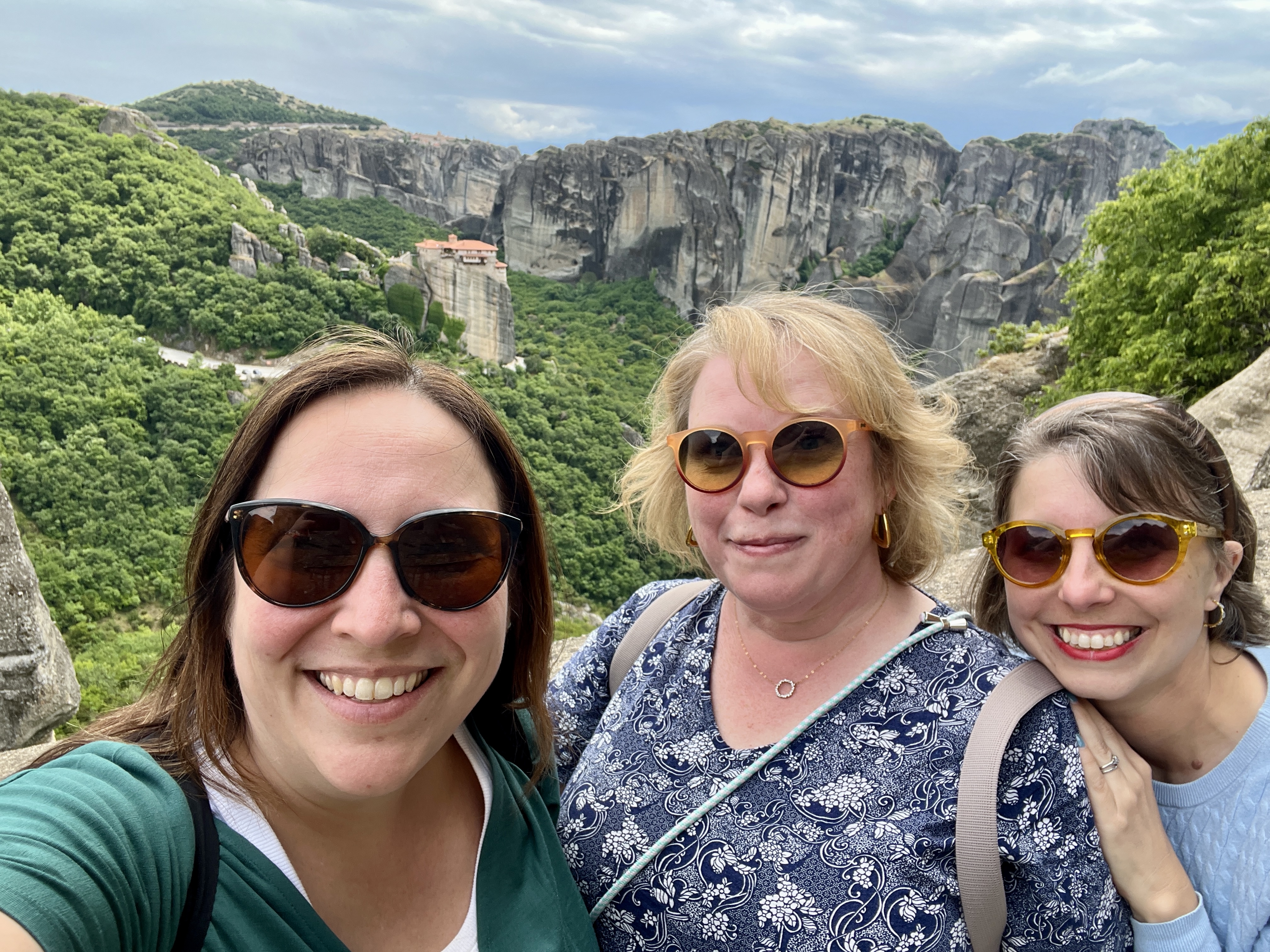
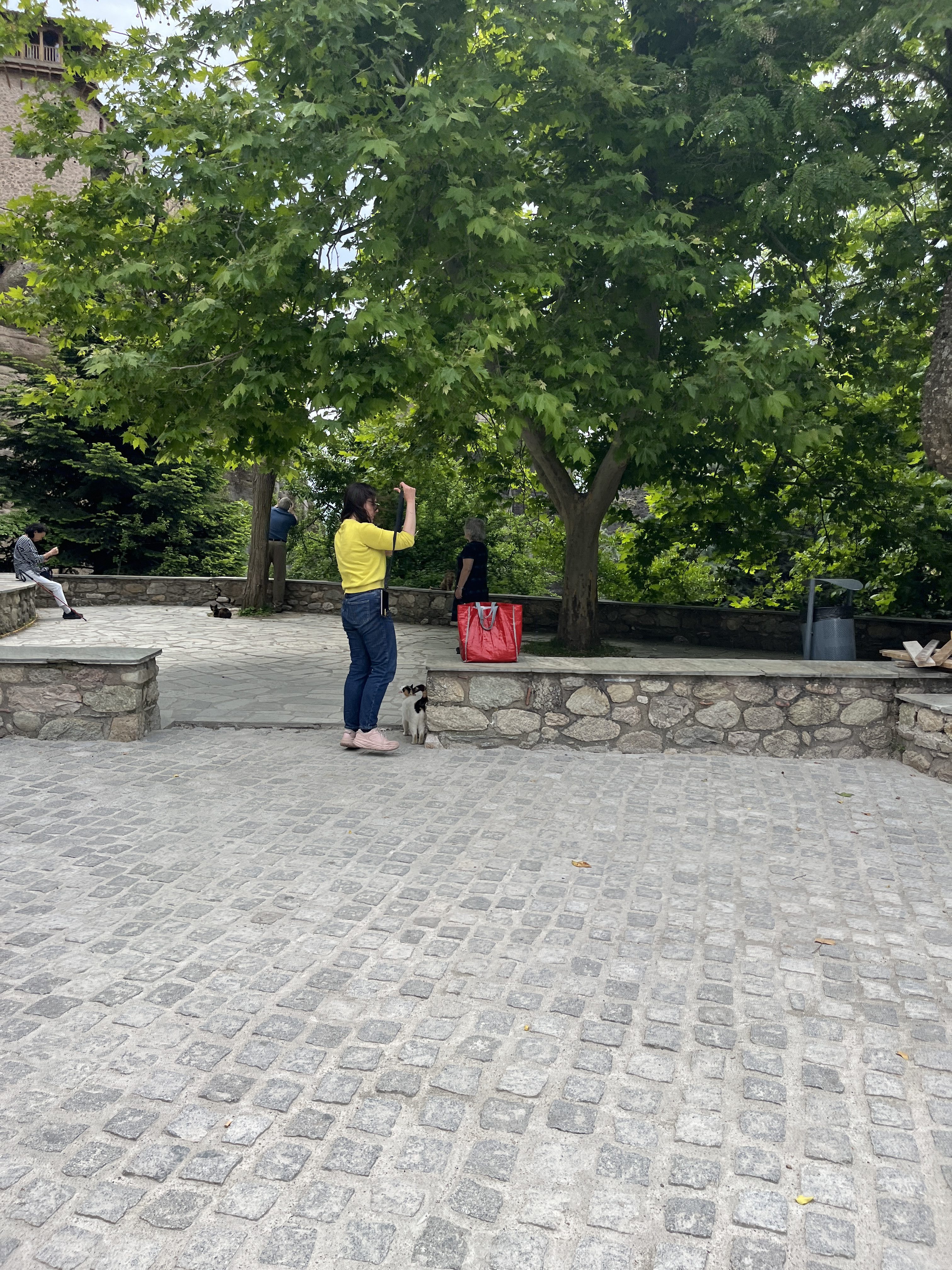
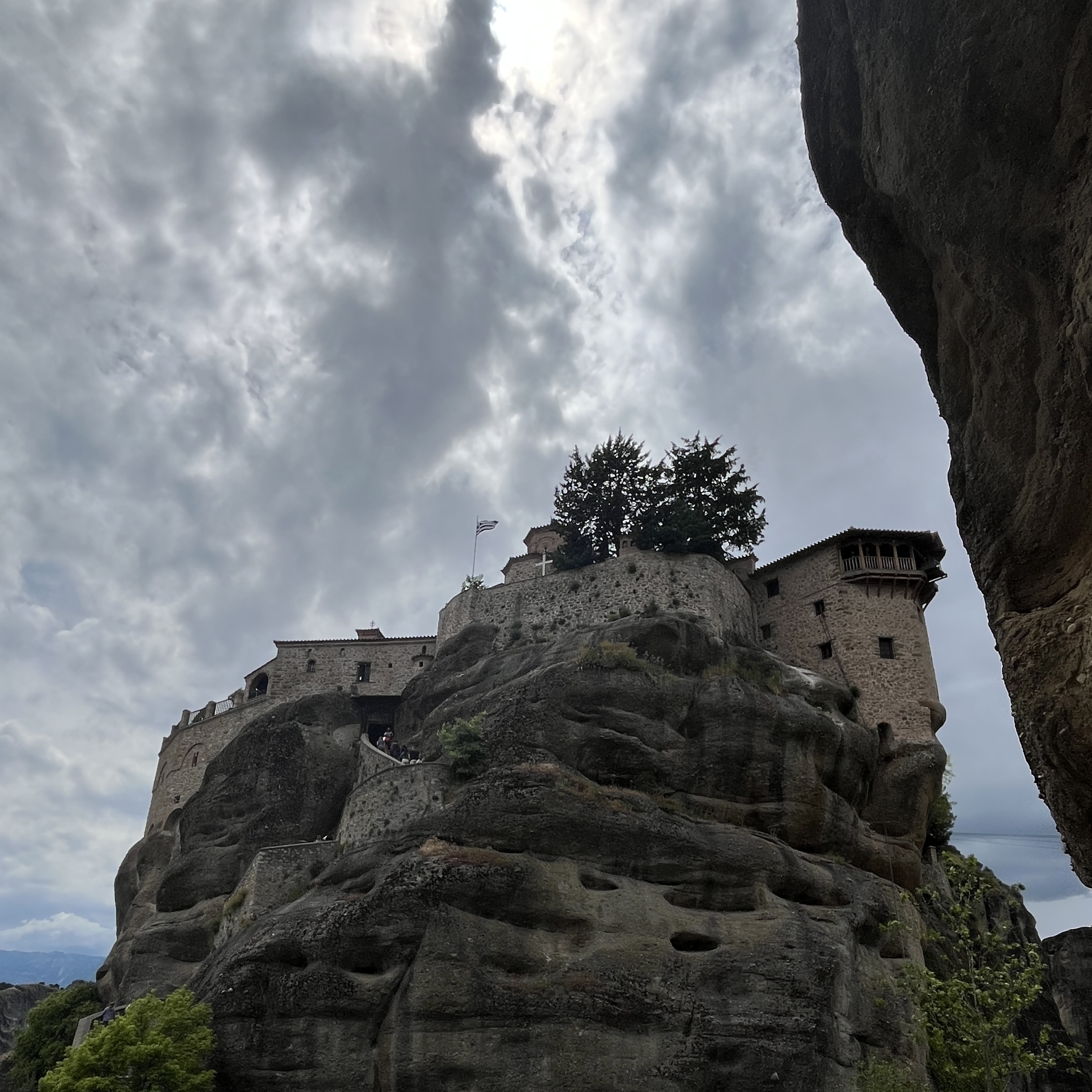
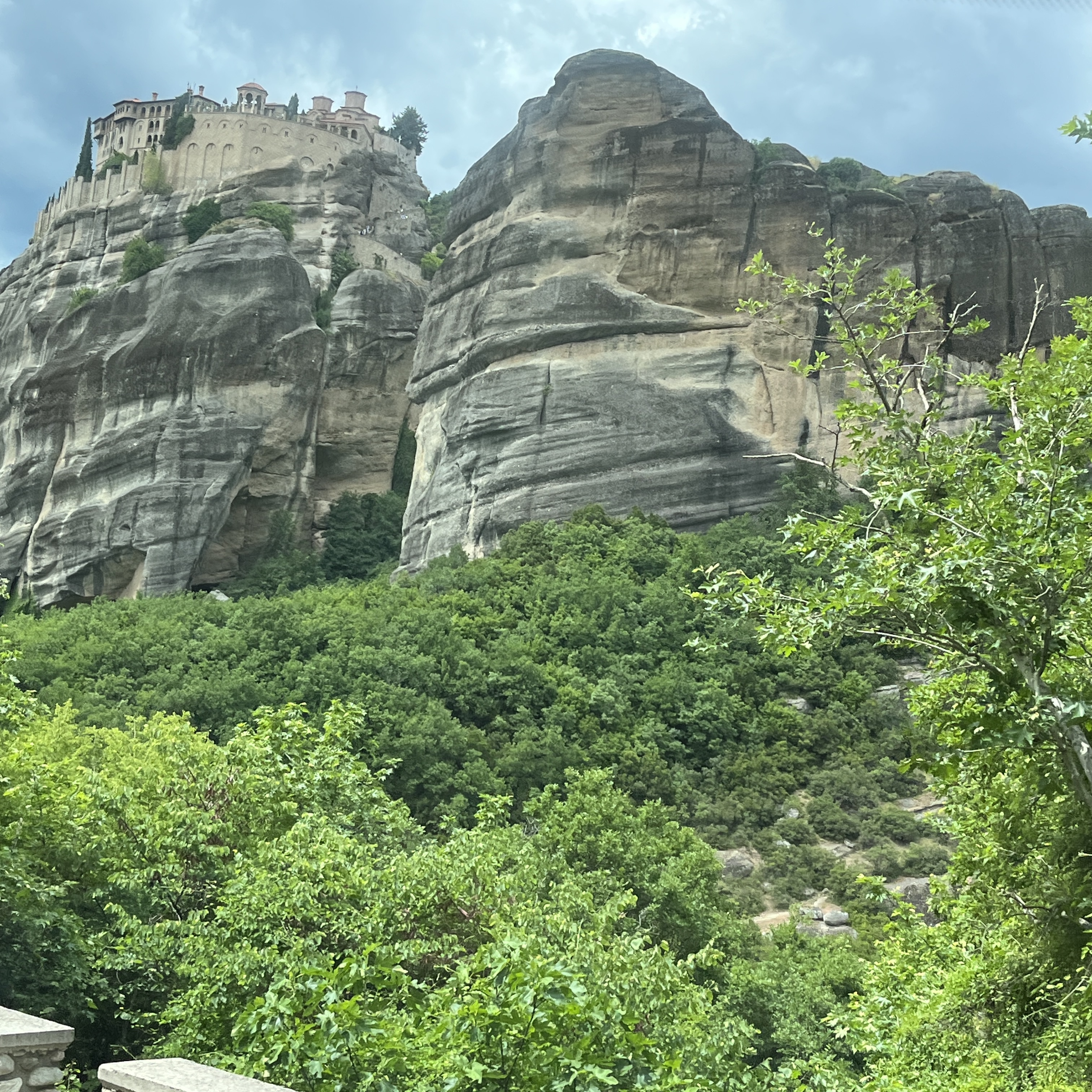
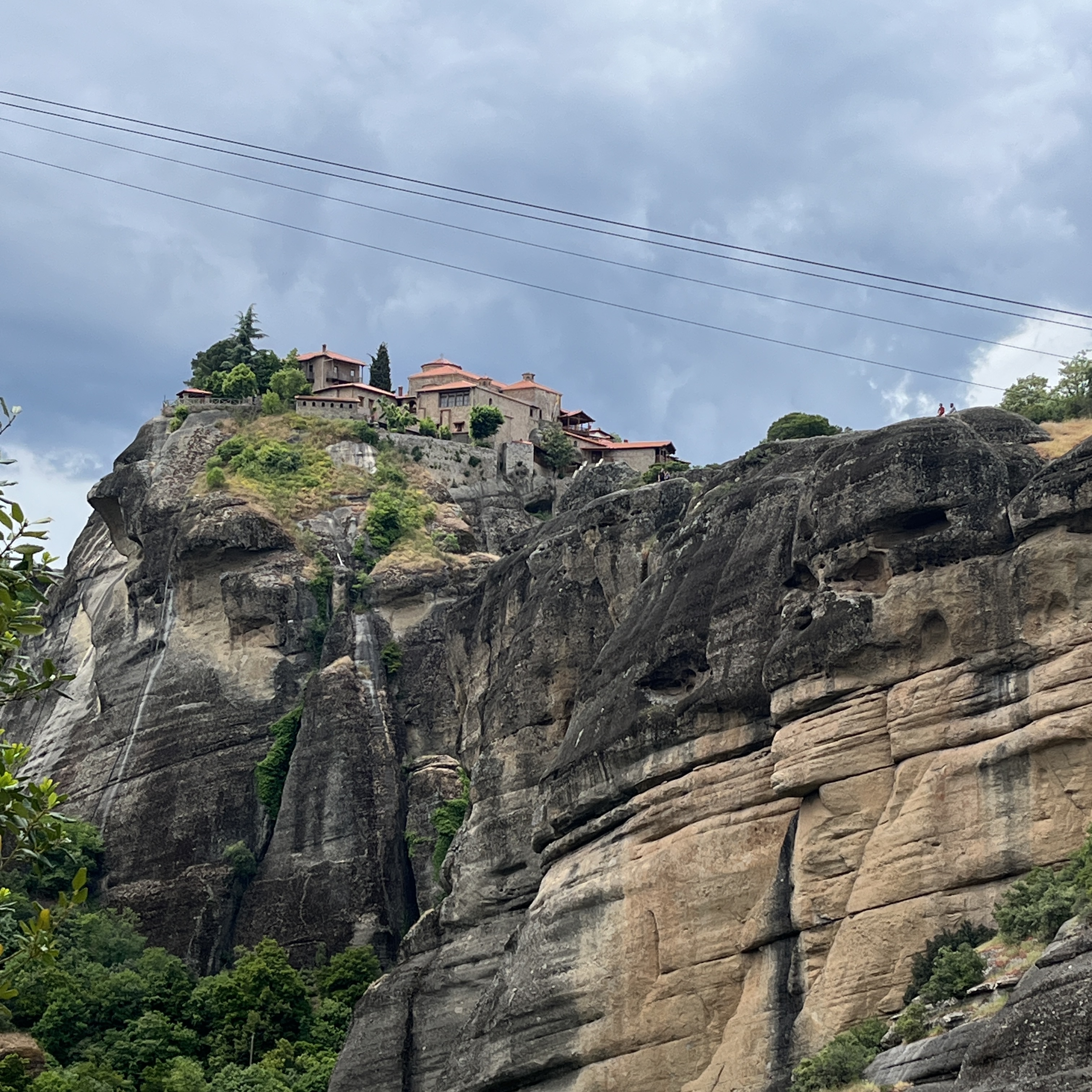
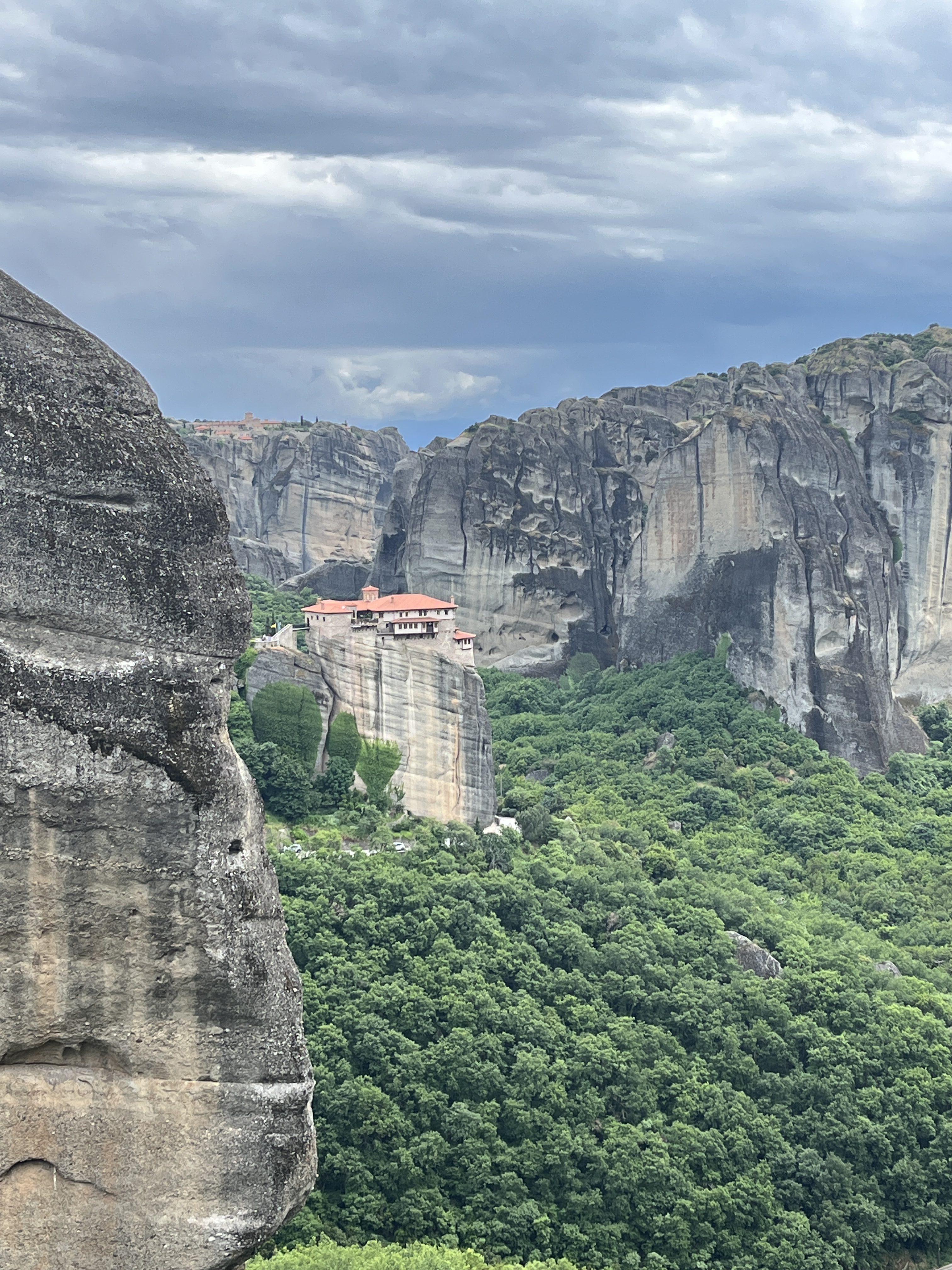
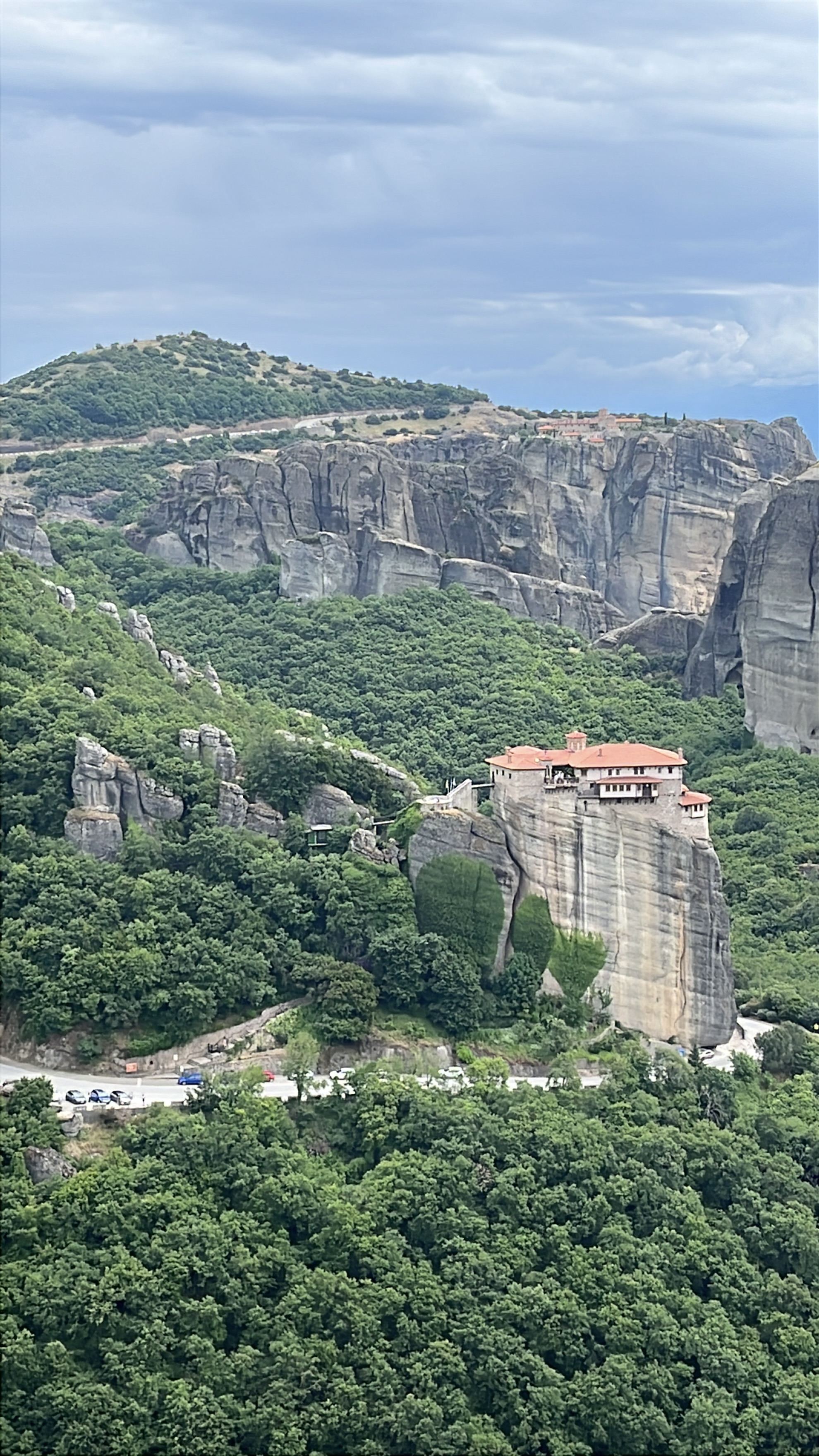
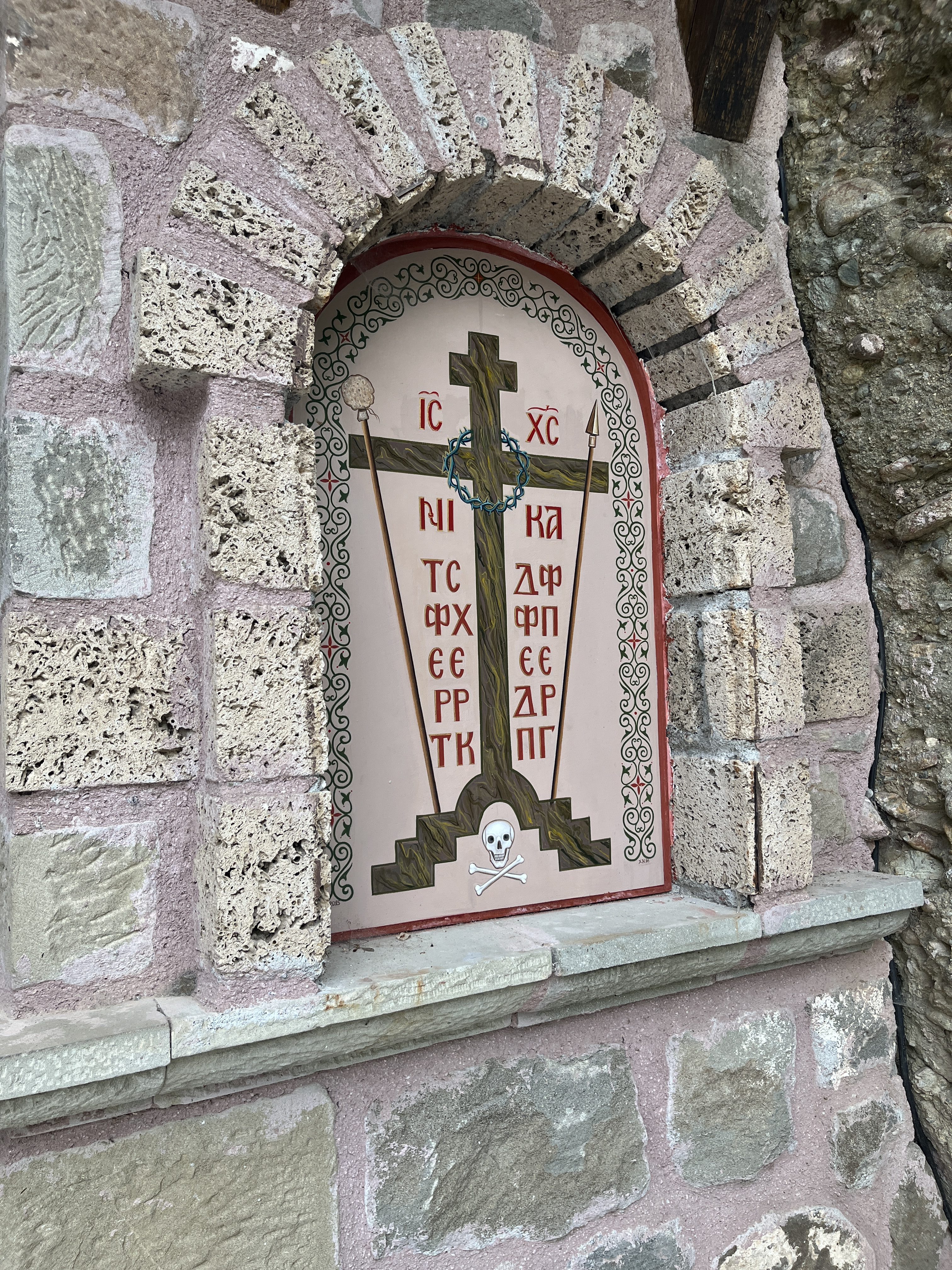
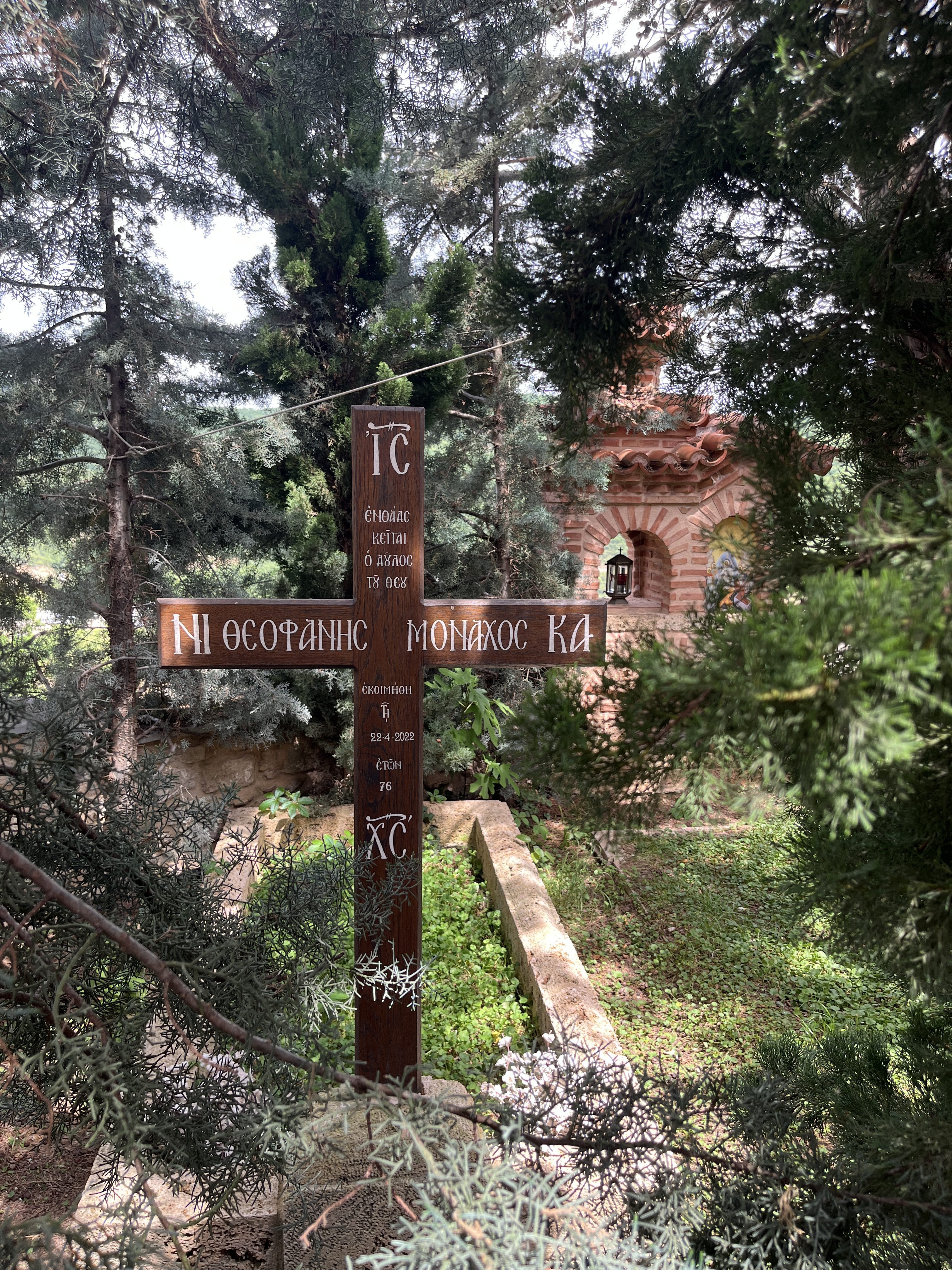
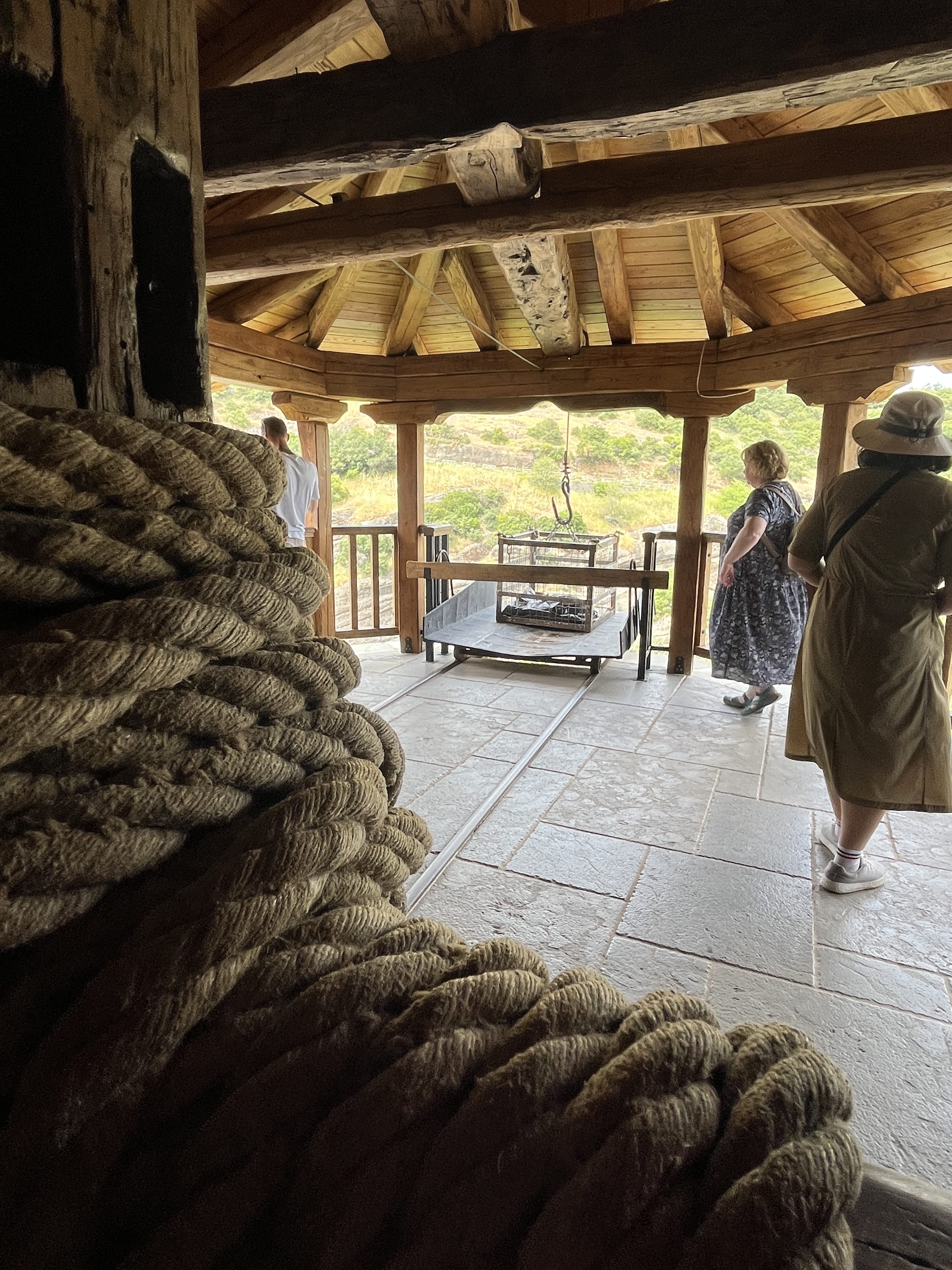
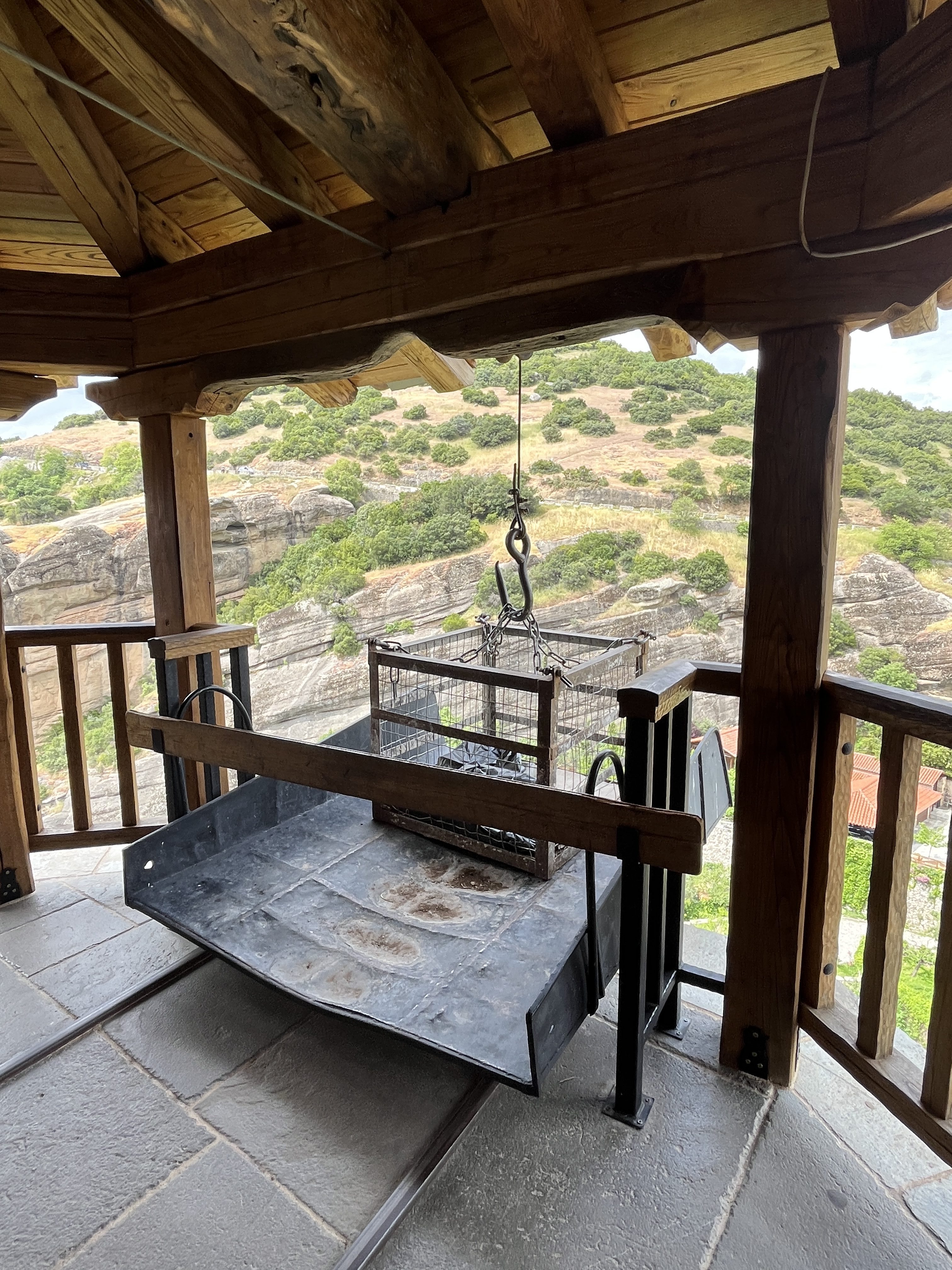
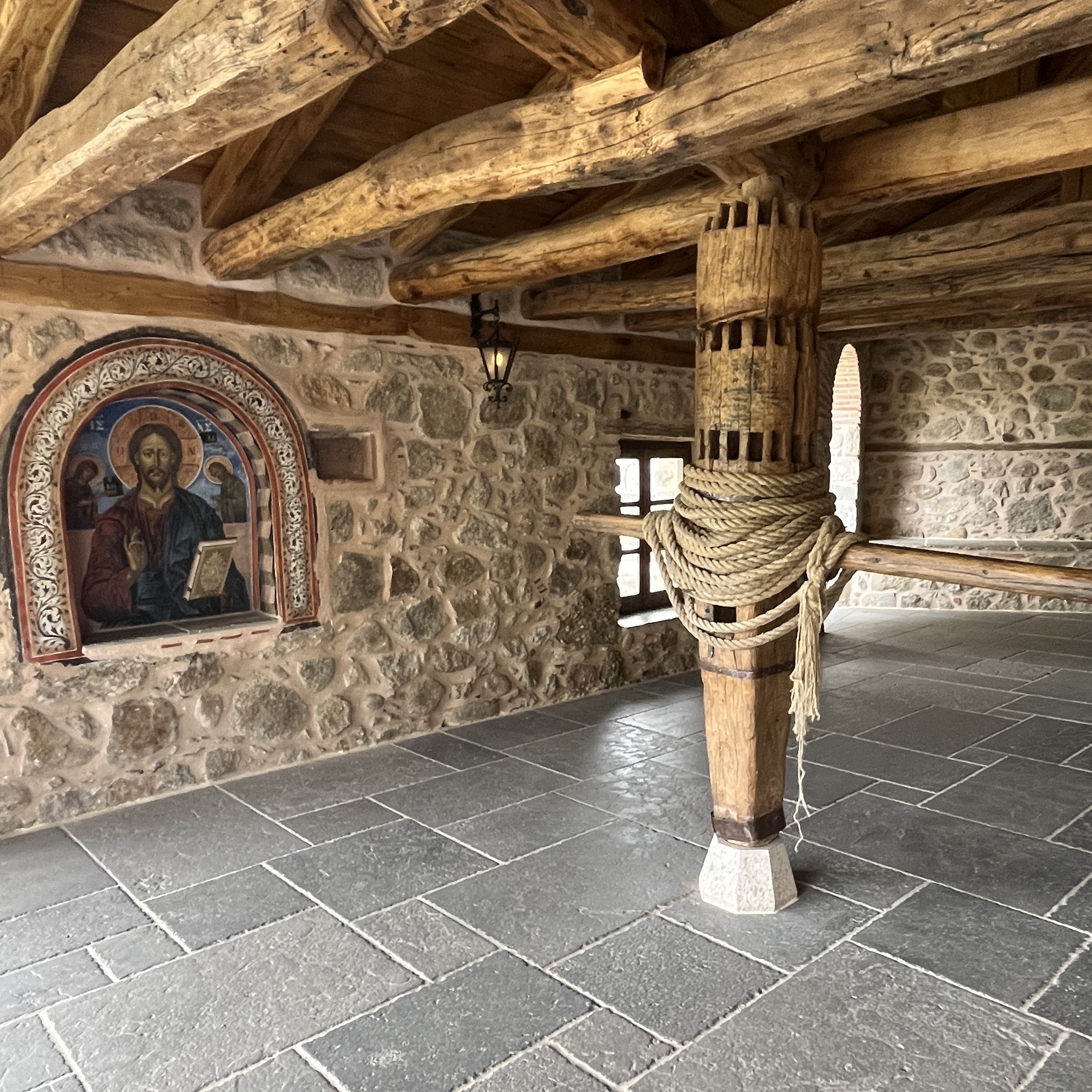
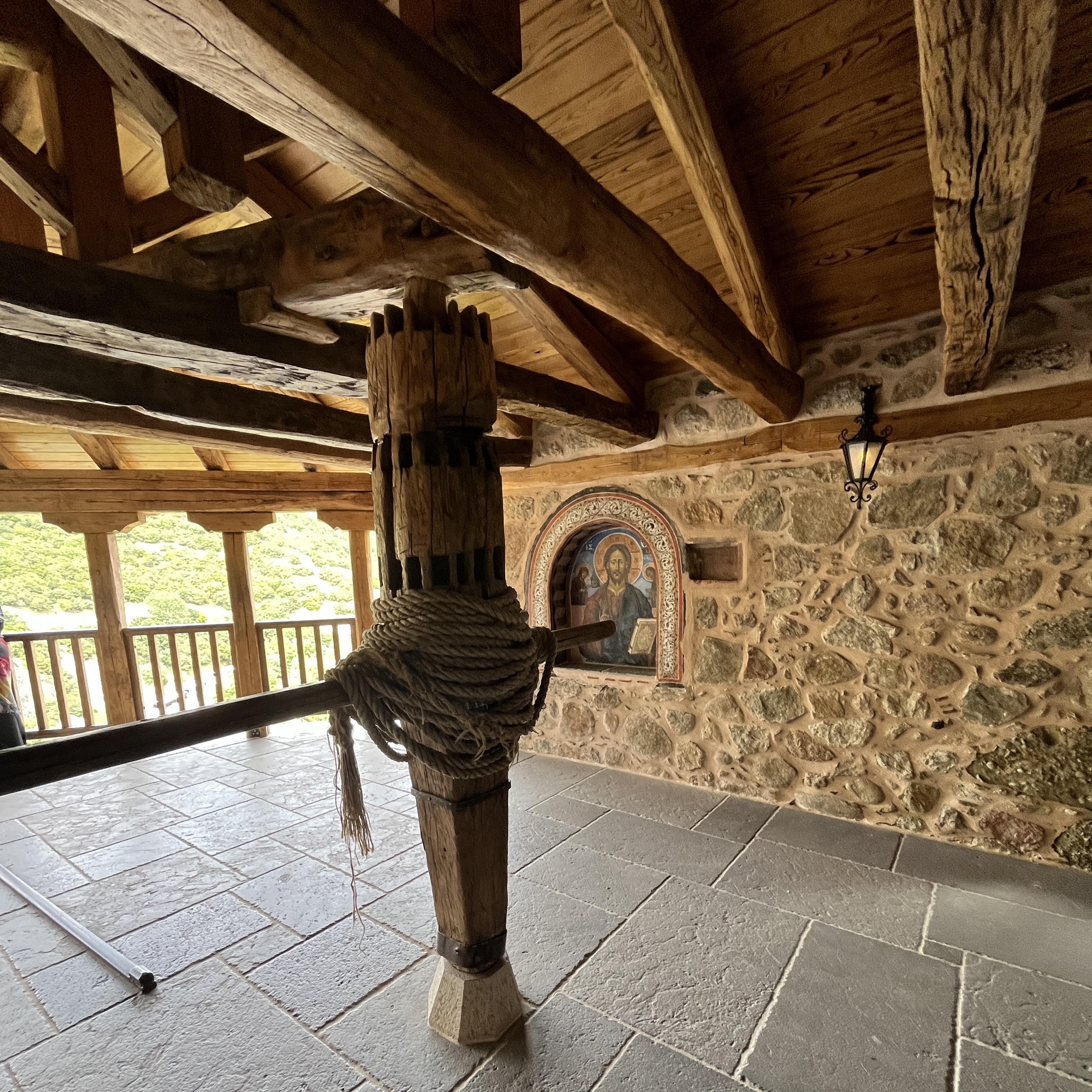
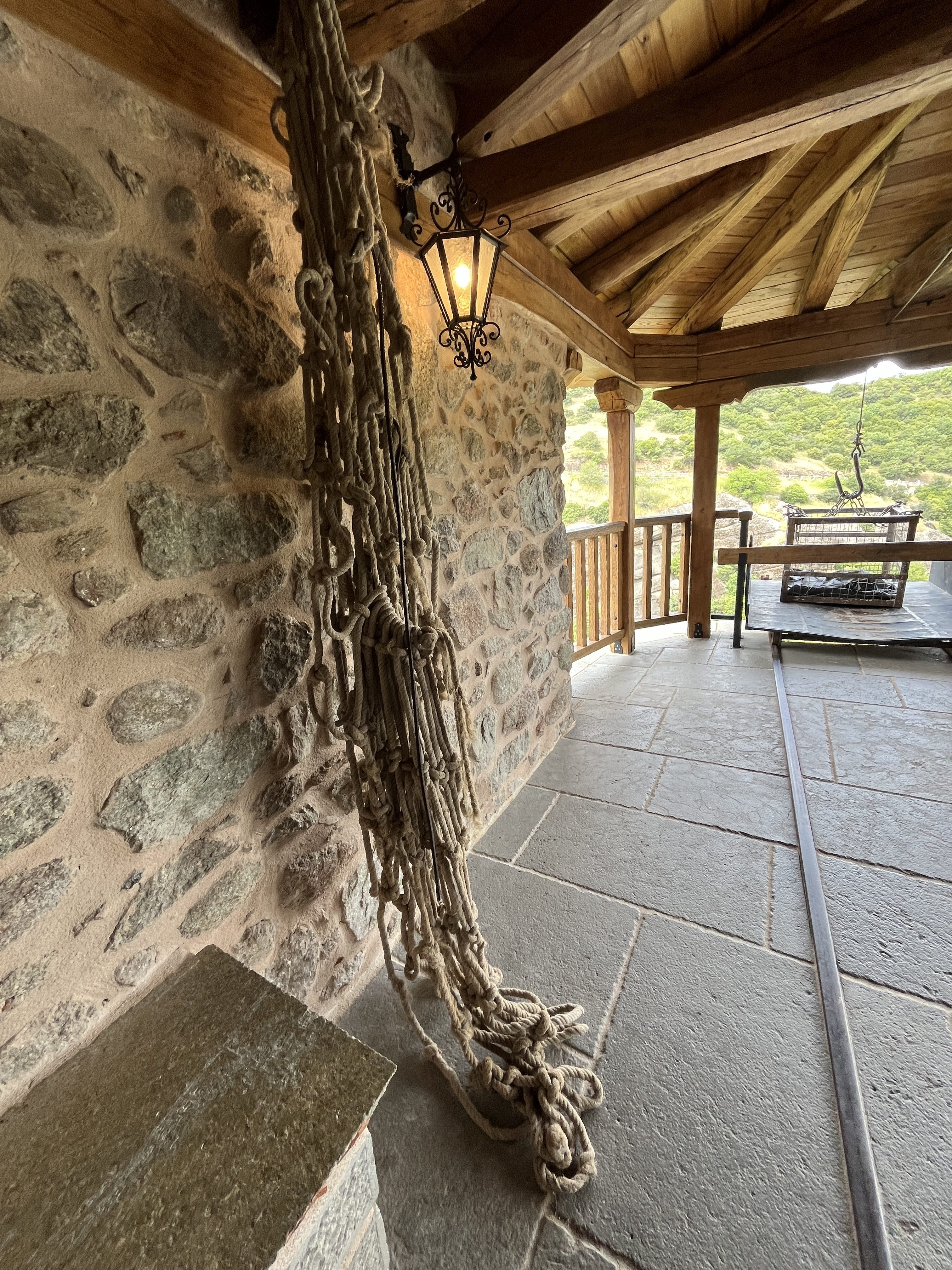
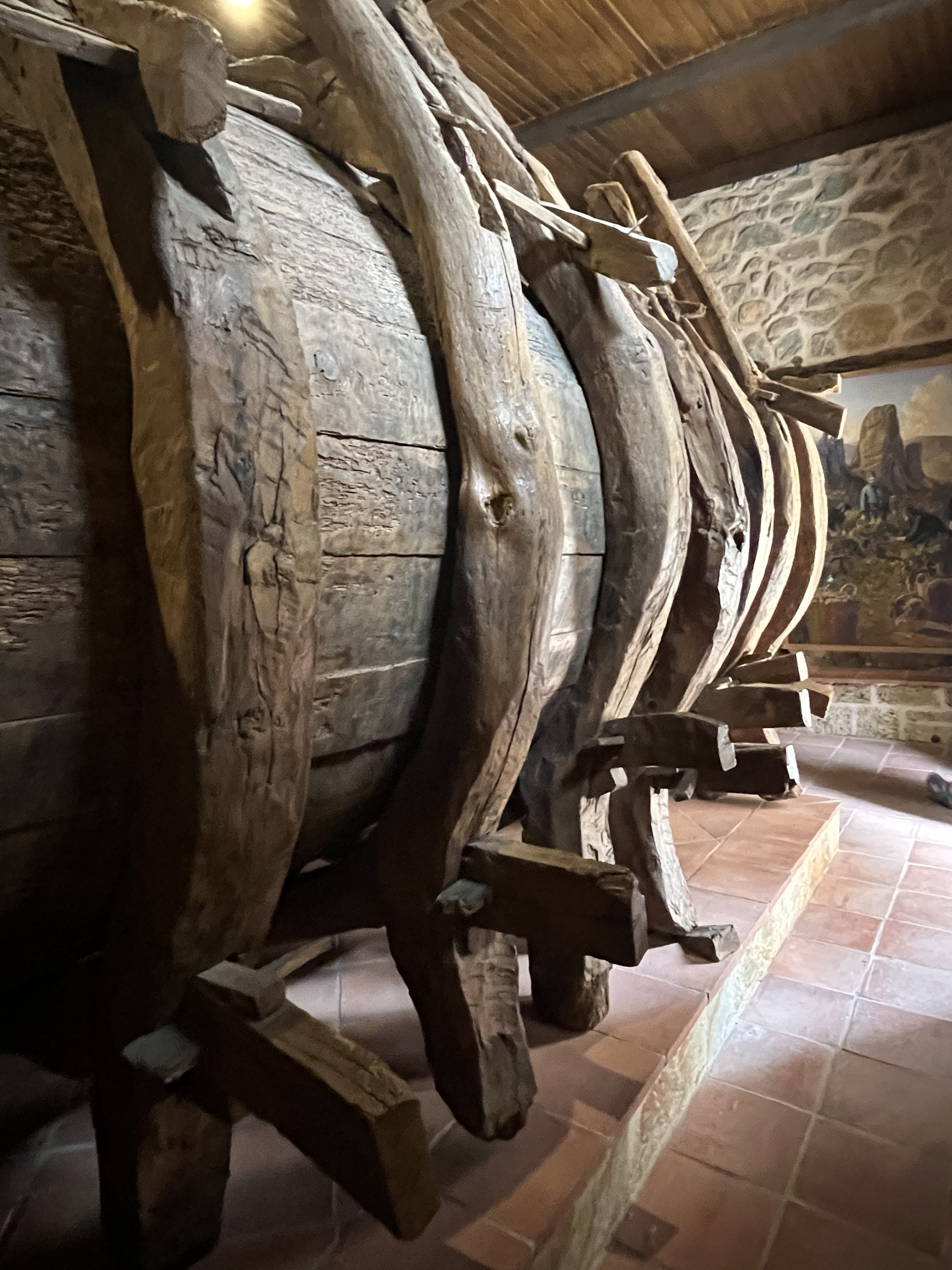
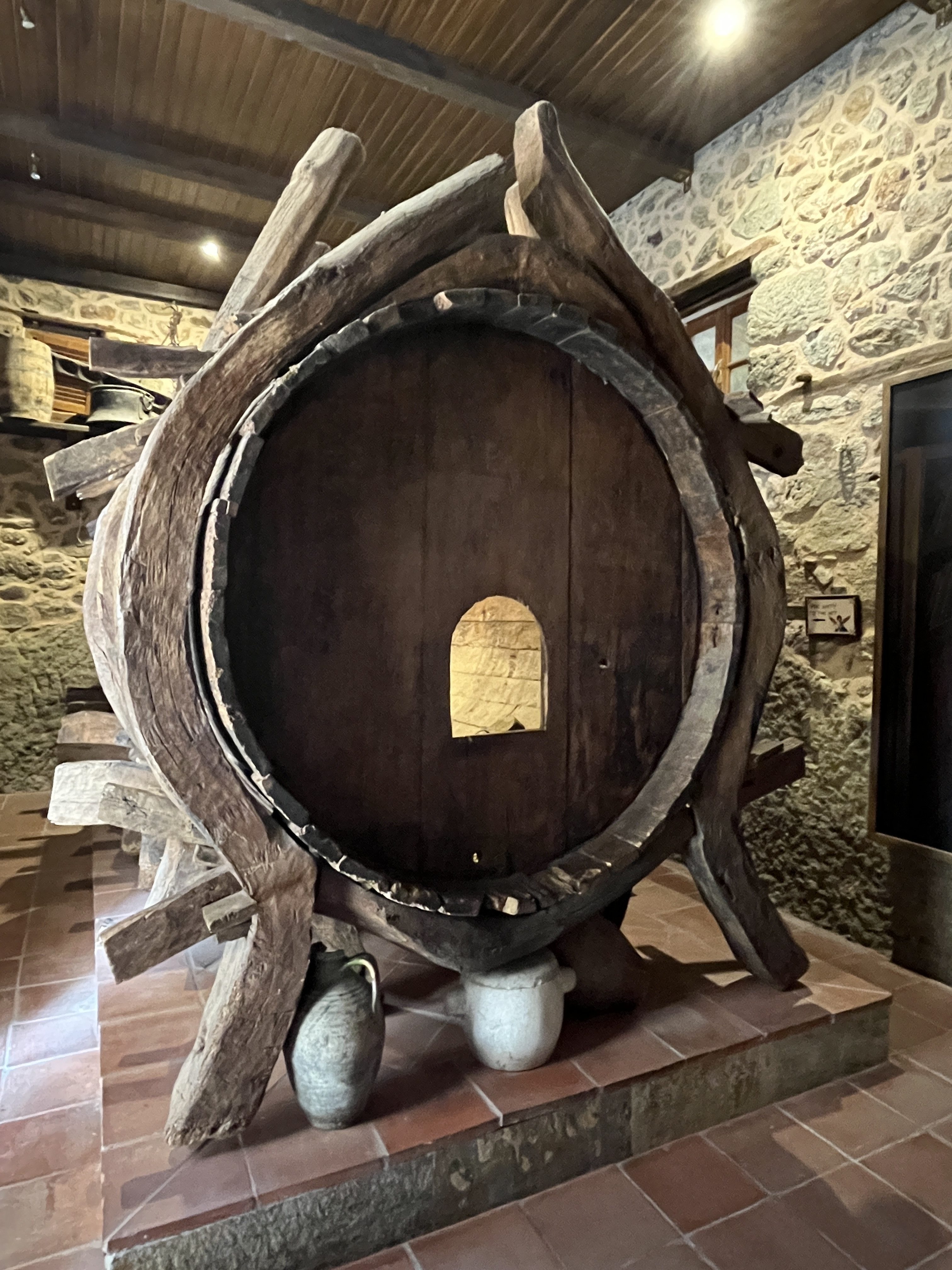
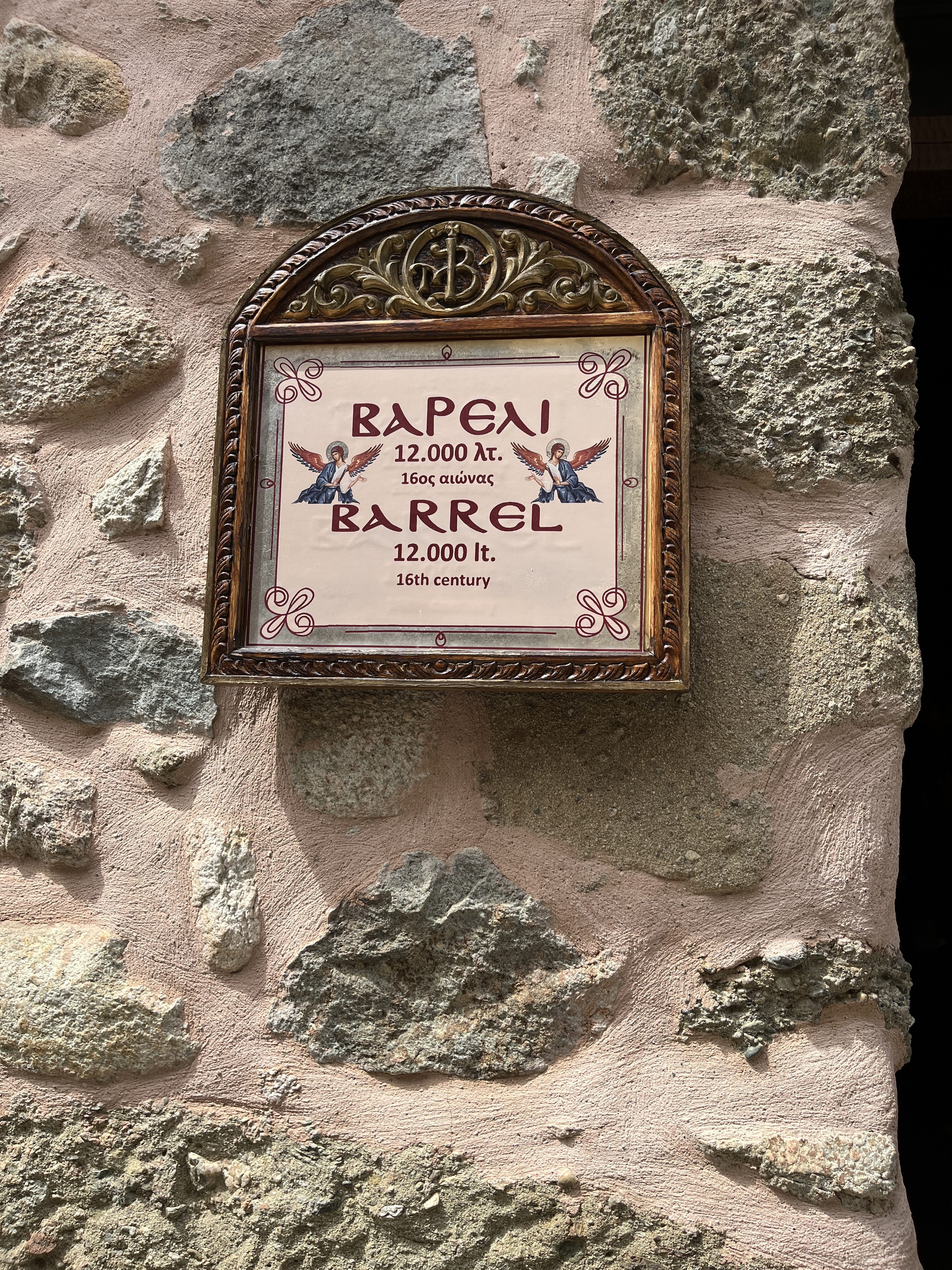
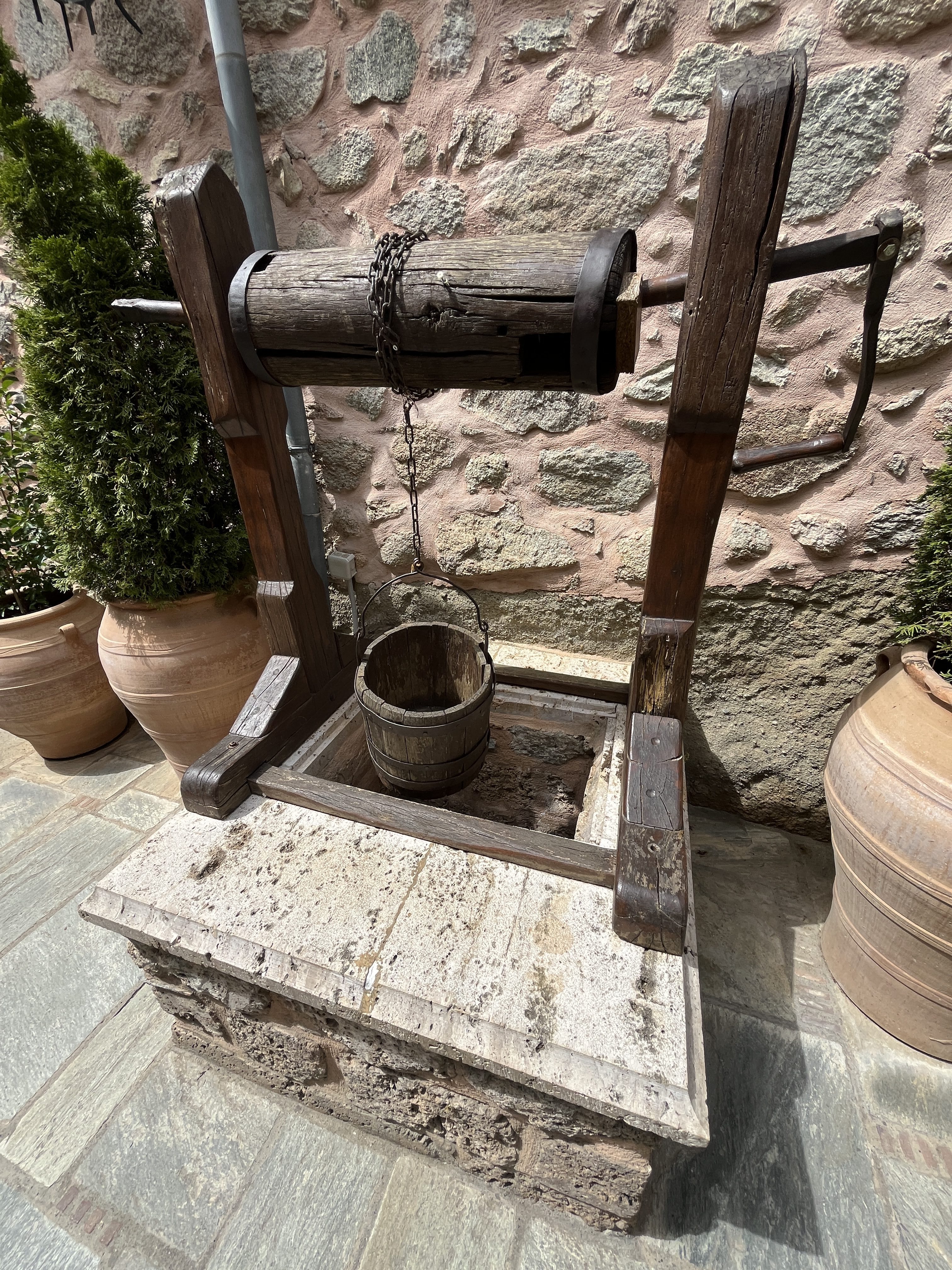
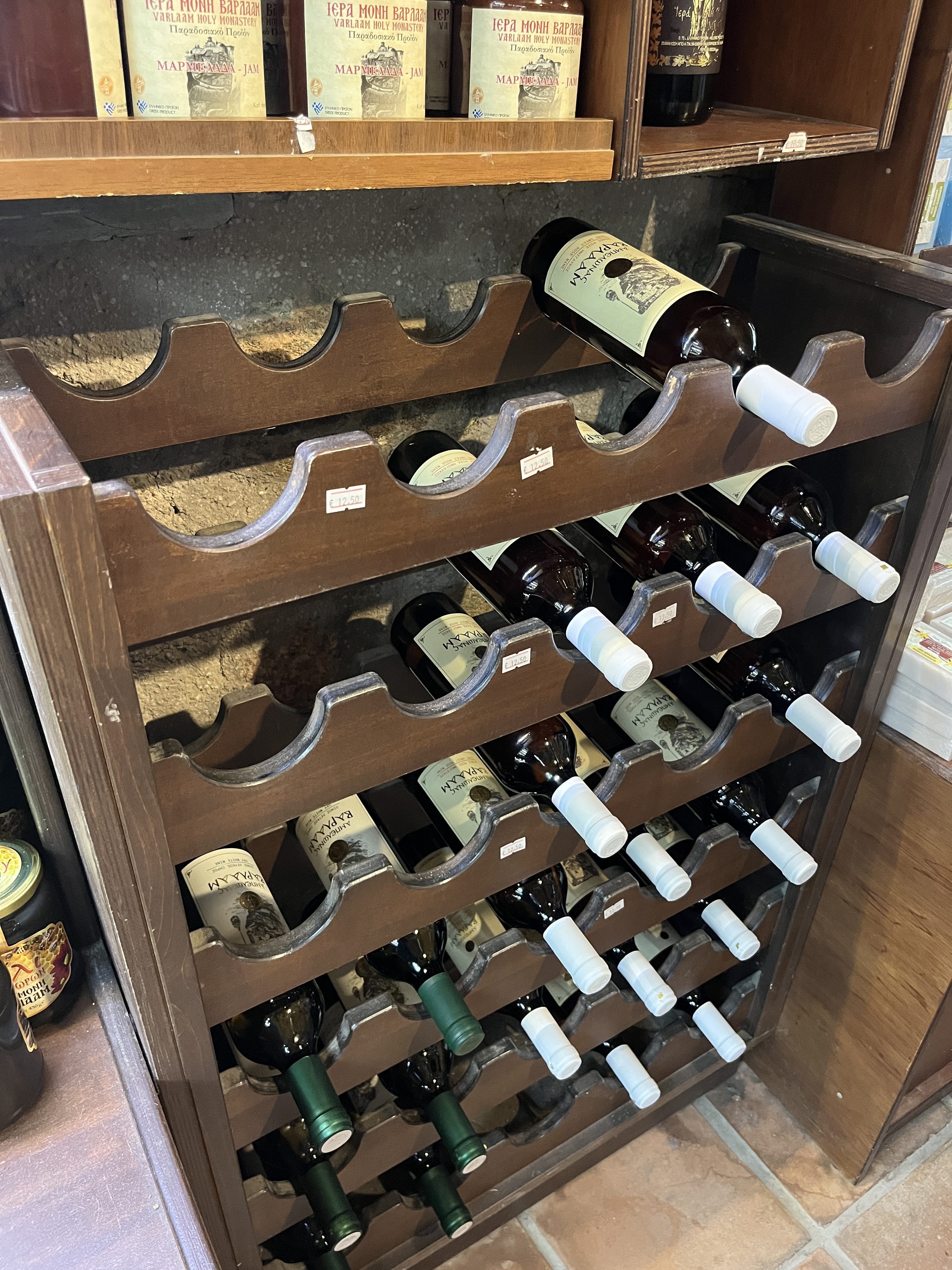
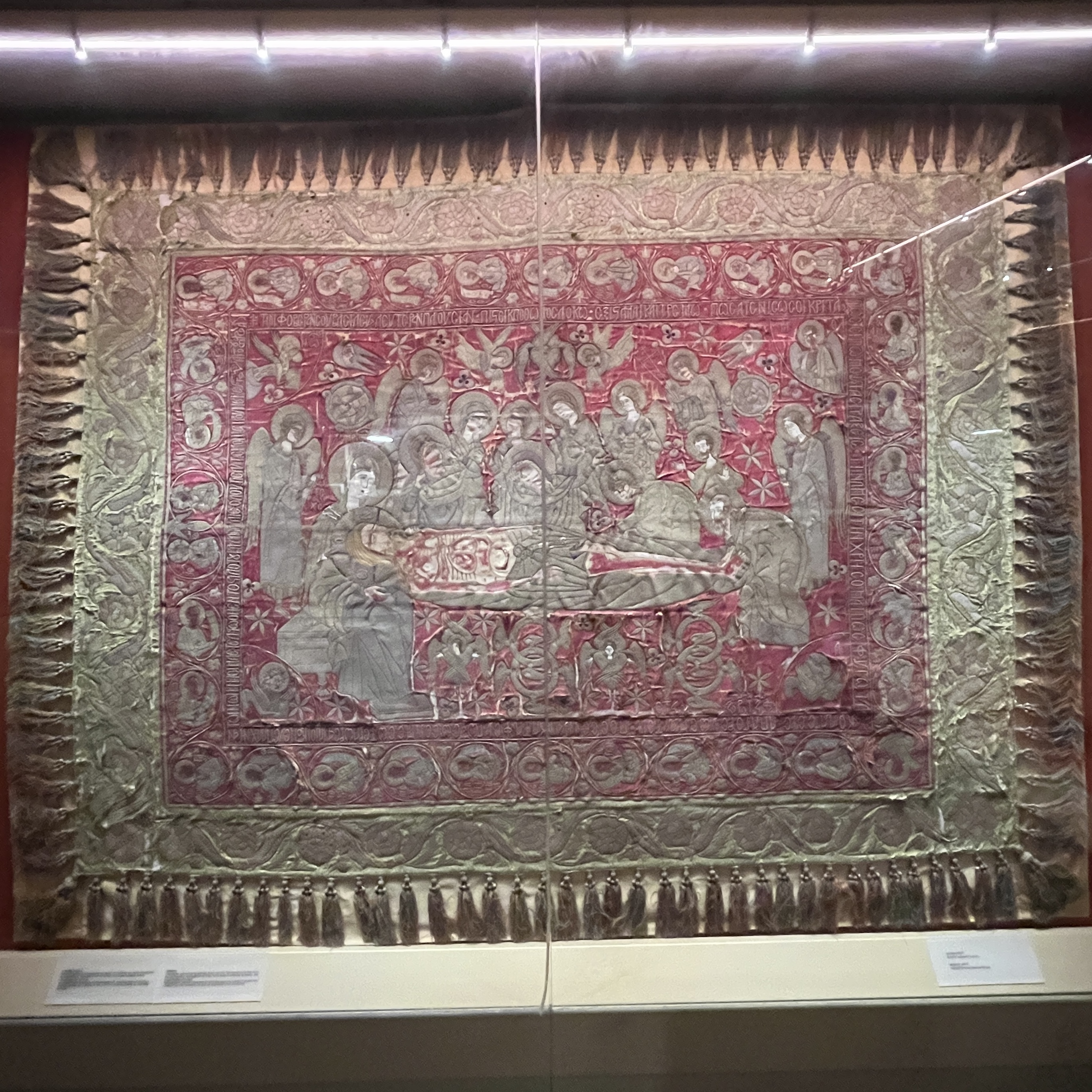
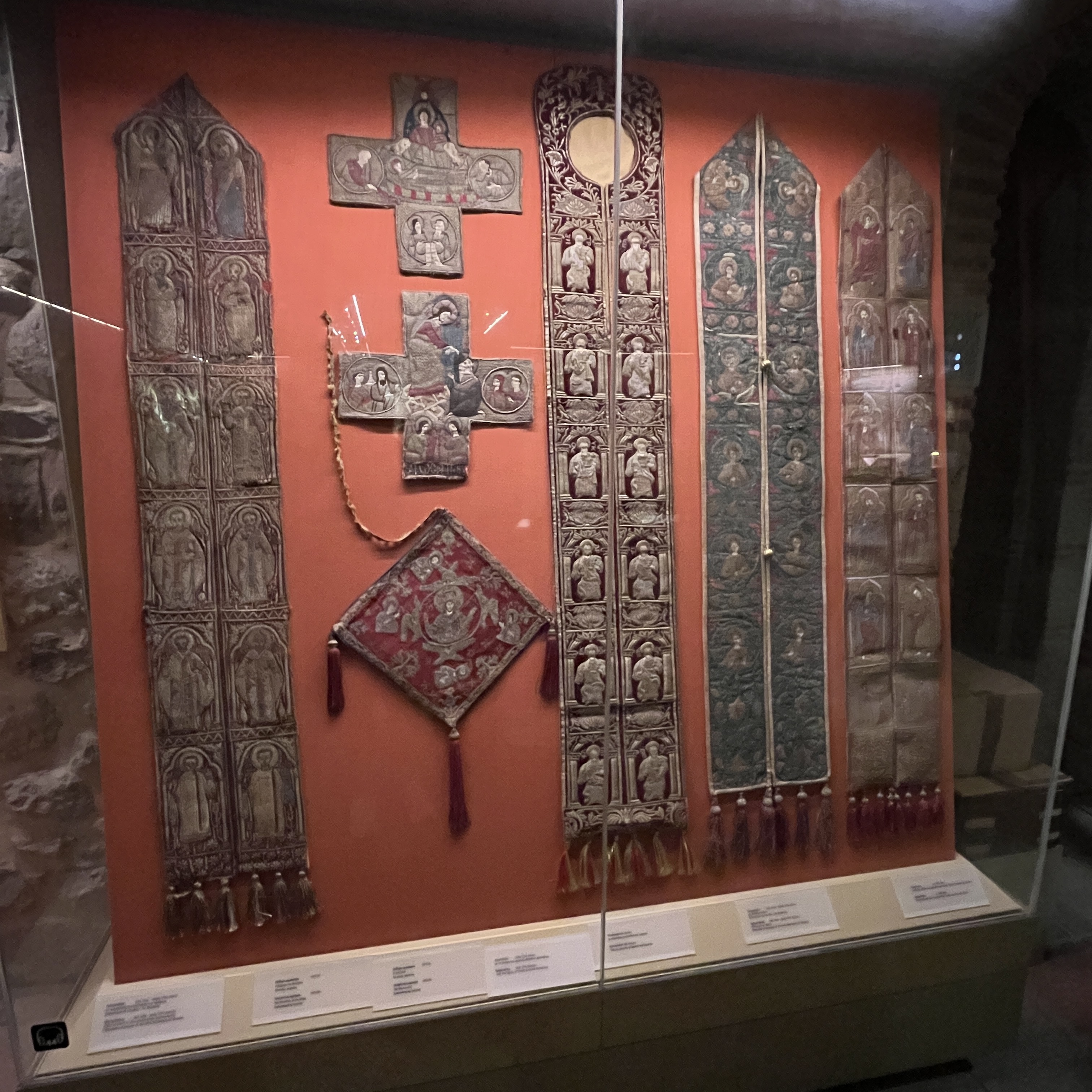
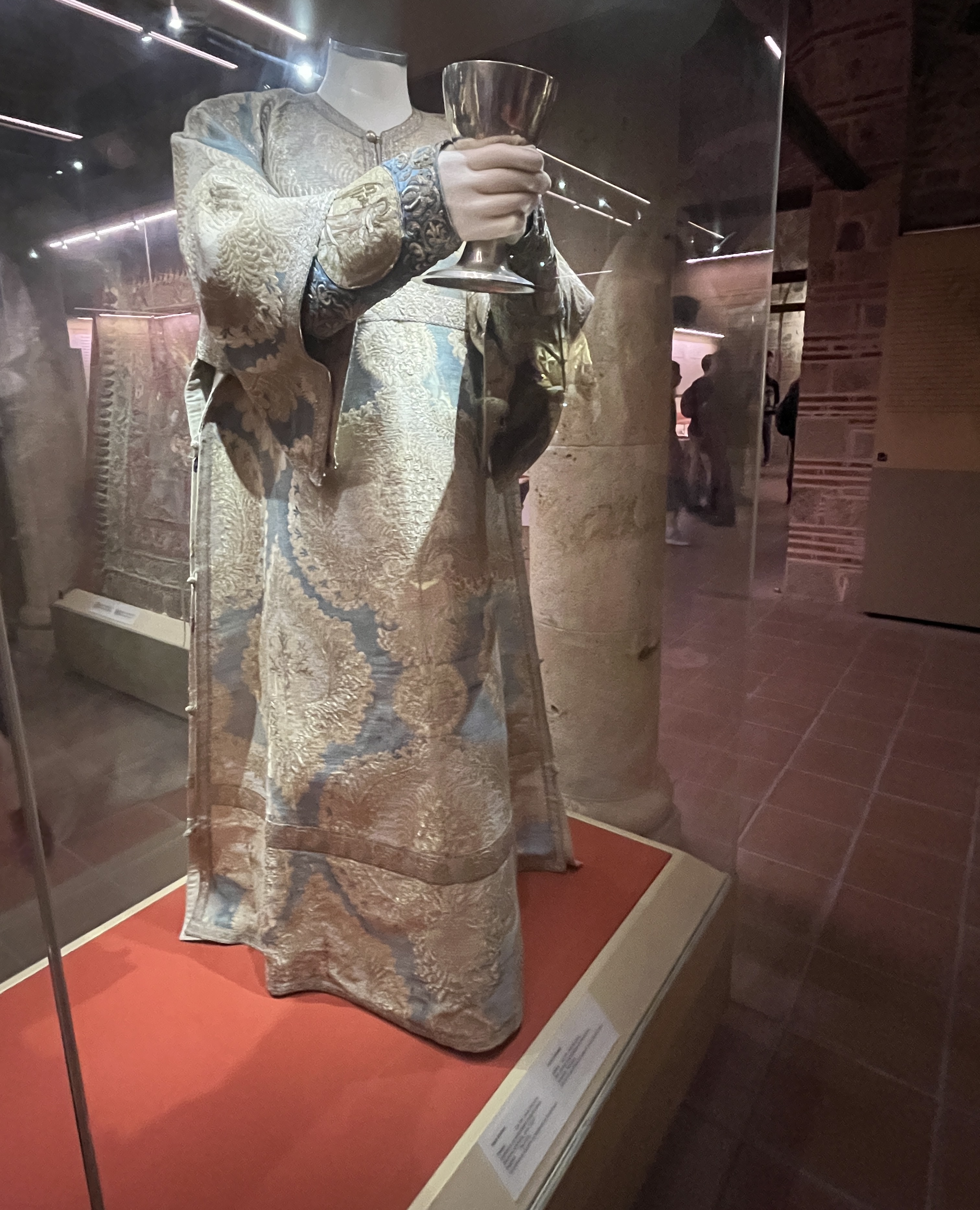
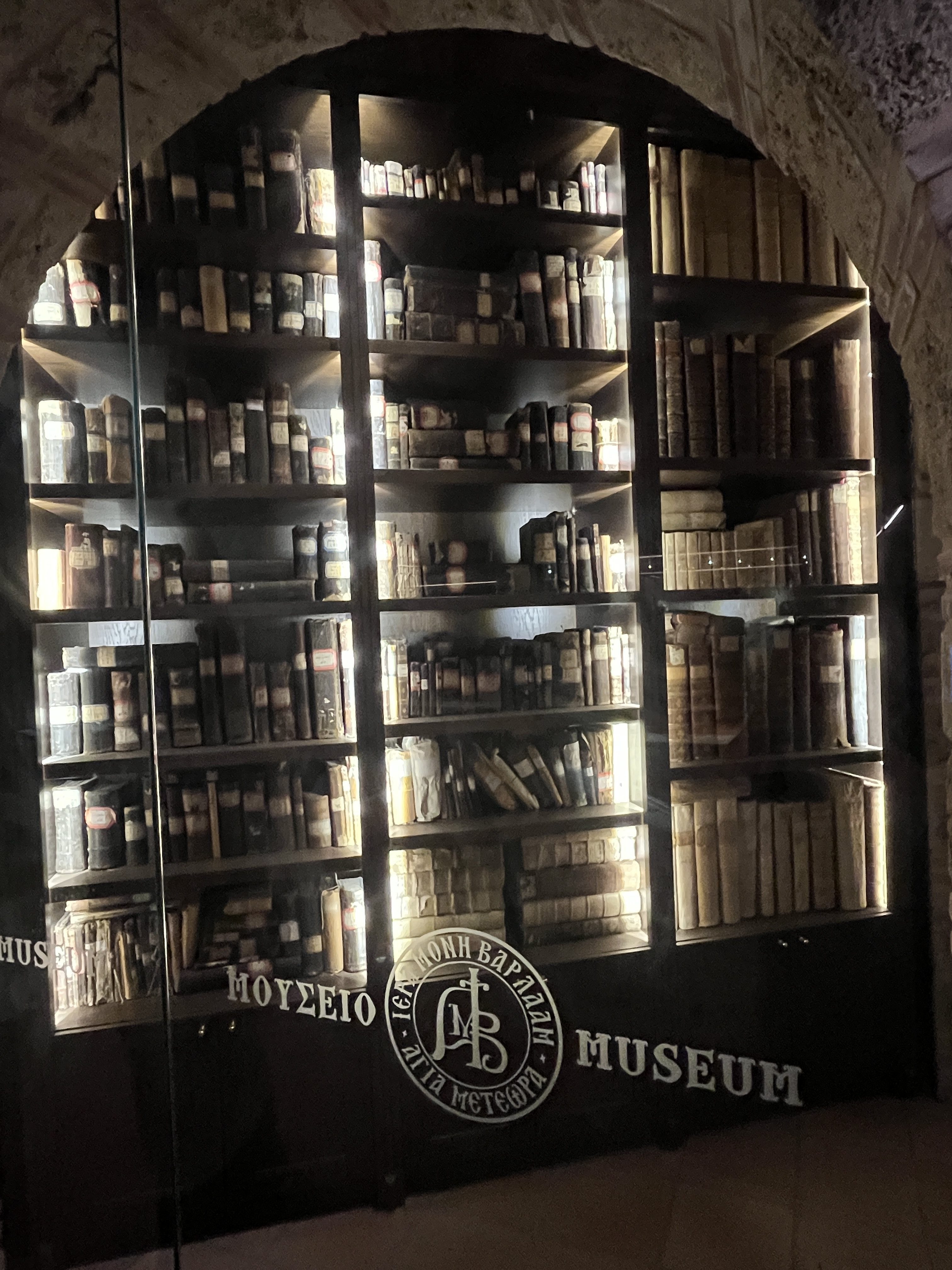
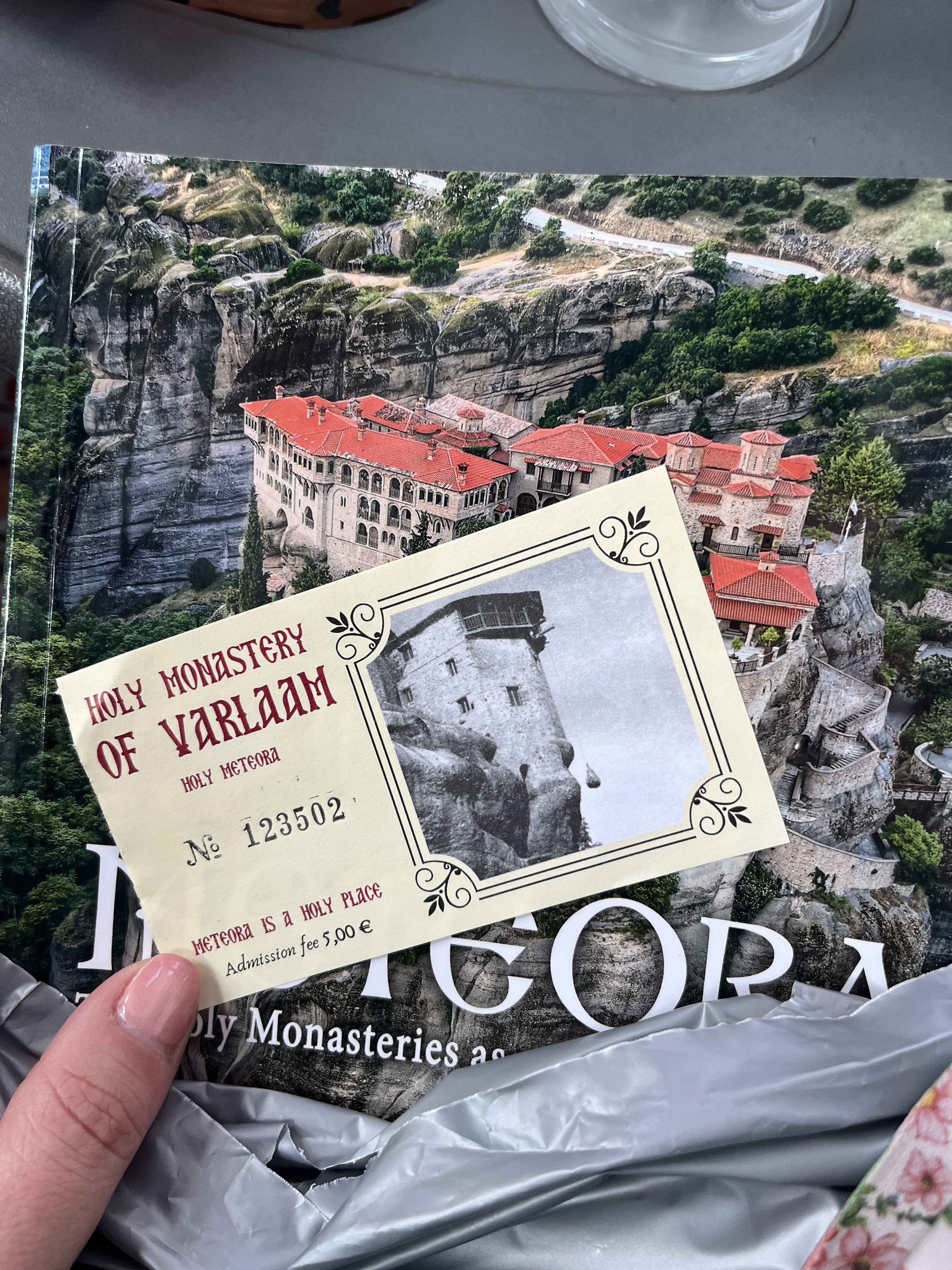
We stopped at an overlook area before heading to our last monastery. Our tour guide answered questions while taking care of the cats.
Looking way braver than I felt out on the rocks. I do not recommend looking down. Very glad that pilgrim fashion is sturdy shoes even in a dress.
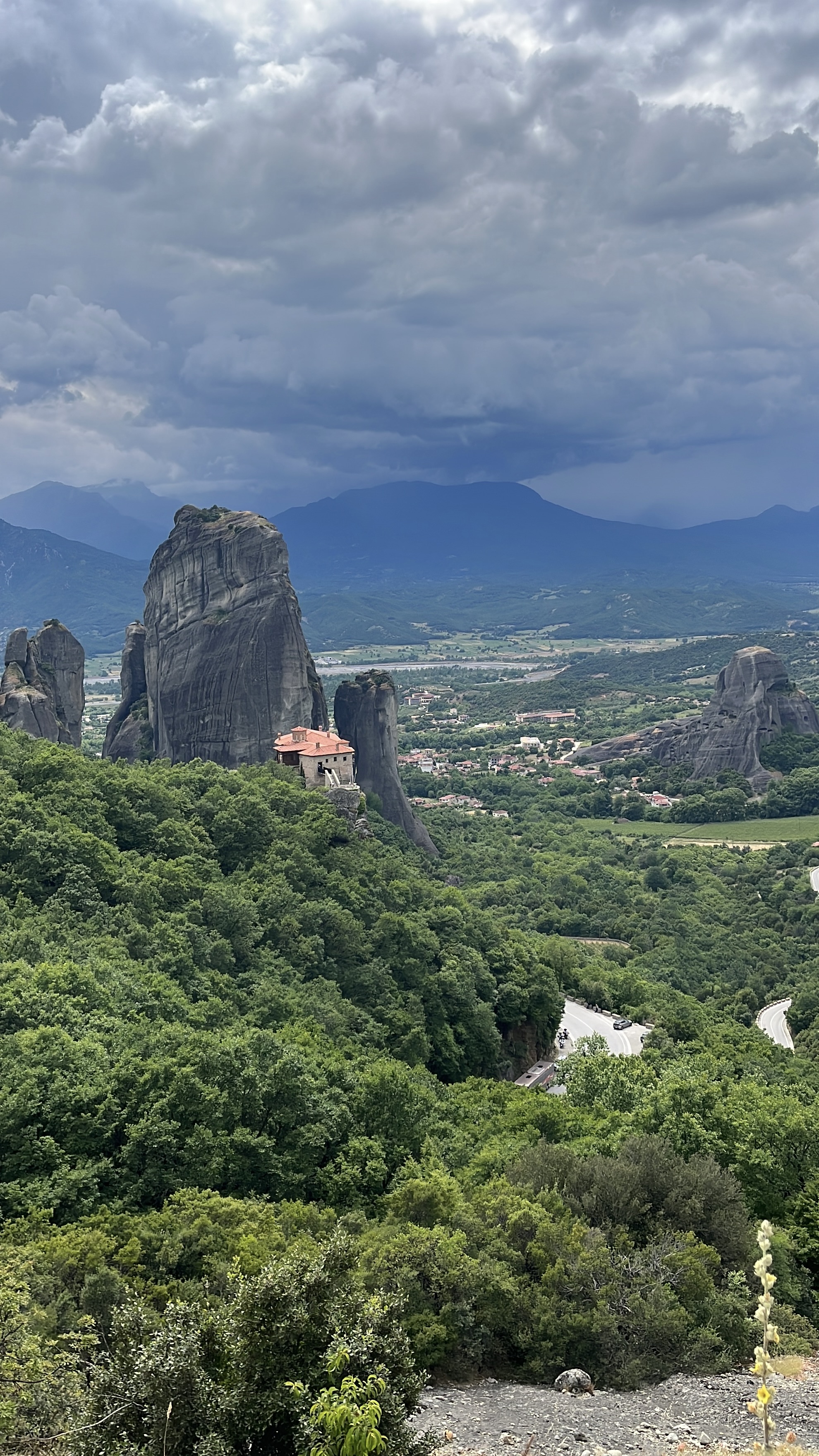
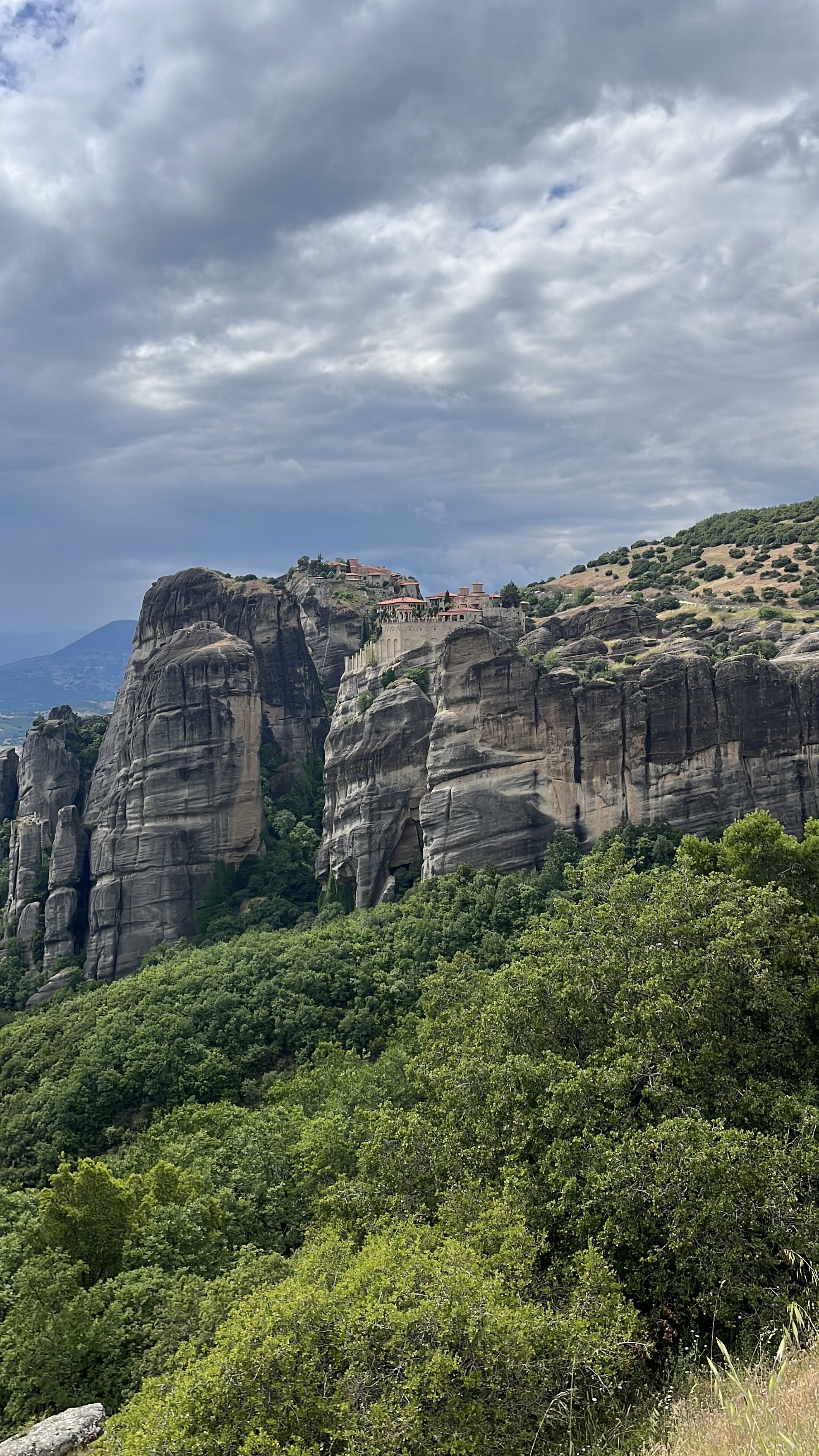
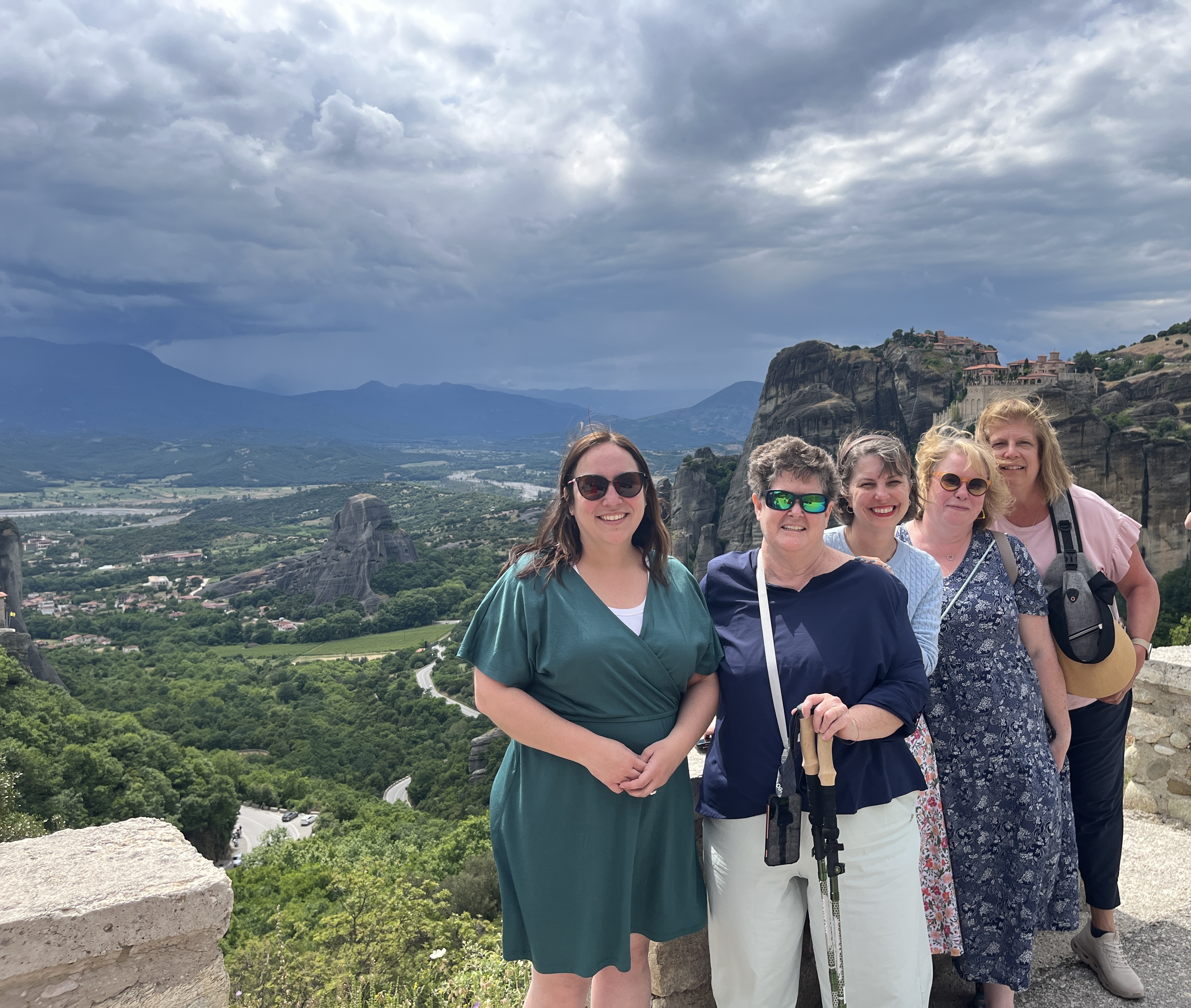
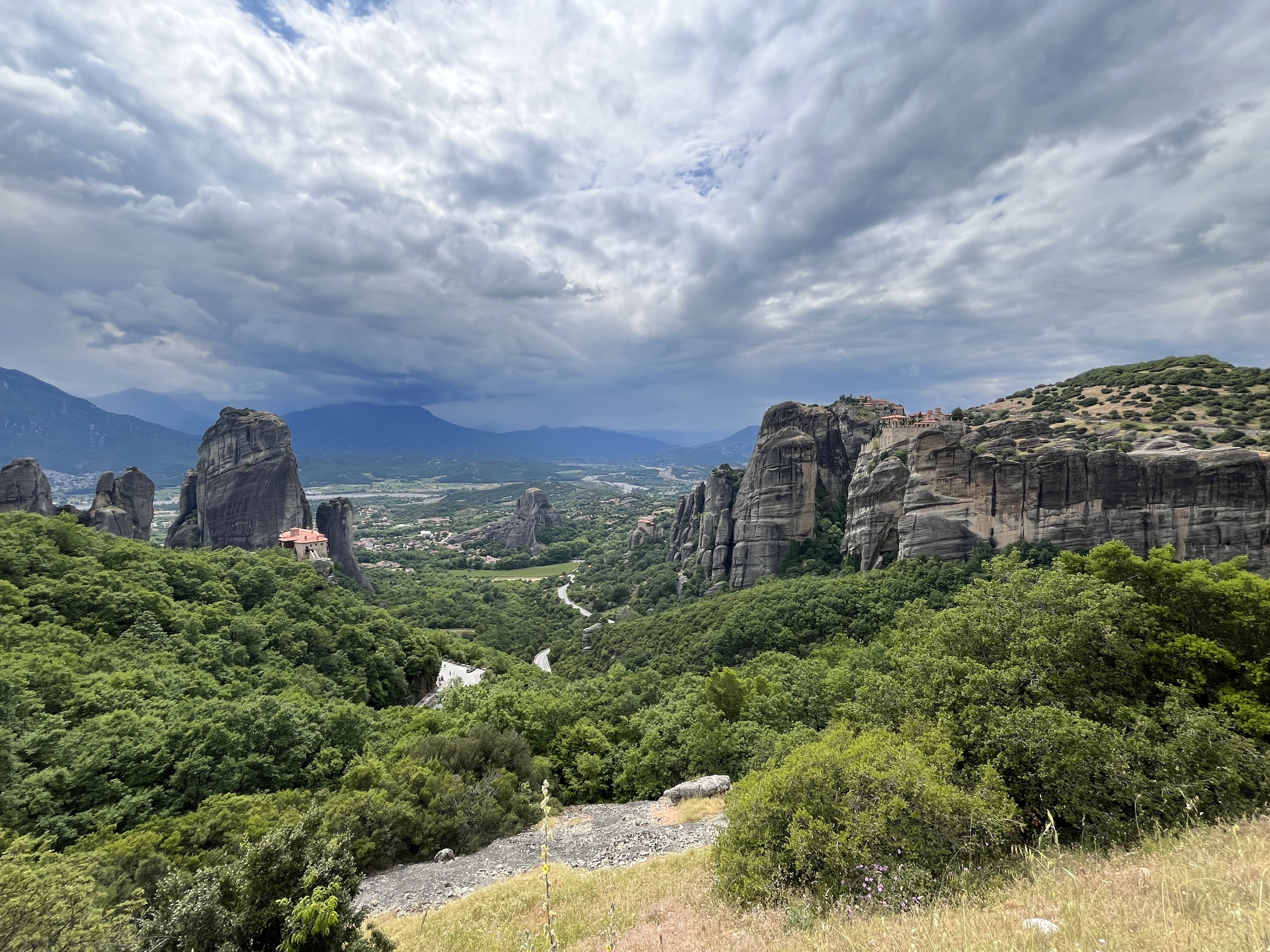
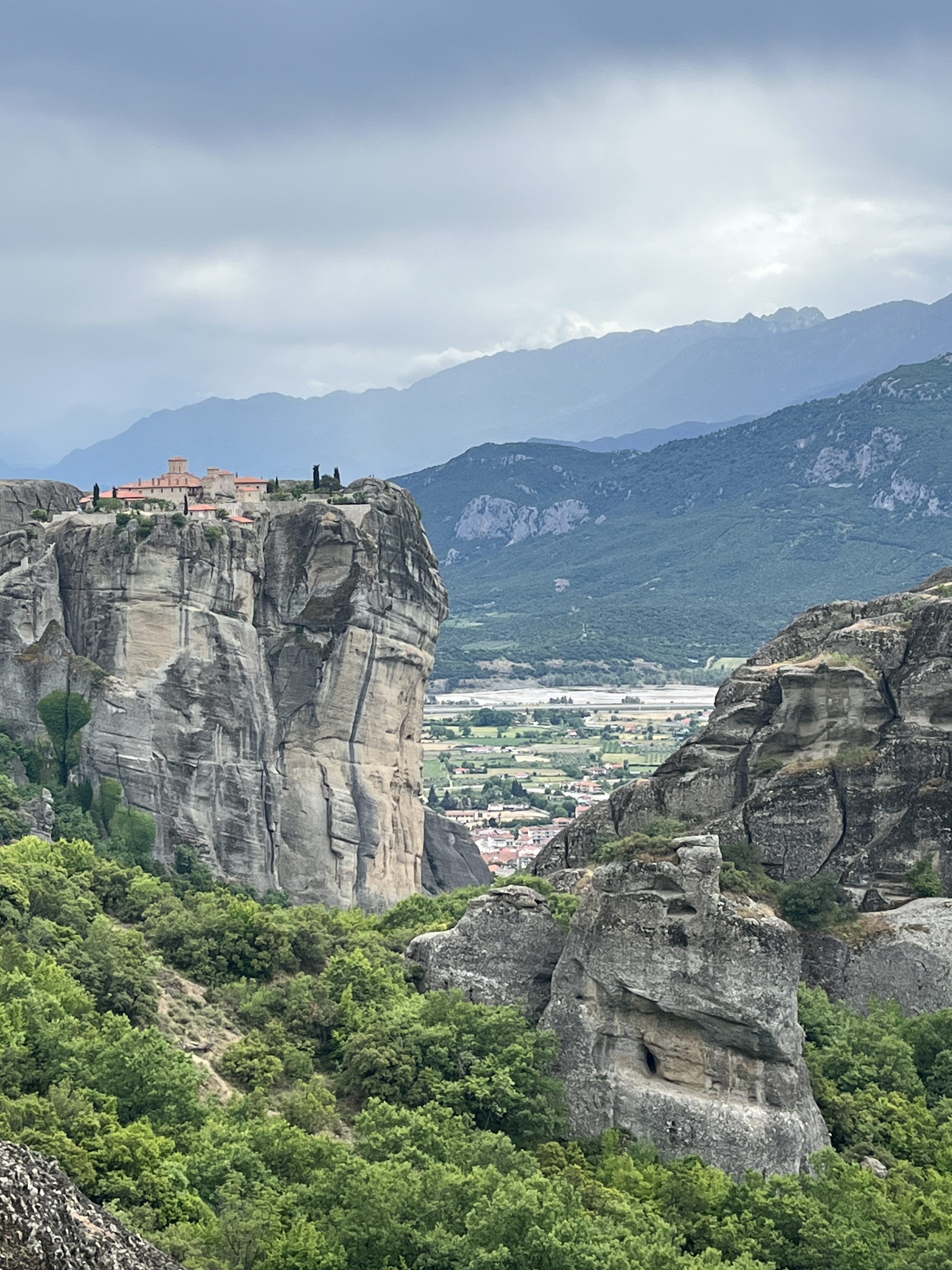
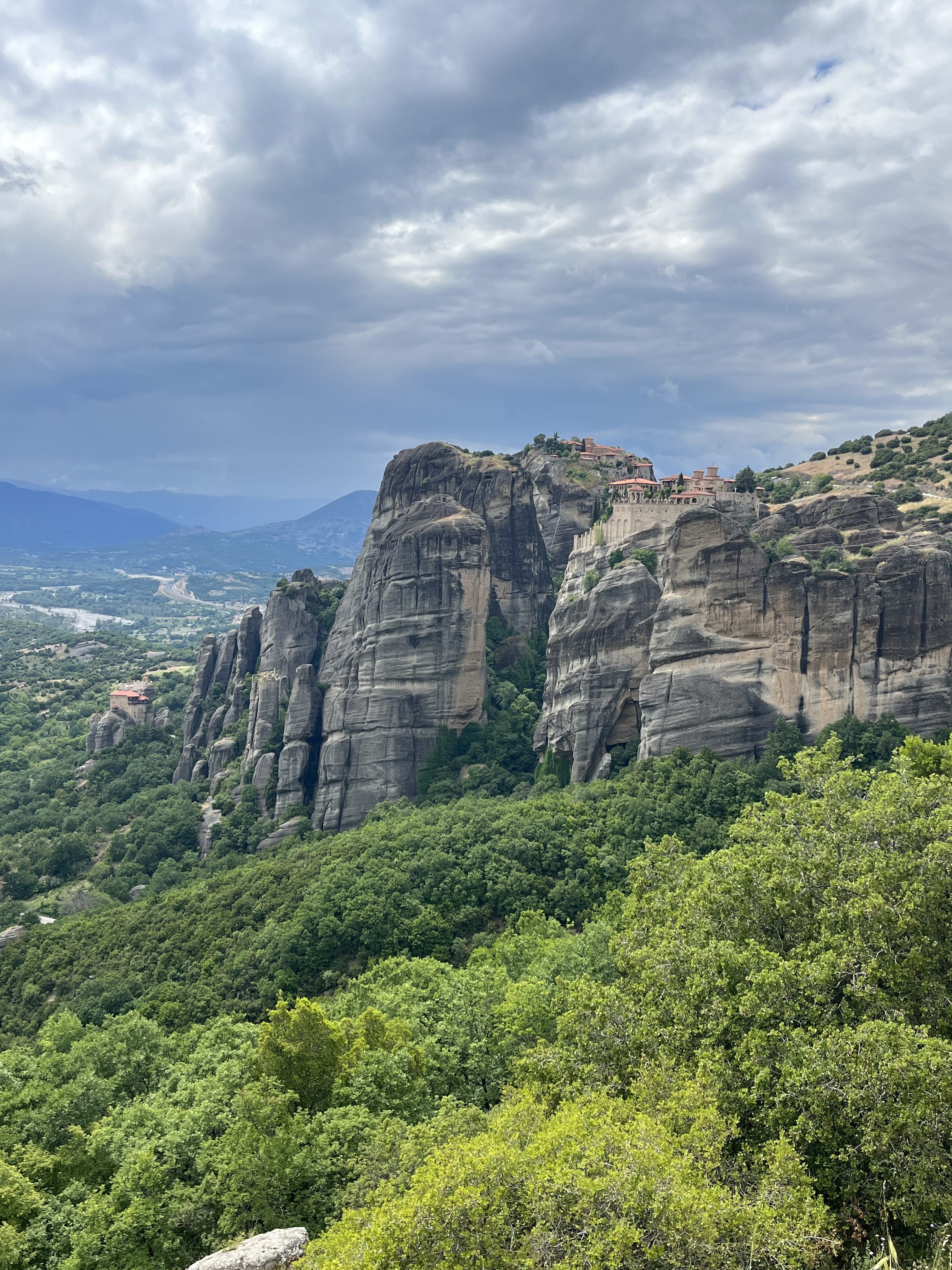
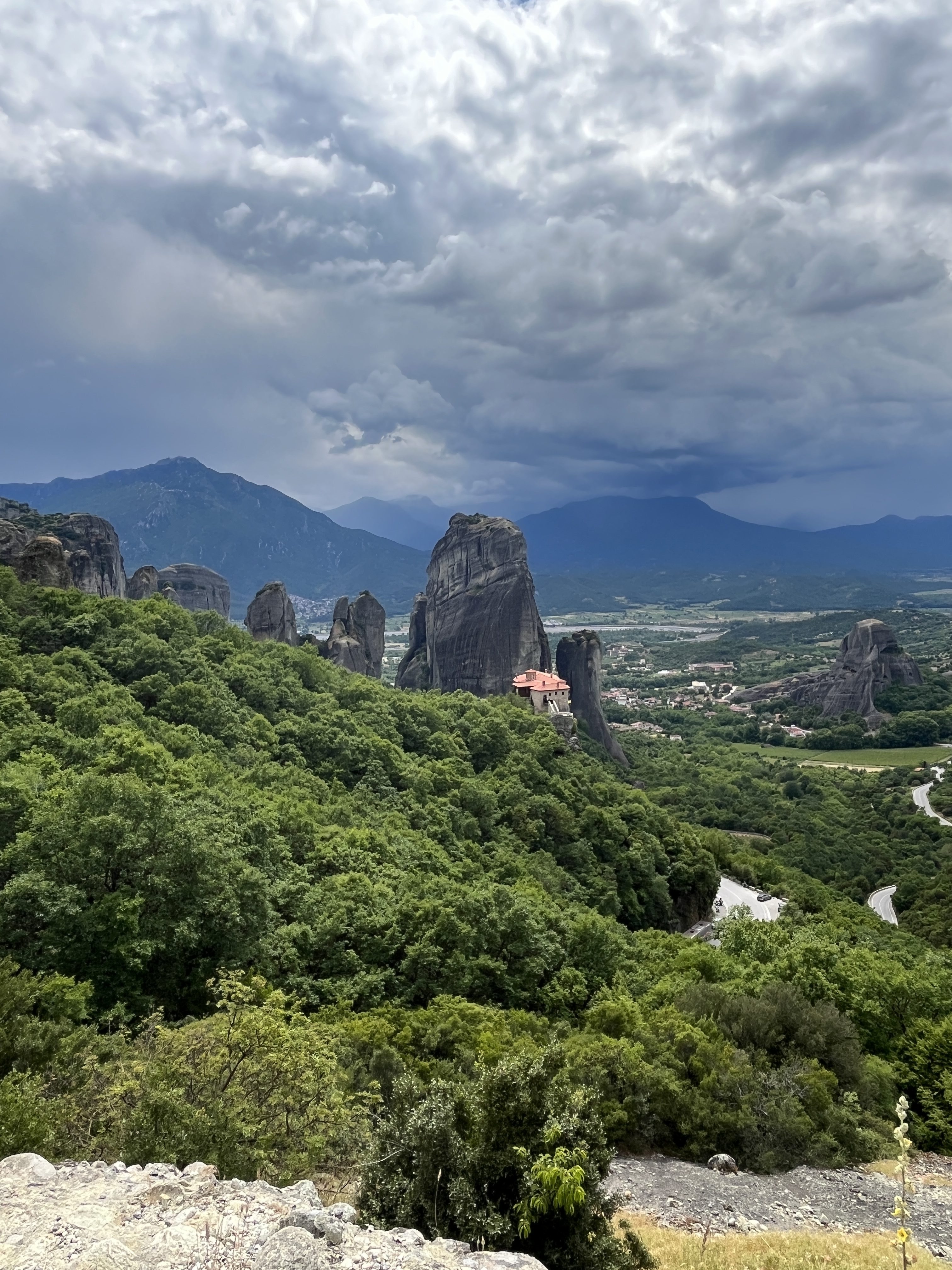
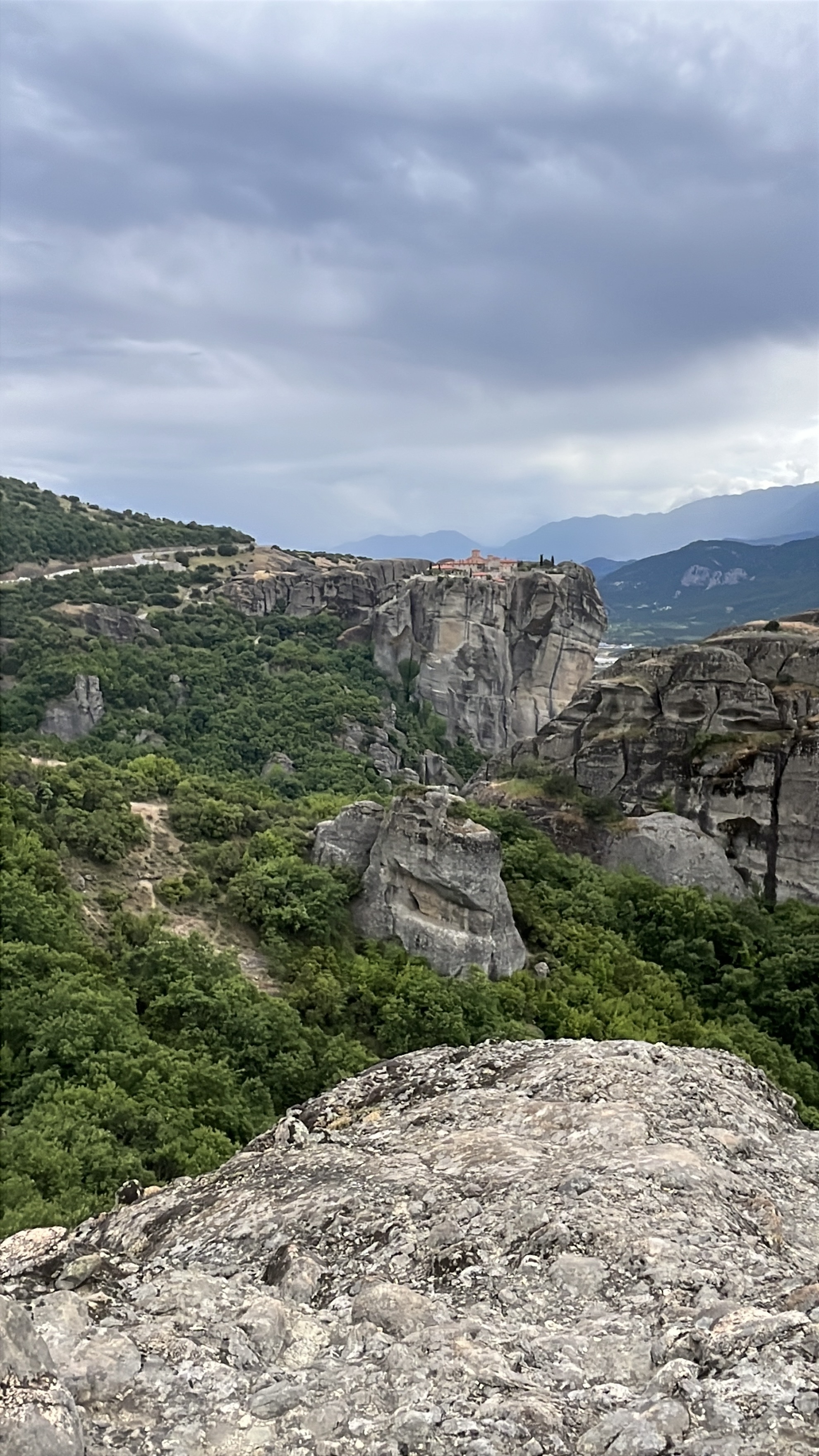
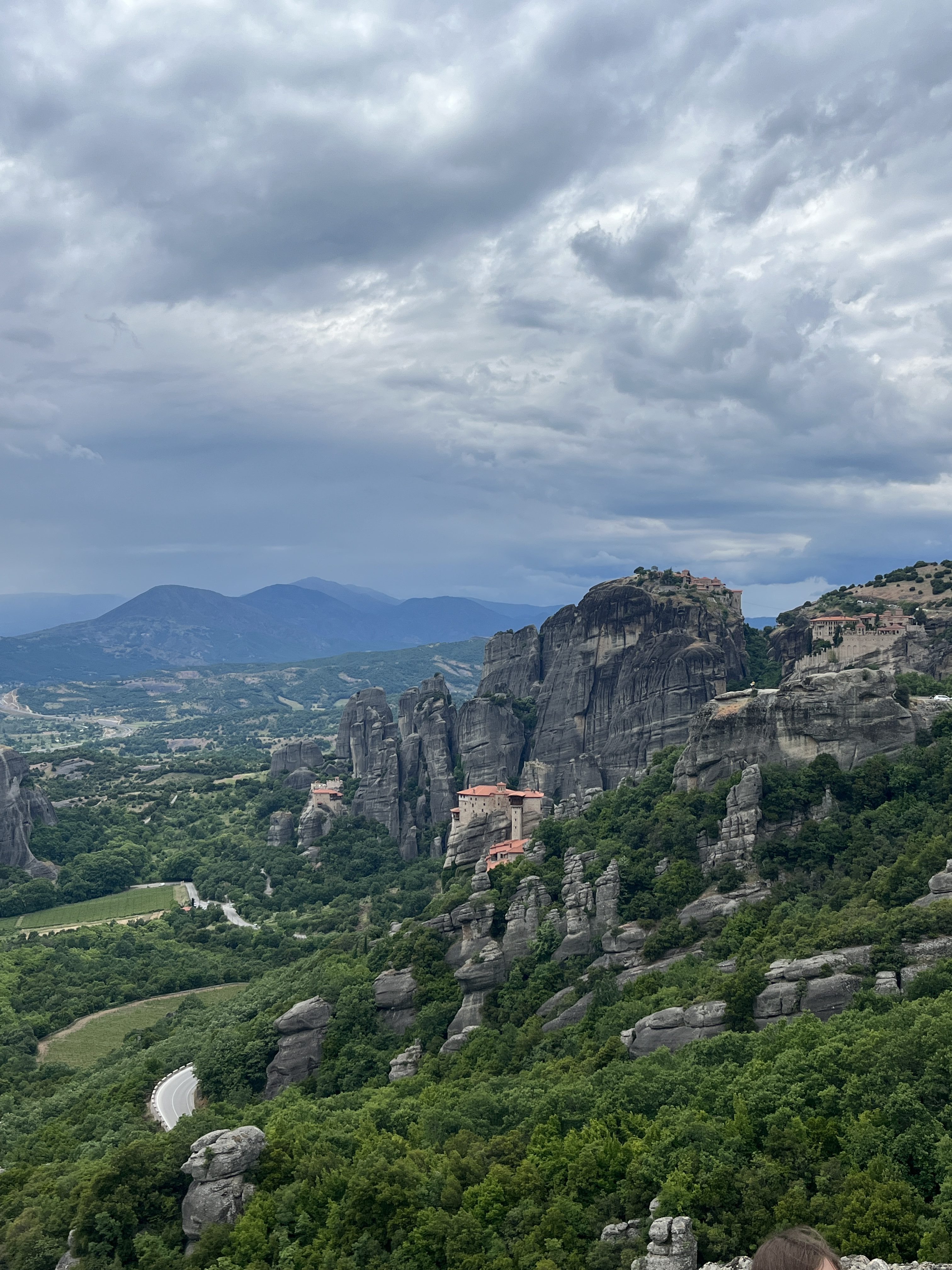
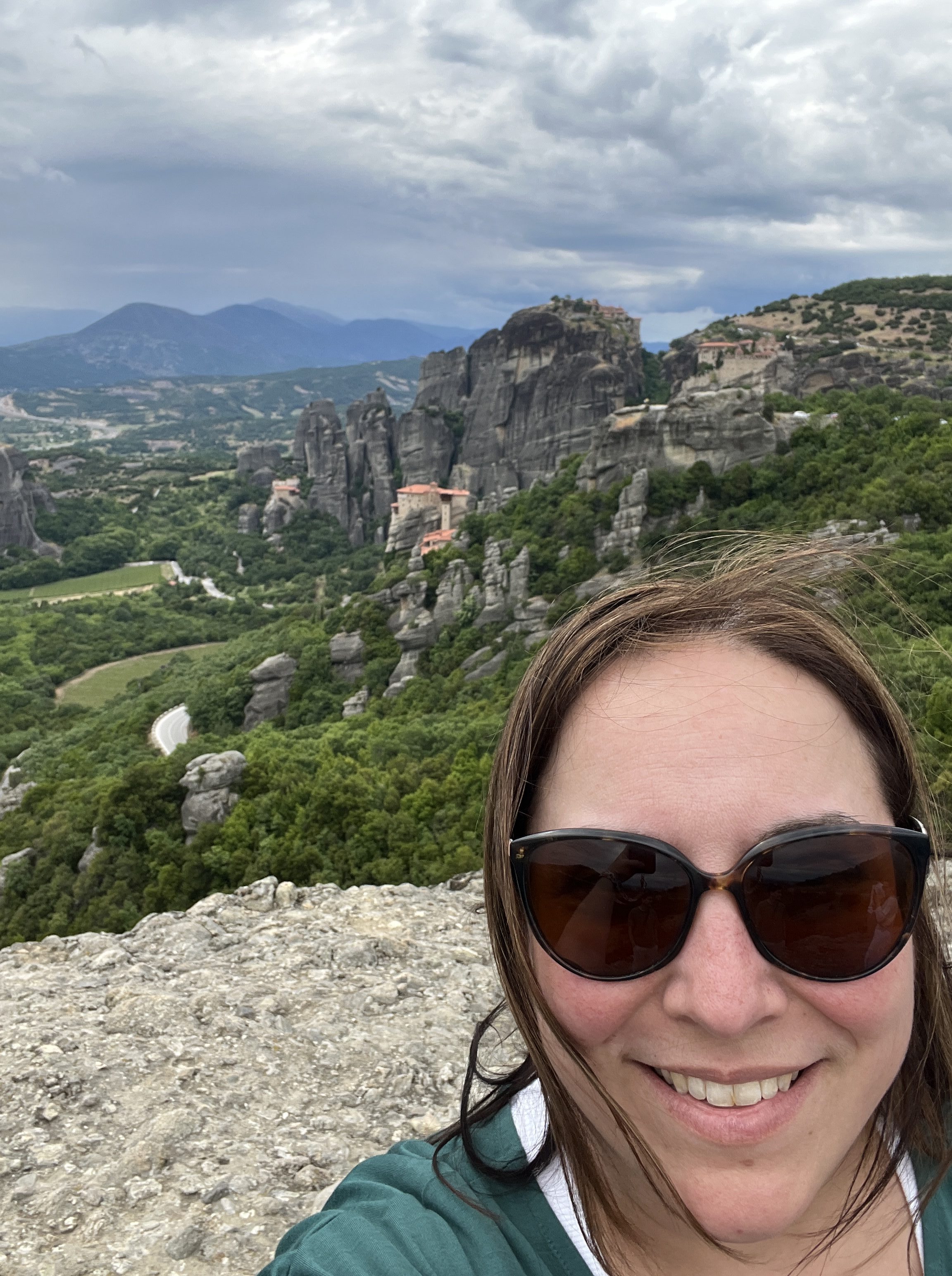
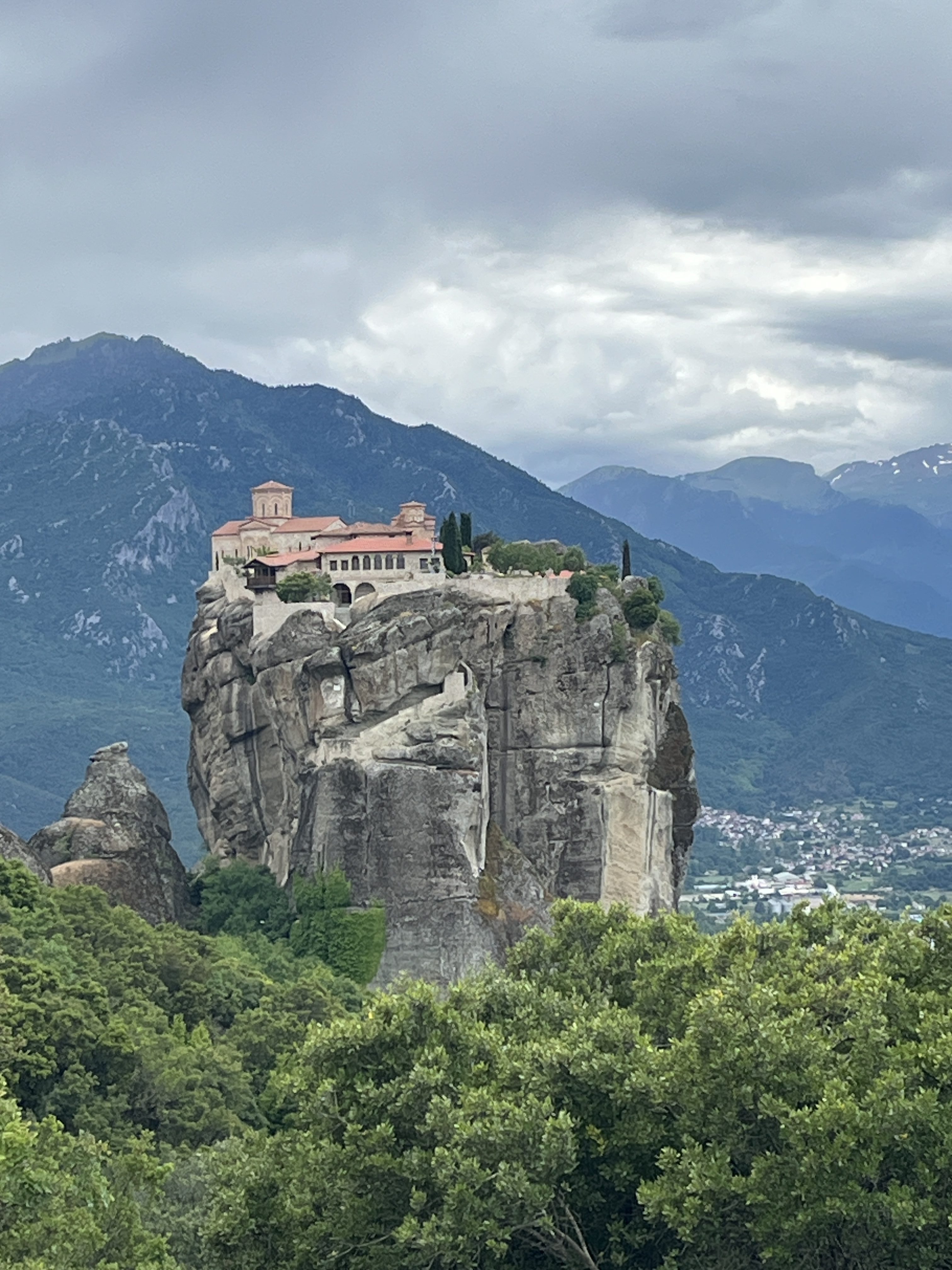
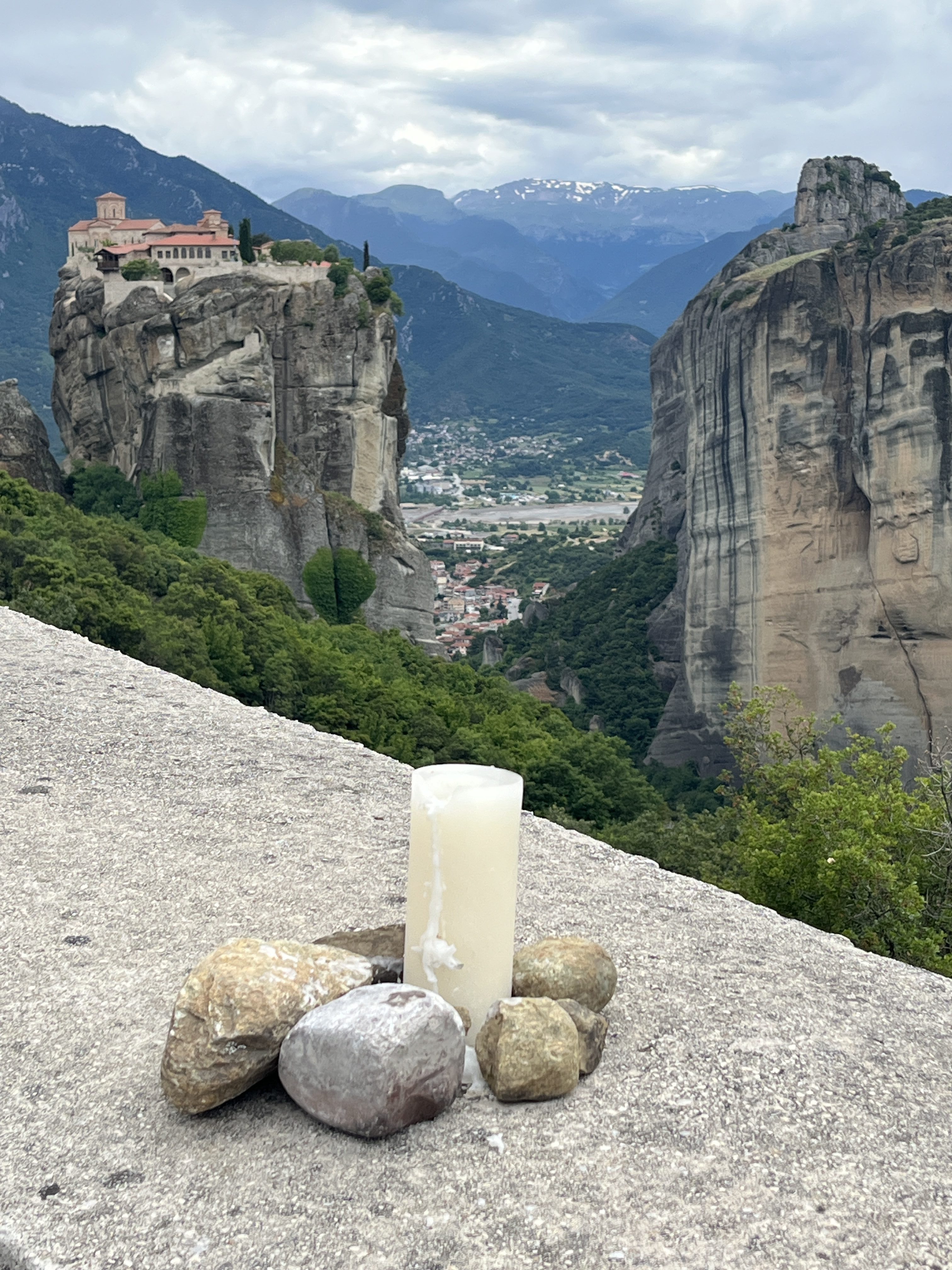
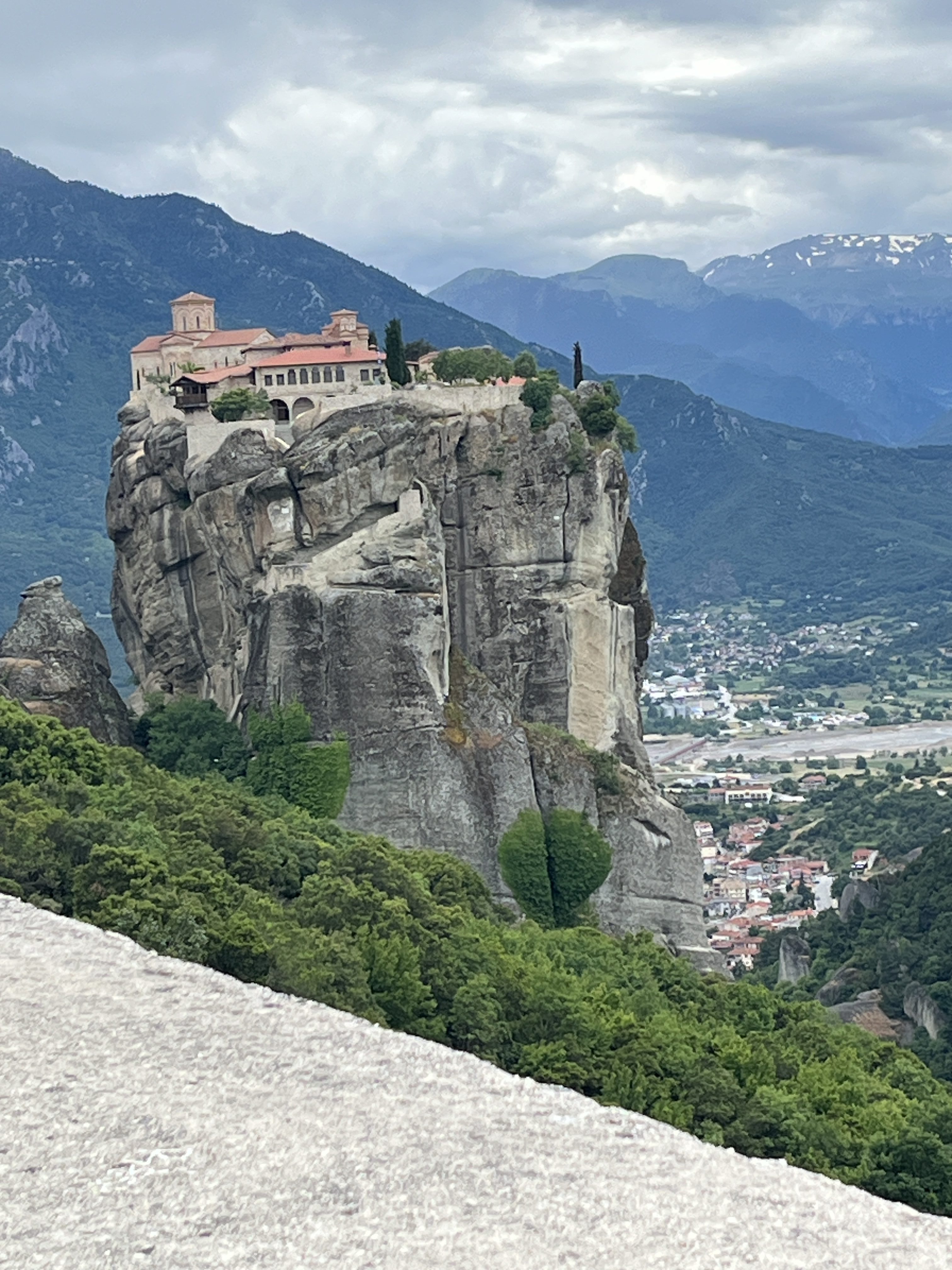
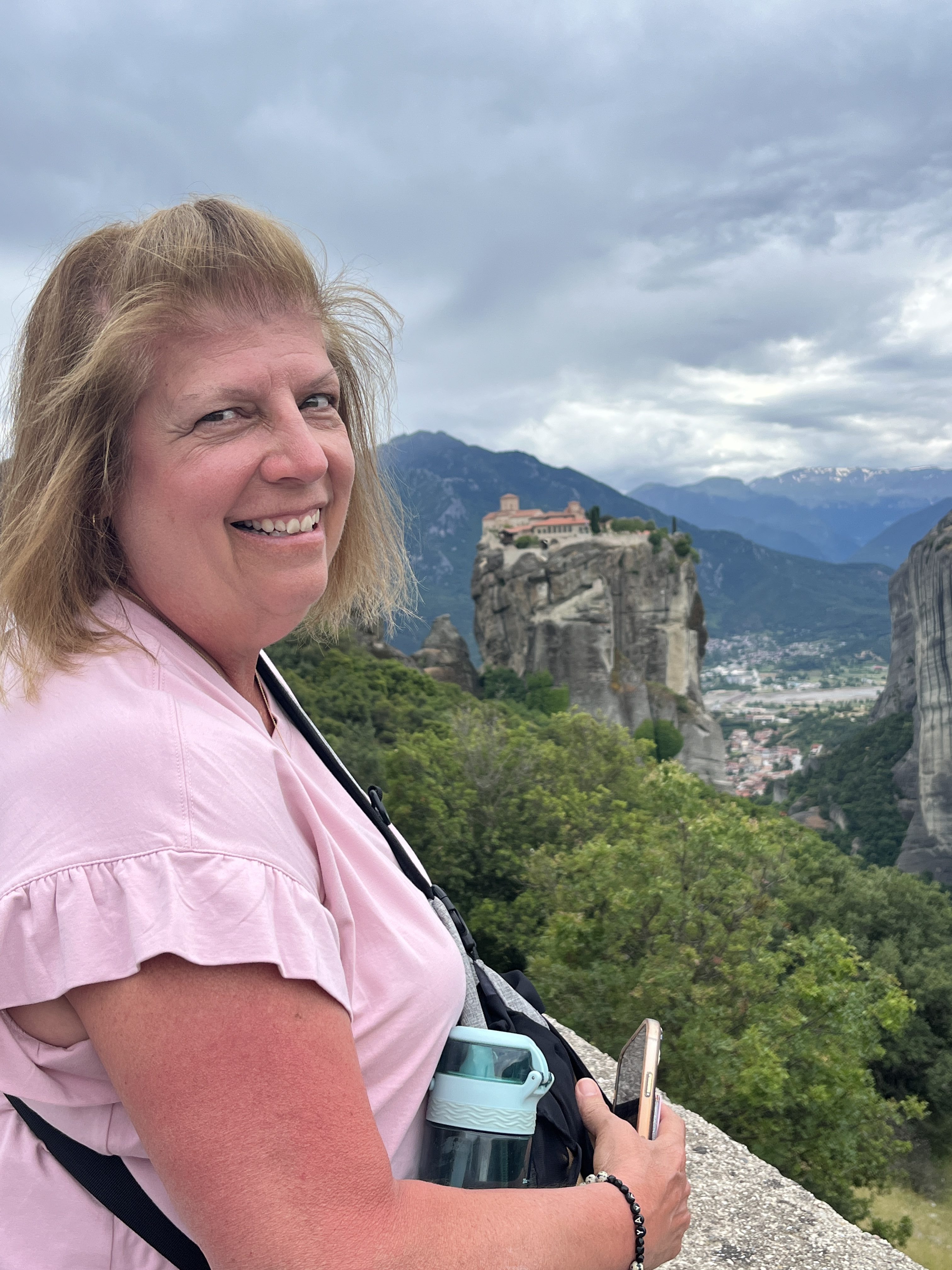
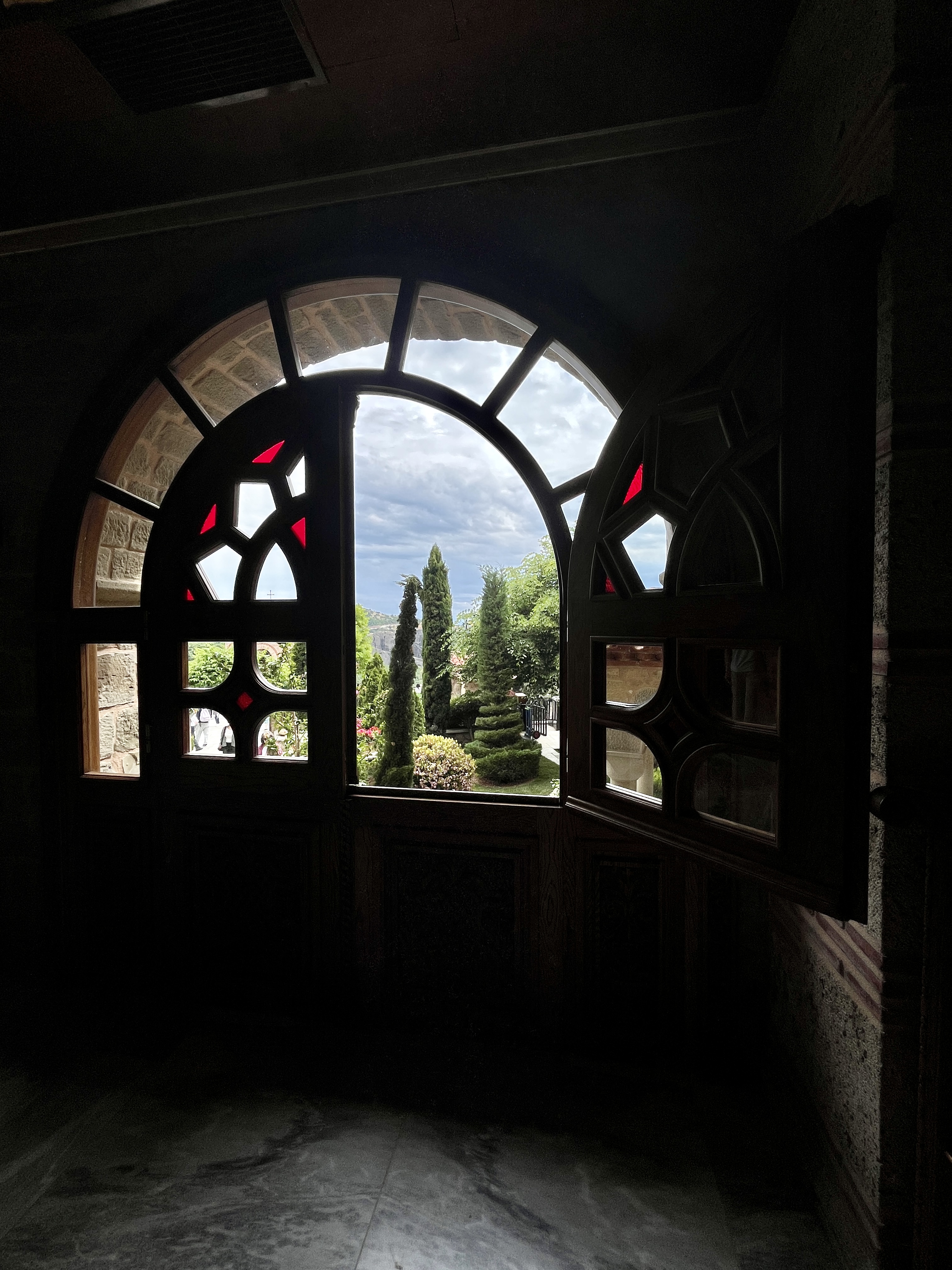
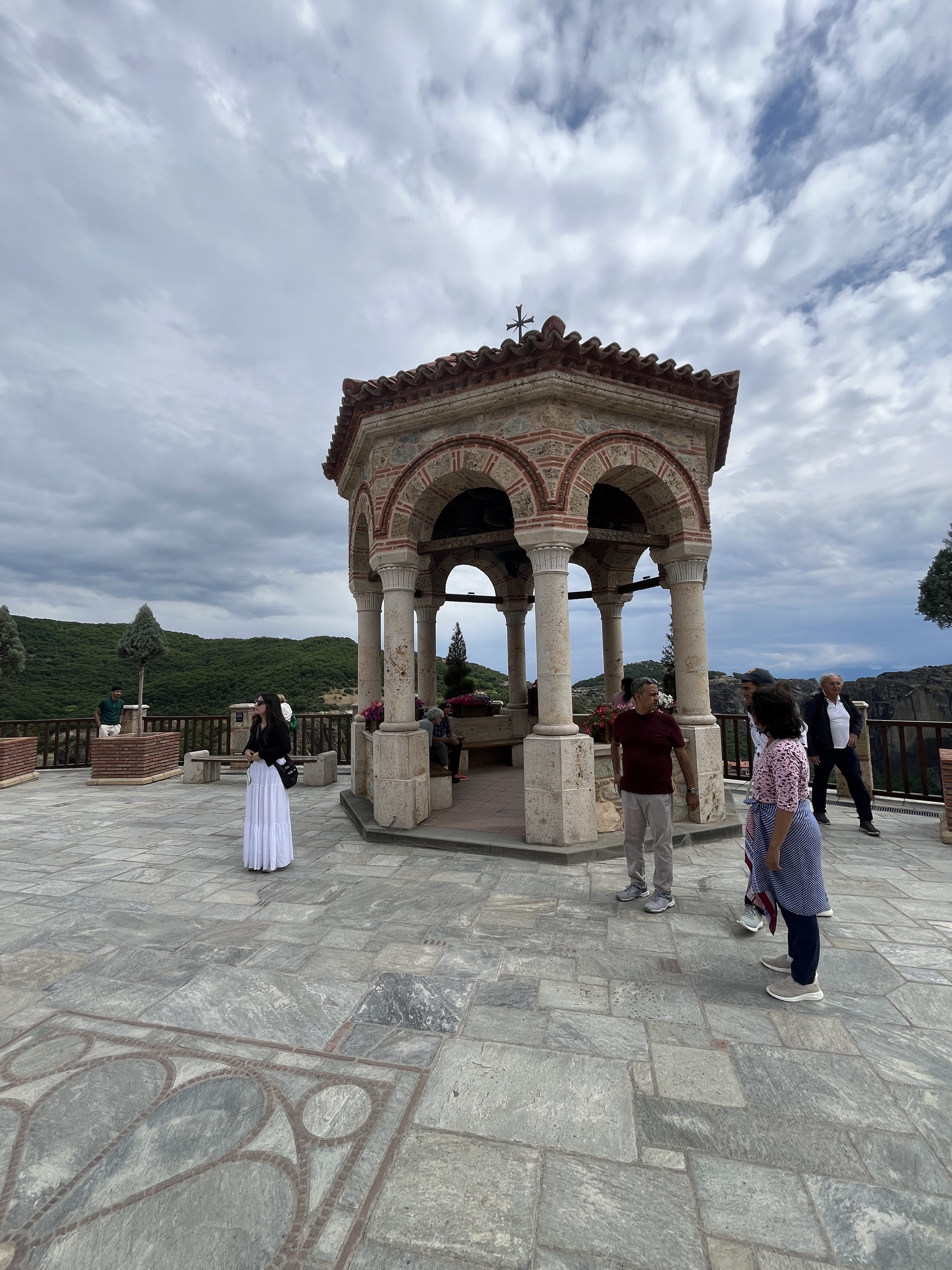
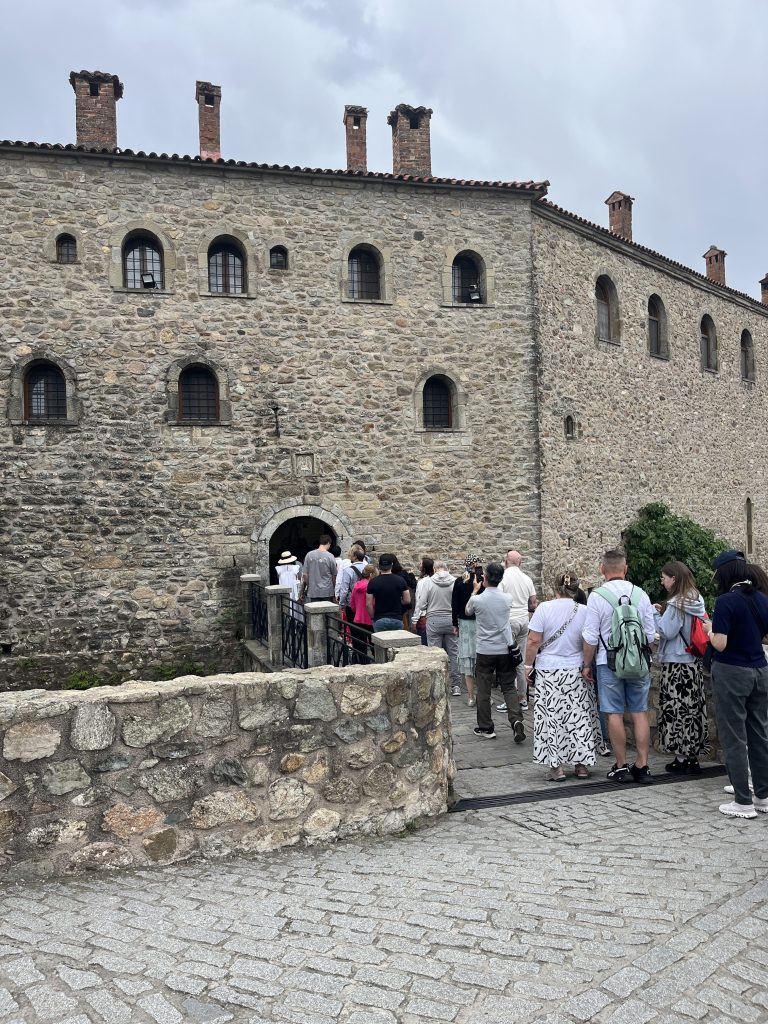
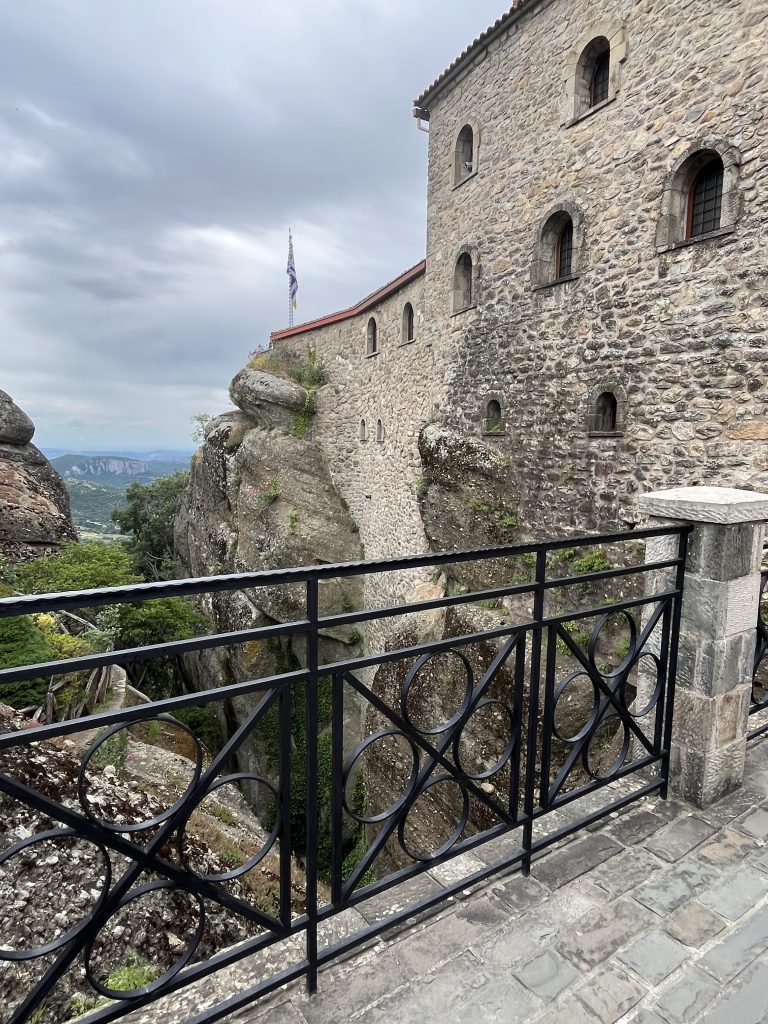
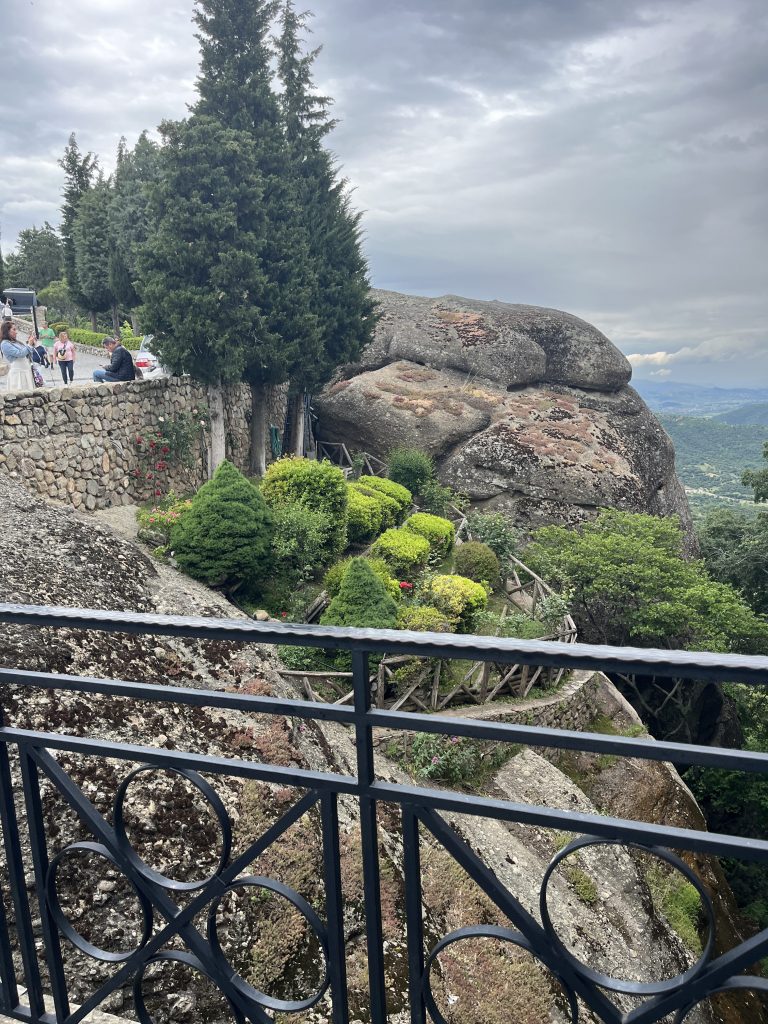
St. Stephan’s: This monastery is all women. Is the most accessible therefore the most crowded. No pictures inside, but their gardens (even the cliffside garden) were so beautiful.
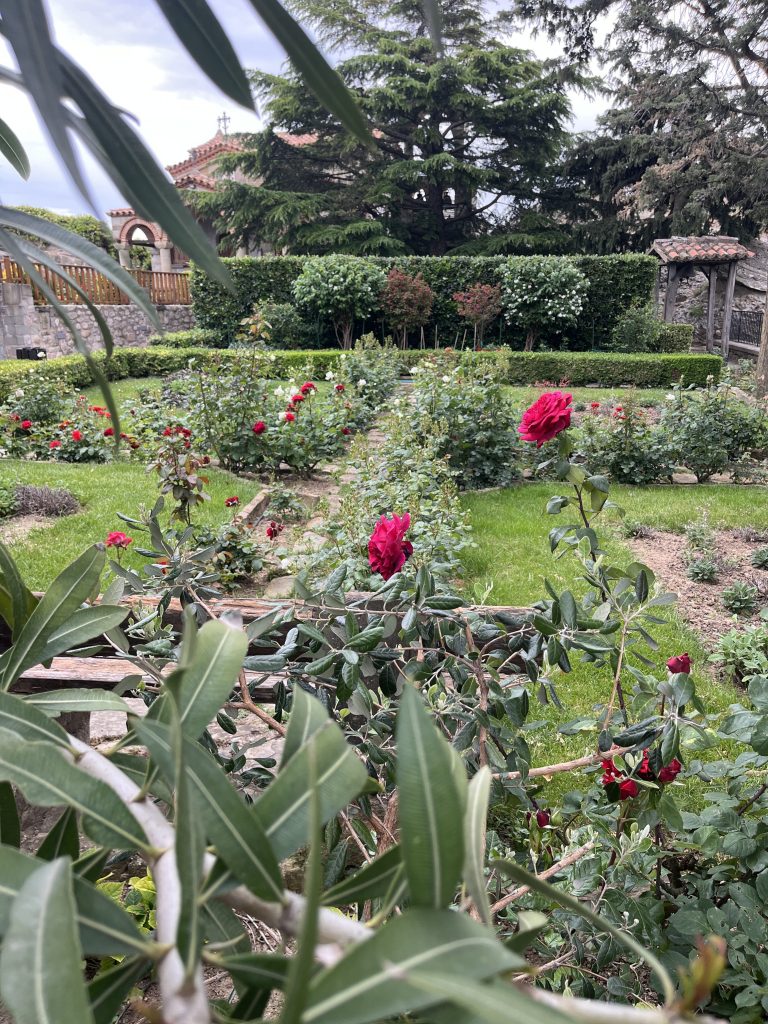
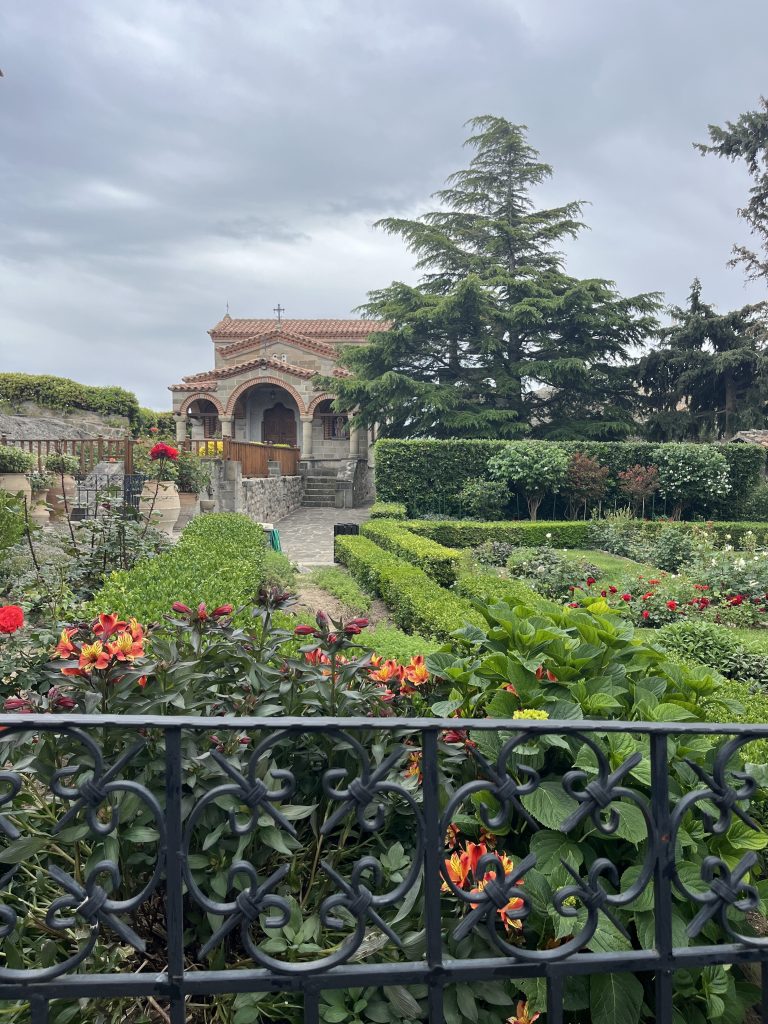
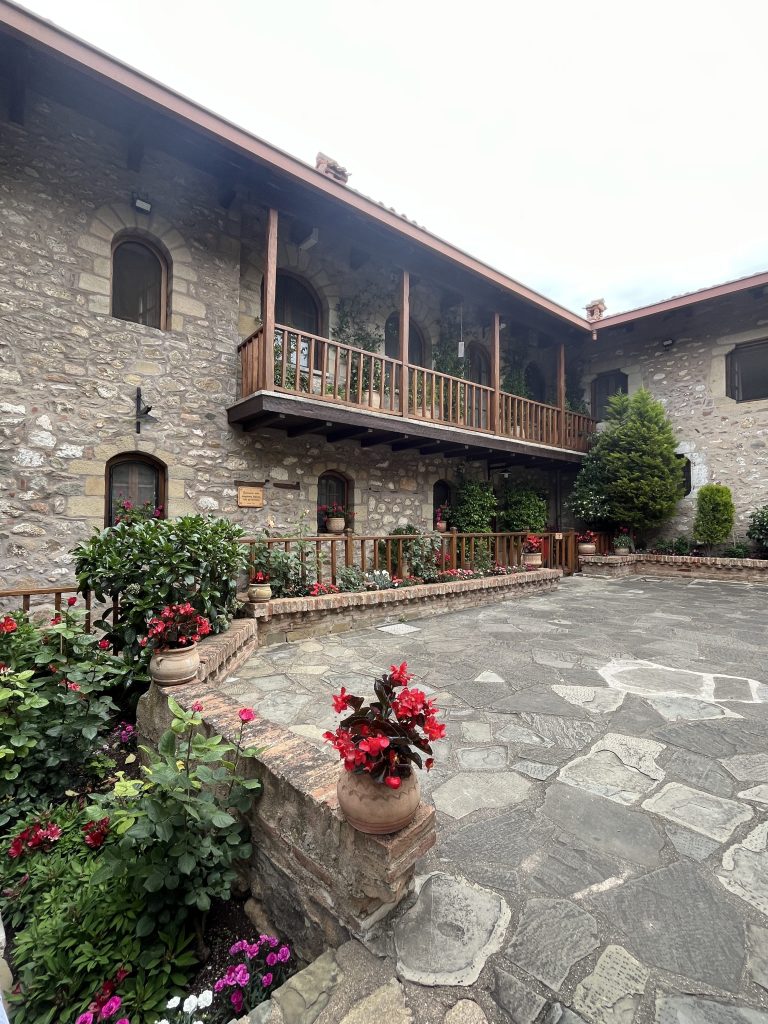
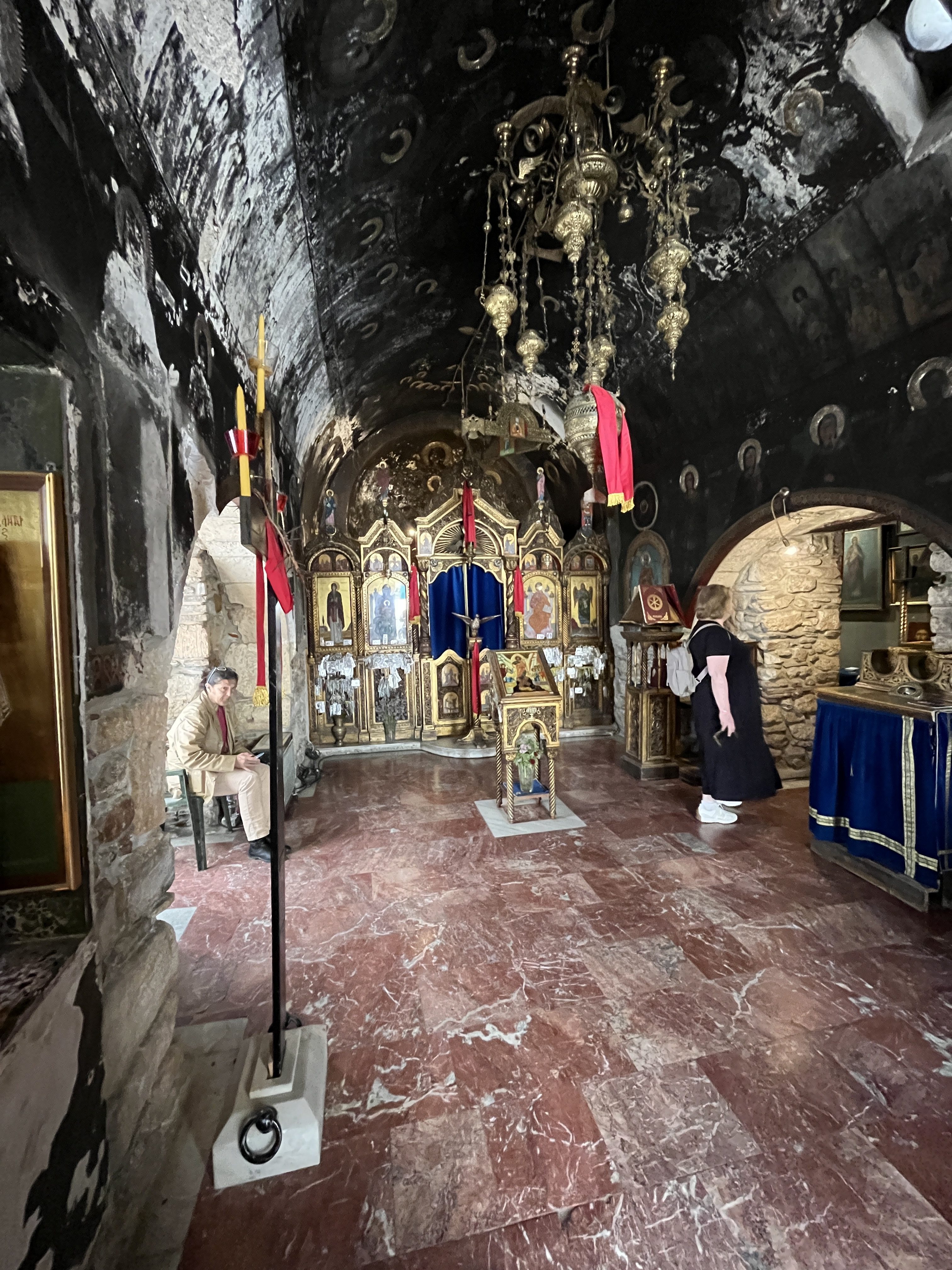
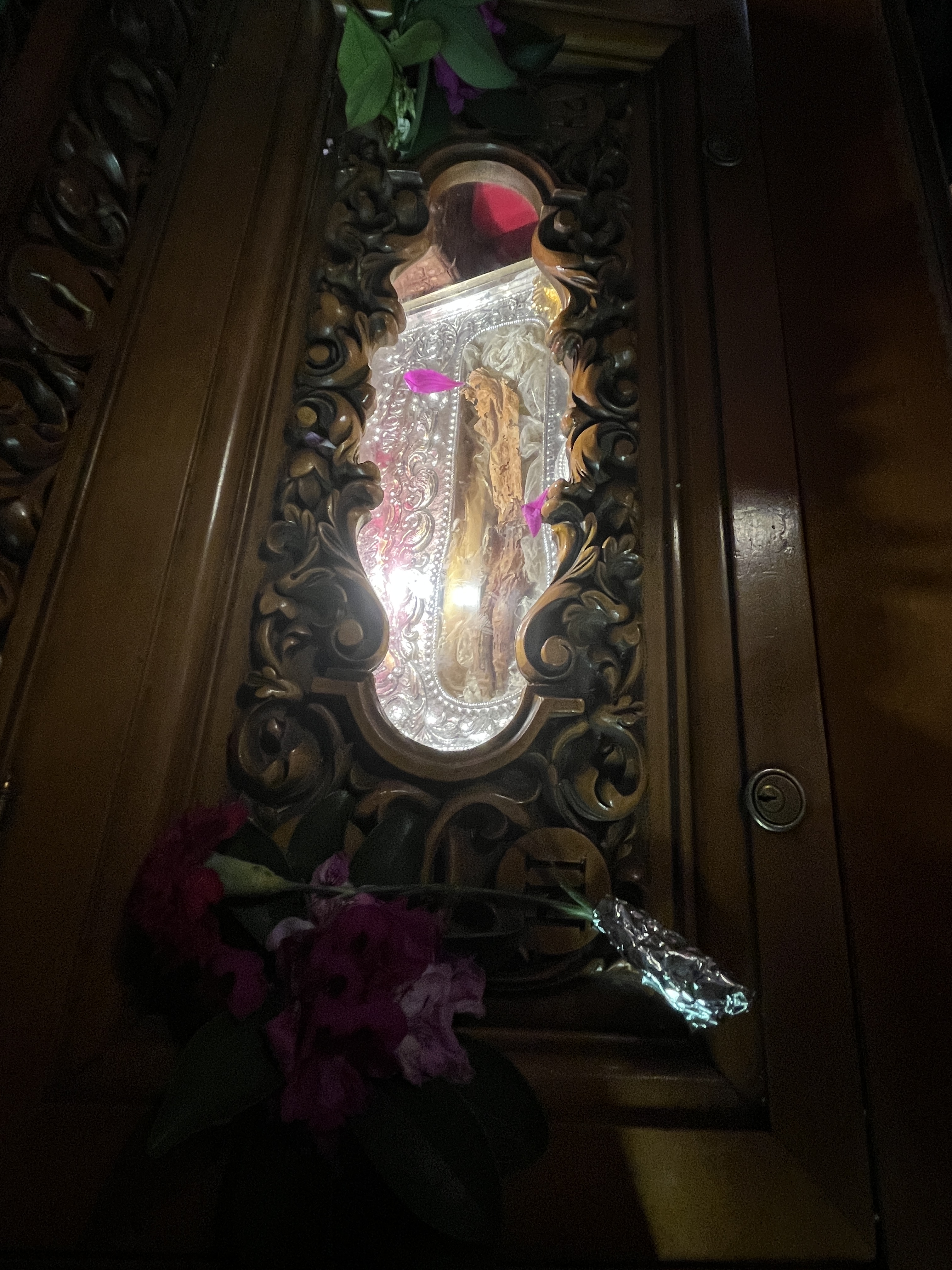
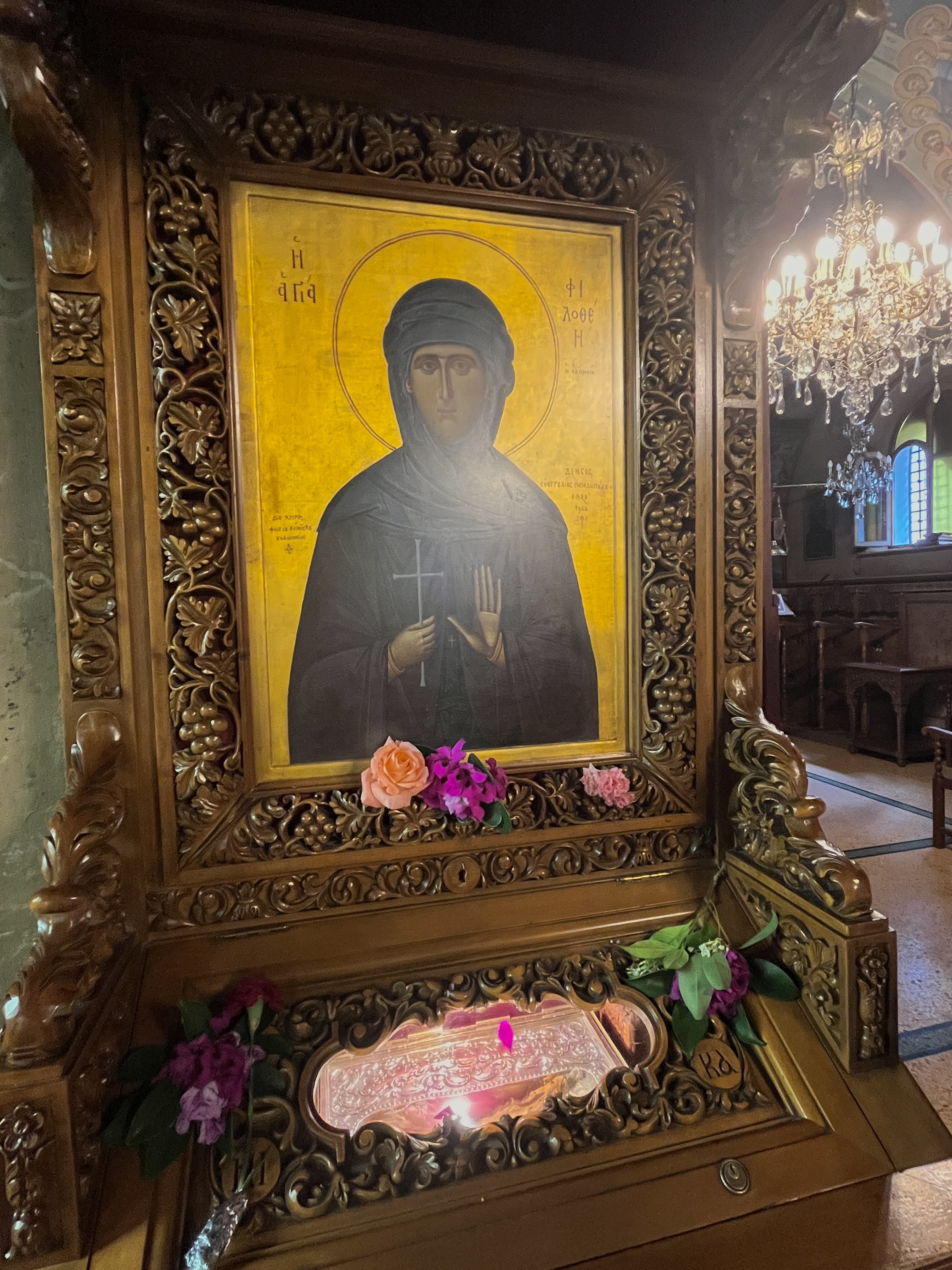
May 20th: We visited two churches that held relics of St. Philothea of Athens. Philothea means friend of God. She devoted her fortune to serving others, founding monasteries, schools, and courageously rescuing Greek women who had been enslaved or mistreated. She was beaten for helping women escape the Ottomans and later died of her injuries.
500th anniversary of the birth of St. Philothea of Athens (November 22nd of 2022) Her Saint’s day is February 19th.
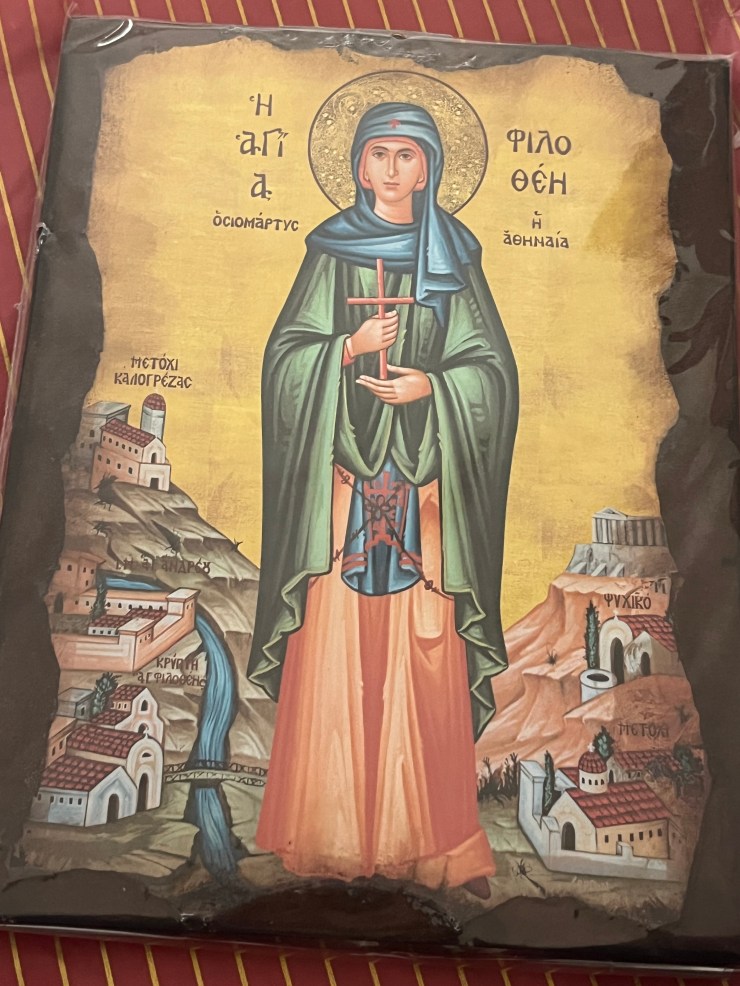
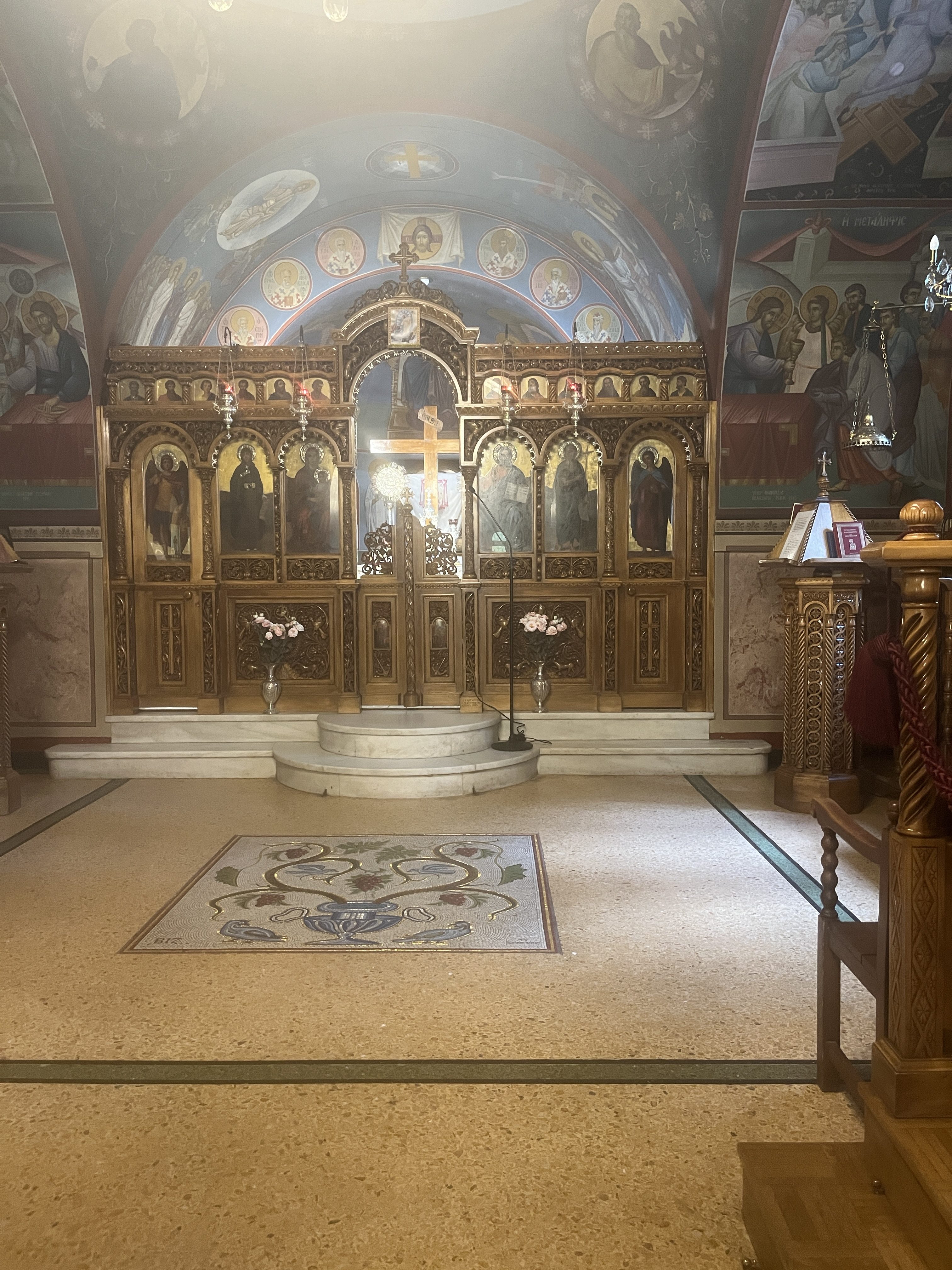
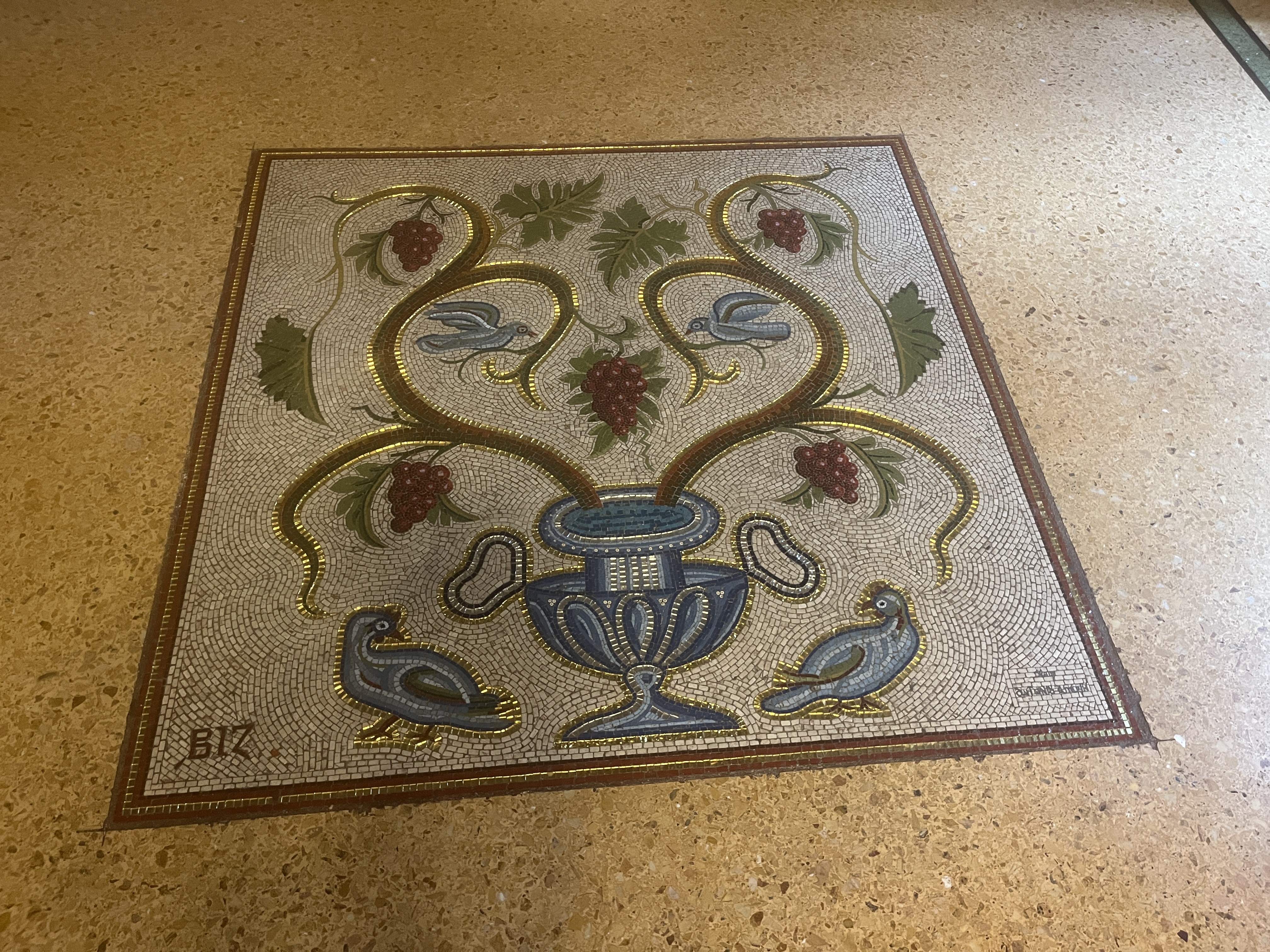
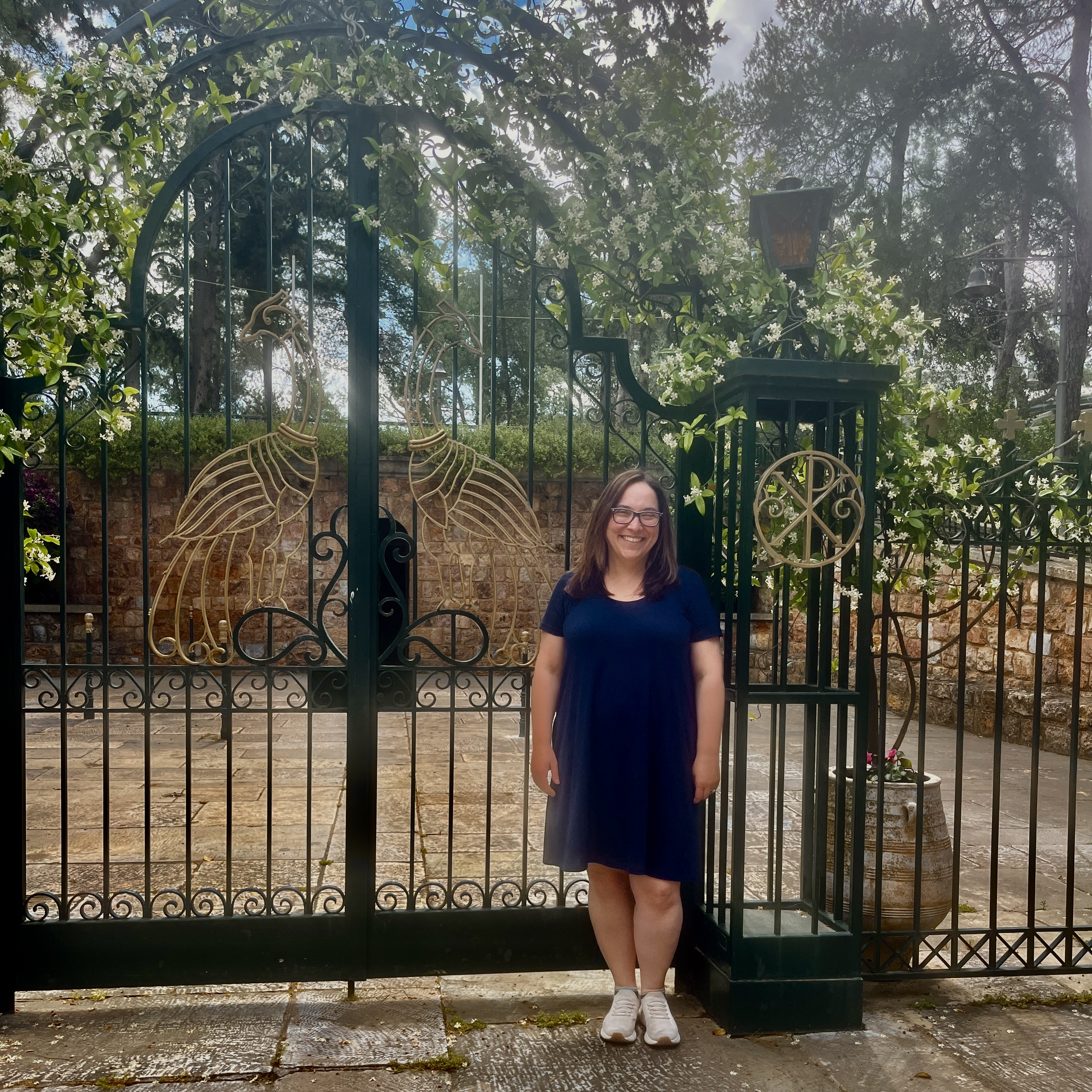
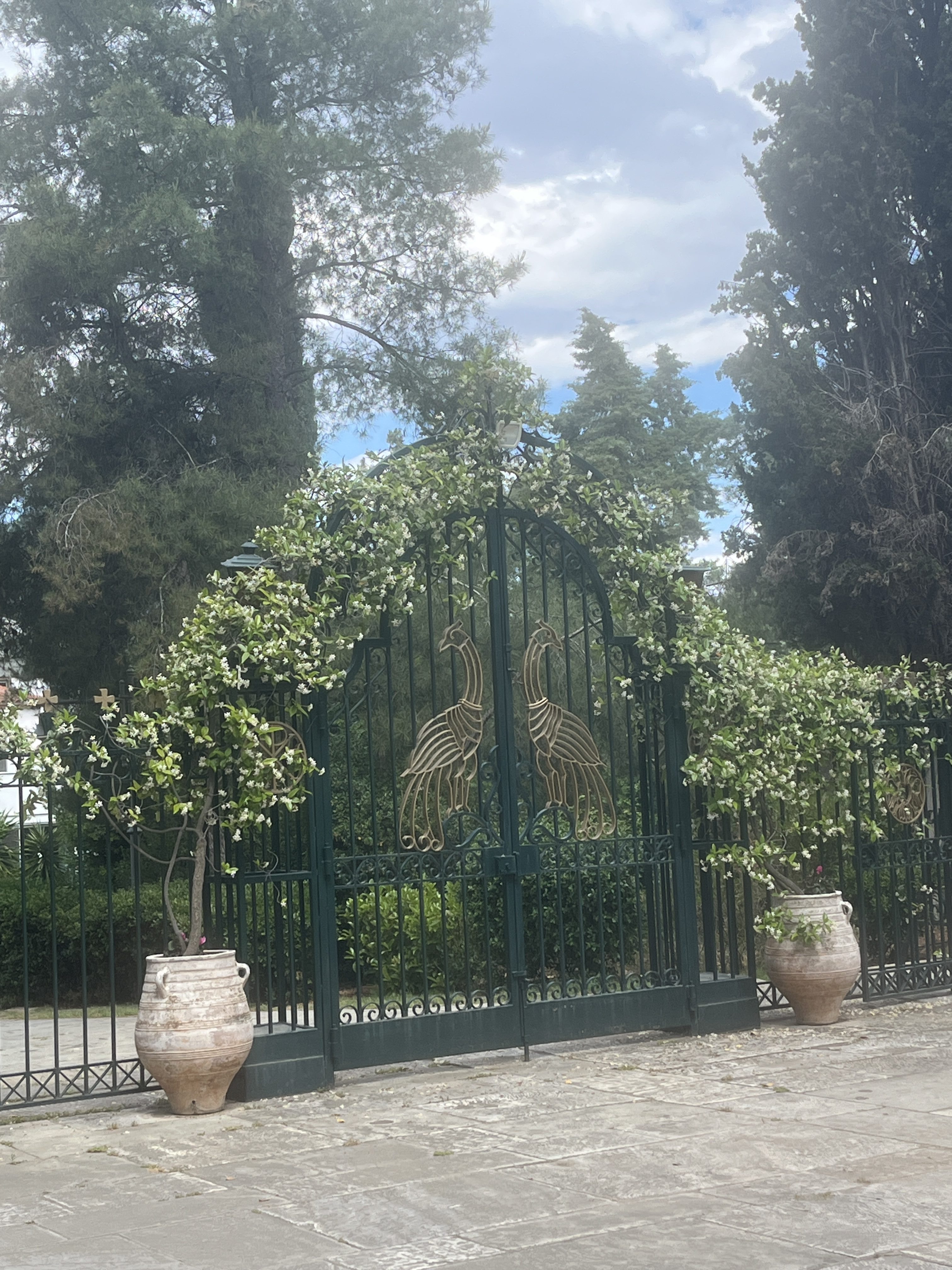
The first church was in the neighborhood where Philothea lived and was dedicated to her. This church had her hand on display. Behind the church was a small courtyard and cave where people light candles and prayed. It was well used, and a few people visited to pray while we were there. The courtyard gates were decorated with peacocks (they symbolize immortal life). On St. Philothea’s day, her relics process from the Metropolitan Cathedral of Athens to this courtyard. It was unclear if the hand was reunited with the rest of the relics on that day.
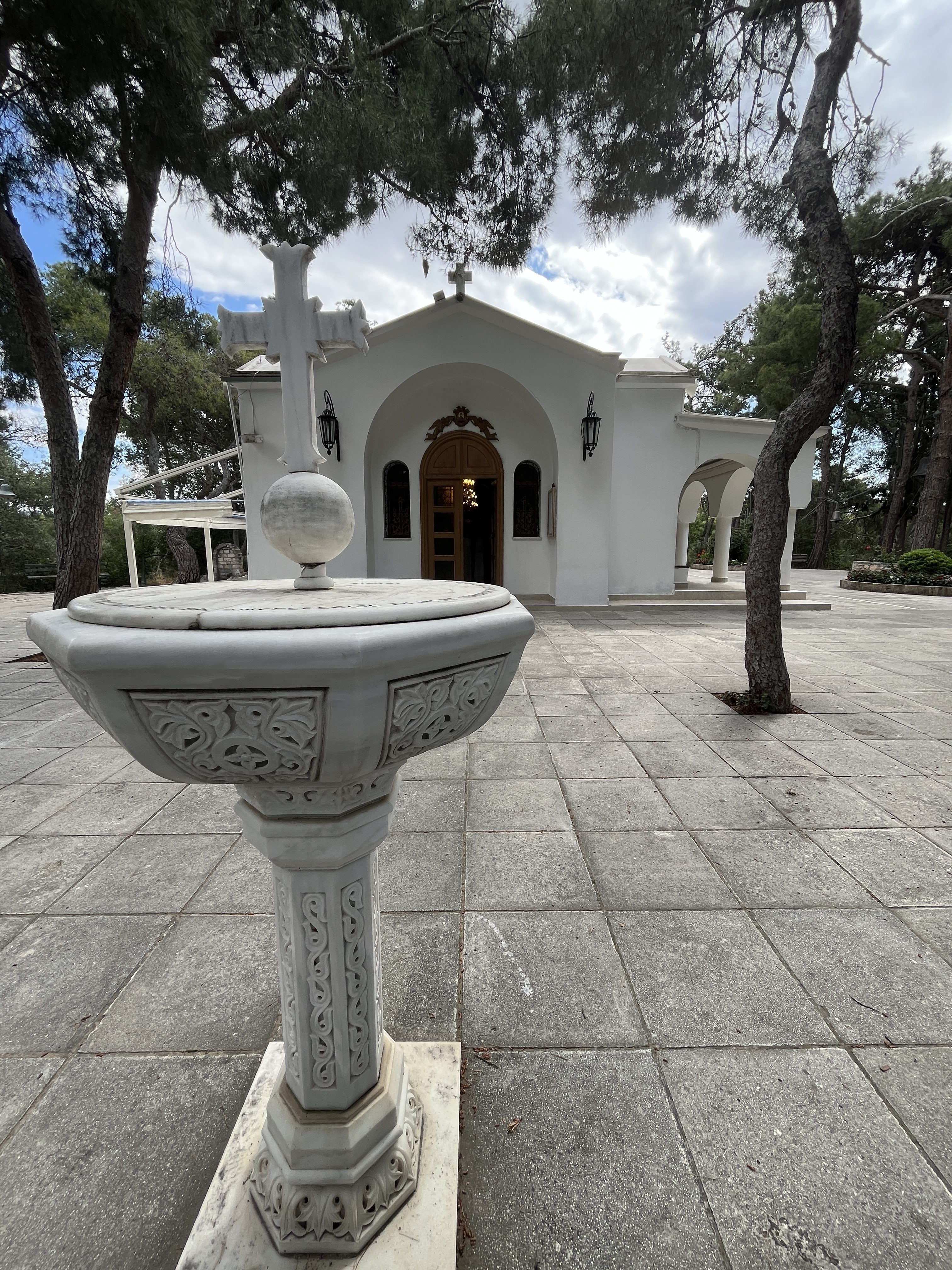
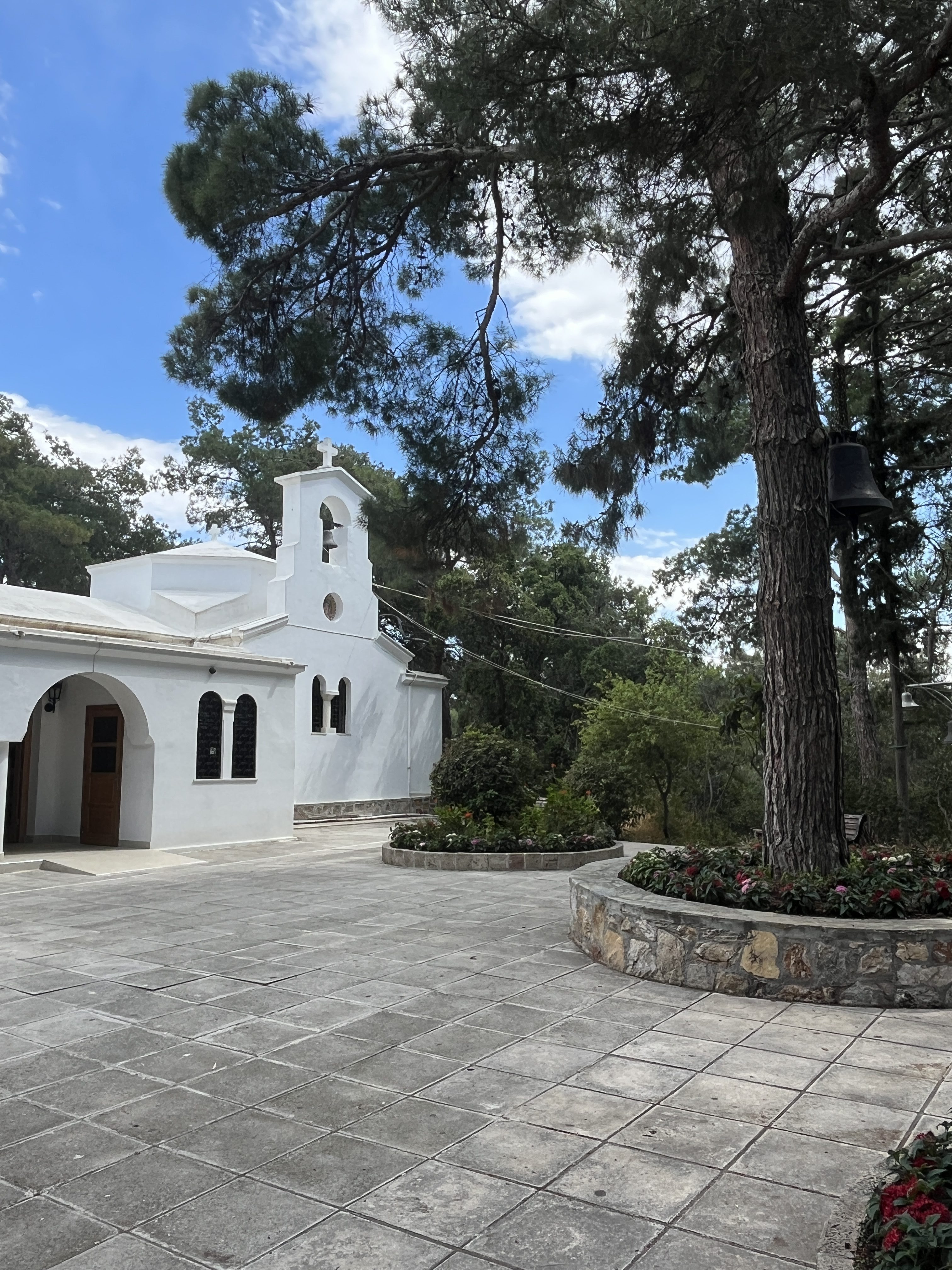
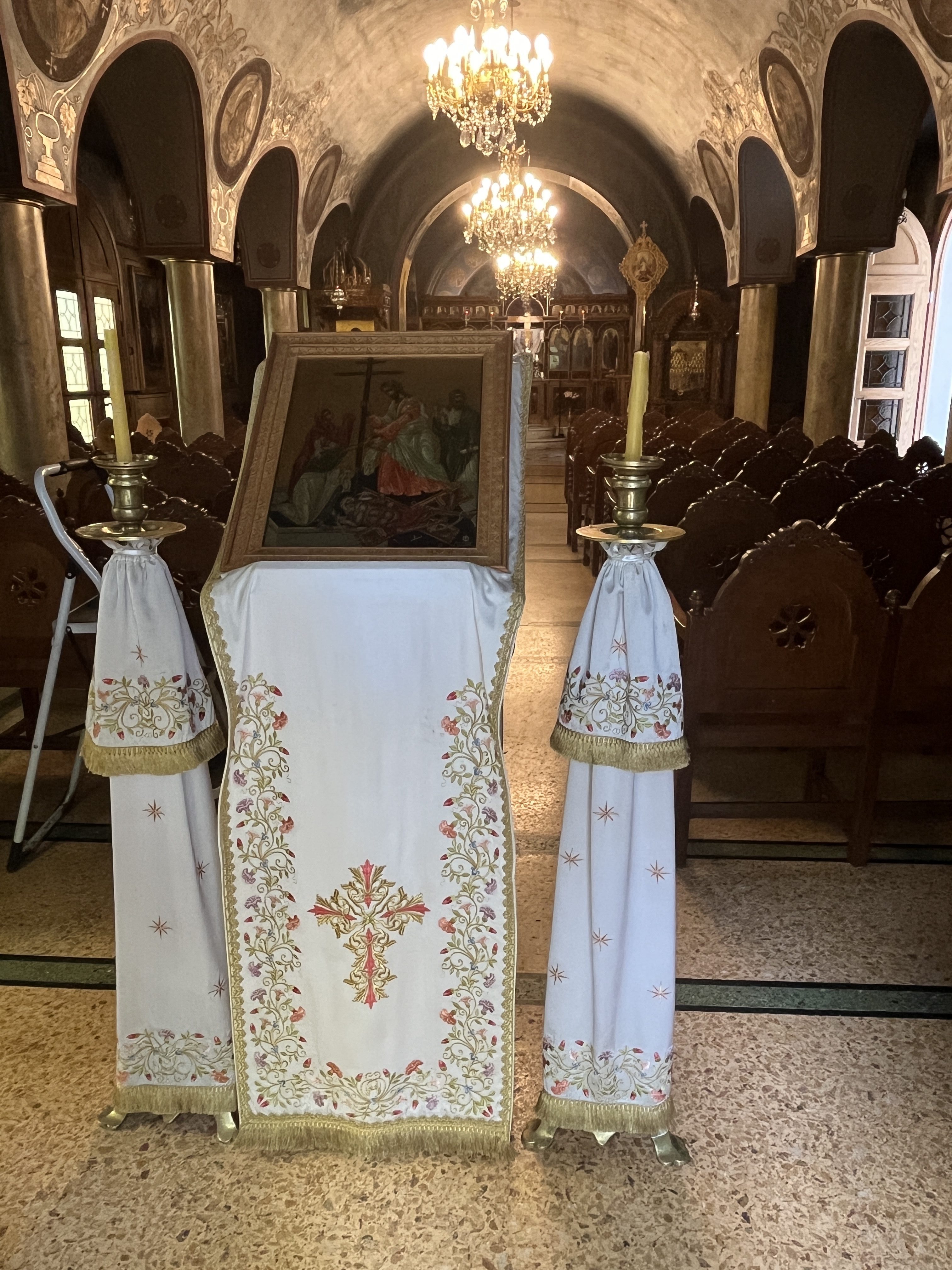
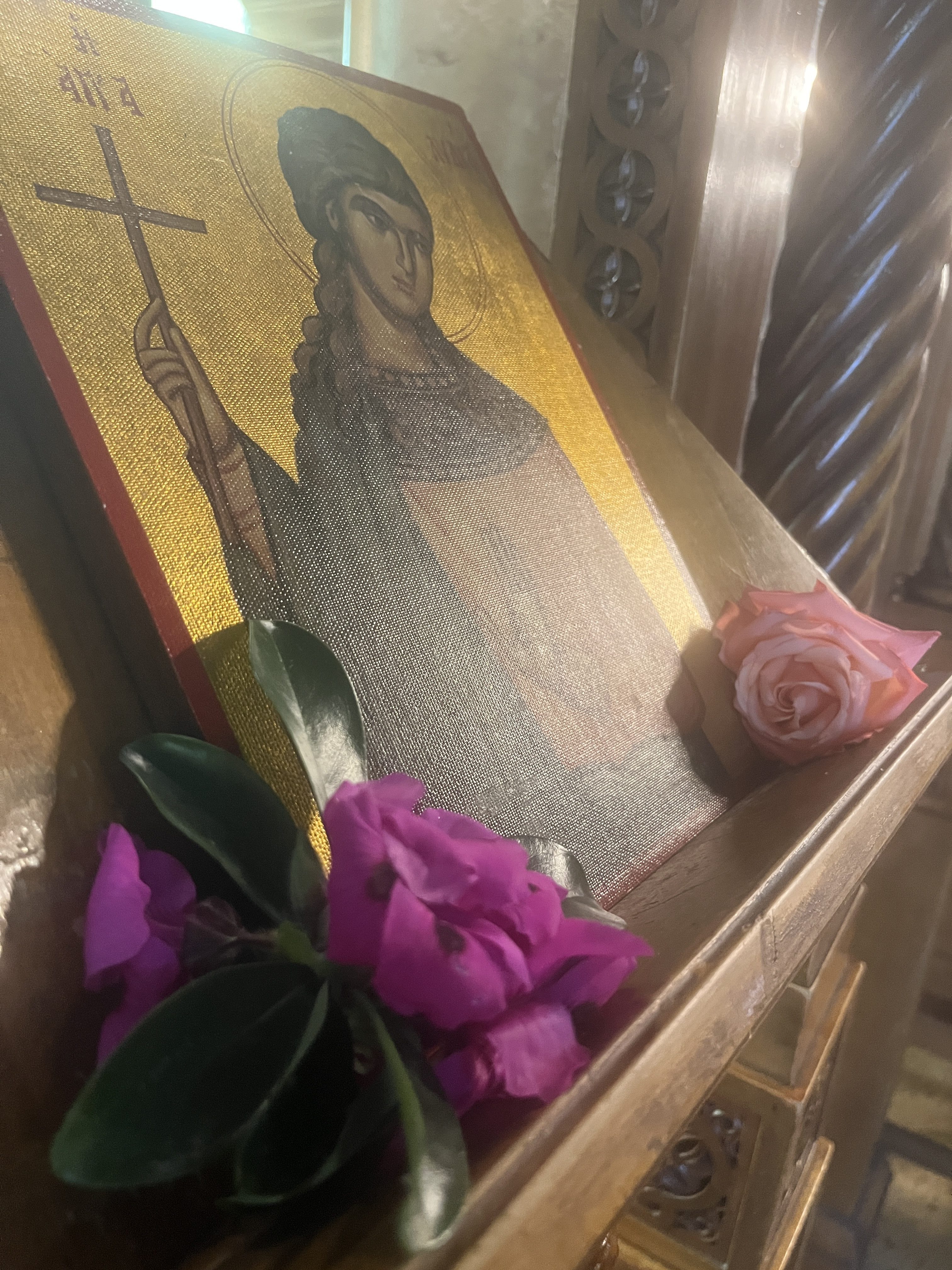
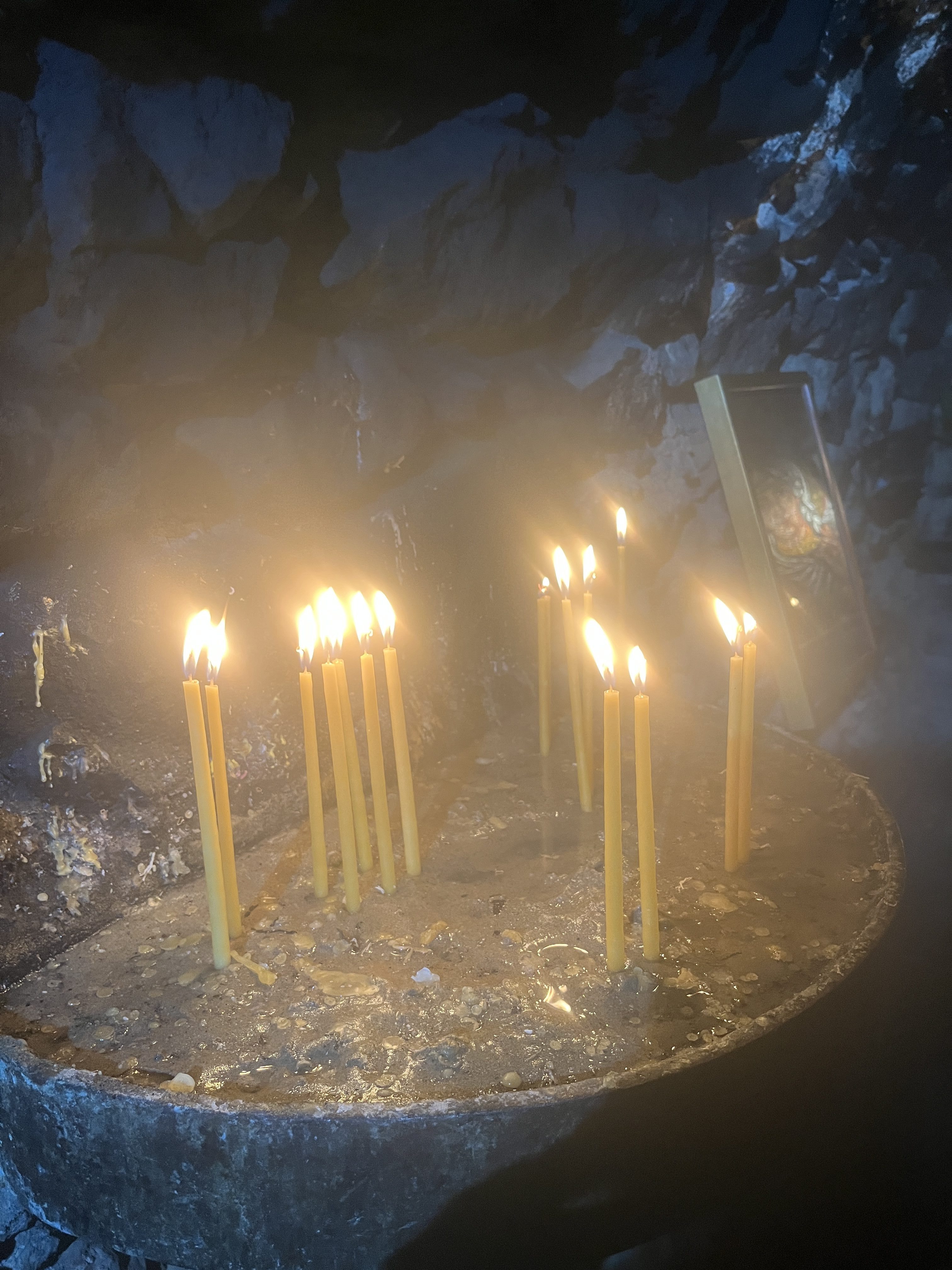
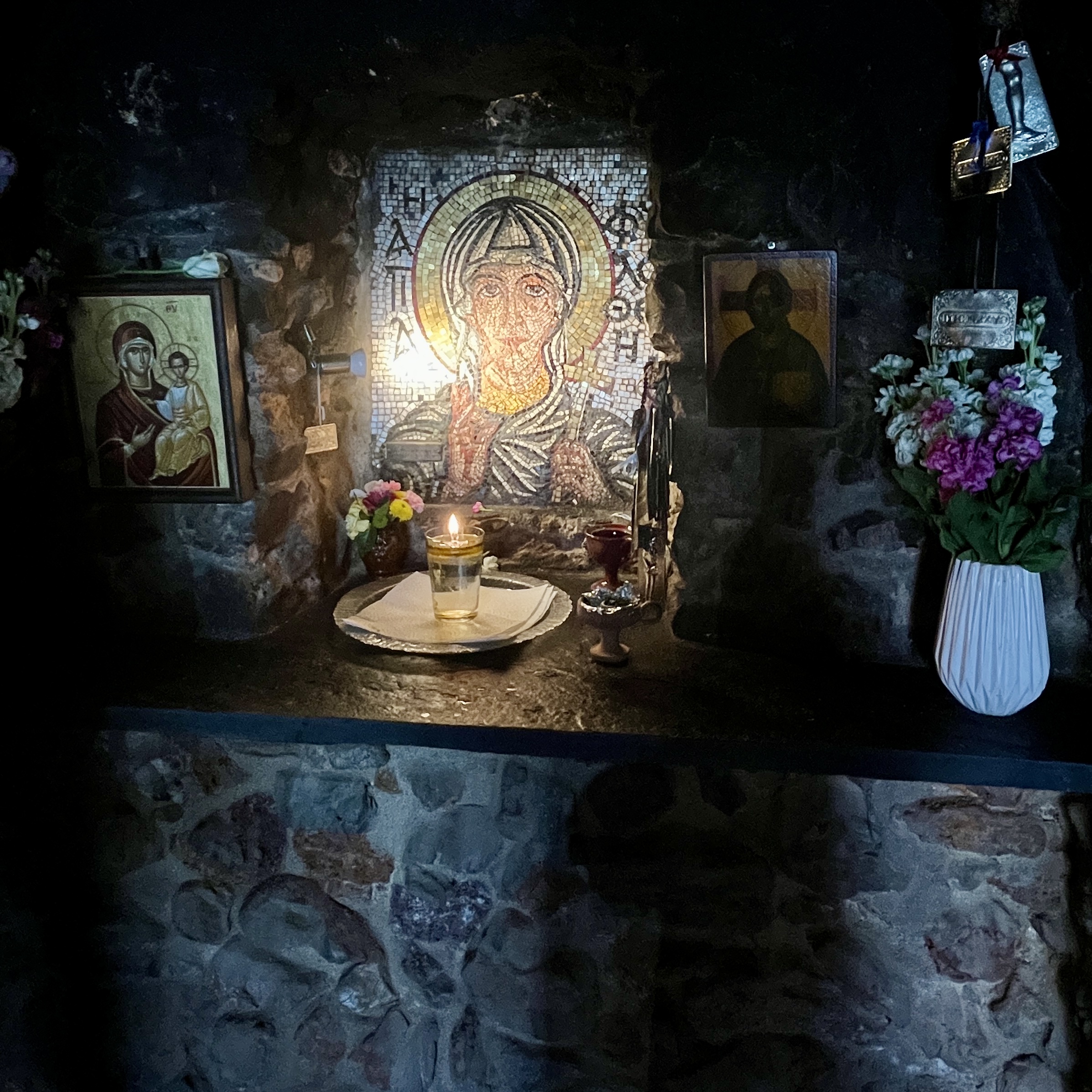
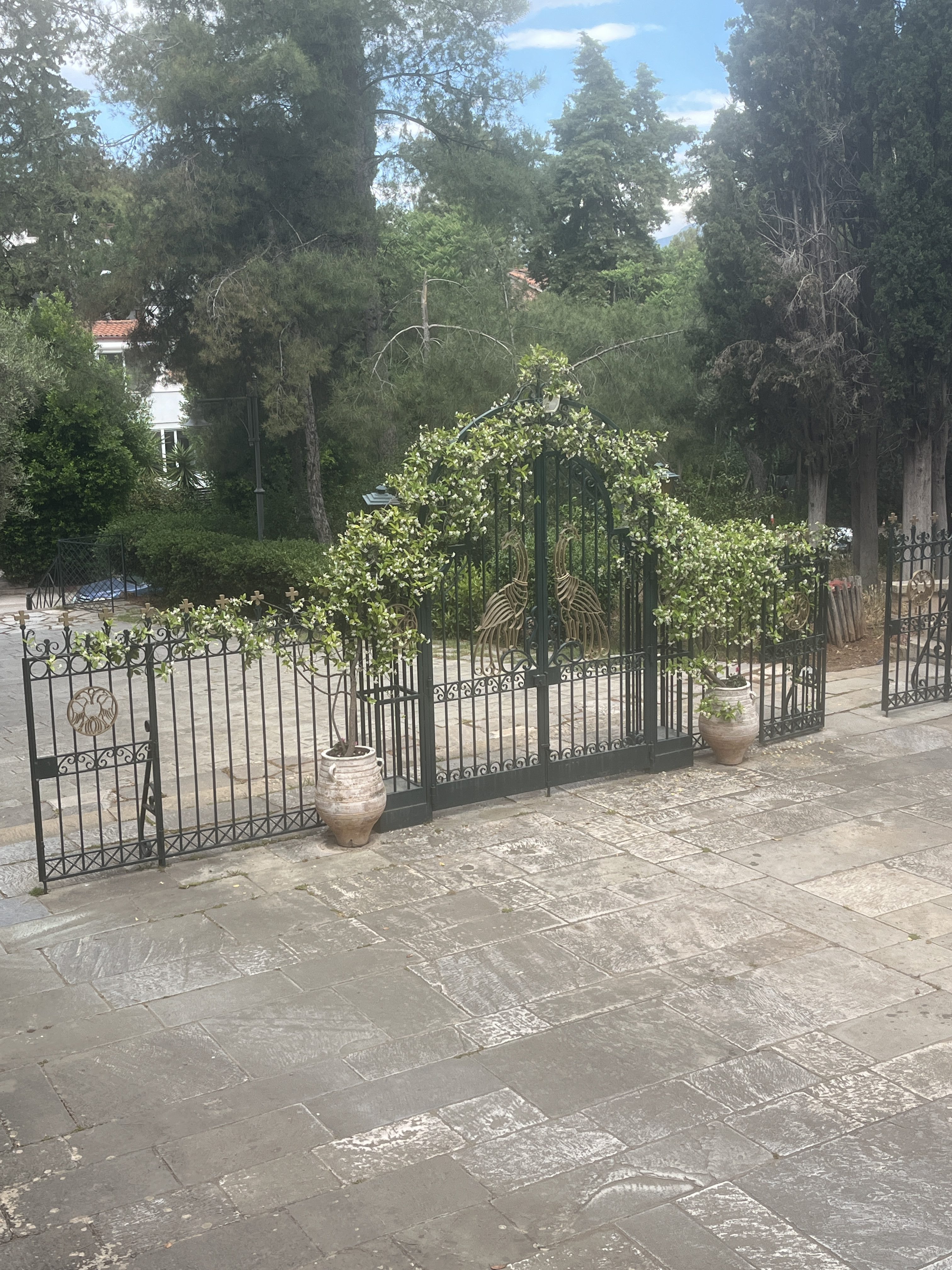
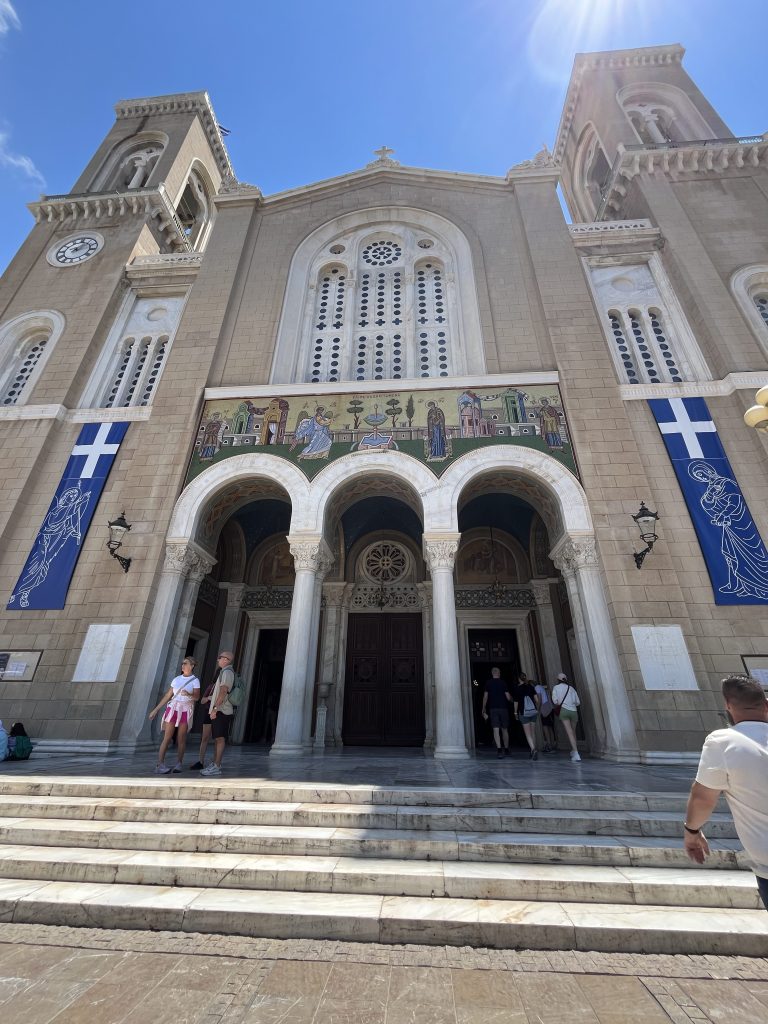
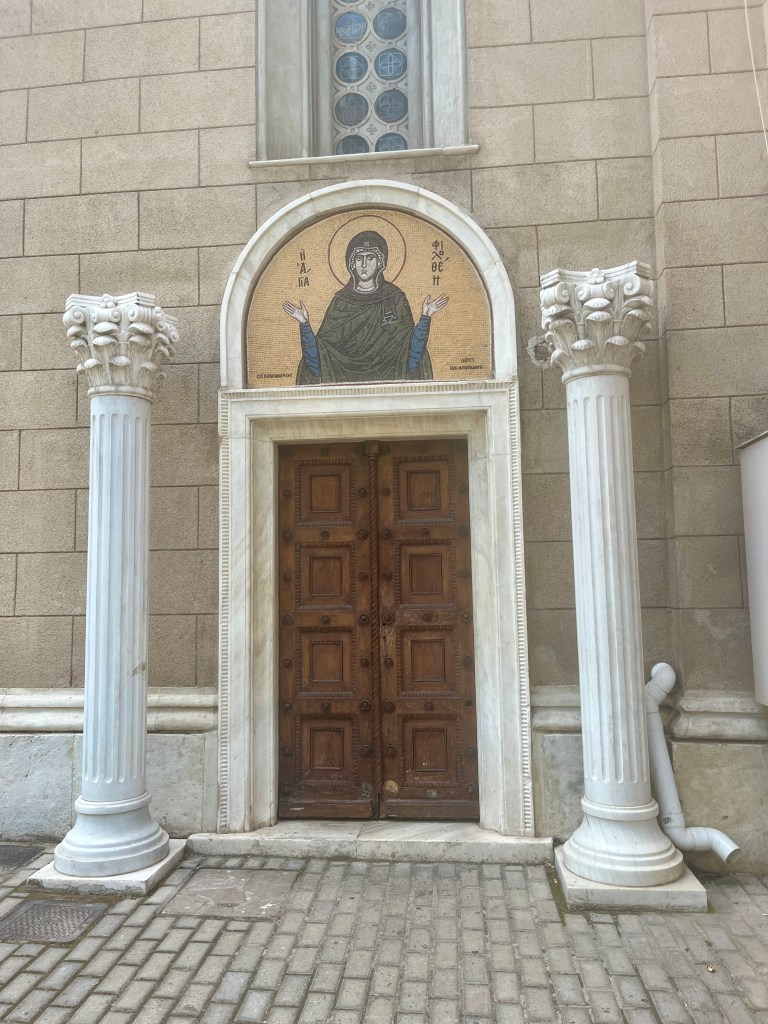
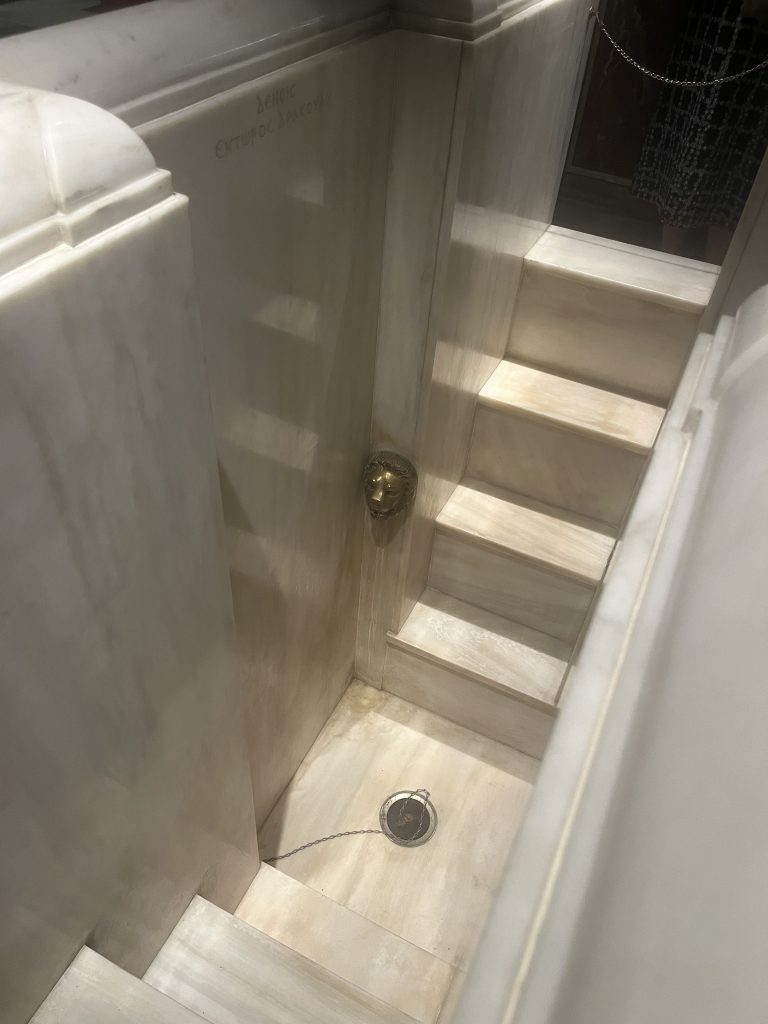
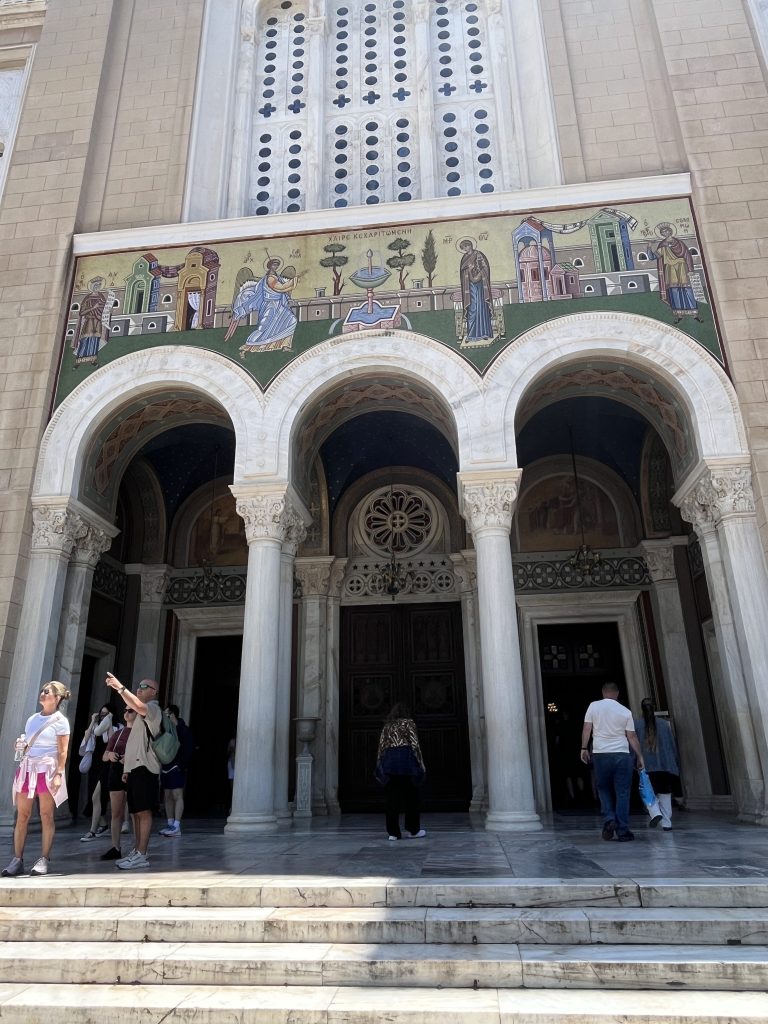
The rest of her relics are in the Metropolital Cathedral of Athens. Admission includes a prayer candle and museum tour.
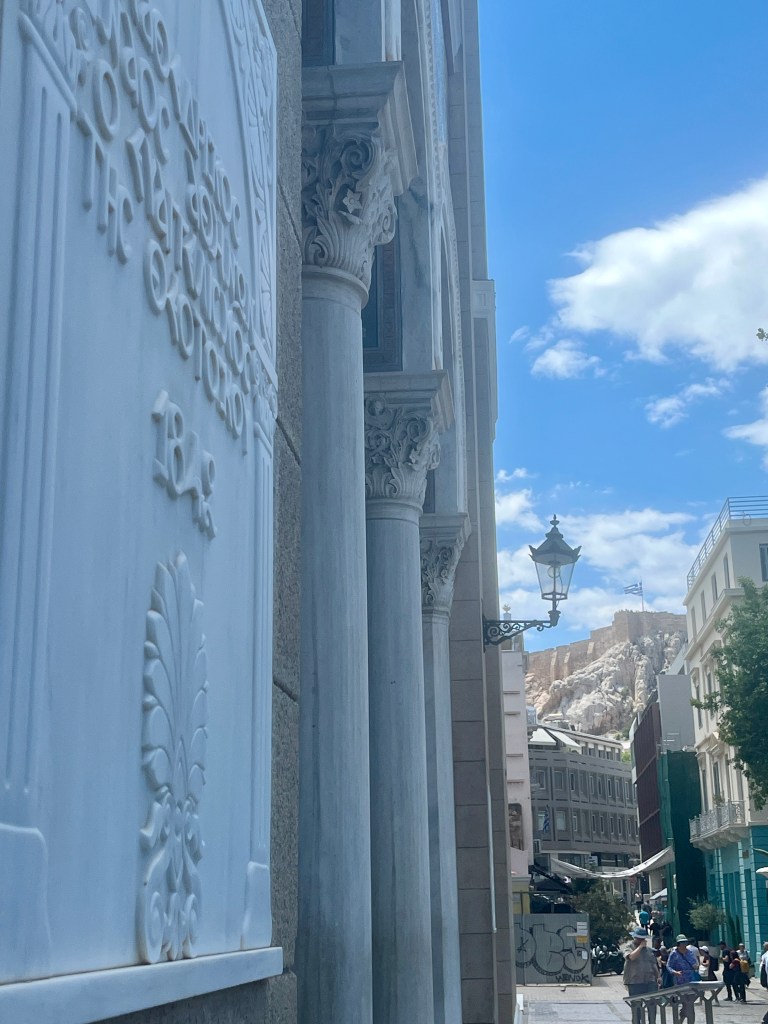
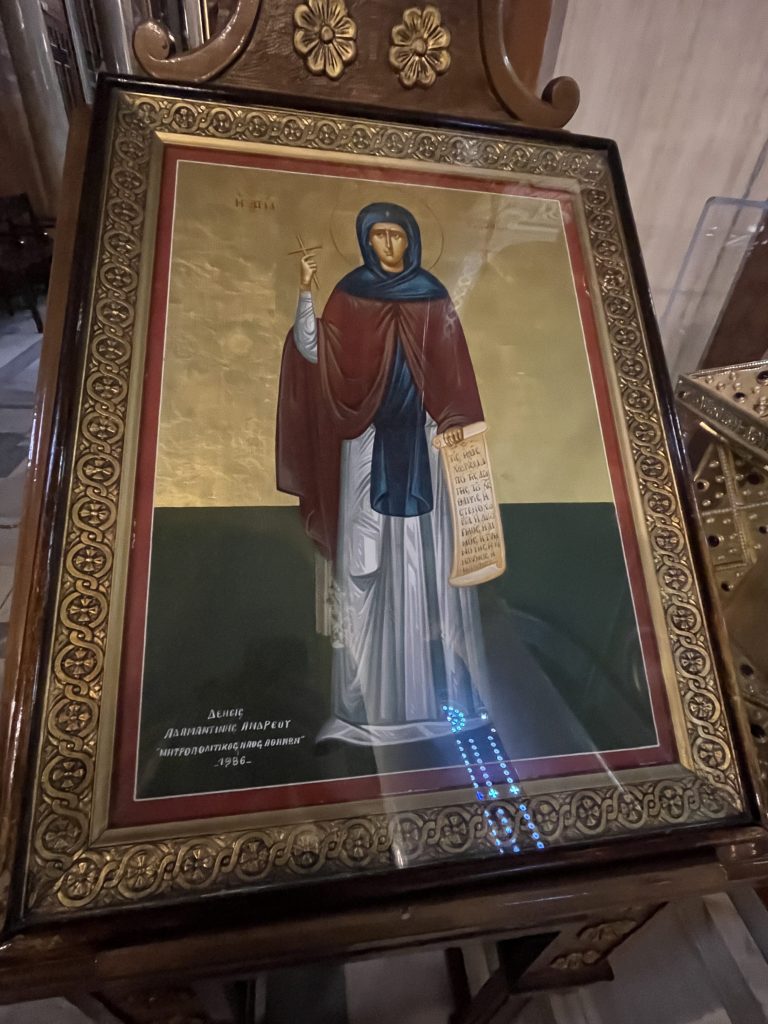
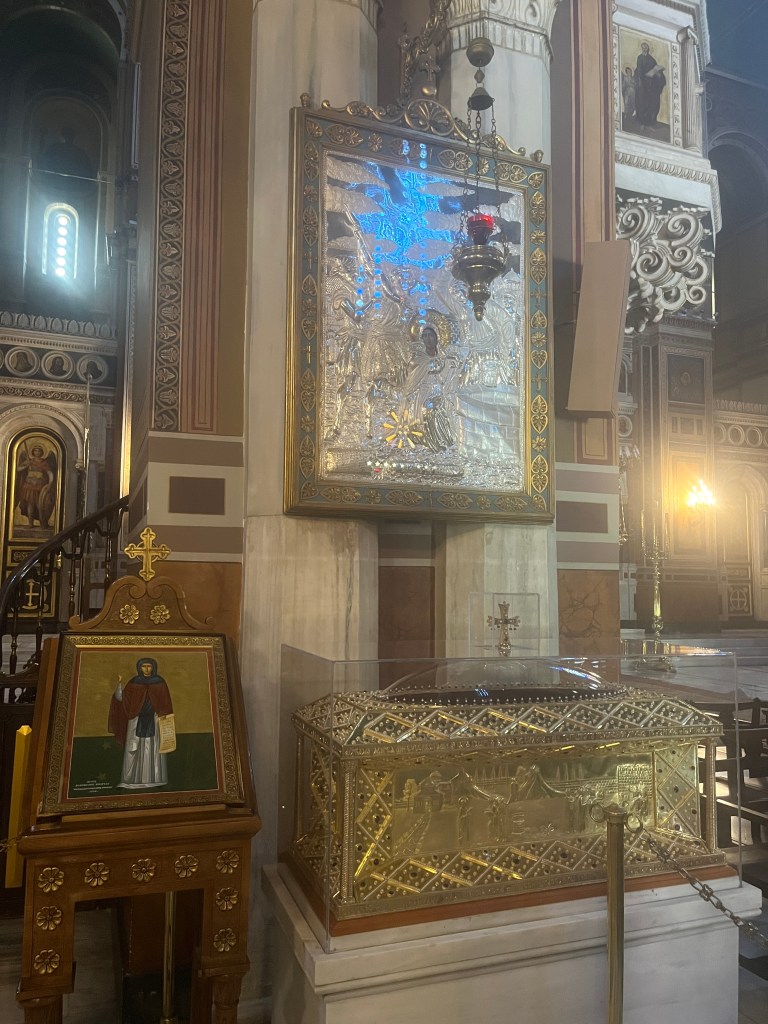
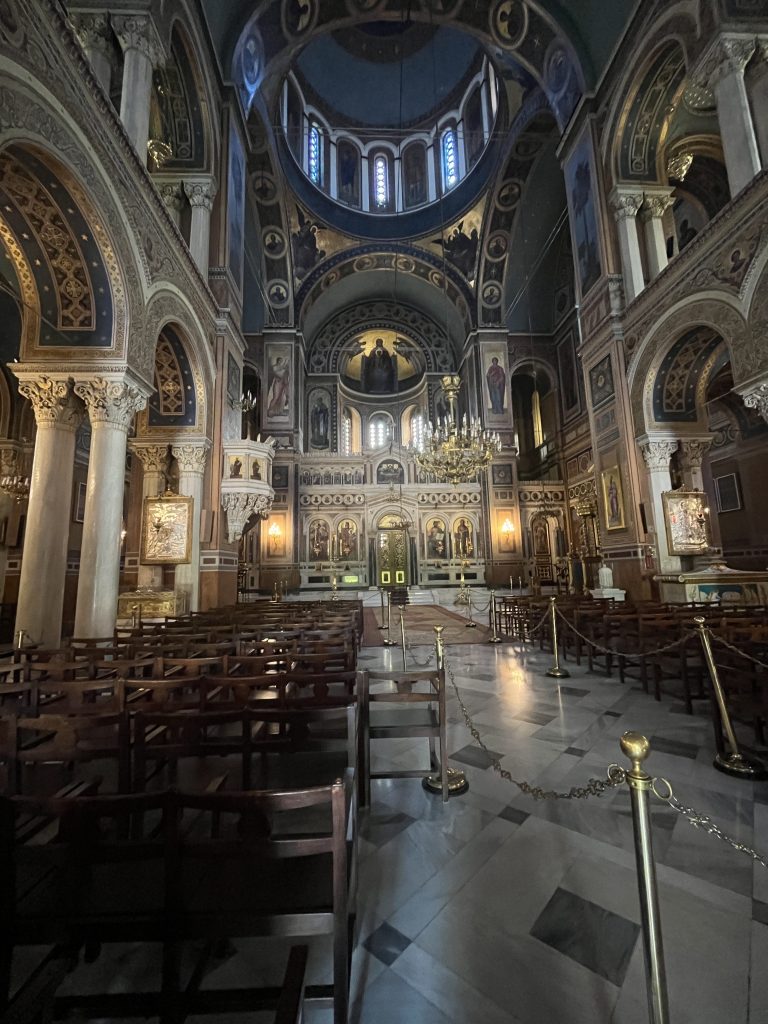
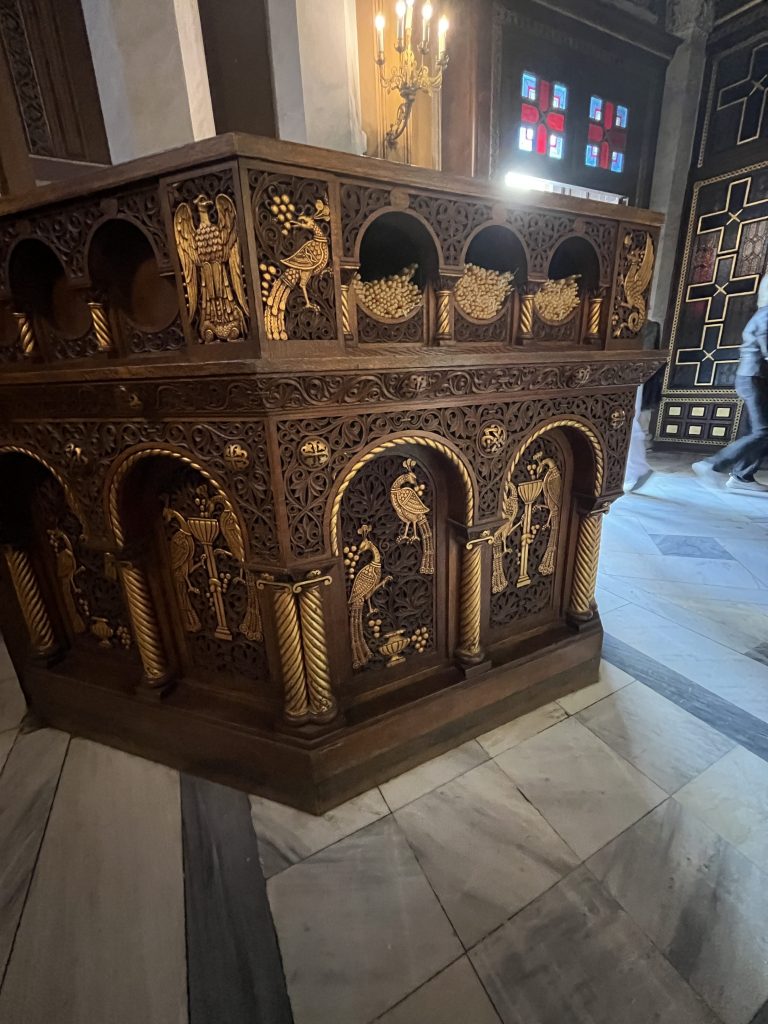
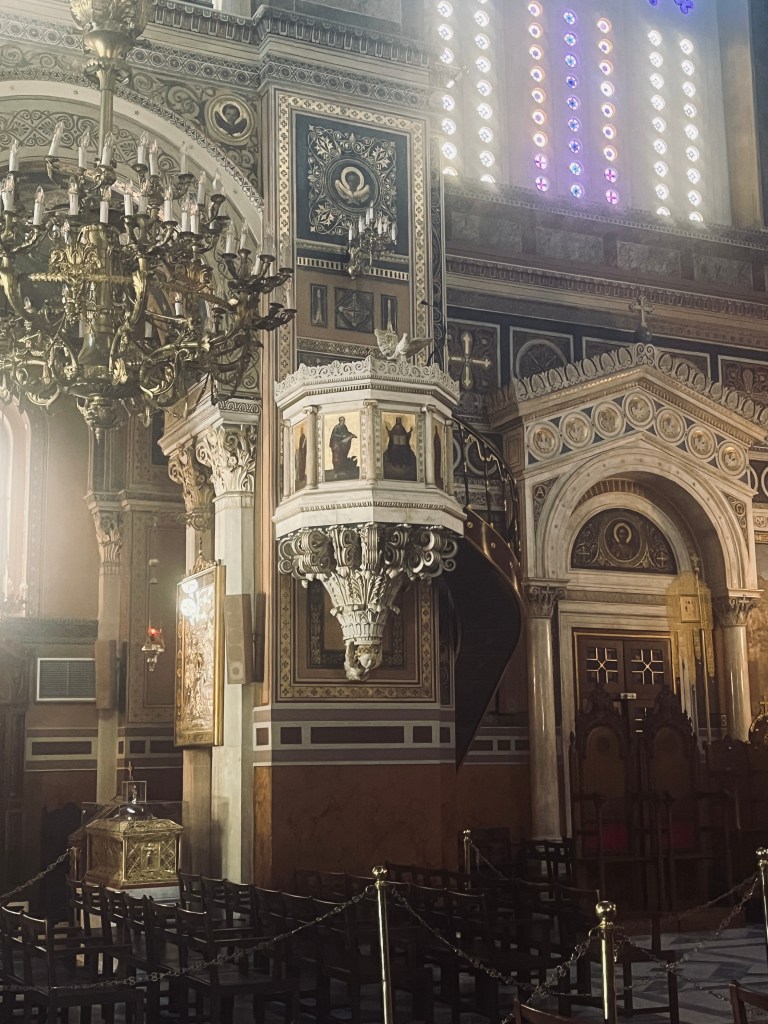
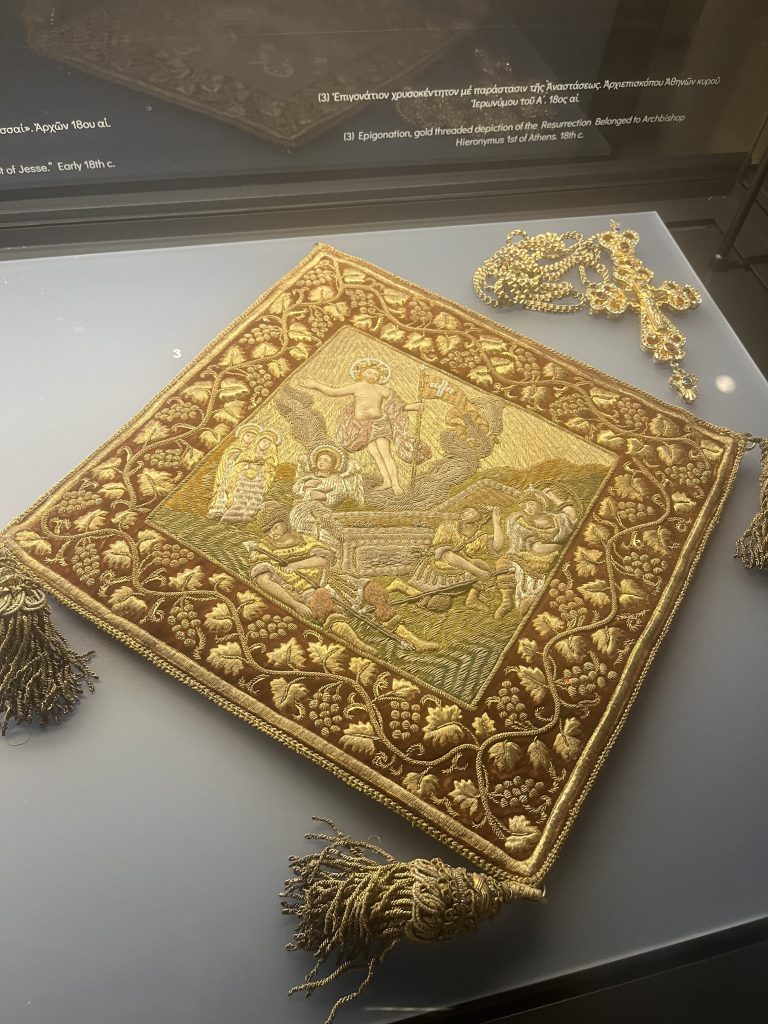
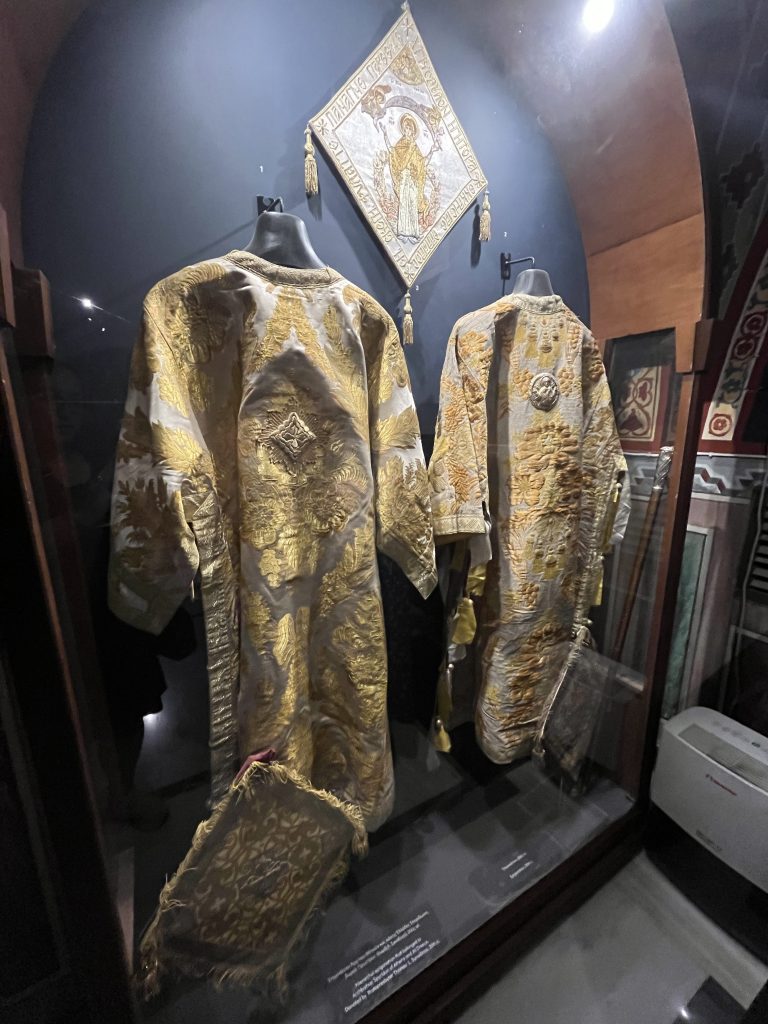
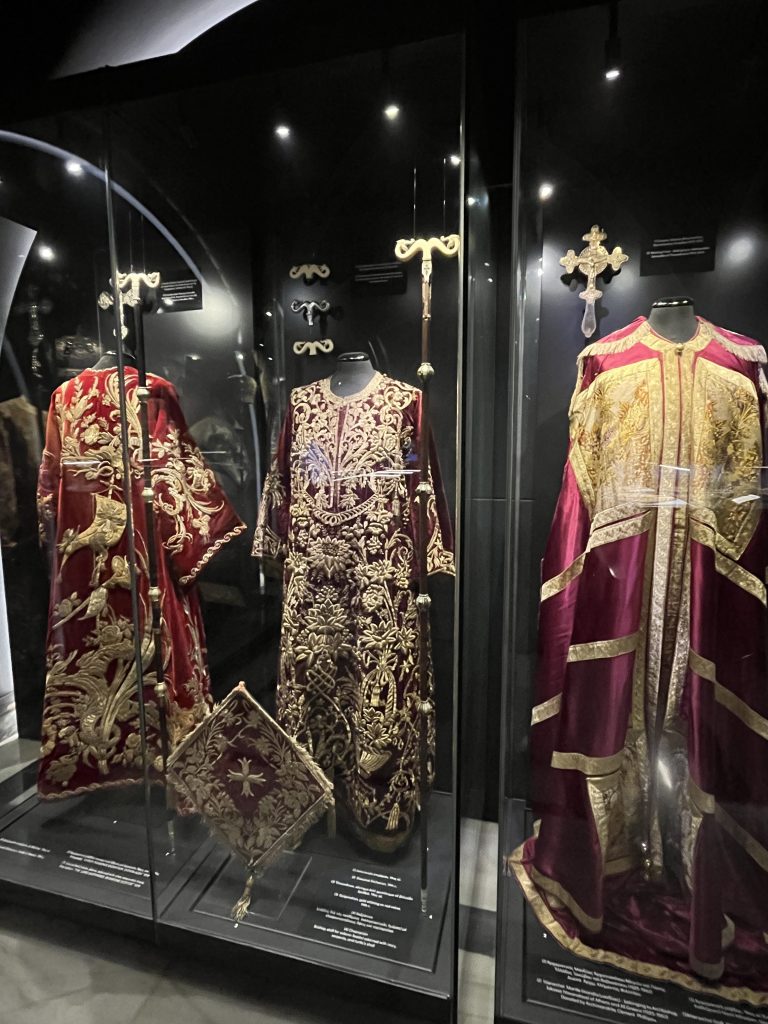
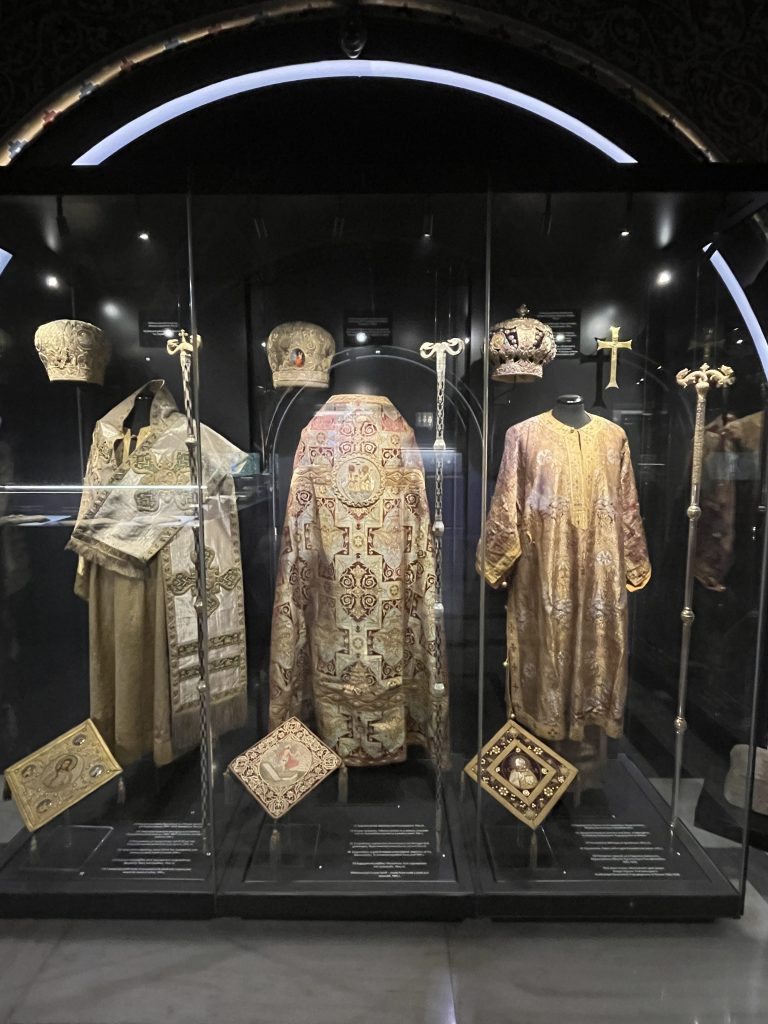
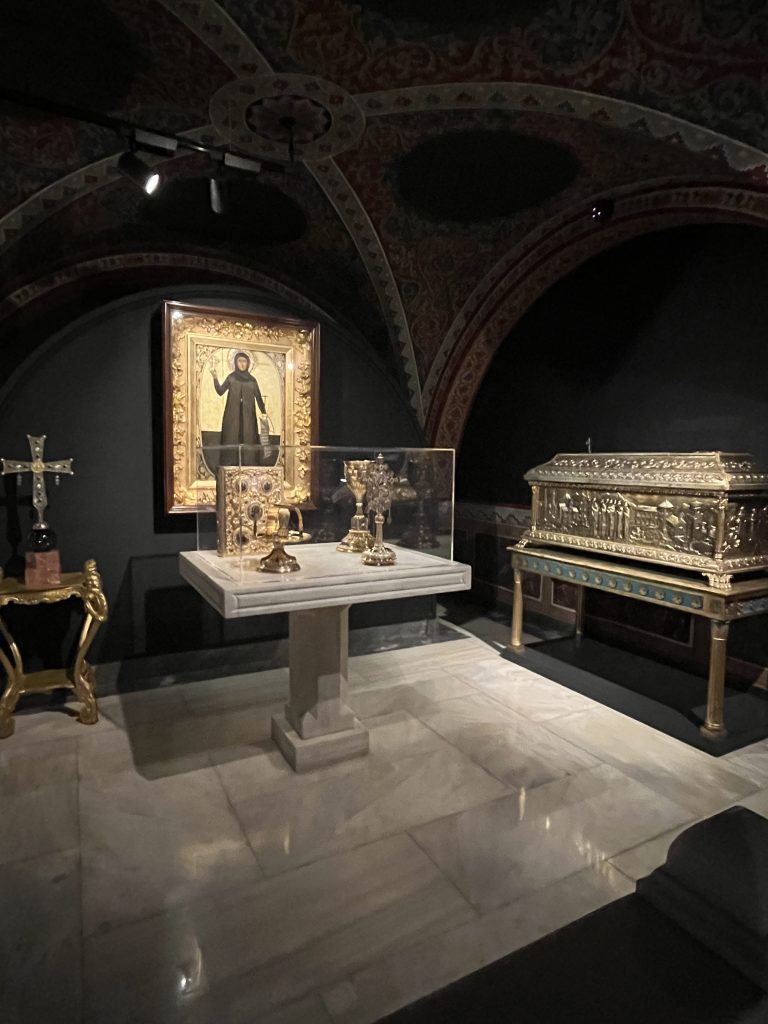
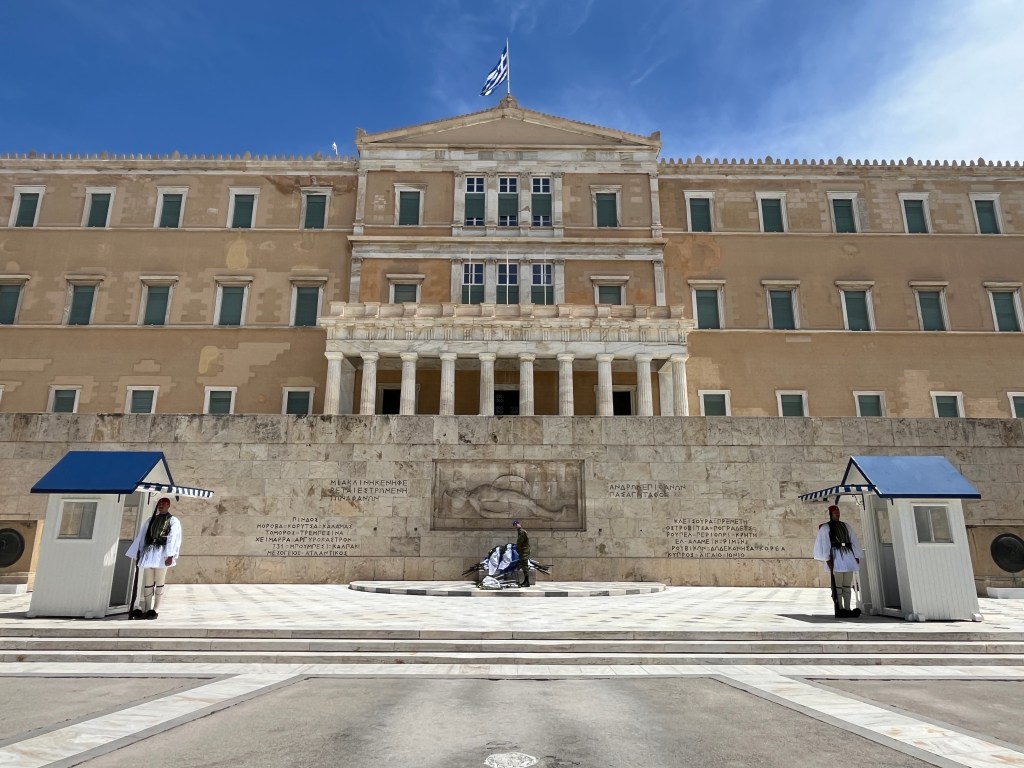
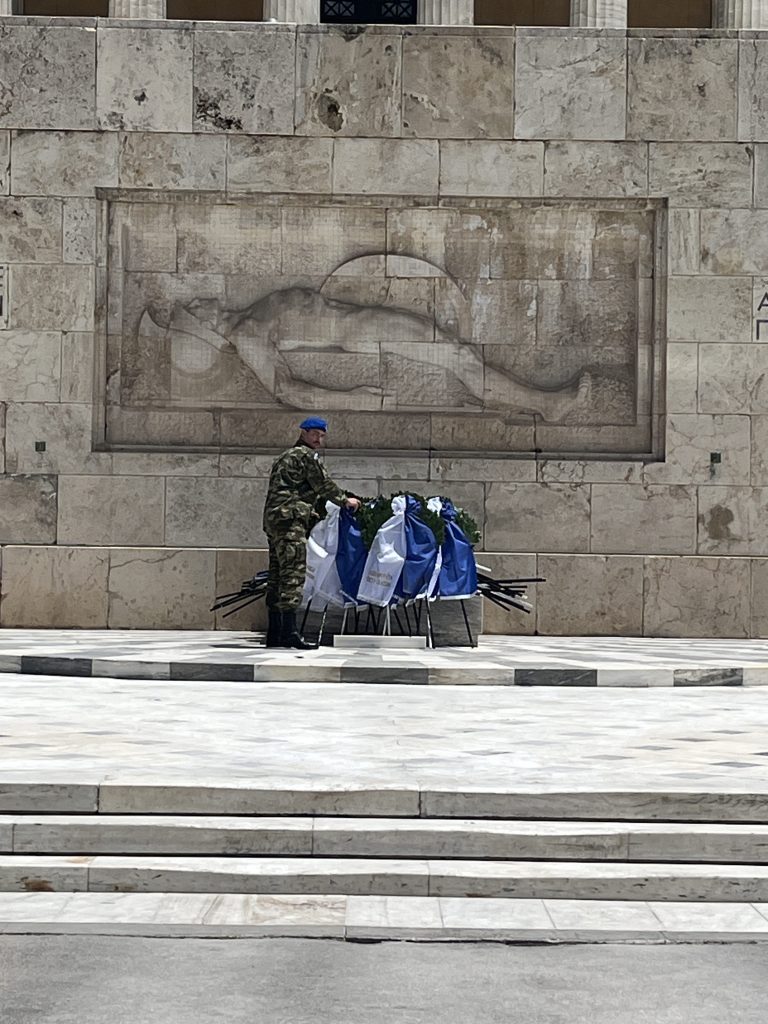
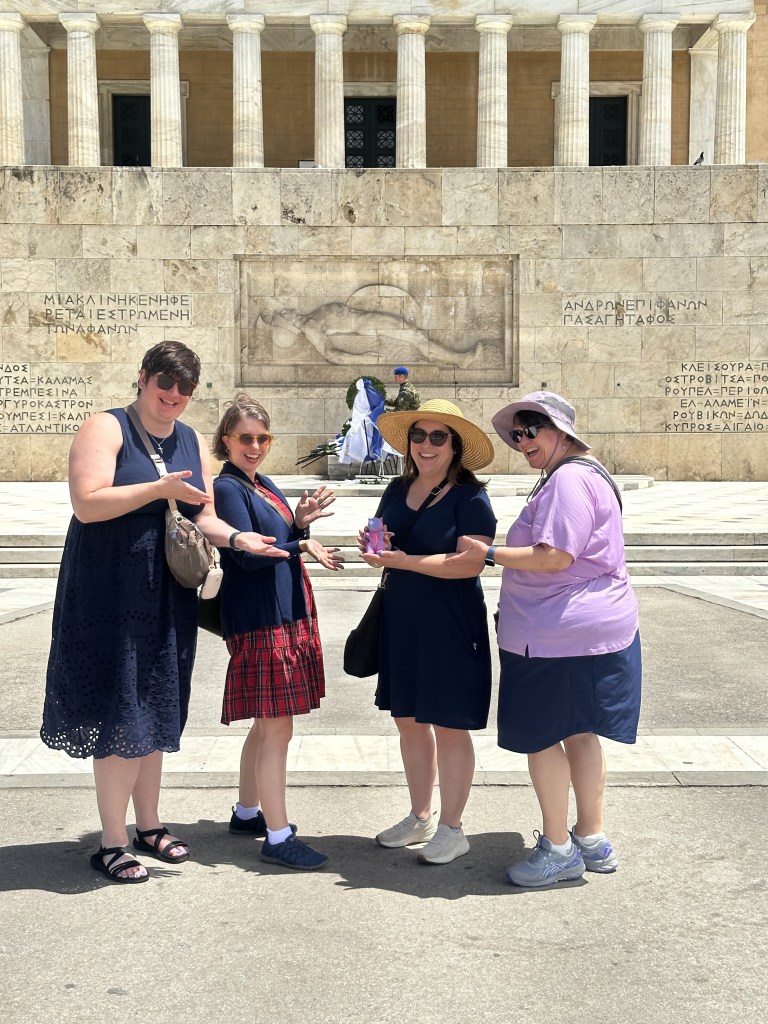
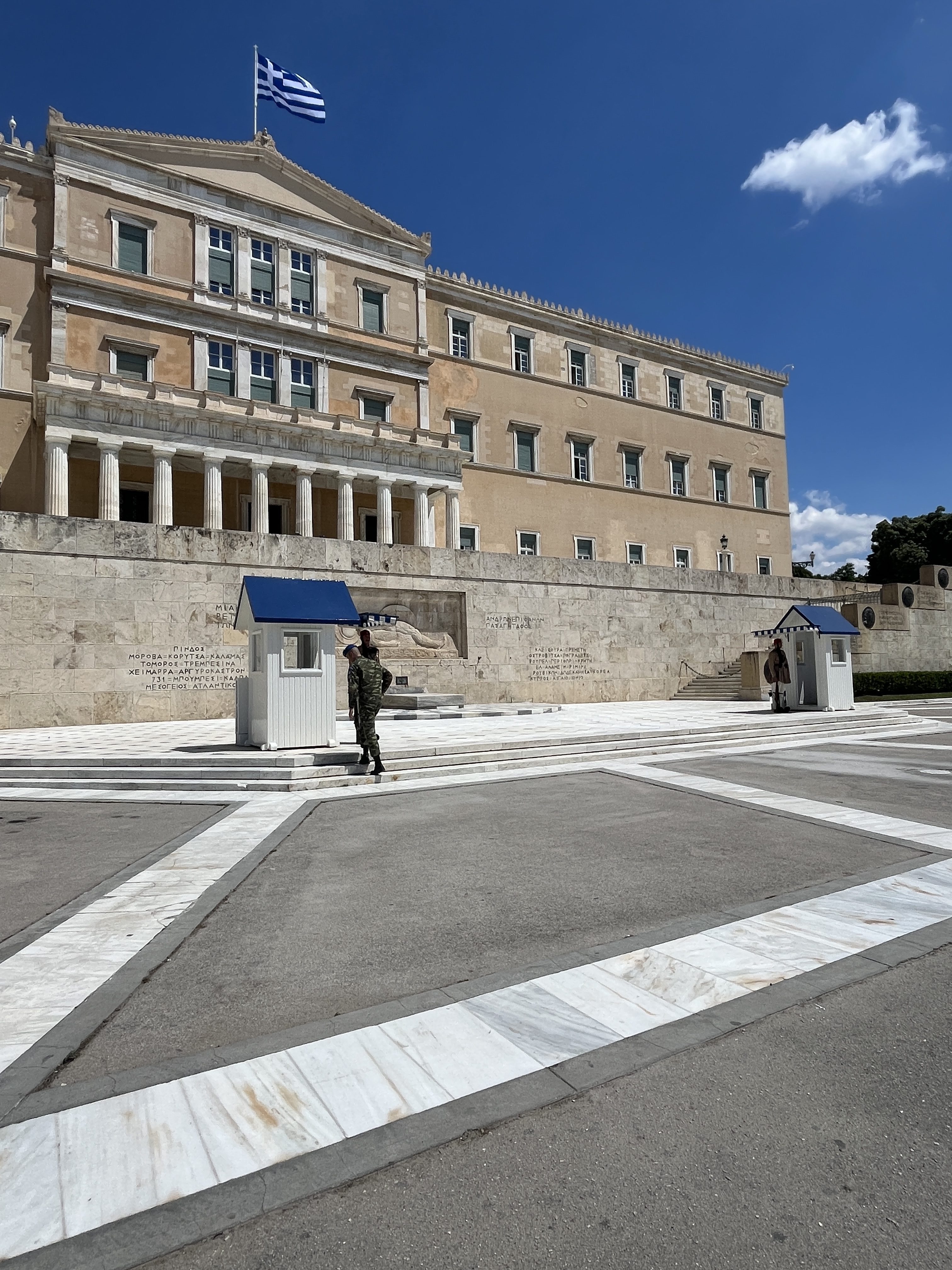
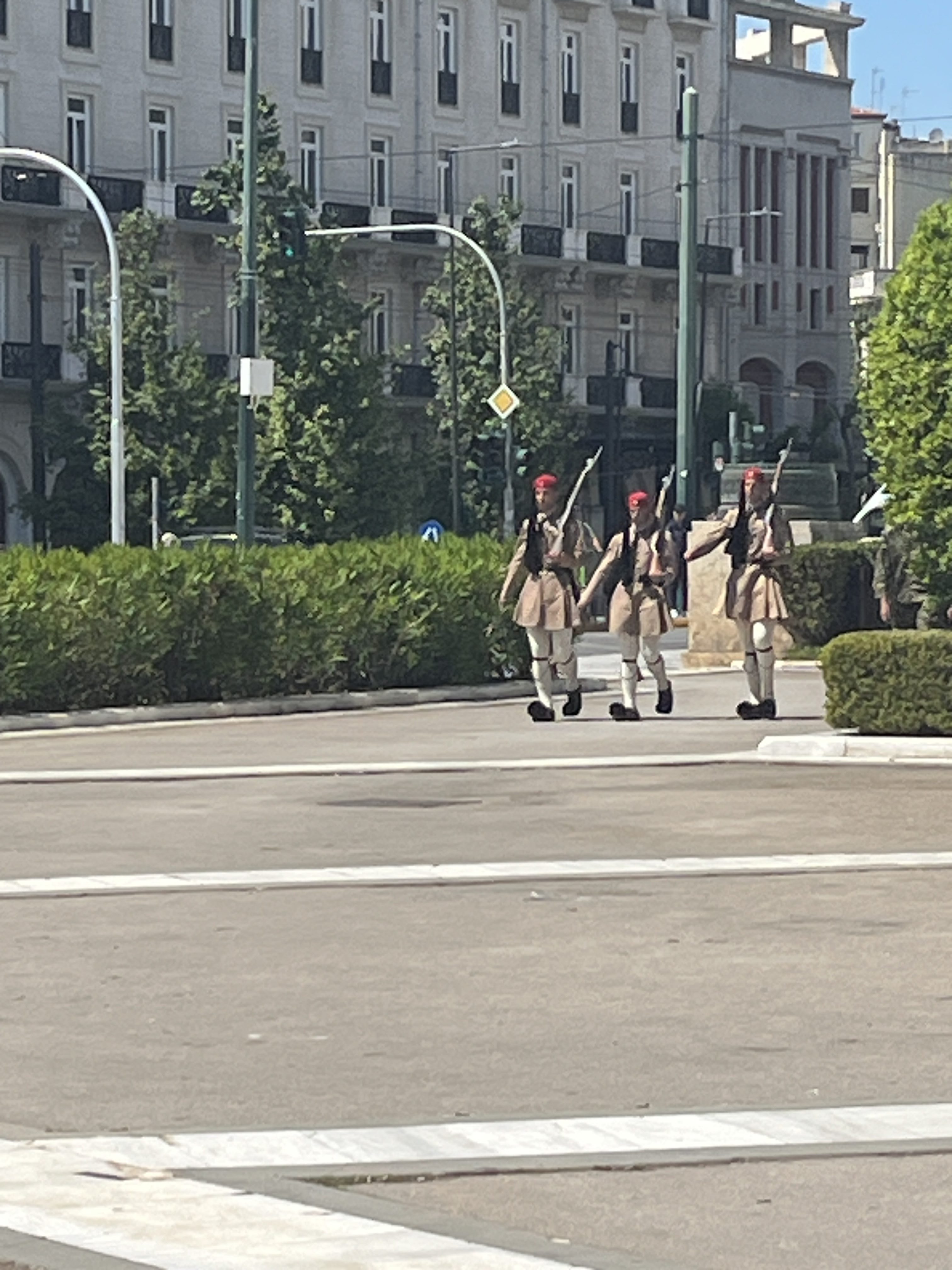
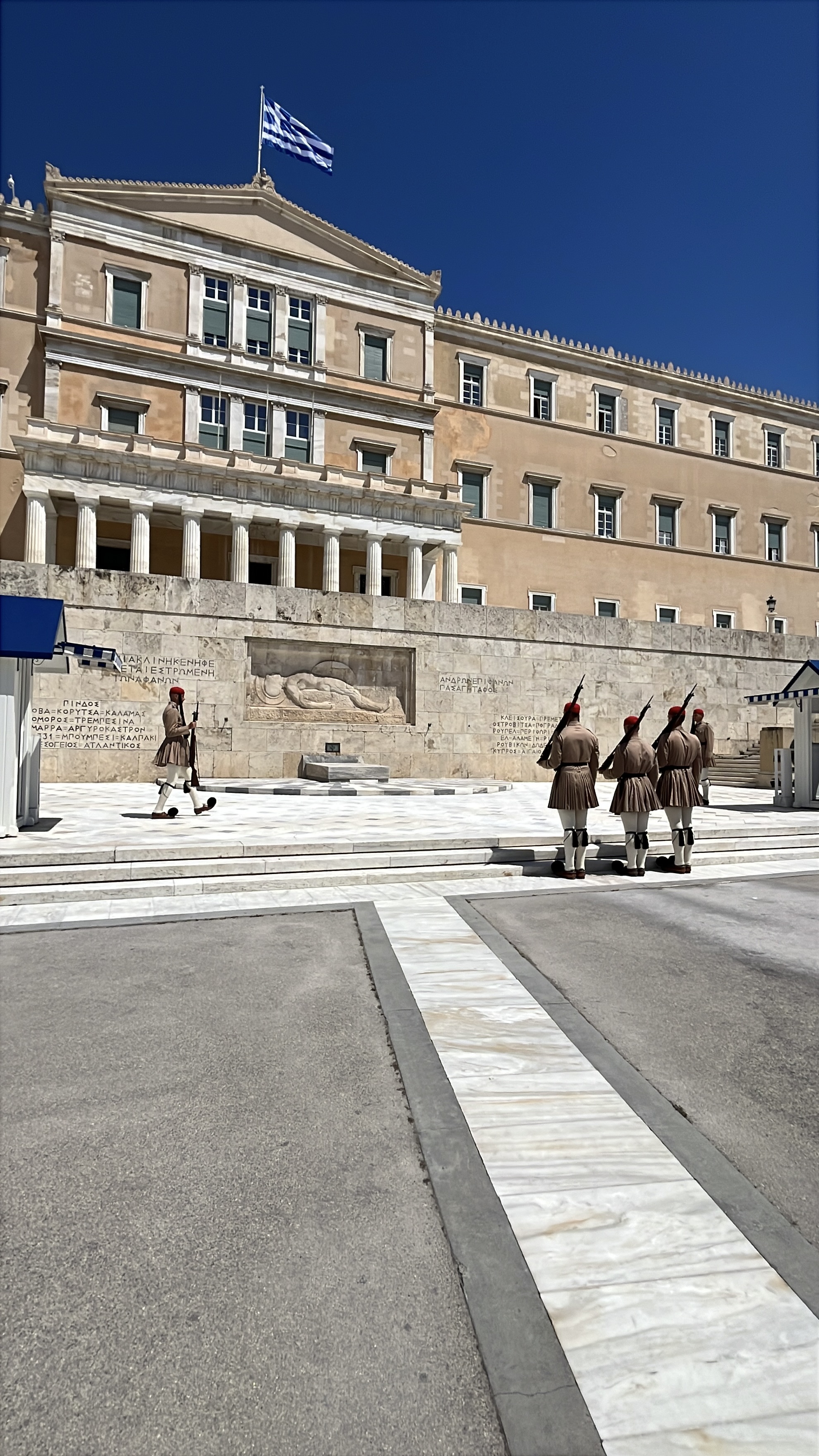
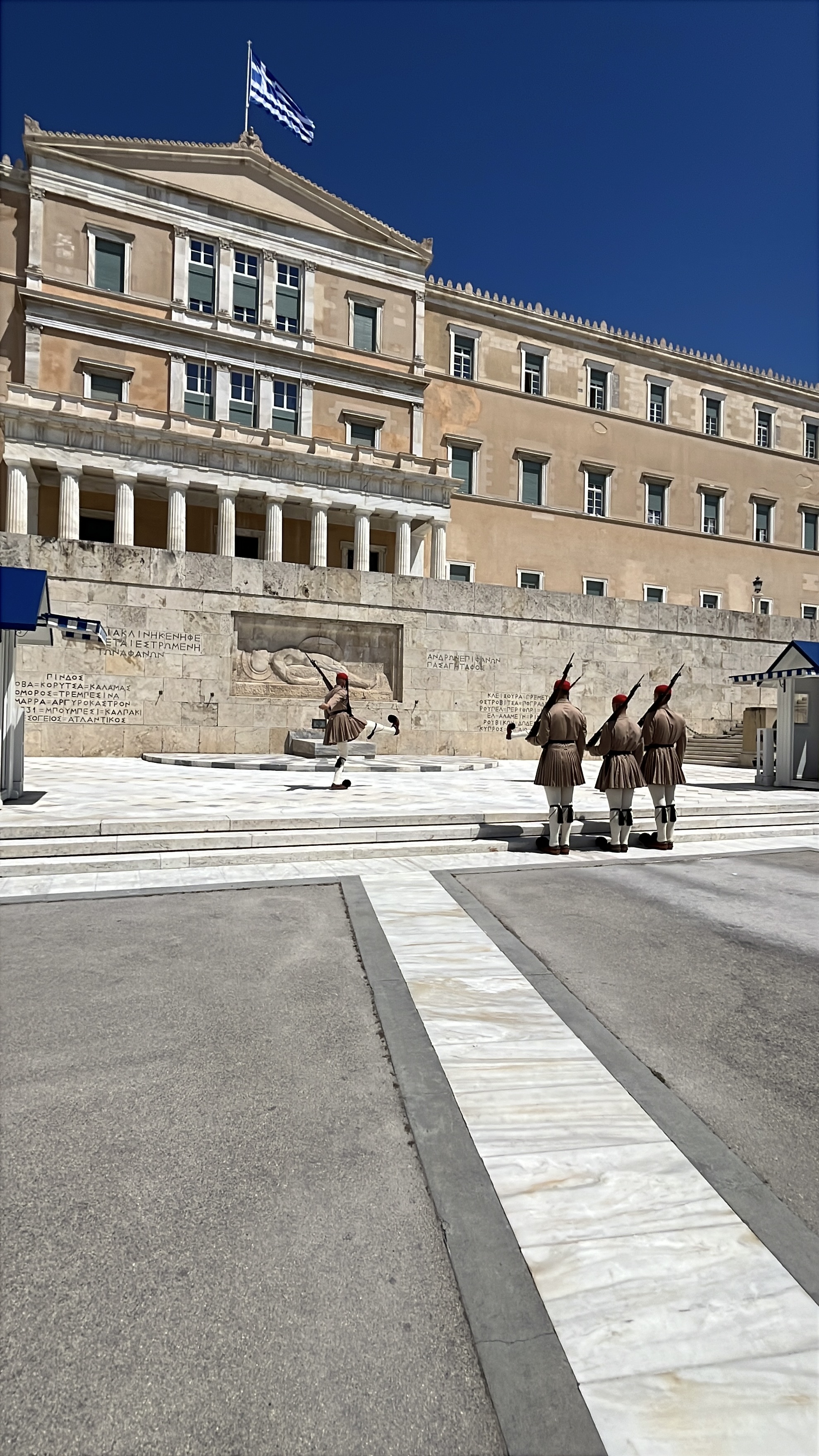
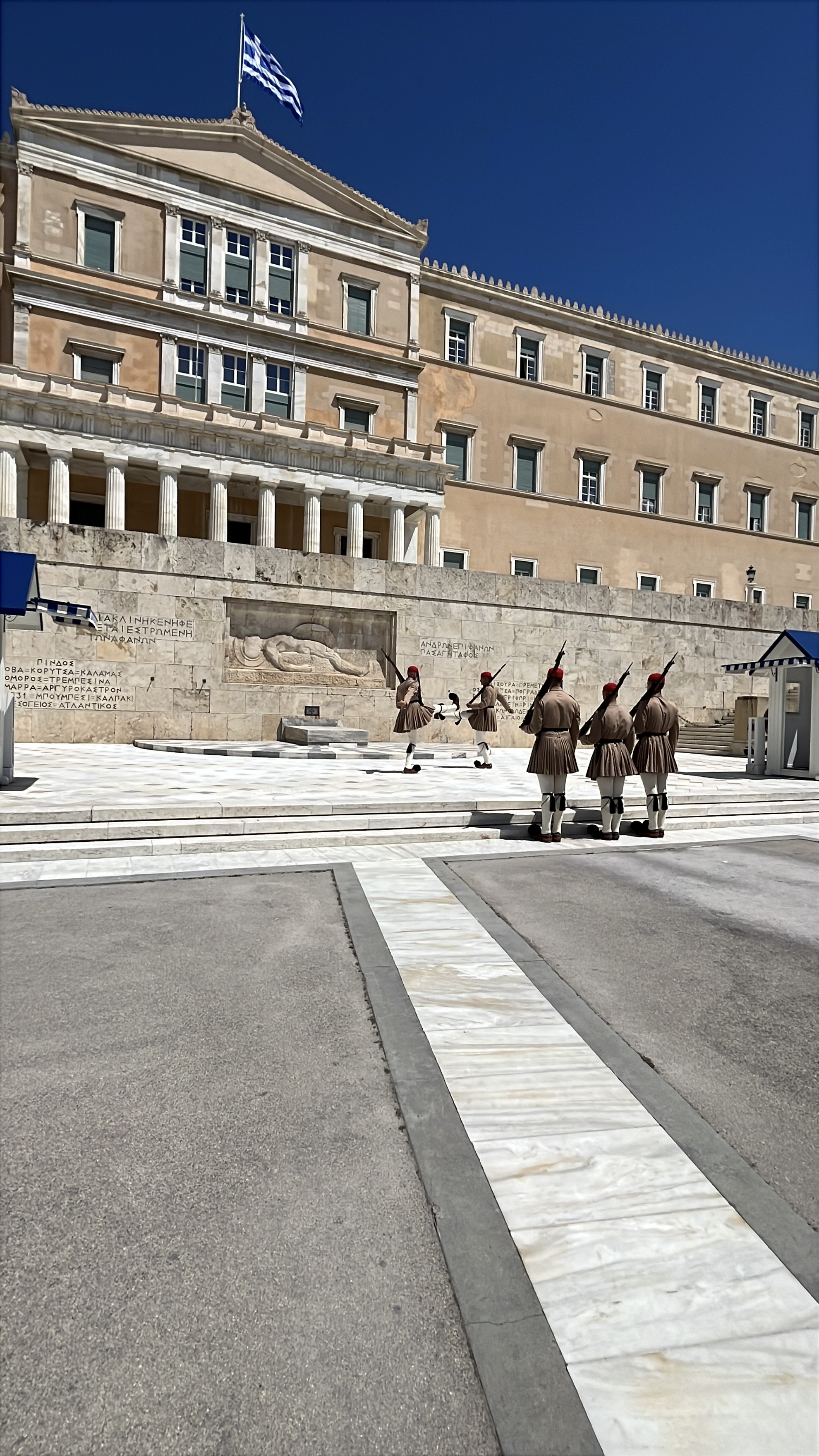
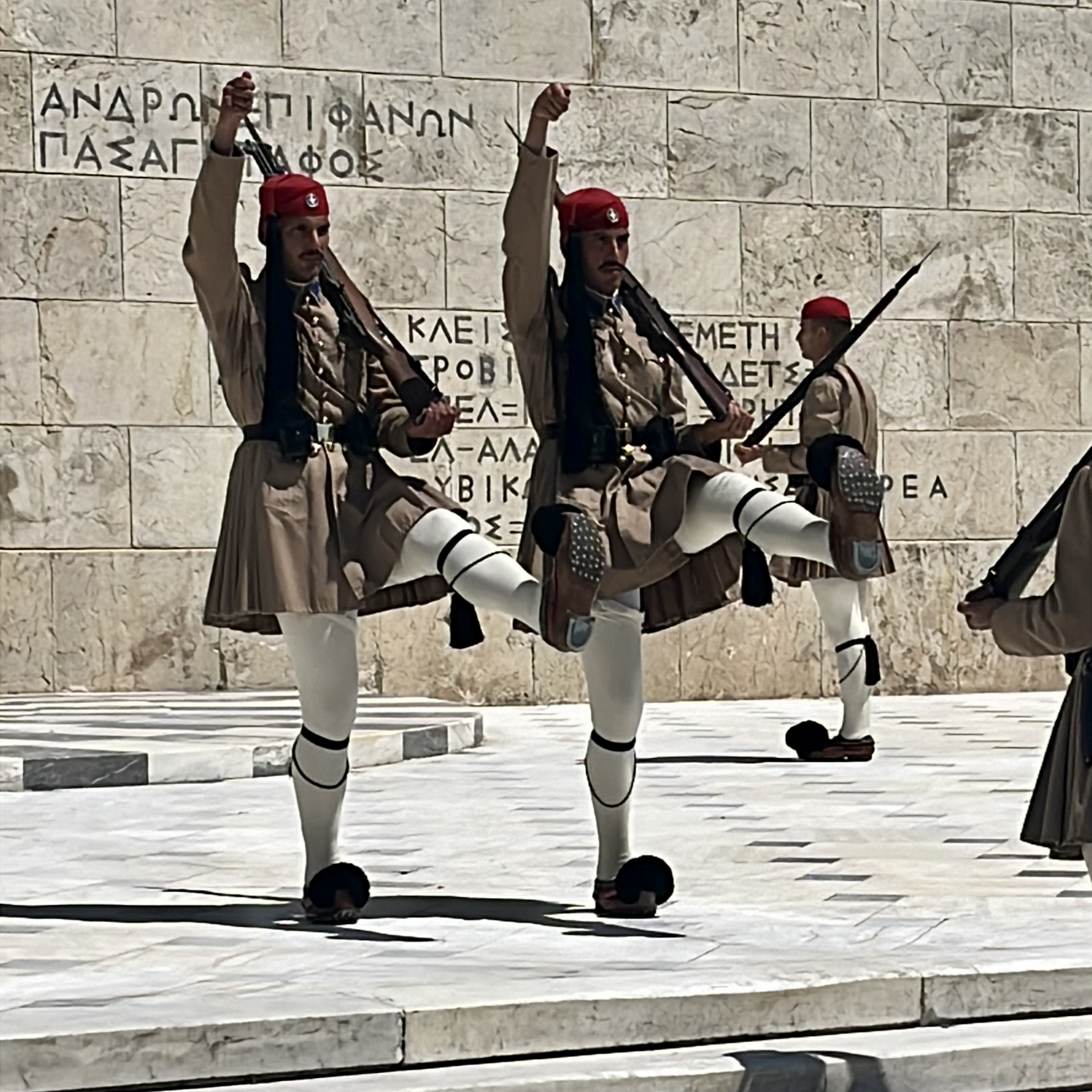
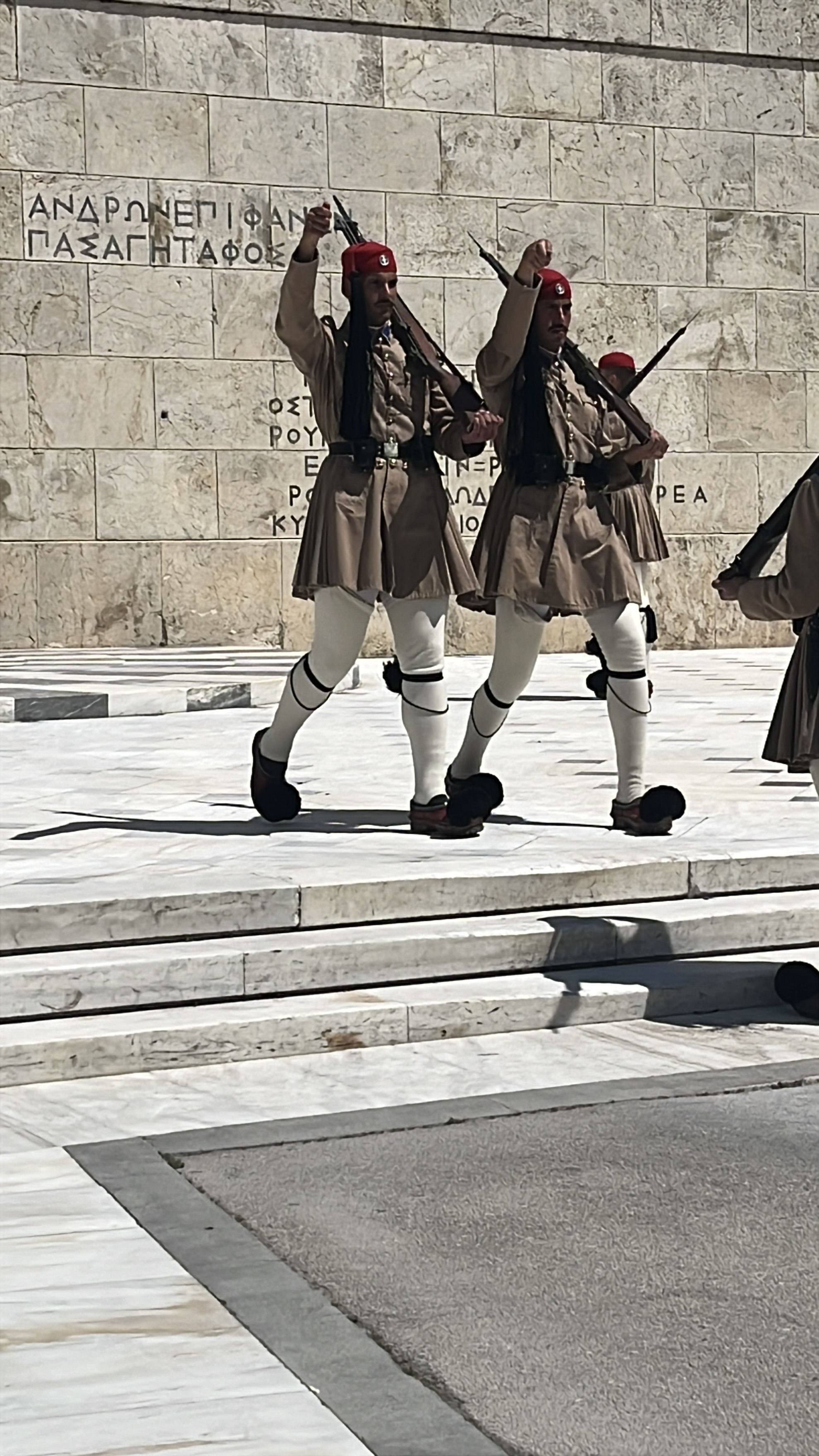
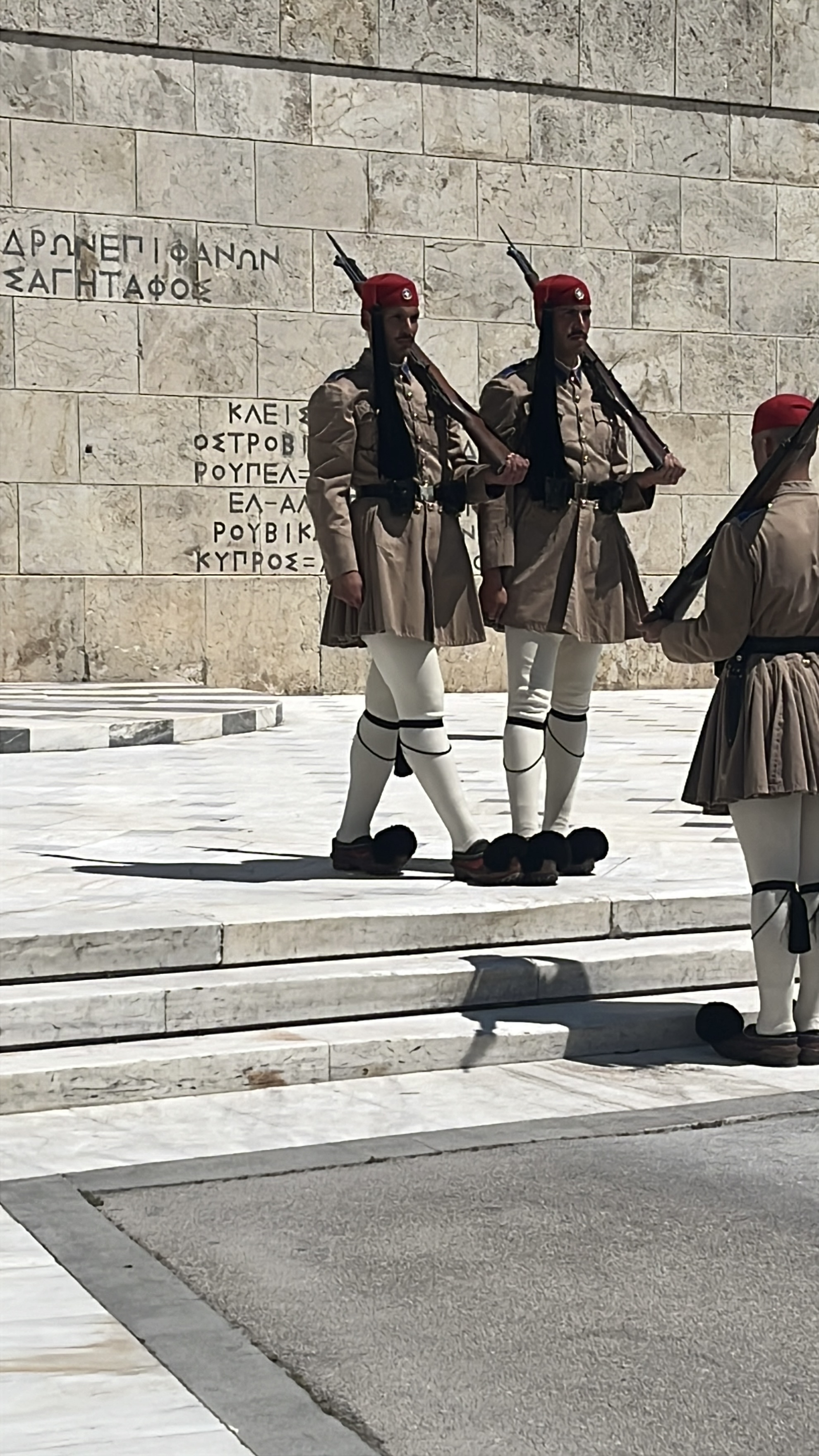
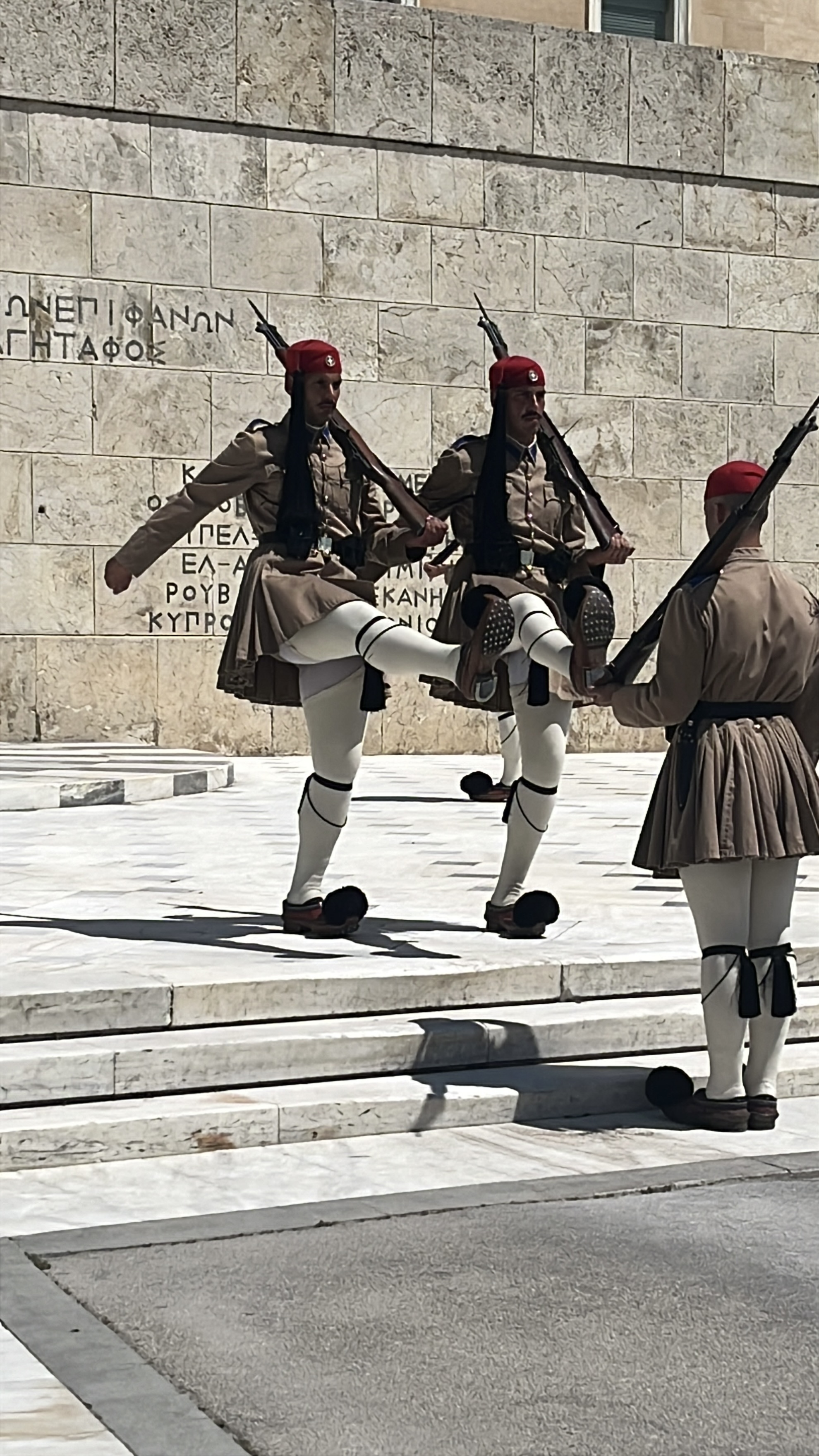
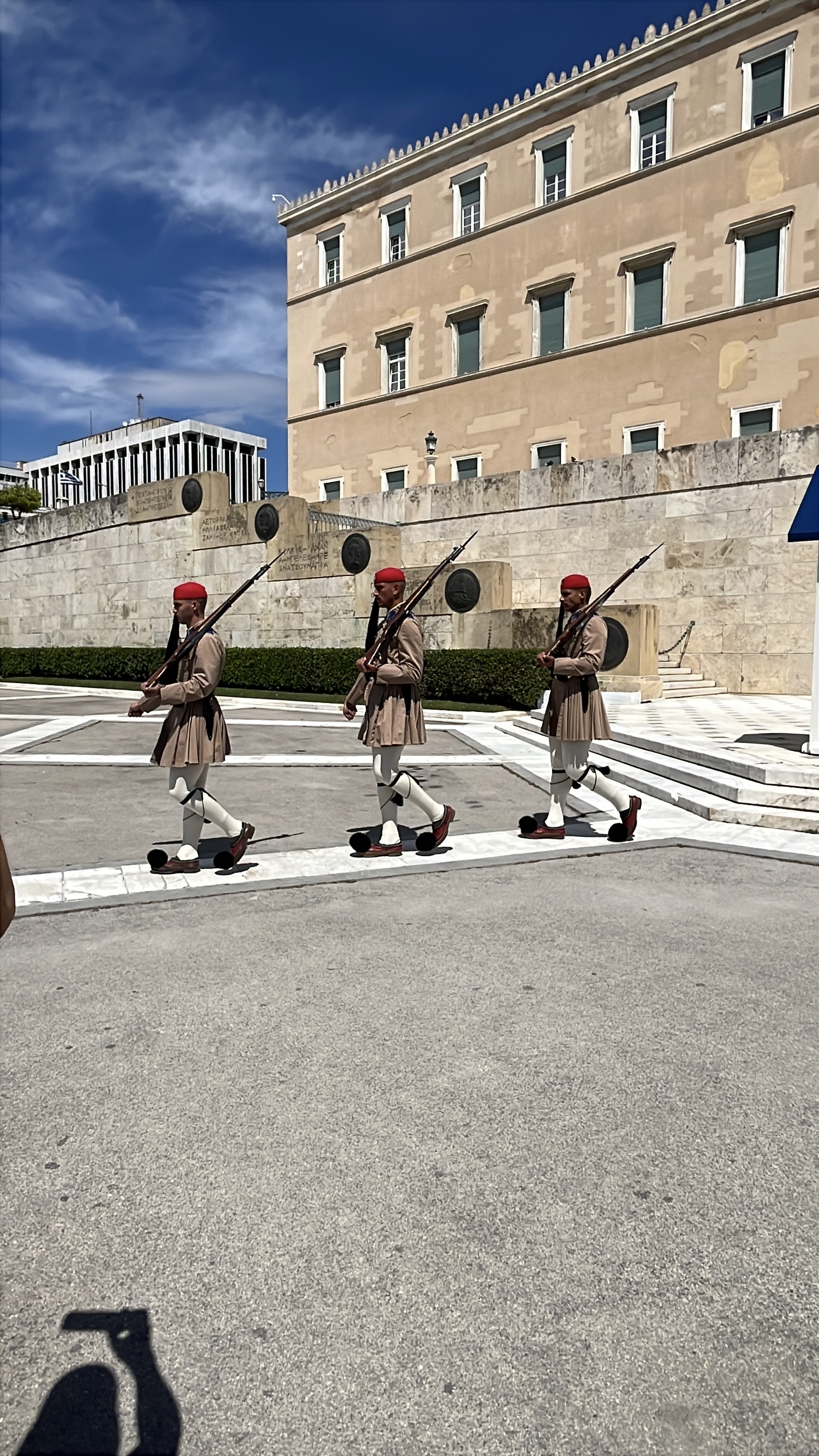
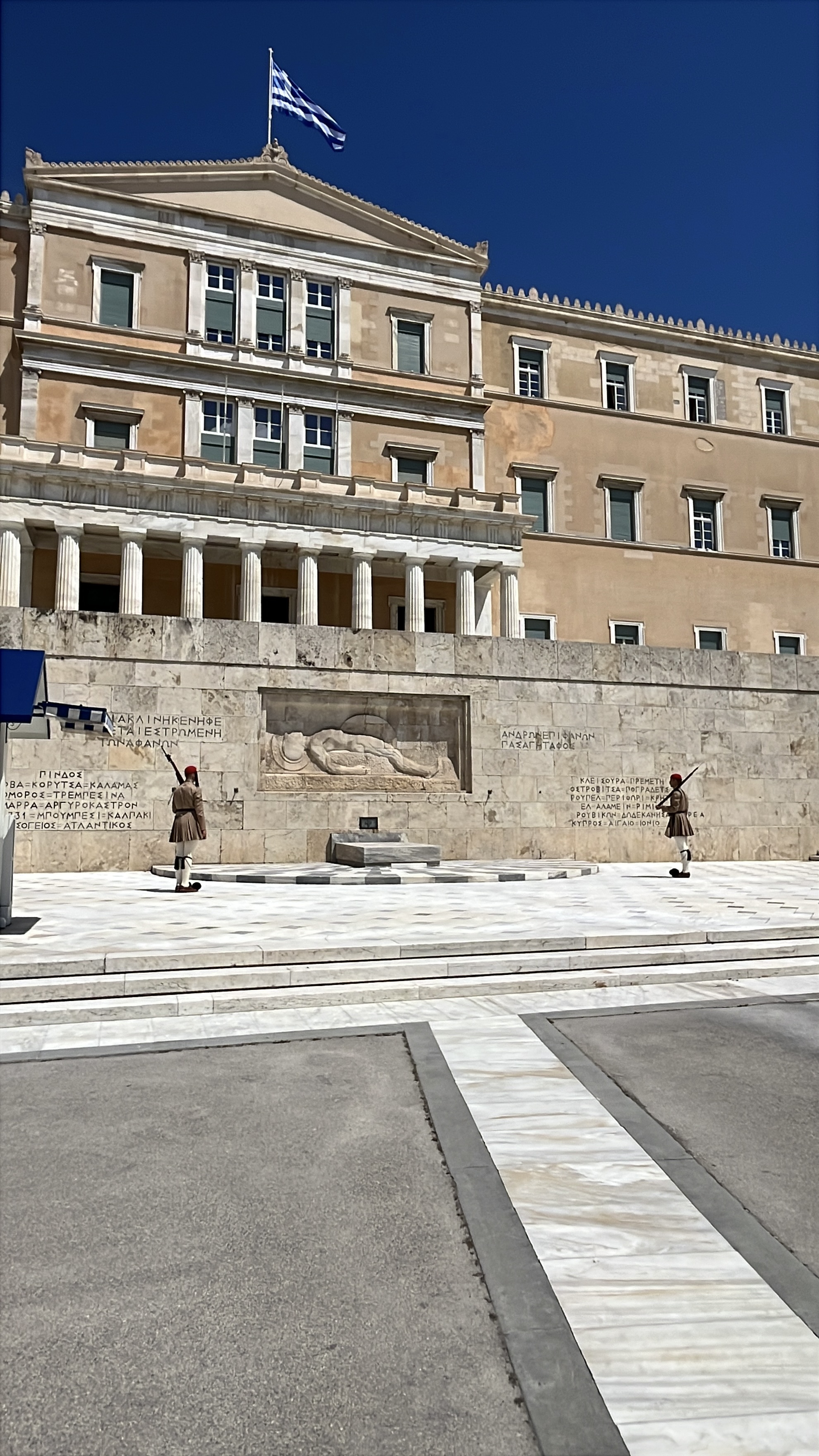
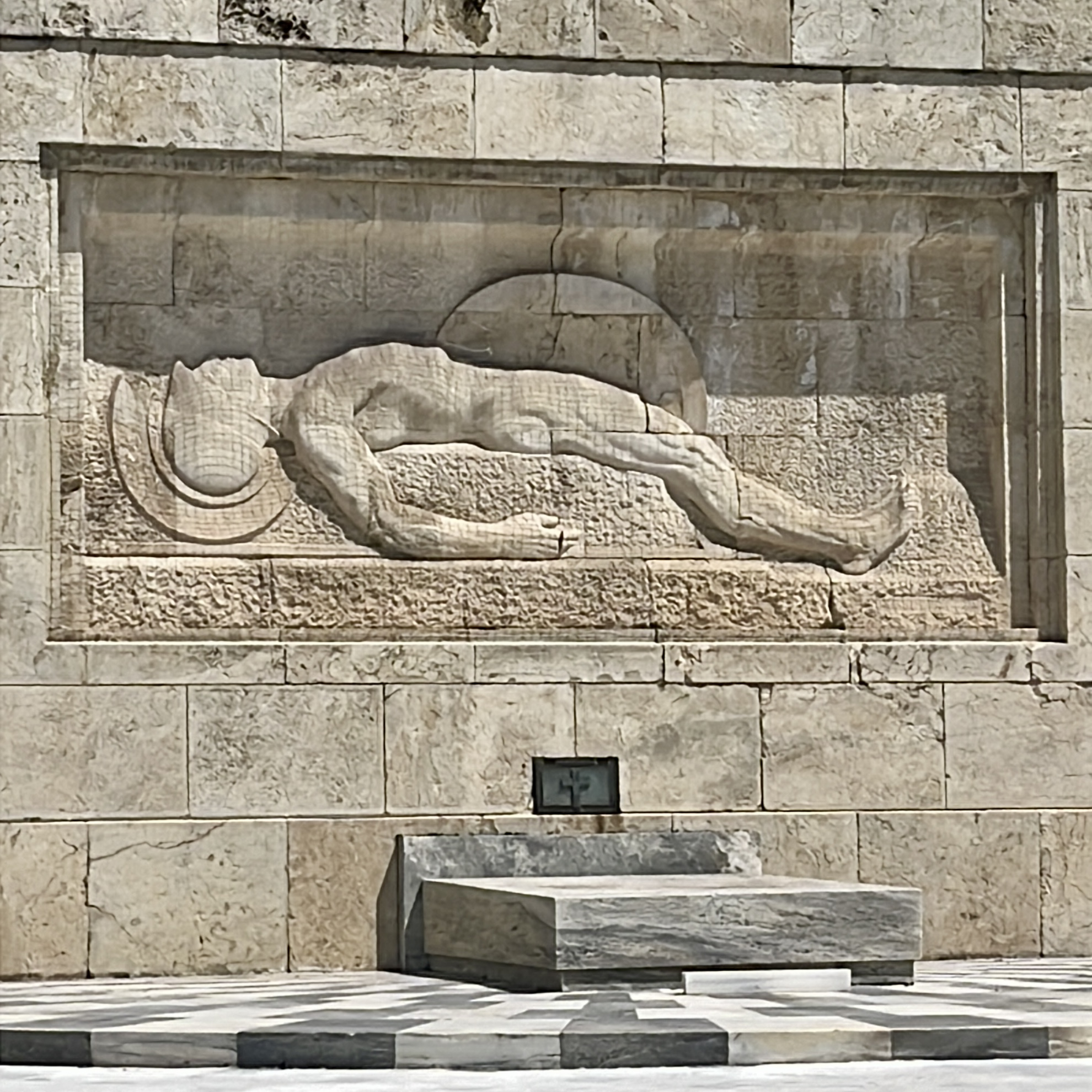
We got to see the changing of the guard in front of the tomb of the unknown soldiers.
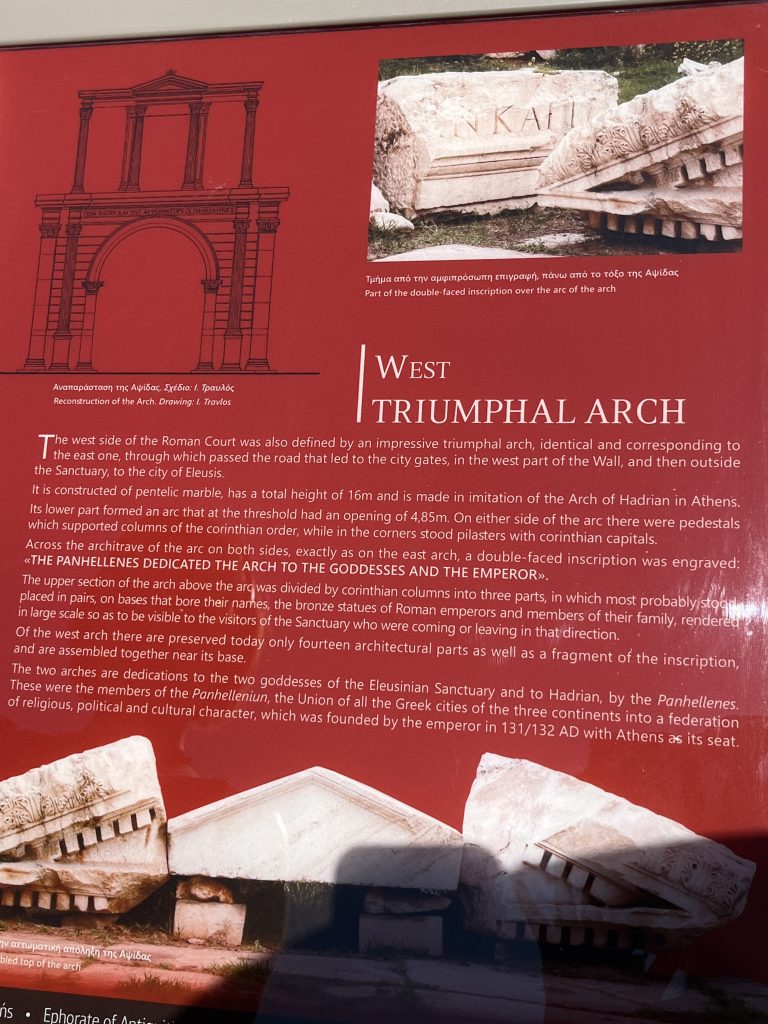
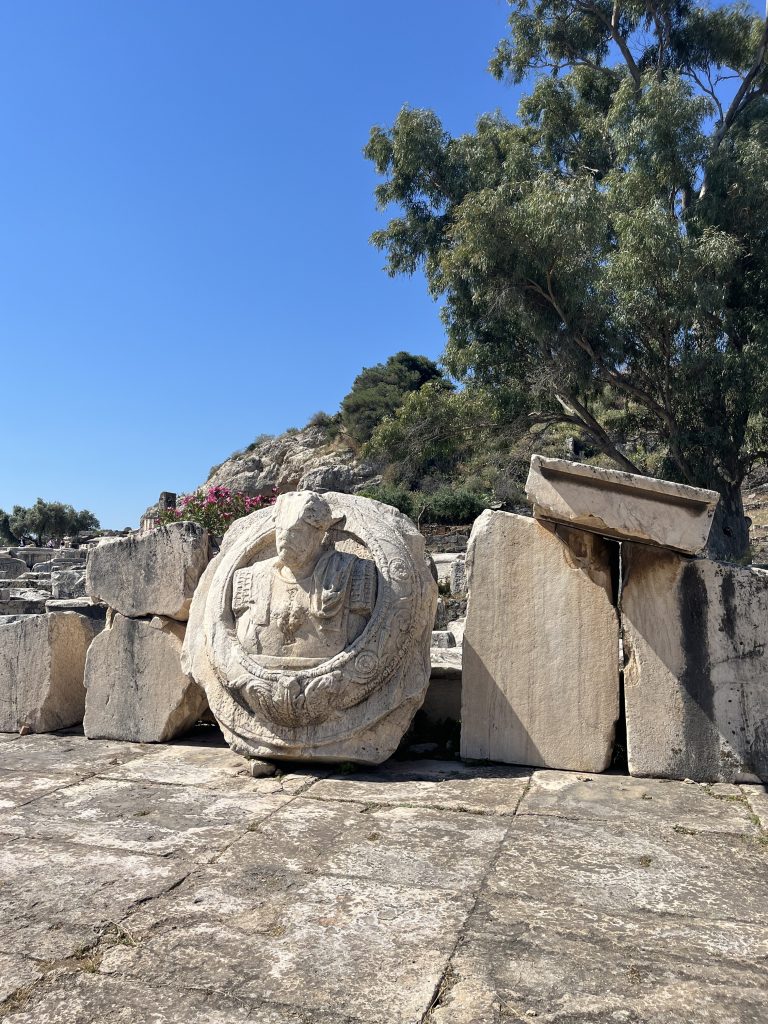
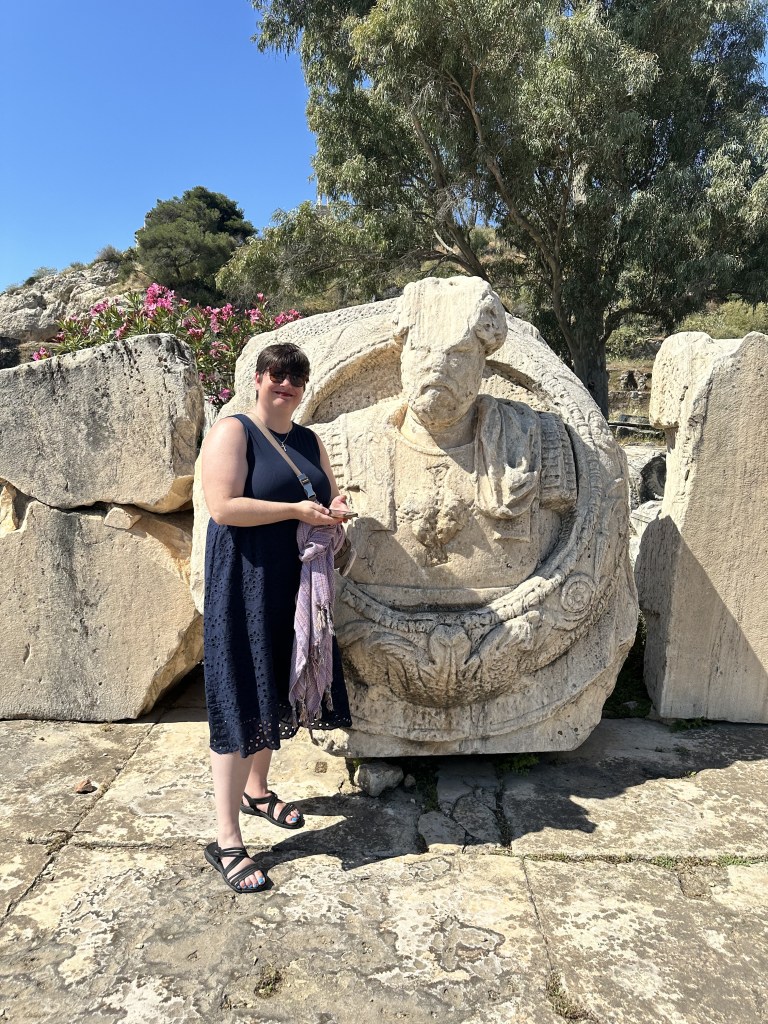
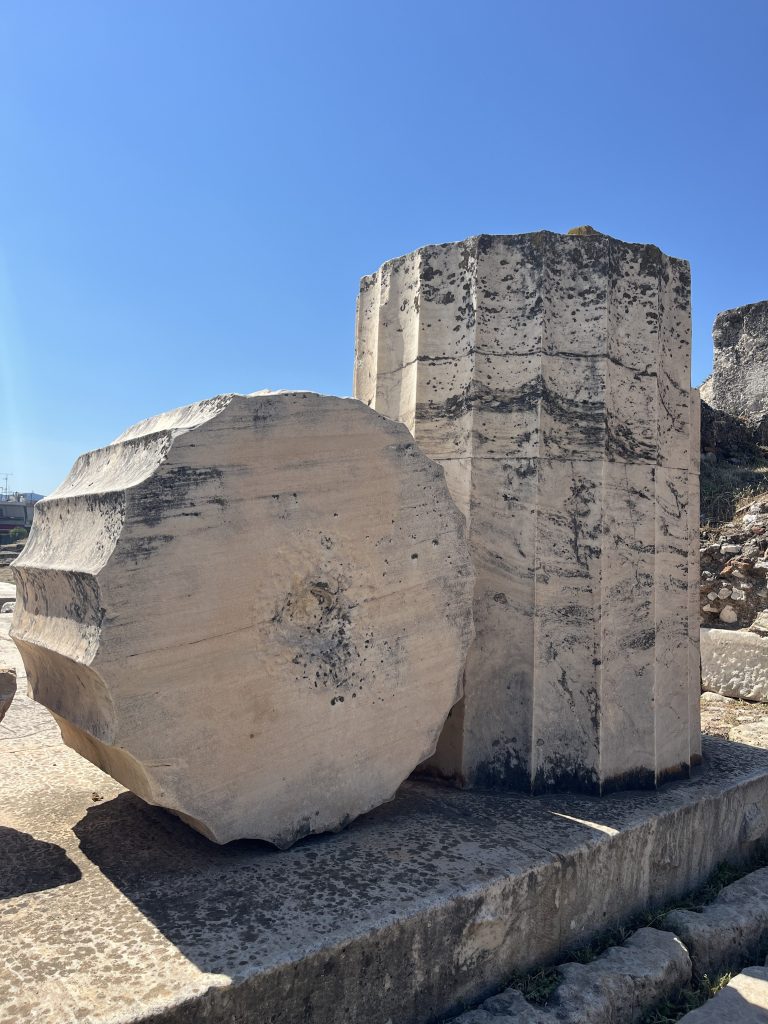
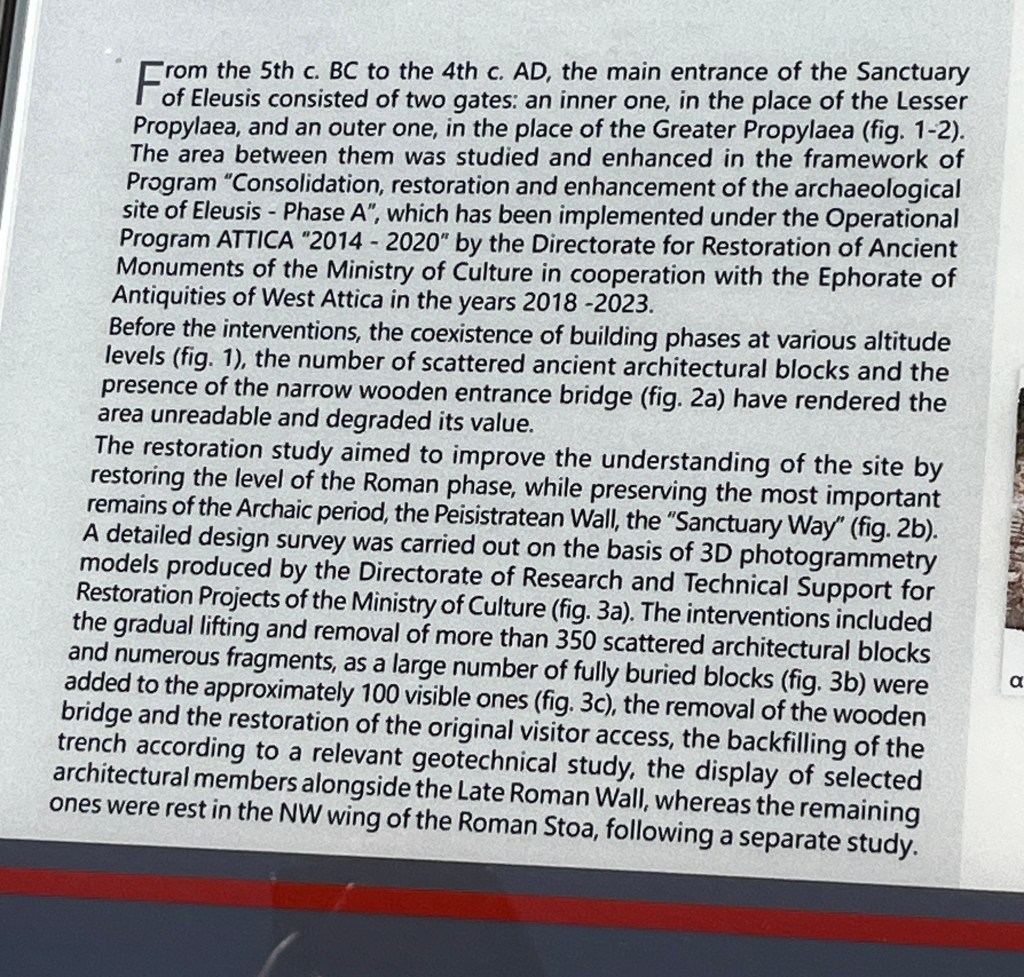
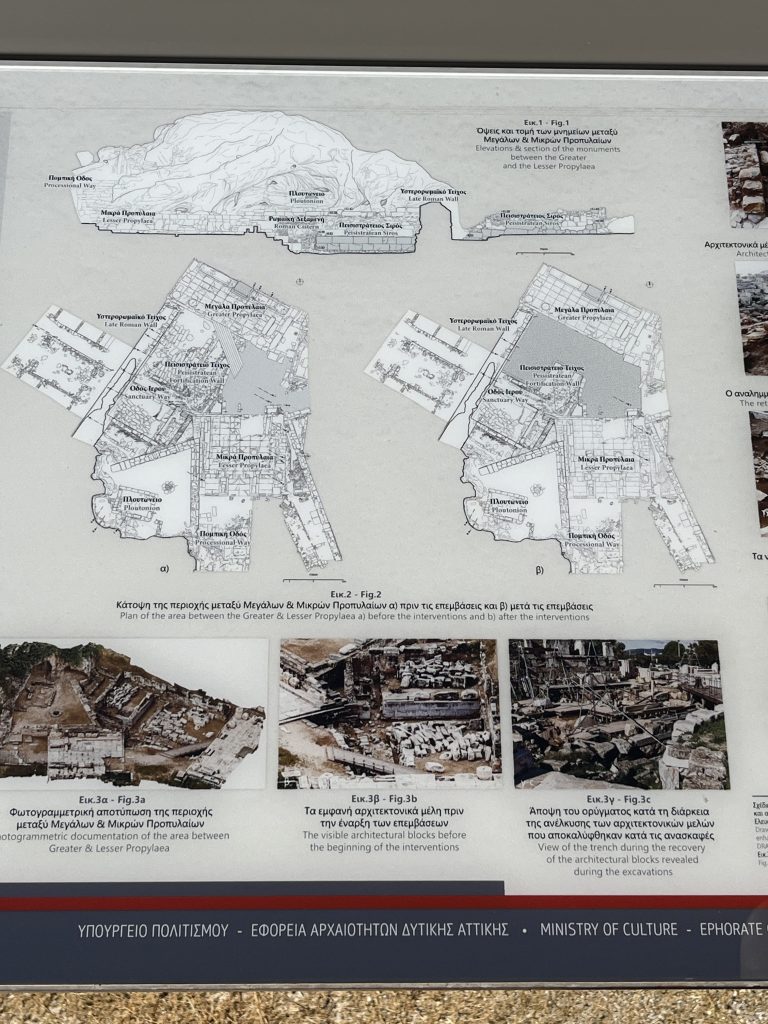
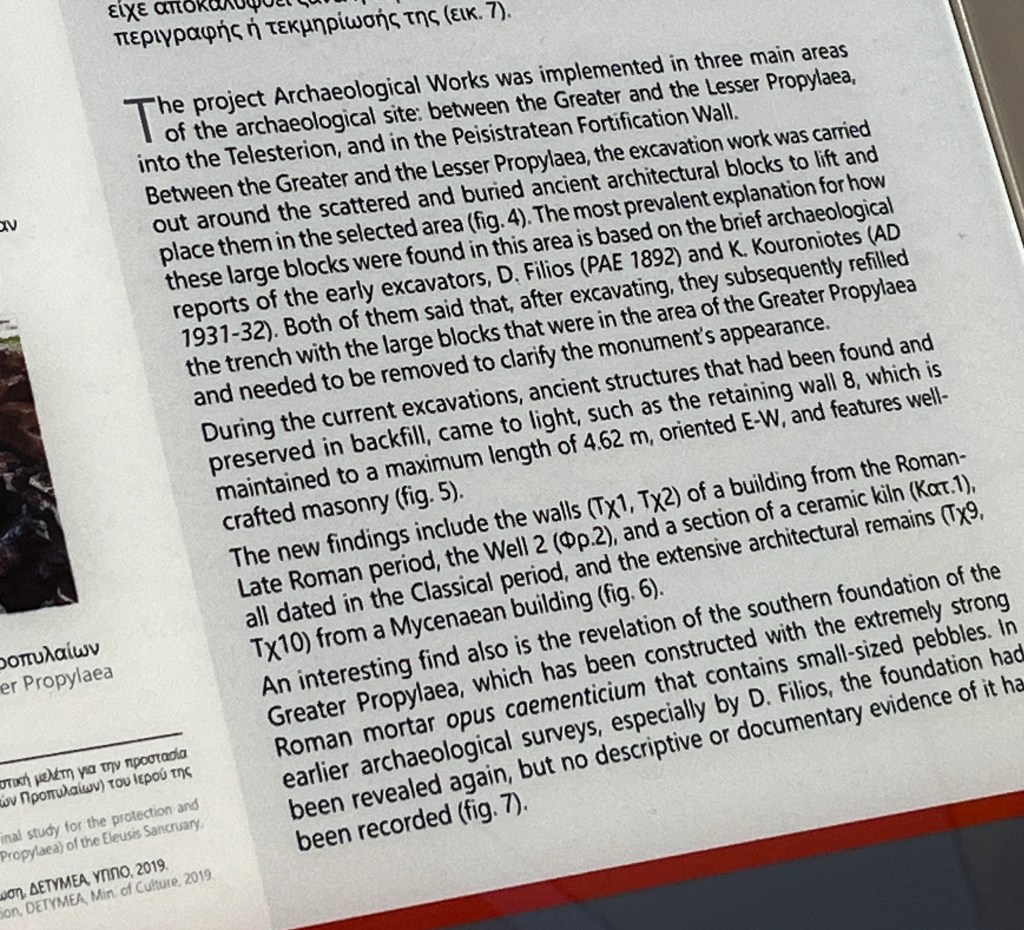
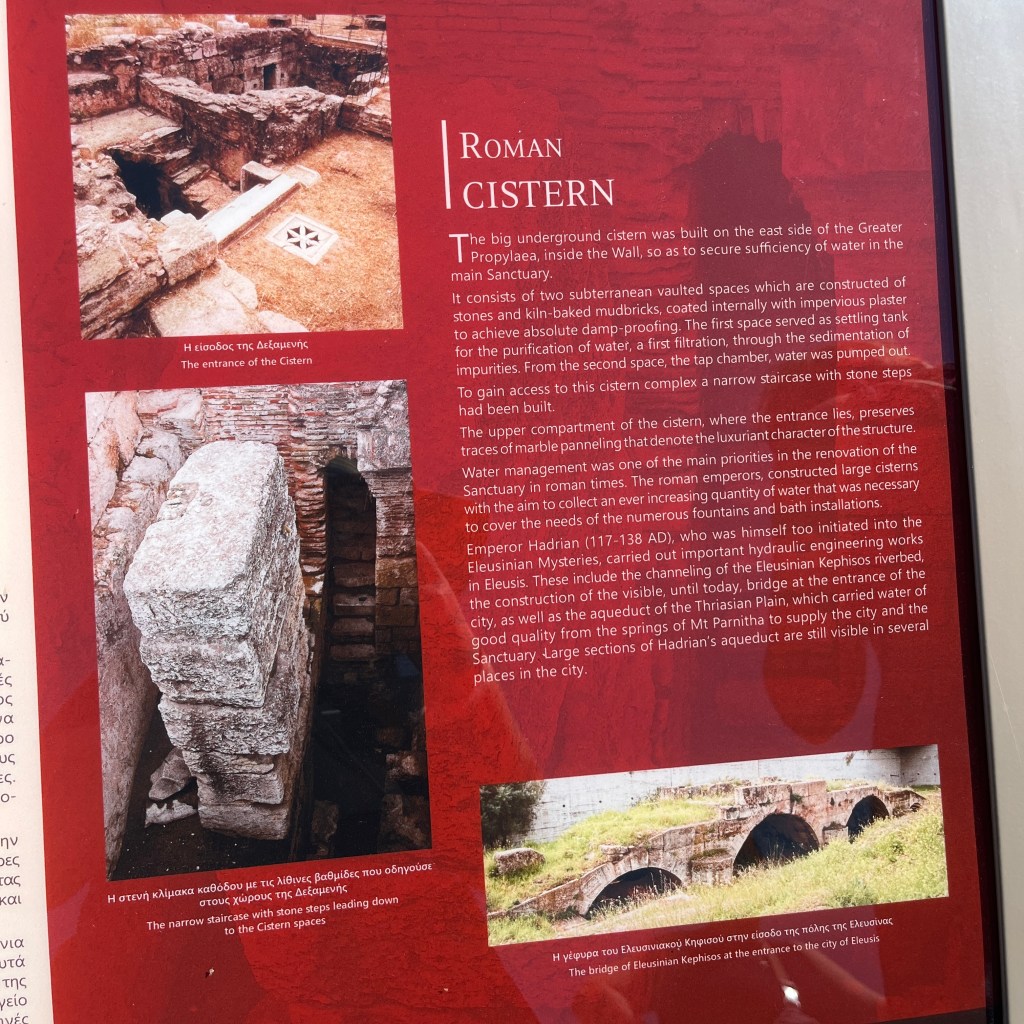
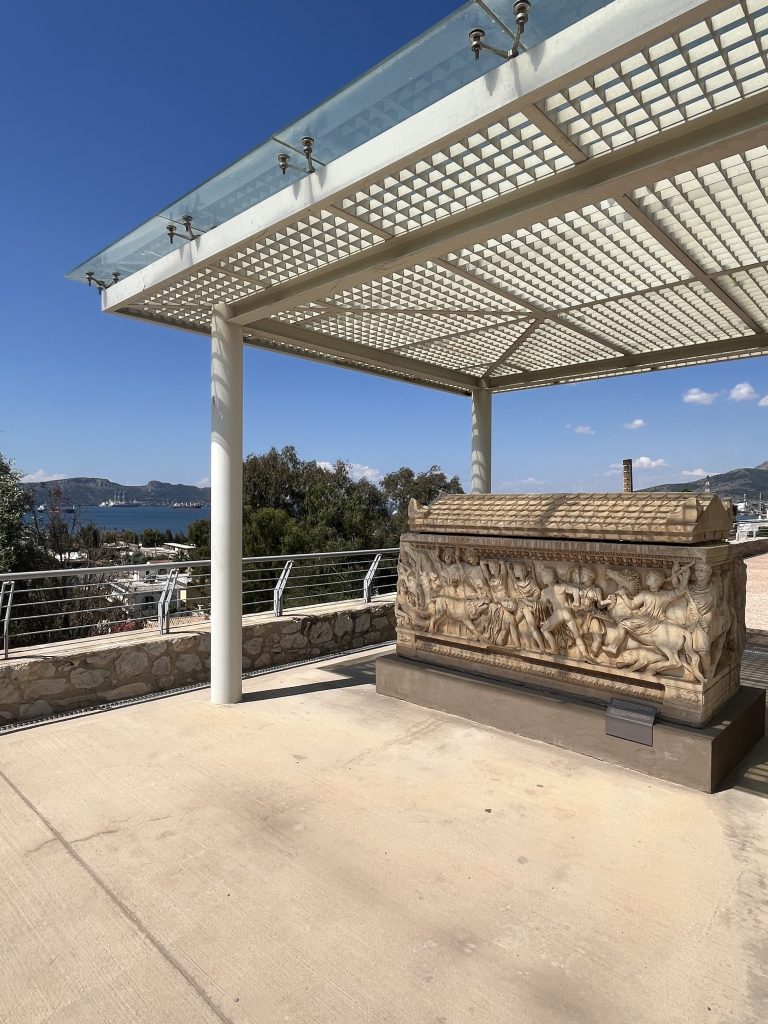
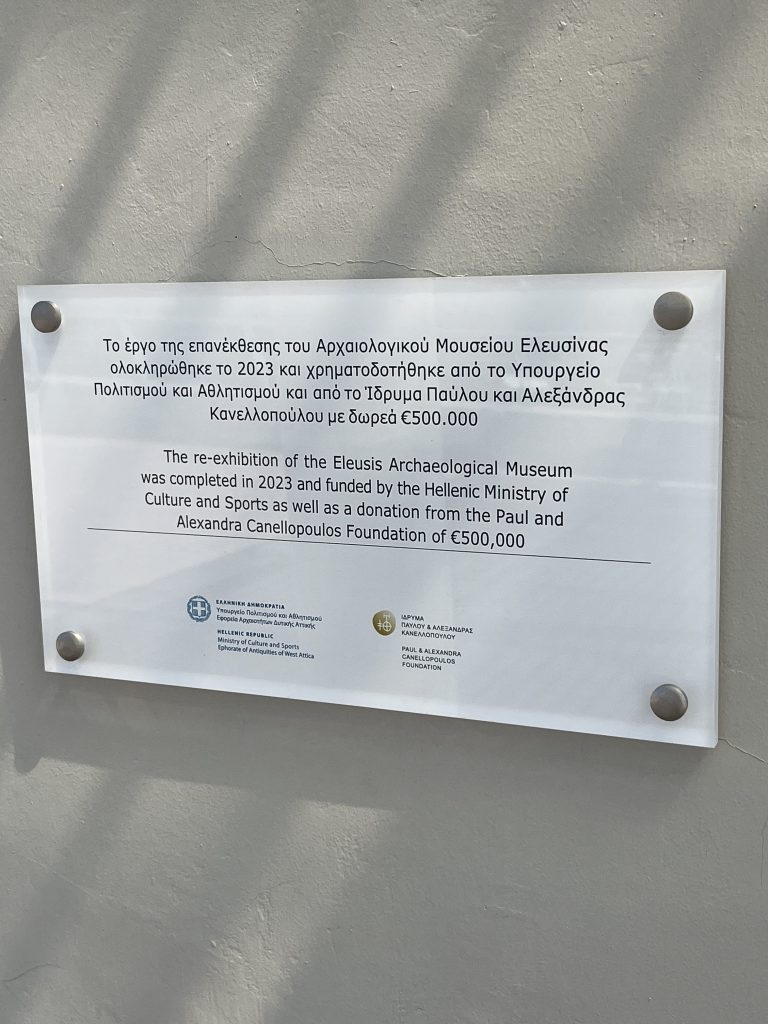
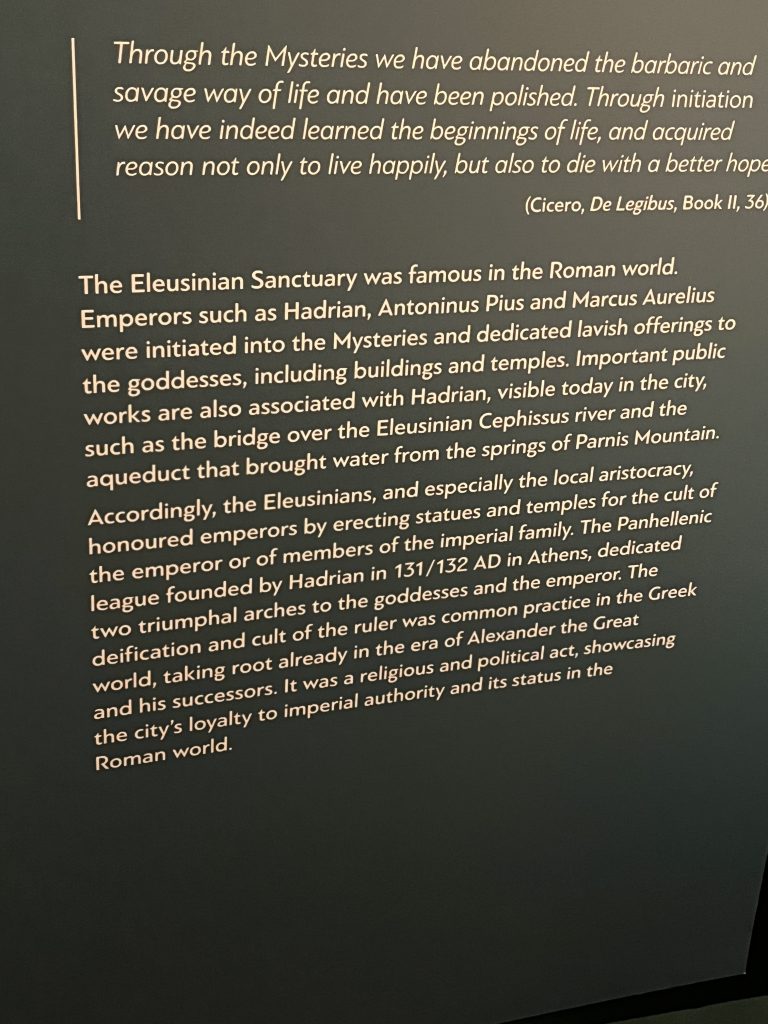
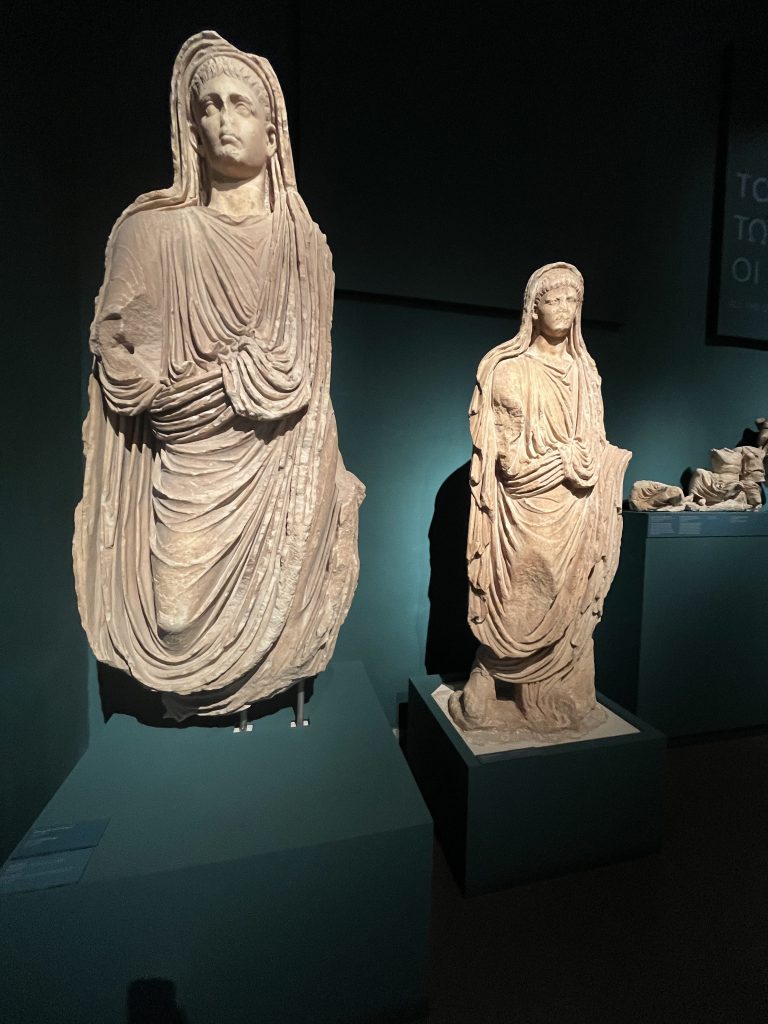
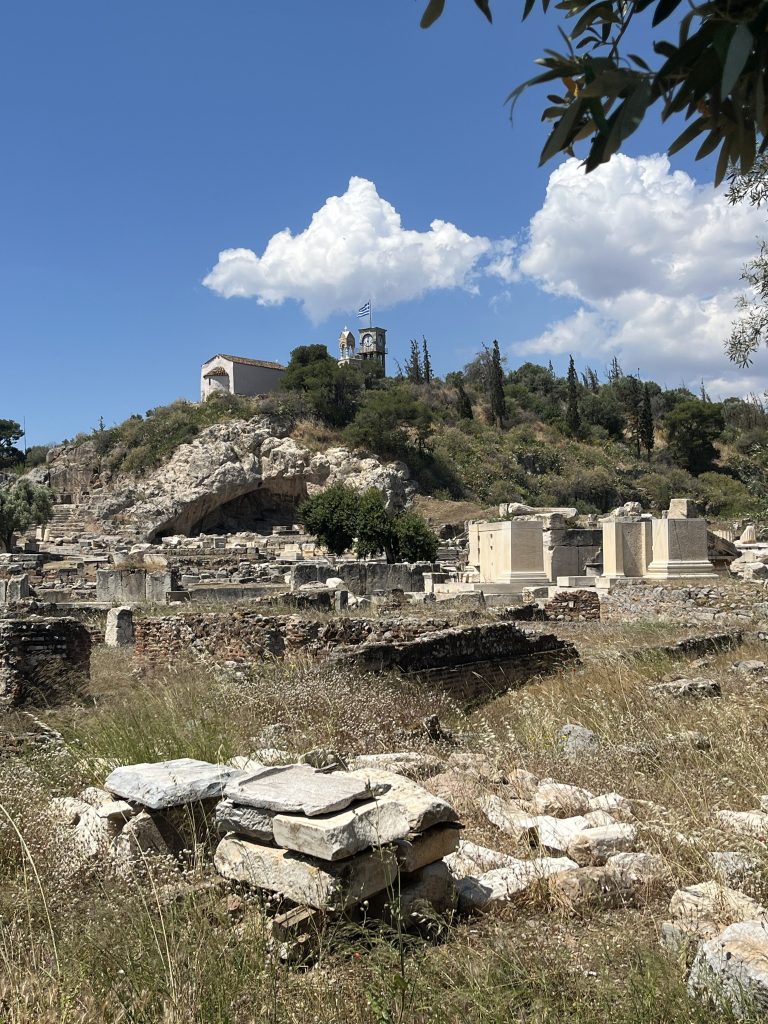
May 21st: Eleusis tour
Our tour guide Demetrios was charming and told us all about the tour and about his life in Athens. Spoiler alter, he does no house work, that is how Greek men get to go from work to coffee to drinks to dinner. He says Mamas and wives love to do house work and would rather the men stay out of their way. Umm.. no thanks.
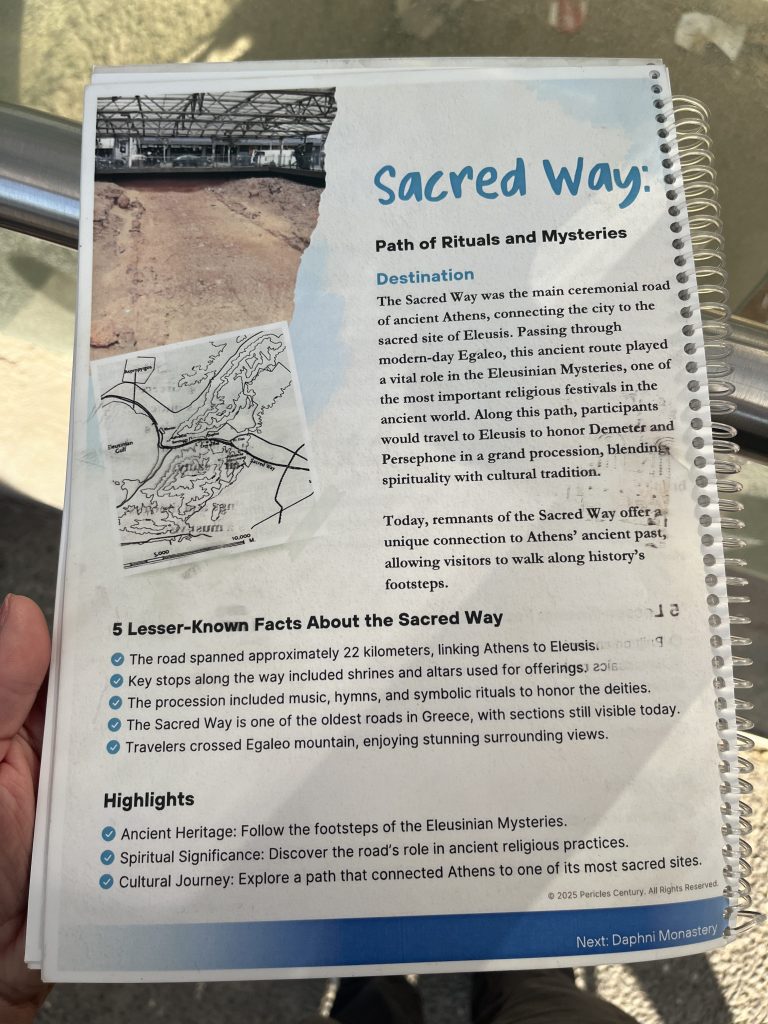
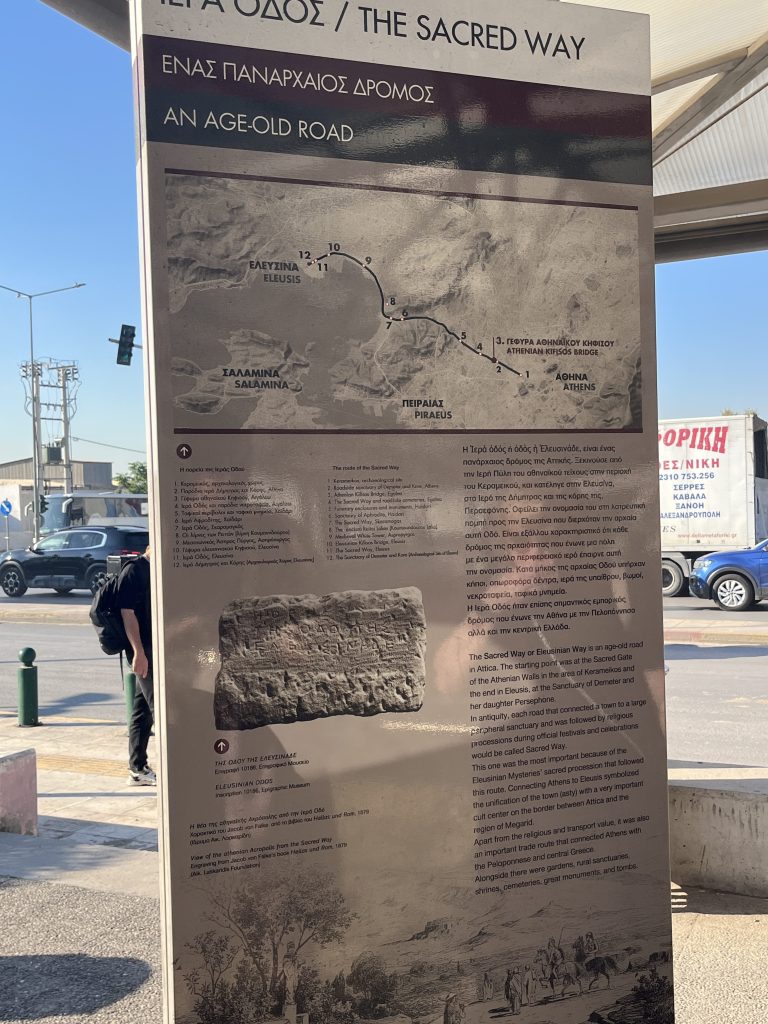
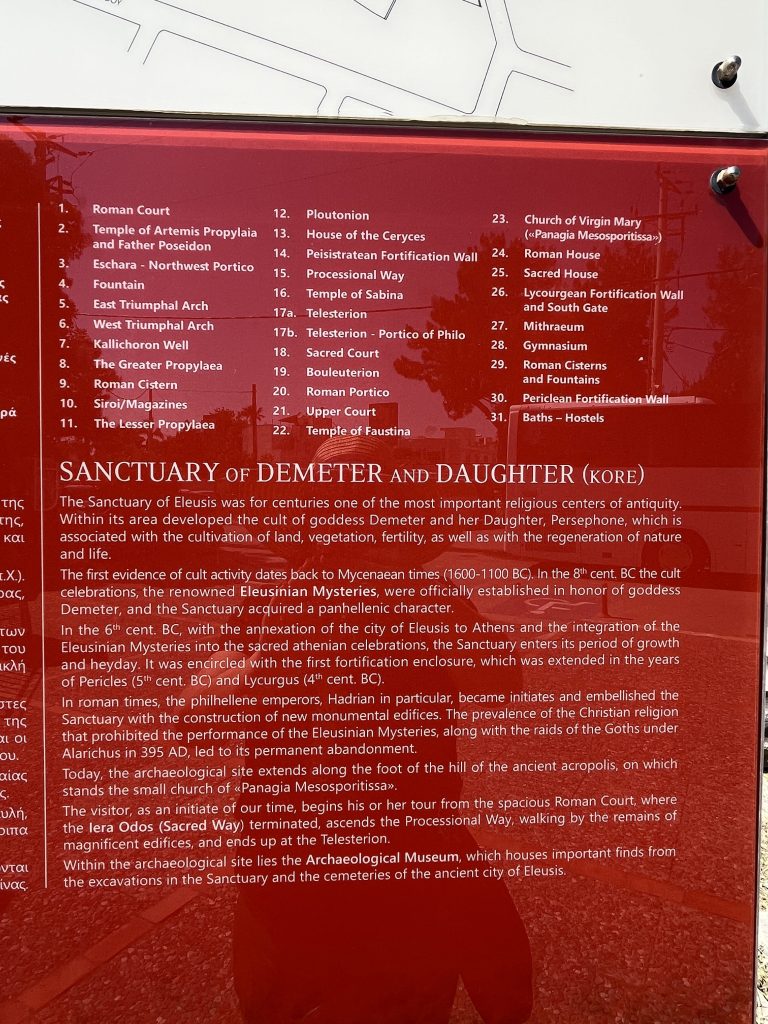
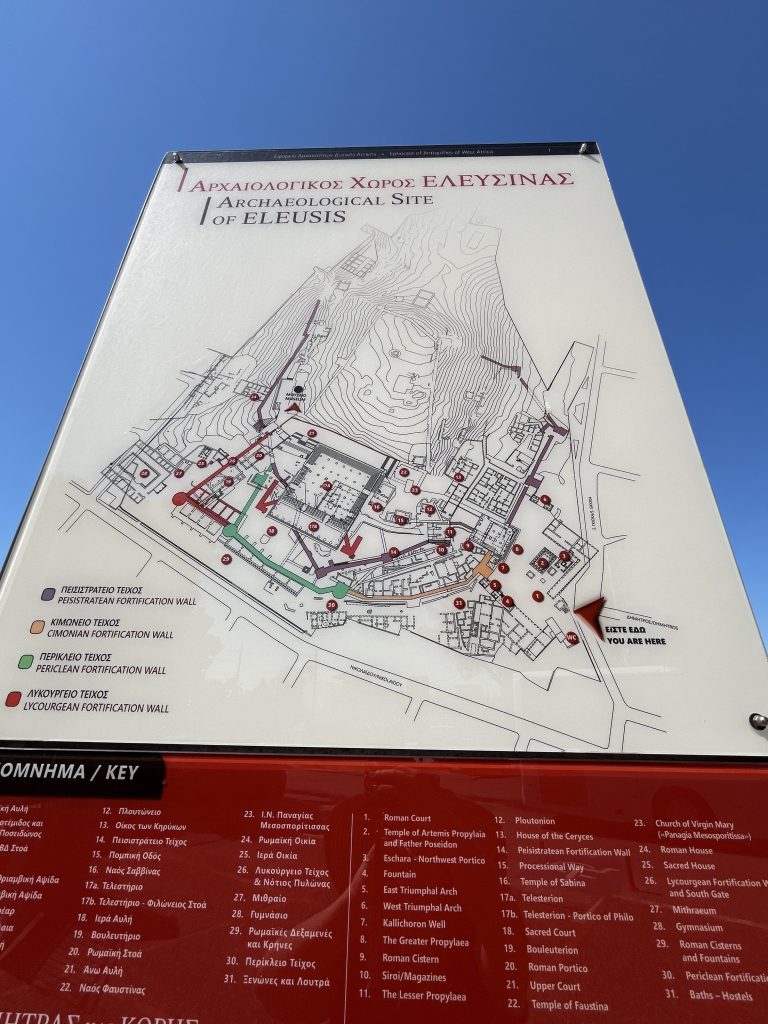
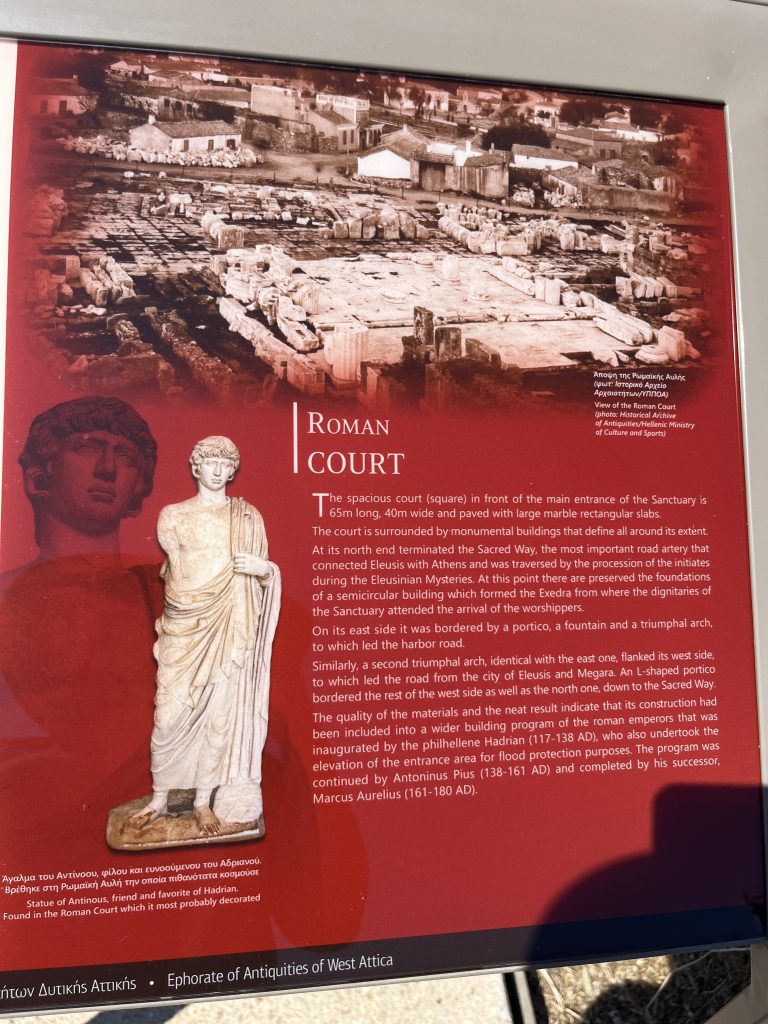
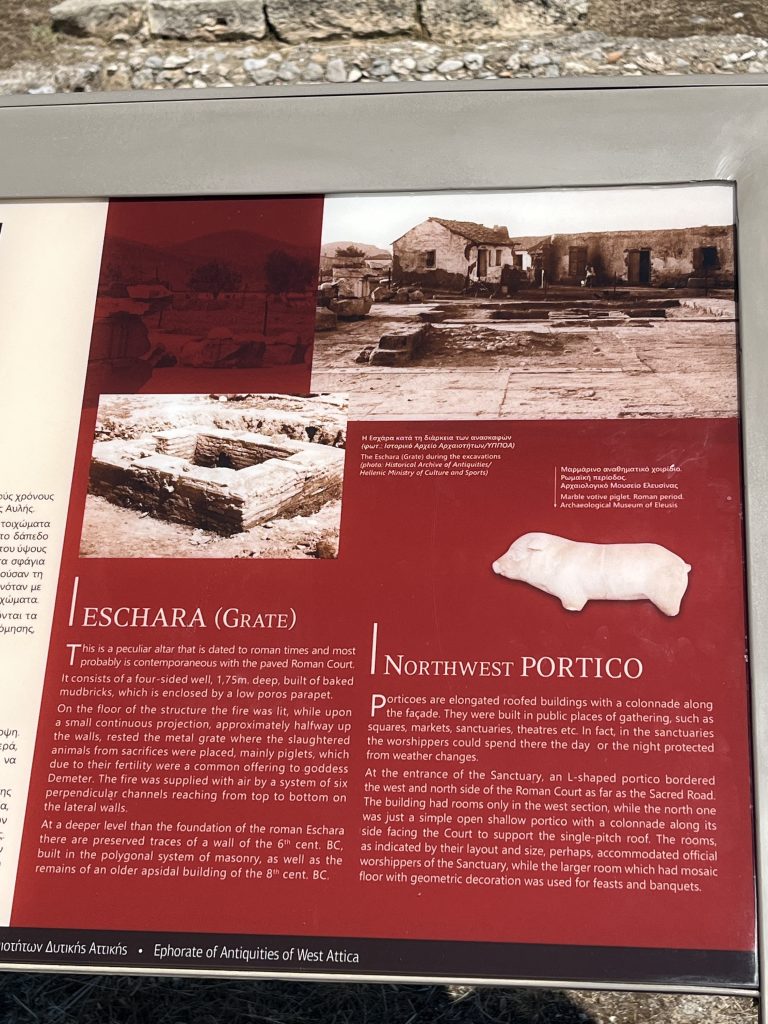
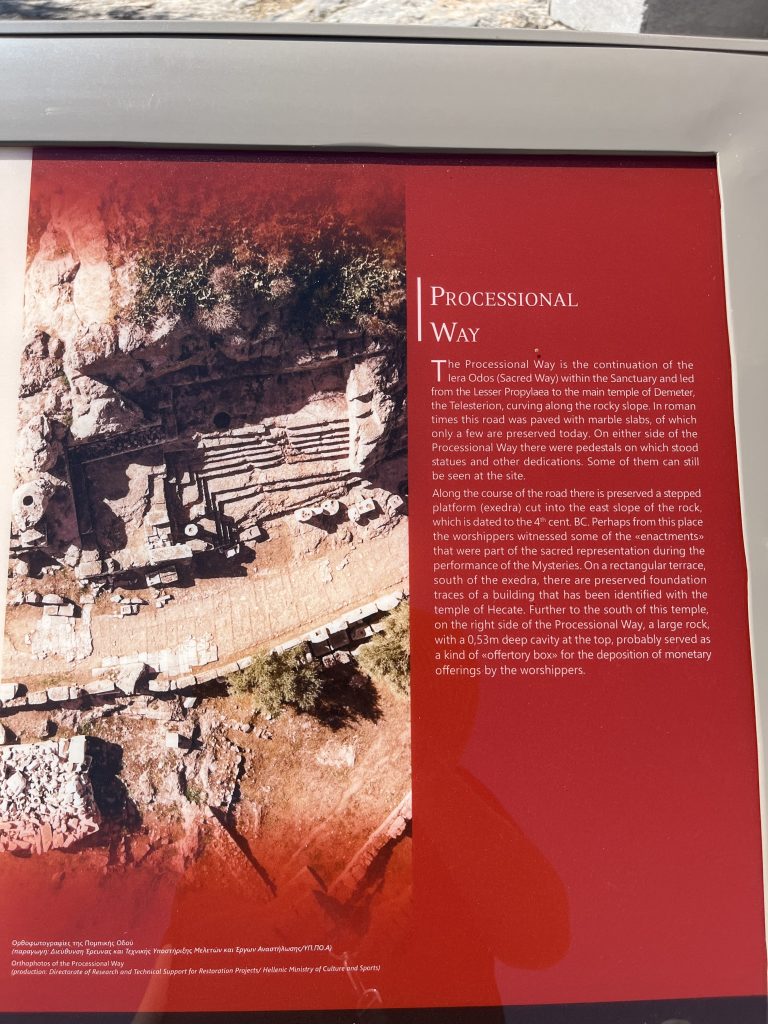
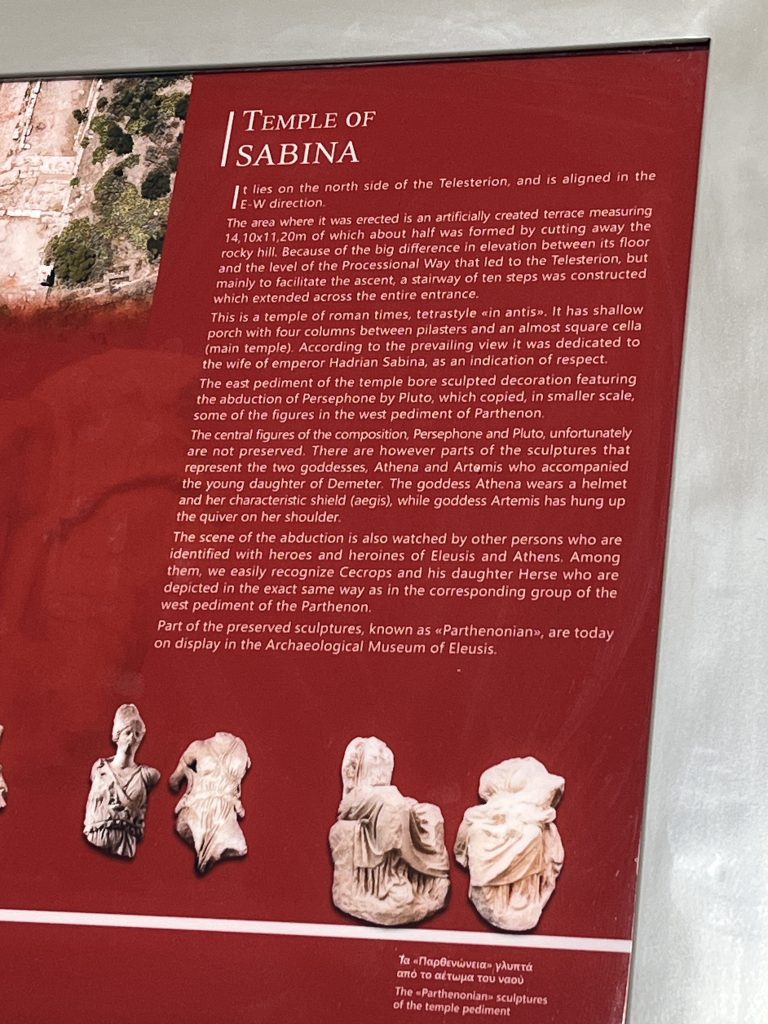
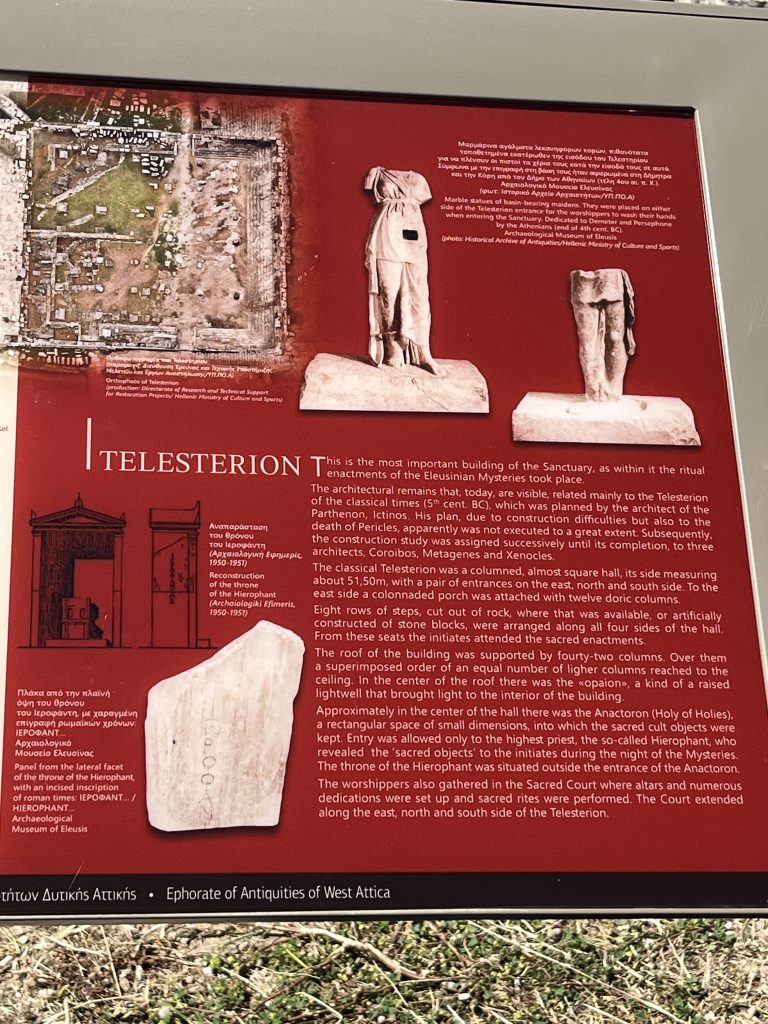
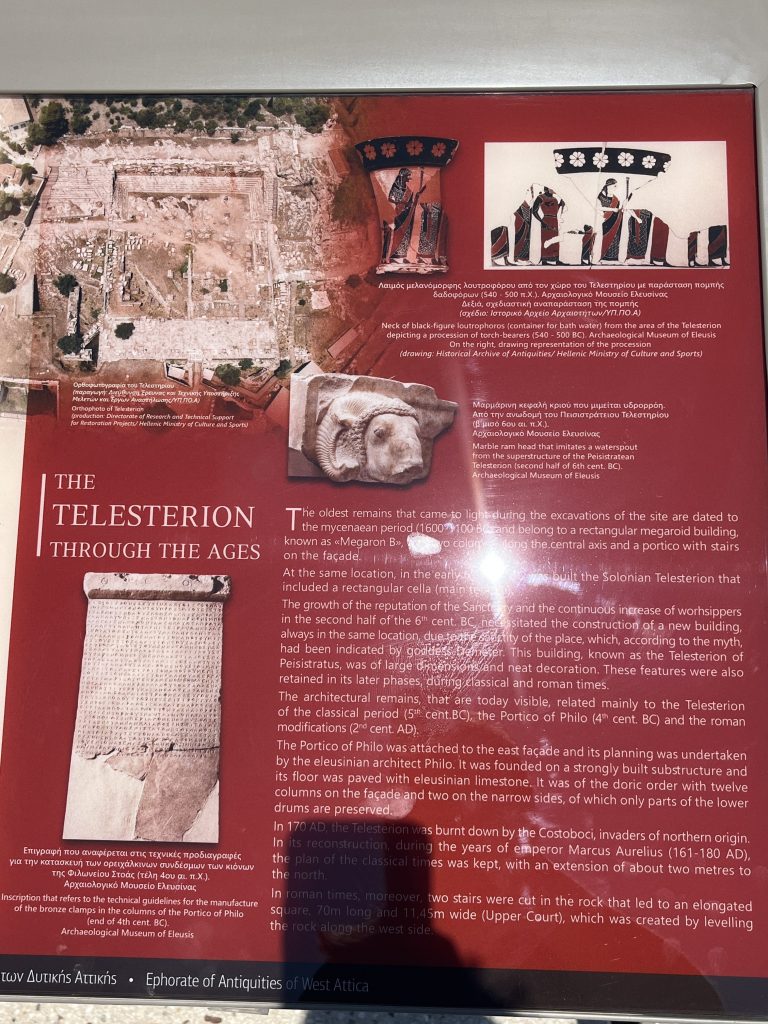
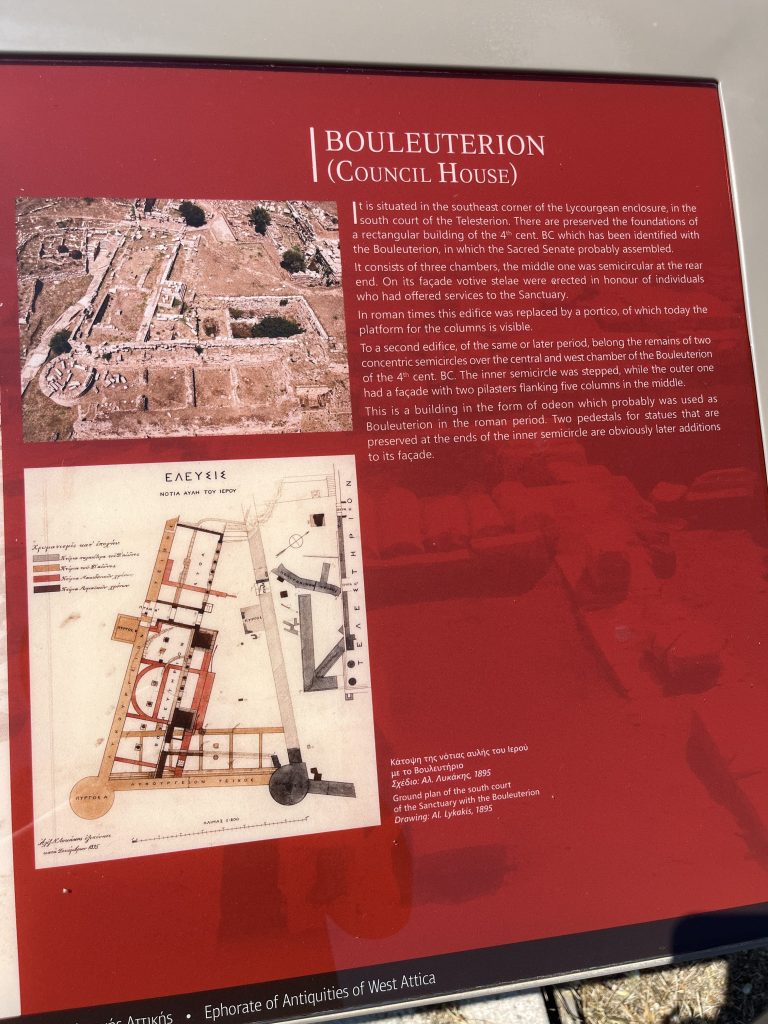
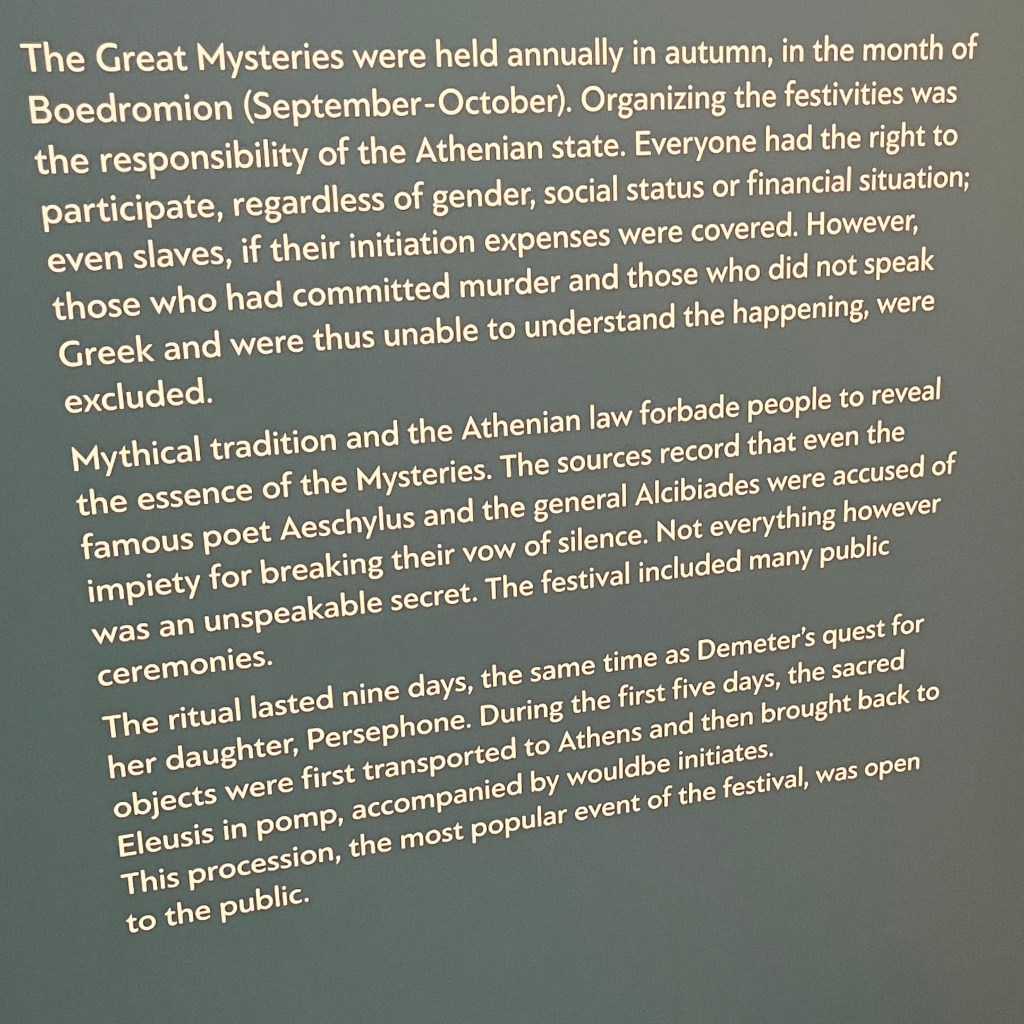
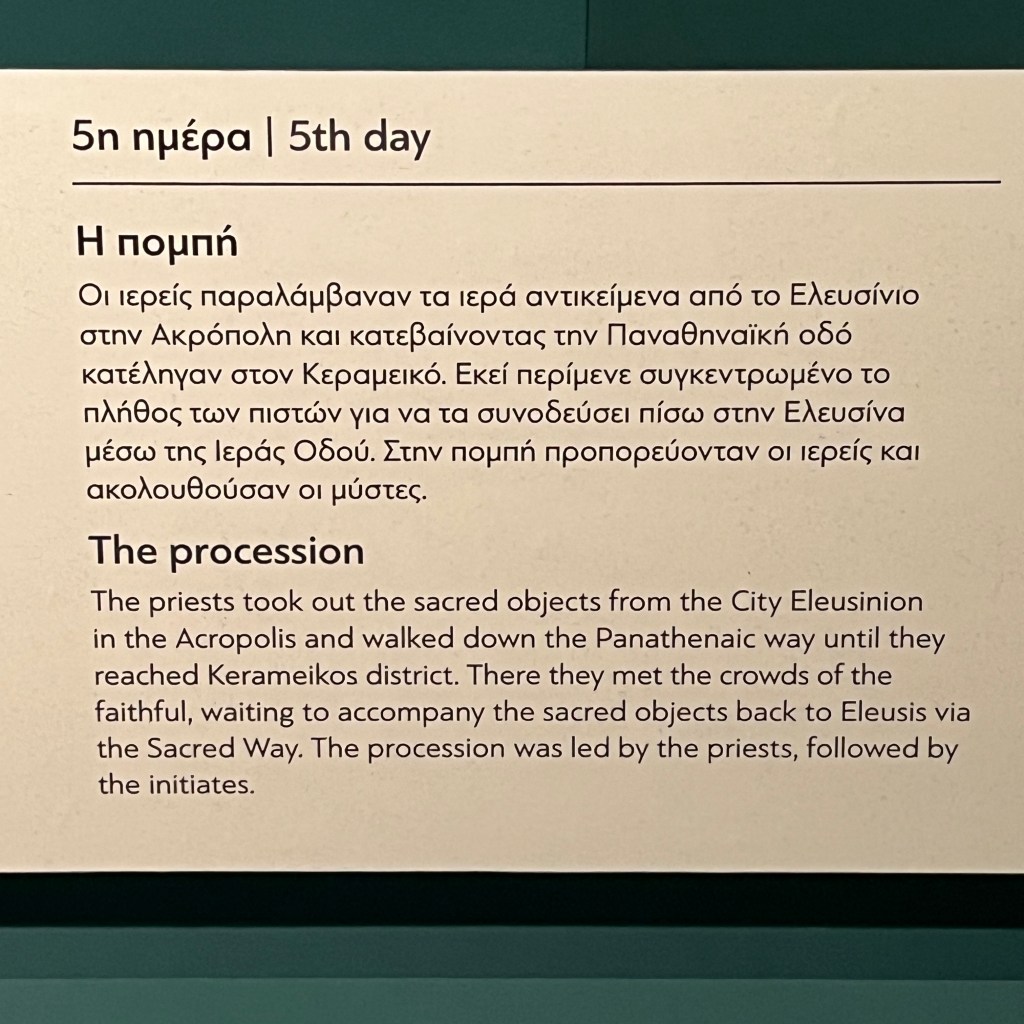
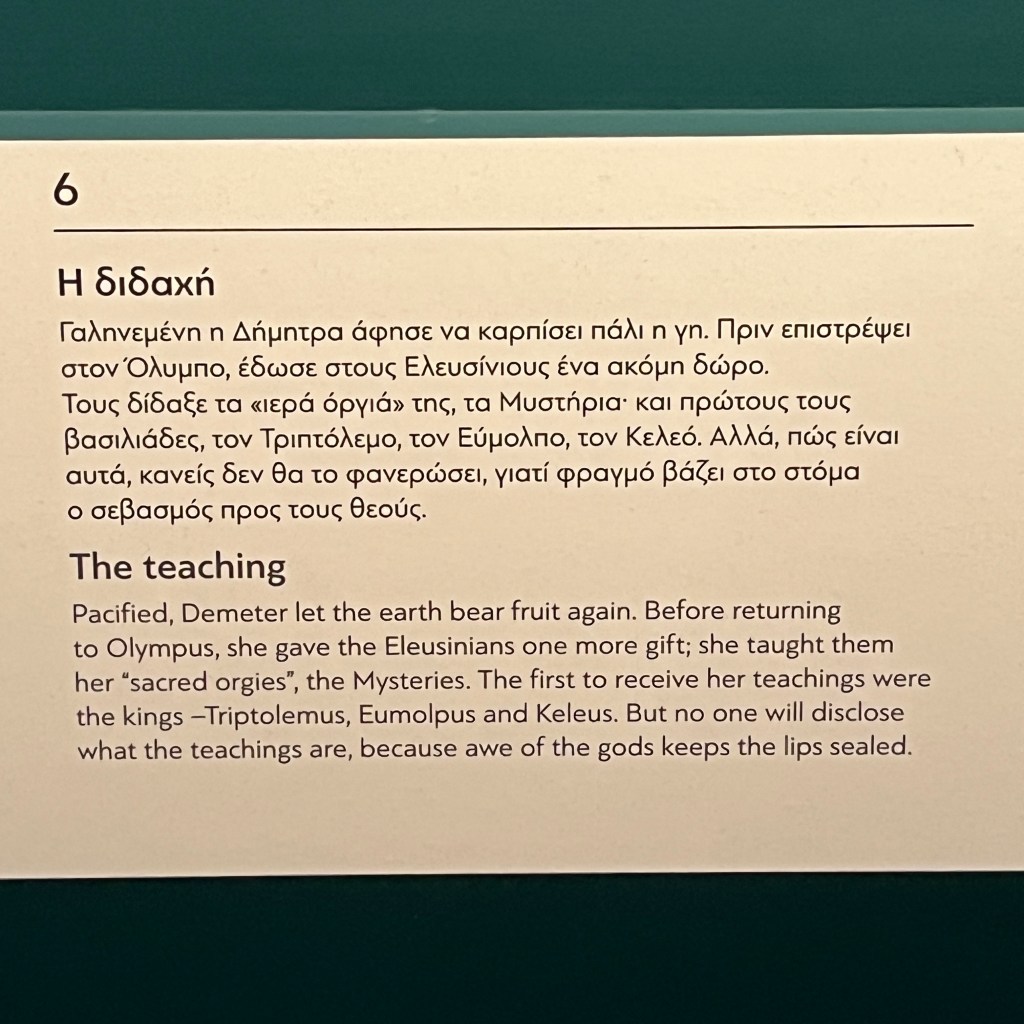
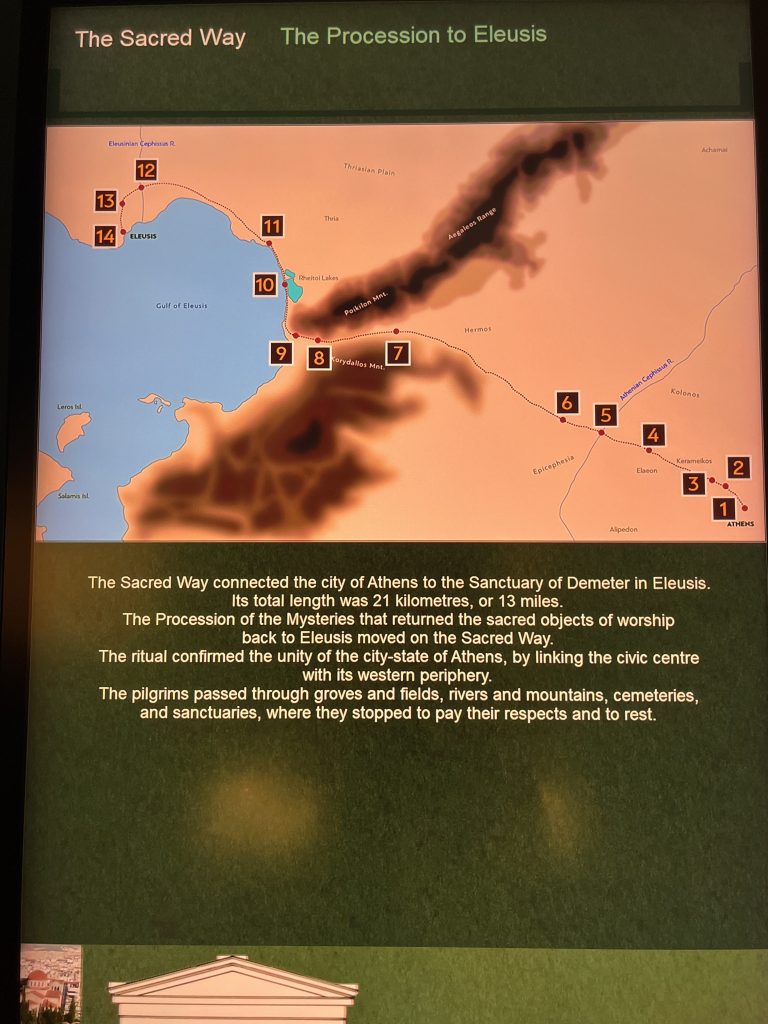
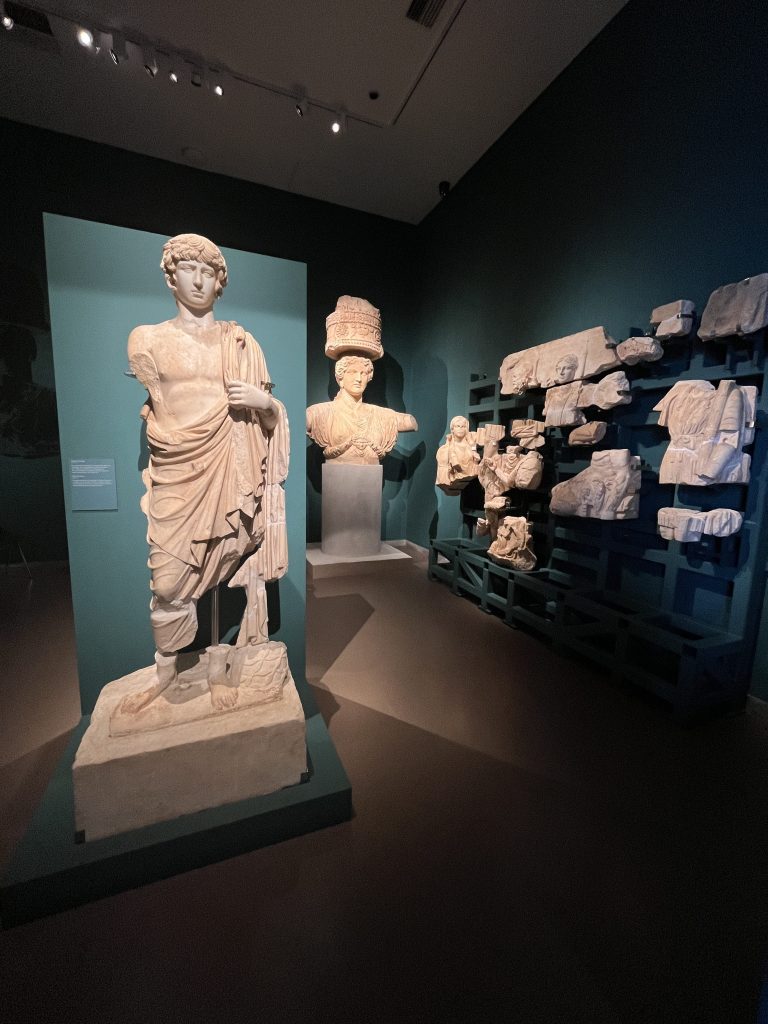
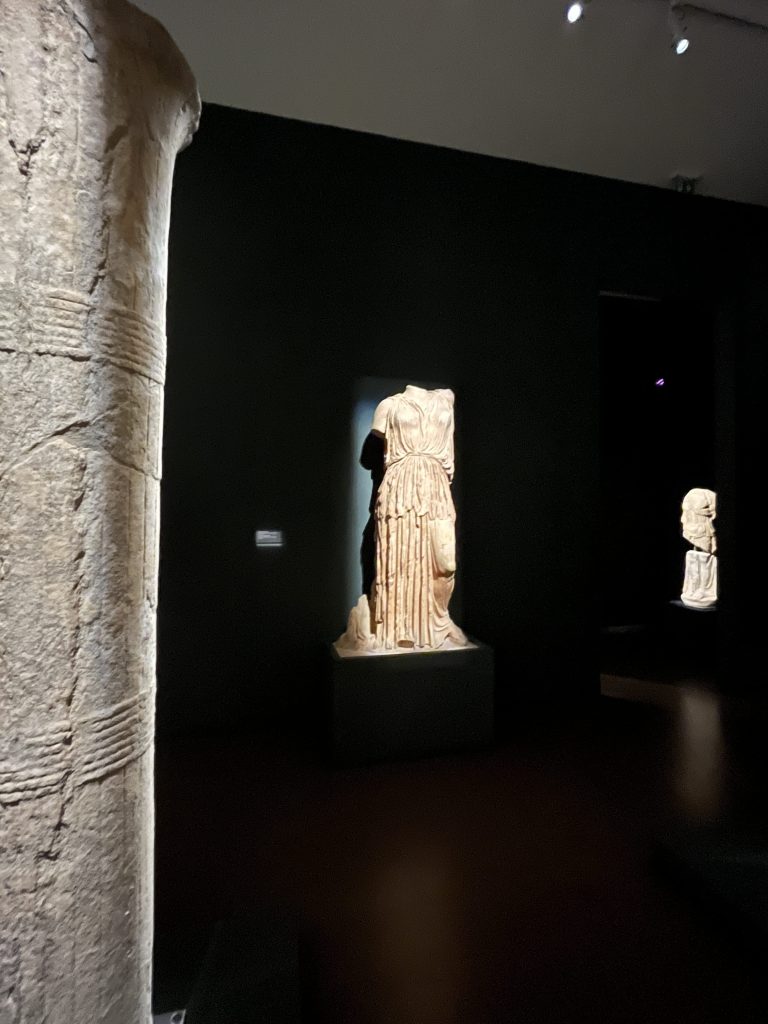
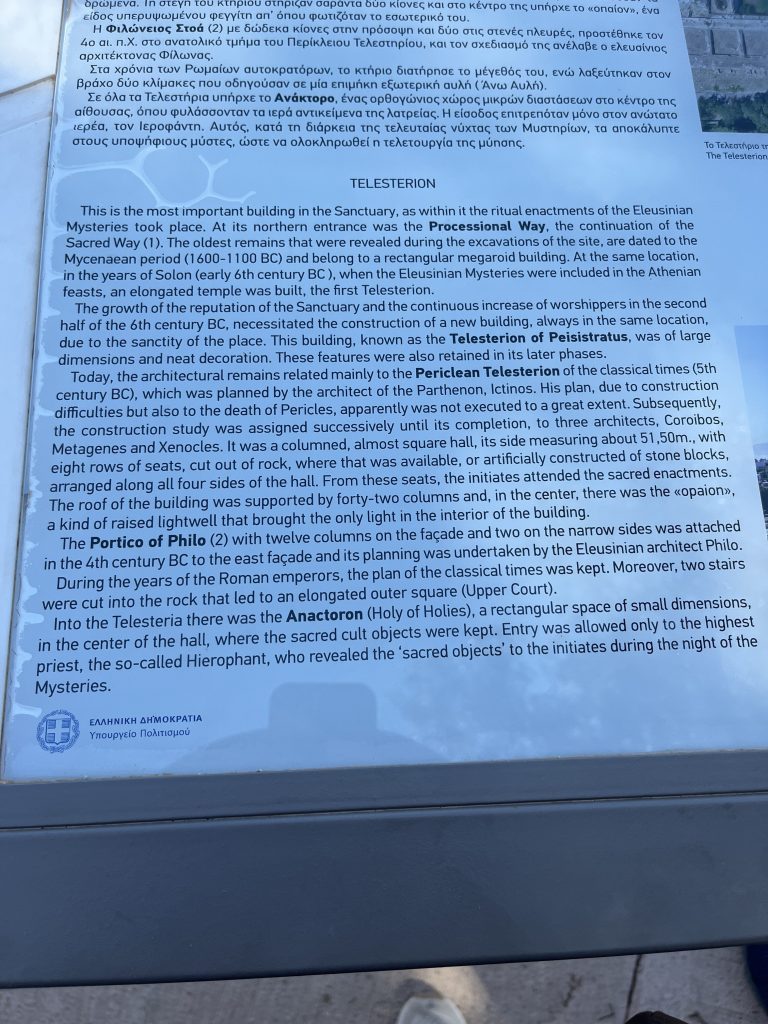
He dropped us by the side of the road and handed me the guide book at a couple of points that did not have parking. Actually, parking in Athens is an art not a science. They make parking spaces or pull onto sidewalks all the time. I took pictures of his guide book and the signs to put together the story of the festival processional we were following. He pulled onto the sidewalk to pick us up.
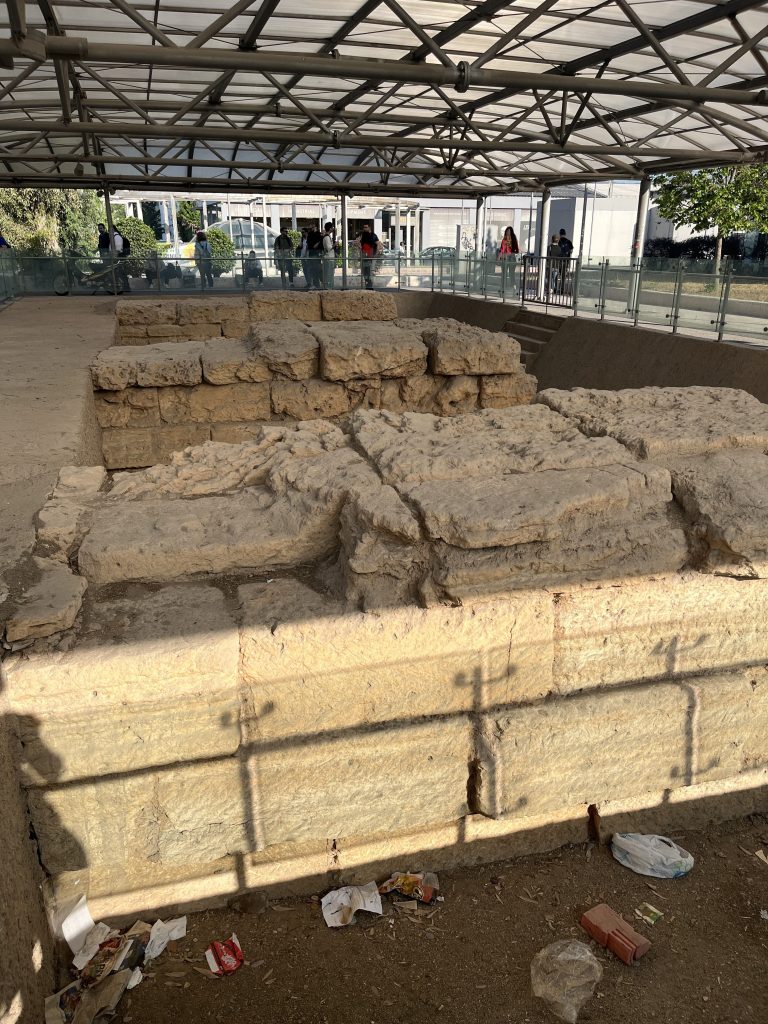
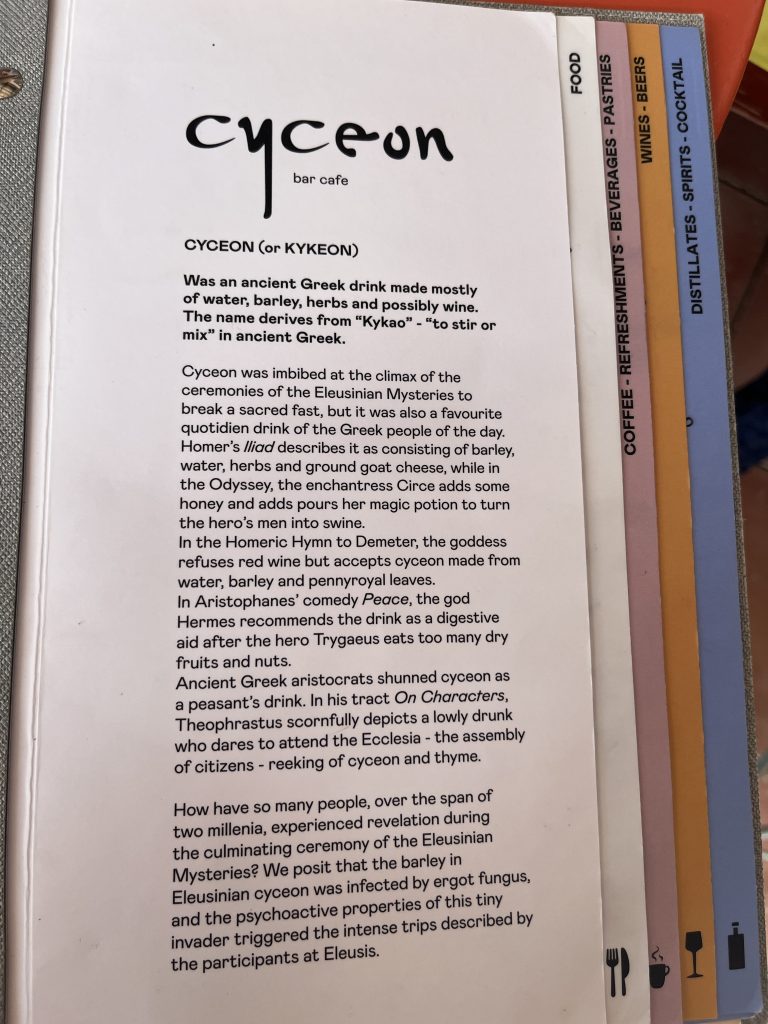
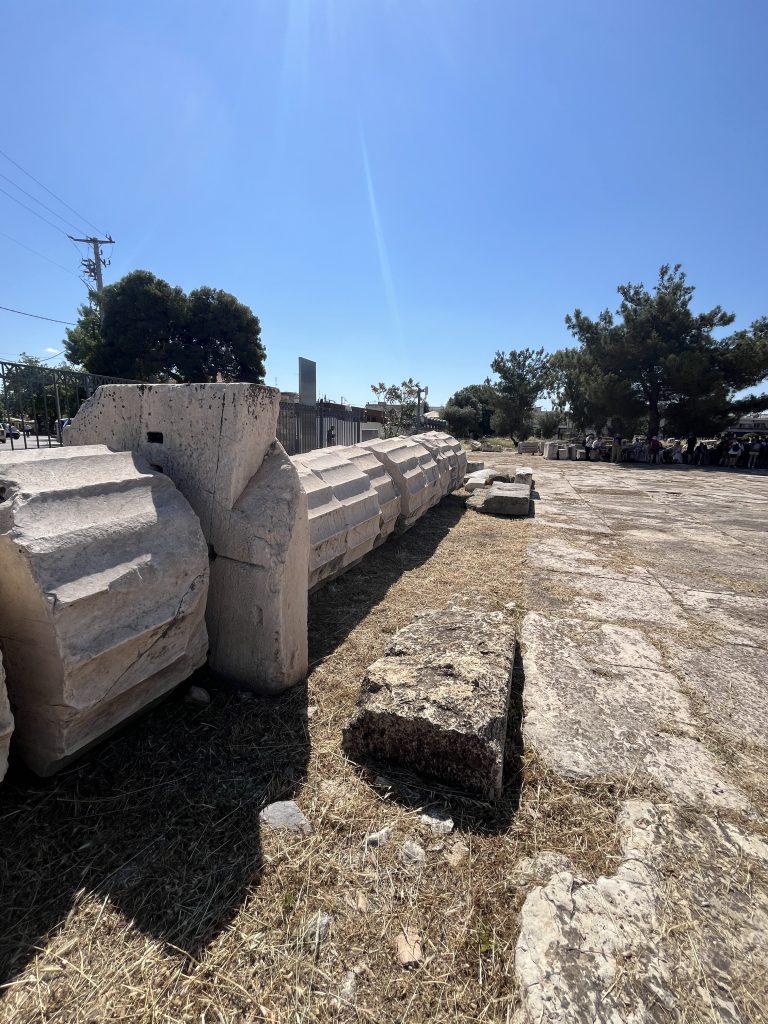
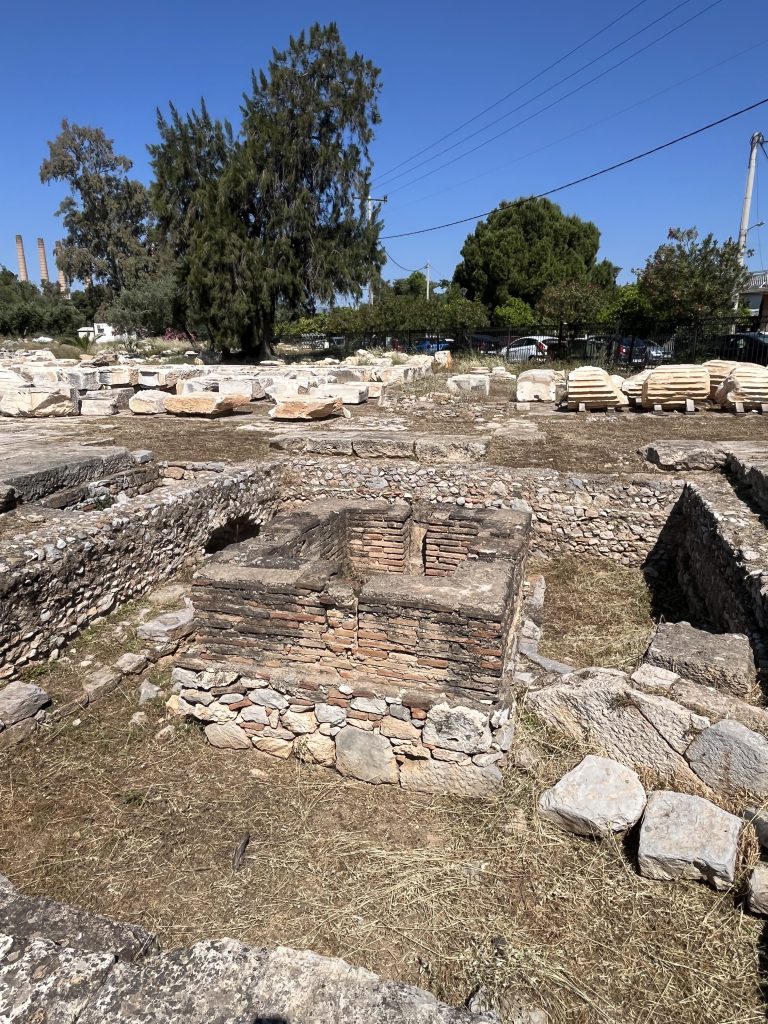
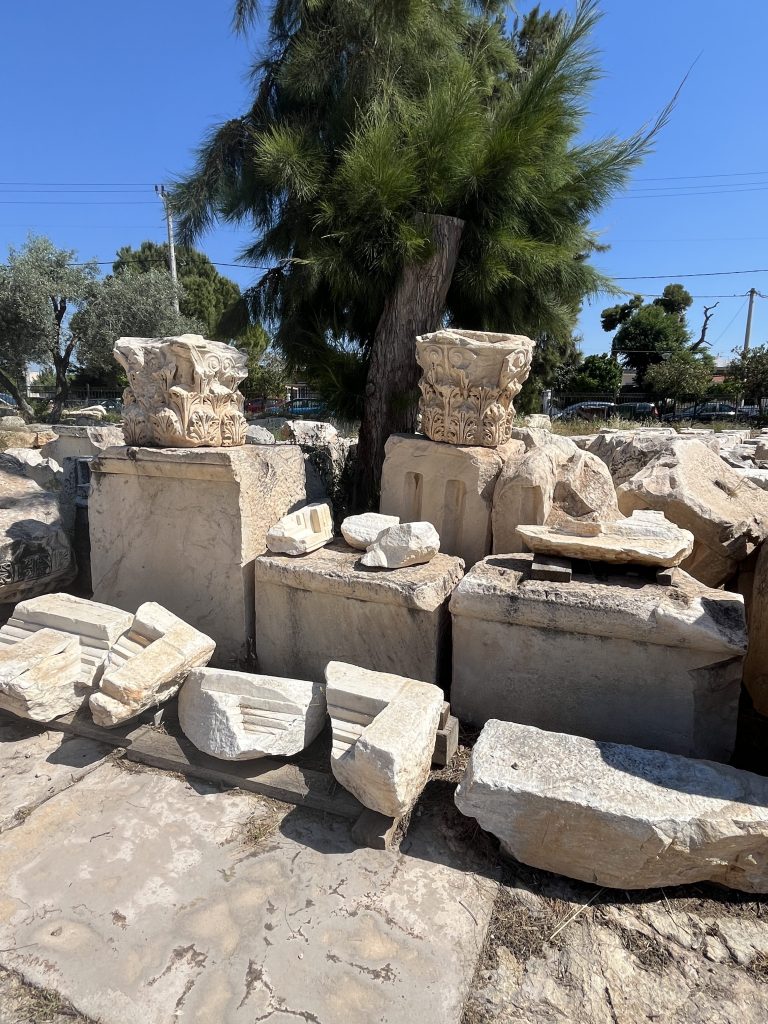
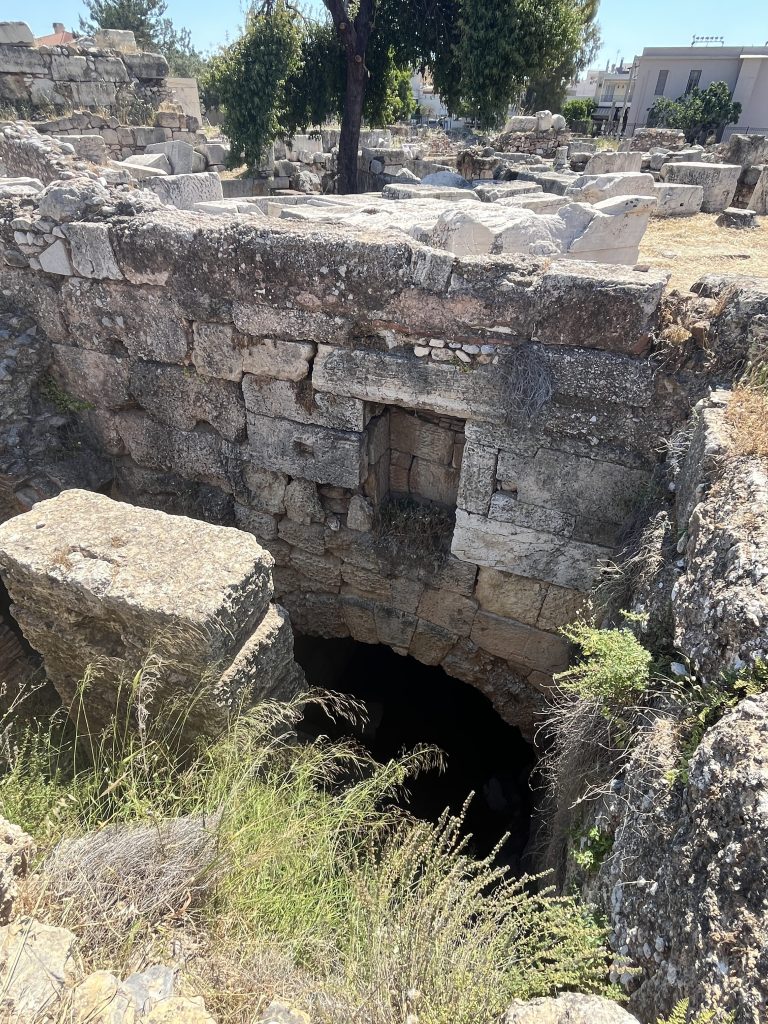
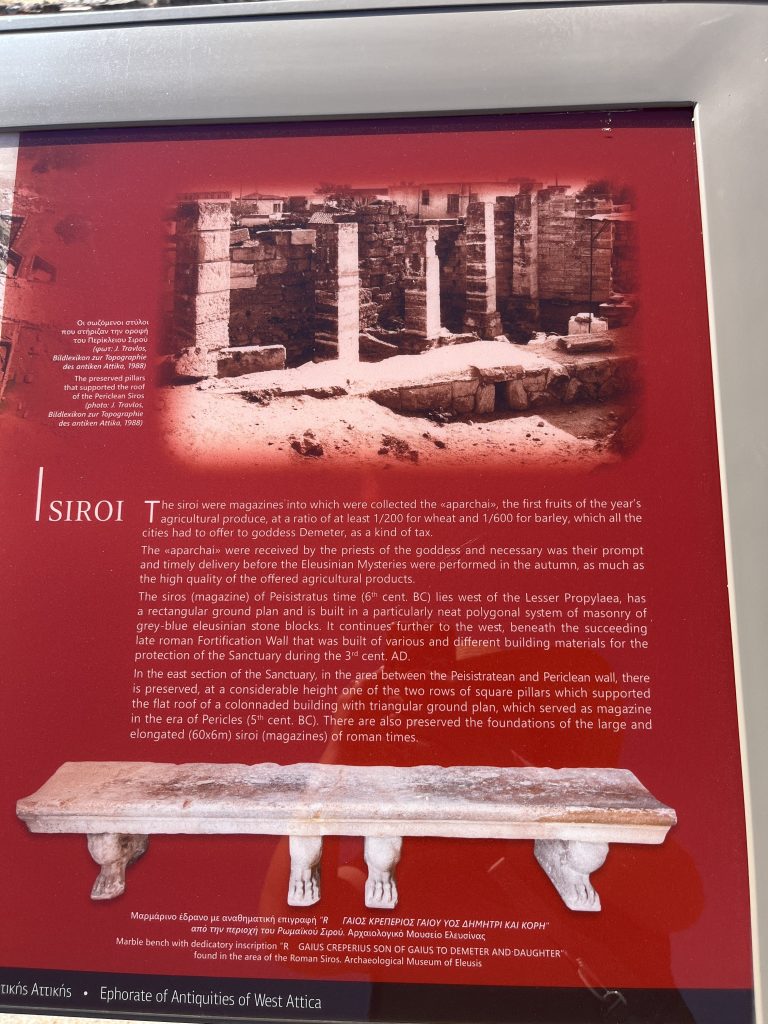
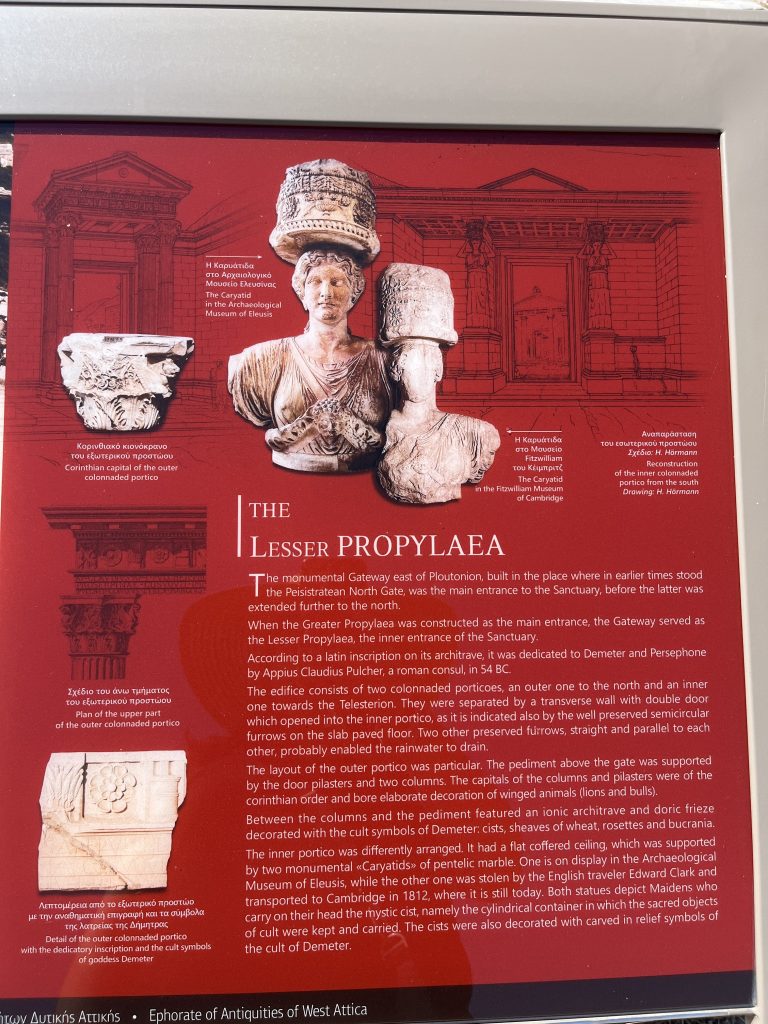
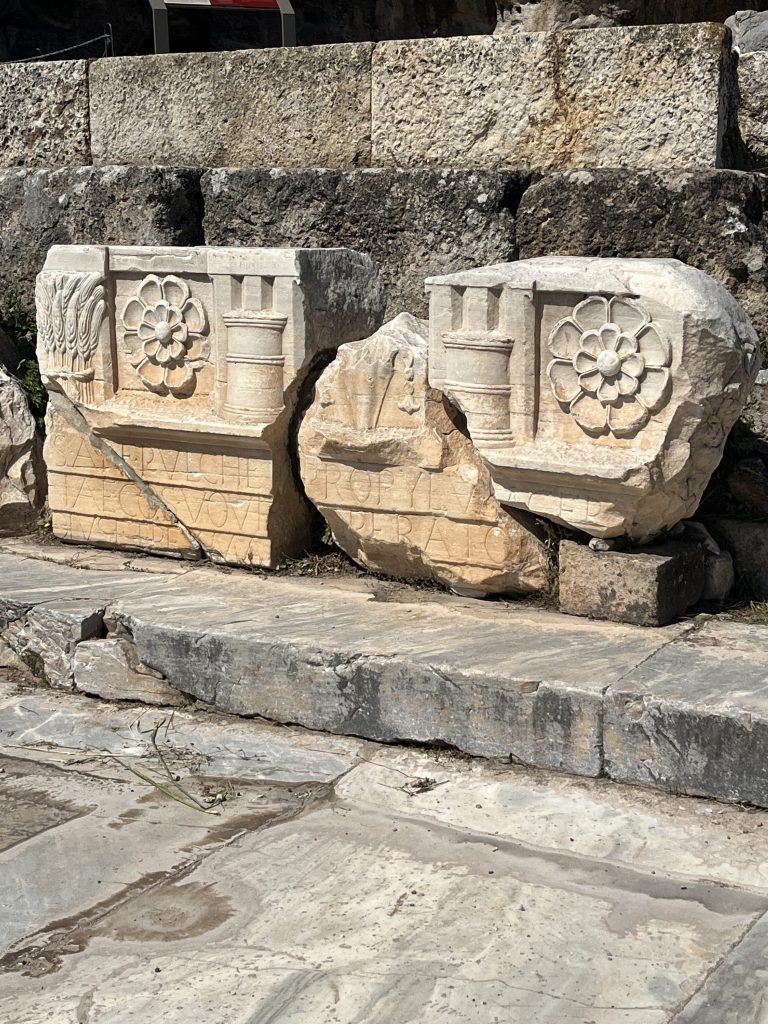
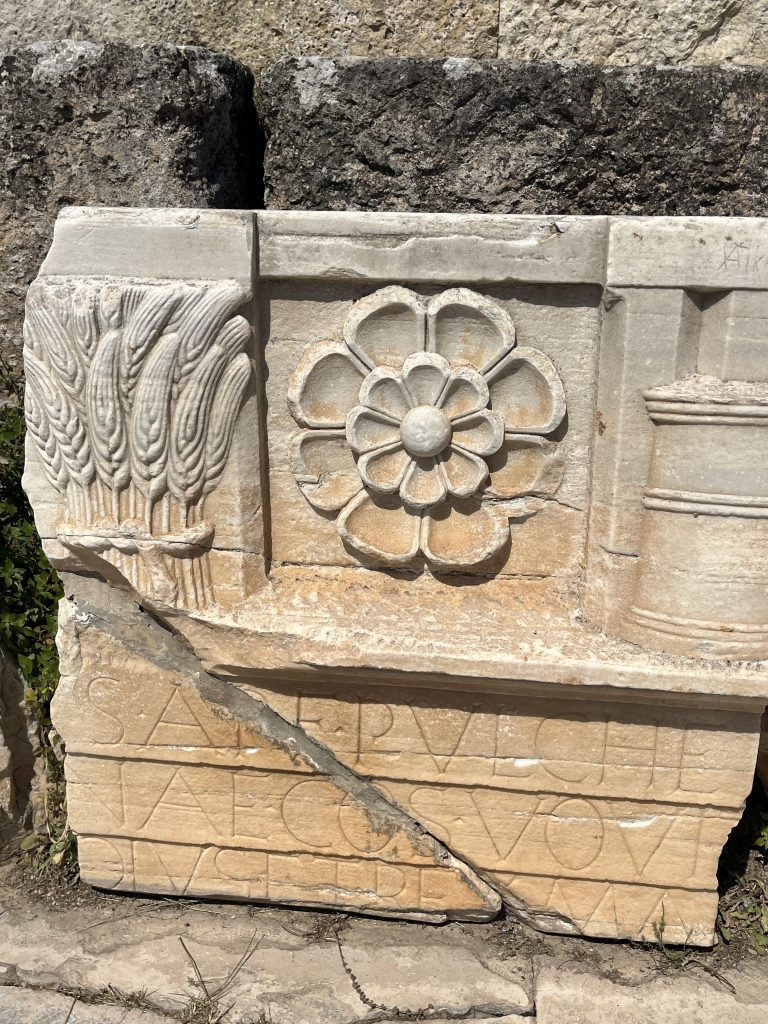
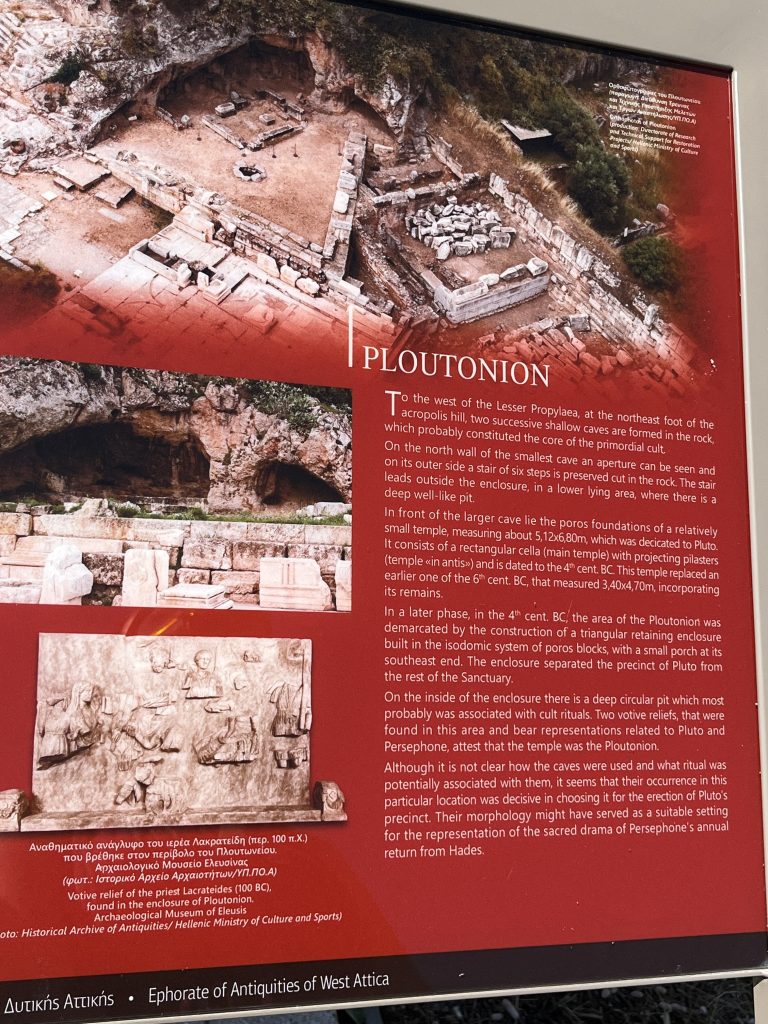
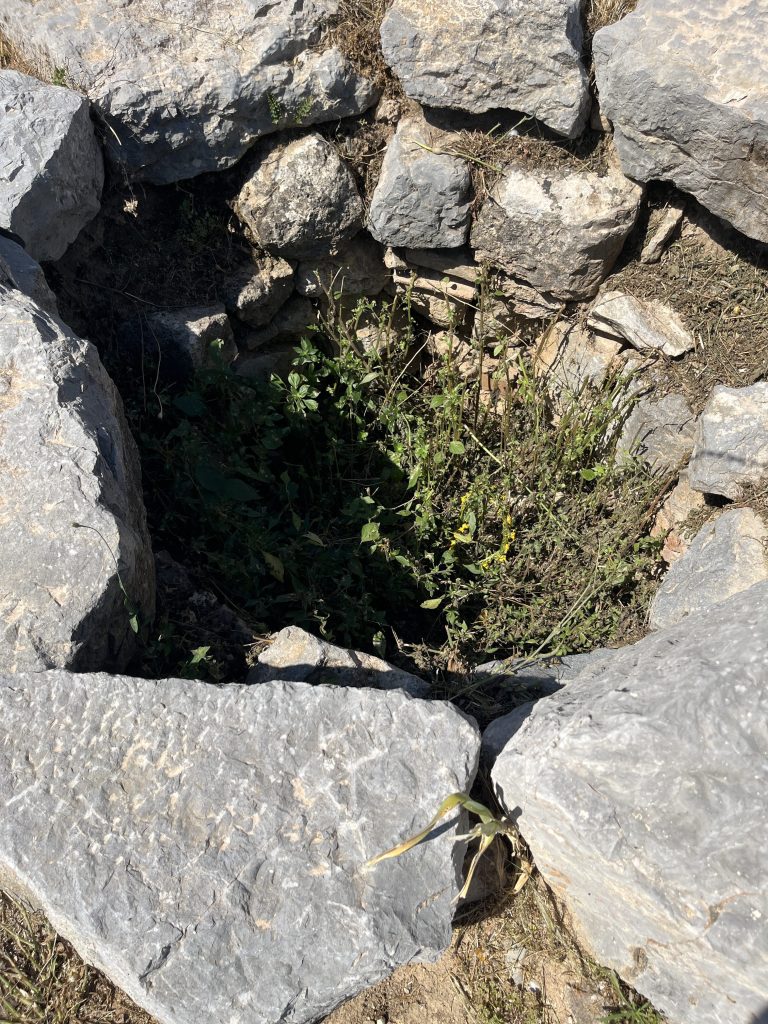
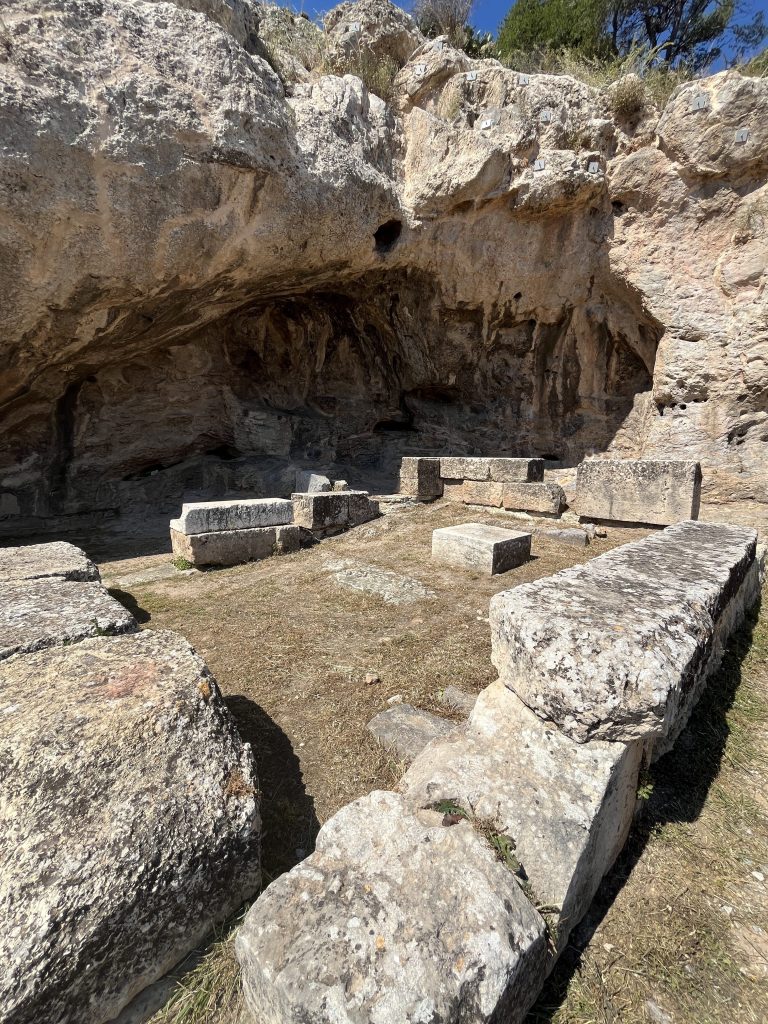
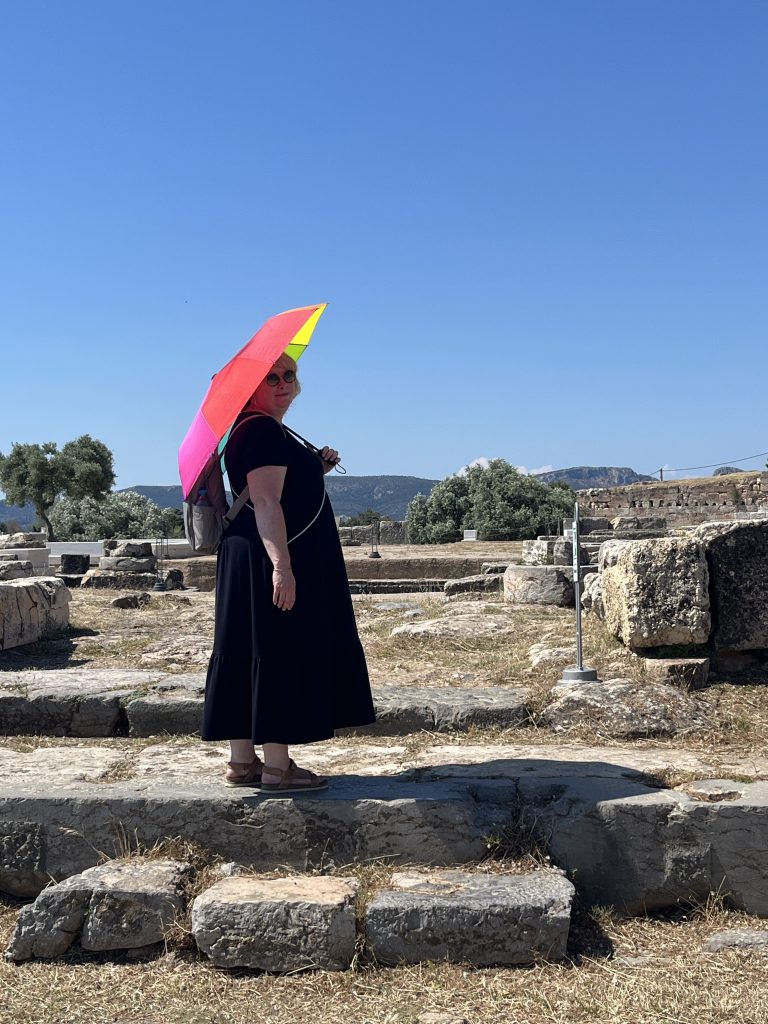
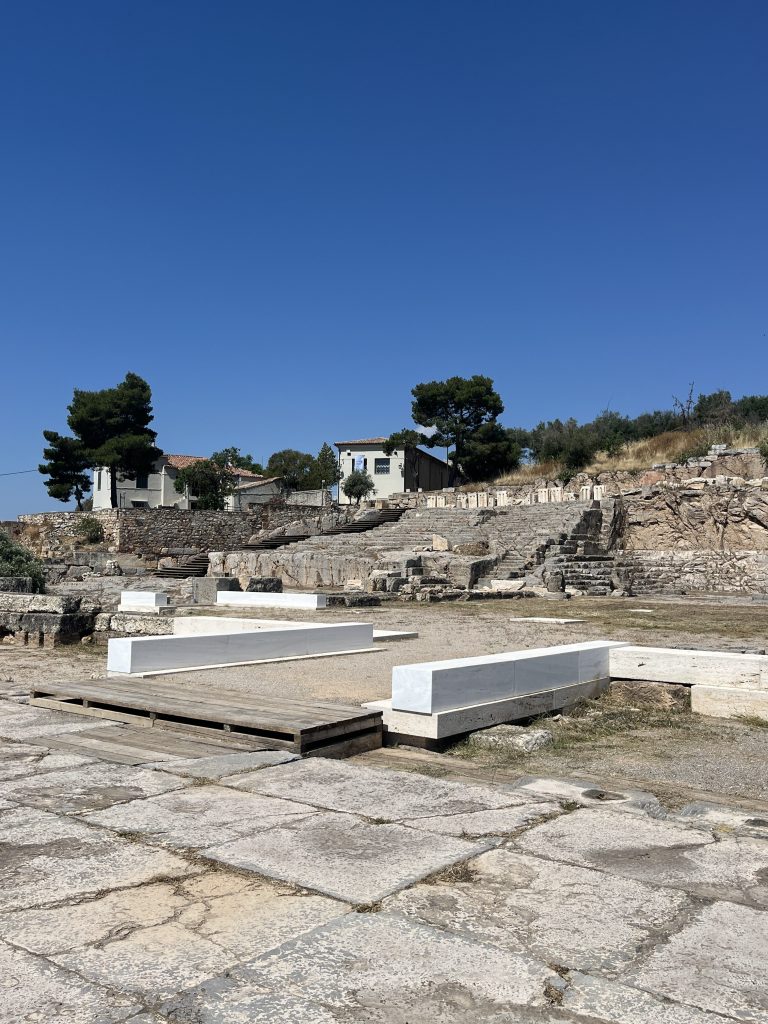
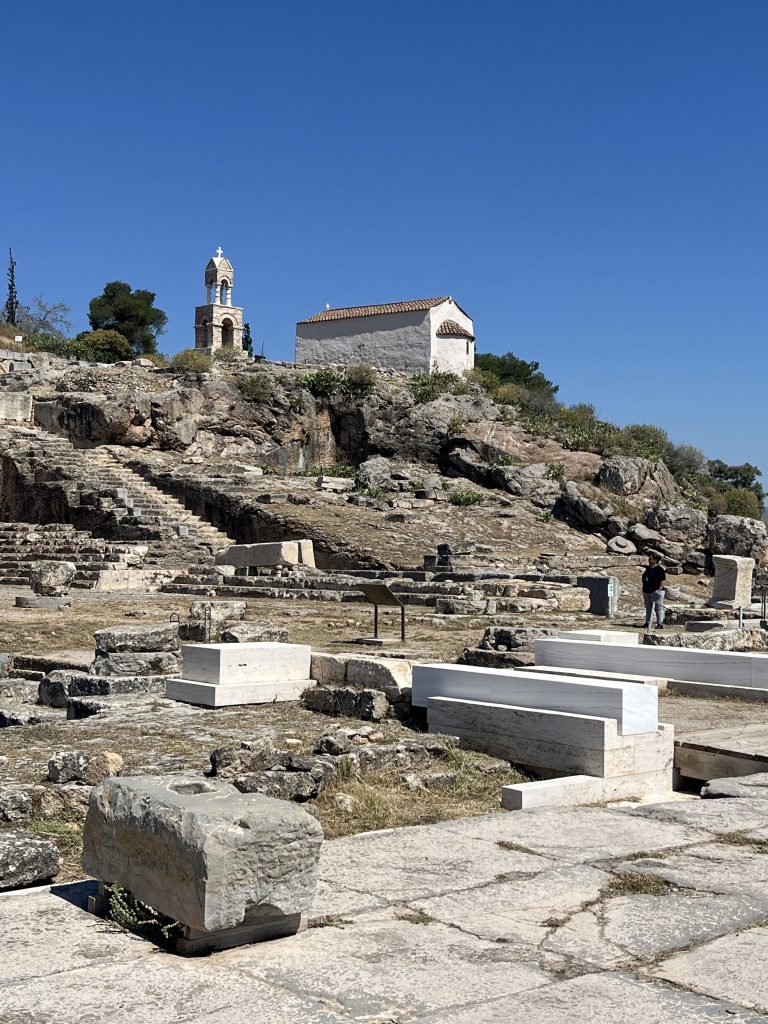
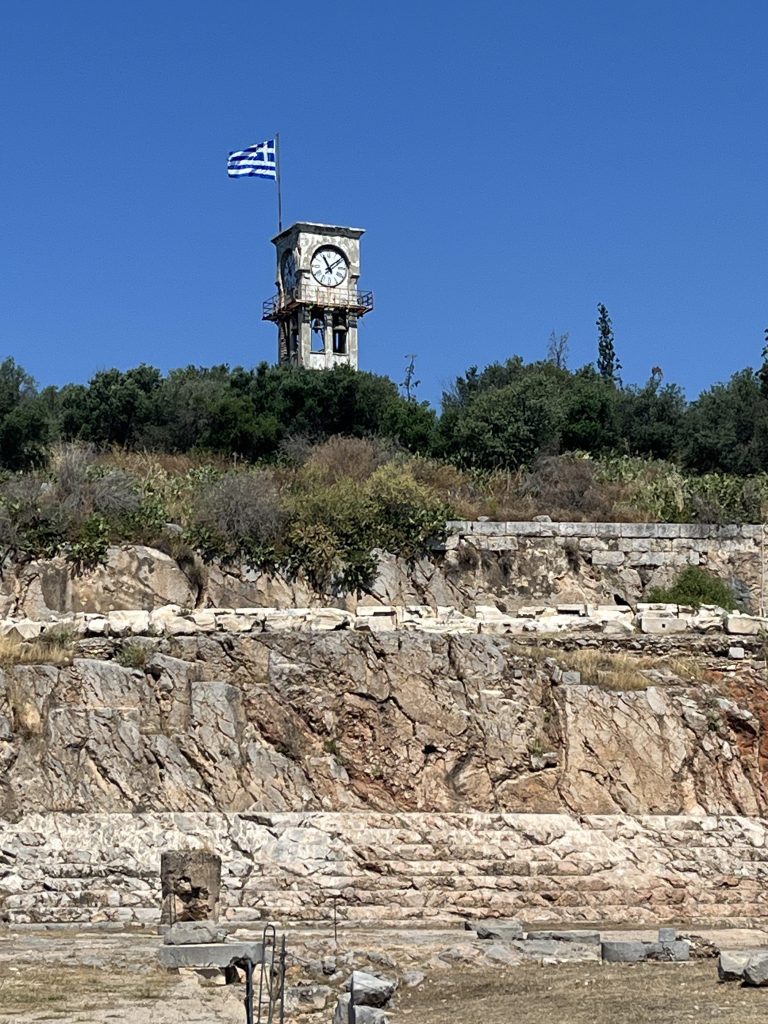
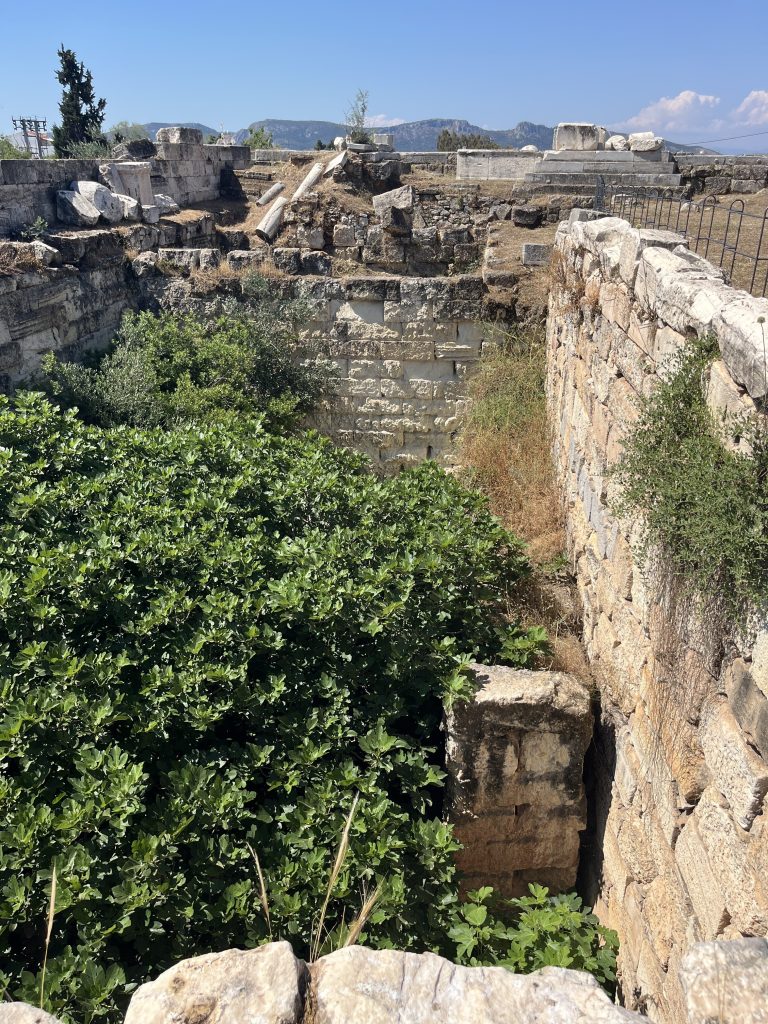
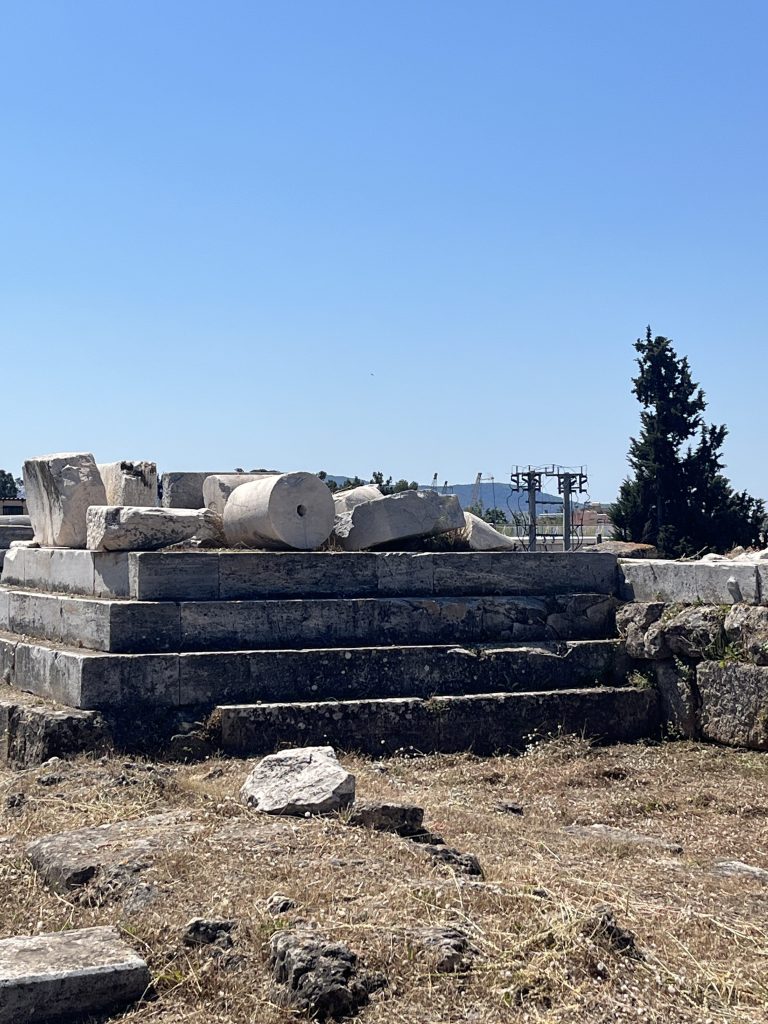
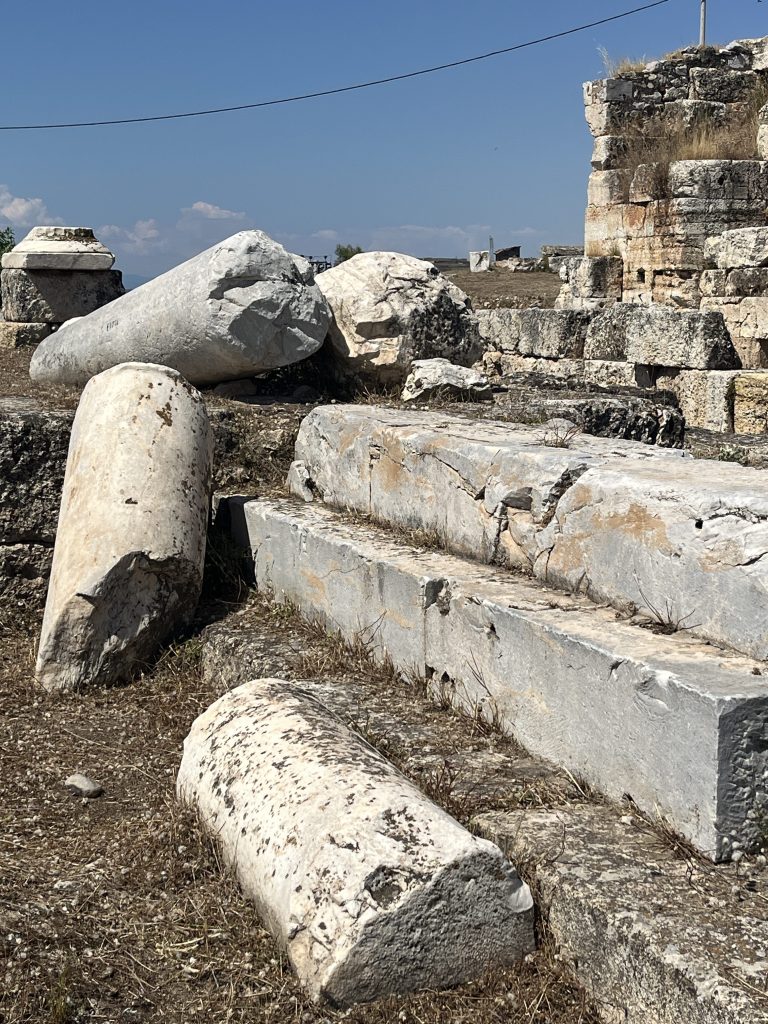
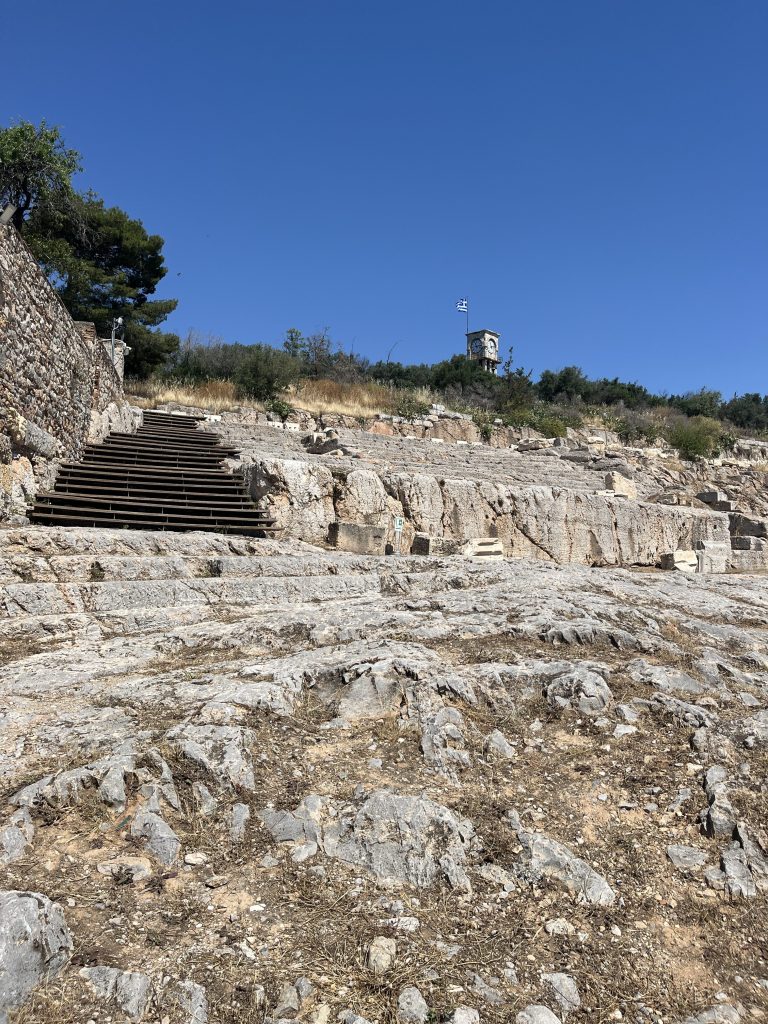
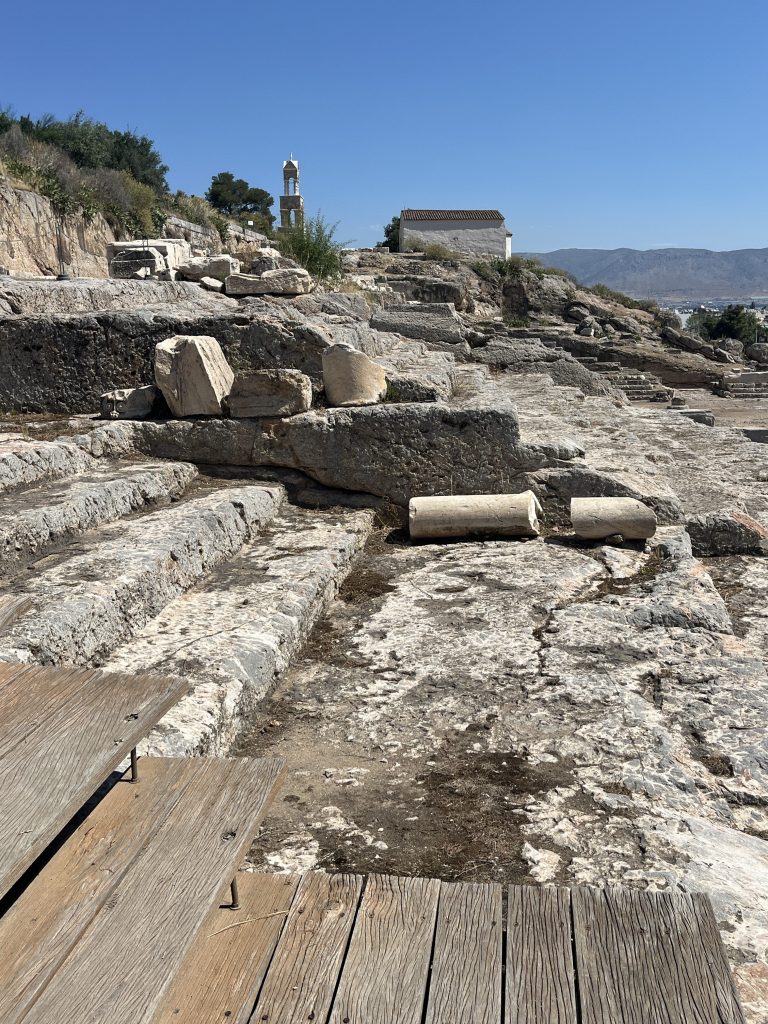
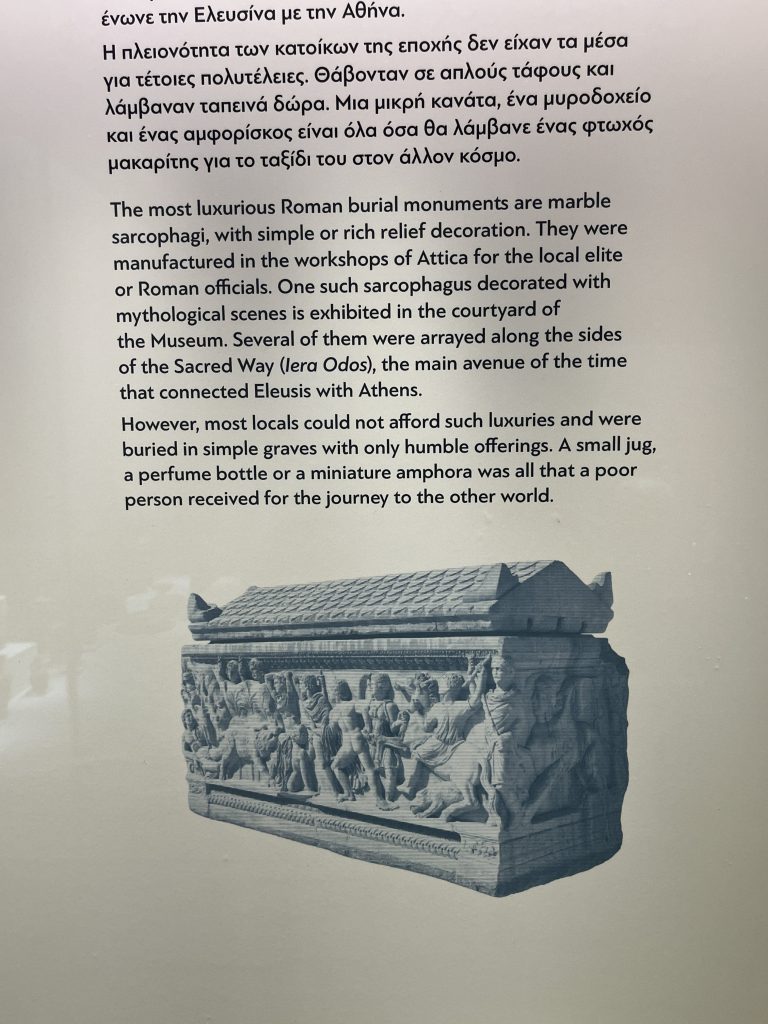
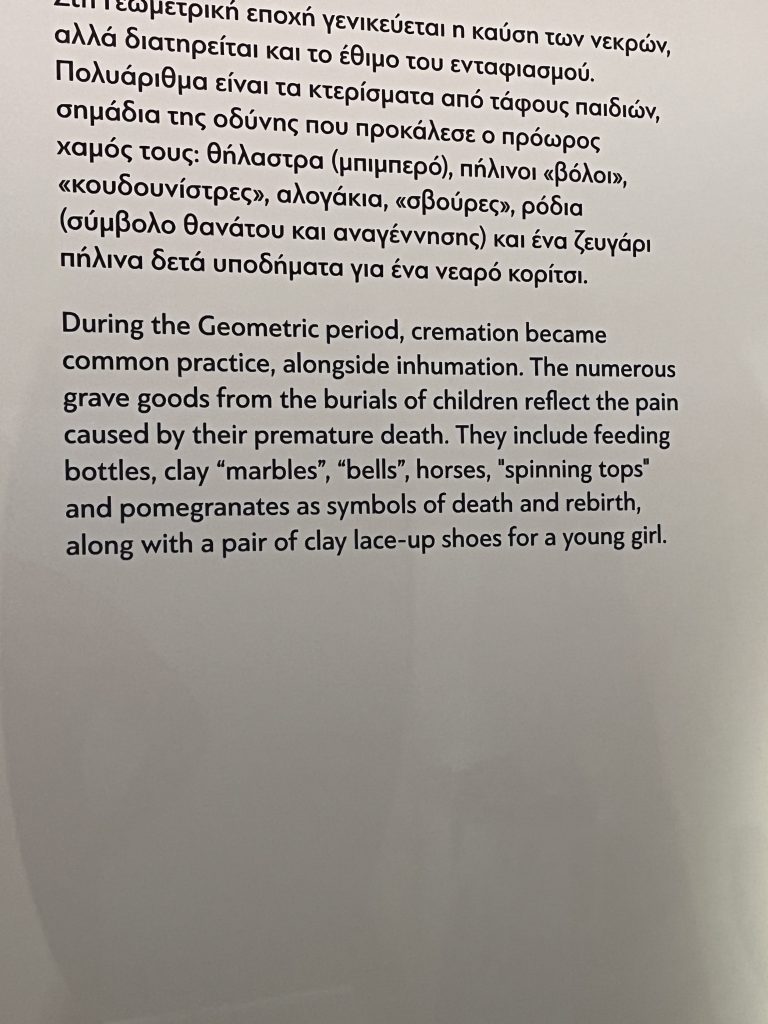
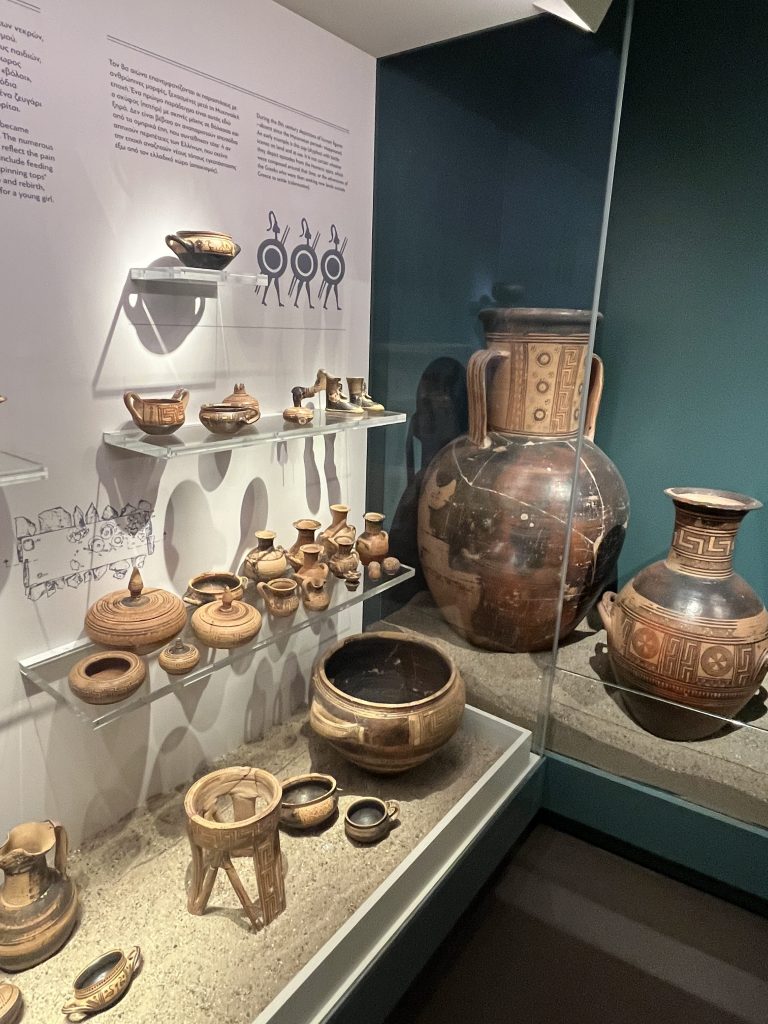
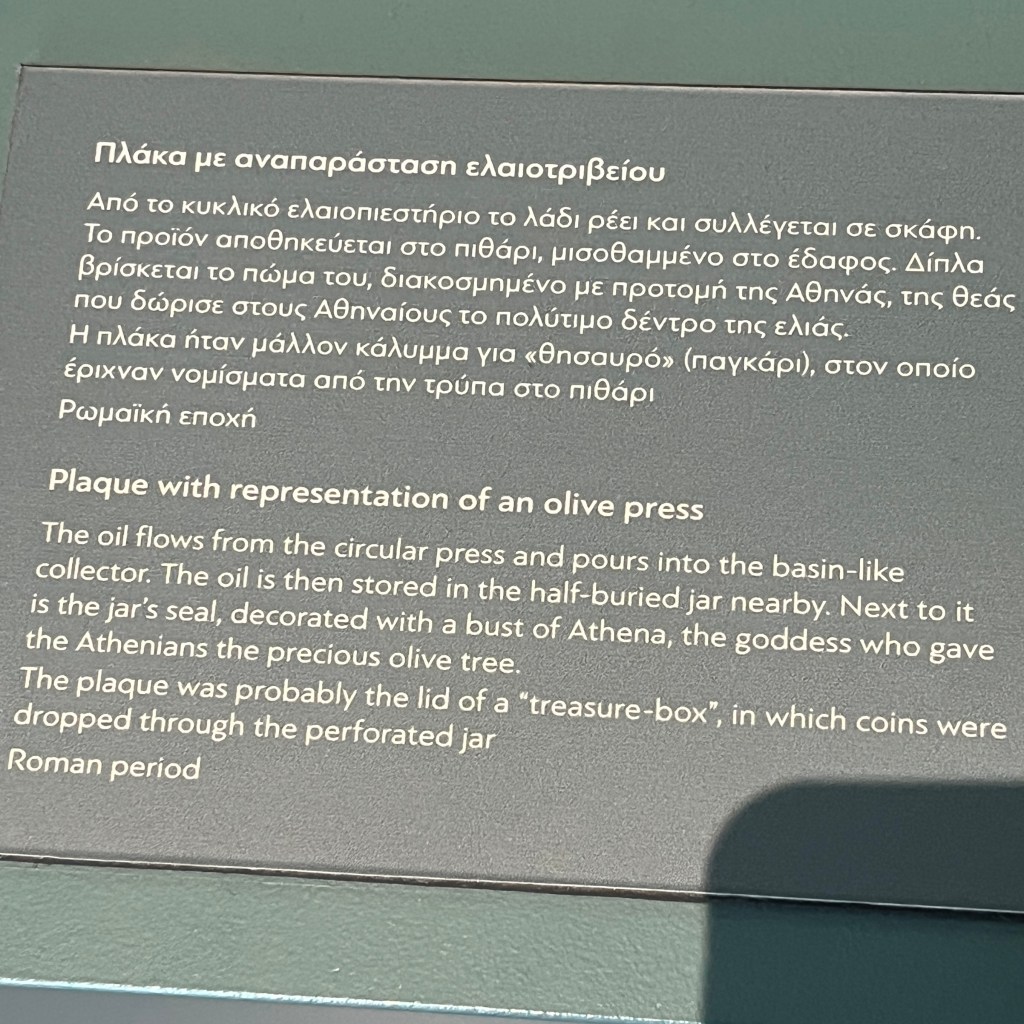
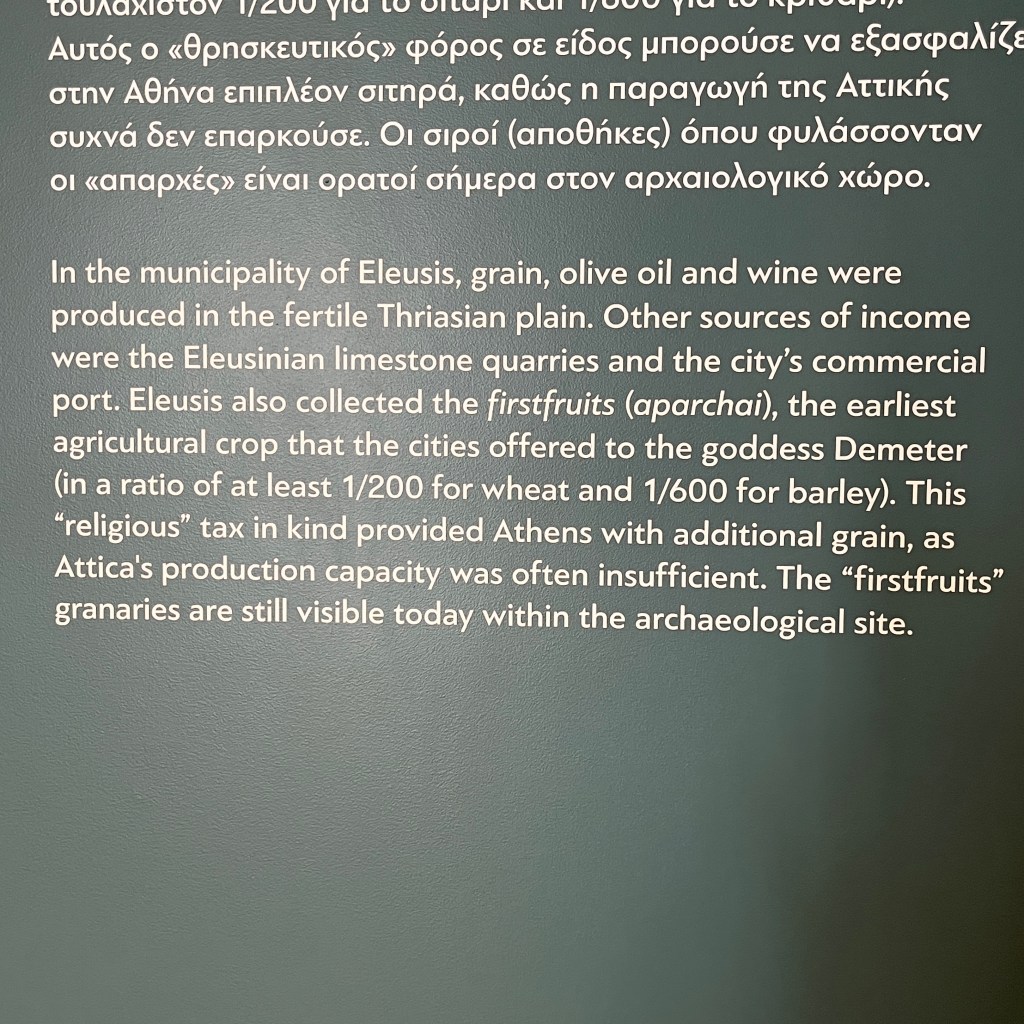
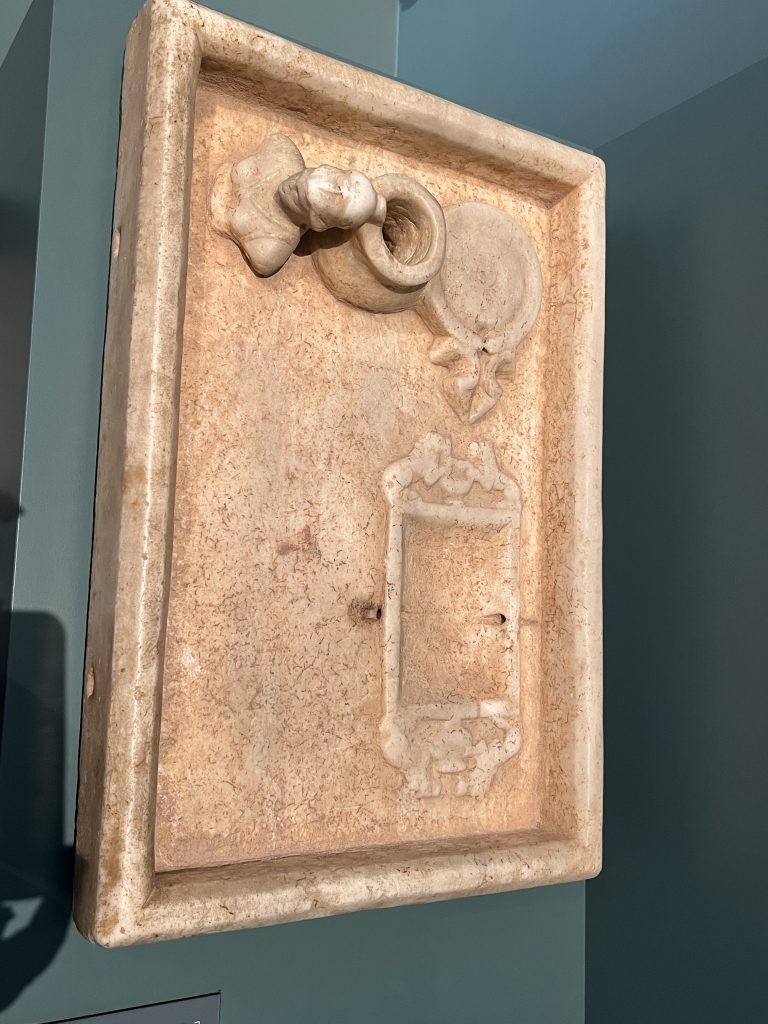
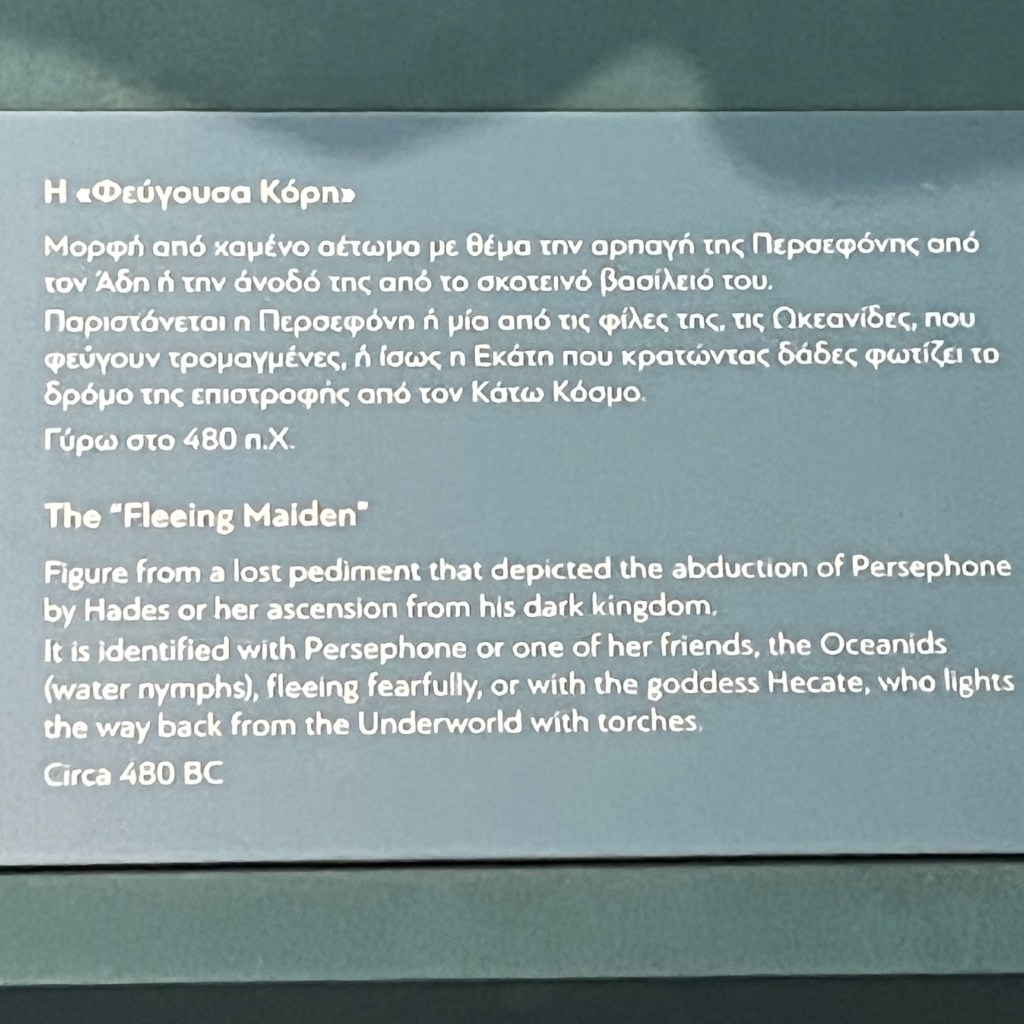
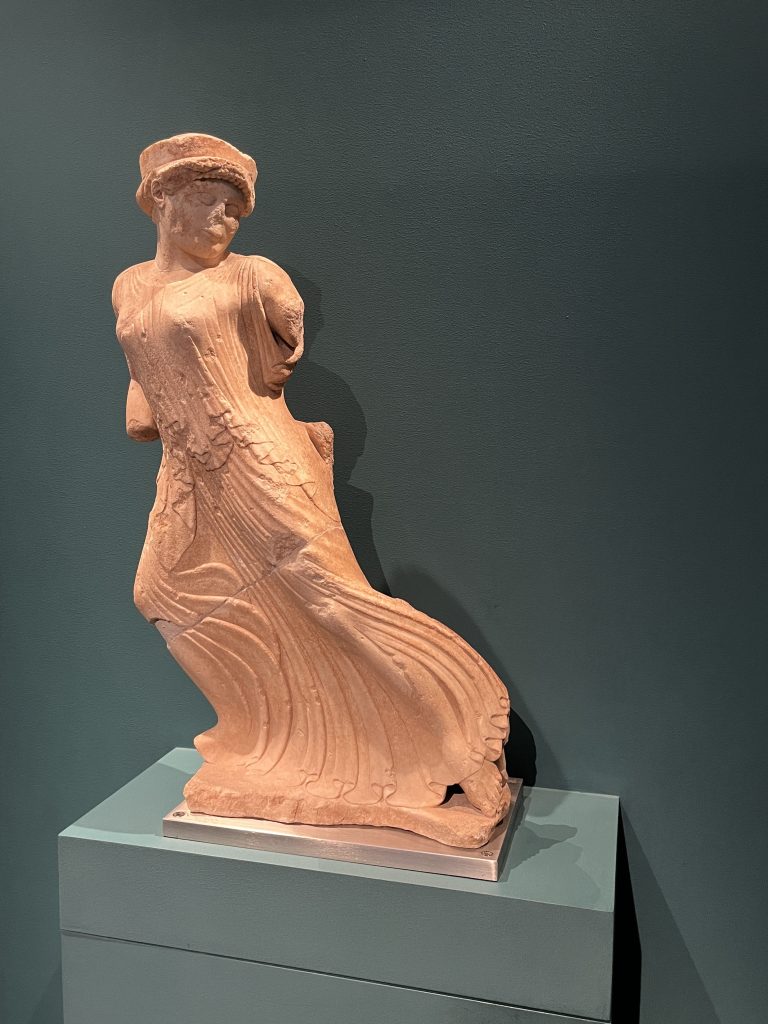
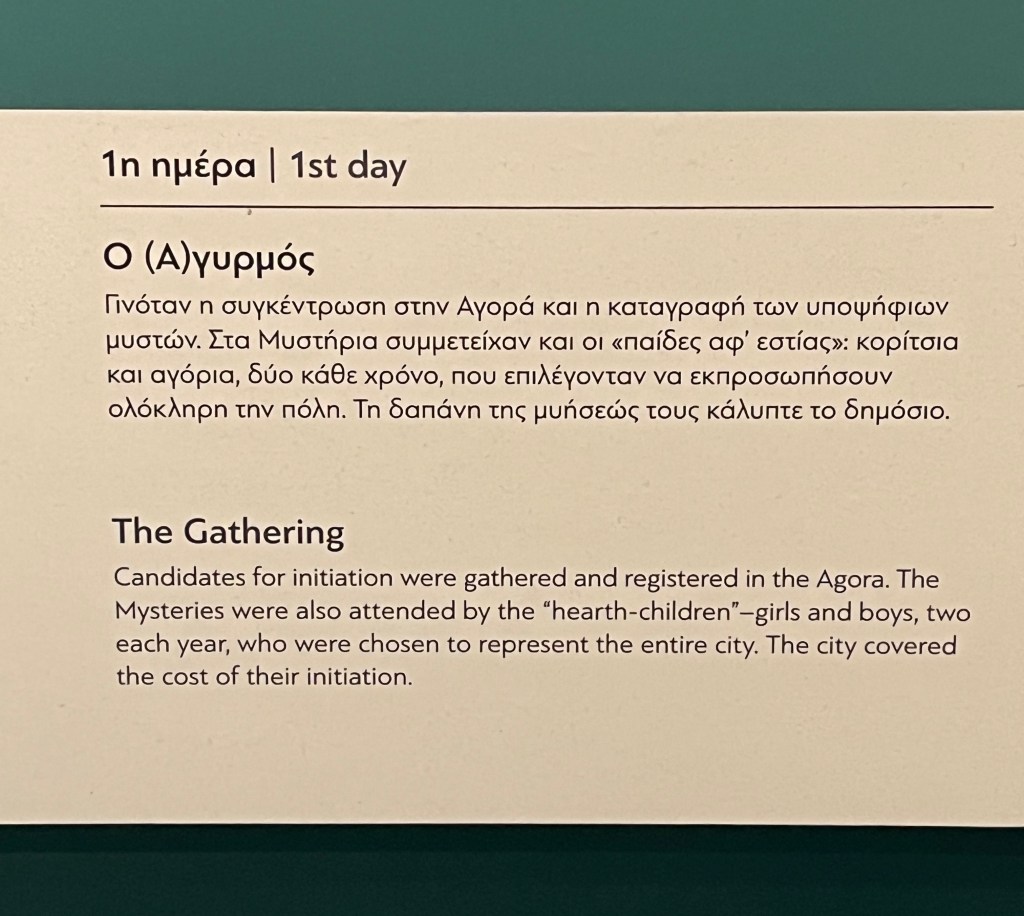
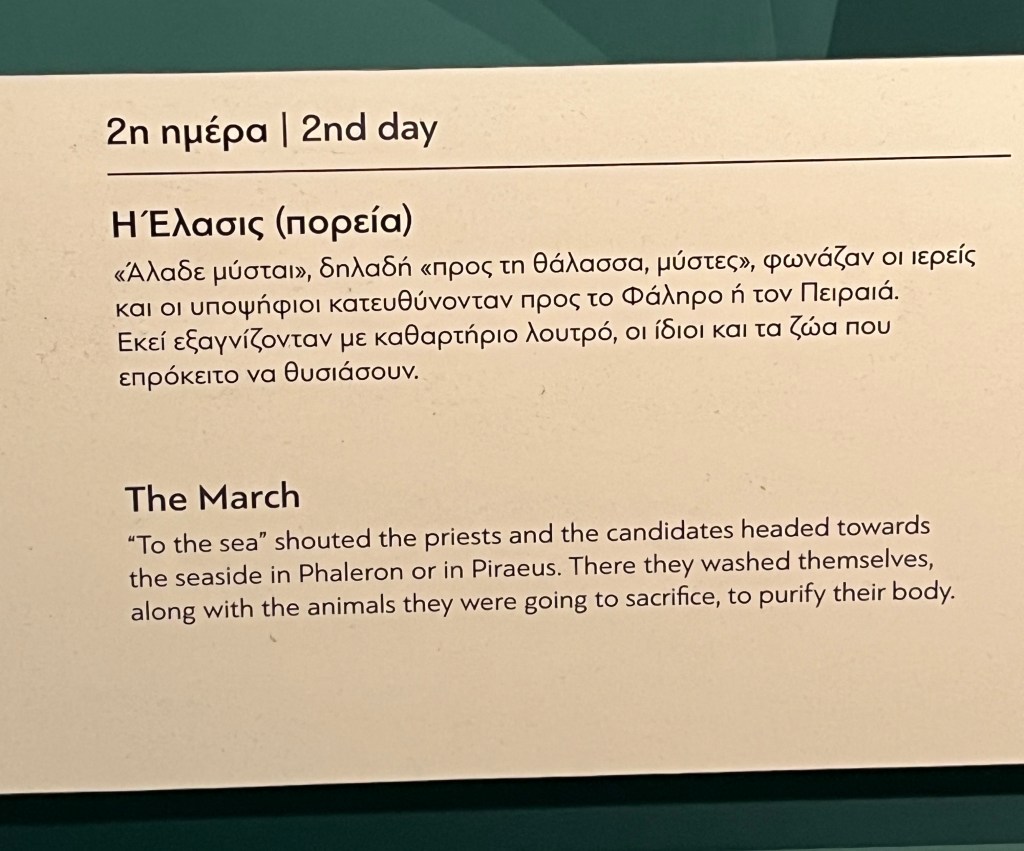
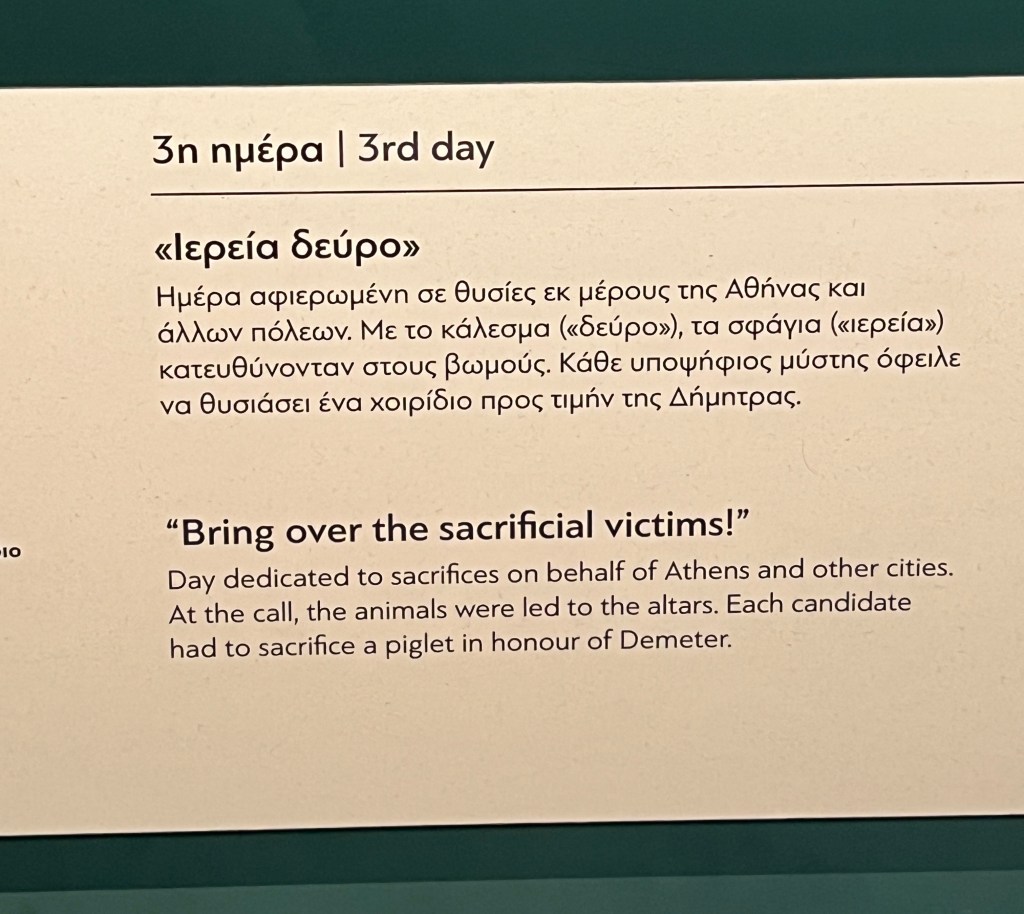
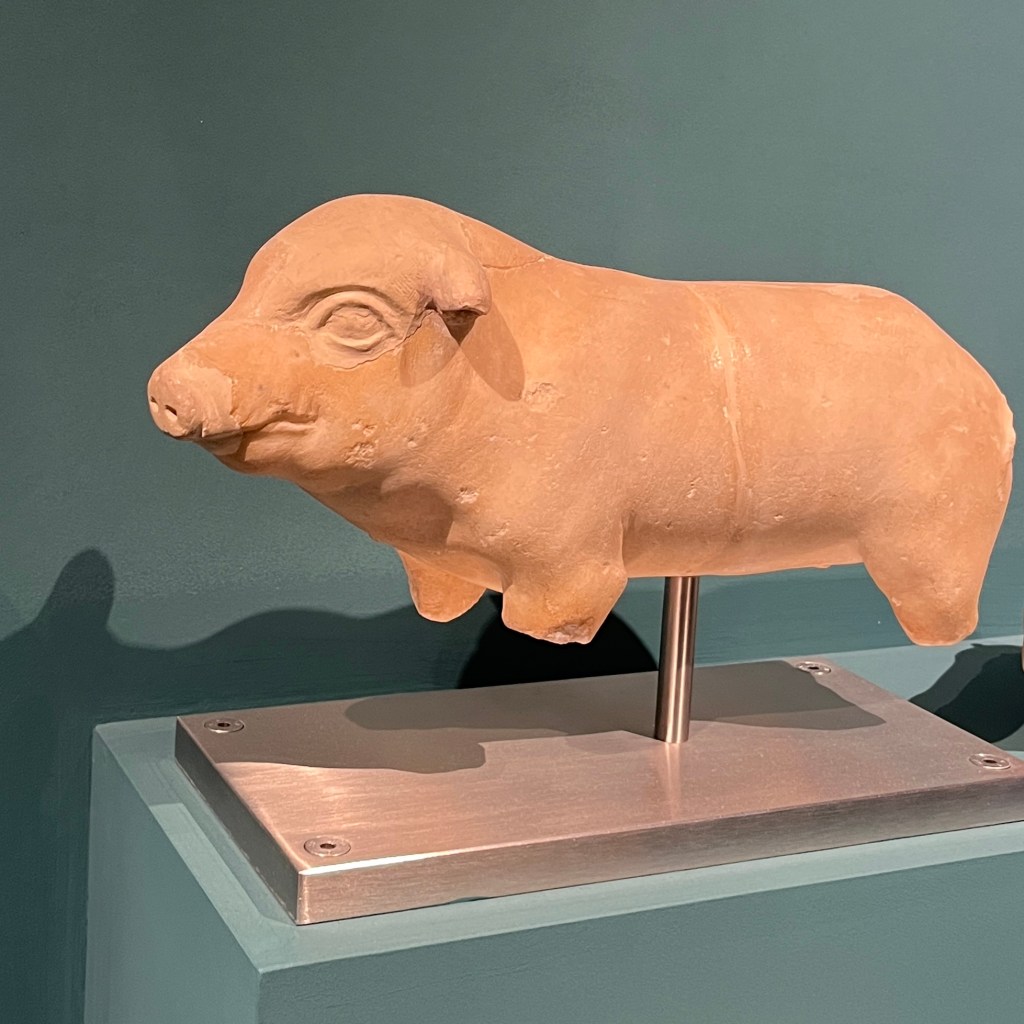
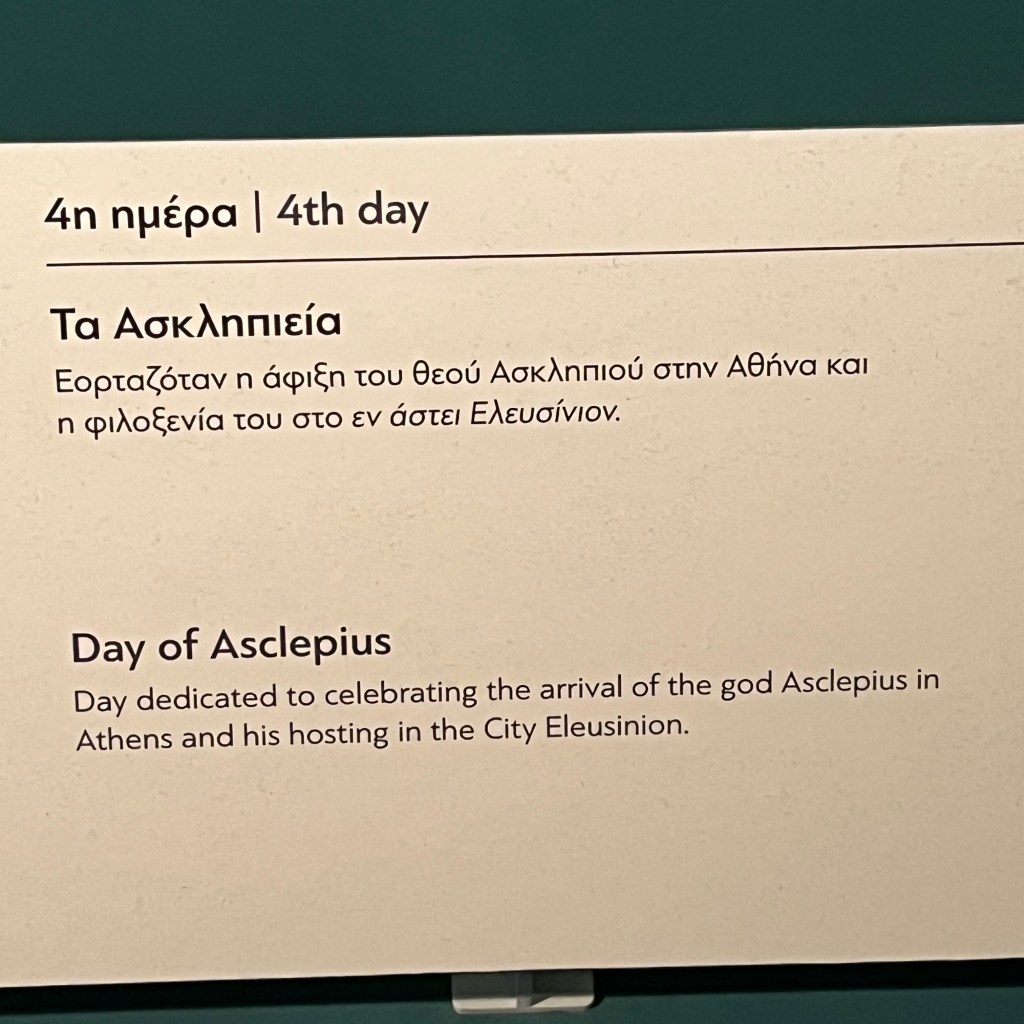
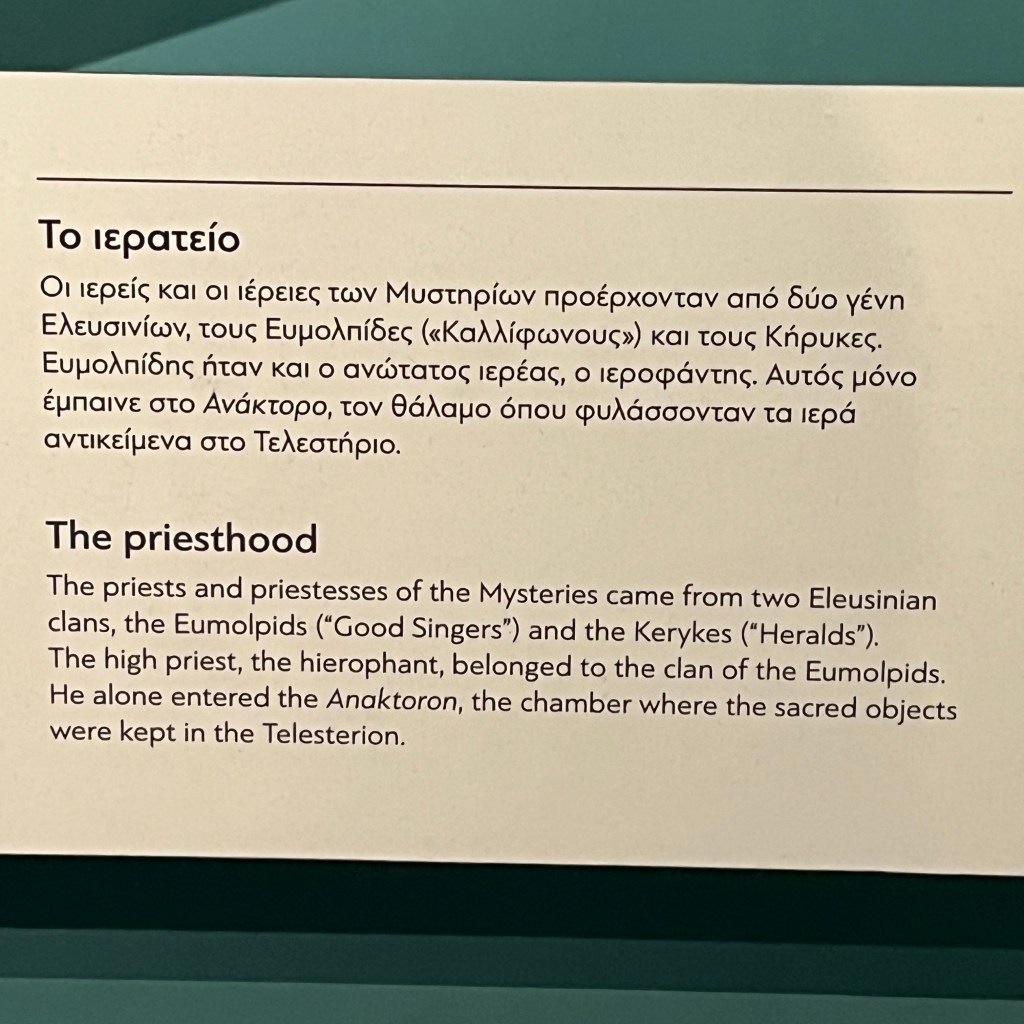
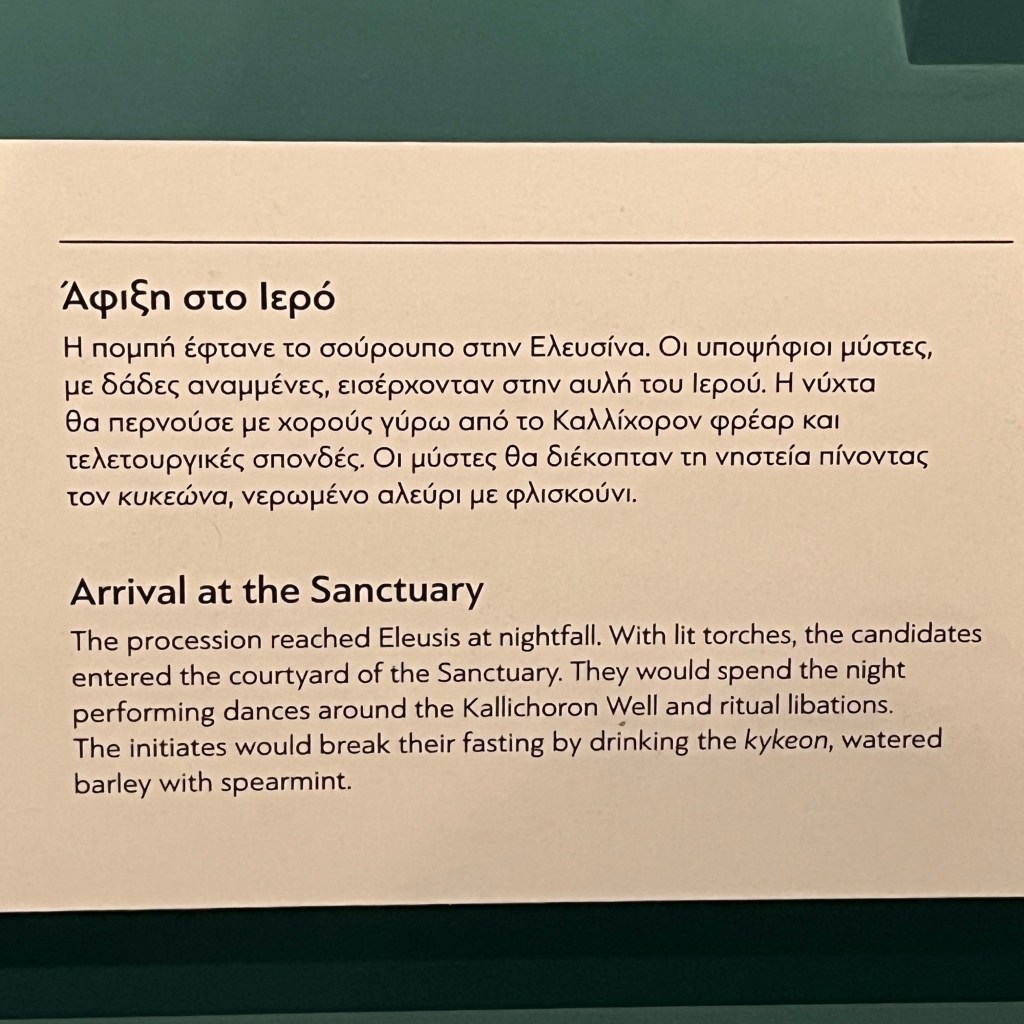
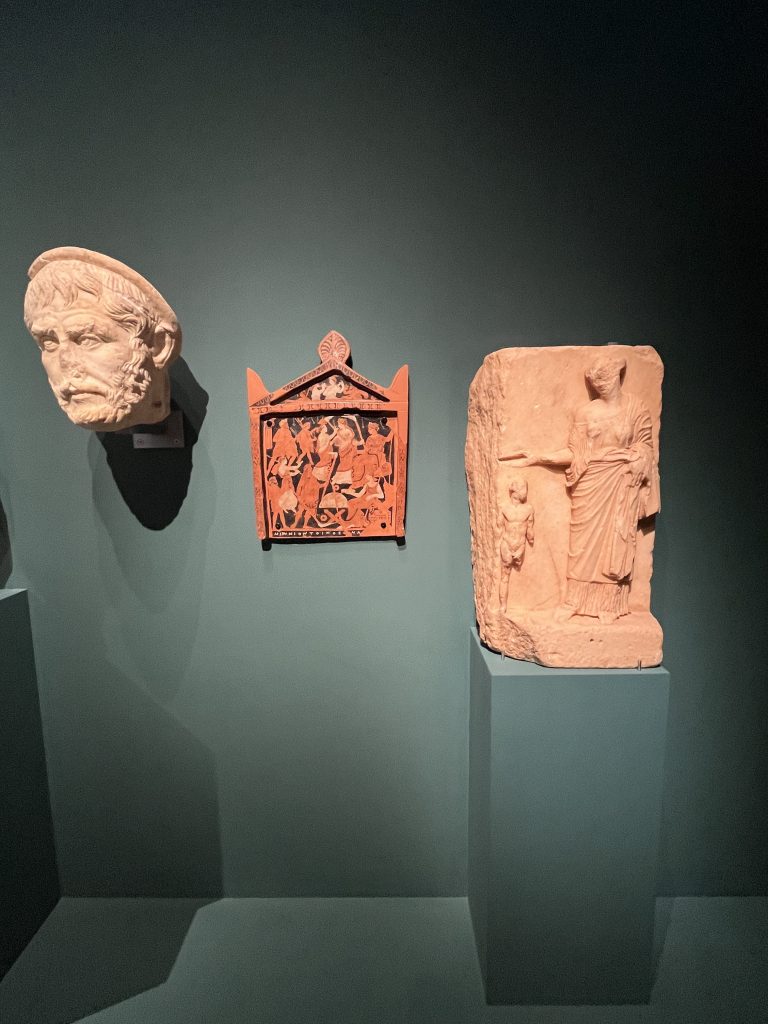
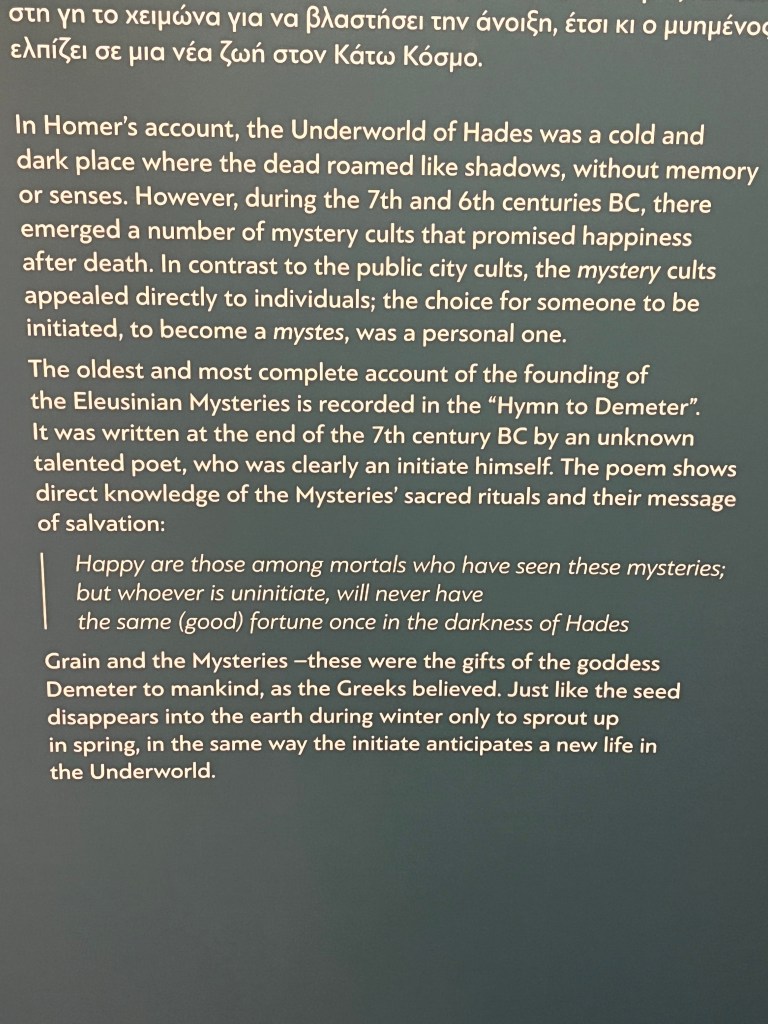
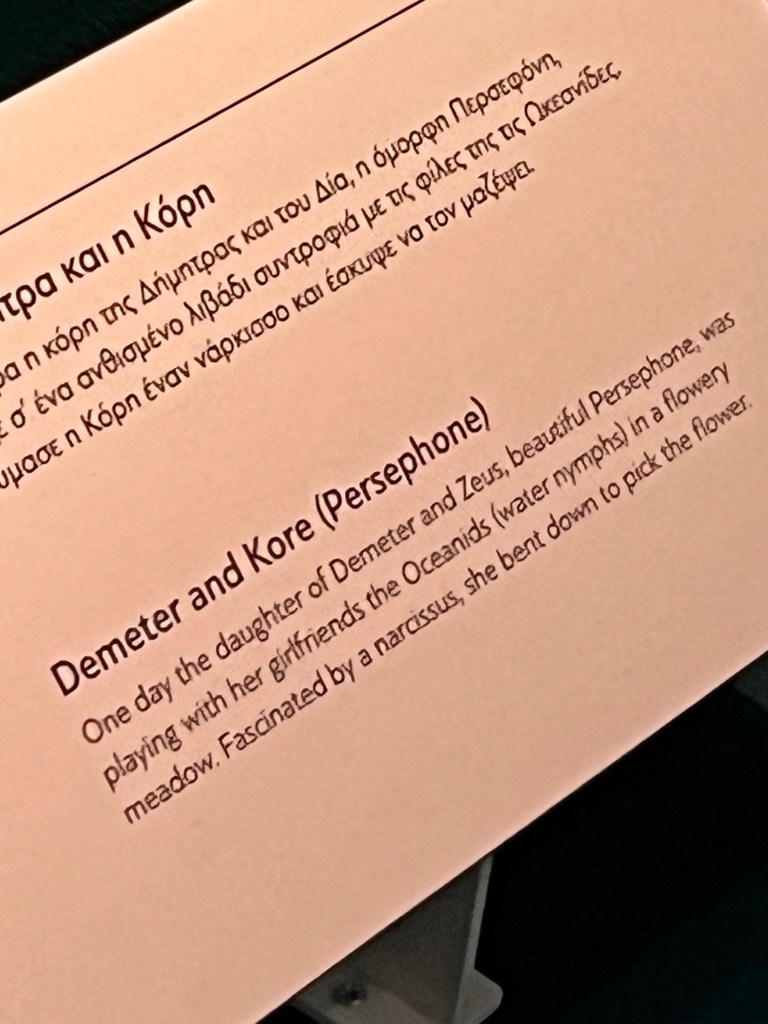
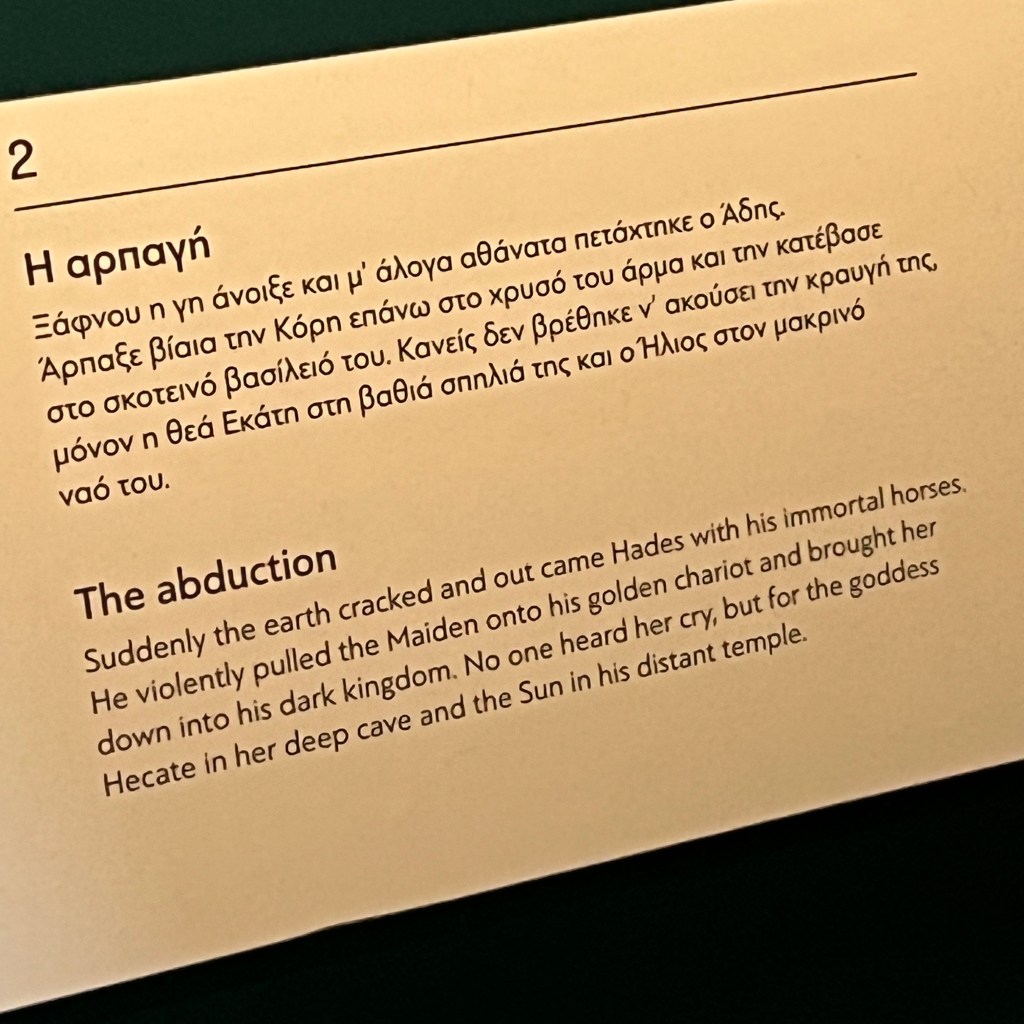
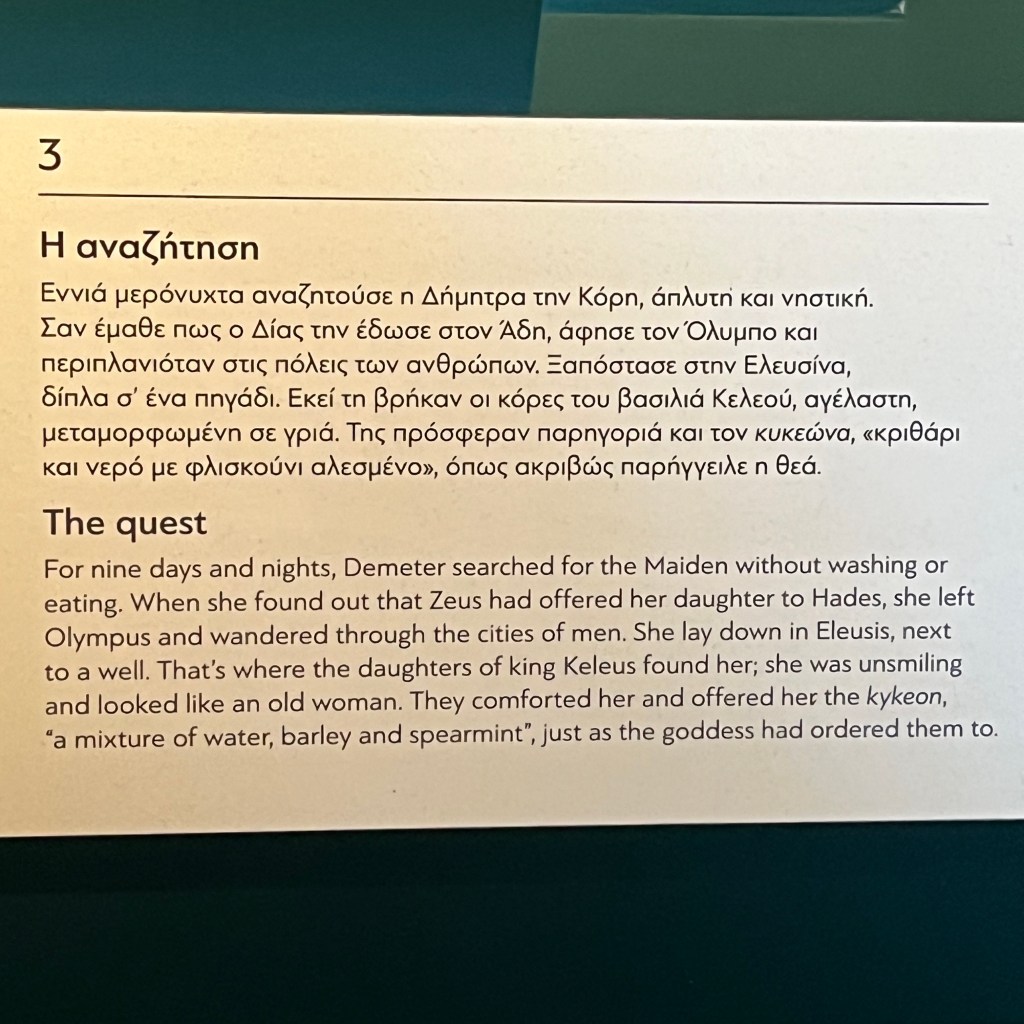
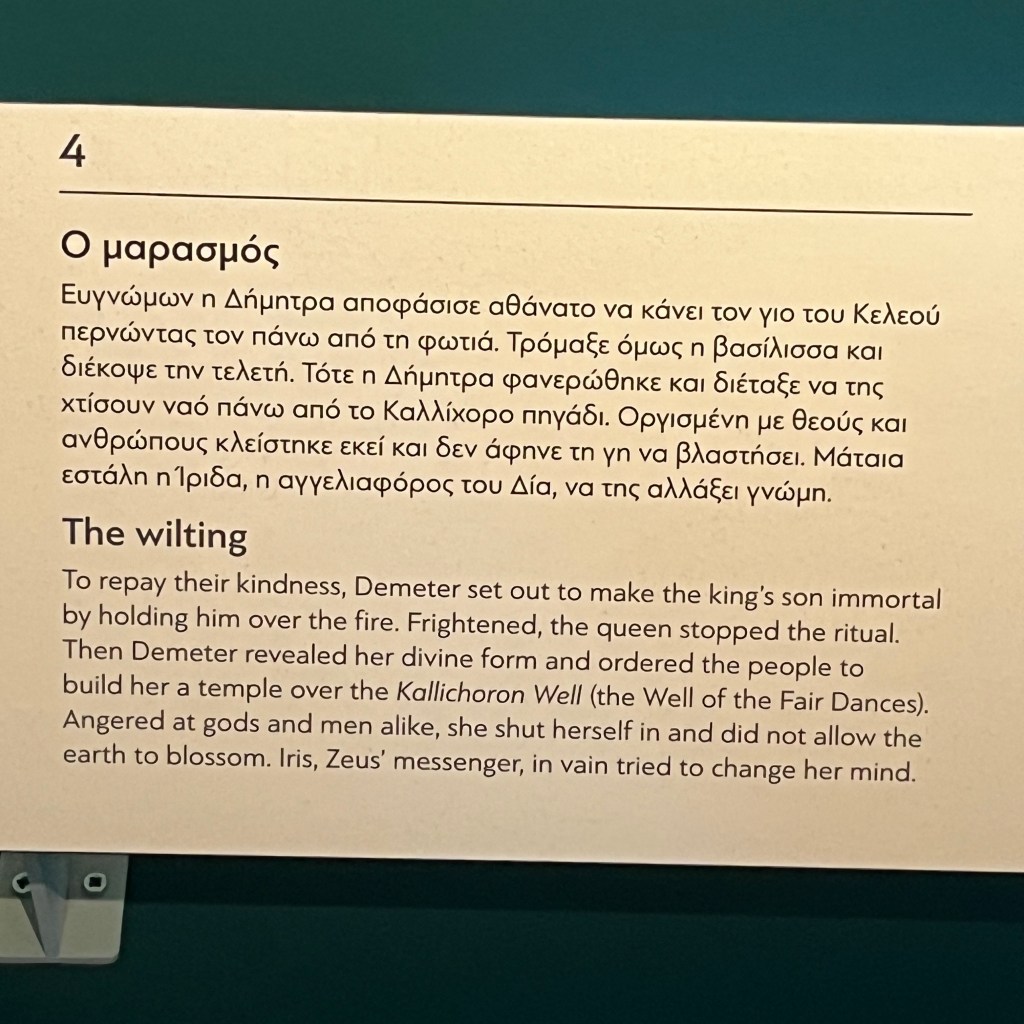
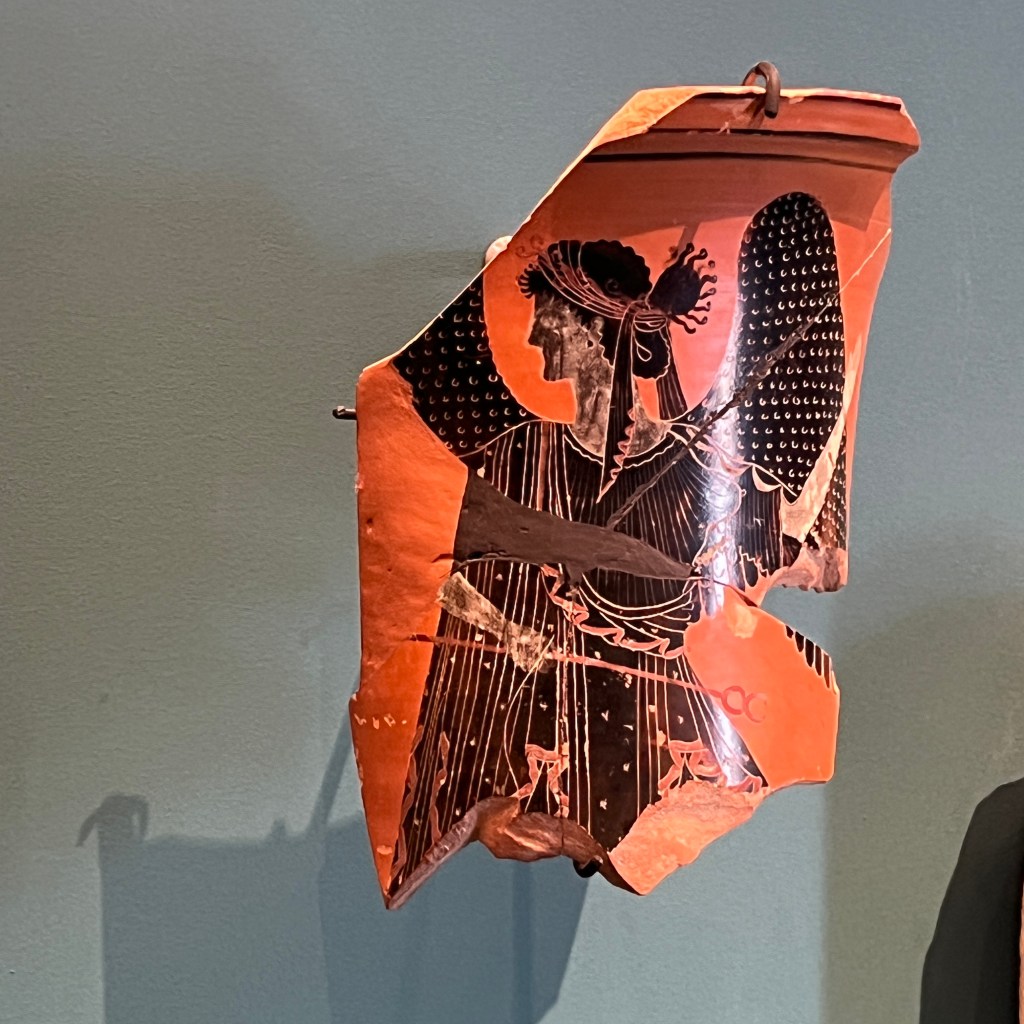
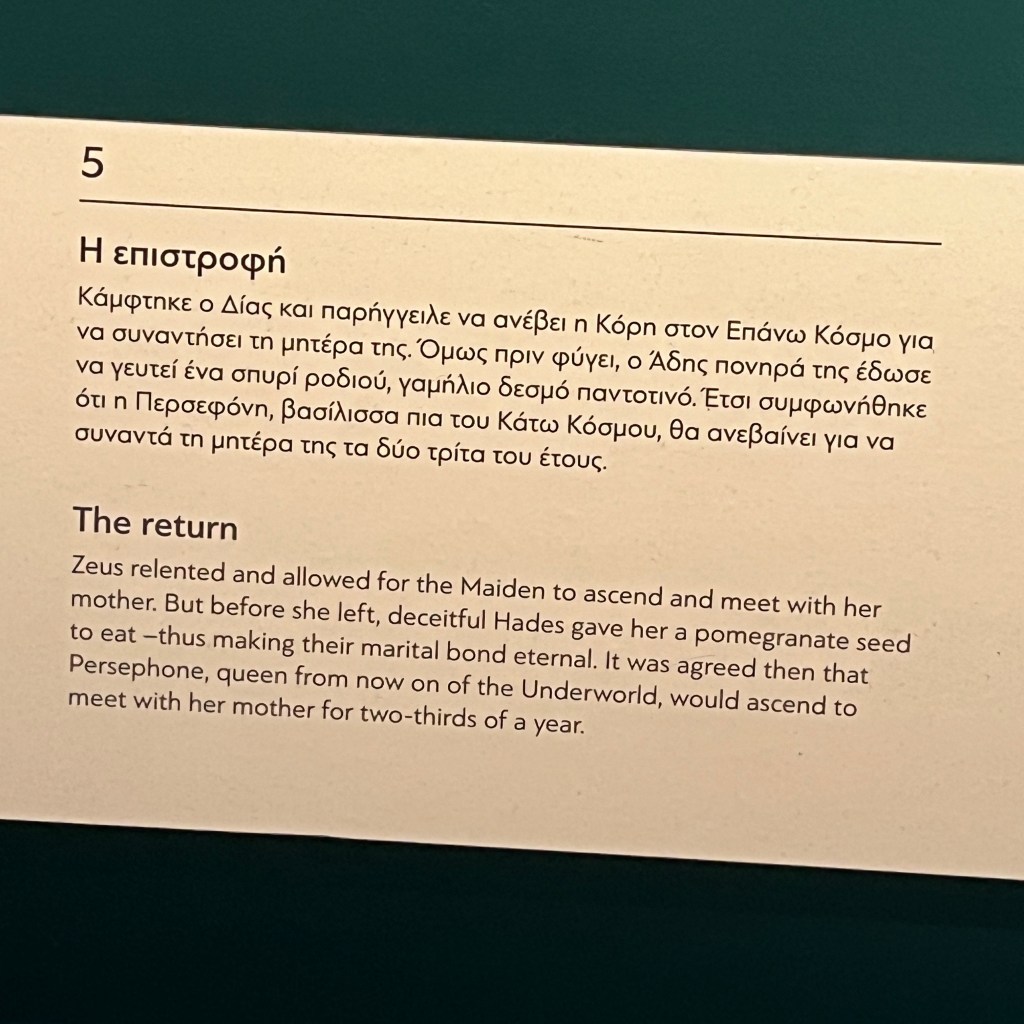
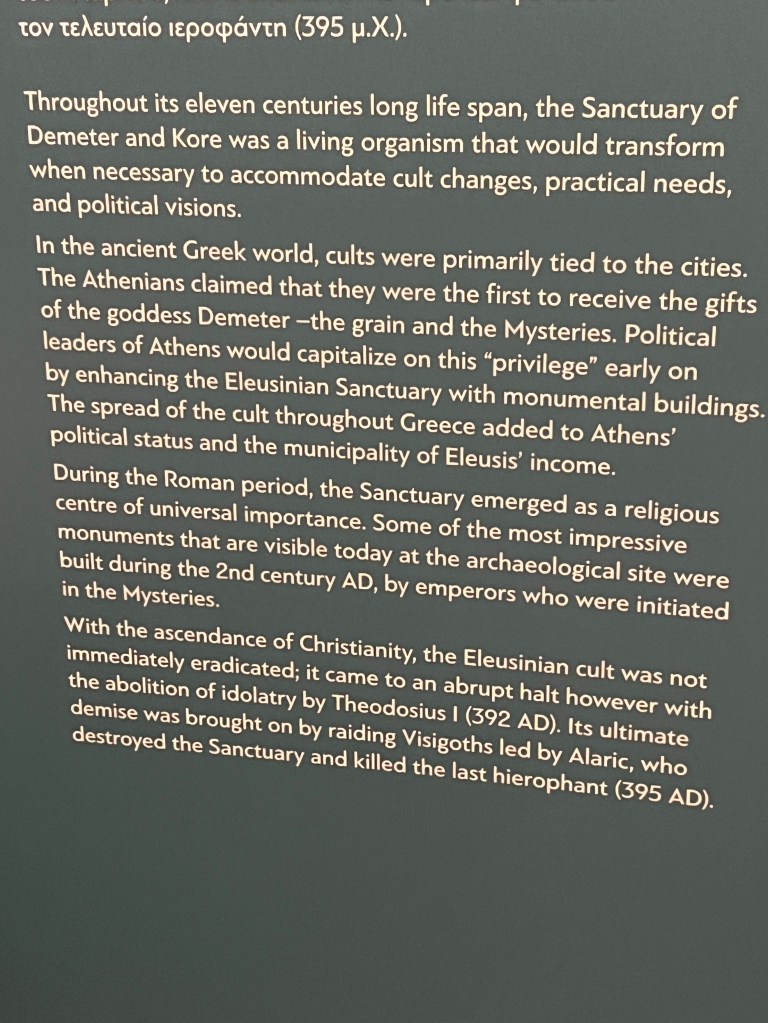
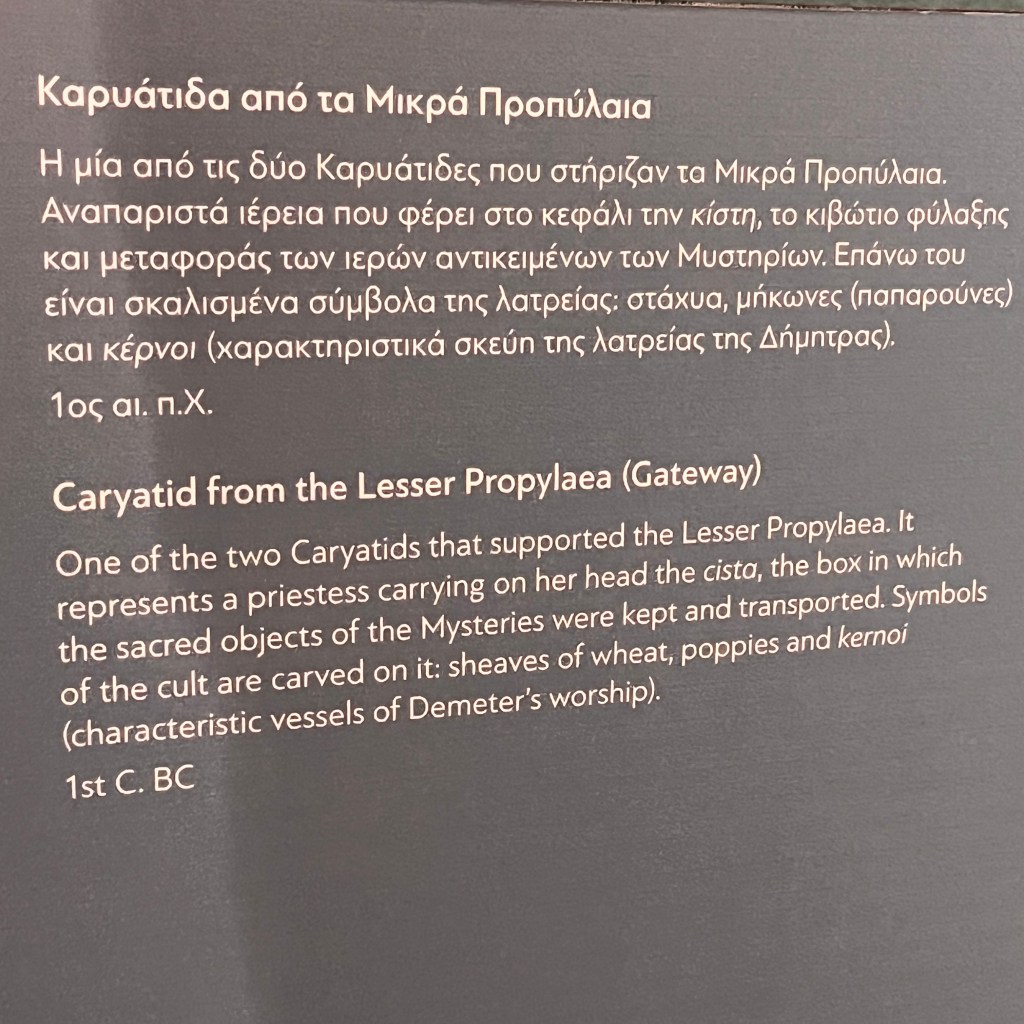
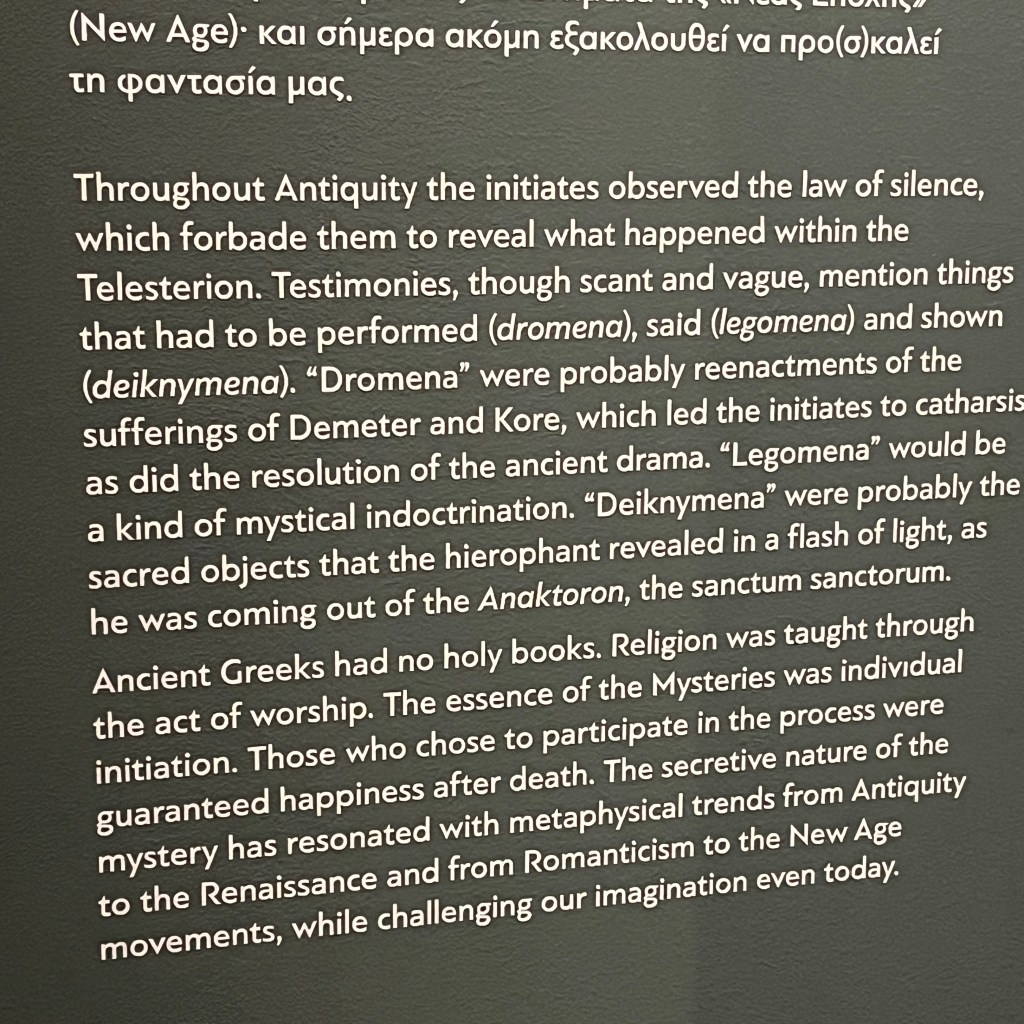
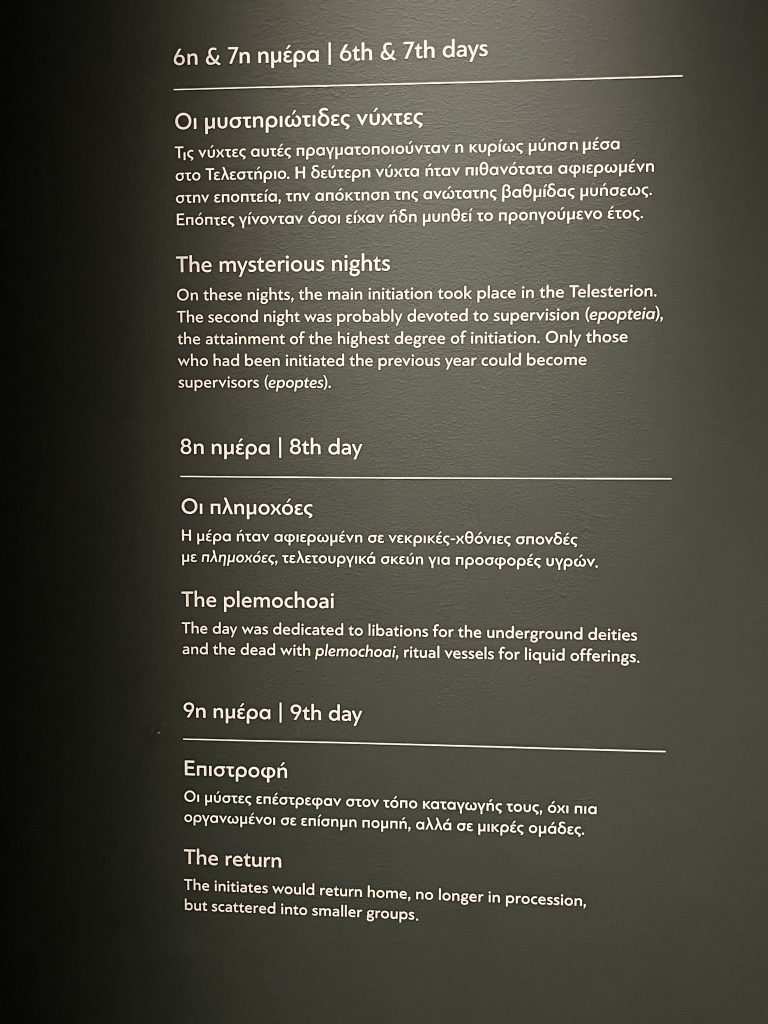
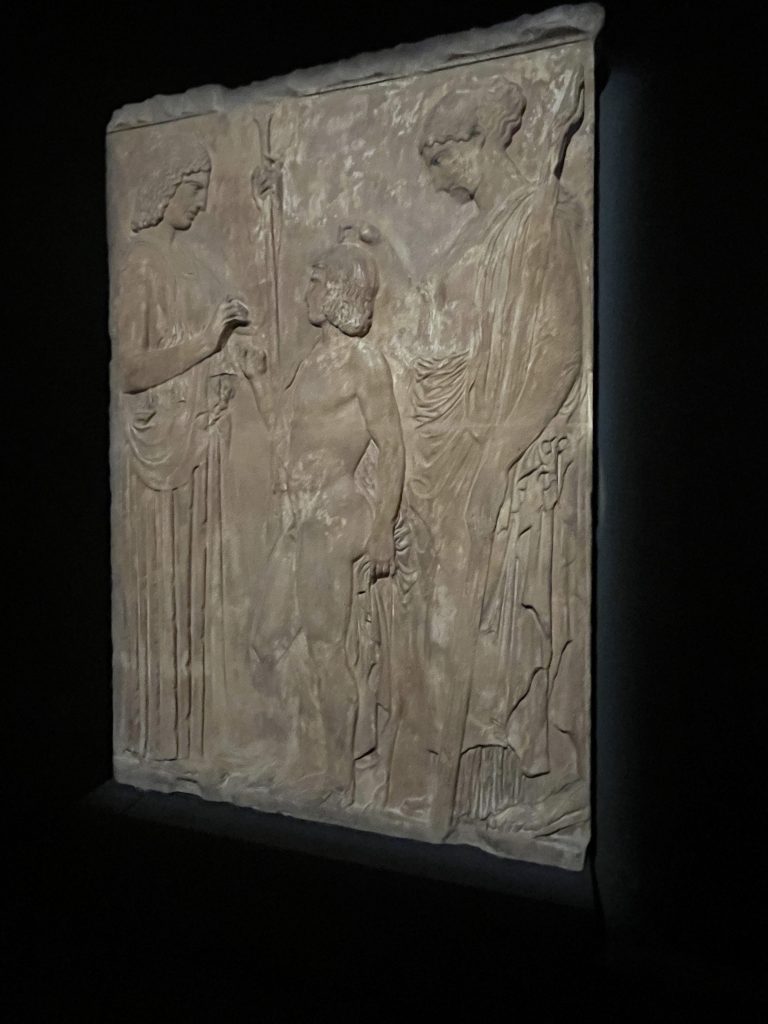
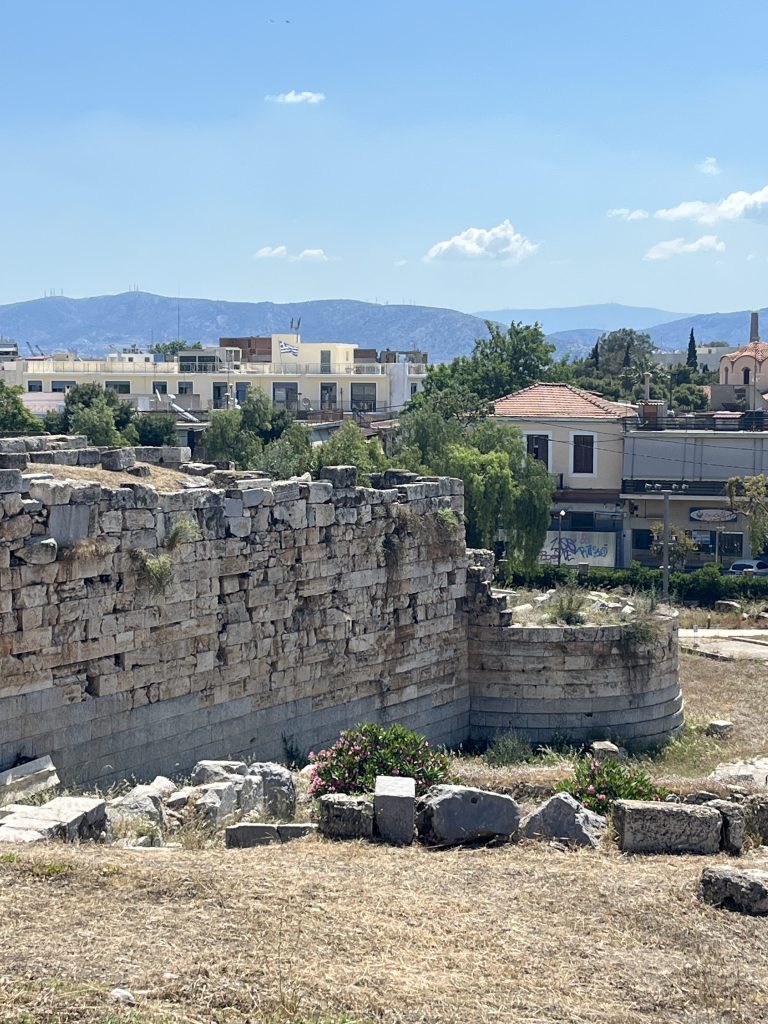
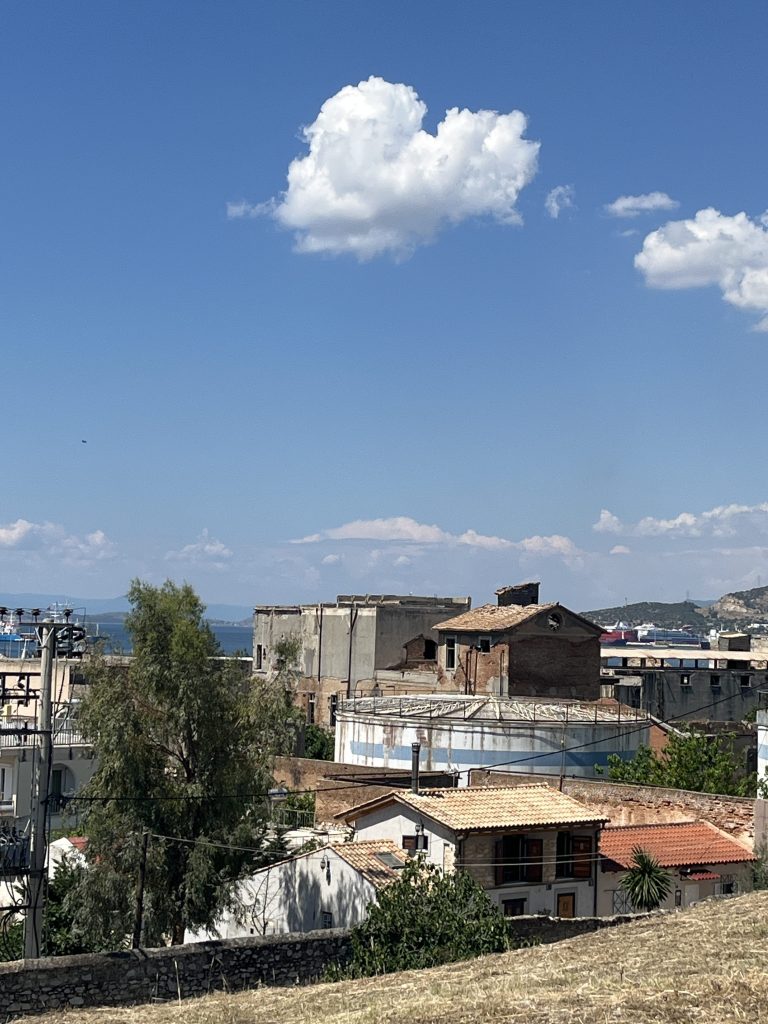
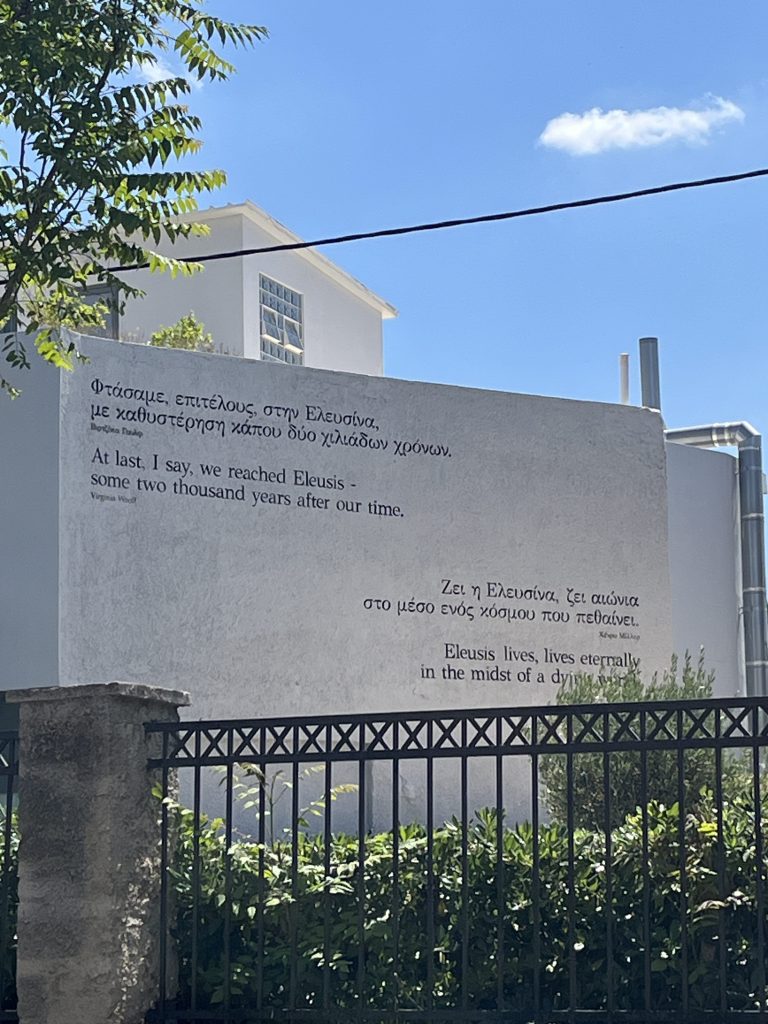
The Eleusis way was covered in the book we read pre-trip, Traveling with Pomegranates and in our Women of Ancient Greece tour. Basically, the way was traveled by pilgrims all year, but there was a special 9 day festival which is when most people traveled the sacred way. It had a lot to do with fertility, for the land, animals, and people. The general story includes Hades, Persephone, and Demeter. Persephone was captured by Hades and while she was in the underworld she ate pomegranates so she had to stay in the underworld for half of the year. Demeter wanted her daughter back and she wouldn’t let anything bloom until Persephone was returned to her. We have seasons because the earth is fertile and growing when Persephone is with Demeter. The nine day festival has several stops to pray and to perform rituals. It was really cool to see all sorts of ancient artifacts and hear the stories first hand. This was a great day. The pictures below are the places we stopped along the way before reading Eleusis.
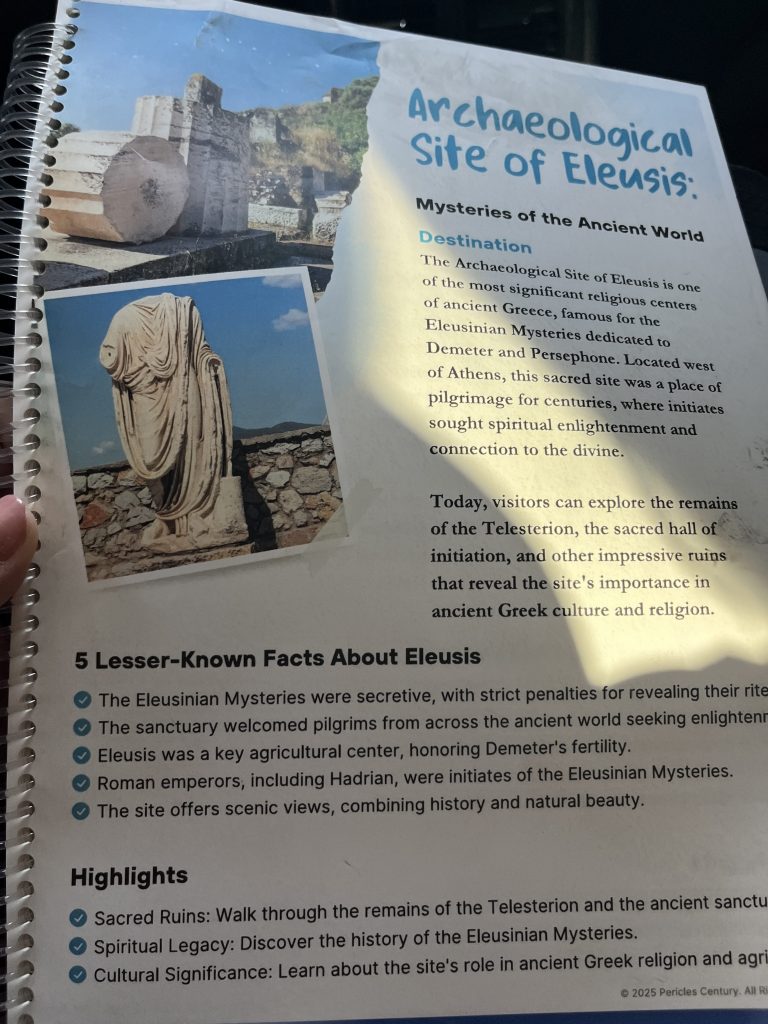
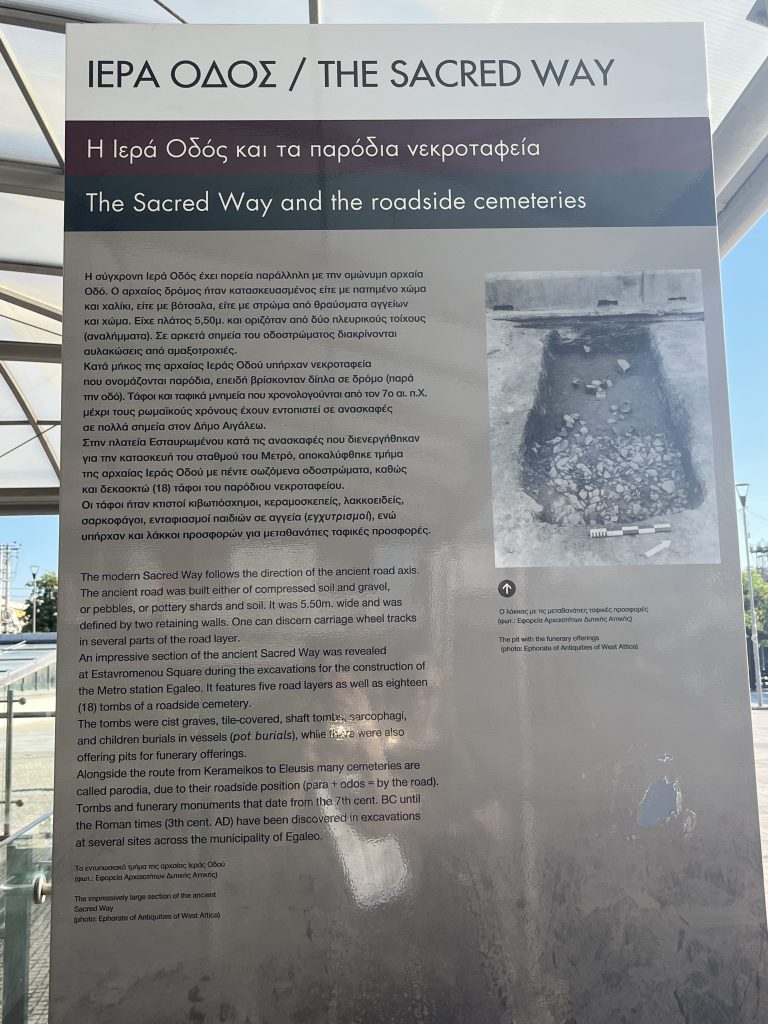
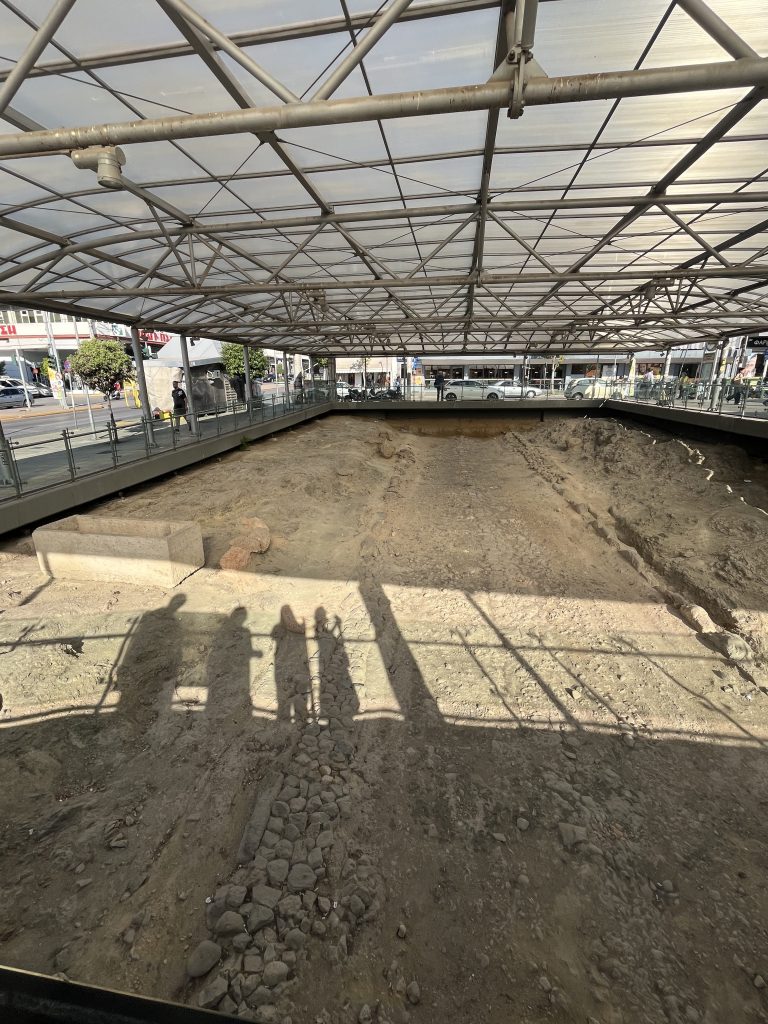
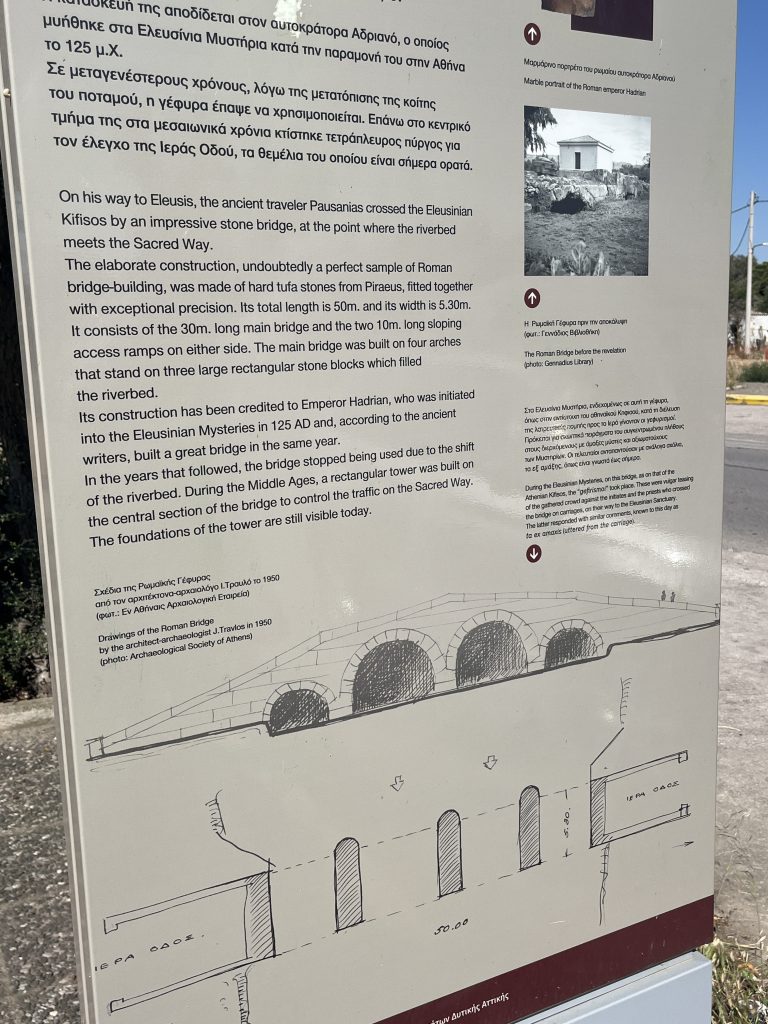
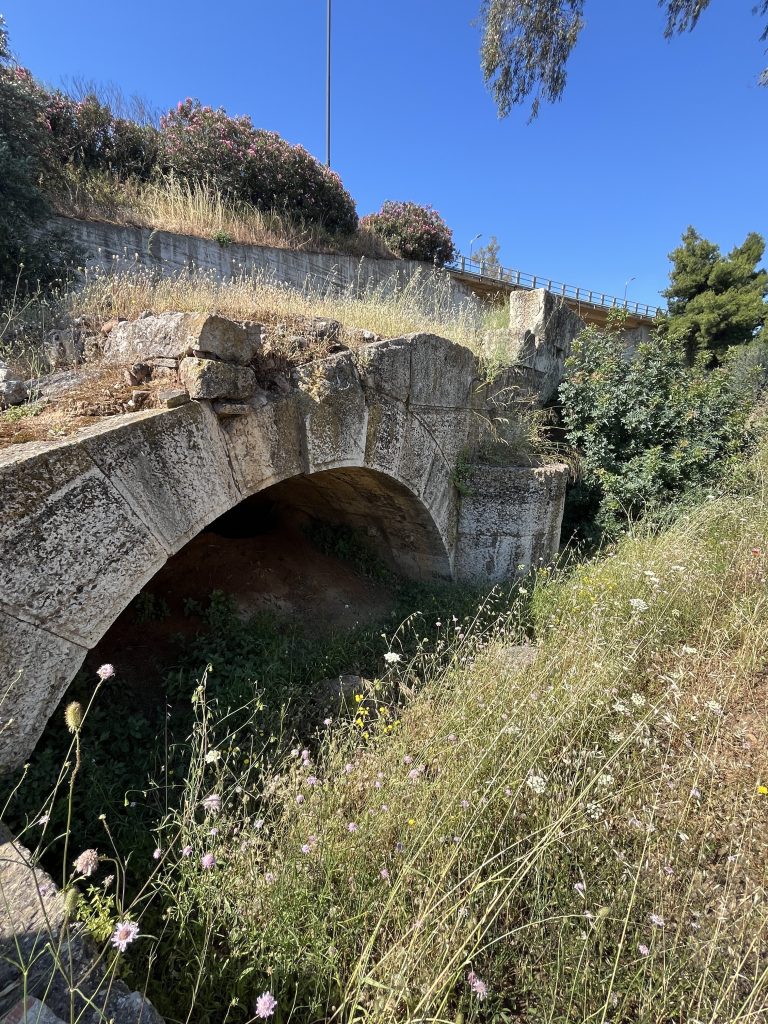
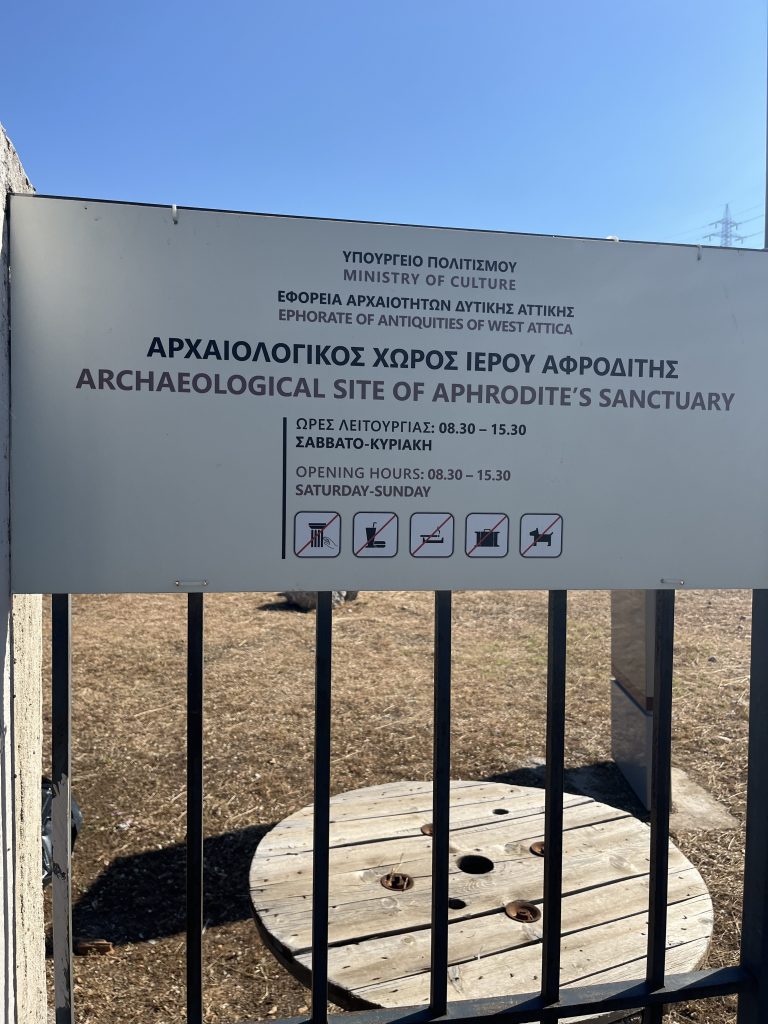
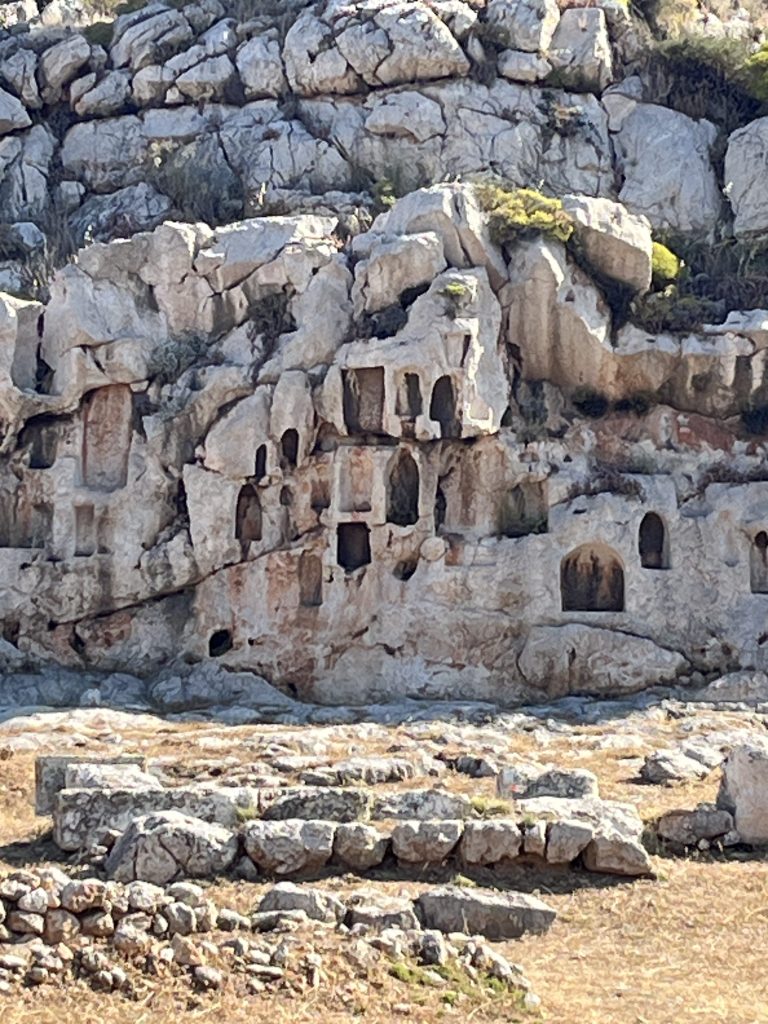
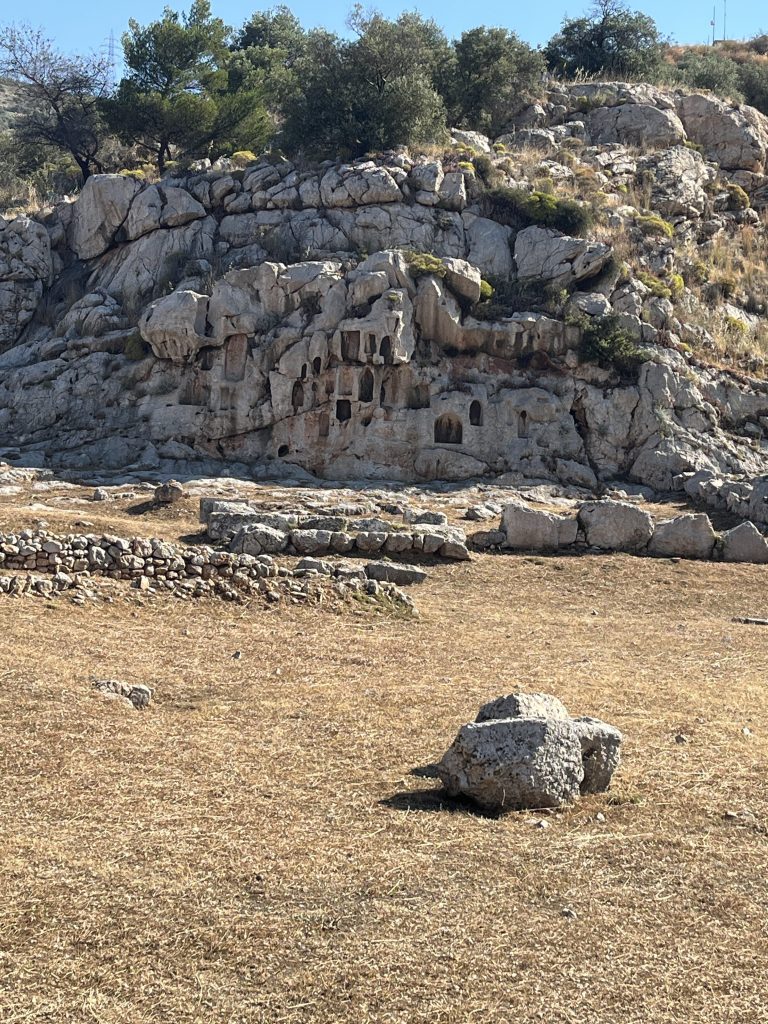
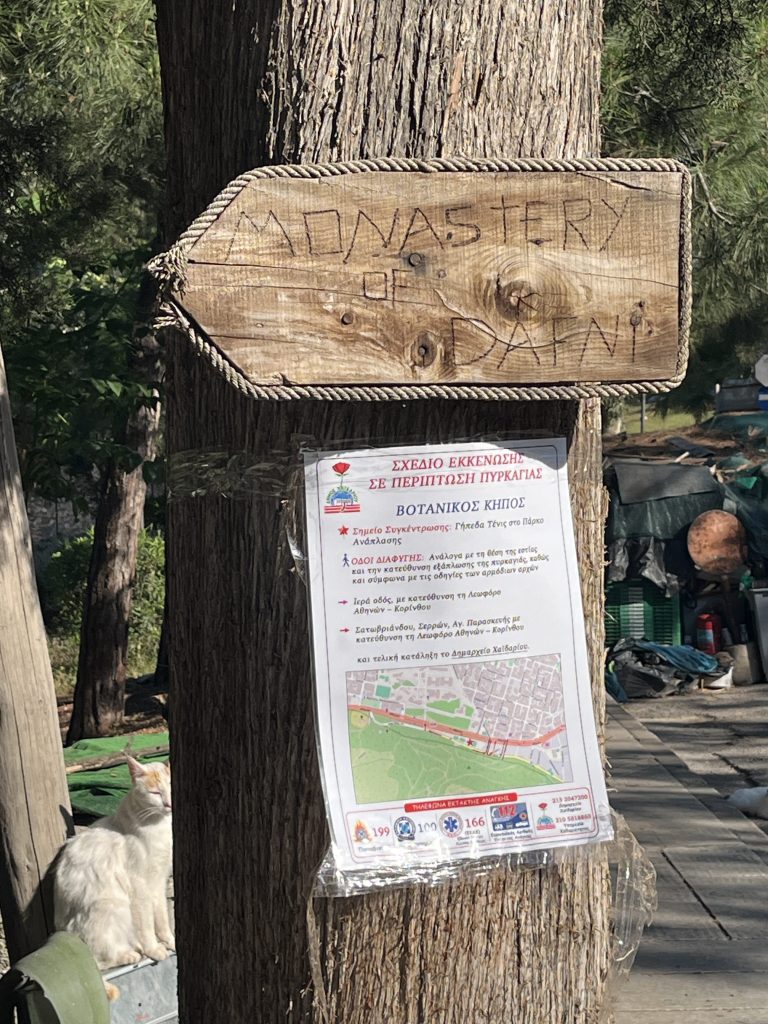
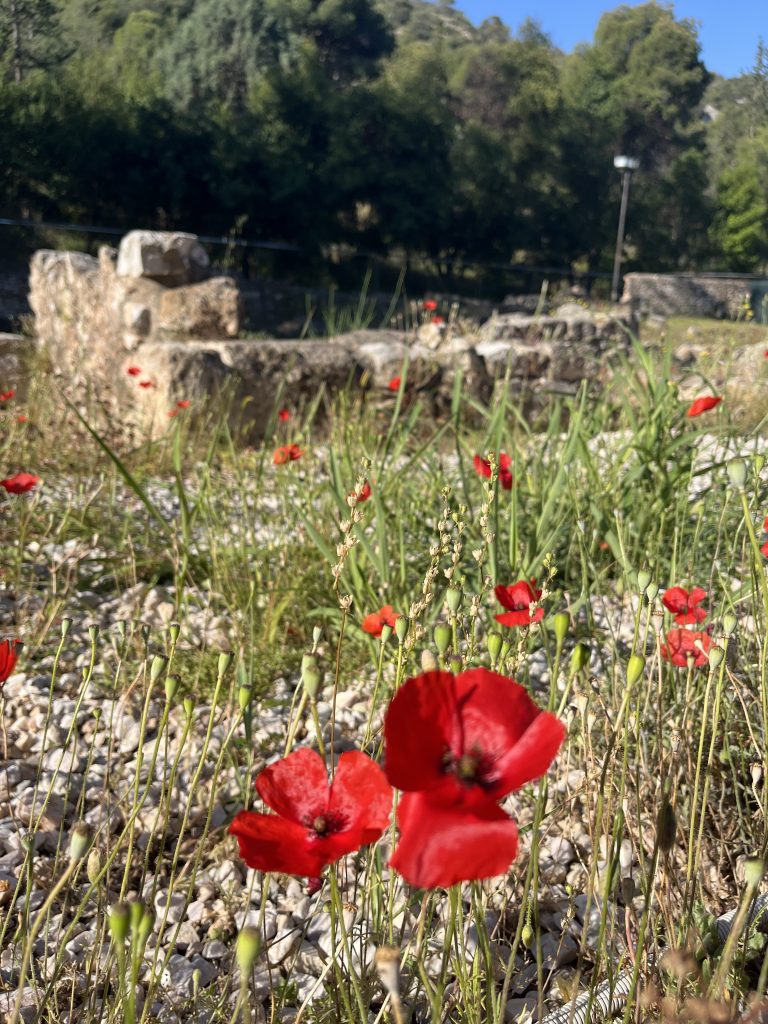
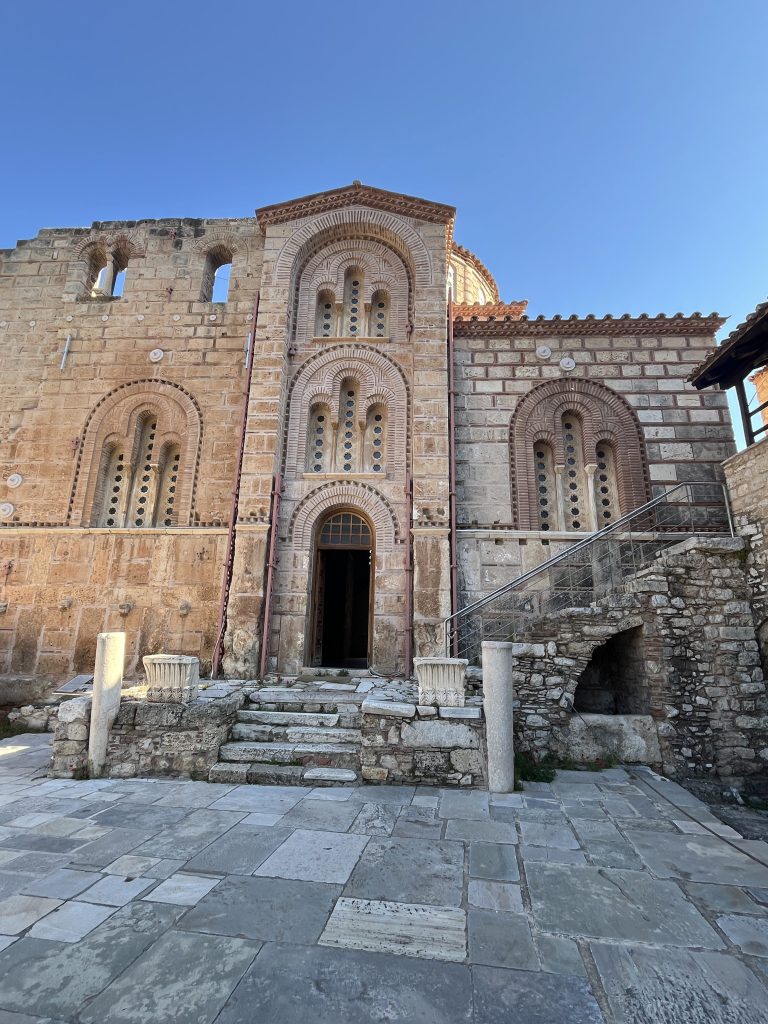
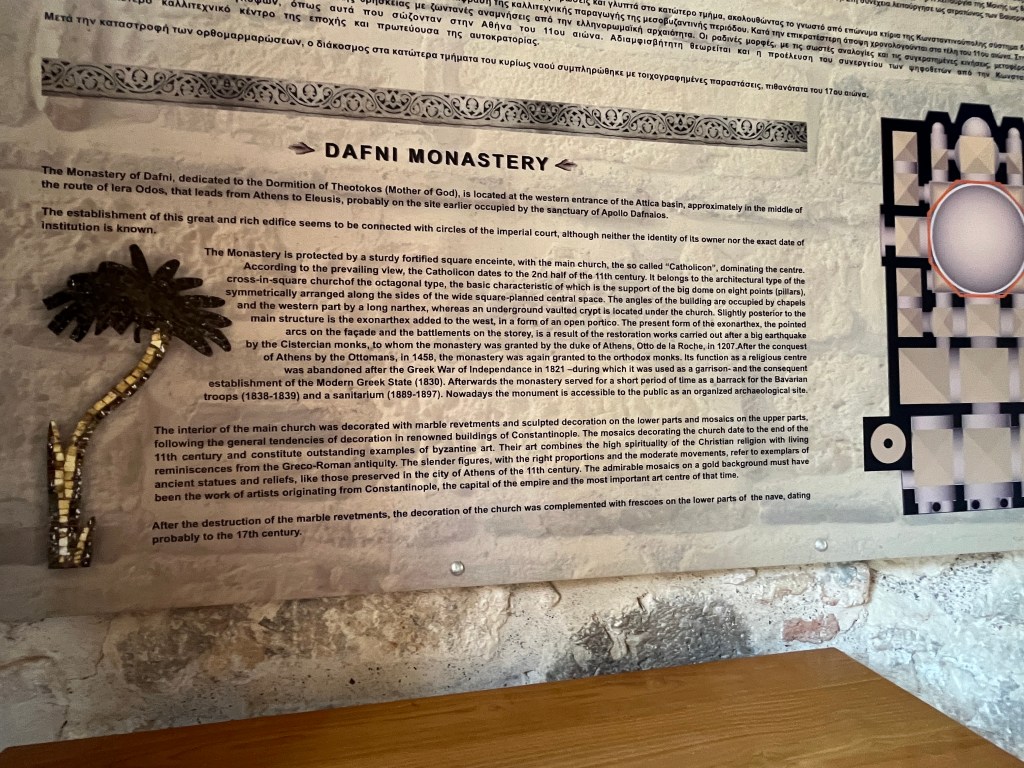
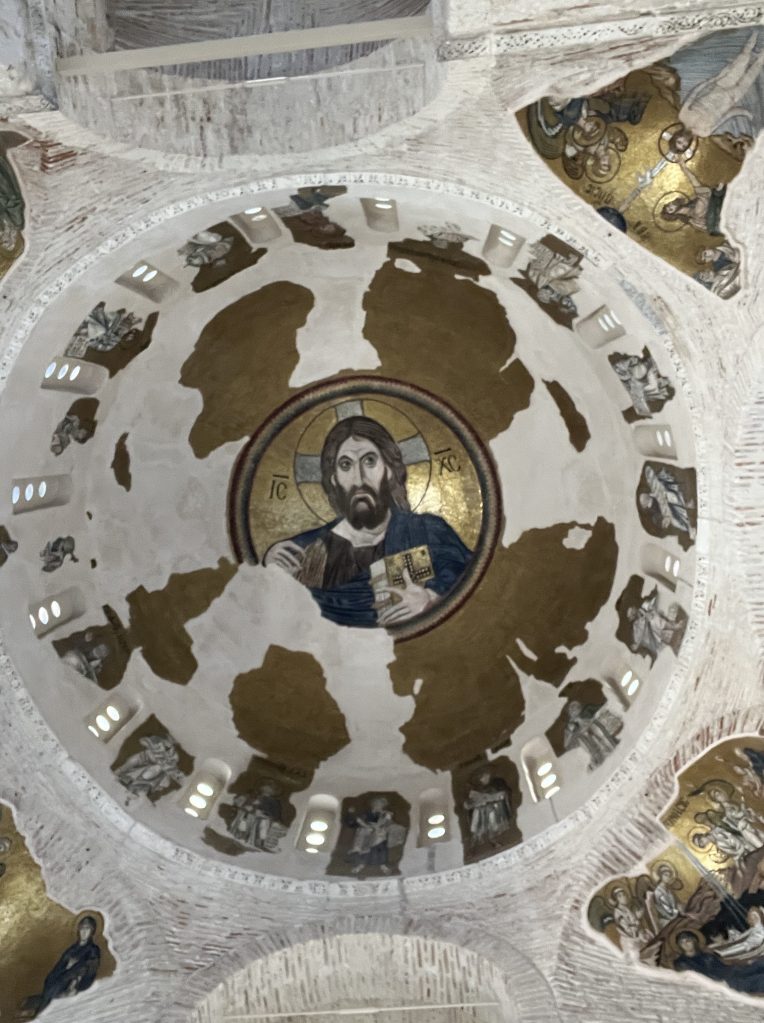
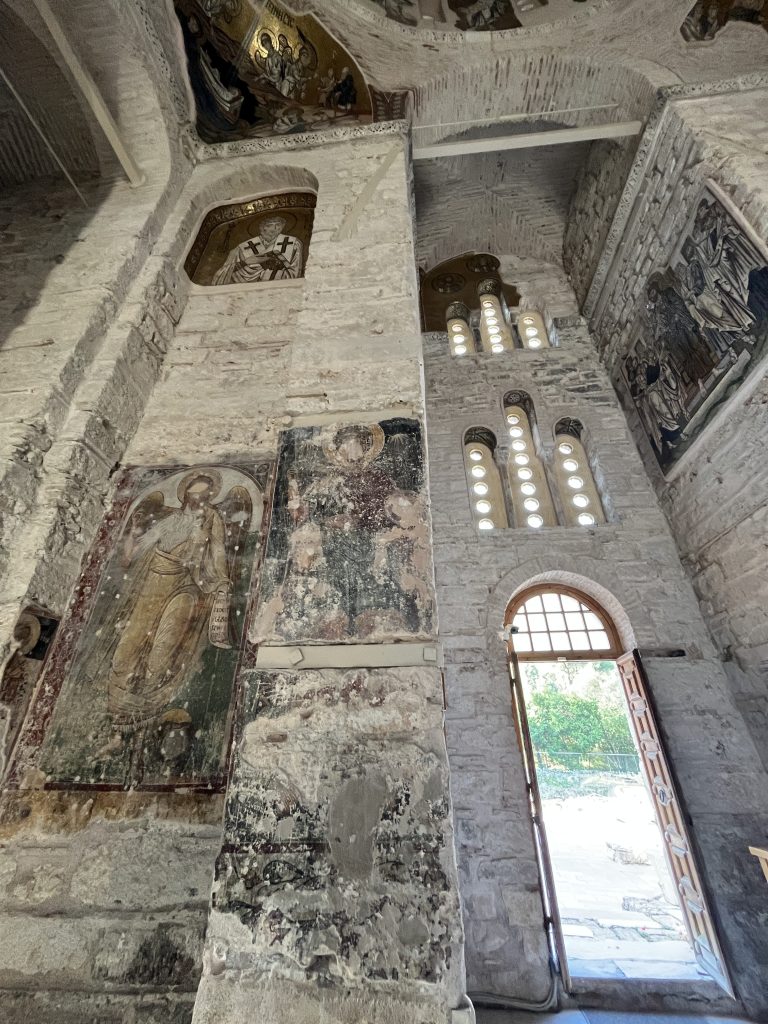
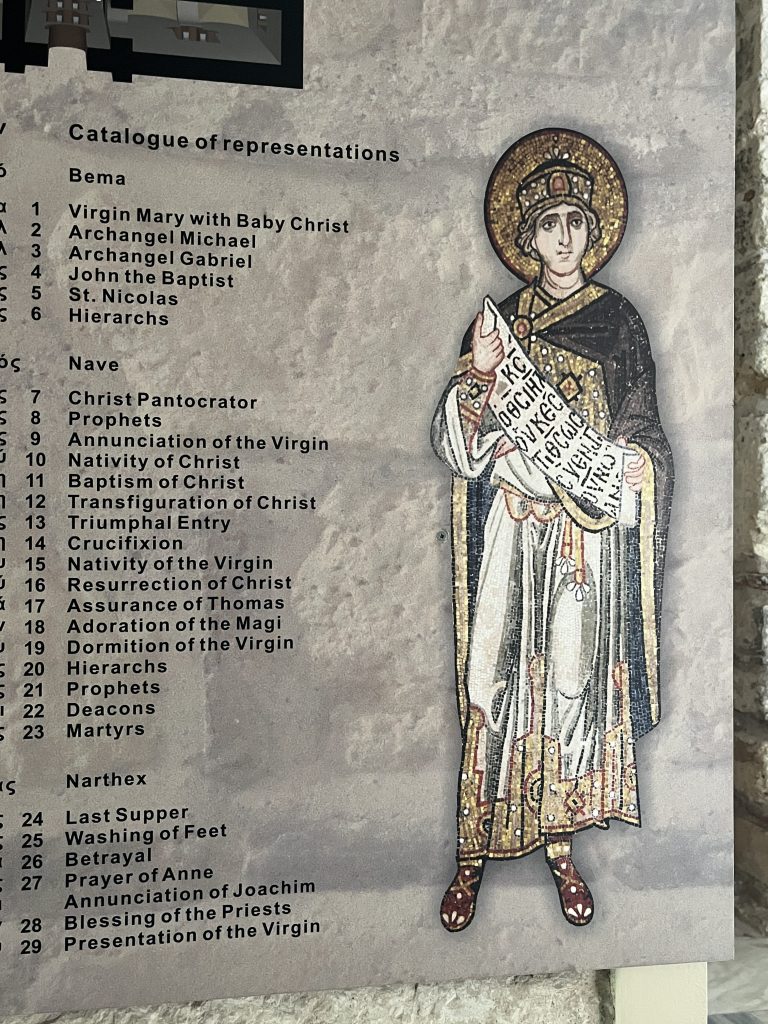
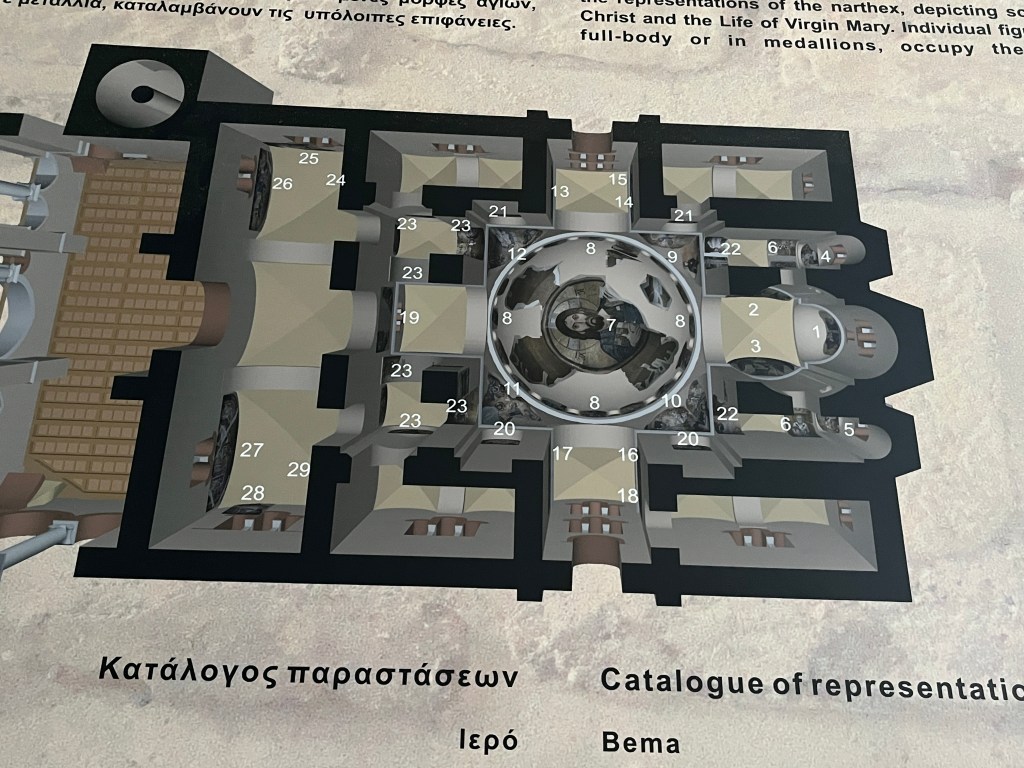
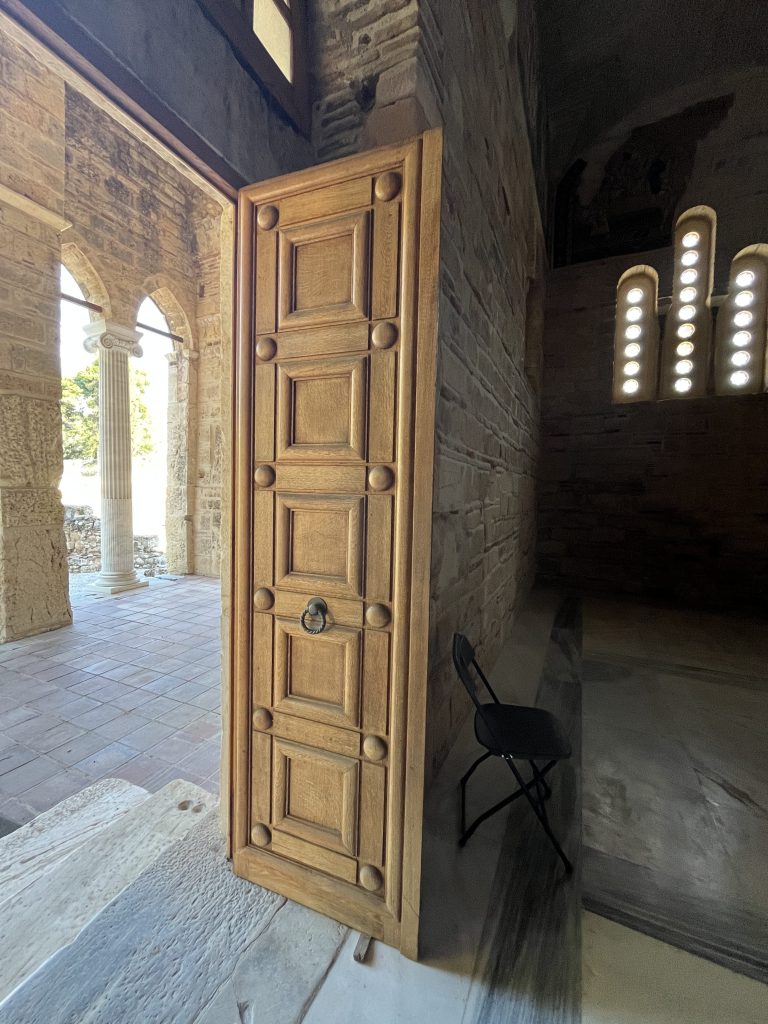
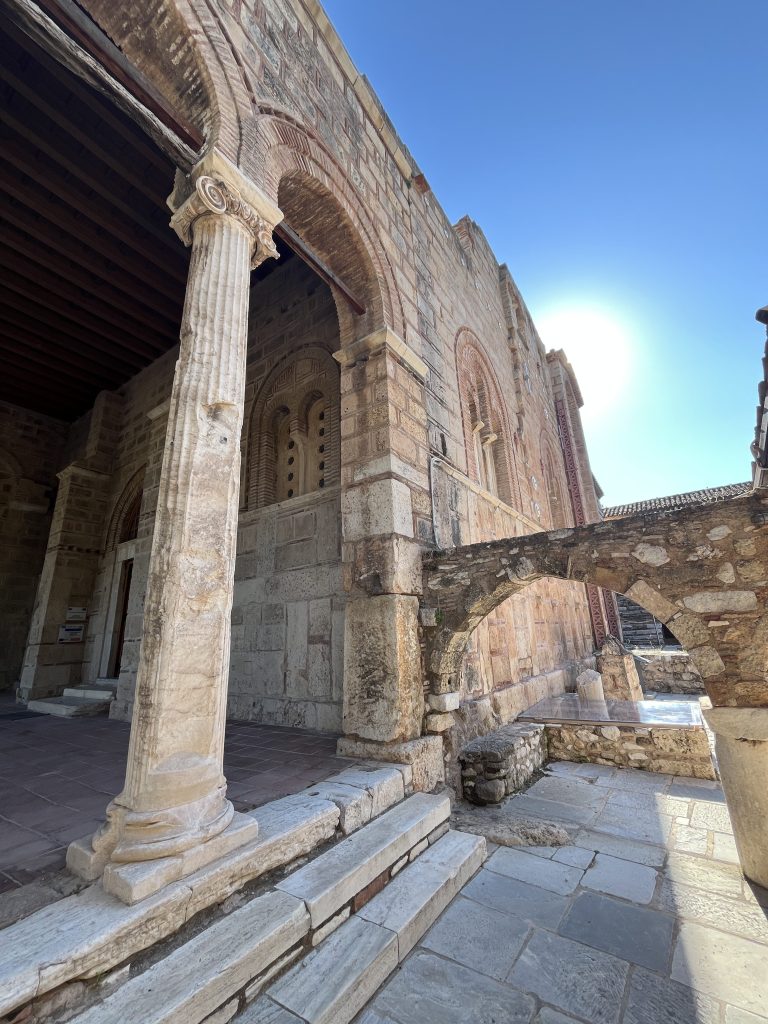
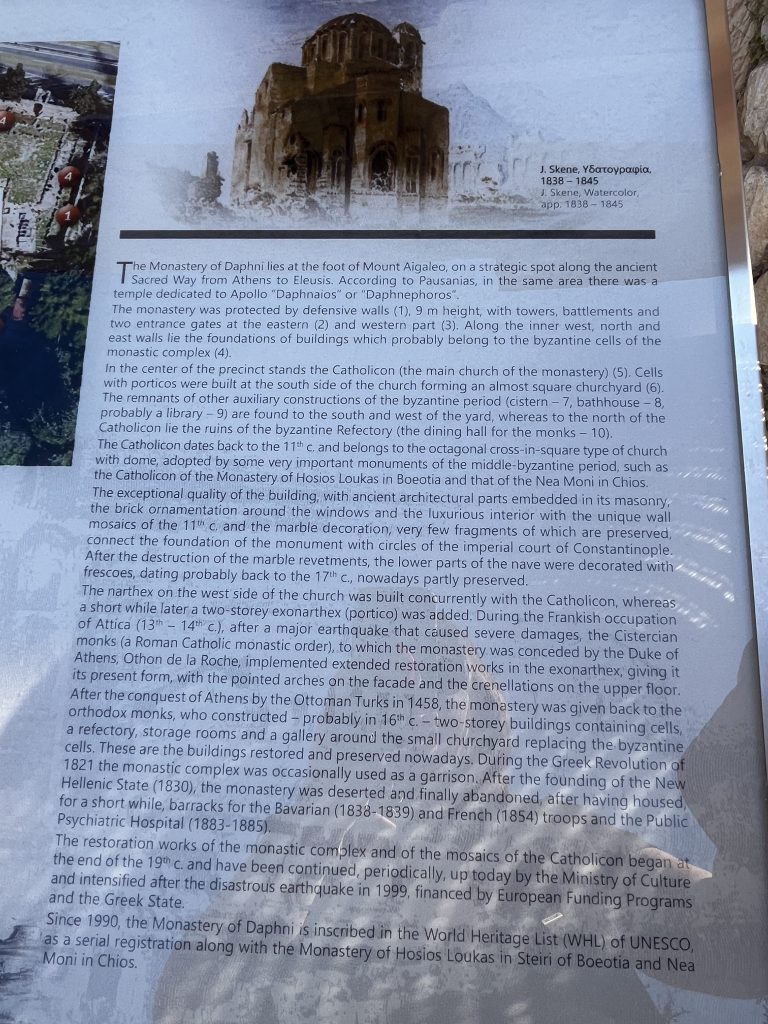
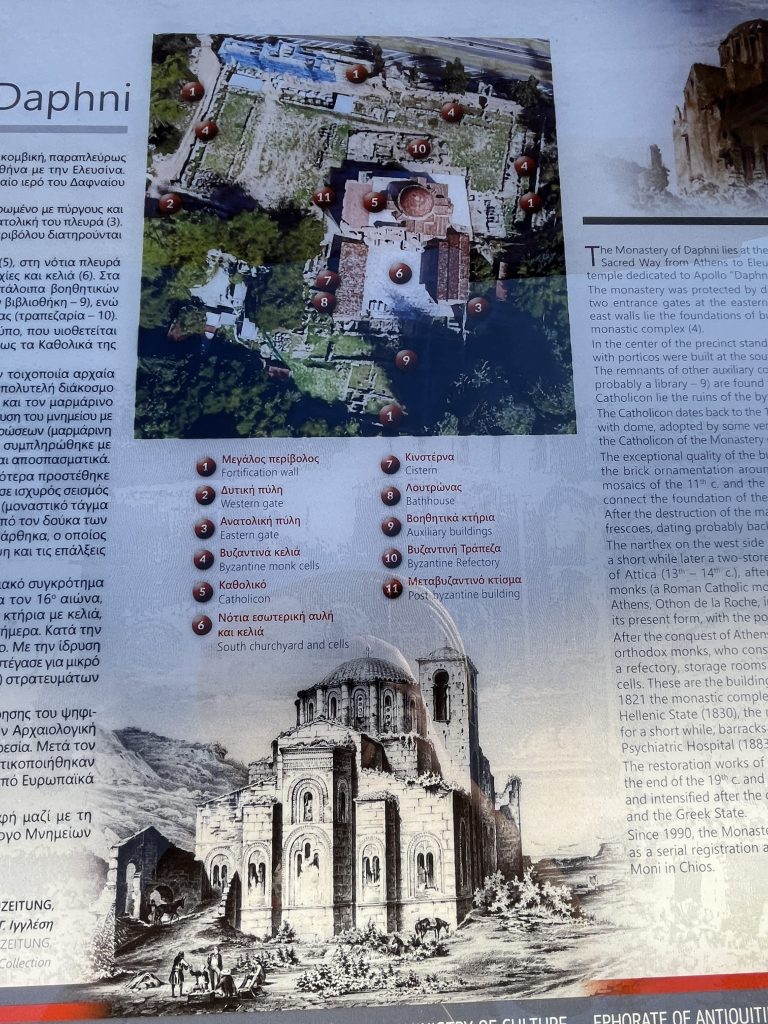
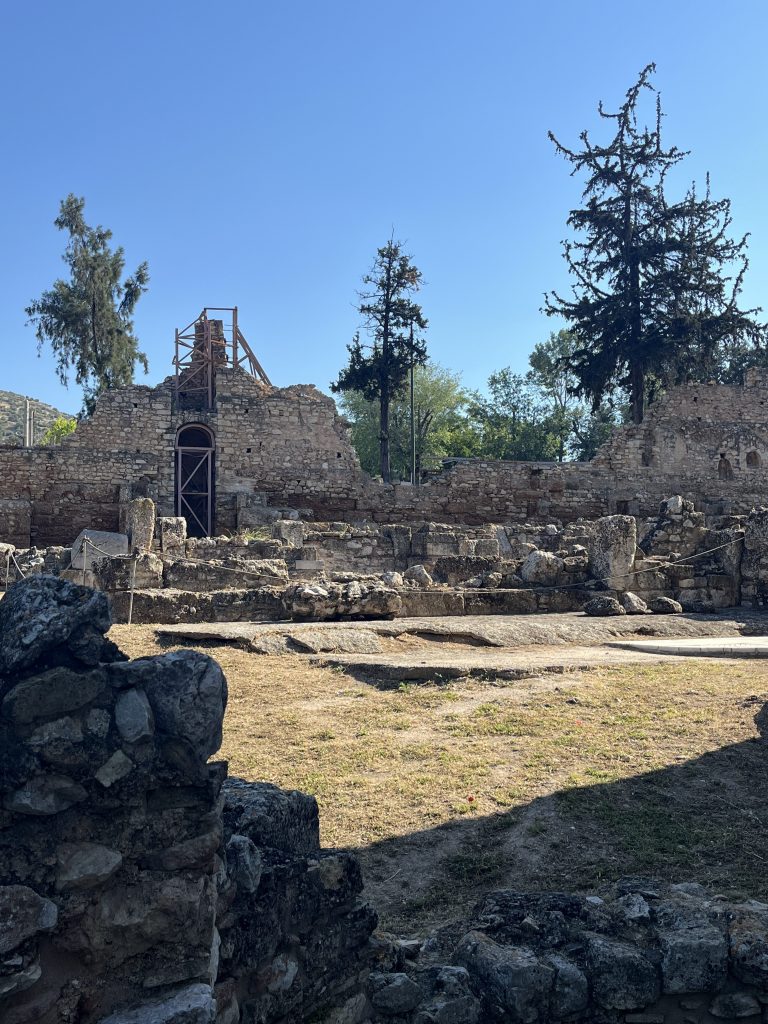
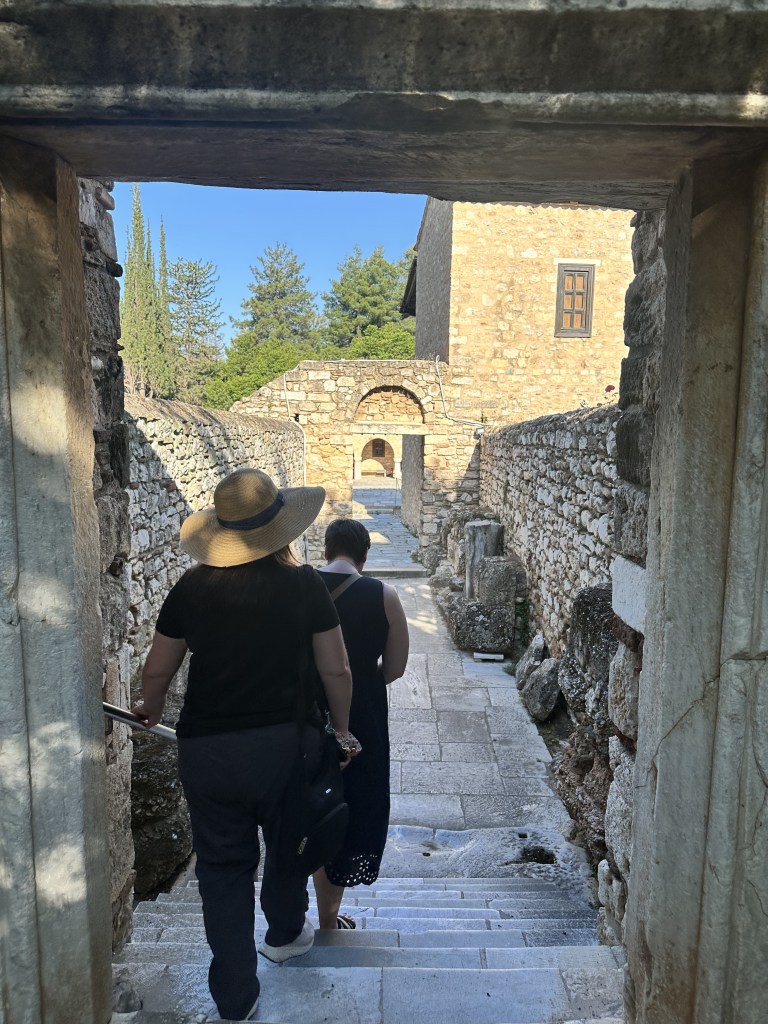
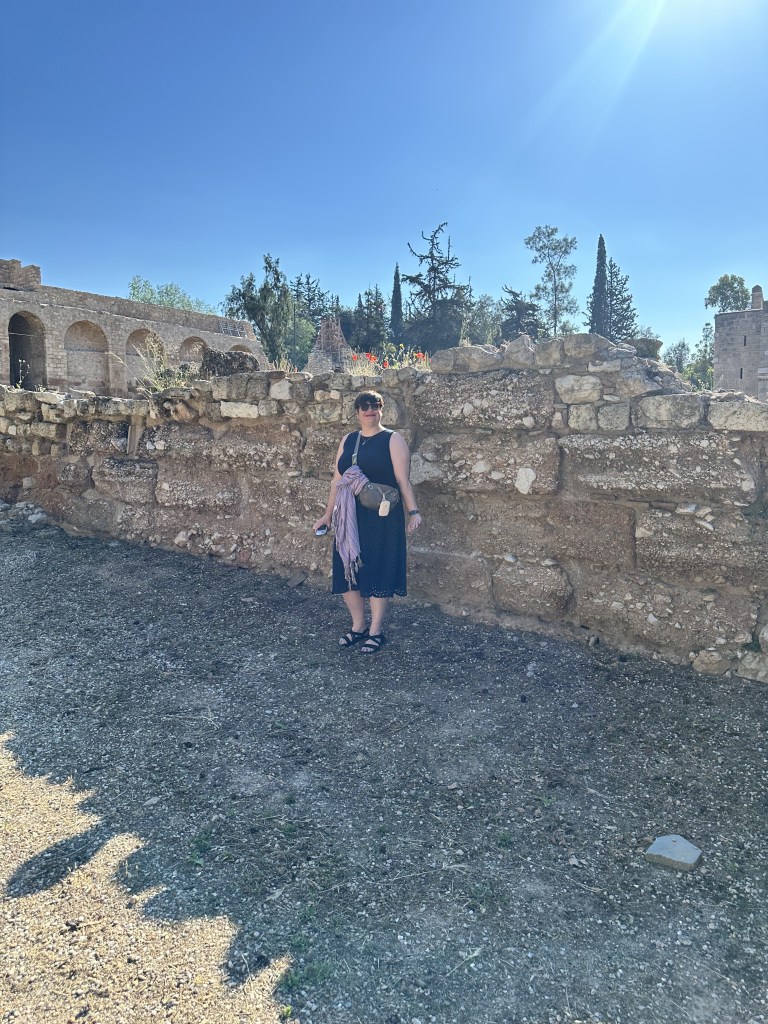
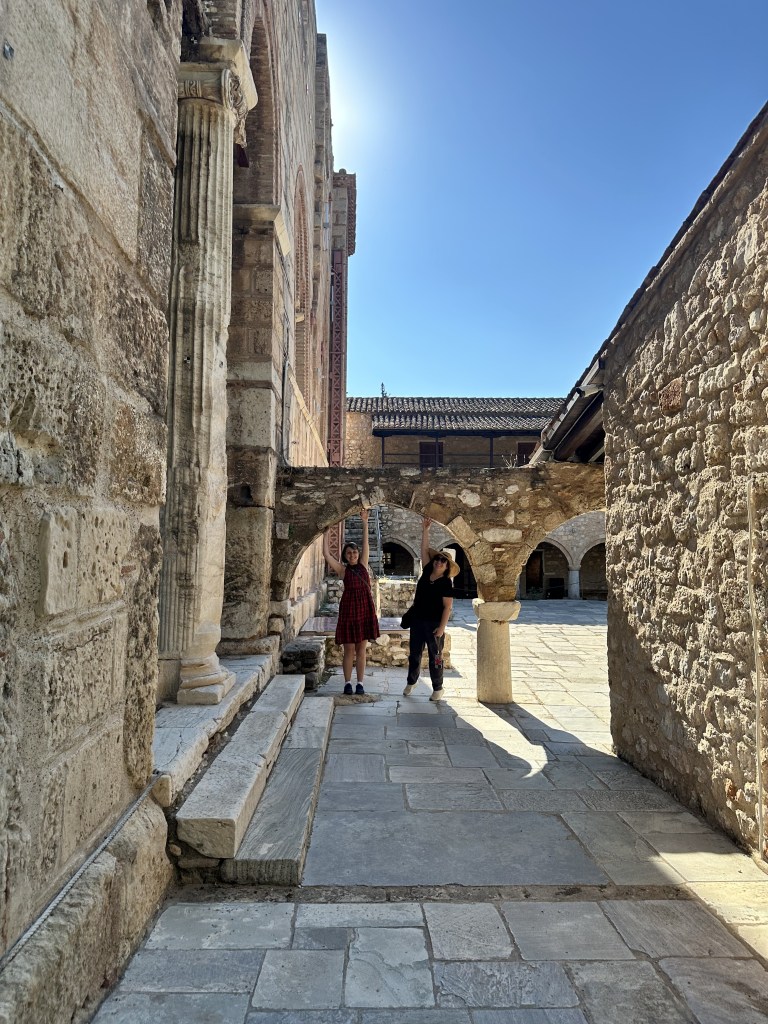
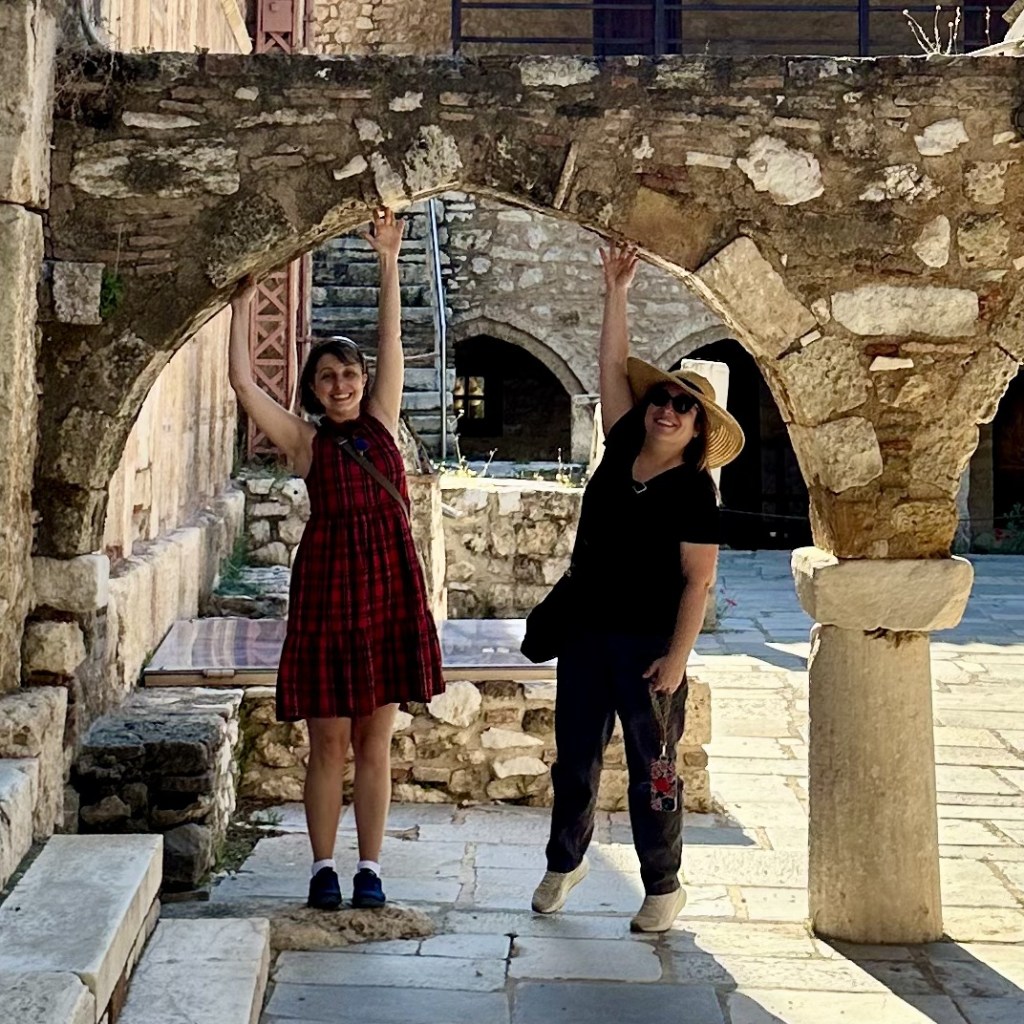
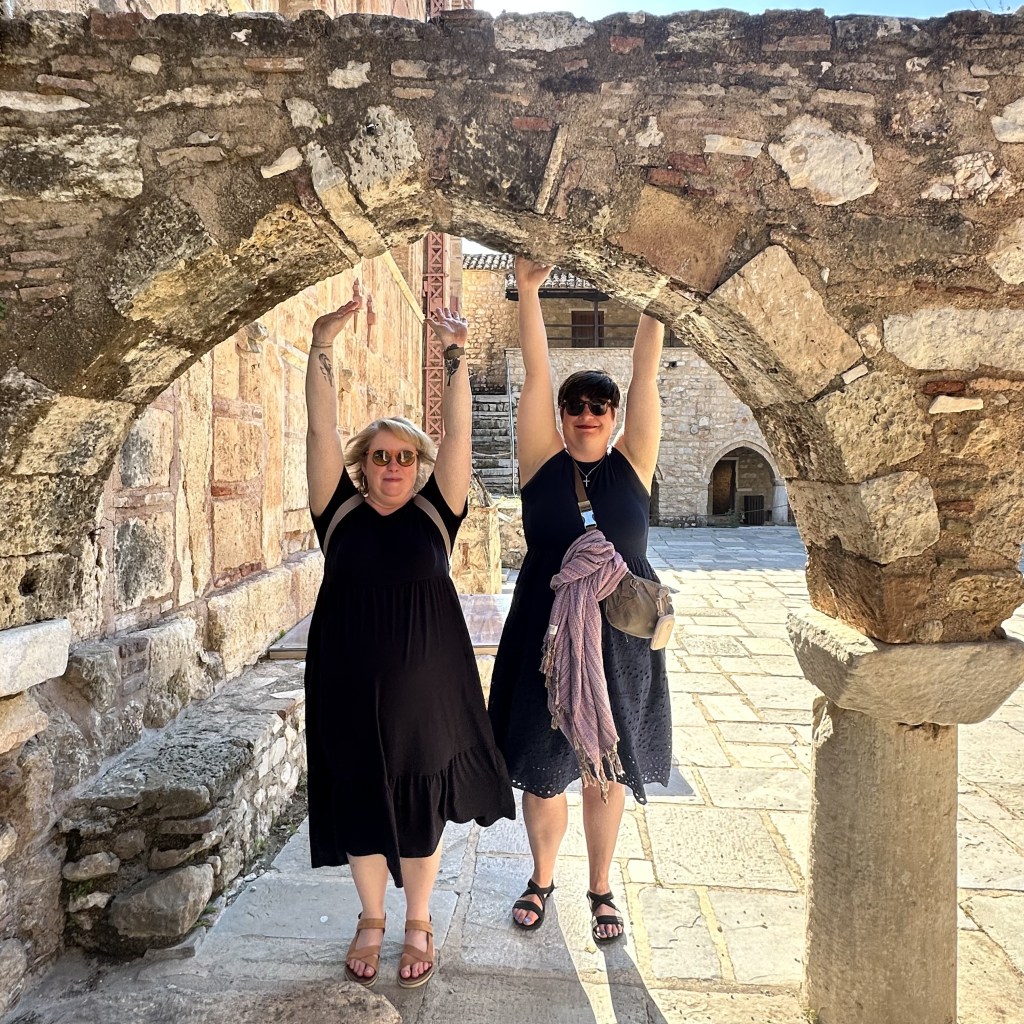
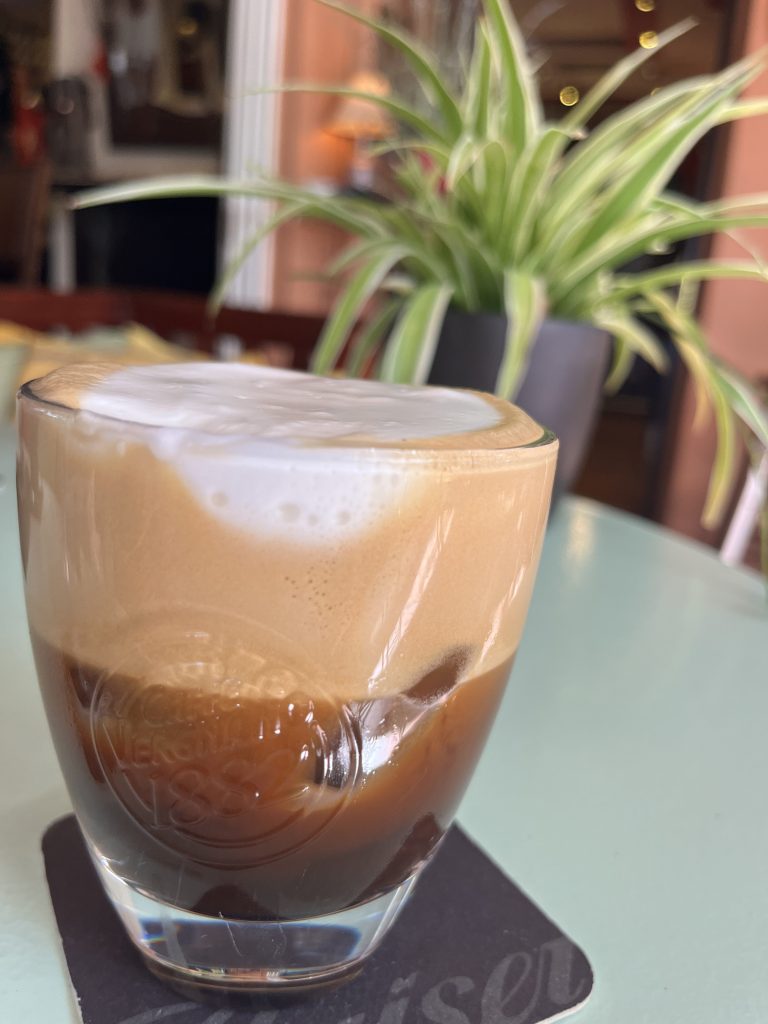
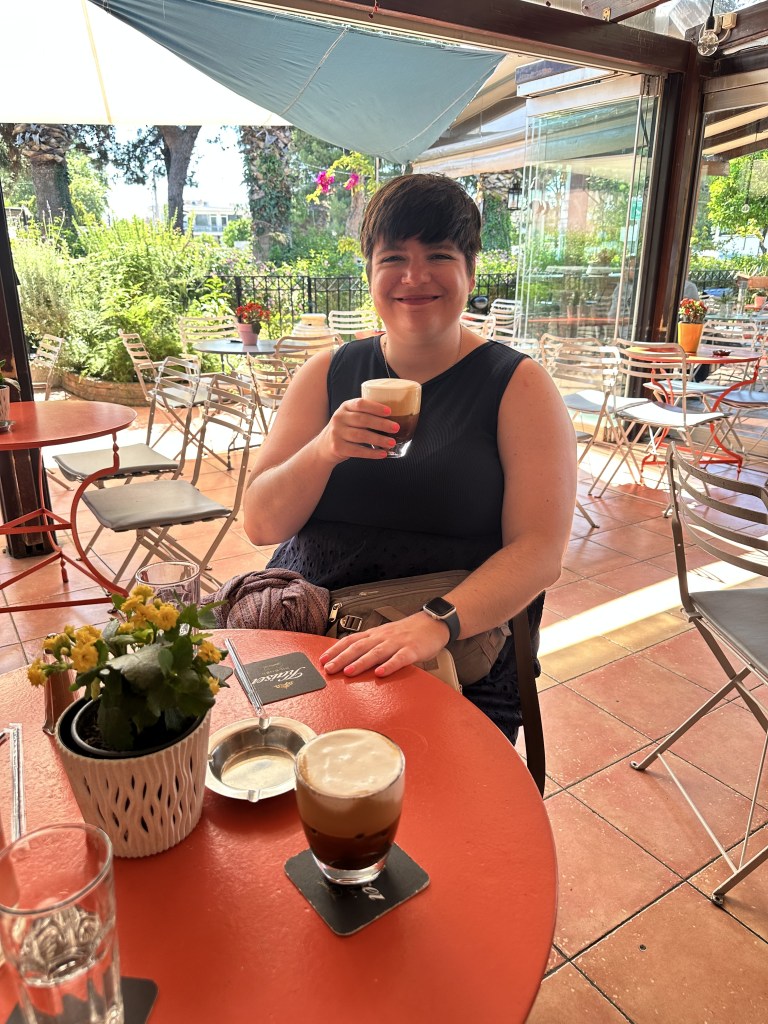
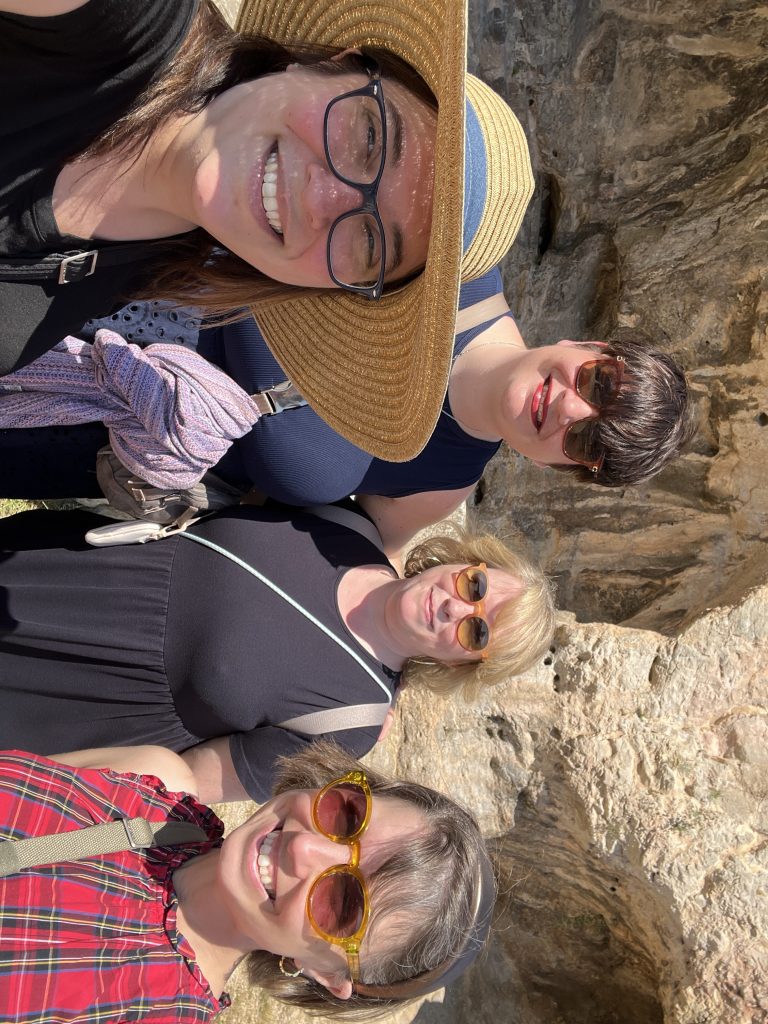
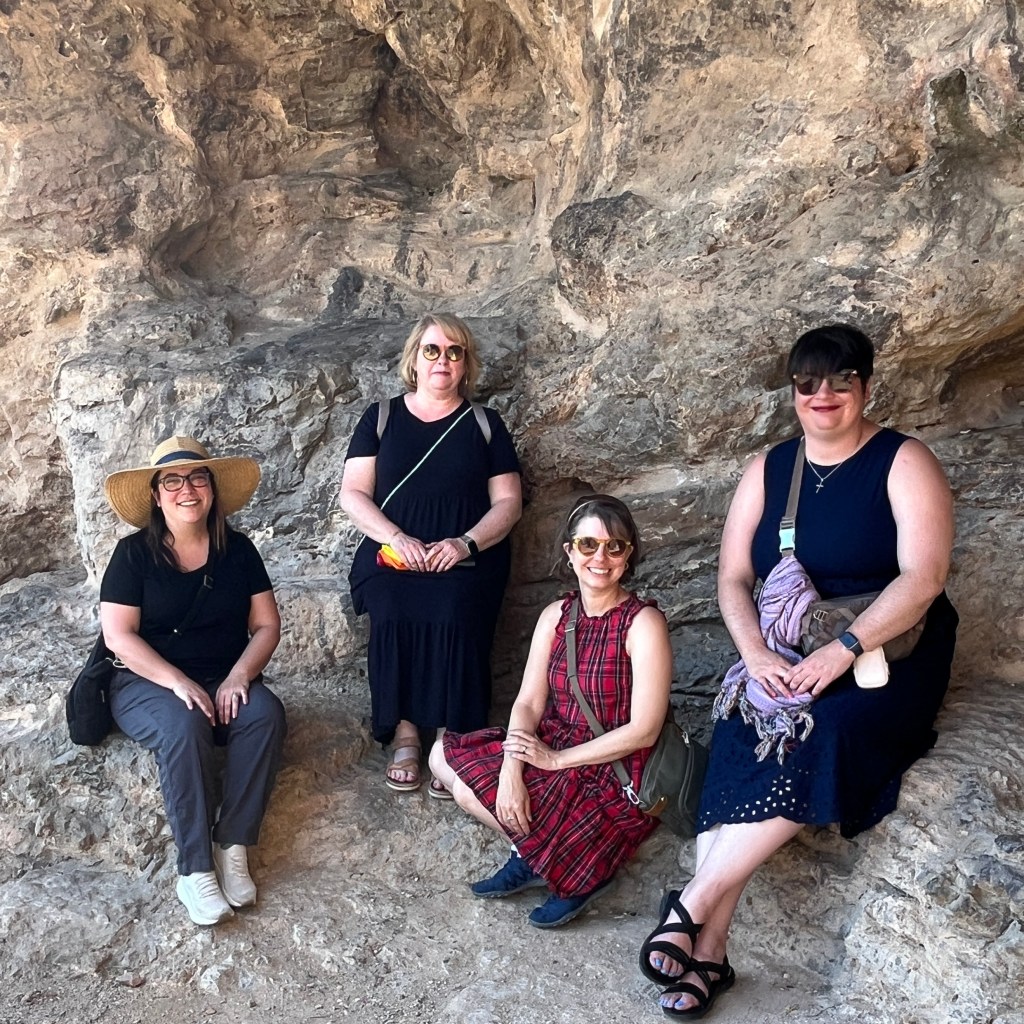
We stopped for coffee before entering Eleusis (archeological site and museum). Demetrios was going to stay at the coffee shop or the other coffee shop until we called him to pick us up. He highly recommends iced coffee (which according to him the Greeks invented) because if you drink it slowly it becomes more coffee as it melts, so it’s a really long cup of coffee. While we admired his adherence to slow coffee with friends as a way to relax, it was hard for any of us to relate to exactly how long he planned to drink coffee each day. 2-3 hours while we were in Eleusis and then again after work with friends for a couple of hours and then drinks and dinner. We took about a half hour to dink ours because we still wanted time in the ruins. We found another tourist to take our group picture at Persephone’s entrance to Hades.
Last night in Athens
Greek Pilgrimage May 2026: Full of Joy!
I wasn’t sure how to close this blog post, but I wanted to include something about the importance of women in the early church, women in ministry, and the special group of women I get to call my friends. And while doom scrolling, I came across soothing that might do just that.
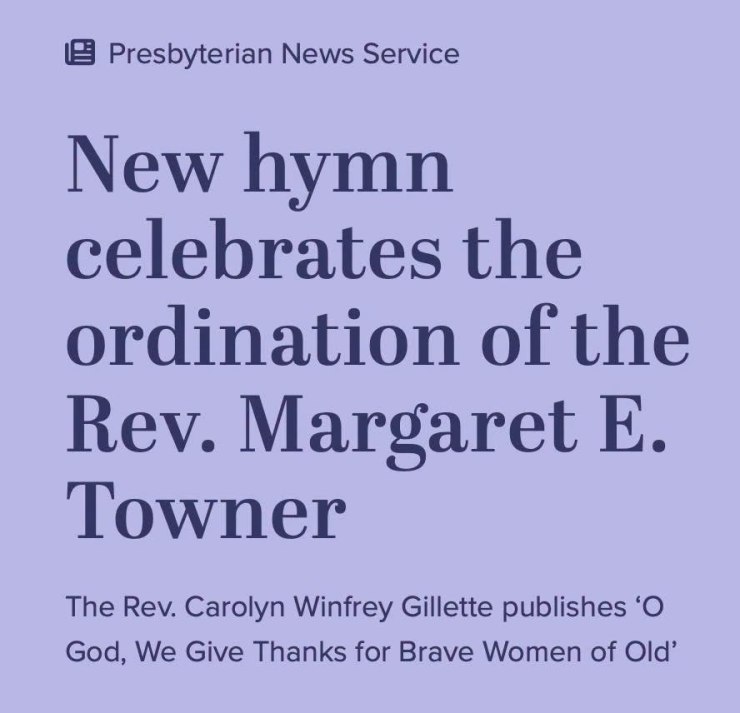
“O God, We Give Thanks for the Brave Women of Old” written by Rev. Carolyn Winfrey Gillette in honor of the first woman ordained in the PCUSA, Rev. Dr. Margaret E. Towner.
Carolyn Winfrey Gillette O͏c͏t͏o͏b͏e͏r͏ 1͏4͏ a͏t͏ 9͏:͏2͏2͏ ͏P͏M͏ (for the original facebook post)
Presbyterian hymnwriter the Rev. Carolyn Winfrey Gillette was commissioned to pen a new hymn, “O God, We Give Thanks for Brave Women of Old,” to help Presbyterians celebrate the 70th anniversary of the ordination of the denomination’s first woman pastor, the Rev. Margaret E. Towner. The Presbytery of Cayuga-Syracuse ordained Towner on Oct. 24, 1956.
Covenant Presbyterian Church in Columbus, Ohio, commissioned the hymn, and Gillette will preach and teach at the church on Oct. 25. Thank you to Mike Ferguson for sharing the hymn so other churches can consider using it.
The hymn formatted with music and a hymn note is posted online: https://carolynshymns.com/o_god_brave_women_of_old.html
Permission is given for free use of the hymn.
Dr. Margaret Towner (now 101 years old) saw the draft of this hymn, sang through it, and spoke appreciatively of its message. You may send her a note of thanks for her ministry: Dr. Margaret E. Towner, 7377 Scotland Way, Unit 6203, Sarasota, FL 34238-8553
O God, We Give Thanks for Brave Women of Old
TO GOD BE THE GLORY with Refrain
O God, we give thanks for brave women of old
whose faithfulness shines through their stories, long-told.
For Mary and Martha found life in the Lord,
and Mary of Magdala trusted his word.
At the well, on the Way, at the cross, at the grave,
women spoke, joined to pray, felt your power to save.
They served you in good times and times of great strife;
they witnessed to Jesus, that all might have life.
O God, in the churches that spread early on,
we thank you that women were well-counted on.
It’s said Phoebe carried Paul’s letter to Rome.
Brave Lydia started a church in her home.
As she worked at her trade, she made converts for you.
Prisca led and she prayed, as did Junia, too.
They served you in good times and times of great strife;
they witnessed to Jesus, that all might have life.
O God, we give thanks for the call Margaret knew,
for Rachel and Katie and their callings, too,
Each sat in a preaching class, sometimes alone,
then stood up in pulpits to make your love known.
We give thanks for the ones who weren’t welcomed or heard,
but who still persevered in proclaiming your word.
They served you in good times and times of great strife;
they witnessed to Jesus, that all might have life.
O God, we give thanks for the women today
who lead us in worship and teach us and pray —
for pastors and prophets, for bishops and more —
for girls who speak truth and who welcome the poor.
May we all, in this world, know the ways we’ve been blessed
by their love of your Word, by their giving their best.
May all of us — serving through joy and through strife —
bear witness to Jesus, that all may have life.
Biblical References: Luke 10:38-42; John 11; John 19:25-27; John 20:1-18; John 4:4-42; Luke 8:1-3; Romans 16:1-2; Acts 16:14-15; Acts 16:40; Acts 18; Romans 16:7
Tune: William Howard Doane, 1875 (“To God Be the Glory”)
Text: Copyright © 2026 by Carolyn Winfrey Gillette. All rights reserved.
Email: carolynshymns@gmail.com. New Hymns: www.carolynshymns.com
Please share with others. Thank you.


